




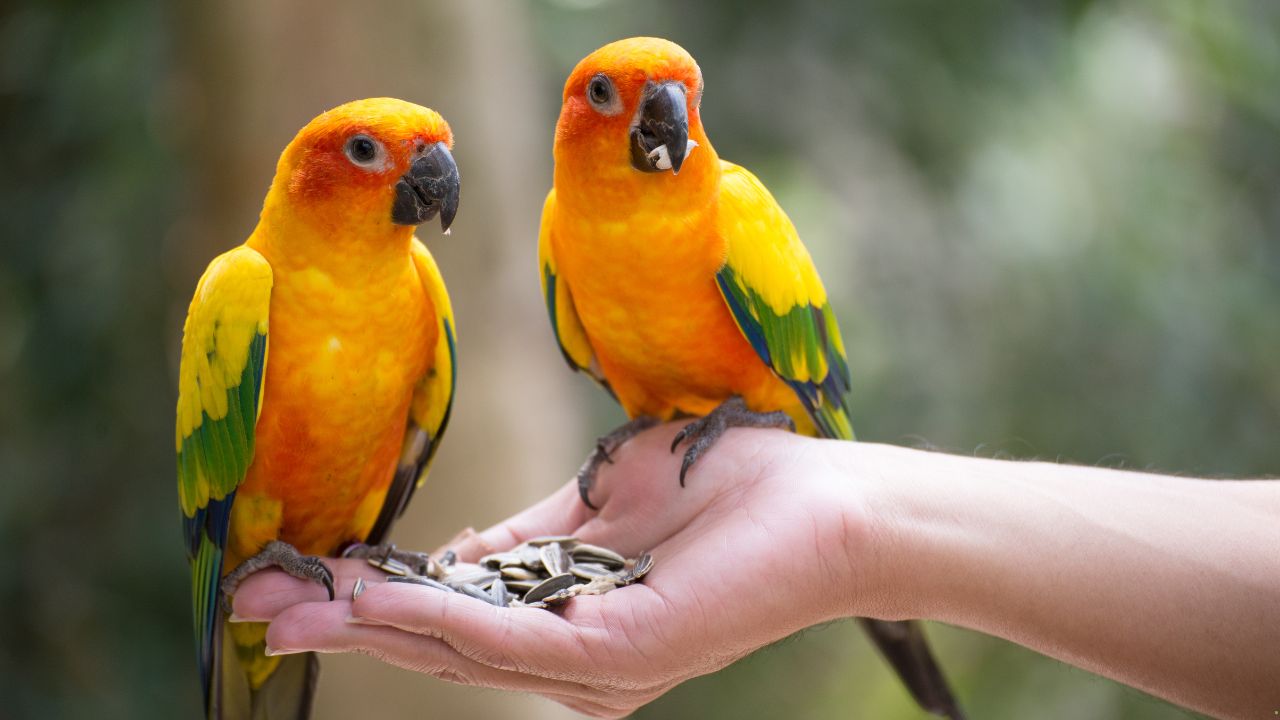
If you’ve ever watched a flock of birds swirl across the sky like a single, living cloud, you already know one thing—some birds are true socialites. They don’t just live beside each other; they thrive together.
In fact, scientists have found that highly social birds often have larger brains relative to their body size because of the mental skills needed for communication and cooperation. That’s right—having friends literally makes them smarter!
Birds use their social bonds for everything from staying safe to raising young and even finding food more efficiently. And here’s the surprising part many people miss: while we often picture a single bird perched alone in a cage, many bird species actually need companionship to stay healthy and happy.
So, if you’re fascinated by animal friendships or curious about which feathery creatures are natural team players, you’re in the right place. Today, we’re taking a look at birds known for their amazing social interactions—how they communicate, why they flock, and what makes their group behavior so impressive.
Key Takeaways
Meet parrots, crows, and flamingos—birds that team up to survive and thrive like true social champions.
Watch starling murmurations and crane V-formations turn ordinary birds into stunning natural performers.
See pigeons and sparrows use signals and teamwork to navigate busy city life.
Uncover the surprising ways strong bonds make birds smarter and safer.
Birds Known for Their Social Interactions
1. Parrots
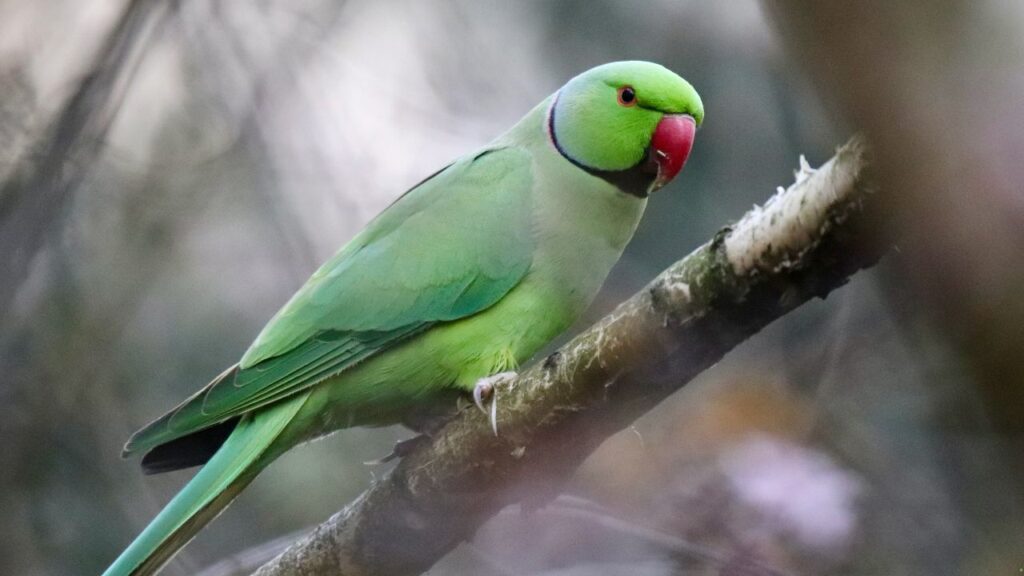
Parrots are vibrant, social birds that live in large, noisy flocks in the wild. They have large heads, curved bills, short necks, and pointed wings.
Found mostly in tropical and subtropical regions, they are especially common in South America, Australia, and Asia. Their bright colors may seem bold, but they actually help parrots blend into the colorful forests they call home.
Social Interactions & Behavior
Parrots rely on vocalizations, body language, and playful behavior to communicate within their flock. They groom each other, play together, and even work as a team when looking for food.
These interactions strengthen their bonds and help keep the group safe. Their incredible ability to mimic sounds shows just how smart and socially aware they are.
Feeding & Pair Bonds
According to Britannica, most parrots eat grains, seeds, nuts, flowers, and insects. Their strong, curved bills crack open tough seeds, and many species use their feet to hold food as they eat.
Parrots form strong, monogamous pair bonds that last throughout the year. They perform gentle courtship displays and preen each other to maintain these bonds—another sign of how deeply social they are.
2. Crows
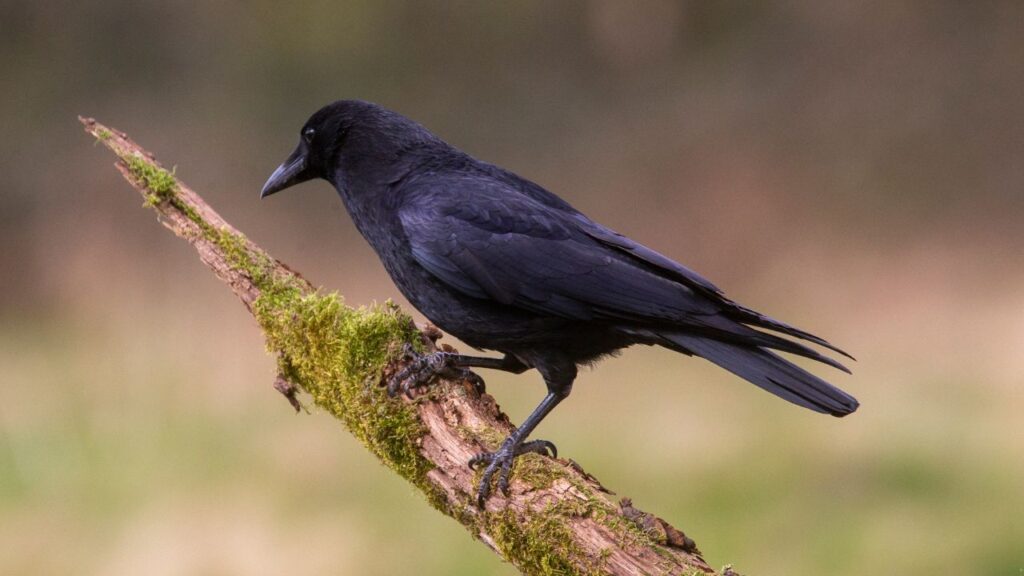
Crows are highly intelligent and social birds from the Corvus genus, which also includes ravens and rooks. Found almost everywhere in the world, they are known for their loud calls, problem-solving skills, and strong group behavior.
Despite their dark reputation—especially since a group of crows is called a murder—they play an important role in their ecosystems.
Social Interactions & Group Living
Crows form large communal roosts where hundreds, sometimes thousands, gather to sleep at night. During the day, they split into smaller groups to search for food.
Researchers believe the crow family shares information with each other, especially about new or reliable food sources. Their community offers protection, warmth, and constant social interaction.
Communication & Cooperation
Crows communicate through a wide range of vocalizations and body language. They work together to solve problems, warn each other about predators, and coordinate activities.
Their cooperative lifestyle shows how deeply social they are and why they are considered one of the most intelligent birds on Earth.
3. Pigeons
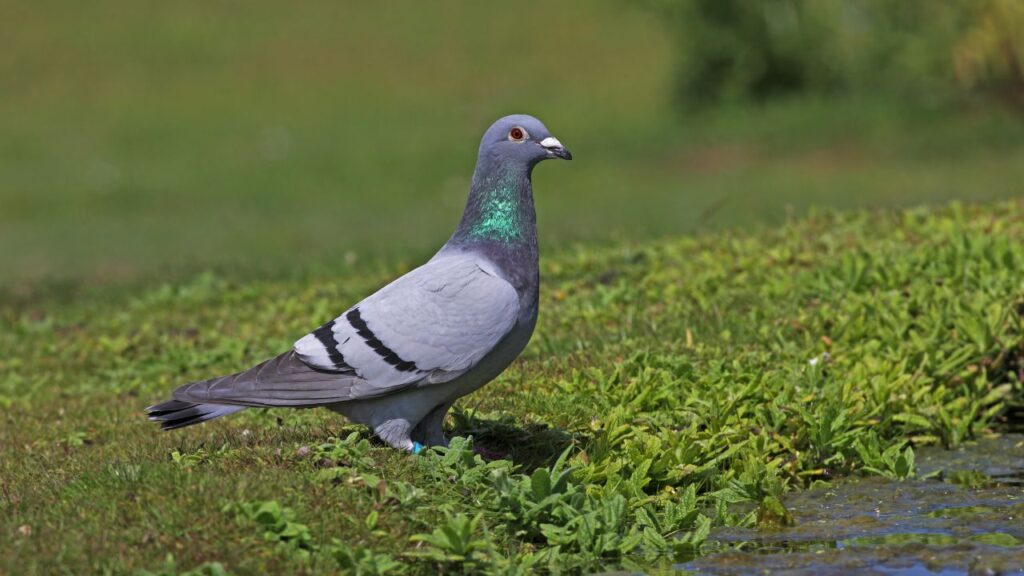
Pigeons, scientifically known as Columba livia, are medium-sized birds found across cities worldwide. They are descendants of the rock dove and belong to a group with over 30 pigeon species.
The New York Times mentions that, unlike many birds, pigeons do not migrate. They stay in the same area year-round and adapt well to both warm and cold climates. Their familiar cooing and constant presence make them a classic part of urban life.
Social Interactions & Flocking Behavior
Pigeons often gather in flocks, especially during non-breeding seasons. These flocks can be small groups of 20 or huge gatherings of thousands.
Their coordinated flight helps them find food efficiently and stay safe from predators. Tight-knit flocking is one of their strongest survival strategies, showing how much they depend on one another in busy city environments.
Communication & Urban Life
Within their groups, pigeons communicate using soft vocalizations and body language. Feral pigeons usually roost together on buildings, bridges, and other structures, creating the familiar bird-filled skyline many cities are known for.
They also have strong homing instincts, which is why they are used in pigeon racing. Their ability to live, move, and thrive as a group makes them a perfect example of birds known for their social interactions.
4. Starlings
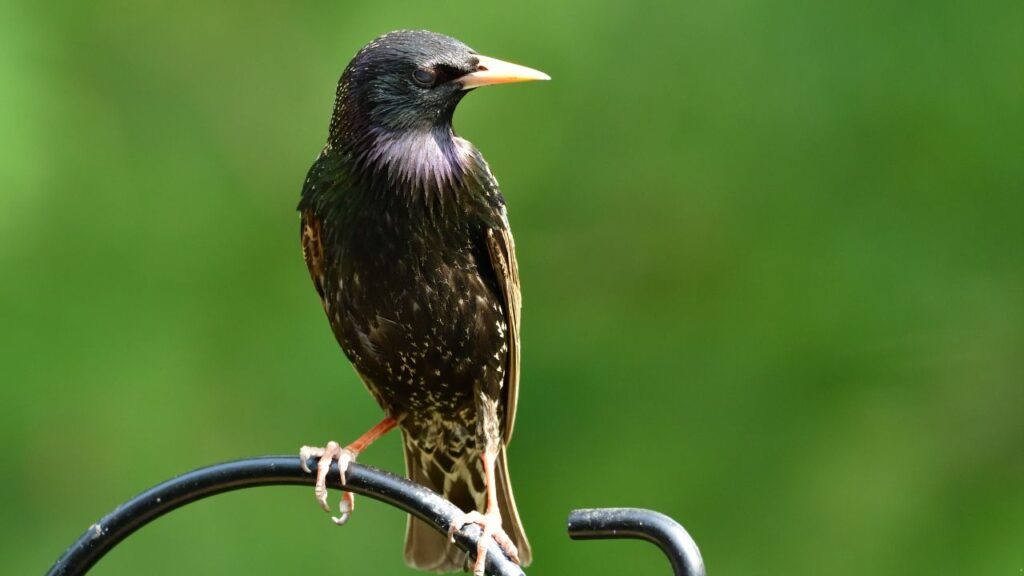
Common Starlings, scientifically known as Sturnus vulgaris, are small to medium-sized passerine birds found almost everywhere except arid deserts.
With hundreds of species and subspecies worldwide, they show both migratory and non-migratory behaviors depending on their region. Their iridescent plumage and constant chattering make them easy to spot in many habitats.
Social Interactions & Murmurations
Starlings are famous for their stunning murmurations—massive swirling flocks that move as if they share one mind. These formations help protect them from predators and allow them to forage efficiently.
Whether a flock holds a few hundred birds or several thousand, the coordinated movement is one of the most impressive sights in the animal kingdom.
Group Behavior & Coordination
Throughout the year, many starling species remain highly social and gather in large groups. During the breeding and non-breeding seasons, they perform synchronized aerial displays that strengthen their social bonds.
This unique swarm behavior highlights their strong group dynamics and shows why starlings are among the most iconic birds known for their social interactions.
5. Sparrows
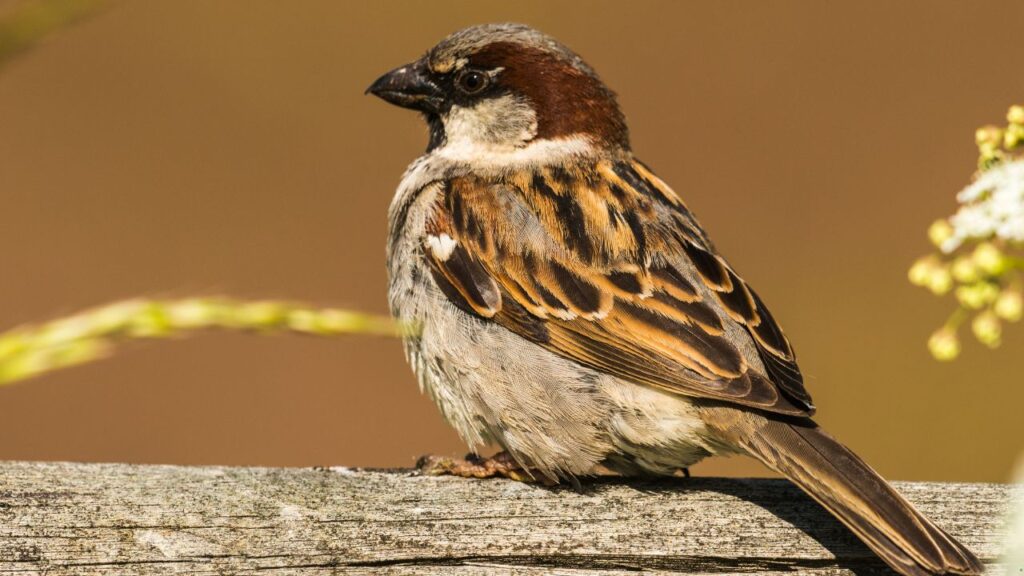
House Sparrows, scientifically known as Passer domesticus, are small, adaptable birds found in cities and suburbs around the world.
Their brown and gray plumage and constant chirping make them familiar sights in human-populated areas. They are primarily non-migratory and prefer to stay in the same place year-round, often living near homes, markets, and gardens.
Social Interactions & Flocking Behavior
These sparrows often form loose flocks, especially during the non-breeding season. They forage together, share information about food, and stay alert to potential threats.
Their group living offers safety and helps them find resources more easily. Their gregarious nature makes them one of the most social small birds in urban settings.
Communication & Role in Nature
House Sparrows communicate through chirps, body movements, and synchronized flight. They establish simple hierarchies within their groups and stay active throughout the day.
Their adaptability also benefits ecosystems—they control insect populations and serve as prey for larger birds. Their cooperative lifestyle shows how essential social interaction is to their survival and success.
6. Flamingos
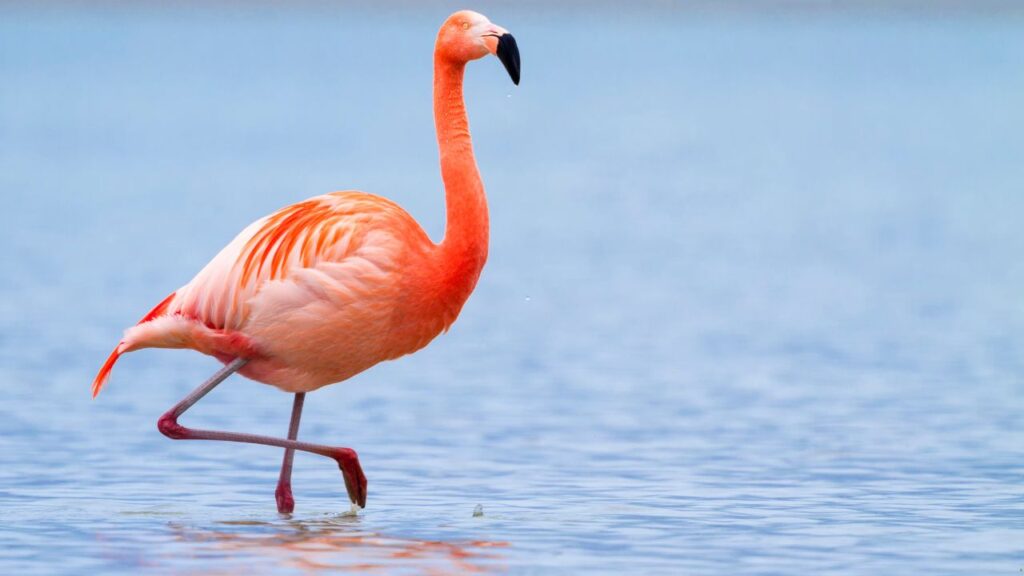
Flamingos are famous for their bright pink plumage and elegant shape. These wading birds live in warm regions across the Americas, Africa, Europe, and Asia.
They gather in wetlands, lakes, and coastal areas, often forming huge and colorful colonies. Some flamingo populations stay in one place year-round, while others migrate seasonally in search of better feeding sites.
Social Interactions & Flocking Behavior
Flamingos almost always live in flocks, and these groups can number in the thousands. According to Birdfact, a group of flamingos is called a flamboyance, which fits their stunning appearance.
They forage together with their heads down in the mud, relying on the flock for protection. Their shared feeding habits, tight formations, and constant movement highlight their strong social nature.
Communication & Group Bonds
These birds engage in synchronized behaviors like “wing salutes” and group marches to communicate and strengthen their bonds. Flamingos are monogamous and perform elaborate courtship displays during the breeding season.
They also form long-lasting friendships within the flock. These close connections help them live longer and thrive, making flamingos one of the most social birds in the wild.
7. Cranes
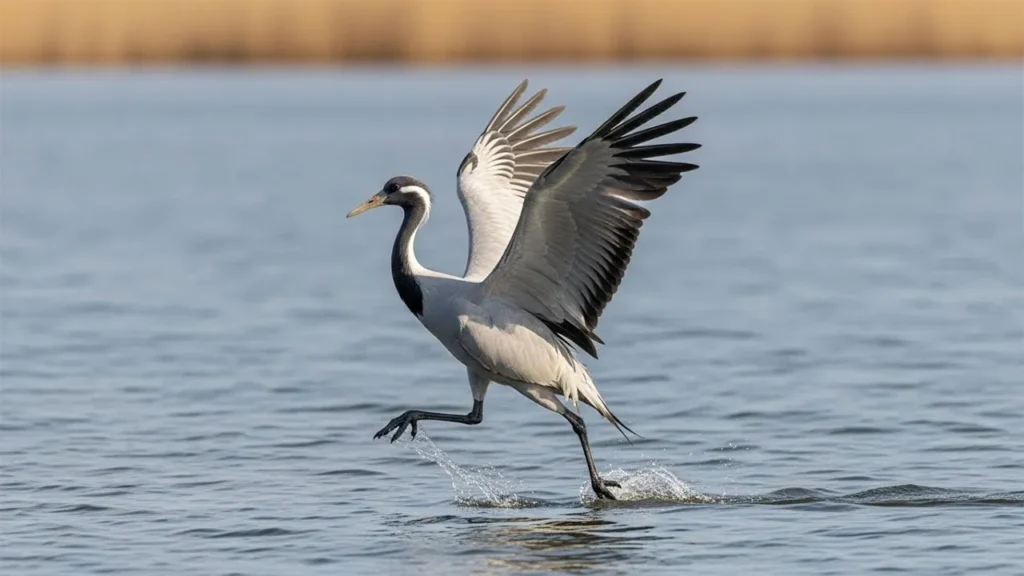
Cranes, scientifically known as Gruidae, are elegant birds recognized for their long legs, long necks, and distinctive calls. They live in many parts of the world and show both migratory and non-migratory behavior.
Some stay in their habitats year-round, while others travel long distances between breeding and wintering grounds. Their graceful movements and loud calls make them easy to recognize in wetlands and open landscapes.
Social Interactions & Flocking Behavior
Cranes are solitary during the breeding season, but in winter, they become highly social. They gather in large flocks, known as a sedge, to feed, roost, and travel together.
During migration, they often fly in V-shaped formations. This formation helps them save energy, stay coordinated, and watch for predators. Some species, like Sandhill Cranes, form groups of tens of thousands during migration.
Communication & Group Dynamics
Within these flocks, cranes rely on coordinated flight, loud calls, and clear body language to communicate. Their group living also increases the chances of unmated birds finding partners.
Cranes perform complex courtship dances, especially during migration and winter gatherings. These synchronized movements and massive seasonal gatherings reveal just how social and cooperative cranes can be.
Conclusion
Birds are known for their complex social lives, where strong social relationships often arise between specific individuals, including non-relatives.
These long-term social bonds help them in food sharing, defending territory, and caring for eggs and nest mates. Across different species, such interactions are generally beneficial, supporting survival and strengthening family ties within the crowd they live in.
For pet owners, understanding these social behaviors can be both fun and important. Birds are accustomed to interacting with others, and their social stories suggest that they thrive when they have company.
Whether raising chicks or simply spending their lifetime with a mate or family, birds benefit greatly from companionship and the chance to engage with other members of their group.
