




Have you ever looked up at the sky and seen hundreds—sometimes thousands—of birds moving as if they share the same brain? It’s one of nature’s most jaw-dropping sights. From swirling clouds of wings to perfectly timed formations, some birds take “group travel” to a whole new level.
Flocking gives birds serious survival perks. It helps them spot danger faster, fly farther with less effort, and even stay warmer during cold seasons. While not all birds choose the flocking life, the ones that do create some of the most mesmerizing scenes in the natural world.
In this article, we’ll take a look at the species that gather in enormous numbers and discover why these huge airborne crowds exist in the first place. Get ready—some of these flocking behaviors might surprise you!
Birds Known for Their Large Flocks
1. Starling
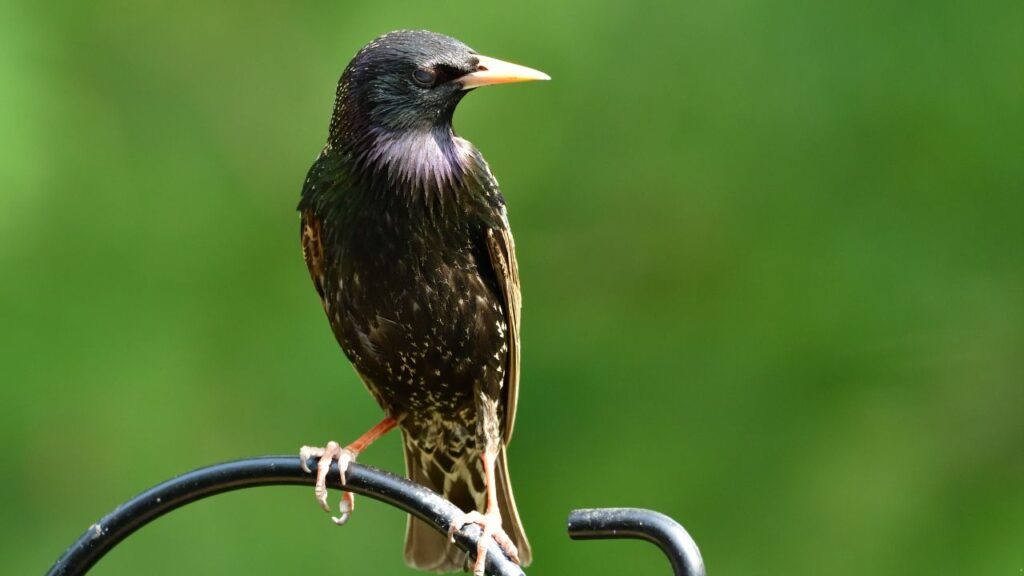
If there’s one bird that knows how to put on a show, it’s the starling. These birds don’t just flock — they perform. When thousands gather at dusk and twist into massive moving shapes, it is called a starling murmuration.
Even within that swirling cloud, starlings keep shifting positions, according to National Geographic. No one wants to stay on the outer edge for too long, because that’s where predators strike first.
Starling species flock in huge numbers because it helps them stay safe, warm, and well-fed. When predators show up, the entire murmuration can shift direction in less than a heartbeat.
Each starling responds to the movement of just a few neighbors, and that split-second teamwork creates those smooth, jaw-dropping waves in the sky. It’s like they have their own wireless network — zero lag, maximum drama.
But starlings don’t just flock for survival. They flock because they are naturally social and thrive in noisy, bustling bird communities. And let’s be honest — they love attention.
Why They’re Iconic Flockers
Famous for massive swirling murmurations
React lightning-fast to avoid predators
Prefer crowded, lively roosts — the bigger the better
2. Blackbird
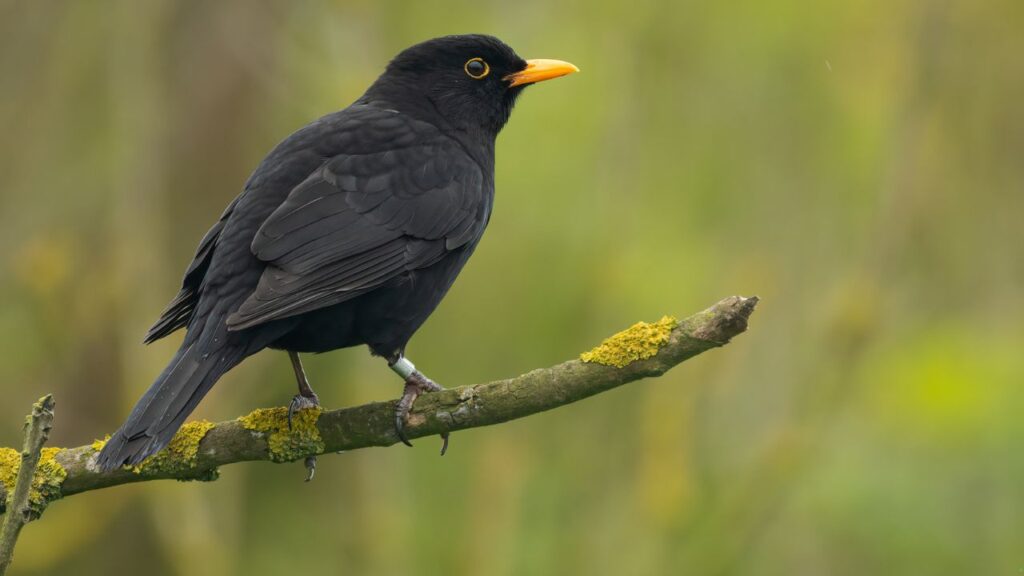
Blackbirds take flocking seriously, especially in the colder months. When winter hits, they group up like coworkers clustering around the office heater. These flocks can include hundreds or even thousands of individuals, all moving between fields, hedges, and backyard feeders like a small feathery army.
Their flocking style is very practical. It helps them find food faster and stay alert to predators. A single blackbird might miss a sneaky cat creeping nearby, but a big flock? Never.
They rotate lookout duties naturally, and the moment one bird sounds the alarm, the whole group reacts instantly. It’s basically the avian version of “Girl, run!” but in bird language.
Black birds also join mixed flocks, pairing with other species that share similar habits. It’s a chaotic but efficient blend of talents. Different birds notice different threats or food availability, and all of them benefit. Think of it as a potluck group project — everyone brings something useful to the table.
Why They Stand Out
Form huge winter roosts with loud, busy chatter
Join mixed flocks for better food and safety
Always on alert, thanks to many extra sets of eyes
3. Pigeon
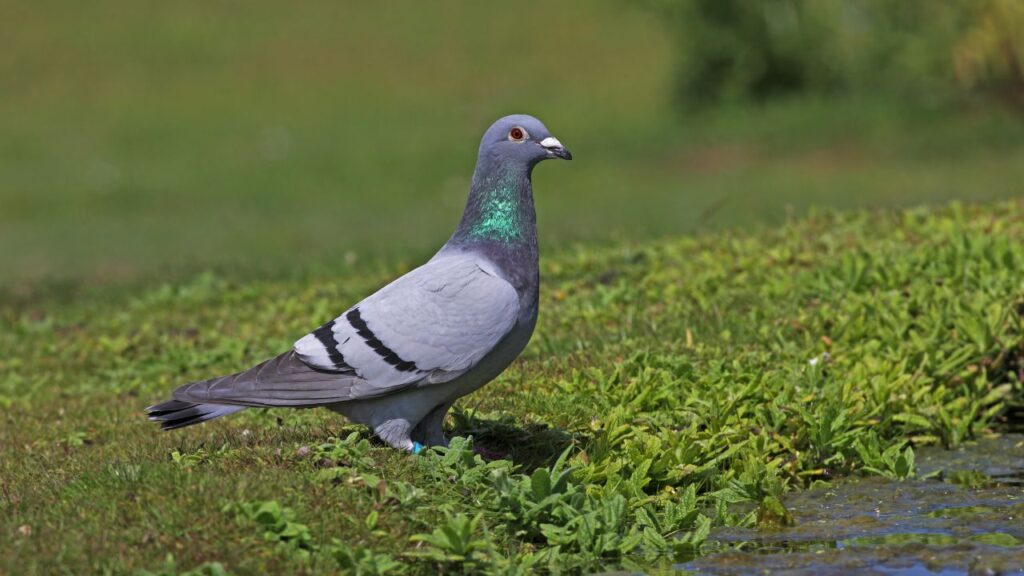
Pigeons are the unofficial mascots of city life, and they’re absolute pros at flocking. Whether you see them spinning around a plaza, filling rooftops, or gathering under bridges, they move with surprising coordination.
Their large groups help them navigate busy environments full of people, cars, noise, and predators. When danger shows up, pigeons burst into the air with that classic, dramatic wing-flap that makes everyone jump.
They fly in tight, synchronized clusters that twist and turn like they’re late for something important — which they never actually are.
But pigeons flock not just for safety, but also for routine. They eat together, roost together, and even map out familiar routes as a group.
That’s why you’ll often see the same flock circling the same buildings every day. It’s their neighborhood, and they’re doing the equivalent of a morning walk with friends — with wings.
Why Pigeons Are Flocking Masters
Strong social bonds keep flocks stable
Perfectly adapted to city roosting in large groups
Navigate and forage more efficiently as a team
4. House Sparrow
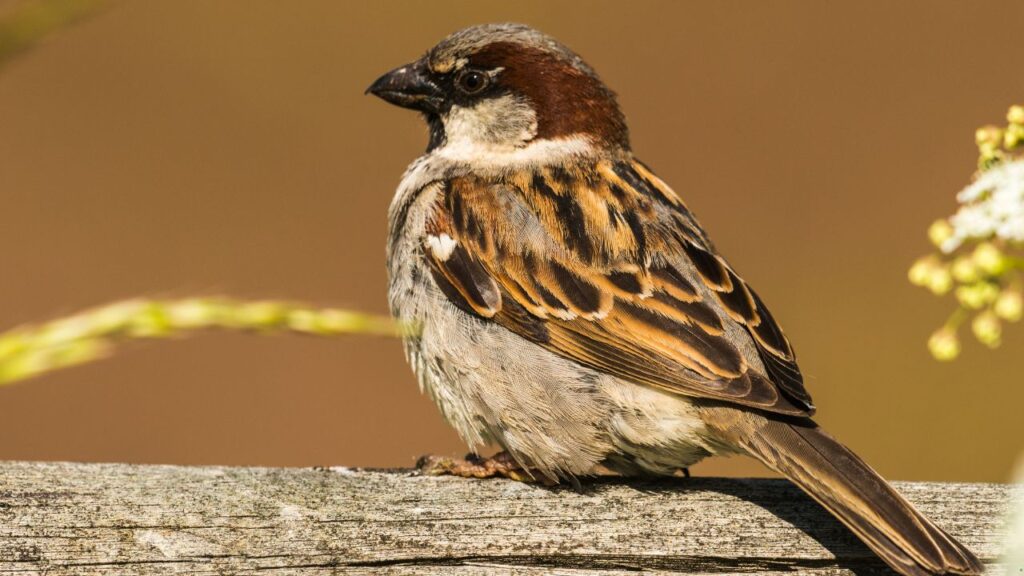
House sparrows are tiny, loud, and endlessly social — basically the neighborhood gossip squad of the bird world. They flock around homes, shops, bus stops, parks, literally anywhere humans exist.
If there’s a café with outdoor tables, you can bet a group of sparrows has already claimed it as their headquarters.
Their flocking style is energetic and playful. They hop around in little clusters, chasing crumbs and chirping nonstop like they’re discussing everyone else’s business.
These giant flocks give them major safety advantages. Many sparrows together can spot danger much faster than a single bird alone, and they often dive into hedges or bushes as a coordinated blur.
During winter, their gatherings grow even larger. They roost close together in cavities, eaves, trees, and shrubs to trap heat and survive the cold nights.
Urban bird surveys often rank them among the most spotted birds simply because they stick together so well. Sparrows thrive in human environments because their flocking behavior makes them adaptable and confident.
Why Sparrows Shine in Groups
Highly social and often seen in energetic clusters
Roost tightly together in cold weather
Thrive near humans thanks to strong flocking habits
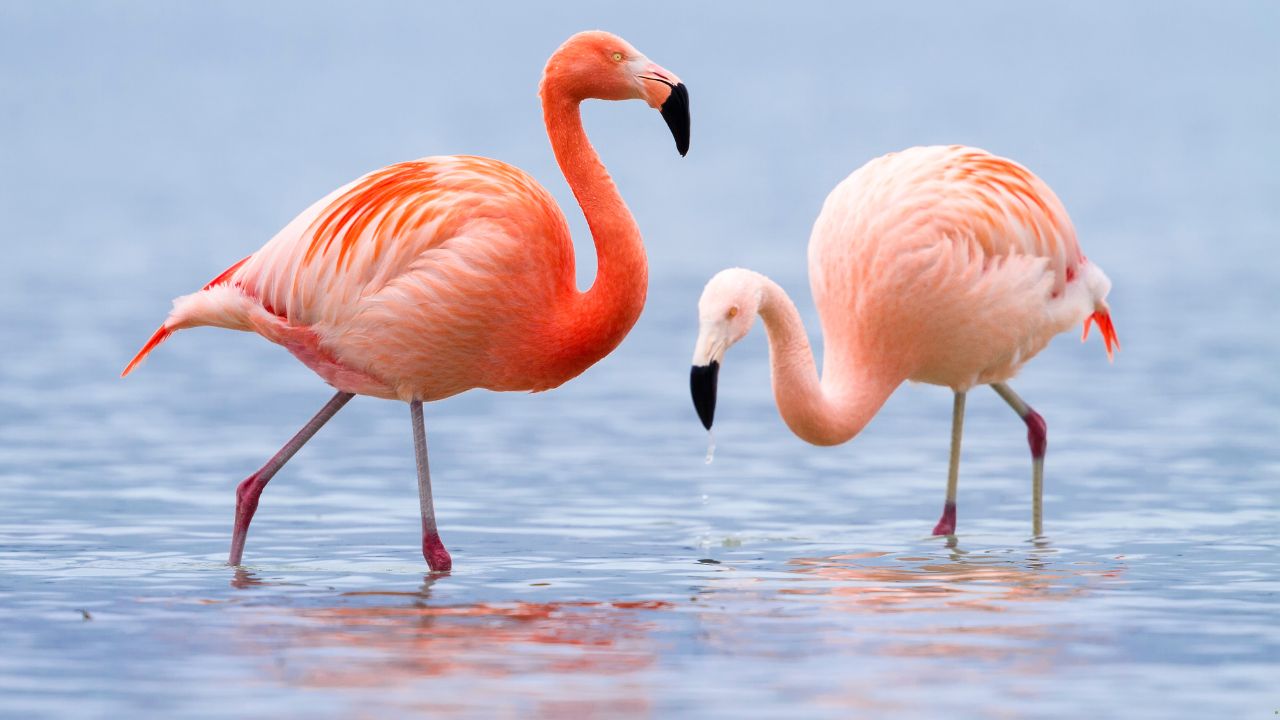
5. Flamingo
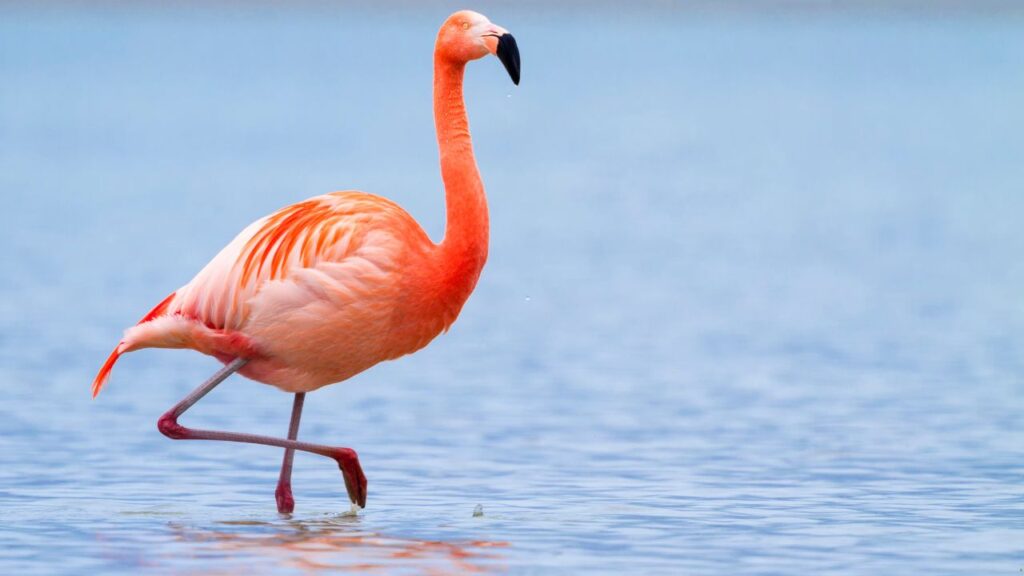
If flocking were a fashion show, Flamingos would win every category. These birds gather in massive, outrageous pink crowds that look straight out of a fantasy film.
Whether feeding or breeding, Flamingos love doing everything as a group — and honestly, it makes the entire world prettier. Britannica says that Flamingos rely heavily on flocking for survival. Their large groups help them spot predators, locate food, and raise chicks safely.
Big numbers mean better protection, and when tens of thousands gather at once, it creates an impressive display of unity. Their synchronized movements and calls help the whole group stay coordinated in shallow waters.
During breeding season, Flamingos turn into performers. They take part in choreographed group displays, stepping and turning in near-perfect unison.
These dances help attract mates and strengthen pair bonds, but they also remind everyone watching that Flamingos are built for social living. When flamingos flock, they don’t just gather — they celebrate.
Why Flamingos Flock So Big
Form giant pink colonies for feeding and breeding
Use synchronized displays to choose mates
Rely on flock numbers for safety and navigation
6. Crane
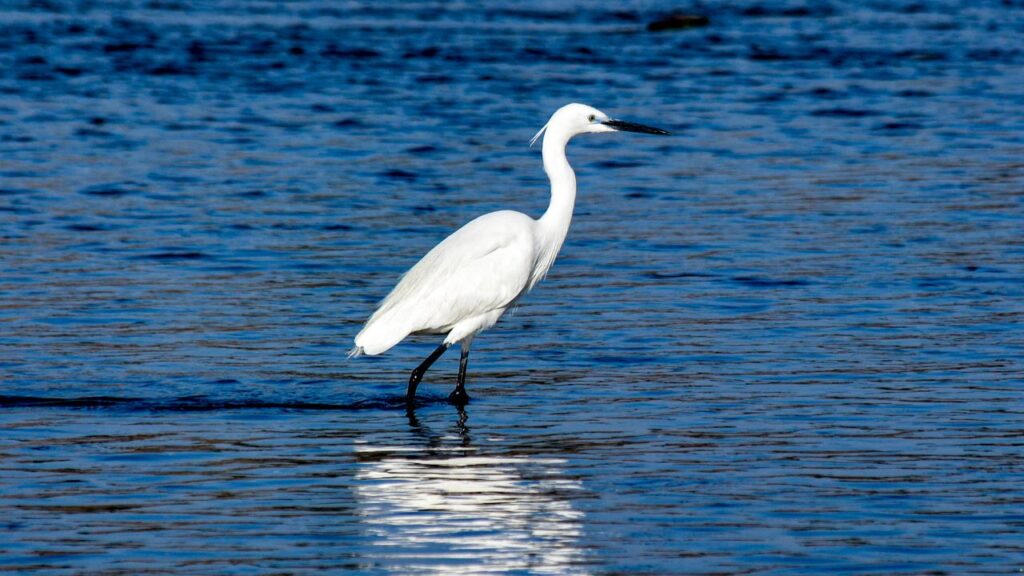
Cranes are the migrating superstars of the bird world. When they flock, they do it with style and purpose. Huge crane flocks gather at stopover sites during migration, creating breathtaking scenes as they feed, rest, and prepare for long-distance flights.
Their flocking strategy makes travel more efficient. By grouping together, cranes share information about food sources and safe resting areas.
They often arrive at wetlands in huge waves, filling the sky with elegant, elongated silhouettes. These gatherings are so dramatic that people travel from all over the world to watch them during peak migration seasons.
Cranes also use flocking to stay safe. When many cranes gather, predators have a harder time sneaking up on them. A single alarm call can shift the entire group into flight instantly. Their flock movements are steady, organized, and purposeful — like a calm but powerful parade of wings.
Why Cranes Are Flocking Legends
Massive migration flocks create iconic seasonal spectacles
Travel longer and safer with group movement
Use stopover gatherings for feeding, rest, and communication
7. Grackle
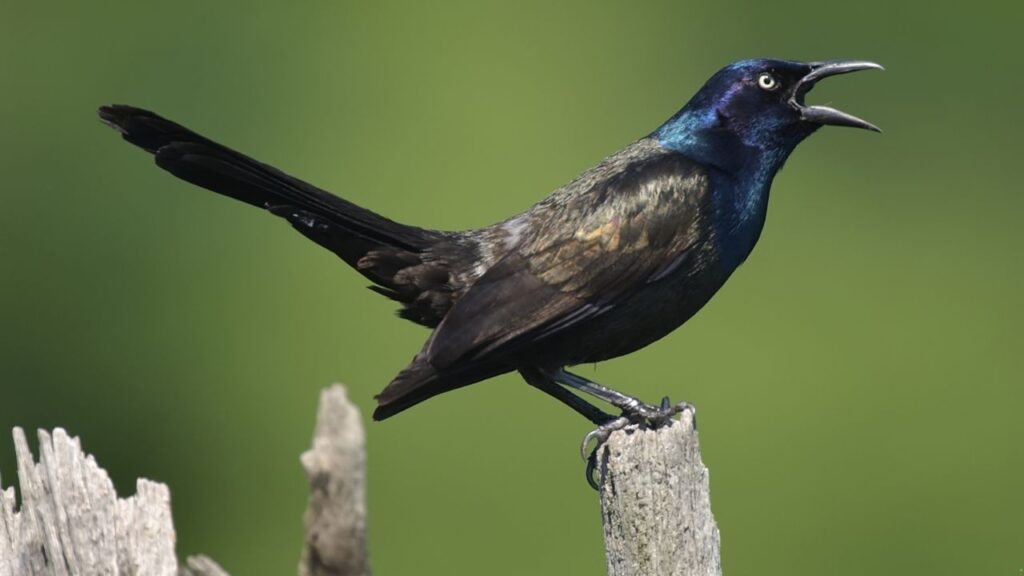
Grackles flock like they’re auditioning for a villain squad in a movie. Their big, noisy groups take over trees, wires, and parking lots, turning ordinary spots into chaotic bird hangouts. It’s bold, it’s loud, and honestly, it’s kind of iconic.
Birdfy mentions that Grackles are highly social birds and their roosts can be huge — sometimes merging with blackbirds and starlings to create giant, mixed-species flocks.
These roosts form near food and water sources, and at dusk, you’ll see stream after stream of grackles pouring in like they’re clocking in for night shift. The sound alone is enough to make you look up.
Flocking helps grackles stay warm, avoid predators, and spread information. If one bird finds a great food source, the rest of the roost know about it in no time.
Their sharp eyes and loud calls make group living even more effective. Whether in suburbs or cities, grackles don’t do anything quietly — especially not flocking.
Why Grackles Love Big Groups
Huge, rowdy communal roosts
Join mixed flocks with other bold species
Quick information sharing helps with food and safety
Conclusion
Birds flock for many reasons, but the magic is the same every time — movement, color, sound, and unity all happening at once. From migratory birds sweeping across continents to small birds and larger birds gathering right on the ground, flocking birds show us how powerful a community can be in the wild.
These feathered friends come from several species, yet they all belong to the same wide bird family that depends on teamwork to find food, avoid danger, and adapt to changing habitats. Even the most colorful birds and the tiniest little birds prove that strength often comes in numbers as millions move together in perfect rhythm.
You’ll see social birds congregate in wetlands, forests, fields, and even urban areas, sometimes mixing with other animals or chasing insects during busy feeding hours. Some gather daily, while others flock only occasionally, but all follow the same instinct to stay connected and safe.
There are other bird species as well that travel in huge flocks. These include the European Starling, Sandhill Crane, Great Blue Heron, Common Grackle, New World Blackbird, American Robin, Brown-Headed Cowbird, and Red-winged Blackbird.
