





It’s a common misconception that pets are always on the move and need to be taken all the time outdoors. While it depends on the individual animal, when it comes to dogs, there’s a match for every kind of owner. If you prefer a slower pace, low-energy breeds may suit you well.
Calm breeds aren’t only small, either. Large dogs are also a good fit thanks to their naturally calm, gentle nature. Low energy doesn’t mean no exercise, though. Calm dogs still need daily activity, along with training, for their behavior and mental stimulation.
In today’s guide, we’ll look at seven serene breeds that suit couch potato owners because of their laid-back personalities. Their breeding history also shows what they were used for, other than binge-watching a Netflix season with you.
Key Takeaways
A breed’s energy level isn’t decided by its size. It depends on its working history, health, and temperament, so even a large dog can suit a slower-paced lifestyle.
Calm dogs aren’t active all day, but they still need about half an hour of exercise. Short walks and play sessions count.
In general, they’re low-maintenance and easy to groom, but that doesn’t mean their needs can be ignored.
Since these dogs spend most of their time indoors with their owners, they’re often called “Velcro dogs.” Training and socialization deserve extra attention, because separation anxiety is a real concern for them.
Serene Dog Breeds Loved by Couch‑Potato Owners
1. Basset Hound
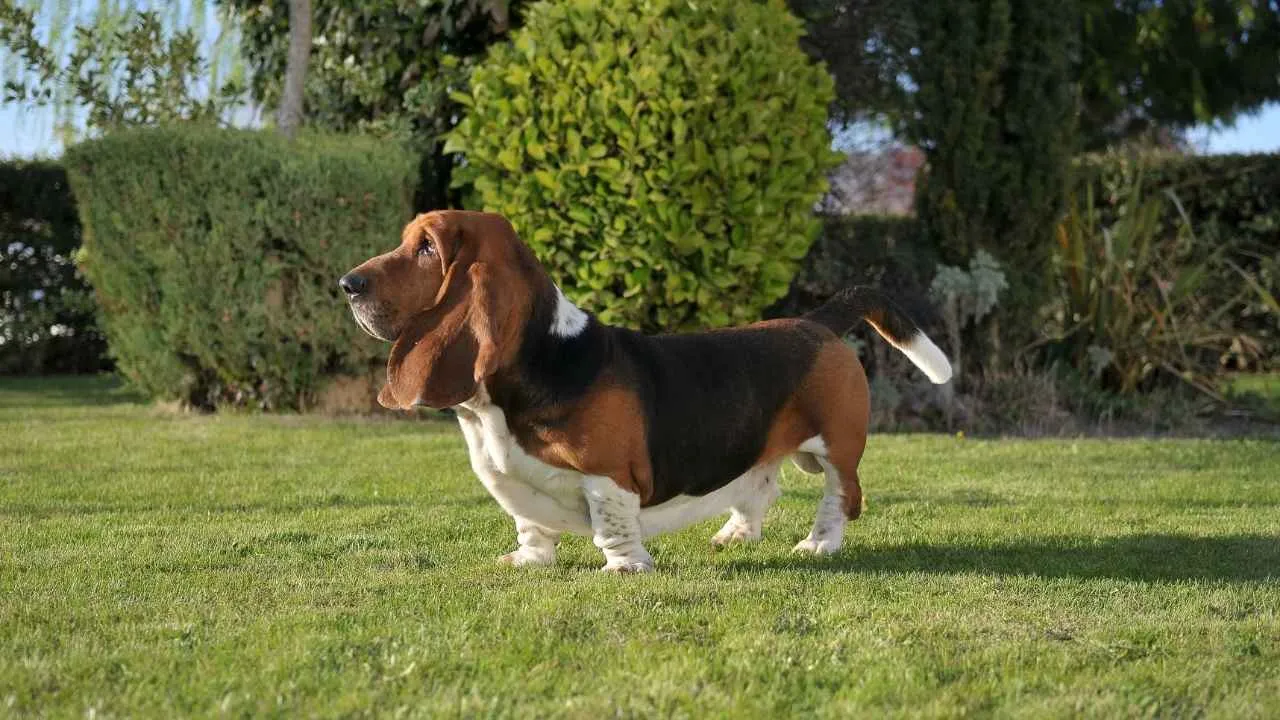
The Basset Hound is a sweet-tempered, affectionate, tenacious, and devoted breed with a laid-back aura. It’s a medium-sized dog that weighs about 40-65 pounds. Bred in France as a hound for hunting small game, it’s now a popular family pet thanks to its affectionate nature.
It’s a low-energy dog that does best with moderate exercise, such as a play session or a short walk. With its short legs and thick body, a Basset can’t handle miles of running or extensive exercise. According to the AKC, Bassets have an independent streak, so training can be a challenge, but positive reinforcement works well.
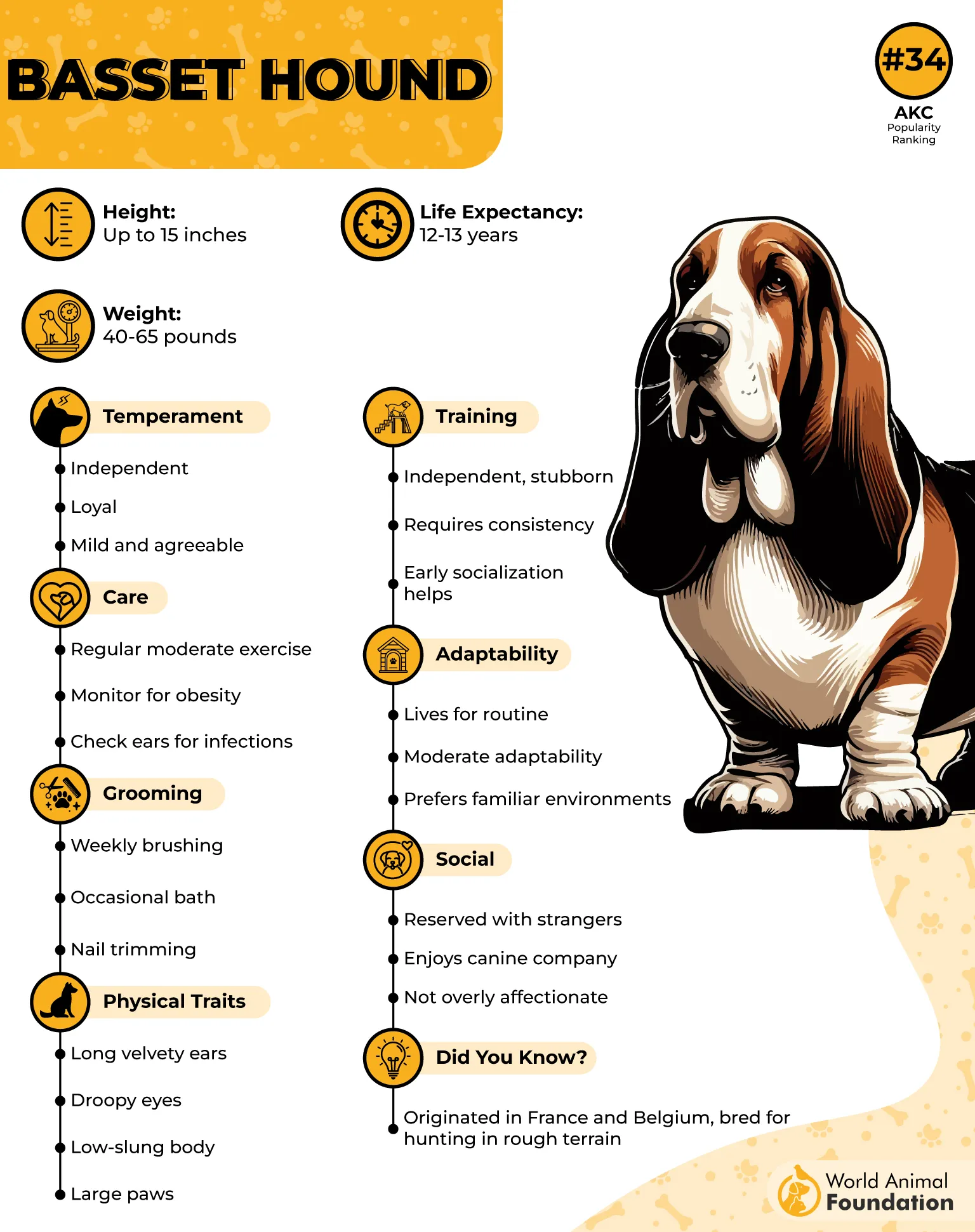
Despite their sturdy, heavy build, their quiet indoor nature and moderate exercise needs make them well suited to smaller living spaces. Their mild, agreeable temperament makes them great companions for families, seniors, and other pets.
Once a Basset catches an interesting smell outdoors, it can turn selectively deaf and pull hard on the leash. Always walk them on a leash or keep them in a securely fenced yard. Their nose picks up every scent and follows it, and that chase drive can be a problem for small pets, so owners with other animals should keep an eye out.
2. Pug

The Pug is a charming, playful, confident dog known for being a great nap buddy. It weighs 14-18 pounds and was bred as a loyal companion for royalty. Even today, its couch potato reputation holds up, since owners often have to make an effort to get it moving.
A Pug may have the occasional burst of high energy, but that doesn’t make it a high-energy dog. A daily 15-20 minute walk, along with fun activities like doggy play dates and trick training, is what it enjoys most. The short coat needs brushing at least once a week, and the facial folds should be cleaned thoroughly to avoid skin infections.
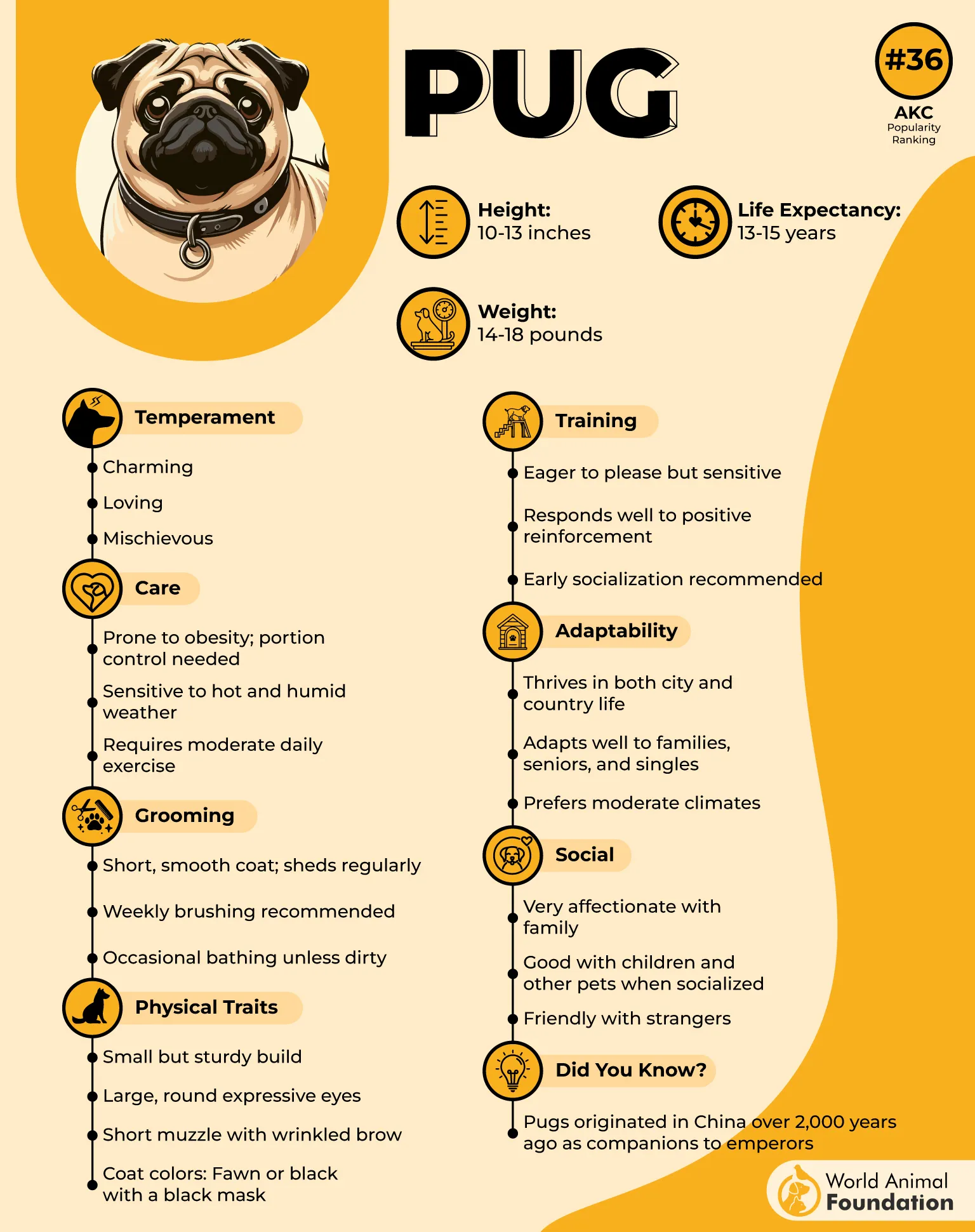
Pugs are notorious beggars and gain weight easily when lounging is paired with too many treats. Splitting a measured half cup to one cup of quality dry food into two daily meals helps keep them trim.
A Pug makes an enjoyable little companion, but owners should know it’s a flat-faced breed with breathing issues. Because of their brachycephalic faces, Pugs can overheat or struggle to breathe during intense exercise or hot weather, so short, gentle walks in cool temperatures are safest.
3. Japanese Chin
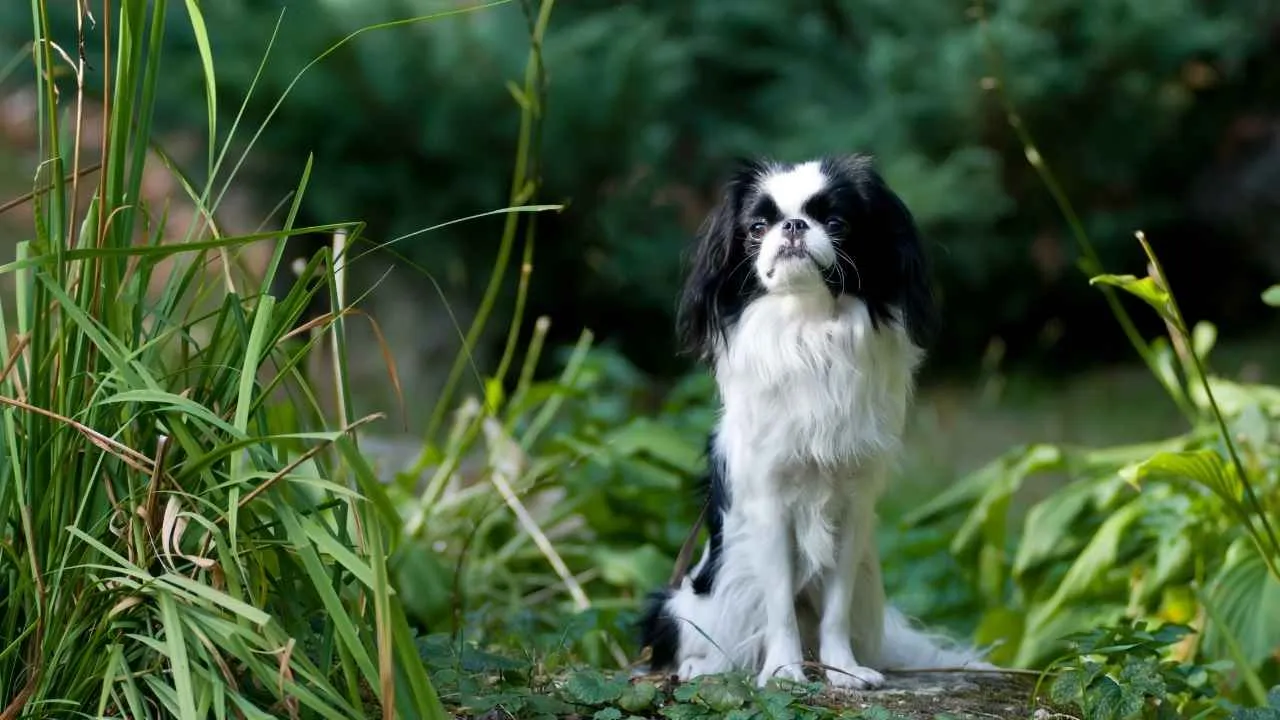
The Japanese Chin is a great dog for novice and laid-back owners thanks to its loving nature and habit of sticking close to its person wherever they go. It’s an intelligent, alert, entertaining dog that weighs no more than about 11 pounds, and its size and quiet nature suit a relaxed lifestyle.
Chins were also bred for royalty back in the day. They enjoy being indoor companions, but about 15-20 minutes of daily exercise, along with walks and play sessions, is recommended. Keeping a Chin entertained is part of the owner’s job, though it also performs tricks to keep you happy. Keep training short and fun, since it doesn’t respond well to harsh methods.
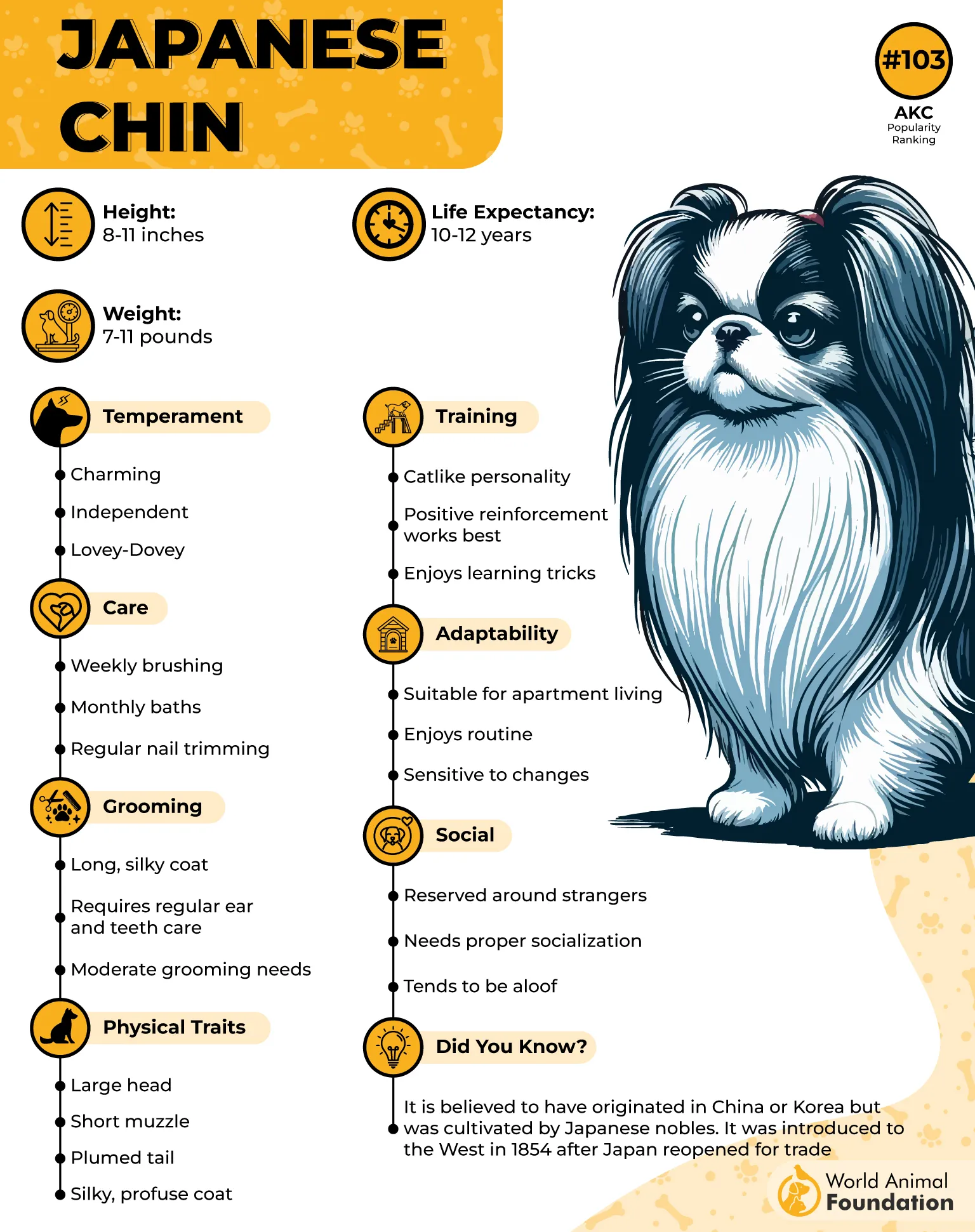
A Japanese Chin is also a good match for frequent travelers, because its small size makes it easy to carry. Socialization is still important, though.
Despite their long, silky single coat, Chins don’t mat easily and only need brushing two to three times a week. As Chewy notes, they’re intelligent but selective about obeying commands, and they respond best to gentle, reward-based training.
4. Clumber Spaniel
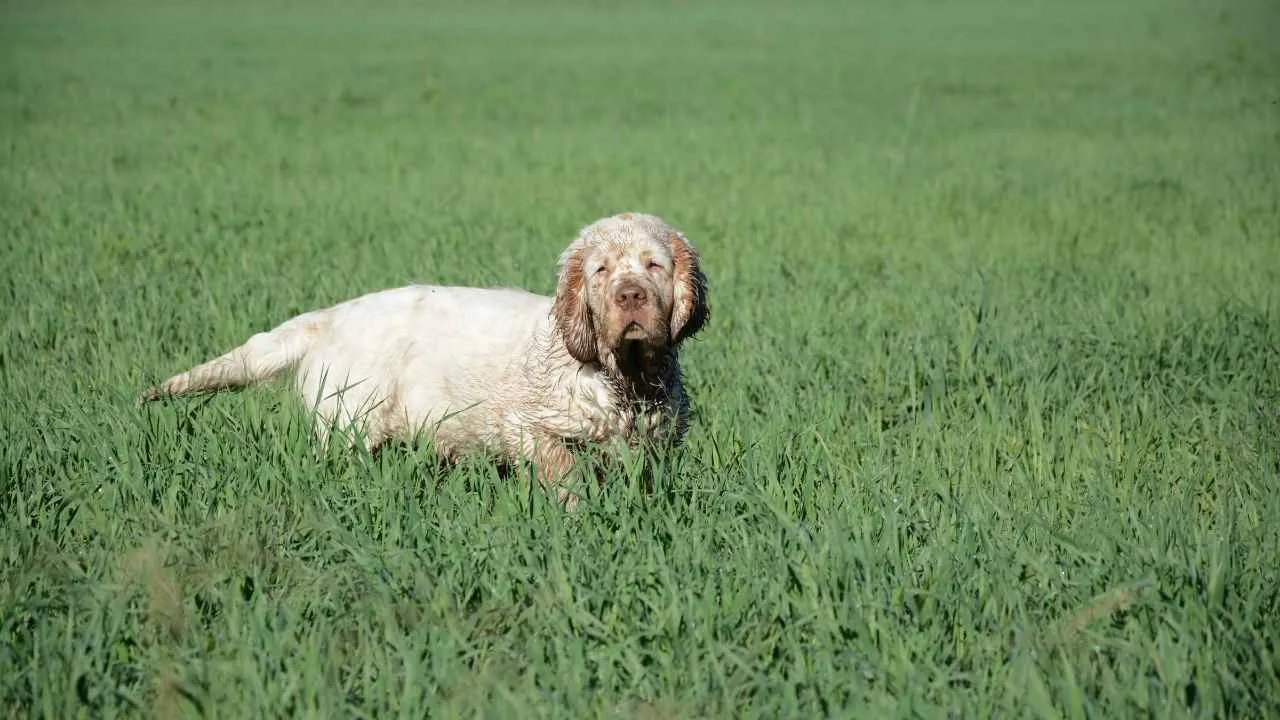
The Clumber Spaniel is a powerful bird dog that weighs 70-80 pounds, and many people would be surprised to see it on this list, since it was bred to flush birds on the hunt. British nobility praised the breed’s hunting ability in the 18th century, which is where its motto, “more chill, less thrill,” comes from.
Its droopy eyes add to a lazy, sleepy look. It’s a low-energy breed that prefers lounging on the couch or napping in a sunny spot in the yard, though some exercise followed by play sessions is still needed for mental stimulation. Its soft, medium-length coat adds to its cozy appeal, but it needs combing at least two to three times a week.
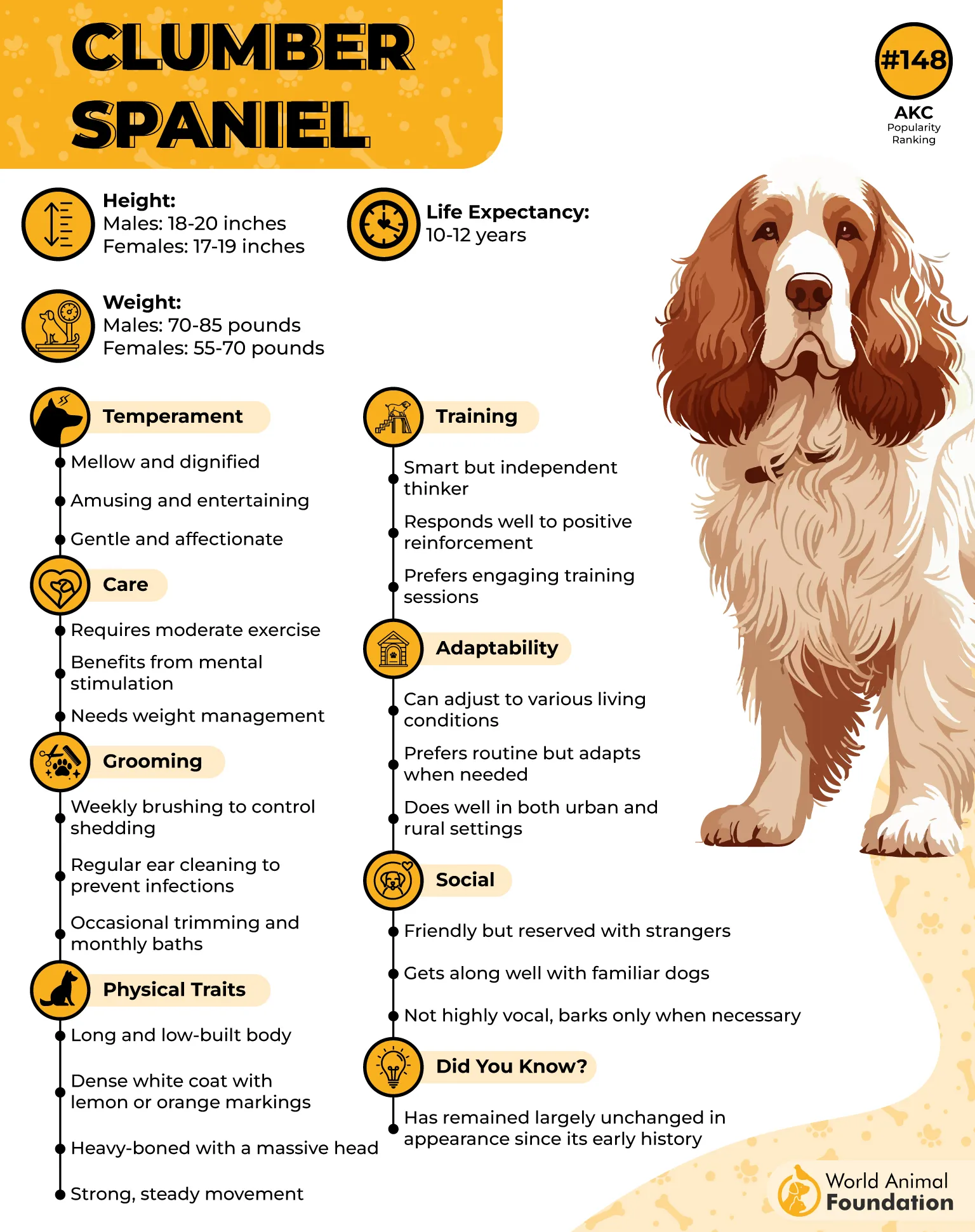
Keep towels and lint rollers handy, because Clumbers slobber often and shed their dense white coats year-round. Orvis describes the Clumber as an easygoing dog for people who can put up with its snoring and drooling, and for those people, the breed is irresistible.
Without regular physical and mental stimulation, a bored Clumber may resort to chewing, pacing, or counter-surfing for food.
5. Great Dane
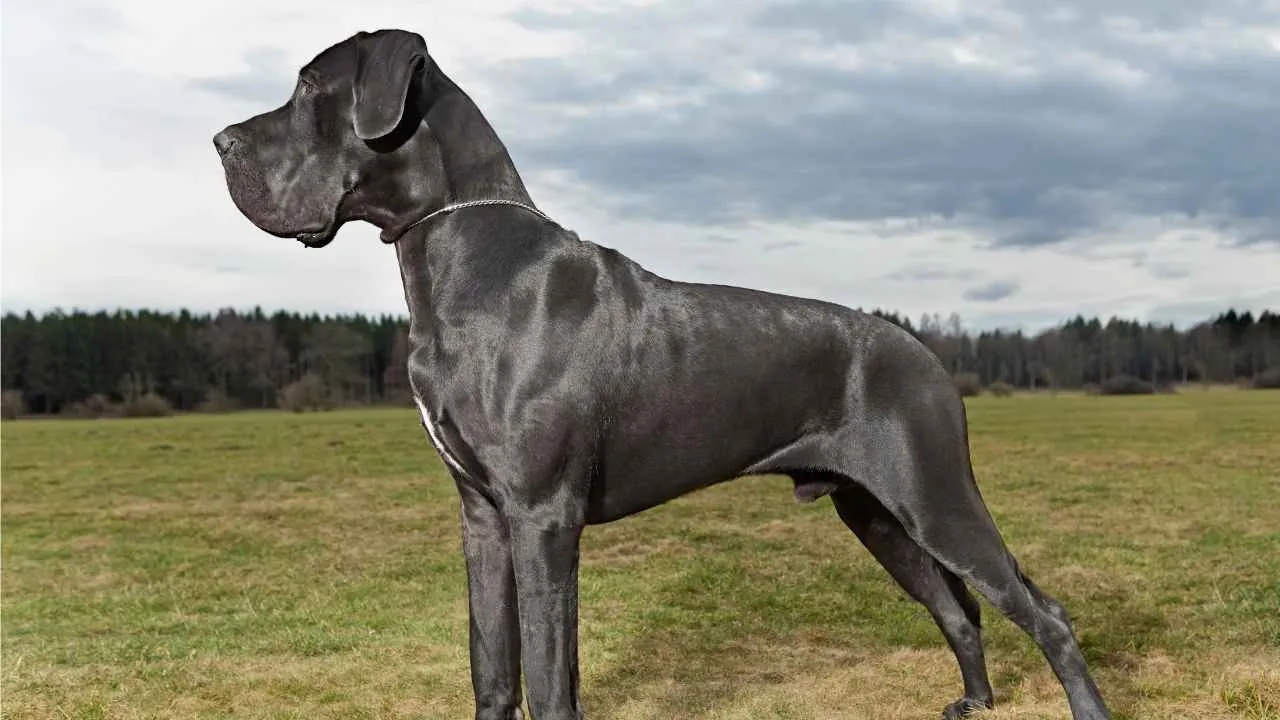
The Great Dane is a gentle giant with a big heart. It’s affectionate, calm, friendly, and goofy, and it weighs around 100 pounds or more. It’s often called the biggest lazy dog around, thanks to its laid-back attitude both indoors and out. Most of the time, you’ll find it lounging, snuggling, and sticking close to its owner.

Even though it loves to relax, regular exercise is important to keep it mentally stimulated and to prevent health issues like obesity. It’s also an easy-to-care-for, trainable dog that enjoys fun, positive reinforcement training. Proper socialization helps it feel comfortable with new people, pets, and environments.
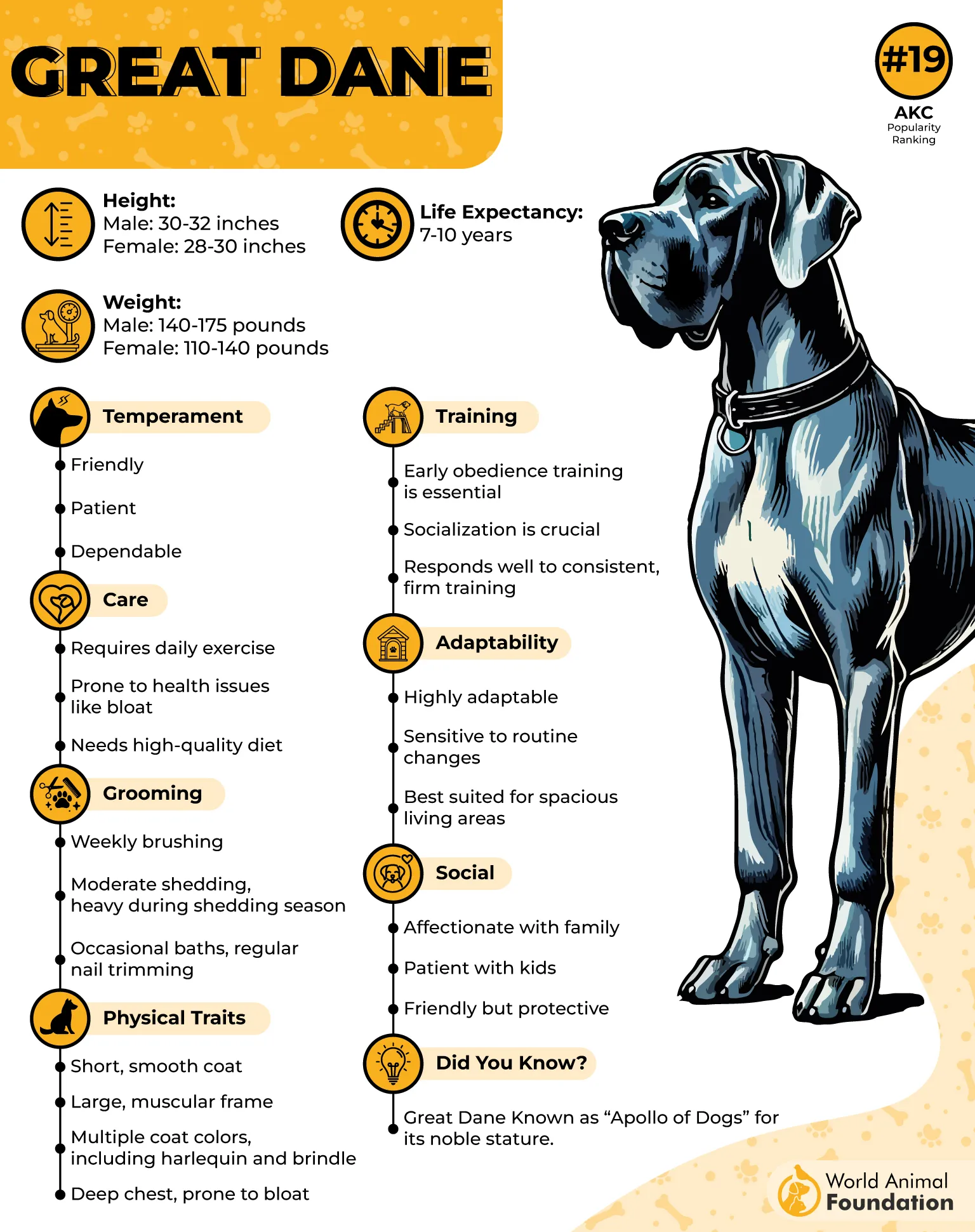
Its short, sleek coat needs brushing just once a week. That easygoing nature and low-maintenance coat make for a smooth bond between a Great Dane and a laid-back owner.
A relaxing Dane will happily take over an entire couch. You’ll need sturdy furniture, extra floor space, and a budget for large-breed food and veterinary care. Because of their giant stature, they’re prone to joint issues, heart conditions, and bloat, and their average lifespan is 7 to 10 years.
6. Newfoundland
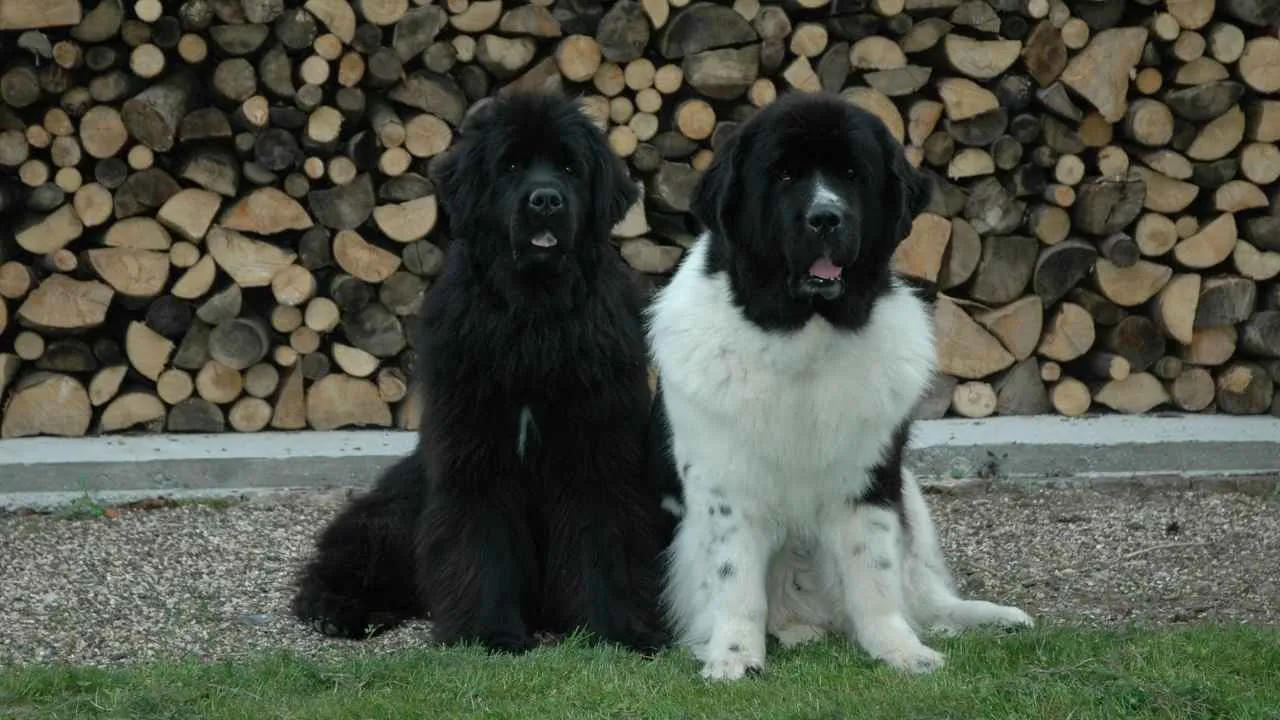
The Newfoundland is so sweet-natured that many people aren’t ready for just how sweet. Its calm demeanor has earned it the nickname “nanny dog,” but at 130-150 pounds, it needs supervision and consistent training. The Newfie is a gentle guardian known for its patient, devoted nature.
It’s a large, low-energy dog that was originally bred for heavy work and water rescues in coastal Canada. Today, it can still work, and it’s just as happy as a devoted family companion. Moderate daily exercise is necessary, and a Newfie’s favorite activity is swimming.
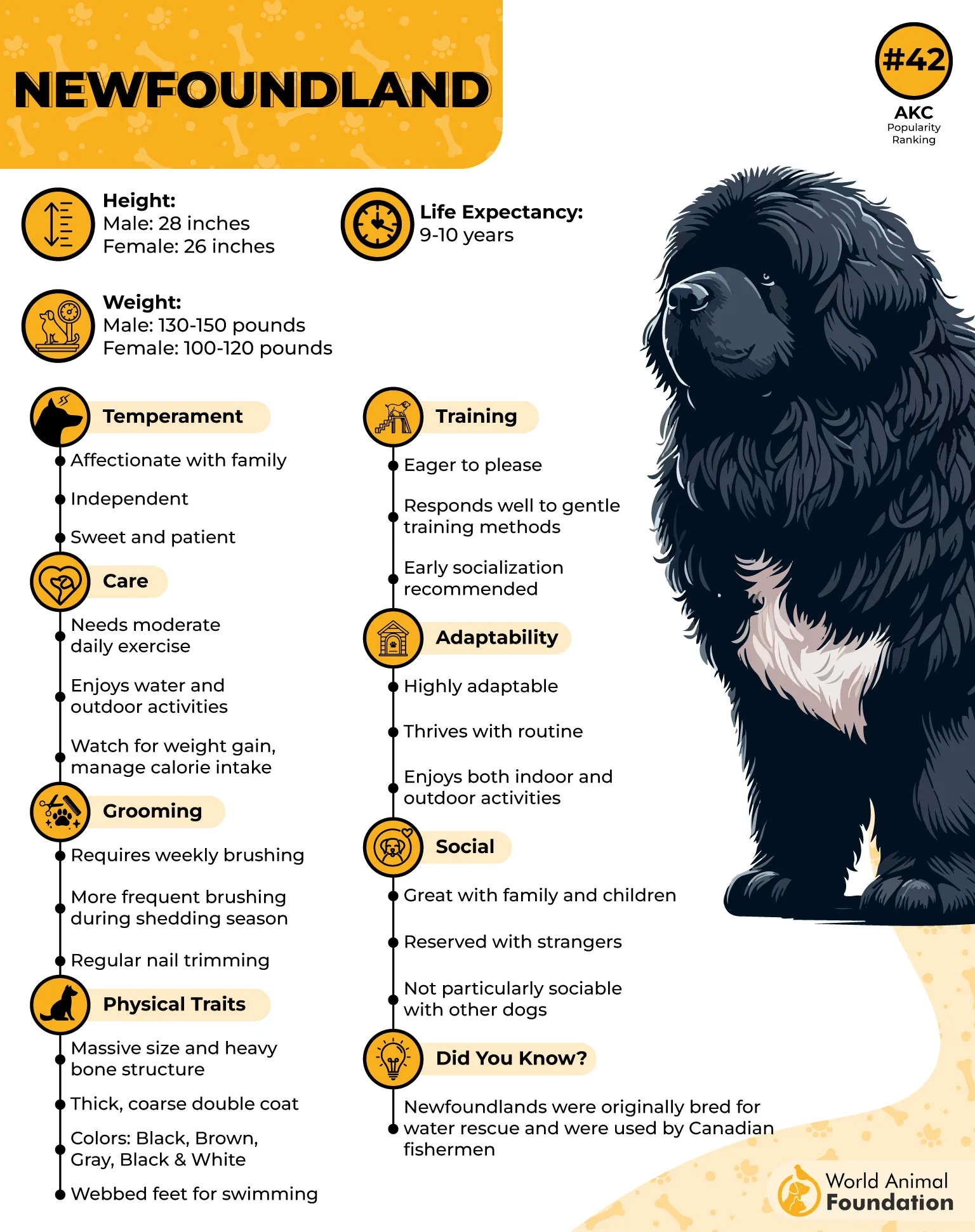
Because it’s a large breed prone to joint problems, avoid extensive exercise and jumping. Supervise it around children too, since it tends to knock them over without meaning to.
Newfoundlands love to lounge, so they can easily become overweight if they skip daily movement. Keeping them active helps prevent obesity and protects their joints from conditions like hip dysplasia and arthritis.
7. Saint Bernard
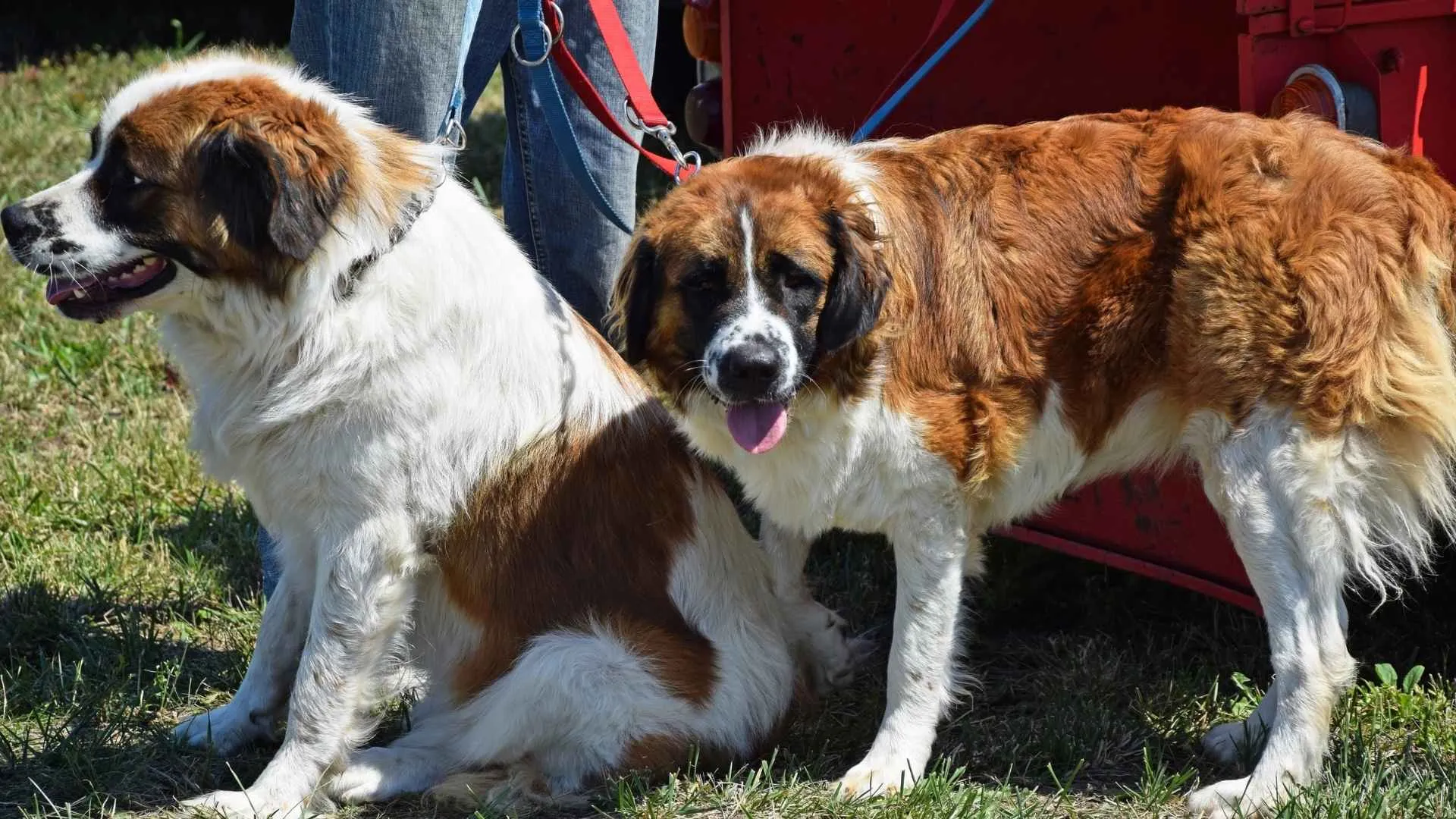
The Saint Bernard is a world-famous breed, loved for its calm, patient, laid-back nature and teddy bear looks. It weighs up to 150 pounds and is a low-energy dog, often described as one of the calmest breeds around. It takes things slow, but it has a keen interest in exploring new scents.
It’s a lovely family pet, but its size demands consistent care, says the PDSA. Health issues that shouldn’t be ignored include cancers, weight gain, joint problems, and skin conditions. When it comes to energy, moderate exercise and a daily walk are enough.
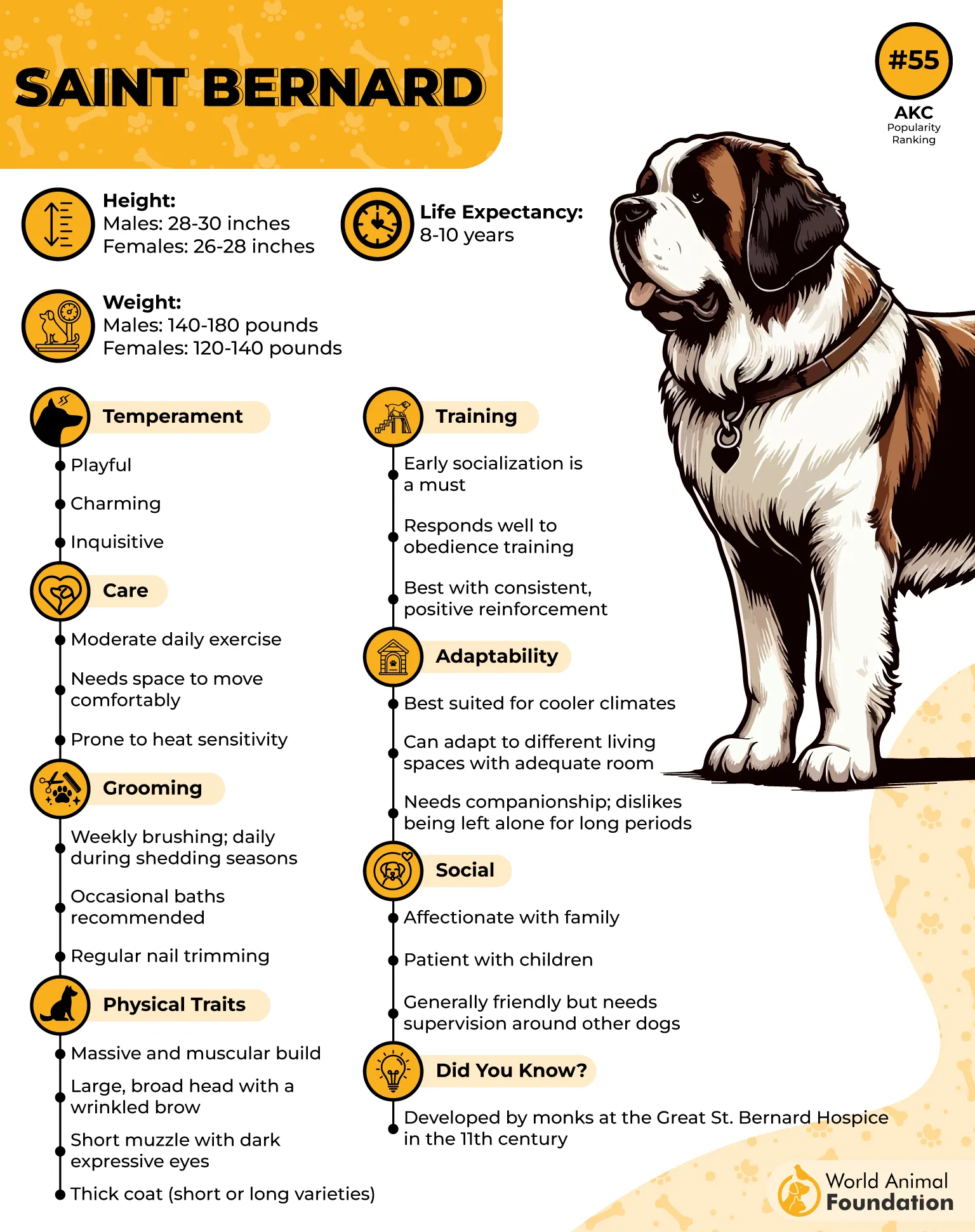
Owners need to be comfortable with copious drool on the furniture and heavy seasonal shedding. Young Saint Bernards also go through a rambunctious, headstrong phase, so consistent early training is a must to keep that massive adult size manageable.
Because they love exploring, Saint Bernards enjoy time outdoors the most. As long as one gets to socialize with kids, explore outside, and have all its needs met, it’s a happy dog.
Conclusion
Looking at these breeds through their history, they began as hardy dogs bred to work. Today, they’re not just good companions but gentle guardians too. Having one means having a constant partner whose favorite spot is your lap. Still, even lazy breeds need daily exercise to burn off energy, avoid boredom, and stay in good shape.
Since these dogs spend most of their time indoors or lounging on the sofa, take care not to overfeed them during training and meals, as that leads to obesity. With proper training, their calm temperament and adaptable nature make them a good fit for just about any lifestyle, whatever their size.
