




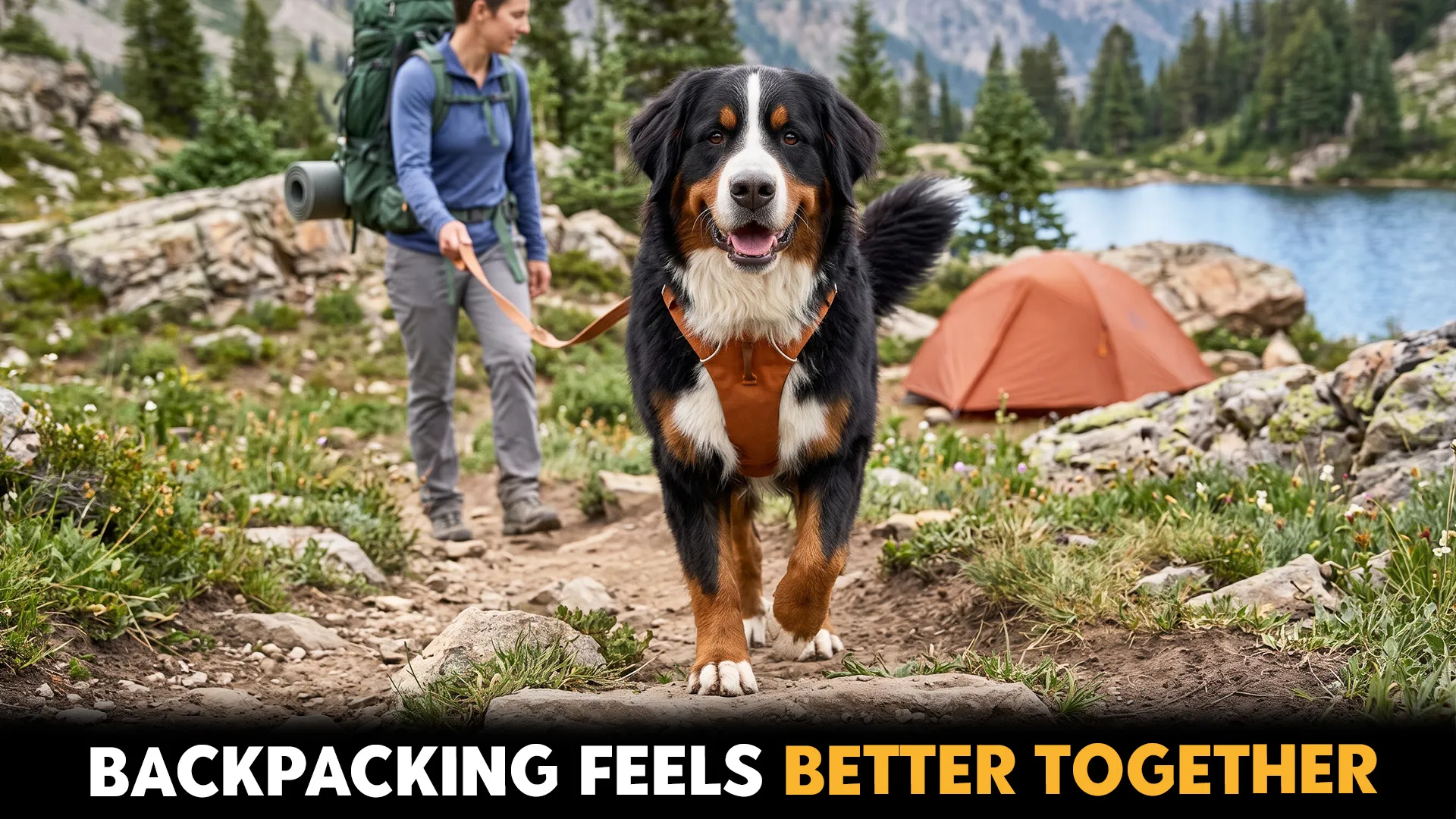
If wanderlust is hitting you hard and you want to explore nature with a furry companion, you may be wondering whether your dog is cut out for outdoor adventures. Backpacking and camping with a dog can be a magical experience, with your own canine sidekick for company. It also comes with challenges and responsibilities that pet parents should know about.
Not every breed thrives outdoors, and some pups are better suited to indoor living. Luckily, many breeds handle nature and wilderness beautifully, and some can even make you feel safer on the trail.
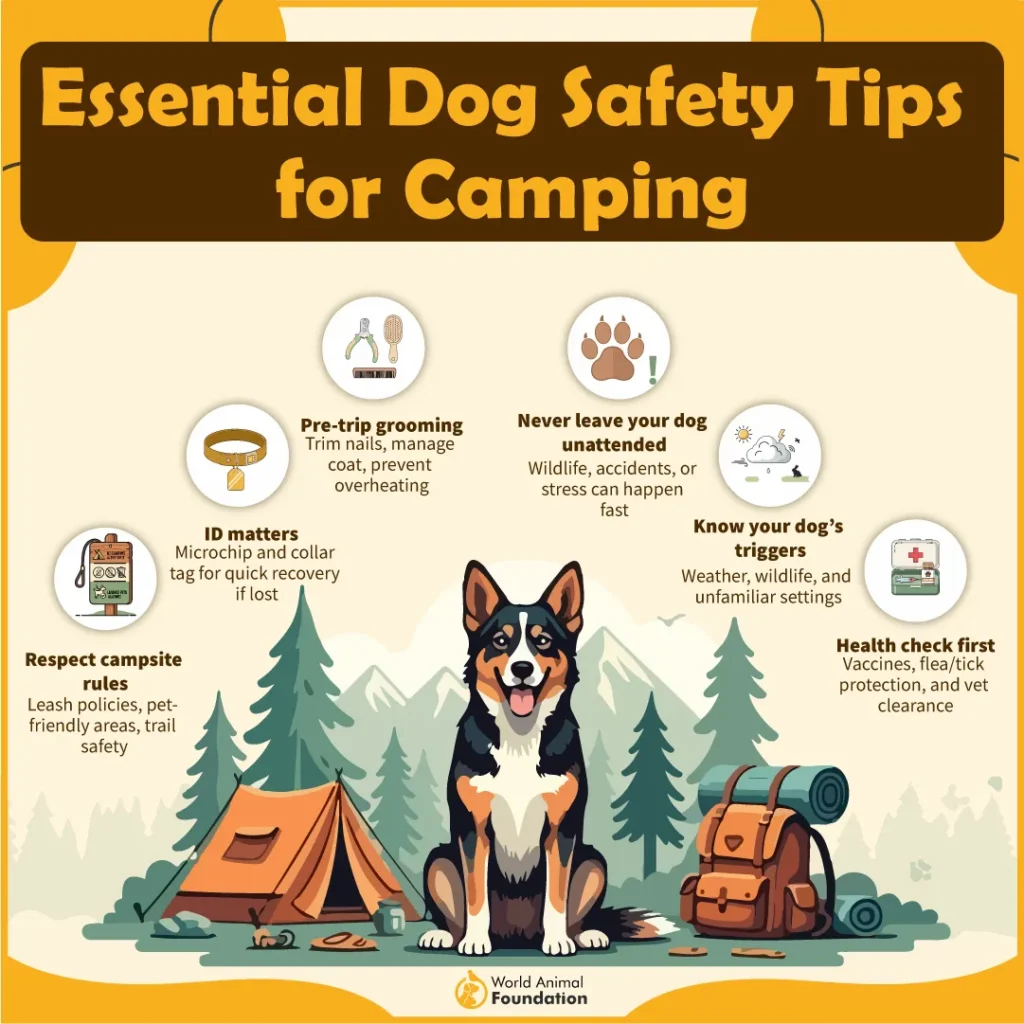
Whatever your dog’s breed, there are a few things to consider before a camping or backpacking trip. Make sure your dog has had proper training and early socialization. Pick a dog-friendly trail, and avoid places that are too hot, have no water, or are too rough for your dog. A trainer can also help with on-trail manners and running skills. Whether you’re camping or trail running, pack the right gear and essentials for both you and your dog.
If you’ve covered all of that, here are seven great dog breeds that love spending time outdoors with their owners.
Top Dog Breeds That Love Camping and Backpacking
1. Vizsla
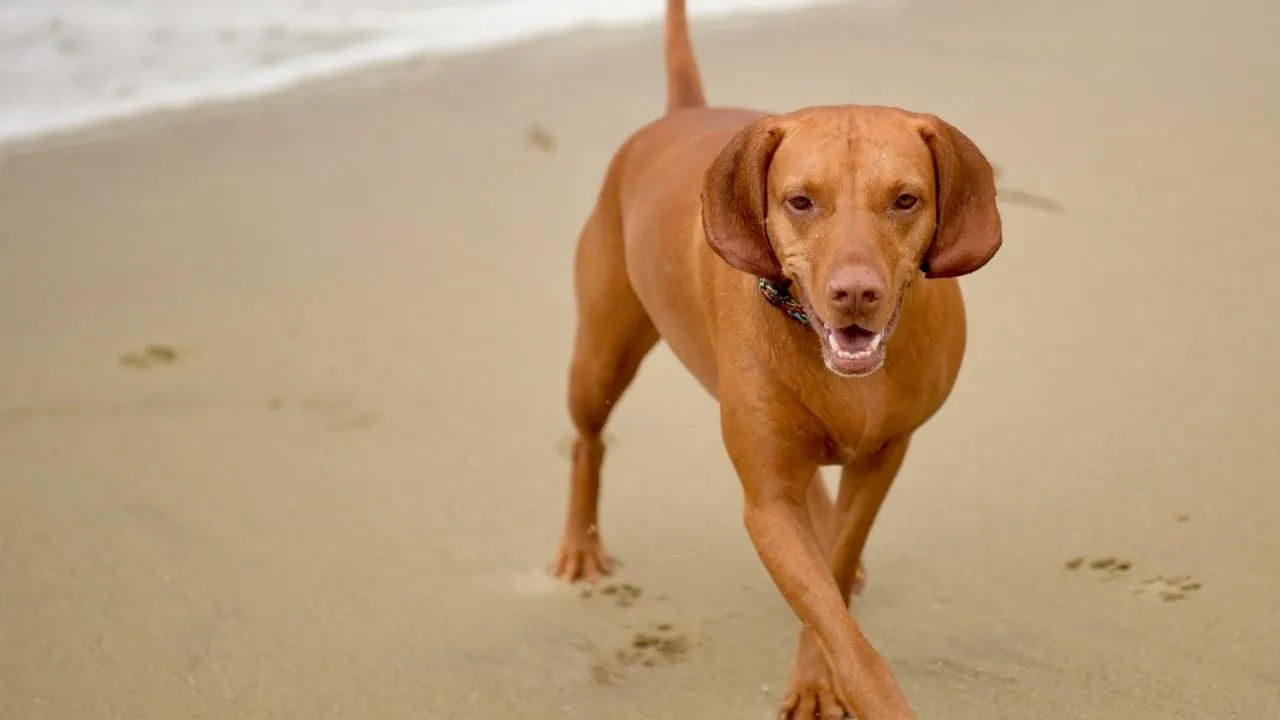
The Vizsla is an athletic breed with gorgeous coat colors like golden rust. This energetic dog was originally bred in Hungary for hunting, and its name is the Hungarian word for “pointer,” according to PetMD.
These cheerful, loyal pups form close bonds with their owners and thrive with experienced pet parents. As a hunting dog, the Vizsla is no stranger to exploring nature and staying close to its human. It can show a strong prey drive, but a well-trained Vizsla makes a wonderful companion for camping and backpacking.
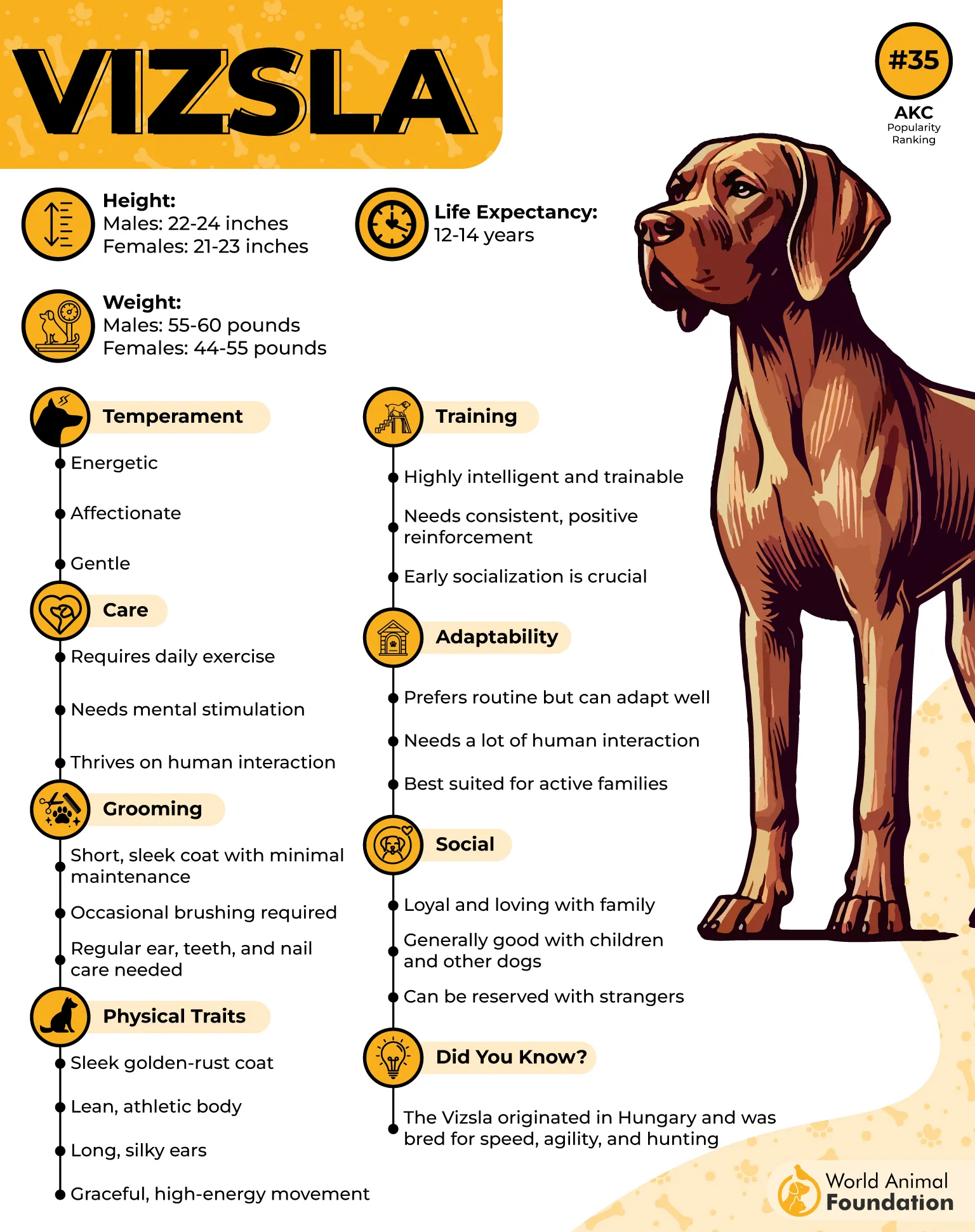
With high energy and plenty of endurance, Vizslas stay happy and tireless on rough terrain. Their short coat doesn’t need much care, which is one less thing to worry about on a camping trip.
Don’t ignore your Vizsla, wherever you are. They’re one of the classic “velcro dogs,” and a bored, unhappy Vizsla may pick up destructive habits like chewing to cope.
2. Siberian Husky
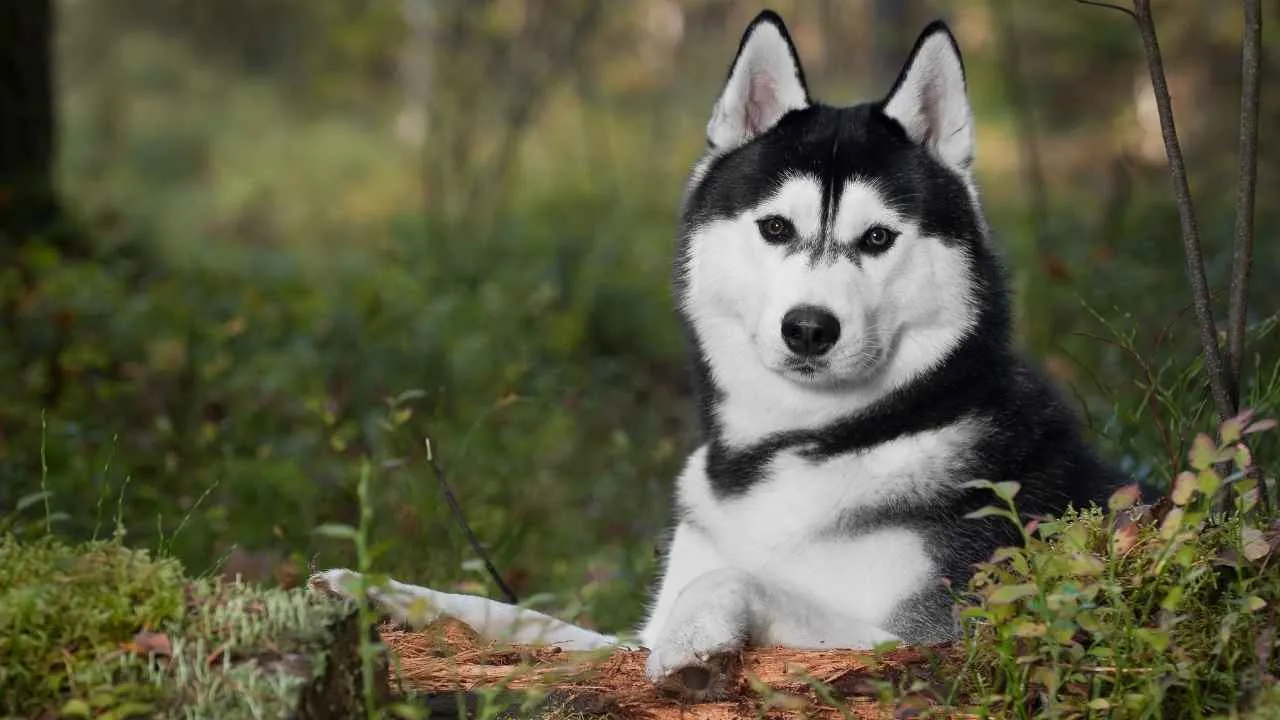
The Siberian Husky was developed to survive harsh conditions outdoors. This wolf-like dog is famous for its gorgeous blue eyes and its vocal nature, and it’s also one of the best breeds for outdoor adventures.
Huskies were bred to pull sleds across the freezing terrain of Siberia and have a long history of working with humans. They love staying engaged with their people, so expect a very chatty backpacking or camping partner. Despite their wild looks, Sibes tend to be friendly and usually get along with other dogs.
Huskies are known to be naturally clean and tend to groom themselves. Their thick double coat, which protects them from the cold, stays in good shape with weekly brushing and the occasional bath.
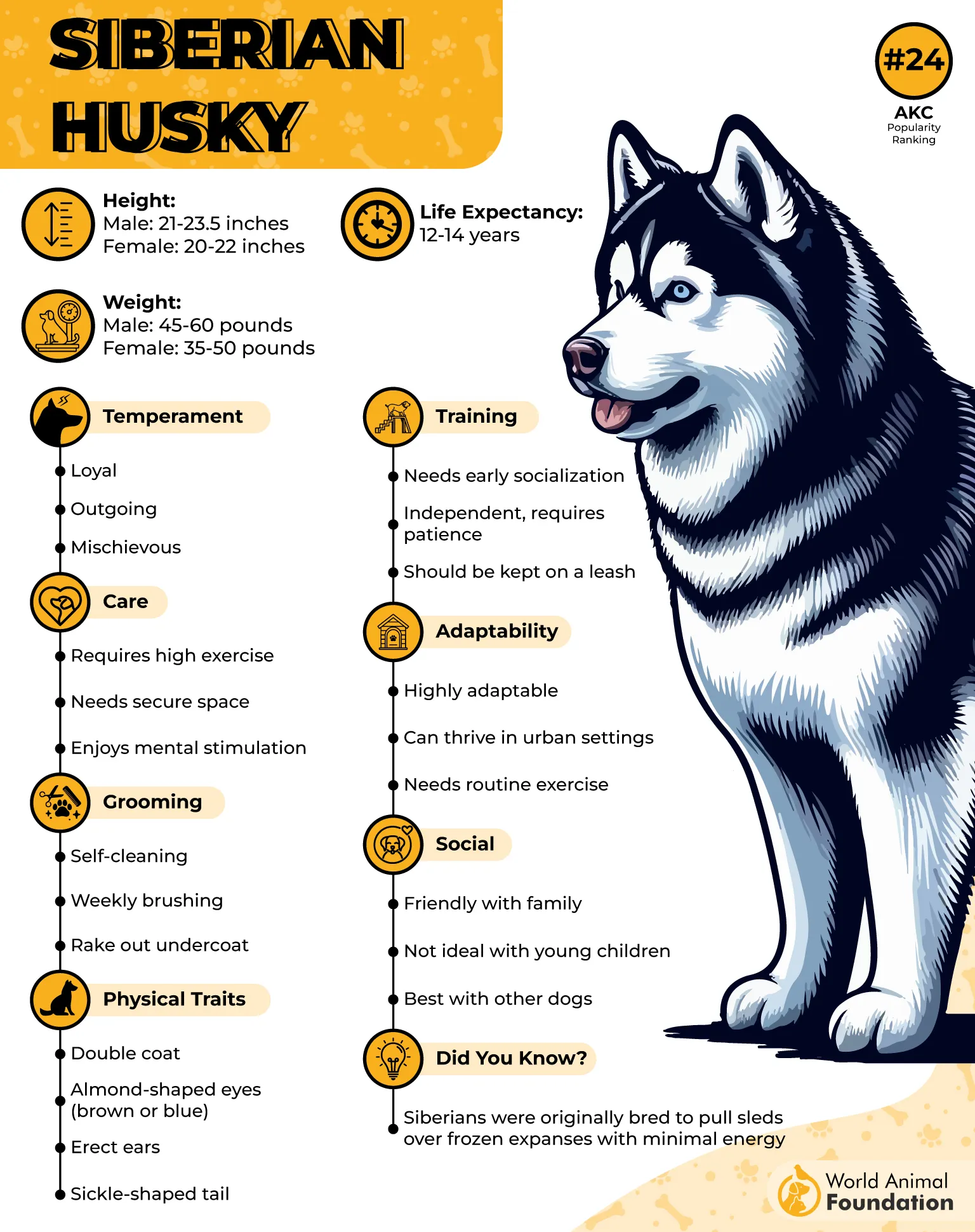
These active dogs enjoy having a task and love to roam. They’re also remarkable escape artists, so keep them on a leash to stop them from running off into the wild. Off-leash training is a must for them, as it is for any dog you plan to take backpacking.
3. Bernese Mountain Dog
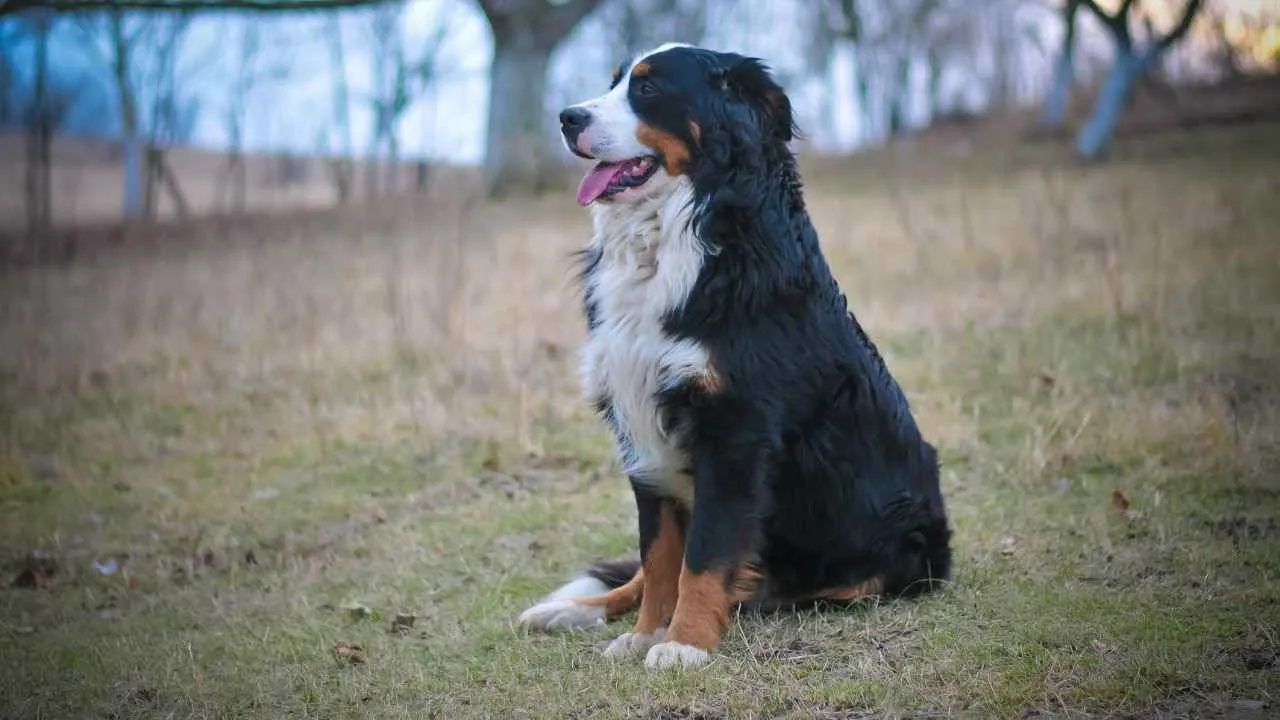
The Bernese Mountain Dog is one of the most gorgeous breeds, with an adorable face and a thick, medium-length double coat with rust markings. According to Britannica, Berners worked on farms, pulling carts and driving cattle. These friendly, joyful dogs make wonderful family pets.
Berners tend to get along with everyone in the family, though they often bond most deeply with one person. As hard workers, they make great hiking companions, and their weather-resistant coat helps them stay active on the trail even when it’s cold.
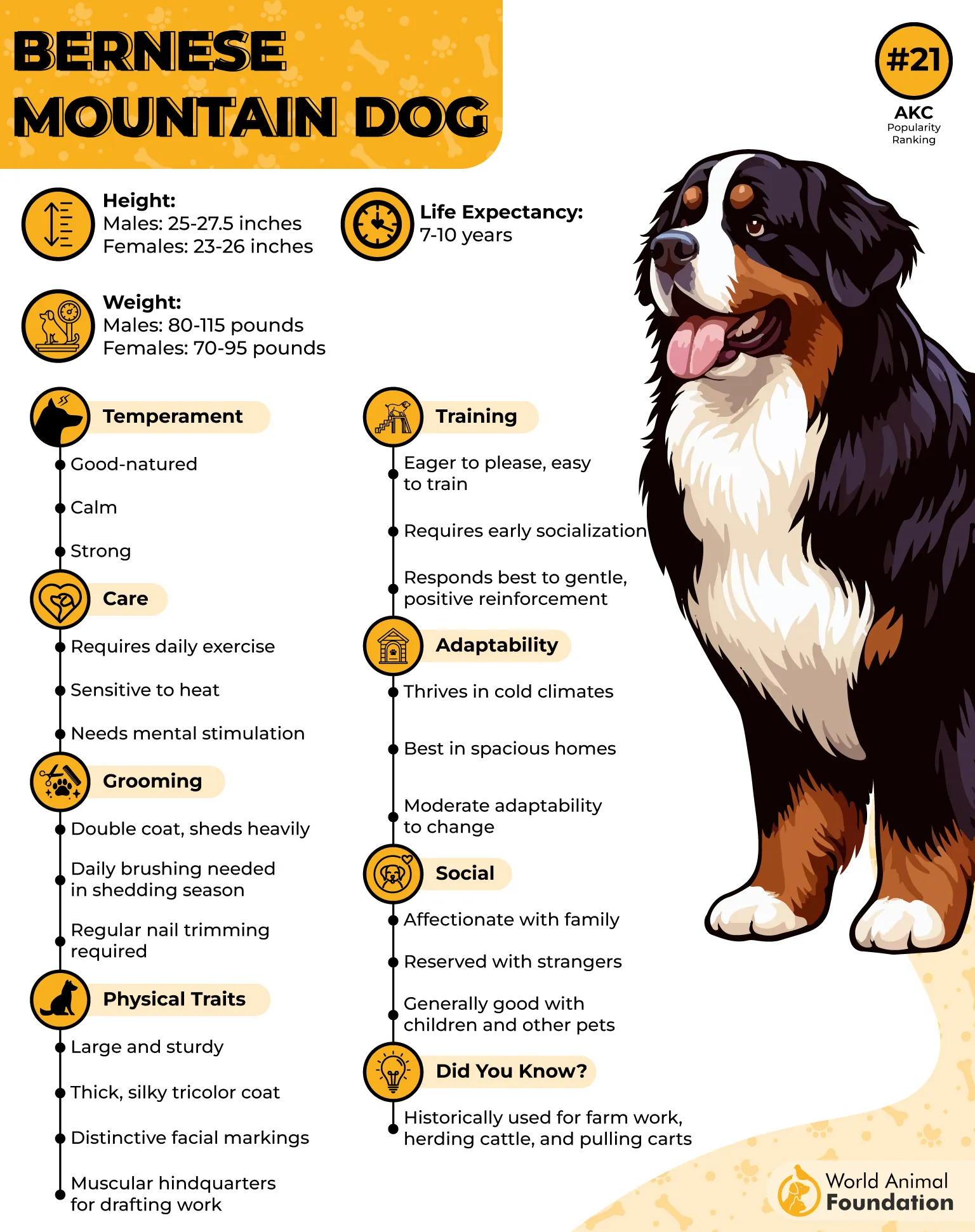
Eager to please and intelligent, Berners train easily and respond well to obedience work. They stay well-behaved indoors and need at least 30 minutes of daily exercise to stay healthy.
They aren’t excessive barkers, but their alert, watchful nature is another reason they make good trail partners.
4. Australian Shepherd
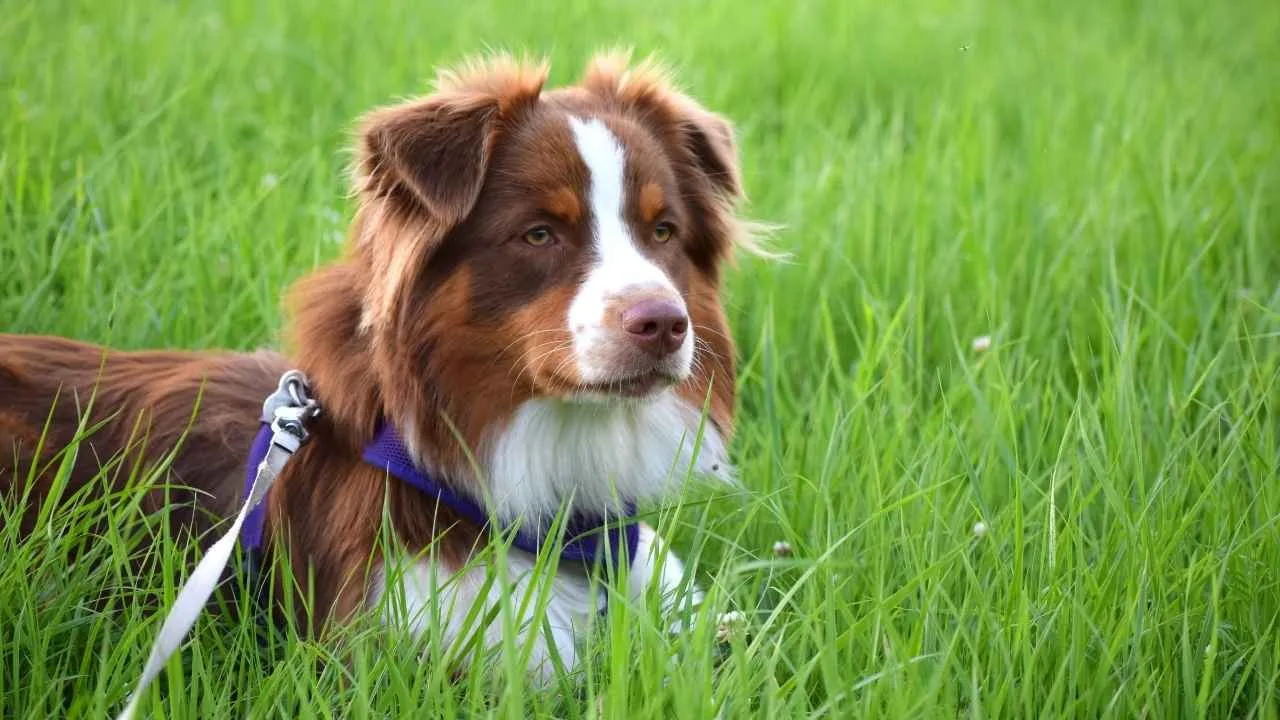
The Australian Shepherd is a muscular, hardworking herding breed that lives to please its owner. Its sharp herding instincts, intelligence, and penetrating gaze help it do its job. According to the AKC, Aussies often try to herd small animals and even children, and as active dogs, they may not suit less active owners.
With their high energy, Aussies need early obedience and socialization training and an experienced pet parent. Still, because they’re smart and eager to please, they can be trained to stay on the trail and listen even off leash. Reliable recall keeps them cooperative on hiking adventures.
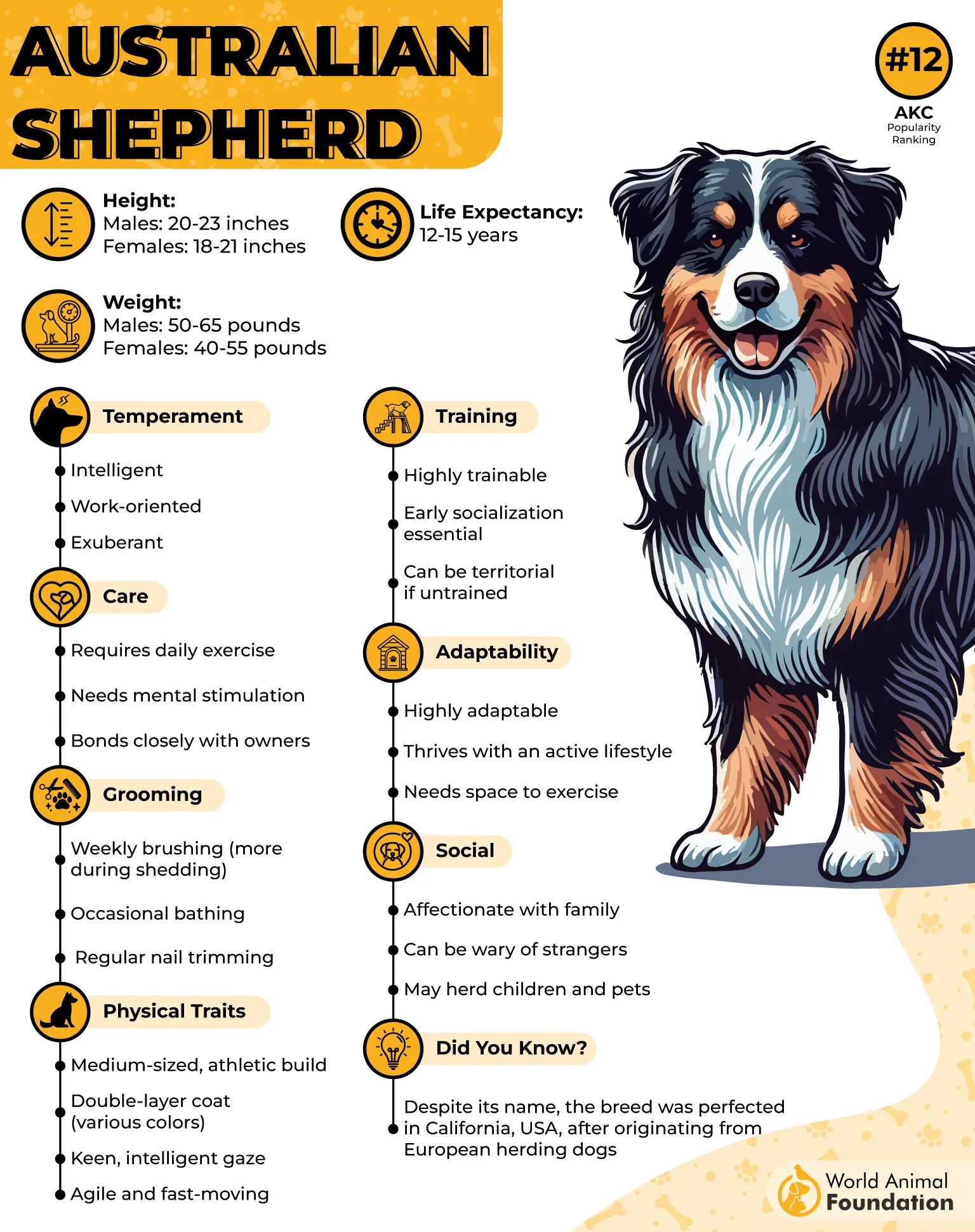
Agile and high-stamina, Aussies hold up well on backpacking trips and stay high-spirited while camping. Their thick double coat stays clean with weekly brushing and the occasional bath, though it needs more upkeep during shedding season.
Australian Shepherds can be prone to hip and bone problems, so protect them from injuries while hiking.
5. Australian Cattle Dog
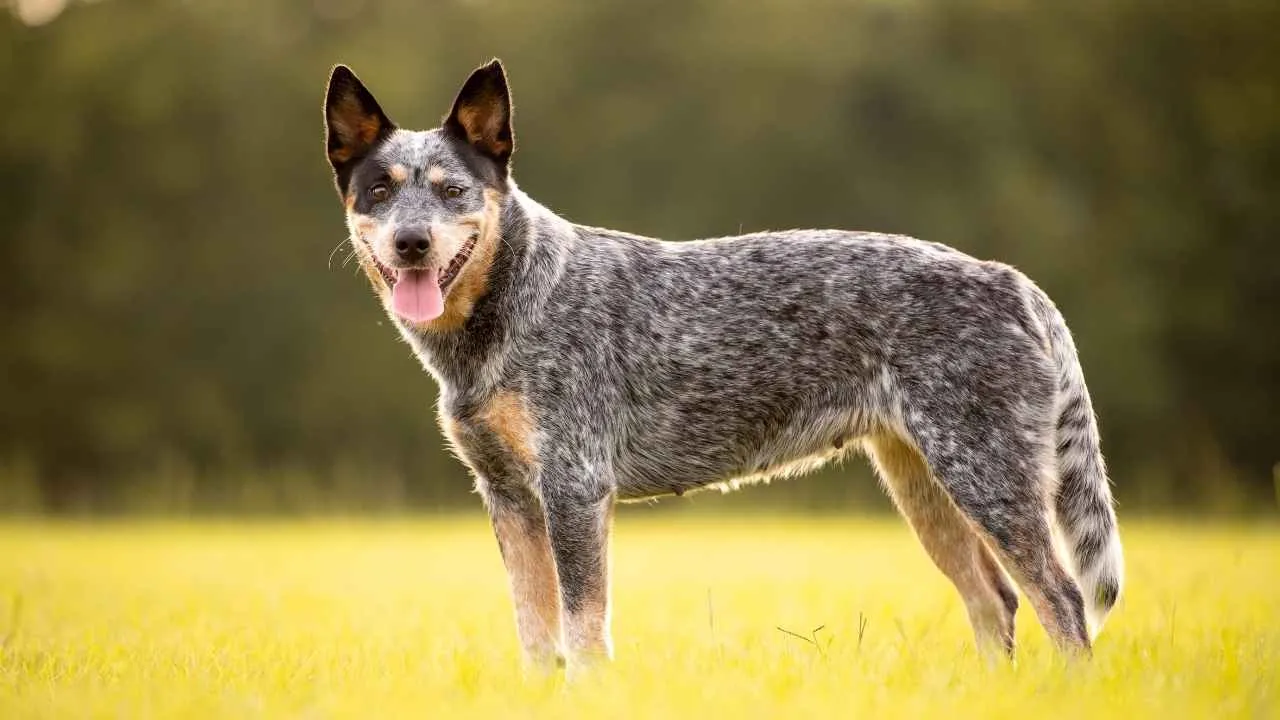
The Australian Cattle Dog is another exceptional herding breed with high stamina and a strong work ethic. Its ancestry includes the Australian wild dog, the dingo, and it’s also called the Blue Heeler or Red Heeler. “Heeler” refers to its herding style of nipping at the heels of livestock.
Their energy, endurance, and intelligence make Australian Cattle Dogs great hiking partners. As medium-sized dogs, they can comfortably carry their own pack of food and water while camping and backpacking.
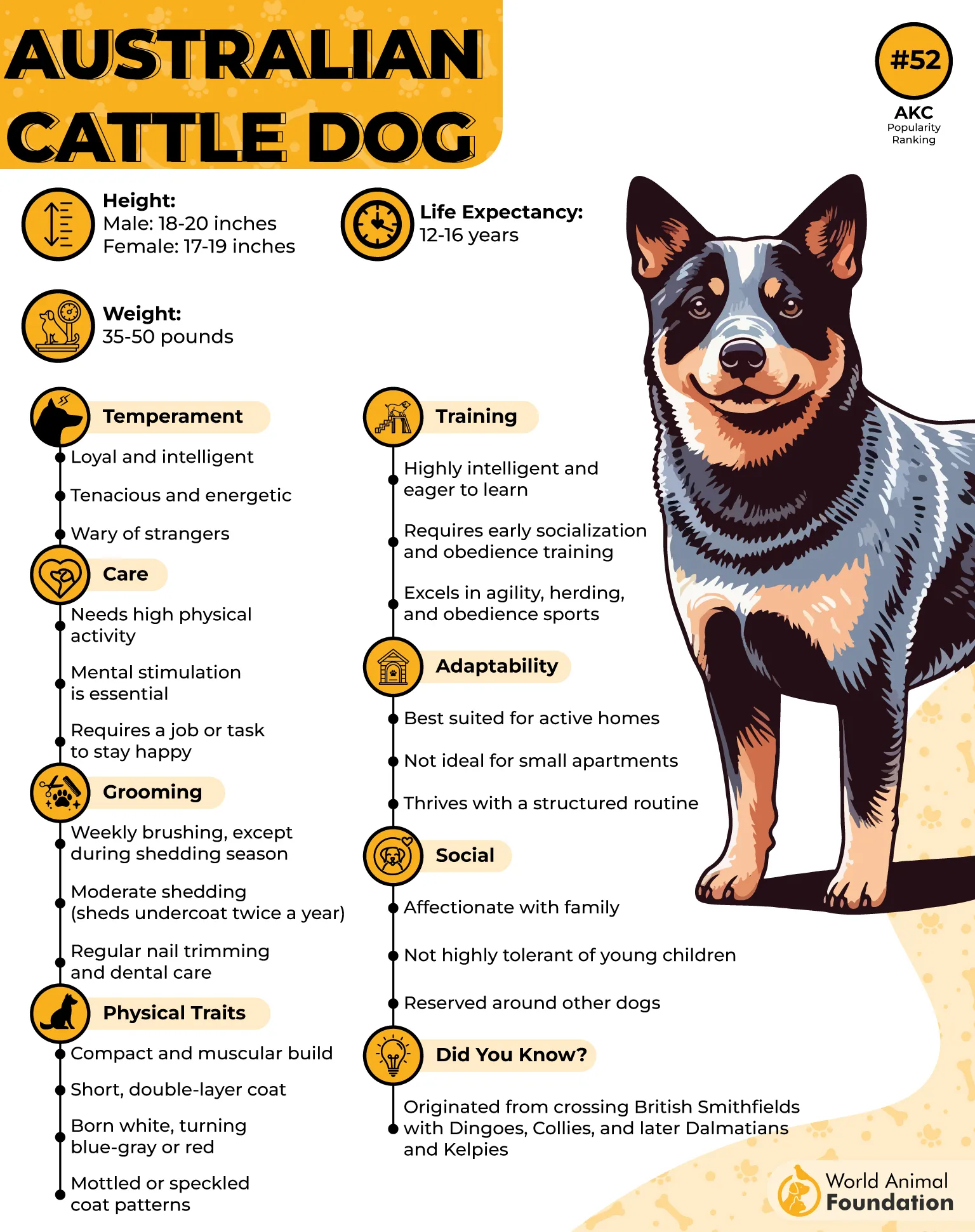
ACDs need pet parents who can keep them active, and they enjoy dog sports like agility, lure coursing, frisbee, fetch, and herding activities. These energetic dogs need to be fed at least twice a day, so pack healthy food and a few treats in their backpack.
They bond deeply with their humans, so they can be aloof with strangers and need time to make new friends. They’re also prone to separation anxiety and need regular physical and mental stimulation to keep unwanted habits in check.
6. Rhodesian Ridgeback
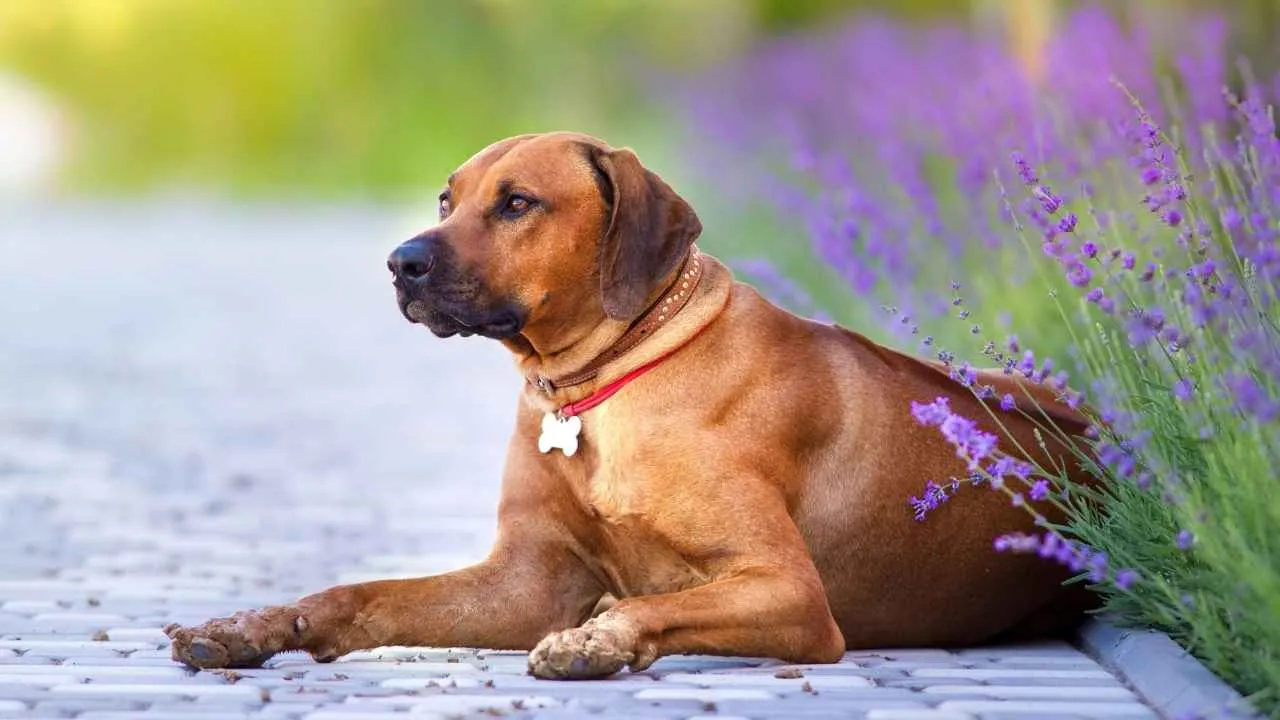
The Rhodesian Ridgeback is an athletic, agile dog that was originally used for hunting. It makes a surprisingly good companion for experienced owners and families who can offer an active lifestyle. The breed gets its name from the distinct ridge of hair that grows along its back.
Ridgebacks have an independent nature and need training as puppies to grow into well-rounded adults. Agile and fast, with a background of exploring the wild as hunters, they’re one of the most desirable companions for campers and backpackers.
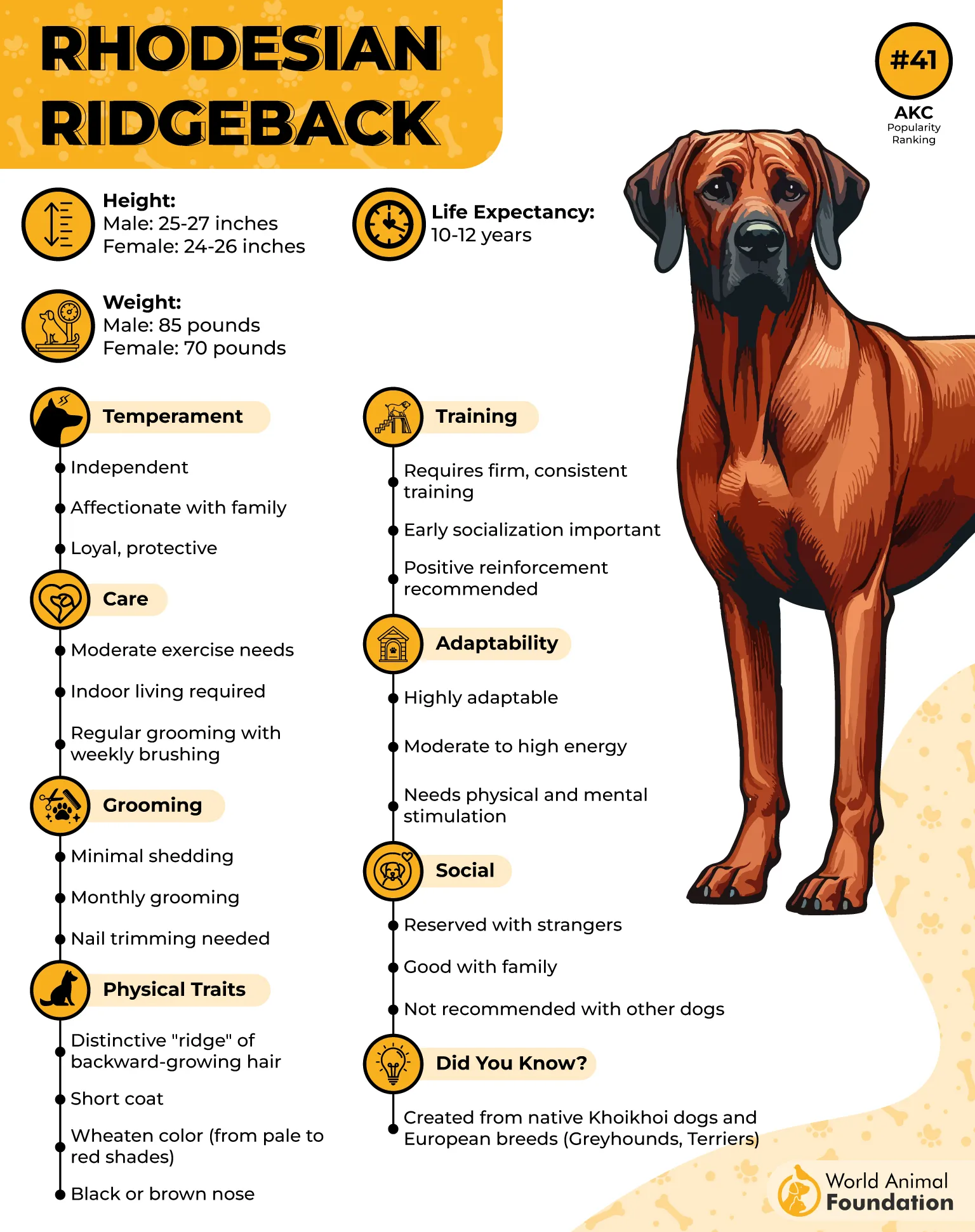
Like all dogs with a high prey drive, Ridgebacks can be hard to train to stay off-leash while hiking, so they need a firm, experienced owner who can handle their temperament. Because their coat is short, they may need a jacket in cold weather.
Like many larger breeds, Ridgebacks need high-quality dog food and proper exercise to stay in good shape. Make sure your Ridgeback comes from a breeder who tests for dermoid sinus, a condition that can cause a neural tube defect and lead to spinal problems.
As a loyal breed, they can be quite protective and make wonderful watchdogs if properly trained. They can live well with families, but because they’re so energetic, their interactions with children should be supervised.
7. German Shepherd
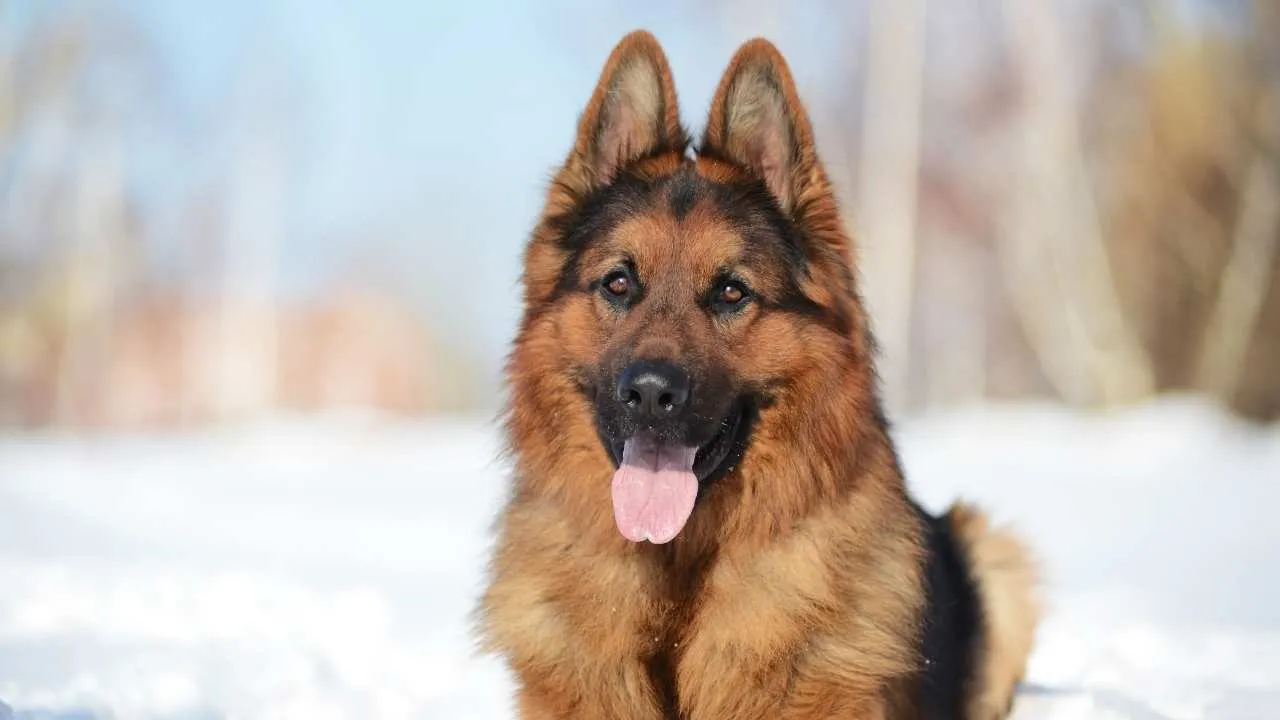
The German Shepherd is a great breed for active families and owners who love outdoor adventures. This herding breed has worn many hats for its humans, from guide dog to guard dog to police and military dog. Its loyalty, trainability, and agile, muscular build make it a wonderful camping companion and an excellent hiking partner.
Despite its serious, intimidating look, the German Shepherd has a heart of gold and loves its family. It’s an incredibly intelligent dog that can learn basic cues as well as more complex commands, and it enjoys all kinds of activities with its owner, from long walks to hiking trails.
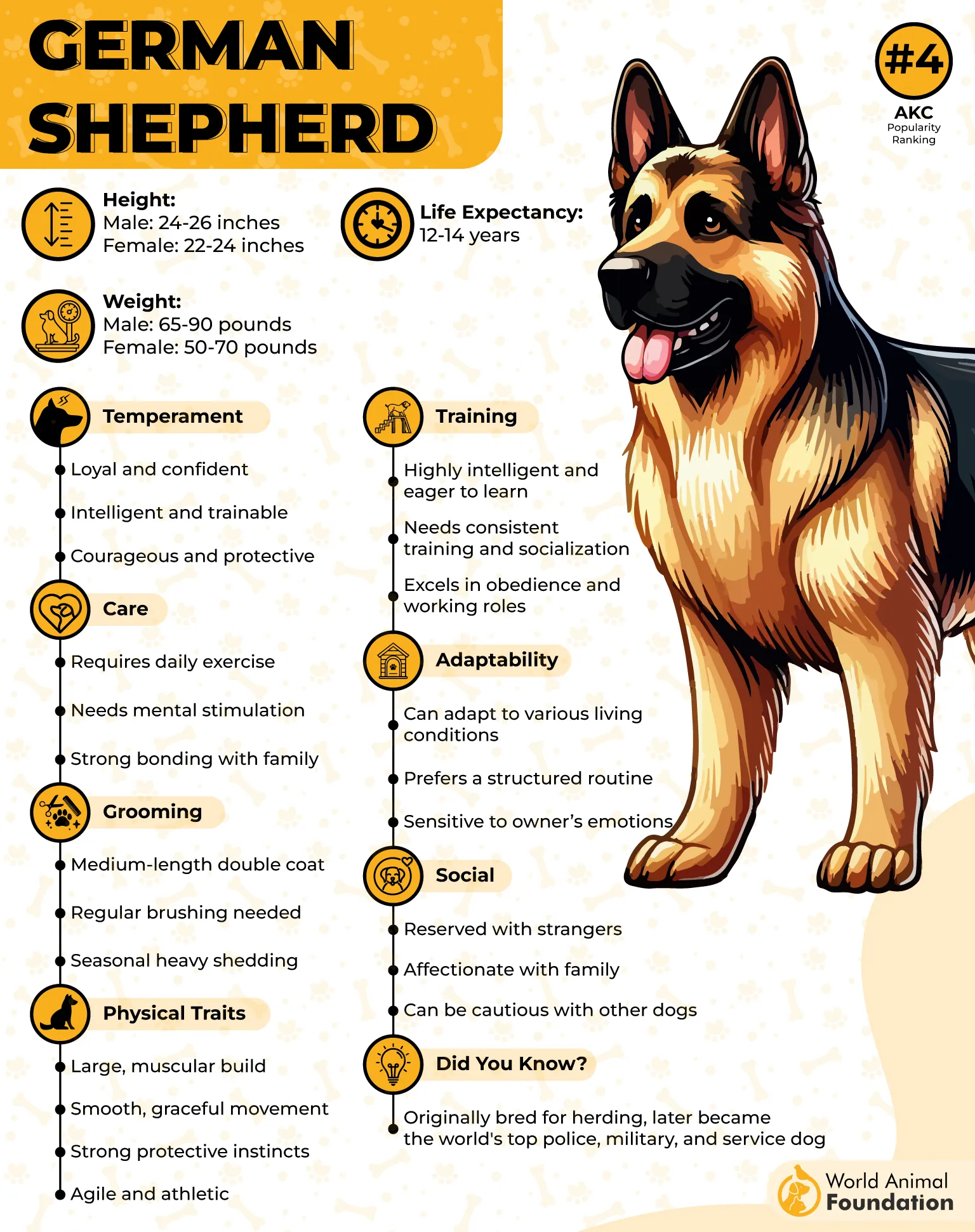
As one of the most popular guard dogs, a German Shepherd can help you feel safer while camping as it lounges beside you. They’re friendly with kids, but they’re powerfully built and may knock over small children without meaning to. German Shepherds want to stay close to their people, making them reliable trail companions that naturally check in with you.
They’re generally healthy but prone to some genetic issues, like hip and elbow dysplasia, so get them evaluated early.
Conclusion
Picking the right breed for backpacking and hiking makes the experience peaceful and easy to manage. The place you choose and the type of terrain you’ll cover matter too. Medium-sized dogs often make great hiking and backpacking companions thanks to their balanced build.
Make sure your dog is properly trained for the trail and has strong recall so it stays safe with you. Schedule a vet visit before your camping or hiking trip, and only give your dog a pack weight that suits its size and age.
