




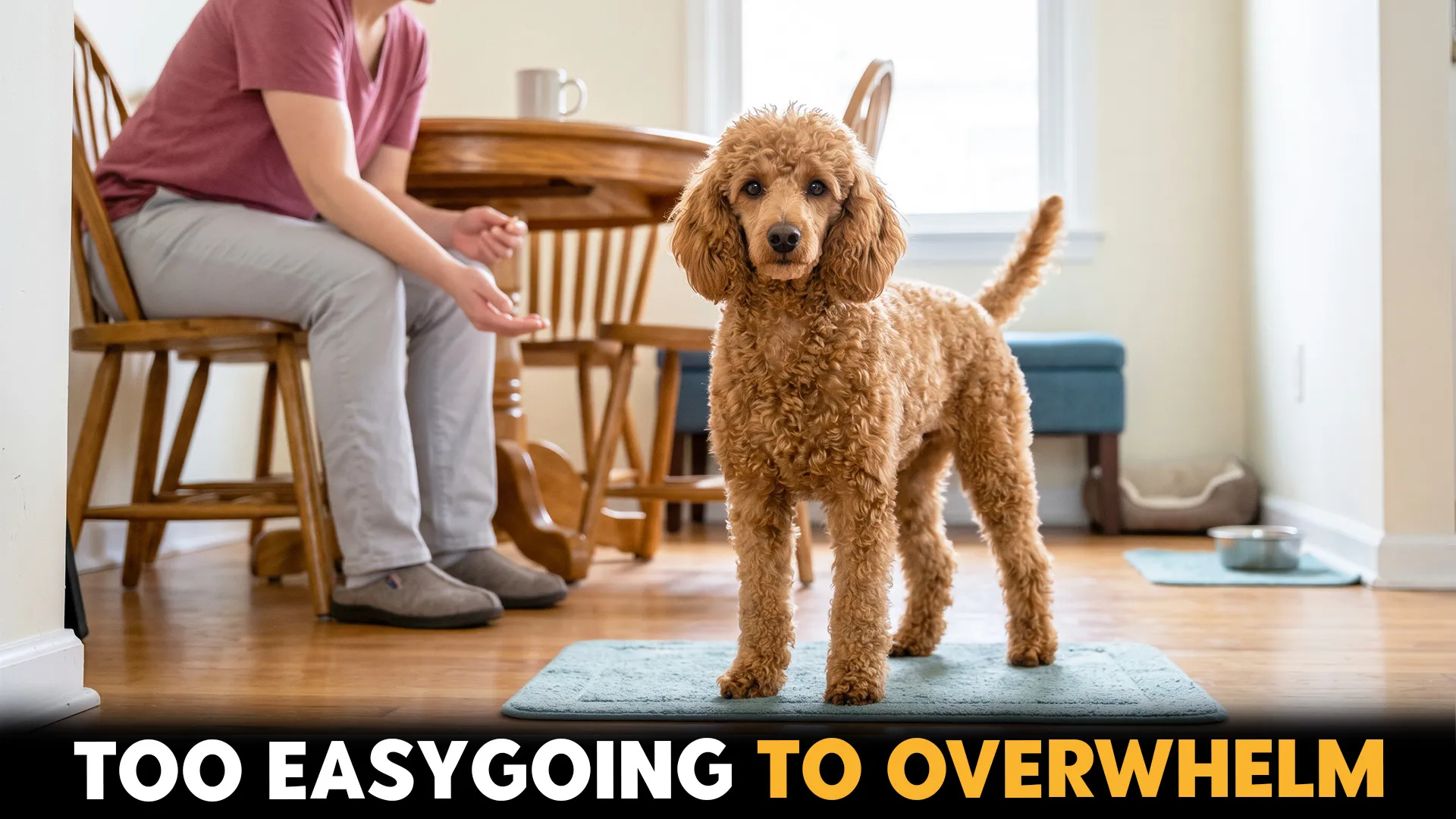
Choosing your first dog is exciting, but where do you start?
With so many breeds, finding the right match can feel hard. The best choice goes beyond looks or size. Instead, focus on temperament, trainability, and adaptability. Adaptable dogs can handle different homes and daily routines. They may also cope better with early training mistakes.
This makes life easier for new owners. Still, every dog needs patience, care, and clear rules. Your living space and family habits matter, too. A small apartment may suit some dogs better. Others may enjoy life in a larger family home. Adult mixed-breed dogs also make wonderful first pets.
Their grown-up personalities give you a clearer idea of what to expect. Adoption can also help you find a loving match. This guide explores seven adaptable breeds worth considering.
Top Adaptable Dog Breeds for First-Time Owners
1. Papillon
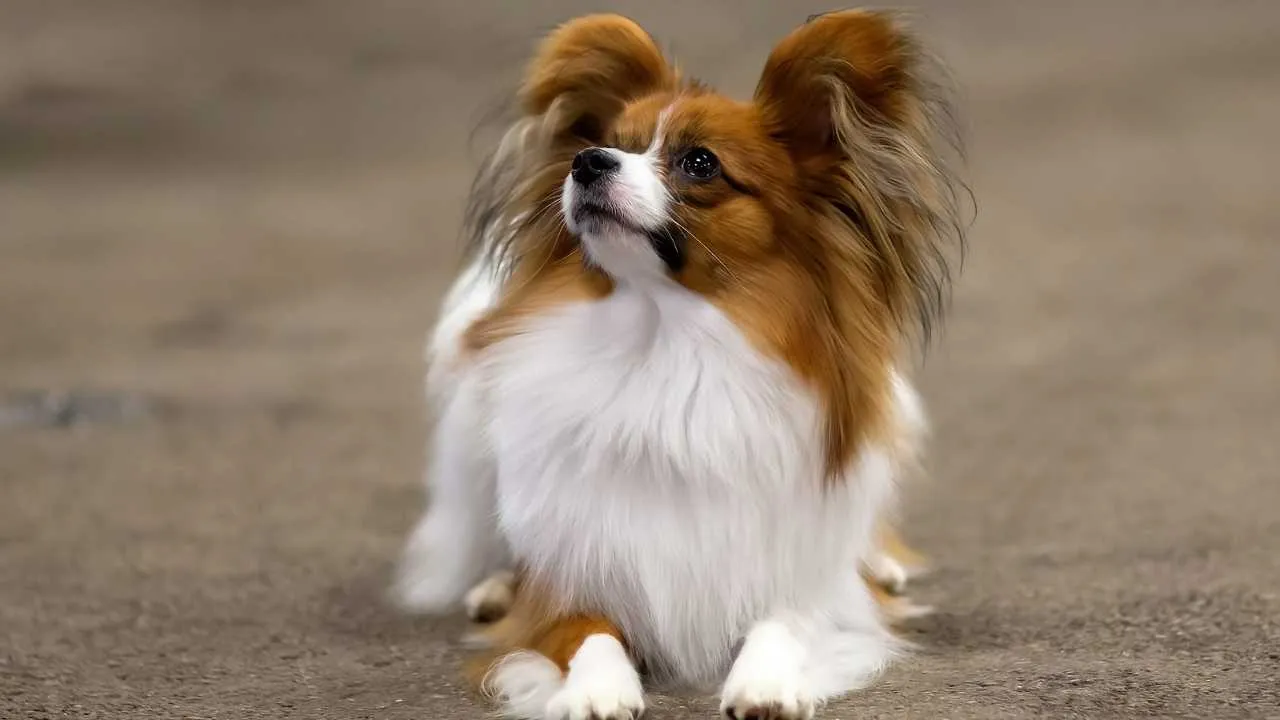
The Papillon is a bright toy breed with a rich past. Its name means “butterfly” in French. This refers to its large, wing-shaped ears. These dogs once served as companions to European nobles. Today, they remain loving and lively family pets.
According to Purina, Papillons are alert, friendly, and energetic. They enjoy family activities and relaxing on laps. Their intelligence also makes learning fun and easy.
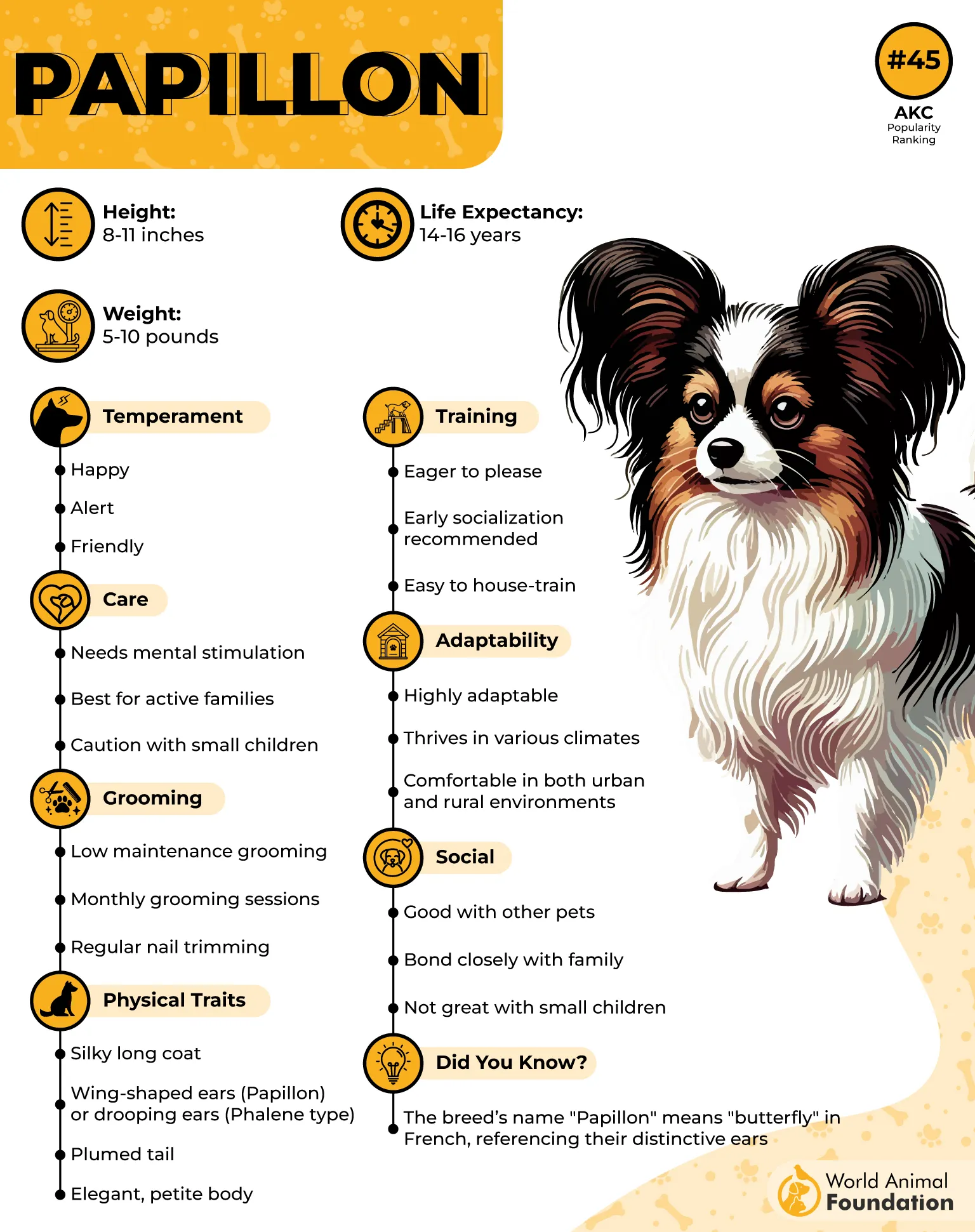
Often ranked among the smartest dog breeds, they quickly learn commands and tricks. This makes them appealing to first-time pet parents. They also enjoy bonding with other pets through early socialization.
What Makes Papillons Easy to Enjoy?
They excel in agility and obedience activities.
Moderate exercise helps meet their daily energy needs.
Their coat needs regular brushing and basic grooming.
Their small size suits apartments and smaller homes.
Puzzle toys provide useful daily mental challenges.
2. Bolognese
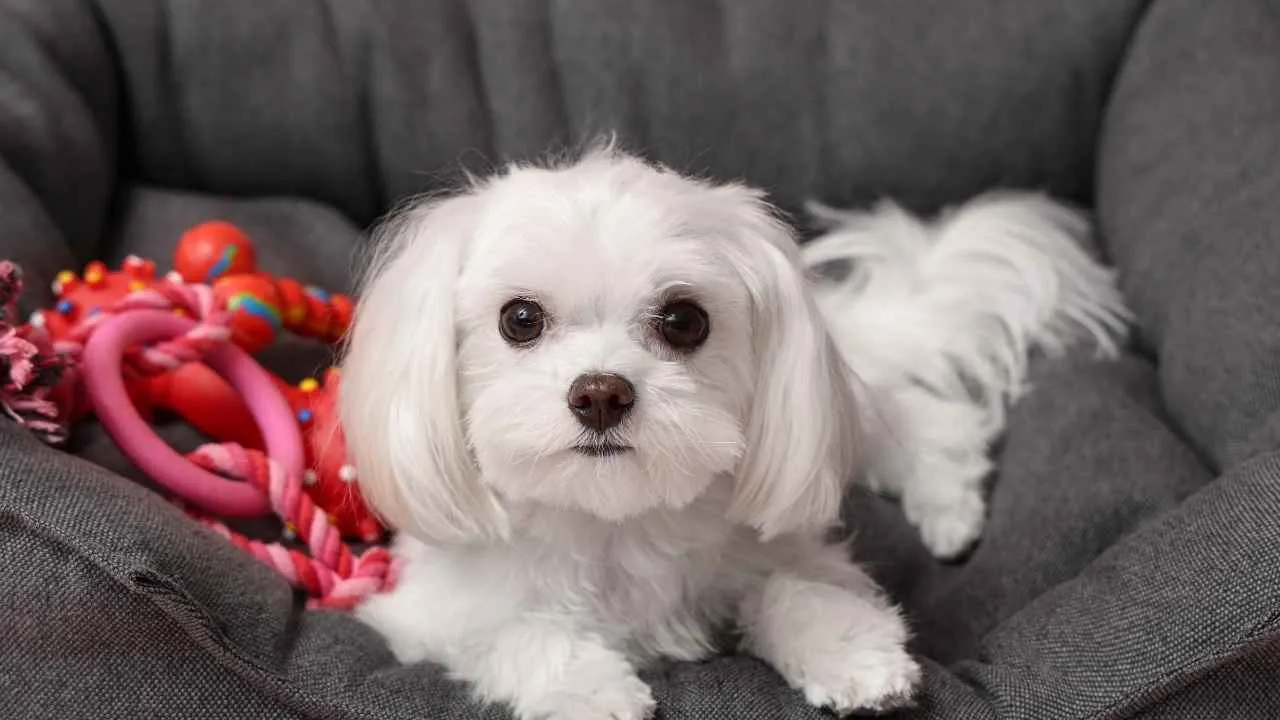
The Bolognese is a rare dog breed from Italy. These small dogs have charmed families for centuries. Noble families once treasured them as special companions. They also served as valuable gifts among royal households.
According to PetMD, breeders developed them for companionship. They are calm, loyal, and affectionate with family members. Their gentle nature makes them appealing to first-time pet parents. Unlike a large breed, they need less living space. However, their fluffy white coat needs regular care.
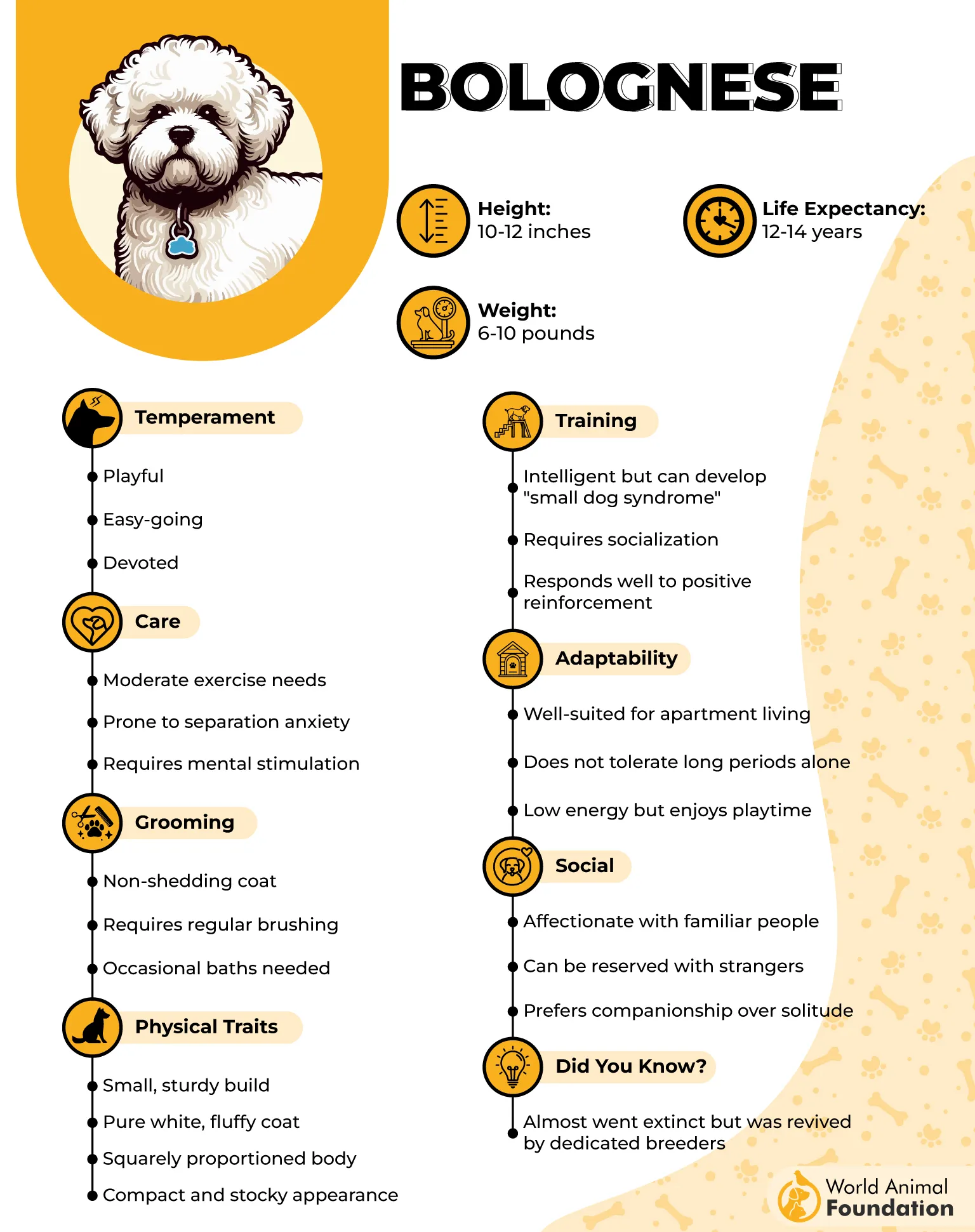
Bolognese dogs have a relaxed temperament and aren’t high-maintenance, making them great companions for traveling and running errands. Early socialization also helps them feel comfortable around strangers.
What to Know Before Bringing One Home
Daily exercise can include short walks and indoor games.
Positive training helps build good habits from puppyhood.
Their playful side makes simple games more enjoyable.
Supervised interactions help them bond safely with children.
Their coat is long and fluffy, not a short coat.
3. Labrador Retriever
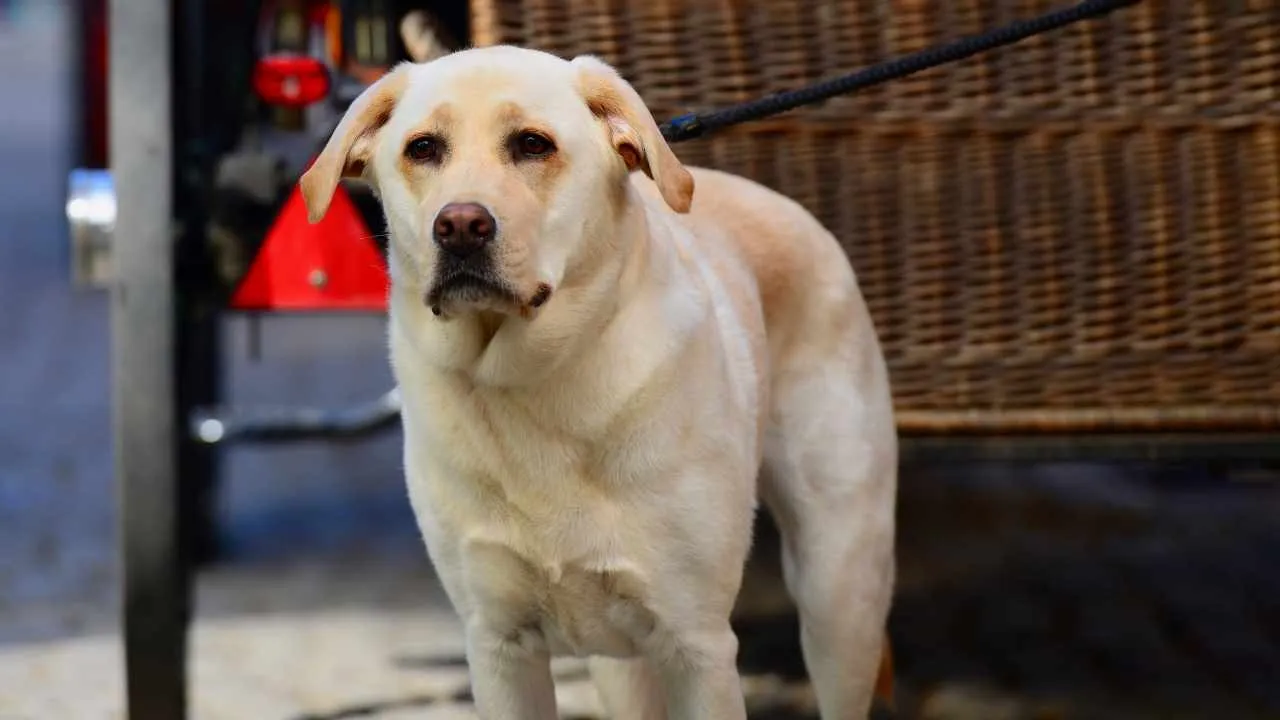
The Labrador Retriever is often called the best dog breed for families. It has a rugged build and a gentle nature. According to Britannica, Labs have served in police, military, and rescue work.
They have also worked as guide dogs for people with vision loss. Their friendly nature makes them great pets for active families. Labs became America’s most popular breed during the 1990s. They held the top AKC spot for 31 straight years.
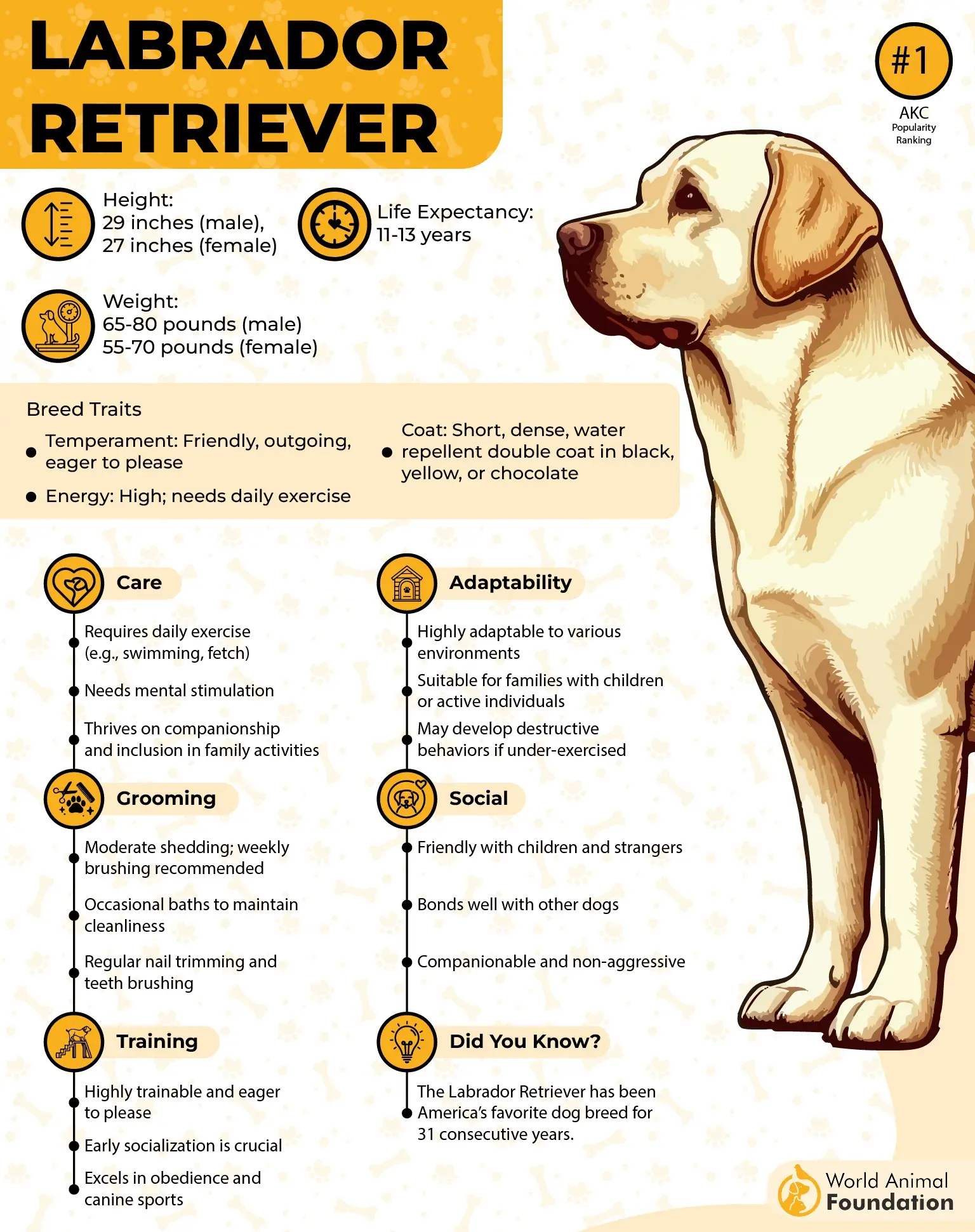
Their eagerness to please makes training much easier. They respond well to praise, rewards, and clear commands. This beginner-friendly breed also gets along well with kids and other dogs. However, Labs need daily activity and plenty of engagement.
What Makes Labs Great Family Companions?
They enjoy swimming, fetching, and outdoor adventures.
Their short coat comes with regular grooming needs.
They are not entirely low maintenance.
Early training helps manage their excitement around guests.
Puzzle games keep their minds busy between walks.
4. Miniature Poodle
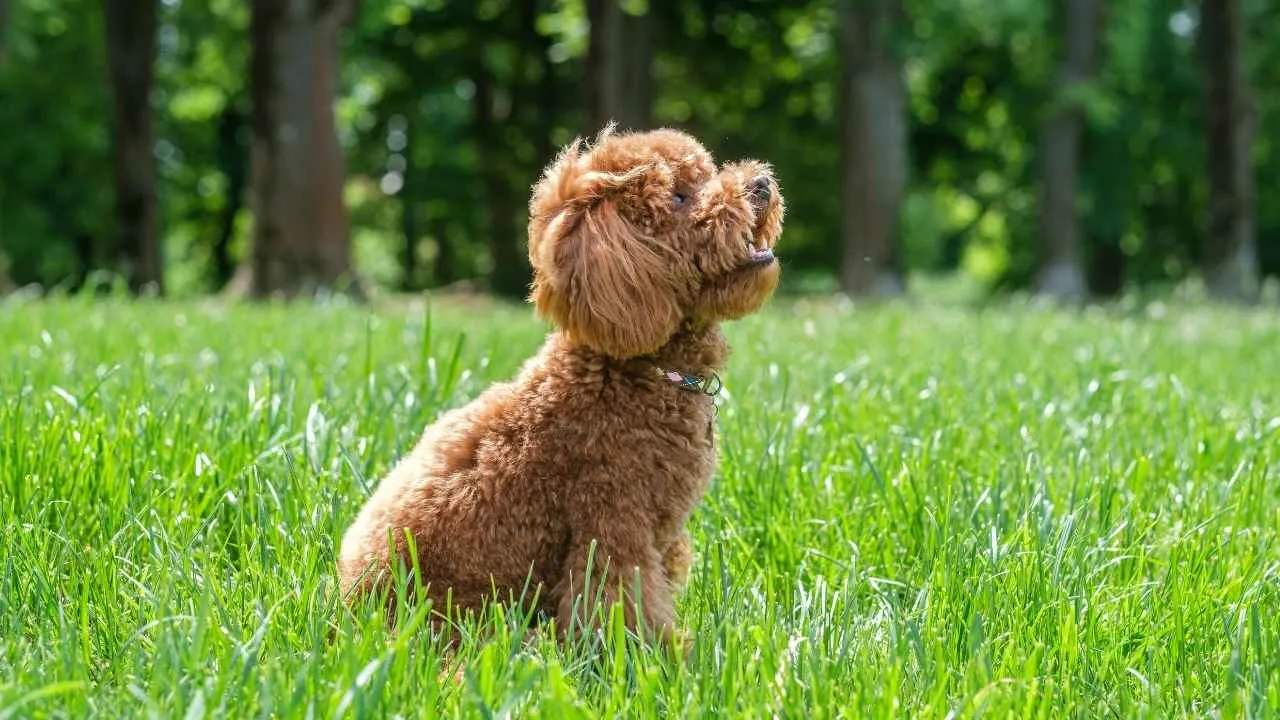
The Miniature Poodle is an intelligent dog with many talents. According to the American Kennel Club, Poodles come in three sizes. Miniatures stand 15 inches or less at the shoulder. They share the same build and proportions as larger varieties.
Originally, Poodles worked as water retrievers. Today, they shine in training and dog sports. Their sharp minds make learning new tasks easy. This helps them become a great fit for first-time pet parents.
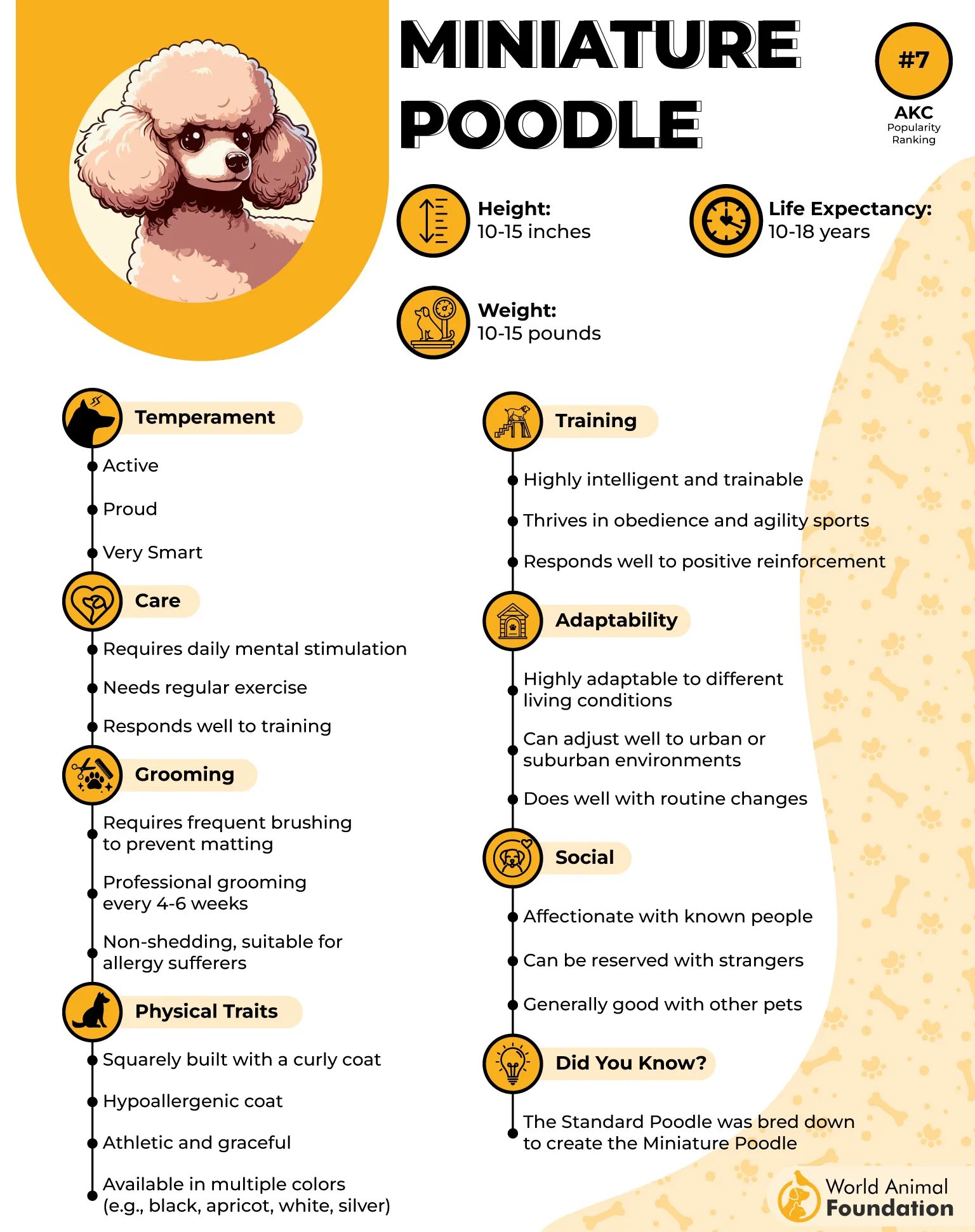
Their curly, low-shedding coat also appeals to many families. However, regular grooming keeps these Poodles neat and healthy. This happy breed can adjust to apartments or larger homes. With a calm demeanor and proper training, they can also live well with small children.
What Makes Miniature Poodles Special?
Puzzle toys help develop their problem-solving skills.
Their playful nature makes daily games more enjoyable.
They need regular walks to stay fit and happy.
Their coat isn’t low-maintenance.
Their long lifespan can mean many years of companionship.
5. Bichon Frise
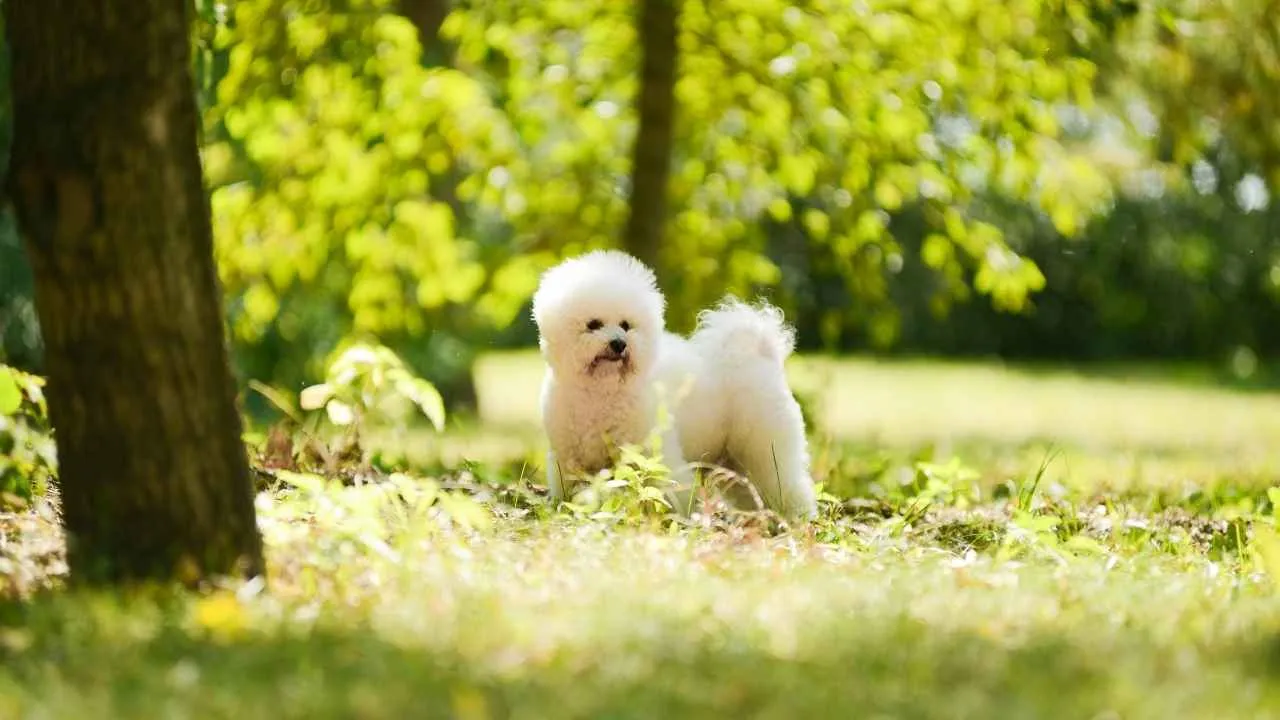
The Bichon Frise is a charming white dog breed. This small breed brings joy to many homes. Its affectionate nature helps it bond with families. According to PDSA, Bichons are loving dogs. They are excellent with children and other pets.
Their adaptable nature also suits different households. They can enjoy apartment life with proper care. However, moderate exercise needs to be met daily. Short walks and indoor games work well.
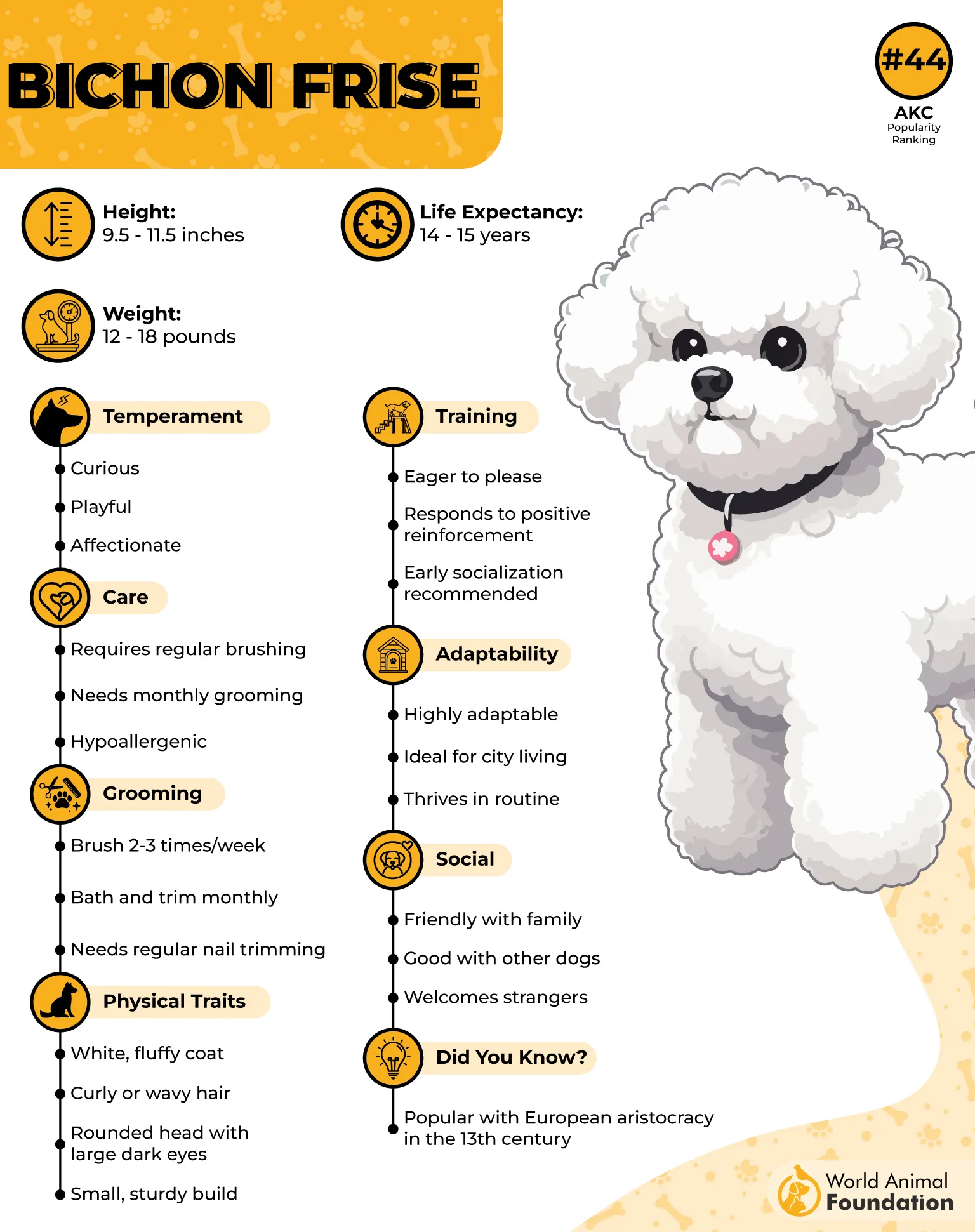
Unlike some other breeds, Bichons need regular coat care. Daily grooming helps prevent painful mats and tangles. A professional groomer should trim their coat every few months. Their friendly nature makes them a lovely addition to new dog owners.
Caring for a Bichon Frise
Introduce new people and pets through calm, positive meetings.
Use praise and rewards to encourage good behavior.
Keep their ears clean to reduce infection risks.
Provide toys to prevent boredom when home alone.
Arrange regular dental checks to support healthy teeth.
6. Yorkshire Terrier
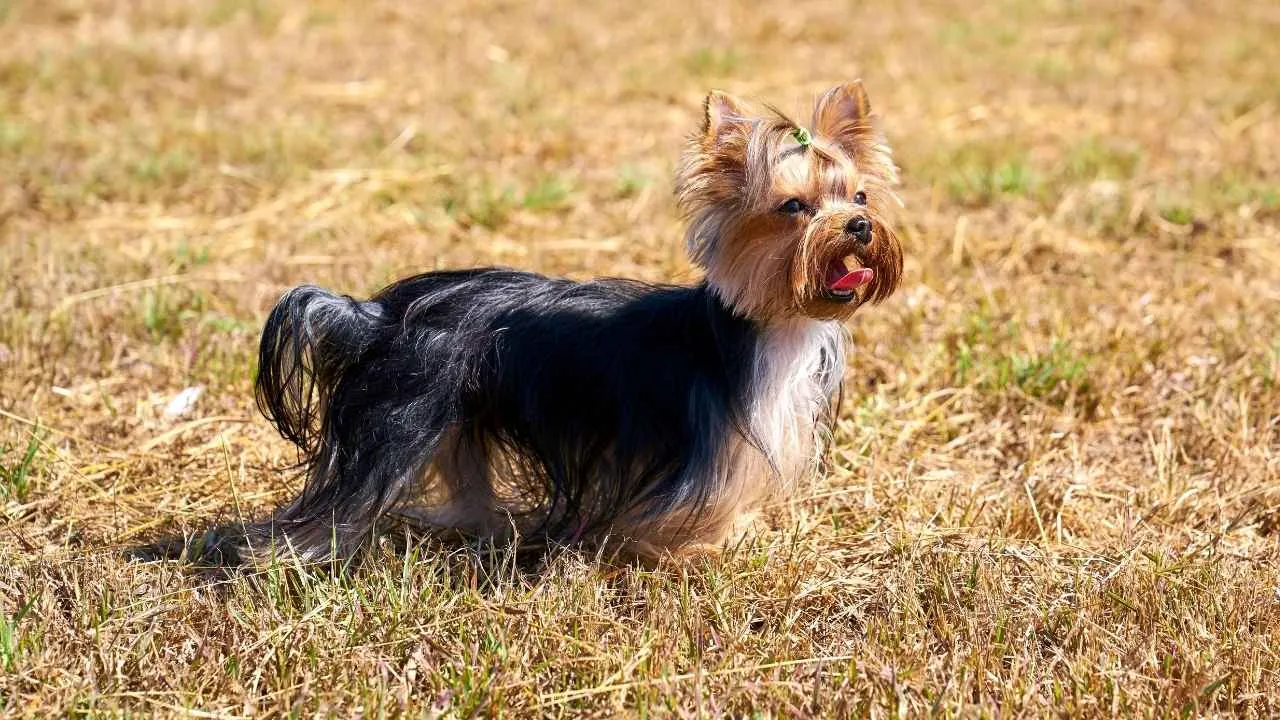
The Yorkshire Terrier is a tiny dog with a bold personality. This toy-sized terrier once worked in English mines and mills. Its main job was catching rats and other pests. Today, Yorkies make lively and devoted companions. According to Wikipedia, they weigh no more than seven pounds.
Despite their size, they show plenty of courage and confidence. Their compact build suits many living situations, especially city homes.
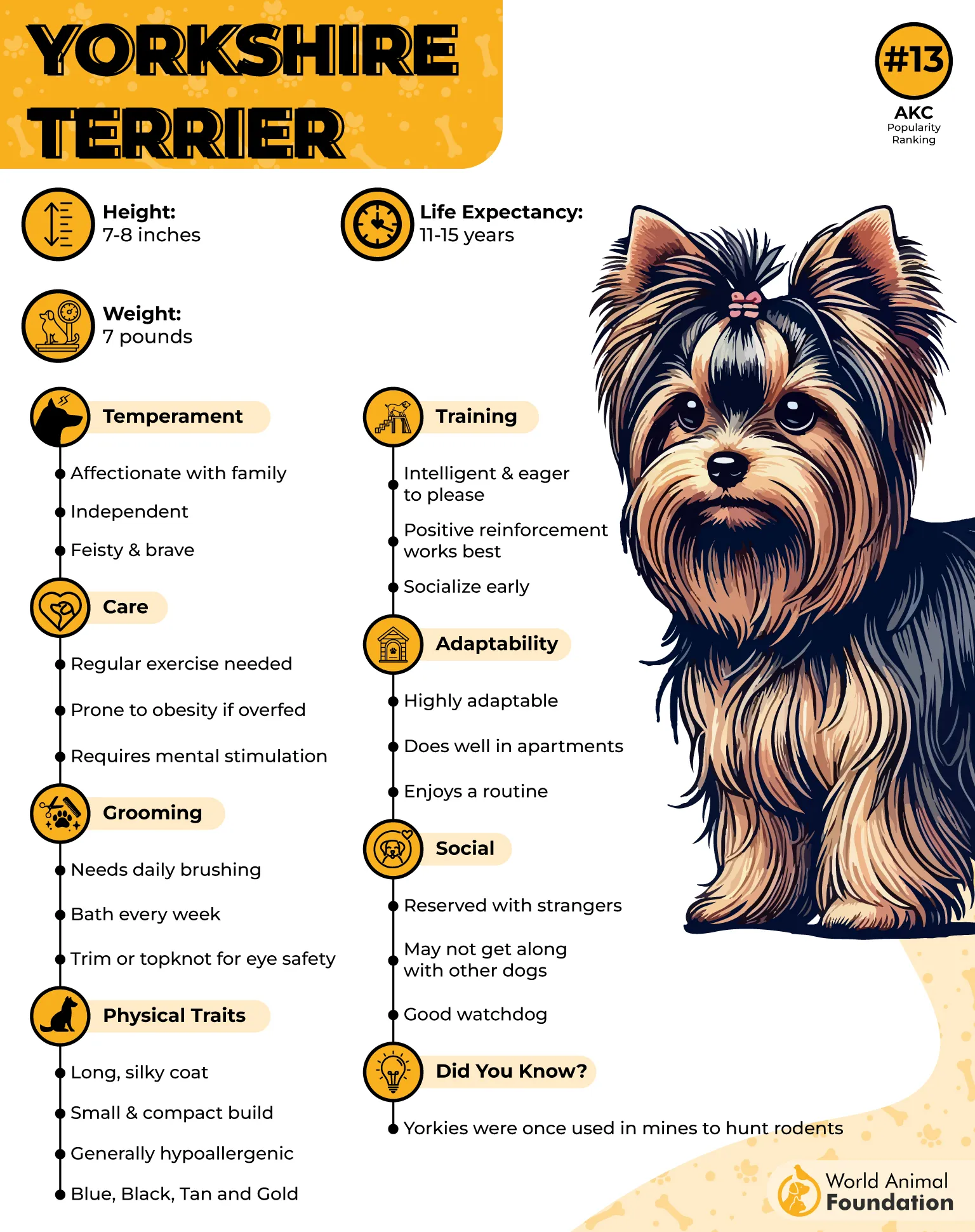
For owners in smaller spaces, they can be one of the easiest dog breeds to accommodate. This makes Yorkies appealing to first-time dog owners. Their long, silky coat needs regular care, though. While they shed very little, they are not entirely low maintenance.
Keeping Your Yorkshire Terrier Happy
Offer puzzle toys to provide daily mental stimulation.
Brush their coat often to prevent painful matting.
Use gentle training to encourage good habits.
Take short daily walks to keep them active.
Introduce other pets early to encourage friendly behavior.
7. Shih Tzu
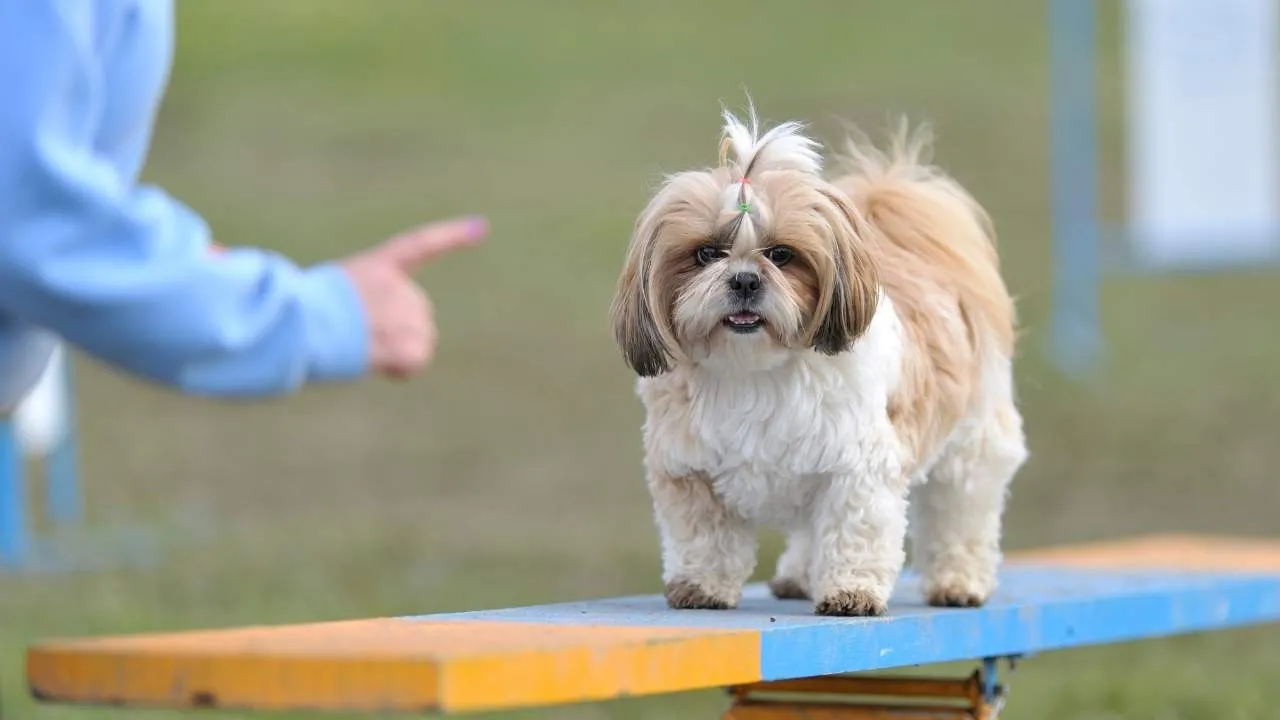
The Shih Tzu is an old companion breed with roots in China and Tibet. Chinese royal households once treasured these small dogs. Their friendly nature still makes them wonderful family pets. According to Hill’s Pet, Shih Tzus have happy, lively temperaments.
They are generally friendly with people of all ages. Most also get along well with dogs and other pets. Their compact size makes them a good match for an apartment dweller. They can also suit a first-time pet parent. Shih Tzus have moderate energy levels and do not need long walks.
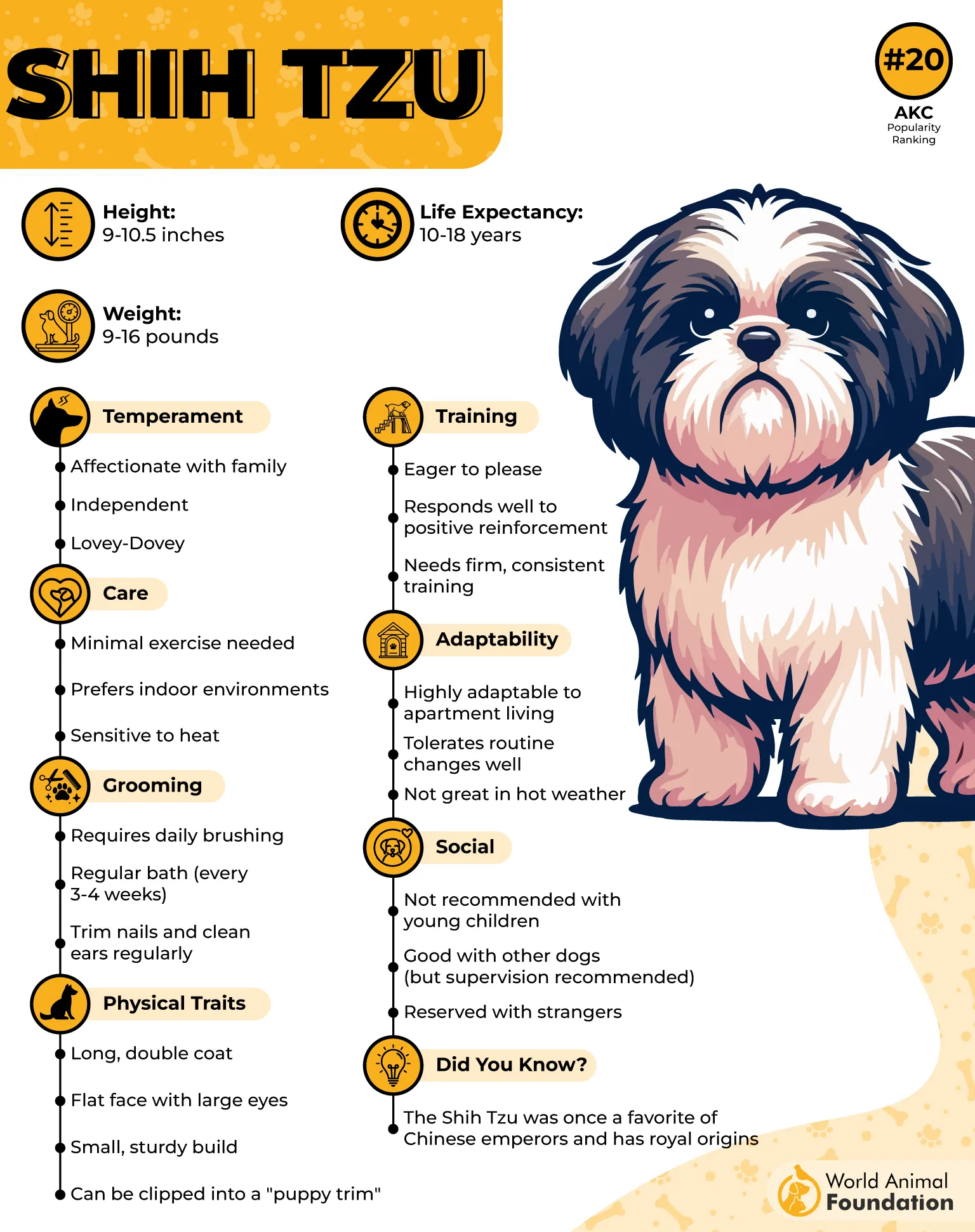
They enjoy spending long periods with their families. Although some people seek them as a hypoallergenic dog breed, no dog is fully hypoallergenic. Their coat also needs regular grooming, so they are not low-maintenance.
Simple Ways to Care for a Shih Tzu
Brush several times weekly to prevent matting.
Keep their eyes clean and check them often.
Make playtime fun with gentle indoor games.
Teach children to handle them with care.
Schedule regular trims to keep their coat manageable.
Conclusion
Choosing your first dog means finding a companion that fits your daily life. These seven breeds offer different qualities for first-time pet parents. Some small dogs suit apartment living, while others enjoy active family homes. A large dog breed may also be a good choice with enough space and care.
Consider your routine, home, and the needs of your kids before deciding. Remember, every dog needs regular vet visits, proper grooming, and daily activity. Some breeds need more exercise than others.
Professional dog training can also help build good habits and prevent common behavior issues. No breed is completely low maintenance. Take time to understand each dog’s needs before bringing one home. With thoughtful planning, you can find a loyal companion and build a happy life together.
