




Most dog lovers can name Great Danes, a Saint Bernard, or even a cartoon icon like Scooby-Doo within seconds, yet seven of the world’s most extraordinary supersized canines rarely show up at the local dog park. Sharing your home with a giant dog changes everyday life in ways smaller pets never could, from buying kibble in bulk to clearing coffee tables with a single tail wag. Beyond familiar household names, an overlooked group of rare dog breeds carries centuries of working grit, distinctive appearances, and deep devotion.
Some of these gentle giants happily lounge indoors like oversized throw pillows, while others stay alert with strong protective instincts and independent minds. Bringing home one of the biggest dog breeds is deeply rewarding, though extra size always brings extra responsibility.
Heavier food budgets, smart pet insurance, daily exercise, roomy living spaces, and breed-specific health problems all shape your daily routine. Understanding each breed’s true temperament helps new pet parents and first-time dog owners choose a companion whose personality fits their real life.
Unique and Rare Giant Dog Breeds: A Breed Spotlight
1. Tibetan Mastiff
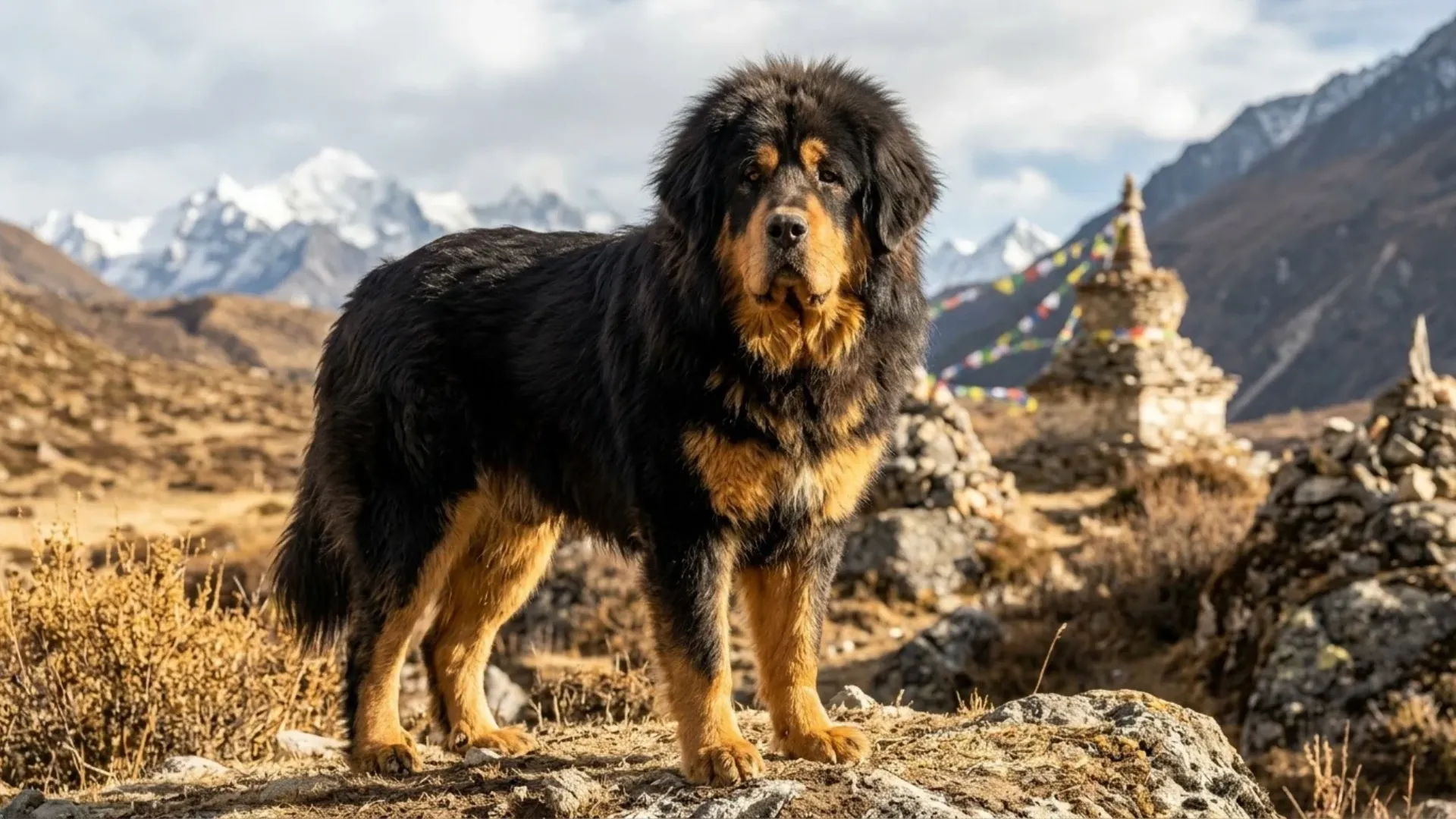
Meet the Tibetan Mastiff, a living legend that looks like it walked straight down from the clouds of the Himalayas. Centuries ago, mountain villagers across the Tibetan Plateau originally bred these fearless guard dogs to protect sacred monasteries and lonely homesteads.
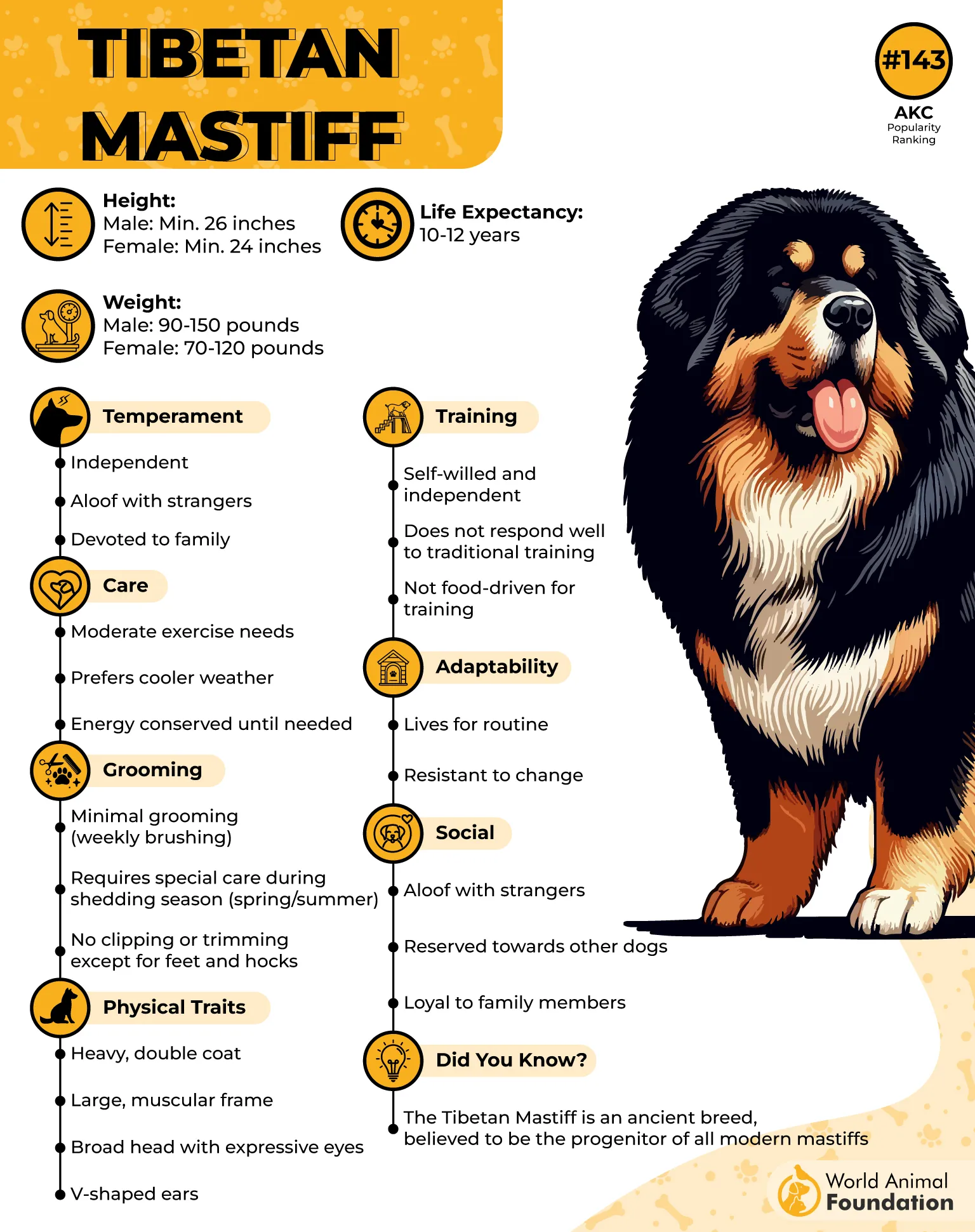
Because their native homeland sits miles above sea level, this ancient breed even developed special blood traits that help it thrive in thin mountain air where other dogs tire fast.
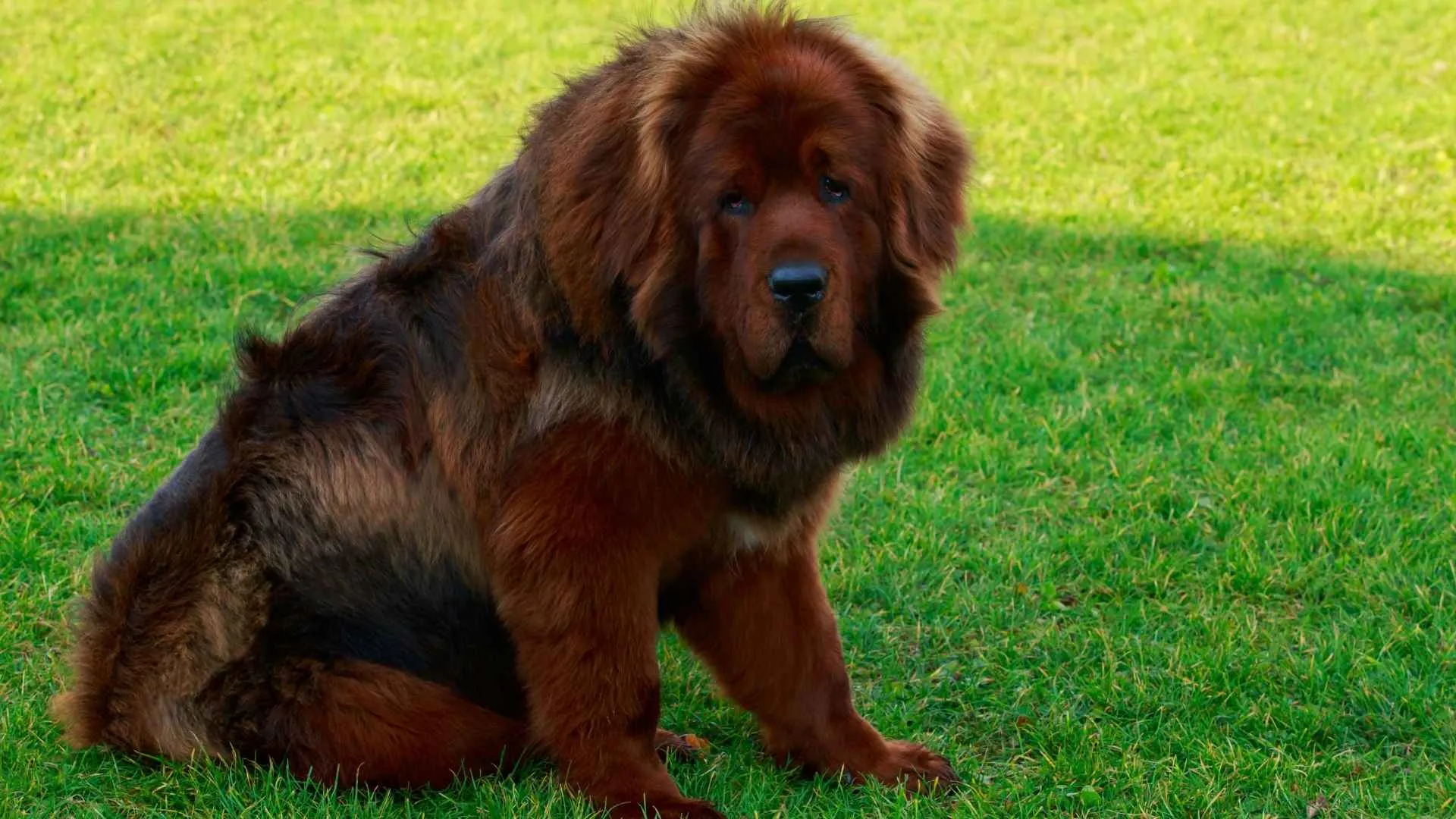
Nature gave this rare giant a thick double coat built to block freezing winds. Colors range from deep black and warm gold to blue-gray and rich brown, while males grow a dramatic lion-like mane around their necks.

At home, this quiet watcher shows a surprisingly soft heart toward the people it trusts. Strangers get a cool stare, and after sunset, a deep bark echoes across the yard to warn off unwanted visitors, as Greencross Vets describe. Unlike most canines that shed twice a year, this mountain native drops its heavy undercoat in one dramatic shedding season.
Weekly brushing keeps that thick fur neat, especially during that spring fur storm. Because a fence feels like a mere suggestion to a free-thinking guardian, early socialisation and calm guidance from an experienced owner help this mountain icon thrive.
2. Central Asian Shepherd
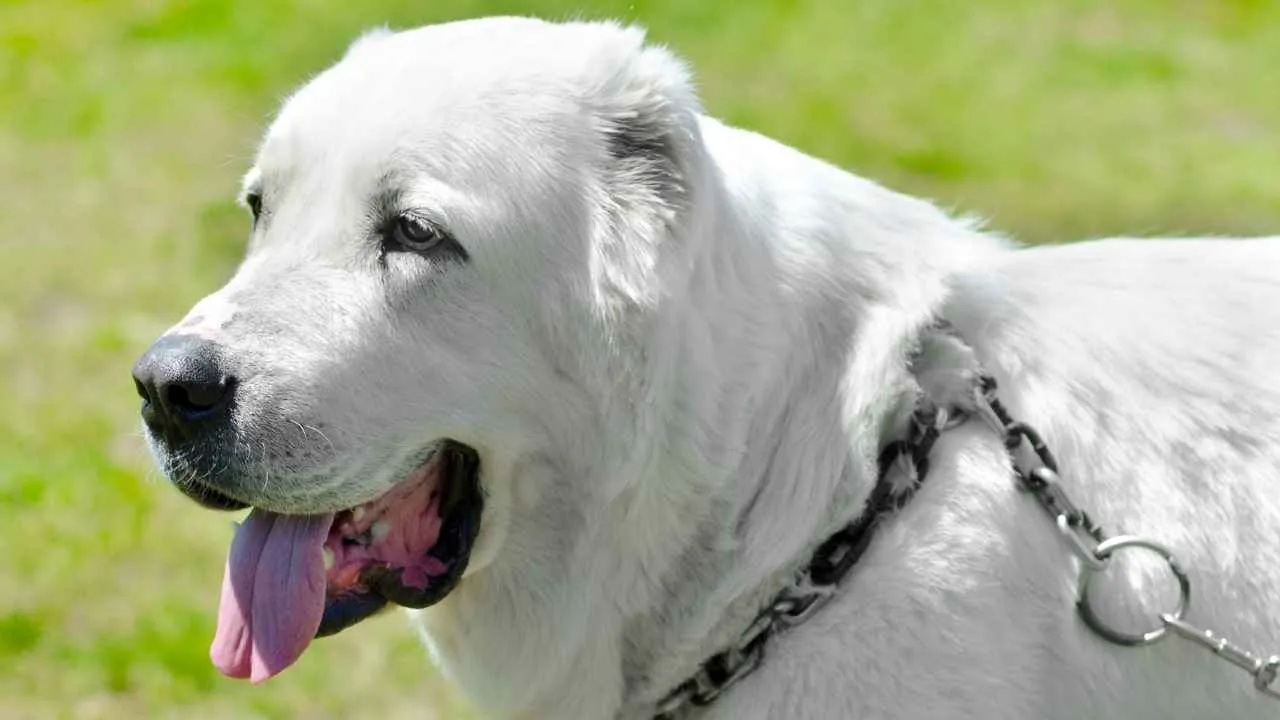
Say hello to the Central Asian Shepherd, a tough steppe survivor known affectionately as the Alabai. Nomadic herders relied on this brave working canine for generations to protect sheep and camps from fierce predators. Over four thousand years of harsh desert heat and freezing winters shaped an iron-clad survivor with almost no human meddling in its bloodline.
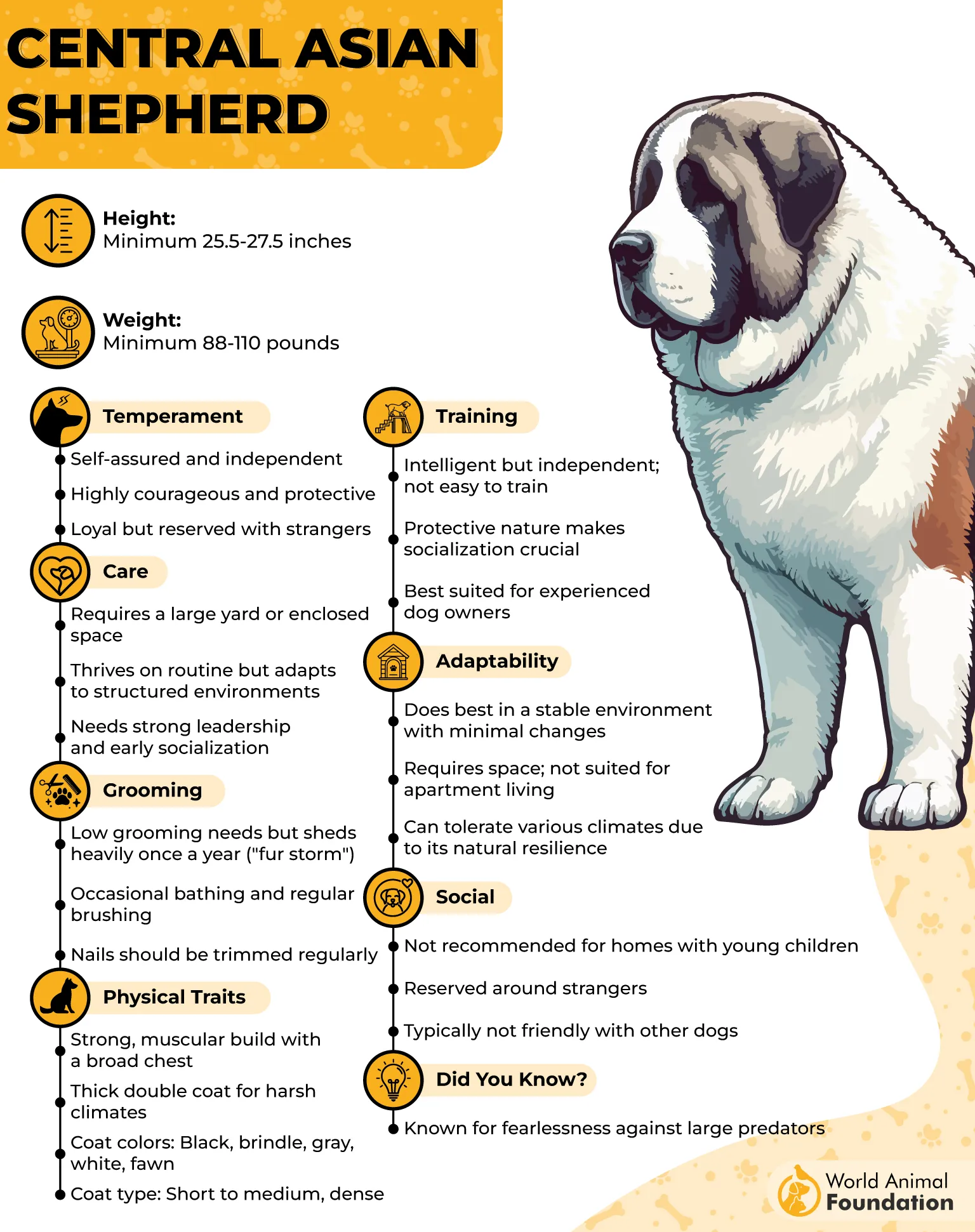
A wide skull, thick neck, and sturdy legs give this powerhouse a solid, ready-for-anything build. Depending on the family line, its dense fur lies either short or medium-long in shades of white, charcoal, gray, fawn, or striped brindle.
Rather than waiting around for constant orders, the AKC notes that this smart livestock guardian reads every situation on its own with a strong will. Meeting new people early teaches it how to welcome guests while staying deeply loyal to home and family. Around children and fragile farm animals it knows well, these loyal dogs turn remarkably gentle and patient.
Tight quarters simply cannot hold an animal built for wide-open patrol routes and strong yard fences. Starting early training on loose-leash walking and clear boundaries sets up a smooth bond with handlers who truly understand guardian bloodlines.
3. Caucasian Shepherd Dog
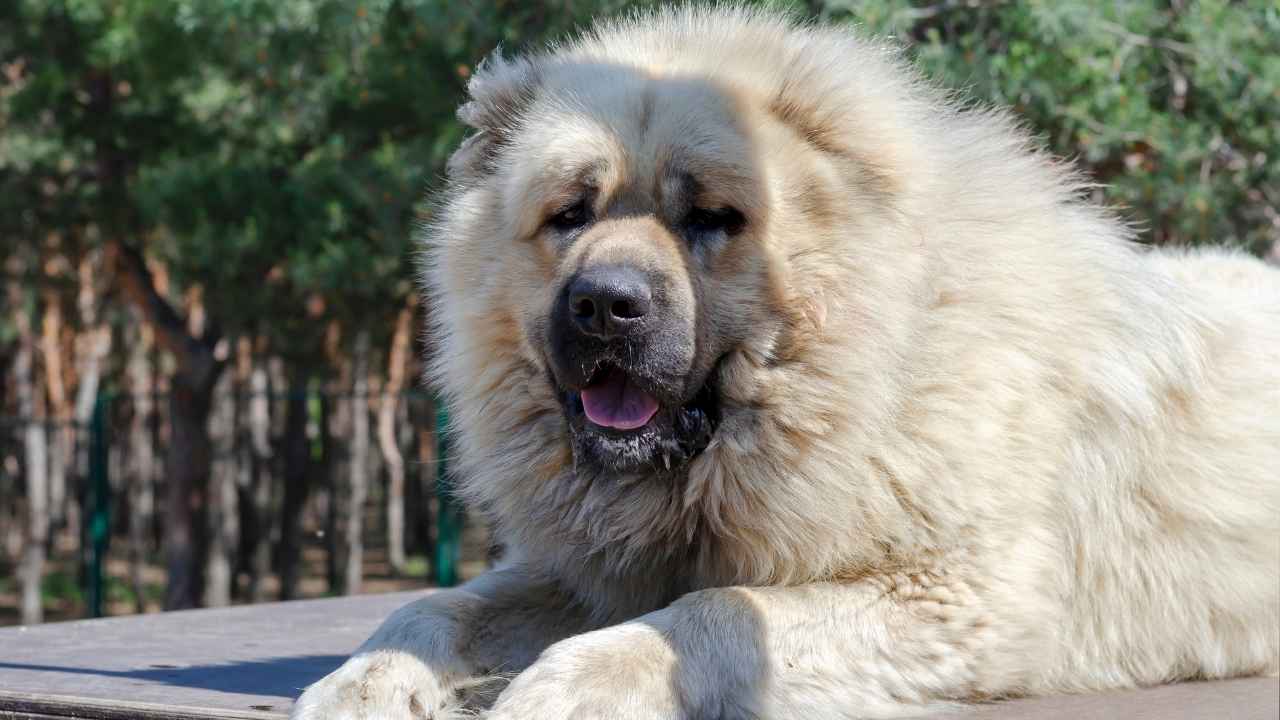
Step into the rugged peaks of the Caucasus Mountains, and you will see why the Caucasian Shepherd Dog earned its fearless reputation. Local shepherds developed this massive defender to stand down wolves and bears without blinking. Even Soviet-era border patrols relied on its unmatched bravery and keen senses to guard remote mountain outposts.
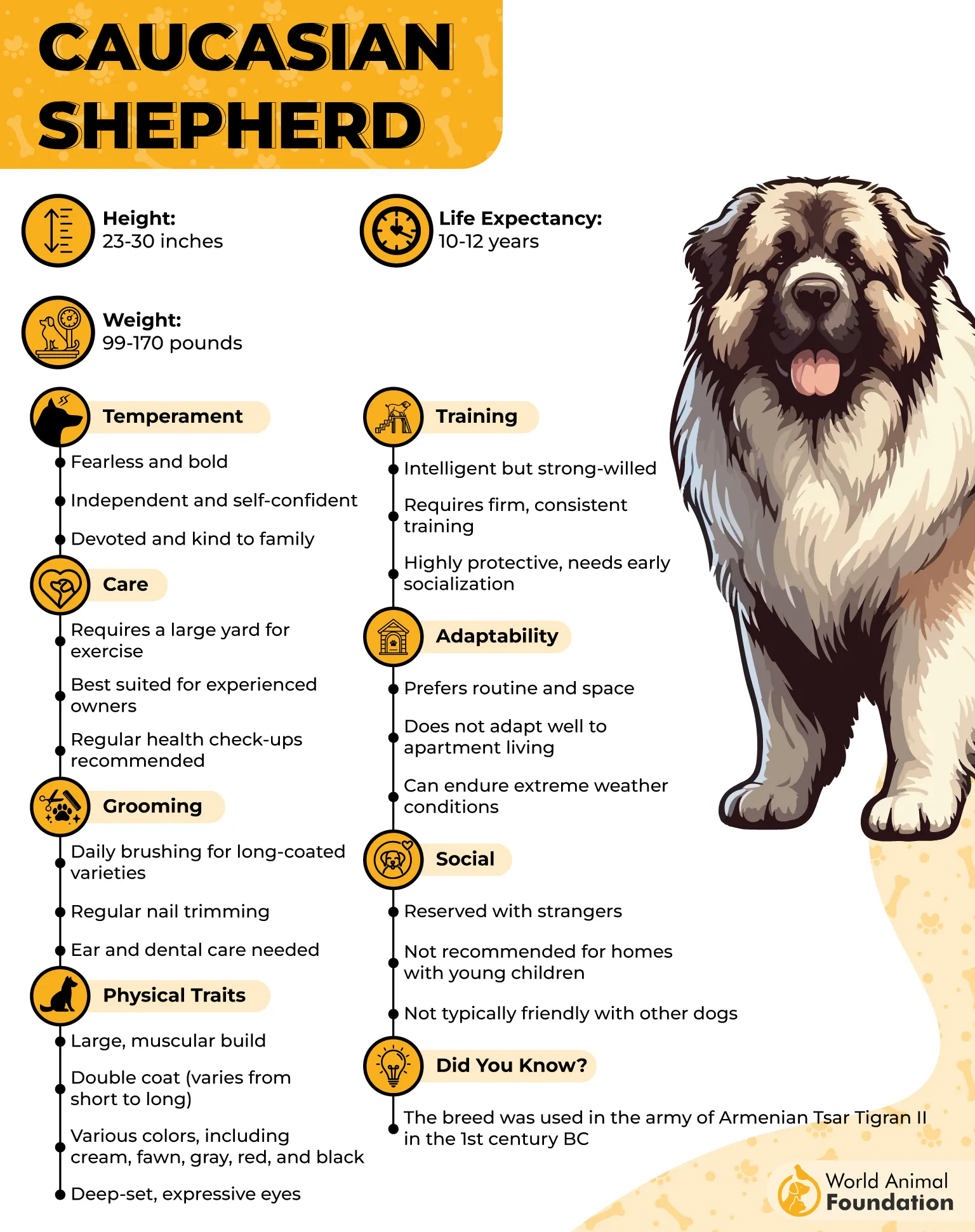
Broad shoulders, a heavy head, and a deep chest make this mountain native look like a furry boulder. Its fur shines in cream, smoky gray, white, fawn, or brindle, with long-haired varieties sporting fluffy fringes along their legs and tails.
Inside the house, Purina mentions that deep devotion turns this bold protector into a steady shadow for its favorite humans. Uninvited guests meet a highly protective watchdog that treats family safety like a full-time job. Despite its huge frame, this agile giant moves with surprising bursts of speed whenever trouble steps onto its turf.
Gentle, steady rules from puppyhood work far better than harsh corrections with such a proud, rare breed. Plenty of fenced yard space and regular brushing for those long fringes keep this heavyweight happy and healthy.
4. Greater Swiss Mountain Dog
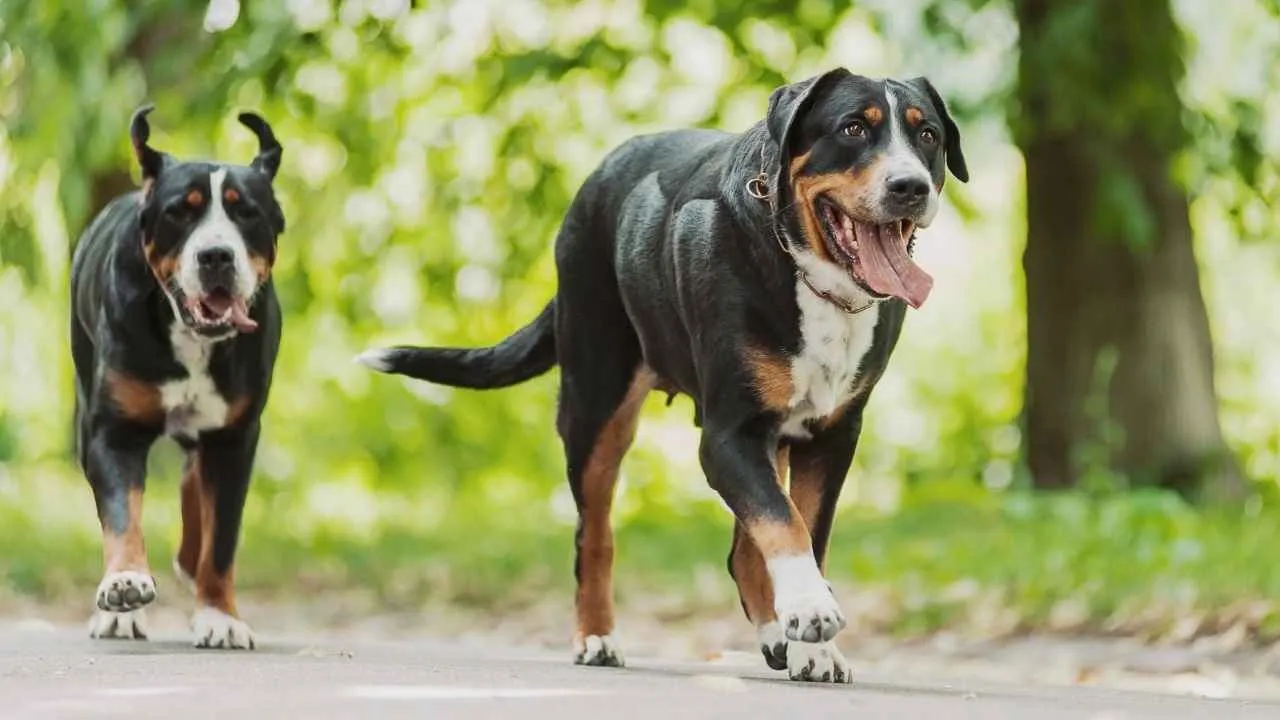
Forget lonely mountain guard posts, because the Greater Swiss Mountain Dog built its fame as the cheerful farm helper of the Swiss Alps. Hardworking farmers teamed up with this strong draft canine to pull heavy milk carts, herd cattle, and tackle daily chores.
Known fondly as the “Swissy,” this mountain dog nearly vanished after modern trucks replaced farm carts, surviving only thanks to a few dedicated fans.
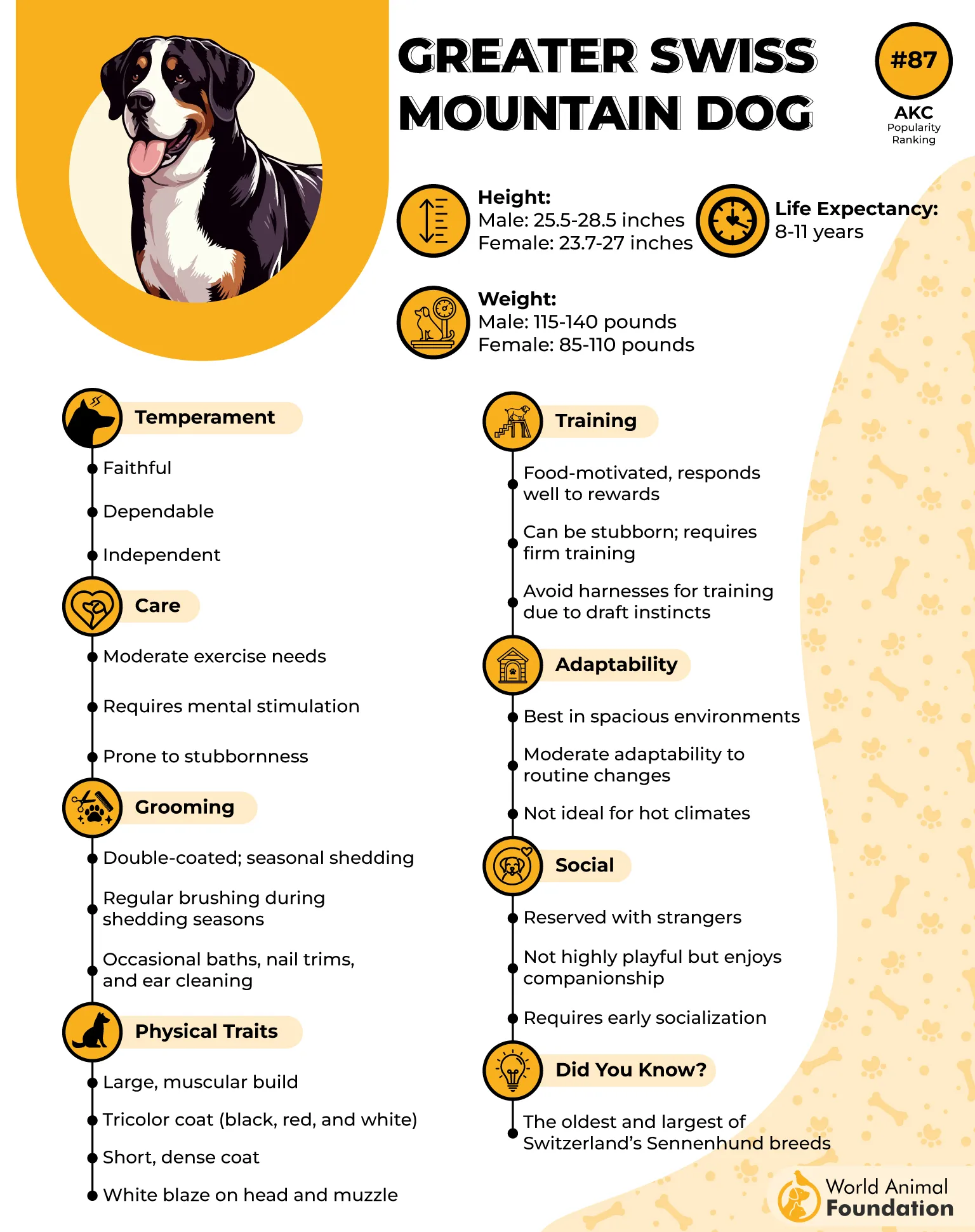
A crisp black coat accented with bright rust spots and clean white patches on the face, chest, paws, and tail makes it look dressed for duty. Solid muscles and a wide chest show off a body made for honest outdoor work.
Friendly energy sets this breed apart from quieter large dogs. Always ready to join family fun, this happy companion greets loved ones with pure joy while keeping a polite eye on newcomers. A resonant voice announces every delivery truck at the gate, though a warm tail wag usually follows once visitors step inside.
Lively backyard games and regular exercise keep its sturdy frame fit and trim. Brushing out seasonal fur and watching for large-breed concerns like hip dysplasia and stomach bloat help this Swiss sweetheart enjoy a long, active life.
5. Neapolitan Mastiff
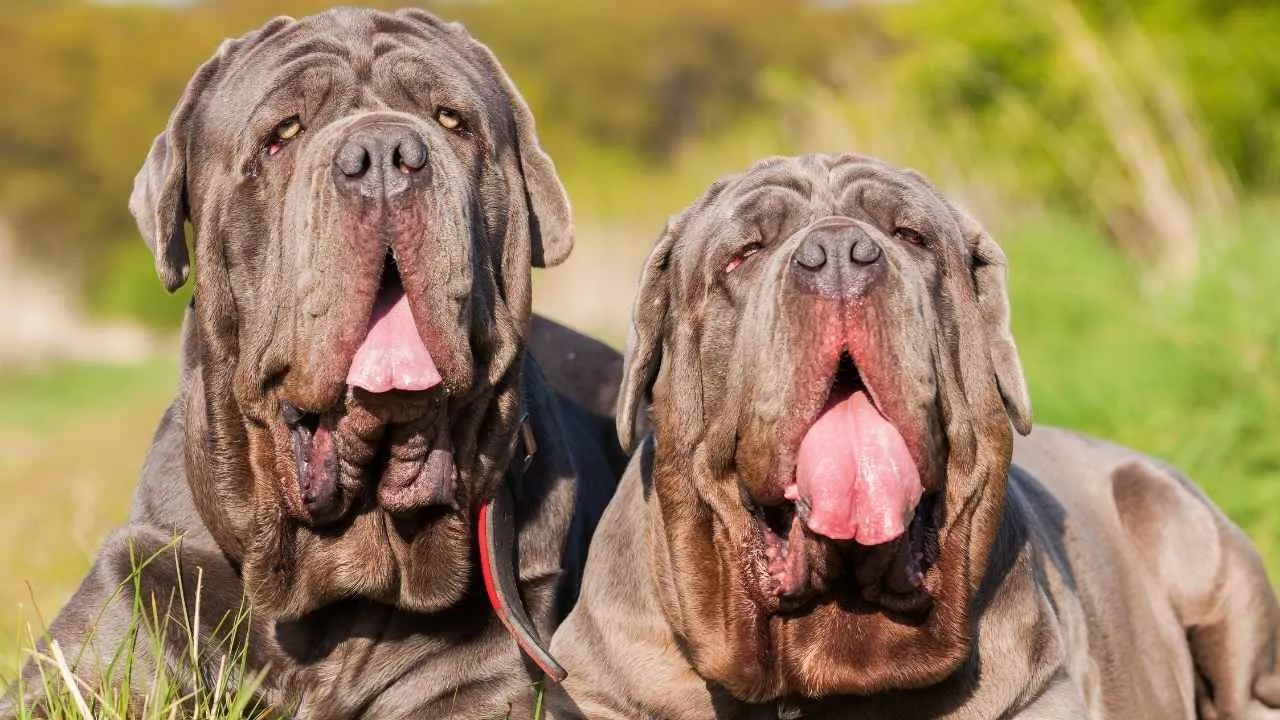
One look at the Neapolitan Mastiff, and those cascading face wrinkles steal the show right away. Originating in southern Italy, this ancient estate guard protected properties simply by looking too massive to challenge. Roman legions once marched alongside its fierce ancestors, while modern families cherish its quiet, comedic charm.
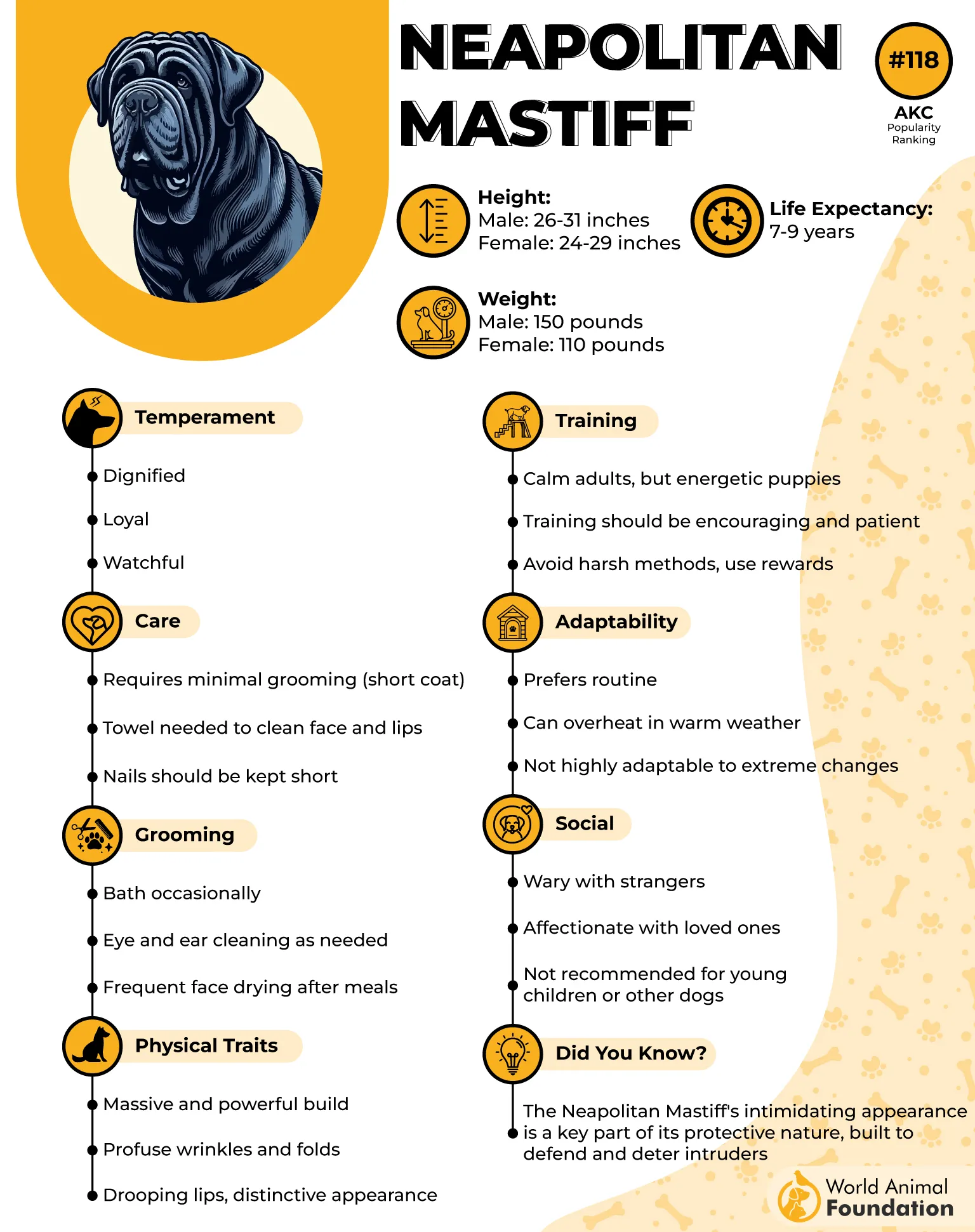
Heavy jowls, loose skin, and soulful eyes give its broad head a one-of-a-kind expression. Smooth short fur hugs its body in pewter gray, black, mahogany, or warm tawny tones, sometimes marked with faint brindle stripes.
Behind that dramatic face hides a mellow homebody that loves staying close to its people. Instead of bouncing off the walls, its calm nature favors quiet naps indoors while keeping a watchful ear on the front door. Rather than barking endlessly at passersby, it prefers slipping silently into a room to block an intruder’s path with sheer body weight.
Orvis says that daily walks protect those big joints while keeping extra weight away. Keeping a towel handy for drool, drying deep skin folds to prevent rashes, and working with a vet on heart disease and joint care are simple parts of daily life.
6. Scottish Deerhound
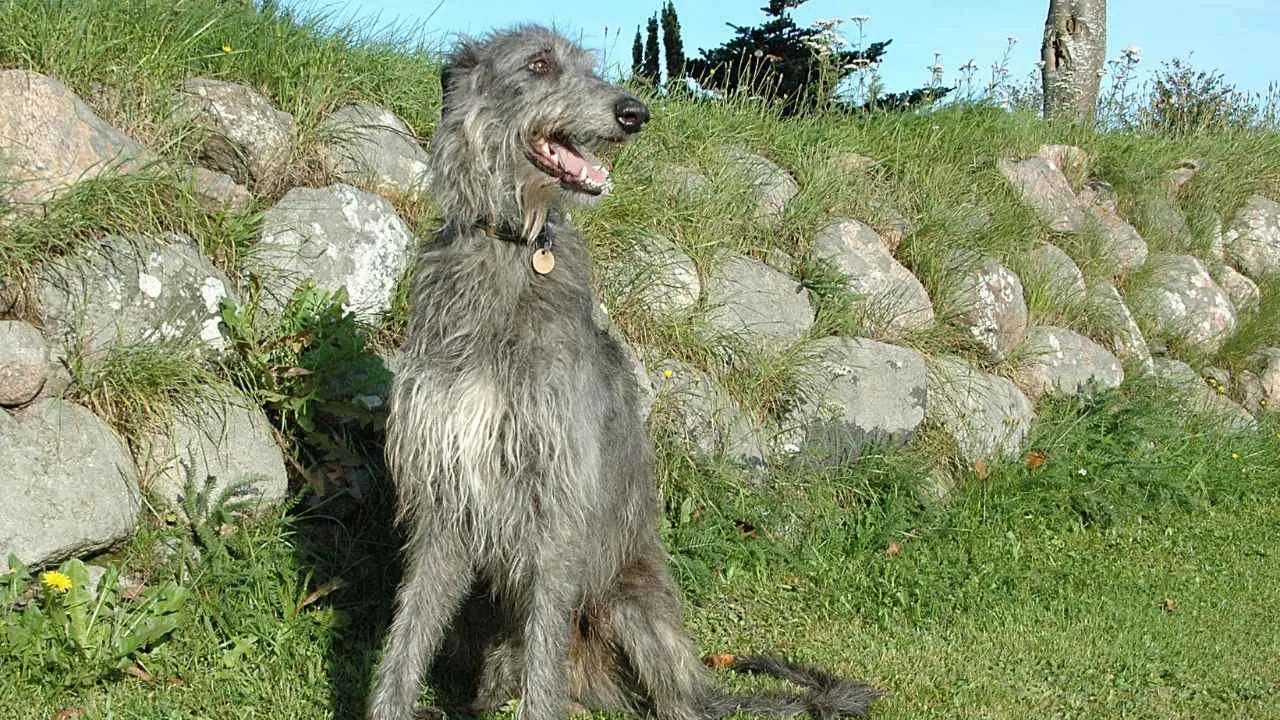
Trading heavy bulk for pure speed, the Scottish Deerhound brings noble grace to the dog world. Scottish hunters developed this tall sighthound to hunt deer across wide, windy Highland hills. Centuries ago, Scottish law strictly forbade anyone below the rank of earl from owning one, turning this royal dog into a living symbol of noble status.
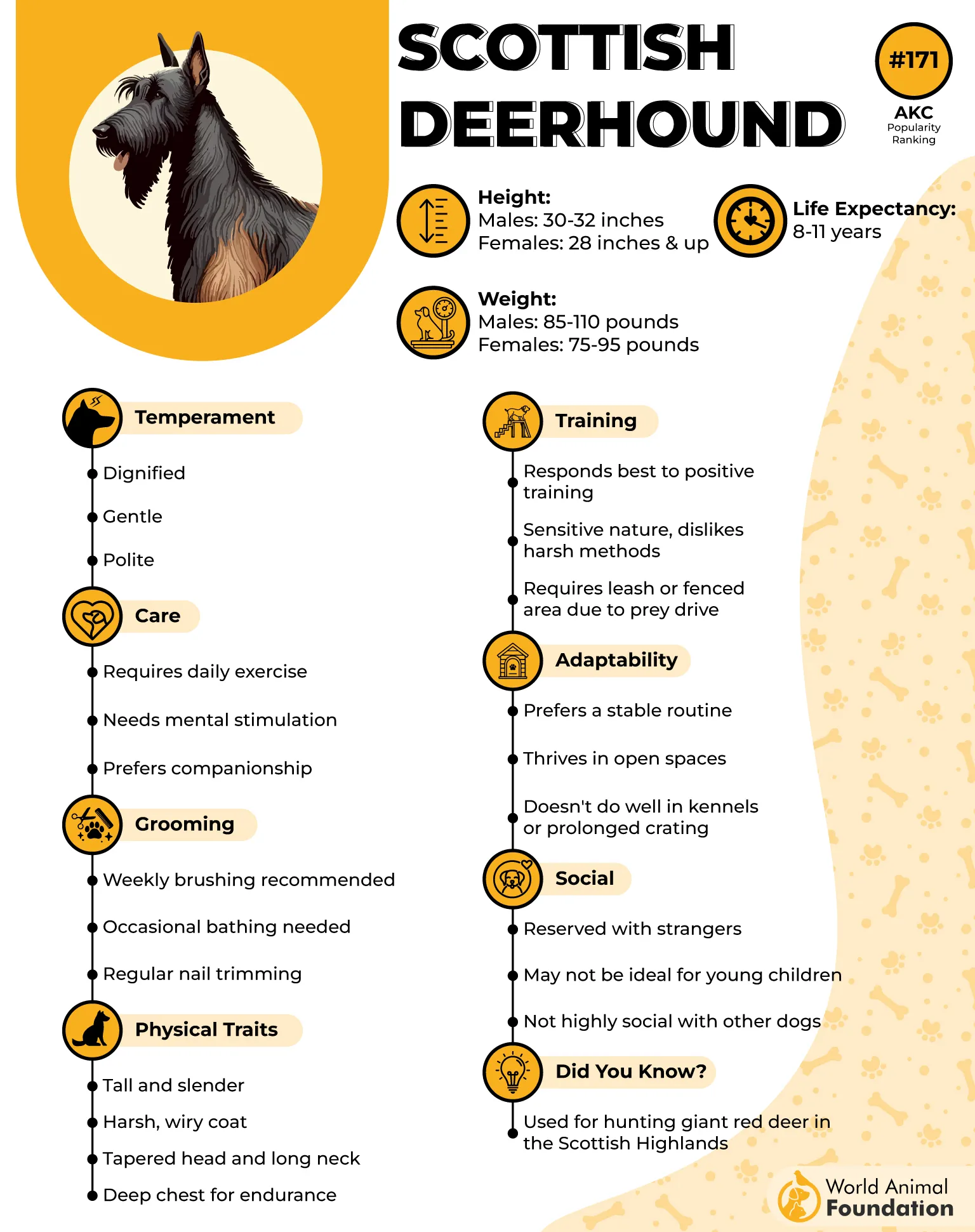
Long legs, a slim waist, and a deep chest give it the look of a super-sized Greyhound. Its tousled, wiry fur, most famously in blue-gray or dark gray, though yellow and brindle appear too, adds a charming, rustic touch.
Back inside the house, this speedy hunter turns into a truly gentle giant who loves soft cushions. Sweet-natured and polite, it ranks among the sweetest dogs around family and enjoys long afternoon rests after outdoor play. Unlike guard-focused titans, this peaceful soul rarely barks at strangers and welcomes almost everyone like an old friend.
Safe, fenced fields meet its exercise needs by letting those long legs stretch into a full sprint without worry. Because a fast chase instinct kicks in whenever small pets dart past, keeping a secure leash on long walks is important. Brushing that wiry fur once a week, while watching for cardiac issues and bloat, keeps life running smoothly.
7. Estrela Mountain Dog
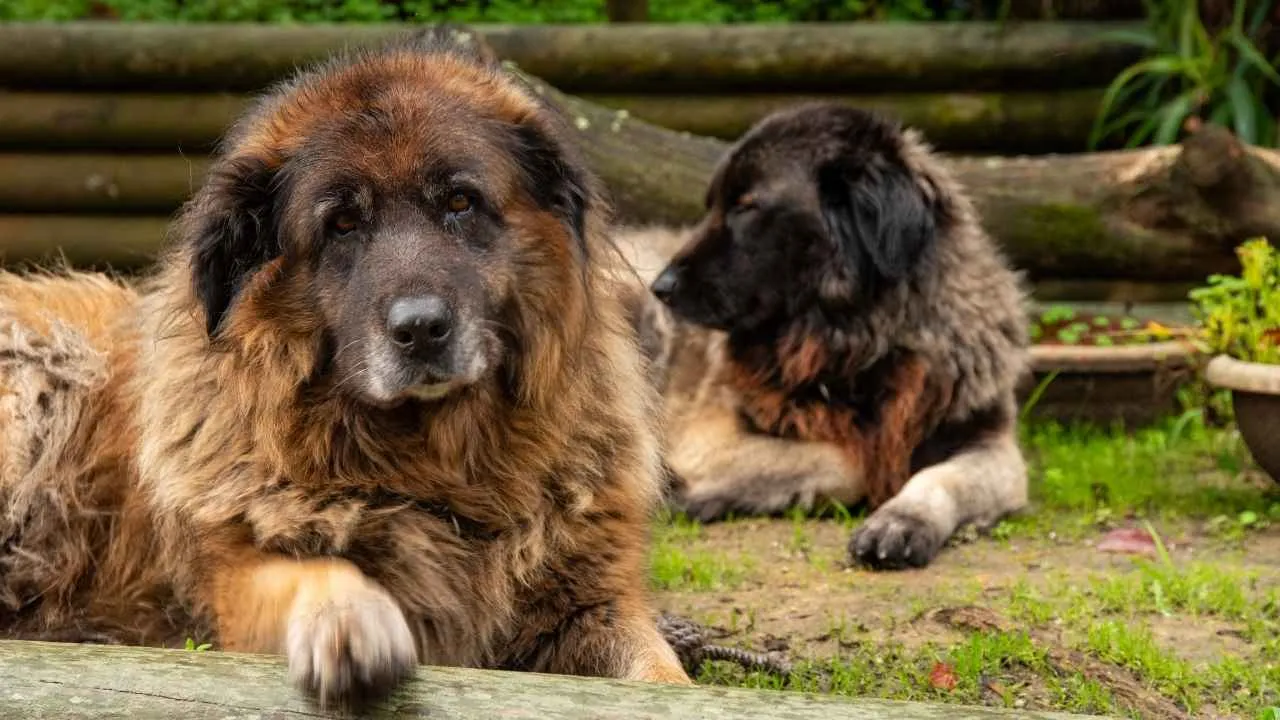
Rounding out our list is the Estrela Mountain Dog, a rugged beauty straight from the rocky peaks of Portugal. Named after the Serra da Estrela mountains, this loyal herder spent centuries working to guard sheep and rural farms. Even Portugal’s naval forces have used these clever canines for patrol work thanks to their sharp instincts and tireless stamina.
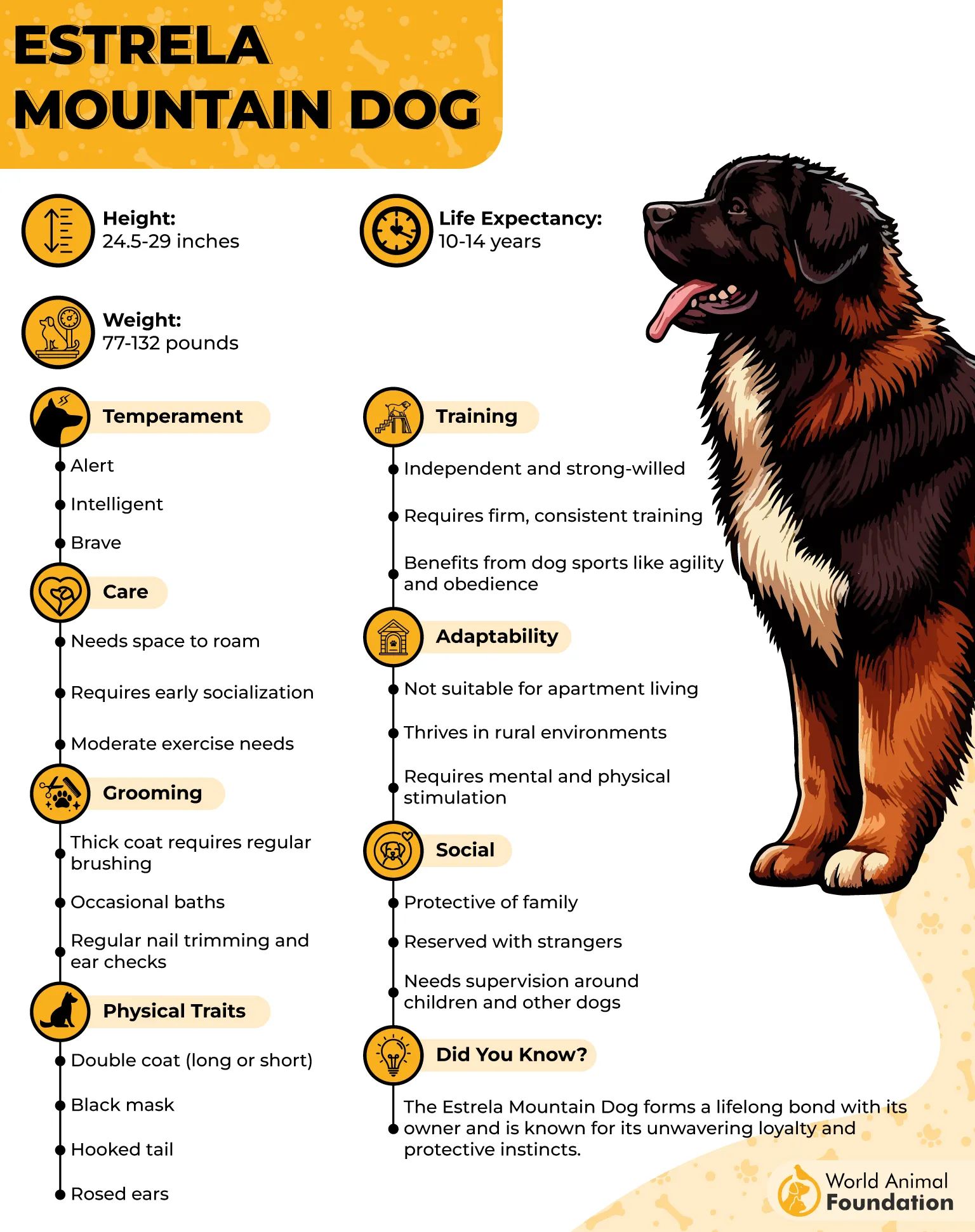
A strong frame, broad head, and signature hook-tipped tail highlight its true working roots. Both the short-haired and long-haired varieties wear a thick coat built for rough weather in fawn, yellow, wolf gray, or brindle, often paired with a dark face mask.
Smart, brave, and warm with family, this Portuguese treasure forms tight bonds at home while staying polite yet distant with strangers. Generations of working alone on high ridges gave it an independent mind that likes making smart choices on its own. Playful and surprisingly goofy with trusted kids, this mountain native happily balances serious guard duty with backyard fun.
Active outings, early social exposure, and fair, steady leadership channel that sharp brain in positive ways. Giving this big pooch enough room with roomy outdoor space and daily family time makes it one of the best companions for prepared households.
Conclusion
Falling in love with a towering silhouette feels effortless, yet living well with the largest dog breeds takes smart planning. Every dog breed’s profile brings its own mix of energy, grooming routines, social habits, and health issues, so an animal suited for a quiet country farm differs greatly from one made for apartment living or lively suburban homes.
Before bringing an oversized friend home, pet parents should look honestly at available yard size, daily schedules, training comfort, and monthly budgets. Giant breeds also vary in life expectancy, and planning for bigger food bills and regular vet care keeps surprises away.
The best match is never just the tallest or toughest-looking pup in the room; it is the companion whose personality and daily rhythm fit right into your home. Hopefully, you found this article helpful as you explore which gentle titan belongs by your side.
