





Ever looked at a dog and thought, “Why does its coat look like it was dipped in ink at the tips?” That’s sable. Each hair shifts color, usually from a lighter base to a darker tip, so the coat looks shaded and rich. It’s a bit like a sunset on fur. And here’s the fun part: a sable puppy can change a lot as it grows. Your little tan fluff might turn into a dark, shadowy adult.
Surprise! Picture a sable pup at a friend’s place. It looks like a tiny fox in a sweater, and hooked is the only word for the feeling that follows. Sable coats do that to people. They catch the eye, and they keep it.
Honestly, who could possibly blame a person, right?
Below, the guide covers seven breeds that wear this look, from tiny Chihuahuas to proud German Shepherds. You’ll learn what sets each one apart, so you can spot sable like a pro, or maybe find your next best friend.
Dog Breeds With Sable Coats and Distinctive Markings
1. Dachshund
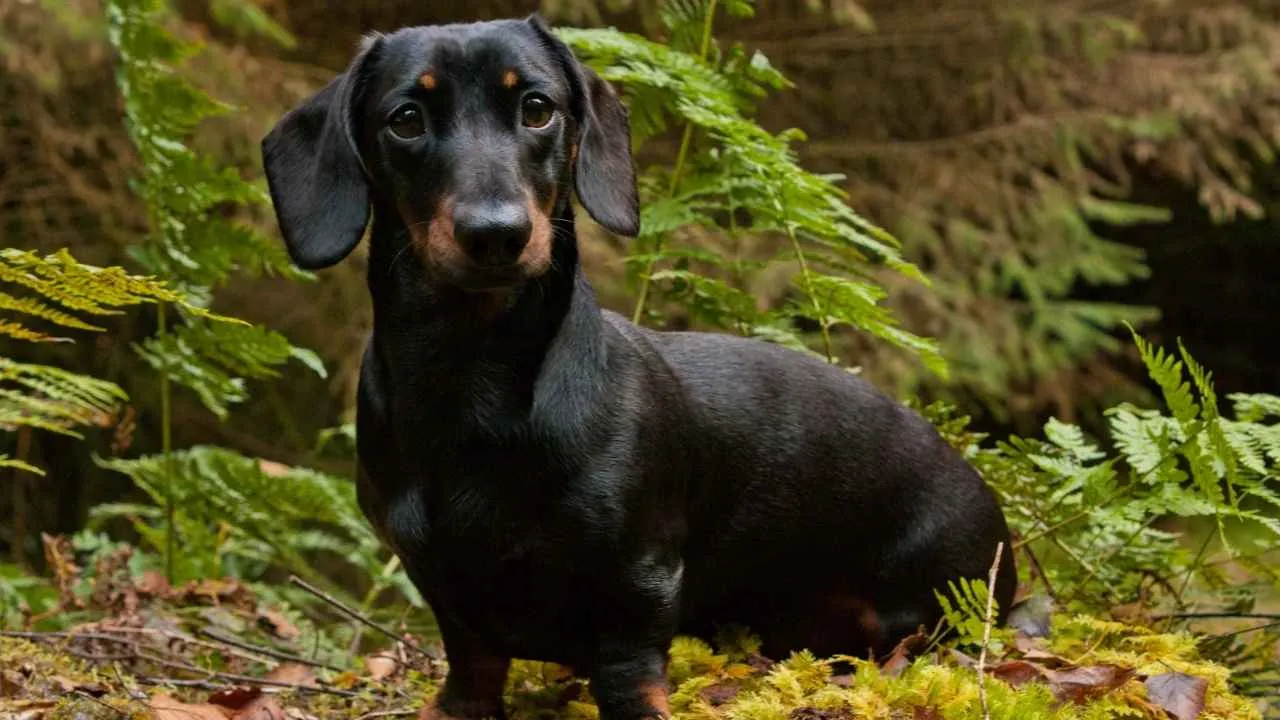
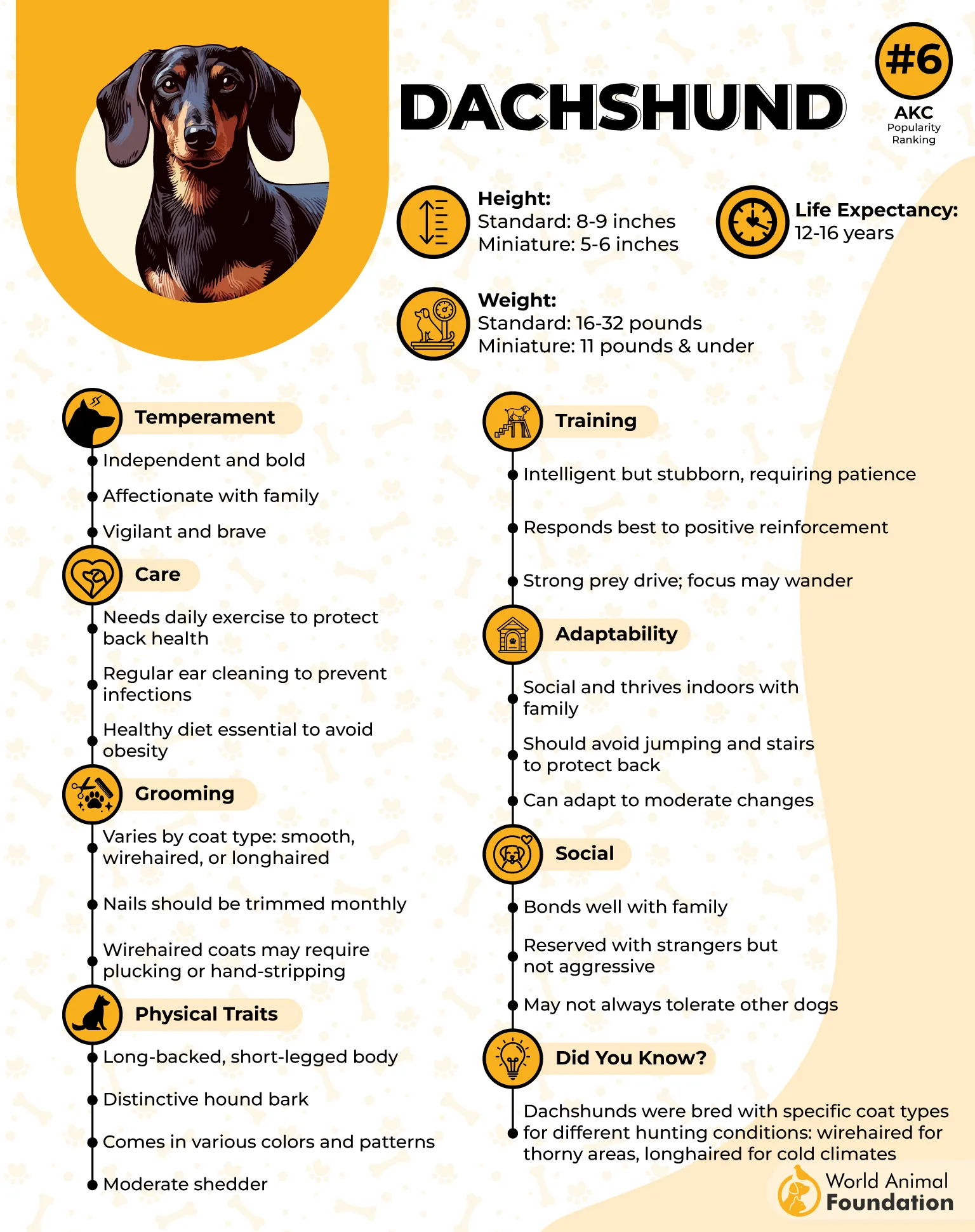
The history of the small dog dates back 600 years, when it was originally bred in Germany as a badger hunter. It is characterized by a long spine and short legs, enabling it to navigate through tight spaces. The breed was officially recognized by the American Kennel Club in 1885.
The coat comes in three different varieties: short-haired coat (smooth and shiny, lying closer to the body), long-haired coat (slightly wavy and has feathering), and wiry coat (thick, rough, short, and tighter outer coat with facial furnishings).
The sable coat patterns consist of double-pigmented overlay hairs with a red base color. A small amount of white on the chest is acceptable. The dog has a widow’s peak on the head.
The sable dog has black nails, dark eyes, and black eye rims. The short-coated breed has low grooming needs: weekly brushing and bathing every 6-8 weeks. Other breeds need daily brushing and regular bathing.
2. Chihuahua
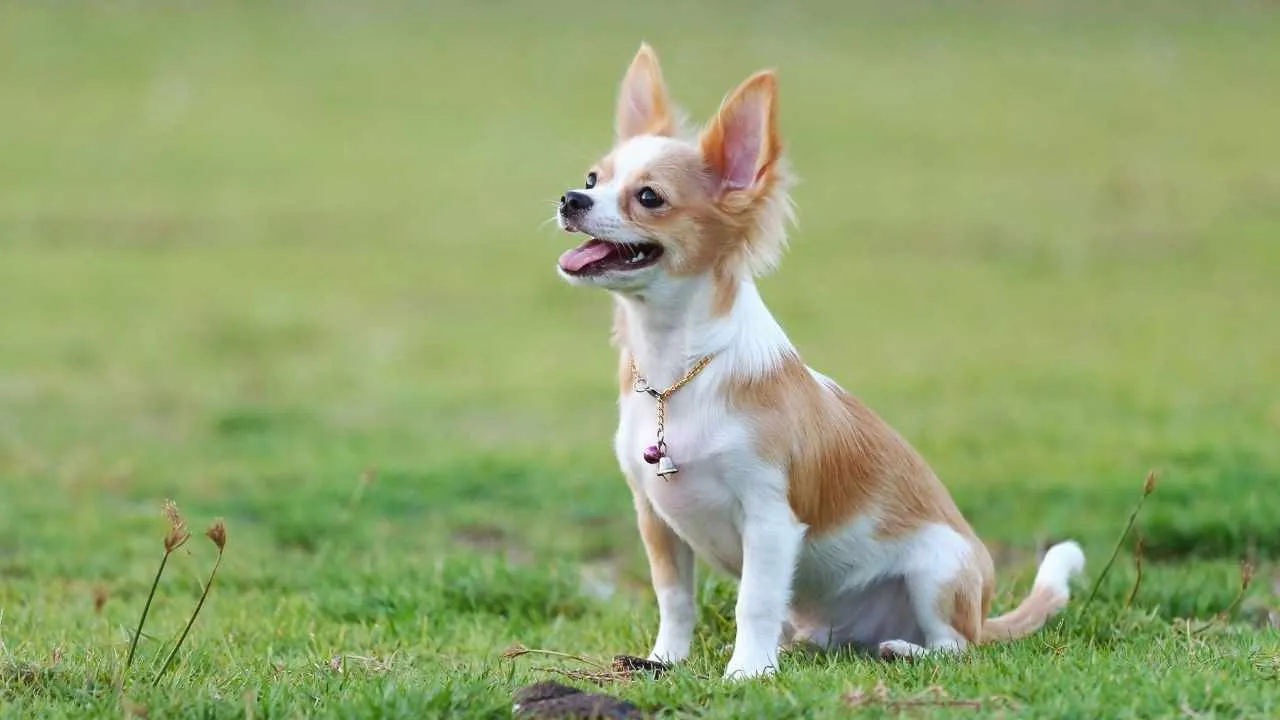
The ancient dog breed was originally developed in Mexico and was named after the state it was bred in. The dog is thought to have descended from the Techichi dog owned by the Toltecs in the 19th century. However, it was recognized by the AKC in 1904. Soon, it gained popularity among celebrities and royalty.
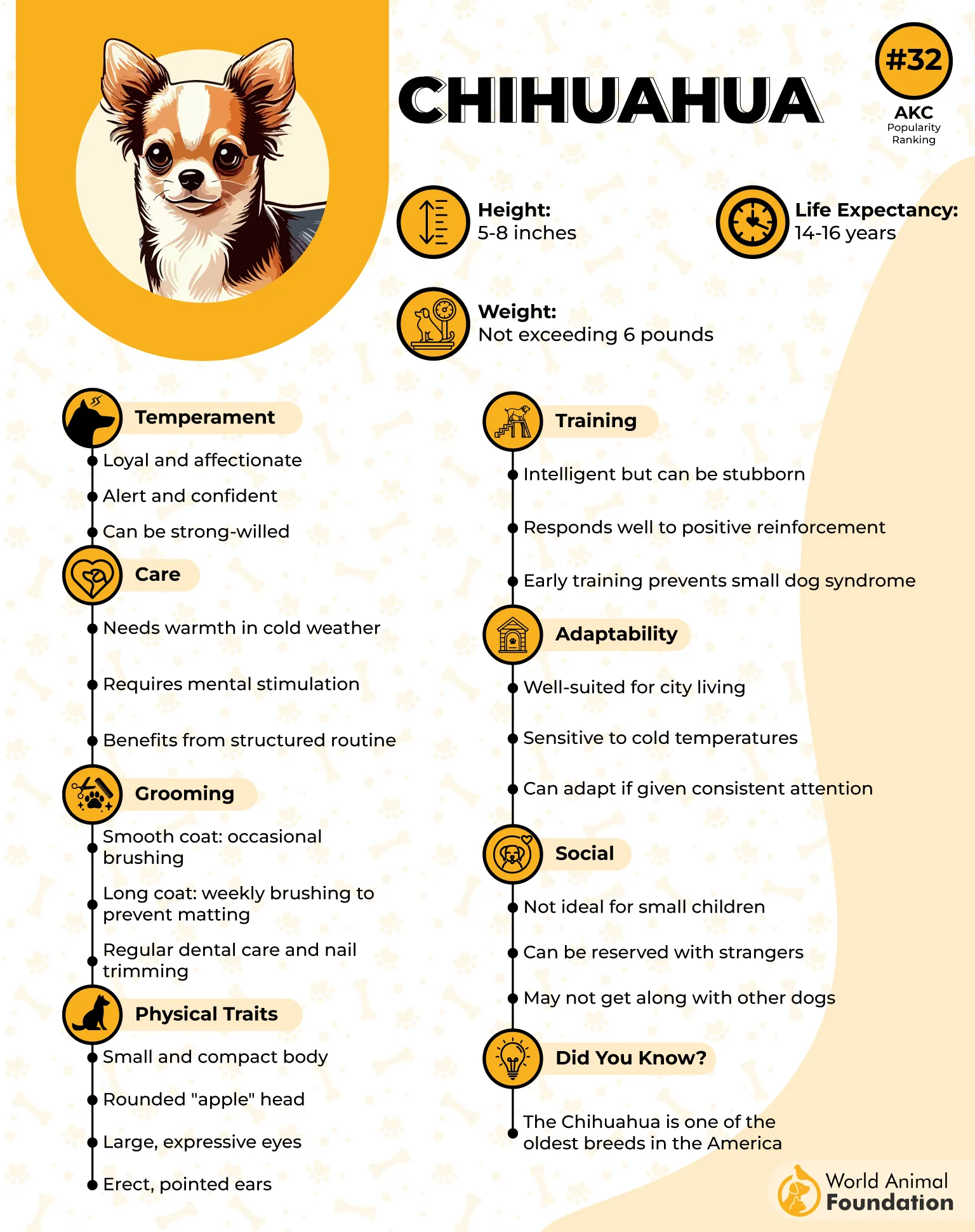
The sable colored dog breed has two coat types: smooth coat and a long coat. The sable breed is known for coat color transformation during the first year of its life, where the dark brown or black hairs with a heavy dark mask are transformed into a lighter coat with the pigmentation limited only to the tips. The sable colors include black sable fawn, black sable silver, chocolate sable fawn, and blue sable.

The dog needs regular weekly brushing using a slicker brush, rubber curry brush, or grooming mitt. Use a pin brush and comb for long coat and pay close attention to the neck ruff, behind the ears, and between the legs. Trim the paw pads and sanitary areas on a regular basis.
3. Shetland Sheepdog
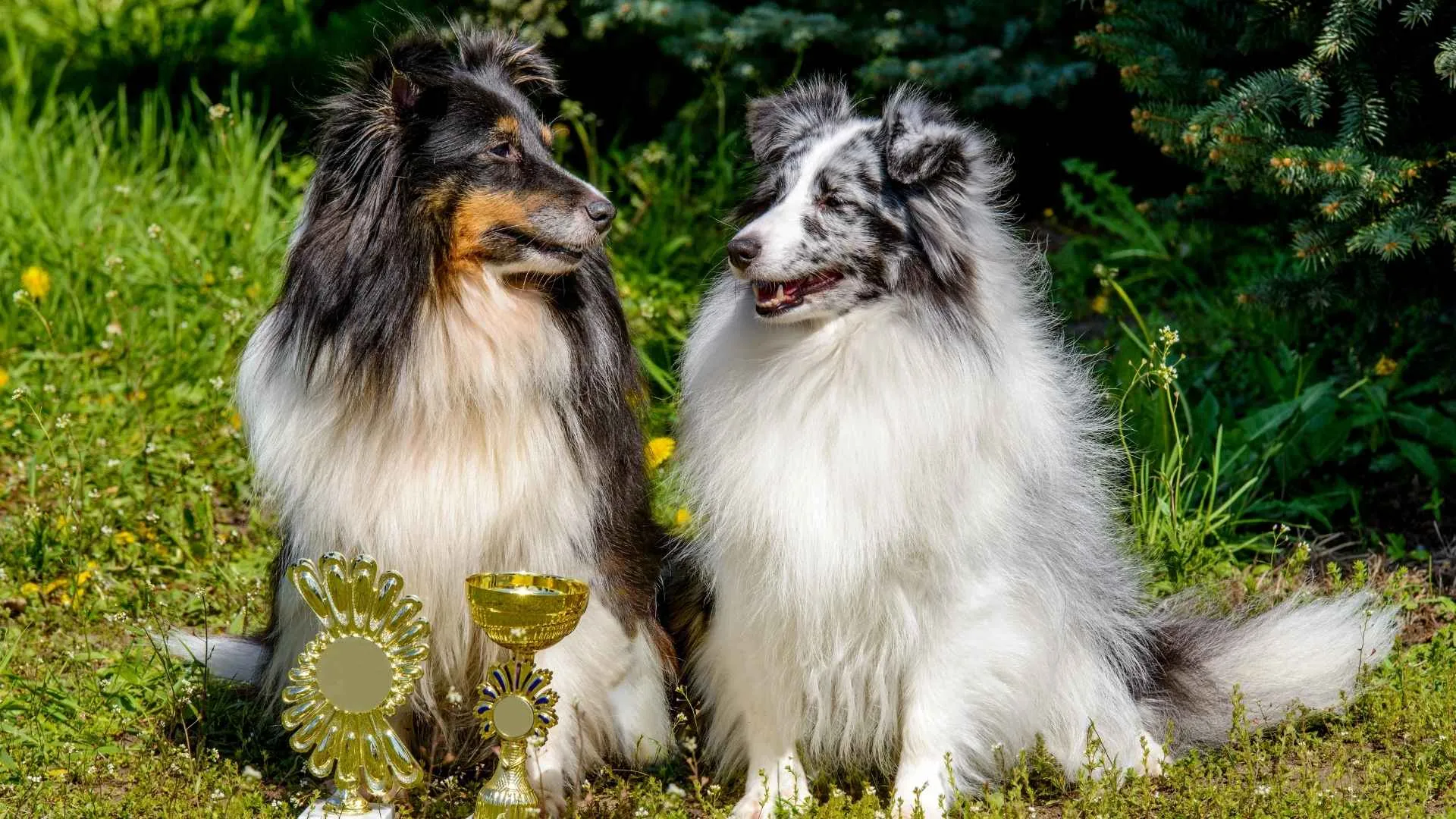
Also known as Sheltie, the herding breed was developed in Scotland in the 19th century and is descended from the Collie. The small breed has the appearance of a Lassie dog and is widely kept in the United States. The affectionate breed tends to remain close to the owner, as reported by Omlet.
The double coat has two layers: the harsh outercoat and the insulating undercoat. It has a standoff texture, where the hairs grow outward.
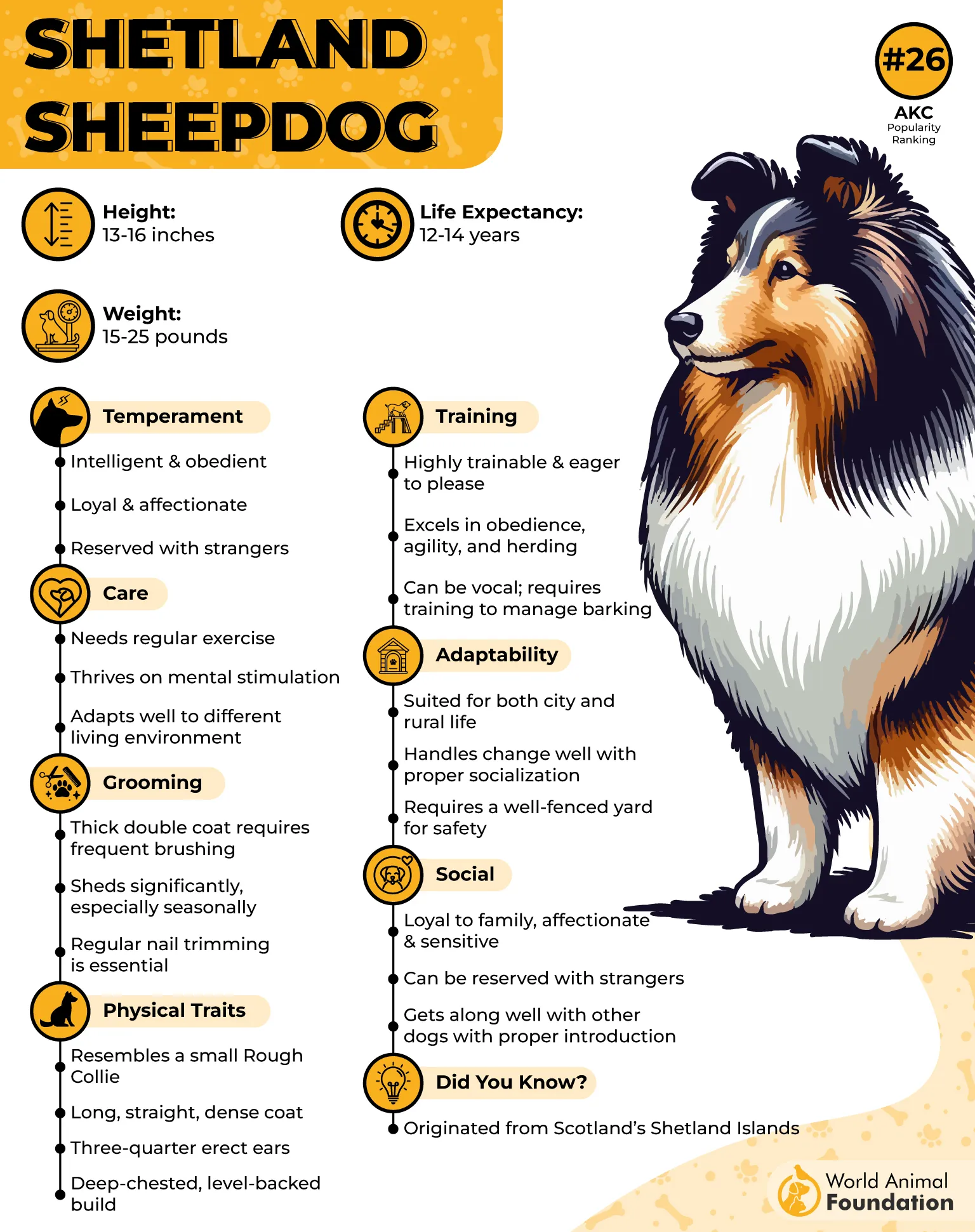
The standard coat color ranges from golden to rich mahogany. Some common expressions include pure sable (golden to light tan), shaded sable (noticeable dark tipping), mahogany (deep reddish brown), and sable merle (lighter and darker shading). White markings are often seen on the chest, collar, blaze, frills, legs, and tail tip.
Despite the coat shedding minimally and requiring regular grooming weekly brushing to remove dead hair and monthly baths, it ‘blows’ during the shedding seasons (autumn and spring). Never shave the coat entirely, as it may disrupt the breed’s internal thermoregulation.
4. Collie
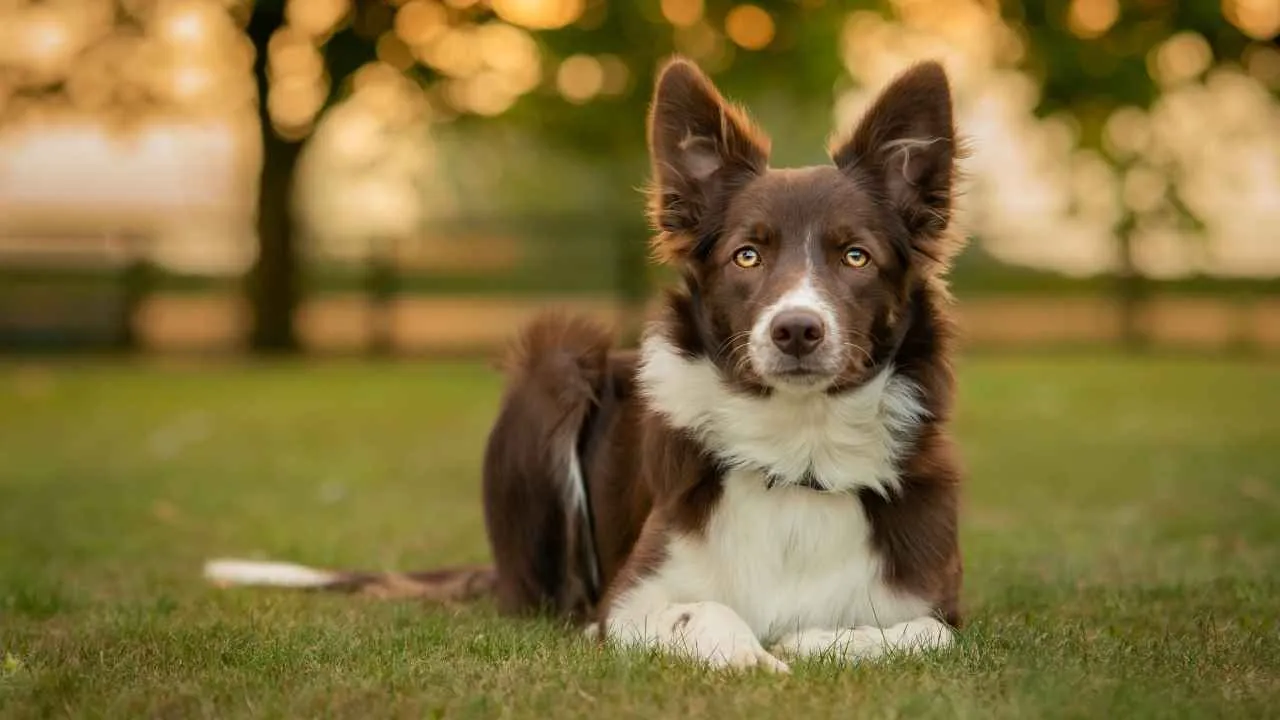
Originating in Scotland, the herding breed was developed in the 19th century by crossing the large Scottish-type herding dog because of its size and aggressiveness and the Welsh Collie because of its friendly nature. The breed gained popularity during the time of Queen Victoria and grew in number.
The coat comes in two types: the rough coat (harsh and long outer coat with a soft and furry undercoat) and the smooth coat (short and flat outer coat with a dense and short undercoat).
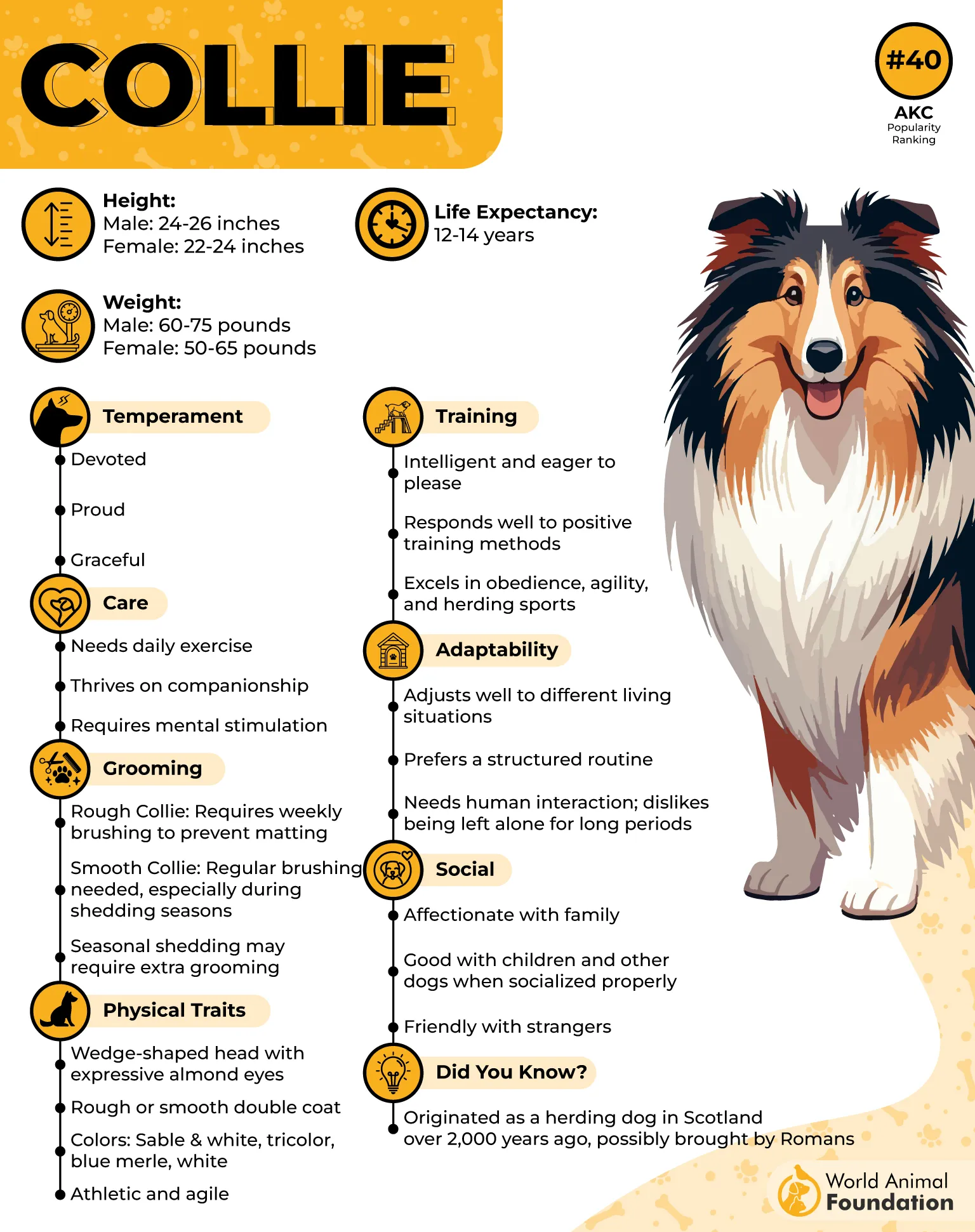
The color spectrum ranges from light golden tan to deep mahogany. The pure sable breed has a golden-to-red coat without black-tipped markings, while the shaded sable has the outer layer with black tips, especially along the shoulders, neck, and tail.
Other sable variations include sable merle (sable base with merle dilution and sometimes blue eyes) and sable-headed white (small body spots and sable coloring on the head.
The white marks are found around the neck, extending down into the white chest. White can also be present on the tip of the tail, feet, and lower legs. A white stripe may appear on the muzzle, the top of the skull, or both. Routine brushing is needed 1-2 times a week, and bathing after 6-10 weeks.
5. Belgian Malinois

The medium-sized, intelligent dog was developed in Belgium in the late 19th century by Professor Reul of the Cureghem Veterinary School as a herding dog. However, the breed was later categorized into 4 breeds based on their coat color, length, and type. It has an outgoing nature and does not show any signs of aggression or sniveling, says Dogs Australia.
The weather-resistant double coat has short hair on the head, lower legs, and outside of the ears. There is a slightly longer ruff around the neck and long hair on the back of the thighs and tail. The standard coat colors include fawn, sable, red sable, mahogany (with an overlay), and clear fawn.
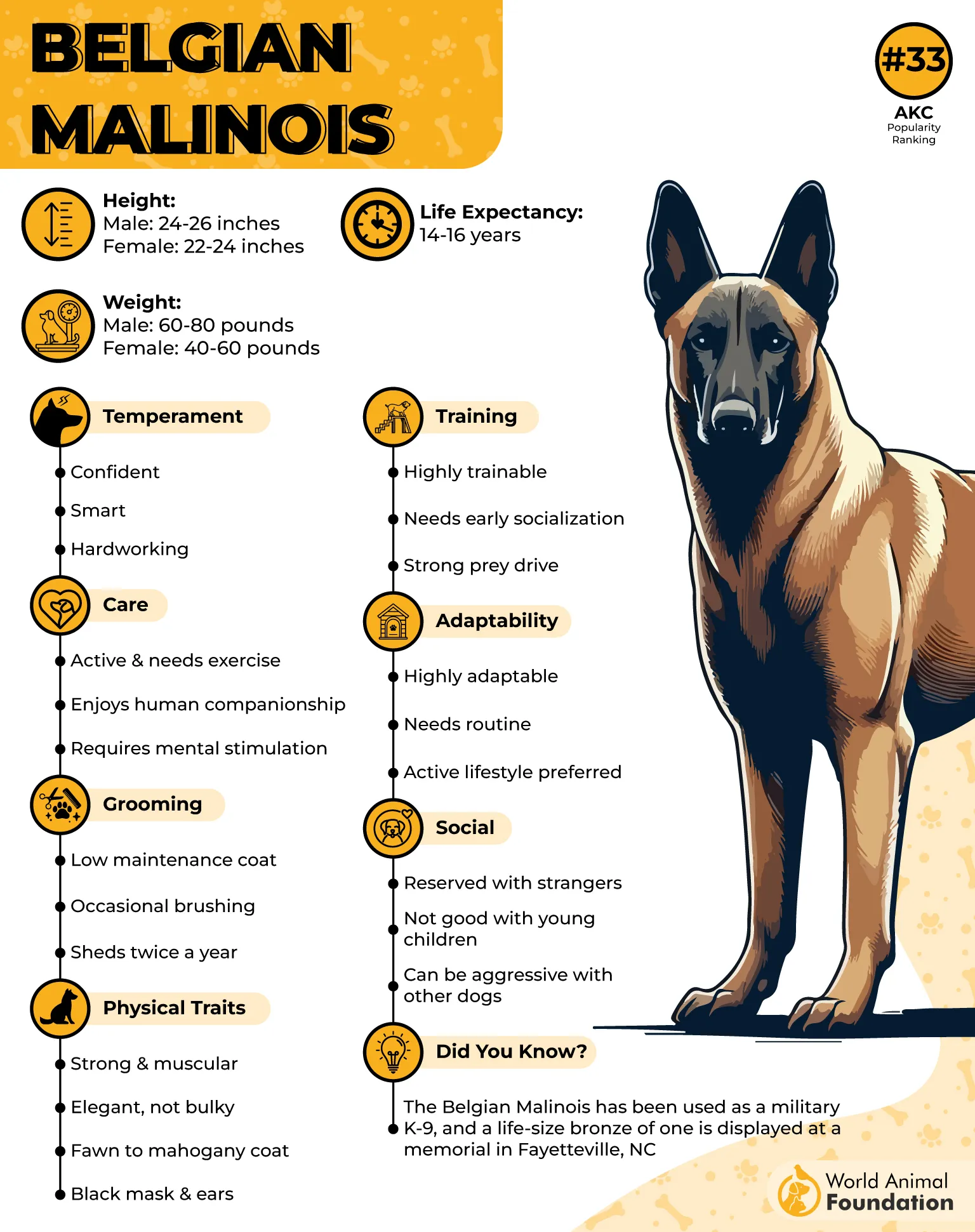
No patching or brindle coats are allowed. Puppies are born with darker or deceptively light colors. The coat color starts to transition by the age of 1-2 years.
A pronounced melanistic mask is mandatory. The underside of the tail, body, and breeches are naturally lighter in color. White markings are accepted on the breastbone and white tips on the toes. Use a medium-bristled brush and a rubber grooming mitt for weekly brushing and monthly baths to remove excess oil.
6. Pomeranian
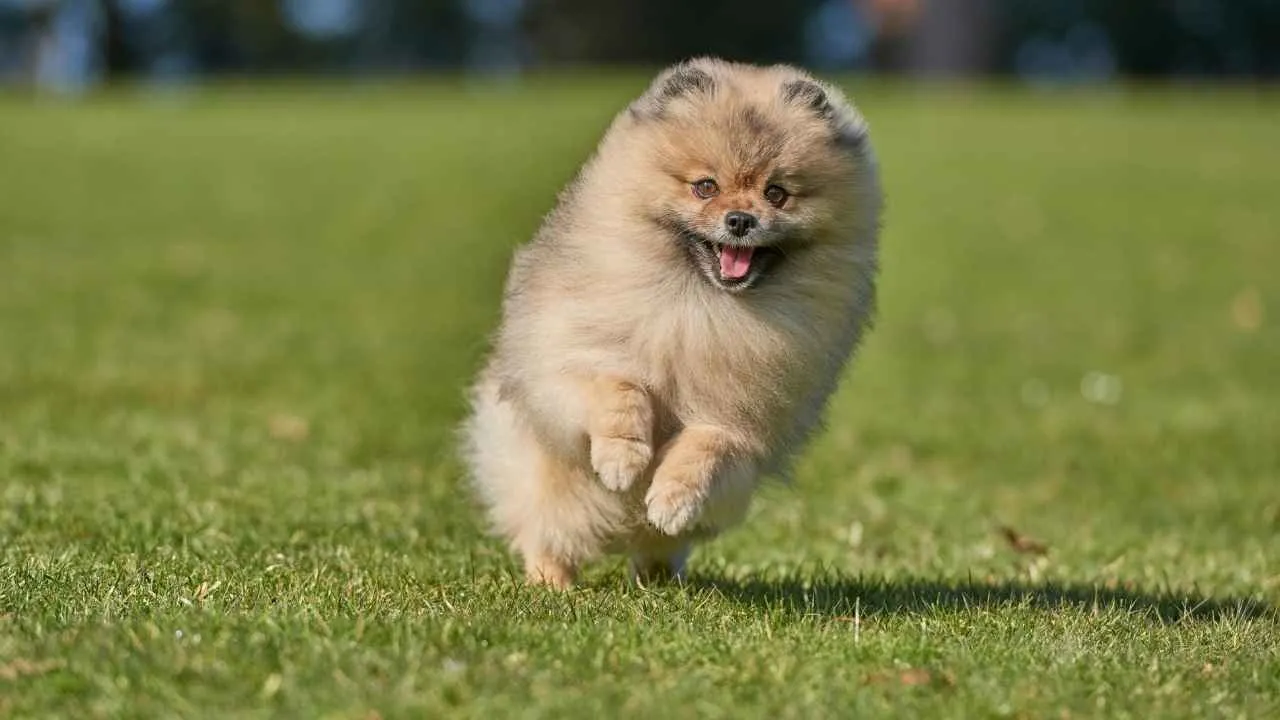
The small dog breed was developed in the Pomeranian region between Poland and Germany and is thought to have descended from the German Spitz. Also known as Zwergspitz (dwarf Spitz), the dog gained popularity in the 19th century during the time of Queen Victoria and went through size reduction.
There is a thick ruff around the neck, shoulders, and chest, heavy feathering on the hindquarters, and a highly plumed tail carried over the back. Puppies are born single-layered and shed their coat after 3-12 months of their birth and undergo a dramatic coat color shift during this phase.
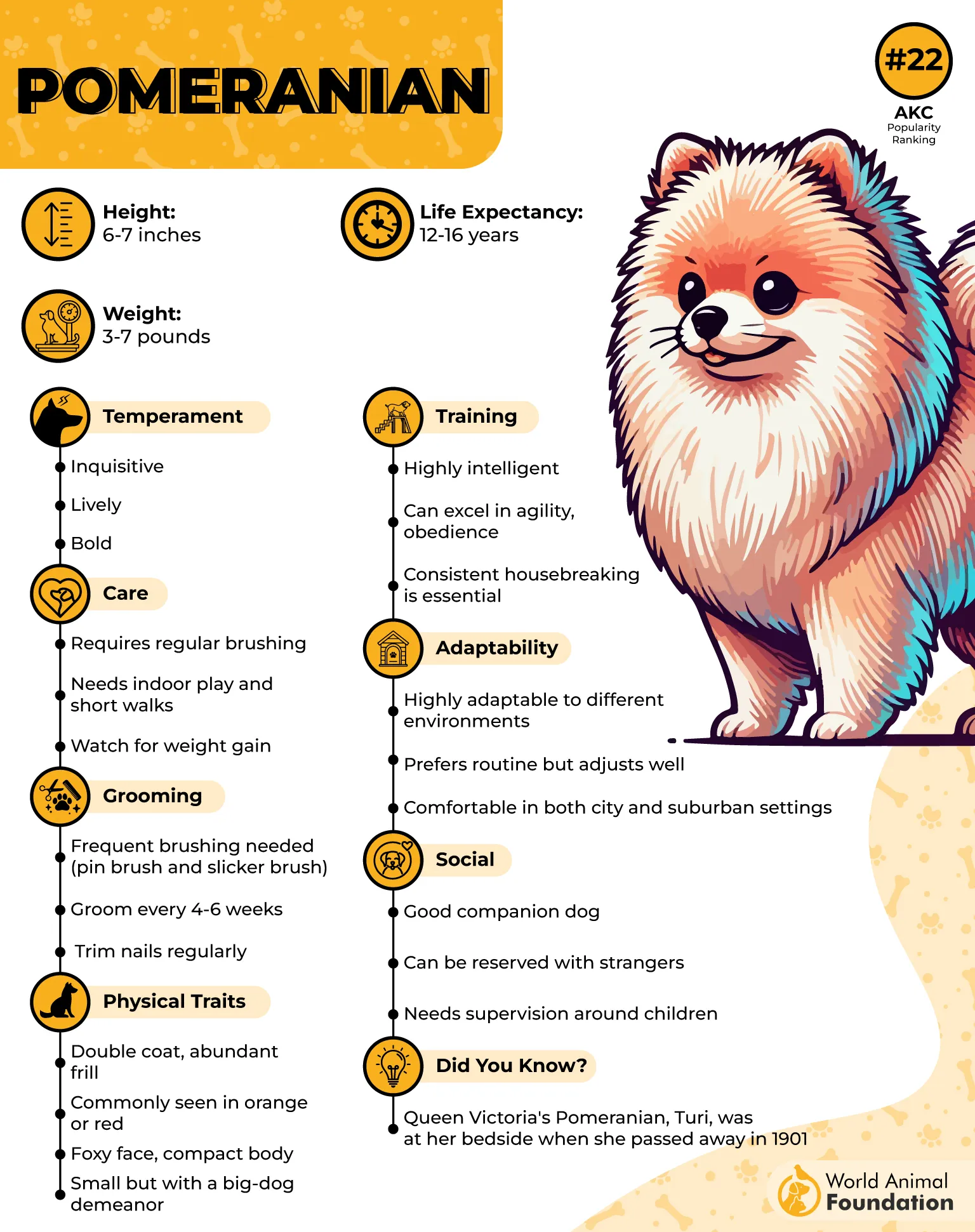
Sable shading is distributed evenly across the body, and there are no solid patches of self-coloration. Many of them have a dark muzzle and black eye rims. The black-tipped sable breed requires a pigmented nose, tips, eye rims, and toe pads.
Some recognized sable colors include orange sable, cream sable, wolf sable, and red sable. Other acceptable colors include beaver sable, chocolate sable, and blue sable. Use a line-brushing technique to brush it 2-3 times a week. Run a stainless steel greyhound comb through the coat to catch hidden tangles. Pay close attention to high friction areas, including ears, armpits, and behind the hindquarters.
7. German Shepherd
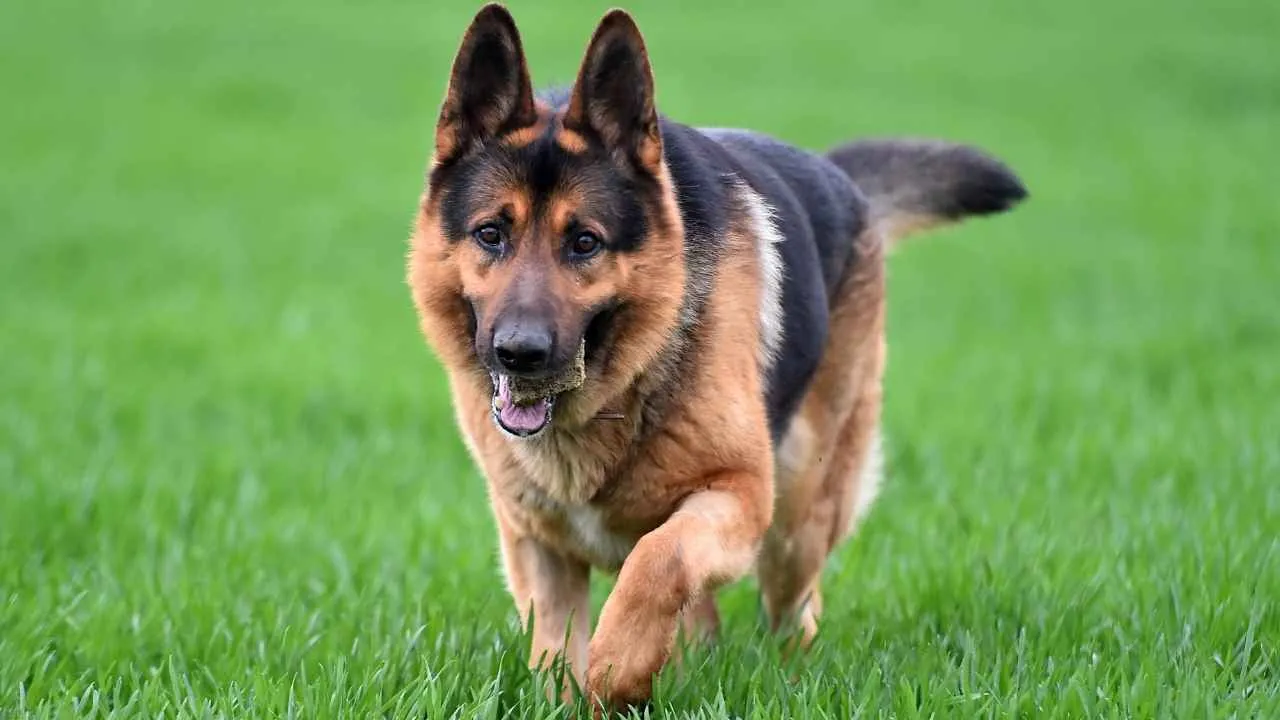
Ranked as the third most intelligent dog breed in the canine kingdom, the medium-to-large breed was developed as a herding breed in Germany in 1899. Known for its muscular body, high energy level, and loyalty, the GSD is widely used for police, military, bomb detection, and patrolling purposes, as noted by the AKC.
The breed has a double coat and comes in two different varieties: the stock coat (medium, short, with a tighter outer coat and a thin undercoat) and the long stock coat (longer and has feathering on the ears, legs, and tail).
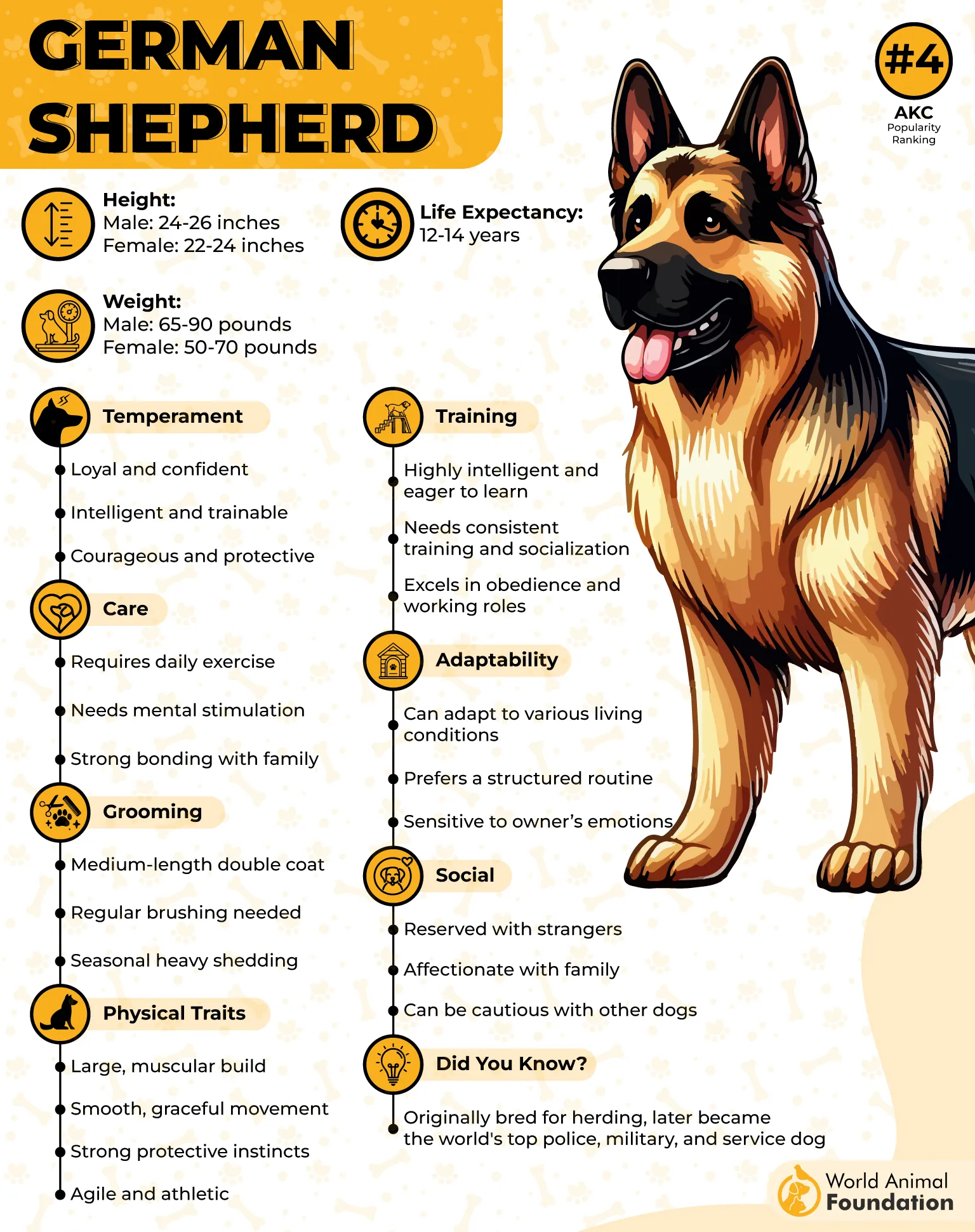
The dog has a pigmented nose and a dark melanistic facial mask. There are lighter rings around the eyes alongside dark shading on the forehead and cheeks. The sable variations include silver and grey, red and mahogany, and dark and black.
Use a metal greyhound comb and a slicker brush for weekly brushing (2-3 times a week). An undercoat rake is required during seasonal shedding. Bathing is recommended after 6-8 weeks. Never shave the coat entirely, as it can ruin thermal regulation and may cause permanent damage to hair follicle regrowth.
Conclusion
Sable is more than a color. It’s a pattern that tells a story, one hair at a time. Some dogs wear it small and sleek. Others wear it big and bold. Each breed on this list carries it in its own way, and none of them looks quite like the next.
Think of it like picking a roommate. Looks might get you to say hello, but habits decide whether you stay friends.
A dog that loves to run needs a runner. A dog that loves your lap needs a lap. Be honest about your own pace, too, before you ever commit. If you’re thinking about bringing one home, look past the coat. Coats fade, shift, and shed (a lot, sometimes).
