




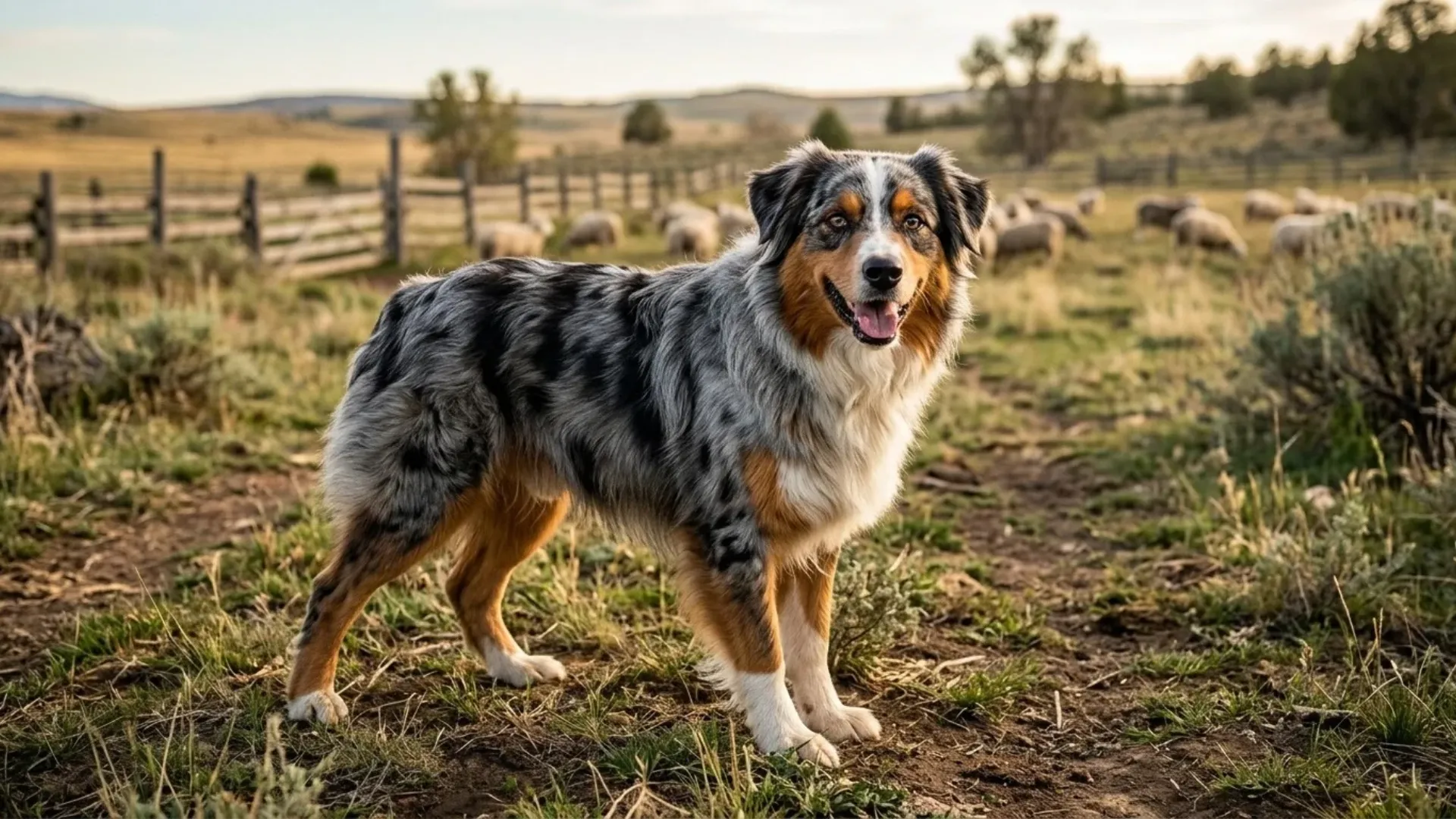
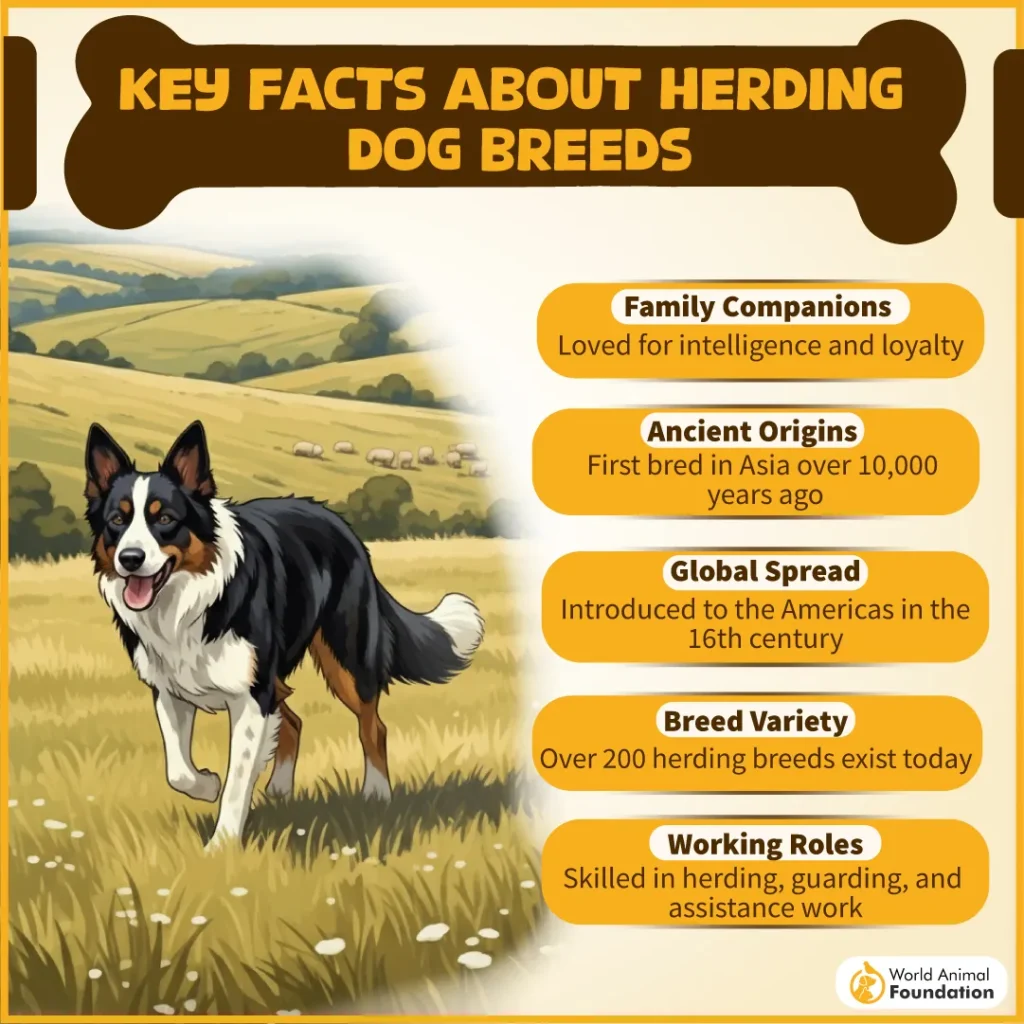
Early in the morning, a farm can already be full of activity. Sheep need guiding toward pasture, cattle must be moved between enclosures, and someone has to keep watch across the open land.
A capable herding dog can make these jobs easier. It follows commands, circles livestock, adjusts its pace, and reacts quickly when an animal breaks away from the group. Such work places considerable demands on a dog’s body. Strong legs, well-developed muscles, flexible joints, and steady stamina help support repeated running and sudden changes in direction.
Field assignments also require concentration because distractions can easily interrupt an important task. Muscular working dogs bring several useful qualities to these environments, particularly when their strength is matched by intelligence and reliable training. Some are better suited to gathering livestock, while others excel at controlling movement across larger areas.
This article introduces top breeds with impressive physical abilities and practical value for farm work.
Key Takeaways
The Australian Shepherd has enough energy to enjoy hours of outdoor activity, making it an appealing choice for regular hikers.
The Border Collie enjoys activities that keep its mind busy, and the Australian Cattle Dog is particularly good at navigating rough ground.
From the Vizsla’s swimming abilities to the Siberian Husky’s sled-pulling heritage, these breeds have some fascinating outdoor skills.
If you’re looking for a four-legged camping companion, there’s plenty worth knowing about each of these seven breeds.
Top Muscular Dog Breeds Ideal for Herding and Field Work
1. Australian Shepherd
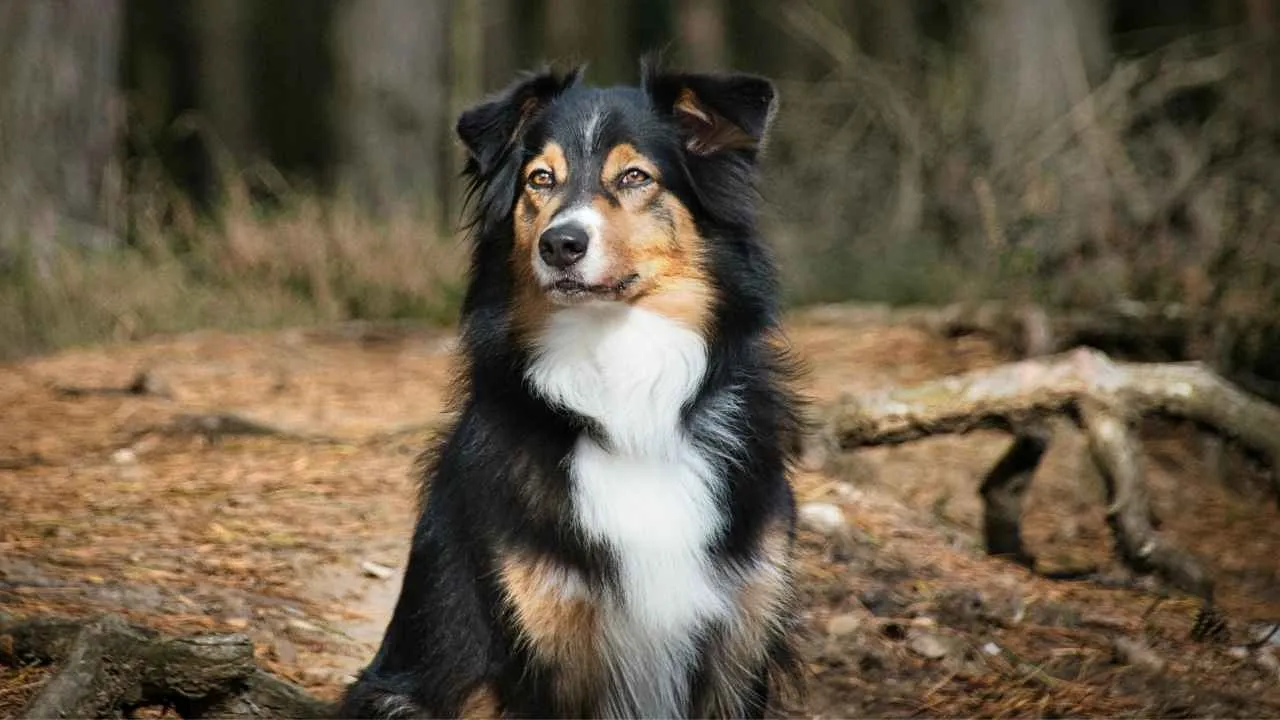
The Australian Shepherd has an interesting connection to its name, since the breed actually took shape in the United States. Basque shepherds from the Pyrenees brought small blue merle herding dogs to America in the late 1800s and early 1900s, where they worked with imported sheep.
A Natural Worker Around Livestock
Aussies have spent generations working with sheep and cattle, combining quick reactions with the ability to manage livestock across open ground.
Their speed and strong herding instinct suit demanding farm routines, where they must respond quickly to changes in the herd.
Their working style comes with some particular considerations:
May circle children or cyclists as part of their herding instinct.
Needs secure fencing because of its speed.
Benefits from early leash training and clear boundaries.
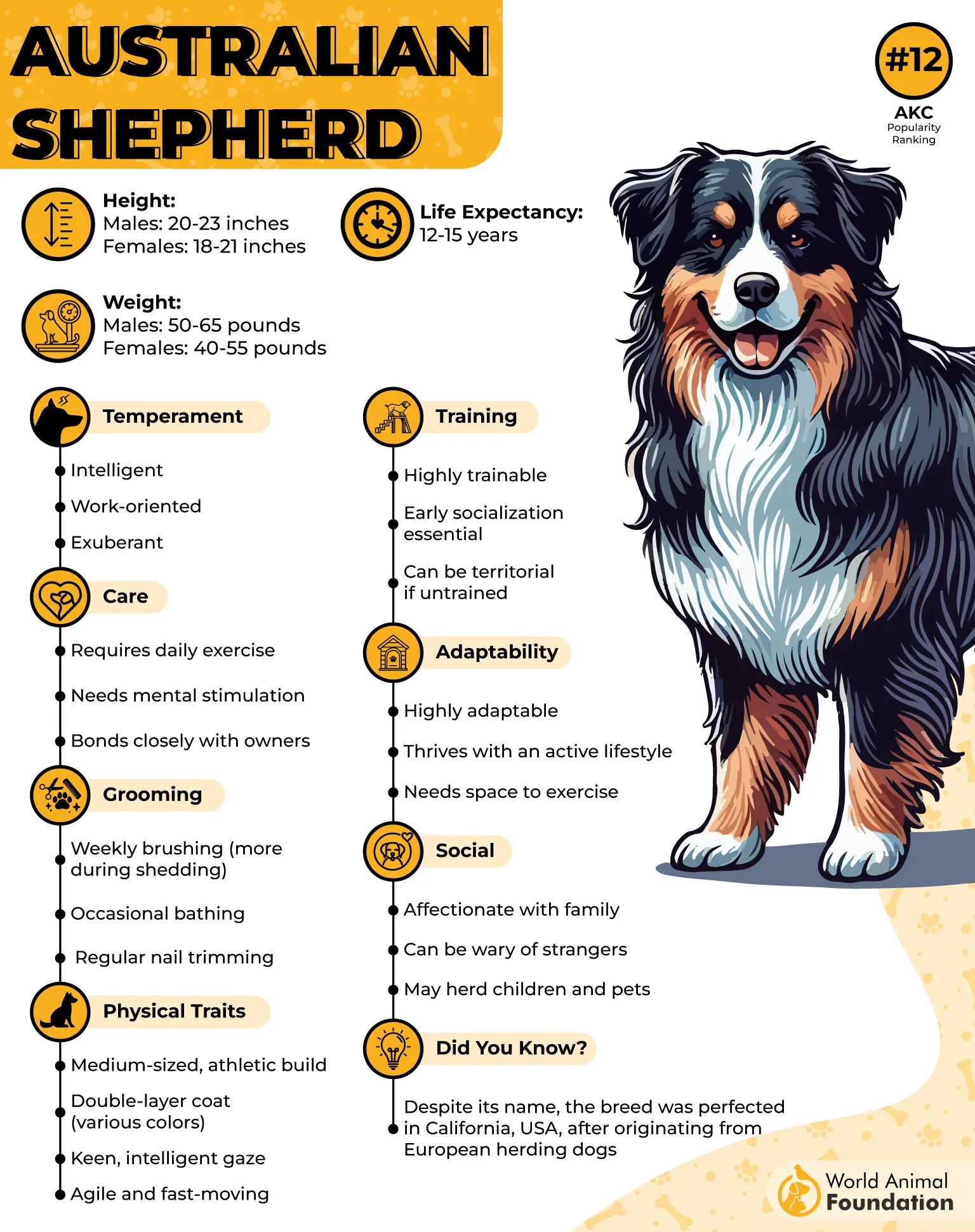
More Than a Farm Hand
This herding dog breed has also made their mark in canine sports, including agility, obedience, scent work, disc competitions, and field trials, as mentioned in Purina. Some even take part in search-and-rescue activities, putting their quick learning and responsiveness to practical use.
2. Australian Cattle Dog
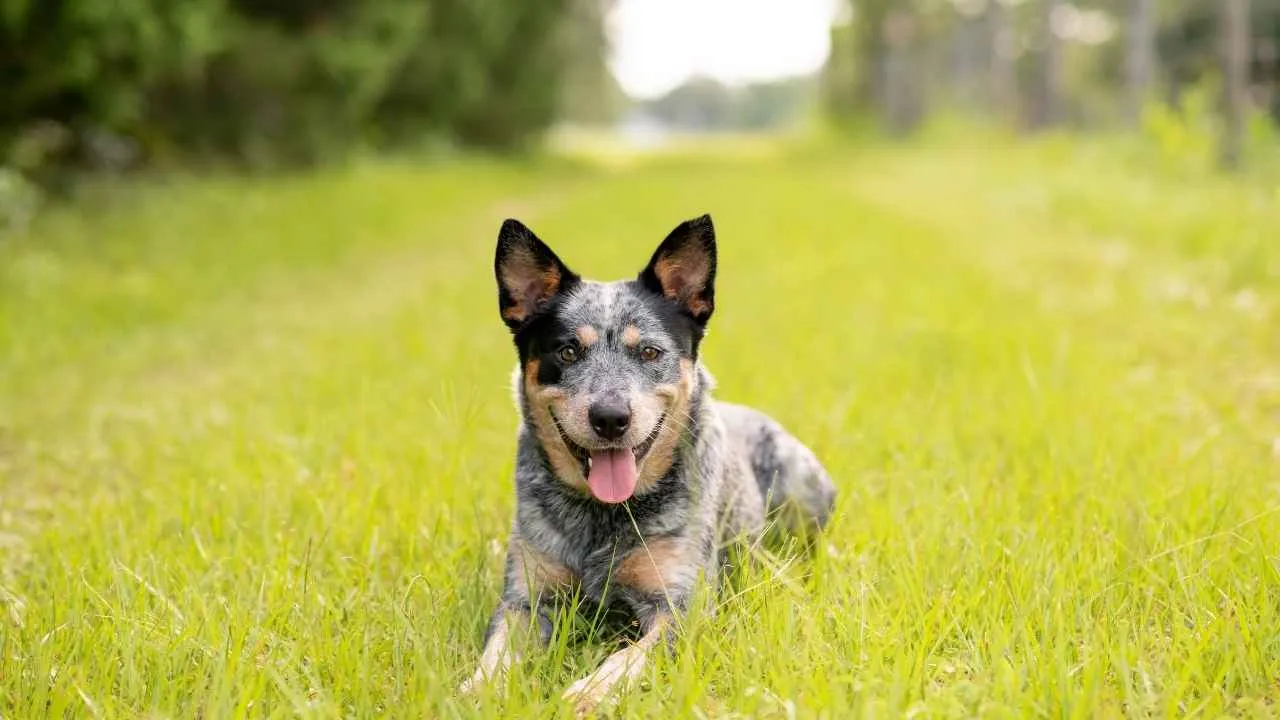
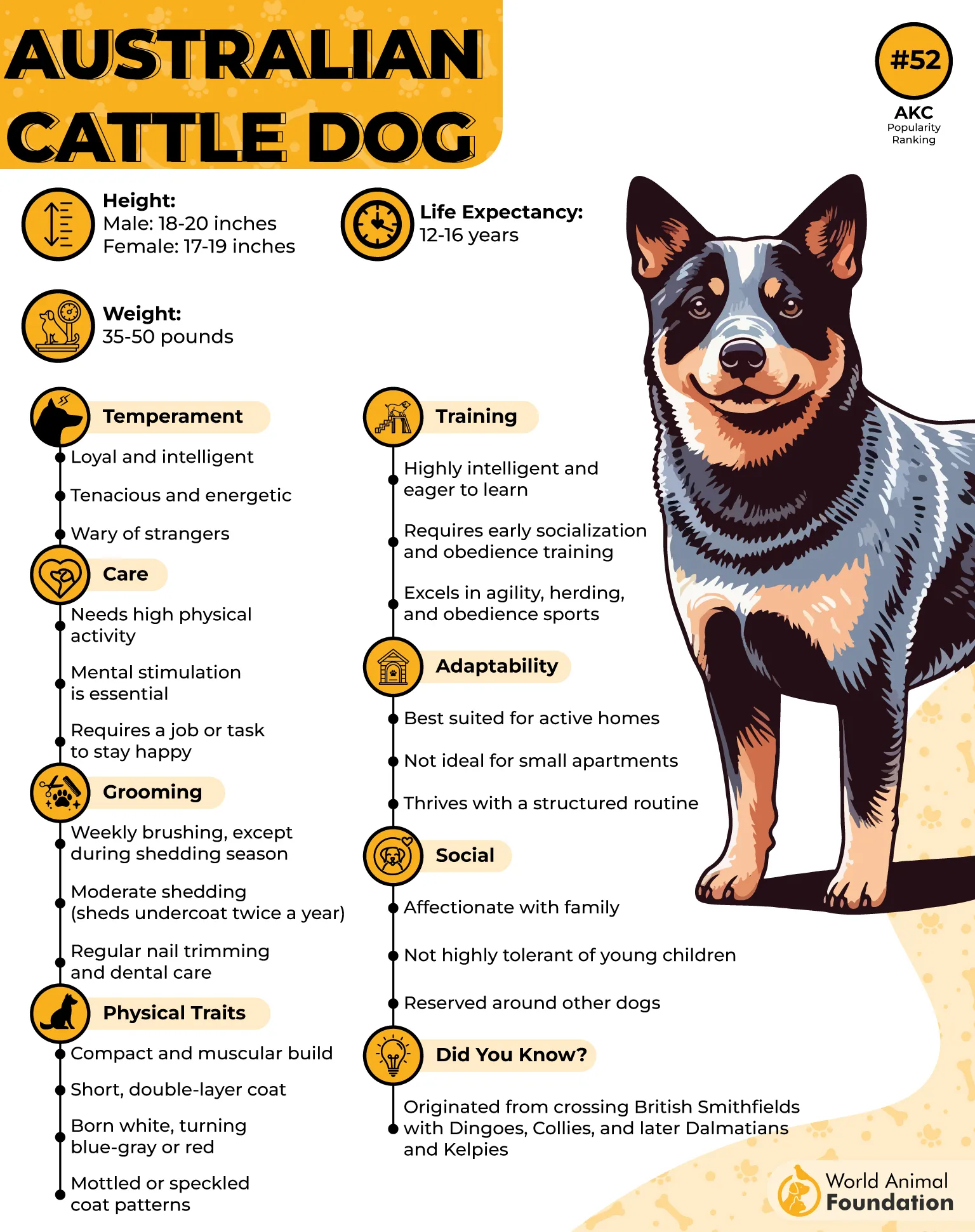
The Australian Cattle Dog emerged in the 19th century, when expanding cattle stations needed a hardy herder capable of covering vast distances. In 1840, George Hall crossed Blue Merle Highland Collies with tamed Dingoes, producing dogs known as Hall’s Heelers.
A Natural Fit for Demanding Outdoor Work
Australian Cattle Dogs have the stamina and athleticism for long hours in the field, as Orvis reported. Their muscular forequarters, powerful hips, and efficient gait support steady trotting, while quick turns help them dodge cattle kicks during close-range herding.
Their working style includes several remarkable details:
Uses quick heel nips to direct stubborn cattle.
Makes independent decisions when working away from its handler.
Has a dense double coat suited to changing weather.
Sharp Instincts Need Clear Direction
These excellent companions can become intensely focused on moving targets, including bicycles, balls, and running children. Their habit of nudging or blocking people also reflects their stock-handling instincts, so consistent guidance is important in a household.
3. Border Collie
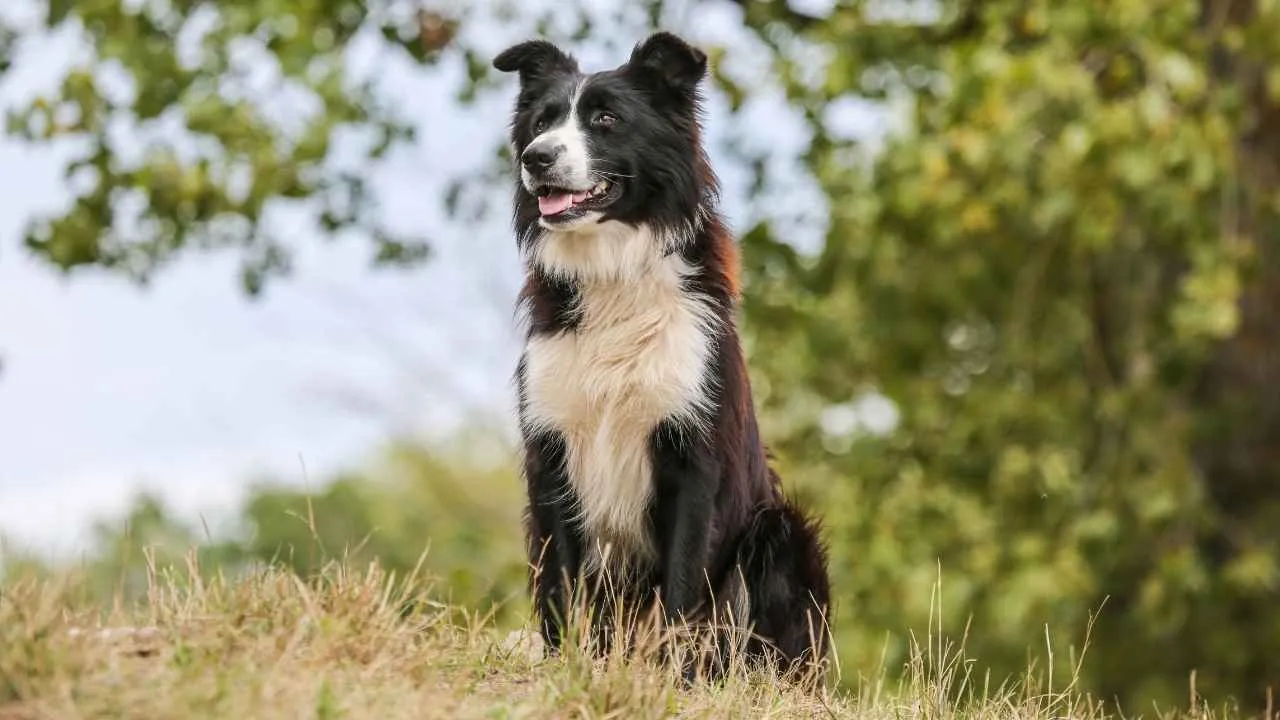
The Border Collie takes its name from the countryside along the Scottish and English borders, where sheepdogs had worked for generations.
By 1906, breeders recorded the type based on herding ability rather than physical appearance. The name Border Collie came into use around 1915.
A Natural Instinct for Managing Livestock
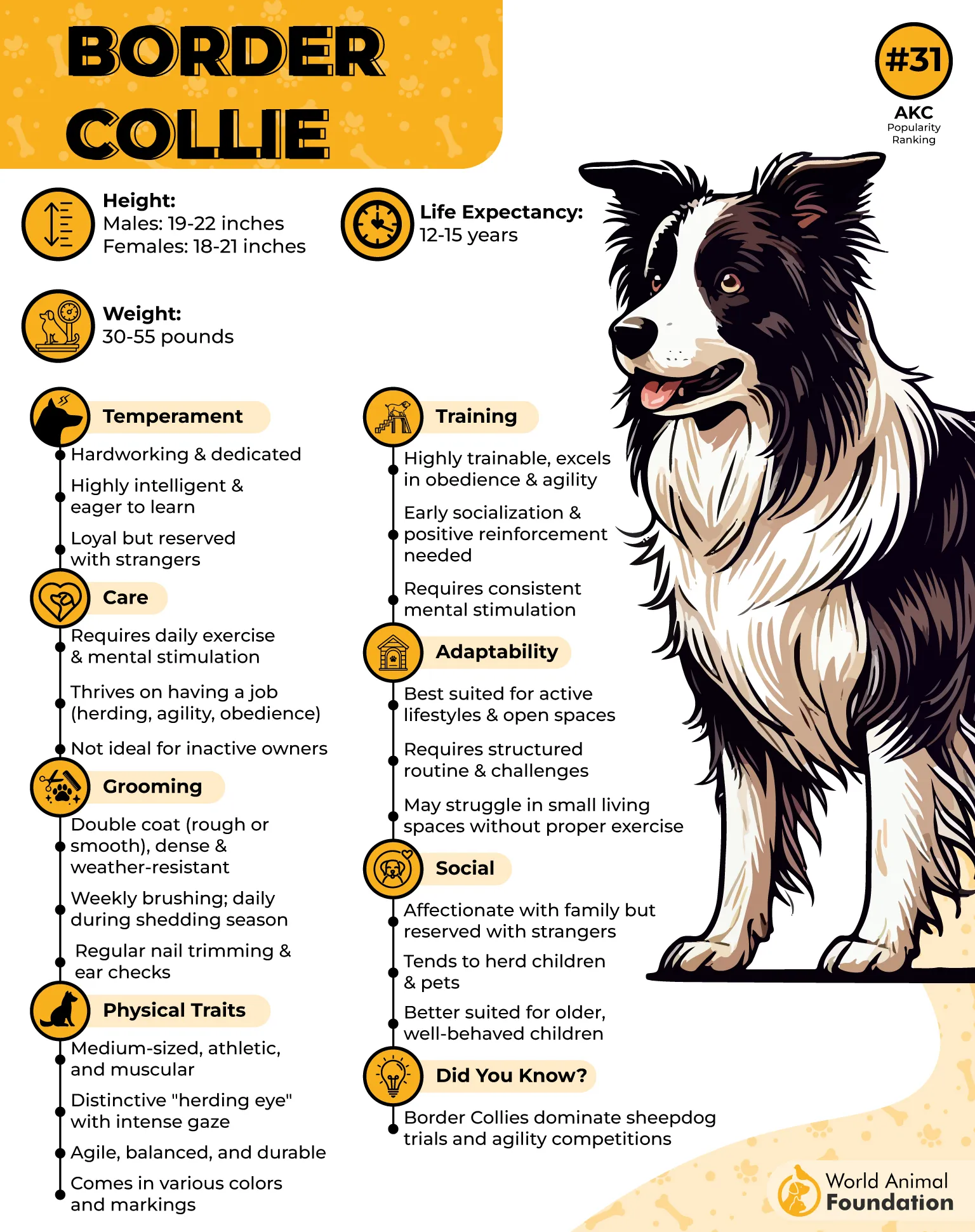
Border Collies gather scattered sheep by moving in wide circles toward the handler. Their crouched posture, fixed gaze, and careful positioning help guide flocks precisely, while quick responses to whistles and hand signals allow them to perform complex tasks.
Here are some more fascinating details of their farm tasks:
Quiet movement with very little barking.
A balancing position opposite the handler.
A controlled, stalking approach towards livestock.
A Mind That Needs a Job
This breed learns quickly and can become intensely focused on its surroundings. Without suitable outlets, some Border Collies may attempt to herd children, cyclists, or other household pets, while moving balls and even light reflections can attract persistent attention, as described by Omlet.
4. Australian Kelpie
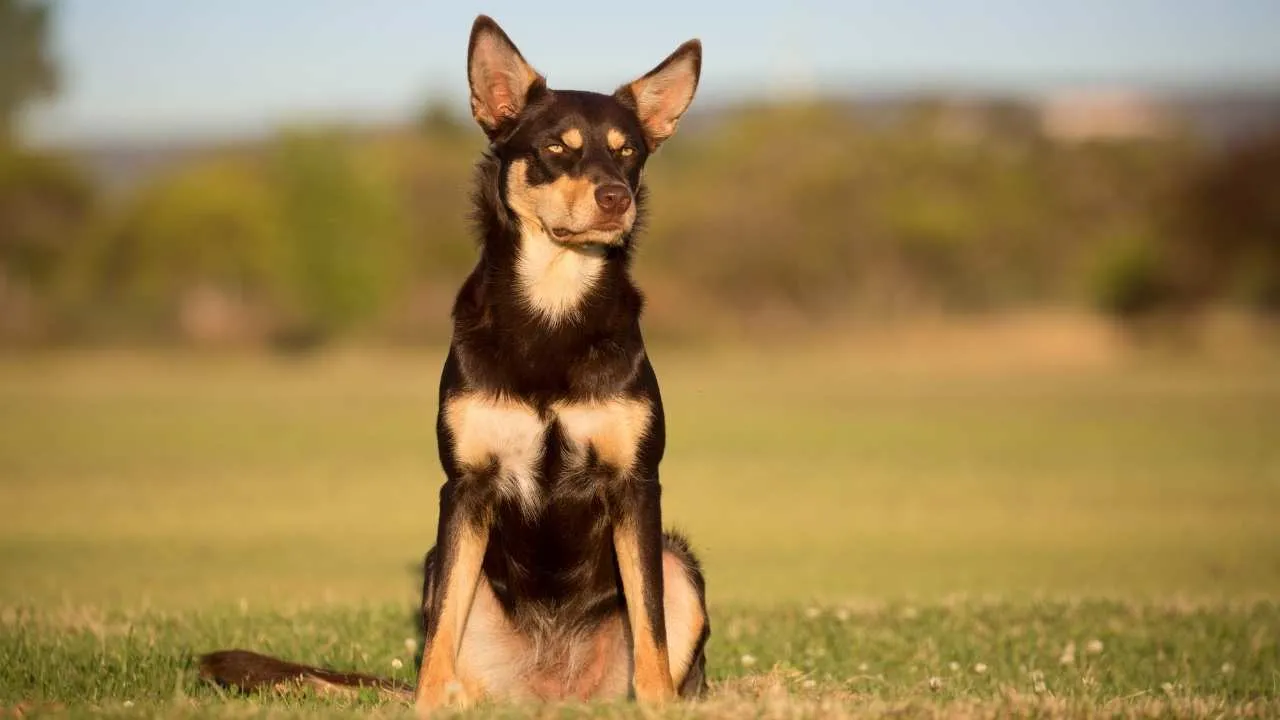
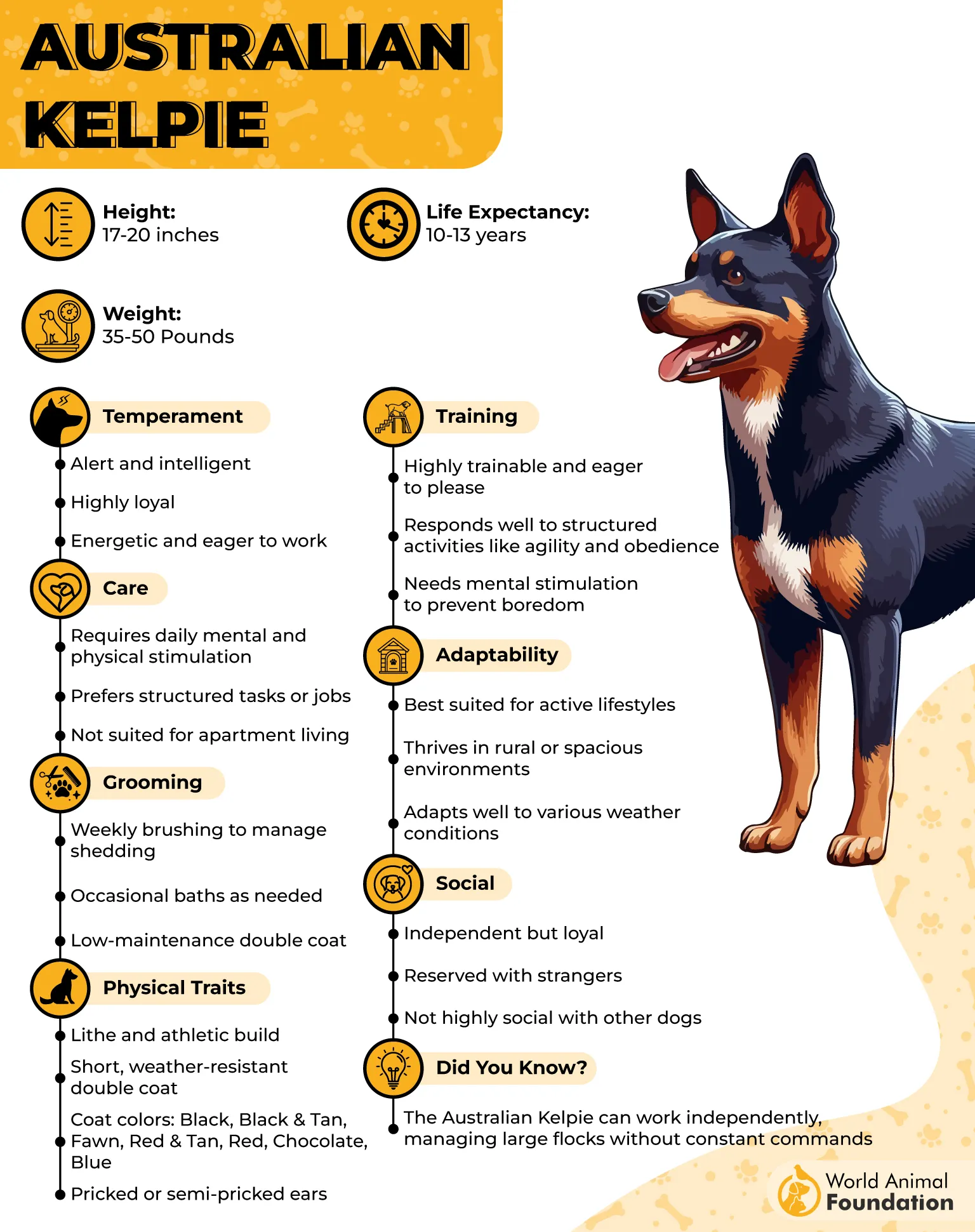
The Australian Kelpie traces its ancestry to Scottish working collies brought to Australia during the late 1800s. Farmers needed dogs to manage enormous sheep flocks across demanding terrain and changing weather. These imported collies became the foundation of a breed shaped by the demands of Australian sheep stations.
A Natural Specialist Around Livestock
An Australian Kelpie uses focused eye contact, a low stalking posture, and carefully timed movements to influence sheep. Its ability to cover wide distances, gather scattered animals, and guide them through large paddocks makes it particularly useful for demanding stock work.
Watch how this breed handles different parts of the job:
Wide sweeping routes to gather separated sheep.
Quick turns across uneven ground.
Fence-line checks around drifting livestock.
A Family Dog With Strong Herding Instincts
Away from livestock, the Australian Kelpie can be affectionate and playful with children and generally gets along well with other household pets.
Its strong instinct to direct movement may also lead to herding family members around the house, so early training and clear, consistent boundaries are important.
5. Belgian Laekenois
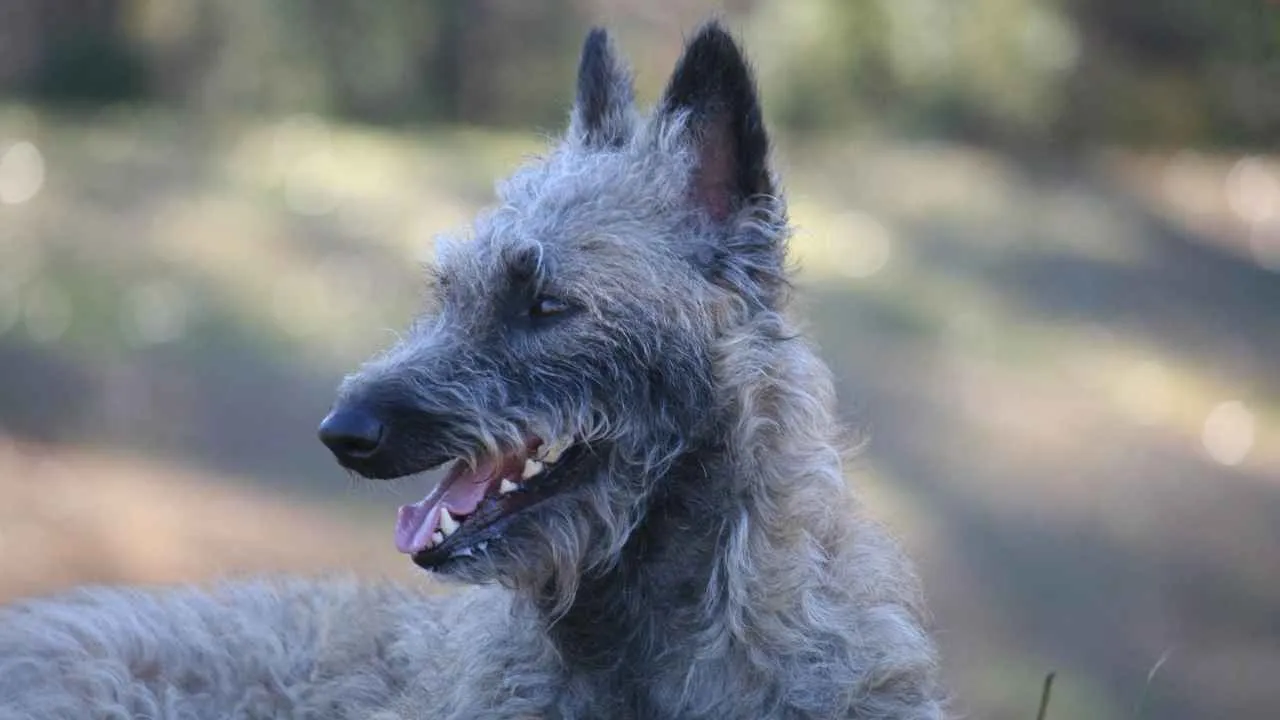
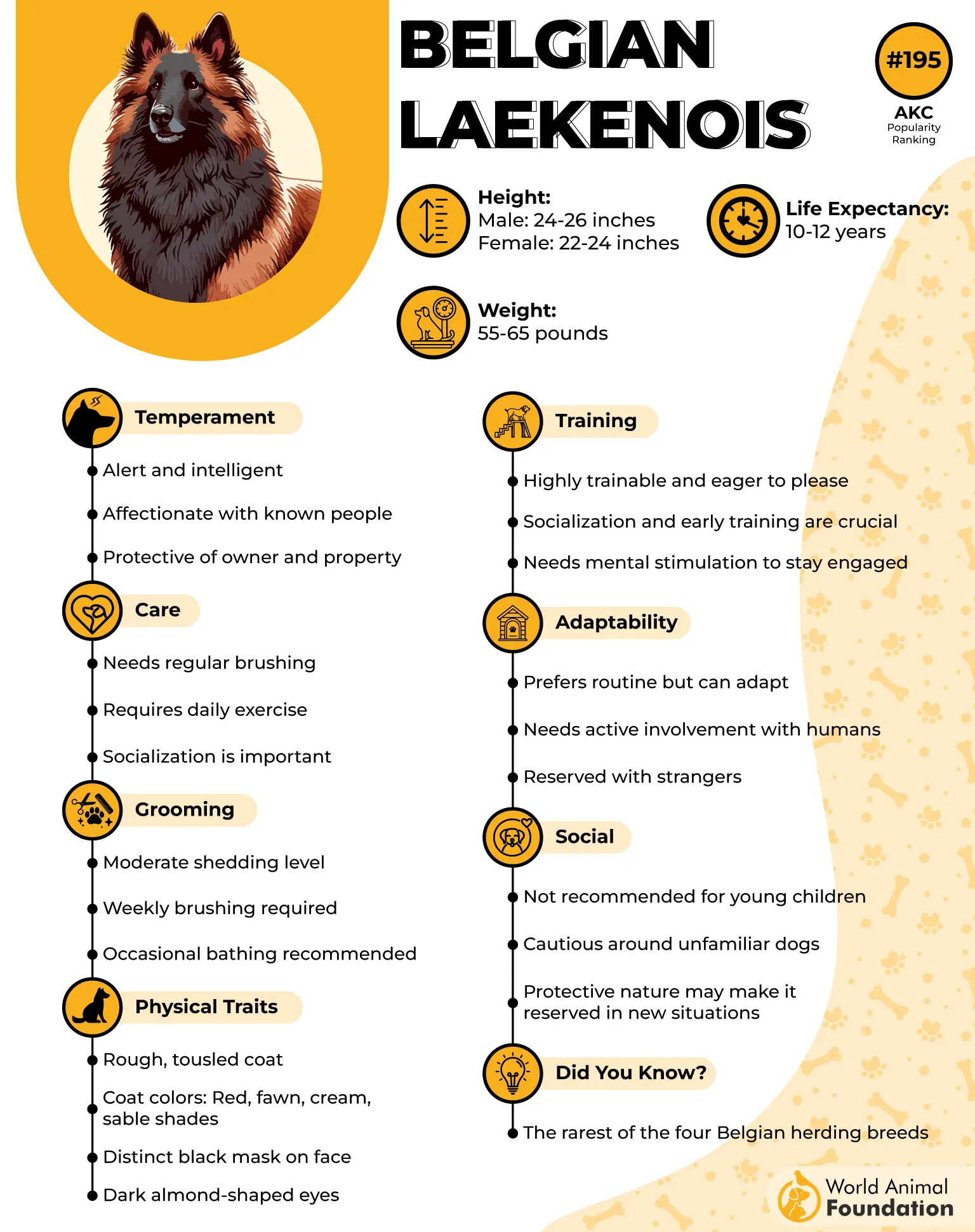
The Belgian Laekenois originated in Belgium, where it became known for herding sheep and guarding valuable linen left outdoors to dry near royal residences.
As the oldest and rarest of the four Belgian shepherd breeds, it also served as a messenger dog during the First World War, when its intelligence proved valuable in demanding conditions.
A Working Dog With a Strong Sense of Purpose
The Laekenois is an alert, athletic dog suited to active field duties that require quick responses and close cooperation with a handler. Its efficient gait supports sustained trotting across open ground, while its responsiveness helps it follow directions during demanding tasks.
Several working habits are especially worth noting:
Uses its nose to investigate ground scents.
Can persistently work out how to open gates.
May circle or stare to guide livestock.
A Watchful Nature Requires Early Guidance
Protective instincts can make this breed cautious around unfamiliar people, particularly when someone approaches its territory. Early socialization with different people, places, sounds, and situations helps puppies become more comfortable with everyday surroundings.
6. Anatolian Shepherd
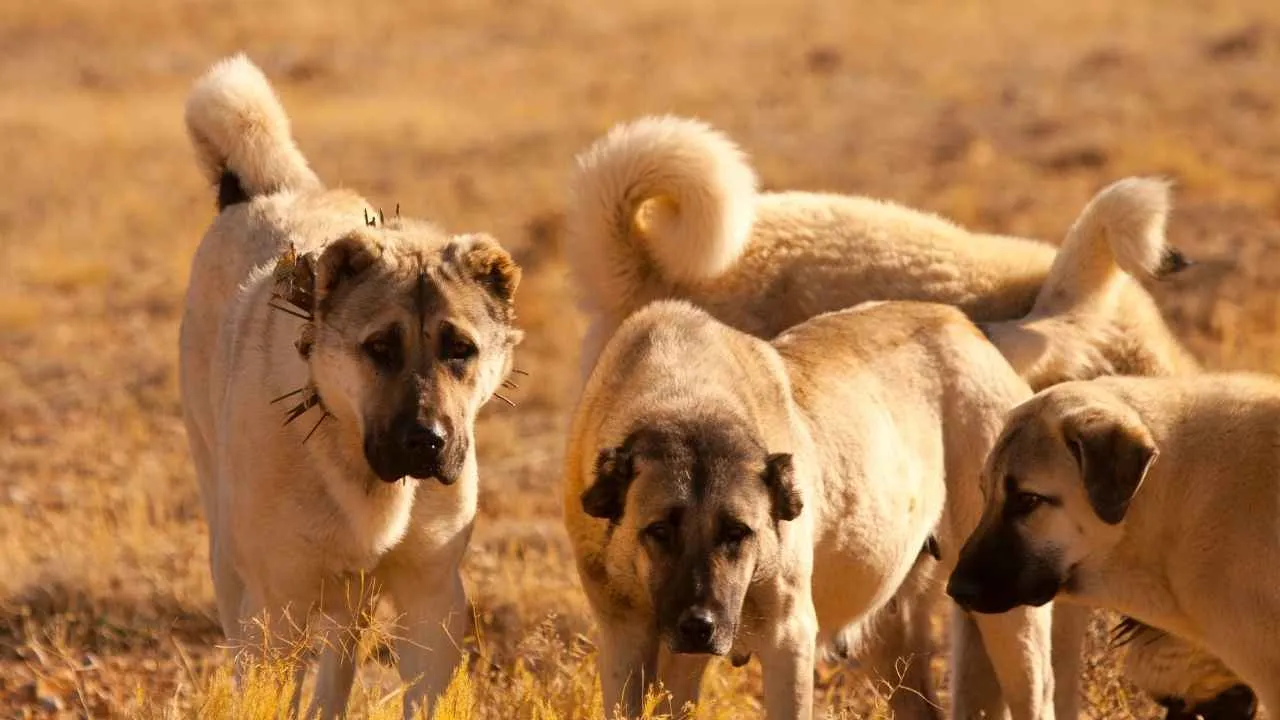
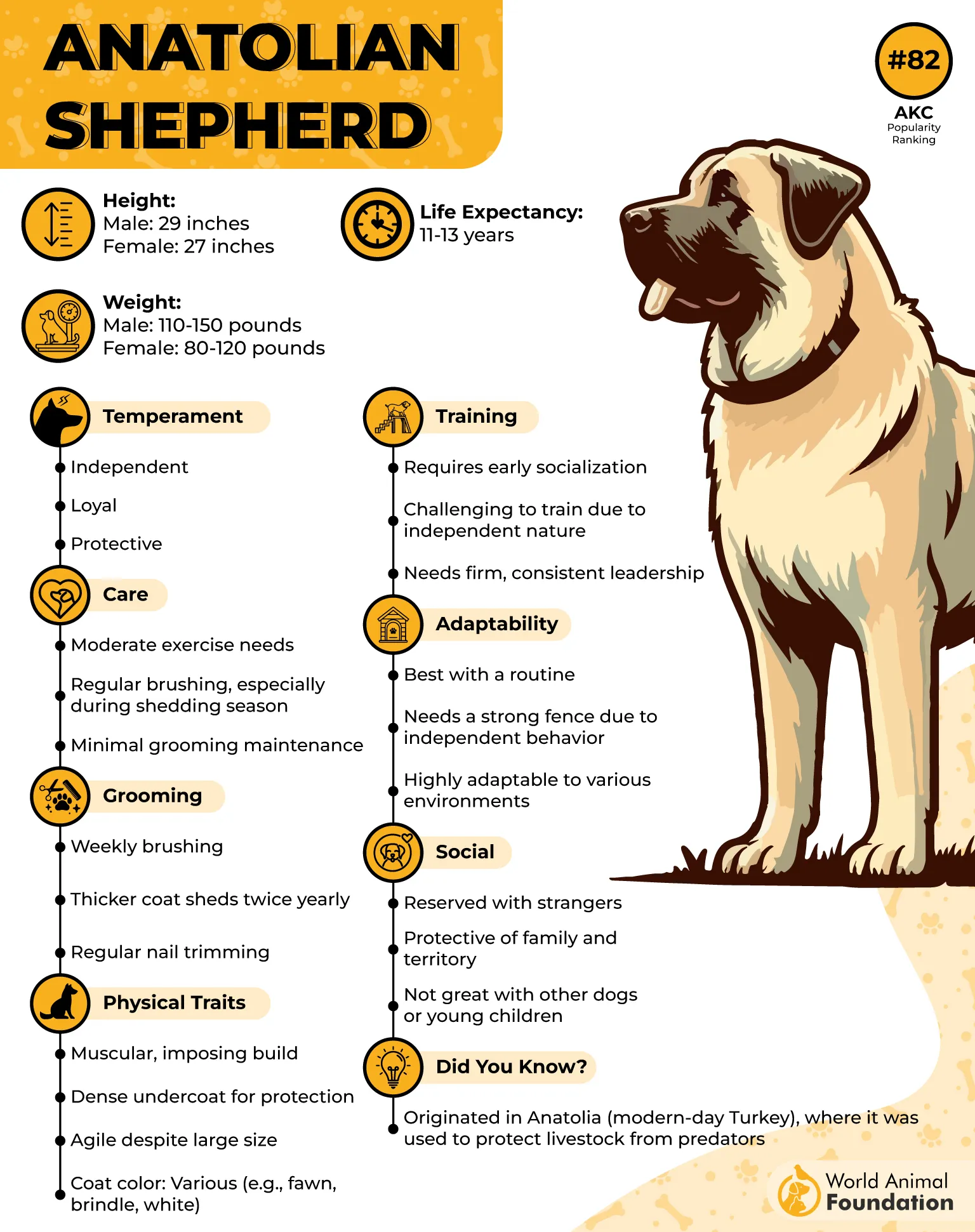
For thousands of years, Anatolian Shepherds have protected livestock in central Turkey from predators such as wolves and bears. Possibly descended from Tibetan Mastiffs and Roman Molossian dogs, these powerful guardians worked alongside nomadic herders, patrolling open pastures and defending flocks against threats.
Built for Long Hours in the Field
This Shepherd has the endurance and reach needed to cover wide pastures throughout the day. Its long stride supports steady ranging, while its independent nature allows it to assess danger and make decisions without waiting for constant direction from a handler.
Its working habits include several useful details:
A deep, booming bark that travels across open land.
Regular boundary patrols around grazing areas.
Greater alertness after dusk, when predators may approach.
A Guardian With a Careful Approach
When raised alongside livestock from puppyhood, this large dog can form strong attachments to the animals they protect.
Their territorial instincts are paired with restrained behavior toward familiar stock, while an intense stare, warning bark, and forward posture may help discourage approaching threats.
7. Beauceron
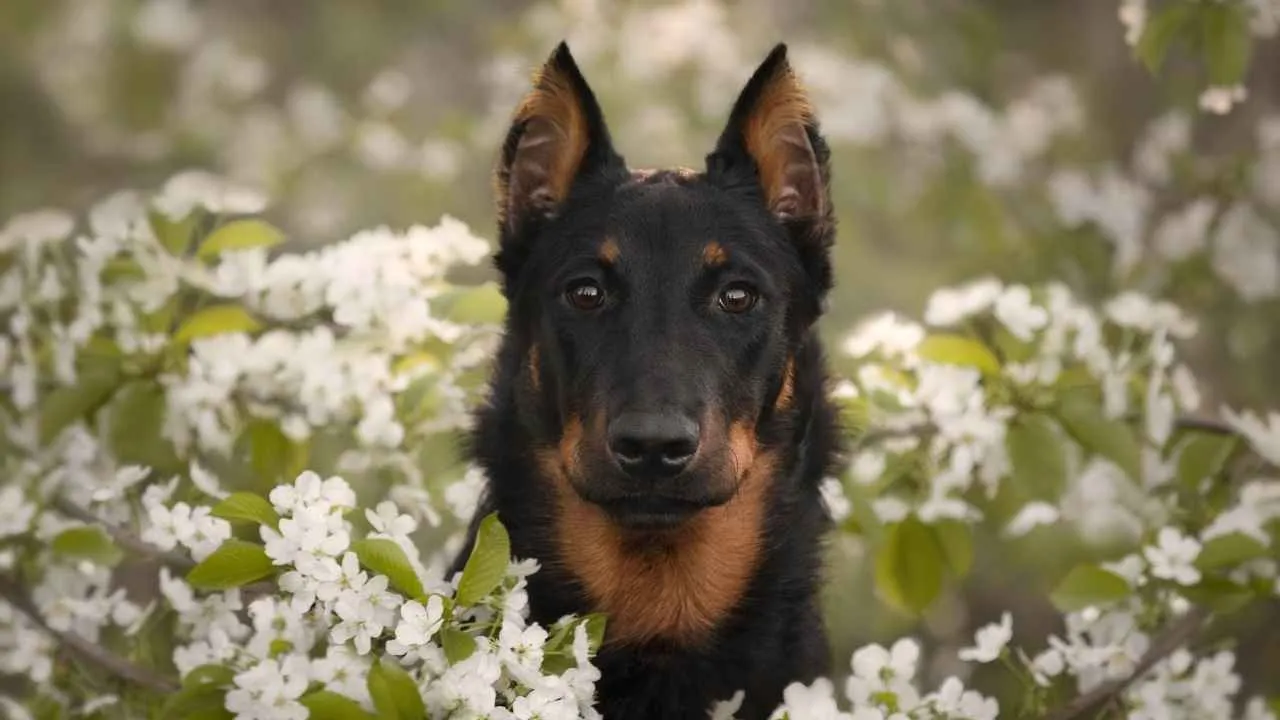
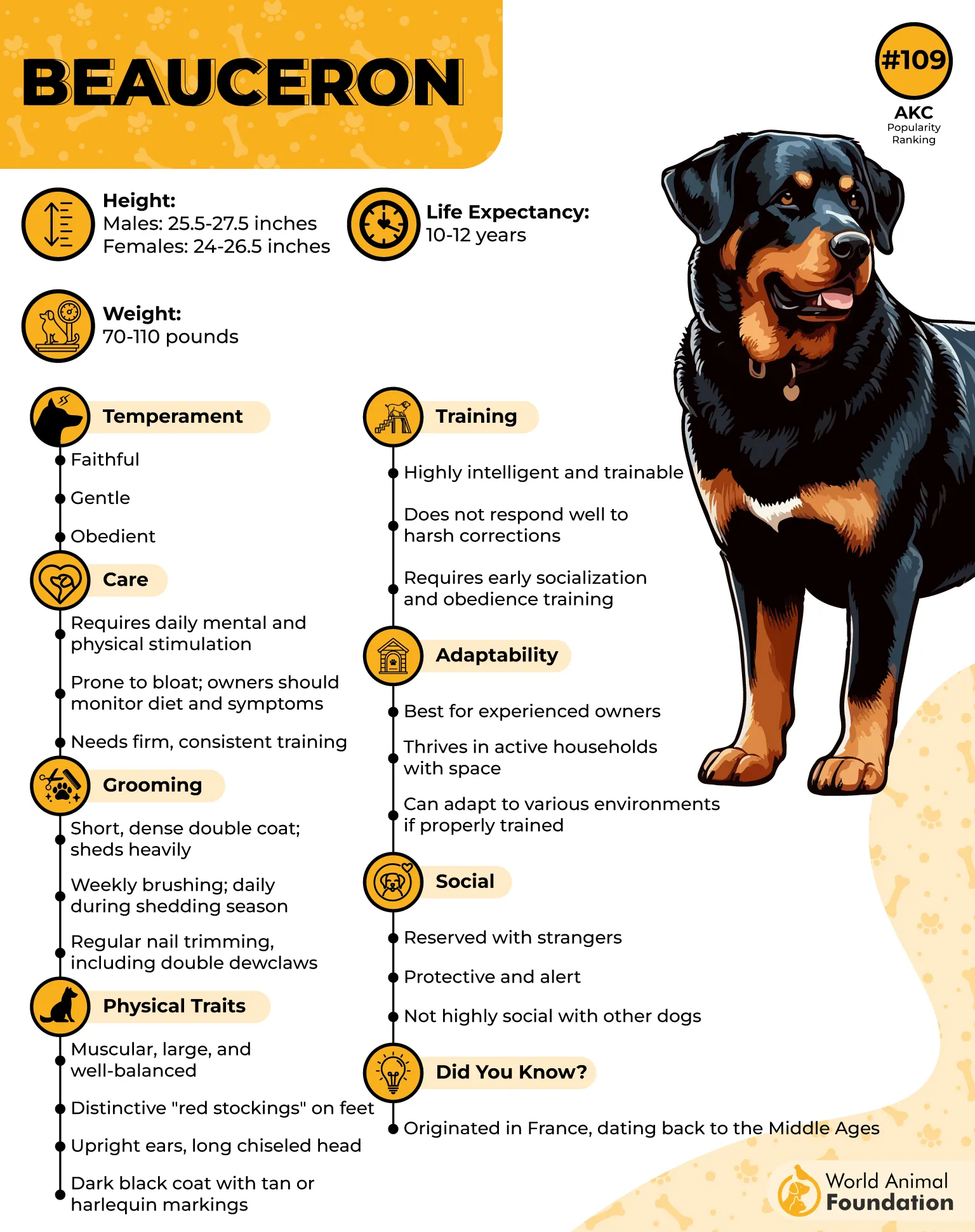
The Beauceron is a large French sheepdog with roots dating to the 1500s. Used to manage livestock and guard flocks against predators, it later performed military duties during the First World War, including message delivery and land-mine detection. The breed also served in police and search-and-rescue work.
Built for Long Days in the Field
This larger breed brings a powerful, athletic frame to farm work, with strong hindquarters suited to steady trotting and quick changes of direction. Its herding style relies on body positioning, shoulder blocks, and controlled pressure to guide livestock across open ground.
Several physical features support its work outdoors:
Double rear dewclaws provide extra contact on uneven terrain.
A short, weather-resistant double coat offers protection in the field.
A square, muscular build supports demanding physical tasks.
A Watchful Partner Around Livestock
Their natural guarding instincts make them attentive to flock boundaries, and some instinctively patrol an area in regular loops. They often assess unfamiliar situations before reacting, while early socialization and training help manage their protective instincts and tendency to herd children or nip during play.
Conclusion
Working on a farm requires more than physical strength. Dogs need enough stamina for daily work, quick reactions to respond to livestock, and the judgment to handle changing situations. Breeds with great stamina can cover open ground for extended periods, while some are natural gatherers and others are better suited to guarding animals and patrolling large properties.
Their training requirements can also differ according to their working instincts and level of independence. Before selecting a farm companion, consider the tasks it will perform and the environment it will work in. A dog’s physical condition, temperament, and ability to respond reliably all contribute to its suitability for demanding outdoor responsibilities, with some breeds excelling at particular farm duties.
