




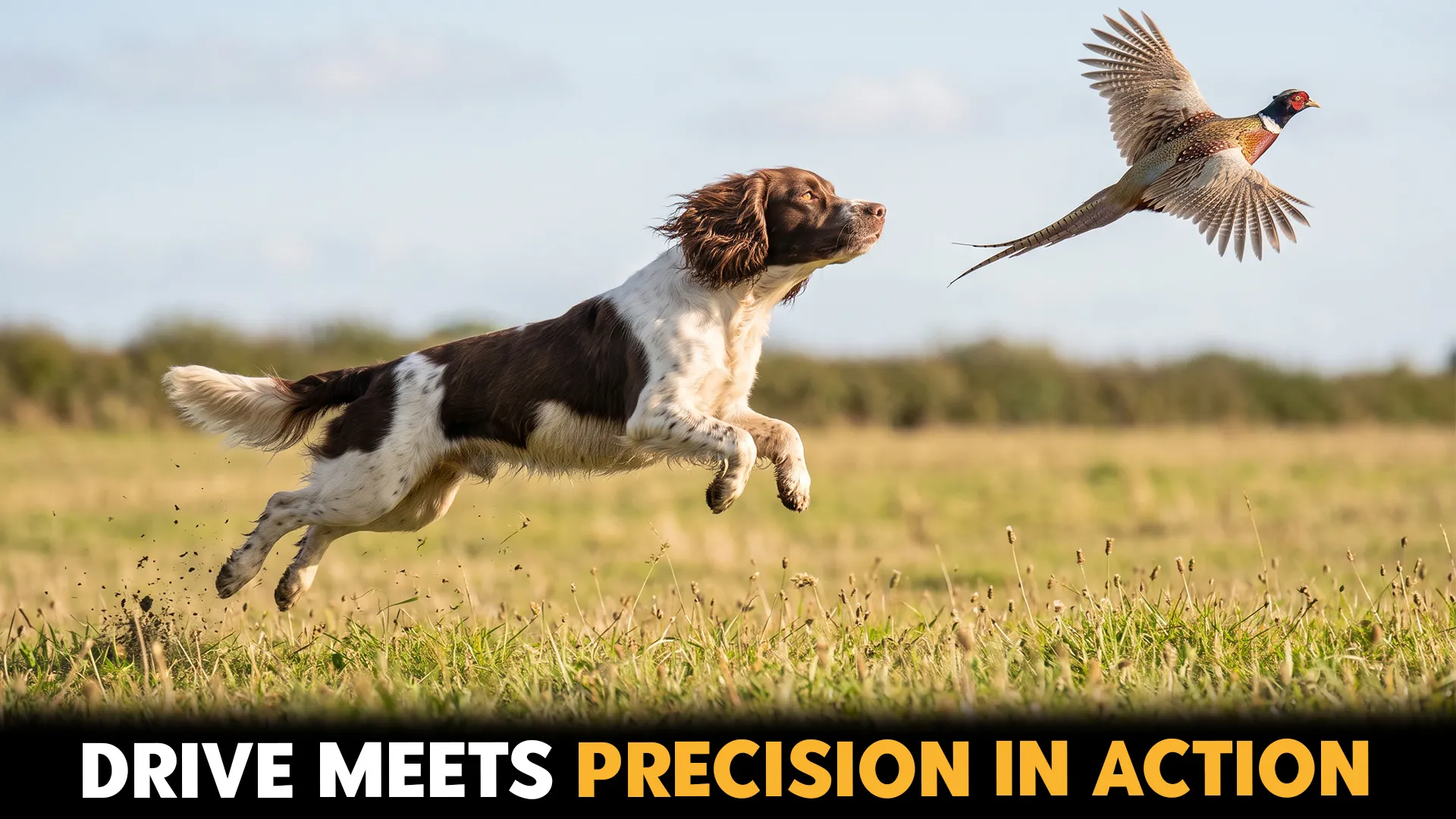
What makes a dog follow a scent for miles, pick up faint tracks, or remain focused when other animals are moving nearby? These abilities come from a combination of inherited instincts, physical endurance, sharp senses, and years of selective breeding.
Hunting dogs perform different jobs depending on their original purpose. Scent hounds follow ground trails using their powerful noses, while pointing dogs locate game birds and indicate their position through a distinctive stance. Retrievers bring downed game back to the hunter, often working through water, thick vegetation, and difficult ground.
Each working style requires a particular set of abilities, which explains why hunting performance can vary considerably between dogs. Temperament, trainability, and prey drive also influence their suitability for different hunting activities. Some breeds have particularly strong instincts that deserve attention.
Let’s take a closer look at nine dogs with impressive hunting abilities and what makes their natural talents so interesting.
Key Takeaways
A dog that can smell hidden birds and point directly toward them sounds impressive, right? That’s a natural hunting skill of the German Shorthaired Pointer
The English Springer Spaniel has another interesting ability. Its persistent searching helps it find game in places hunters may struggle to reach.
Labradors were once used to help fishermen retrieve nets and fish, and their swimming abilities remain valuable in hunting today.
There’s also a breed that once pursued deer and bears. Keep reading to find out which hunting dog has such a fascinating history.
Best Dog Breeds with a Focused Hunting Drive
1. German Shorthaired Pointer
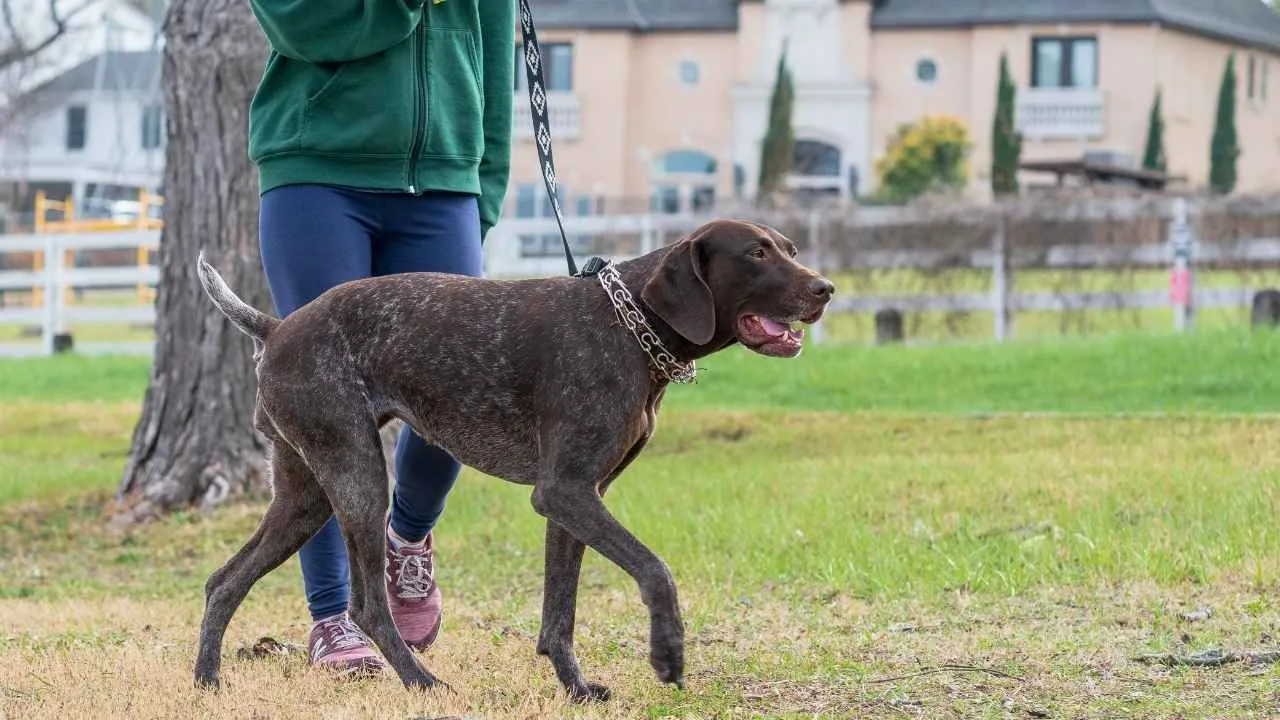
The German Shorthaired Pointer traces its ancestry to German Bird Dogs, with links to the Old Spanish Pointer brought to Germany during the 17th century.
English Pointers and the Arkwright Pointer also contributed to its lineage. The modern type took shape around 1870, followed by American Kennel Club recognition in 1930.
A Nose That Reads the Wind
This versatile dog uses its keen sense of smell to locate birds through scent drifting across open ground. Its natural pointing instinct allows it to freeze when it detects game, keeping its nose directed toward the source and sometimes lifting one forepaw, as WebMD claims.
Its field technique includes some remarkable details:
Searches from side to side to cover ground efficiently.
Often enters cold water to retrieve game.
Picks up birds gently to avoid damaging them.
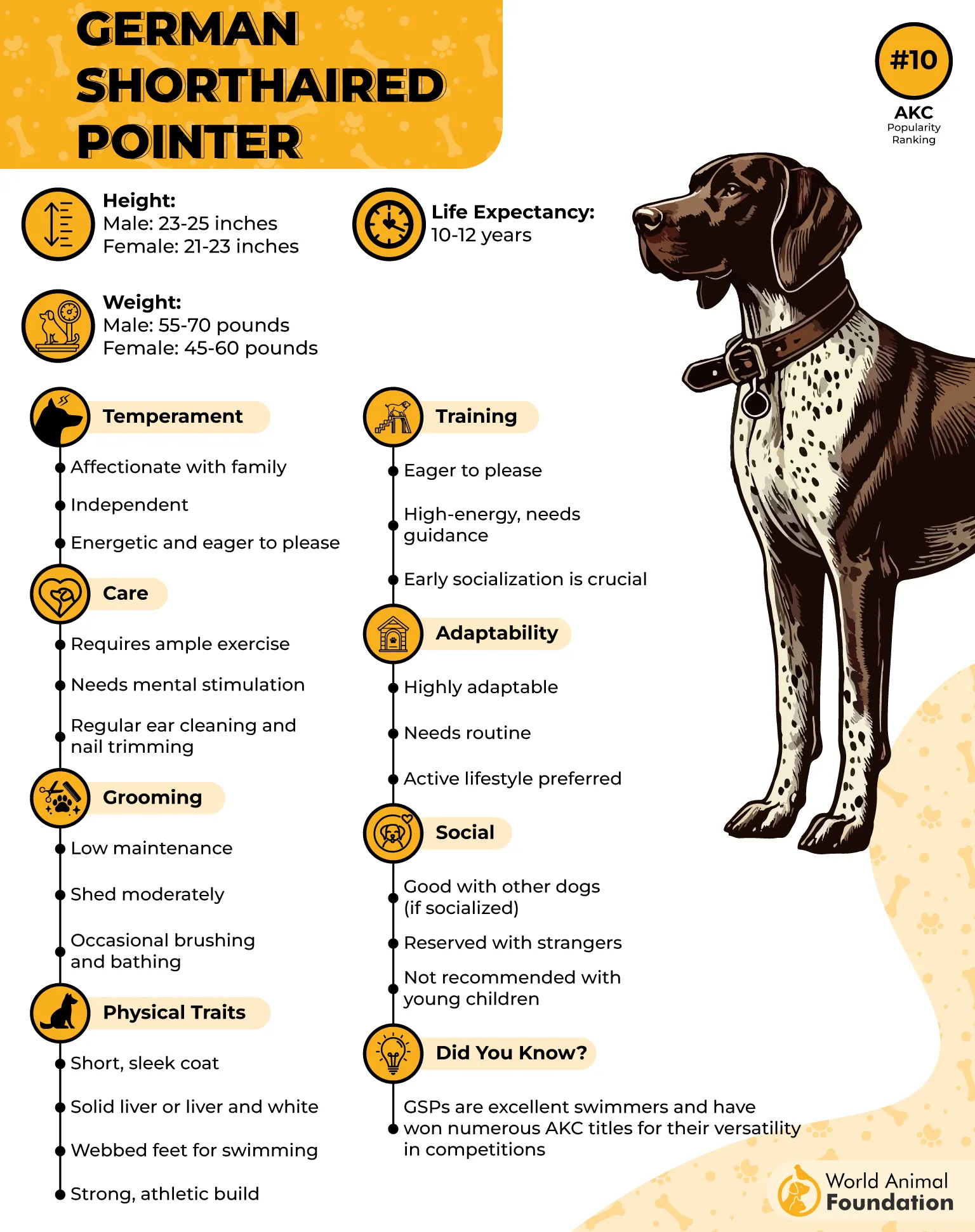
Focused at Work, Friendly at Home
German Shorthaired Pointers are people-oriented dogs that can fit well into active family households. They generally welcome familiar people and newcomers, while early socialization helps shape polite interactions. Long periods indoors without enough activity can leave them frustrated.
2. English Springer Spaniel
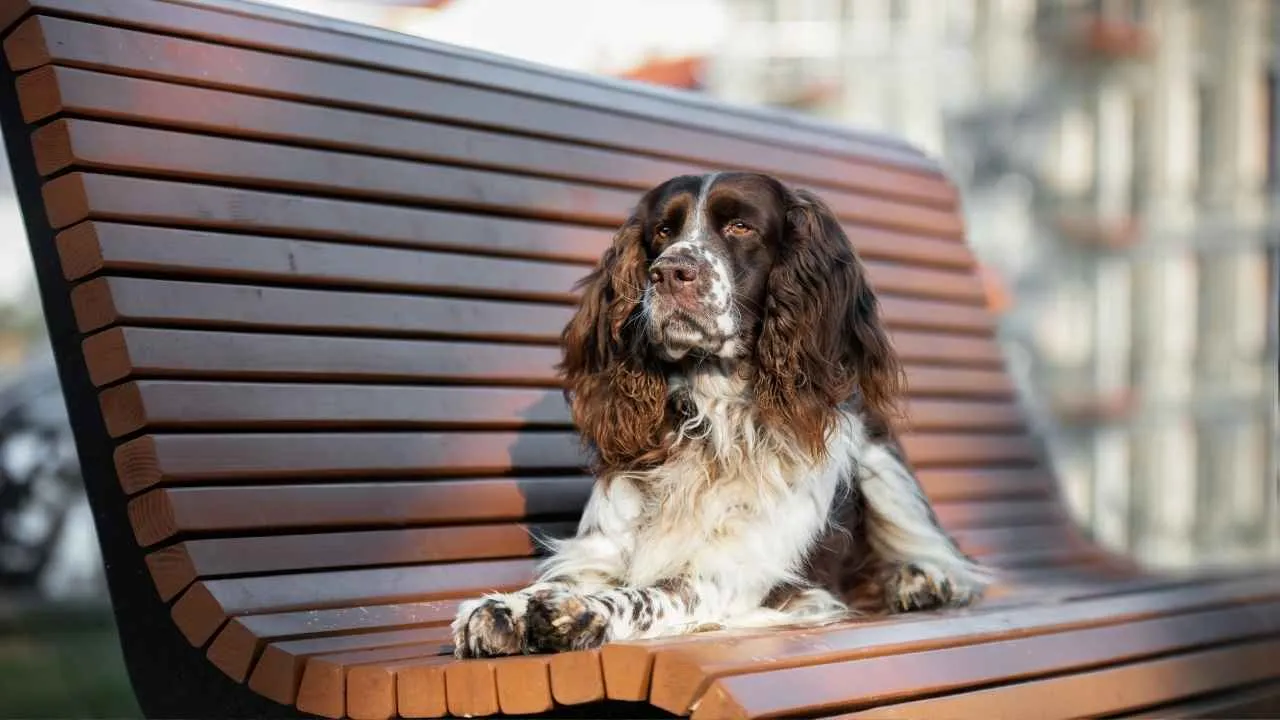
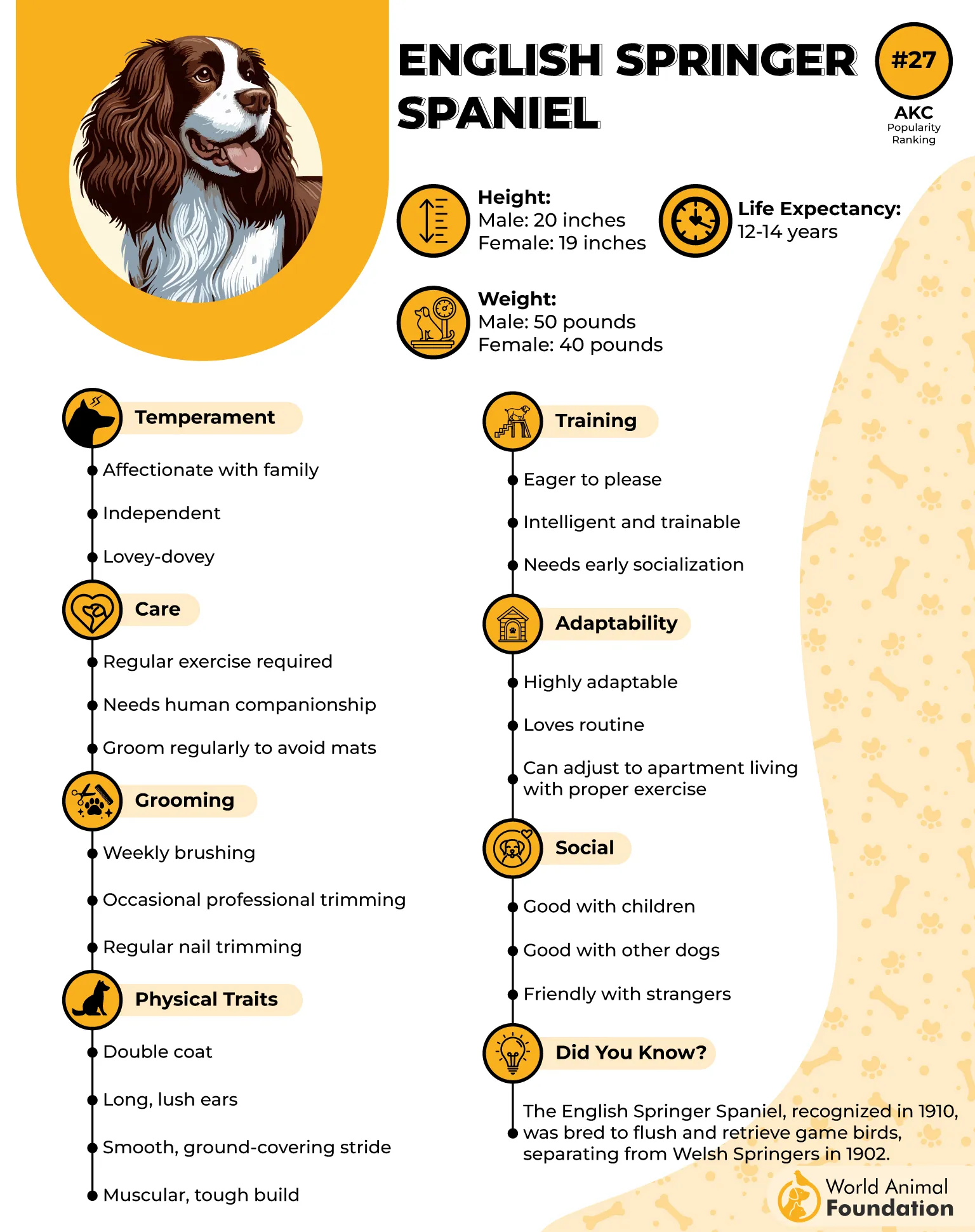
The English Springer Spaniel takes its name from the way it flushes game from dense cover, sending birds into the air for hunters. During the 19th century, breeders began selecting specific Springer types for this work, favoring dogs with the stamina to search wide areas and retrieve fallen game.
A Nose That Rarely Misses a Scent
An English Springer Spaniel approaches the outdoors with its nose close to the ground, investigating trails and working through thick undergrowth.
Its strong scenting ability also makes it useful in modern detection roles, including customs work, where focused searching and a willingness to follow direction are valuable.
These working habits reveal how naturally this breed uses its nose:
Sweeps from side to side while searching for game.
Retrieves training dummies with a naturally soft mouth.
Follows scent trails with persistent concentration.
Built for Long Days Outdoors
A deep chest, powerful hindquarters, and smooth, efficient stride help Springers cover rough ground for extended periods without tiring quickly.
Their feathered double coat offers protection in wet, overgrown terrain, though regular, thorough brushing is needed to prevent tangles and matting.
3. Labrador Retriever
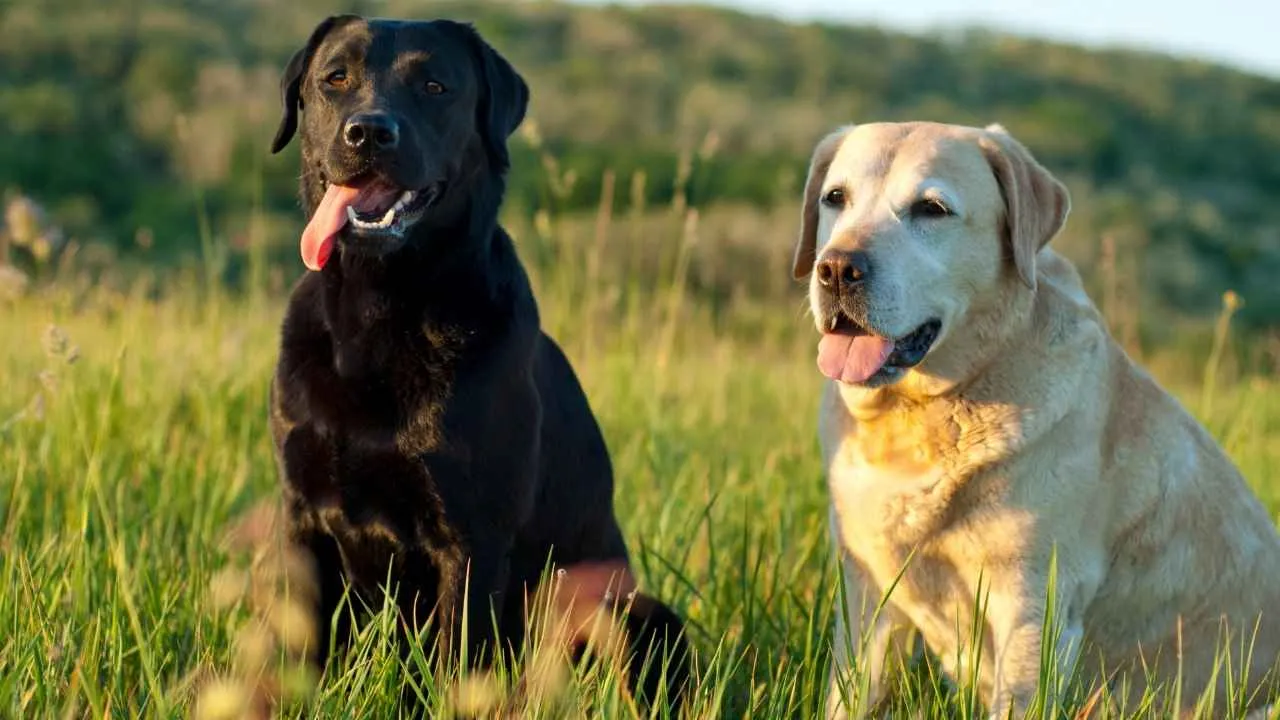
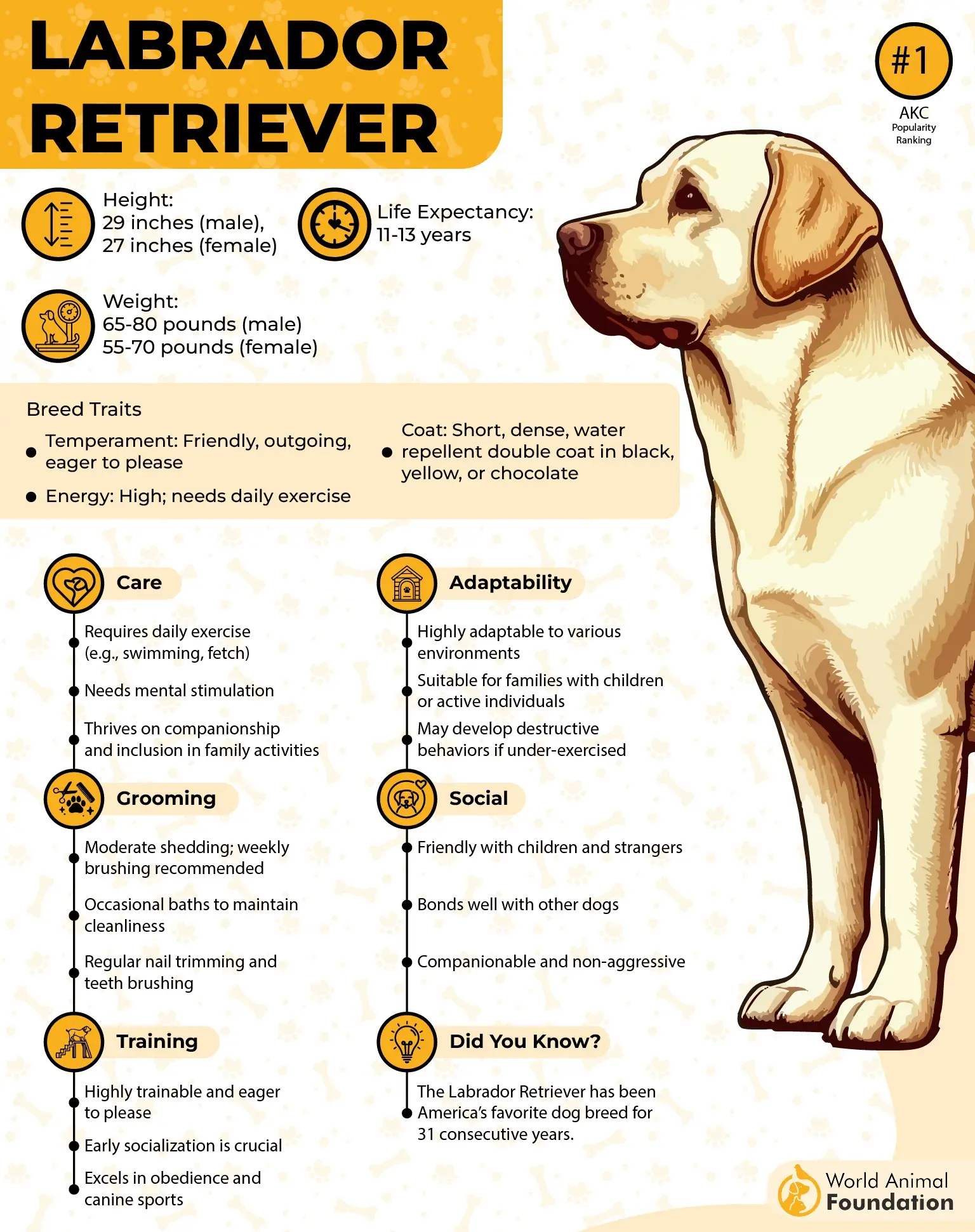
The Labrador Retriever’s early ancestors came from Newfoundland, where smaller black water dogs helped fishermen retrieve nets, fetch fish, and pull boats across lakes. These sturdy swimmers were the forerunners of today’s breed, prized for their ability to work in cold water and retrieve game, as Omlet reports.
A Natural Instinct for Retrieving
A Labrador’s hunting drive often appears in its eagerness to pick up objects and bring them back. Its soft mouth allows it to retrieve game gently, while a strong desire to work alongside people makes it responsive during field training and repeated fetching exercises.
Several physical features support this water-loving work:
Webbed toes help with swimming.
Water-resistant double coat provides insulation in cool conditions.
Otter tail helps with steering and propulsion.
A Nose That Leads the Way
This service dog often investigates scents before picking up an object, a useful pattern during gundog work and detection training. Their food motivation also makes reward-based lessons productive, although clear household boundaries help prevent them from raiding unattended food.
4. Beagle
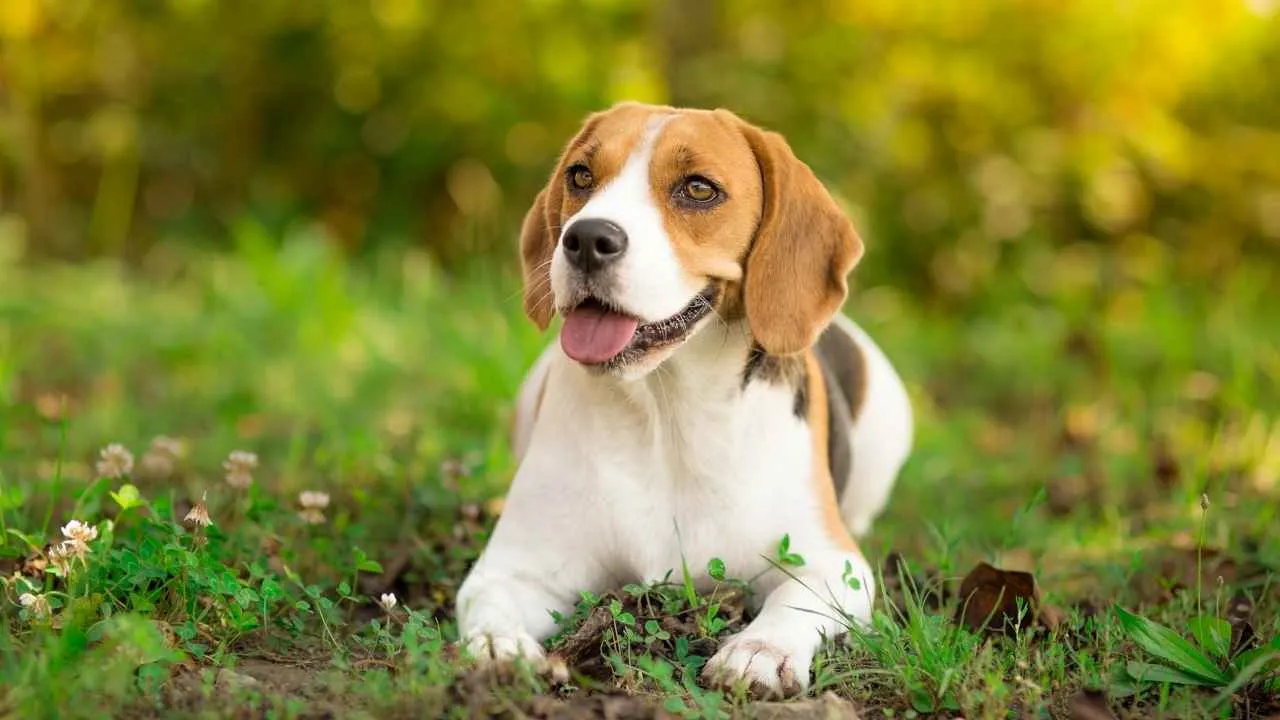
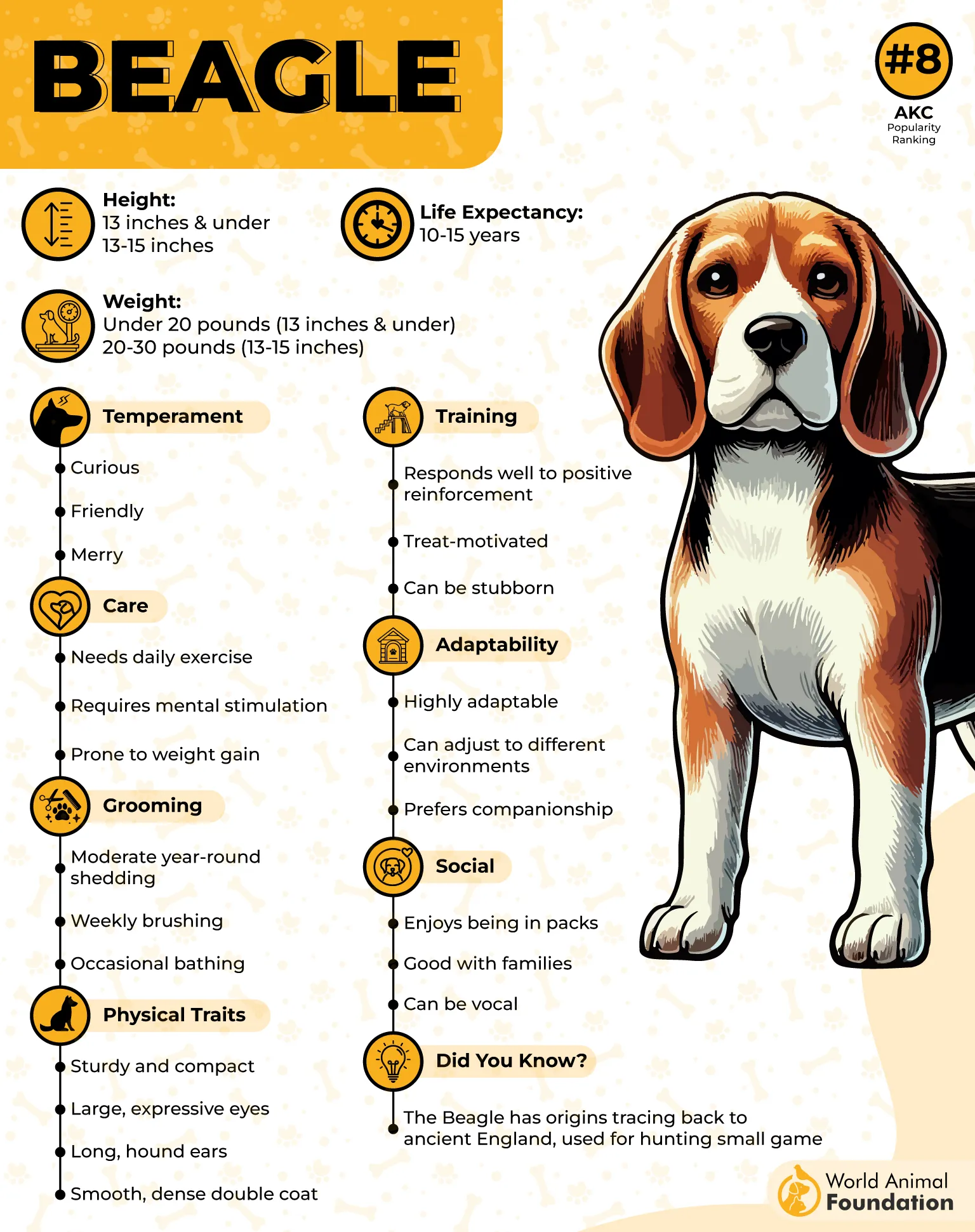
The Beagle’s hunting roots reach back to 14th-century England, when packs of small hounds followed hares across the countryside. By the late 1800s, the modern type had taken shape, with hunters often following these keen-nosed dogs on horseback as they pursued foxes, rabbits, and hares.
A Scent Trail Can Take Over
A Beagle’s nose has a powerful influence on its decisions, making this breed especially suited to following ground-level trails over long distances.
Once an interesting smell catches its attention, commands can become difficult to compete with, so walks need a secure lead and off-leash time belongs in a properly enclosed area.
Some physical features support this specialized work:
Long, low-set ears that help direct scents toward the nose.
A white-tipped tail that helps handlers spot the dog in fields and brush.
A compact, athletic frame suited to steady tracking over extended periods.
A Voice That Travels Across the Field
This breed uses a distinctive bay when they pick up an interesting trail, allowing other dogs and hunters to hear them across distance and cover, as per Orvis. This vocal habit can also appear during excitement or boredom, so their tendency to howl is worth considering in a noise-sensitive household.
5. Vizsla
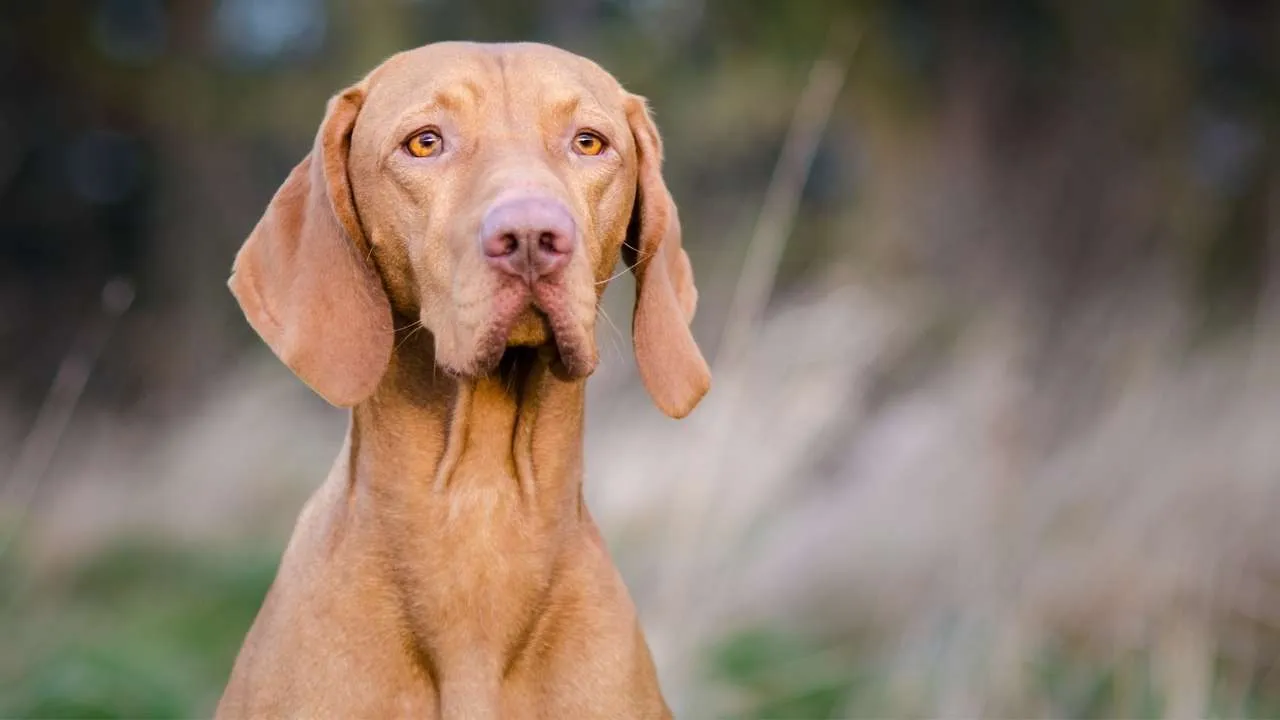
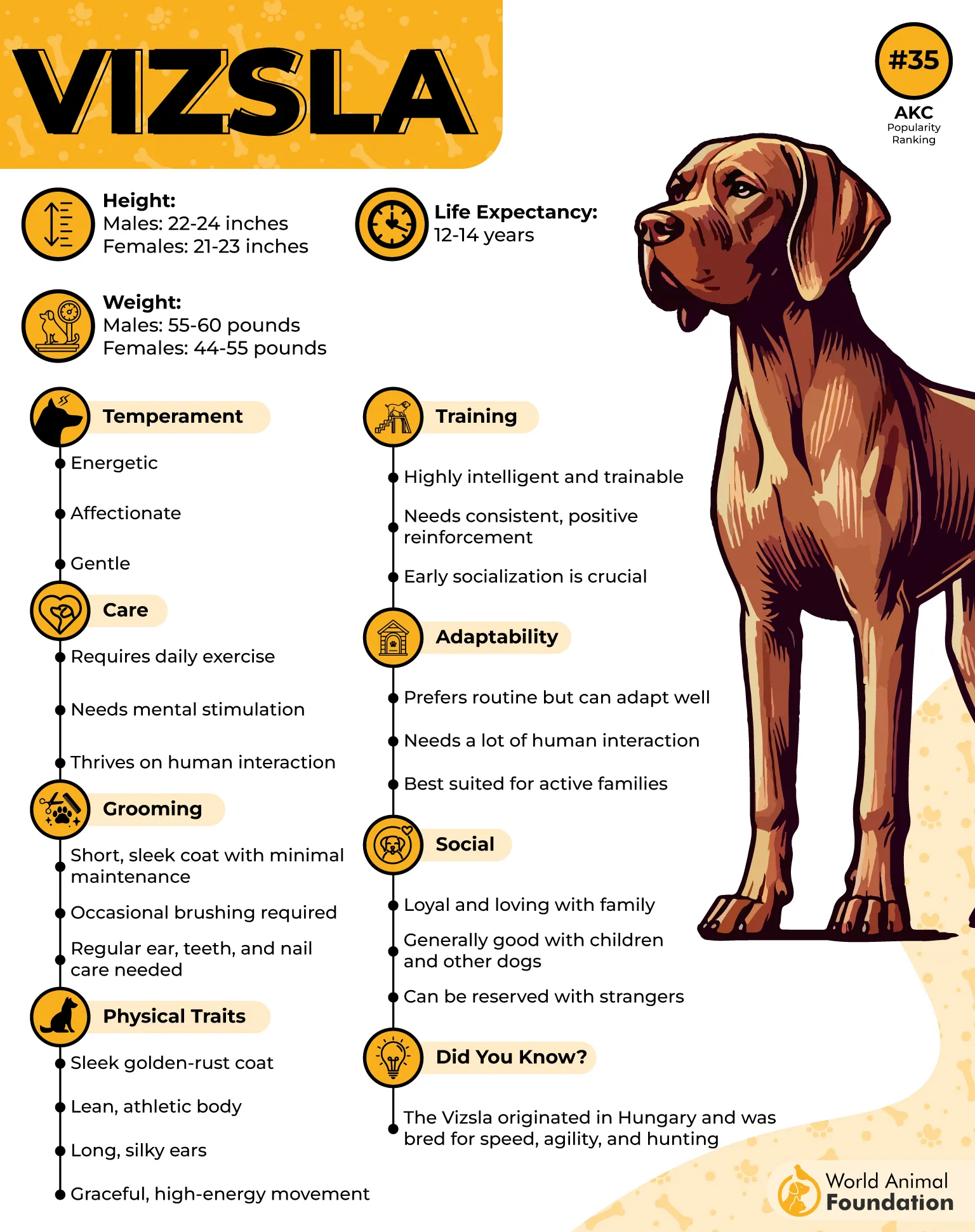
The Vizsla originated in Hungary, where hunters relied on its ability to locate and point game across open fields and dense undergrowth. Its smaller, athletic frame helped it cover varied terrain at speed, while its retrieving skills made it useful after a shot. The breed also became known for working closely alongside its handler.
A Natural at Tracking and Pointing
A Vizsla approaches a scent trail with intense concentration, often lowering its nose to follow ground scent before freezing when it locates game.
Its pointing stance gives the hunter time to approach without disturbing the bird, while its close attention to human direction makes it a cooperative field partner.
You can watch these behavioral traits in the field:
Holds a steady tail during a focused point.
Checks back frequently for the handler’s signals.
Retrieves birds with a gentle mouth.
Built for Fast Fieldwork
Long legs, compact feet, and a deep chest give this skilled hunter an athletic shape suited to sustained running across farmland. Its short, dense coat sheds water and catches fewer burrs while working through grass and brush, and its strong sense of smell helps it pick up faint trails.
6. Weimaraner
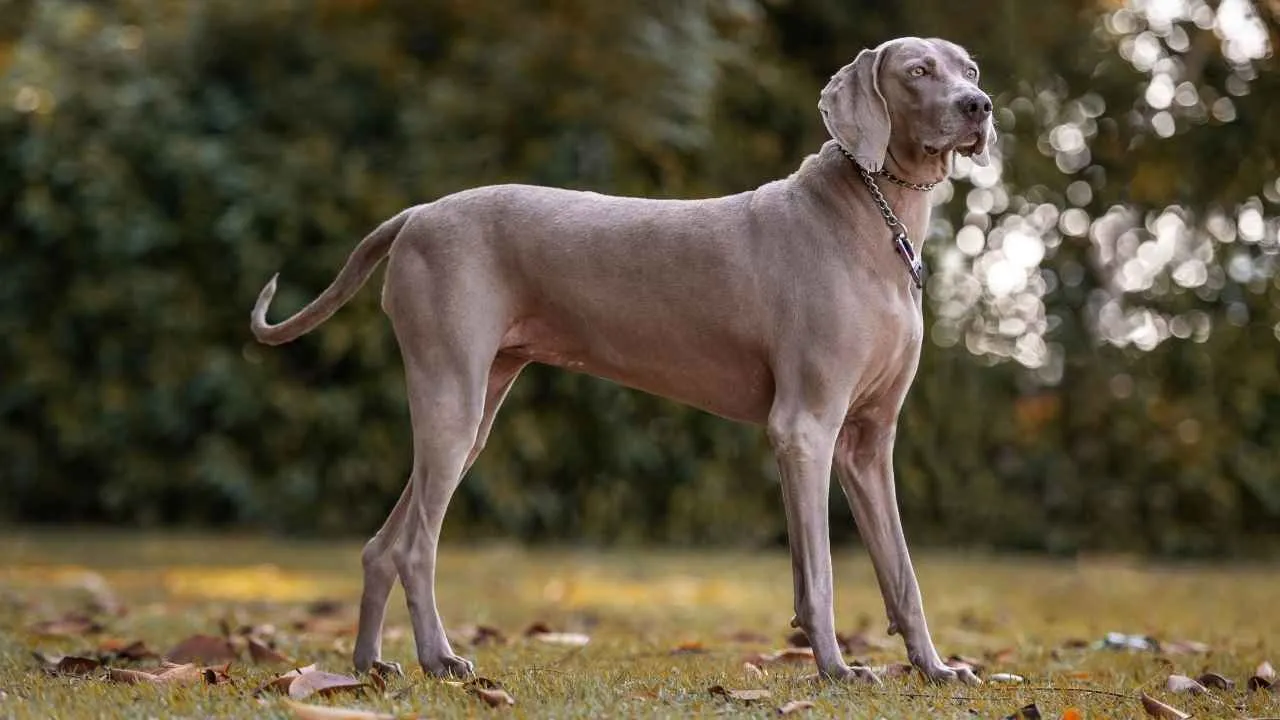
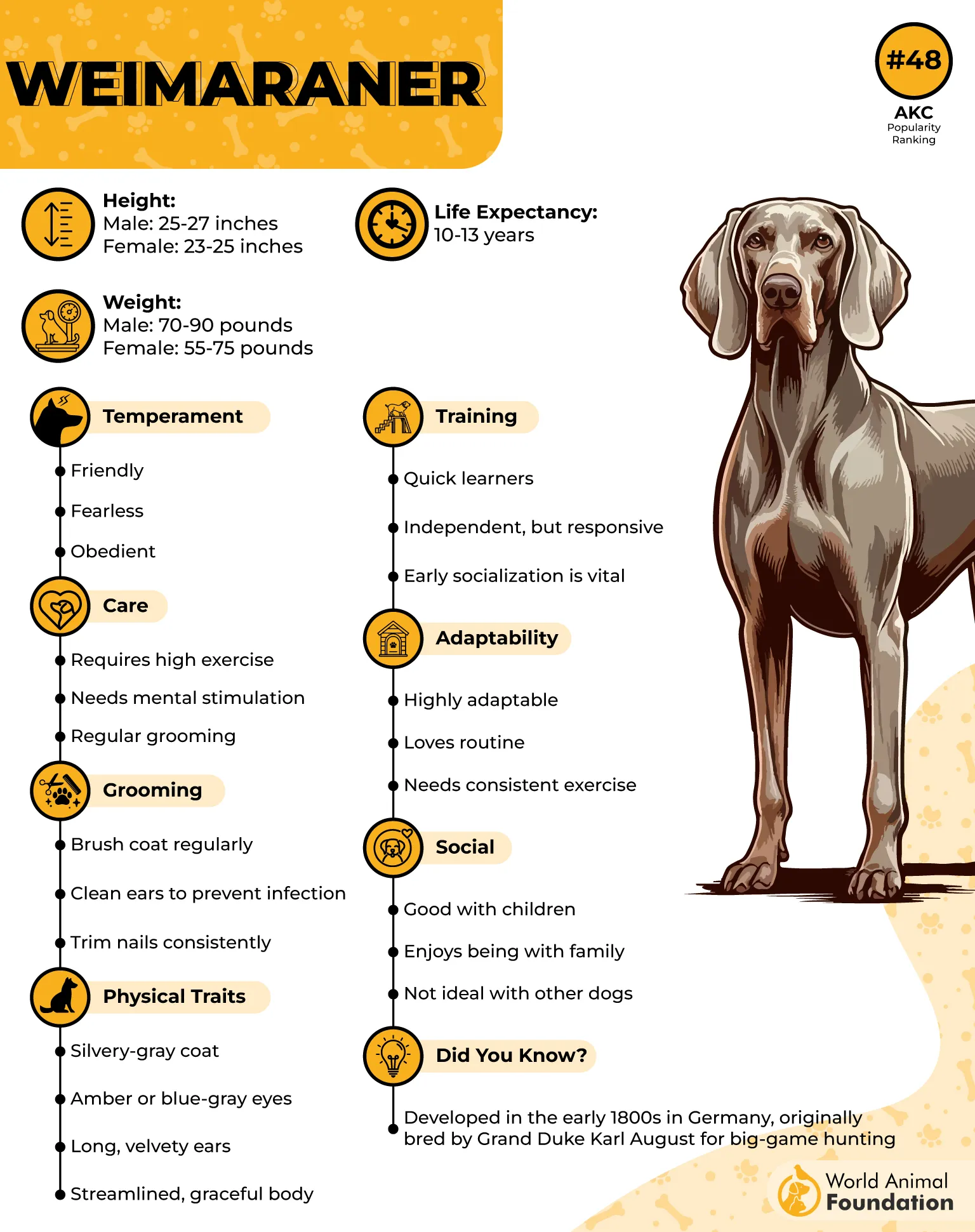
The Weimaraner originated in 19th-century Germany, where hunters wanted a versatile gun dog capable of pursuing large game, including deer and bear. Bloodhounds, Schweisshunds, and various pointer breeds contributed to its ancestry, shaping a capable hunting companion with a strong working instinct.
A Nose That Keeps the Hunt Moving
On a trail, the Weimaraner’s strong scenting ability and instinct to pursue game can make ordinary walks quite demanding. Squirrels, birds, and even passing cats may catch its attention, so reliable recall and consistent leash training are important from an early age.
Watch for these hunting-related habits during outings:
Freezes suddenly when something catches its attention.
Scans the surroundings with its head held high.
May chase small animals without a reliable recall.
Training Needs Real Commitment
These great companions learn quickly and respond well to patient, kind instruction. Their intelligence makes them capable of complex tasks, although an inconsistent approach can encourage stubborn behavior. Early training helps establish clear expectations before their independent streak becomes difficult to manage.
7. Brittany
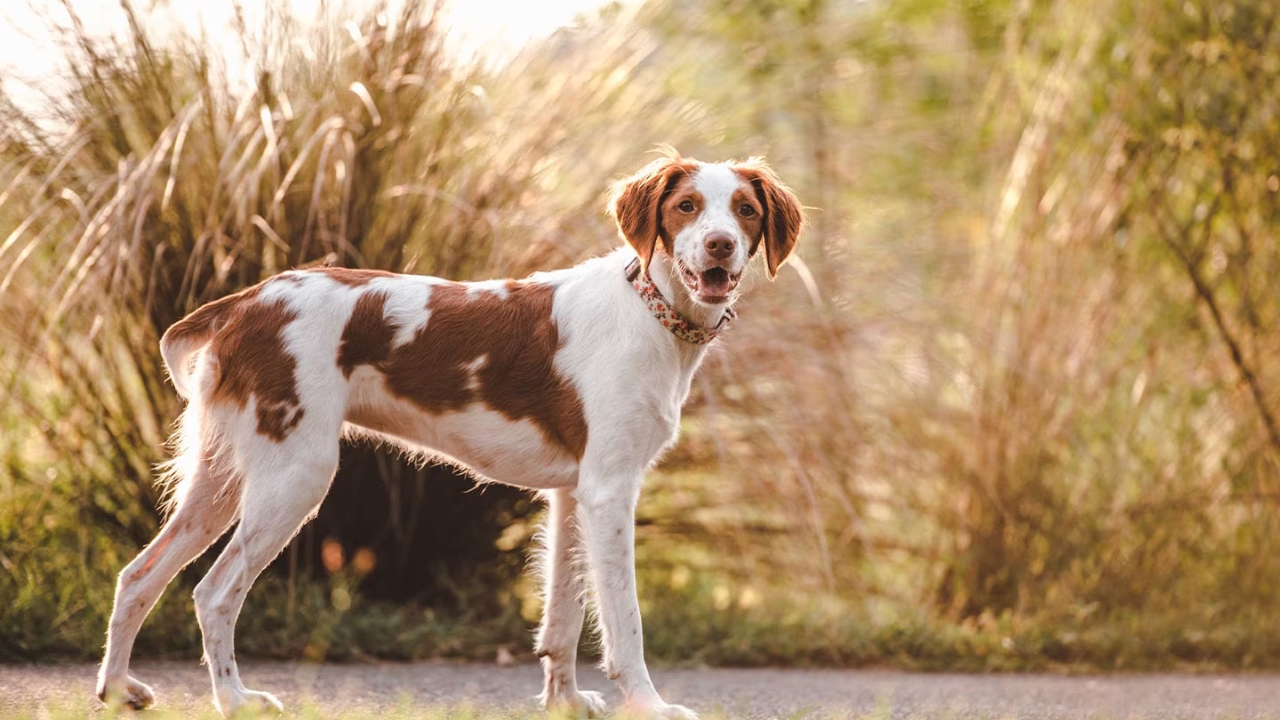
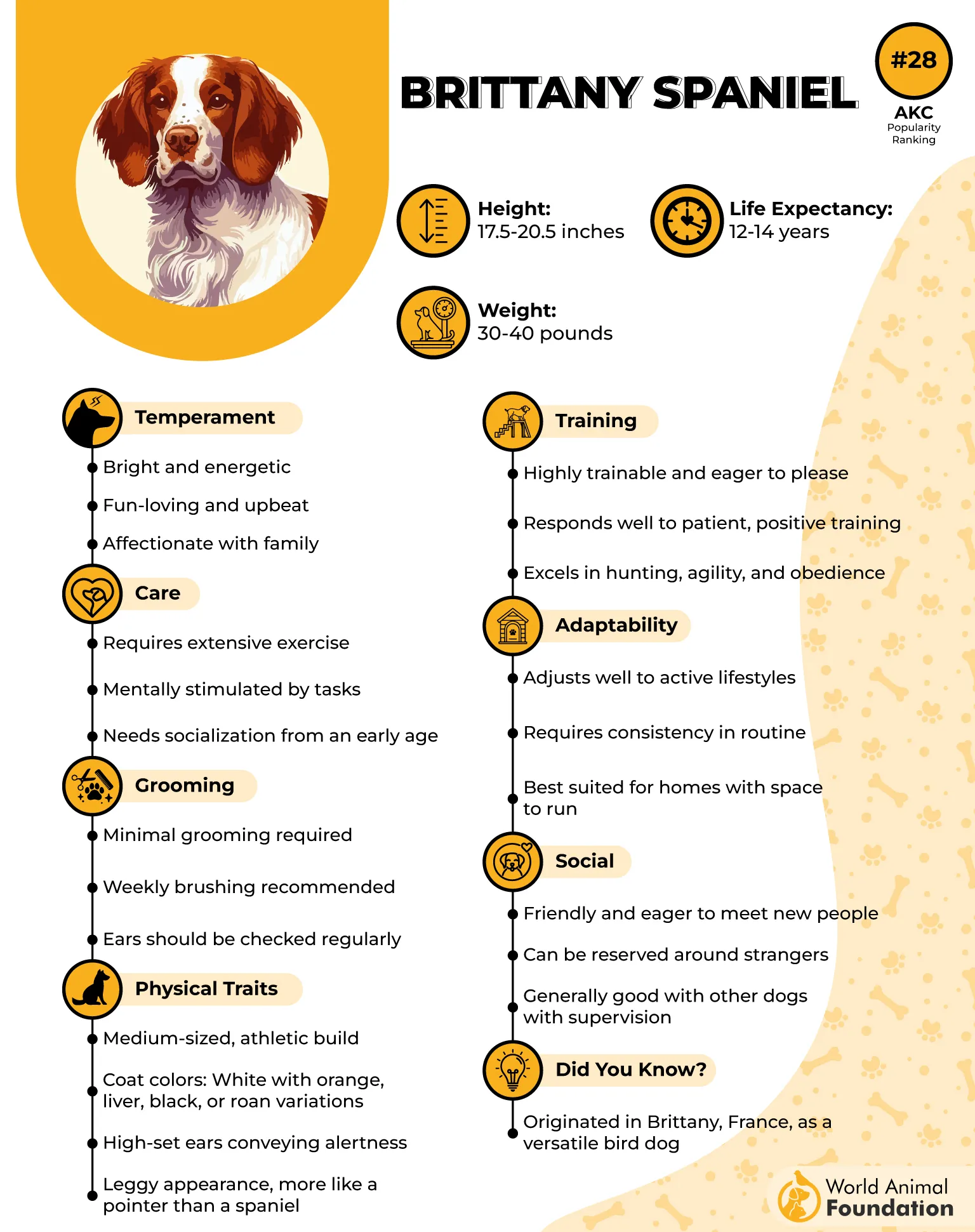
The Brittany developed in northwestern France, where hunters needed a compact dog capable of finding and retrieving game birds. Early breeders crossed small field spaniels with English Setters, selecting puppies with naturally short tails for further breeding. Woodcock hunting became one of the breed’s specialties.
A Nose That Follows Every Bird Scent
A Brittany approaches the field with its nose working constantly, picking up faint bird scents carried through the air. It searches ahead in sweeping patterns, adjusts quickly through dense cover, and freezes with one paw raised when it locates game.
Its hunting style has several distinctive details:
Sweeps from side to side while searching.
Can retrieve birds without crushing them.
Often glances back toward its handler during a search.
Responsive Training With Plenty of Drive
Brittanys are receptive to whistles, hand signals, and direction from their handlers, making steadiness and recall useful skills to practice early. Their attention can shift rapidly toward flushing birds or darting squirrels, so impulse-control training deserves particular attention during adolescence.
8. English Pointer
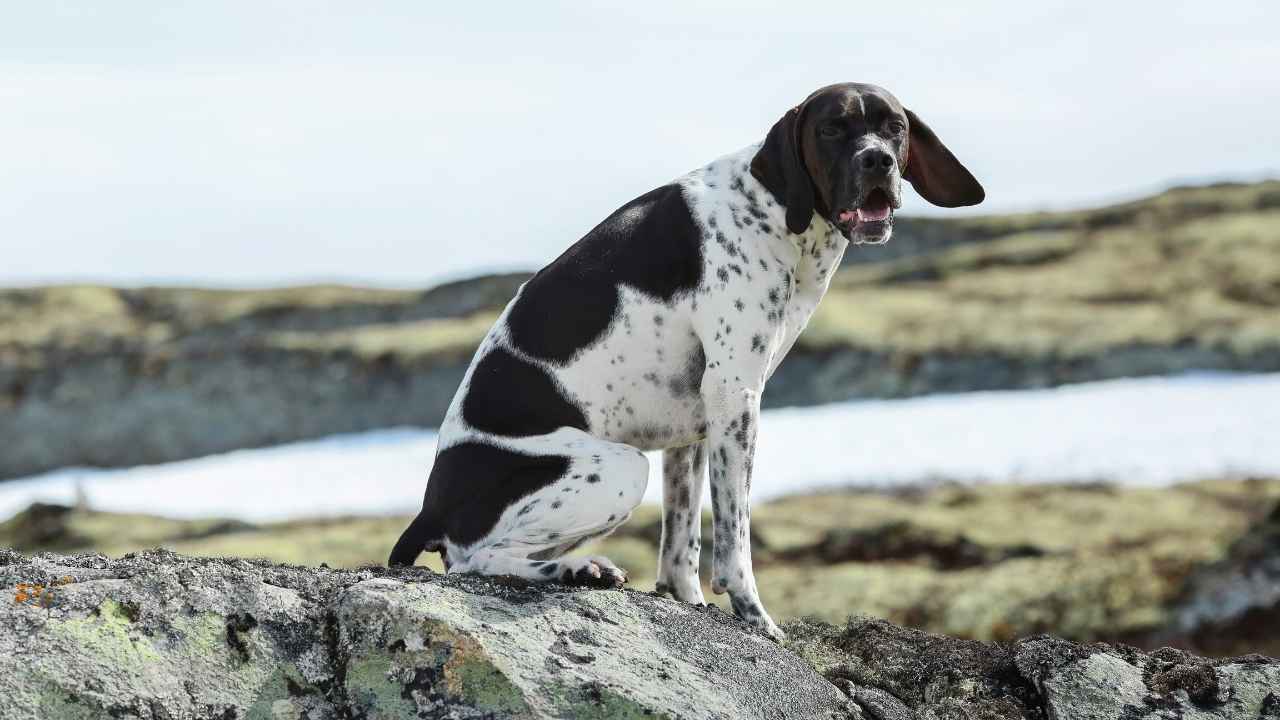
The English Pointer has a history that crosses borders, with its early ancestors believed to have come from Spain before reaching Britain with returning soldiers.
Greyhounds, Foxhounds, and French hunting dogs later influenced its development, contributing to the lean, athletic build associated with the breed today.
A Natural Specialist at Finding Game
An English Pointer searches open ground with a distinctive pattern, sweeping back and forth across a field to pick up scent. When it locates a bird, it can freeze in place with its body rigid, head aligned, and one forepaw raised, giving the hunter time to approach.
Its field technique involves some fascinating details:
Uses both airborne and ground-level scent cues.
May lift its head to catch a bird’s drifting scent.
Responds to whistle and hand signals over distance.
A Cooperative Nature With a Sensitive Side
These companions are generally friendly with people and other animals when properly socialized, and they often enjoy family life after a day outdoors. They respond well to clear guidance and can learn to work at a distance, while their strong interest in birds and fast-moving animals calls for reliable training.
9. Irish Setter
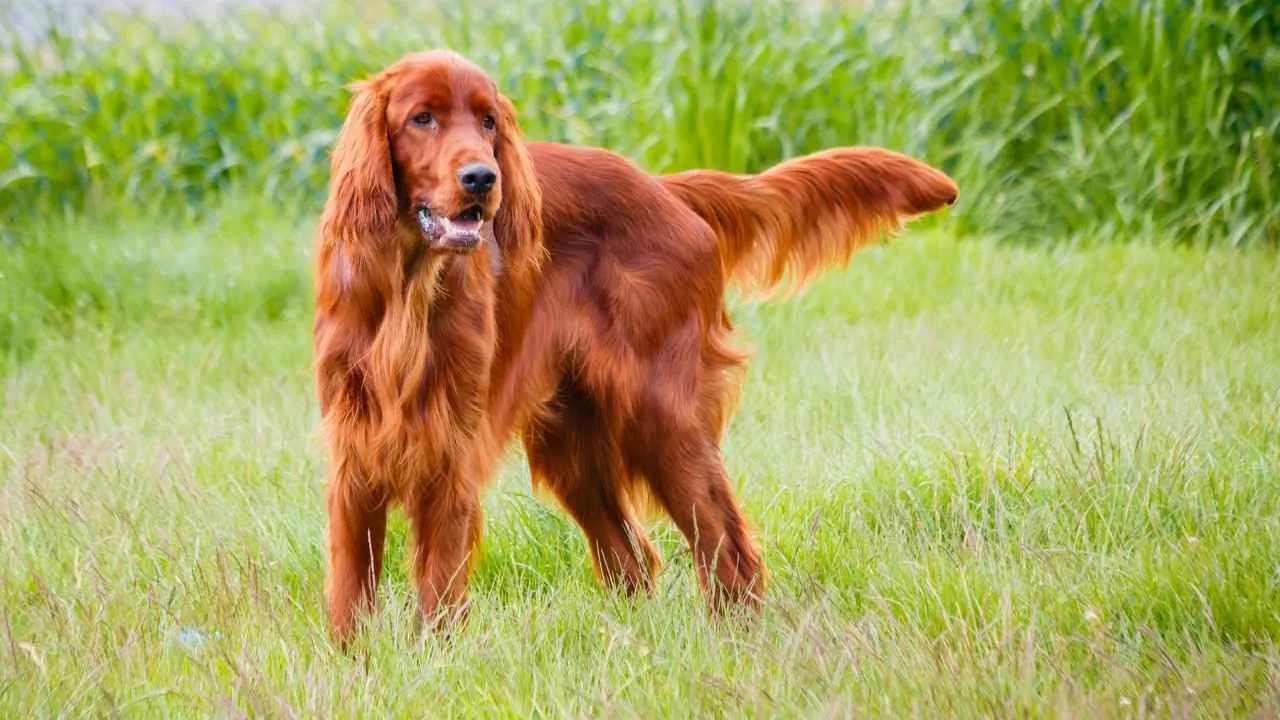
The Irish Setter’s exact beginnings remain uncertain, though its ancestry likely includes English Setters, Spaniels, and Pointers. Around 1800, early breeding kennels began producing the red variety, whose rich mahogany coat made it easier for hunters to spot across open fields and hedgerows.
A Nose That Can Take the Lead
An Irish Setter brings a strong scenting instinct to upland bird work, often sweeping across the ground in wide patterns as it searches. When bird scent catches its attention, it may pause in the classic pointing posture, with its head and tail held in line.
Its field habits reveal several useful details:
Uses the wind to locate scent across open ground.
Searches in broad, back-and-forth patterns.
May freeze when it detects nearby birds.
Training Through the Excitable Years
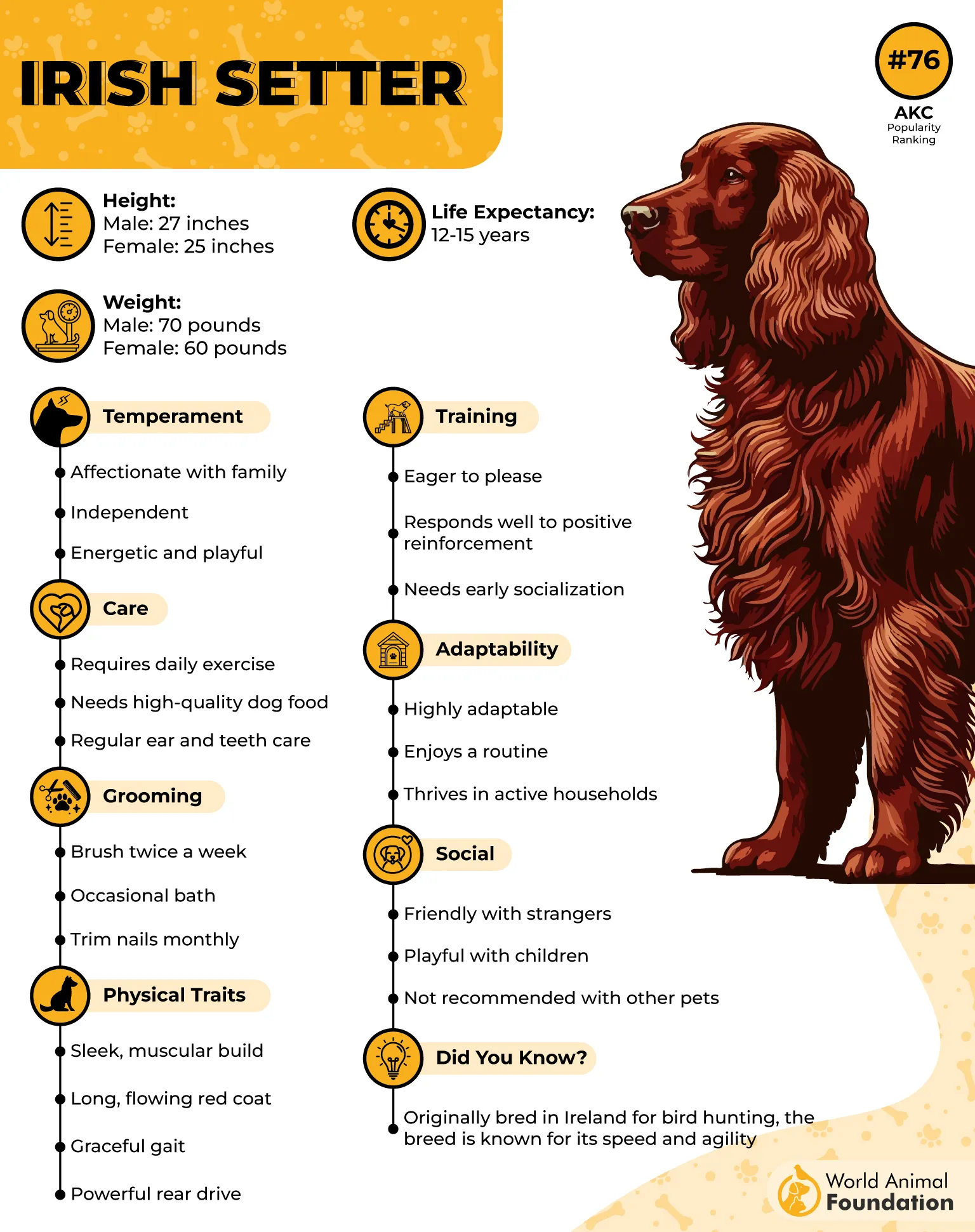
This highly energetic dog learns quickly and generally responds well to cooperative training, but their enthusiasm can make lessons challenging during adolescence. Their puppy-like behavior may continue into the second or third year, while a sudden interest in birds or food can test recall around distractions.
Conclusion
A good hunting companion needs more than a strong desire to chase game. Scenting ability, stamina, trainability, and control all influence how well a dog performs in the field. Some are naturally skilled at following ground trails, while others locate birds, hold a point, or retrieve game through water and thick cover.
Their instincts can also affect everyday life, particularly around smaller animals and outdoor distractions. Consider the type of hunting you plan to pursue, along with the time available for training and exercise. A suitable dog should match both your field requirements and household routine.
