




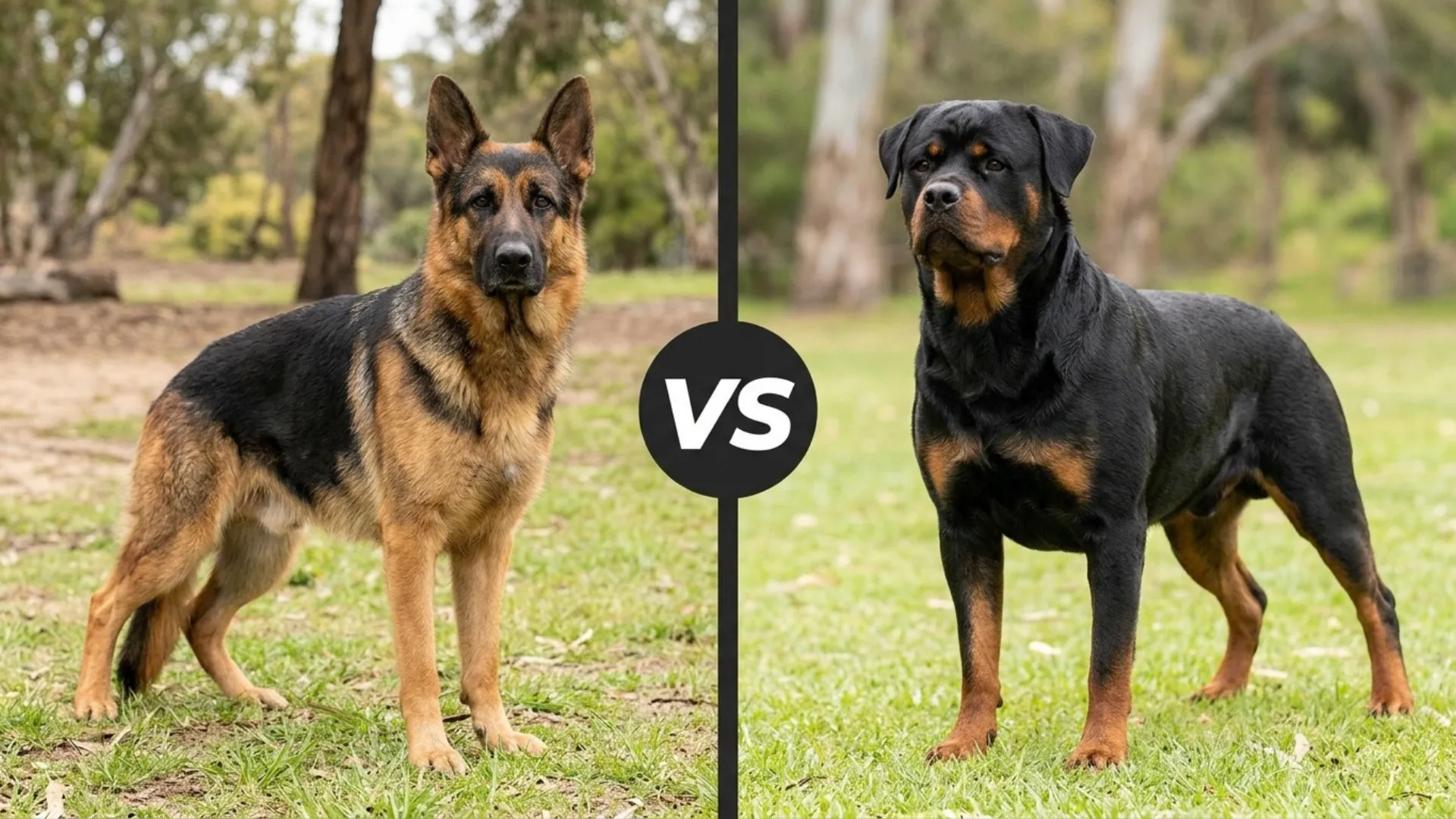
Two famous dogs enter this comparison, and every admirer thinks their favorite has the winning argument. Fair enough. Choosing between them should be a lively conversation, especially when the person living with the winner gets the final vote.
Perhaps you have already picked a side. Then someone mentions the other breed, and your certainty starts to wobble. That is usually when the interesting questions begin.
The trouble with a face-off is that one impressive moment can steal the show. A photograph tells you very little about an ordinary Tuesday, and an ordinary Tuesday is where a dog earns its place in your life.
So, let us compare notes like dog people do: with enthusiasm, a little friendly rivalry, and a healthy respect for the work involved. Both contenders deserve a closer look than their reputations usually get.
By the end, you may have a clear winner. You may also discover that the better question is which dog you would enjoy showing up for, day after day.
German Shepherd vs. Rottweiler Dog Breeds Face-Off: Which Wins?
Breed Origins & Functional Background
Who got the earlier start? The Rottweiler traces its ancestry to dogs that drove livestock with Roman armies, while the German Shepherd emerged from a later effort to refine Germany’s regional herding dogs.
In Rottweil, dogs moved cattle to market and helped butchers protect their proceeds. That is a wonderfully practical résumé: move the goods, mind the money, and stay close to the people doing the work.
The German Shepherd’s original assignment called for a different kind of attention. Its job was to manage sheep under a shepherd’s direction, keeping the flock together as the day unfolded.
These histories also explain why calling both breeds “German guard dogs” misses the good part. One came through cattle droving and trade; the other was shaped around coordinated work with a shepherd.
Their American Kennel Club recognition dates offer another neat contrast: 1908 for the German Shepherd and 1931 for the Rottweiler. Those dates mark registration in the United States, rather than the beginning of either breed’s story.
The origin round goes to the Rottweiler for sheer age. For readers drawn to a breed developed for close cooperation with a handler, the German Shepherd has the more compelling backstory.
Physical Characteristics & Body Structure
The Rottweiler makes its case with substance. The German Shepherd answers with a lighter, more agile outline, so the difference is easy to see even before either dog takes a step.
According to the AKC’s Rottweiler breed profile and German Shepherd breed profile, Rottweilers stand 22 to 27 inches tall and weigh 80 to 135 pounds. German Shepherds stand 22 to 26 inches tall and weigh 50 to 90 pounds, respectively.
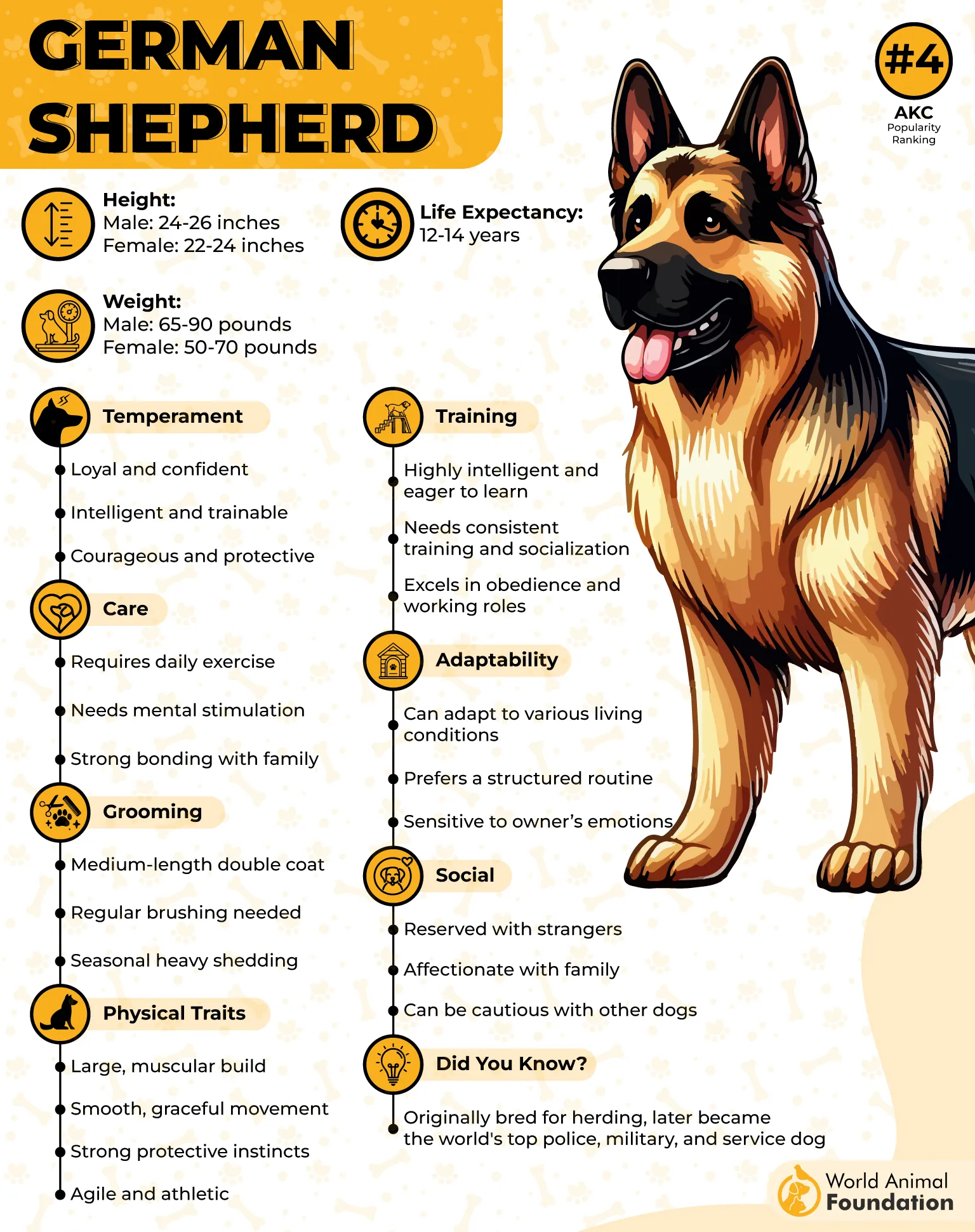
That weight gap tells more of the story than height does. A Rottweiler can stand no taller than a Shepherd yet bring considerably more body mass to the same patch of floor.
The Rottweiler has a broad chest, sturdy frame, and the unmistakable black coat with rust markings. Everything about its shape looks compact and powerful.
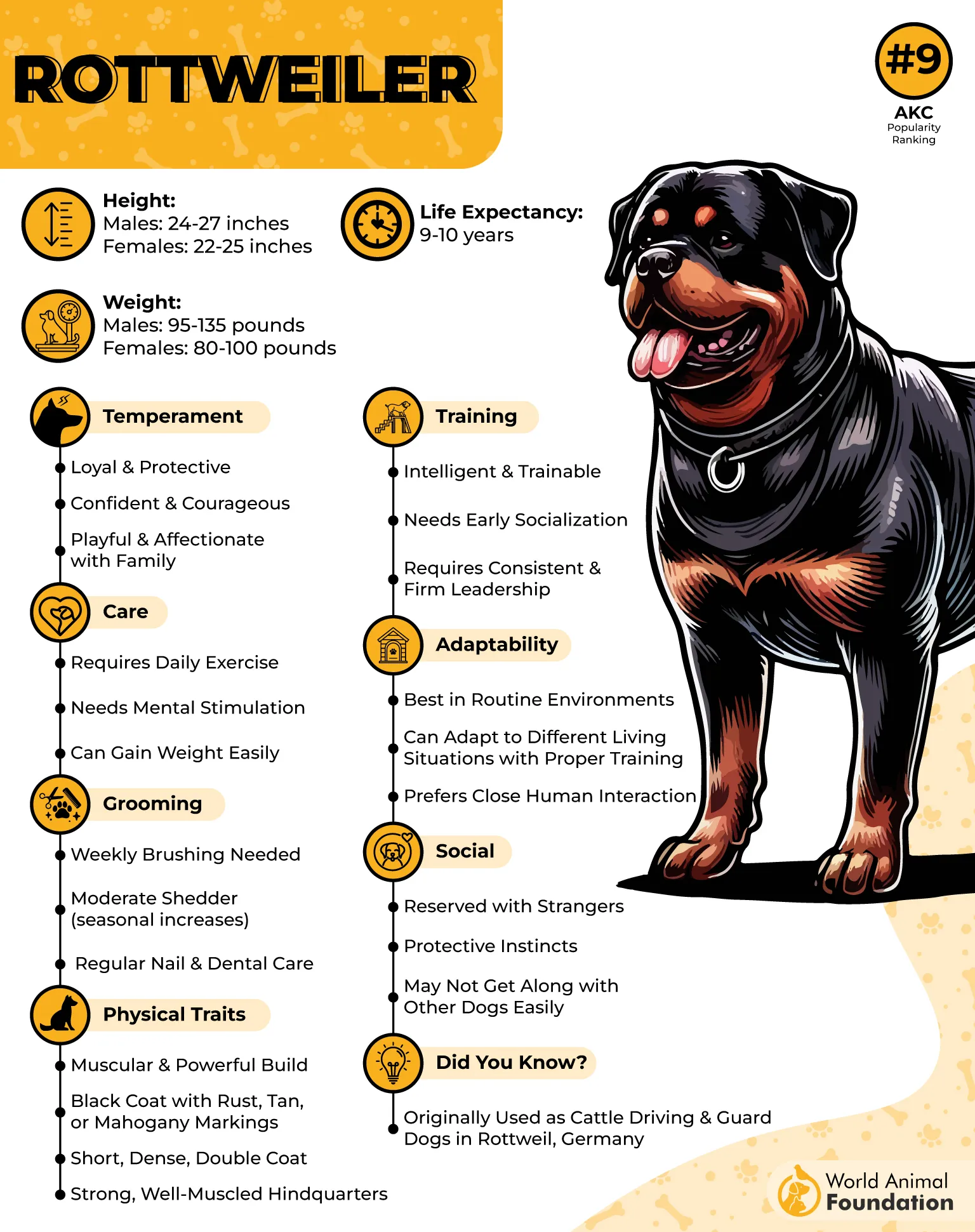
Meanwhile, the German Shepherd presents a longer outline, upright ears, and a stride that draws attention to its reach. Its structure gives it a visibly different presence in motion.
Neither silhouette wins by simply looking tougher. If you admire a substantial build, the Rottweiler owns this round; if an athletic outline catches your eye, the German Shepherd takes it.
Temperament & Behavior
Can a dog look imposing and still have a gentle touch? Rottweiler owner Katie Maess recalls her 110-pound dog Boris carefully climbing onto a frail woman’s bed during a therapy visit. It is a lovely account of one dog’s behavior, rather than a promise about every Rottweiler.
Rottweilers can be self-assured and watchful around unfamiliar people. Within the family, many are playful and deeply interested in what their people are doing.
German Shepherds often show their attachment in a more attentive way. They may watch a new situation closely before deciding how to respond, and can be reserved with strangers.
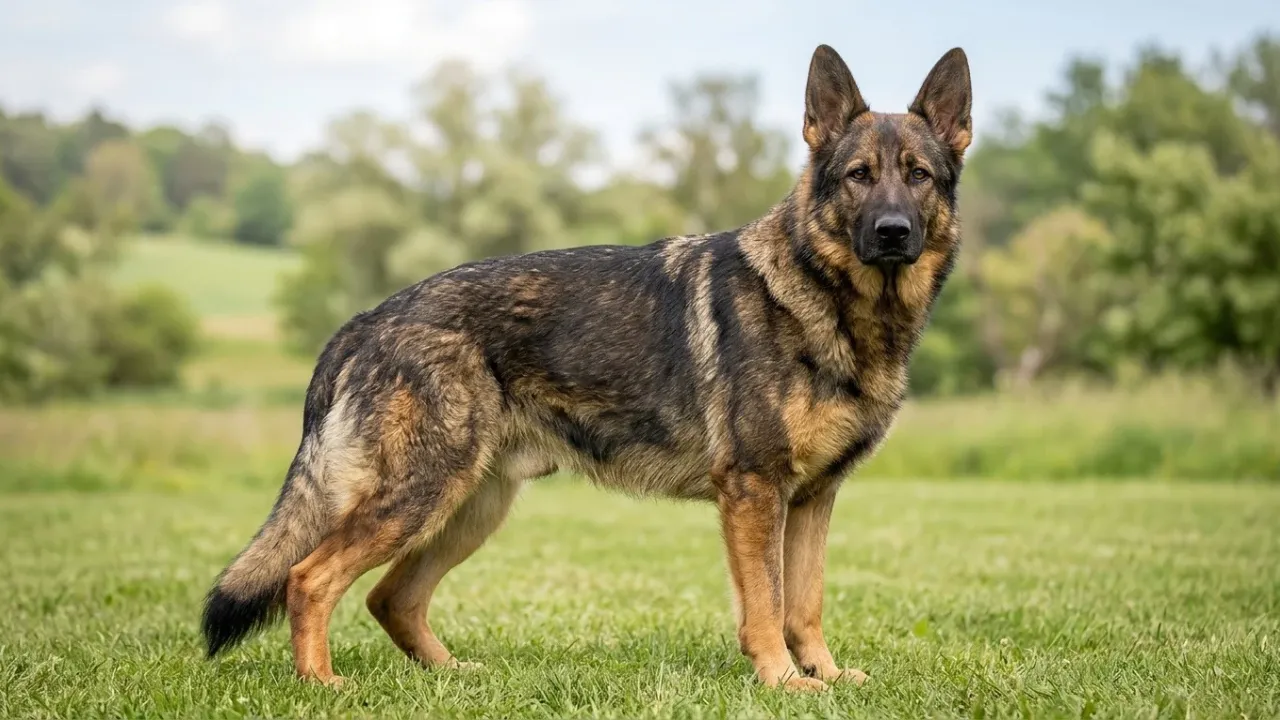
Owner Becky Slanker describes a different side of that serious image: one of her German Shepherds spent eight years listening to children read at an elementary school. Her experience shows what a well-suited individual can bring to quiet, people-focused work.
For either breed, good manners need thoughtful introductions, guidance, and supervision around children. Protective instincts alone cannot tell a dog which unfamiliar visitor is welcome.
The temperament round is wonderfully close. The Rottweiler may appeal to someone who enjoys a calm, confident presence; the German Shepherd may suit someone who loves an alert, responsive companion.
Activity Requirements & Energy Levels
Here is a round you can measure on your calendar. PetMD recommends at least 60 minutes of daily exercise, while its German Shepherd guide gives a range of 60 to 120 minutes. Both also need mental engagement.
For a Rottweiler, that time could include a purposeful walk, outdoor play, or a dog sport. An outing with things to explore gives the dog more to do than simply clocking distance.
The German Shepherd often asks for a fuller schedule. A long walk may help, yet a task that engages its mind can make the day far more satisfying.
Picture the difference after breakfast. One owner might plan a walk and play session with a Rottweiler; another may add a training activity or scent game for a Shepherd.
These figures describe adult dogs, not a target for a growing puppy or an older dog with changing needs. Your veterinarian can help adjust activity to the individual.
The Rottweiler takes the round if you want the lower published exercise minimum. The German Shepherd wins for someone eager to make active time a major part of each day.
Trainability, Intelligence & Learning Ability
A clever dog can make training feel like a conversation. It can also notice when the conversation has become inconsistent, so neither of these breeds is a candidate for owner self-training by accident.
German Shepherds tend to thrive when instructions are clear, and the task has a point. Obedience work, tracking, and scent work offer different ways to put that quick learning to use.
Rottweilers learn readily too, and their strength makes everyday skills especially valuable. A dependable response to “wait” at a doorway or “come” in the garden has real practical value.
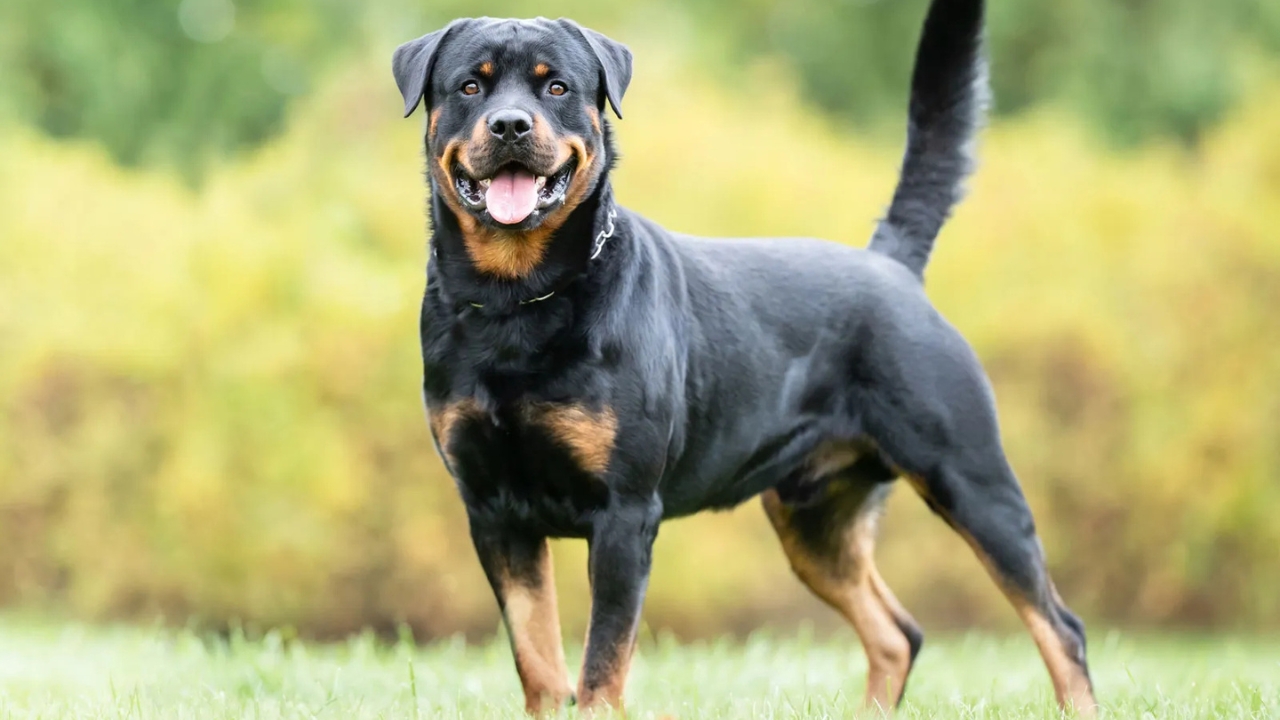
The useful difference lies in how you work together. A Shepherd may seem eager for the next assignment, while a Rottweiler can reward an owner who stays patient, consistent, and engaged.
For both, reward-based training and early socialization provide a sound foundation. Practising around ordinary distractions helps a dog carry a skill beyond the quiet place where it first learned it.
The German Shepherd gets the edge for an owner excited by varied, demanding work. The Rottweiler remains a serious contender: intelligence is there, and committed handling is what brings it into view.
Coat Maintenance & Grooming Needs
Surprising result: the short-coated Rottweiler still leaves hair behind. Its smooth coat is simpler to brush through, but anyone expecting a fur-free sofa may be disappointed.
A weekly brushing is a sensible starting routine for many Rottweilers. More frequent attention can help when loose hair builds up, and the session gives you a chance to check the skin underneath.
The German Shepherd asks for more regular brushing. Its dense double coat holds loose hair, and brushing several times a week helps keep that hair from collecting around the home.
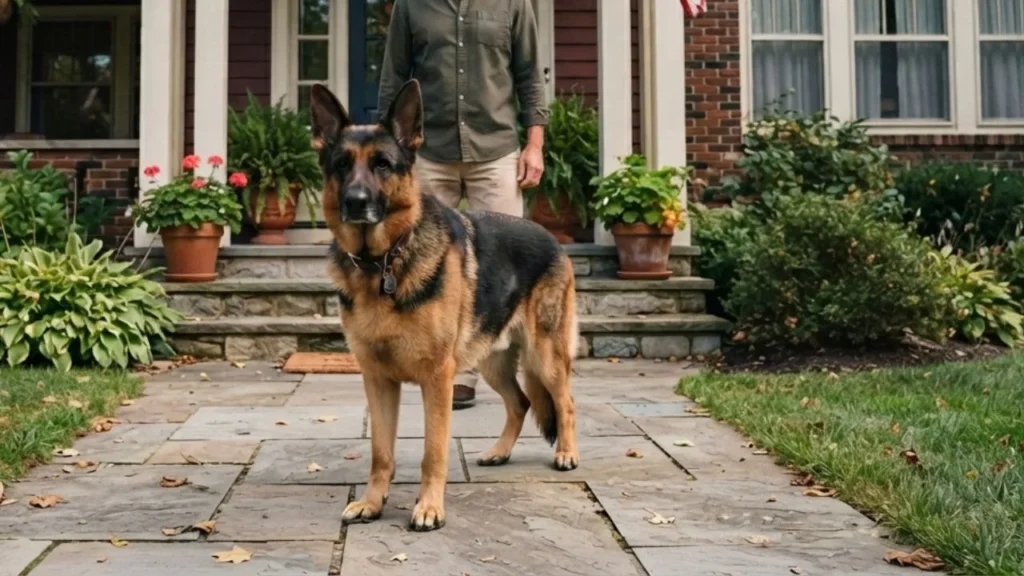
Then come the two heavier shedding periods, typically in spring and fall. During those coat blows, the Shepherd’s grooming schedule may need a noticeable upgrade.
There is more to maintenance than the brush, of course. Check nails, ears, and teeth for either dog, and get a puppy comfortable with being handled before grooming becomes a wrestling match.
The Rottweiler wins for coat simplicity, though it still sheds. The German Shepherd’s coat is beautiful and practical, provided you are willing to make brushing a regular household habit.
Average Lifespan & Longevity
This is the hardest round to score, because averages cannot predict one dog’s future. They do, however, help an owner understand the years of care they may be planning for.
The AKC lists a life expectancy of 12 to 14 years for the German Shepherd and 9 to 10 years for the Rottweiler. Those are breed estimates, not deadlines for individual dogs.
Health concerns also differ. German Shepherd owners should discuss risks such as hip problems and degenerative myelopathy with a veterinarian; Rottweiler owners should ask about joint disease and osteosarcoma.
A responsible breeder’s health information, routine veterinary visits, and attention to changes in movement all matter. For an adopted dog, ask for any available medical history and plan care around the dog in front of you.
Food intake deserves attention as well, particularly for a Rottweiler prone to excess weight. Keeping a dog at a healthy body condition supports its comfort throughout life.
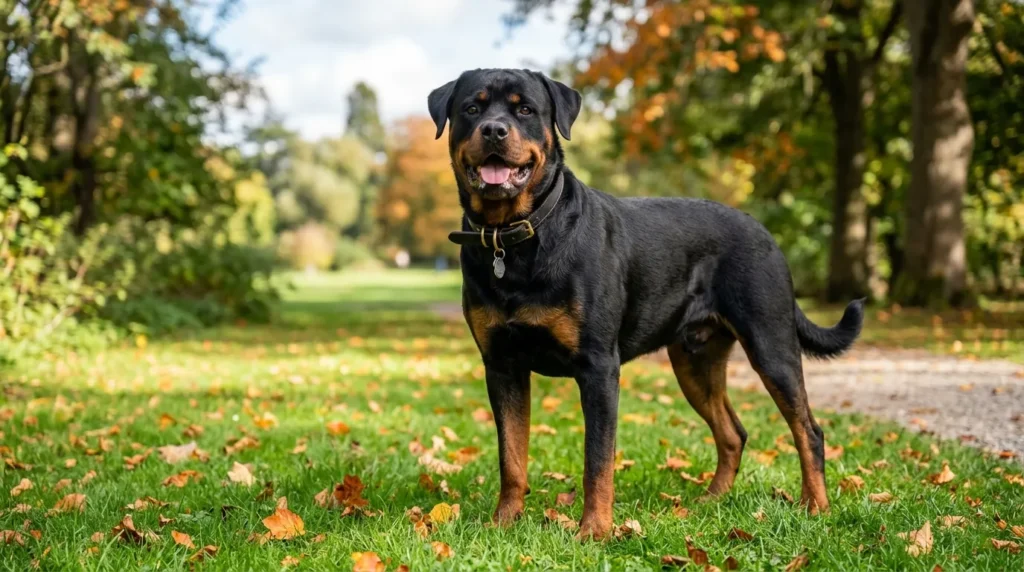
On the published lifespan figures, the German Shepherd wins this round. The real goal with either breed is to give your own dog the best care you can for every year you share.
Conclusion
So, which wins the German Shepherd vs. Rottweiler face-off? The German Shepherd takes the lead for owners who want an agile partner and enjoy making training and activity a substantial part of daily life.
The Rottweiler makes a powerful case for someone who appreciates its solid build, confident manner, and somewhat simpler coat care. Its shorter published lifespan deserves honest thought before you decide.
Neither dog becomes an excellent companion through reputation alone. Choose the one whose needs fit your time, home, and experience. Then the best part of the contest begins: building a good life together.
