




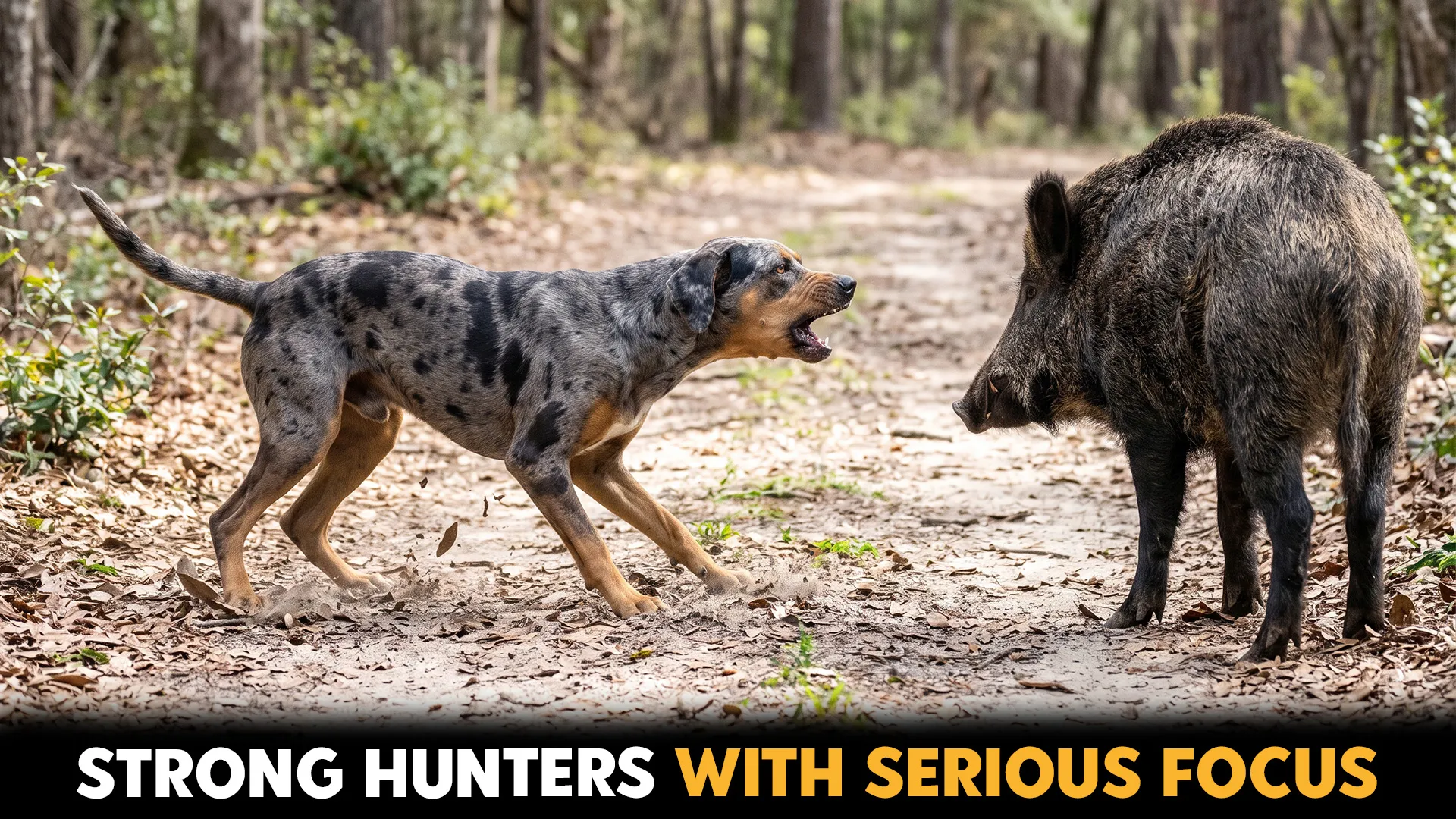
A wild pig is not just any ordinary quarry in the field of hunting. It is powerful, unpredictable, and has a set of formidable tusks that make it a serious challenge for experienced hunters. Seems scary, right?
Traditionally, a dog used in game hunting must be highly courageous, have high stamina, and have the ability to make accurate judgments. However, this does not at all mean that a boar hunting companion cannot be a good family pet. It is just an additional skill that such dogs possess. After all, all superheroes have a lovable family life.
Some may make a path through thick woodland, others find the animal and reveal its location, and some catch dogs were used for their direct and powerful assistance in the hunt for feral swine.
Let’s learn about the seven best breeds featured in this article that are strongly associated with game hunting due to their history, exercise needs, temperament, and more.
Top Dog Breeds that Thrive in Wild Boar Hunting Scenarios
1. Deutsch Drahthaar
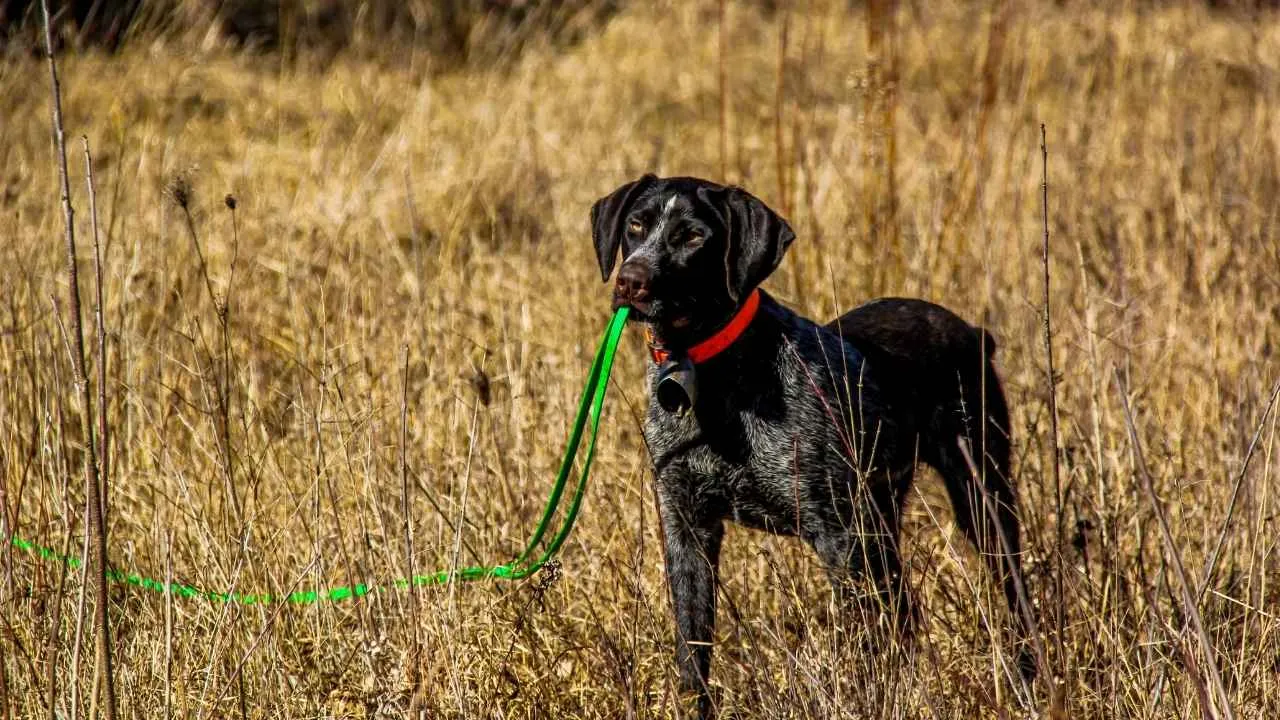
The Deutsch Drahthaar is an all-purpose German hunting dog. Versatility is its most notable advantage. The name comes from its unique and coarse, wiry fur with prominent eyebrows and a beard.
The Deutsch Drahthaar is appreciated for multiple hunting tasks, not just one. It searches for game, follows scents, points towards birds, retrieves from water, and tracks wounded game. So much in one dog; what else would a hunting enthusiast want from their pet?
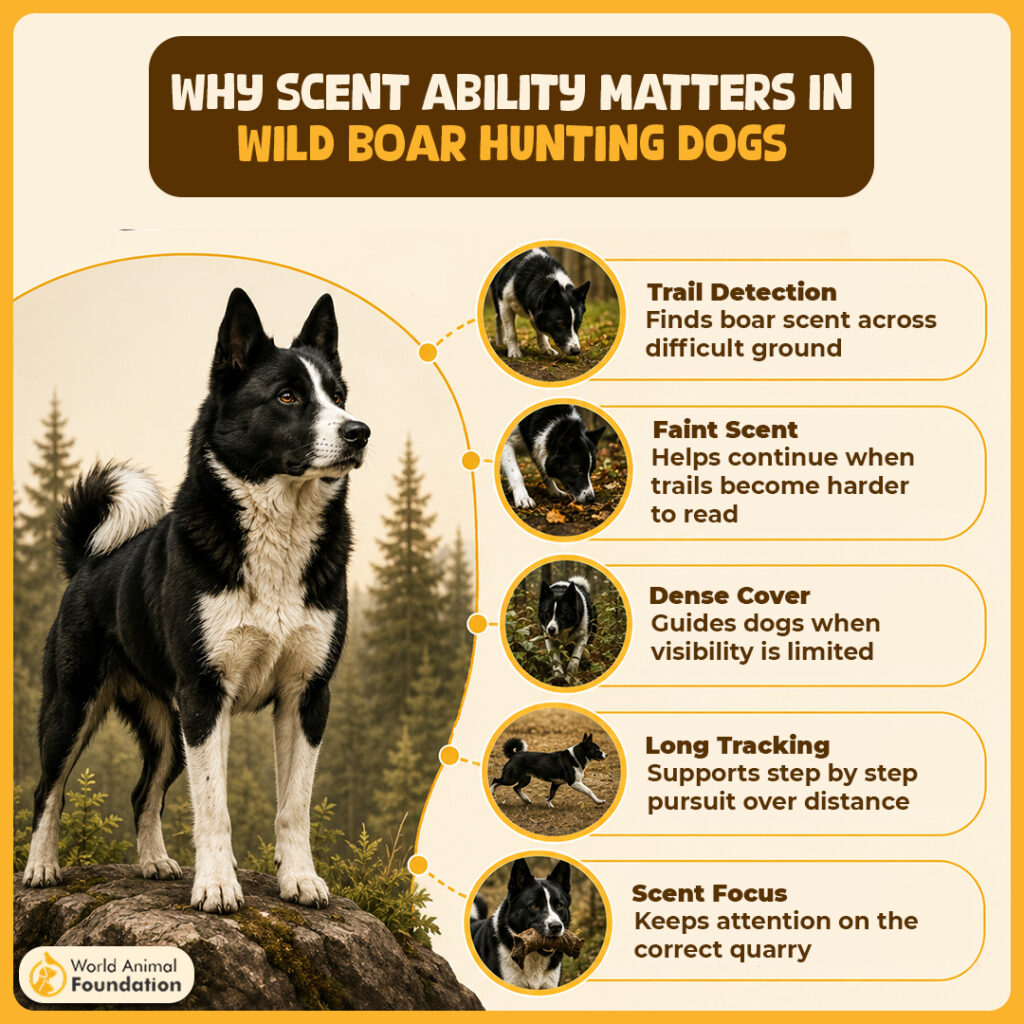
It had its origins in the 19th century in Germany, where breeders set out to create a reliable and adaptable hunting dog. This breed is strong and versatile, making it a popular choice for many game hunters.
One interesting aspect of this breed is that it can work in various hunting environments without being restricted to one particular style of hunting. However, it does require an active lifestyle, regular training, and the chance to utilize its hunting skills in the field.
You don’t want to overlook this one because it is an excellent choice for people who want a hunting partner.
2. American Pit Bull Terrier
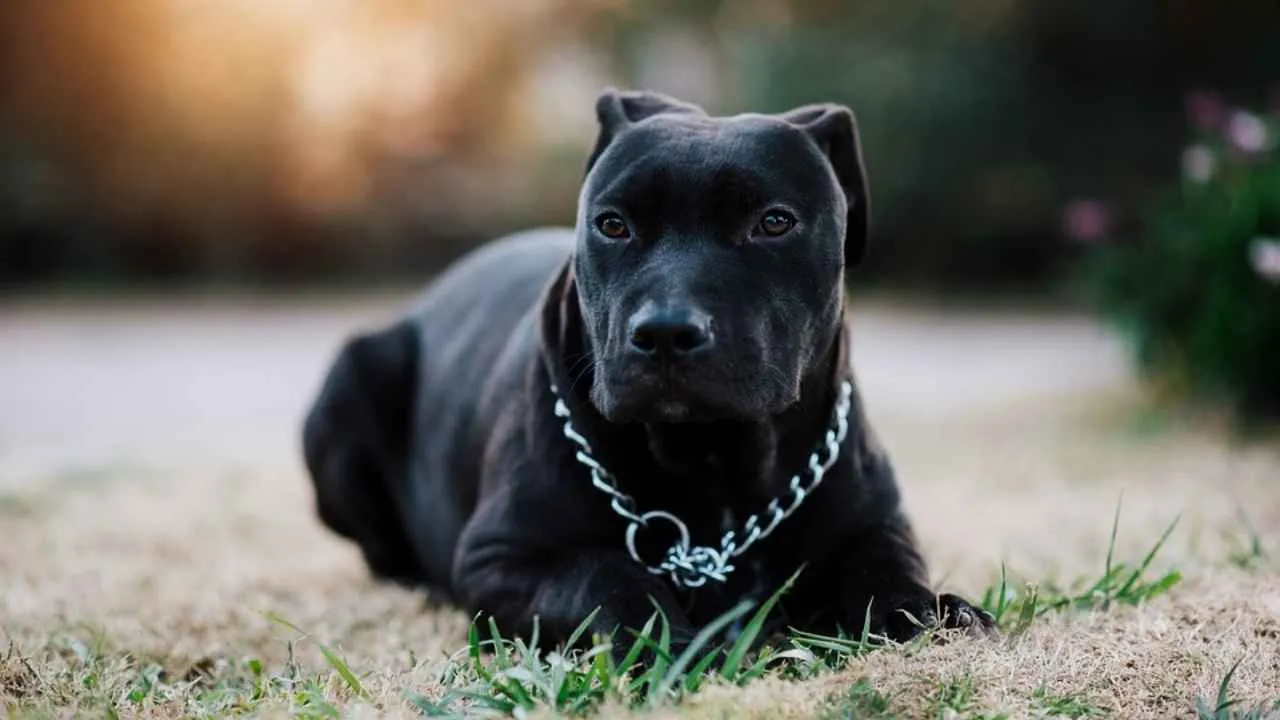
In the past, this breed was used by farmers and ranchers to catch semi-wild cattle and hogs, to drive cattle, and to hunt. A catch dog was not used to call out an animal over a long distance specifically, but to be able to control livestock or game physically as well.
The American Pit Bull Terrier has a long association with American farms and ranches. Its muscular build and short stature are a sign of a dog bred to use its strength. Its wide chest and powerful shoulders, with its well-developed hindquarters, are well-suited to its working capacities.
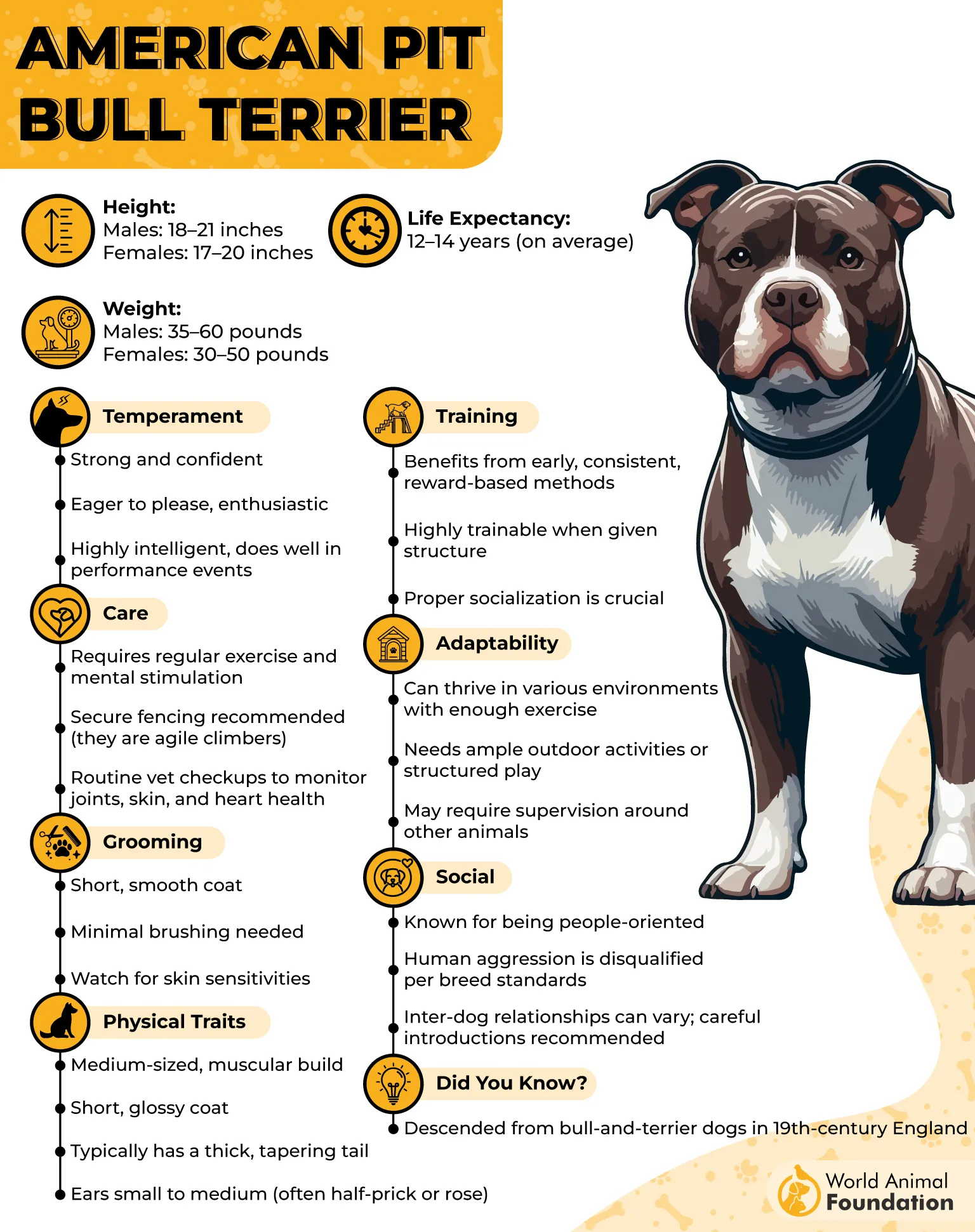
Although it is known as a tough dog, it was bred to be a companion, and it is typically friendly with humans. Go ahead and adopt this pup if you want a two-in-one package.
The breed’s strength cannot rule out the potential for serious injury from wild boars. Responsible handling, early socialization, and structured exercise are key factors for developing this breed efficiently.
3. Black Mouth Cur
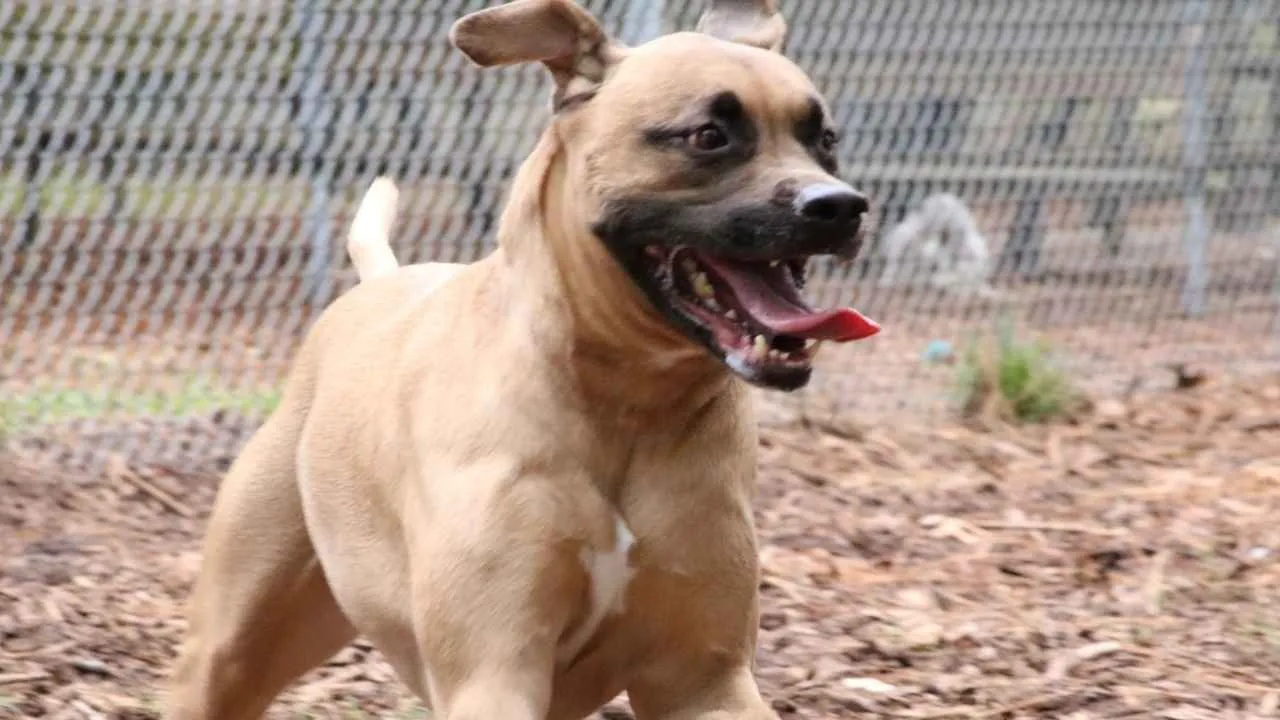
Known for its work and practicality, the Black Mouth Cur is an American working dog. It has a distinctive dark muzzle, broad head, athletic frame, strong legs, and a recognizable appearance.
The way this breed works is variable, as strengths in the Cur bloodlines differ. Some are prized for their tracking skills and finding game; others for their experience in handling livestock and being comfortable around certain difficult animals.
These dogs were able to follow game, guard property, handle livestock, and assist in the trapping of hogs. They were also useful companions for home, especially in rural areas, where one dog might have to perform several tasks.
This breed requires objective activity and an owner who understands how to handle independent working dogs. Its intelligence is a gift, but if not stimulated and trained, the independence will become more of an obstacle than an advantage.
4. Catahoula Leopard Dog
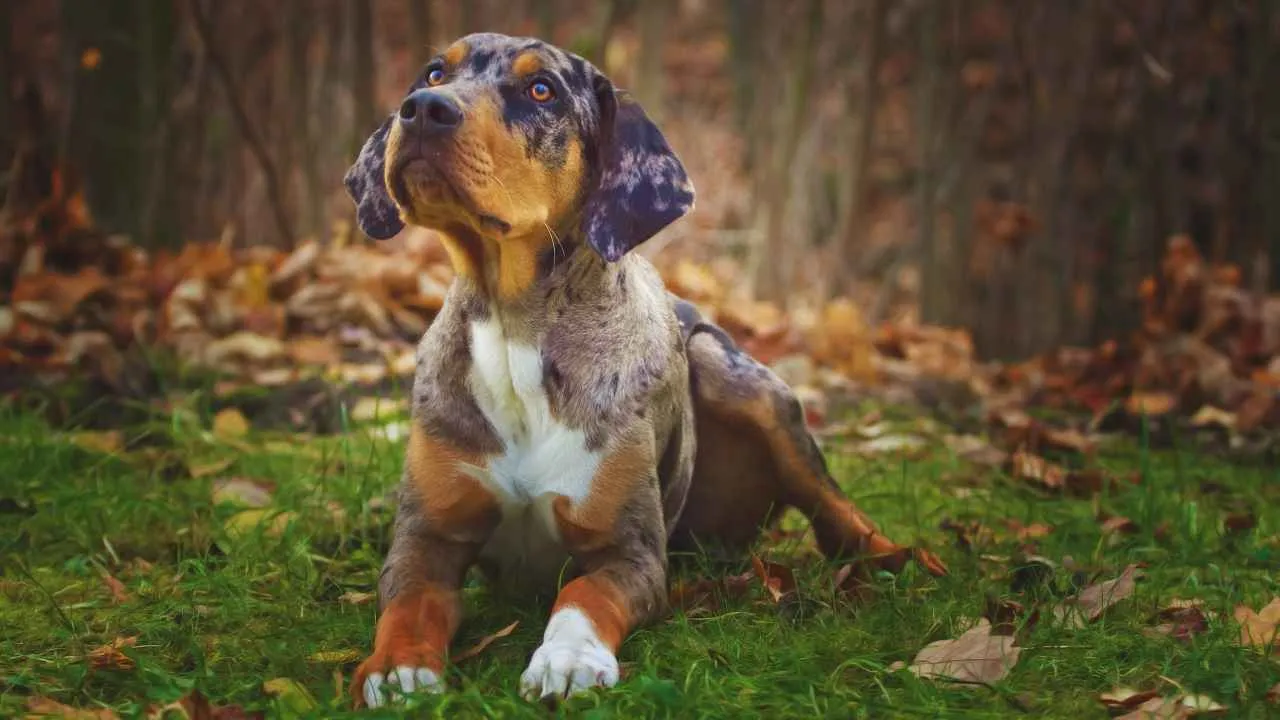
Described as a multi-purpose working dog by the AKC, this breed lives up to that description. It can detect, follow, and bay game, which makes it valuable in the thick forests.
It is oddly patterned and can have unusual eyes that can look otherworldly. This muscular, medium-to-large-sized working dog has a long history in the management of stock and hunting in difficult areas. It comes from the state of Louisiana.
Baying is a notable feature if you ask us. This dog will find the animal, vocalize to indicate its location, but will not immediately jump to try and restrain the quarry. It works best with the hunter, and not on its own. So make sure to stay by its side, or else it might get confused.
The breed has wide differences in appearance. Leopard spots, patches, different colors, and various eye shades are all possible. Catahoulas are energetic and self-reliant dogs that require early socialization to build the confidence they need under consistent leadership.
5. American Bulldog

Described as loyal and intelligent by PetMD, these two traits barely describe the American Bulldog. It is a large, athletic, and powerful animal, with backs and shoulders built to perform hard work on the farm through years of selective breeding.
These buddies love adventure and excel at catching feral pigs, an essential skill for the survival of the breed in some southern parts of the United States. They were commonly used as stock dogs, guardians, and catch dogs on small farms and ranches.
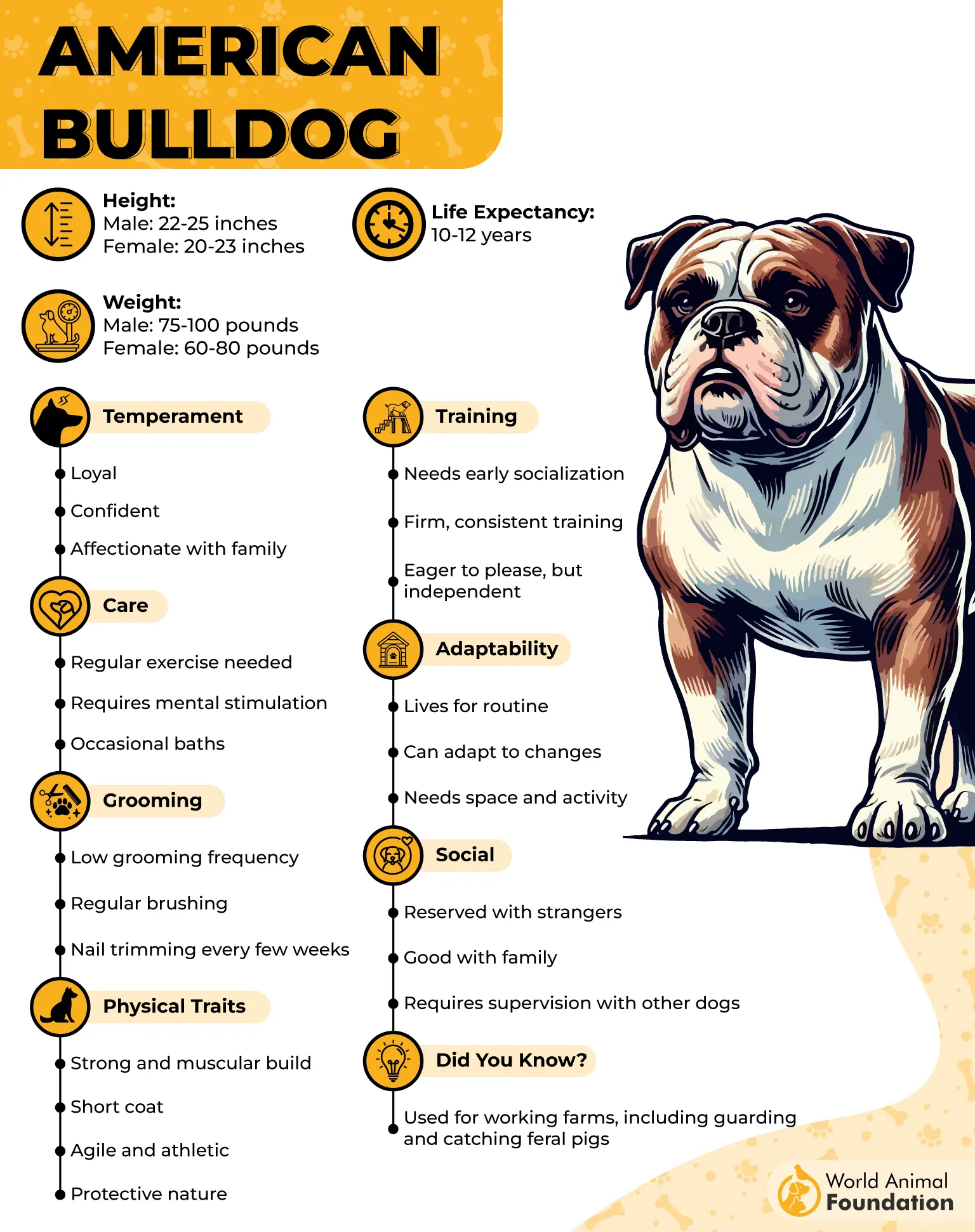
This family dog requires training and early socialization due to its size and strength. It requires a lot of physical activity, good weight control, and an owner who can handle a strong working dog.
Its hog hunting role was traditionally different than that of a scent-hunting dog, being more along the lines of being physically strong and using that strength to control livestock.
6. Dogo Argentino
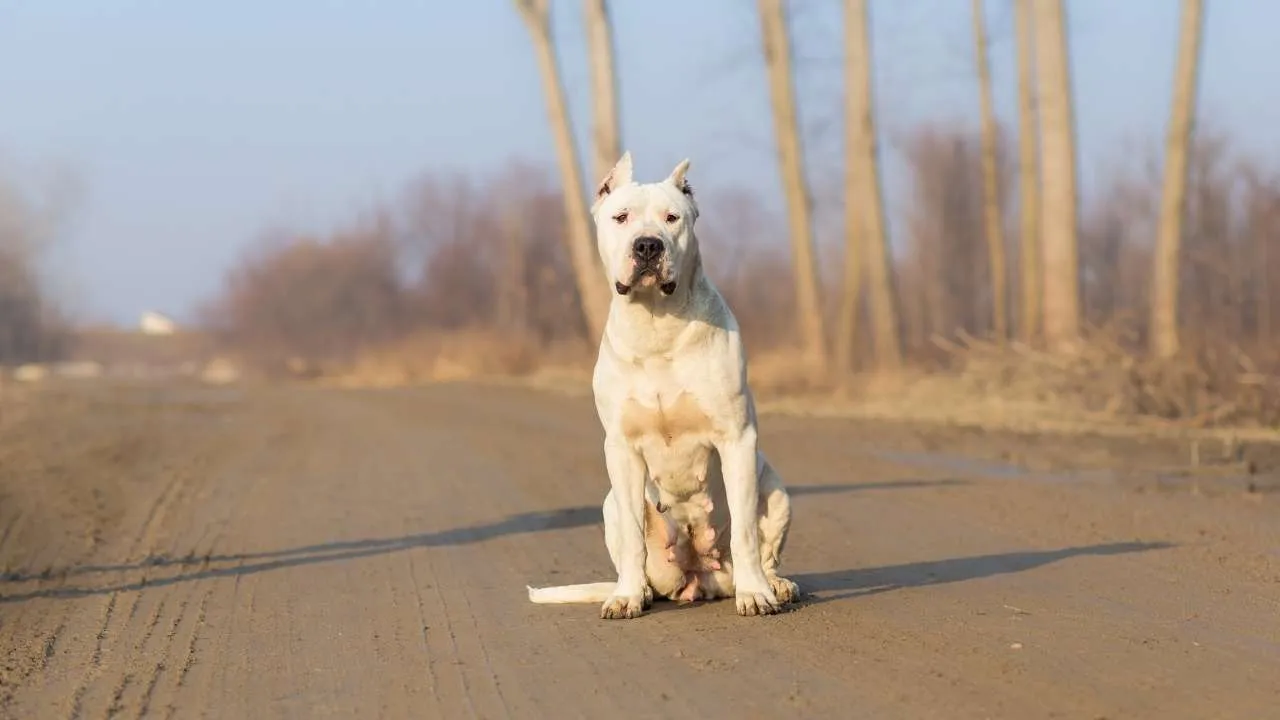
The Dogo Argentino is best described as an imposing working dog breed by Royal Canin. This robust, white hunting dog was developed in Argentina, specifically for hunting large and dangerous game.
The Dogo Argentino is traditionally a pack hound. It originally hunted wild boars, peccaries, and pumas. The breed was shaped to suit the requirements for big game hunting.
It has a powerful neck, deep chest, muscular rump, and athletic body that is packed with power and agility. It also has a short white coat, making it easier to be sighted against the background in certain hunting situations.
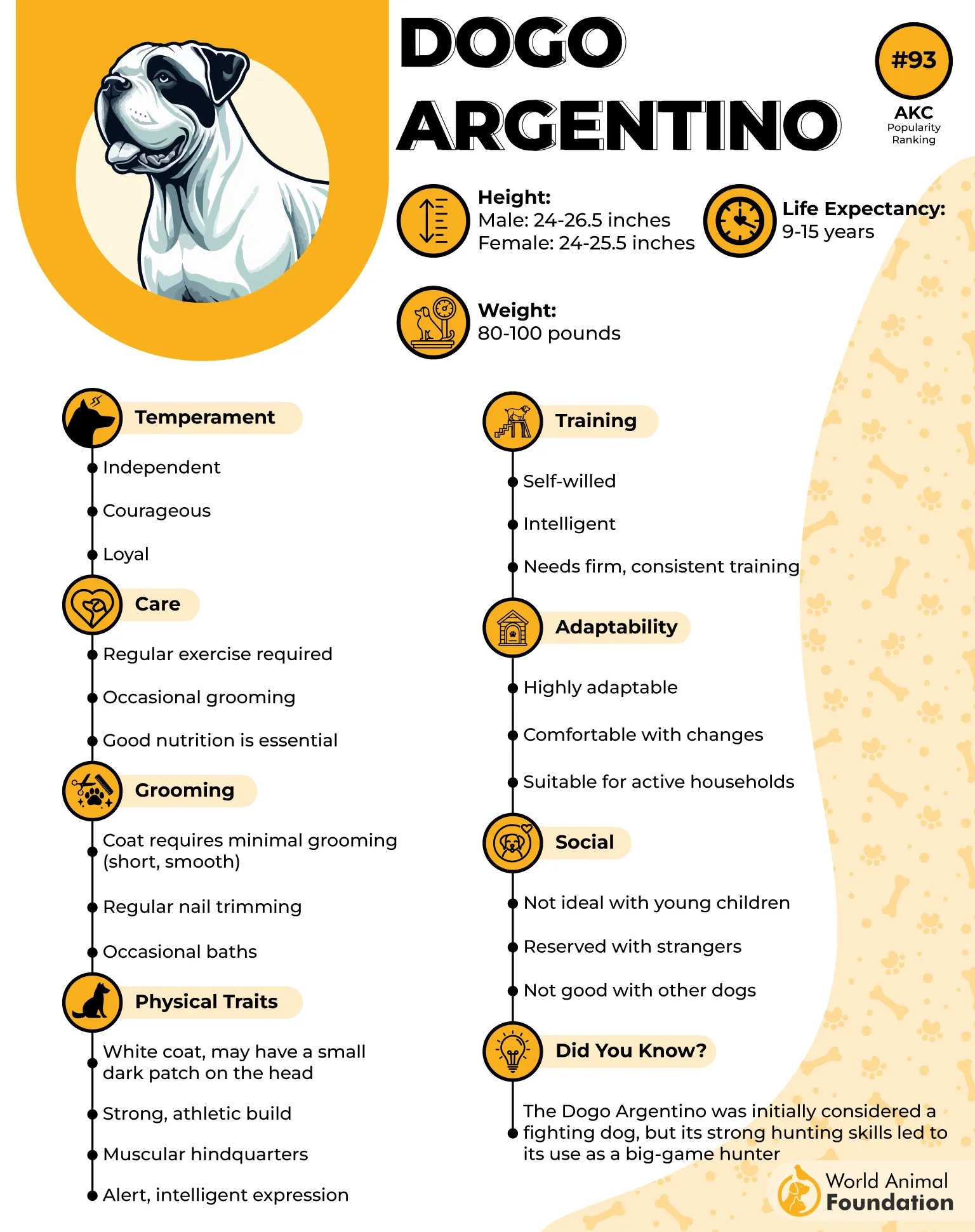
But the impressive hunting heritage is a big responsibility. A Dogo requires socialization, handling, and outlets for its energy. Even though it is specifically bred for big game hunting, that doesn’t mean it’s immune to energy, and owners should keep that in mind.
7. Blue Lacy
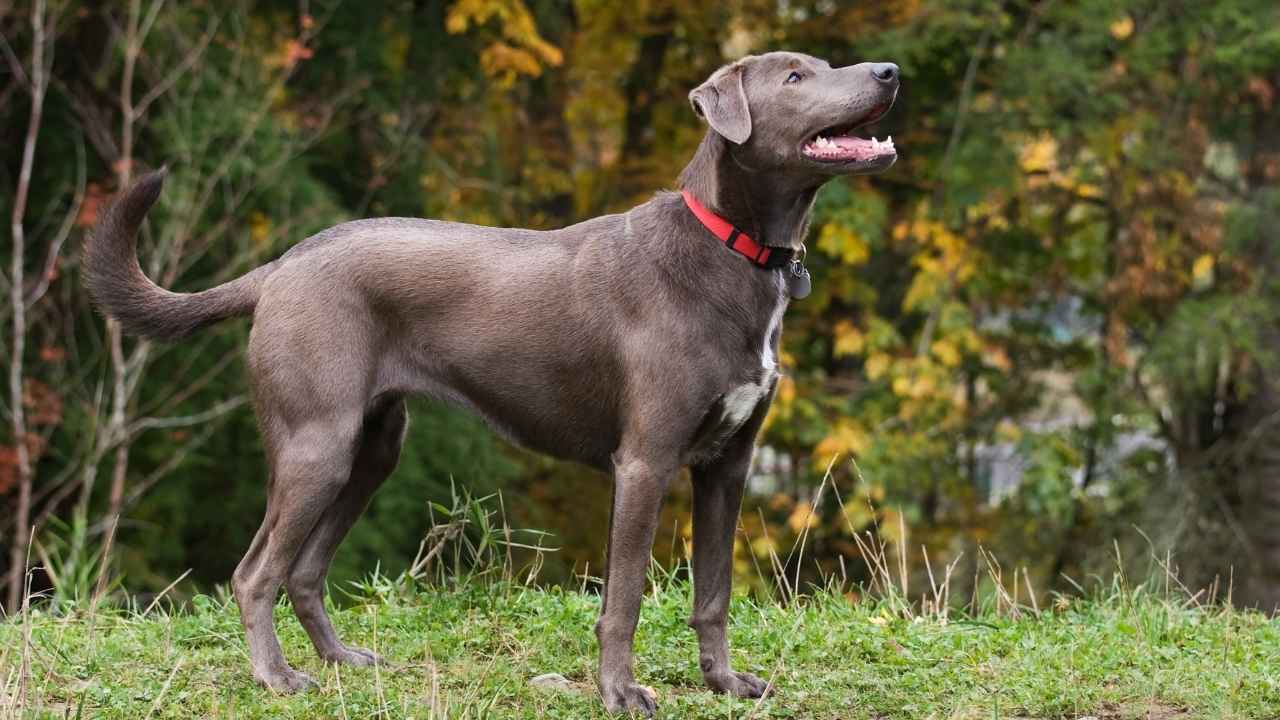
The Blue Lacy dog is smaller and lighter than some of the other dogs on this list, but has no lack of reputation when it comes to its working background. This energetic breed was developed in Texas to aid ranchers with cattle and hogs, and to hunt game.
Its streamlined muscular body is designed for speed and endurance. The short coat is useful for warm climates, and its alert expression indicates a dog that is always wary.
It is a great blood tracker, a tracker of wounded animals, and a herder of livestock as well. It can be beneficial in some hunting scenarios because of its ability to follow and adapt readily to new hog blood trails.
The Blue Lacy is a highly active and intelligent dog who requires a task or another form of stimulation. It may get restless if not provided adequate exercise, training, and mental stimulation.
However, don’t mistake its smaller stature for a lack of determination. Treat ’em well, and you will see how things turn out in the best possible way for you.
Conclusion
It’s not just about the size when it comes to boar hunting; it’s about which breed adapts best to your hunting style.
Maybe you want a versatile breed that can perform a variety of tasks, or you want one that specializes in a specific form of hunting. Every breed has its own abilities in the field. The knowledge of such differences is far more important than picking a breed at face value.
Owning and keeping a breed in good health, training it properly, and keeping it within the law and animal-welfare standards must always precede performances in the field.
