




A dog’s desire to chase moving animals is not simply a behavioural quirk; it is an instinct shaped by generations of hunting, tracking, and working alongside humans.
While every dog has some level of prey drive, certain breeds are naturally more inclined to follow scents, stalk wildlife, or sprint after anything that catches their attention.
These instincts can make everyday walks and outdoor adventures exciting, but they can also create challenges when smaller animals or other pets are nearby. Recognising the signs, from intense staring and slow stalking to sudden bursts of chasing, helps owners understand what their dogs are experiencing.
Rather than trying to eliminate these natural behaviours, the goal is to manage them through consistent training, positive reinforcement, appropriate exercise, and safe outlets for their energy. With the right guidance, dogs with strong prey drives can enjoy fulfilling lives while keeping themselves and the animals around them safe.
Dog Breeds With a High Drive to Pursue Animals
1. German Shepherd
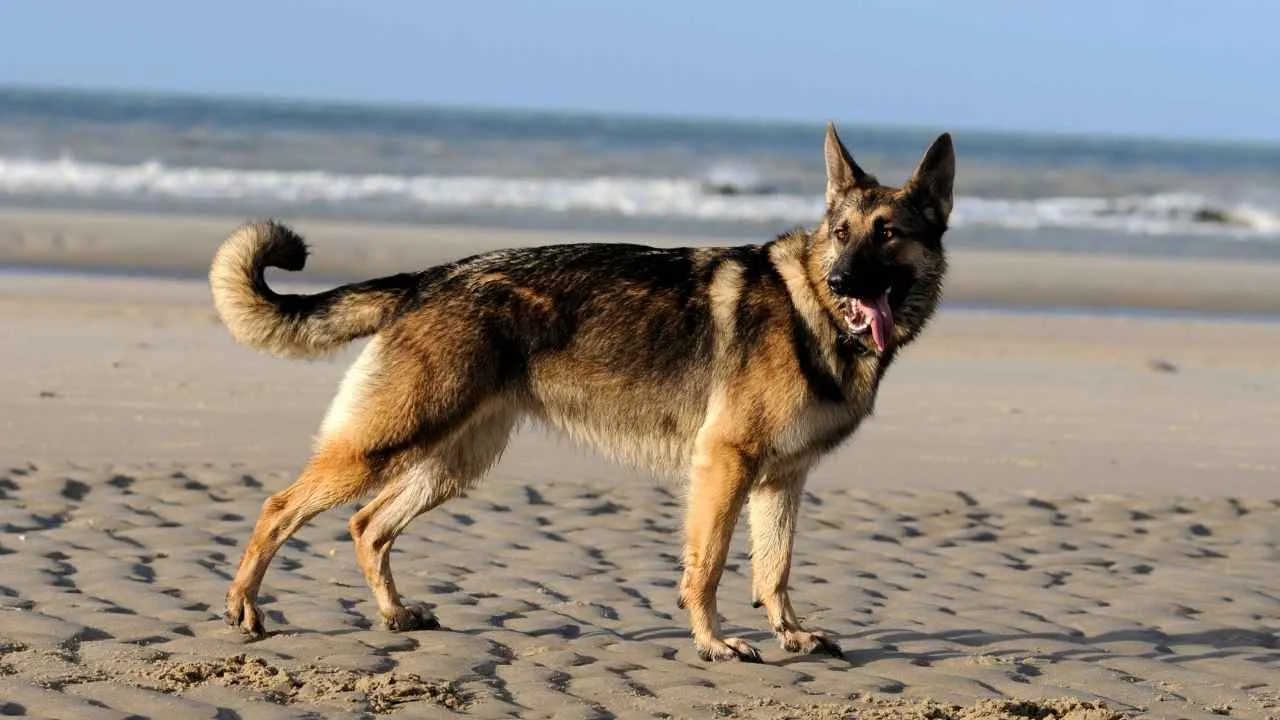
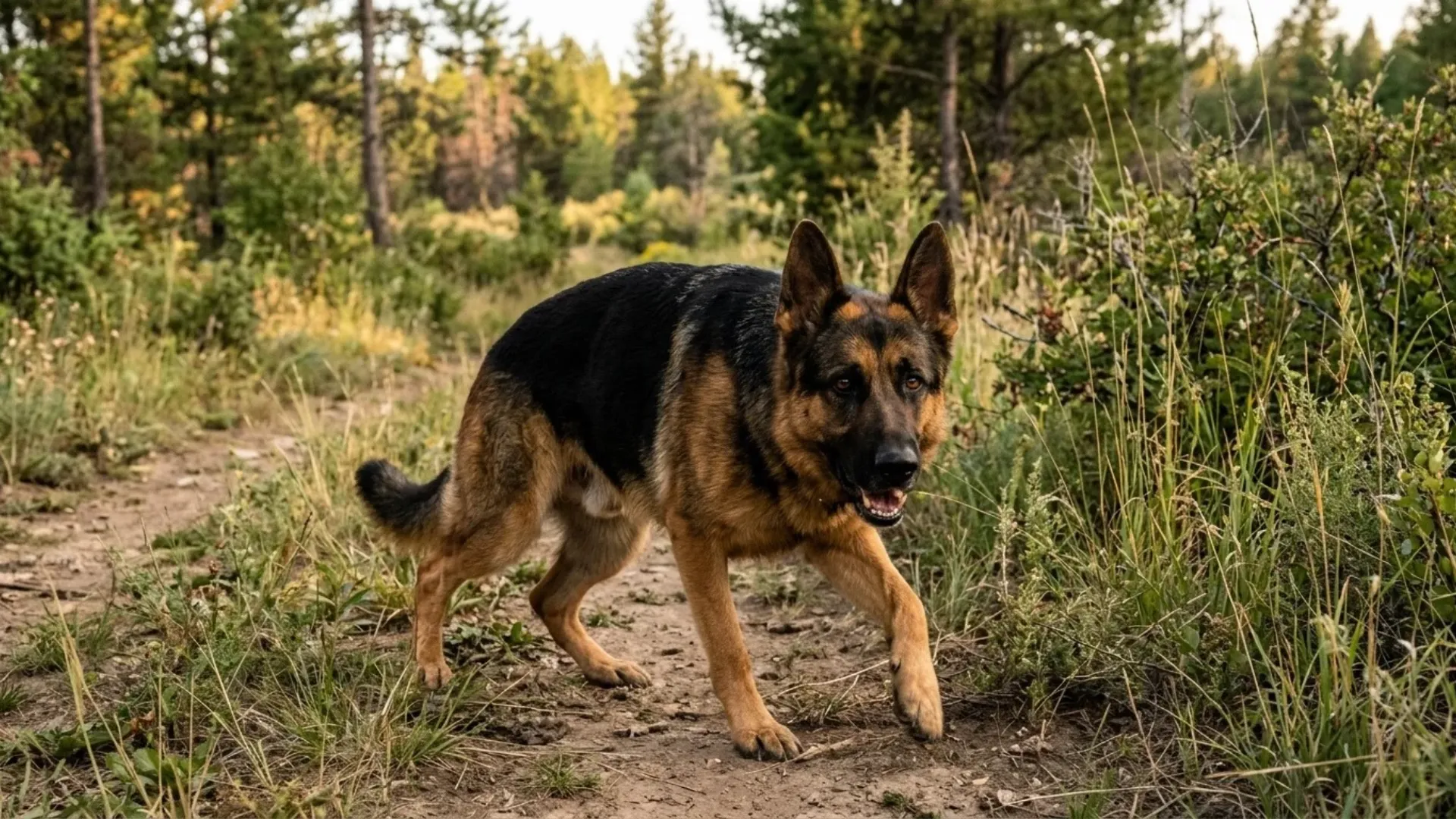
The German Shepherd is an intelligent, energetic breed with a natural instinct to herd, track and pursue moving animals. Originally developed to work with livestock, these dogs are quick to notice movement and may instinctively chase animals that catch their attention.
Their strong working drive, alert nature and impressive stamina make them capable of following tasks with remarkable focus, according to PetPlan.
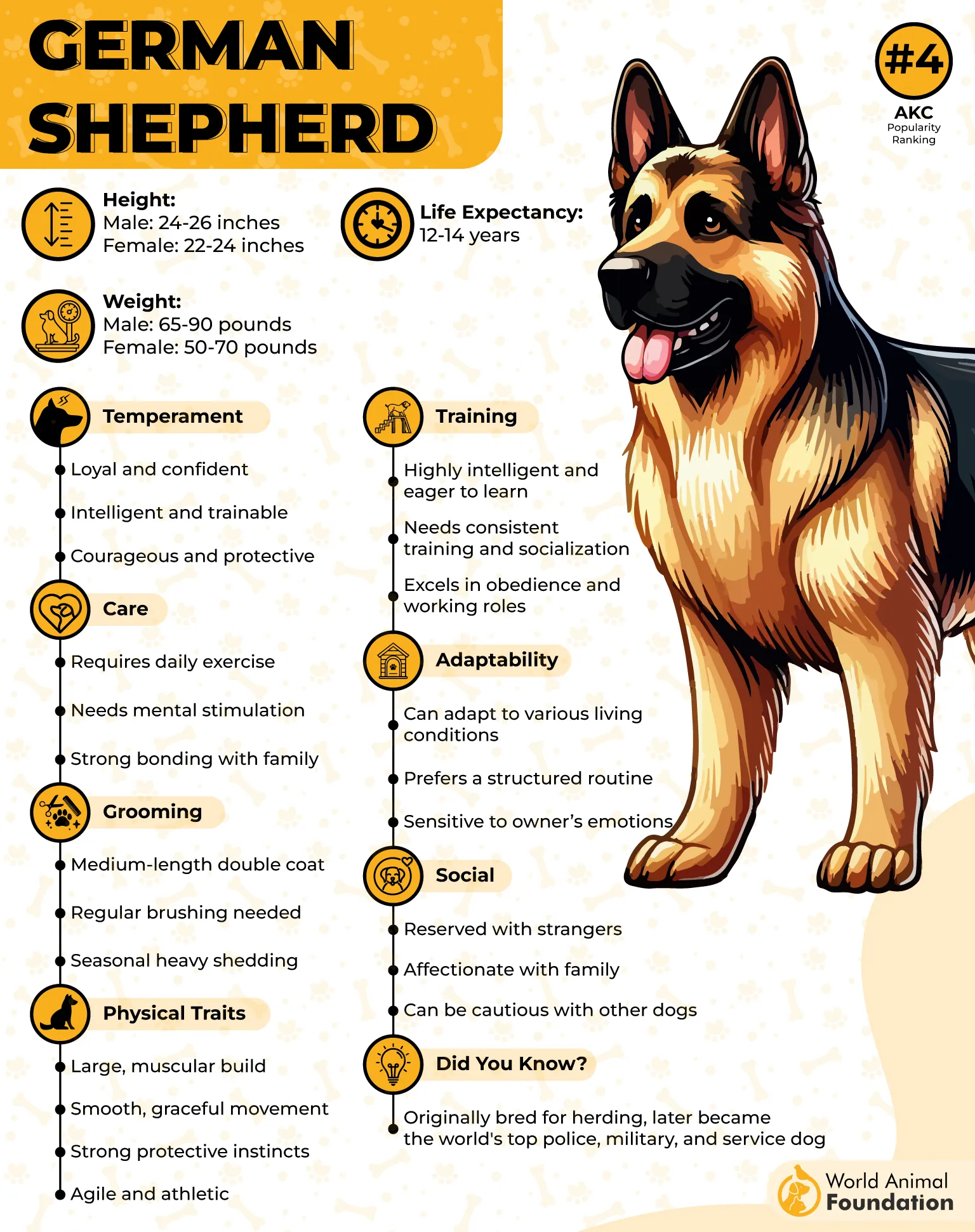
However, this instinct requires thoughtful management, particularly in homes with smaller pets. Early socialisation, consistent training and clear boundaries can help German Shepherds learn to respond appropriately around other animals.
Their intelligence makes them highly trainable, but their enthusiasm and determination mean owners must provide regular mental and physical stimulation.
Beyond their chasing instincts, German Shepherds are deeply loyal companions who enjoy being involved in family life. With responsible training and guidance, their natural abilities can be channelled into positive activities such as tracking, retrieving, and obedience exercises.
2. Greyhound
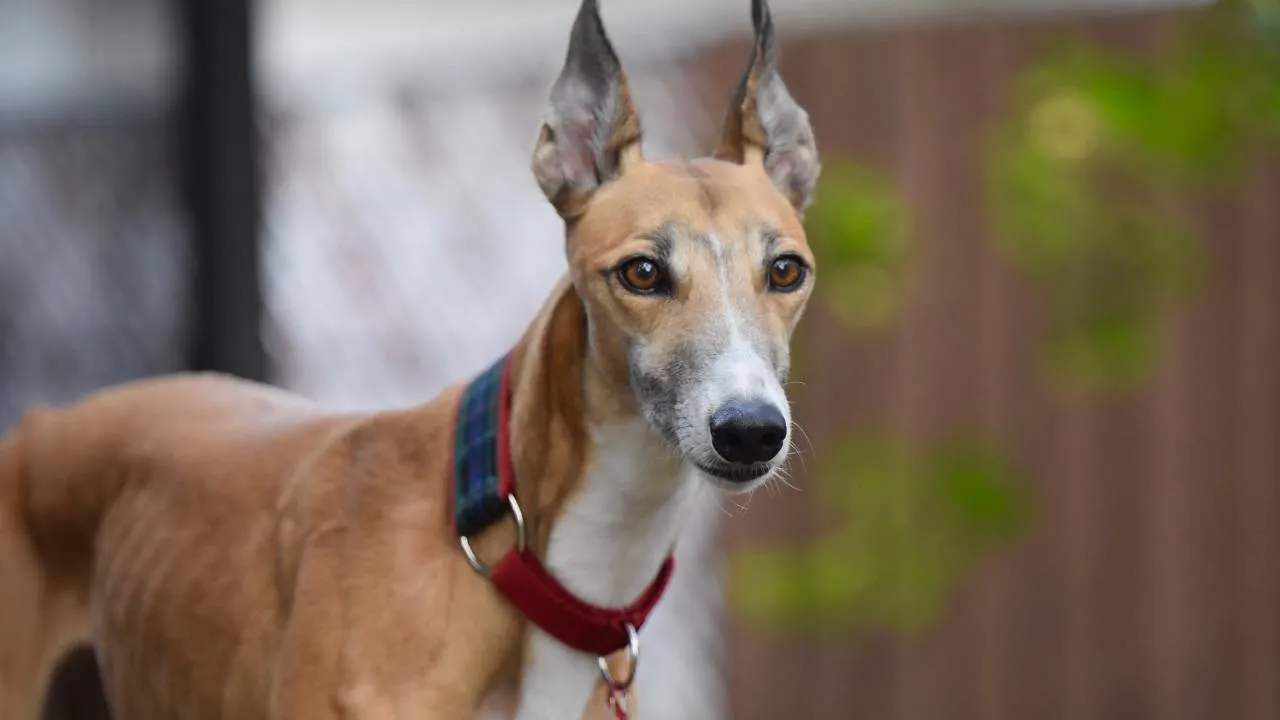
Built for speed and driven by an extraordinary instinct to chase, the Greyhound is a remarkable example of a dog with a strong prey drive.
Originally bred for hunting, this elegant sighthound relies on its exceptional eyesight to spot moving animals and pursue them with incredible speed. Reaching speeds of up to 45 mph over short distances, Greyhounds are among the fastest land animals in the world.
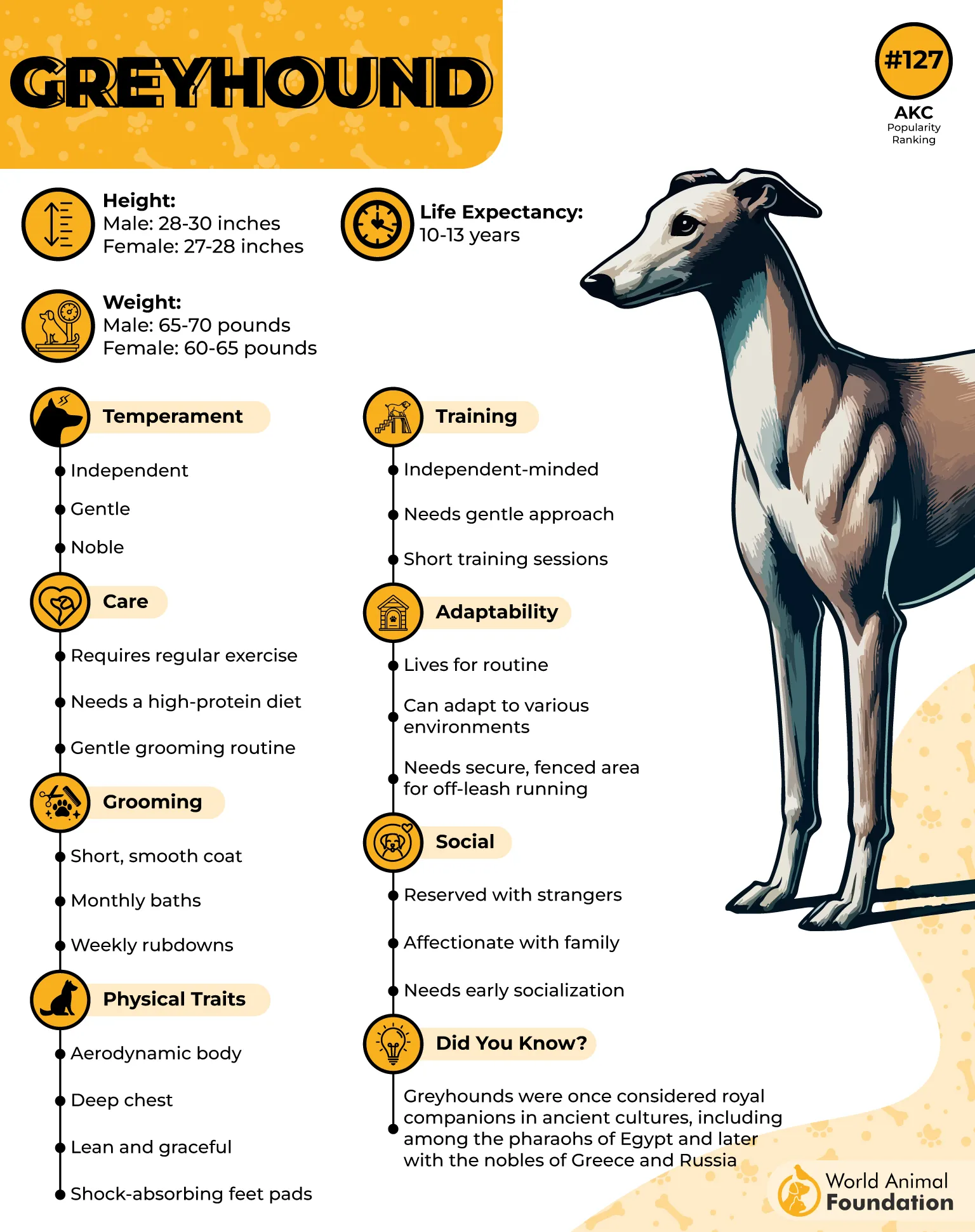
Their natural hunting instincts can make it difficult to resist chasing hares and other small prey, even when they appear relaxed and content at home. This is why secure, fenced spaces and careful leash management are important during outdoor activities.
Despite their impressive athletic abilities, Greyhounds are surprisingly gentle, quiet, and affectionate companions.
They enjoy spending time with their families and can happily spend hours relaxing indoors. However, their need to run and their instinct to pursue moving animals remain important parts of their nature.
3. Jack Russell Terrier
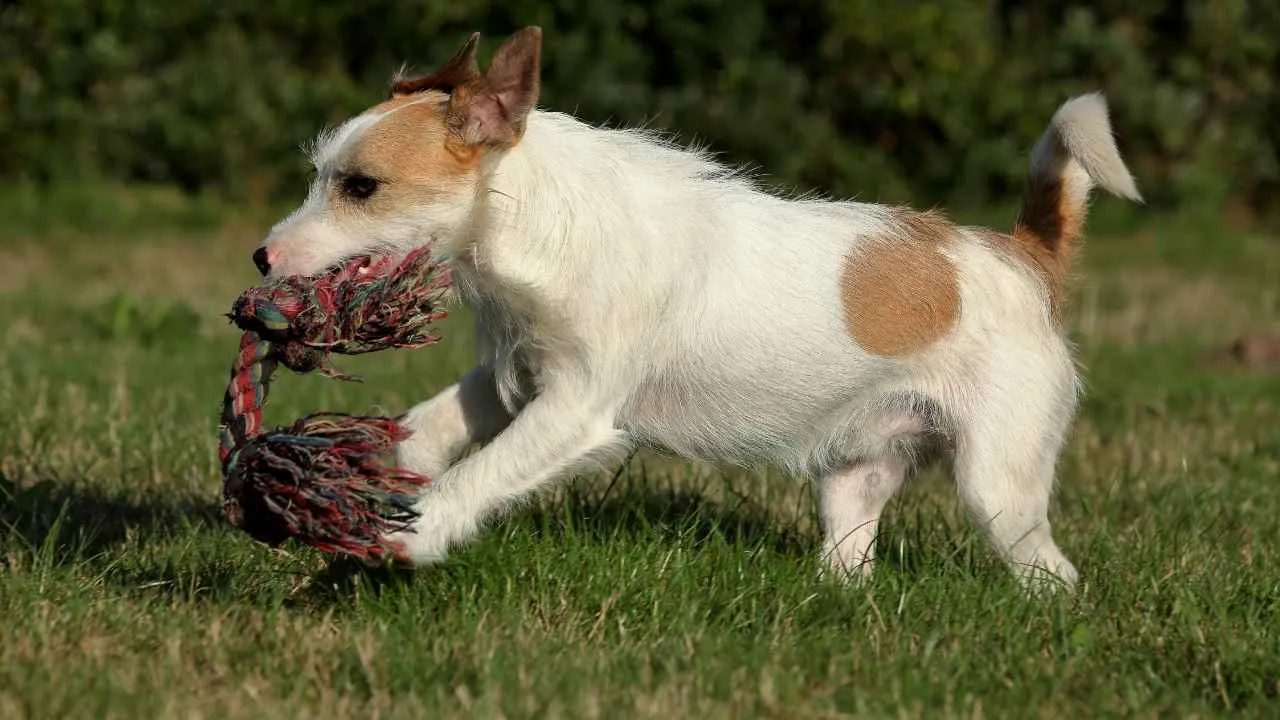
Never let their small stature fool you; Jack Russell Terriers have the courage, energy, and hunting instincts of dogs much larger than themselves.
Originally bred in England to hunt foxes, these spirited terriers were developed to chase prey, follow it into underground dens and flush it out. Their sharp instincts, fearless personality, and remarkable energy make pursuing small animals an exciting challenge they rarely turn down.
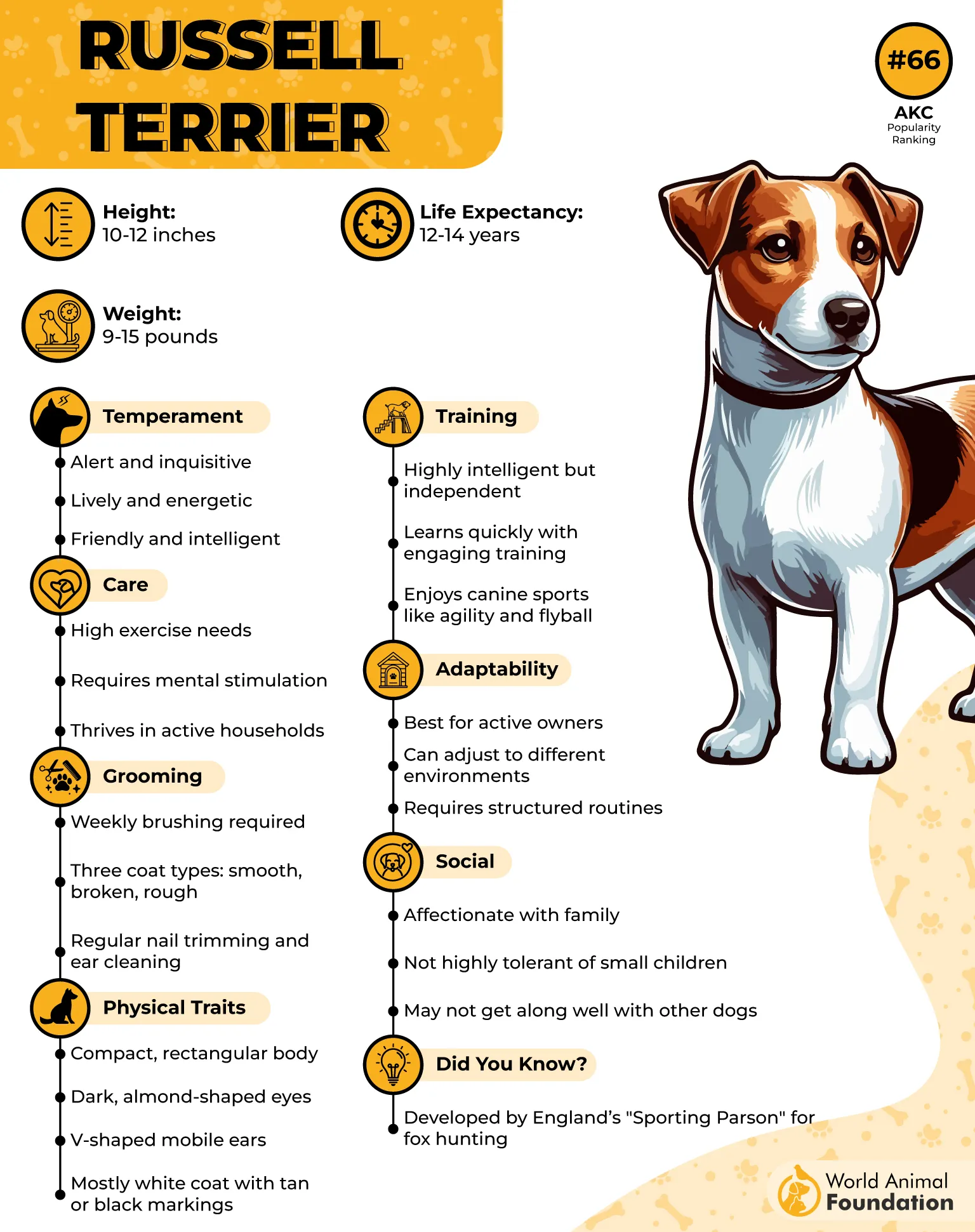
Even today, Jack Russells often have a high prey drive and can become captivated by the sight of squirrels, rabbits, or other moving creatures. Their curiosity and athleticism also make them enthusiastic chasers of balls and flying discs, as explained by Greencross Vets.
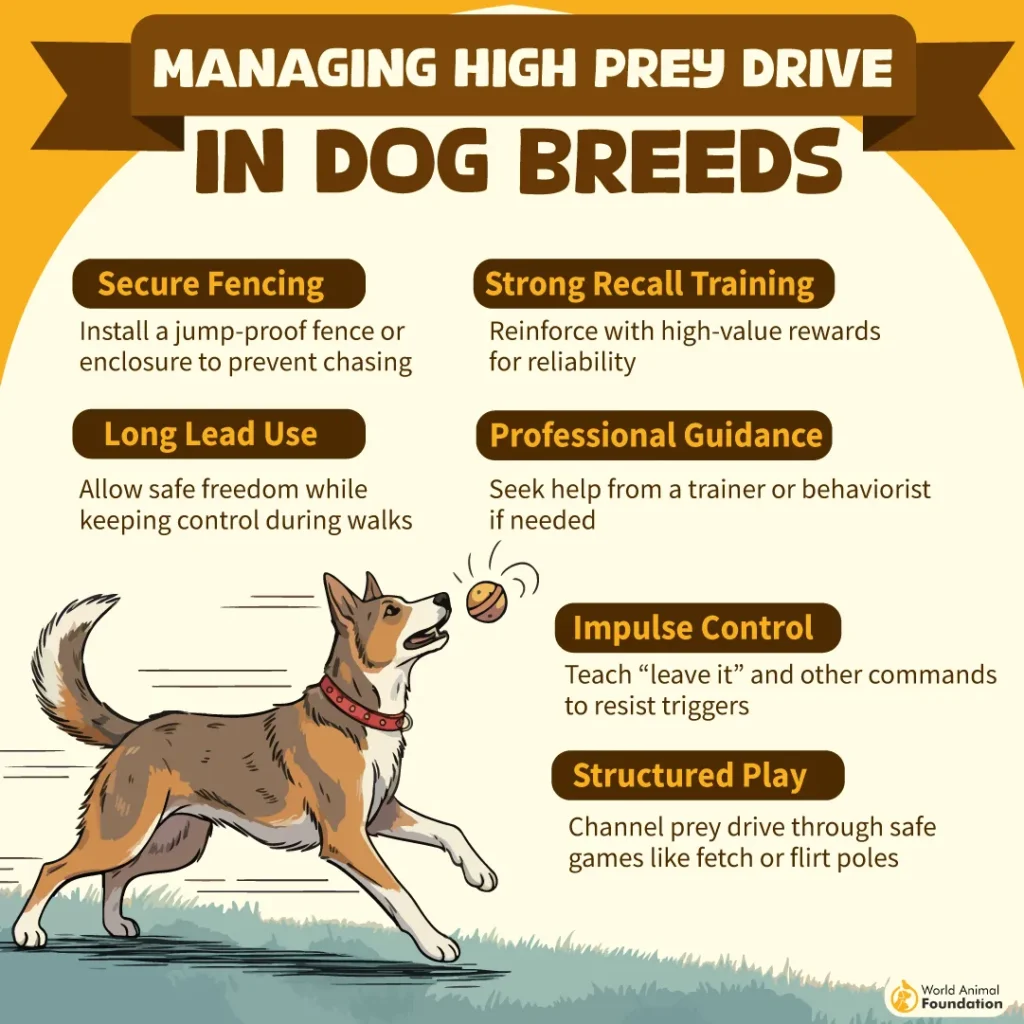
However, their hunting instincts require careful management, particularly around smaller pets. These intelligent terriers thrive with consistent training, regular exercise, and plenty of engaging activities.
Without enough stimulation, they may find their own entertainment through digging or other mischievous behaviour. Their adventurous spirit makes every day an activity-filled experience.
4. Pit Bull Terrier
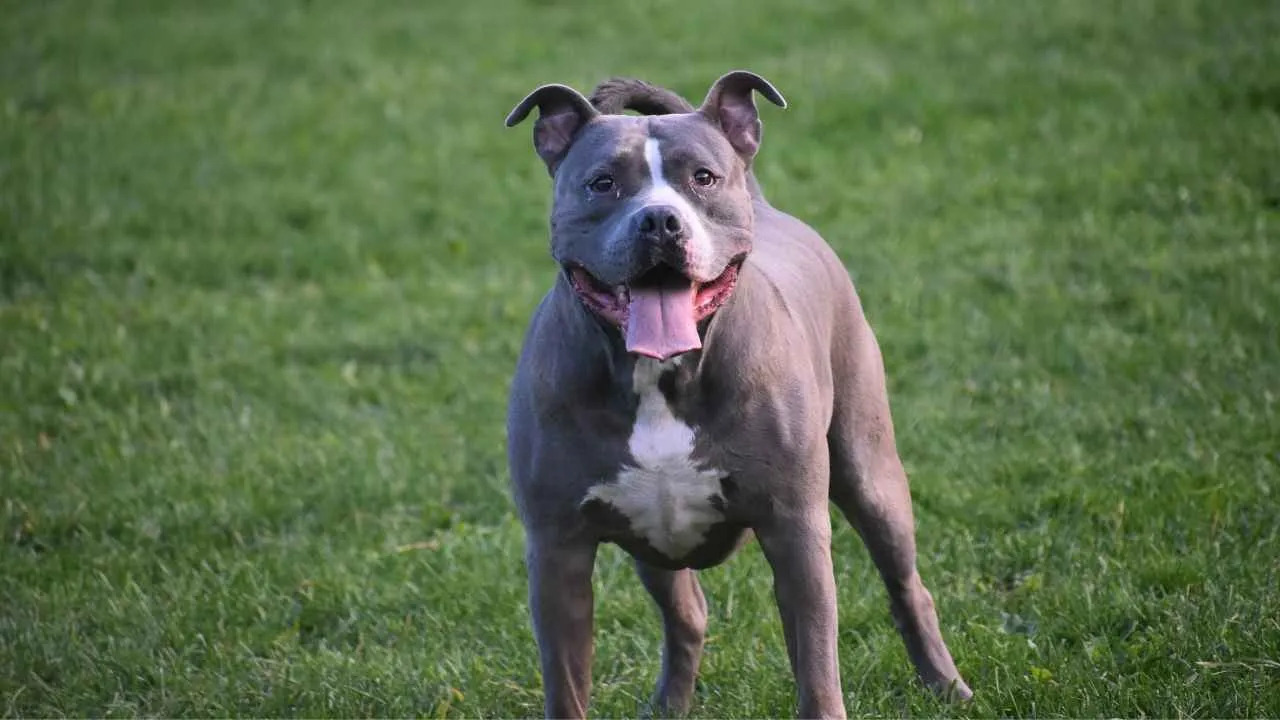
Behind the Pit Bull’s muscular build and playful personality lies a determined dog with a strong instinct to chase and pursue.
However, the term “Pit Bull” covers several breeds and mixes, including the American Pit Bull Terrier, American Staffordshire Terrier, and Staffordshire Bull Terrier, so individual traits can vary.
Historically, these dogs were developed from bulldog and terrier crosses, combining strength, agility and remarkable tenacity.
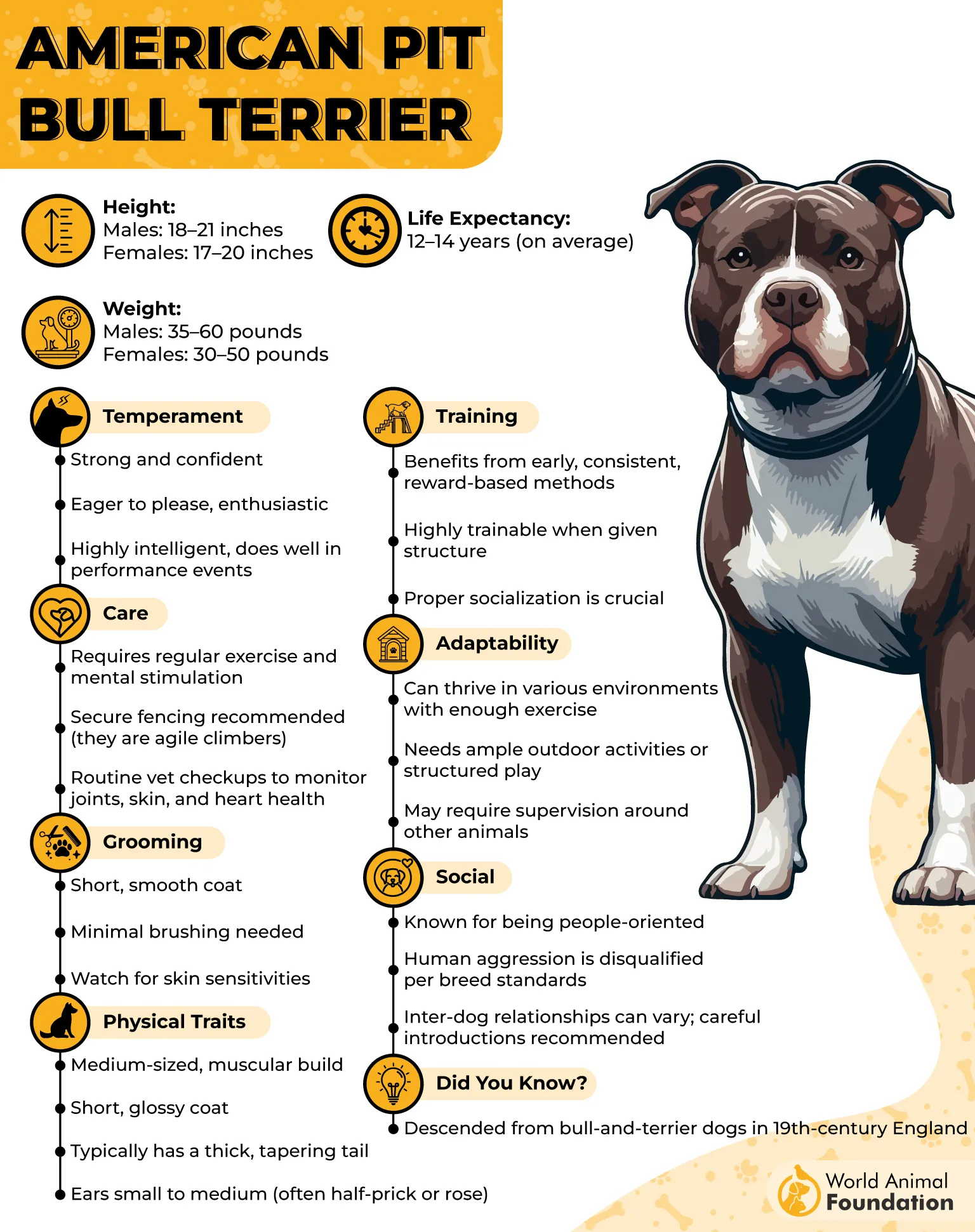
Their terrier ancestry contributes to an instinctive interest in chasing moving animals, although prey drive differs from one dog to another. Some Pit Bulls may happily share their homes with cats, while others can be tempted to chase smaller animals.
Early socialisation, consistent training and appropriate supervision are important for managing these instincts.
Despite their athletic build and energetic nature, Pit Bulls are often affectionate, playful and deeply devoted to their families. Understanding their individual temperament helps owners provide a safe and fulfilling environment.
5. Rottweiler
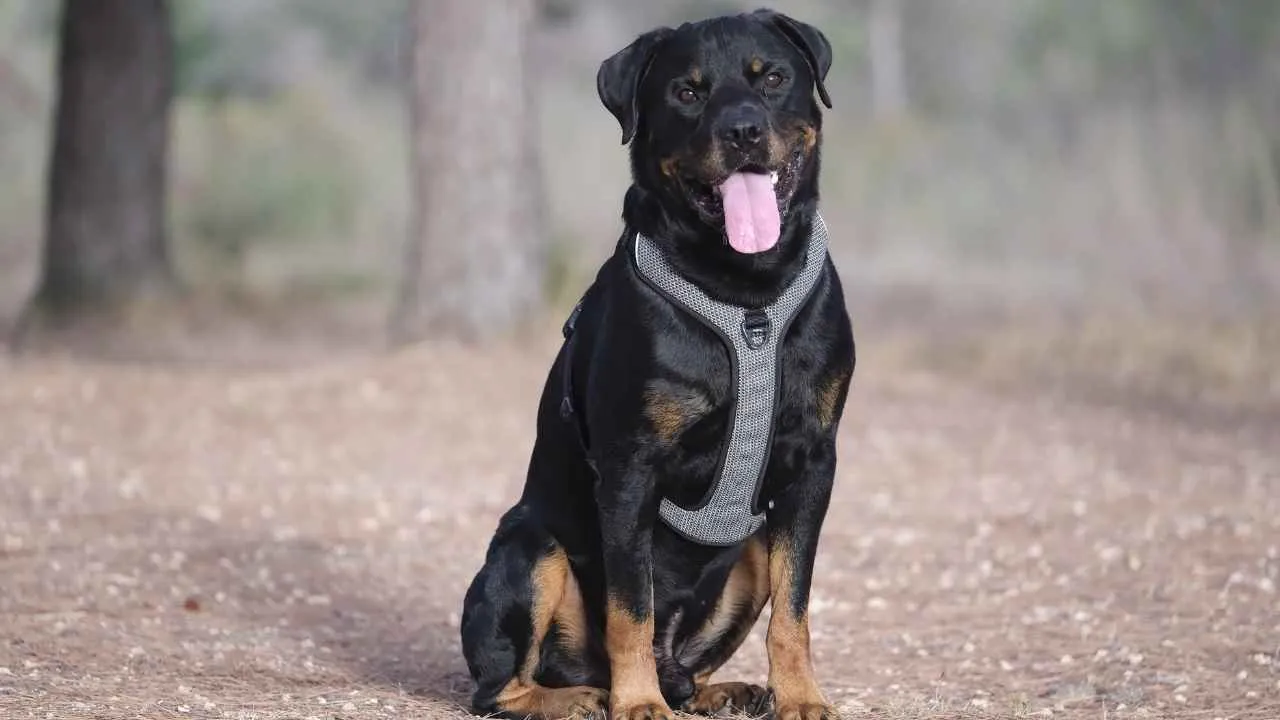
A Rottweiler may be known for its loyalty and protective nature, but its instincts around smaller animals deserve just as much attention. While these powerful dogs can form close bonds with pets they grow up alongside, unfamiliar animals may trigger a very different response.
Its response to other animals varies, however, and not every Rottweiler will behave in the same way. Some can live peacefully with cats or dogs they have grown up with, while others may struggle to accept unfamiliar pets.
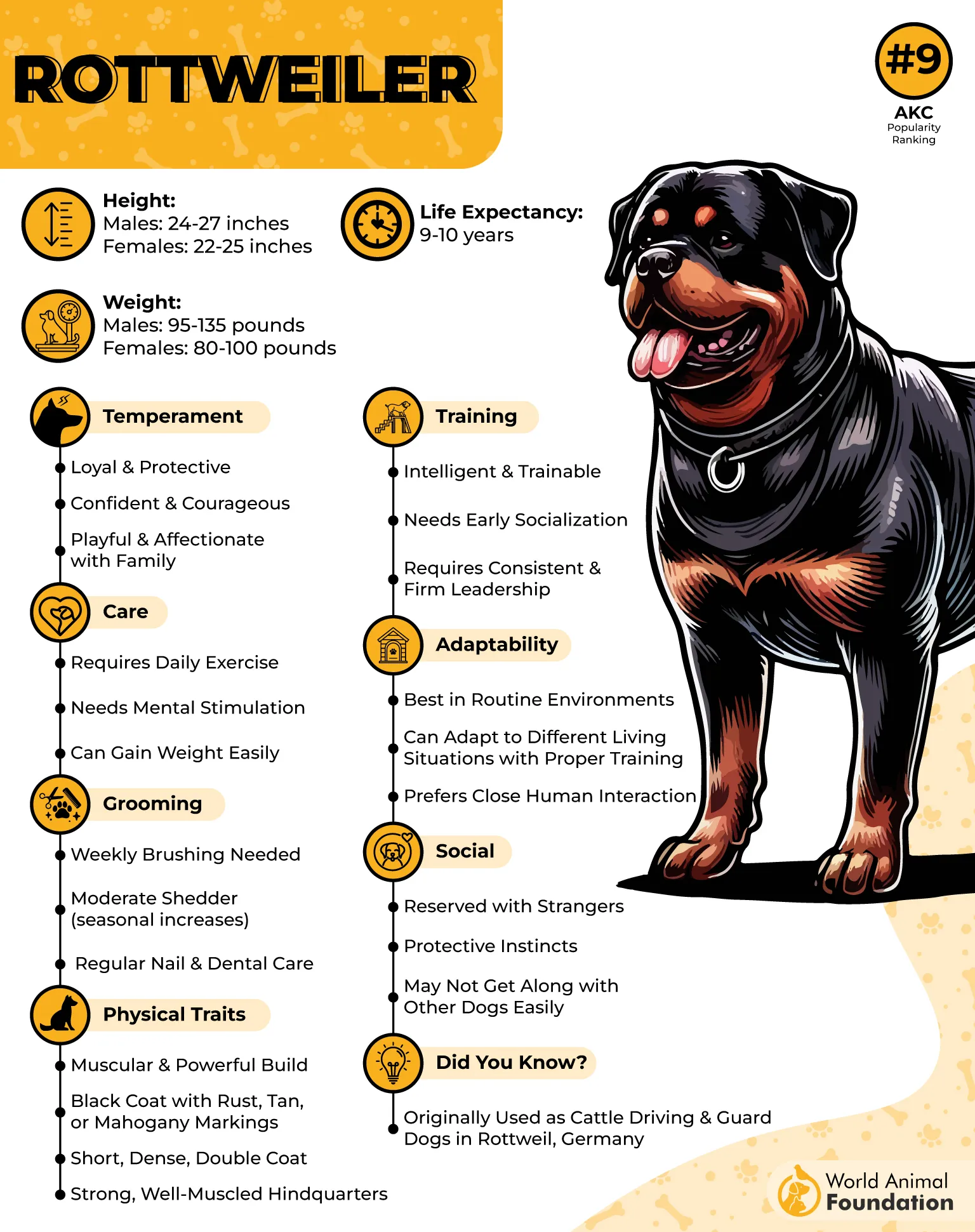
This makes early socialisation and consistent training especially important. Introducing a Rottweiler to other animals requires patience, careful supervision, and attention to its body language, as explained by Orvis.
Owners should establish clear boundaries and reward calm behaviour from an early age. With thoughtful guidance, these strong, intelligent dogs can learn to manage their instincts, helping prevent unwanted chasing or conflict when encountering other animals.
6. English Setter
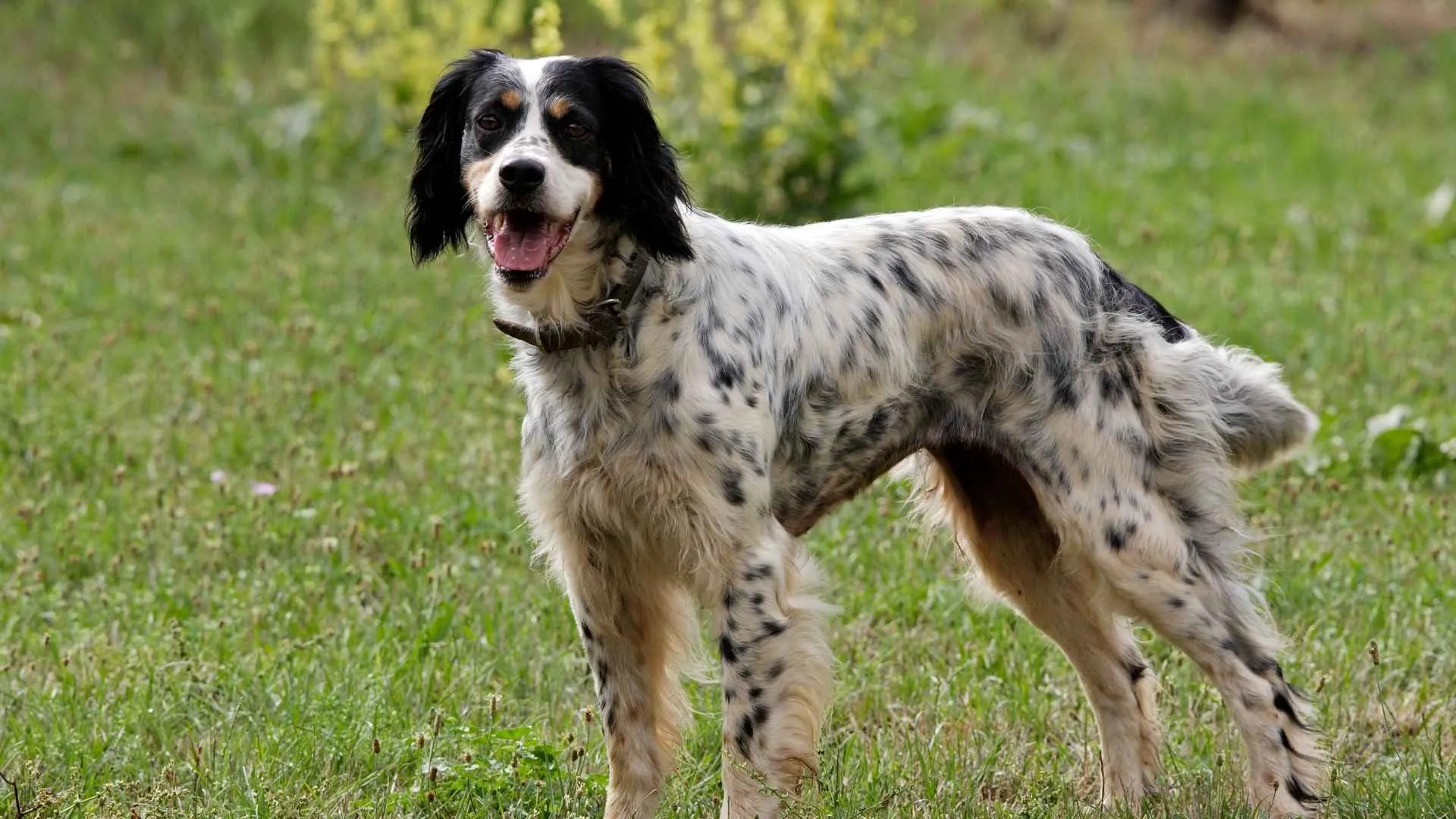
An English Setter’s graceful appearance hides a remarkable instinct for finding and pursuing game. Bred as a hunting dog, this energetic breed has a keen sense for locating birds such as quail and partridge.
Its enthusiasm becomes especially clear in the field, where it ranges away from the hunter, searching for game before dropping into a crouch when it detects its target. This natural hunting behaviour remains strong even in English Setters bred for companionship or the show ring.
Their interest in birds can also make them quick to follow a scent or chase movement, sometimes causing them to lose awareness of nearby dangers. Owners should therefore allow them off-leash exercise only in secure areas.
Despite this focused drive, English Setters are affectionate, sociable companions who enjoy regular activity and are equally happy settling down beside their favourite people once the day’s exercise is over.
7. Border Collie
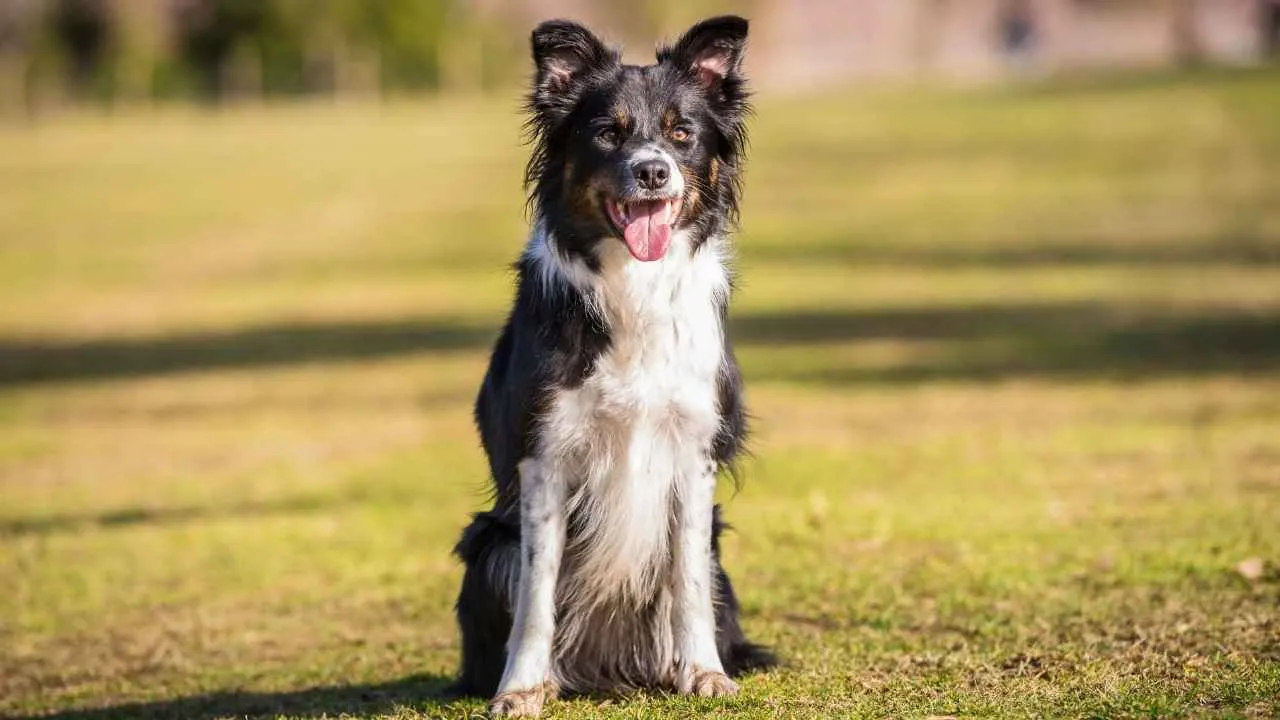
A Border Collie rarely ignores anything that moves. Bred to control and guide flocks of sheep, this intelligent, energetic dog has a deeply rooted instinct to chase and herd.
That drive does not disappear when there are no sheep around. Instead, a Border Collie may direct its attention towards moving objects such as joggers, cyclists, scooters, or passing cars. Even shadows and shifting patches of light can become targets for an under-stimulated dog.
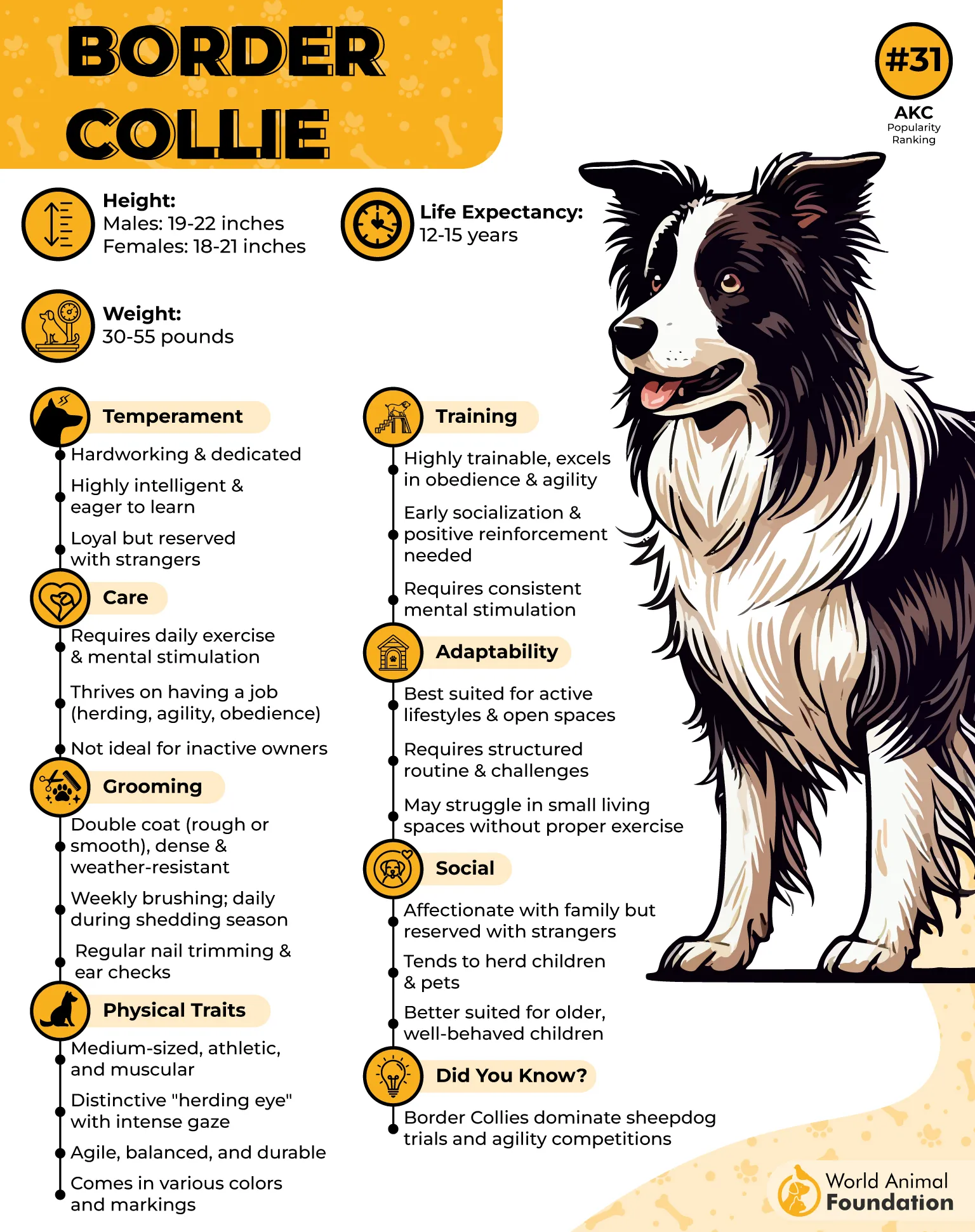
Chasing toys and balls offers a safer outlet for this natural behaviour, making daily play an important part of its routine, according to VCA. However, physical exercise alone is not enough; Border Collies also need mental challenges and activities that keep their sharp minds occupied.
Without enough stimulation, their chasing instincts can turn into difficult habits. For owners, understanding this powerful urge is essential to keeping their clever, hardworking companion happy and well-managed.
8. Australian Cattle Dog
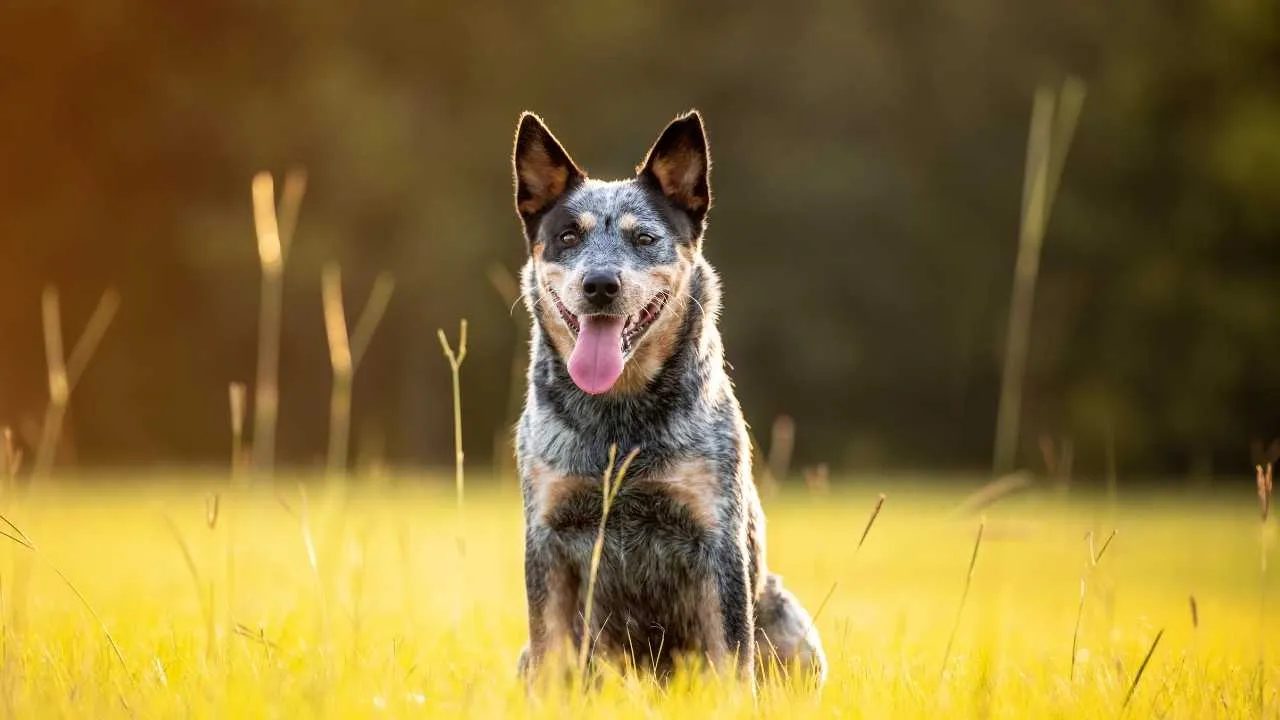
An Australian Cattle Dog is rarely content to watch the world go by; its natural instinct is to chase, herd, and keep moving. Bred to manage cattle across Australia’s rugged landscapes, this determined working dog has a strong drive to control movement around it.
That instinct can extend beyond livestock, leading it to chase other animals or nip at the heels of people and pets as it tries to herd them.
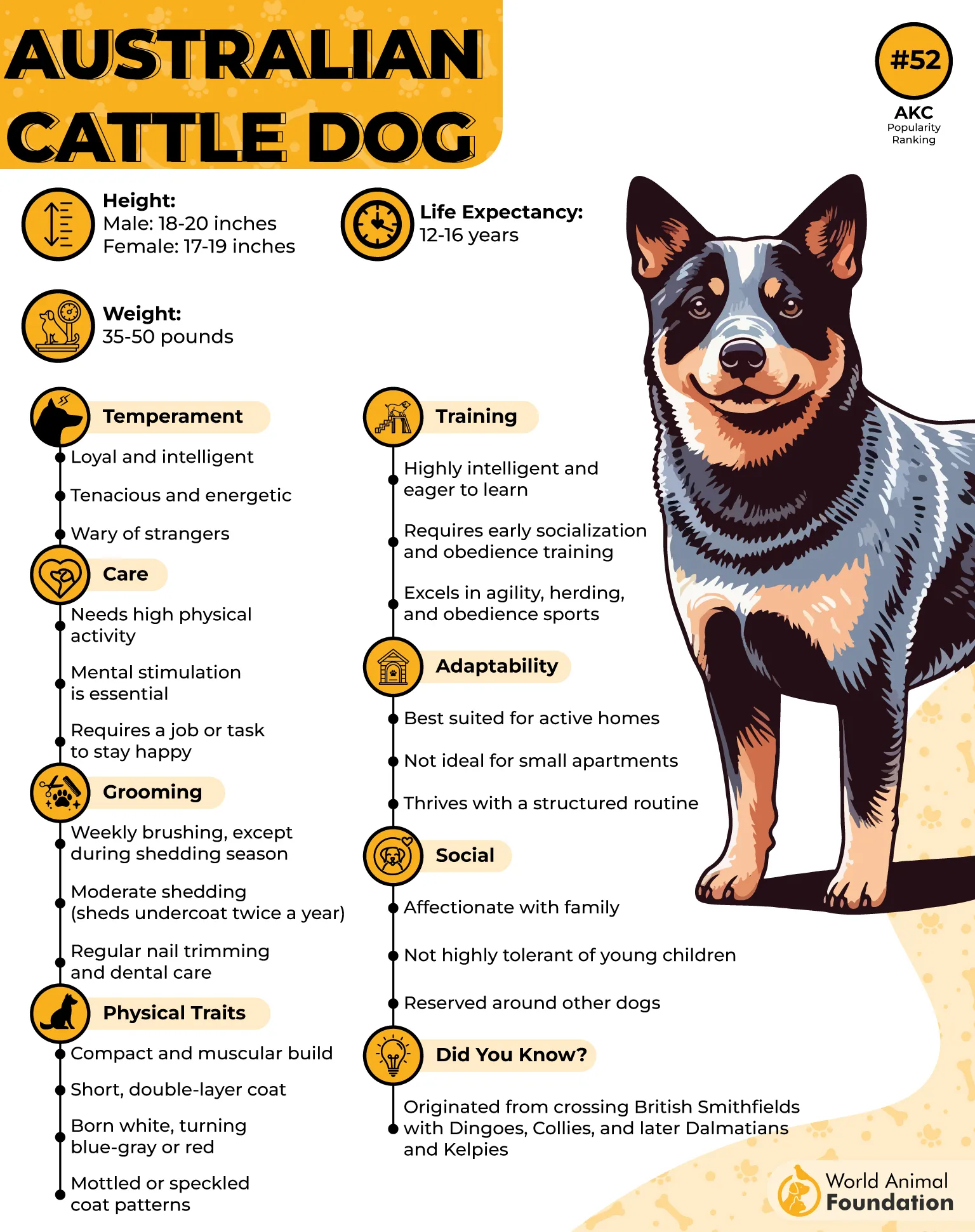
Its enthusiasm for movement also makes games such as fetch and retrieval especially rewarding. Without suitable outlets for these behaviours, an Australian Cattle Dog may become bored and develop unwanted habits.
This intelligent breed needs more than ordinary walks; it benefits from activities that challenge both its body and mind.
Consistent training, early socialisation, and purposeful play help channel its powerful herding instincts into more manageable behaviours, allowing its energetic personality to shine without turning every moving creature into something to pursue.
9. Rhodesian Ridgeback
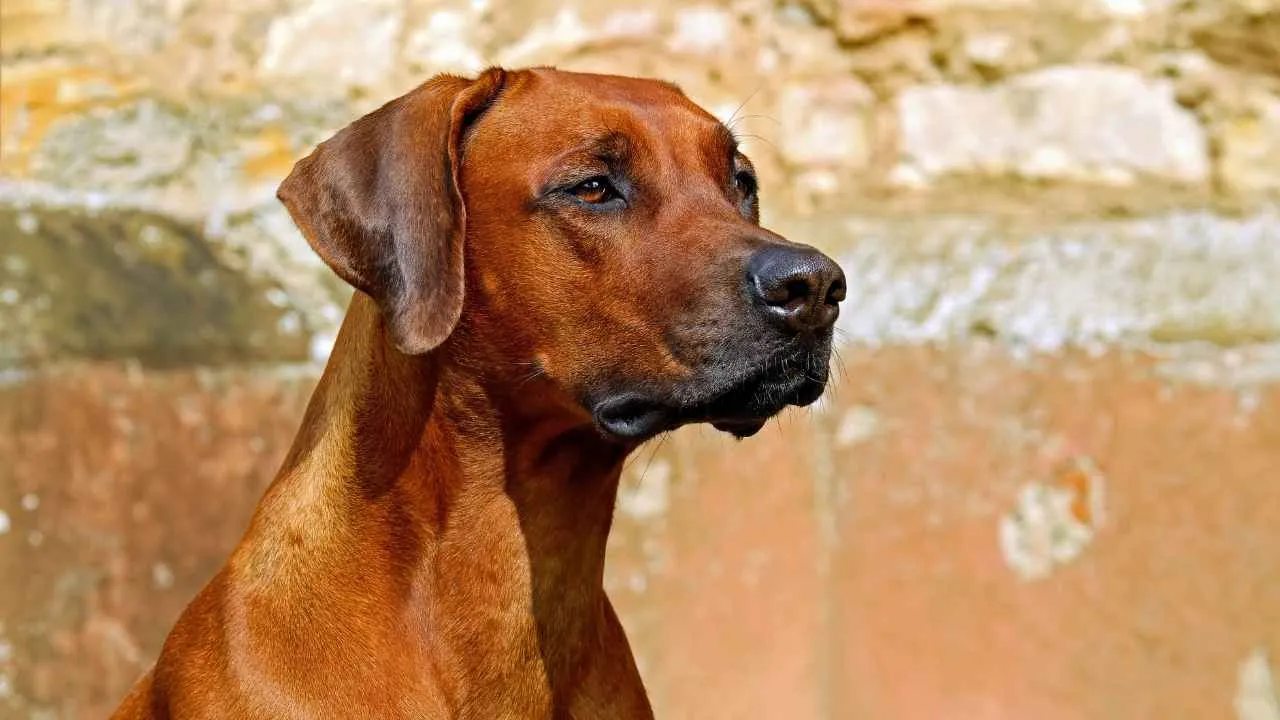
The Rhodesian Ridgeback has a hunting heritage that explains its powerful instinct to pursue animals. Originally developed in Rhodesia, now Zimbabwe, these muscular dogs were bred by European settlers to track and confront large game, including African lions.
Their history as skilled hunters has left them with a naturally strong prey drive, making the sight or scent of a moving animal particularly difficult to ignore.
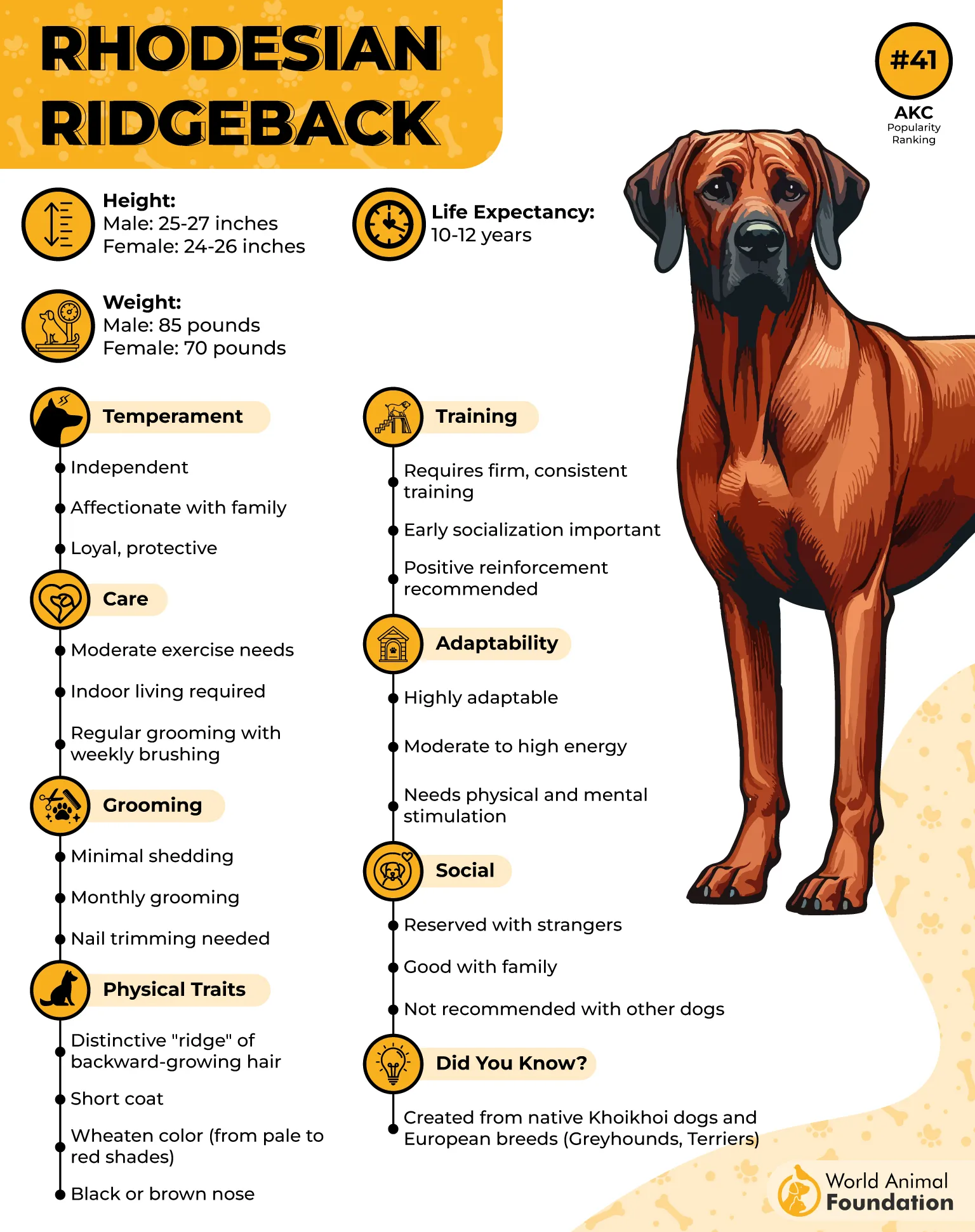
Even today, their athletic build, impressive stamina, and sharp tracking instincts reflect their working origins. Although they are known for their loyalty and deep attachment to their families, their independent nature means they need consistent training and early socialisation.
Their chasing instincts can become especially noticeable around smaller animals, including cats and wildlife. For owners, understanding and managing this natural behaviour is essential, particularly during off-leash activities.
A Rhodesian Ridgeback makes a devoted companion, but its powerful hunting instincts should never be underestimated.
Conclusion
A strong instinct to chase is more than just an energetic response; for some dogs, it is deeply connected to generations of hunting and working history. The Rhodesian Ridgeback is a perfect example of how these natural abilities continue to shape a breed’s behaviour.
Originally developed to track large game, these powerful dogs still carry the determination, athleticism, and sharp instincts of their hunting ancestors. Their loyalty and affectionate nature make them wonderful companions, but their desire to pursue moving animals requires thoughtful management.
Early socialisation, consistent training, and appropriate exercise can help owners channel these instincts in safer ways. It is also important to remain cautious around smaller pets and wildlife, particularly in open spaces where chasing opportunities may arise.
Understanding a dog’s natural prey drive allows owners to appreciate its working heritage while providing the guidance and boundaries needed for a happy, balanced life.
