




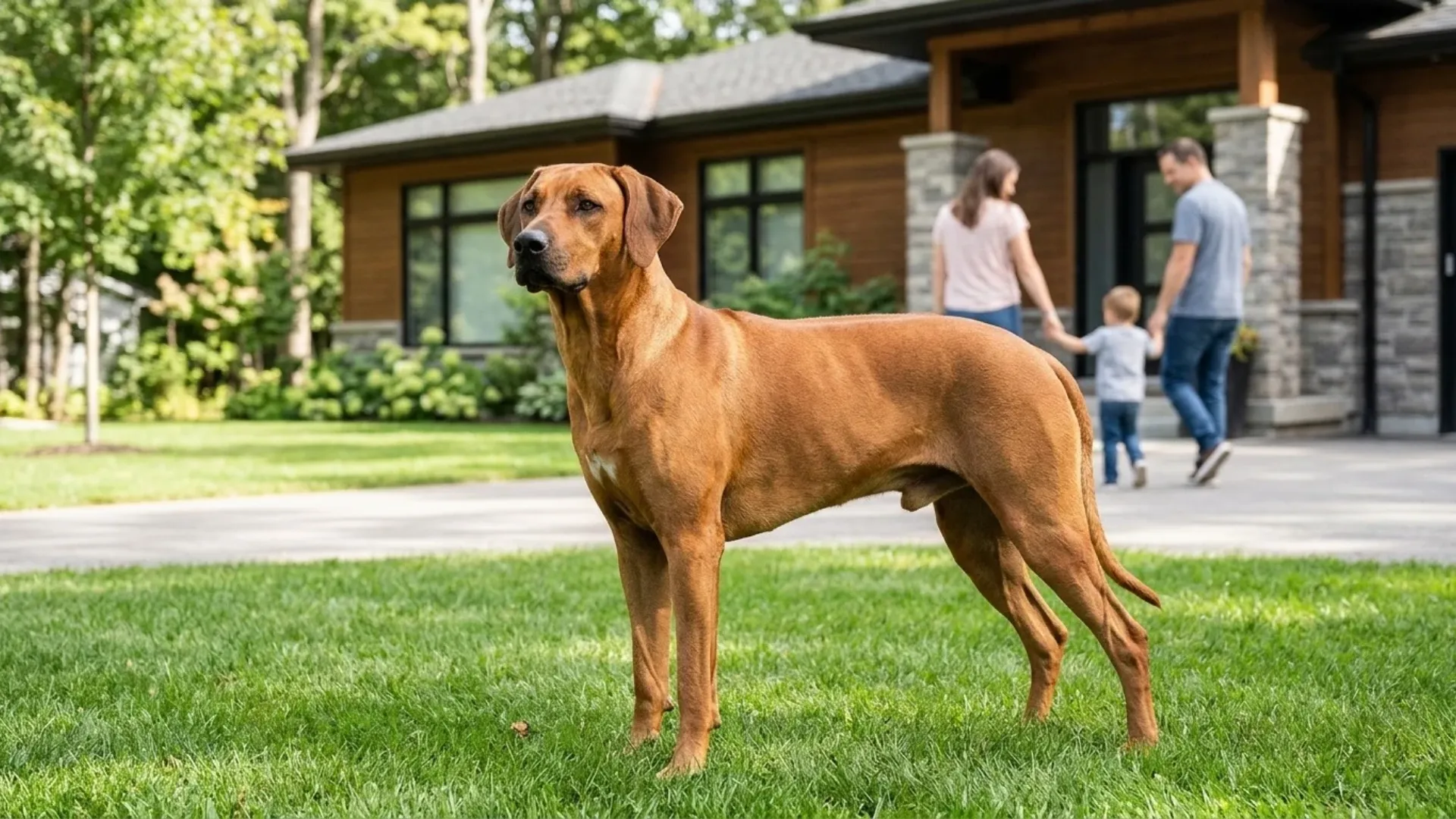
A loyal dog can be much more than a loving companion. They can also be a devoted protector who helps keep your family and home safe.
Dogs have worked alongside humans for centuries, guarding homes and keeping unwanted visitors away. Even their presence can sometimes discourage potential intruders.
However, choosing a family protection dog is about more than strength or an intimidating appearance. The best guardians combine courage, intelligence, loyalty, and a friendly temperament.
So, which dogs offer the perfect balance of strength, protection, and devotion? Let’s explore some powerful dog breeds that can be both reliable guardians and loving family companions.
Top Powerful Dog Breeds for Family Protection and Loyalty
1. Tibetan Mastiff
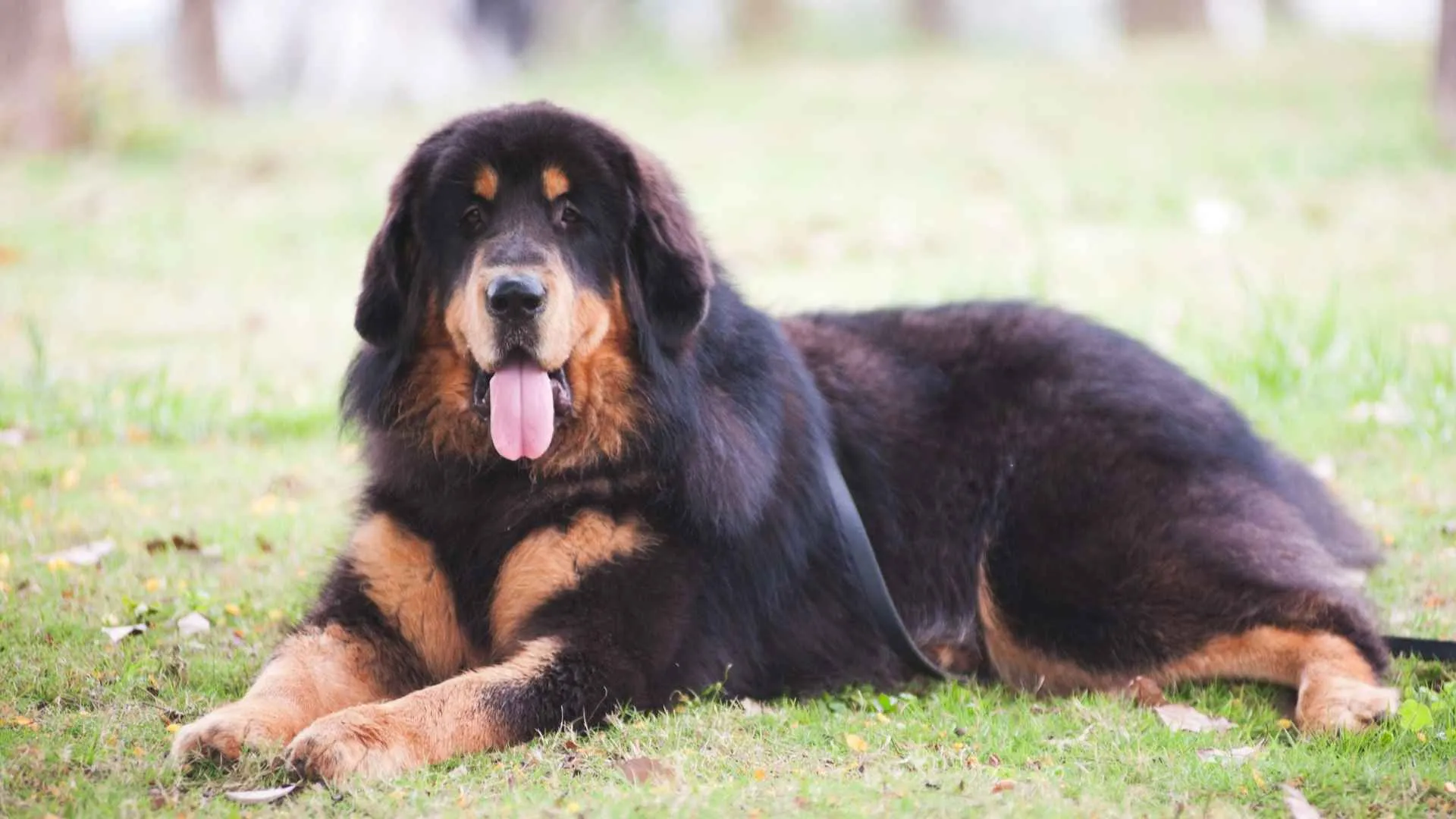
Known as the lion of dog breeds, the Tibetan Mastiff is an ancient guardian with a naturally powerful and imposing presence. Dating back around 3,000 years, these dogs were originally bred in Tibet to protect monasteries, villages, properties, and livestock.
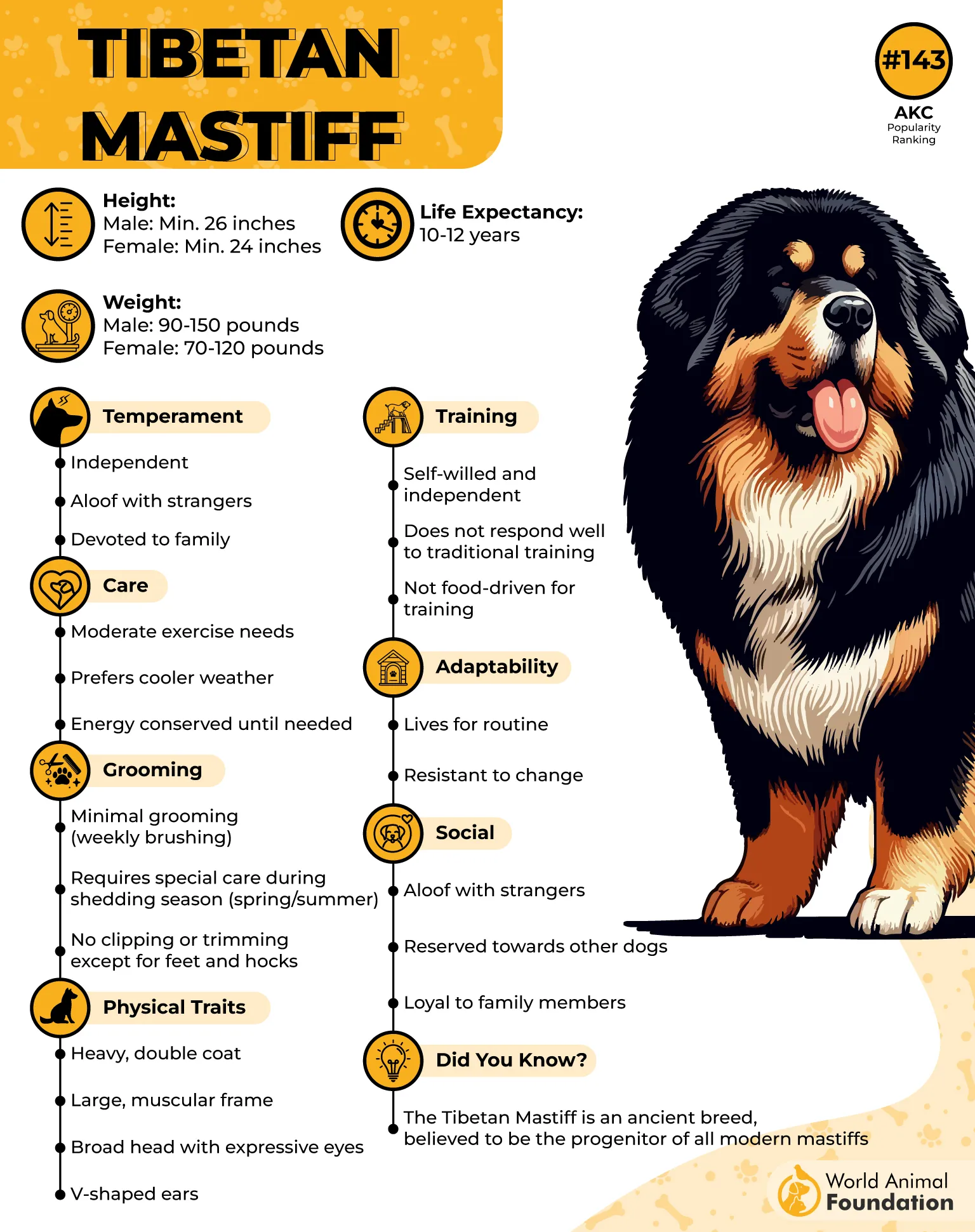
Their thick coats, muscular build, and watchful nature make them intimidating to strangers. They are deeply devoted to their families but remain aloof and territorial around strangers, as noted by Greencross Vets.
Protection and Temperament
Tibetan Mastiffs are calm and affectionate at home but quick to respond when they sense a threat. They are independent and strong-willed, which can make obedience training challenging.
Early socialisation and consistent, gentle handling are essential to help them become well-managed guardians.
Exercise and Living Needs
These dogs need around an hour of daily exercise and plenty of outdoor space.
Large, securely fenced properties are best, as they may try to escape by climbing fences.
They can be prone to bloating, stomach problems, eye disorders, and hip dysplasia.
They may live with sensible older children, but supervision and careful interactions are important.
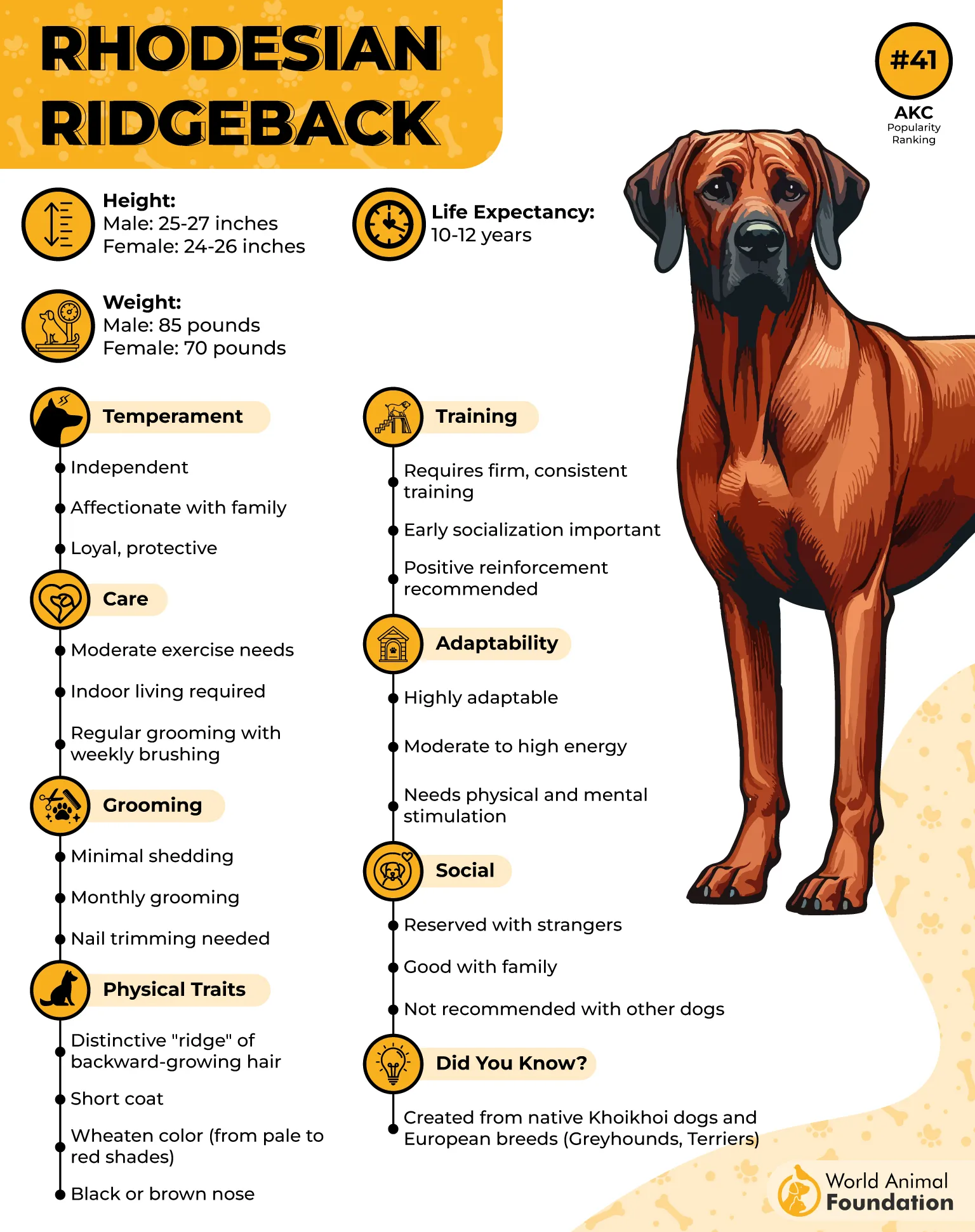
2. Rhodesian Ridgeback
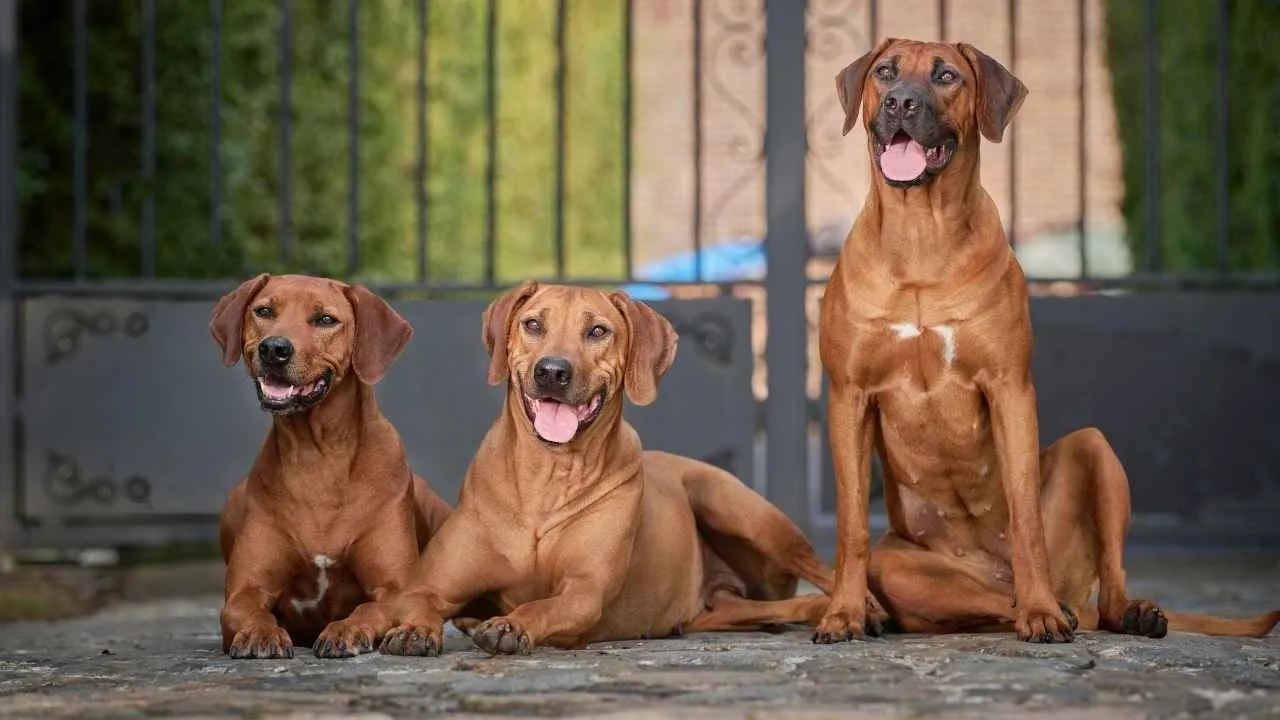
Originally developed in southern Africa, the Rhodesian Ridgeback is a powerful hunting dog known for its courage, speed, and endurance.
These dogs were used by big-game hunters to track and corner lions and leopards. Their most recognisable feature is the strip of backward-growing hair along their backs, known as a ridge.
Protection and Temperament
Rhodesian Ridgebacks are confident, independent, and naturally protective of their loved ones. They are usually reserved around strangers and can be wary of unfamiliar dogs. Their keen eyesight and strong sense of smell make them excellent watchdogs.
Although affectionate with their families, they have a strong prey drive and may chase smaller animals. Early socialisation and firm, consistent, reward-based training are important.
Exercise and Living Needs
Rhodesian Ridgebacks need around two hours of daily exercise as adults.
They do best in homes with large, securely fenced outdoor spaces.
They can be prone to bloating, hip dysplasia, and dermoid sinus.
They need experienced owners, consistent training, and early socialisation.
3. Giant Schnauzer
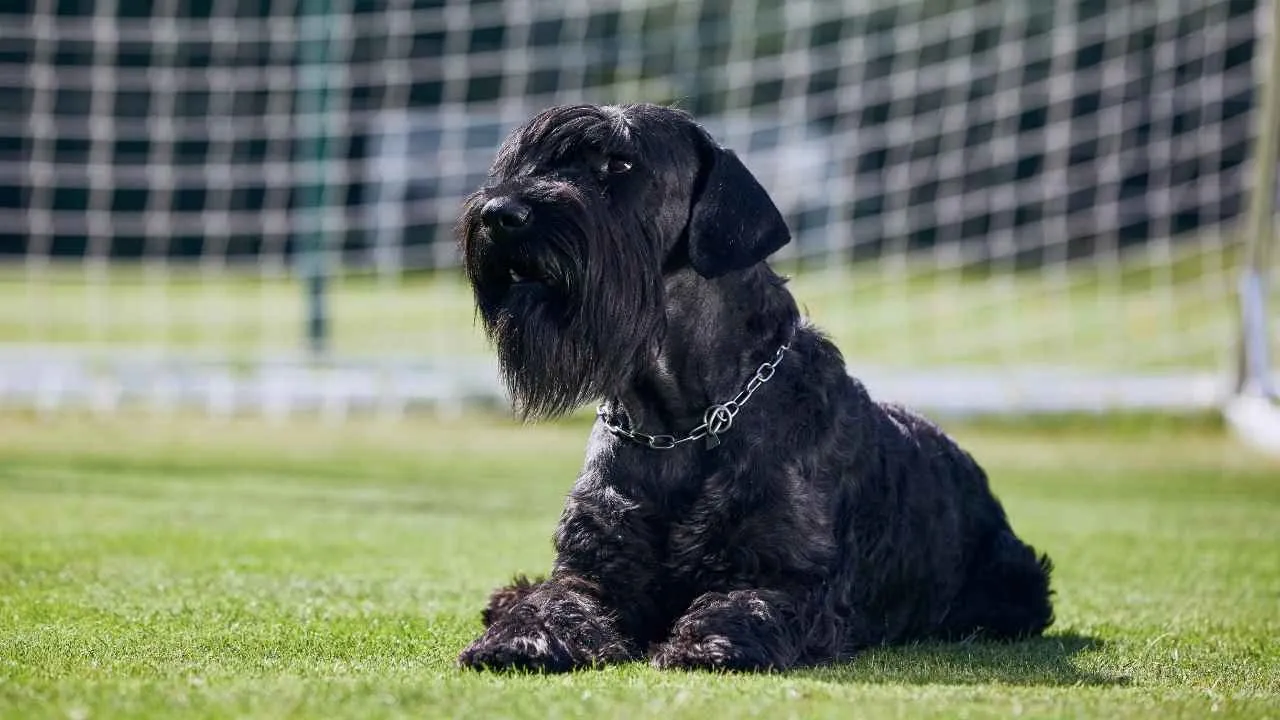
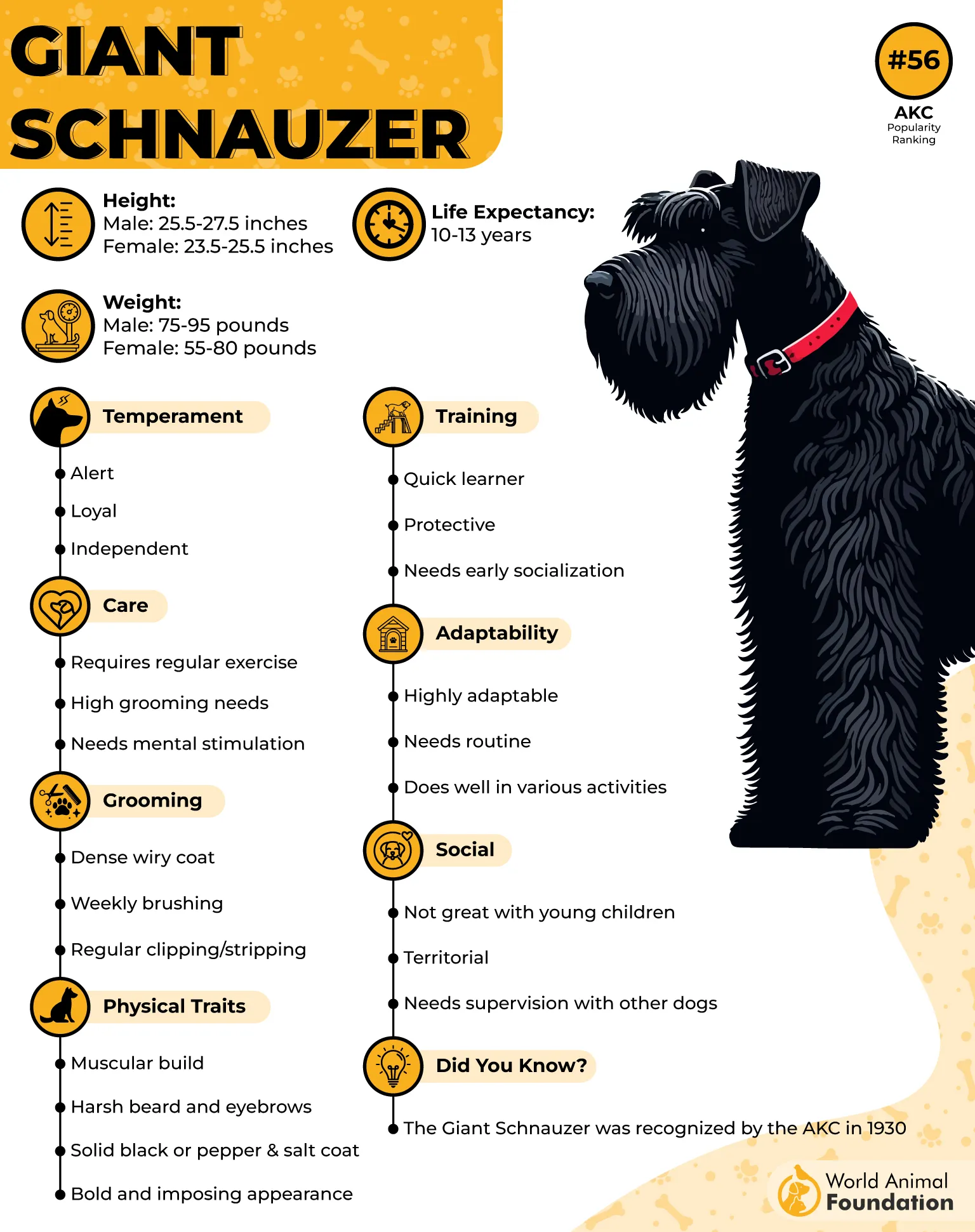
The Giant Schnauzer is the largest of the three Schnauzer breeds and was originally developed in Germany as a farm and home guardian. These powerful working dogs were bred from Standard Schnauzers and Great Danes.
Their muscular build, thick double coat, and distinctive beard give them an imposing appearance. Today, they are also valued as police and military dogs because of their intelligence, courage, and loyalty.
Protection and Temperament
Giant Schnauzers are confident, alert, and deeply devoted to their families. They are fiercely protective of their homes and tend to be cautious around strangers.
They are intelligent and quick learners but can also be stubborn and independent. Early socialisation and consistent training help manage their territorial instincts and develop good behaviour around people and other animals.
Exercise and Living Needs
Giant Schnauzers need daily exercise, playtime, and mental stimulation to stay happy.
They benefit from short, consistent training sessions and regular obedience classes.
Their wiry double coats need daily brushing and regular professional grooming.
They do best with experienced owners who can provide firm handling, clear boundaries, and early socialisation.
4. Cane Corso
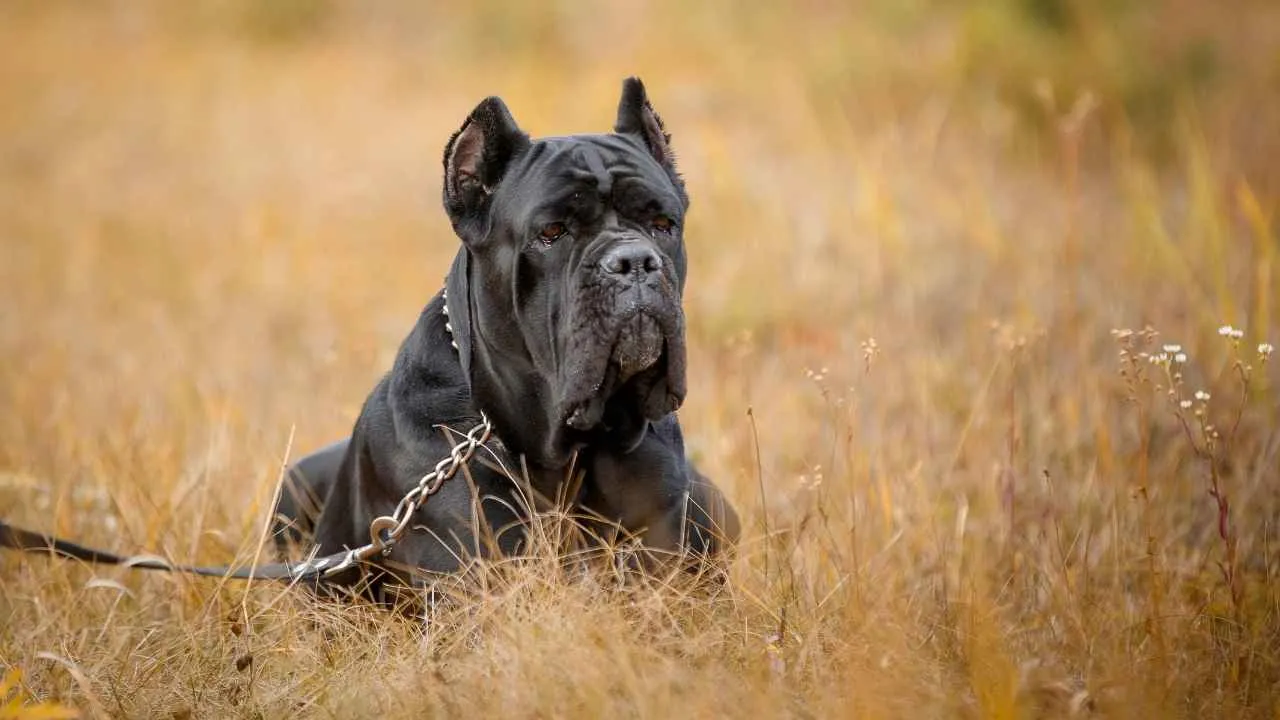
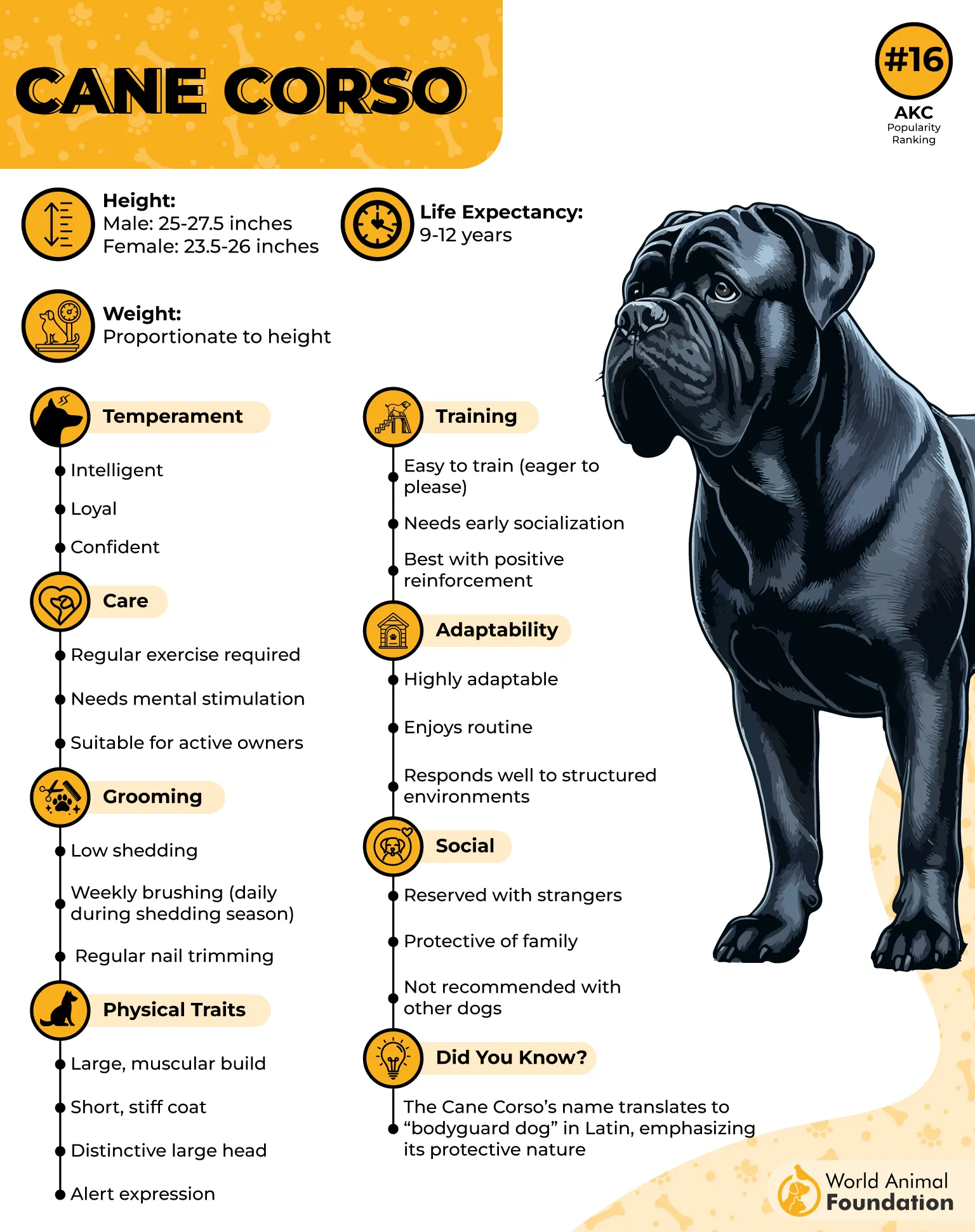
With roots dating back to ancient Roman times, the Cane Corso was bred as a powerful working and guardian dog. According to the American Kennel Club, its name roughly translates to “bodyguard dog,” which reflects its long history of protecting people and property.
Also known as the Italian Mastiff, this breed is easily recognised by its muscular build, large head, alert expression, and short coat. Its imposing appearance alone can make potential intruders think twice.
Protection and Temperament
Cane Corsos are intelligent, confident, and deeply loyal to their families. They are naturally protective of their homes and remain alert to unfamiliar people and situations.
They are also eager to please and quick to learn but can be strong-willed. Early socialisation and consistent positive-reinforcement training are essential to prevent excessive protectiveness and help them become well-mannered companions.
Exercise and Living Needs
Cane Corsos need plenty of daily exercise to maintain their muscular build.
They require experienced owners who can provide confident leadership and consistent training.
Their short, smooth coats need minimal grooming but shed moderately throughout the year.
They can be prone to hip and elbow dysplasia, obesity, epilepsy, and bloat.
5. German Shepherd
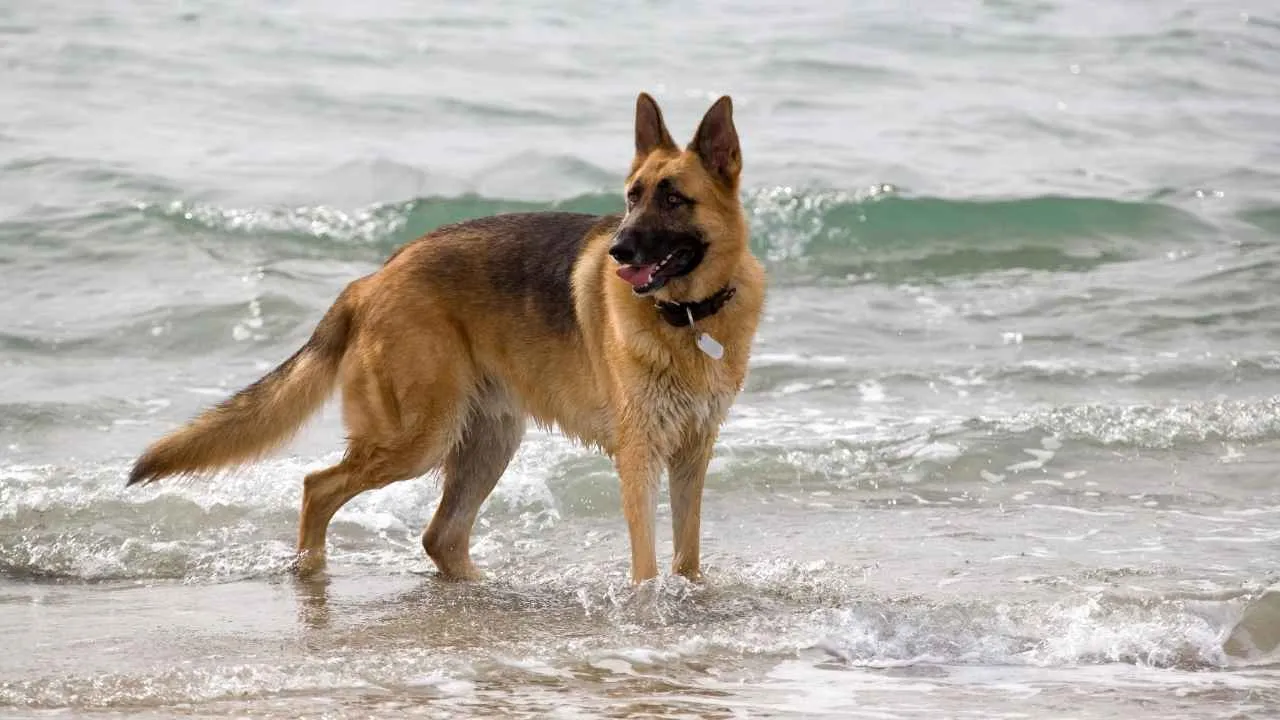
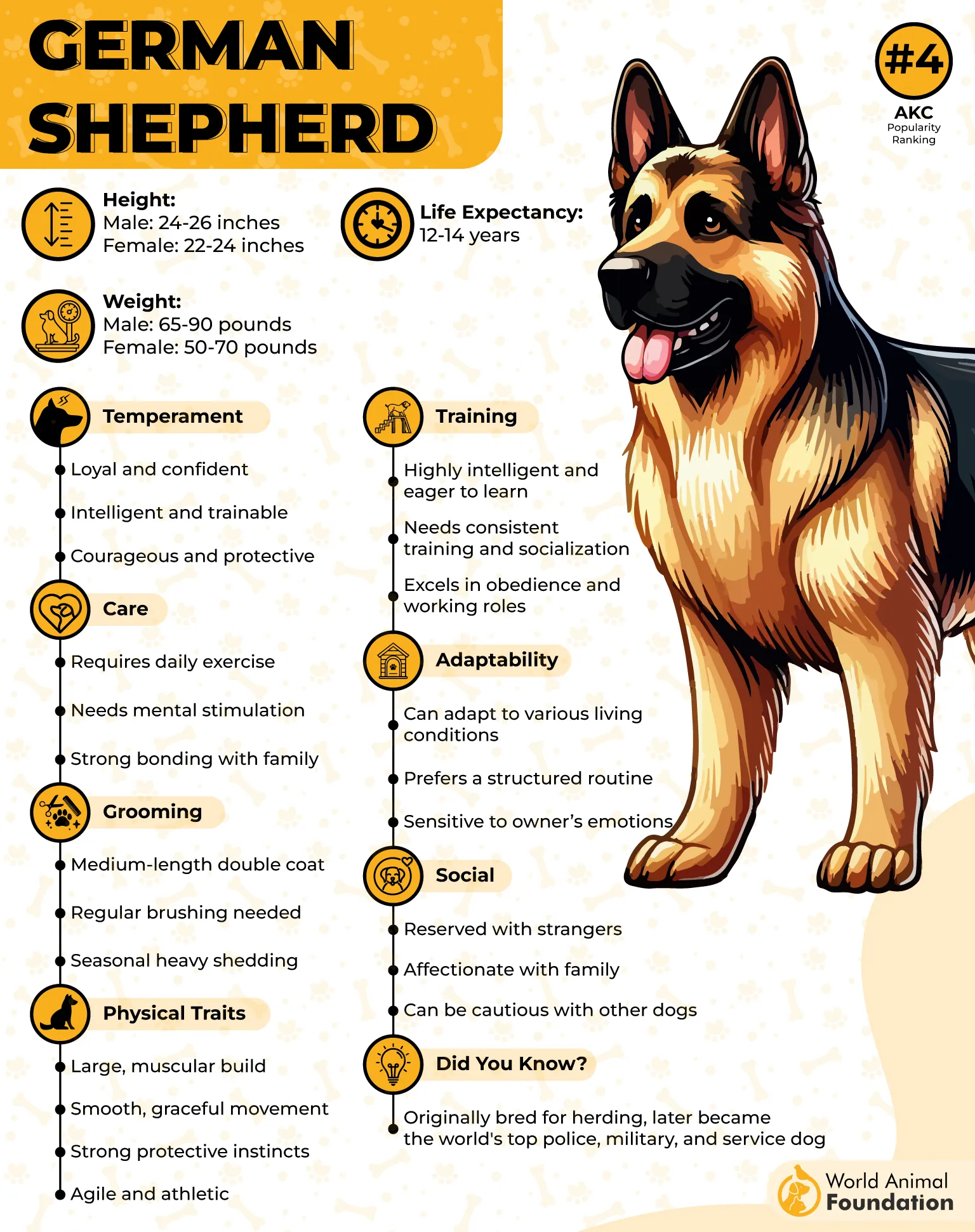
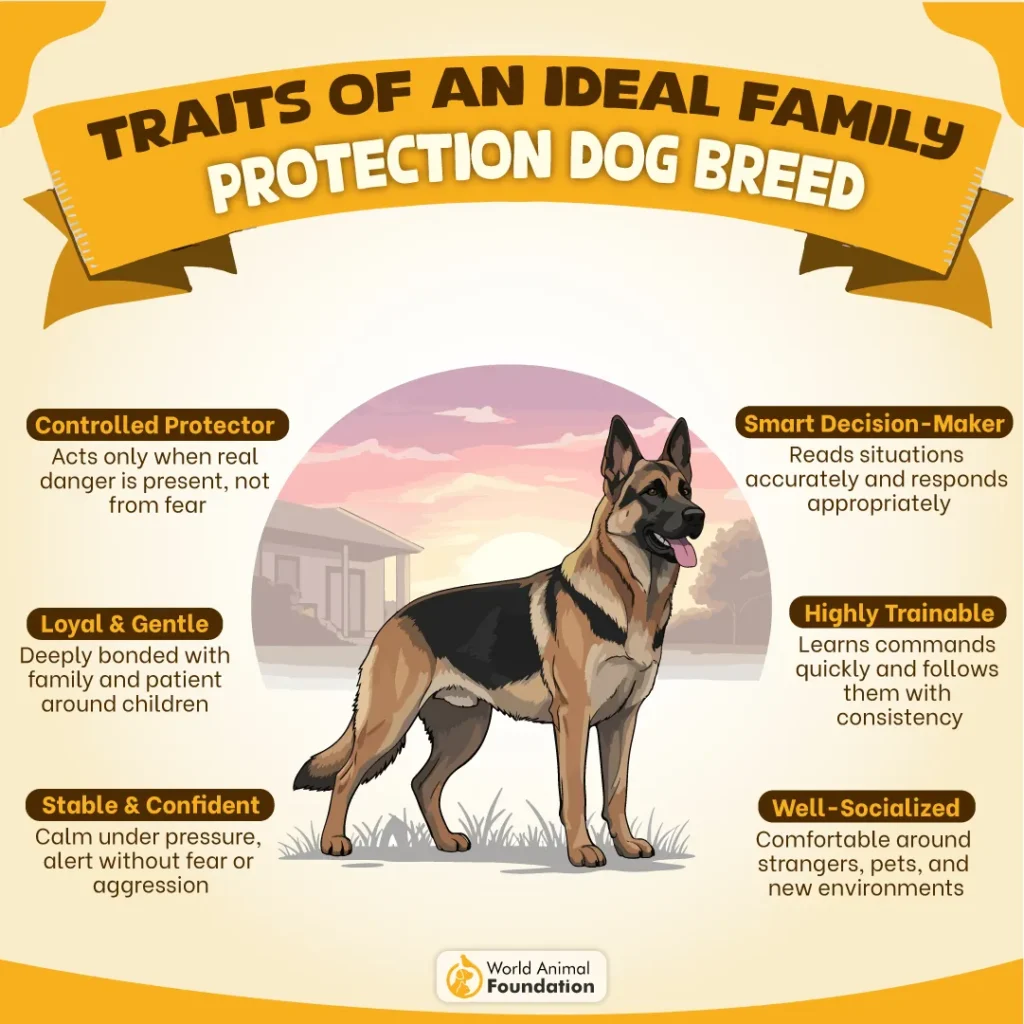
Known for their intelligence, courage, and loyalty, German Shepherds are among the most versatile working dogs. Originally valued for their ability to perform different tasks, they have become popular as police dogs, service dogs, and family guardians.
Their muscular build, athletic nature, and confident appearance make them impressive protectors. They are quick learners and have a strong instinct to defend the people they love.
Protection and Temperament
German Shepherds are deeply devoted to their families and naturally protective of their homes. They are confident and courageous but can be reserved around strangers.
Despite their strong guarding instincts, they are affectionate family companions and are often gentle with children and other animals. Their intelligence makes them highly trainable, but they need consistent guidance, early socialisation, and plenty of mental stimulation.
Exercise and Living Needs
German Shepherds need daily exercise, playtime, and mental challenges.
They thrive with consistent training and kind, confident leadership.
They enjoy family company and may struggle when left alone for long periods.
They need regular physical and mental activity to stay happy, focused, and well-behaved.
6. Doberman Pinscher
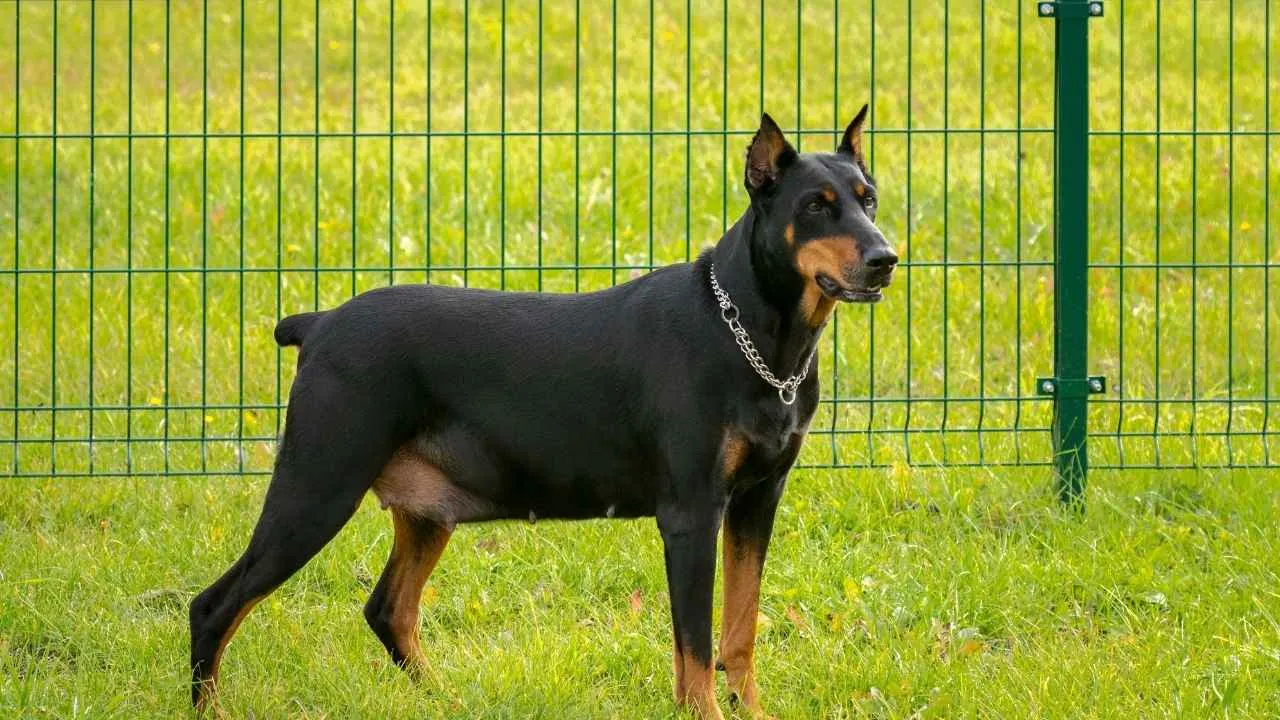
Sleek, muscular, and highly intelligent, the Doberman Pinscher is one of the most recognised protection dogs. The breed was developed in Germany in the late 1800s by Louis Dobermann, who wanted a reliable personal guardian.
With their athletic build, alert expression, and fearless nature, these dogs have earned a strong reputation as family protectors. They are also widely used in police, military, and security work.
Protection and Temperament
Dobermans are fiercely loyal and form strong bonds with their families. They are naturally alert and protective but can be reserved around unfamiliar people and dogs. Despite their intimidating appearance, they are affectionate, playful, and sensitive with those they trust.
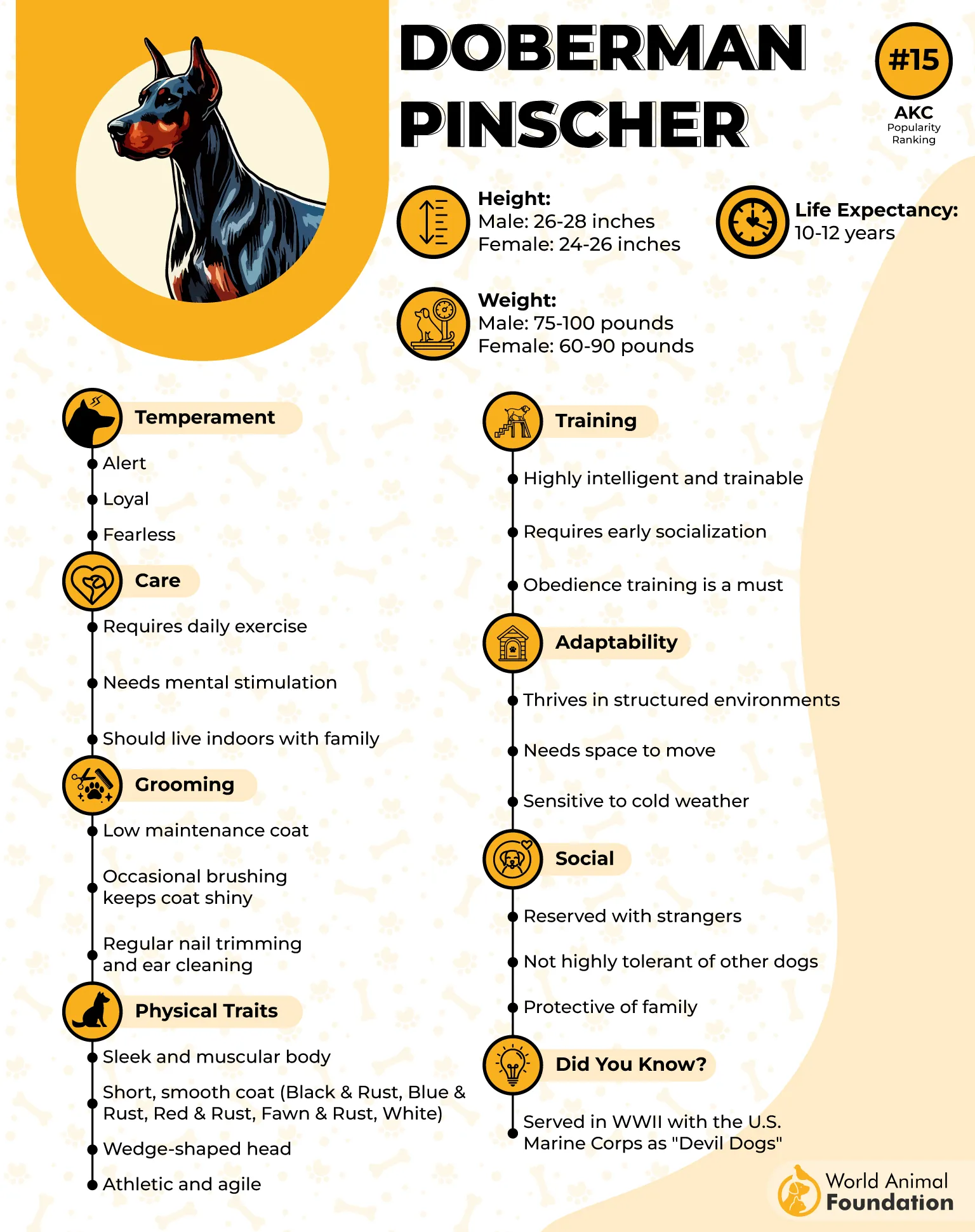
Their intelligence makes them quick learners, but early socialisation and consistent training are essential to manage their protective instincts and prevent unwanted behaviour.
Exercise and Living Needs
Dobermans need plenty of daily exercise and mental stimulation.
They enjoy activities such as obedience training and agility work.
They can be prone to separation anxiety and destructive behaviour when left alone for too long.
They need active, experienced owners who can provide regular training, attention, and steadfast companionship.
7. Rottweiler
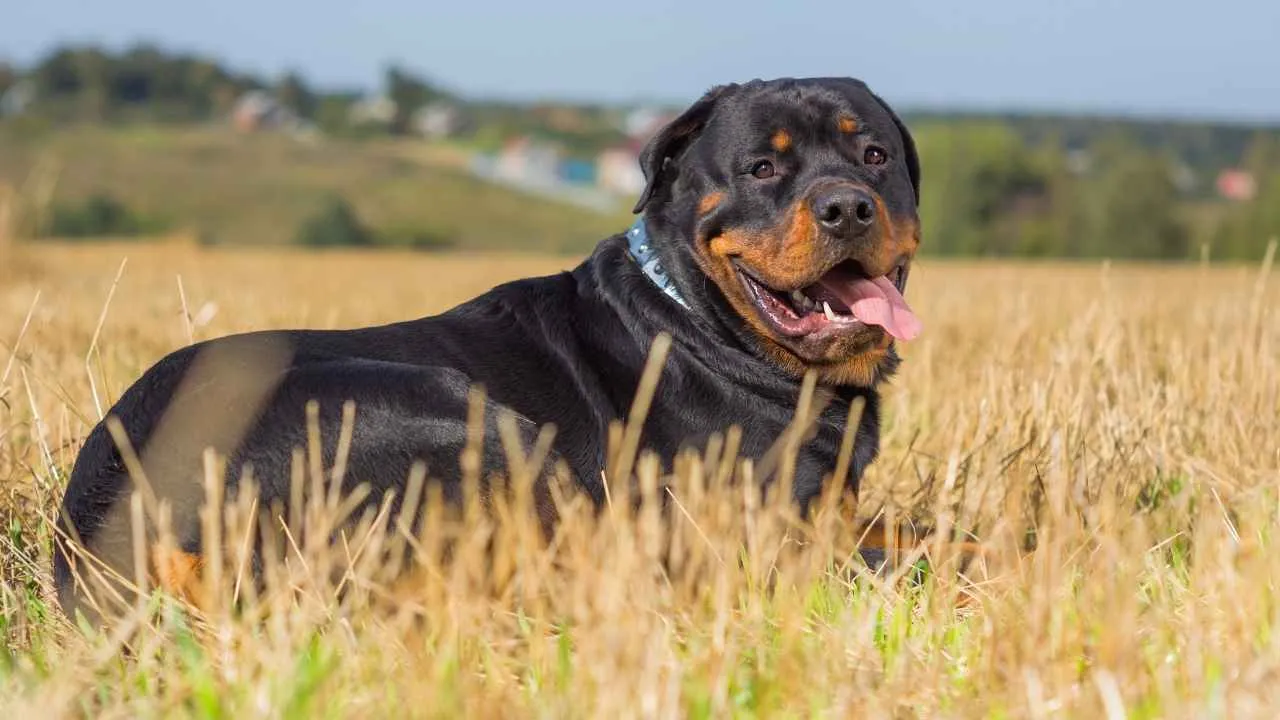
Descended from the mastiffs used by Roman legions, the Rottweiler is a powerful working breed with a long history of guarding and protection.
Their muscular build, broad heads, and distinctive black coats with rust markings give them an imposing appearance. Originally bred for demanding working roles, these dogs are now valued as loyal family companions and dependable guardians.
Protection and Temperament
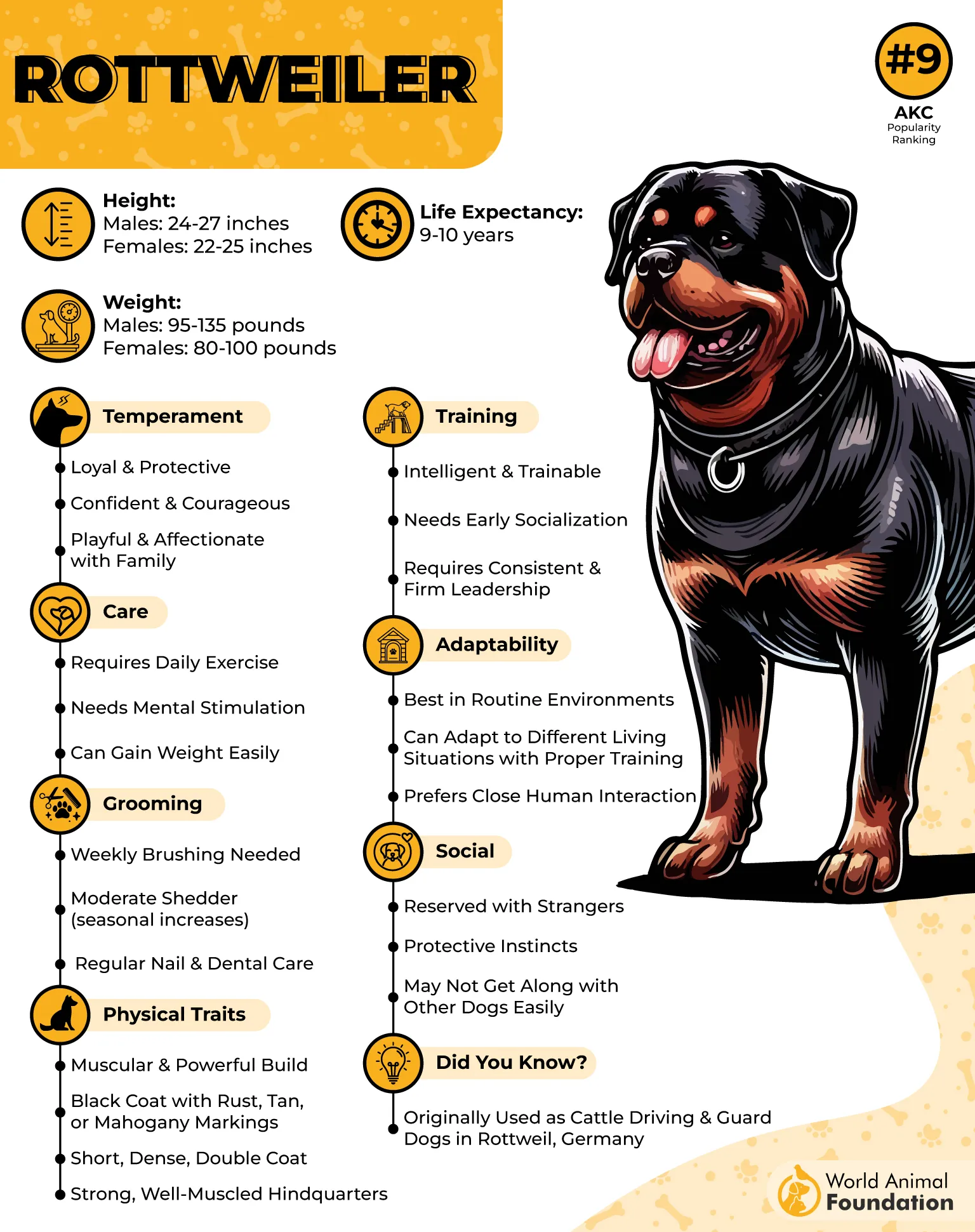
Rottweilers are naturally confident, courageous, and protective of their families. They tend to be reserved around strangers but are affectionate, playful, and even silly with the people they trust.
Despite their strong and watchful appearance, well-raised Rottweilers are generally calm and gentle. They are intelligent and eager to learn but need experienced owners, early socialisation, and consistent training to manage their protective instincts.
Exercise and Living Needs
Rottweilers need at least 60 minutes of daily exercise and mental stimulation.
They enjoy walks, hikes, backyard play, and dog sports.
Their short coats shed throughout the year and need regular brushing.
They thrive with experienced owners who can provide consistent training, companionship, and clear guidance.
8. Belgian Malinois
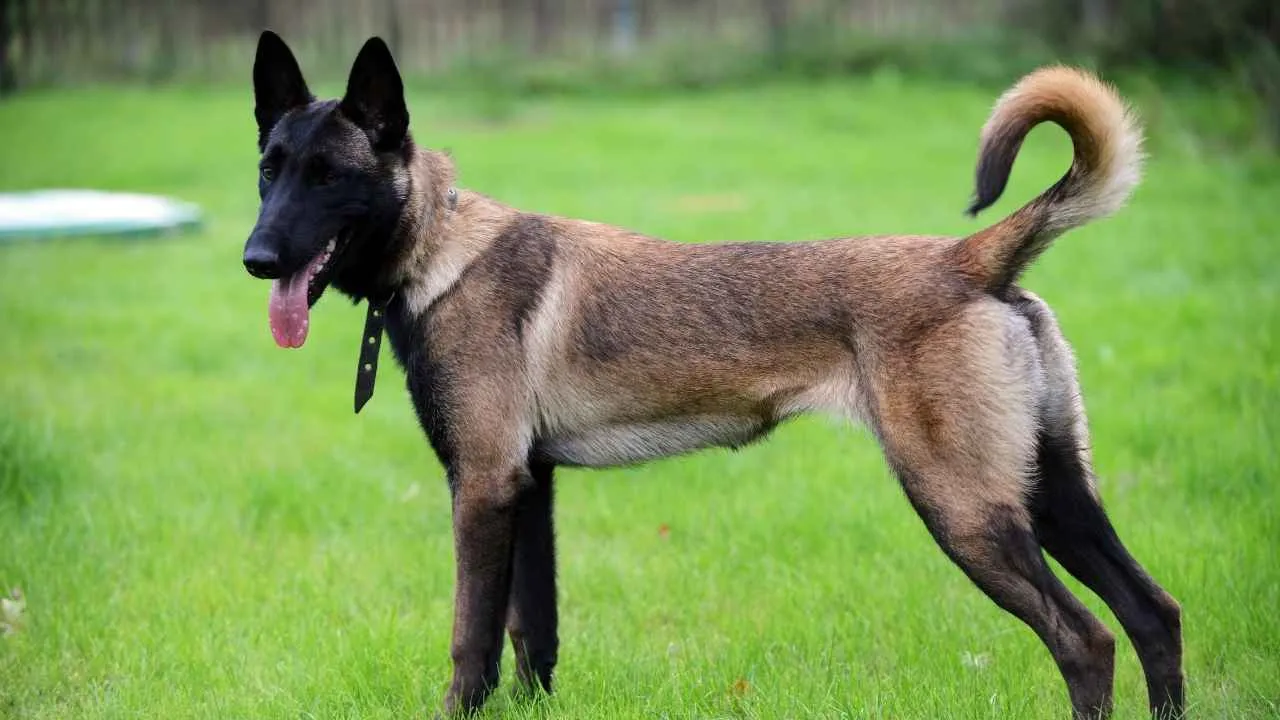
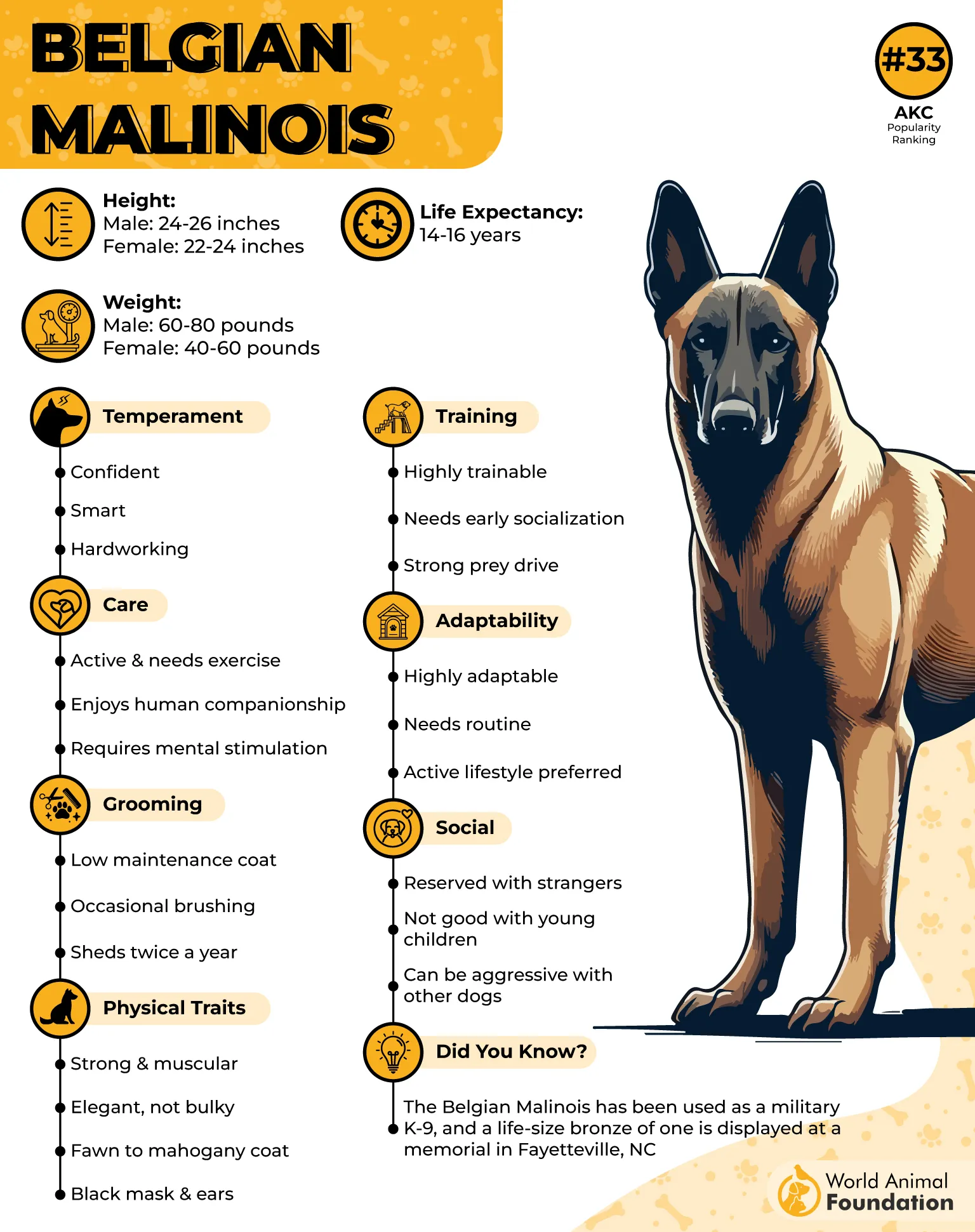
The Belgian Malinois is an intelligent, athletic, and hardworking breed known for its loyalty and strong protective instincts. Originally bred for herding, these dogs have become popular in police and military work, as well as search-and-rescue missions.
Their muscular build, alert expression, and impressive working abilities make them vigilant guardians. They also form exceptionally strong bonds with their owners.
Protection and Temperament
Belgian Malinois are naturally alert, confident, and protective of their families. They can be reserved around strangers but are affectionate and playful with their trusted people.
Their intelligence makes them quick learners, although their high energy and strong working drive require experienced handling. Chewy mentions that they have a strong prey drive and may chase moving objects or smaller animals.
Exercise and Living Needs
Belgian Malinois need plenty of daily exercise and mental stimulation.
They excel at agility, obedience, scent work, and other working activities.
They need active, experienced pet owners who can provide structure and regular training.
They are not suited to inactive households and need daily attention and companionship.
9. Akita
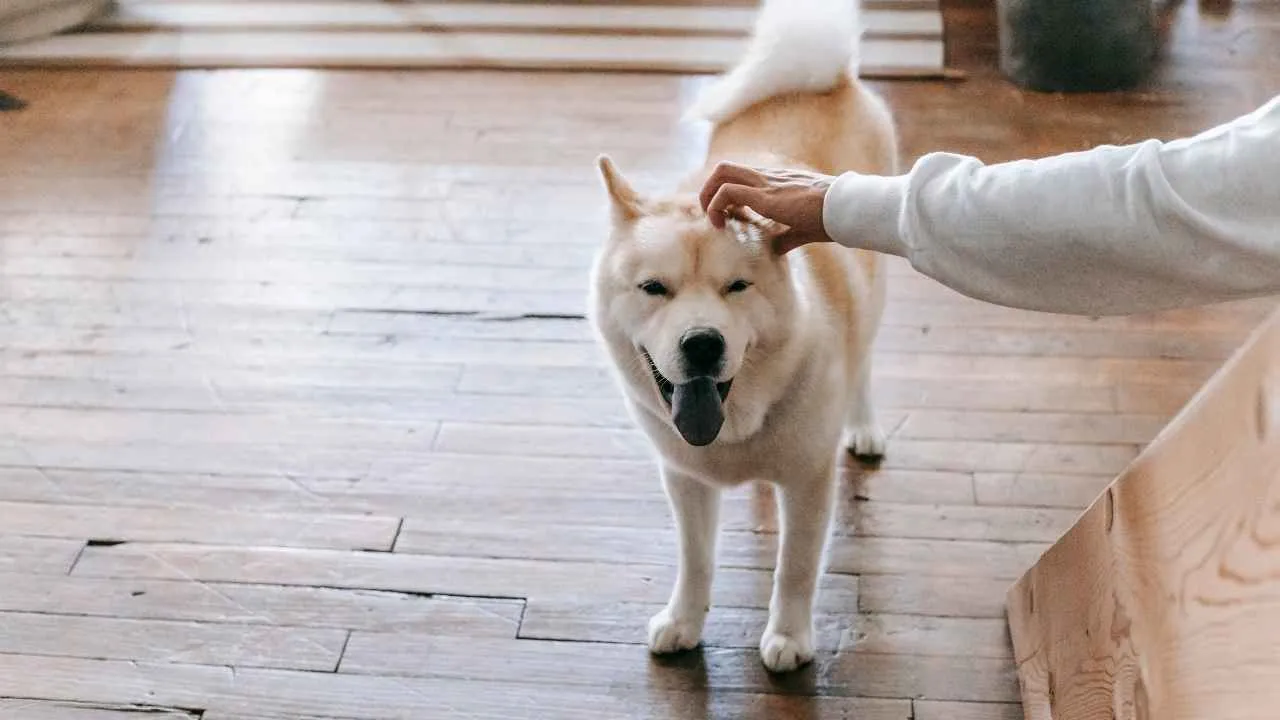
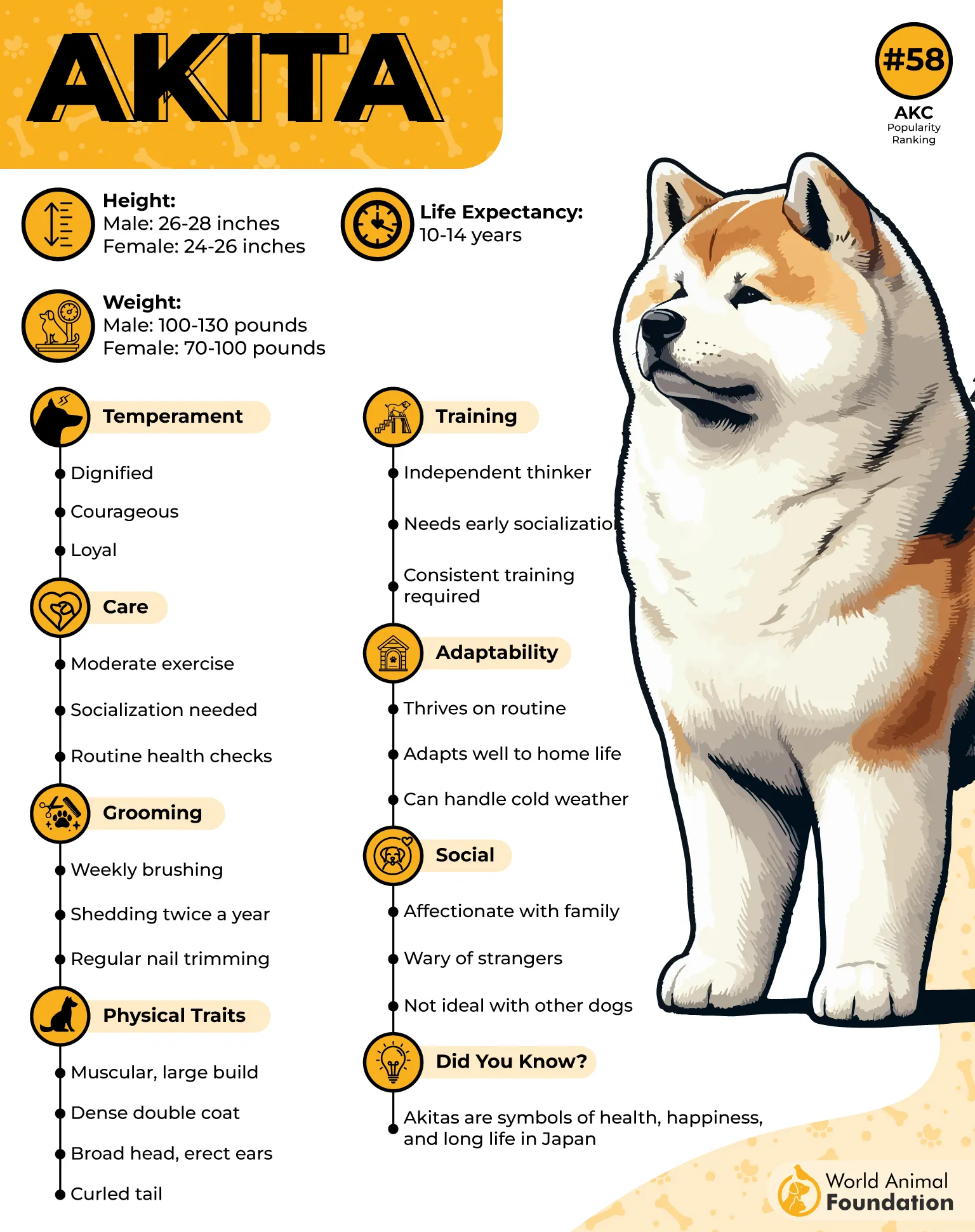
Akitas are powerful, dignified dogs with an ancient Japanese lineage. Originally bred in Japan for hunting and guarding, they are known for their courage, loyalty, and protective nature.
Their broad heads, erect ears, curled tails, and thick double coats give them an imposing appearance. Despite their size, they are quiet dogs that rarely bark without reason.
Protection and Temperament
Akitas are deeply devoted to their families and have strong protective instincts. They are naturally wary of strangers and can be intolerant of other animals, especially dogs of the same sex.
Although independent and strong-willed, they also have a silly, affectionate side with people they trust. Early socialisation and consistent training are essential to help them become well-adjusted. Interactions with children and other pets should always be supervised.
Exercise and Living Needs
Akitas need regular physical and mental activity, including long walks, hikes, and puzzle toys.
They benefit from early training and socialisation to manage their independent nature.
They are best suited to single-dog households because of their tendency towards same-sex aggression.
They can be prone to hip dysplasia, hypothyroidism, progressive retinal atrophy, and autoimmune disorders.
10. Bullmastiff
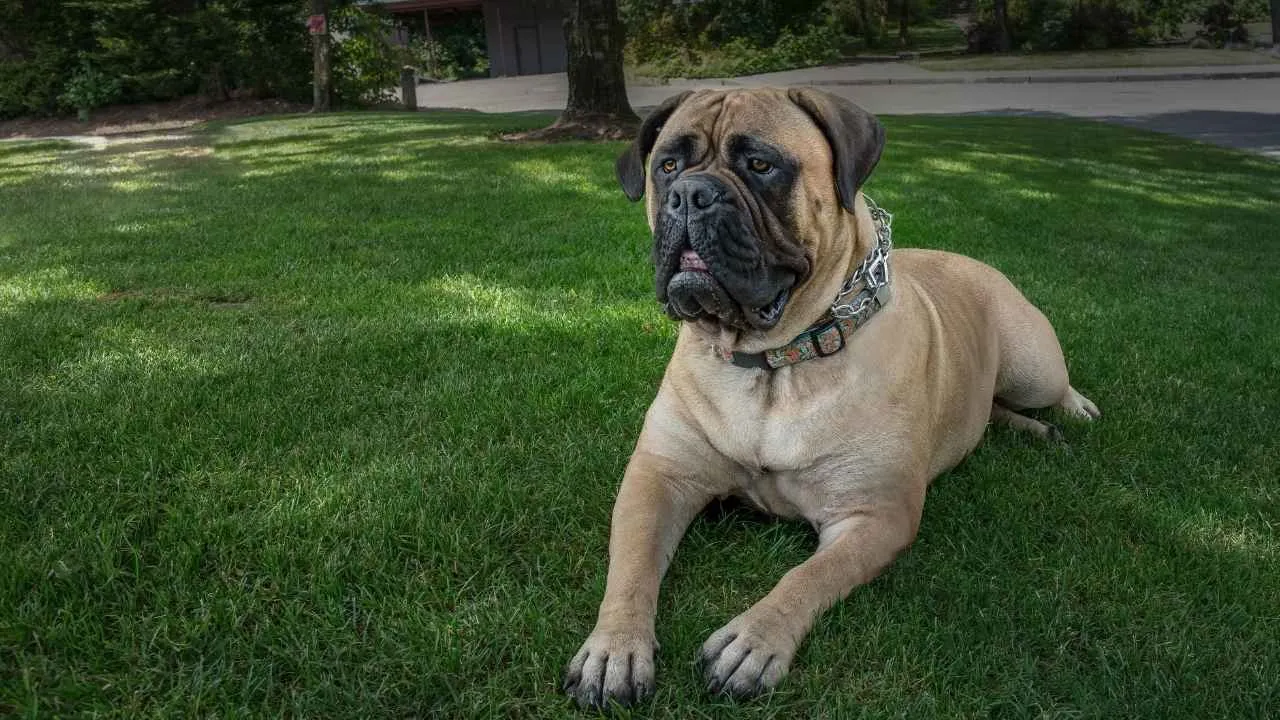
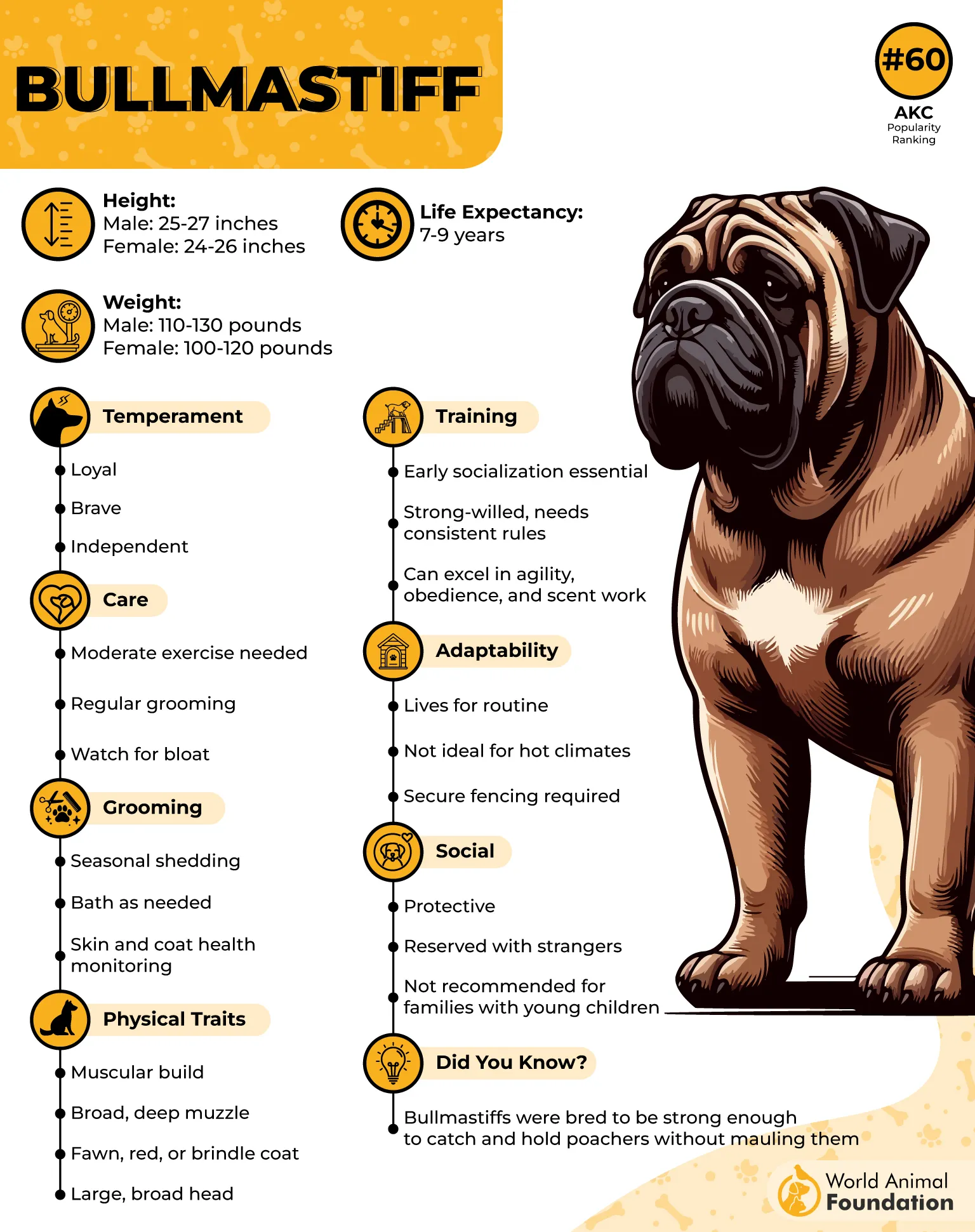
Bullmastiffs are large, muscular dogs originally developed in England to guard country estates against poachers. They were bred by crossing Bulldogs and Mastiffs, combining strength with a calm and affectionate nature.
Their broad heads, deep muzzles, and confident expressions give them an imposing appearance. Despite their size, they are gentle companions who form strong bonds with their families.
Protection and Temperament
Bullmastiffs are devoted to their families and naturally protective of the people they love. They are usually quiet and rarely bark without reason, but they can be wary of strangers and may only accept visitors introduced by someone they trust.
At home, they are affectionate, playful, and often enjoy staying close to their owners. Early socialisation and firm, consistent training are important because of their strength and stubborn nature.
Exercise and Living Needs
Bullmastiffs need regular activity and enjoy spending time playing with their families.
They thrive on human companionship and should not be left alone for long periods.
Their short muzzles can make them prone to respiratory problems.
They need a balanced diet and careful portion control to prevent obesity and reduce strain on their joints.
Conclusion
Choosing a powerful guard dog breed means looking beyond size and strength. The right dog should be able to protect your home while forming a loving bond with everyone in the family.
Before choosing a guardian breed, consider your experience, lifestyle, living space, and ability to meet its daily needs. Take time to research each breed and speak with responsible breeders or adoption centres.
A good family protector is not simply a strong dog; it is a devoted companion who knows when to be watchful and when to enjoy being part of the family.
