




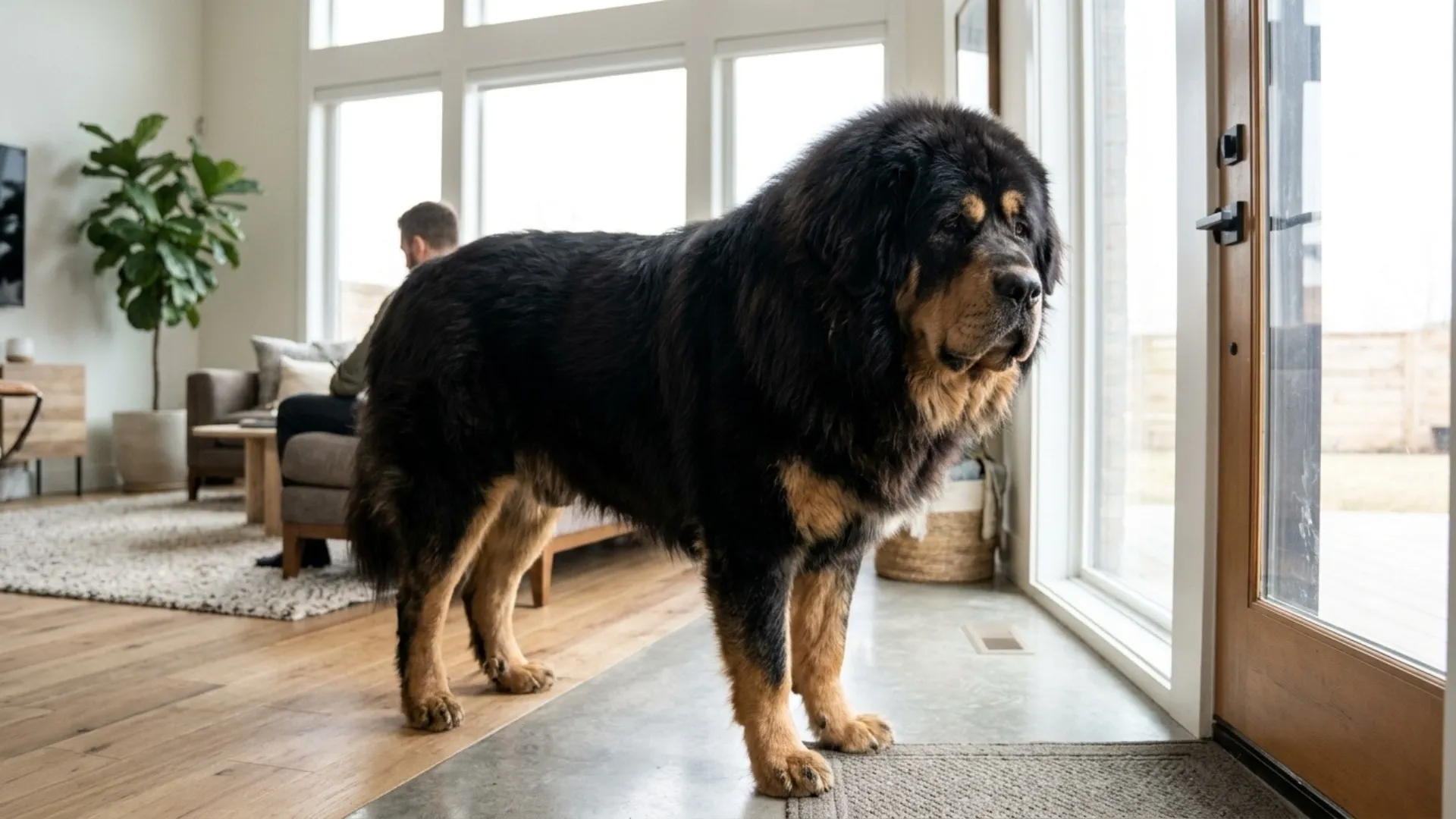
Living alone feels a lot more secure when you share your home with a massive, deeply loyal dog that has your back day and night. Giant guardian and working breeds bring an unmistakable physical presence, steady nerves, and fearless devotion—deterring unwanted visitors before they ever reach your door while doubling as affectionate, comforting roommates.
For solo dwellers, the best giant breeds combine imposing strength with calm, predictable indoor manners. Rather than pacing nervously or barking at every sound, these large dog breeds stay composed, bond closely with their single owner, and thrive on clear daily routines.
With proper socialization, consistent leadership, and enough space to stretch out, they offer unmatched peace of mind and true companionship.
Below, explore the most unstoppable big dog breeds for solo living—including their temperaments, protective instincts, and everyday care needs to help you find your ideal match.
Unstoppable Giant Dog Breeds for Solo Living
1. Komondor
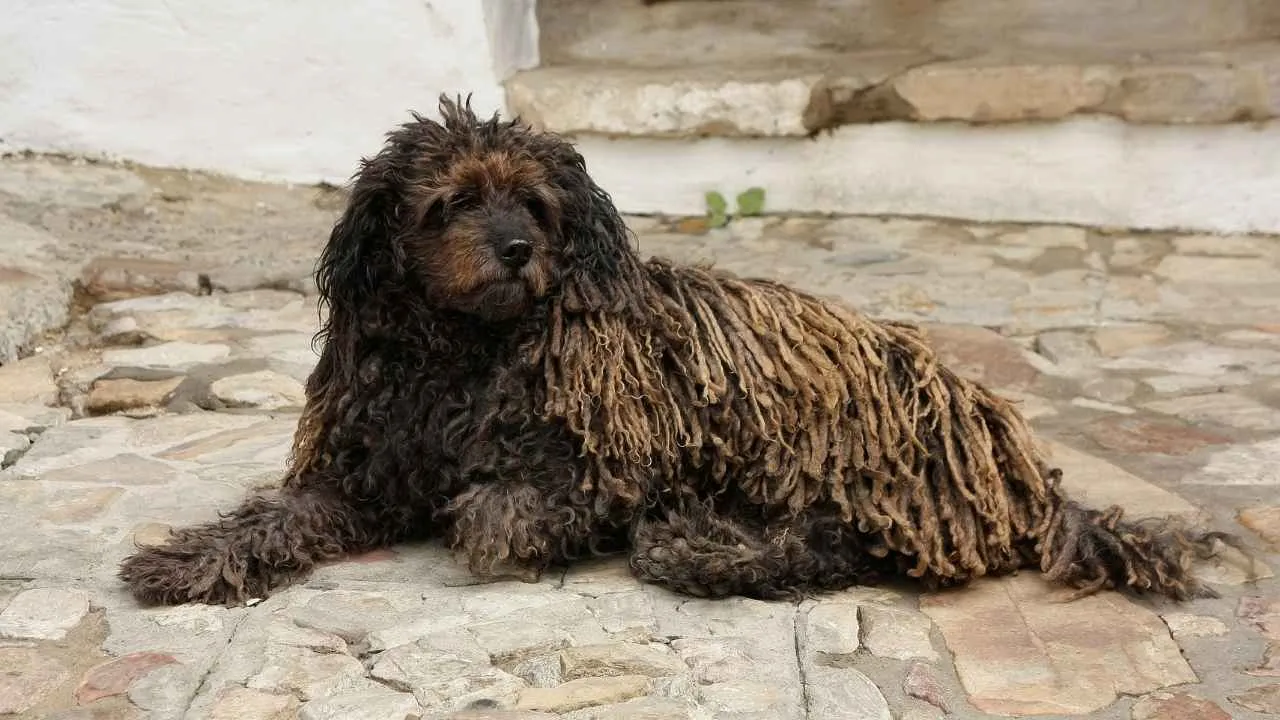
Originating in Hungary, the Komondor was developed to guard livestock and protect flocks from predators. This powerful, independent working dog is instantly recognizable by its long, white cords, which helped it blend among sheep while providing protection from harsh weather.
According to WebMD, the Komondor is a large, white Hungarian breed traditionally used to protect livestock and recognized for its distinctive, long, corded coat.
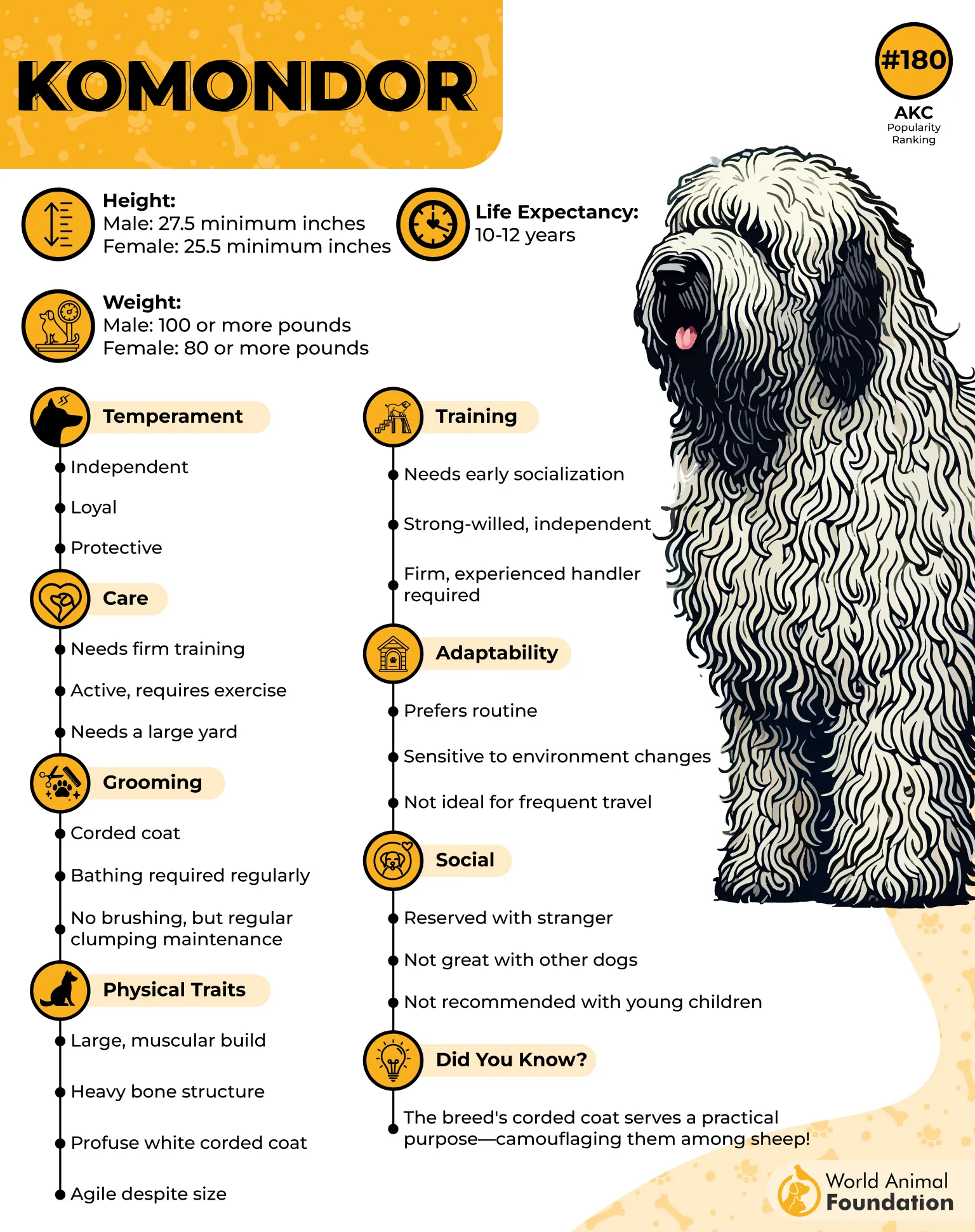
Beneath its unusual coat lies a confident, loyal guardian with a strong instinct to defend its home and family. The Komondor was expected to assess threats without constant direction from a shepherd, so its independent nature remains an important part of its temperament.
Its corded coat requires specialized maintenance rather than ordinary brushing. Owners must keep the cords clean and properly separated, while regular walks and opportunities to explore provide suitable physical activity.
How This Breed Stands Out
Distinctive, corded coat resembles thick, hanging ropes: Its long white cords create an unmistakable appearance and reflect its working heritage.
Strong livestock-guardian instincts reflect its traditional role protecting flocks: Its independent, watchful nature developed through guarding sheep against predators.
2. Tibetan Mastiff
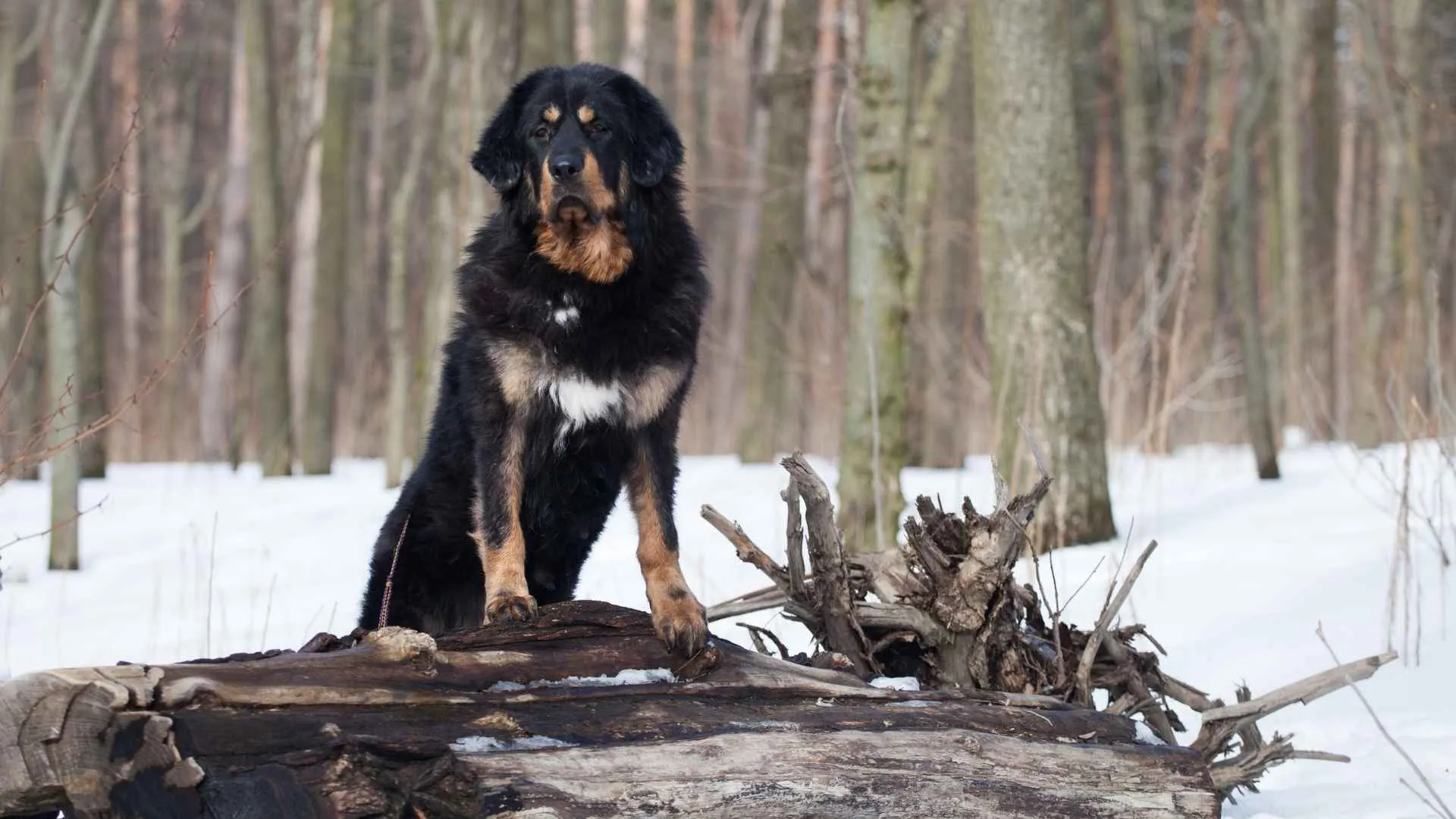
Originating in the Himalayan region, the Tibetan Mastiff served as a guardian for livestock, homes, and camps in harsh mountain environments. According to PetMD, Tibetan Mastiffs have a dense double coat featuring a thick, rough outer layer and a soft, woolly undercoat.
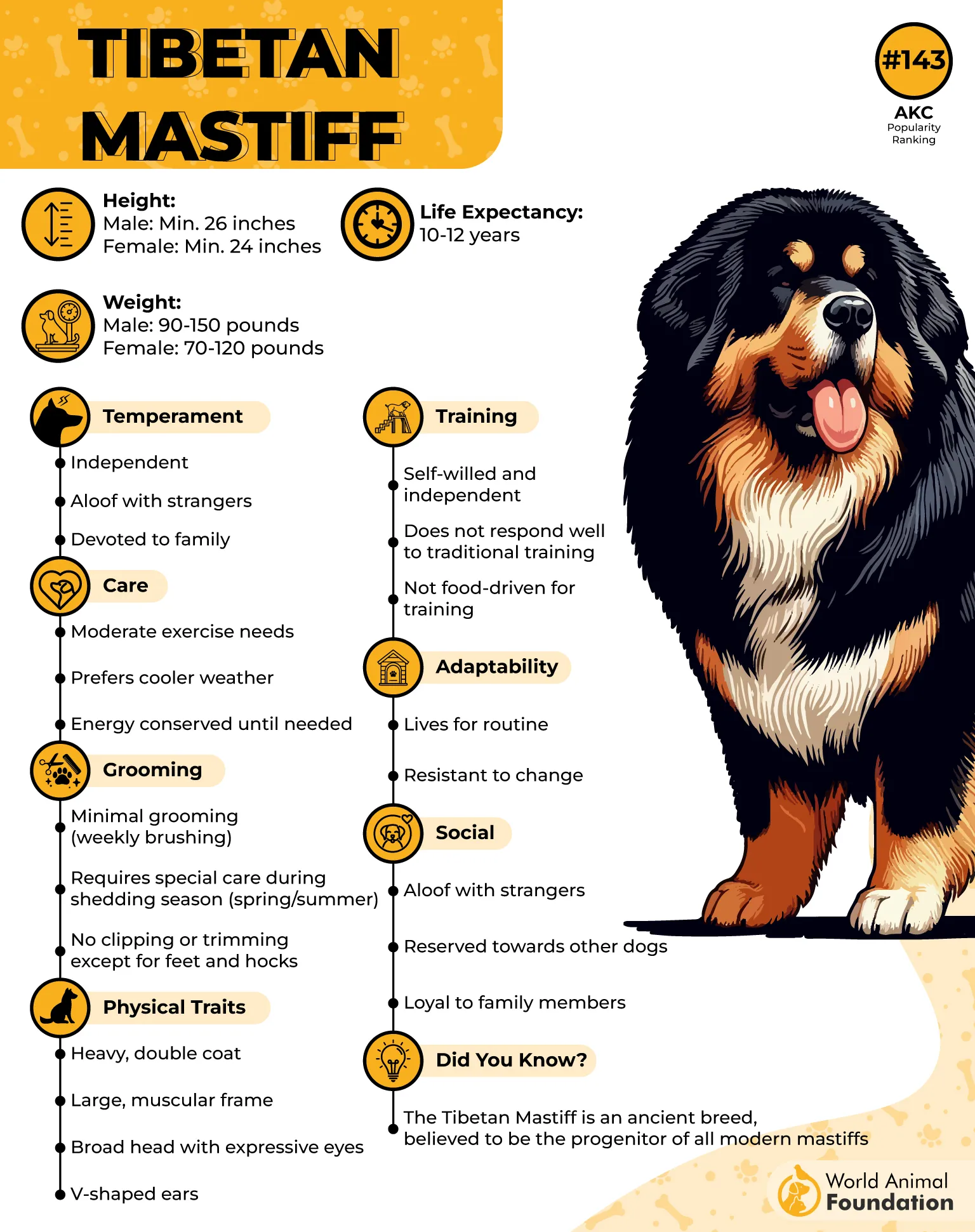
Unlike dogs that constantly seek affection, this breed tends to be independent and self-assured. Its strong territorial instincts make it naturally watchful, particularly around unfamiliar people and animals.
Experienced owners are better equipped to manage its guarding temperament, as this is a strong dog whose size and instincts require reliable handling, socialization, and clear boundaries.
The Tibetan Mastiff’s dense double coat provides insulation in cold climates but requires regular brushing, with additional grooming during seasonal shedding. Moderate walks and controlled outdoor activity help meet its exercise needs without excessive repetitive exertion.
How This Breed Stands Out
Impressive mane and massive frame create a lion-like appearance: Its abundant neck fur and powerful build give it a striking silhouette.
Its naturally watchful, independent nature makes early socialization essential: Early exposure to people and different environments, alongside consistent training, helps manage its protective instincts.
3. Anatolian Shepherd Dog
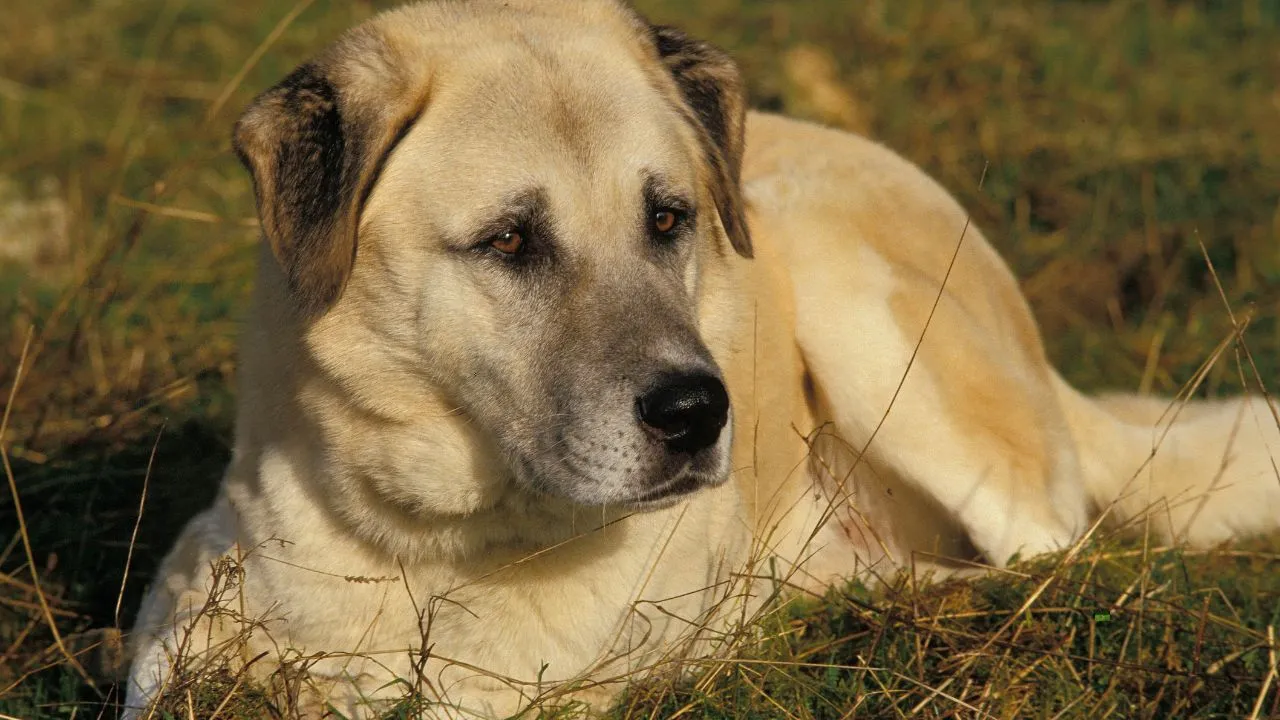
Originating in Turkey, the Anatolian Shepherd Dog was developed to protect livestock across vast rural landscapes. Its powerful frame, broad head, and rugged constitution reflect a working heritage that demanded endurance and the ability to withstand changing weather while guarding flocks from predators.
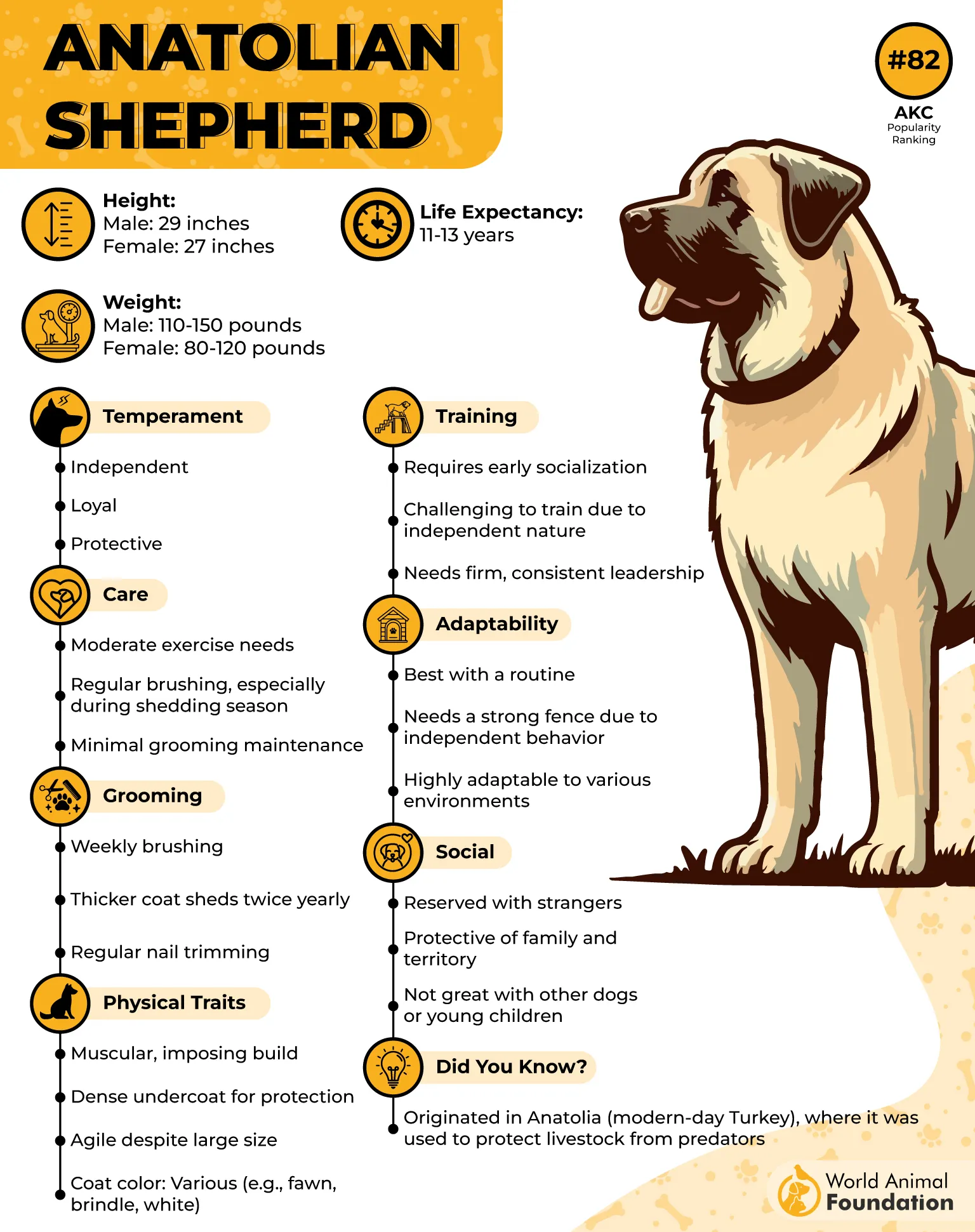
It is typically loyal toward familiar people but can be wary of strangers and react quickly to perceived threats. Careful management, early social interaction, and consistent training are essential for responsible ownership.
Its short, dense double coat is relatively easy to maintain, although regular brushing helps control seasonal shedding. Long walks, purposeful tasks, and secure outdoor space can help meet its considerable exercise needs, making room to roam especially valuable.
How This Breed Stands Out
Self-reliant guardian instincts suit spacious properties and demanding responsibilities: Its livestock-protection heritage encourages independent judgment and territorial awareness.
Leaner, athletic build supports endurance while patrolling large areas: Its rugged physique and stamina suit extended movement across expansive grounds.
4. Great Pyrenees
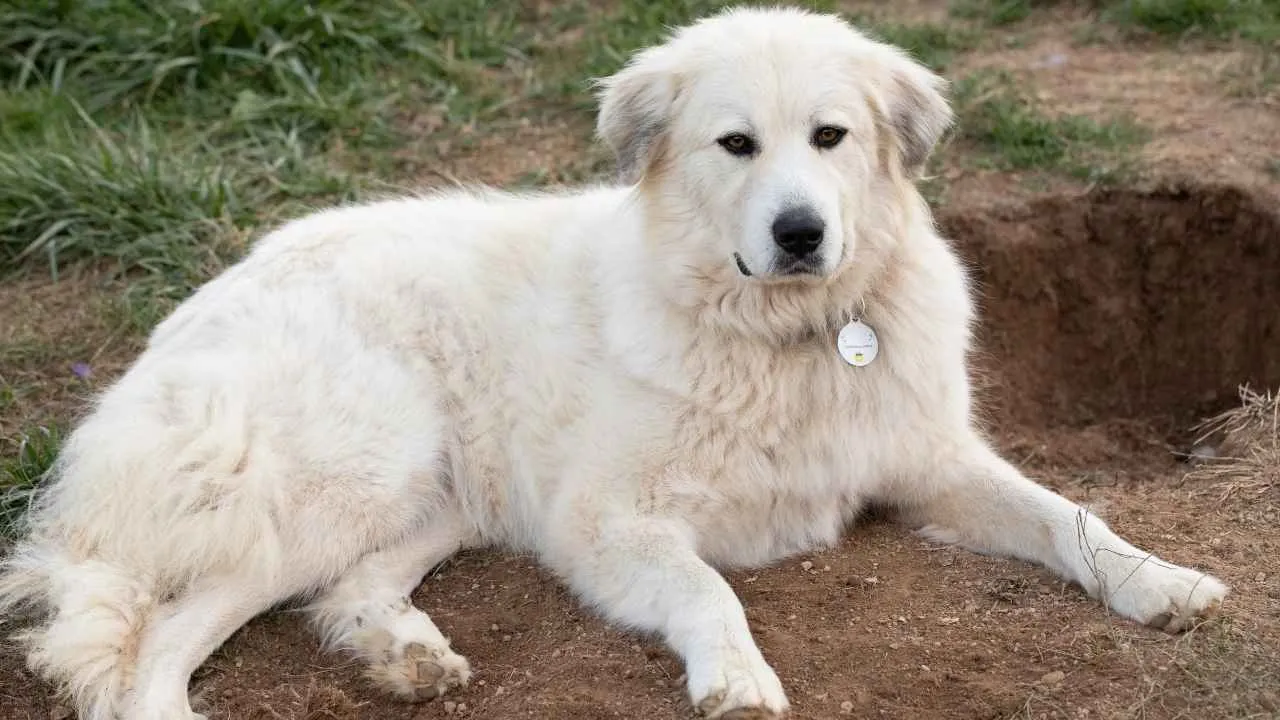
Developed in the mountains between France and Spain, the Great Pyrenees served as a livestock guardian, protecting flocks from predators. Its history shaped a patient, watchful temperament and an ability to remain alert for long periods without constant direction from a shepherd.
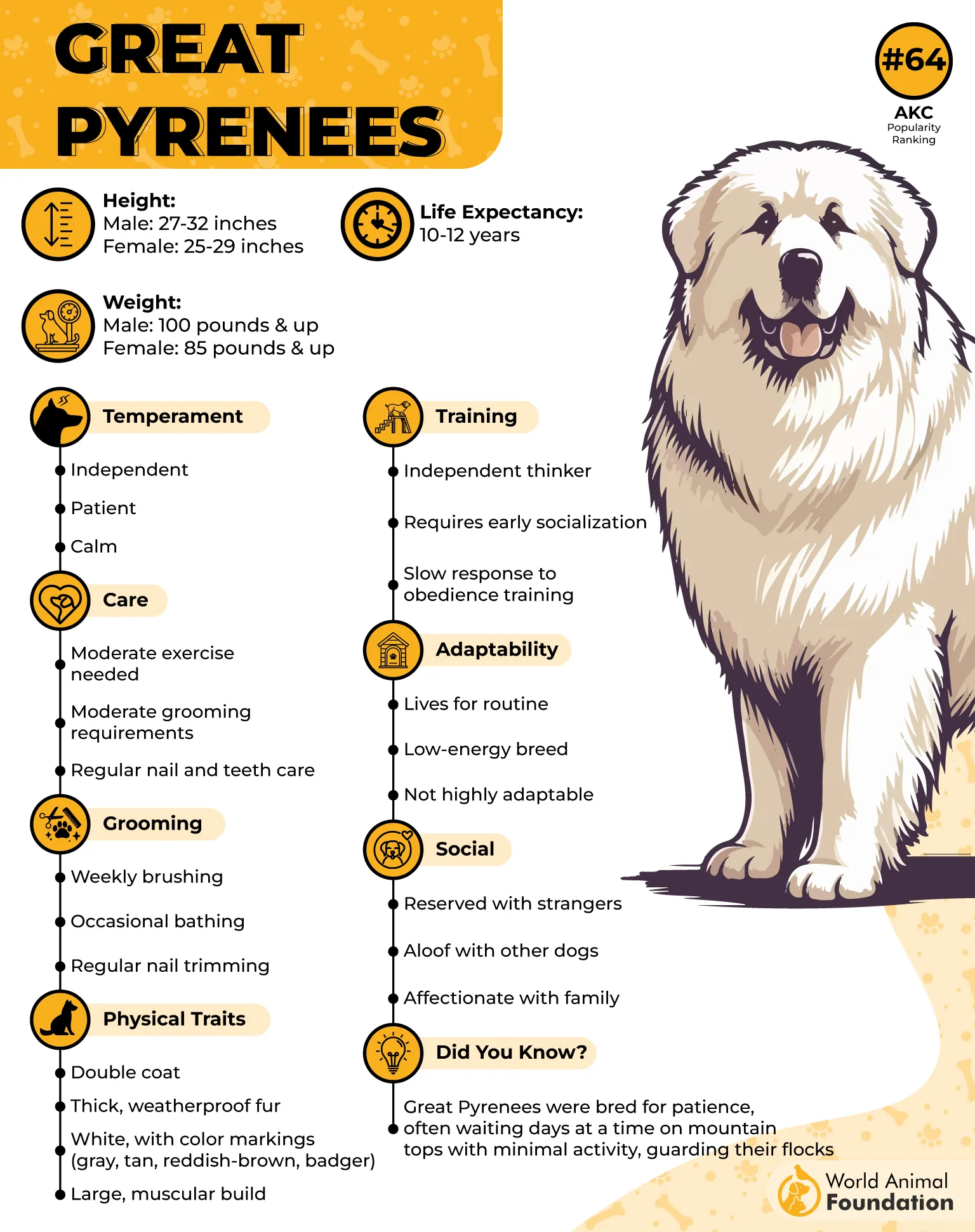
Beneath its calm demeanor lies an independent thinker that may investigate unfamiliar sounds or movements on its own. Although gentle with its family, this large breed can be protective of its territory and benefits from early socialization and consistent training. It also needs sufficient space to move comfortably.
Its dense, white double coat provides insulation in cold mountain conditions but sheds heavily. Regular brushing helps manage loose fur and remove trapped debris, with extra grooming needed during seasonal shedding. Daily walks and gentle hikes provide suitable opportunities for exercise.
How This Breed Stands Out
Independent decision-making stems from generations of livestock guarding: Its working heritage encouraged it to assess potential threats without constant human guidance.
Dense white double coat provides insulation in cold, exposed environments: Its thick, weather-resistant fur helps protect it in chilly mountain conditions.
5. Newfoundland
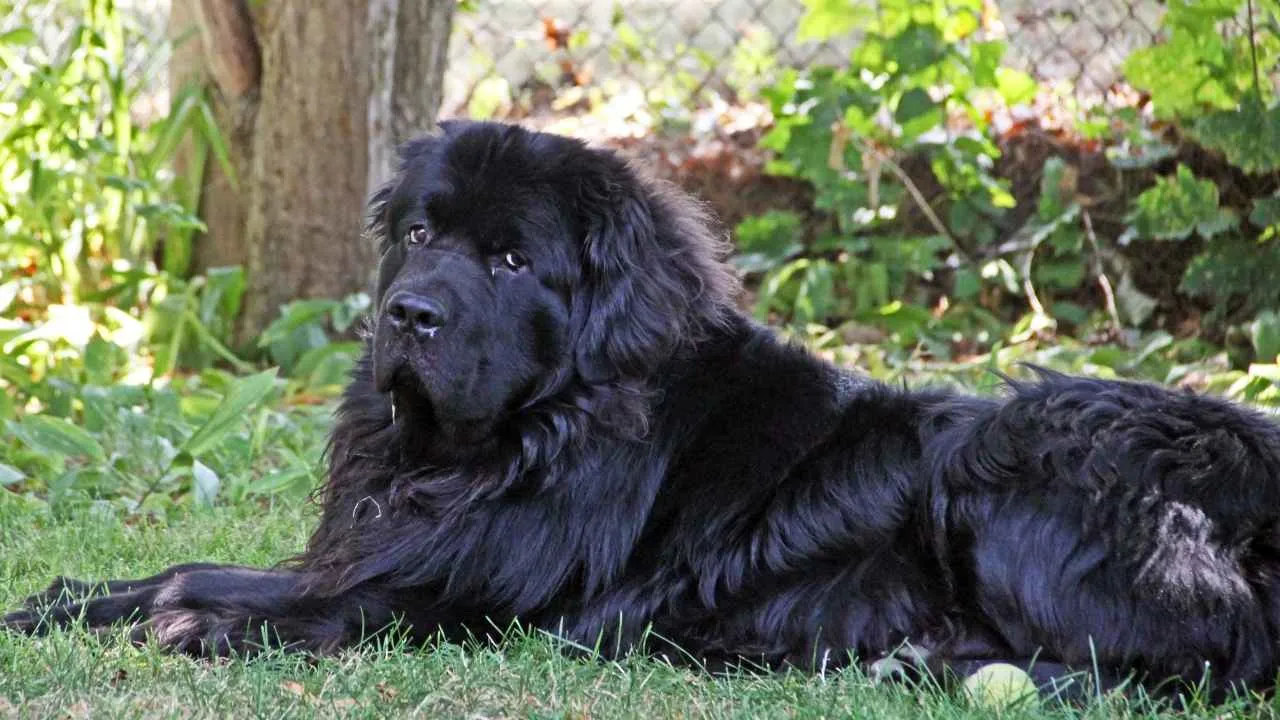
Known for its impressive strength and swimming ability, the Newfoundland was developed to assist fishing communities and help rescue people from the water. Its large, powerful body is complemented by webbed feet and a thick, water-resistant coat, features that support its natural affinity for swimming.
According to Purina, Newfoundlands are gentle, sociable, and intelligent dogs whose cooperative nature makes training easier.
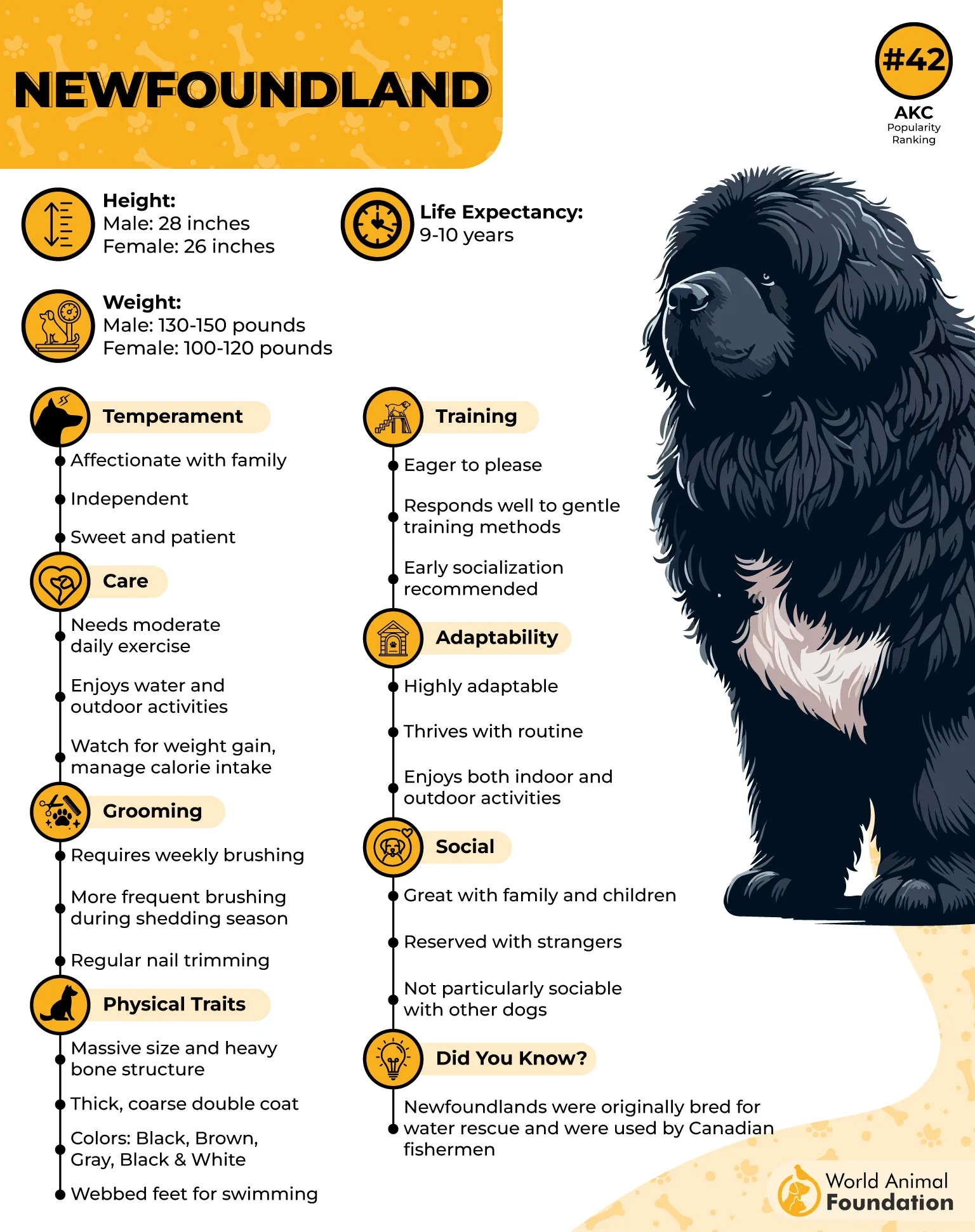
The Newfoundland’s personality is calm and caring, which helps explain why these dogs can be great companions for owners who want a steady, sociable presence. Newfoundlands are affectionate companions that often show a protective nature around children, making them valued family dogs.
However, their dense coats shed heavily and require regular brushing to manage loose fur and maintain healthy-looking hair. Their water-loving instincts and substantial build also make appropriate supervision important around pools and other swimming areas.
How This Breed Stands Out
Patient, gentle temperament makes it a steady household companion: Its kind nature and tolerance around children contribute to its reputation as a gentle giant.
Webbed feet and a water-resistant coat reflect its exceptional swimming heritage: These physical features support its historic work in water rescue and assisting fishing communities.
6. Pyrenean Mastiff
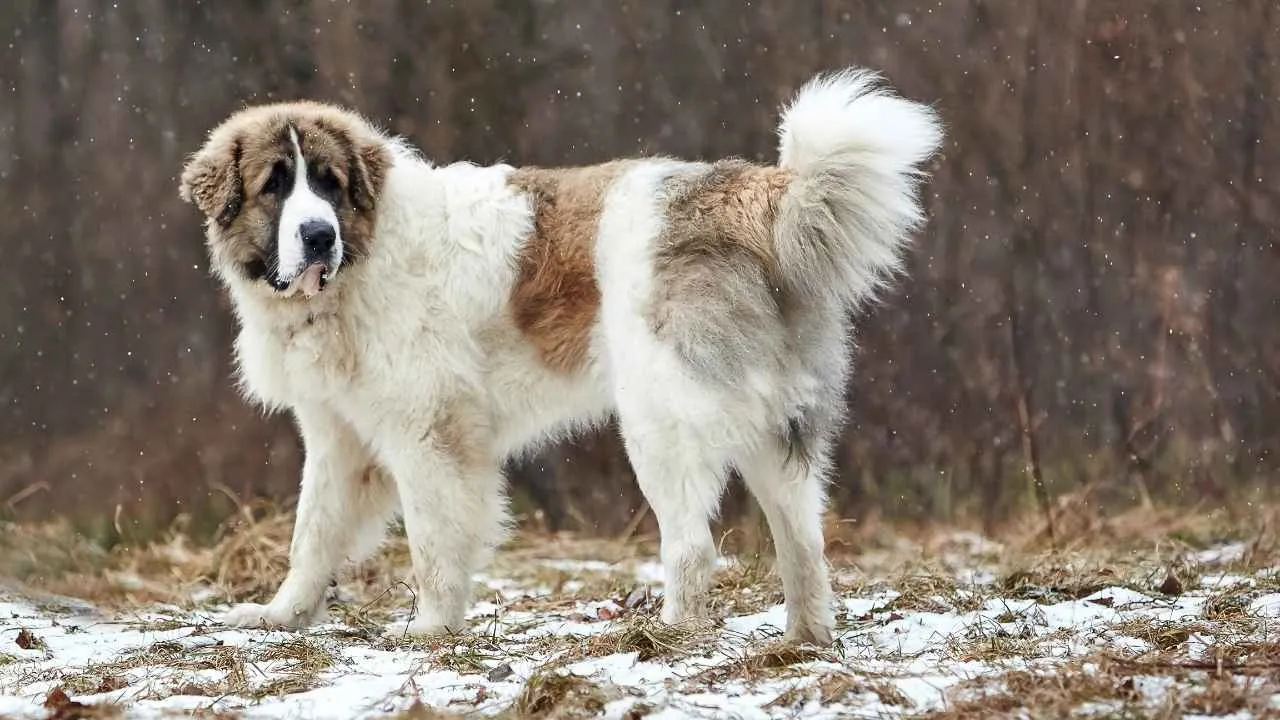
Originating in the Spanish Pyrenees, the Pyrenean Mastiff was bred to protect livestock from predators across mountainous pastures. Its massive, heavy-boned frame gives it a formidable presence, while its history as a flock guardian shaped its watchful, protective nature.
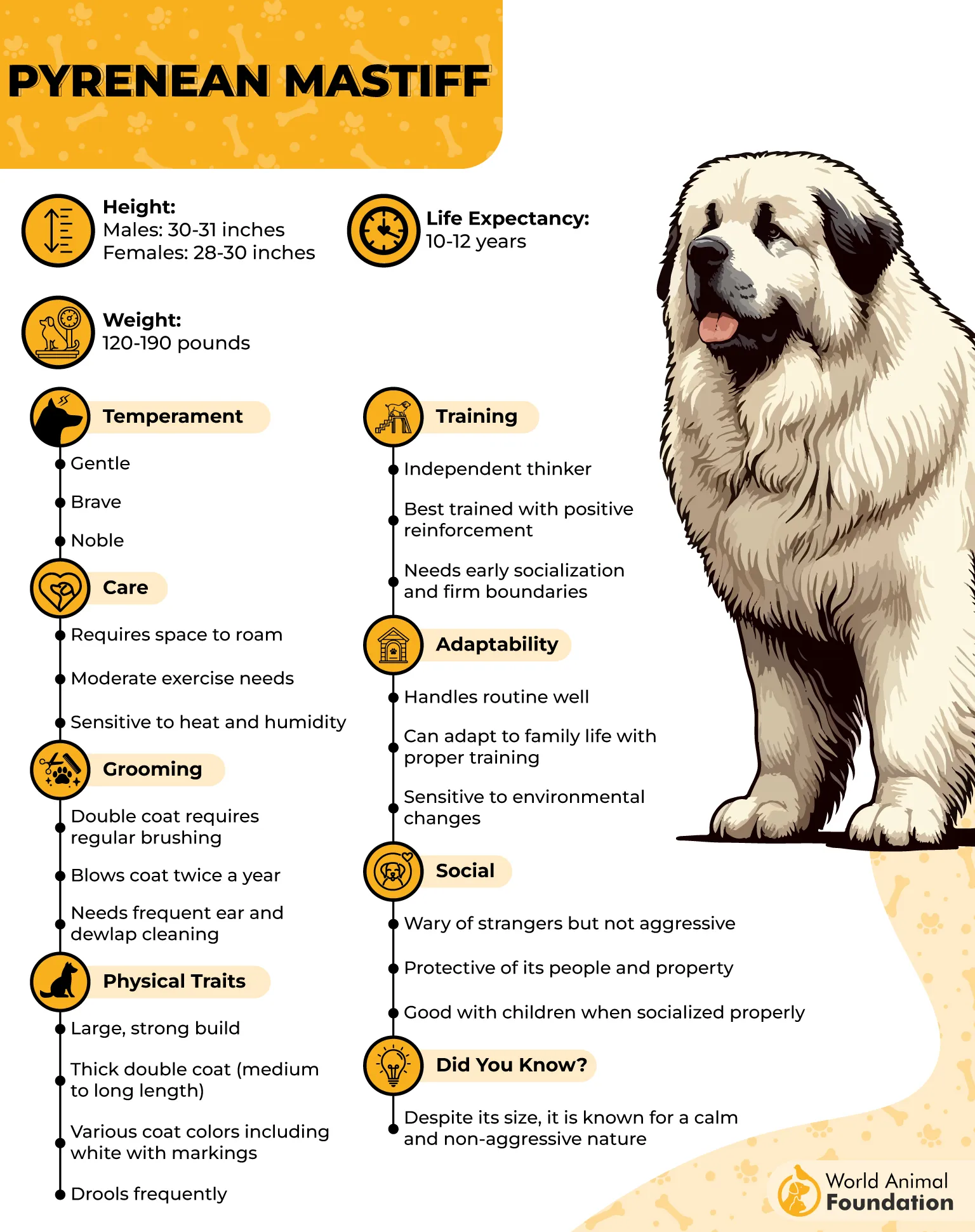
Despite its imposing size, this giant is generally gentle, affectionate, and patient with its household. Properly socialized Pyrenean Mastiffs can be loving companions to children and familiar pets, although they may remain cautious around strangers.
Its long, dense coat needs frequent brushing to control shedding and prevent tangles, especially after outdoor activities. Exercise needs are moderate for such a large breed, with regular walks and controlled exploration preferred over strenuous activity, particularly while young.
How This Breed Stands Out
Massive, heavy-boned build gives it a formidable presence: Its substantial frame reflects its heritage as a powerful livestock guardian.
Generally calm and affectionate with its household when properly socialized: It can be a gentle family companion while remaining alert to unfamiliar people.
7. Romanian Carpathian Shepherd
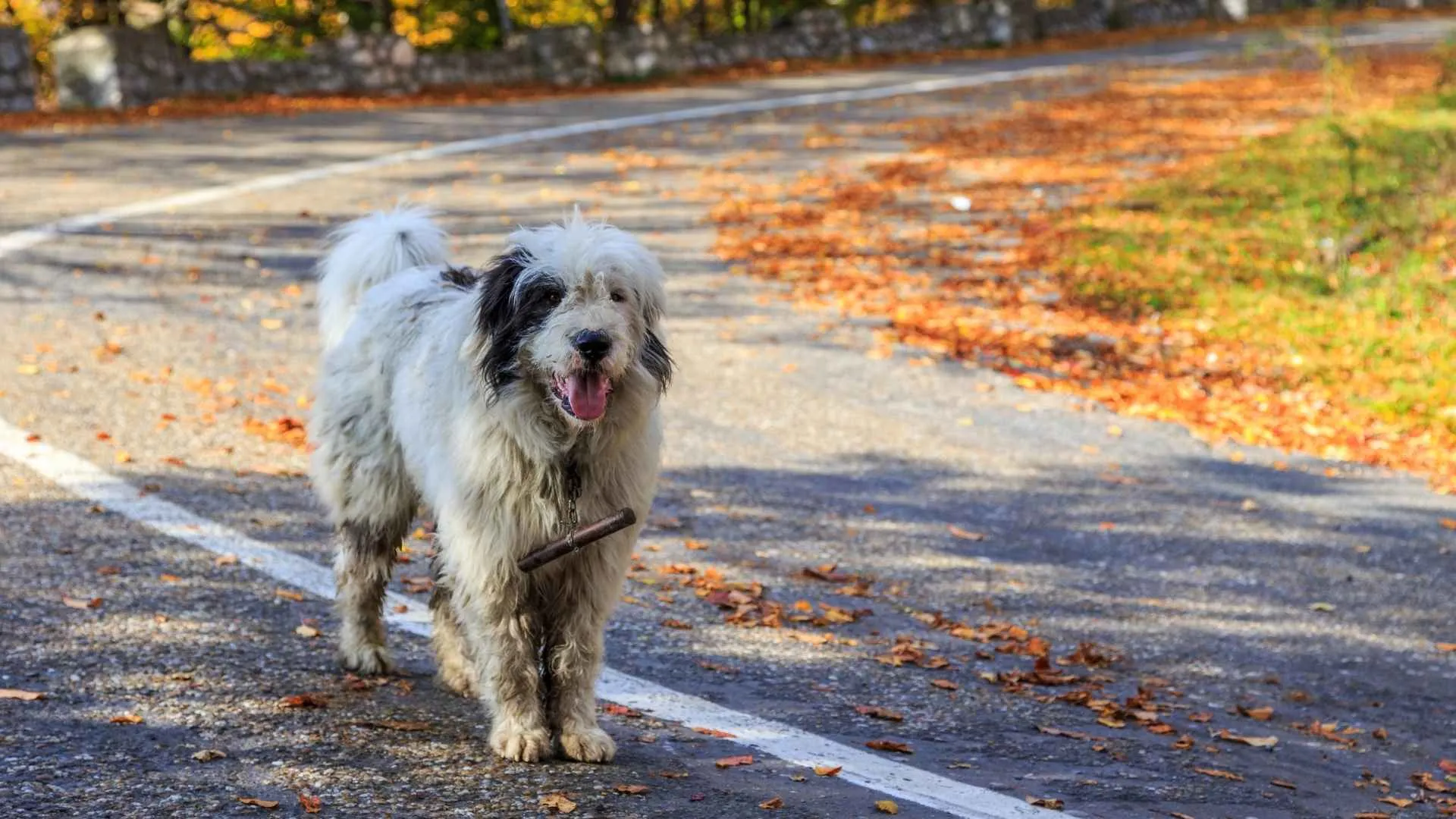
Developed in Romania’s Carpathian Mountains, this powerful livestock guardian protected sheep from predators across remote, rugged landscapes. Its working heritage shaped a calm, dignified temperament alongside strong territorial instincts and the confidence to assess potential threats independently.
The Romanian Carpathian Shepherd has a dense double coat that provides insulation against cold weather and protection in challenging outdoor conditions. Regular brushing helps maintain its coat, with extra grooming needed during seasonal shedding.
Naturally devoted to its family and flock, this breed benefits from early socialization and consistent training. Because it is accustomed to making independent decisions while guarding livestock, clear boundaries are essential, particularly when introducing visitors or unfamiliar people to its territory.
How This Breed Stands Out
Strong territorial instincts developed to guard livestock in remote mountain regions: Its heritage encourages vigilance and independent responses to potential threats.
Thick, weather-resistant coat suits rugged outdoor environments: Its dense double coat provides insulation in cold, demanding mountain conditions.
8. Alaskan Malamute
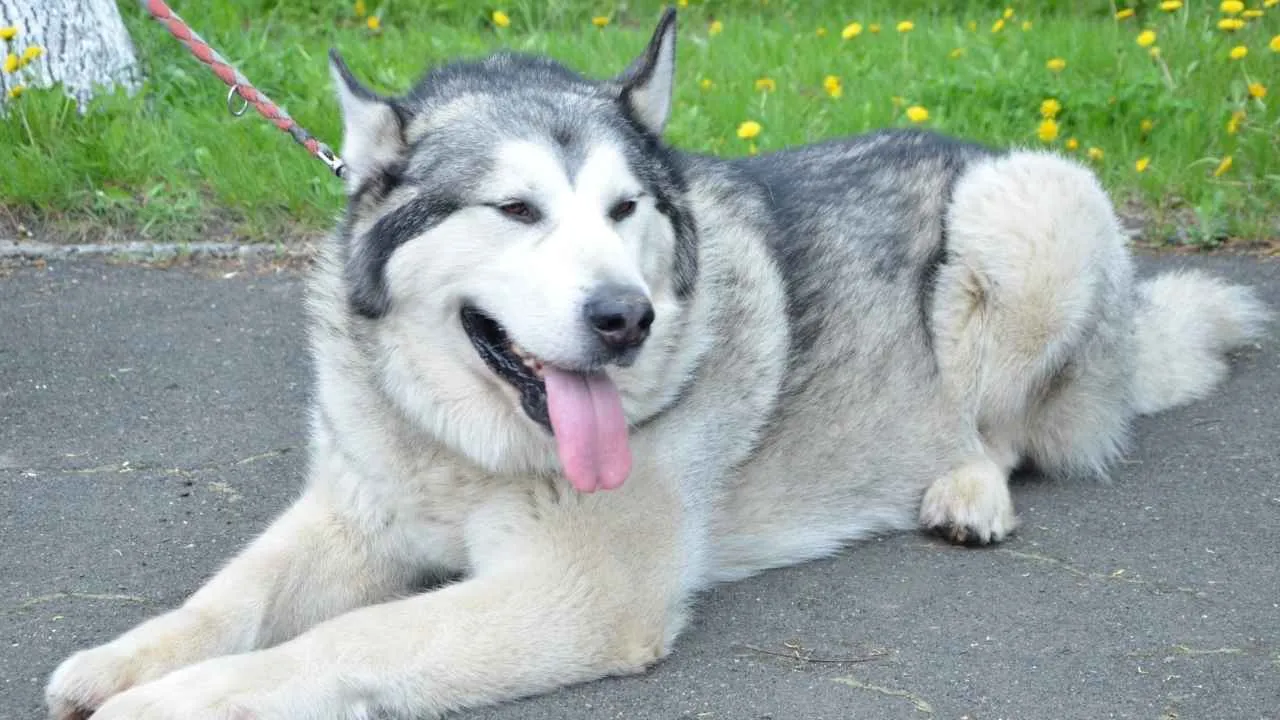
Developed by the Mahlemut people of Alaska to haul heavy loads across Arctic landscapes, the Alaskan Malamute is a muscular, powerful dog built for demanding work. Its broad chest, strong shoulders, and substantial frame reflect generations of pulling sleds through challenging conditions.
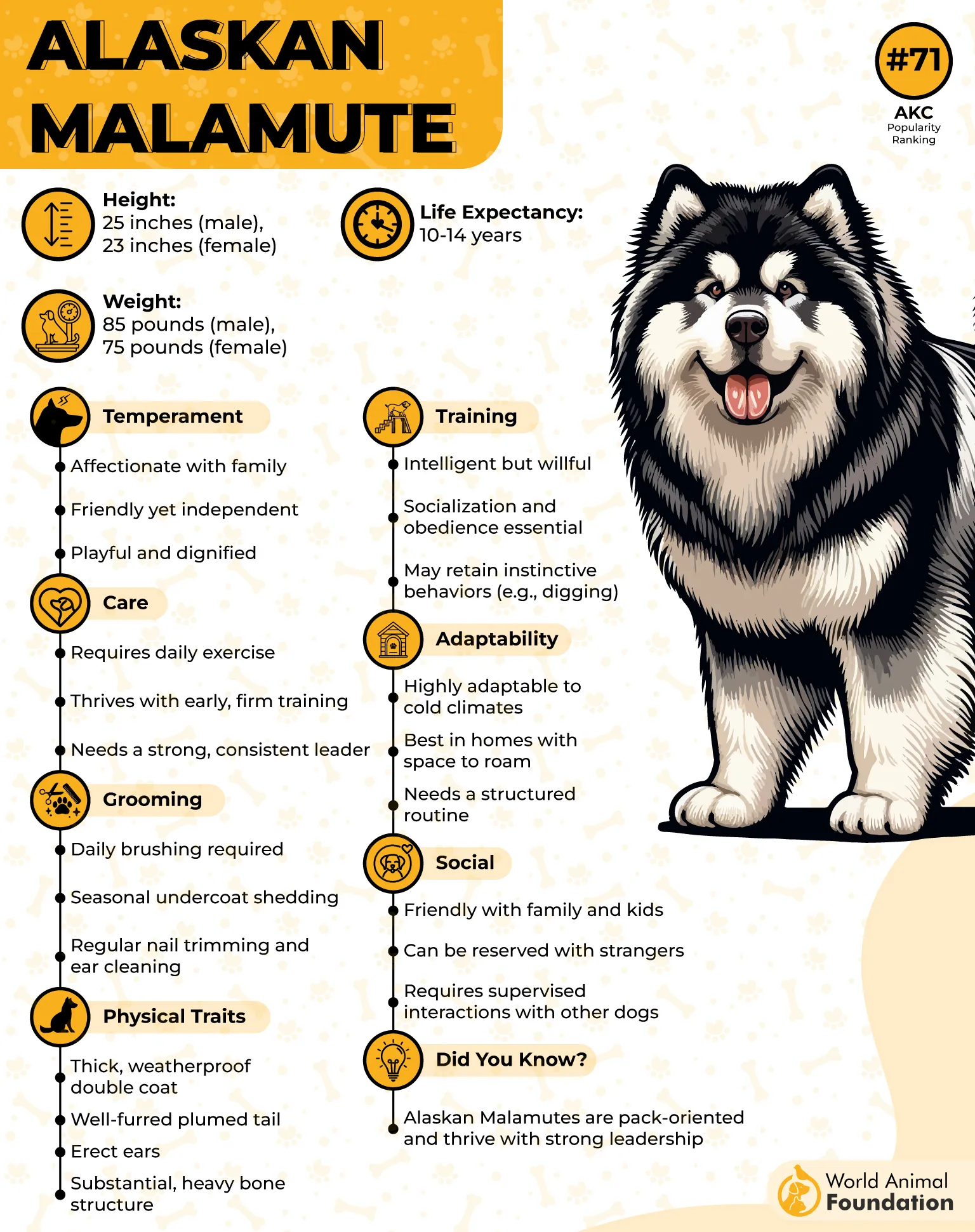
Beneath its rugged appearance lies an affectionate, loyal companion with a playful side. Malamutes enjoy spending time with their families, but their thick double coat requires frequent brushing, particularly during seasonal shedding. Their dense fur provides insulation in cold weather, making them better suited to cooler climates than hot environments.
Malamutes are independent and self-assured, so early, consistent training and clear boundaries are essential. They also need plenty of exercise and purposeful activities, such as long walks, hiking, and supervised pulling work, to channel their strength constructively.
How This Breed Stands Out
Powerful, muscular frame reflects its heritage as an Arctic freight hauler: Its sturdy build and strength were developed for transporting heavy loads over snowy terrain.
Independent streak calls for consistent training and purposeful activities: Clear guidance and regular physical challenges help manage its confident, determined nature.
9. Great Dane
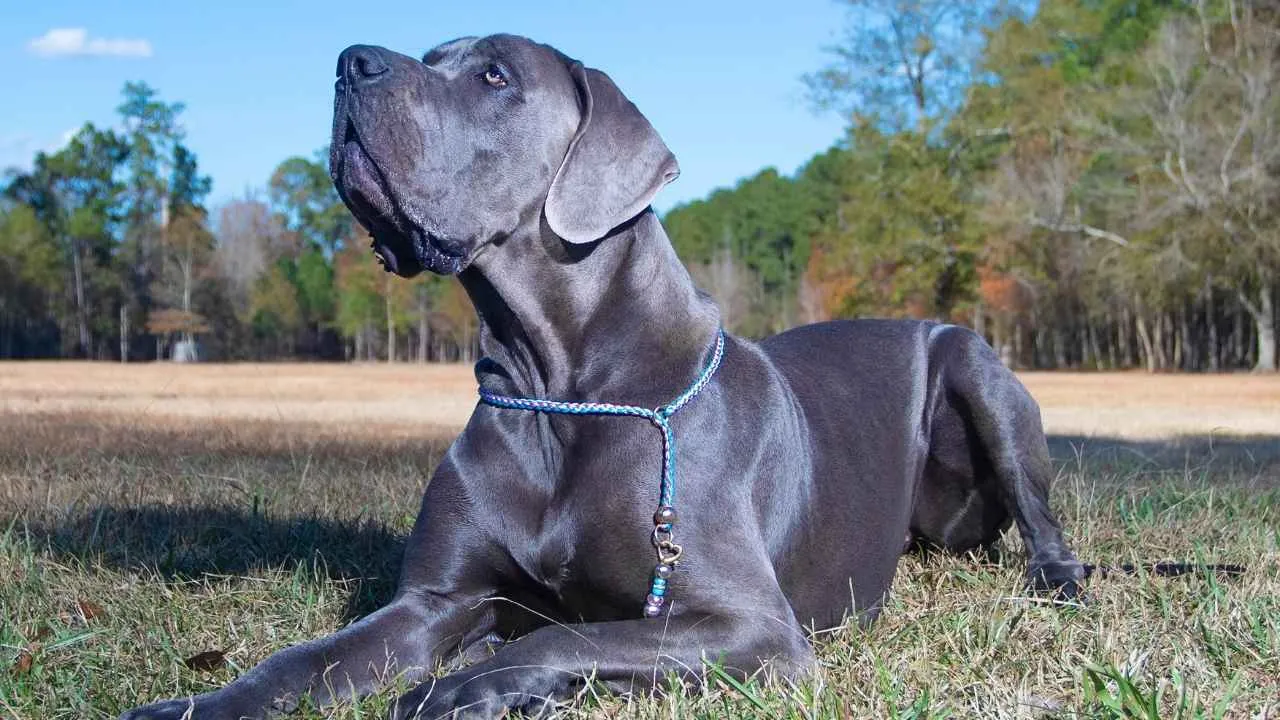
With their towering stature, long legs, and powerful build, Great Danes are impossible to overlook, and they typically weigh about 110–175 pounds. Despite their imposing appearance and history as large-game hunting dogs, they are typically affectionate, friendly companions that form strong bonds with their families.
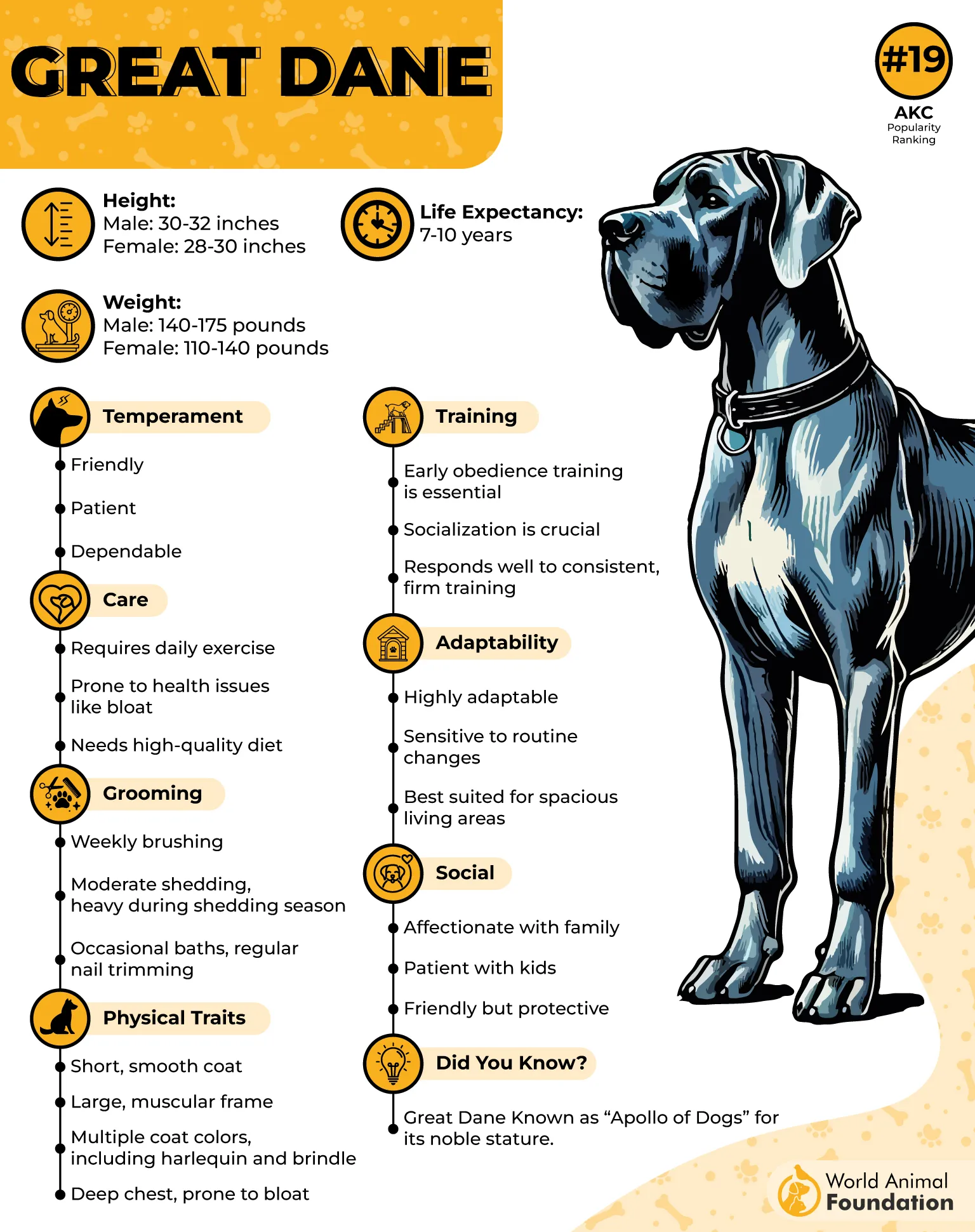
Surprisingly, these gentle giants often enjoy a relaxed indoor lifestyle. Their energy levels are generally low to moderate at home, although daily exercise such as regular walks helps keep them physically stimulated. Their enormous size means they need plenty of room to stretch out and move comfortably.
Great Danes also have a short, smooth coat that requires relatively little grooming, with weekly brushing helping remove loose hair. Prospective owners should consider their substantial food needs and comparatively shorter lifespan before welcoming one into their home.
How This Breed Stands Out
Towering height and long legs create an unmistakably imposing silhouette: Their remarkable stature makes them stand out wherever they go.
Often enjoys lounging indoors despite its enormous size: Great Danes can be calm, affectionate home companions between walks and activities.
Conclusion
Choosing a giant dog for solo living means finding a companion whose temperament, exercise needs, and protective instincts suit your lifestyle. These impressive big dogs offer a range of qualities, from affectionate companionship to natural guarding abilities.
However, large dogs require thoughtful preparation, adequate space, regular grooming, and consistent training. Solo owners should think about whether their daily life can support a large dog’s need for space, training, exercise, and regular care.
The biggest dog breeds also tend to cost more over time because of food, supplies, and veterinary care. Guardian breeds may need extra socialization, while active working dogs benefit from purposeful exercise and mental stimulation.
Before choosing your companion, pet parents should consider their experience, daily routine, and ability to meet a dog’s personality and care needs. With responsible care and the right match, a bigger dog can become a devoted companion and a reassuring presence in your life.
