




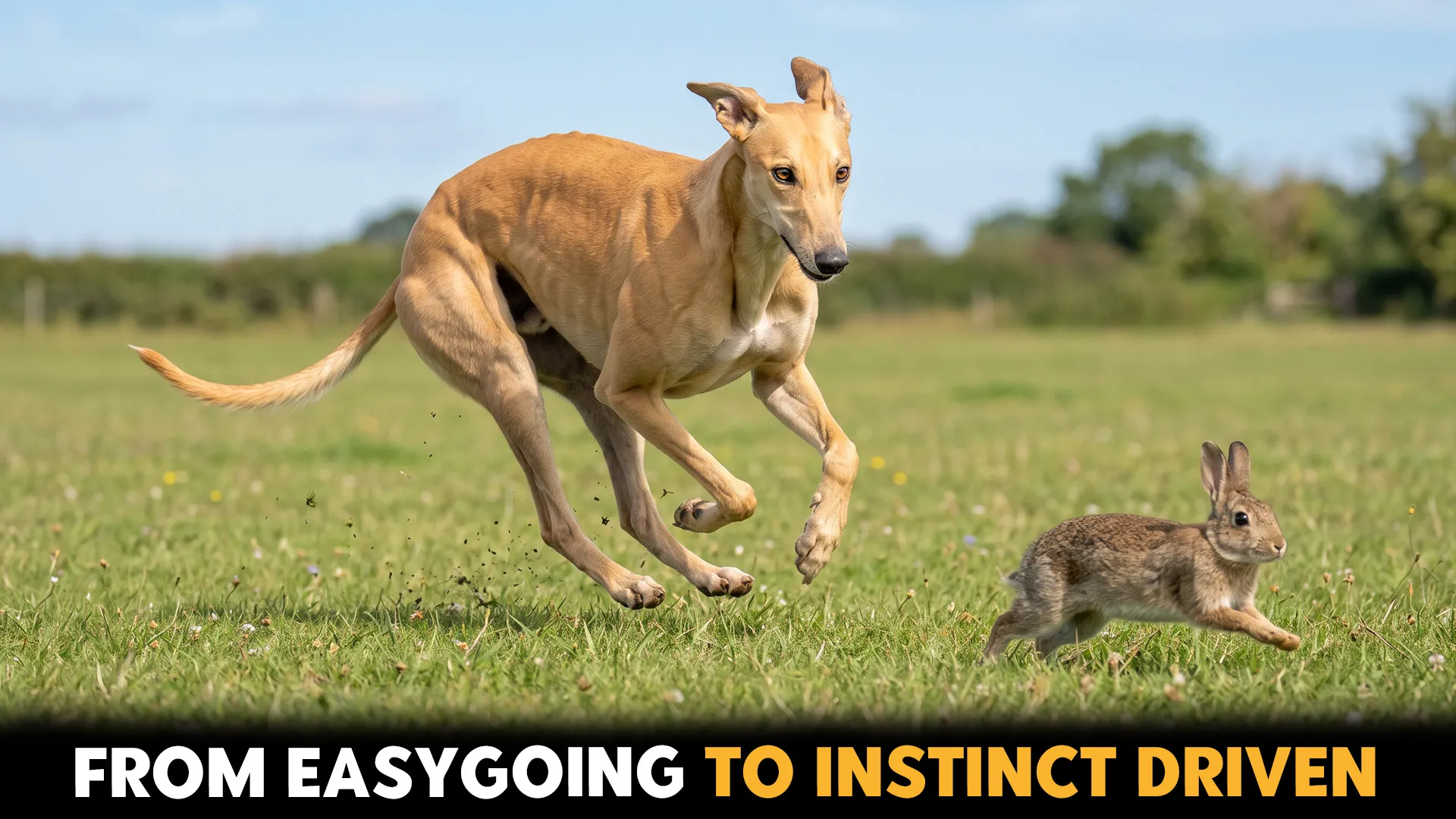
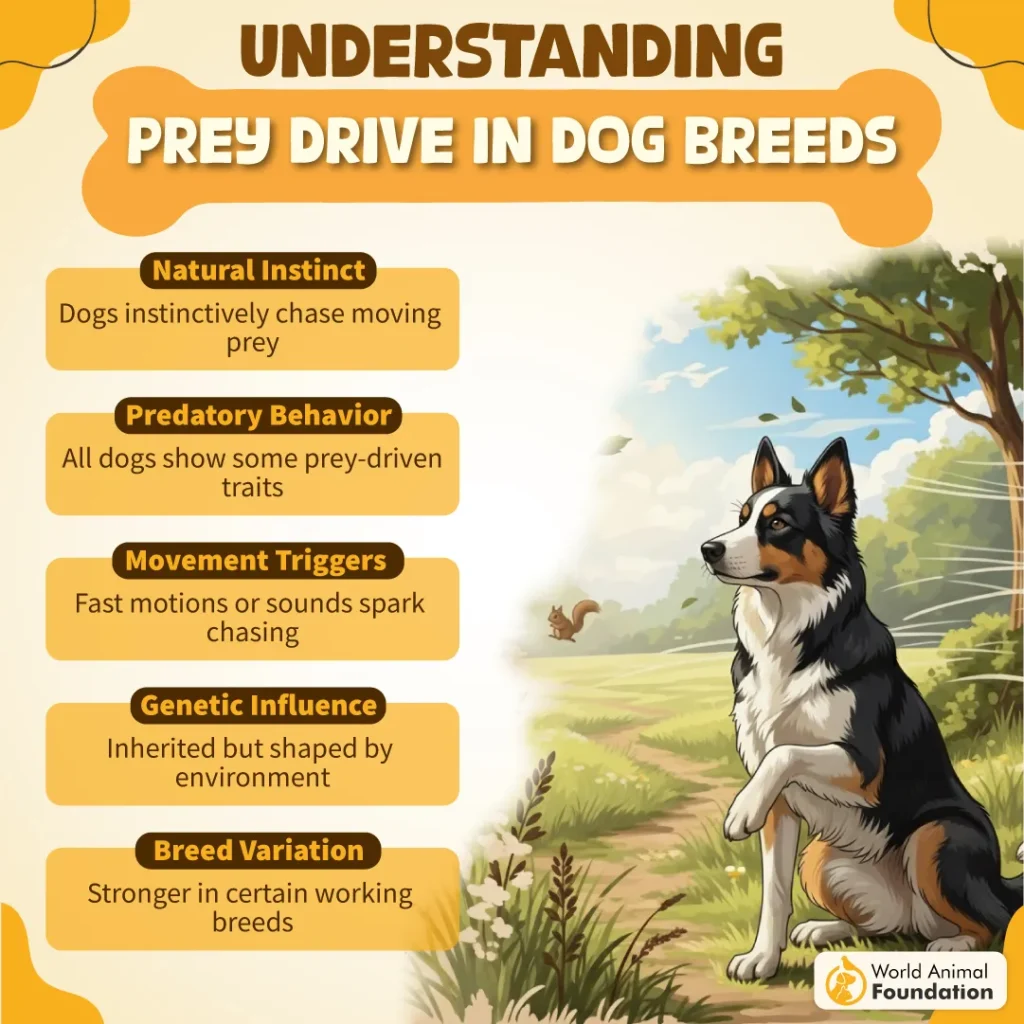
Watch a dog around a flock of birds, a running squirrel, or a toy rolling across the floor, and its instincts can become surprisingly clear. Some dogs notice the movement and quickly lose interest.
Others watch closely, lower their bodies, and prepare to chase at the first opportunity. These reactions are connected to prey drive, an inherited behavioral tendency associated with the pursuit and capture of moving targets. Its expression varies because generations of selective breeding have encouraged different hunting abilities.
Certain dogs were valued for locating quarry, others for chasing it over long distances, and some for catching small animals. Modern companions can retain these tendencies even when they have never been involved in hunting. This makes prey drive particularly relevant when assessing behavior around wildlife, cats, and other small pets.
Comparing dogs across nine instinct levels offers a closer look at their natural tendencies, typical reactions, and the practical considerations that come with them.
Key Takeaways
What happens when a squirrel suddenly crosses your dog’s path during a walk? Its immediate reaction could reveal a fascinating hunting instinct passed down through generations.
The Afghan Hound was historically used to hunt animals as large as wolves and even snow leopards, while the energetic Jack Russell Terrier specialized in hunting foxes underground.
These inherited instincts can show up in everyday life in unexpected ways, with Border Collies sometimes chasing bicycles, passing joggers, and even running children.
Read till the end to discover how these natural tendencies can influence your dog’s behavior around smaller pets and affect your choice of a family companion.
Top Dog Breeds: From Low to High Prey Drive Levels
1. Afghan Hound
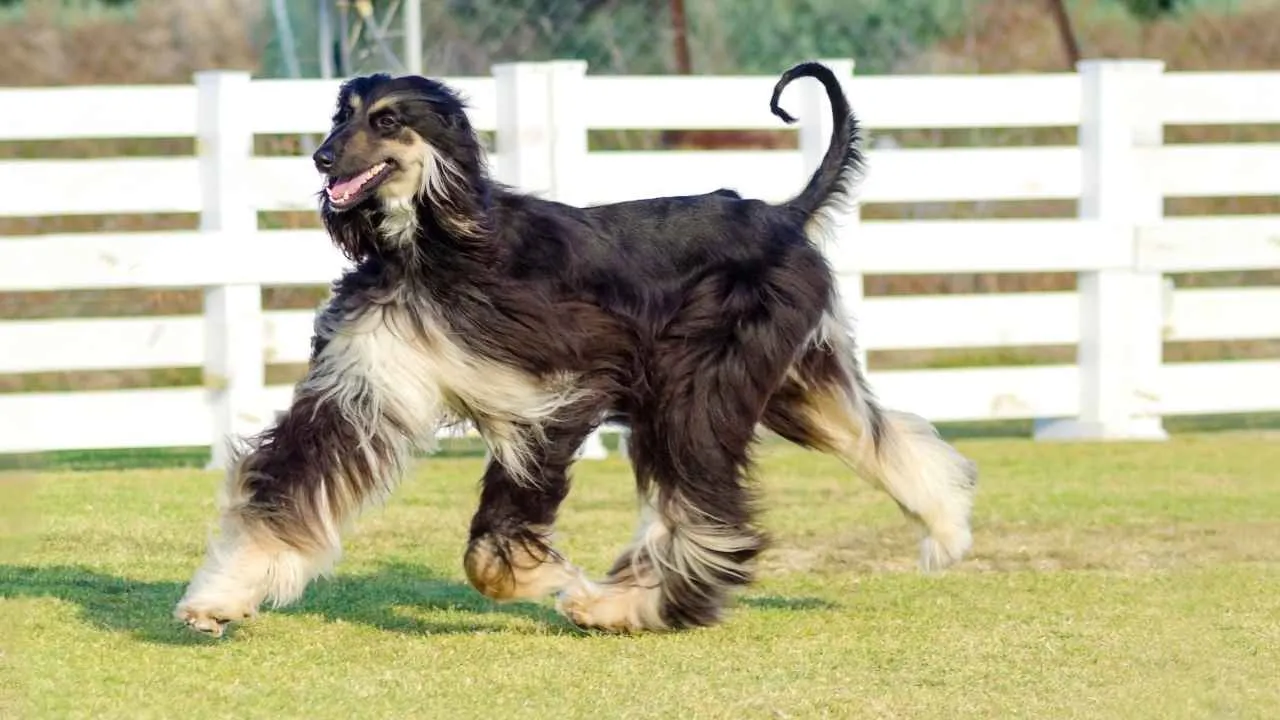
The Afghan Hound is believed to descend from Saluki-type dogs brought to Afghanistan from Persia. Its long history in the country’s rugged mountains and harsh climate shaped the breed’s distinctive appearance, while Afghan nomads valued these hunting companions enough to celebrate them at annual festivals.
An Exceptionally Strong Chase Instinct
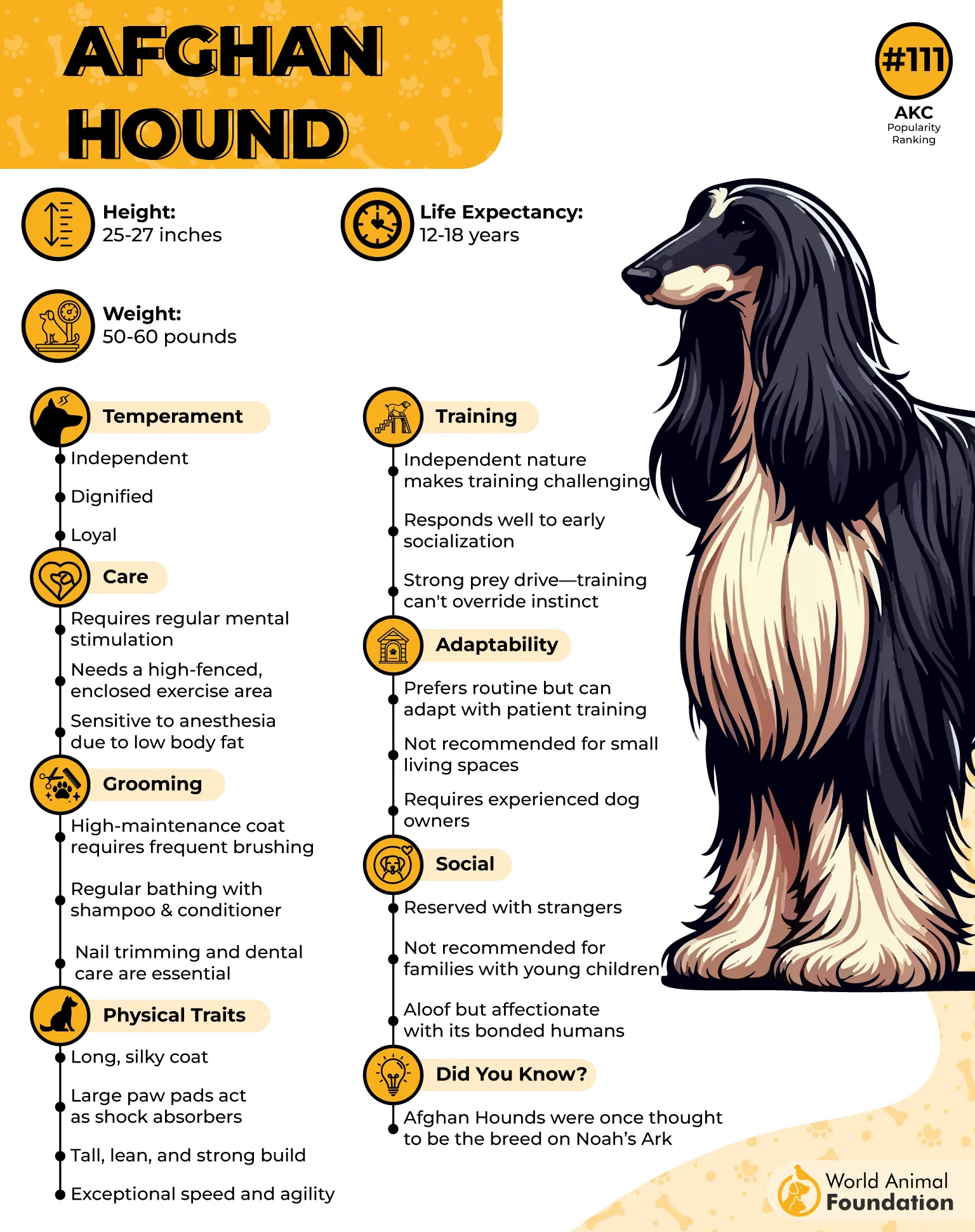
An Afghan Hound has an extremely high prey drive, inherited from generations of hunting across challenging terrain, as per the AKC. A squirrel or another small animal can quickly catch its attention, and once it begins running after something, getting its focus back can be difficult.
Its hunting abilities come with some important considerations:
Historically pursued hares, gazelles, wolves, and even snow leopards.
Can reach impressive speeds during a chase.
Needs a secure leash and careful supervision outdoors
An Independent Mind and a Demanding Coat
Afghan Hounds can be affectionate with familiar people yet reserved around strangers. Training requires patience because they have an independent nature, while their long coat needs several hours of grooming throughout the week to prevent tangles and keep it in good condition.
2. Greyhound
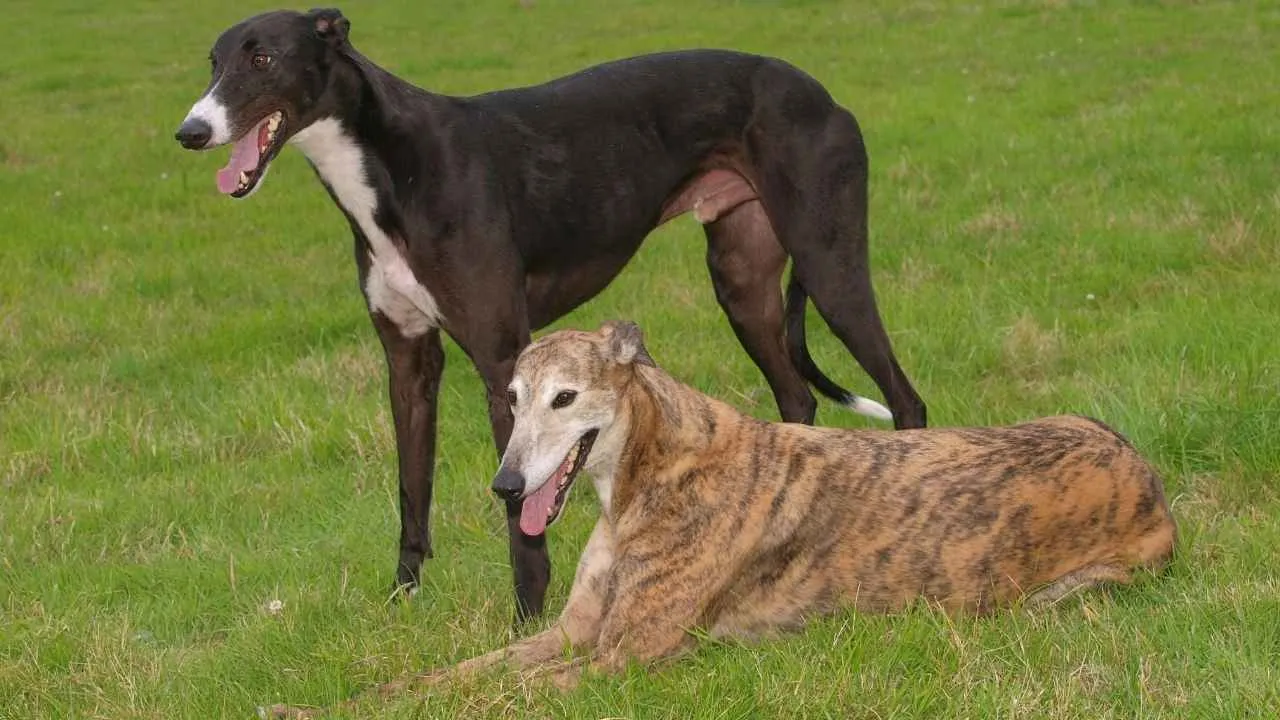
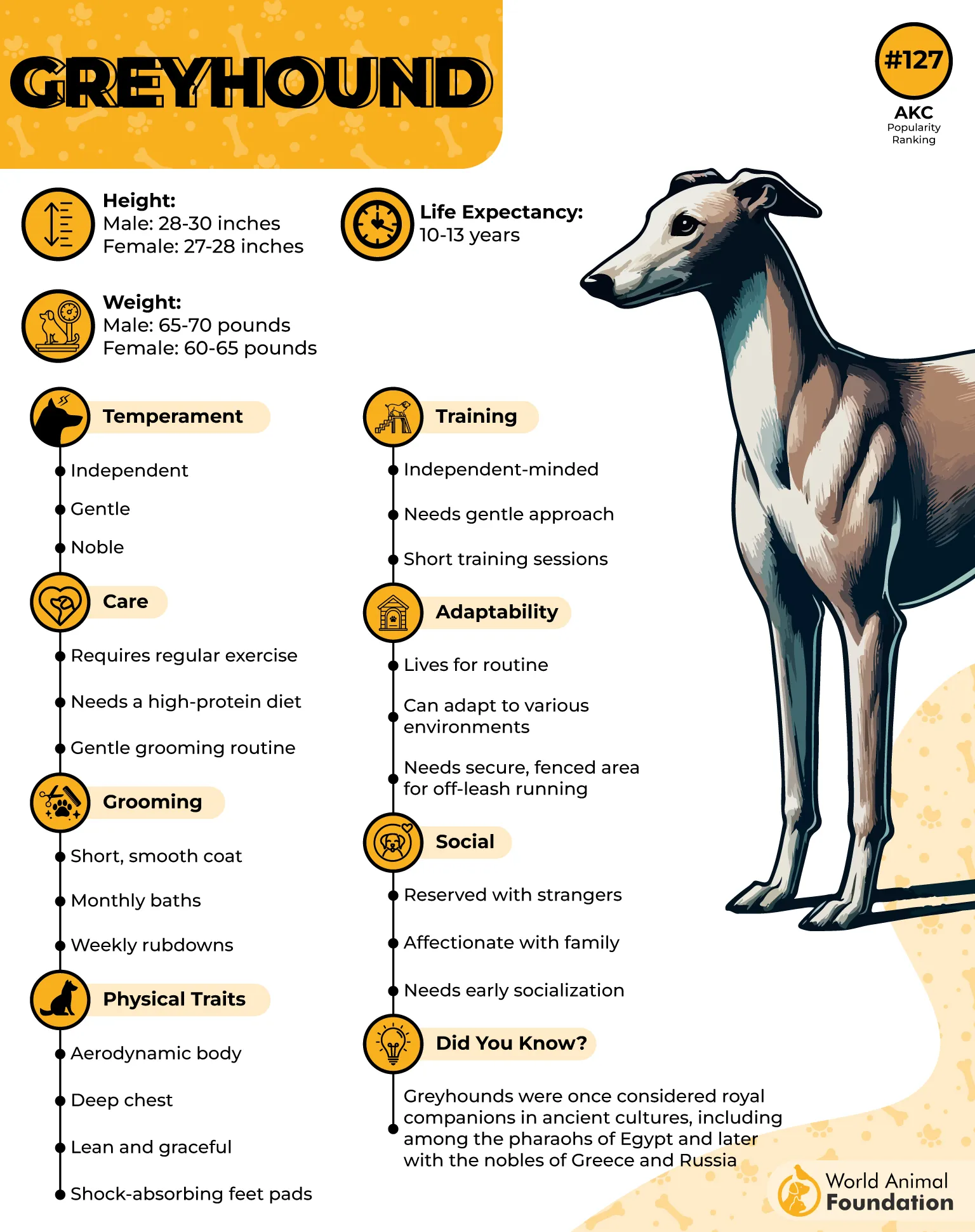
The Greyhound is an ancient European sighthound bred to spot and pursue game across open ground. Its speed later attracted attention in competitive racing, which became popular in Britain and America during the early 1920s, with dogs chasing artificial hares around tracks.
A Strong Instinct to Pursue
A Greyhound can quickly take off after a rabbit or another small animal spotted outdoors. This natural hunting response deserves attention during walks, especially because recall can become unreliable when something catches its eye, as Greyhound Care writes.
You can keep these warning signals in mind:
Fixed staring with a stiff body.
Stalking or sudden pouncing.
Lunging or chasing a smaller dog.
Prey Drive Is Not Aggression
A Greyhound’s interest in pursuing an animal is different from fear-based or defensive aggression. It also differs from chase motivation, which involves pursuing moving objects rather than animals. A dog may enjoy chasing a racing lure yet remain calm around small dogs, while another with little interest in the lure may react strongly to them.
3. Jack Russell Terrier
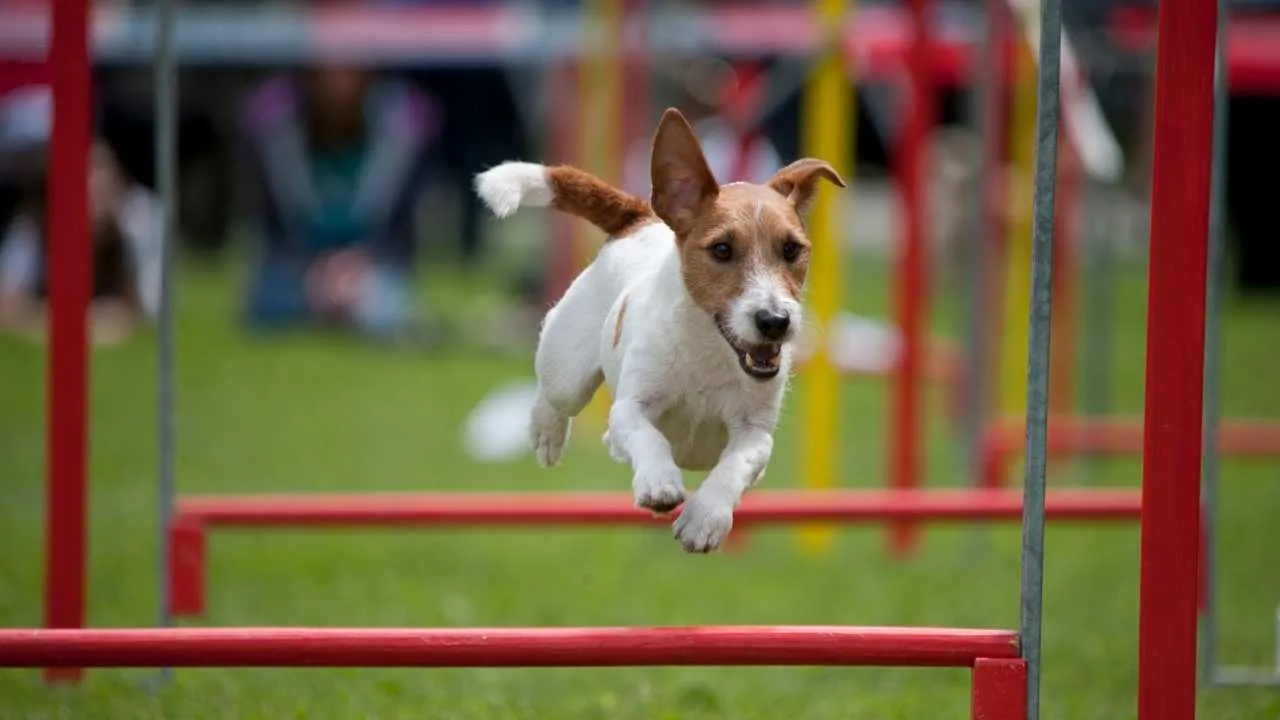
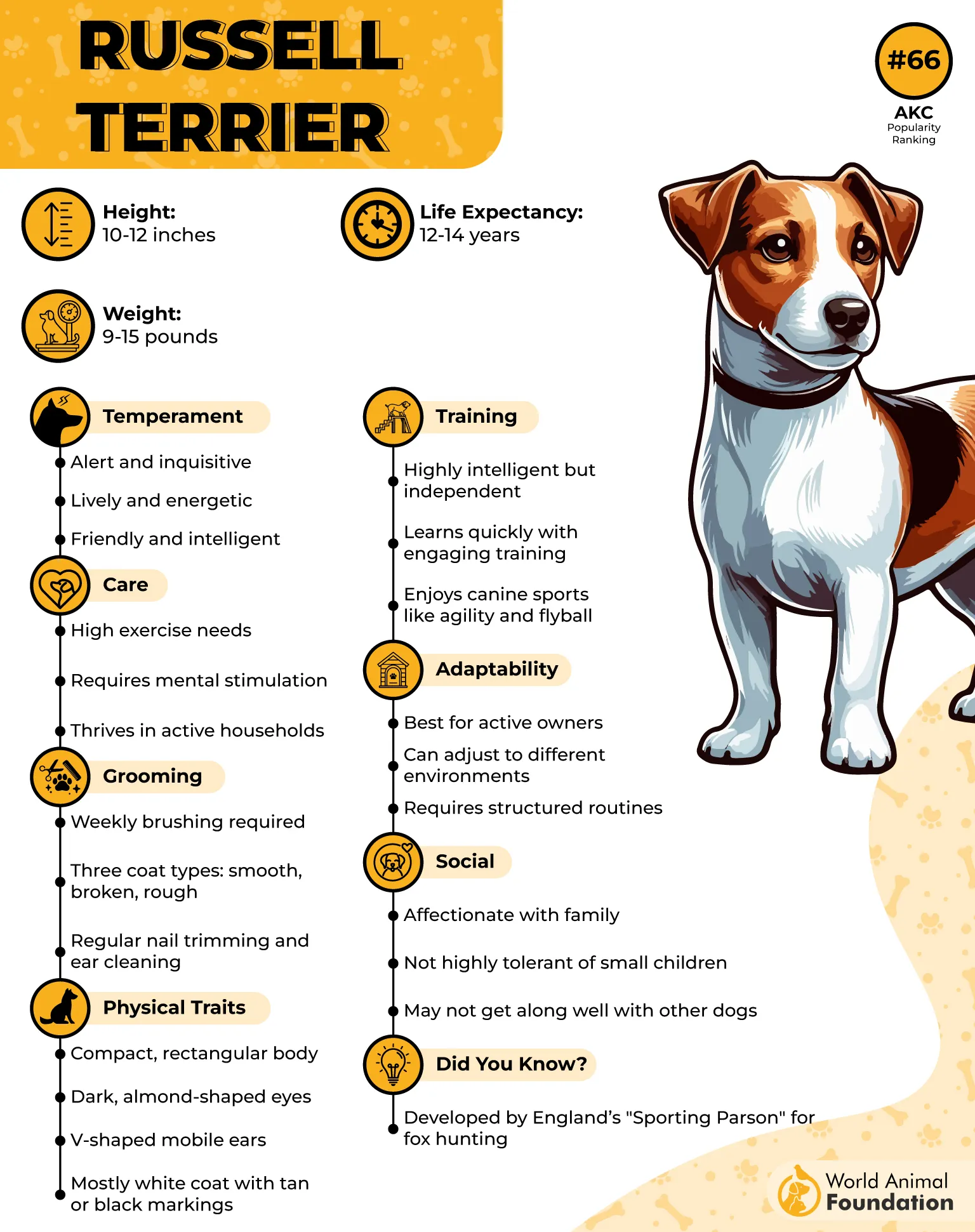
The Jack Russell Terrier was originally bred in 19th-century England, where it was bred from the now-extinct White Terrier for fox hunting. Its job involved locating foxes underground, digging them out, and holding them until hunters arrived, as noted by Dogs Australia. These little workers also became valued rat catchers.
A Powerful Instinct to Chase
A Jack Russell Terrier has a naturally intense prey drive that can respond to movement, sounds, and scents. A passing bicycle, a running cat, or even rustling nearby can catch its attention and trigger an immediate chase.
This instinct can appear in several everyday situations:
Chasing birds, cyclists, and moving vehicles.
Digging after animals or interesting scents.
Reacting to noisy garden equipment and household machines.
Always Looking for Mischief
Full of energy and determination, this terrier can keep an active household busy, as PDSA claims. It may squeeze beneath fences, investigate holes, or find clever ways out of enclosed spaces. Its intelligence also makes training interesting, as it can be quite persistent when something catches its attention.
4. Beagle
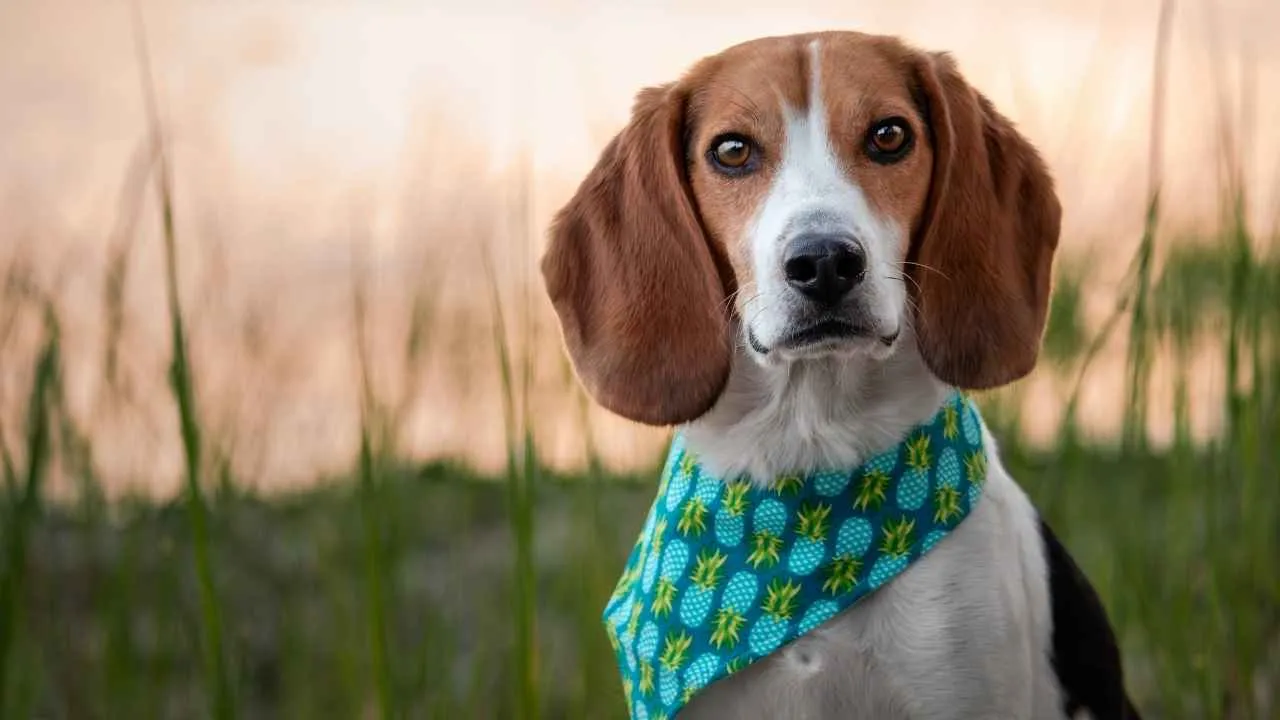
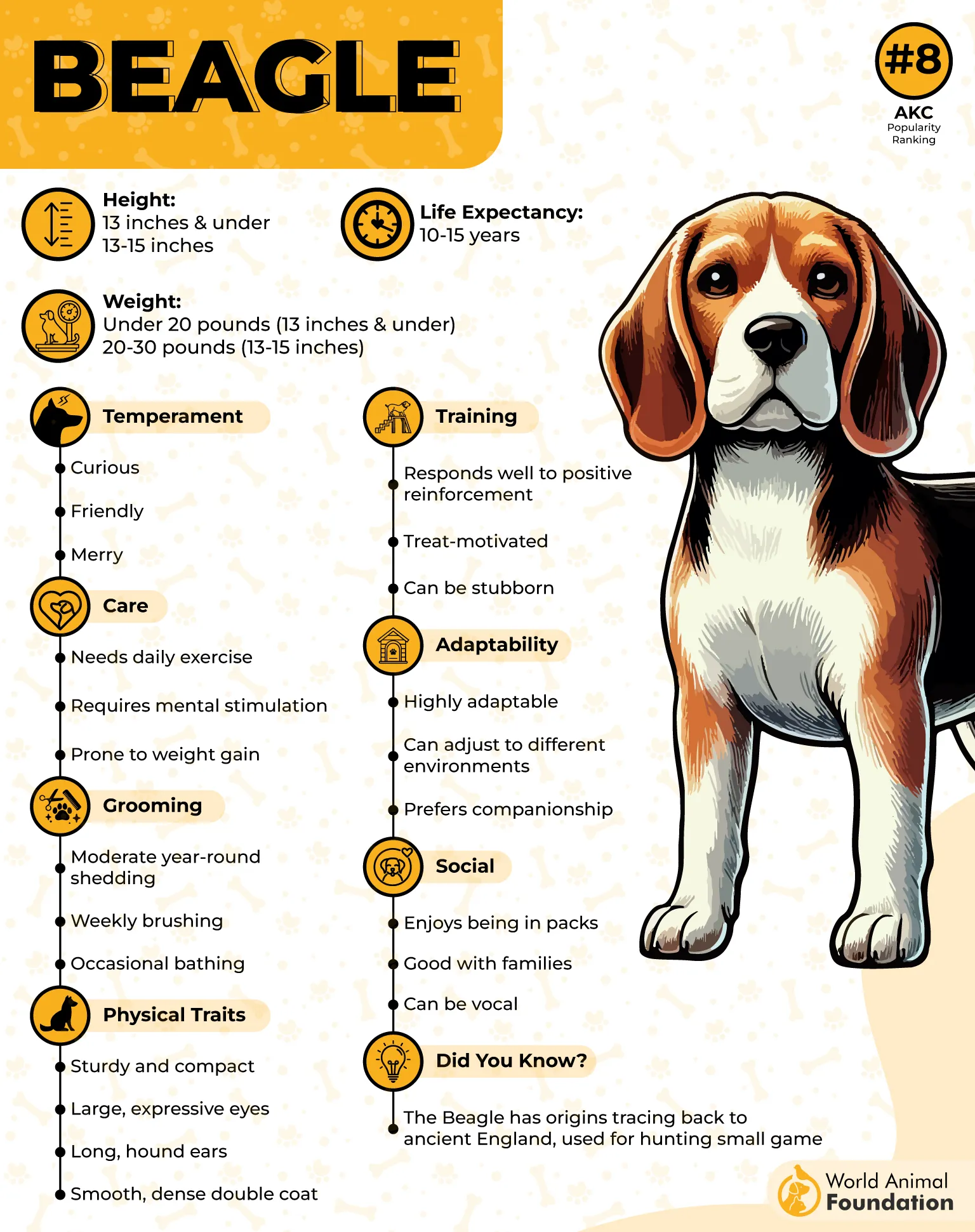
The Beagle’s history dates back to 14th-century England, when hunters used small, scent-driven hounds to pursue hares. By the late 1800s, the modern Beagle had taken shape as a popular and dependable hunting companion for tracking foxes, rabbits, and hares across the English countryside.
A Nose That Leads the Way
A Beagle has a powerful scenting instinct that can take over as soon as an interesting trail catches its attention. It follows smells with intense concentration and may suddenly pursue a cat, squirrel, or another small animal, making off-leash outings difficult to manage.
Its hunting instincts involve several distinct behaviors:
Searches for a scent before beginning a pursuit.
Can join other Beagles when one dog starts chasing.
Often bays or howls after picking up an exciting trail.
Safe Ways to Follow Its Nose
Prospective dog owners should provide a secure, fenced area to explore without the risk of following a scent onto a road or into unfamiliar surroundings. Snuffle mats, hide-and-seek games, and simple tracking activities also give a Beagle suitable outlets for its remarkable sense of smell.
5. American English Coonhound
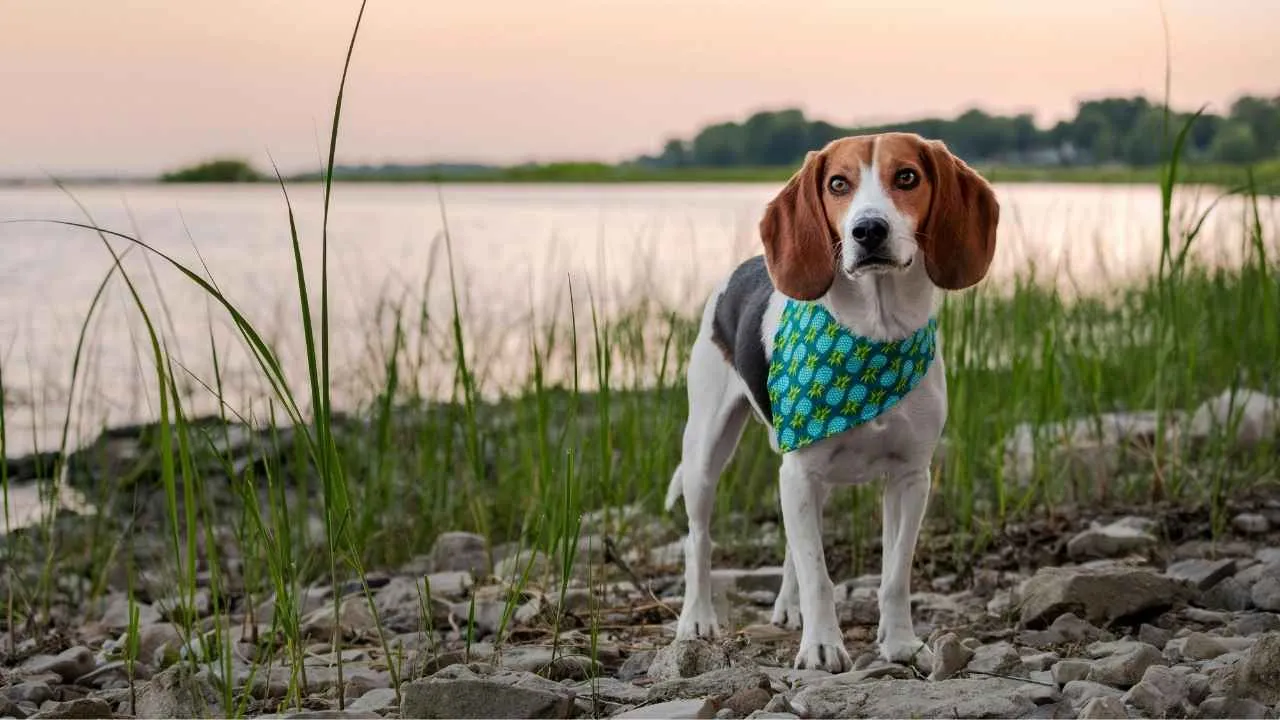
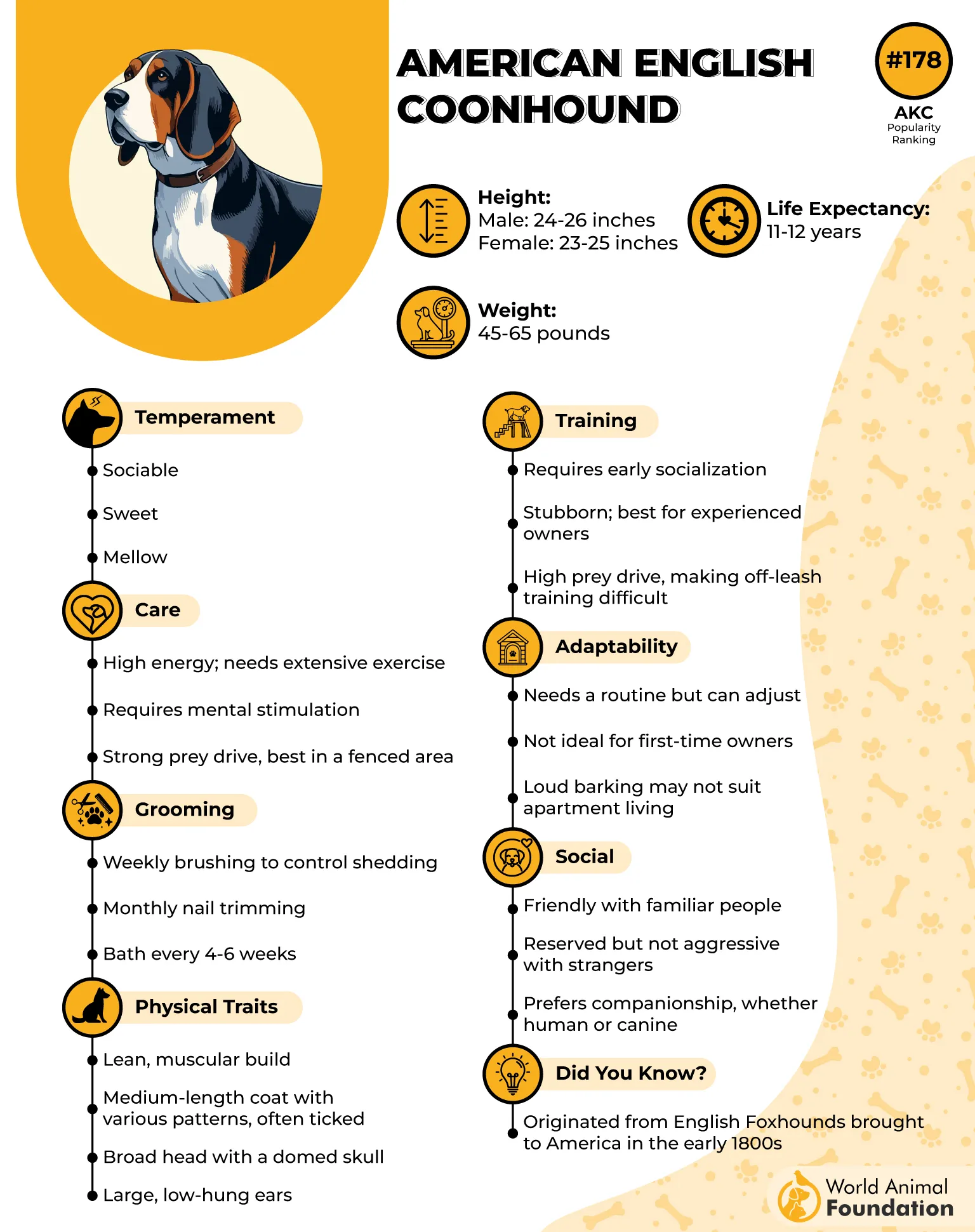
The American English Coonhound descends from English Foxhounds brought to the American colonies during the 17th century. Known as Virginia Hounds, these dogs were associated with fox hunting, an interest shared by George Washington, who was an avid hunter.
A Nose That Loves the Chase
The American English Coonhound has a strong prey drive rooted in its hunting ancestry. A rabbit darting through the yard or a cat running nearby can quickly catch its attention, making outdoor supervision especially important around smaller animals.
A few practical precautions make daily management easier:
Use a secure, sturdy fence around the yard.
Keep scent-work games available to direct its tracking instincts.
Choose a long line for outdoor activities in open spaces.
Naturally Sociable With Other Dogs
Generations of pack work have given this hunting breed a naturally sociable side, and it often enjoys the company of other dogs. Its kind, affectionate nature can also make it a pleasant family companion, including in homes with young children, although lively play should be supervised.
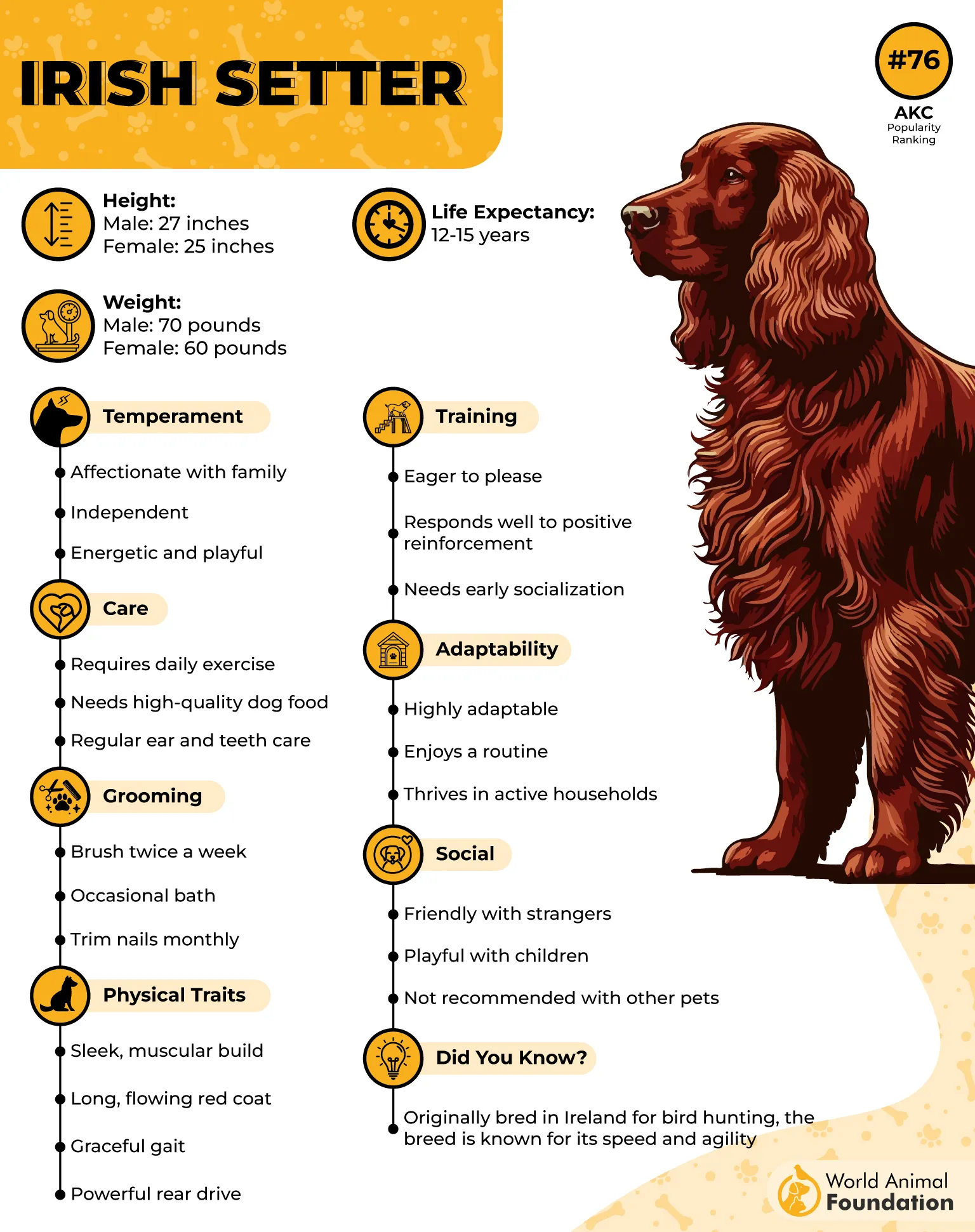
6. Irish Setter
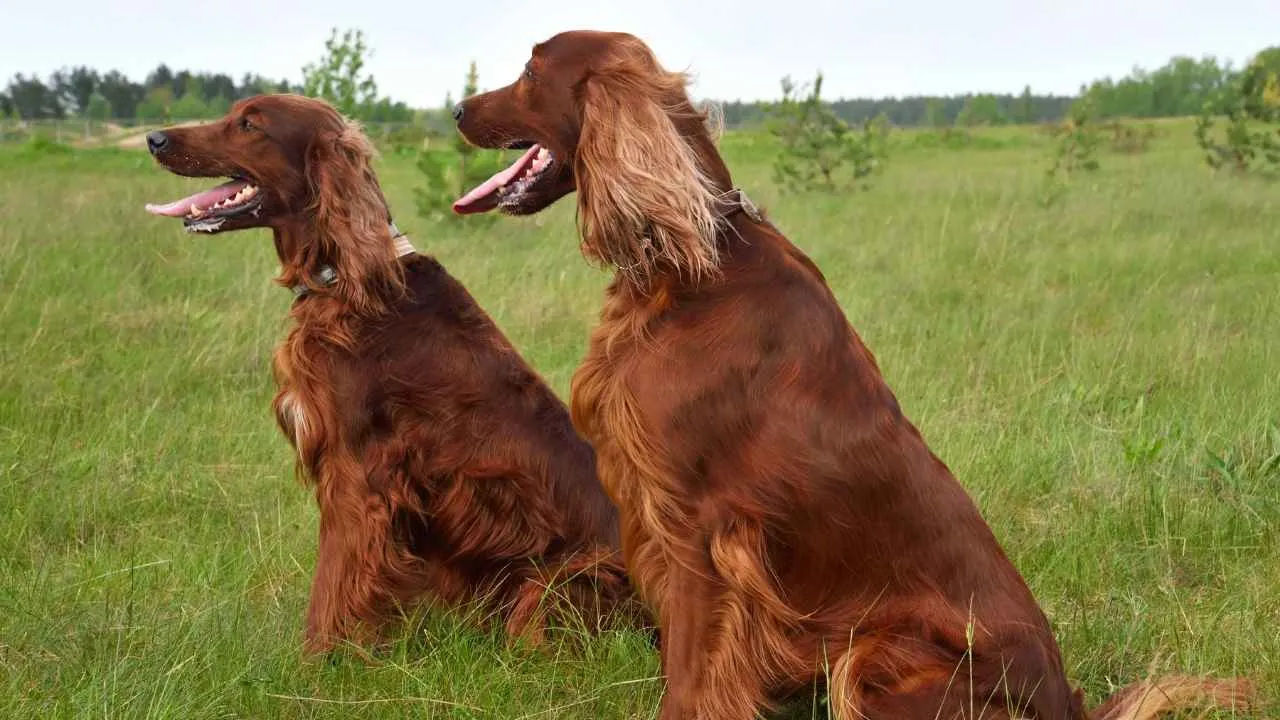
The Irish Setter’s exact ancestry is uncertain, although English Setters, Spaniels, and Pointers are believed to have contributed to the breed.
Around 1800, the first breeding kennels for these red-coated hunting dogs appeared in Ireland, with their rich mahogany color making them easier for hunters to spot across open ground.
A Bird Dog With a Strong Chase Instinct
Irish Setters have a high prey drive rooted in their work as bird dogs. Their instinct involves searching for birds, following their scent, and pointing when they locate them. A squirrel or another fast-moving animal can quickly draw their attention away from a handler.
These details matter when managing this instinct:
Sudden movement and interesting scents can trigger a chase.
Use a leash in open areas and secure fencing at home.
Fetch and scent games offer safer outlets for hunting instincts.
Energy That Fills the Household
An Irish Setter is an energetic, playful companion that enjoys spending time outdoors. It can remain puppy-like for its first two or three years, and its bouncy behavior may accidentally knock over small children. Its friendly temperament generally suits households with children and other dogs.
7. Border Collie
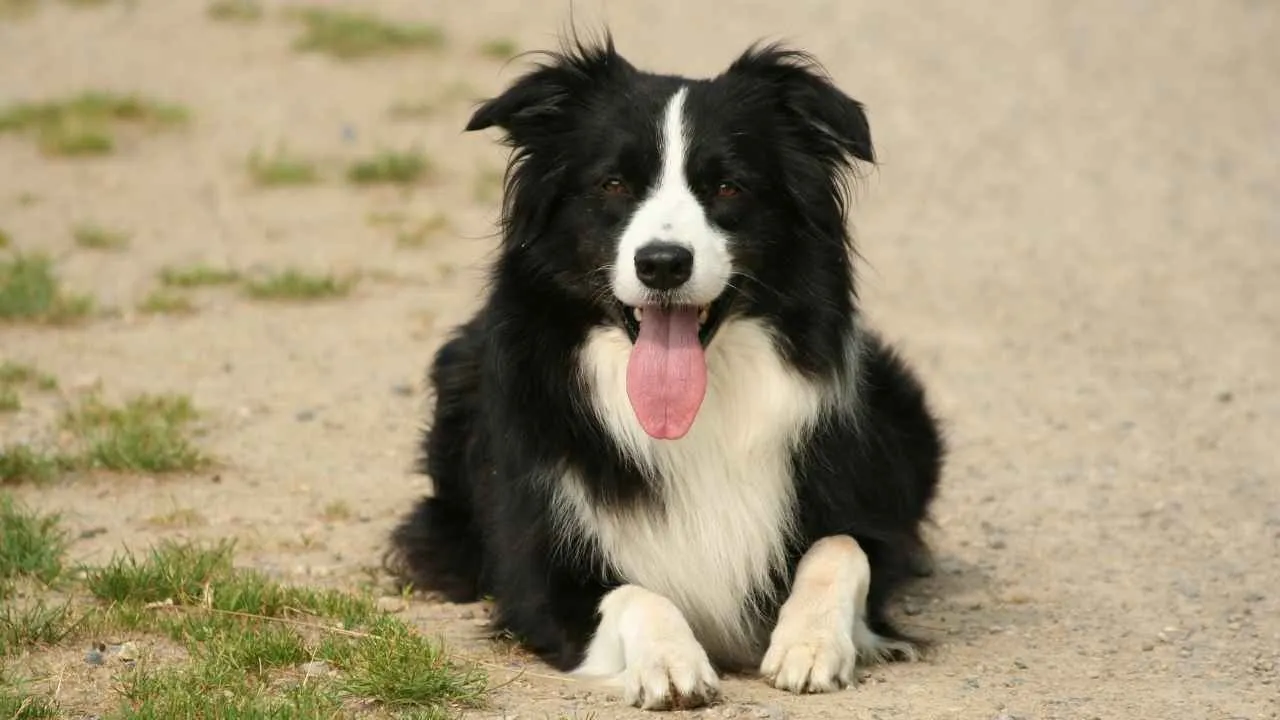
The Border Collie takes its name from the Scottish-English border region, where generations of sheepdogs worked with livestock. Its standard was established by 1906 based on working ability rather than appearance, and the name Border Collie came into use by 1915.
A Powerful Instinct to Chase
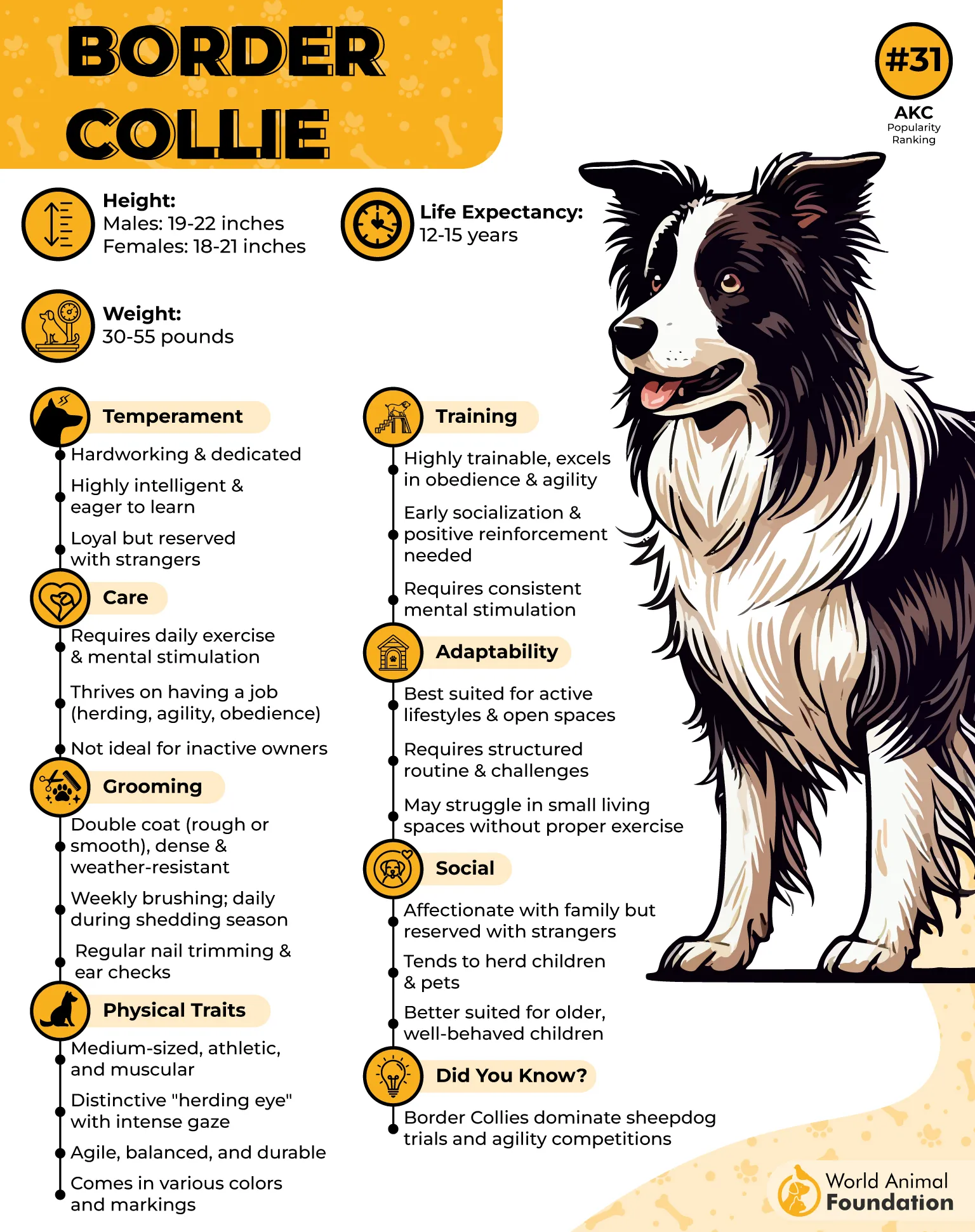
Border Collies have a strong prey drive rooted in their herding instincts. They may pursue animals of different sizes, and their urge to chase can extend to moving objects and even children. Reliable recall is essential, especially around livestock and other animals.
This instinct can appear in several familiar ways:
Fixates on moving animals, bikes, and joggers.
Uses an intense stare, crouching, and stalking movements.
May become frustrated when unable to act on chasing urges.
A Mind That Needs a Job
This canine companion needs substantial daily activity and purposeful tasks to keep its busy mind occupied. Agility, frisbee, and flyball offer useful outlets, while long walks alone may not meet its needs. Without enough physical and mental engagement, destructive behavior can develop.
8. Australian Cattle Dog
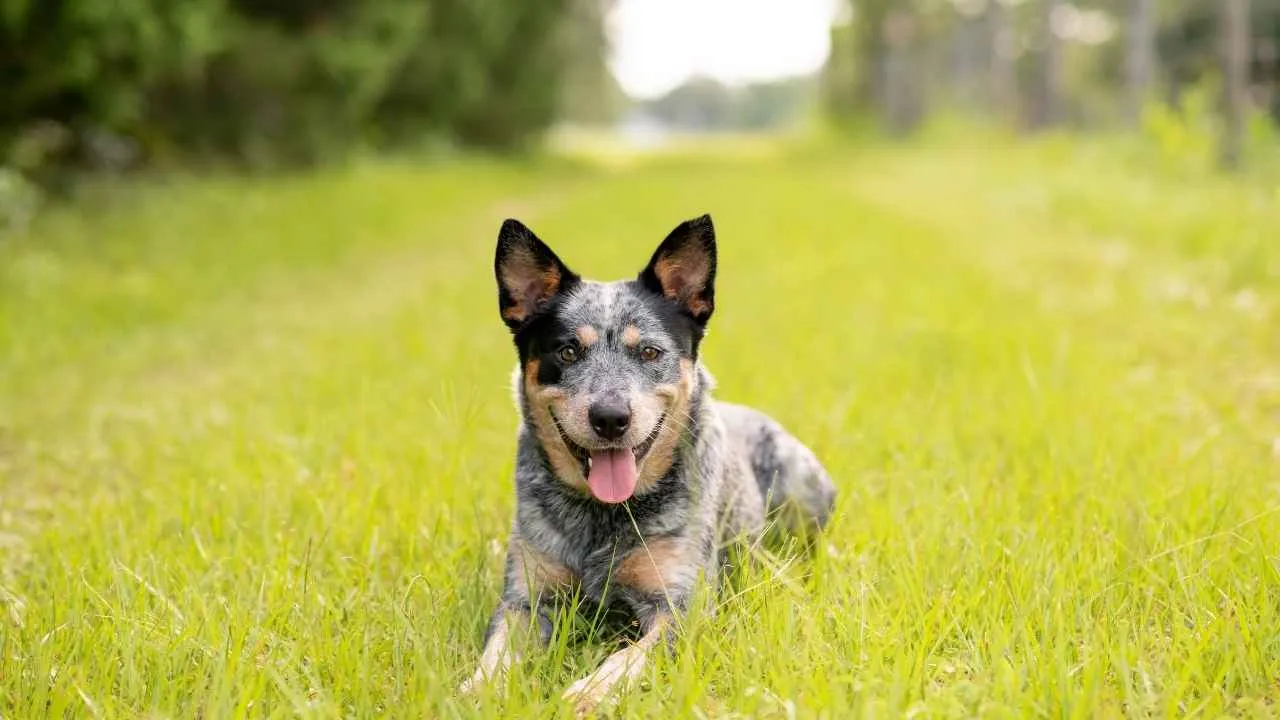
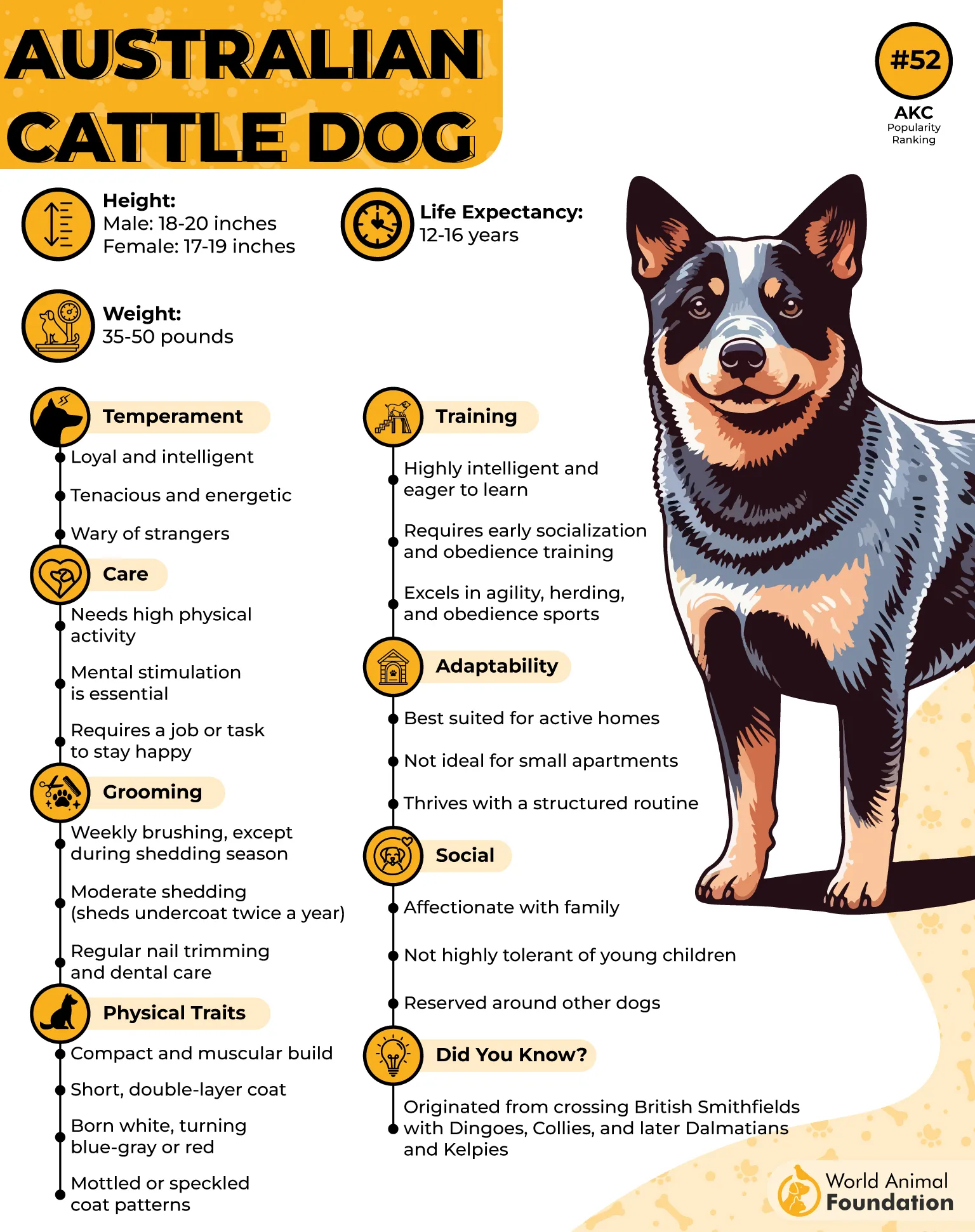
The Australian Cattle Dog developed during the 1800s, when cattle ranchers needed a tough herding companion for Australia’s vast grazing lands. In 1840, a cattleman named Hall crossed Blue Merle Highland Collies with Dingoes, producing the early dogs known as Hall’s Heelers.
A Strong Instinct to Chase and Nip
This dog has a high prey drive rooted in its cattle-herding ancestry. Its original work involved chasing and gathering livestock, using quick nips to direct animals, and these instincts can also trigger pursuit of smaller animals or fast-moving targets.
Managing that chasing instinct calls for some practical precautions:
Channel pursuit into fetch, Frisbee, or sturdy herding balls.
Use secure fencing at least six feet high.
Introduce cats and other household pets during puppyhood.
A Sharp Mind That Needs a Purpose
Quick to learn new commands, the Australian Cattle Dog can also think independently when working toward a specific goal. Agility and flyball provide useful physical and mental challenges, while insufficient daily activity can lead to boredom and destructive behavior.
9. Basenji
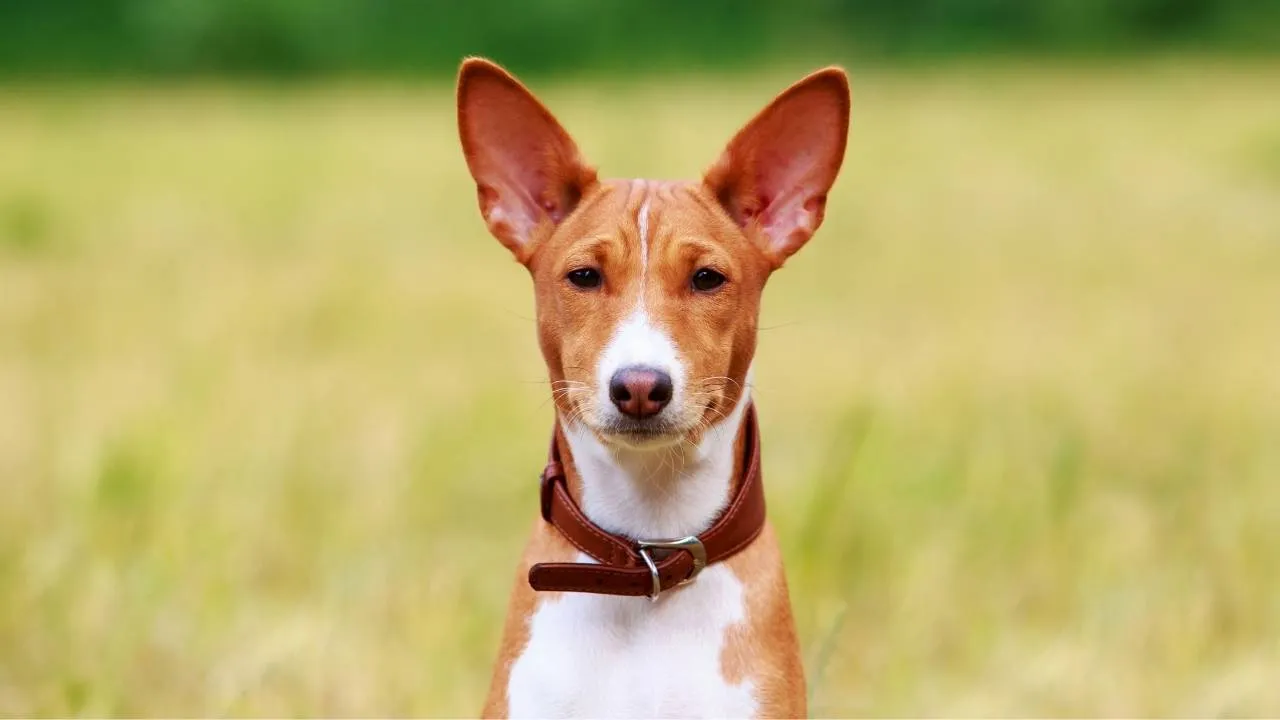
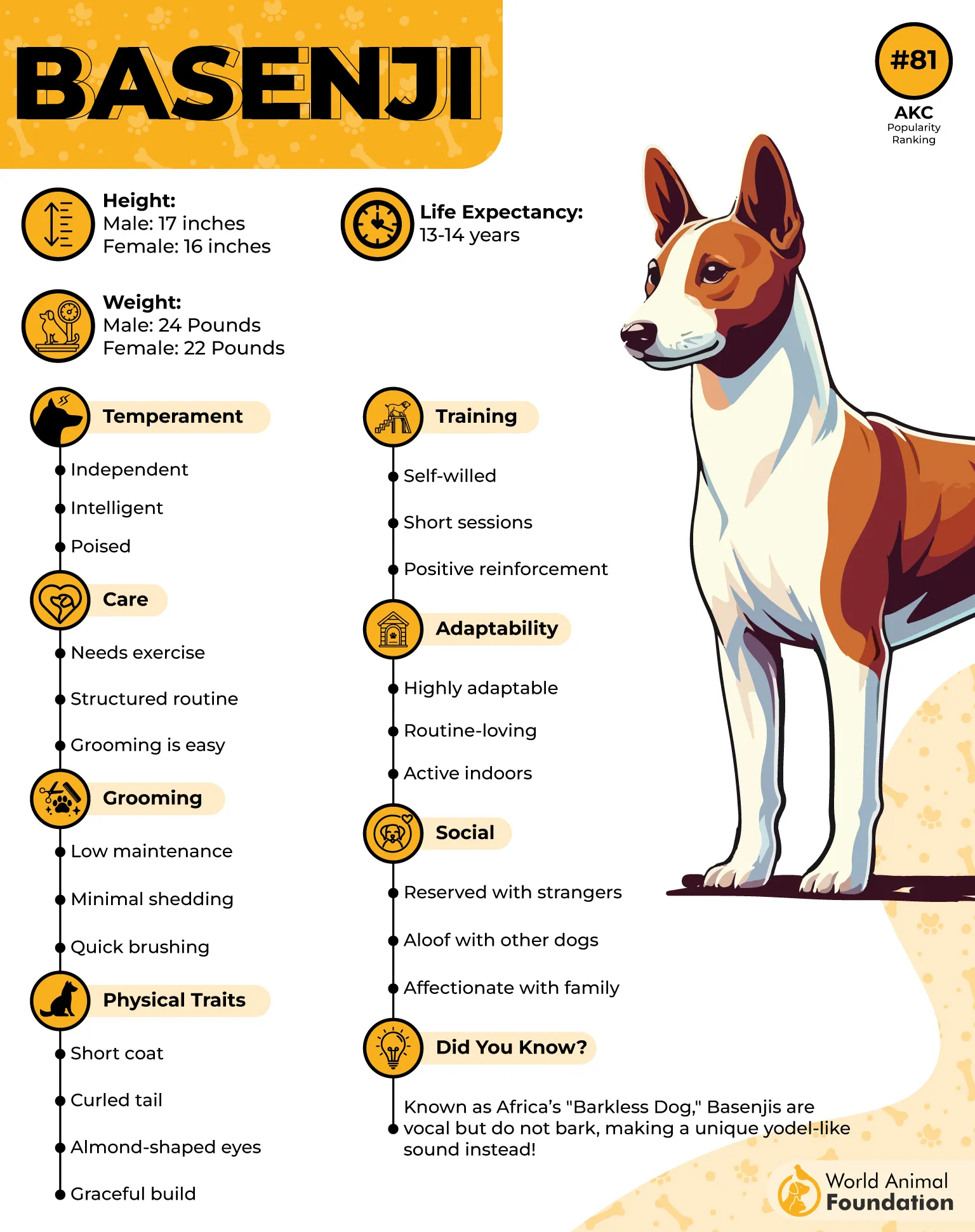
The Basenji emerged in the Congo region of Africa, where Pygmy hunters used these dogs to help track and pursue game. A small group reached England in 1930, forming the foundation of a breeding program before the breed gained popularity as a household companion in the 1950s.
A Powerful Instinct to Chase
A Basenji has a strong prey drive and can react instantly when something catches its attention. Squirrels, birds, cats, and other fast-moving animals can trigger a chase, making it difficult to interrupt once this dog locks onto a target.
A few precautions are particularly important with this breed:
Keep it leashed in open or unfenced areas.
Use high, secure fencing to prevent escapes.
Try lure coursing or flirt poles for safe chasing activities.
Independent and Hard to Train
The Basenji has an independent mind and can be remarkably stubborn when asked to follow commands. Recall is particularly challenging, so training requires patience and consistency. Treat-based rewards work well, while shouting can cause the dog to cower or growl.
Conclusion
Natural chasing instincts vary considerably between dogs, even among those bred for similar working purposes. Some may focus on scents, while others react immediately to quick movements or animals crossing their path. These differences become especially important in homes with cats, rabbits, birds, or other small companions.
Training, supervision, and secure boundaries can reduce potential risks, but each dog’s behavior needs careful assessment. Look beyond appearance and popularity when considering a new companion. Its original working role, activity requirements, and response to unfamiliar animals can tell you much more about whether it will suit your household.
