





What if your family’s first line of warning came with four tiny paws?
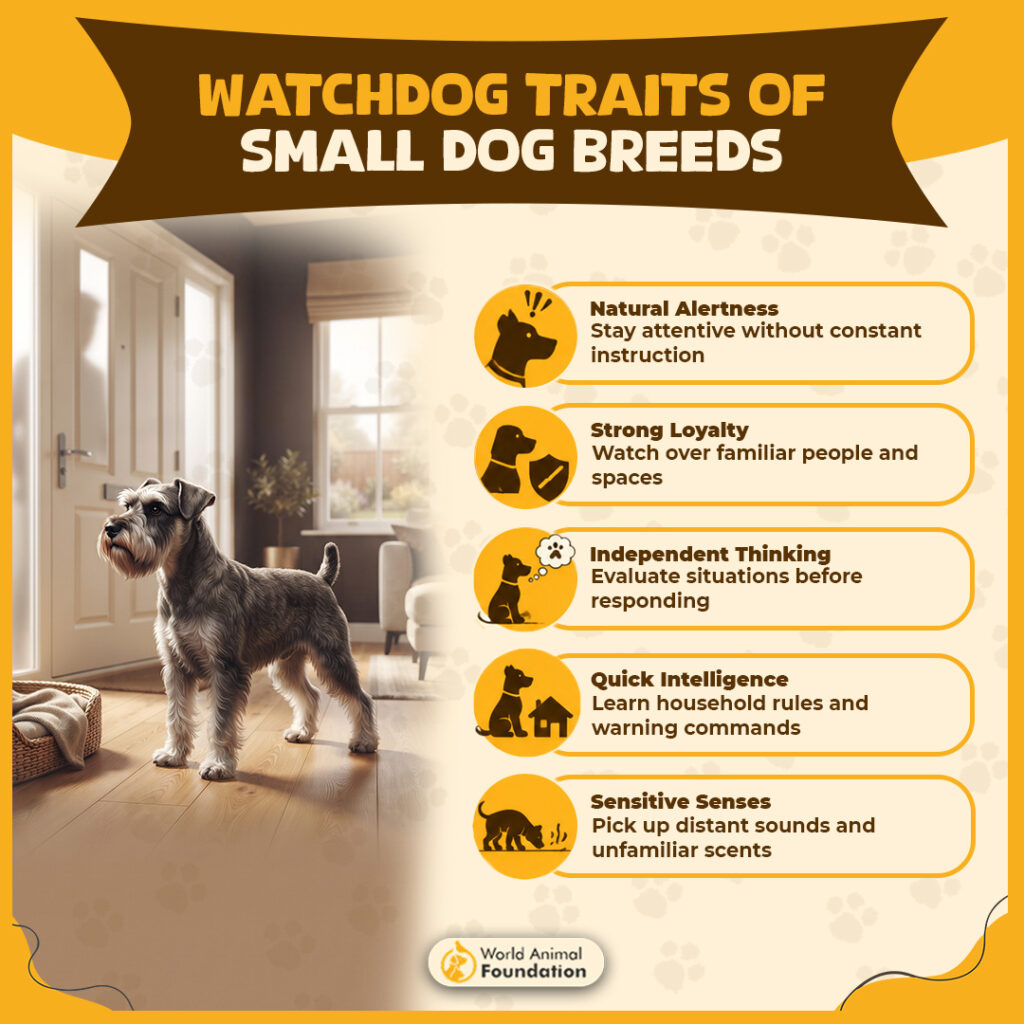
Small dogs may not look intimidating, but many have sharp senses and loud voices. They can spot unusual activity and alert you quickly. Their quick reactions make them useful family watchdogs. However, watchdogs and guard dogs serve different roles.
Watchdogs warn owners about possible trouble. Guard dogs may step forward to face threats. Most small breeds rely on barking and natural territorial instincts. This makes them helpful for families who want an early warning system. Still, not every small dog barks at everything.
Some are more alert, while others stay calmer. Training also helps control unwanted barking. The right breed should match your home, routine, and family needs.
Let’s explore seven small dog breeds that can help keep your household alert.
Best Small Dog Breeds to Act as a Family Watchdog
1. Yorkshire Terrier
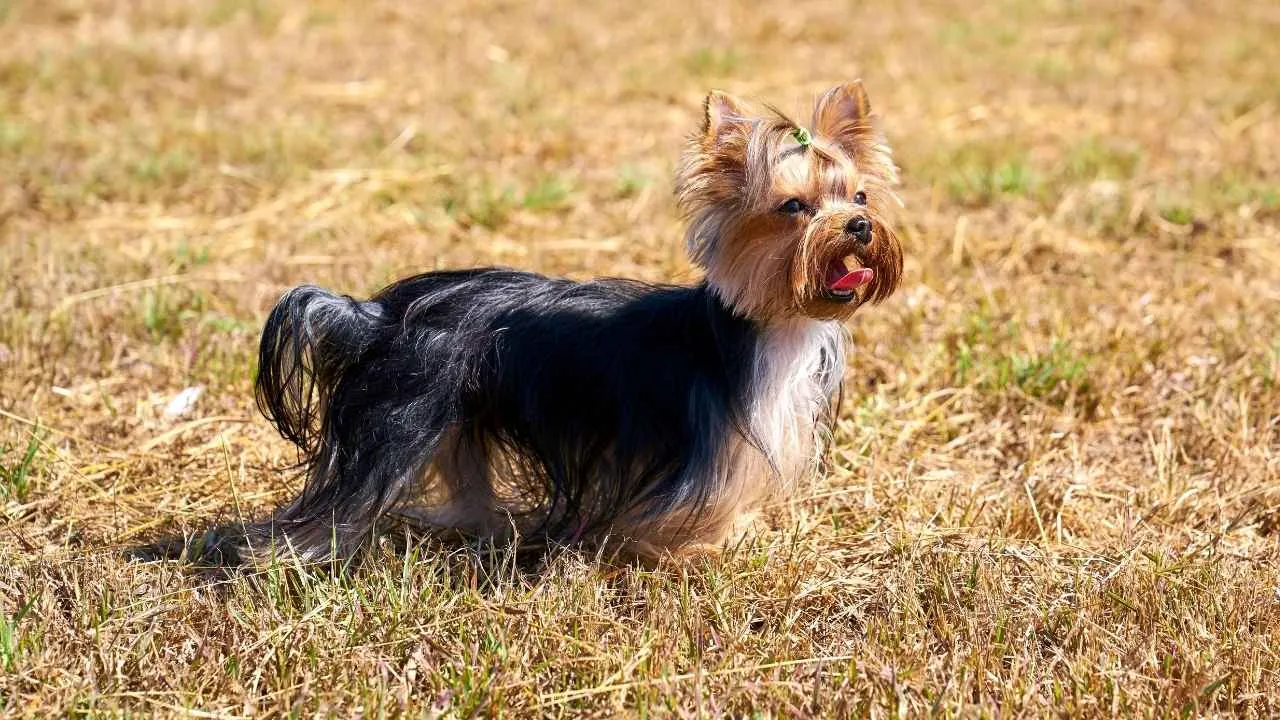
Yorkshire Terriers began as working dogs in northern England. In the 1800s, mill workers bred them to catch rats. Their small size helped them reach tight spaces. That bold spirit still shapes their temperament today.
A Yorkie may react quickly to strange sounds. It can bark when someone approaches the home. This loyal, confident companion often stays close to family. It can be protective but is not a good guard dog for physical protection.
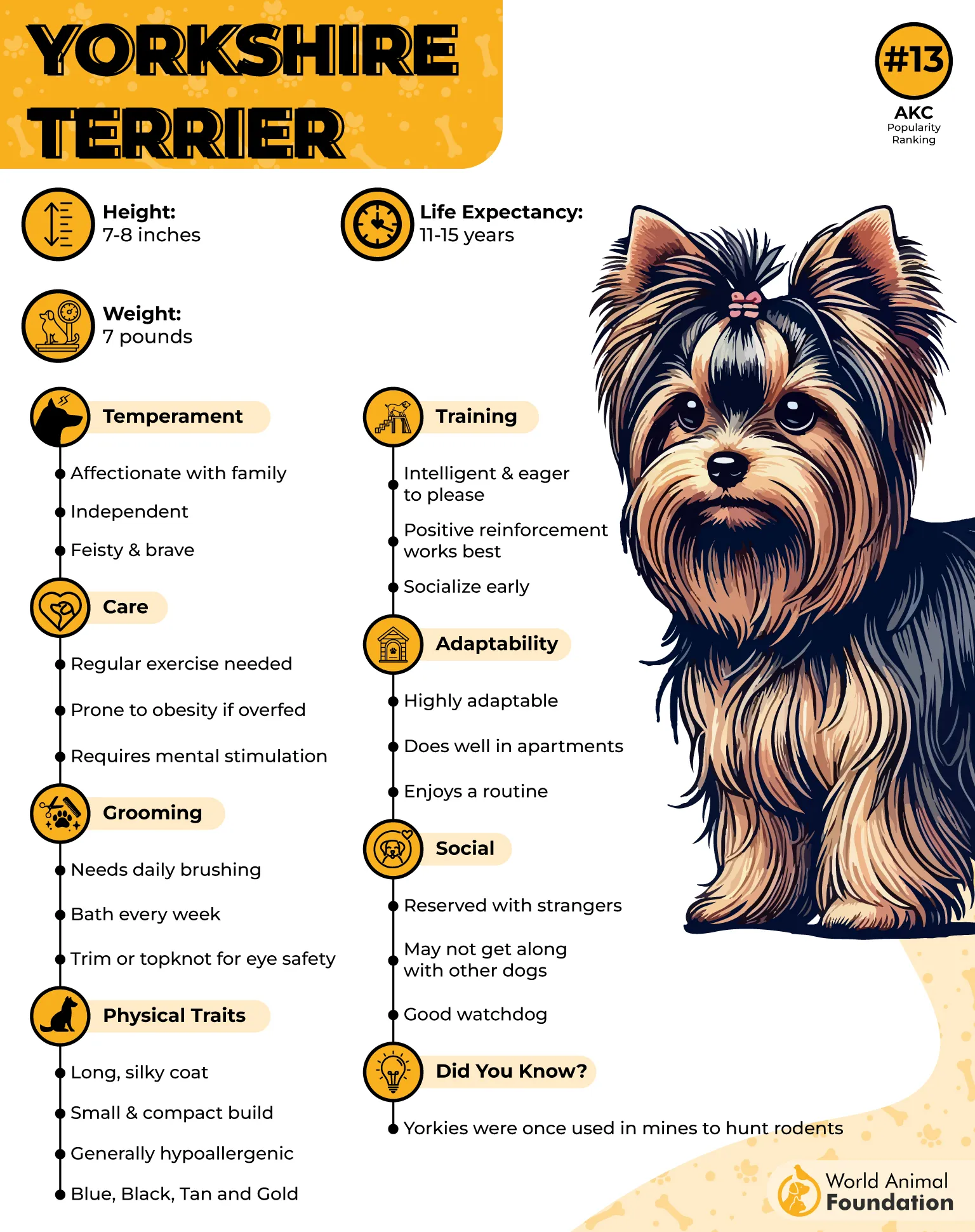
It needs patient, steady guidance. According to Wikipedia, Yorkies are playful, energetic companion dogs. They also helped develop breeds such as the Silky Terrier and Yorkipoo.
Caring for a Yorkshire Terrier
Their silky coat needs regular brushing and grooming
Their average weight reaches about seven pounds.
Introduce them gently to other dogs and new people.
Start training while your Yorkie is still a puppy.
Keep play safe; rough handling can hurt this small dog breed.
2. Cairn Terrier

You might recognize the Cairn Terrier as Toto from The Wizard of Oz. However, this breed comes from Scotland’s Isle of Skye. Farmers once relied on this small hunting dog to chase vermin from rocky fields. Its sharp senses still help it notice changes nearby.
A Cairn Terrier may bark when strangers approach. Its hunting roots also explain its strong urge to chase squirrels, rabbits, cats, and other pets. According to PetMD, this instinct can make outdoor walks quite lively.
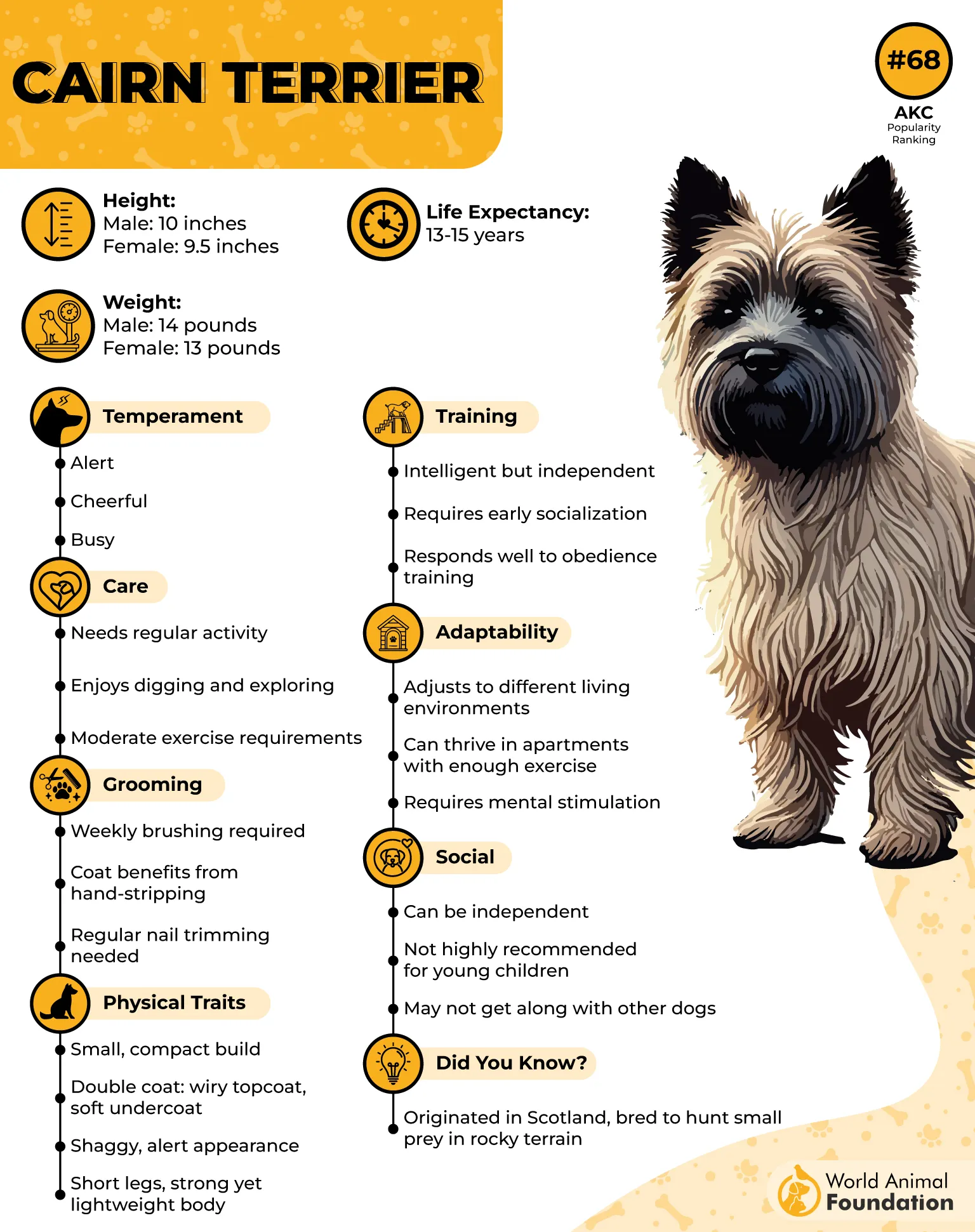
Although not a traditional guard dog, it can alert families to unusual activity. These small hunting dogs suit active homes that enjoy outdoor fun. They are independent thinkers, so early training helps. Their curious nature makes them less suitable as calm, cuddly pets.
Caring for a Cairn Terrier
Its double coat needs regular brushing and occasional trimming.
Grooming helps remove loose hair and prevent tangles.
Supervise outdoor play around smaller pets.
Use a secure leash to manage sudden chasing.
Socialize early to build friendly habits around strangers.
3. Chihuahua
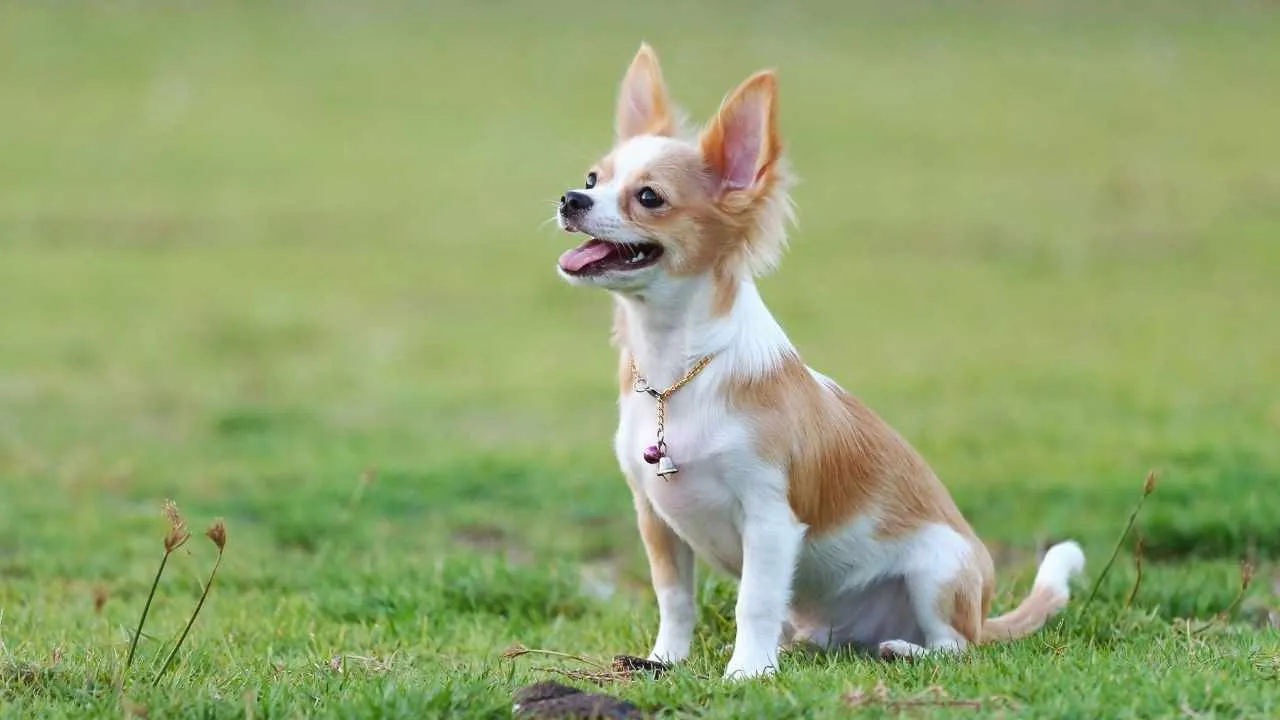
The Chihuahua is the world’s smallest dog breed. However, its bold spirit makes up for its tiny size. According to Britannica, this breed takes its name from Chihuahua, a Mexican state. It may descend from the Techichi, a small dog kept by the Toltec people.
The American Kennel Club recognized the breed in 1904. Chihuahuas are alert and quick to notice strangers. Their loyal nature helps them form strong bonds with family members.
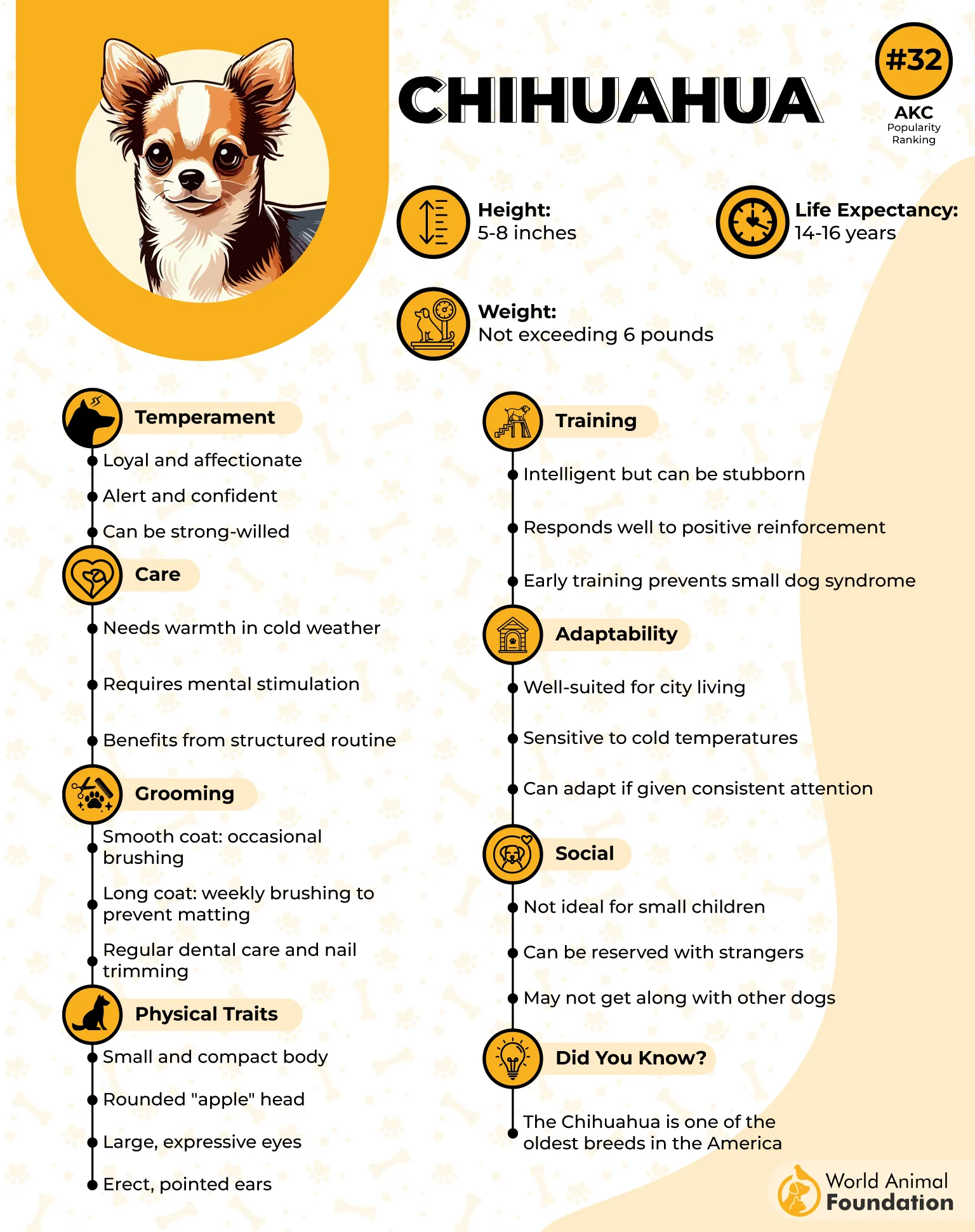
They can act as a protective dog, but cannot offer physical protection. Their cute looks and lively temperament suit apartment living. Chihuahuas also adapt well to city life. However, families with younger kids should teach gentle handling. Early training helps them behave well around other animals.
Caring for a Chihuahua
Short-coated Chihuahuas have modest grooming requirements.
Long-coated dogs need more frequent brushing.
Daily walks and indoor play provide enough exercise.
Use rewards to encourage calm and friendly behavior.
Supervise play to protect their small bodies from injury.
4. Lhasa Apso
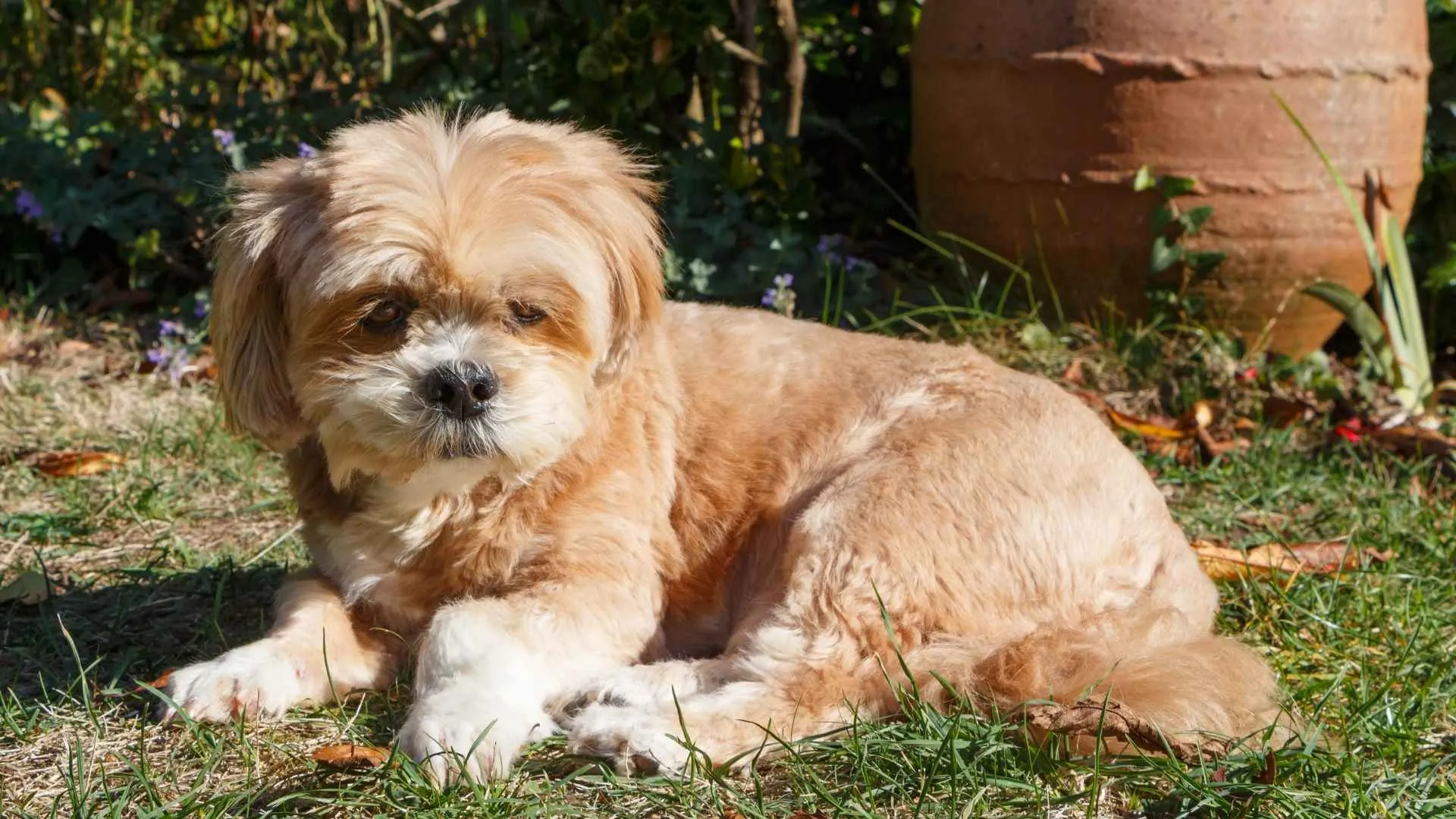
The Lhasa Apso is an ancient dog breed from Tibet. For centuries, these dogs served as sentinels in remote palaces and monasteries. According to the American Kennel Club, they watched over sacred places high in the Himalayas.
Their keen senses helped alert monks to approaching strangers. Today, their intelligent and confident nature remains strong. Lhasas often stay aloof around unfamiliar people but show warmth with their owners.
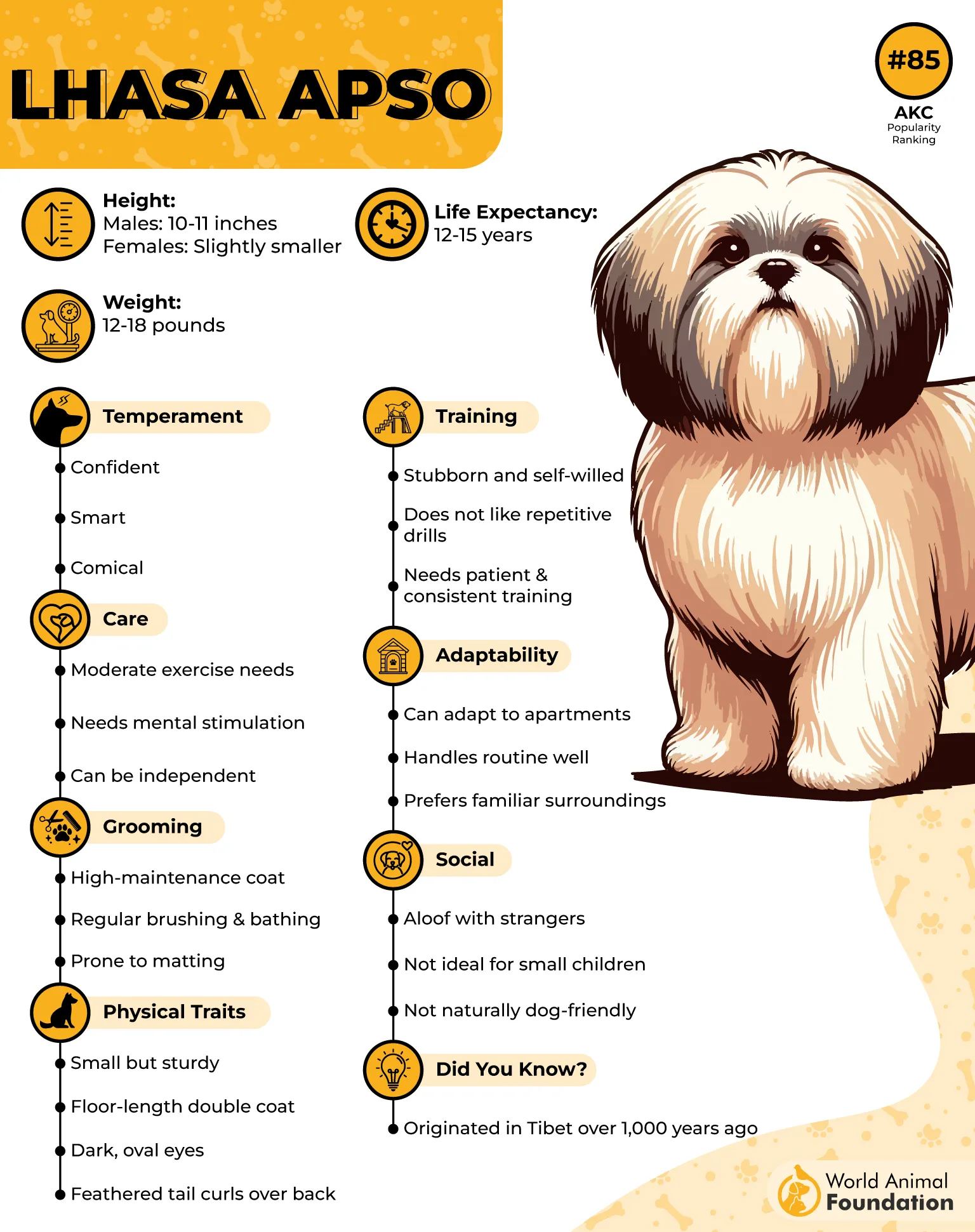
Their temperament combines independence with a playful side. They rarely act like typical cuddly pets, yet they enjoy family interaction. Although not a physical guard dog, this breed makes a watchful home companion. Its small size also suits homes with limited living space.
Caring for a Lhasa Apso
Their long, flowing coats have regular grooming needs.
Daily brushing helps prevent painful mats and tangles.
Their weight usually ranges from 12 to 18 pounds.
Teach children to handle these cute dogs with care.
Give them early socialization for better manners around visitors.
5. Miniature Schnauzer
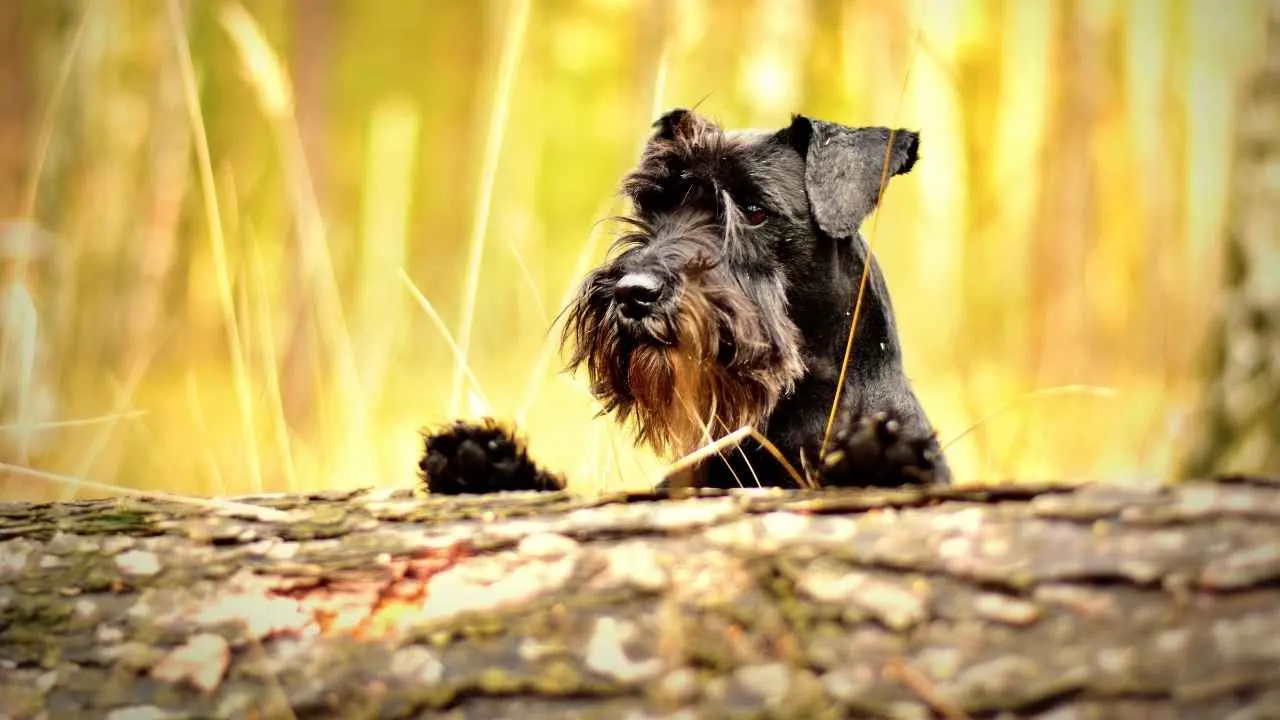
The Miniature Schnauzer began as a German farm dog. Farmers valued this breed for catching rats and guarding their property. Its sharp senses still make it alert to unusual sounds. This smart dog learns household rules with ease.
According to Hill’s Pet, Miniature Schnauzers are hardy, alert, and spunky. They can act feisty around unfamiliar dogs. However, proper training helps prevent aggressive behavior. Their loyal nature makes them devoted family companions.
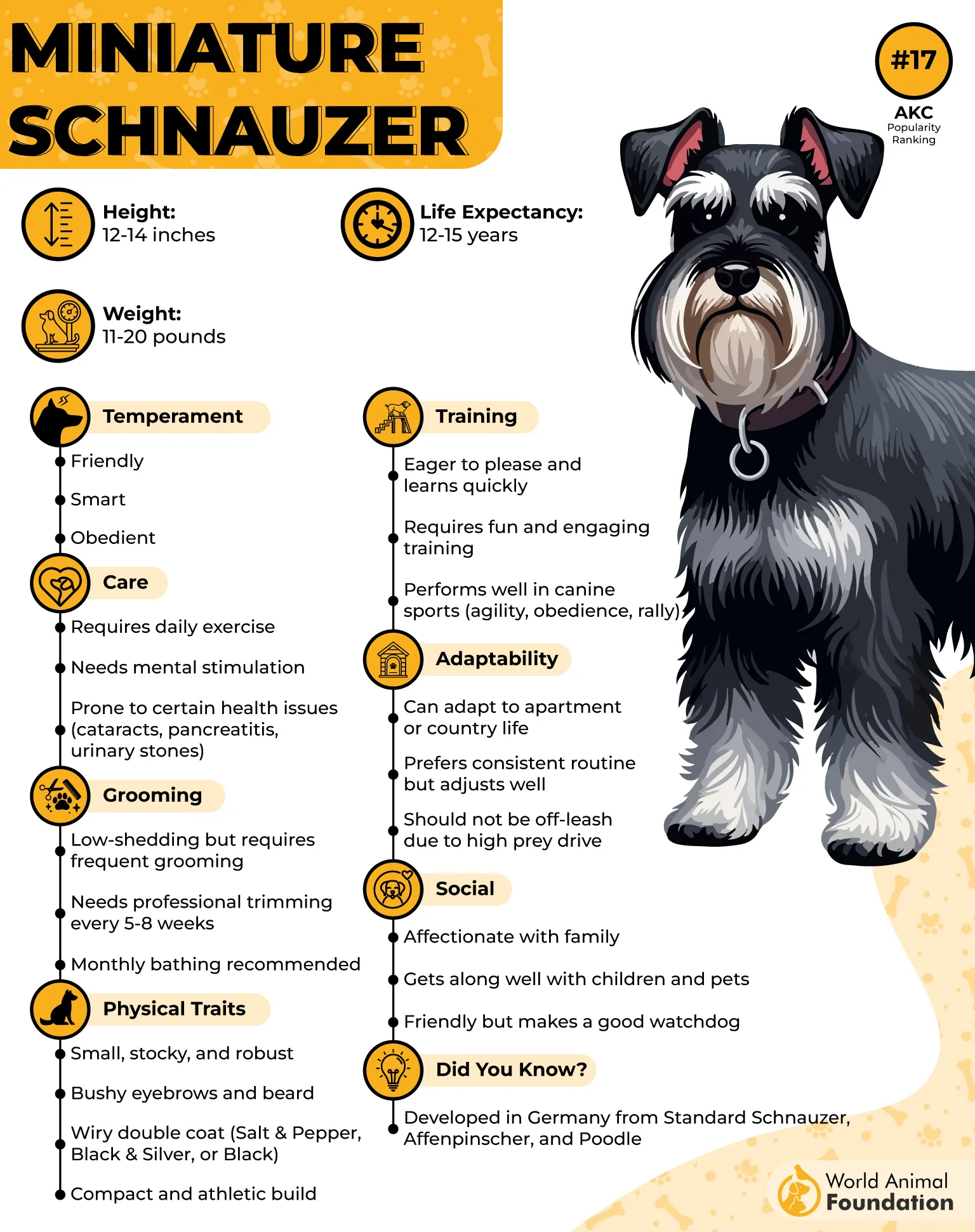
They are confident and protective, yet need clear boundaries. The Miniature Schnauzer is the smallest of the three Schnauzer breeds. It is generally healthy, long-lived, and low-shedding. Although not a good guard dog, it can warn owners about visitors.
Caring for a Miniature Schnauzer
Its wiry double coat needs regular brushing and trimming.
Daily walks and games meet its exercise needs.
Use positive training to encourage calm behavior around animals.
Its average weight ranges from 11 to 20 pounds.
Puzzle toys keep this smart breed mentally active.
6. Pomeranian
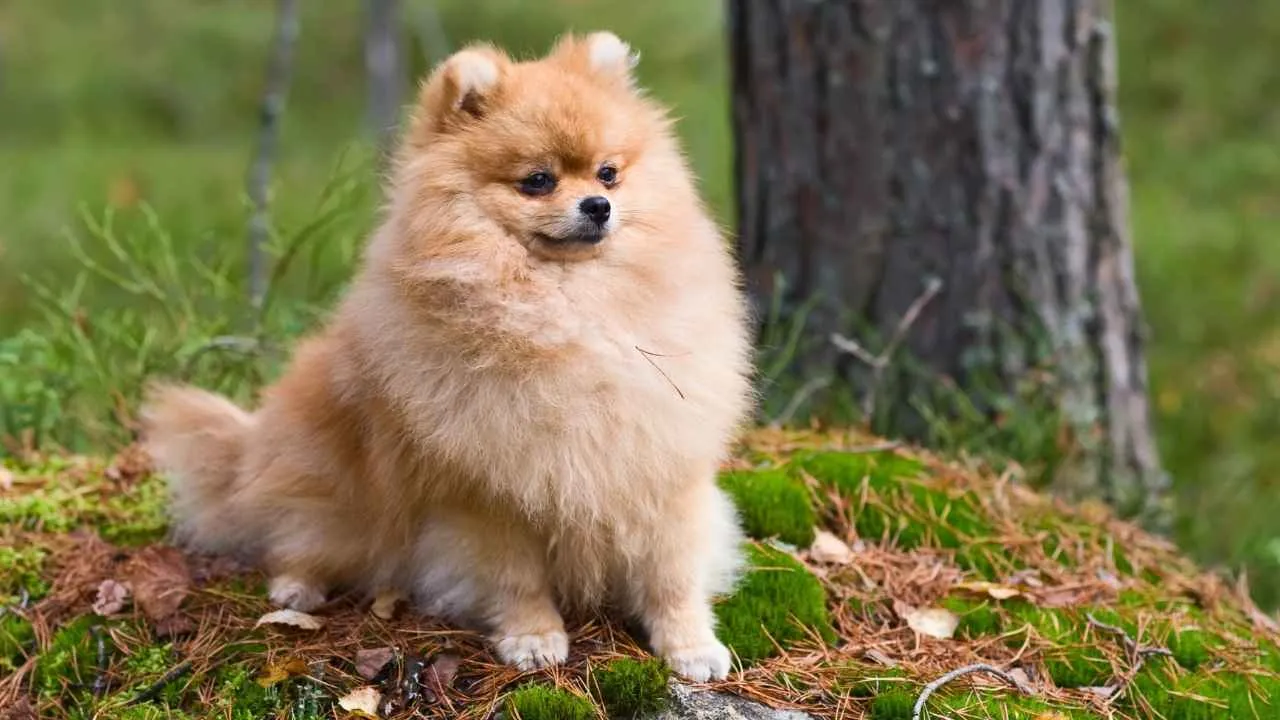
The Pomeranian is a lively Spitz-type dog breed with a big voice. Its ancestors were much larger sled dogs from the Arctic. Selective breeding gradually created the cute, compact companion we know today. This intelligent breed stays alert to unfamiliar sounds and visitors.
Its lively temperament makes it a loyal family dog. Pomeranians can act as protective dogs by warning owners of unusual activity. However, they are not great protectors against physical threats.
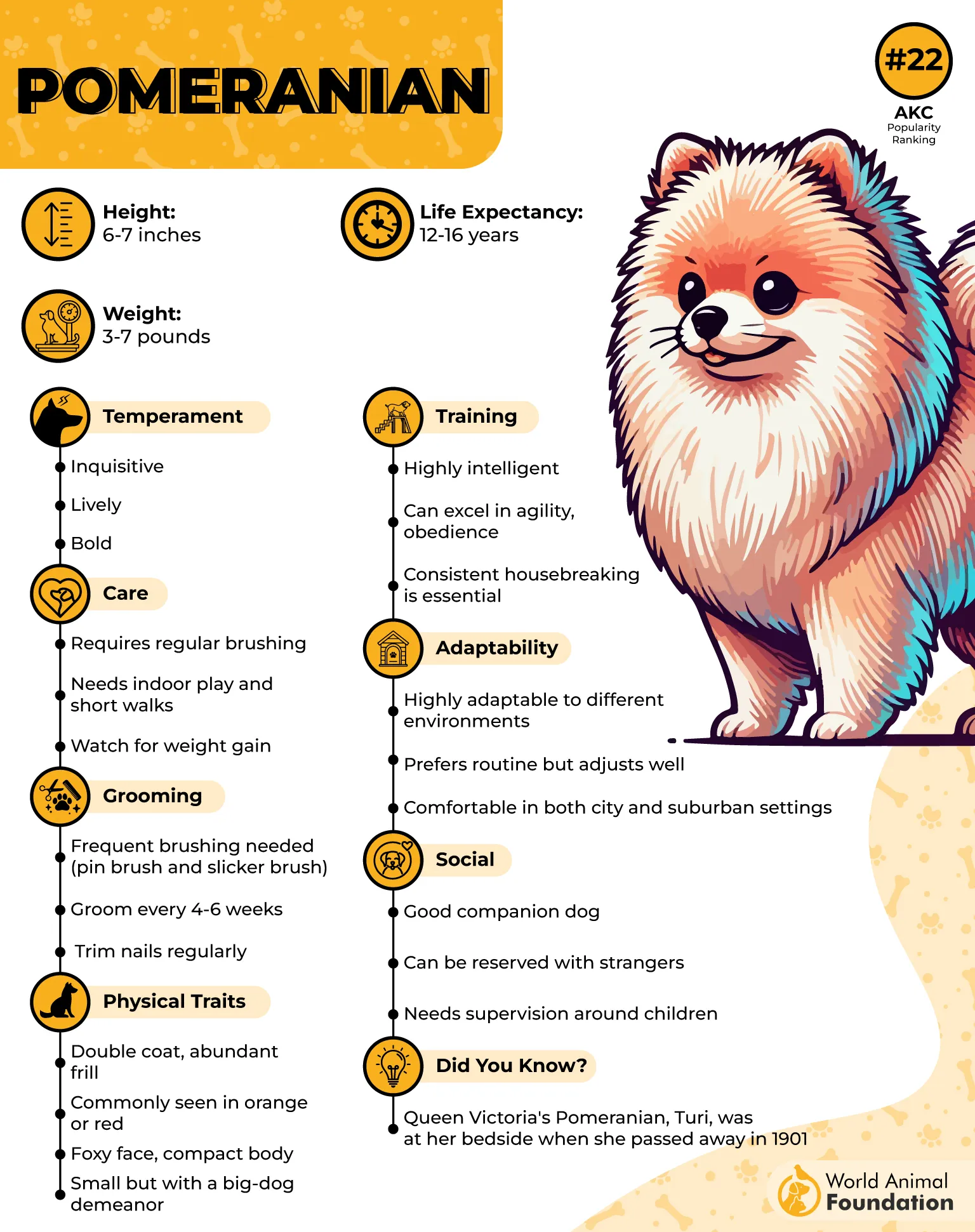
According to PDSA, Pomeranians enjoy human attention and affection. They also need less exercise than many larger dogs. Pomeranians thrive with loving families and mental stimulation. Early training helps them become well-mannered pets.
Caring for a Pomeranian
Their double coat needs weekly brushing, often more during shedding.
Their average weight ranges from three to seven pounds.
Keep play gentle around young children and larger dogs.
Start socialization and training during puppyhood.
Short walks and indoor games support their exercise needs.
7. Miniature Pinscher
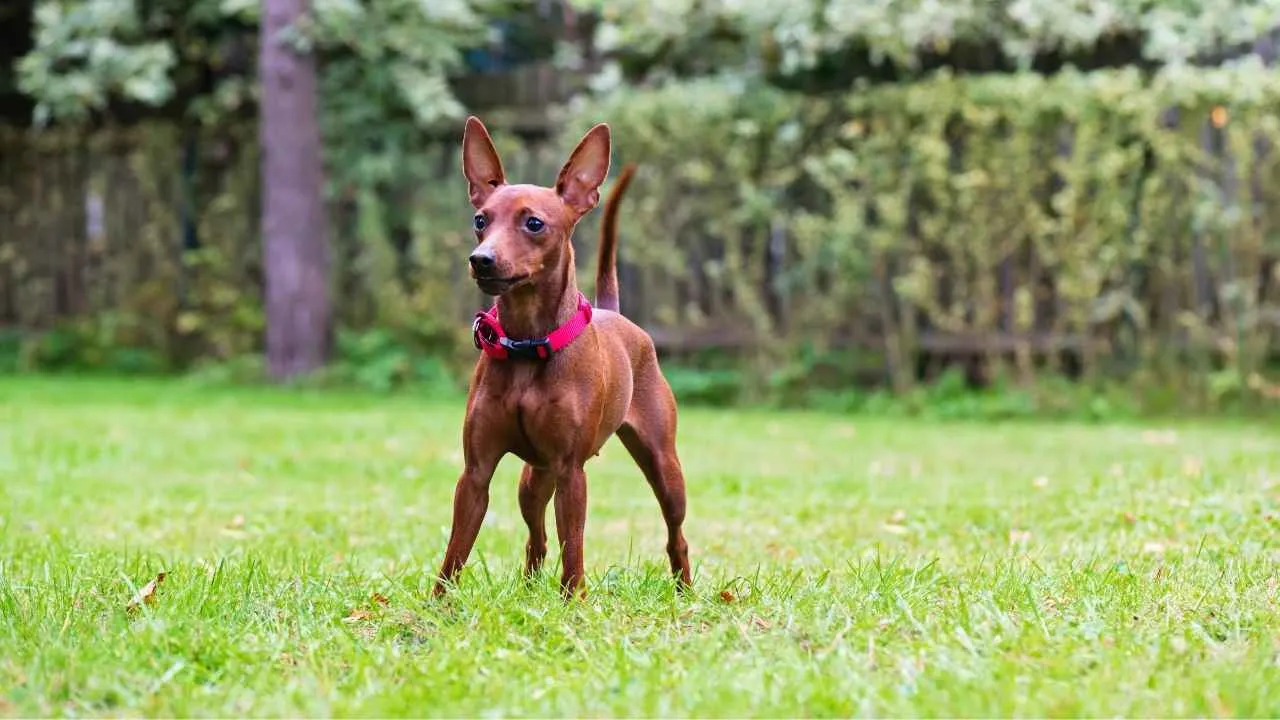
The Miniature Pinscher is a small dog breed with a bold personality. According to Purina, this alert breed comes from Germany. It was developed centuries ago to control pests around barns. Its key traits include courage, energy, and confidence.
This loyal companion has a strong watchdog instinct. Its sharp, insistent bark can warn families about intruders. However, it is not a physical guard dog. Its cheerful temperament can suit apartment living.
Still, this athletic breed needs daily activity to stay happy. Miniature Pinschers may also show stubborn habits. Patient training helps them become well-mannered family pets. They tend to thrive with owners who enjoy active play and clear routines.
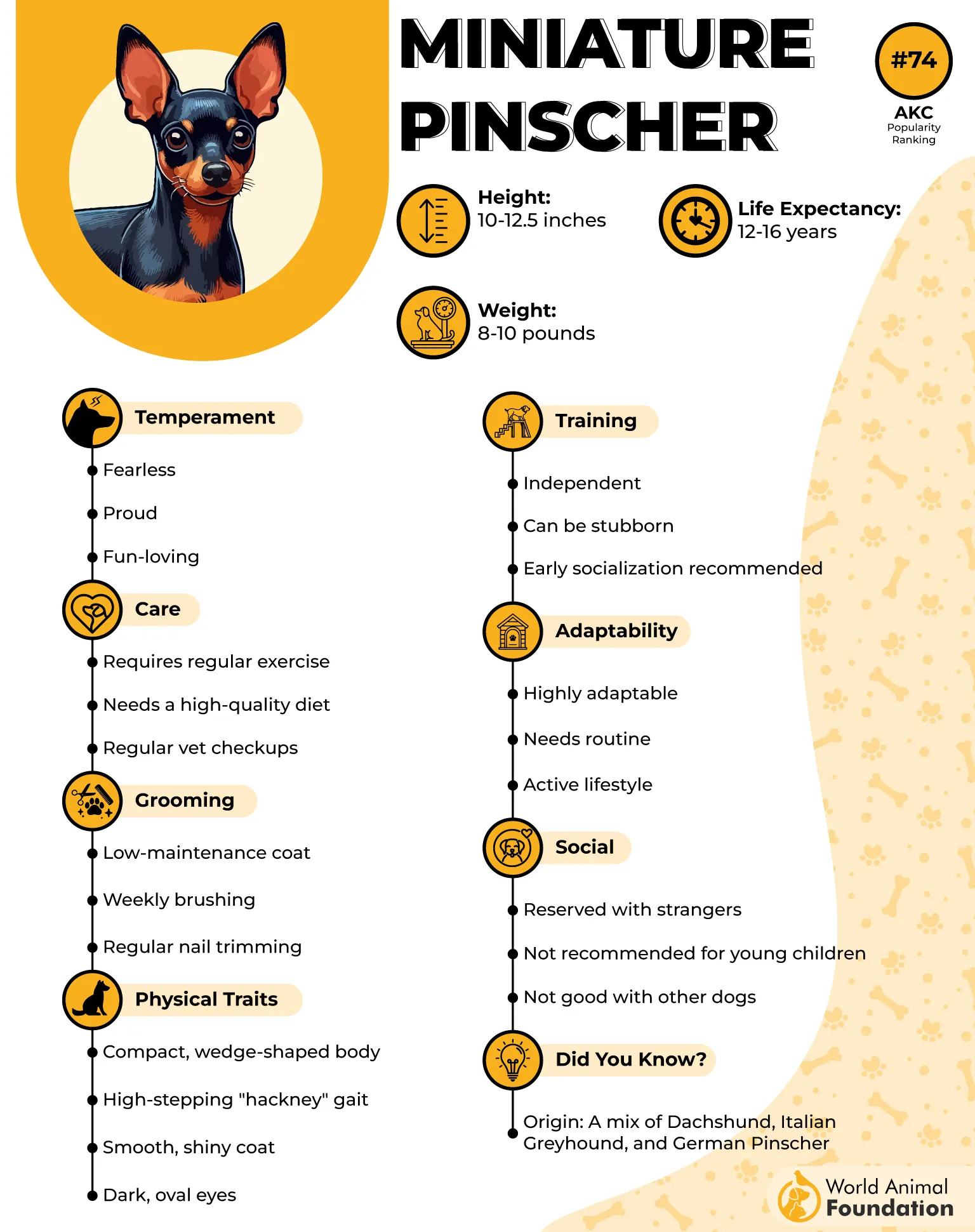
Caring for a Miniature Pinscher
Start training during puppyhood and use patience.
Keep their weight healthy with regular exercise.
Their short coat needs little grooming.
Brush occasionally to remove loose hair.
Teach calm behavior to prevent aggressive reactions around unfamiliar people.
Conclusion
Choosing the right small family watchdog takes careful consideration. Yorkshire Terriers, Cairn Terriers, and Chihuahuas offer bold alerts. Lhasa Apsos bring ancient guarding instincts. Miniature Schnauzers, Pomeranians, and Miniature Pinschers add confidence and lively energy.
Each small dog breed has different strengths. However, no single breed suits every family. Additionally, many mixed breed dogs can make loyal companions. Consider the individual dog, not just its breed. Visit local shelters or contact a responsible breeder or rescue.
Meet the puppy before making your choice. Early training and socialization encourage appropriate barking. Regular grooming, exercise, and veterinary care also matter. Ask your veterinarian about health needs if your dog is prone to certain conditions.
Remember, a courageous watchdog can alert you at the door, but cannot replace home protection. Choose a dog that fits your lifestyle and offers lasting human companionship.
