




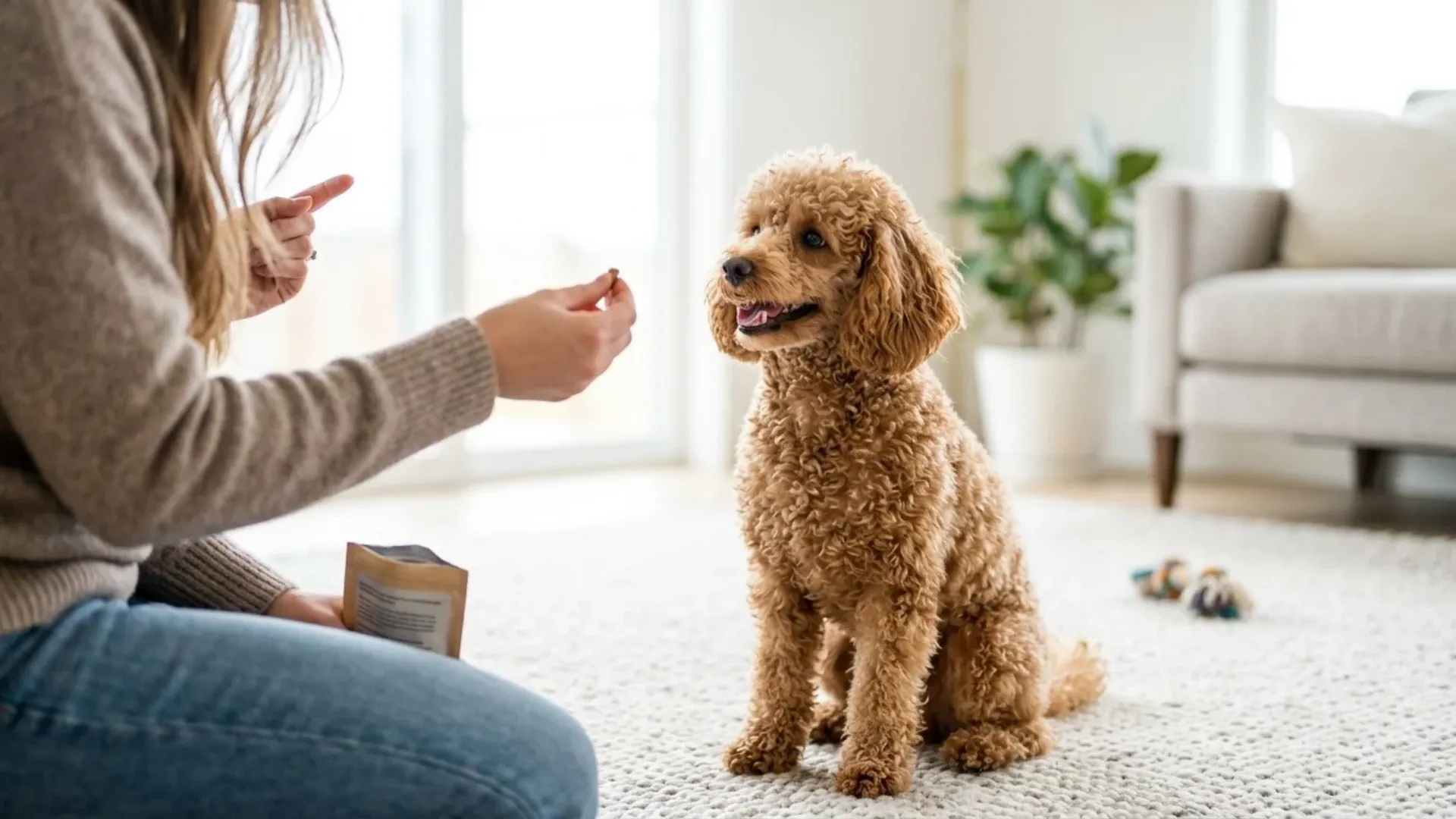
A little dog can change the whole vibe of your home. Small breeds make everyday life more fun, whether they’re greeting visitors or curling up with the family. The best part? They’re a great match for pet parents who love an active dog but live in an apartment.
That said, a small size doesn’t automatically mean an easygoing, gentle temperament. Energy level, barking, and independence all matter if you want a dog that fits your lifestyle.
If you want a pal who can learn house manners without a battle of wits, these seven breeds are worth a look. Each has its own charm, learning style, and training needs. With patience and consistency, you can help your little buddy grow into a confident, well-behaved member of the family.
Come along and meet some of the best small dog breeds for first-time and experienced owners alike. These pups are friendlier than many dogs out there.
Friendly Miniature Dog Breeds with Simple Training
1. Papillon
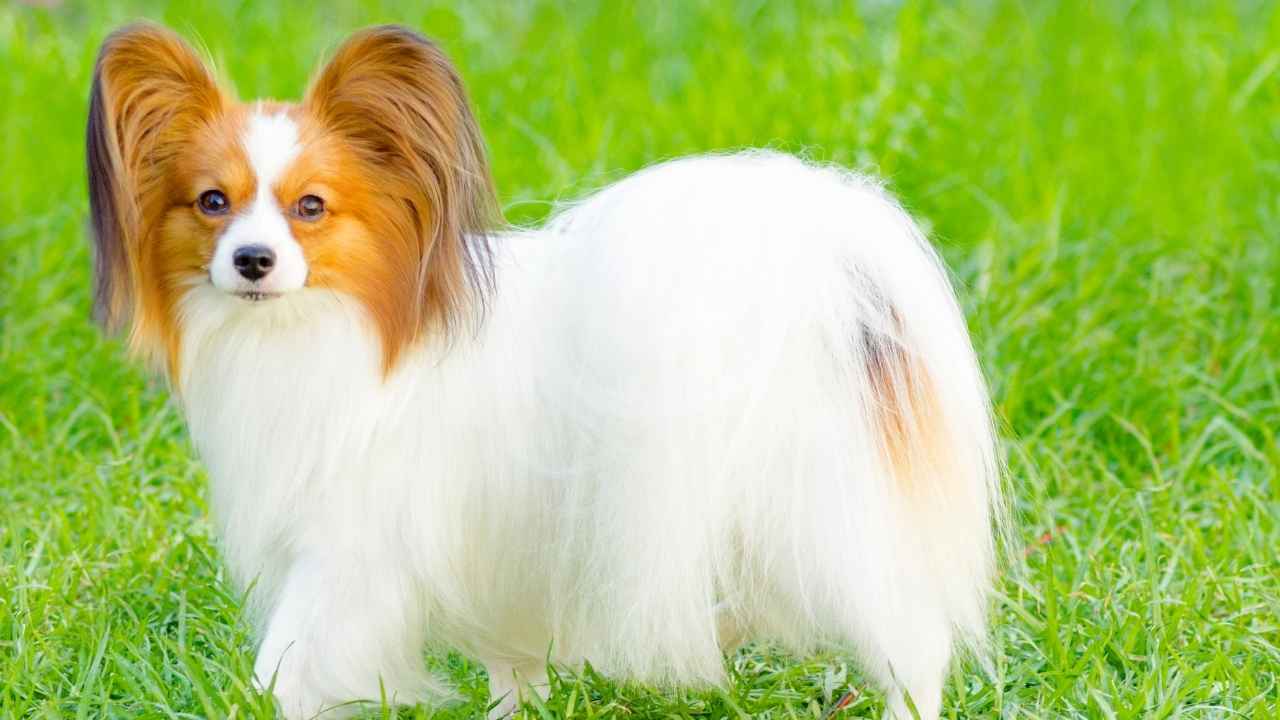
Though frail-looking, the Papillon is a bright little pup. It is named after its distinctive ears, which resemble those of a butterfly. Papillons are intelligent, loving, and energetic, making them a fun companion for those who wish for a small dog that likes to learn.
They are intelligent and very interested in people, so basic training can be a rewarding experience. A Papillon can learn tricks and easily become proficient in simple commands such as “sit”, “stay,” and “come”. The American Kennel Club notes the breed’s ability to excel in obedience, dog sports, and agility.
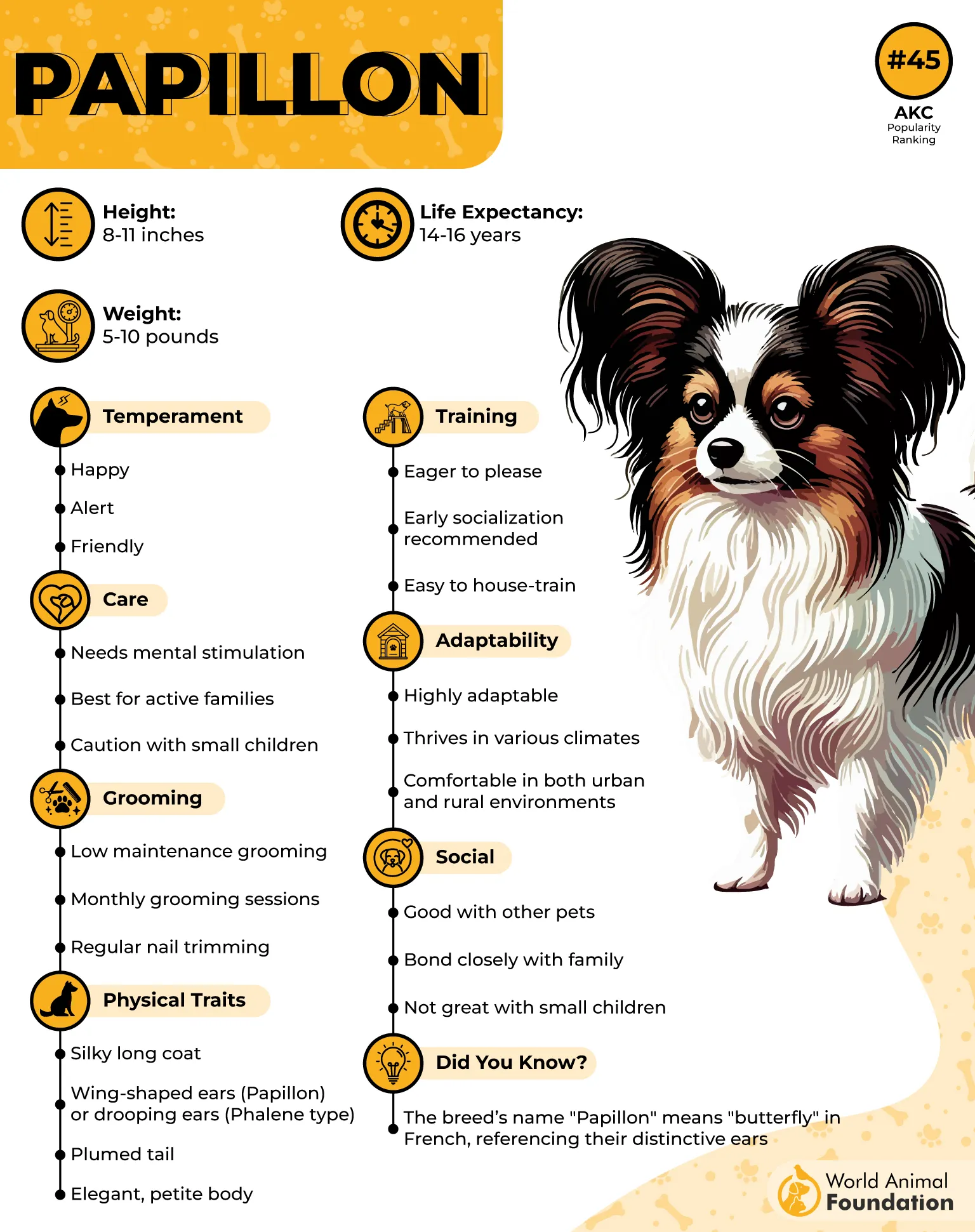
Keep lessons short and interesting. A quick training session and game may be more effective than a long, repetitive session. Early socialization is also beneficial for this dog. This dog is a great choice if you want a lively, interesting companion in your home.
2. Miniature Poodle
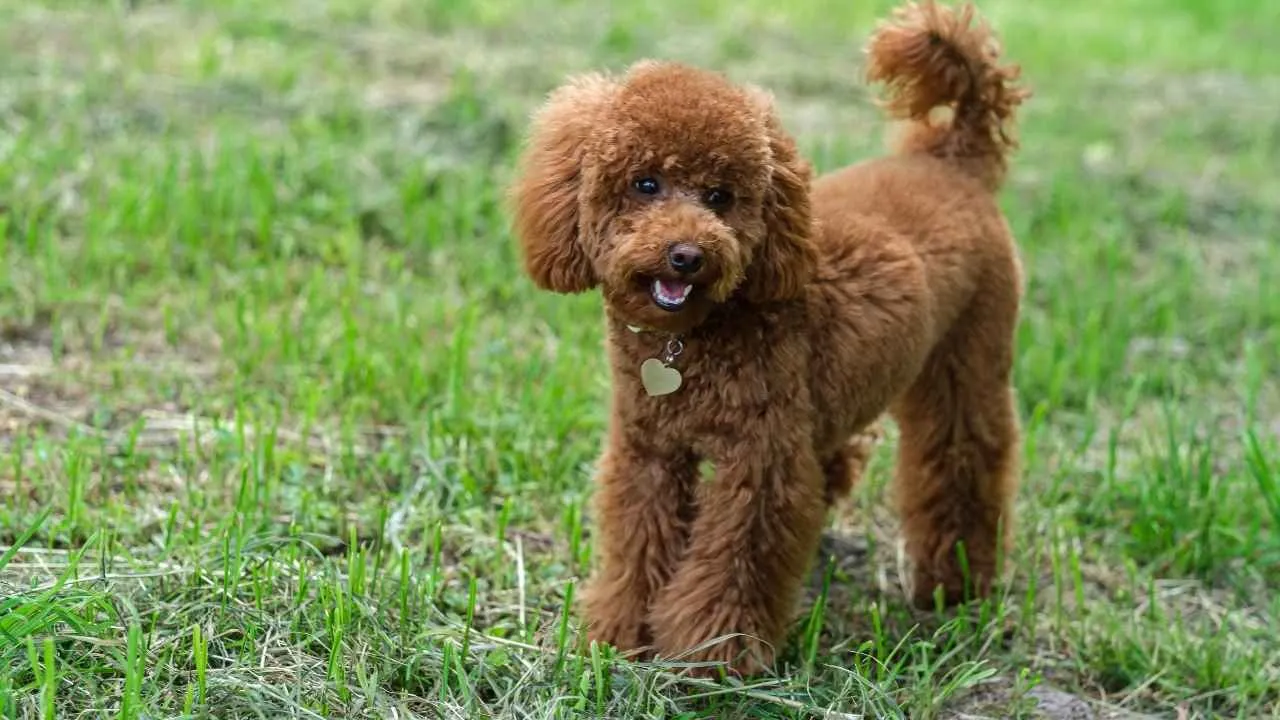
Miniature poodles are the perfect representative of short dog breeds. This smart dog is far more than just a curly dog with a great look. Miniature Poodles can be great companions to their owners and are a good choice for owners who prefer to have an engaging training experience.
They can learn basic obedience, routines around the house, tricks, and more. They are quick learners, which is good, but can also lead to a need for mental stimulation. Give your dog some puzzle toys, scent games and brief courses of training to keep boredom at bay.
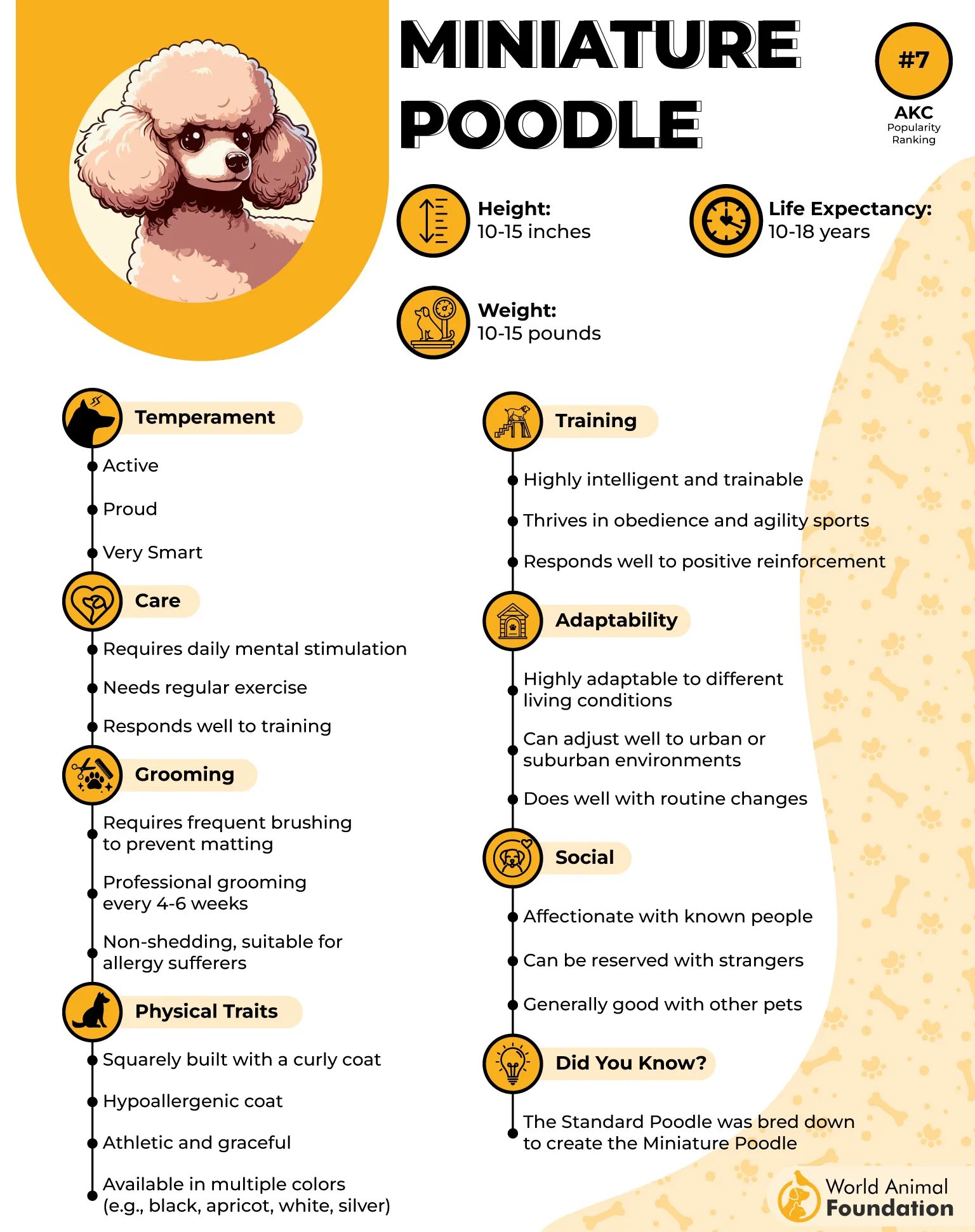
Miniature Poodles require regular boundaries and exercise like all dogs. If there aren’t suitable activities on offer, an intelligent dog might find ways to keep itself occupied, according to Omlet UK.
Grooming is also necessary due to their smooth, curly coat. This breed can be a good dog to own for people who like to train and communicate with their animals.
3. Miniature Schnauzer
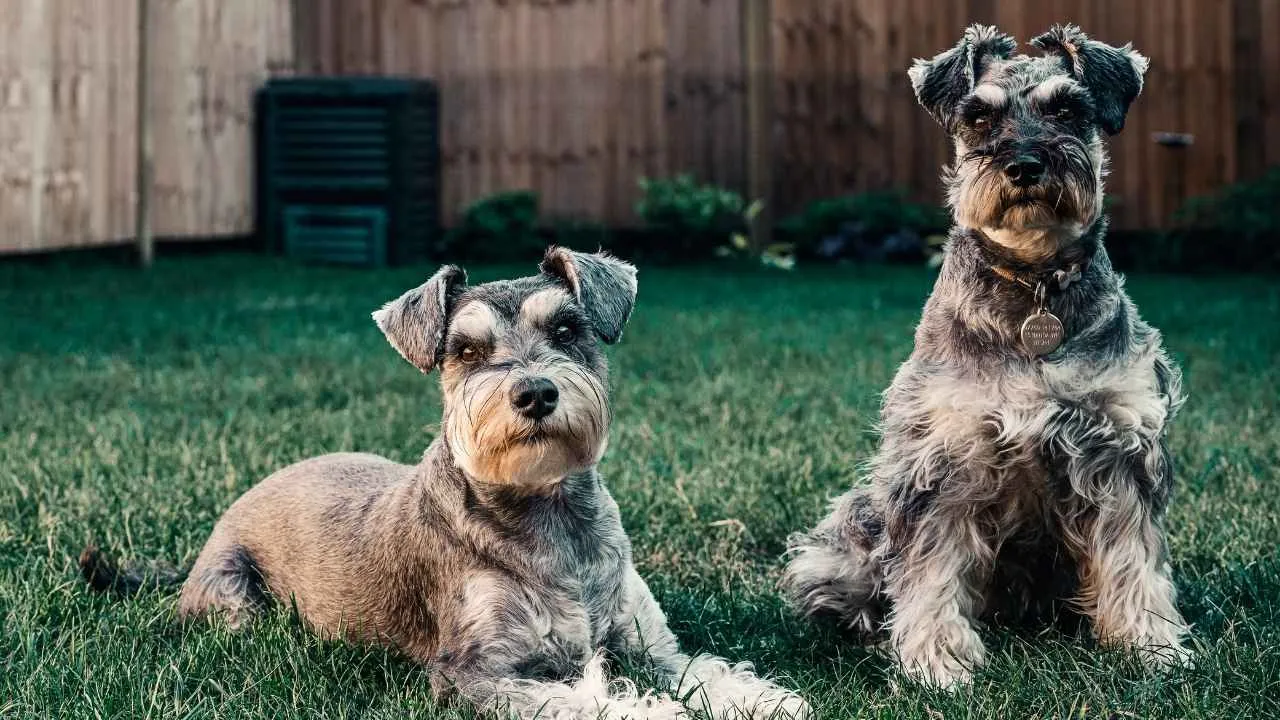
The Miniature Schnauzer has a distinct beard and eyebrows and resembles a little old man with a lively attitude. Its personality can be playful, curious, and self-confident. This breed was bred to be a farm dog and ratter, and is alert and active, not preferring to spend its time on the sofa.
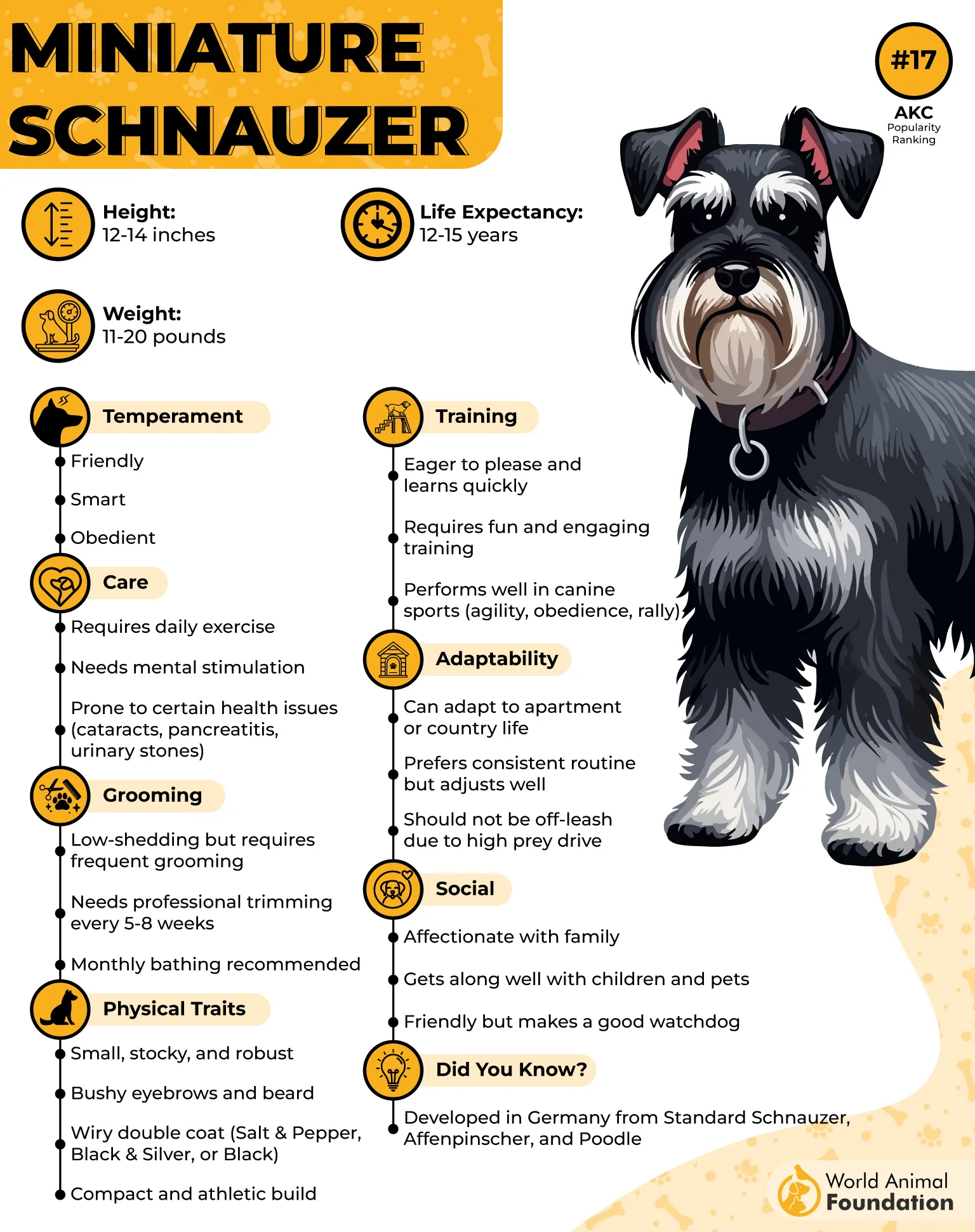
These dogs are usually an easy breed to train, as long as it is clear and rewarding. They can acquire guidelines for the house, leash behaviour, and basic obedience, particularly when they are taught at an early age. They learn fast, making them possibly an enthusiastic watchdog.
Its energy can be channeled through daily walks and interactive play sessions. It is also important to groom them regularly so that their wiry coat stays in the best condition, according to the Royal Kennel Club.
4. Schipperke
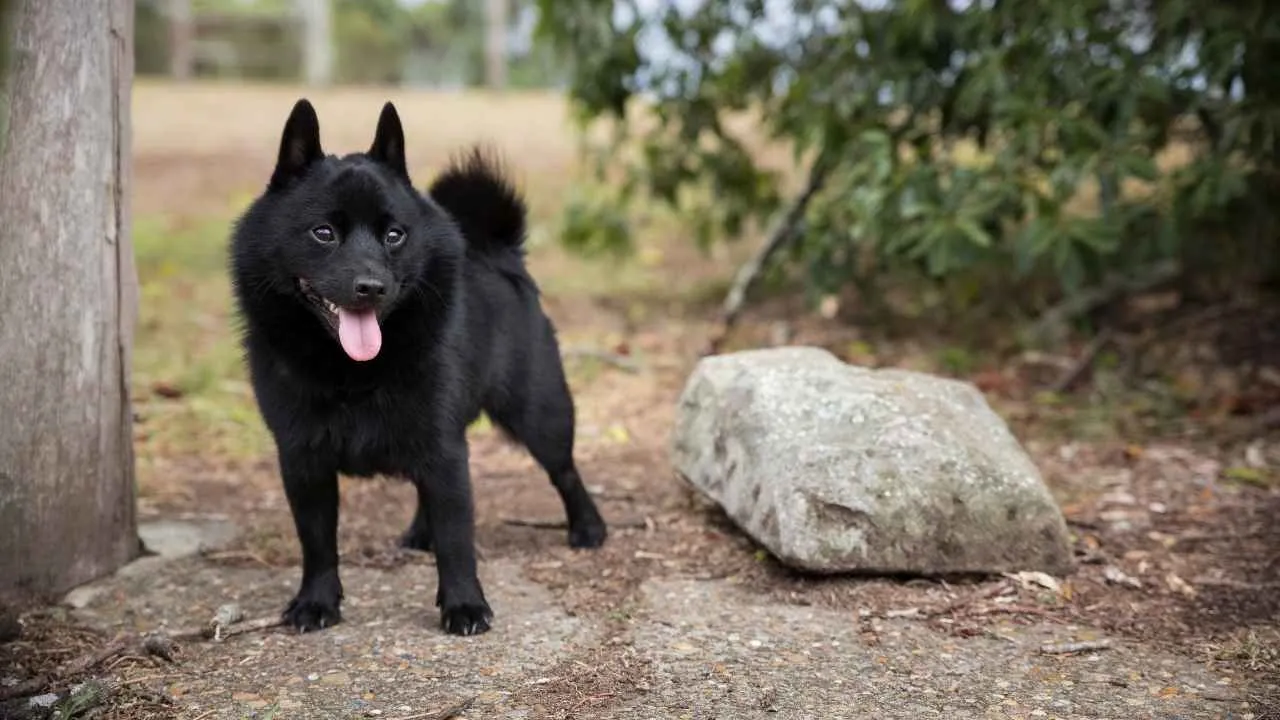
The Schipperke is small, black, and fox-like, adding a lot of personality to a small package. This alert breed has been bred for working around boats and water bodies and is a curious and independent pet. It will be loving and cuddly with its family but may be more alert than a normal lap dog.
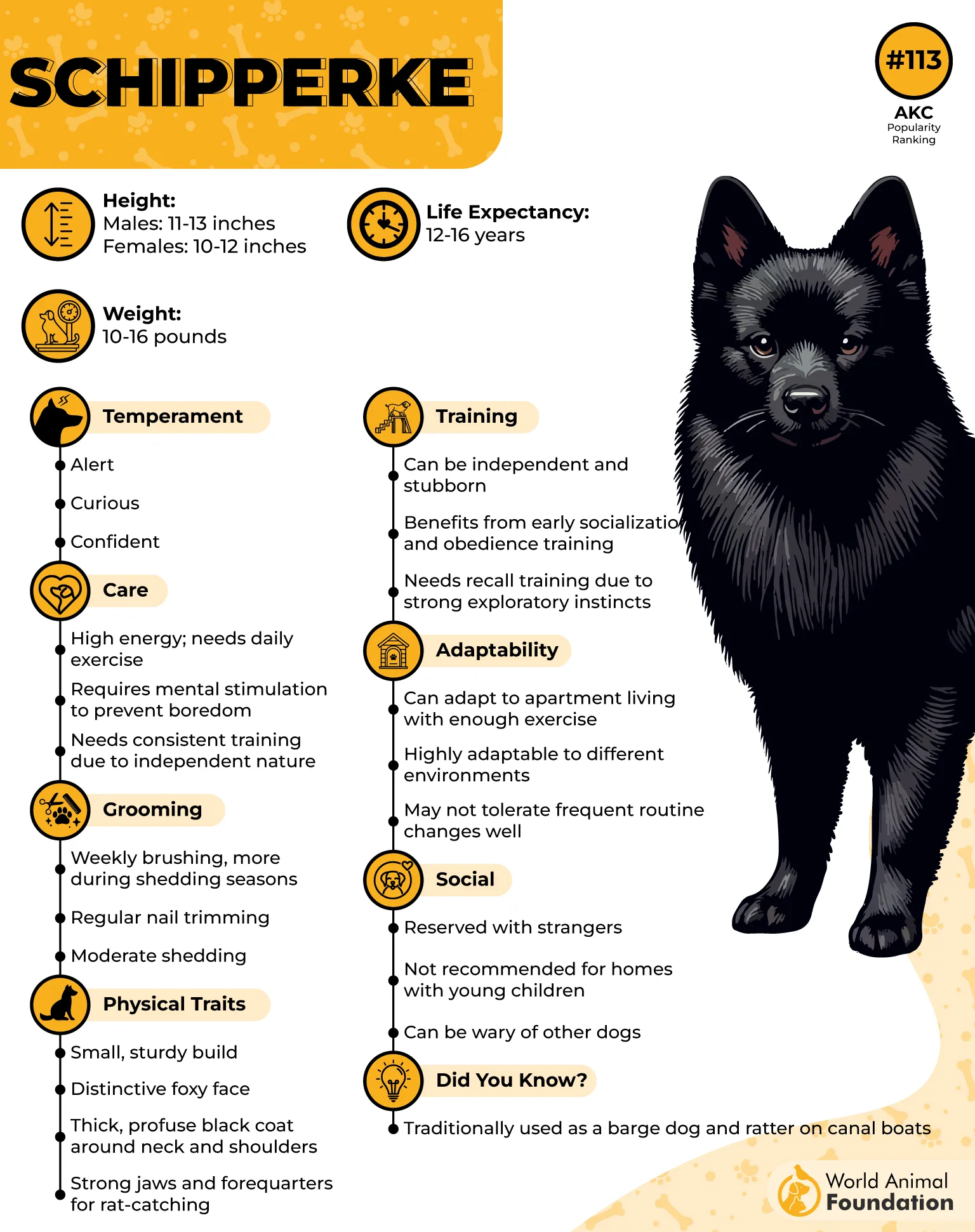
Schippers are smart dogs that can be taught necessary house skills, tricks, and commands. They do have an independent streak, so training should be consistent and patient. Use small rewards, praise, and games to make training worthwhile. Vary lessons, reward the behaviour you want before your dog settles.
This breed is suited to an active and curious person who is willing to be patient.
5. Havanese
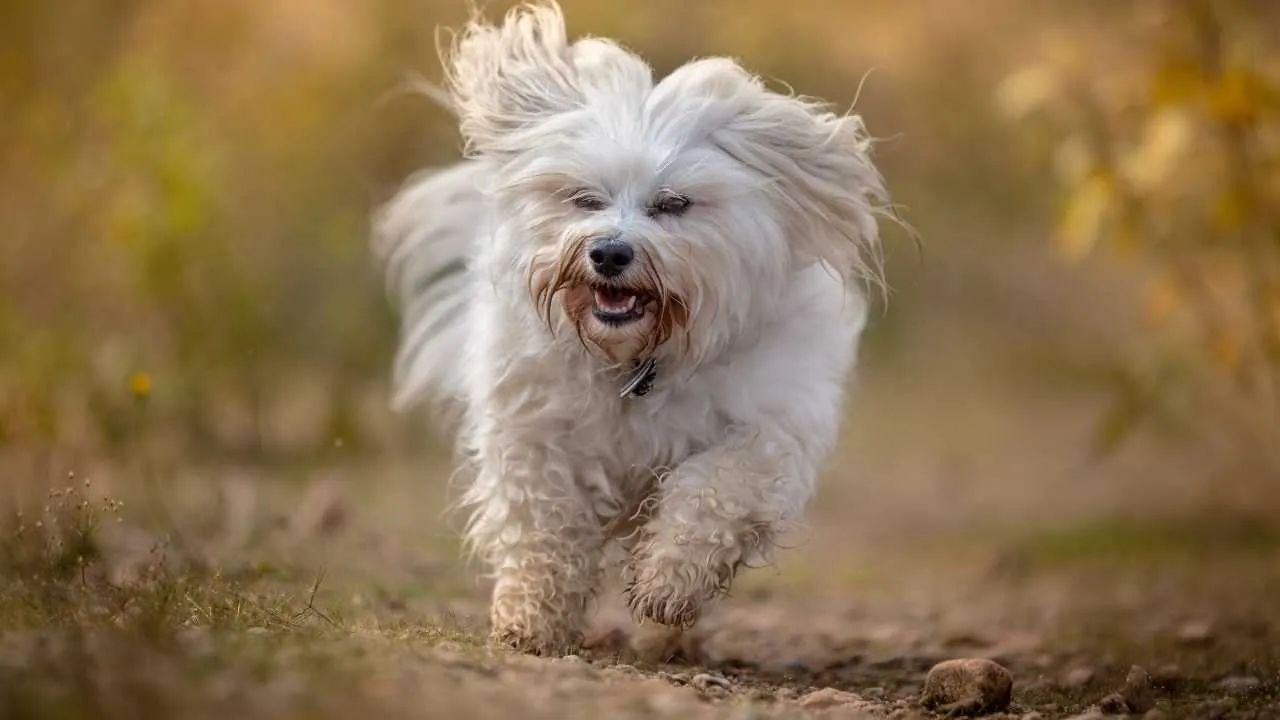
Havanese is a happy, friendly and sociable dog. This tiny dog is the national dog of Cuba and may be very dependent on family interactions. This is a suitable breed for those who prefer having a dog that plays along with them and doesn’t work for hours without them.
Generally, these dogs can be handled with positive, gentle training. Introduce simple instructions, names, and concepts such as toilet training and gentle greetings. Offer praise and small rewards for positive behaviours. They love company and attention, so their favourite person and attention can also be a good reward.
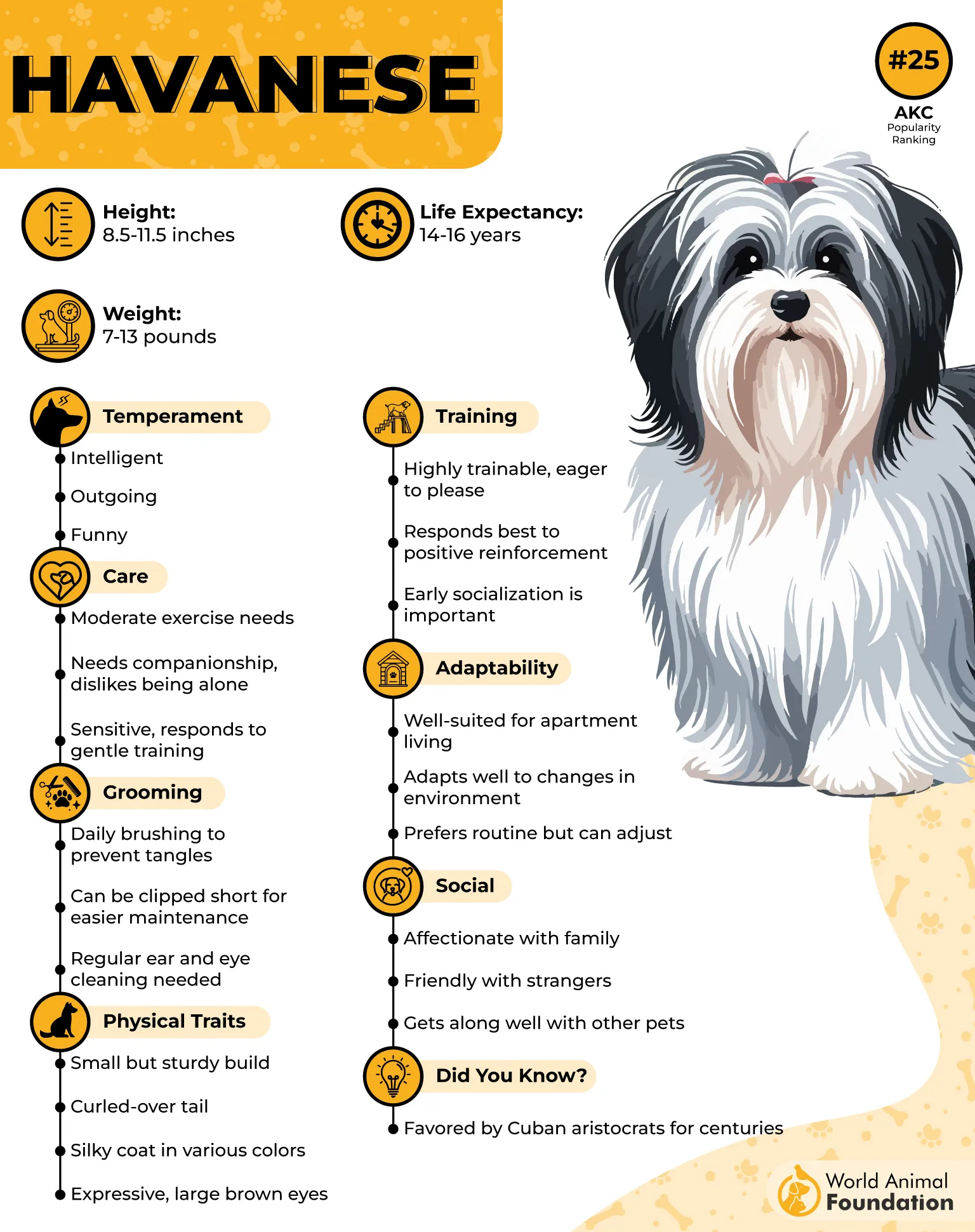
These dogs do suffer from separation anxiety, so calmly introduce short separations and create a safe and comfortable area with the right toys. Supervision is also important when these dogs are around younger kids.
This is a long-coated breed and requires frequent brushing, but you can opt for a shorter puppy trim to make it easier to take care of. This is a warm and energetic breed that can be a great family pet and will be loving and affectionate.
6. Bichon Frise
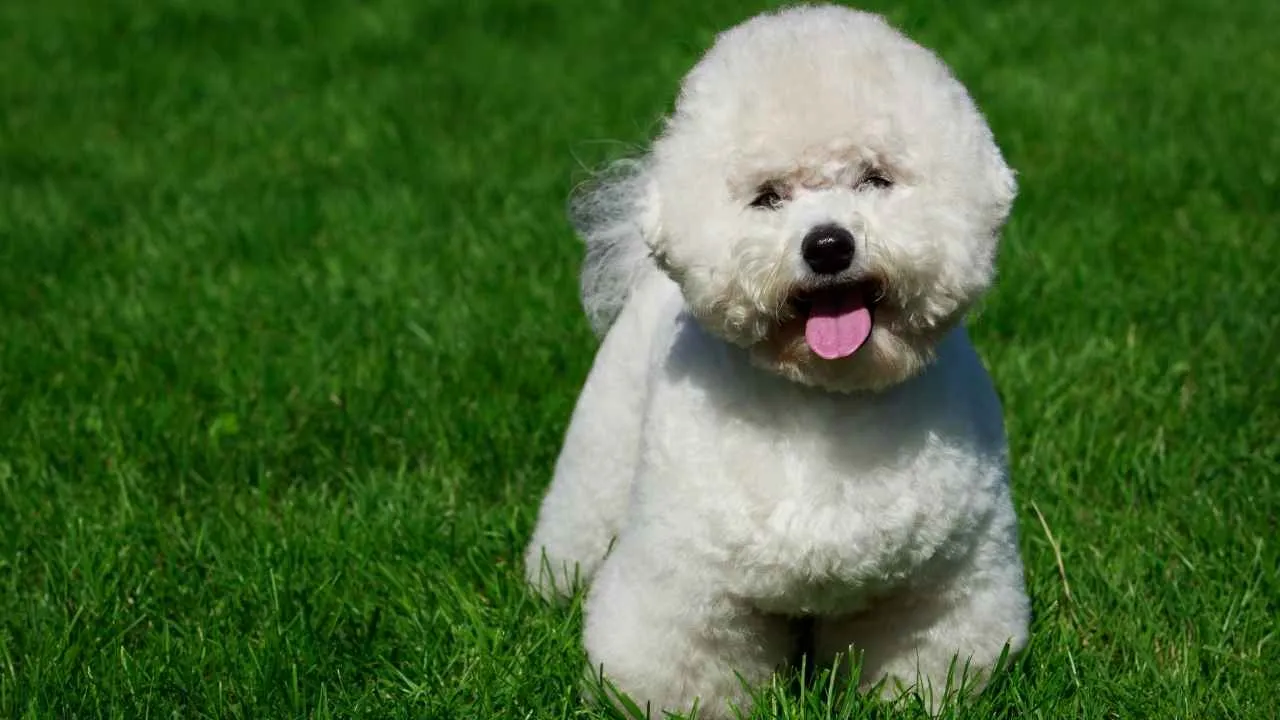
The Bichon Frise is a fluffy, white-coated breed with a cheerful attitude and can be seen as a walking smiley face. This petite dog is generally friendly and loves being around people. Its positive energy can be infectious, making it the perfect dog for dull households.
With short, positive training sessions, Bichons can learn basic obedience and household manners. Start by practicing one skill at a time. Immediate reinforcement for the desired behaviour will help your dog learn them very quickly.
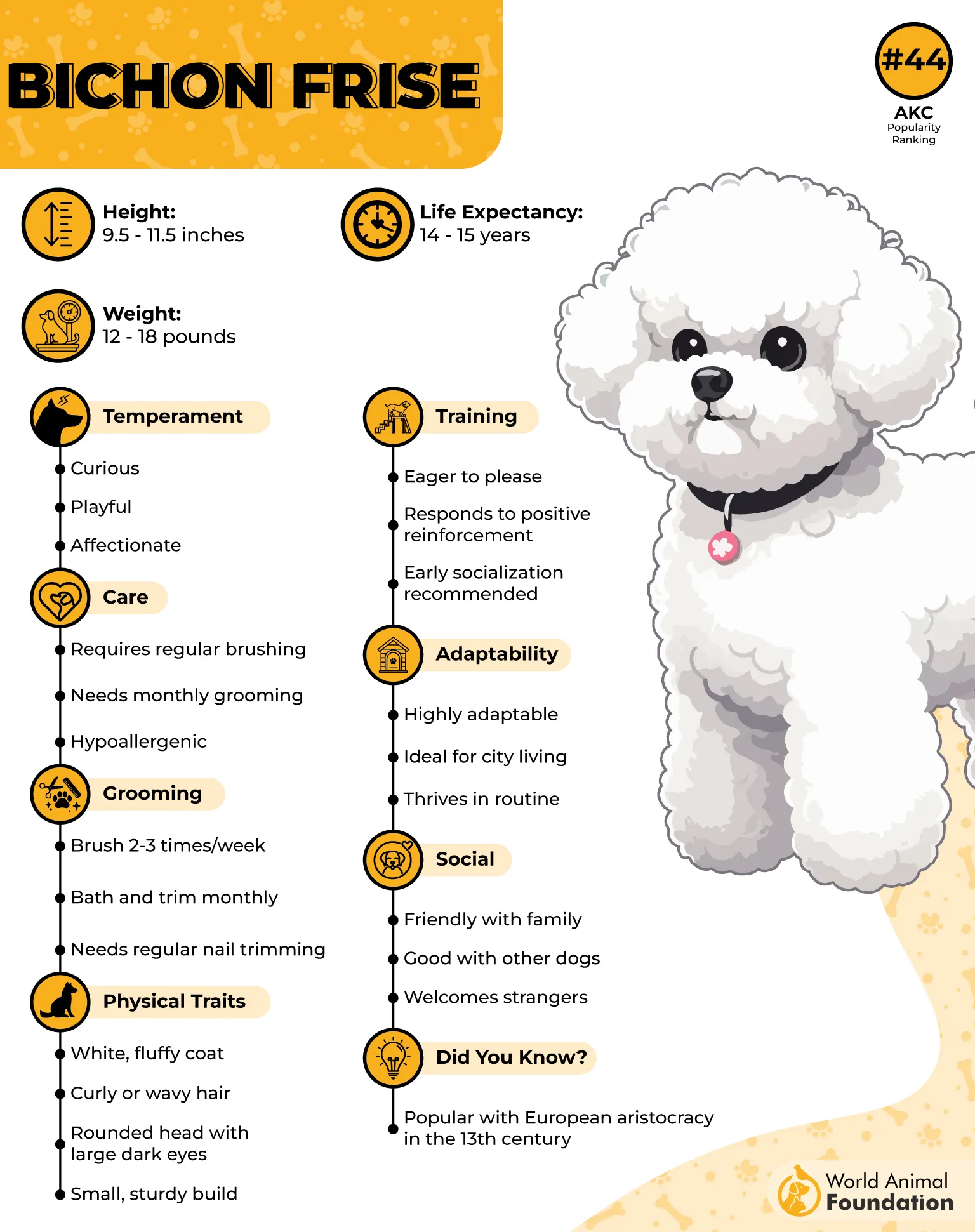
Patience may be required when teaching a young puppy. Establish a routine for when to walk your dog, especially after meals and after sleeping, and reward positive behavior. Bichons also require additional grooming, exercise, and companionship. Their happy demeanor should not detract from these responsibilities.
7. Maltese
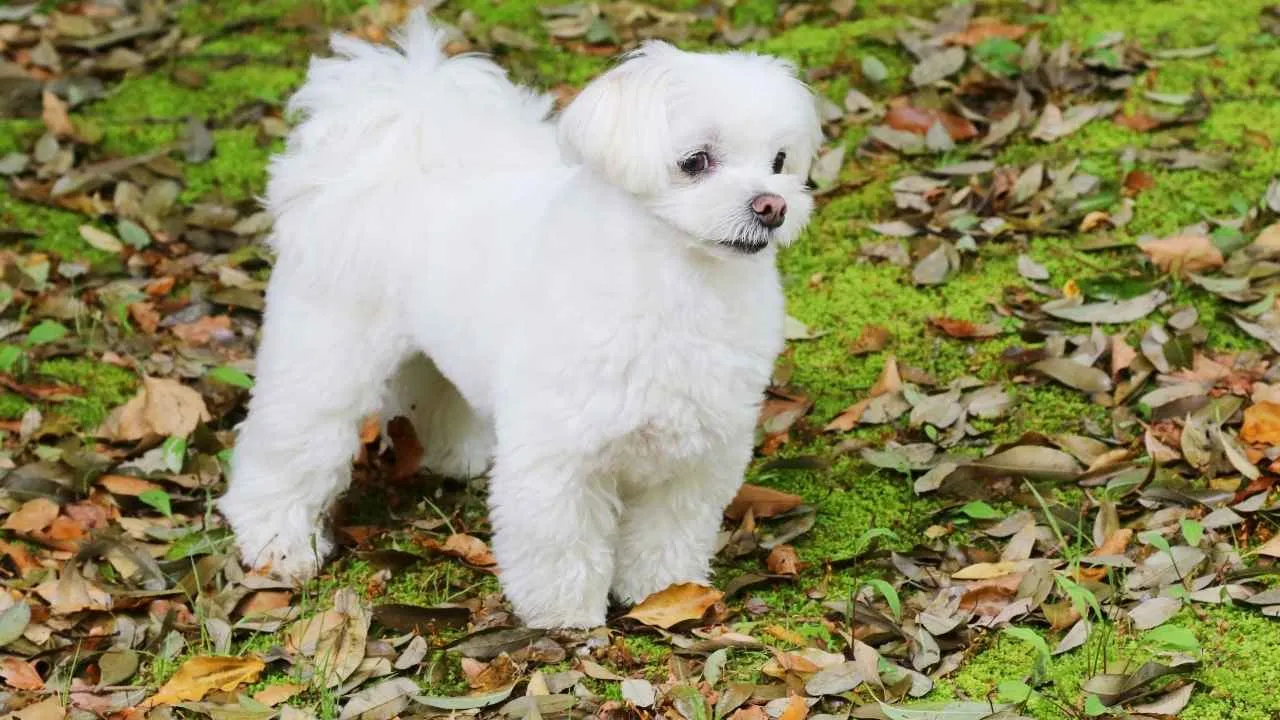
The Maltese is well known for its silky white fur, but there’s more to this charming breed than meets the eye. This small dog breed prefers making close bonds with its family and likes to be a part of the daily routines.
It is recommended that basic training be conducted in a gentle and consistent manner. The dog can be kept interested with food, positive reinforcement, and play. A basic recall cue is particularly helpful with this trainable dog.
Due to its size, owners might be tempted to carry the breed around everywhere in favor of convenience. It still has to learn how to be calm when leashed, settle when called, and behave politely with people. Small children must be taught to be gentle around this delicate breed.
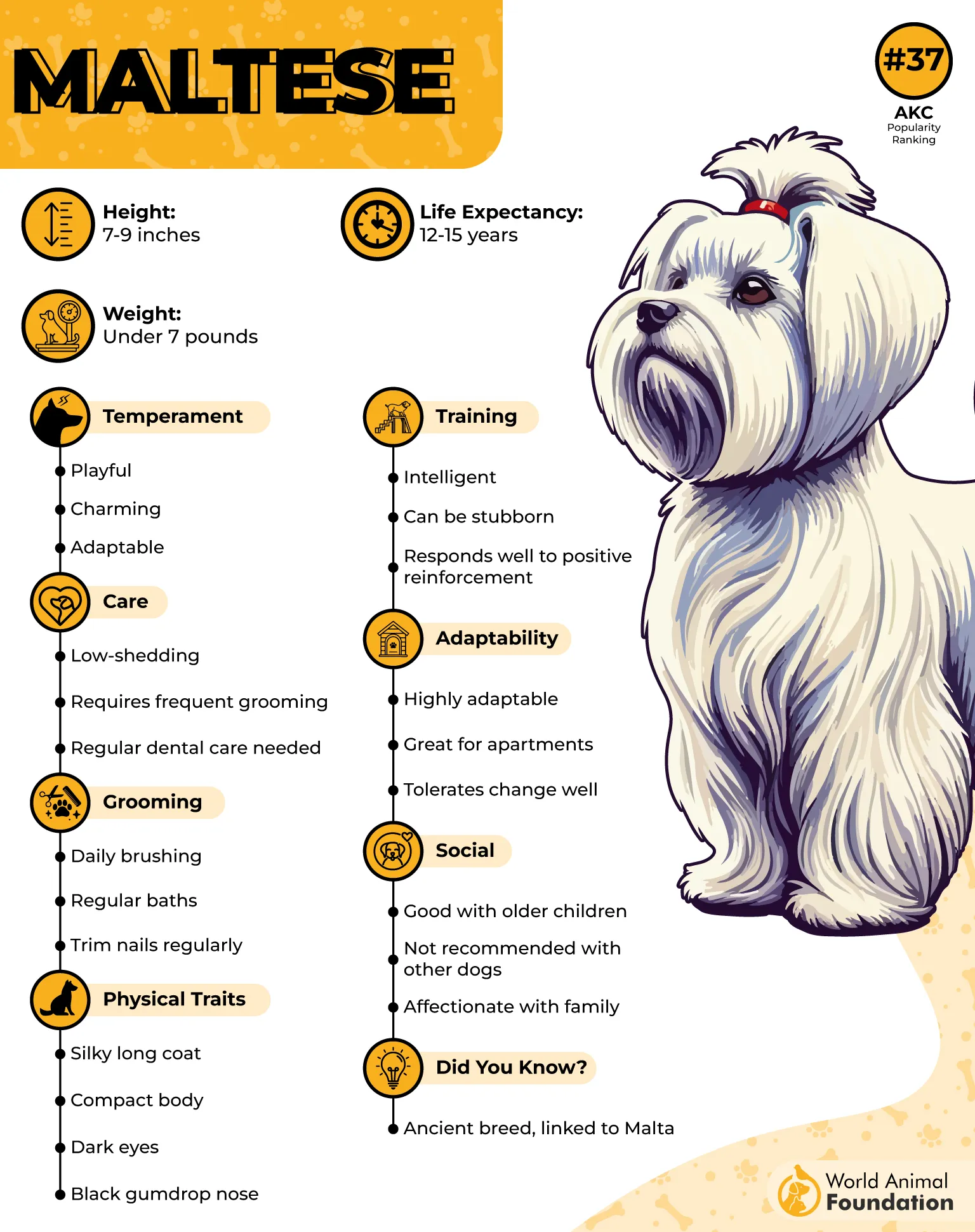
Its long coat type requires regular brushing. In addition to this, the dog requires regular exercise and outings on long walks, although the amount of exercise it requires is relatively small when compared to more active and working dog breeds.
This breed can comfortably fit into many households. If you want an affectionate companion whose coat you can keep up with, the Maltese is the ideal choice.
Conclusion
There are low-maintenance dog breeds that make great companions. However, easy to train doesn’t mean this need can be ignored entirely.
No matter what breed you choose, attention is required. Short sessions, straightforward cues, rewards, and early socialisation are essential in training your dog breed.
These gentle giants have a laid-back demeanor and can be easily trained by first-time dog owners. Short walks and moderate exercise are all you need to make them the right dogs for your family.
Make sure you pick one that will fit into your lifestyle in terms of exercise, grooming needs, and companionship. Even the best small dog breed can develop habits that make life easier and happier for the whole house if you have realistic expectations and can provide daily practice.
