




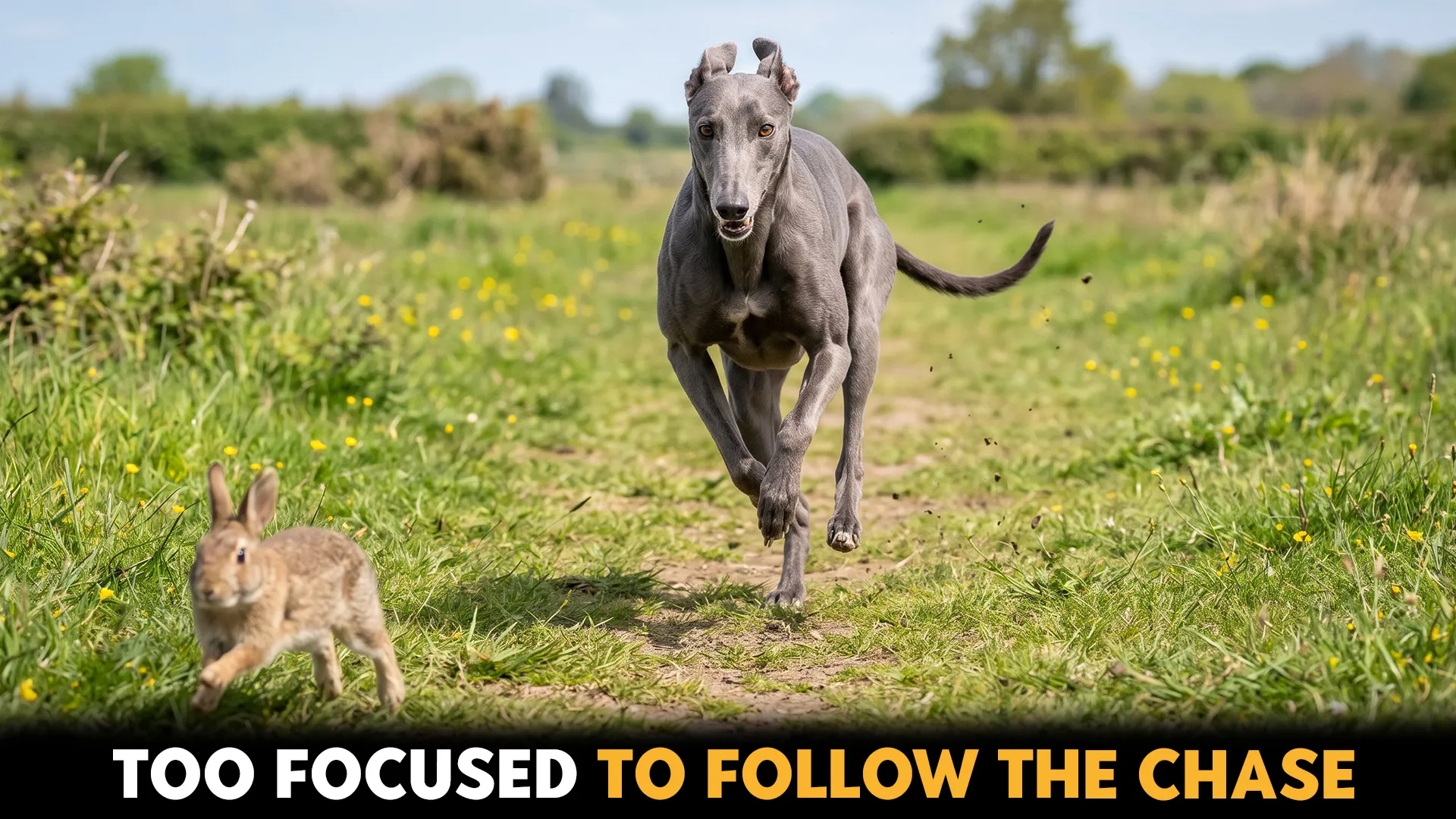
Ever watched a dog spot a squirrel and suddenly forget that you, the leash, and apparently the entire world exist? Yep, that lightning-fast switch from relaxed pup to laser-focused chaser is prey drive showing up!
For some dogs, chasing, tracking, stalking, and grabbing moving things can feel incredibly natural. Those instincts may appear during walks, backyard adventures, or the exact moment a rabbit decides to make a dramatic entrance.
Living with that level of determination can be entertaining, impressive, and occasionally a workout for your leash arm. So, which dogs naturally bring serious chase instincts to everyday life? Let’s meet them.
Did you know?
A strong prey drive does not always need to become a neighborhood squirrel emergency. Games involving chasing, catching, and retrieving, such as fetch, can give those instincts a positive outlet, while agility activities may offer another fun option.
Dog Breeds With Naturally High Prey Drive Behaviors
1. Greyhound
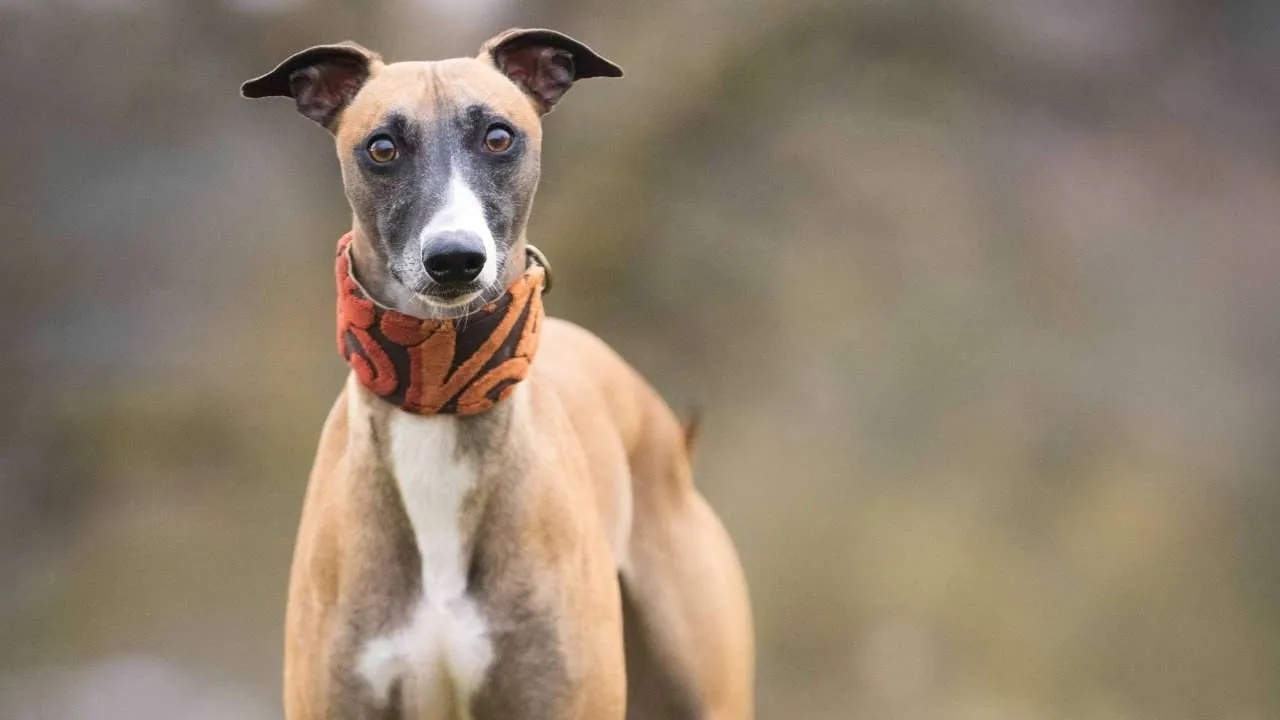
Okay, Greyhounds look wonderfully relaxed until something interesting moves. Their streamlined build was shaped for high-speed pursuit, and that natural chasing instinct can switch on quickly, giving this gentle hound a surprisingly serious hunter side.
Long before couches became part of the Greyhound lifestyle, these dogs were bred for coursing, racing, and hunting. Their job rewarded speed and pursuit, so chasing was never a random hobby. It was built directly into their working purpose.
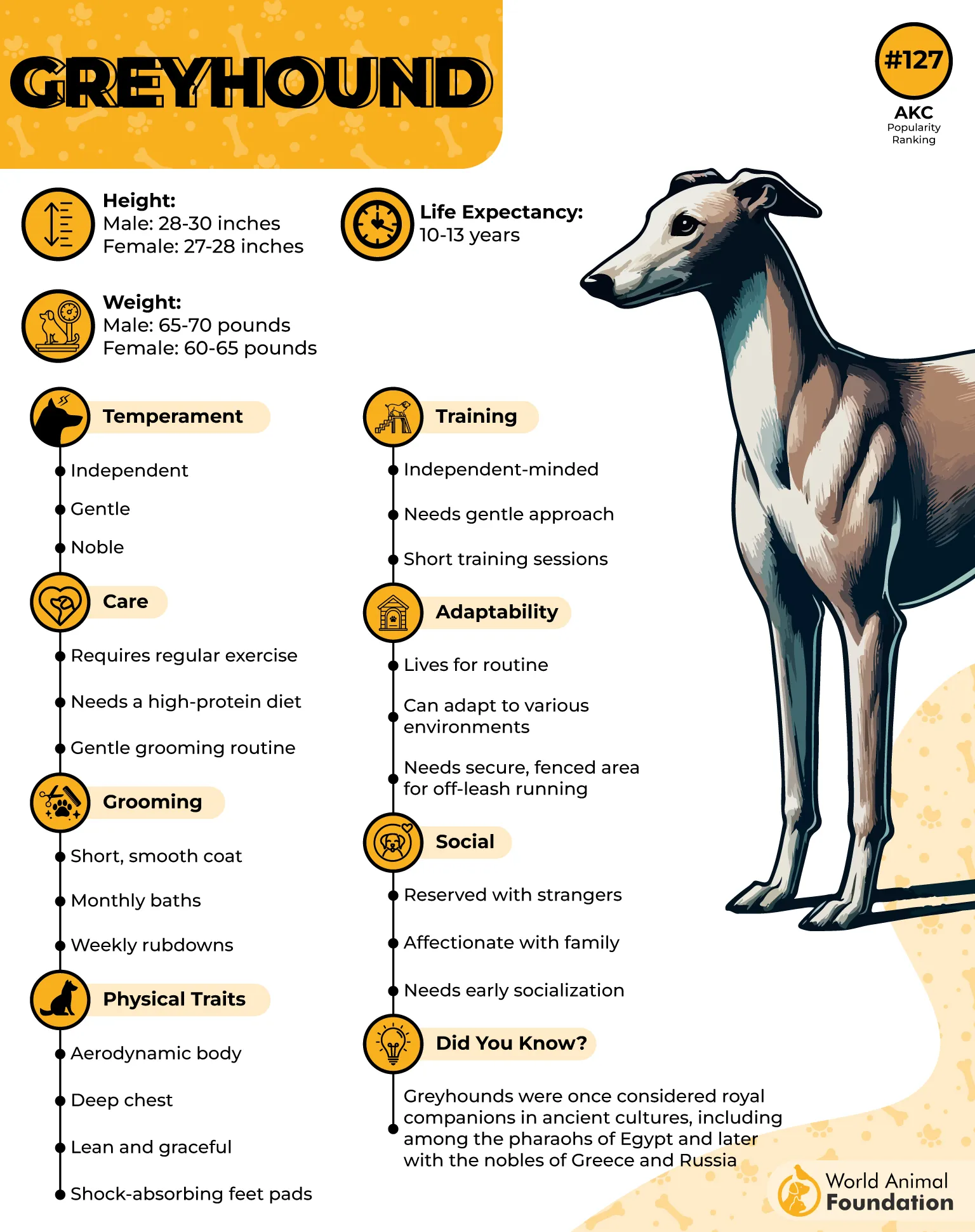
Once motion catches a Greyhound’s eye, the chase instinct can become very convincing. Small pets such as rabbits may trigger that response, so owners need sensible management. Socialization and training can help some Greyhounds share homes with other animals.
Special Considerations For This Breed
Their short coat does not demand extensive grooming.
They can adapt to city living when their needs are properly managed.
2. Saluki
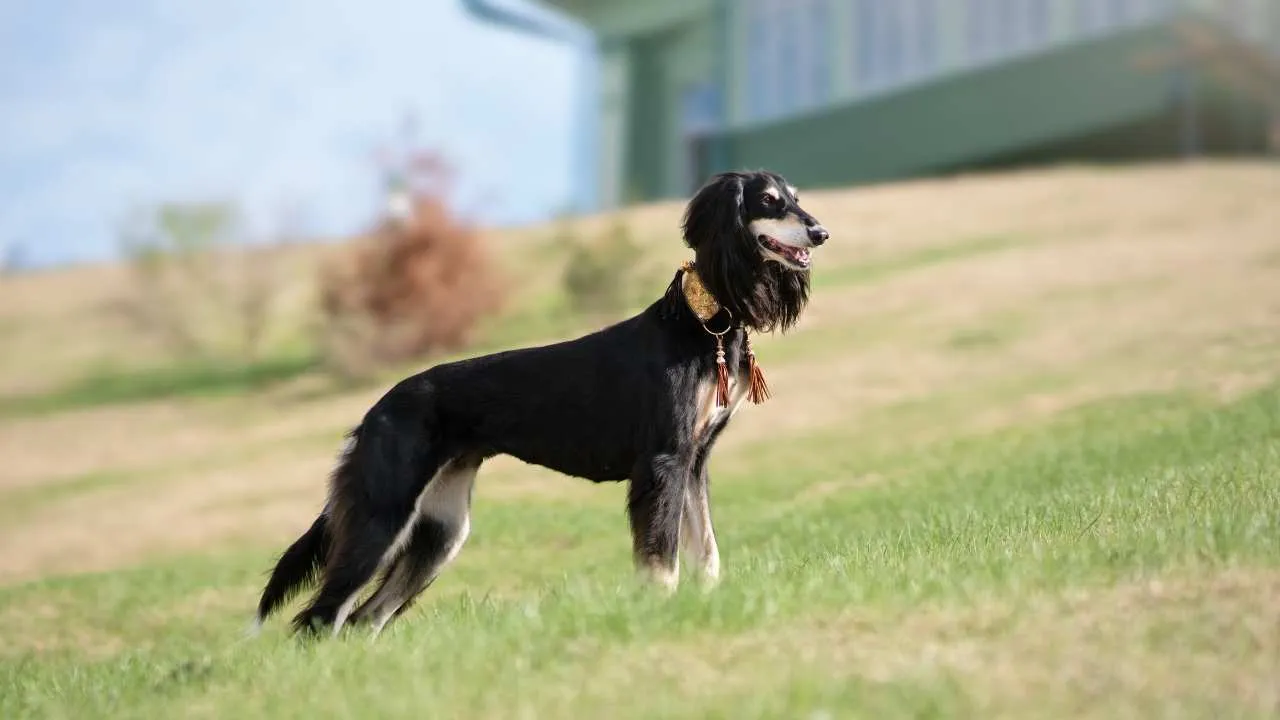
Now, the Saluki carries itself like royalty, but there is serious athletic machinery underneath that elegant look. This ancient hunting hound was valued for speed and endurance, combining a calm manner indoors with an instinctive enthusiasm for chasing moving quarry.
Out in open country, that response makes perfect sense. Salukis were bred to pursue hares, foxes, and gazelles, so movement can awaken centuries of hunting instinct. Smaller animals may suddenly look much more interesting than whatever their owner is doing.
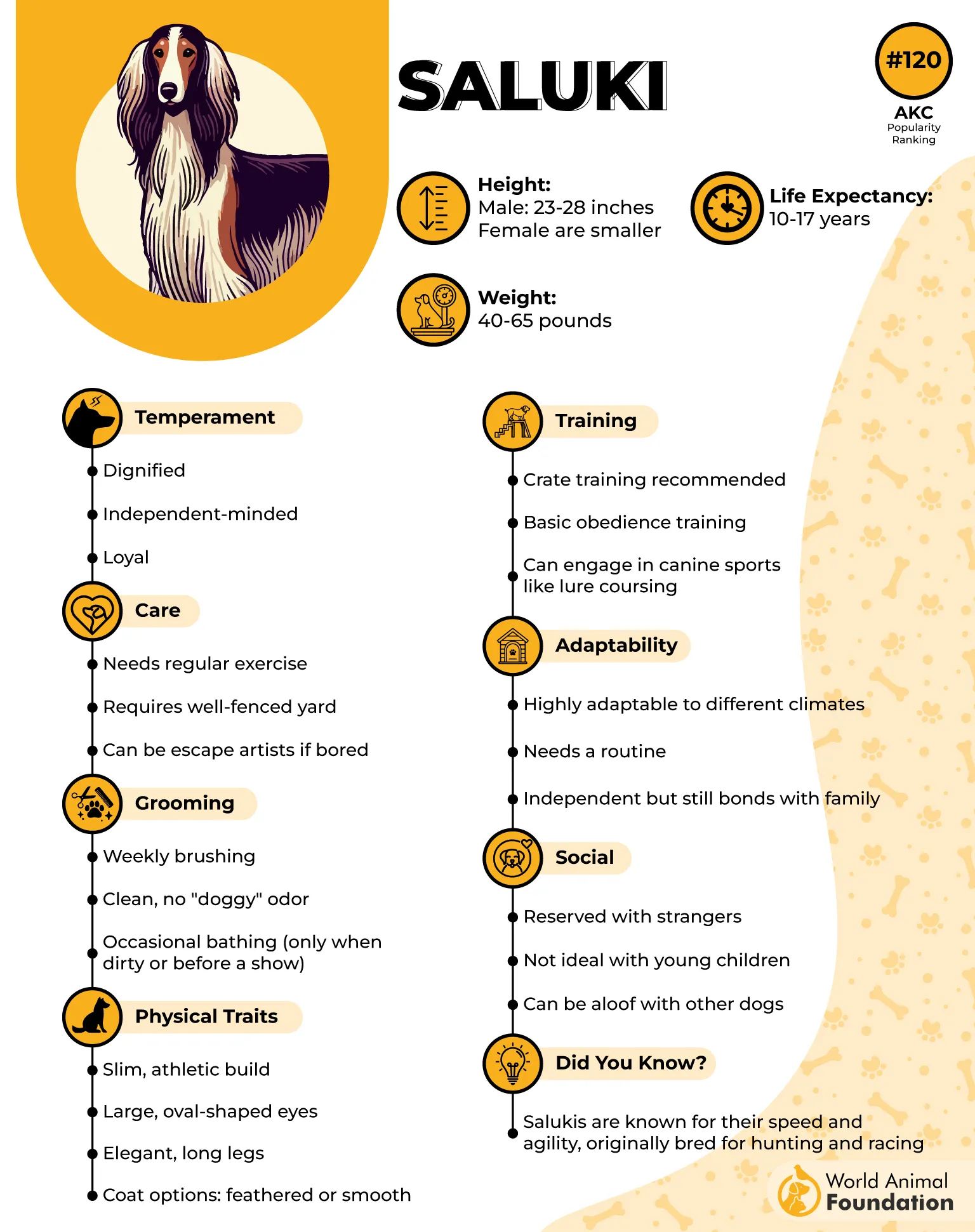
As noted by PetMD, Salukis can be challenging to train because they value independence. Starting obedience classes during puppyhood and consistently using positive reinforcement can make lessons more productive without turning training into an argument.
Special Considerations For This Breed
Feathered coats benefit from quick brushing to prevent mats around longer areas.
Extended separation may be difficult because some become anxious away from their people.
3. Afghan Hound
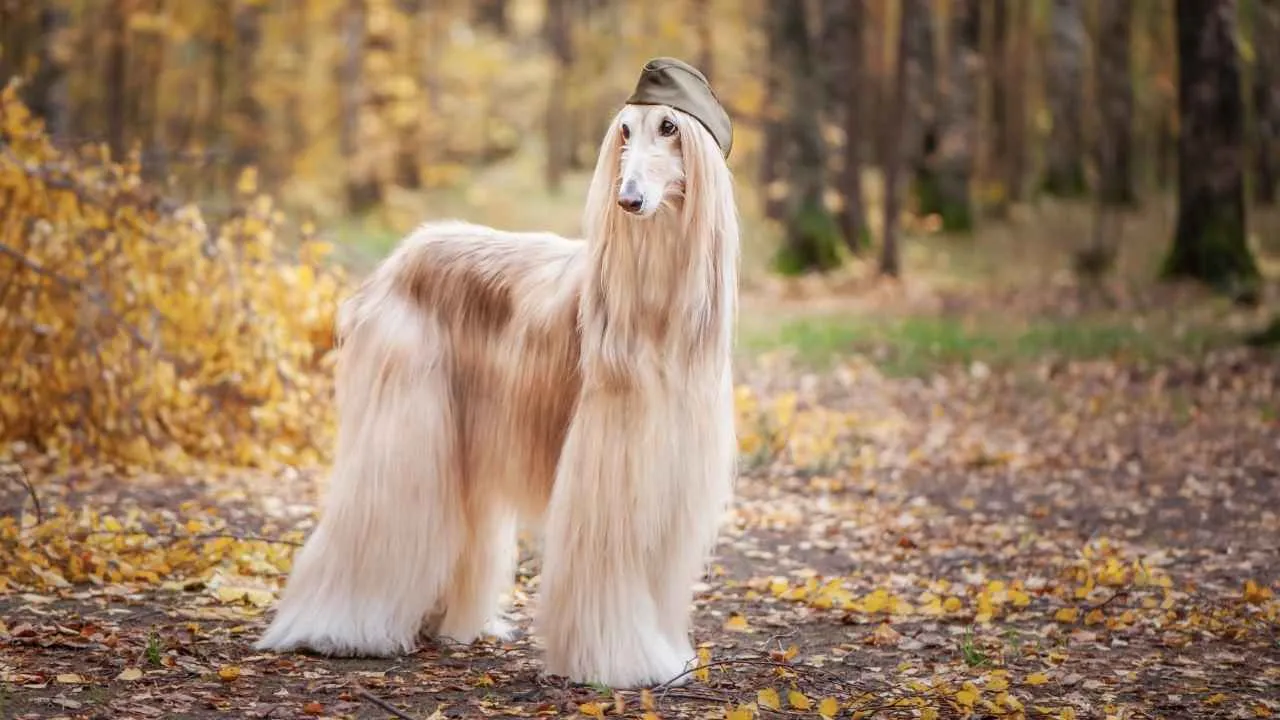
Afghan Hounds bring runway glamour with a very old hunting resume tucked underneath. Recognized by the AKC in 1926, this independent sighthound combines keen vision, quick movement, and a powerful instinct to pursue prey.
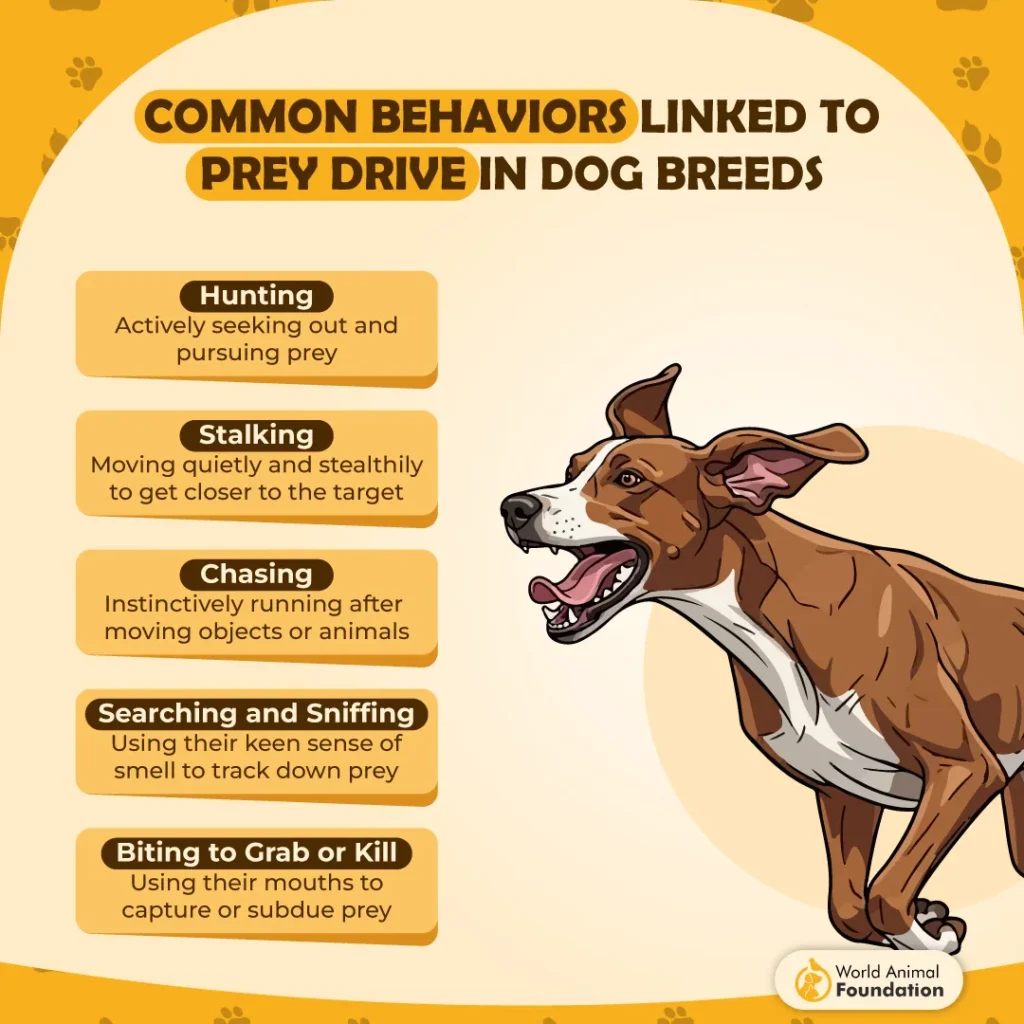
Give an Afghan Hound something small and speedy to notice, and attention can shift fast. These sight hounds may chase squirrels and rabbits, while their earlier hunting work also included gazelle, hare, and even snow leopards in their native region.
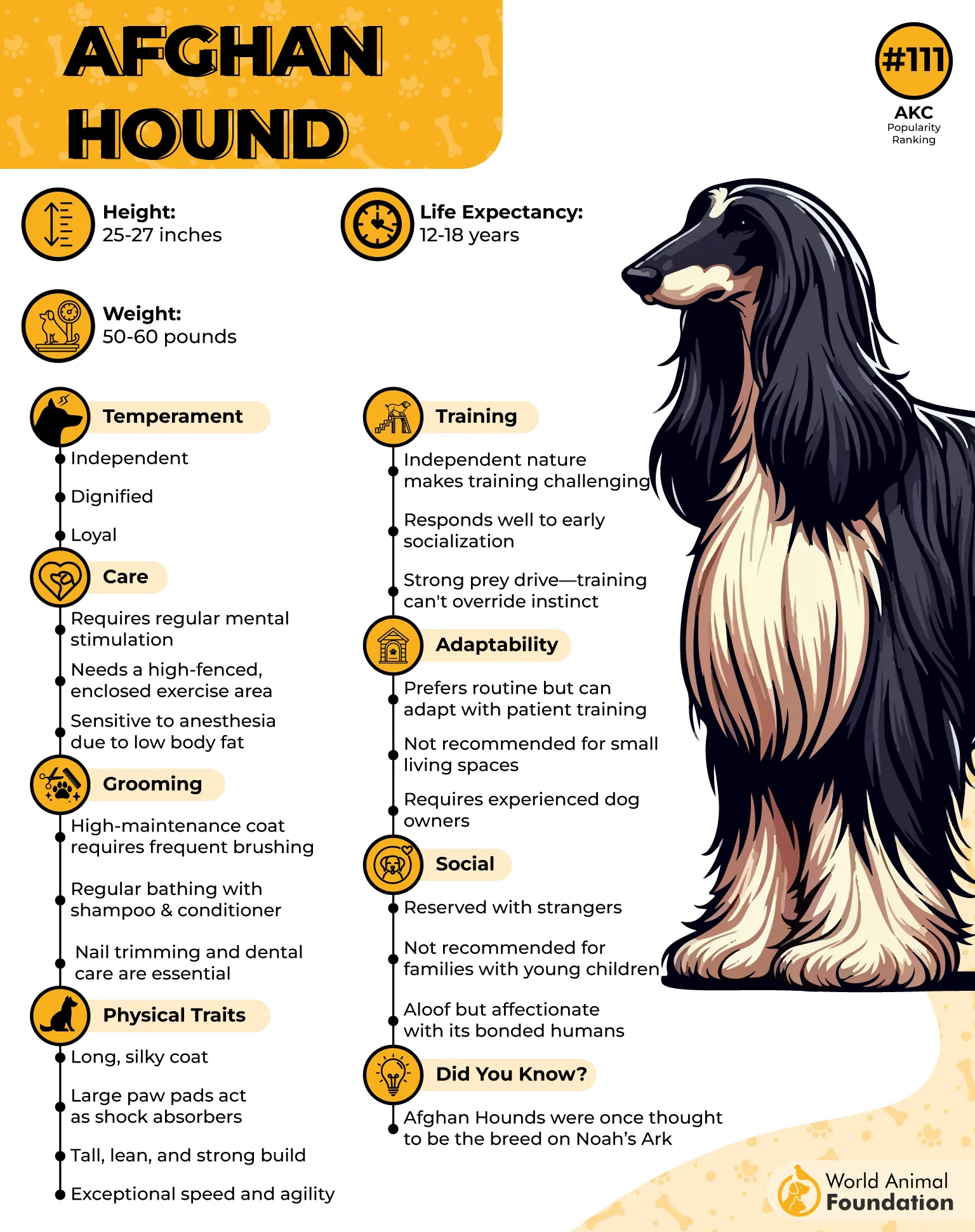
Keeping that elegant brain and athletic body occupied matters more than appearances suggest. Afghan Hounds need regular exercise and mental stimulation, and boredom may encourage vocal behavior or wandering. Their prey drive can make those unscheduled adventures especially troublesome.
Special Considerations For This Breed
Their long, silky coat requires substantial grooming attention.
Reserved behavior around unfamiliar people should not automatically be mistaken for shyness.
4. Jack Russell Terrier
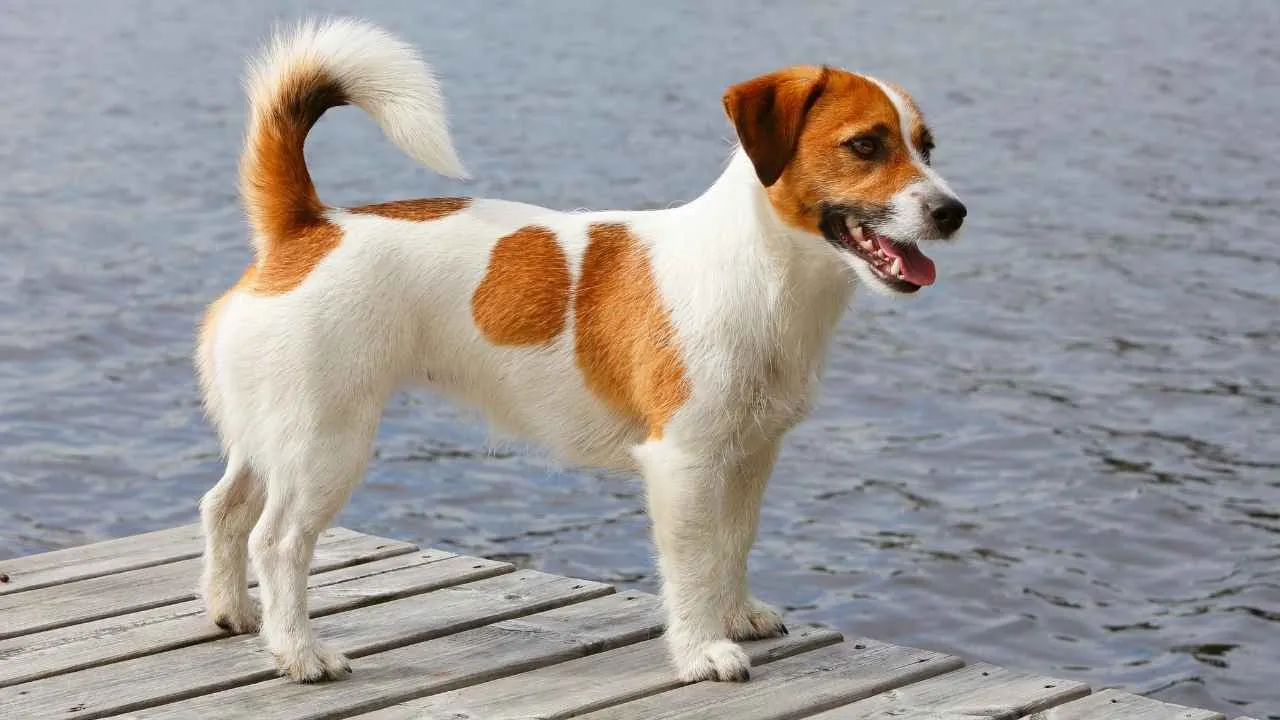
Small package, enormous opinions. The Jack Russell Terrier is a lively working dog whose hunting instinct still sits close to the surface. Bred for fox work, this clever terrier brings fearlessness, stamina, and an almost comical willingness to stay busy.
Once a Jack Russell decides something deserves pursuit, hesitation is not really the brand. These terriers were developed to help flush foxes from dens and have also hunted raccoons, woodchucks, and other small game with determined, energetic persistence.
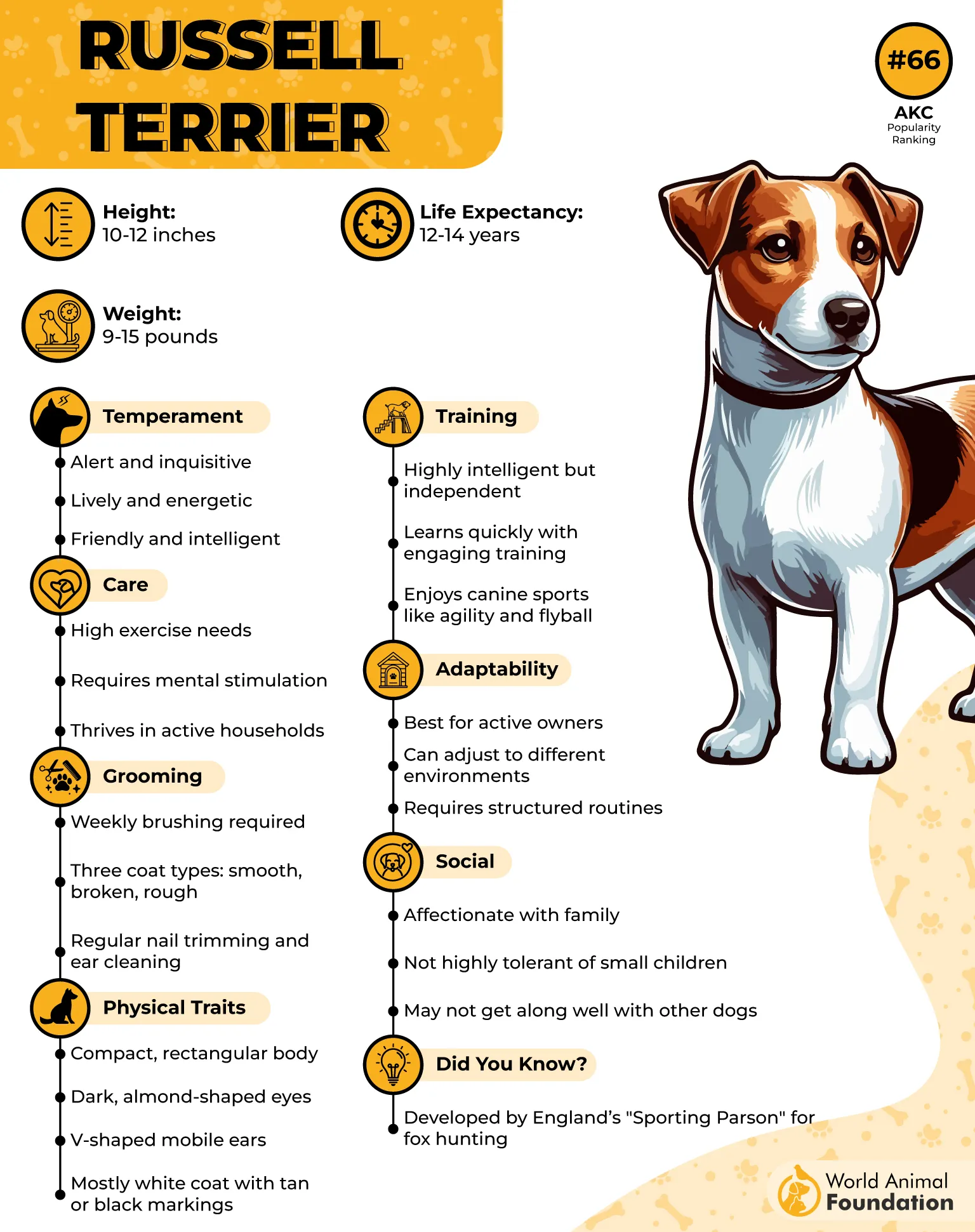
Back with their people, Jack Russells can be playful, loyal, and wonderfully entertaining. They often thrive with active families, although proper obedience and respectful boundaries matter. Early socialization is especially useful when children or other animals share the household.
Special Considerations For This Breed
Their alert nature can come with plenty of vocal commentary.
Long periods alone may not suit their strong preference for company.
5. Weimaraner
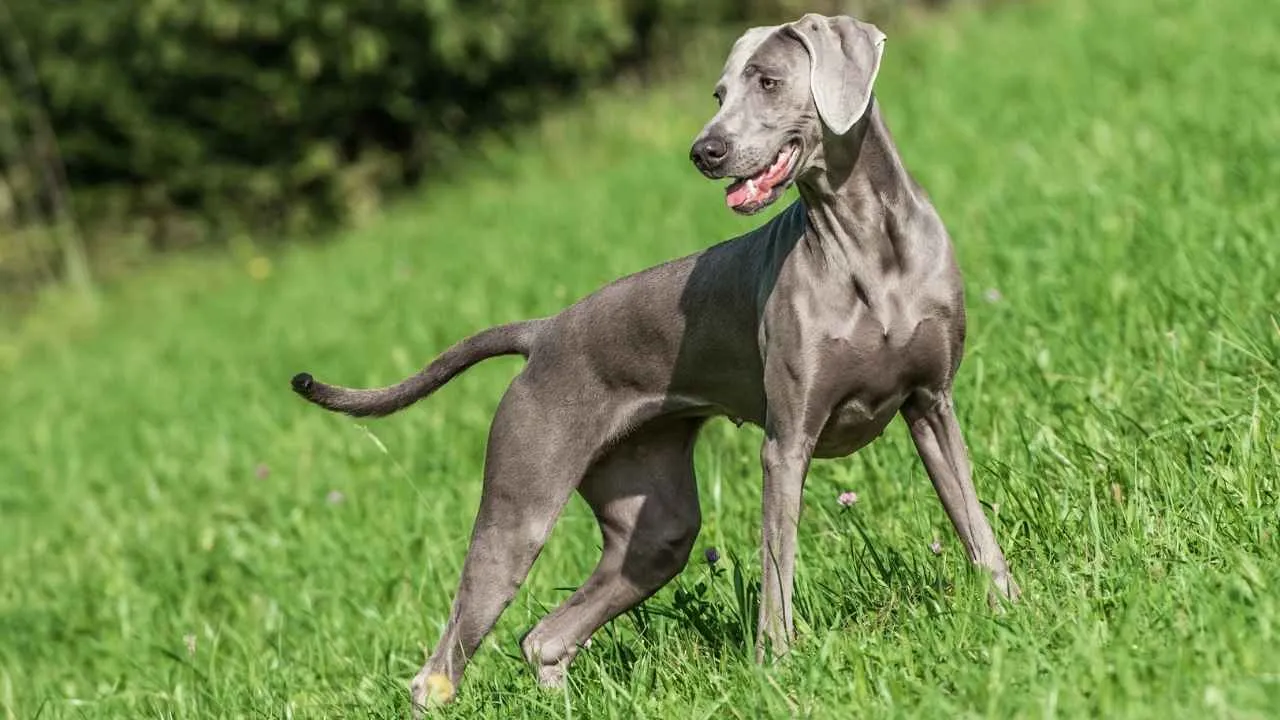
Well, the Weimaraner is not exactly built for a quiet life on the sidelines. Friendly, fearless, and energetic, this sporting dog pairs strong hunting instincts with an eager personality that keeps both body and brain looking for something interesting.
Once something small starts moving, that hunting background can become very obvious. Weimaraners were bred to hunt, point, and retrieve game, and their chase instinct may lock onto squirrels, rabbits, cats, rodents, or even small dogs.
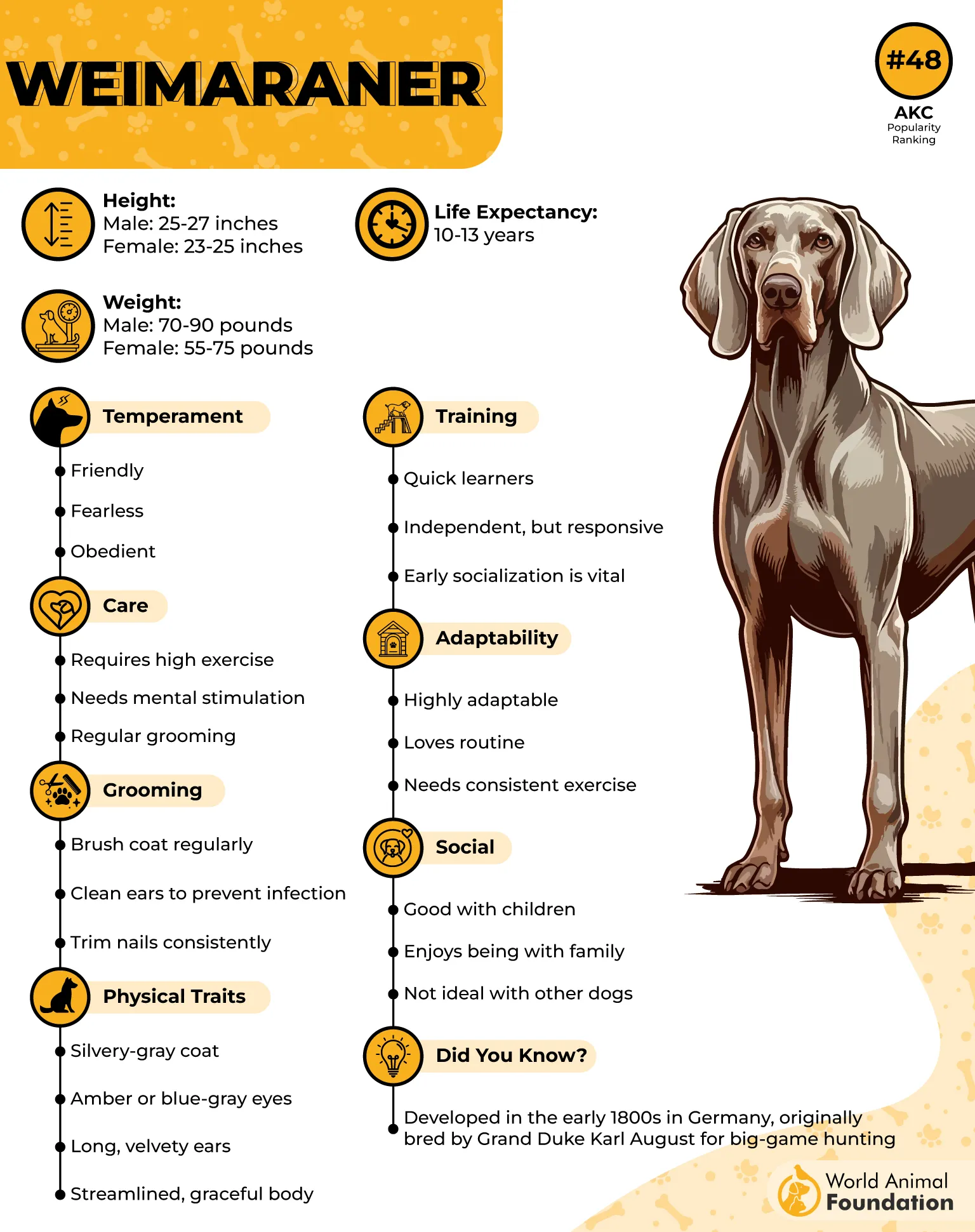
For owners, the best match is someone active, involved, and already comfortable handling an intelligent, sometimes willful dog. Weimaraners need plenty of exercise, mental engagement, and human interaction, so a low-key household may struggle to keep pace.
Special Considerations For This Breed
Their short, sleek coat keeps routine grooming relatively simple.
Separation anxiety can be a concern for this people-focused breed.
6. German Shorthaired Pointer
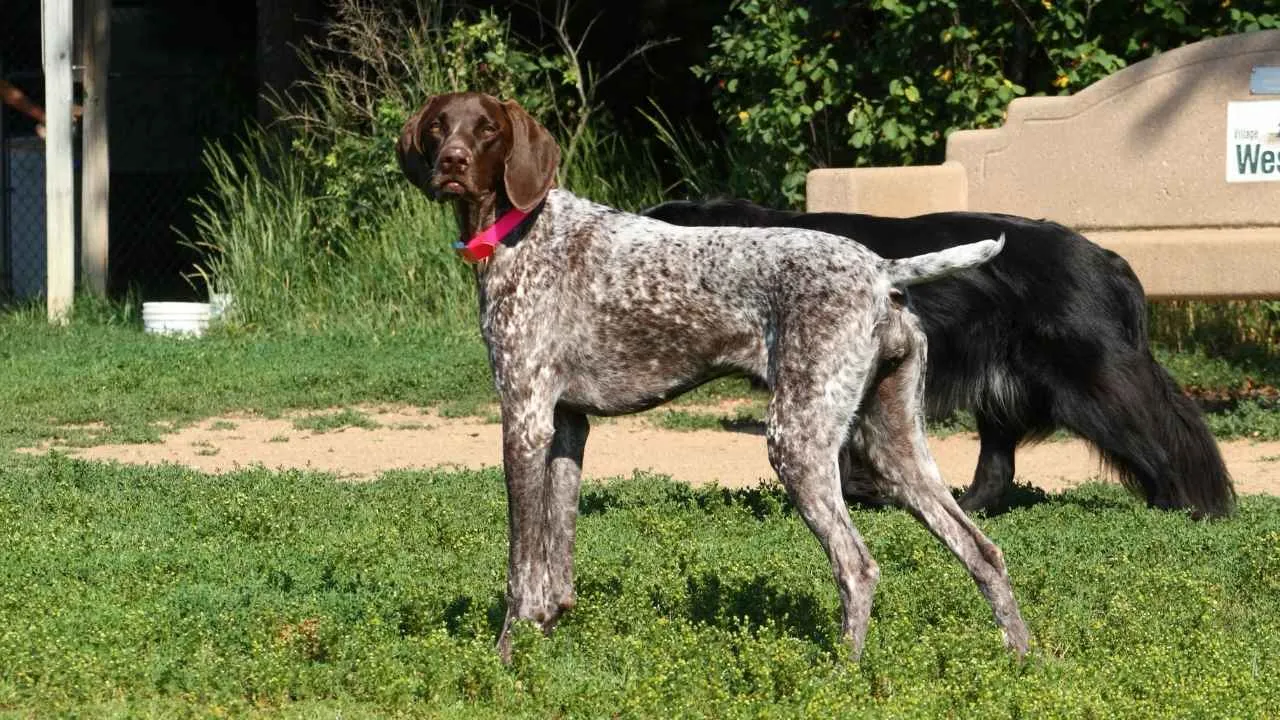
Now, the German Shorthaired Pointer tends to treat the outdoors like one enormous assignment waiting to begin. Social, playful, and highly energetic, this intelligent dog brings sharp awareness, enthusiasm, and a serious appetite for purposeful activity.
During the 19th century, breeders in Germany developed the German Shorthaired Pointer as a versatile hunting dog for land and water. The breed became skilled at tracking, pointing, and retrieving game, making adaptability central to its working purpose.
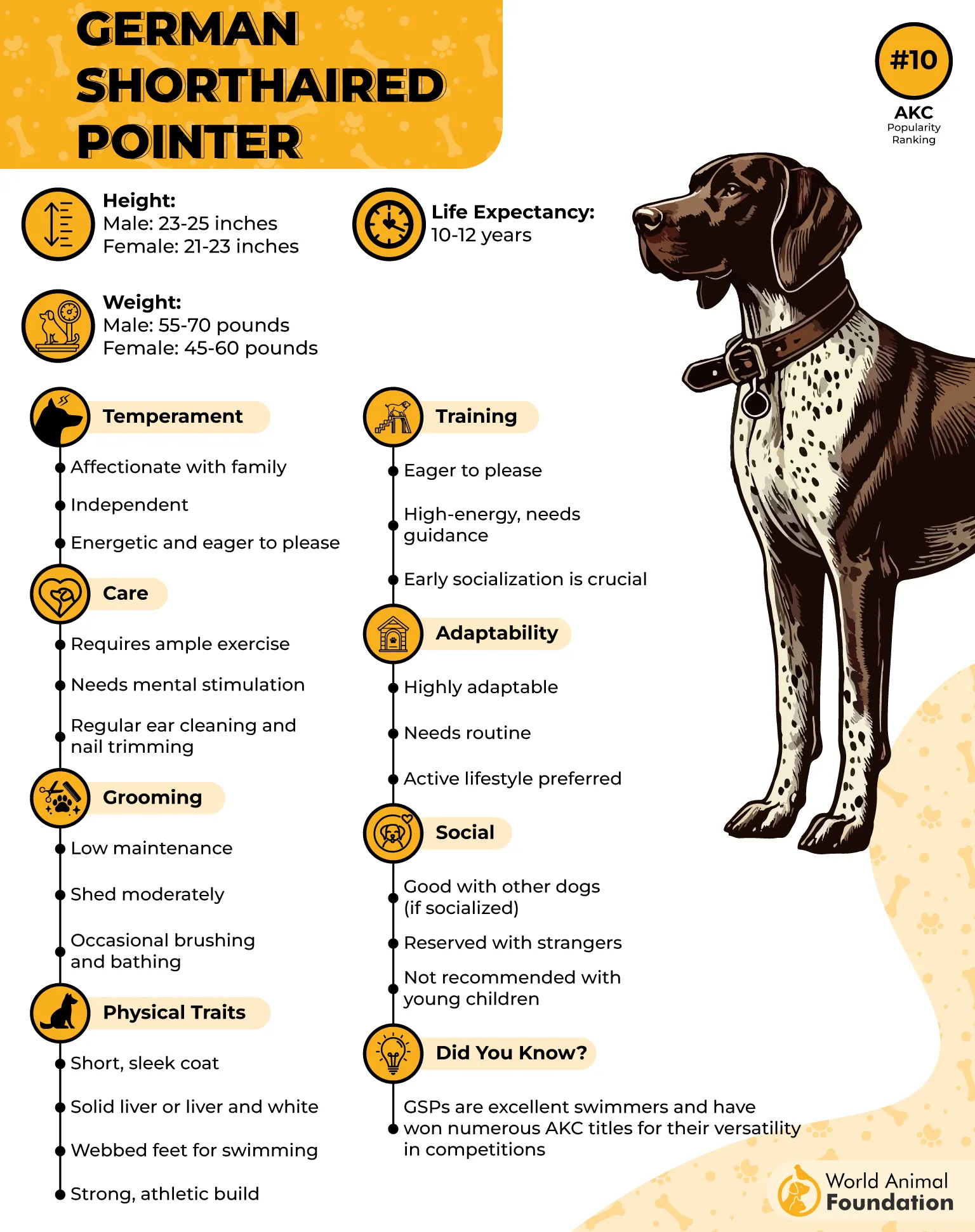
As mentioned by WebMD, German Shorthaired Pointers need plenty of physical activity at least twice daily. Running, swimming, and organized dog sports suit them well, while toys and varied activities indoors help keep their active minds occupied too.
Special Considerations For This Breed
Their short coat requires relatively little grooming.
Moderate barking and low drooling can make everyday care a little easier.
7. Siberian Husky
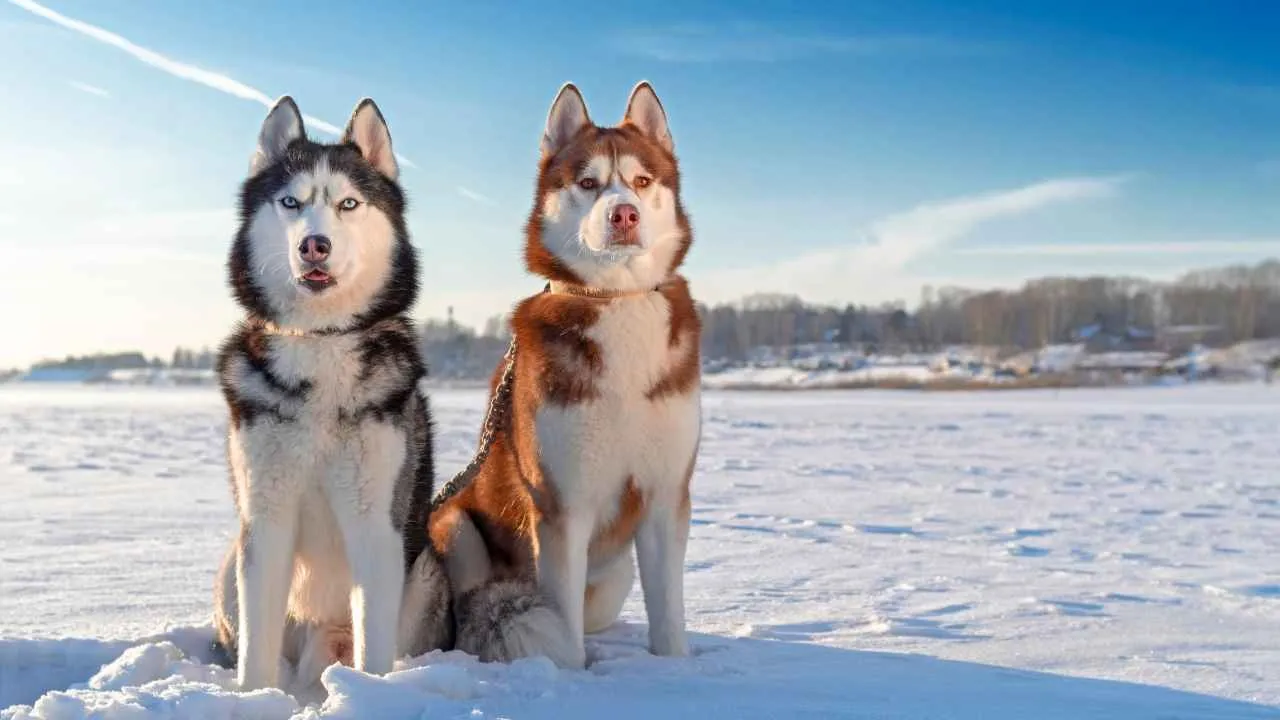
Oh, the Siberian Husky can turn ordinary household life into a full conversation, usually with plenty of personality attached. Intelligent, independent, friendly, and famously vocal, this working dog brings a lively streak that rarely feels boring or predictable.
Long before sofas entered the picture, Siberian Huskies were developed by the Chukchi people of northeast Asia for sled work. They were bred to run in teams, covering frozen distances while pulling light loads at moderate speeds with endurance.
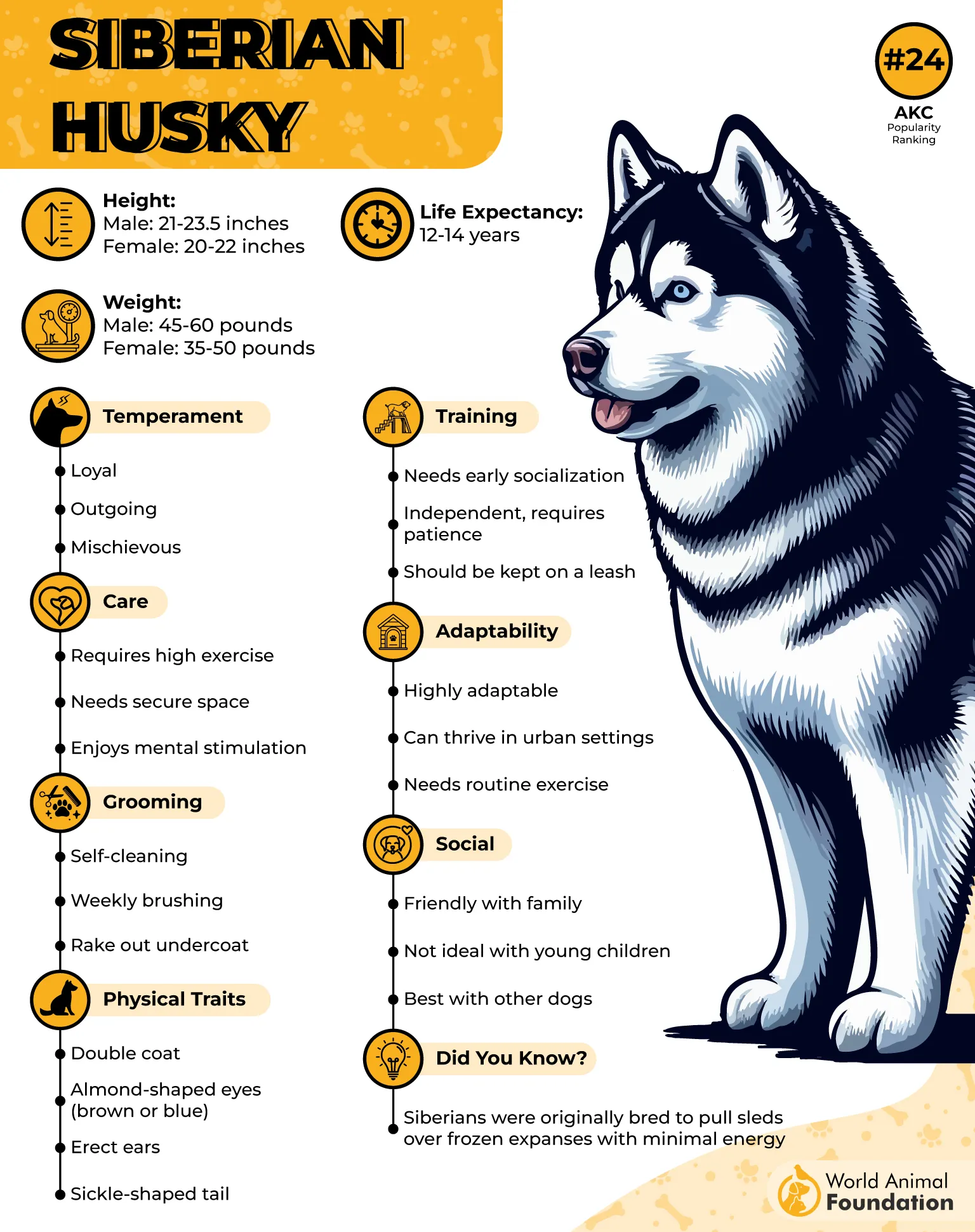
Once a smaller animal catches a Husky’s attention, that playful expression can become focused rather quickly. Their strong prey drive may lead them to chase cats, livestock, or other small animals, making thoughtful supervision especially important around potential targets.
Special Considerations For This Breed
Their independent streak calls for firm but gentle guidance from puppyhood.
Regular brushing becomes especially important during heavier shedding periods.
Conclusion
High prey drive can make life with these dogs exciting, surprising, and occasionally a little chaotic. Their instincts are part of what makes them so fascinating, but those same instincts deserve thoughtful management. The right match comes down to understanding the breed and being honest about your lifestyle.
If one of these dogs already has your attention, take time to consider training, activity needs, supervision, and your home setup before making a decision. A little preparation can make a huge difference, and the reward can be a relationship that feels energetic, engaging, and genuinely special.
