




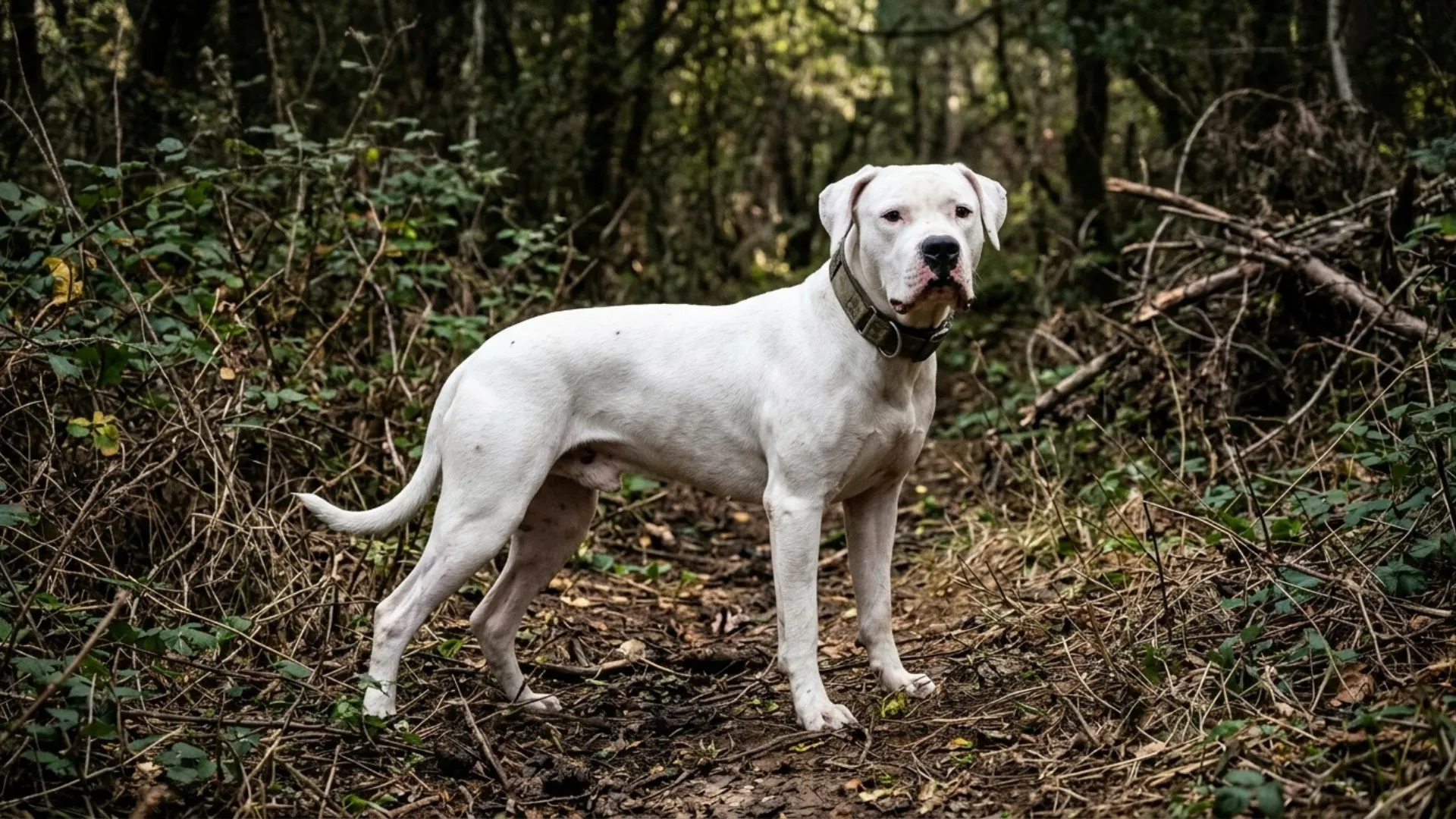
The dogs catch the scent before the hunters can see anything moving through the undergrowth. Their noses follow the trail across uneven ground, through tangled vegetation, and deeper into the woodland.
Somewhere ahead, a wild boar is making its way through the cover. The animal can weigh well over 100 pounds, depending on its age and population, and its sharp tusks make any close encounter potentially dangerous. For the dogs, the work requires concentration, physical conditioning, and a strong response to their handlers.
A successful hunt also depends on teamwork, particularly when several dogs perform different roles during the pursuit. Some locate the animal, while others help keep its position known through persistent barking. This demanding form of hunting has a long association with specialized working dogs.
In this article, we look at the breeds suited to this work and the abilities that make their hunting roles so fascinating.
Key Takeaways
What does it take for a dog to face a wild boar weighing well over 100 pounds? Courage is only one of the qualities needed for such a demanding encounter.
The Dogo Argentino even has a distinctive white coat that helps hunters spot it more easily in thick vegetation.
The Plott Hound can follow older scent trails across rugged terrain, while the much smaller Jagdterrier has a fascinating hunting history of its own.
Read till the end to learn how these nine breeds developed their remarkable working abilities and what makes their hunting instincts so interesting.
Elite Dog Breeds that Excel in Wild Boar Predation
1. Dogo Argentino
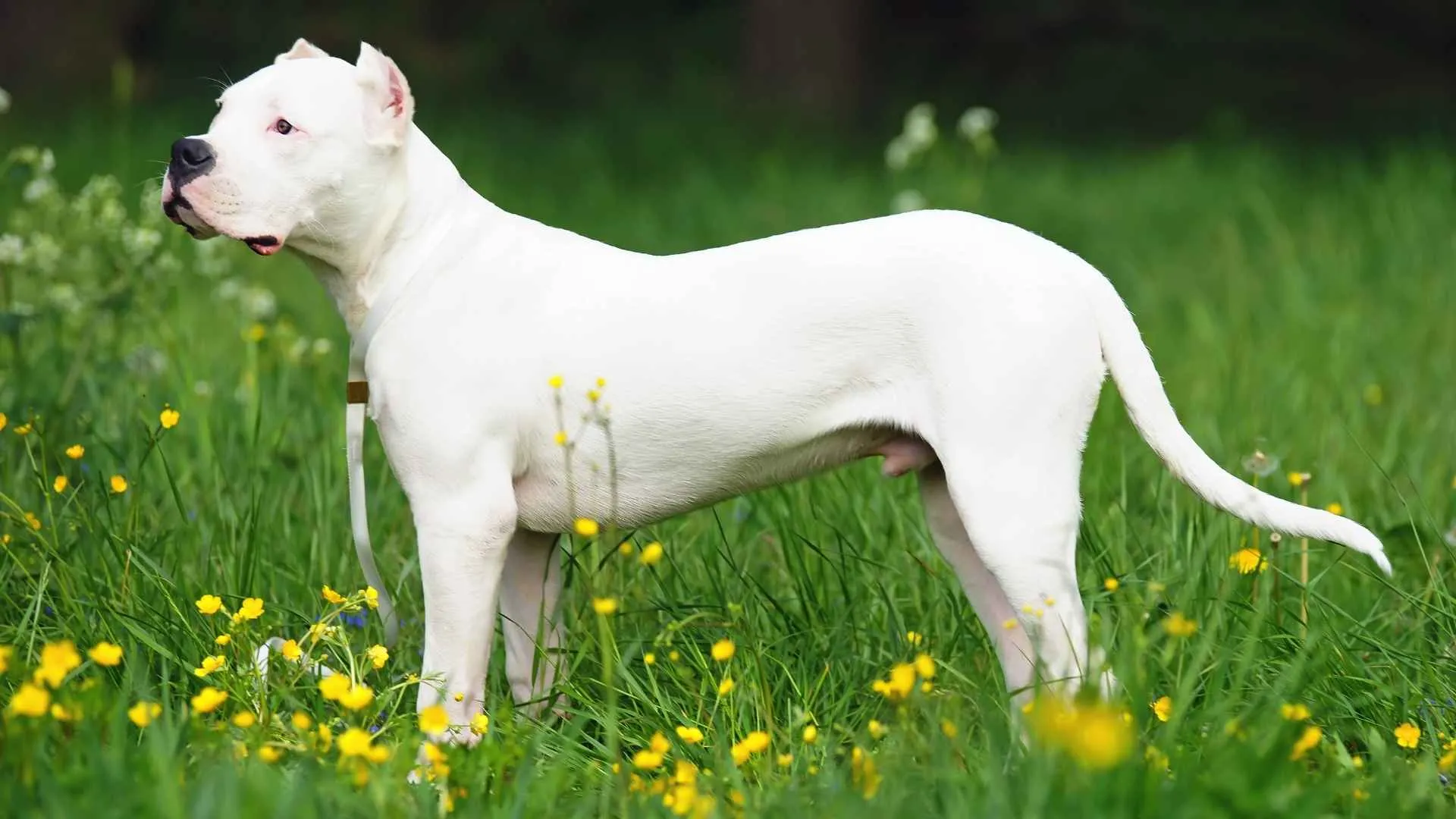
The Dogo Argentino originated in Argentina in 1928, with ancestry drawn from several European breeds and a local hunting dog from Córdoba. According to Chewy, its lineage includes the Great Dane, Pointer, Bull Terrier, Boxer, Irish Wolfhound, and Spanish Mastiff, among others.
A Determined Catch Dog
The Dogo Argentino was bred to pursue large game, including powerful wild boars. Its hunting work demands intense concentration, quick pursuit, and the physical ability to secure struggling prey until hunters can approach.
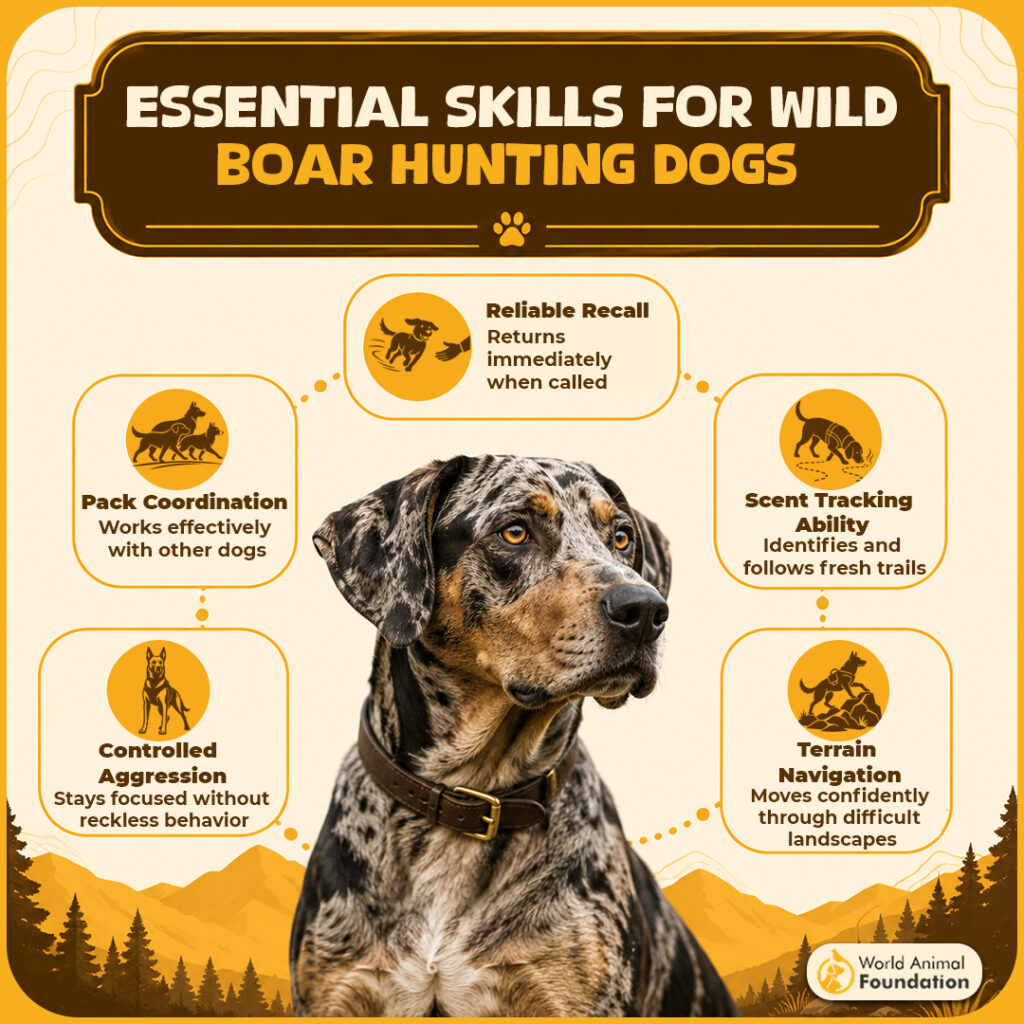
Three details help explain its working style:
Locks onto scent trails with intense focus.
Combines explosive sprints with steady hunting stamina.
Uses its broad head and strong neck to grip large prey.
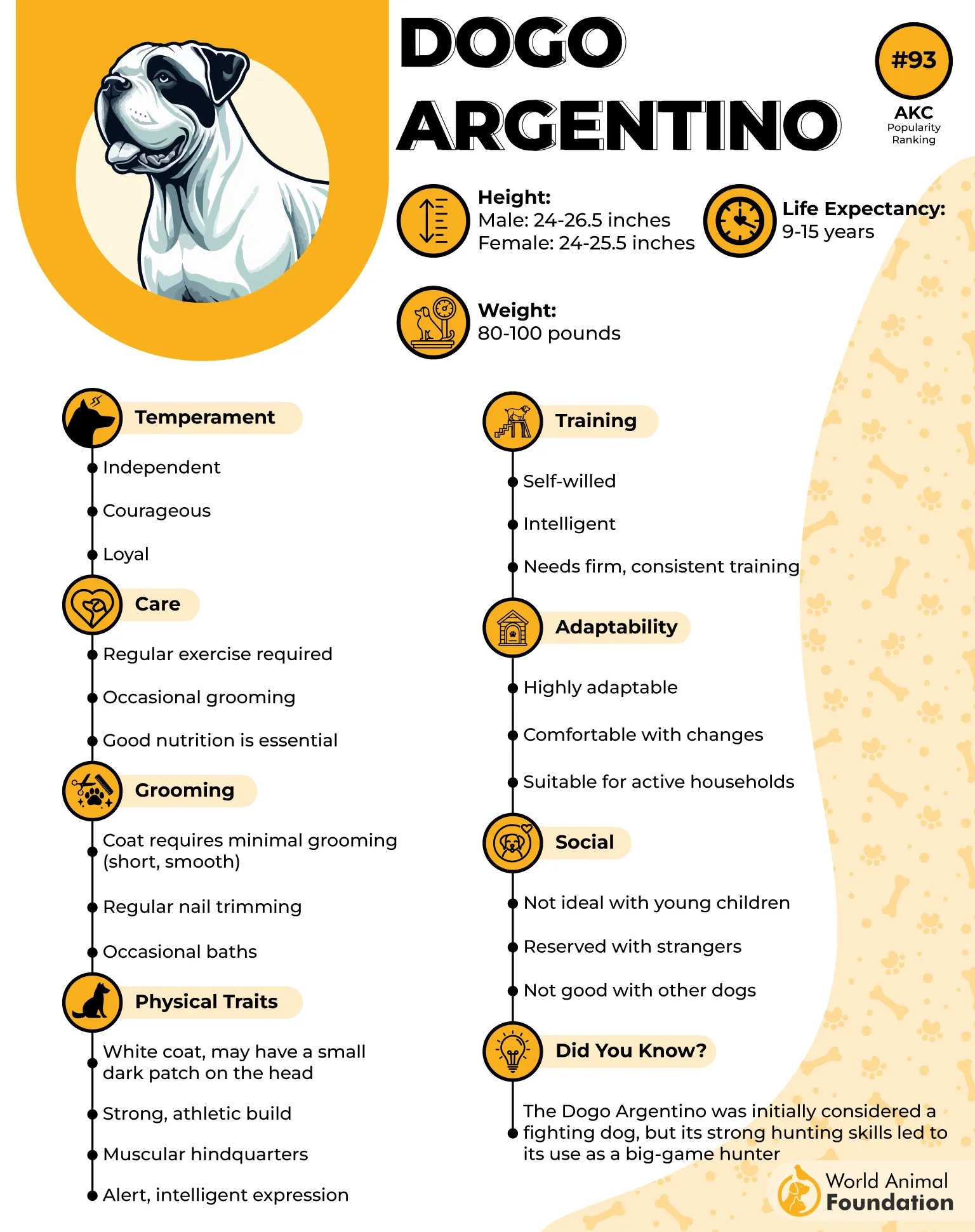
A Coat With a Purpose
Its short, tight white coat has practical advantages in the field. The pale coloring makes the dog easier for hunting partners to spot in thick vegetation, while the close-fitting hair reduces snagging in brush. It also helps release body heat in warm weather, although it offers little protection from cold.
2. American Pit Bull Terrier
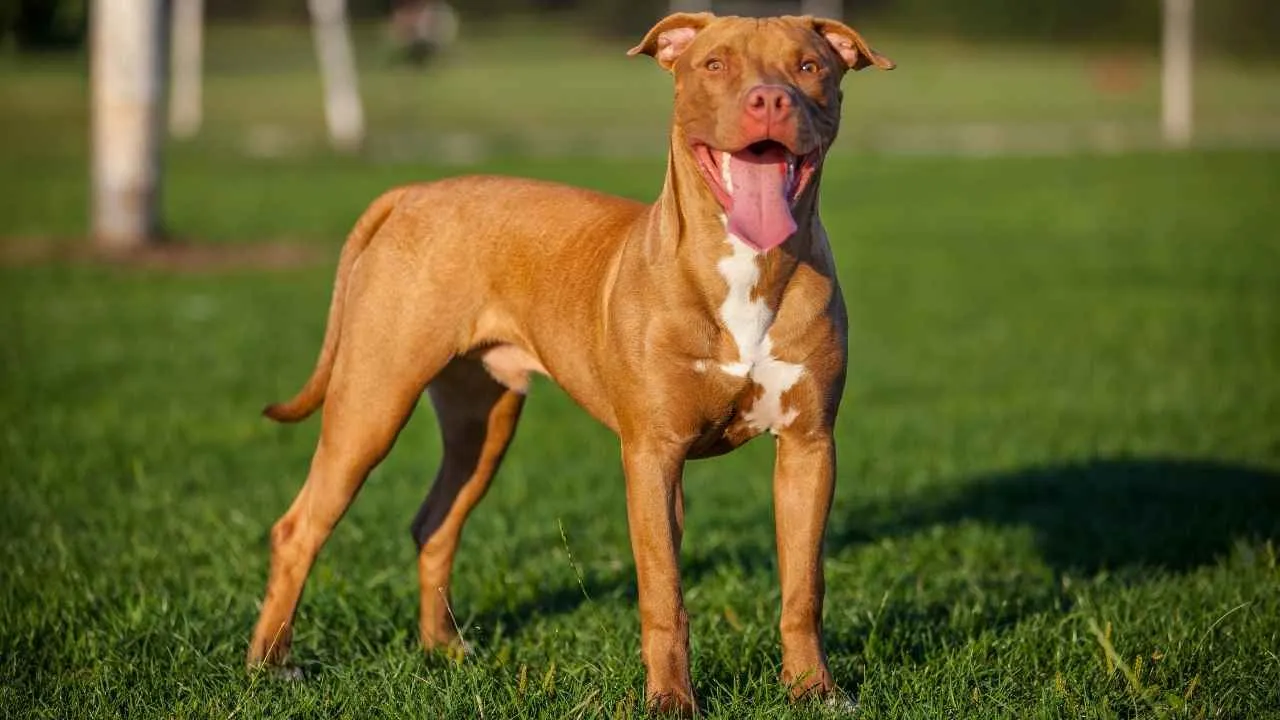
The American Pit Bull Terrier descends from crosses between the now-extinct Old English Bulldog and Old English Terrier, once used in fighting pits in England. During the late 19th century, European immigrants brought these dogs to America, where their work shifted toward farm and ranch duties.
A History of Working With Hogs
On American farms, these dogs were used for catching hogs, hunting, and managing livestock. Their muscular build, stamina, and determination suited demanding tasks around ranches, where quick reactions and physical strength were valuable.
Their working nature also comes through in several everyday behaviors:
Persistent when working through a task.
Enjoys energetic tug games and toy play.
Often needs durable chew toys and supervision.
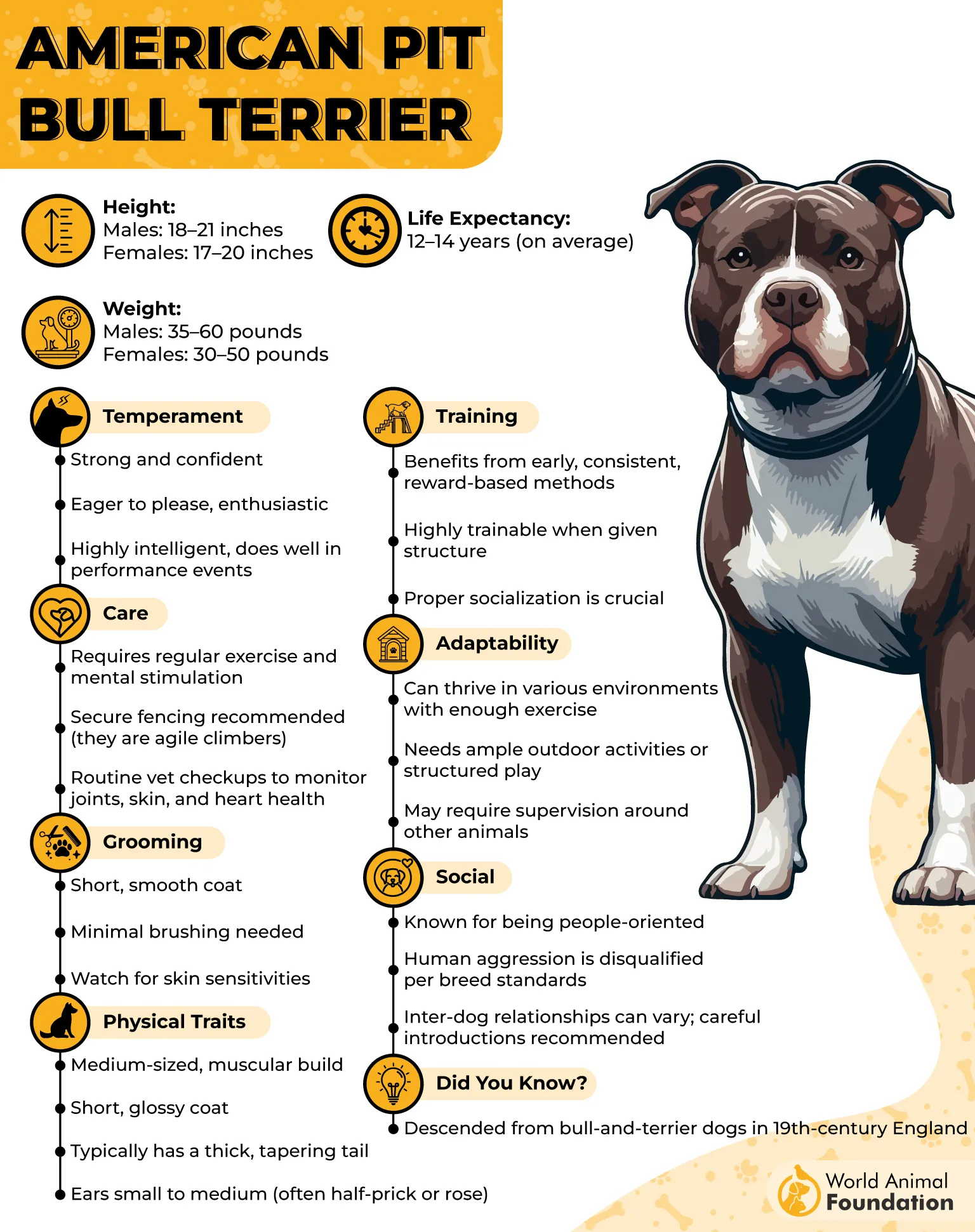
Built for Physical Work
The breed has a well-developed muscular frame, with powerful hindquarters and a strong, broad neck and shoulder assembly, as CKCUSA reports.
Its compact, balanced proportions and sturdy build support quick bursts of speed, agile jumping, and powerful pulling movements during physical activities when properly conditioned.
3. Black Mouth Cur
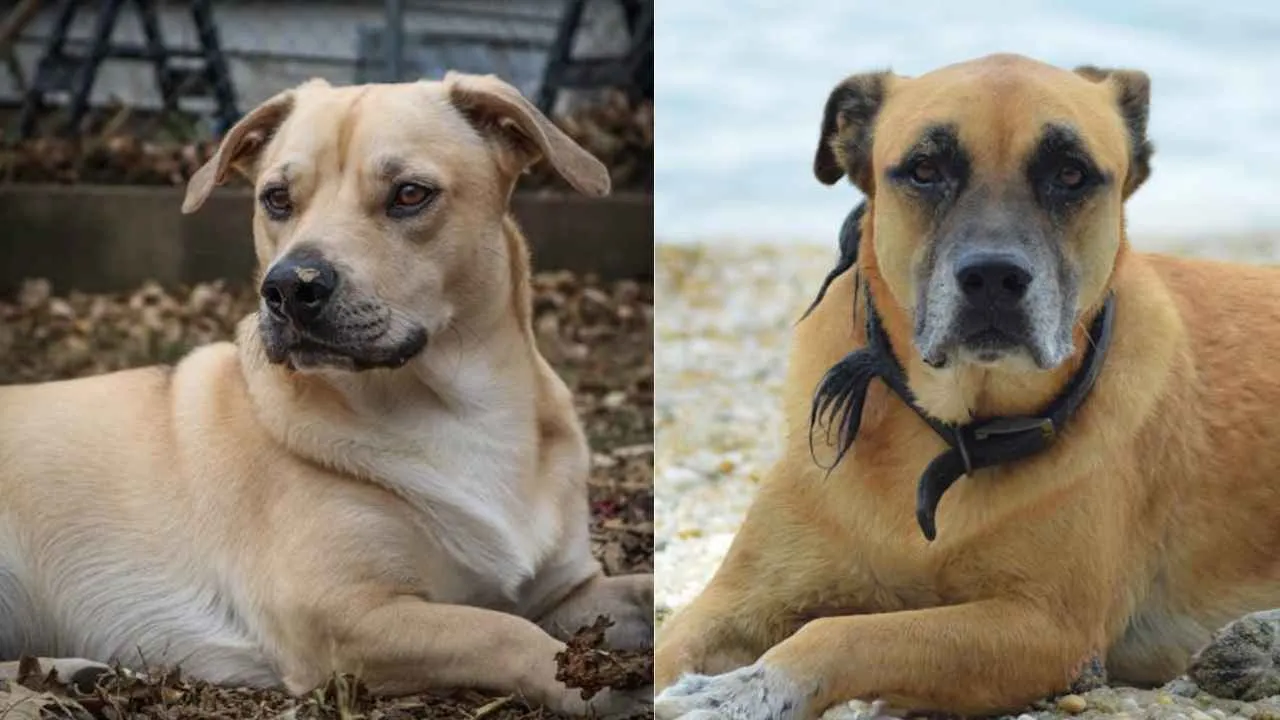
The Black Mouth Cur has an uncertain ancestry, but its roots lie in the southern United States, where early settlers relied on these working dogs for hunting game, ranch duties, and property protection. Its exact lineage remains unclear, and different working lines emerged across the region.
Grit for Demanding Hog Work
Hog hunting calls for a dog with steady nerves and plenty of physical toughness. The Black Mouth Cur was valued for difficult tasks involving wild hogs and predators, with a high pain tolerance and determined working nature suited to rough encounters.
Its working style includes some distinctive habits:
Uses loud baying to signal the location of held game.
Ranges ahead and checks back with its handler.
Pushes through thick brush and rough ground to finish a task.
Made for Warm Working Conditions
The short coat and naturally athletic build suit the hot, humid conditions common across the Southern states. These physical features help the Black Mouth Cur handle long, physically demanding working days in warm weather, where a heavy, thick coat would be far less practical.
4. Catahoula Leopard Dog
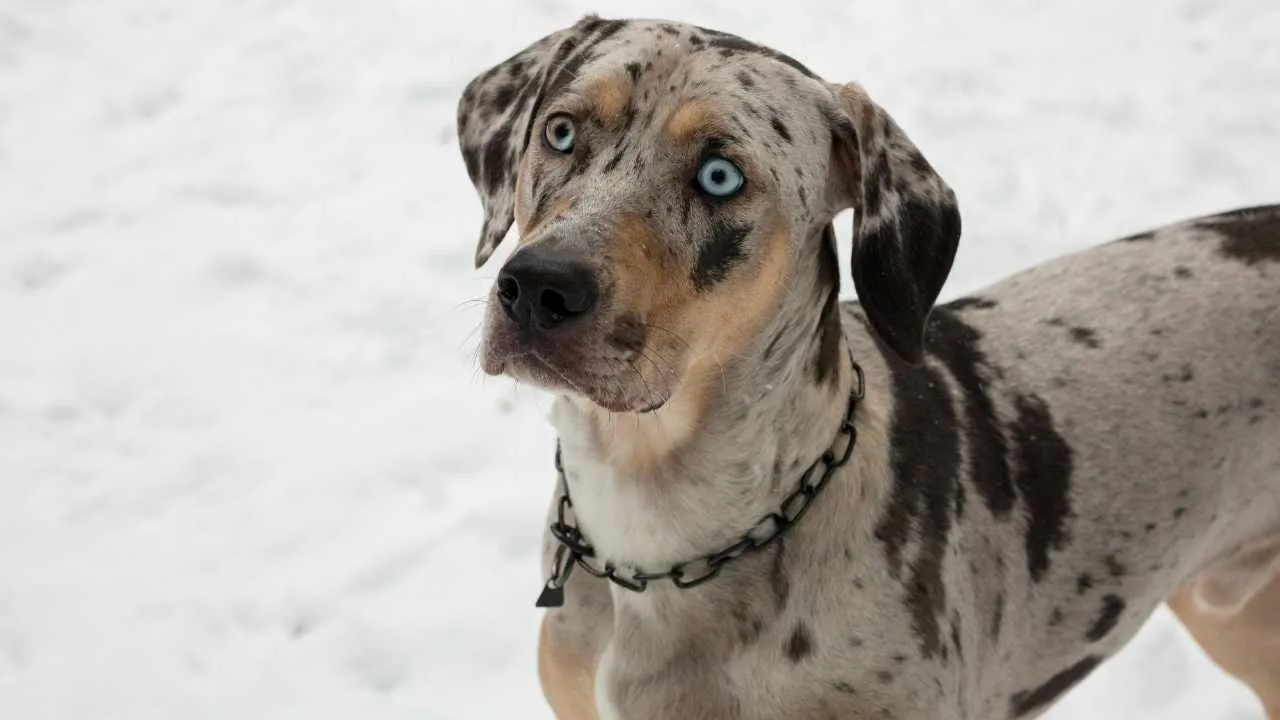
The Catahoula Leopard Dog developed near Catahoula Lake in Louisiana, where settlers relied on these dogs during the 1800s to manage cattle and track wild hogs. Their work on Southern farms and ranches shaped the breed’s strong instincts and rugged working ability.
A Determined Hog Tracker
When following wild hogs, the Catahoula uses its nose, speed, and stamina to locate quarry and keep pressure on it. Its assertive working style helps it handle challenging situations in rough terrain, often holding an animal until the handler arrives.
Its hunting work can involve several distinct behaviors:
Uses a loud baying voice to alert and control quarry.
May corner hogs against obstacles and hold position.
Follows fresh hog scent with focused determination
Independent With a Strong Working Drive
This family dog forms close attachments to their families but can be reserved around unfamiliar people, as noted by the AKC. Their independent nature calls for experienced handling, consistent positive-reinforcement training, and early socialization, particularly when introducing them to other animals.
5. Plott Hound
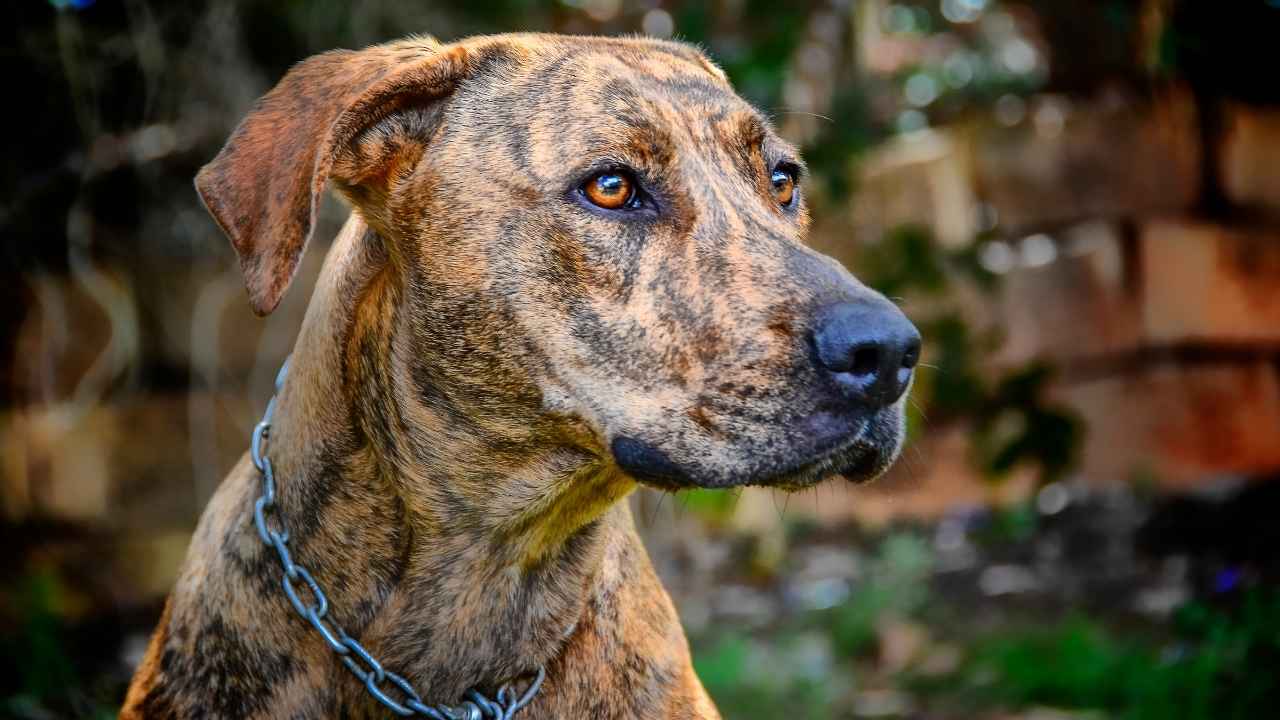
The Plott Hound traces its American roots to the mid-1700s, when the Plott family brought their skilled German hunting dogs to North Carolina. These dogs also guarded neighboring farms and livestock, and the breed eventually became the official state dog of North Carolina.
A Nose Built for Big Game
When tracking wild boars, the Plott Hound relies on its exceptional sense of smell and ability to follow older scent trails. Its tracking style suits the rugged terrain of the Great Smoky Mountains, where difficult ground and fading scents demand persistence.
Its hunting work involves some particularly interesting abilities:
Sweeps side to side when searching for a lost scent.
Works cooperatively with other hounds during a hunt.
Uses a deep bay to signal when it locates or holds game.
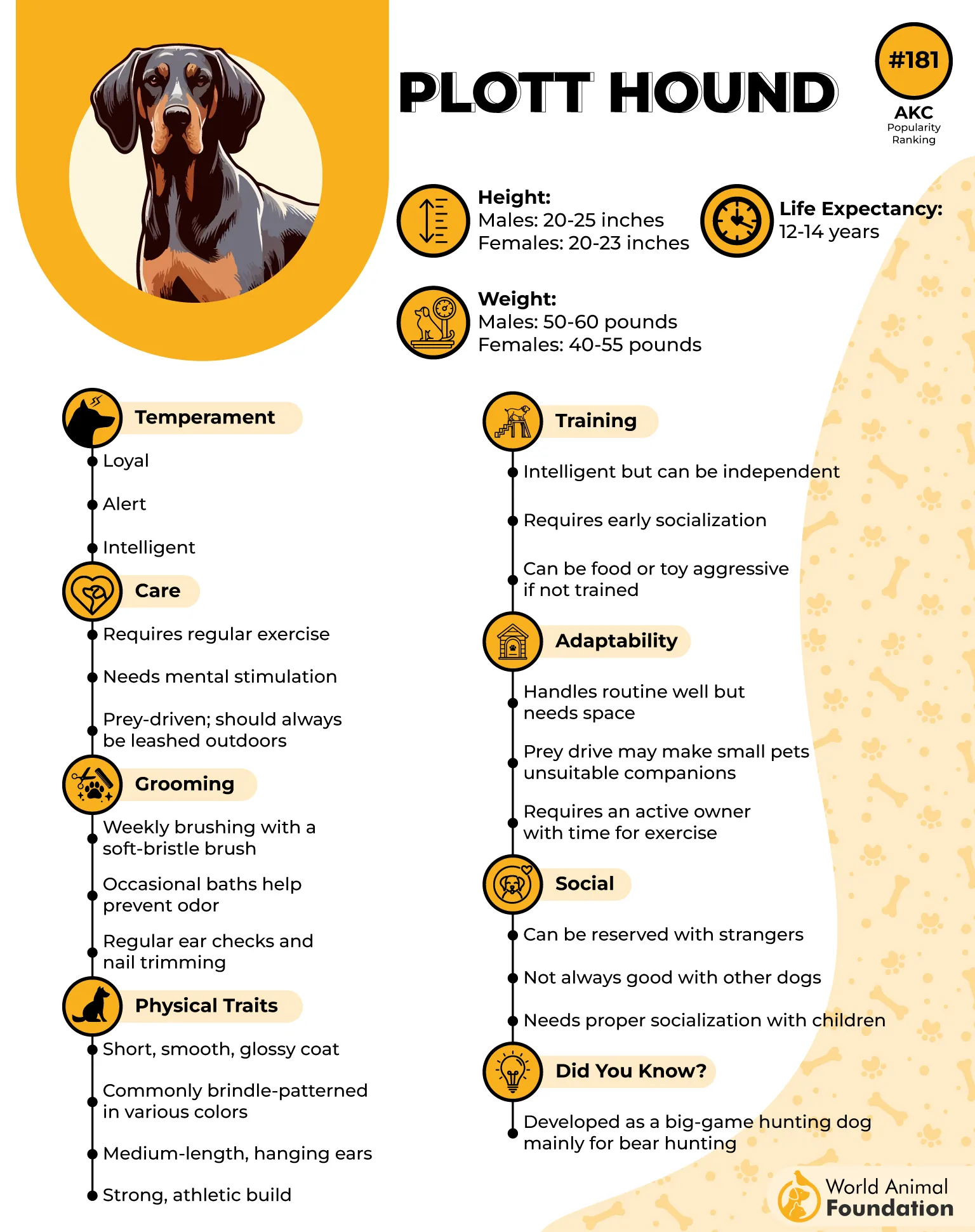
An Adventurous Household Companion
Life with this running hound involves plenty of outdoor activity, from lengthy walks to opportunities for exploring new surroundings.
After an active day, this energetic dog can become surprisingly mellow at home, although its deep, bellowing bark may announce a passing squirrel or anything else that catches its attention.
6. Jagdterrier
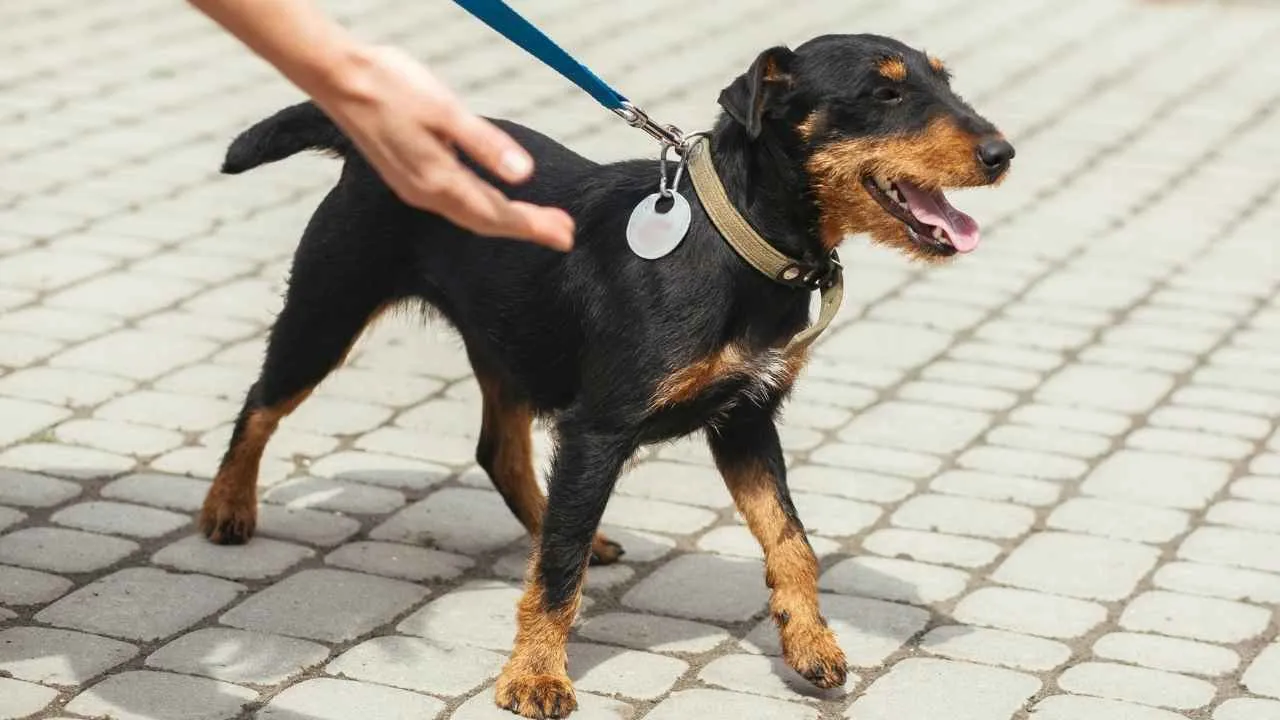
The Jagdterrier’s development took place in Germany, where breeders combined several terrier varieties, including the Welsh Terrier, Black and Tan Fox Terrier, and Old English Wirehaired Terrier. A dedicated German breed club appeared in 1926, followed by the Jagdterrier Club of America in the 1950s.
Built for Close Quarry Work
The Jagdterrier has a compact, muscular frame that helps it push through dense brush and work inside tight animal dens. Its strength, persistence, and high pain tolerance were valued for demanding hunts involving powerful quarry, including wild boars.
Its working behavior involves several distinctive abilities:
Follows scent trails with intense concentration.
Uses persistent barking to help hunters locate it underground.
Digs and enters narrow tunnels when pursuing quarry.
Independent Yet Trainable
Jagdterriers are intelligent and can learn hunting routines through consistent, suitable training. Their independent terrier nature requires firm management, particularly because some lines have a strong bite-and-hold instinct and powerful tugging behavior.
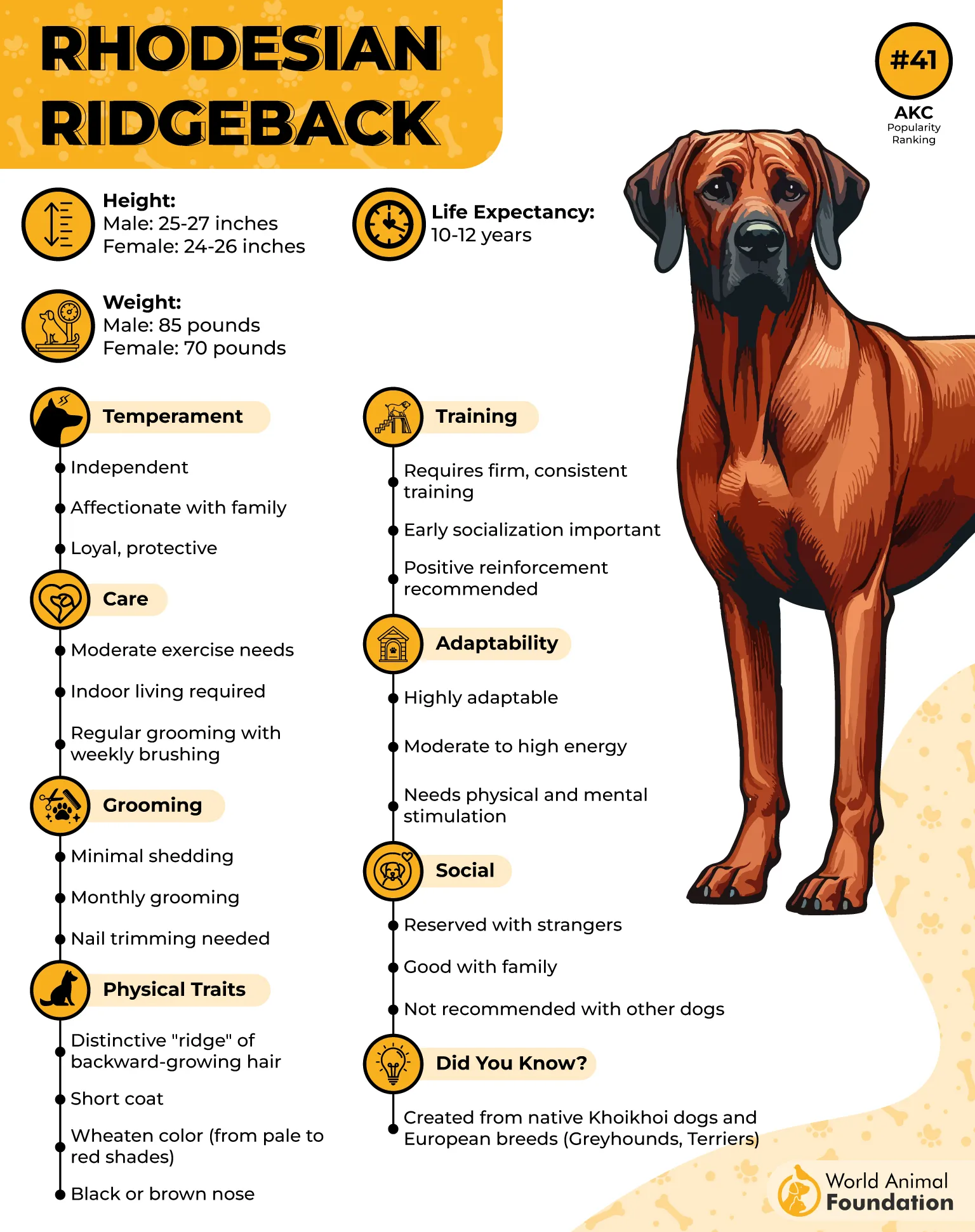
7. Rhodesian Ridgeback
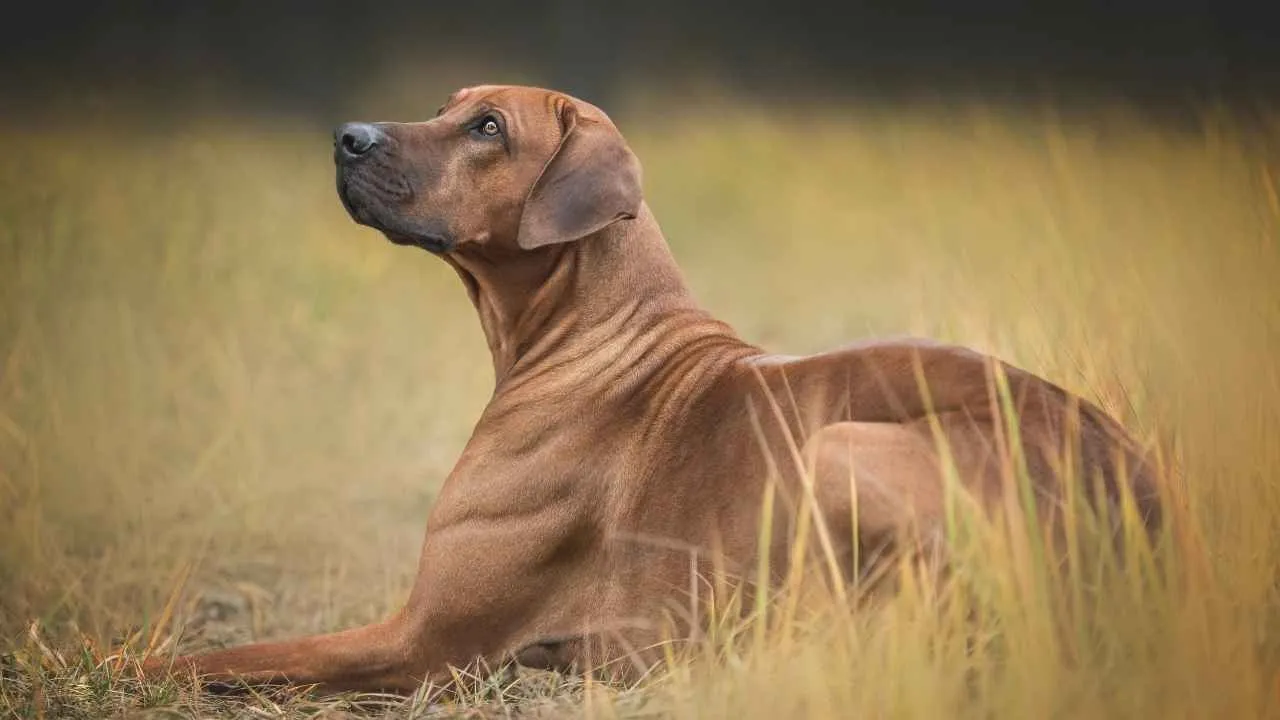
The Rhodesian Ridgeback has European roots, with its ancestry tracing to dogs brought to southern Africa by settlers during the 16th and 17th centuries. These dogs were crossed with local hunting breeds, and their descendants later became valued companions for hunters in Rhodesia, now Zimbabwe.
Tracking Large Game
In African hunting grounds, Rhodesian Ridgebacks were used to track and bay large animals, particularly lions. Their job was to locate game and keep it at bay for hunters, rather than seize it. This distinction matters when considering their wild-boar hunting abilities.
Several instincts contribute to their hunting style:
Follows animal scents while searching an area.
Locks onto moving targets with keen eyesight.
Has a strong urge to chase rabbits and squirrels.
A Watchful Family Companion
At home, the Rhodesian Ridgeback is loyal and protective, often observing visitors before approaching them. Its independent nature calls for early socialization, while its strong prey drive requires management around smaller animals. Its size and energy deserve consideration around children, particularly toddlers.
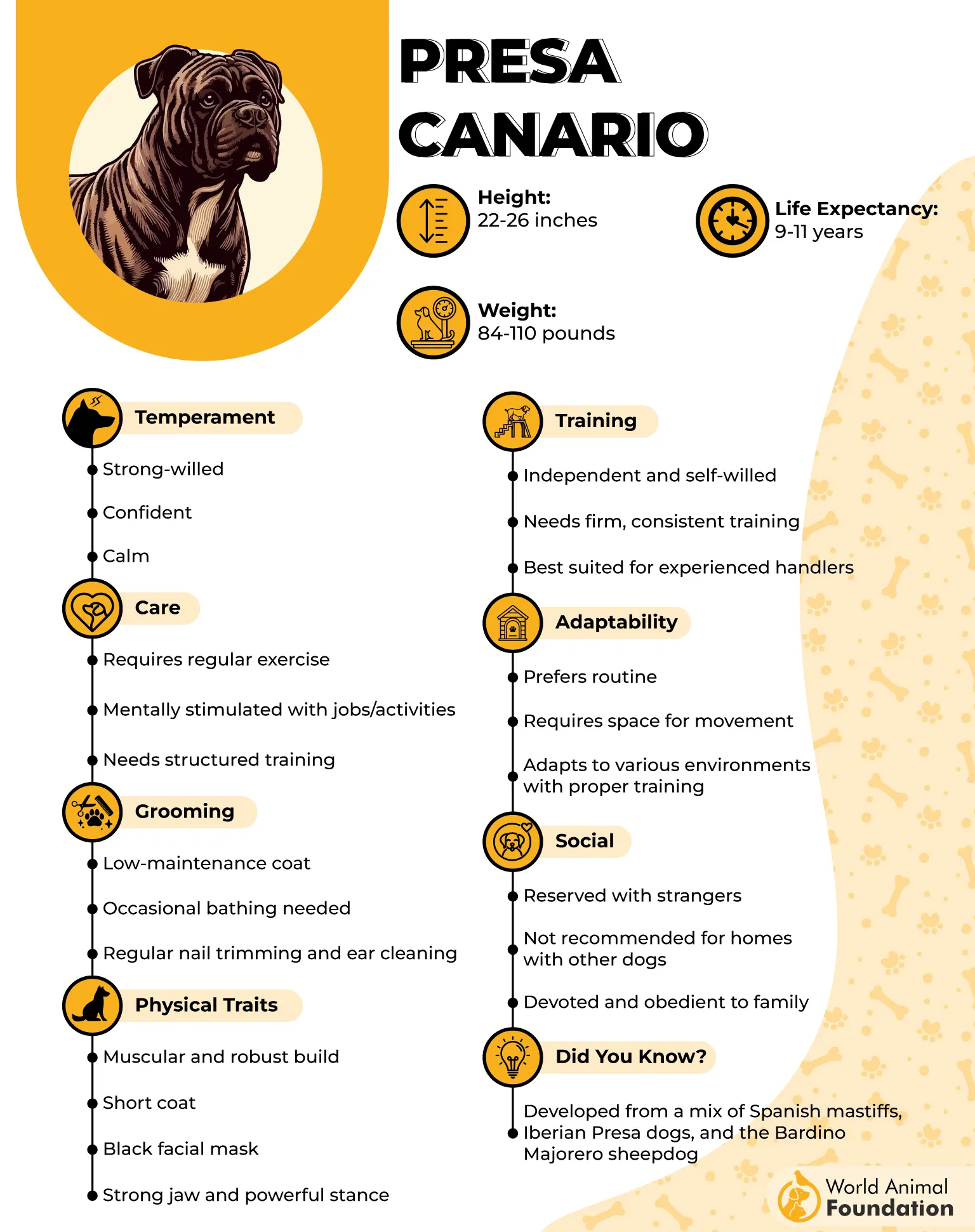
8. Presa Canario

Spain’s Canary Islands gave rise to the Presa Canario, a powerful working breed with ancestral ties to the Spanish Alano. During medieval times, its strength proved useful in cattle management, guarding agricultural properties, and pursuing particularly challenging game alongside hunters.
A Powerful Hunting Heritage
The Spanish Alano ancestors were valued for confronting challenging quarry, including wild boars, bears, and deer. The Presa Canario’s mastiff-type build reflects that working heritage, with strength suited to controlled force and close contact rather than high-speed pursuit.
Its physical structure has several notable features:
Broad chest and thick, muscular neck
Strong rear drive with a grounded gait.
Short coat suited to warm climates
Steady With Its Family
Within the household, this breed is generally friendly, obedient, and receptive to learning. Consistent training and early socialization are important, particularly because some individuals can be selective around other dogs. Calm, confident handling also helps guide its protective instincts.
9. Dogue de Bordeaux

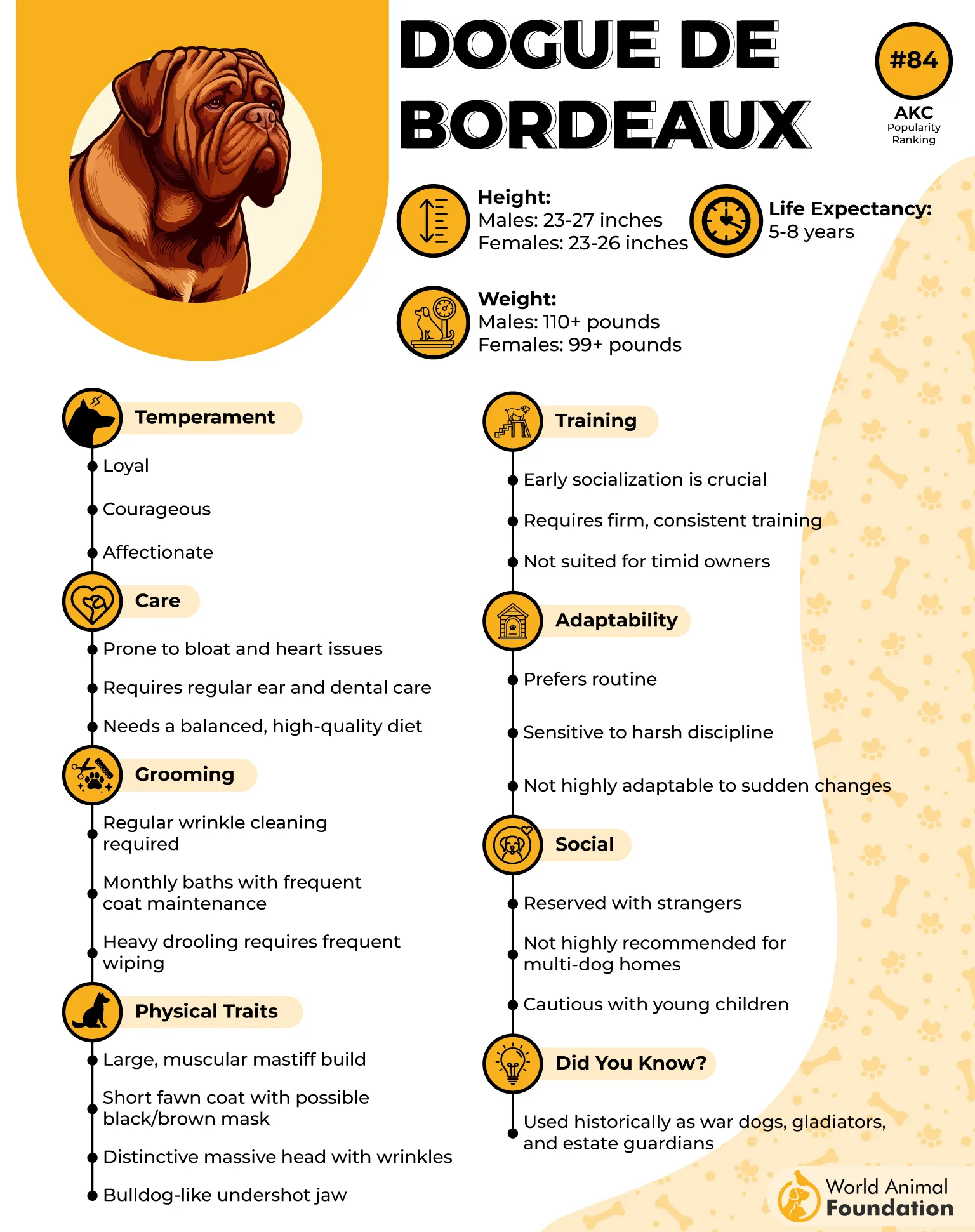
France was once home to two varieties of the Dogue de Bordeaux. The smaller Doguin vanished in the 18th century, while its larger counterpart survived as the modern French Mastiff. Its historical duties shifted from guarding noble estates before the French Revolution to hunting and draught work.
A Powerful Working Build
Historically used for hunting large game, the Dogue de Bordeaux has a substantial frame and considerable physical strength. Its broad head, heavy bone structure, and muscular neck give it a powerful build suited to demanding hunting pursuits.
Its physical features include several notable details:
Extremely broad skull and powerful jaw muscles.
Thick neck and wide stance for physical stability.
Heavy body suited to strength-based working tasks.
Gentle With Its Own Family
Behind its imposing appearance, this French Mastiff is generally calm and mild-mannered. It can be affectionate and enjoy close physical contact, sometimes leaning against people or attempting to sit on their laps. Early socialization helps it feel more comfortable around unfamiliar people.
Conclusion
Dogs involved in wild boar hunting perform different tasks, depending on their working instincts and training. Some follow scent trails across woodland, while others use baying to help hunters locate an animal through thick cover. Many hunting breeds rely on strength, endurance, and responsiveness to handle demanding field conditions, while pointing dogs perform a different role in the field.
However, close contact with wild boars can be extremely dangerous, even for physically powerful breeds. A heavily feathered dog may also need extra coat care after working through dense cover. Regular conditioning, controlled training, and experienced supervision are important parts of preparation. No breed is automatically the best choice for this work, so understanding a dog’s abilities and limitations helps hunters make responsible decisions.
