




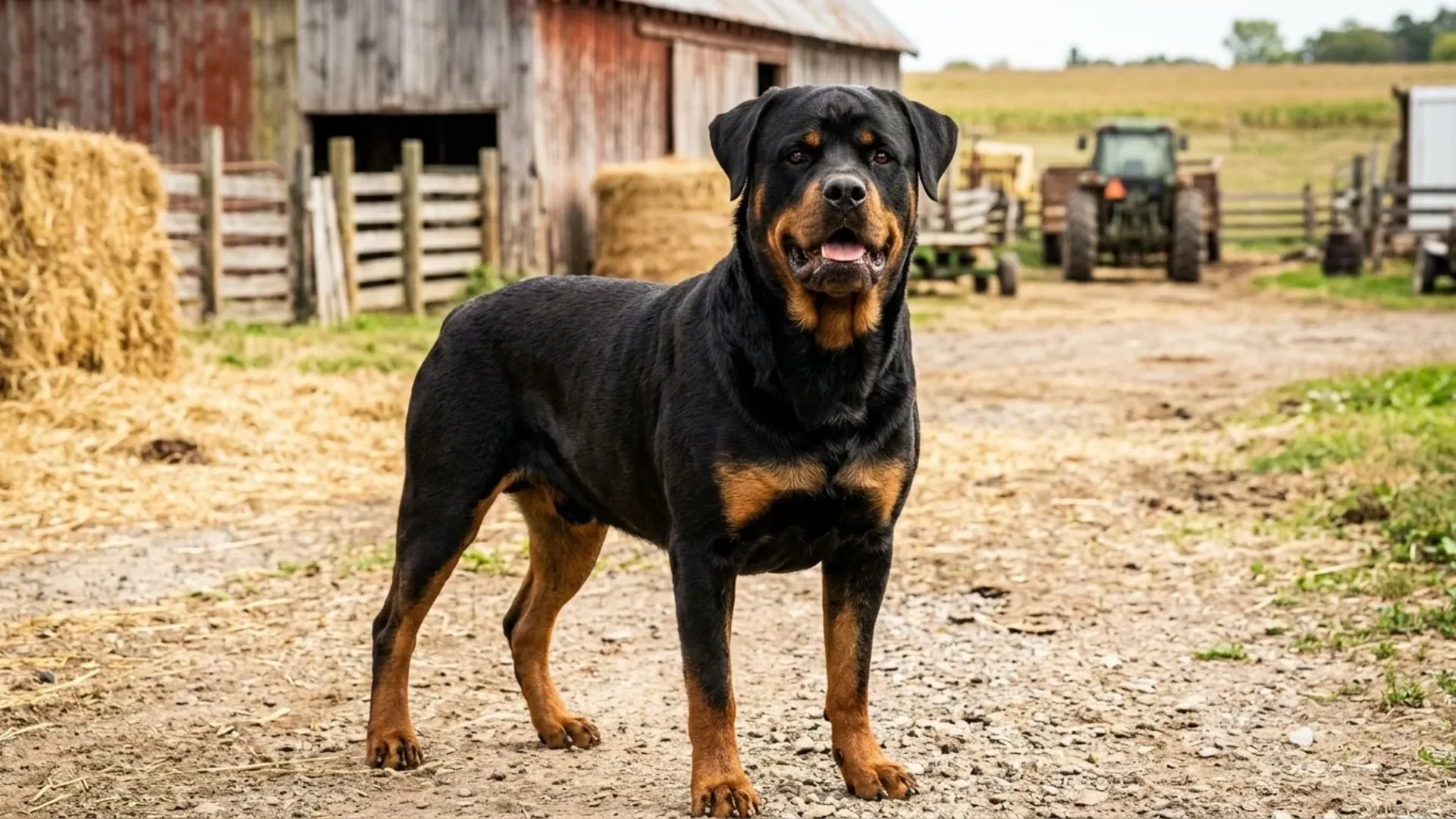
Farm work rarely follows a convenient schedule. Moving livestock, checking fences, guarding animals, and covering large stretches of land can keep a farmer busy from early morning until evening.
Having a capable dog around can make several of these responsibilities easier, especially when the work calls for speed, strength, and stamina. A muscular working dog brings physical power to demanding outdoor tasks, whether it is helping direct cattle, protecting livestock, or patrolling the property.
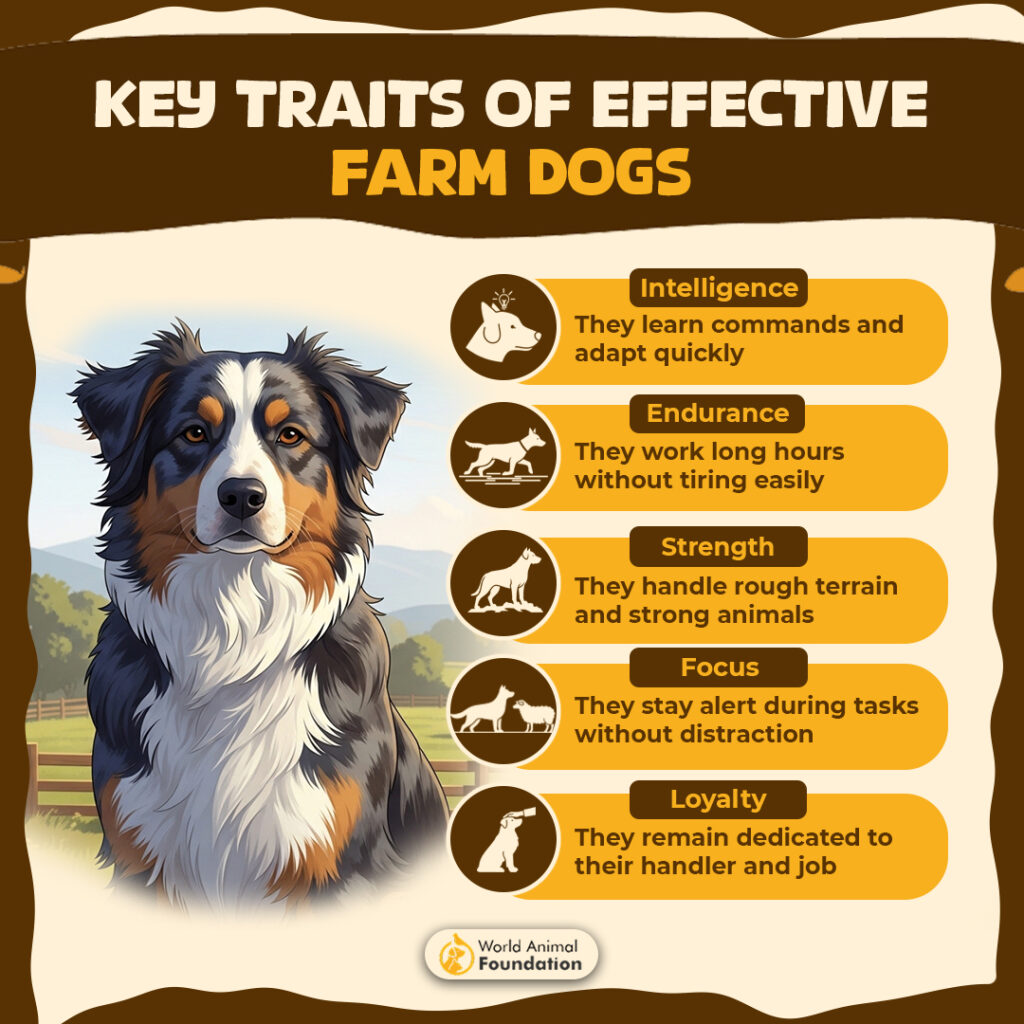
However, body size alone tells only part of the story. A useful farm companion also needs a sound temperament, good training, and enough endurance to handle long working hours. Some dogs are naturally suited to herding, while others have the confidence and build required for protection and property work.
This article explores the muscular breeds worth knowing, along with the particular farm duties their physical abilities and working instincts make them suitable for.
Key Takeaways
What does it take for a dog to spend an entire day working around livestock? Strong muscles, steady footing, and good judgment all come into play.
The Briard and Rottweiler have centuries of working history, with experience in everything from driving livestock to pulling carts.
Other breeds, including the Bergamasco Sheepdog and Puli, have developed clever ways of directing sheep with little human guidance.
Keep reading to learn how these seven breeds handle different farm responsibilities and what makes each particularly useful.
Most Muscular Dog Breeds That Excel in Farm Tasks
1. Briard

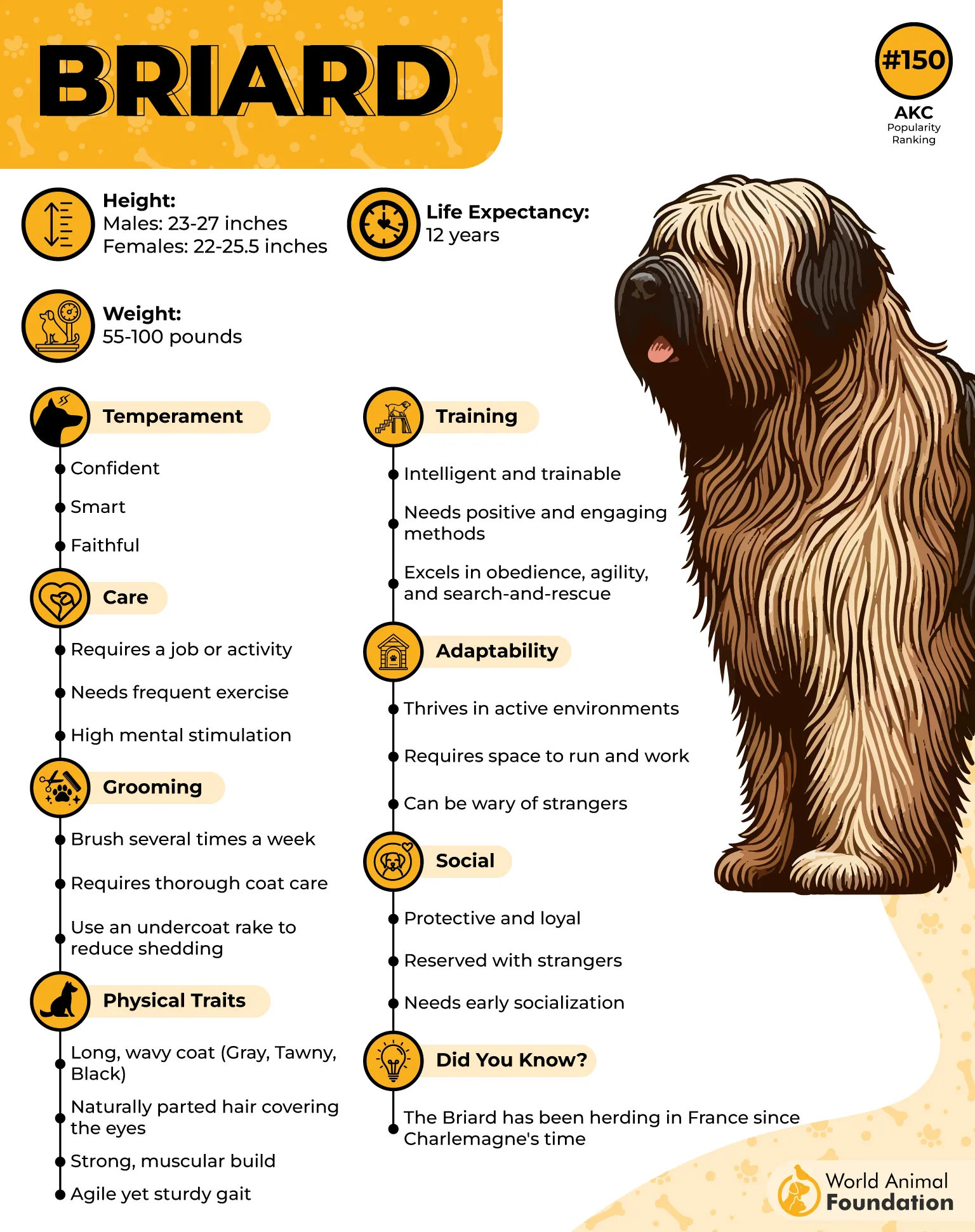
The Briard takes its name from the Brie region of northern France, famous for its rich cheese. Also known as the Shepherd of Brie, this breed has a long place in French history, with depictions appearing in 8th-century tapestries associated with Emperor Charlemagne.
Built for Long Days in the Field
This farm dog has a large, muscular frame and an efficient trot that helps it cover considerable ground while working around livestock.
Its physical strength suits the demands of driving and guarding stock across open farmland, where steady movement and sure footing matter.
Some of its less familiar working features are equally interesting:
Double dewclaws on both hind feet.
Deliberate paw placement on uneven ground.
A natural tendency to circle and gather livestock
A Coat Made for Outdoor Work
The Briard’s dense undercoat provides insulation, while its harsher outer coat helps shed dirt and outdoor debris, as noted by Orvis.
Its facial beard and prominent eyebrows also help protect against dust, grass seeds, and direct sunlight. Regular brushing is essential to prevent tangles and mats.
2. Rottweiler
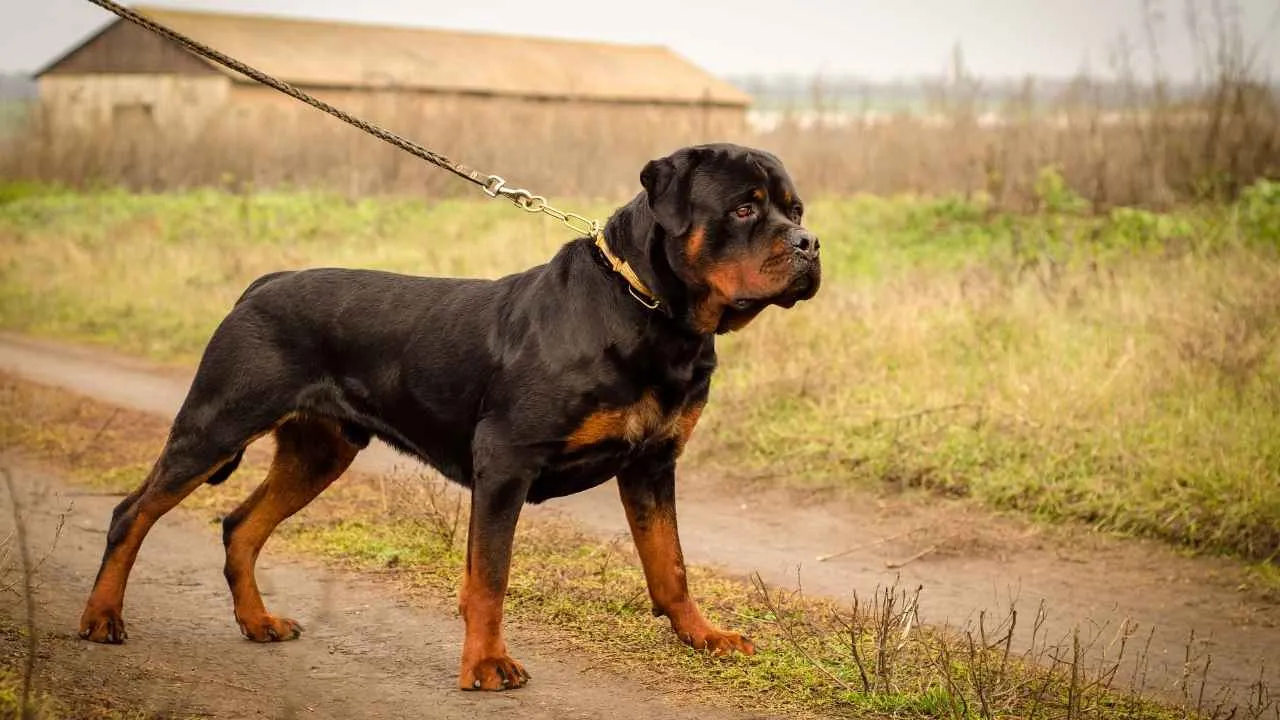
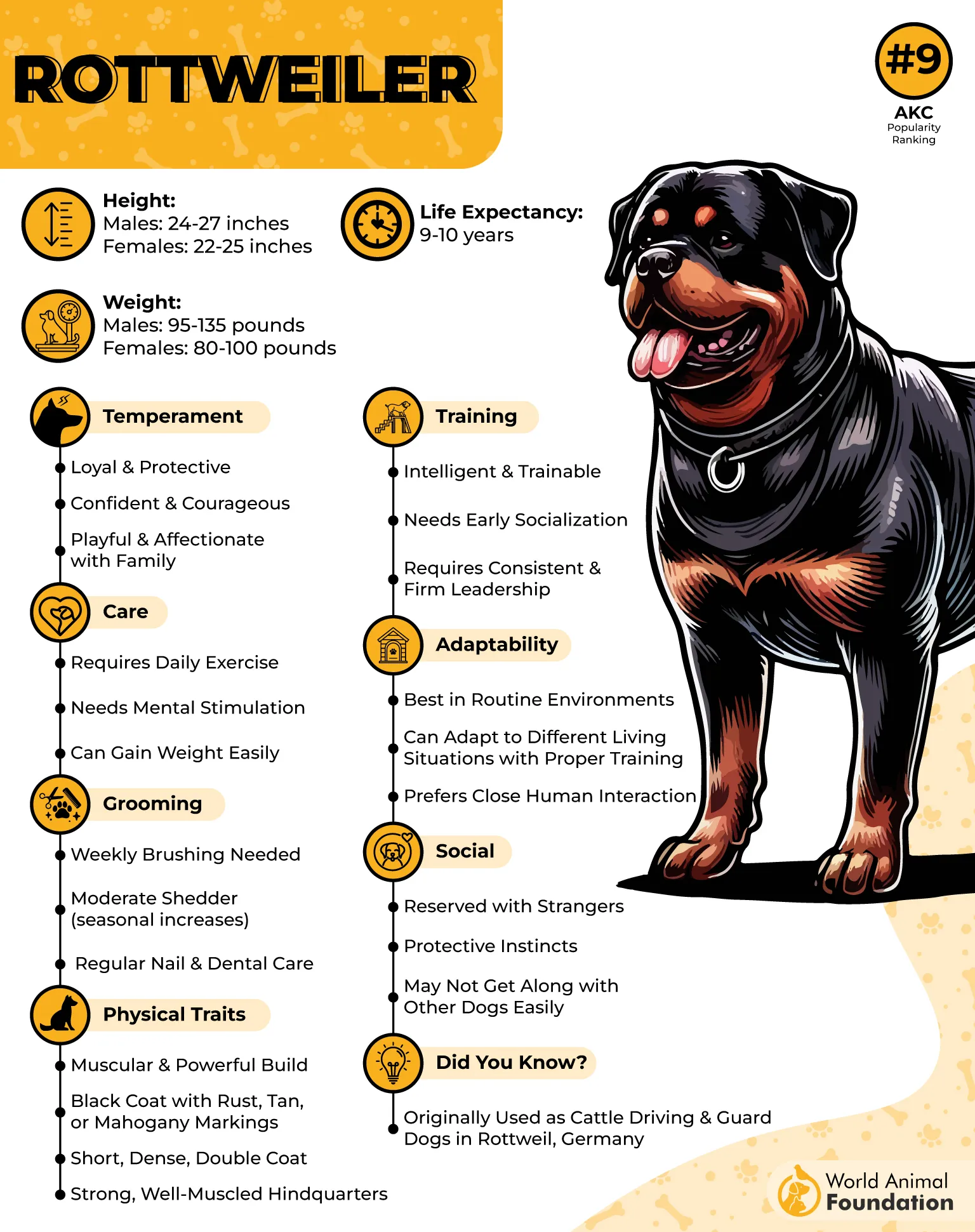
The Rottweiler’s roots are linked to cattle-driving dogs brought into the region by the Romans. Its name comes from Rottweil in southern Germany, where the breed became closely associated with the local butcher trade and the protection of valuable goods.
Built for Demanding Farm Work
A Rottweiler’s broad chest, sturdy bones, and powerful hindquarters give it the strength for physically demanding duties. Selective breeding favored endurance and pulling ability, making this muscular dog well suited to work involving livestock, carts, and farm security.
Its working instincts can also appear in everyday behavior:
May instinctively follow and direct moving livestock.
Often watches gates and pathways from a clear vantage point.
Can assess a situation quietly before giving a deep warning bark.
Affectionate at Home, Reserved With Strangers
This breed is generally affectionate with their families and can get along well with children and other pets when properly introduced, as the AKC explains.
Their size can make an enthusiastic leap risky around toddlers, while early socialization helps them behave appropriately around unfamiliar people and dogs.
3. Polish Lowland Sheepdog
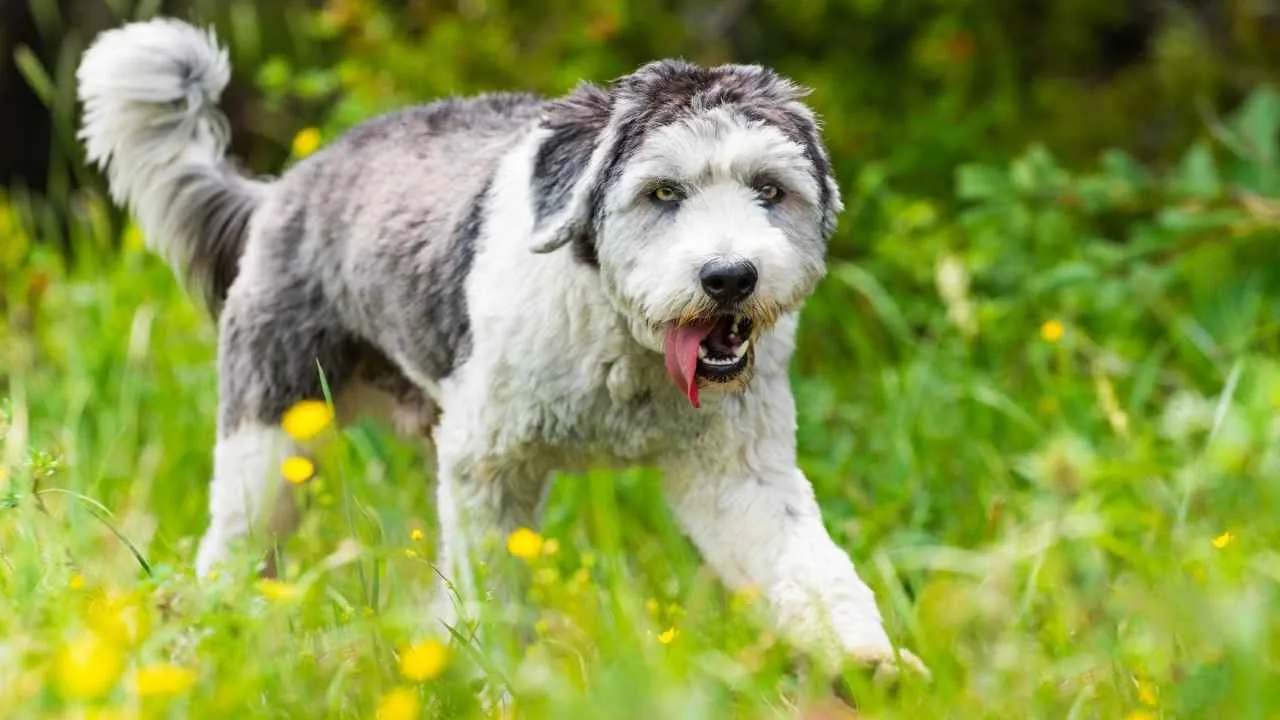
The Polish Lowland Sheepdog, also called the Polish Owczarek Nizinny or PON, comes from Poland’s lowland plains, where it worked as a sheep herder. Its ancestry remains uncertain, with possible links to the Hungarian Puli, Bearded Collie, and Tibetan Terrier, as mentioned by Omlet.
Built for Long Farm Days
A medium-sized dog with strong bones, a compact frame, and lean athletic ability, the PON is suited to lengthy hours around livestock.
Its endurance and agility help it navigate farm grounds and manage moving sheep, while its independent working style allows it to make decisions without constant direction.
Some of its working habits are particularly interesting:
Checks gates and patrols property boundaries.
Pauses to assess situations before acting.
Uses shoulder and body positioning to redirect livestock.
A Watchful Household Companion
At home, the PON is generally calm and well-mannered, getting along with children, dogs, and other pets it grows up with. It tends to bark at the door and can be reserved around unfamiliar people, so early socialization helps it become comfortable with different visitors and household situations.
4. Bergamasco Sheepdog
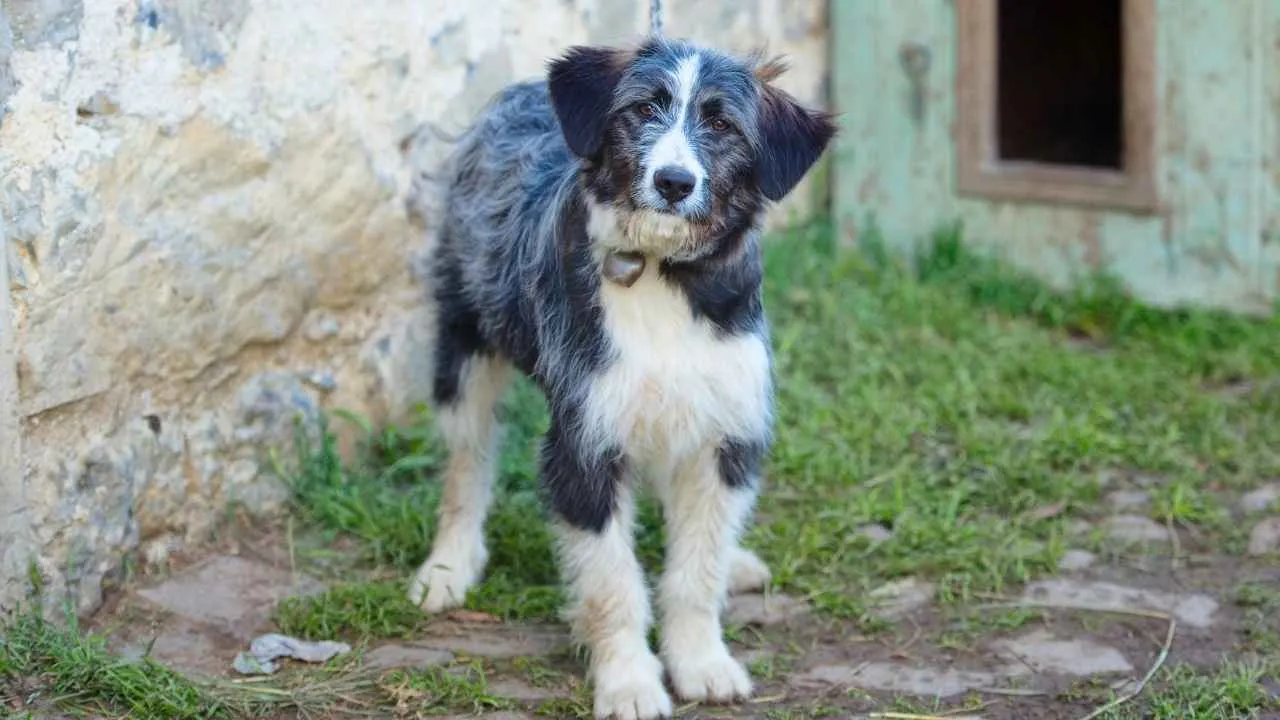
The Bergamasco Sheepdog has roots stretching back thousands of years, with its ancestors believed to have arrived in the Western world alongside nomadic shepherds from the Orient. Its long association with pastoral communities in Italy and Switzerland shaped its role as a capable livestock worker.
Built for Long Days With Livestock
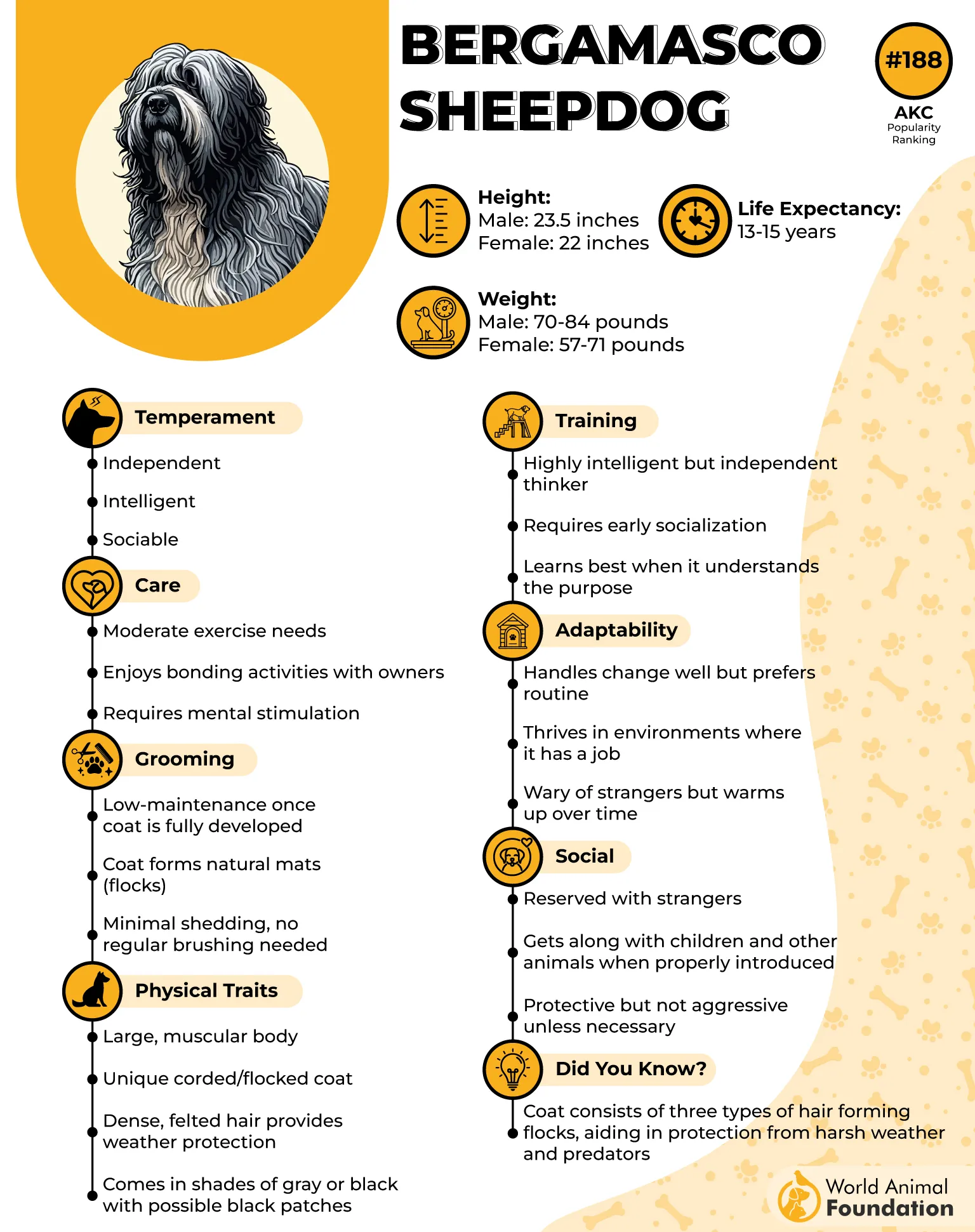
The Bergamasco has a strong, athletic frame suited to hours of walking across uneven mountain paths. Its working style relies on endurance and controlled movements, allowing it to guide sheep and cattle across difficult farmland without constant direction from a shepherd.
Its approach to herding involves some interesting working habits:
Uses body positioning and steady pressure to direct sheep.
Makes independent decisions when working away from its handler.
Watches over livestock while remaining responsive to their movements.
A Watchful Presence Around the Farm
At home, the Bergamasco is deeply attached to its family and particularly attentive to children. It can be cautious around unfamiliar visitors, often observing them before accepting their presence. The breed also tends to get along with other dogs, while early introductions are helpful when sharing a home with cats.
5. Puli
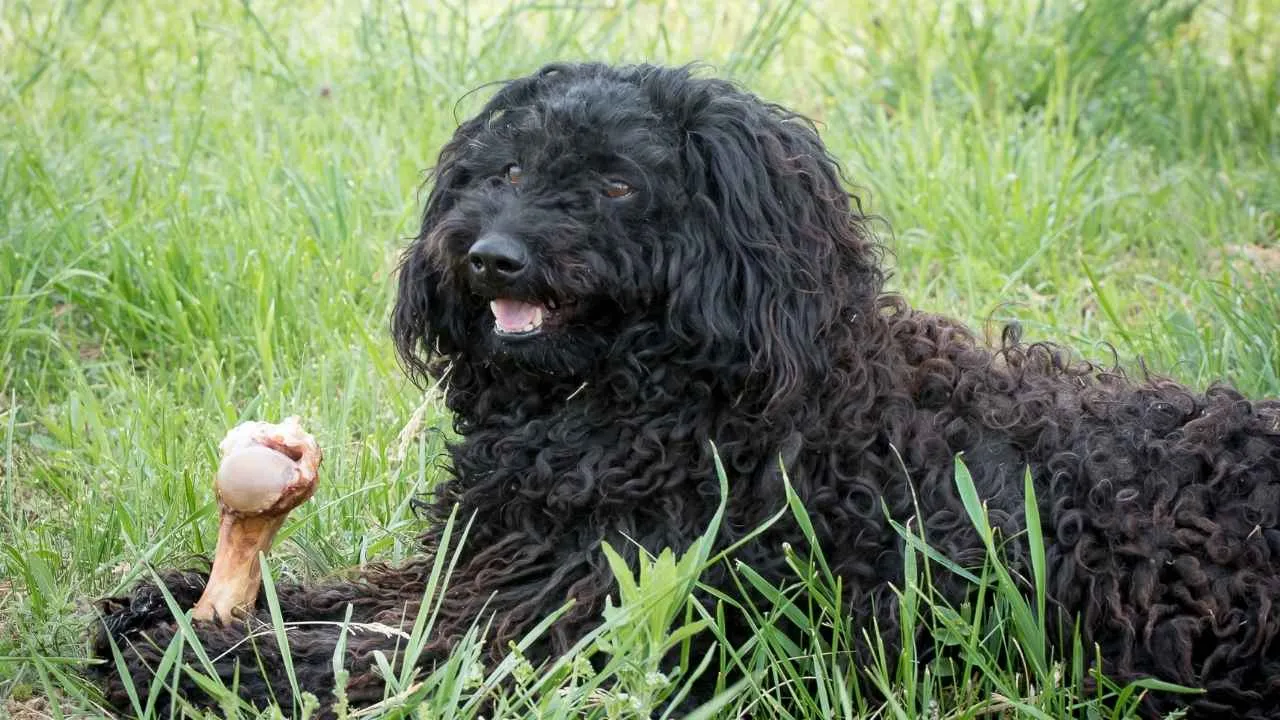
The Puli comes from Hungary, where shepherds valued its intelligence and ability to direct sheep with little guidance. Its numbers fell sharply during the First and Second World Wars, but dedicated breeding efforts helped restore the population. Today, it remains closely associated with Hungarian farming traditions.
Quick on Its Feet
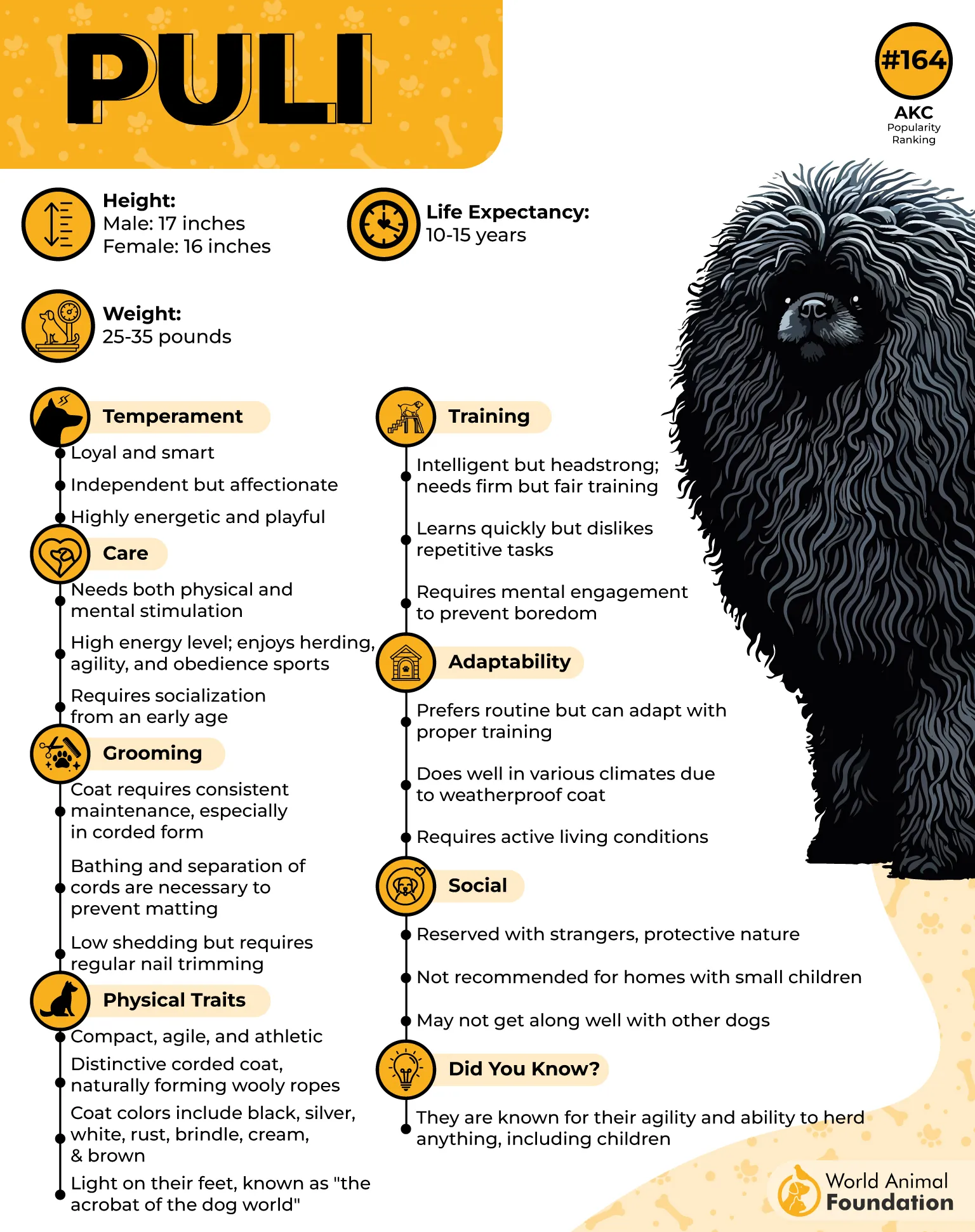
The Puli has a compact, athletic frame built for quick reactions around livestock. Its rapid acceleration, strong body awareness, and sure footing help it gather sheep, turn sharply, and navigate uneven pasture without losing balance.
Its working style includes some interesting details:
Hops and pivots to redirect livestock.
Keeps a close visual check on its shepherd.
Watches moving animals and objects across the field.
A Sharp and Responsive Worker
Quick to learn and highly attentive to cues, the Puli can adjust its actions as a moving flock changes direction. Its natural tendency to bark at unfamiliar sounds can also help alert people to unusual activity around the farm, though this habit needs consistent training from an early age.
6. Belgian Malinois
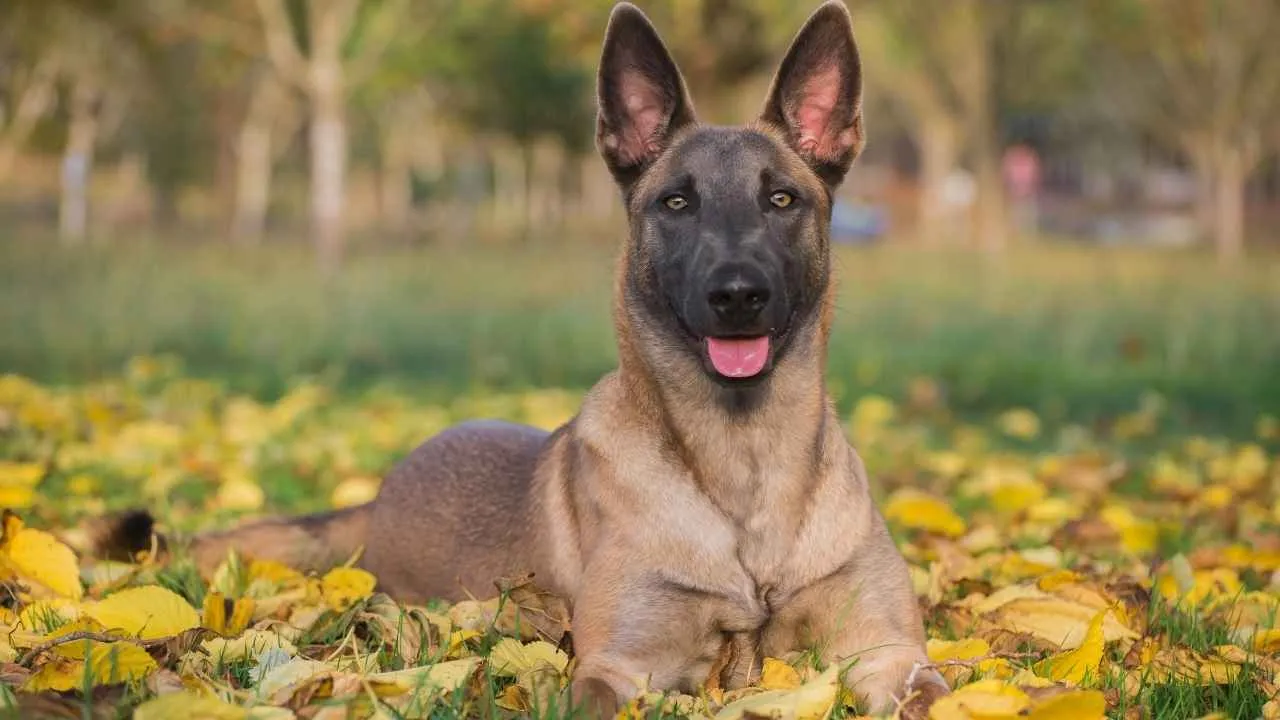
The Belgian Malinois was originally bred in Belgium as a herding dog used to guard and manage sheep and other livestock.
Organized breeding began in the late 1800s, with early attention given to intelligence and agility. By the 1950s, its abilities had also gained recognition in military and police work.
Built for Fast Farm Work
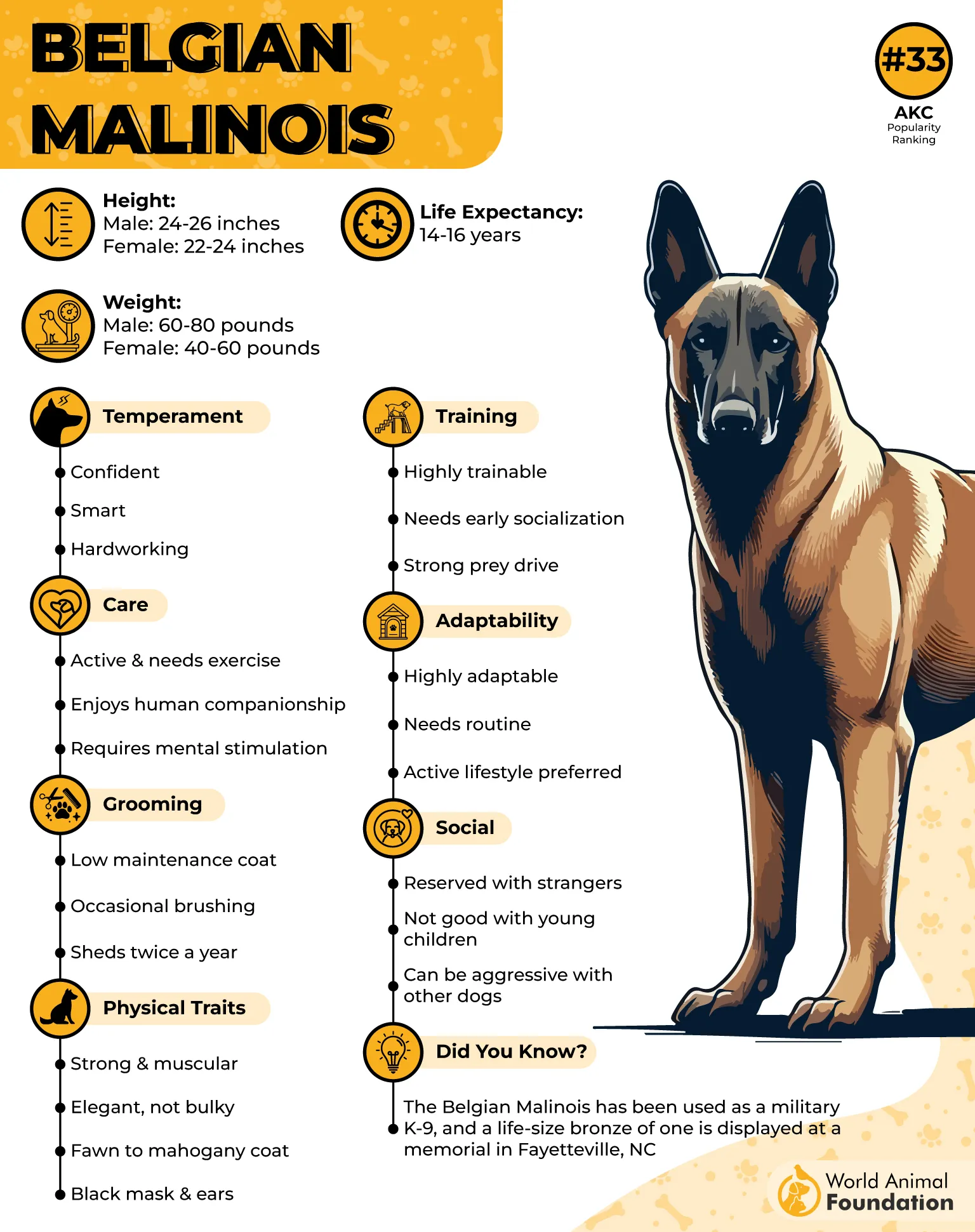
A lean, muscular frame gives the Belgian Malinois the speed and control needed for demanding farm duties. Its efficient stride allows quick acceleration, sharp turns, and confident jumps over obstacles, while its natural herding instincts help it gather livestock and guide their movement.
Its working style includes some impressive abilities:
Learns complex task sequences quickly.
Keeps close attention on its handler.
Uses persistence to solve practical challenges.
An Intense Working Temperament
This breed is highly responsive to training and enjoys tasks that challenge its intelligence. It needs consistent guidance, regular physical work, and problem-solving activities. Its sensitivity to unfamiliar sounds and movement also makes early socialization and impulse-control training important.
7. German Shepherd
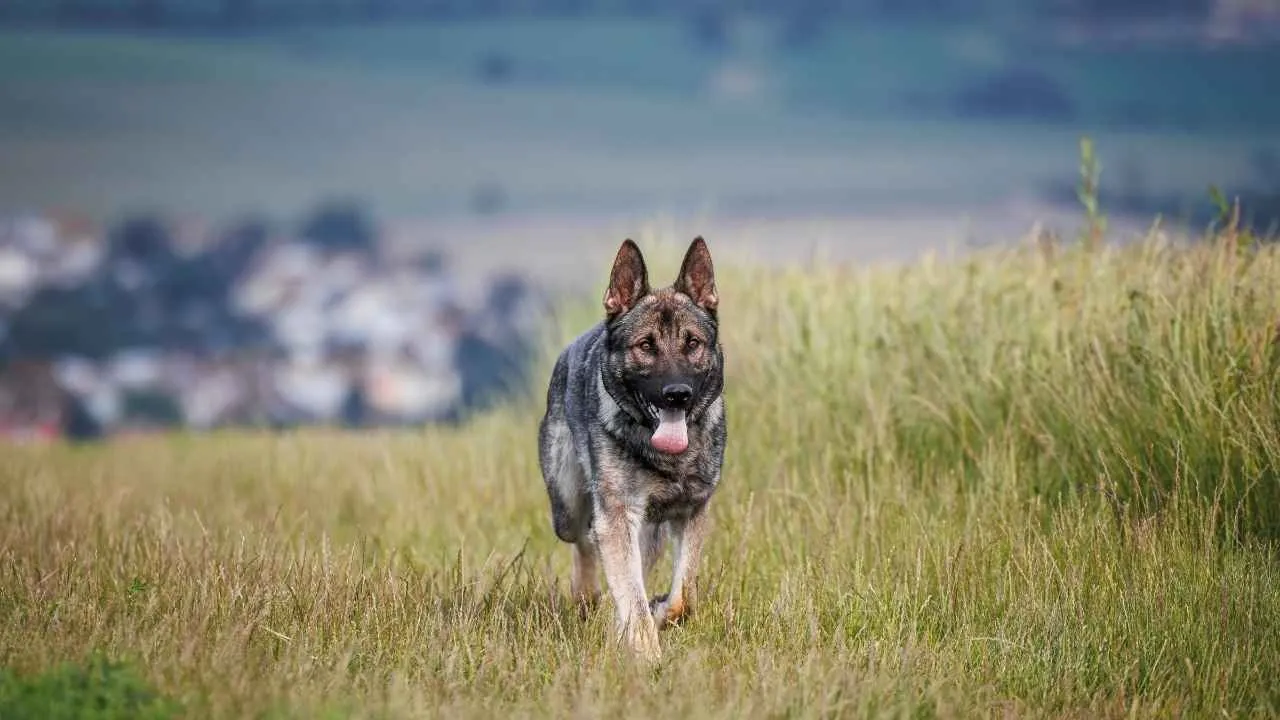
The German Shepherd originated in Germany, where breeders sought a capable dog for herding and guarding sheep. Its name was later changed to Alsatian after the First World War, with kennel clubs returning to the original German Shepherd name during the 1930s.
A Natural Sense for Herding
German Shepherds use their herding instincts to guide livestock through circling, blocking paths, and positioning themselves around animals.
These controlled movements help direct a flock, while their alert nature also makes them useful for watching farm boundaries.
Their working habits include a few other interesting details:
Frequently checks back for its handler’s signals.
Scans its surroundings and barks at unusual activity.
Enjoys having specific tasks, including holding toys or work objects.
Built for Long Working Days
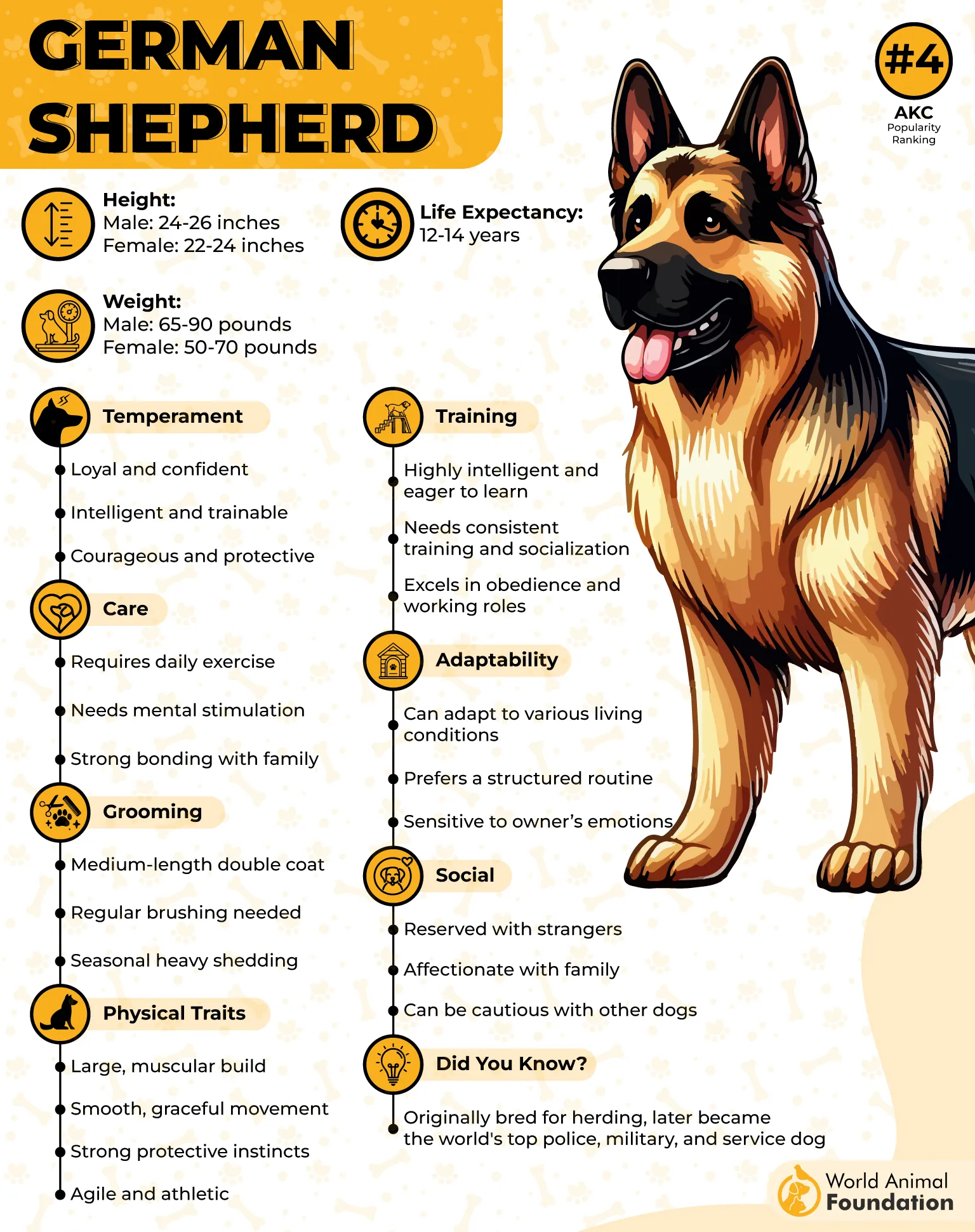
Its medium-large, athletic frame and efficient trot support sustained physical activity across large areas. A keen sense of smell and strong problem-solving ability also help German Shepherds assess their surroundings and respond to changing situations.
Conclusion
The right farm companion can make a difference when daily responsibilities involve livestock, open fields, and property security. A muscular frame provides useful strength, but physical power alone cannot determine how well a dog handles farm work.
Intelligence, endurance, agility, and a steady temperament all contribute to its abilities.
Some dogs work closely with their handlers, while others can make sensible decisions around moving livestock. Their needs and working styles deserve equal attention before assigning responsibilities.
With suitable training, clear guidance, and proper care, a capable dog can become a valuable part of everyday farm life.
