





Bringing a dog home does not have to strain your finances. Some breeds are naturally easier on the budget because of their smaller appetites, manageable grooming needs, or generally lower maintenance requirements. They can offer just as much affection, loyalty, and companionship as more expensive breeds.
However, responsible ownership involves more than the initial adoption or purchase price. Food, vaccinations, routine veterinary visits, and unexpected medical expenses all deserve consideration.
Explore ten affordable dog breeds that can make wonderful companions without placing excessive pressure on your household budget.
Best Dog Breeds for Pet Parents on a Limited Budget
1. Chihuahua
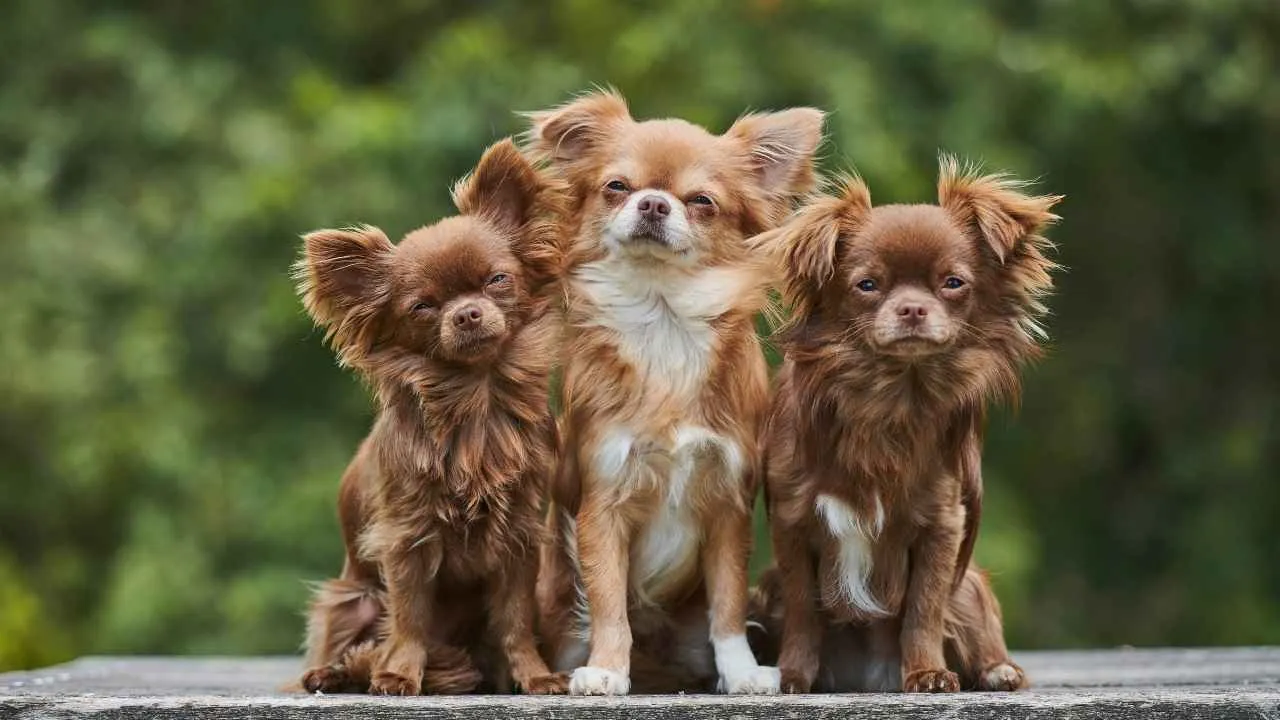
Despite being the world’s smallest dog breed, the Chihuahua has a confident personality and forms a strong attachment to its owner. It is naturally alert and may be cautious around unfamiliar people.
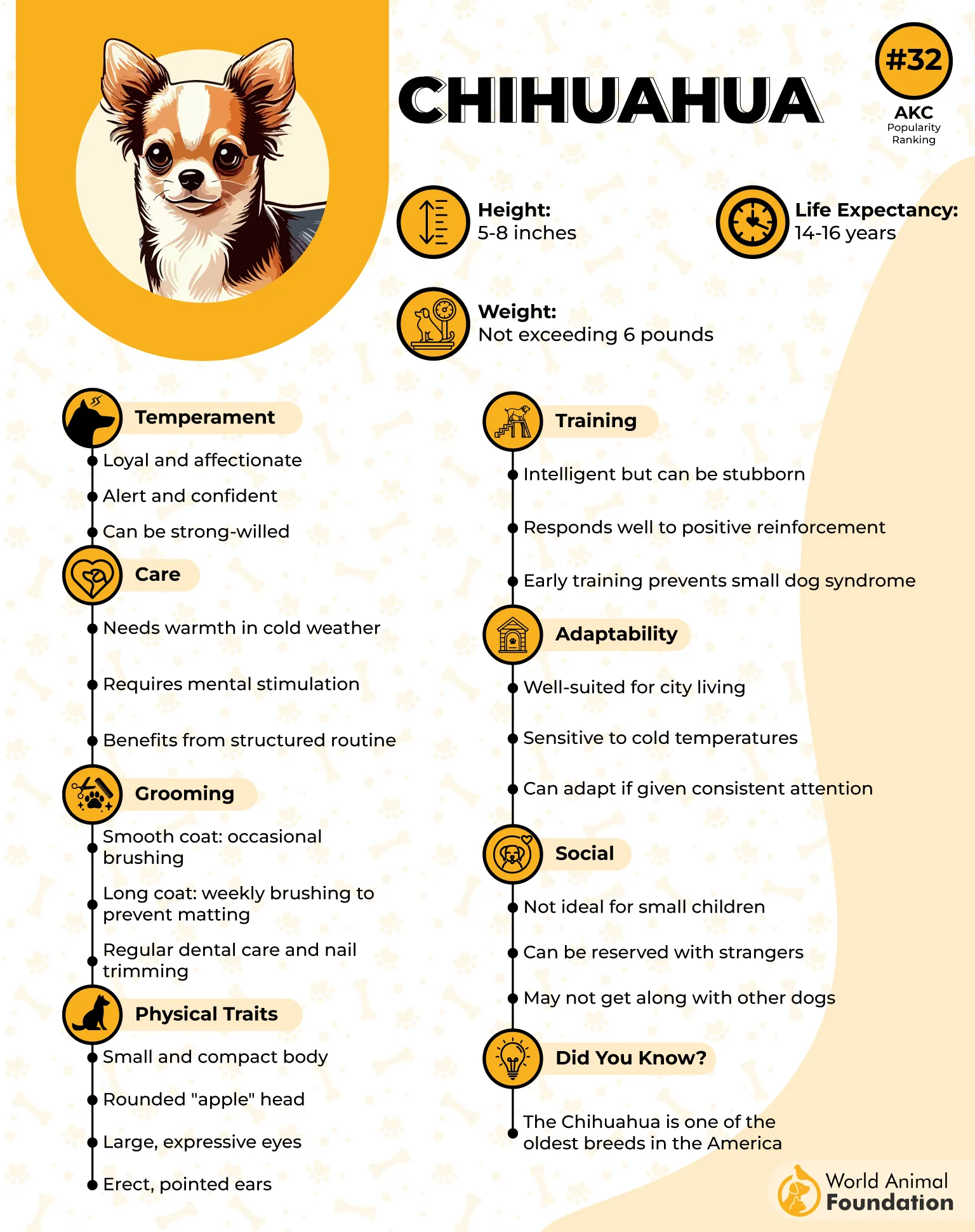
Its tiny size makes everyday care relatively inexpensive. Chihuahuas need smaller food portions and generally do not require professional grooming, helping owners keep routine expenses manageable.
With modest exercise needs, this breed can adapt comfortably to apartment living. It often gets activity simply by following its owner around the home, making it suitable for people with limited space. However, extremely small Chihuahuas may be more vulnerable to serious health problems, so choosing a sturdier-sized dog can be a more practical option.
How This Breed Stands Out
Tiny food portions: Its small appetite helps keep everyday feeding costs low.
Minimal space requirements: Its compact size and modest exercise needs make apartment living easier.
2. Pekingese
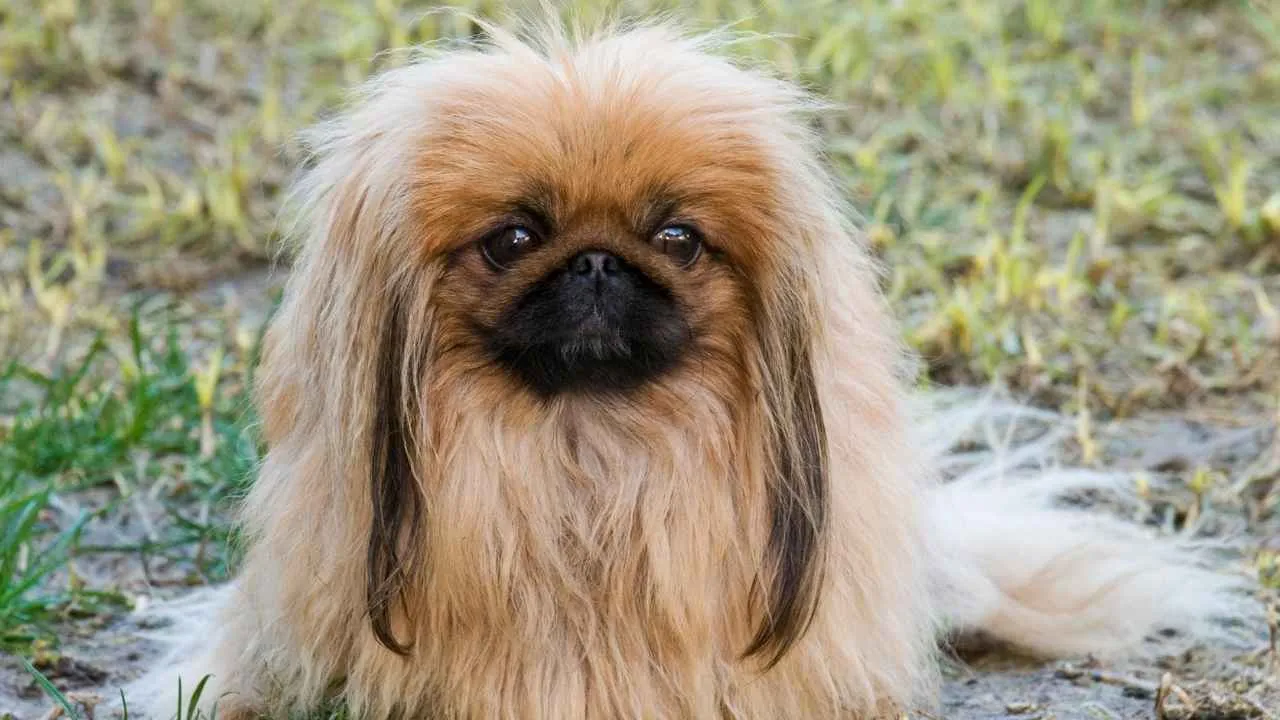
Originally bred as companions for Chinese royalty, the Pekingese carries itself with a confident, dignified personality. It forms strong attachments to its favorite people but also has an independent streak, making it less demanding of constant attention.
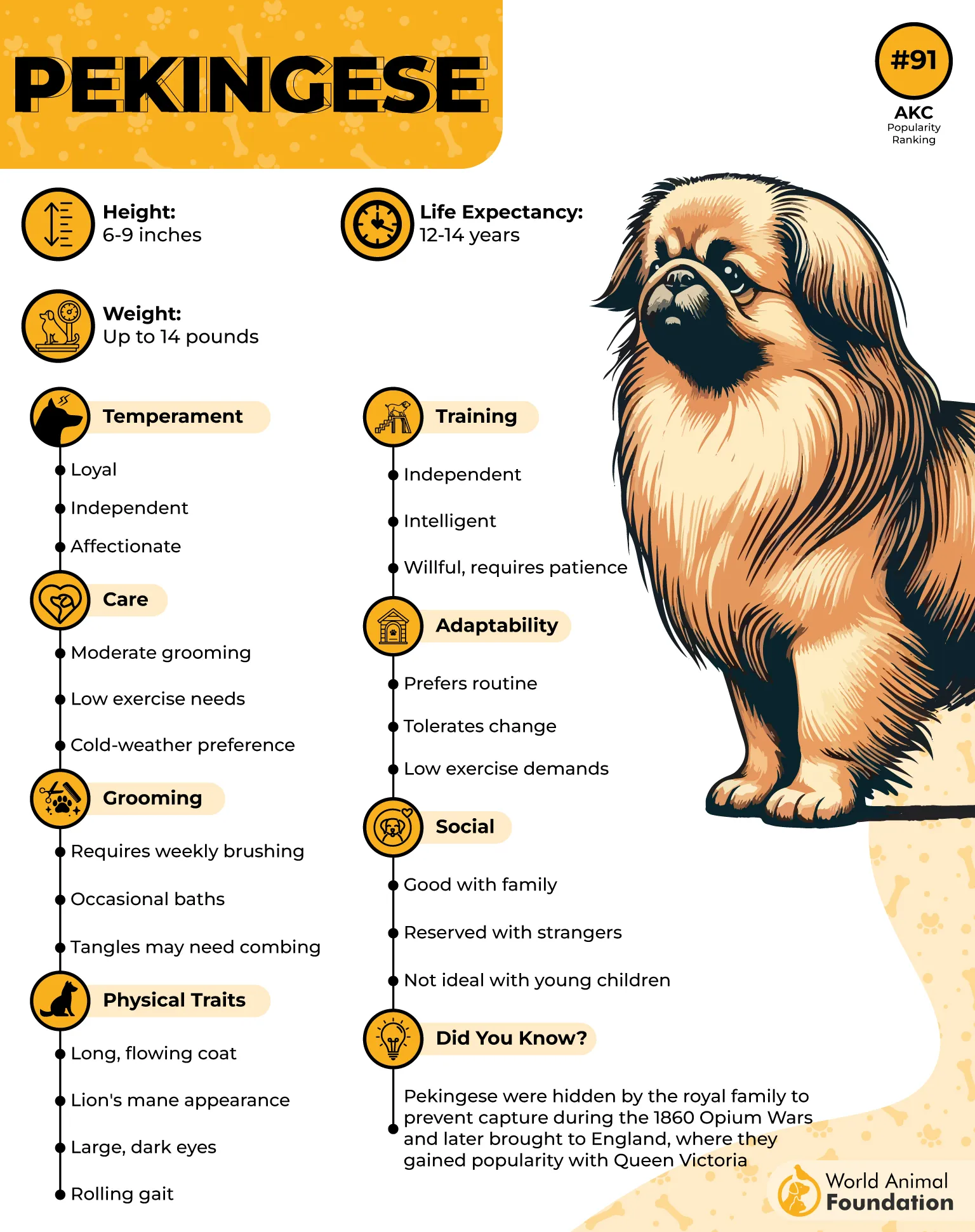
Its compact build and modest activity requirements make it suitable for smaller homes. Short walks and indoor play can provide sufficient exercise, although hot weather requires caution because its brachycephalic face makes it more vulnerable to overheating.
The breed has a thick double coat, with longer hair around the neck creating its characteristic lion-like appearance. Regular brushing is necessary to prevent tangles and matting, so owners should account for this grooming commitment.
How This Breed Stands Out
Modest exercise needs: Short walks and indoor activities can meet its everyday activity requirements.
Independent indoor personality: Its self-assured nature allows it to enjoy relaxing at home without constant attention.
3. Yorkshire Terrier
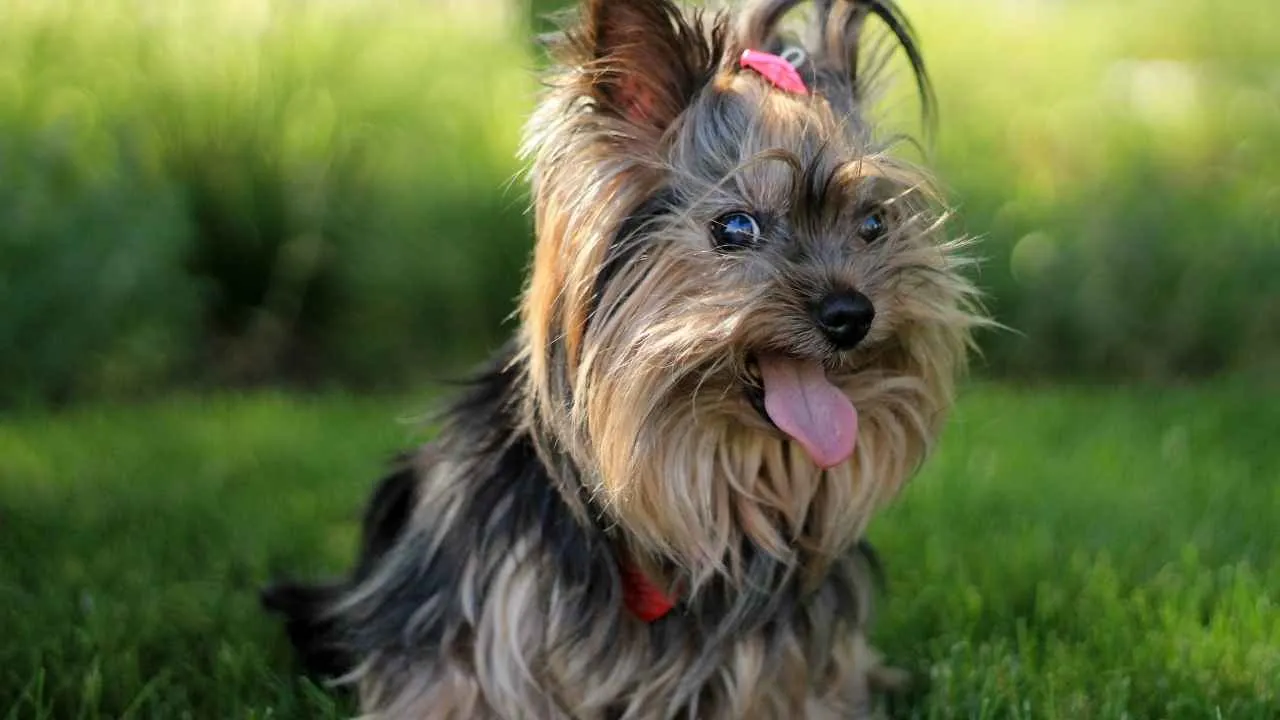
Yorkshire Terriers may be tiny, but they have a lively, confident nature and plenty of determination. These affectionate companions enjoy attention and can be surprisingly bold around much larger dogs.
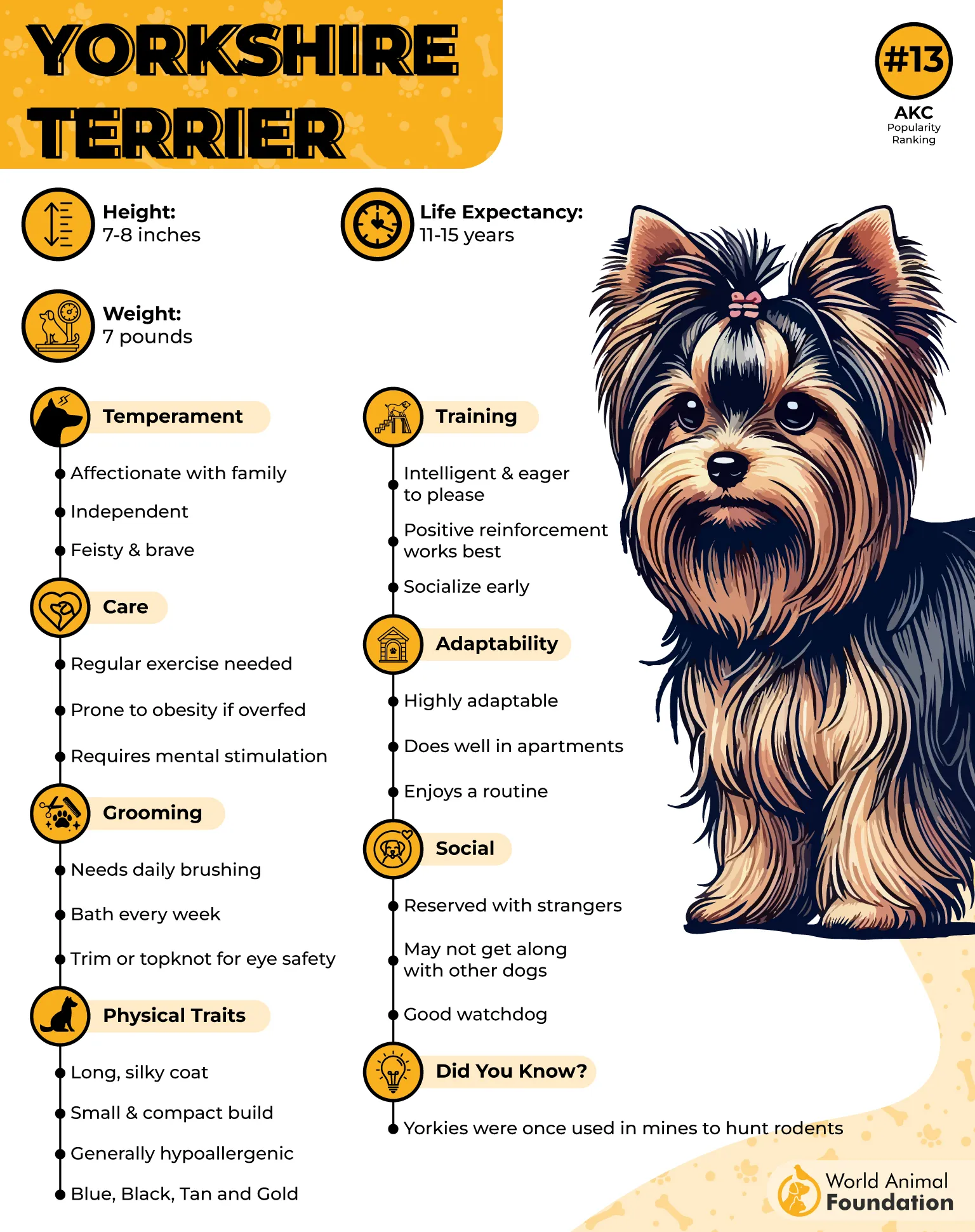
Their small appetites help keep food expenses manageable, while their sturdy build makes them less delicate than some other toy breeds. They need around 30–40 minutes of daily exercise, enjoying games of fetch, short runs, and playtime.
However, their long, silky coats require daily brushing to prevent tangles and maintain their appearance. Yorkies can also be stubborn during training, so patience and reward-based methods work best. Their fragile bones make careful handling important, particularly around young children.
How This Breed Stands Out
Compact size suits smaller homes: Its petite build makes it comfortable in apartments and homes with limited space.
Long coat requires regular maintenance: Daily brushing helps prevent knots and keeps its fine hair in good condition.
4. Poodle
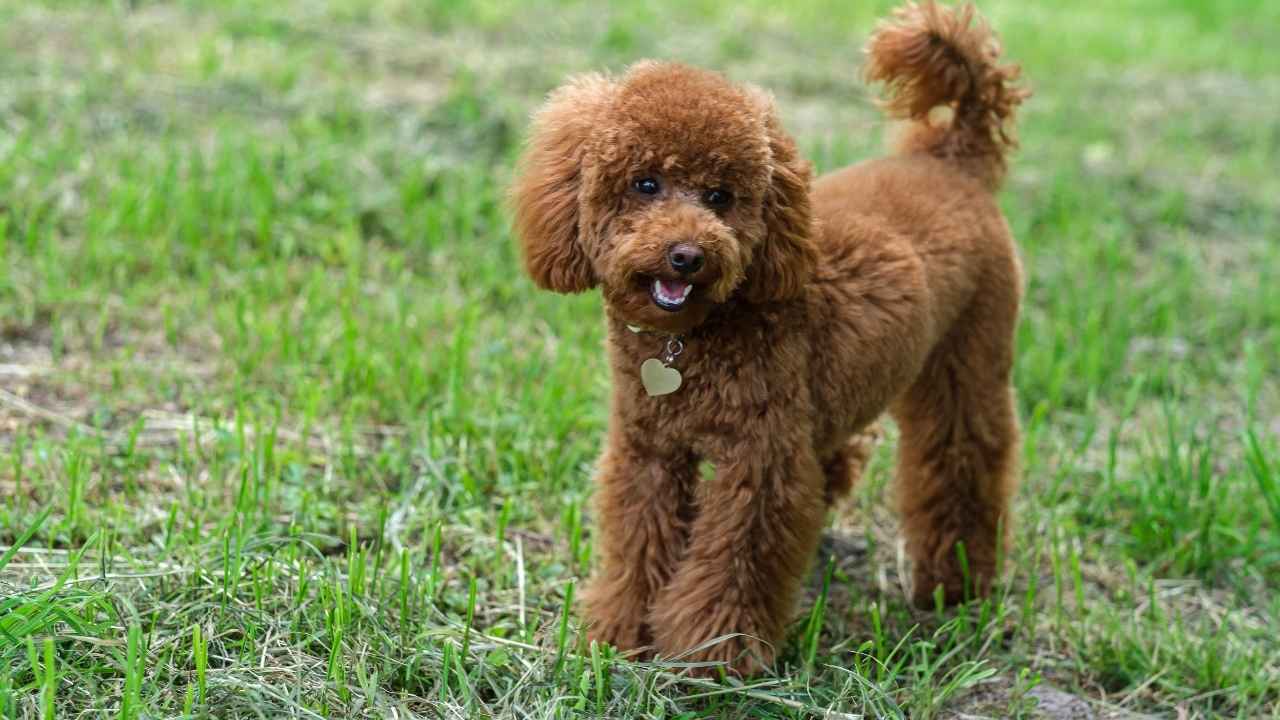
Poodles are intelligent, cheerful companions with a playful side and a natural eagerness to learn. Available in Standard, Miniature, and Toy sizes, they adapt well to family life and often get along with children and other pets when socialized early.
Their quick learning ability makes training easier, and they respond particularly well to praise and rewards. However, their active minds need regular engagement, while daily exercise of around an hour helps keep their energy under control.
Although Poodles shed relatively little, their thick, curly coats require consistent care. Daily brushing helps prevent tangles, and periodic professional clipping may add to their grooming expenses, which budget-conscious owners should consider.
How This Breed Stands Out
Highly trainable and quick to learn: Their intelligence and responsiveness make obedience training and learning new commands easier.
Curly coat needs professional grooming: Regular brushing and professional clipping are necessary to prevent matting and maintain coat condition.
5. Shih Tzu
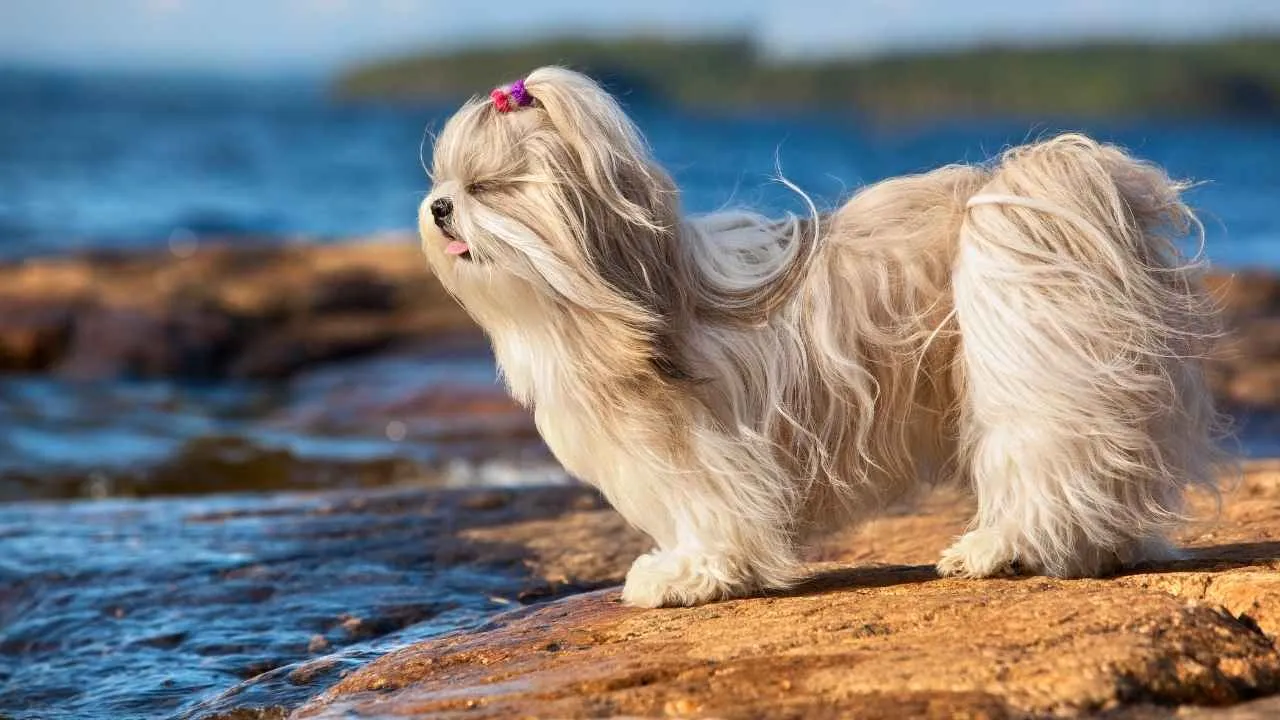
The Shih Tzu is an affectionate little companion whose name means “little lion,” referring to its flowing, mane-like coat rather than its gentle personality. It enjoys attention, cuddles, and spending time with its family.
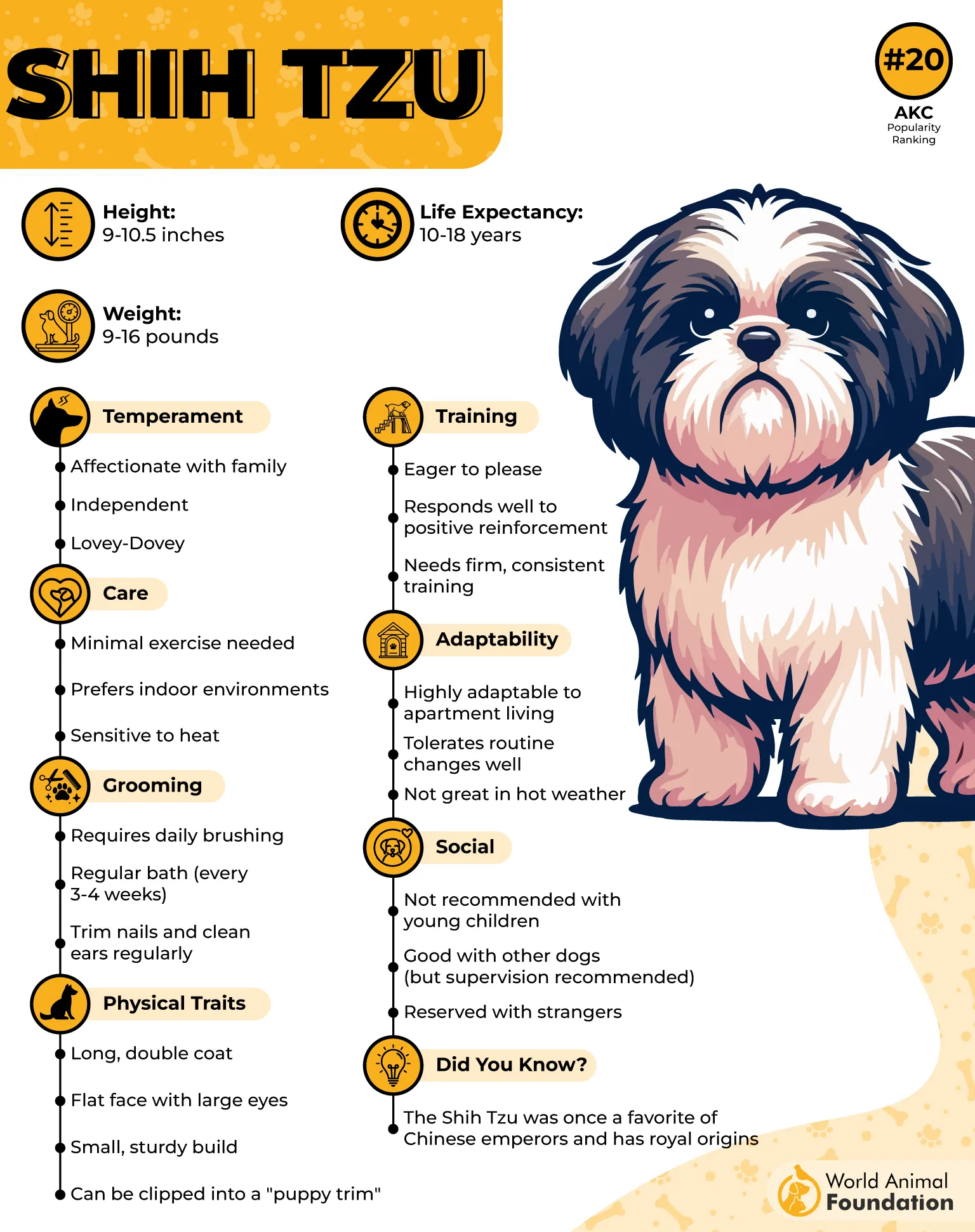
Unlike highly active breeds, this dog has modest exercise requirements and can stay comfortable with short daily walks. Its calm nature and ability to adapt to apartment living make it suitable for households with limited outdoor space.
However, its long coat requires professional grooming, which can increase maintenance expenses. Keeping its hair trimmed short may reduce the frequency of salon visits, although regular coat care remains necessary. Some Shih Tzus are also prone to inherited health concerns, making responsible breeding and health screening important.
How This Breed Stands Out
Comfortable with short daily walks: Its low activity requirements make lengthy exercise sessions unnecessary.
Adaptable indoor companion: Its affectionate, generally quiet nature suits apartment living and smaller homes.
6. Miniature Schnauzer
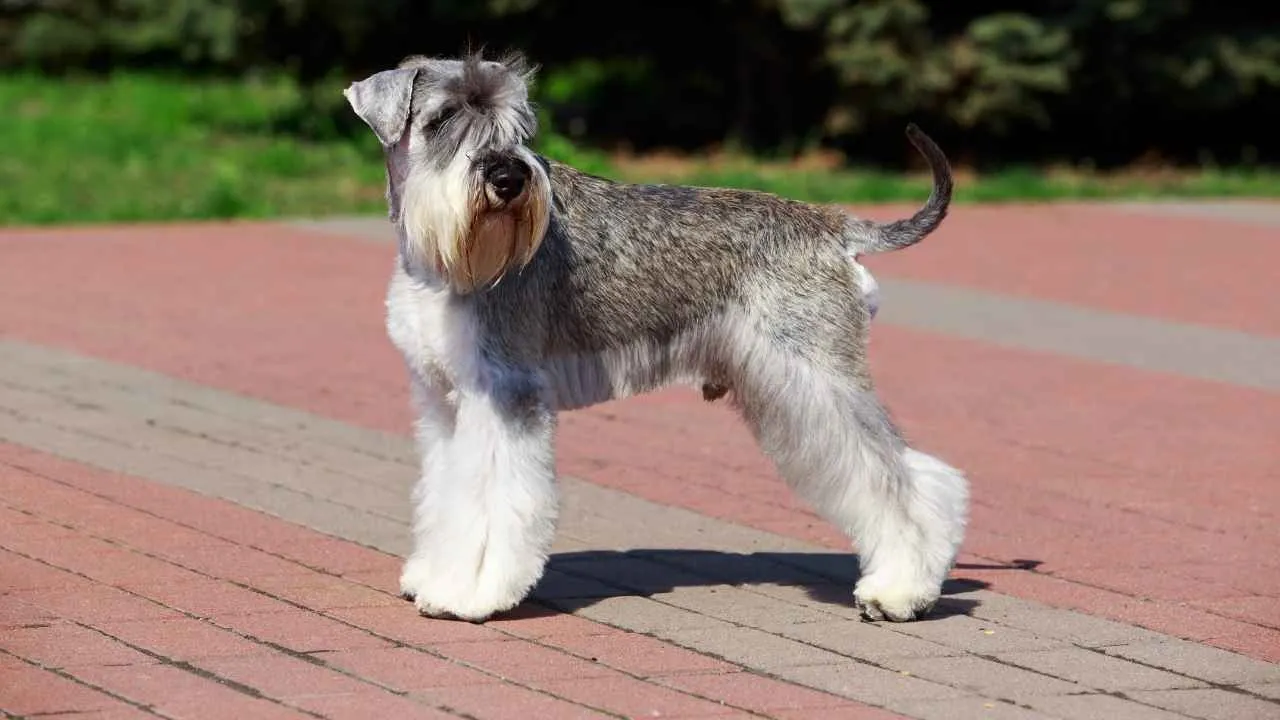
Originally developed as a farm dog to catch rats and perform other working tasks, the Miniature Schnauzer has a sturdy build and an alert, lively personality. Despite its small stature, it is remarkably hardy and makes an adaptable family companion.
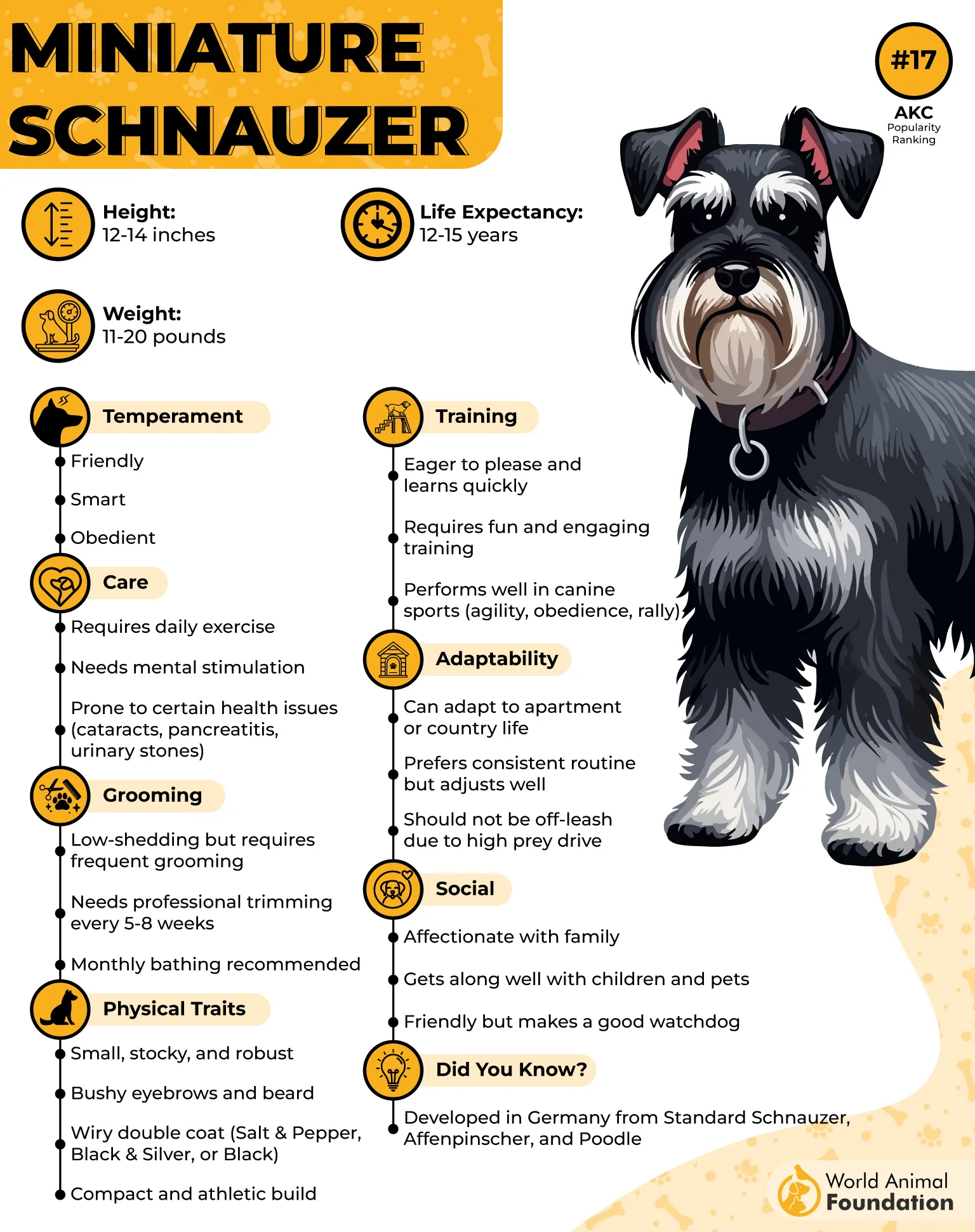
According to PDSA, Miniature Schnauzers are curious, playful dogs that can bond well with children through early socialization. Their coats require brushing two to three times weekly, along with occasional professional clipping or stripping.
This breed is quick-witted, obedient, and eager to learn, responding well to consistent training. Its playful nature suits families with well-behaved children, while puzzle games, walks, and agility activities help keep its mind occupied.
Miniature Schnauzers shed relatively little, but their distinctive double coat and facial furnishings need regular maintenance. They also require daily activity and mental stimulation, so owners should consider these ongoing care needs when planning their budget.
How This Breed Stands Out
Hardy, sturdy little frame: Its robust build makes it a resilient companion despite its compact size.
Intelligent and responsive to training: Its sharp mind and willingness to learn make obedience training rewarding.
7. Papillon
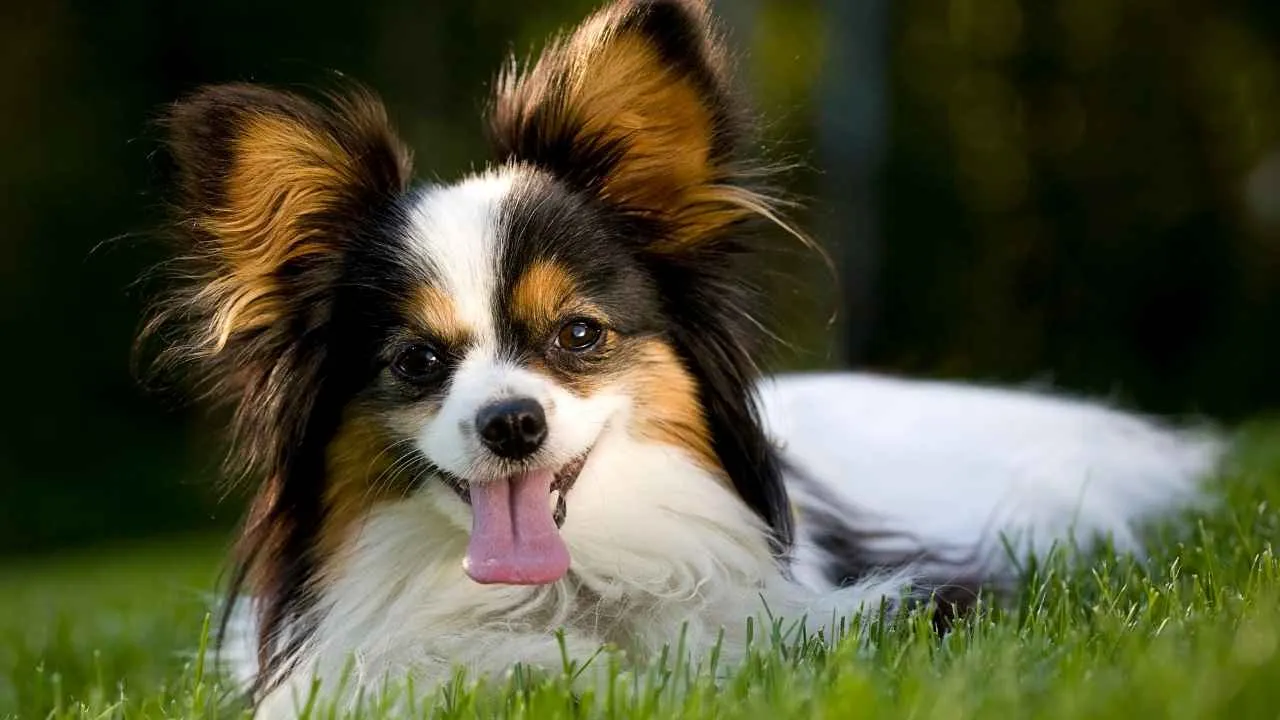
Named after the French word for butterfly, the Papillon is recognized by its distinctive, upright, feathered ears. Despite its delicate appearance, this small dog has an athletic build, a lively personality, and a surprisingly sturdy constitution.
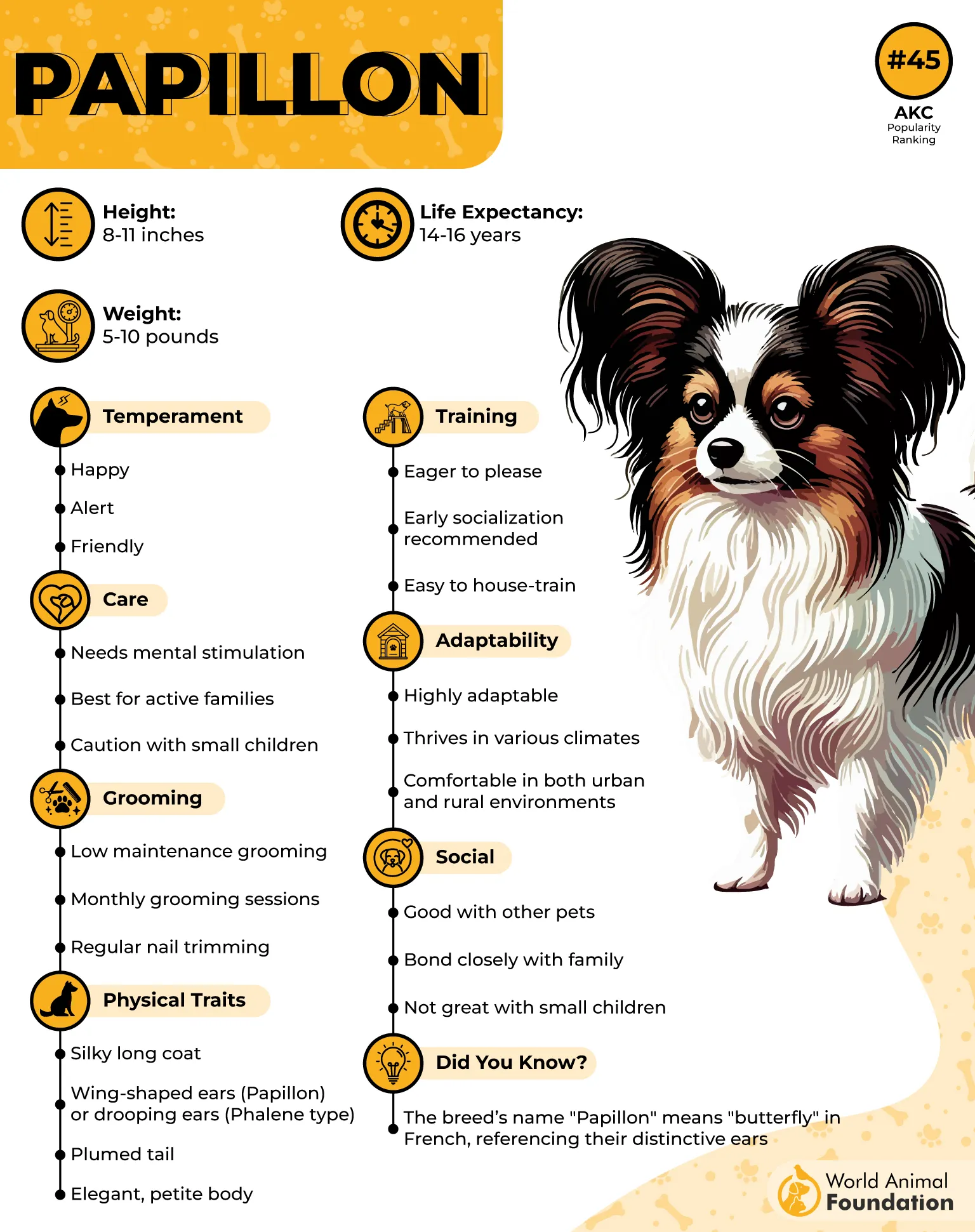
Papillons are affectionate, curious, and highly intelligent companions. They quickly pick up commands and household routines, often excelling in obedience, agility, and trick training. Their eagerness to interact also makes them enjoyable family pets.
Their lightweight build means they need relatively small food portions, helping keep feeding expenses manageable. Although their long, silky coat requires regular brushing, they are adaptable to different living environments and enjoy joining their families in everyday activities.
How This Breed Stands Out
Small appetite and lightweight build: Its tiny frame requires less food than larger breeds, helping reduce everyday feeding costs.
Quick learner of household routines: Its intelligence and responsiveness make it quick to understand commands and daily habits.
8. Pug

Pugs are cheerful, affectionate companions known for their playful mischief and relaxed personalities. Their compact size makes them relatively economical to feed, while their easygoing nature suits indoor living and families seeking a low-maintenance companion.
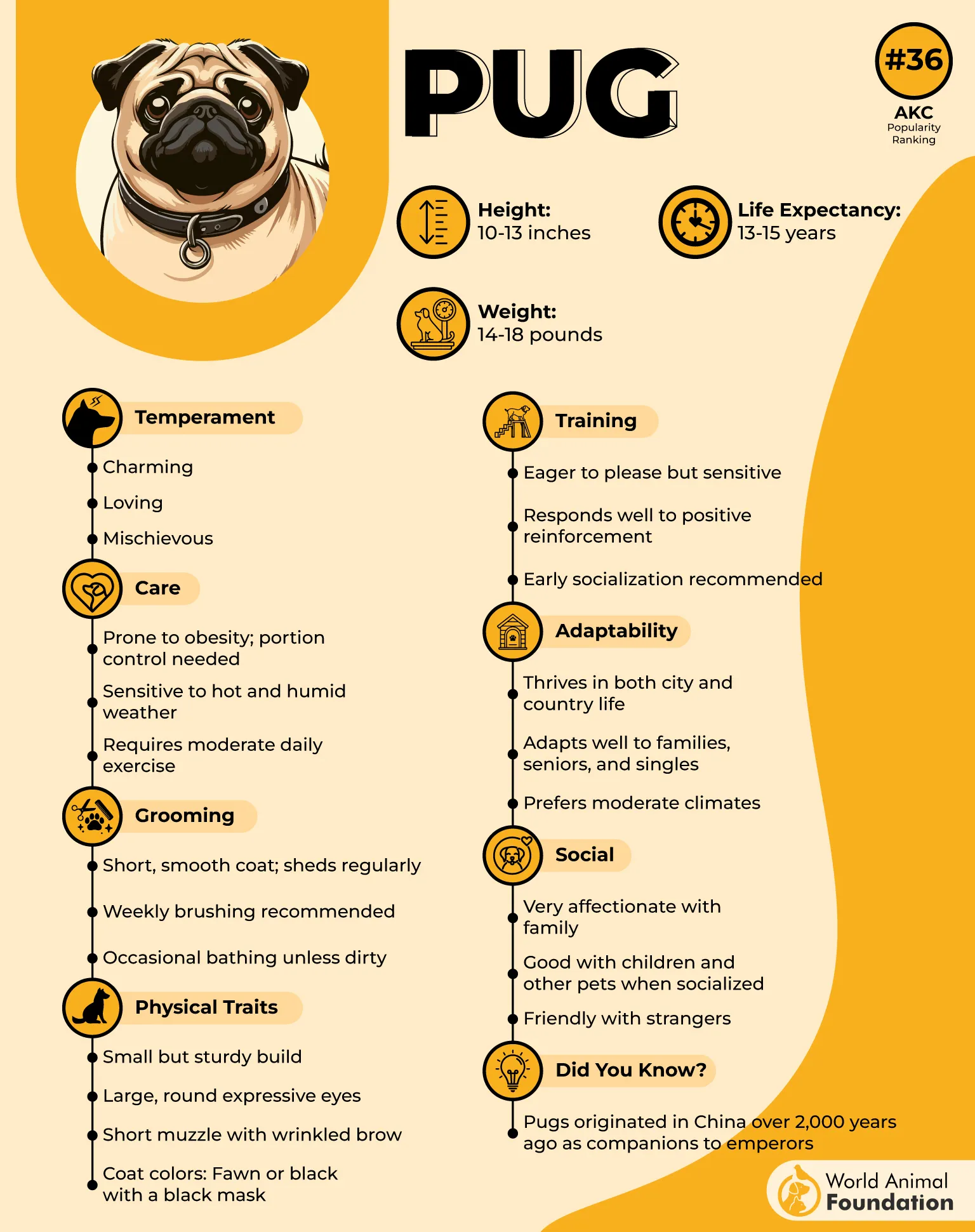
According to PetMD, Pugs have a short fawn or black coat, a distinctive flat and wrinkled face, a curled tail, and characteristic noisy breathing.
Unlike long-coated breeds, Pugs do not need professional haircuts, and their short coats require only occasional brushing. However, they shed throughout the year, so brushing two or three times weekly and regularly cleaning their facial folds are important.
Their exercise needs are moderate, with short daily walks helping them stay fit. Training may require extra patience because Pugs can be slow learners and prefer a relaxed pace. They are also prone to breathing difficulties, making responsible breeding and health screening especially important.
How This Breed Stands Out
No professional haircuts needed: Its short hair keeps grooming relatively simple and does not require extensive grooming or professional trimming.
Moderate exercise requirements: Short walks and light play can help meet its daily activity needs.
9. Pomeranian
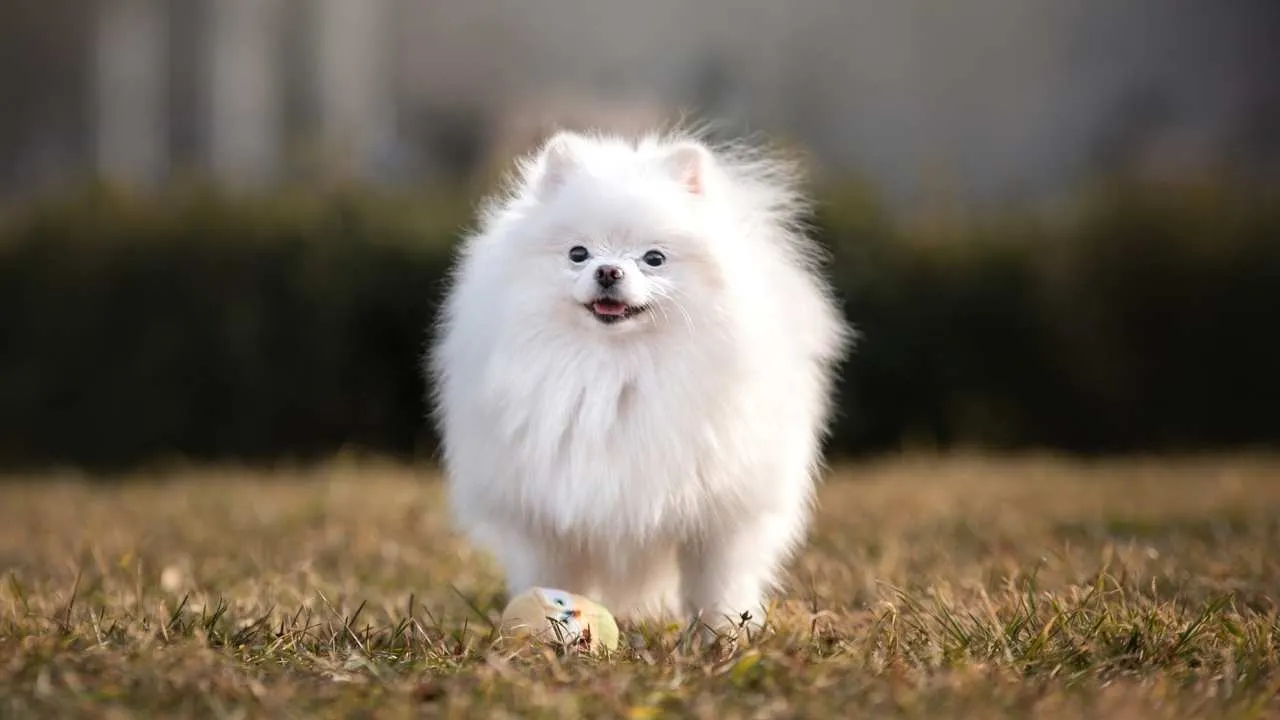
The Pomeranian may be tiny, but its lively personality and confident attitude give it a much bigger presence. Historically favored by royalty, this charming toy breed is now a popular companion for apartment dwellers and families with older children.
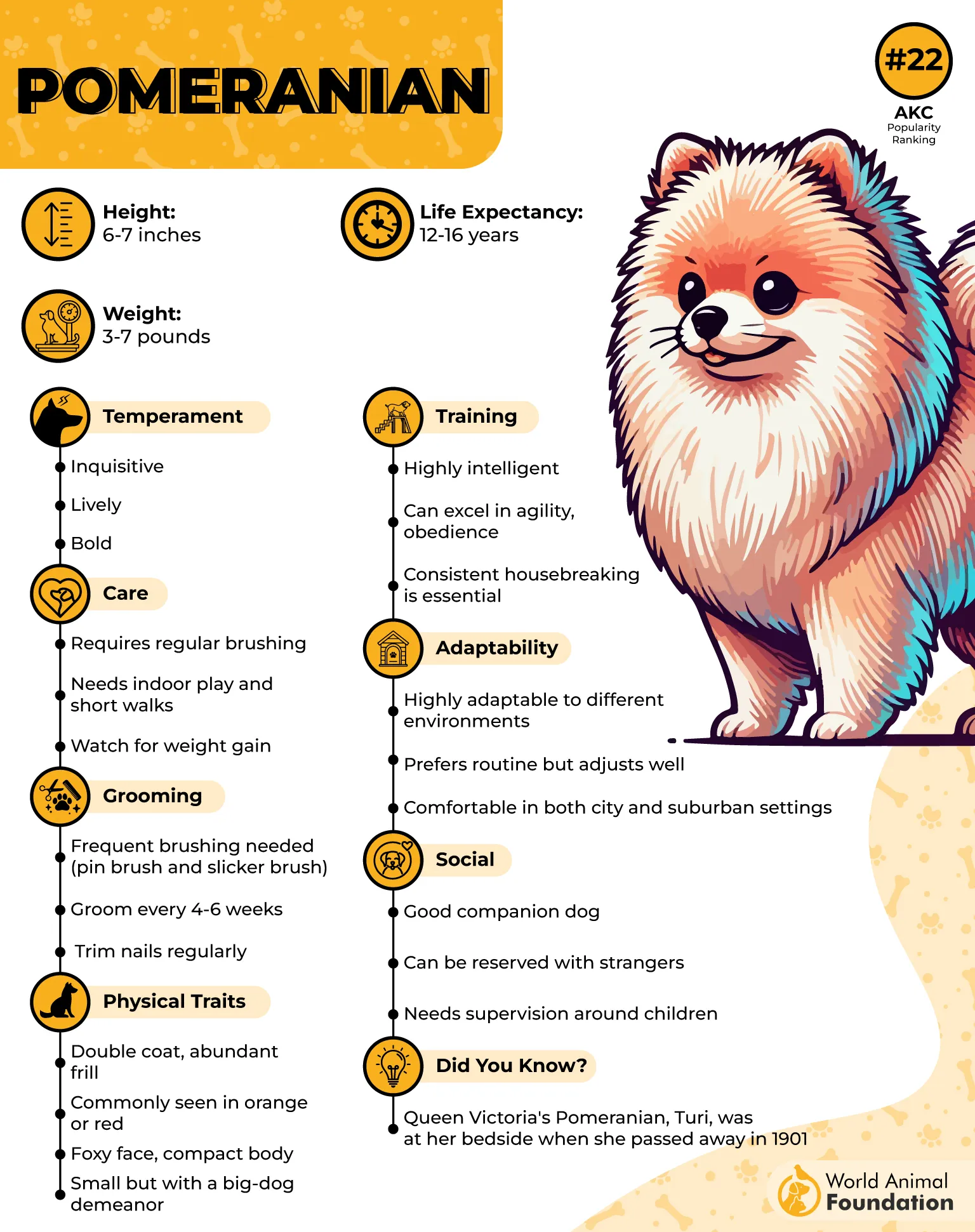
According to WebMD, Pomeranians are lively, curious, and friendly dogs whose small size and engaging personalities make them excellent companions. However, they may be impatient with young children, making them better suited to families with older kids who understand how to handle pets gently.
Its small body means it needs relatively little food, helping keep everyday feeding expenses manageable. Pomeranians are also active without requiring lengthy outdoor workouts, as indoor games and short walks can provide much of their daily exercise.
However, its thick double coat needs regular brushing several times a week to prevent tangles and maintain its fluffy appearance. This grooming commitment is worth considering when calculating ongoing maintenance costs.
How This Breed Stands Out
Small food requirements: Its tiny size means smaller daily portions and lower food consumption.
Dense coat needs consistent brushing: Frequent brushing helps manage its abundant double coat and prevent matting.
10. Bichon Frise
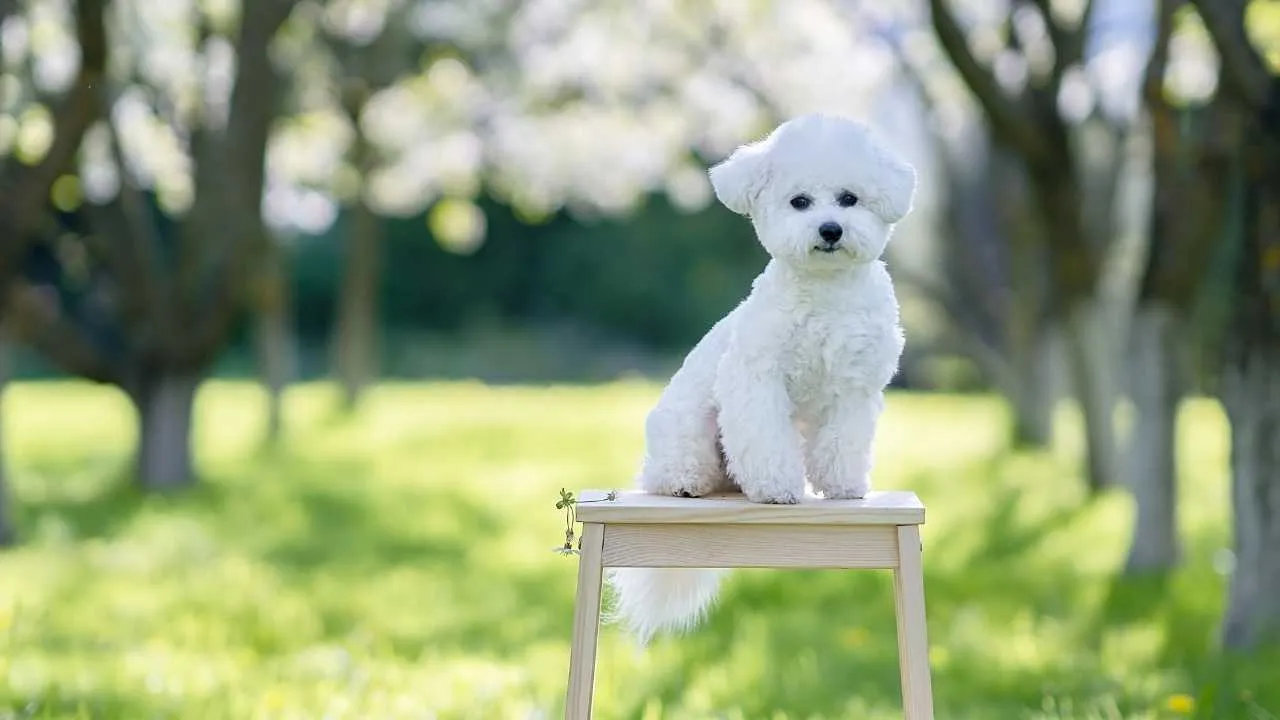
With its fluffy white coat and cheerful personality, the Bichon Frise makes a happy, affectionate companion for families, seniors, and first-time owners. Families often love the breed for its affectionate, gentle nature. Its gentle nature and lack of strong hunting instincts also make it well suited to relaxed household living.
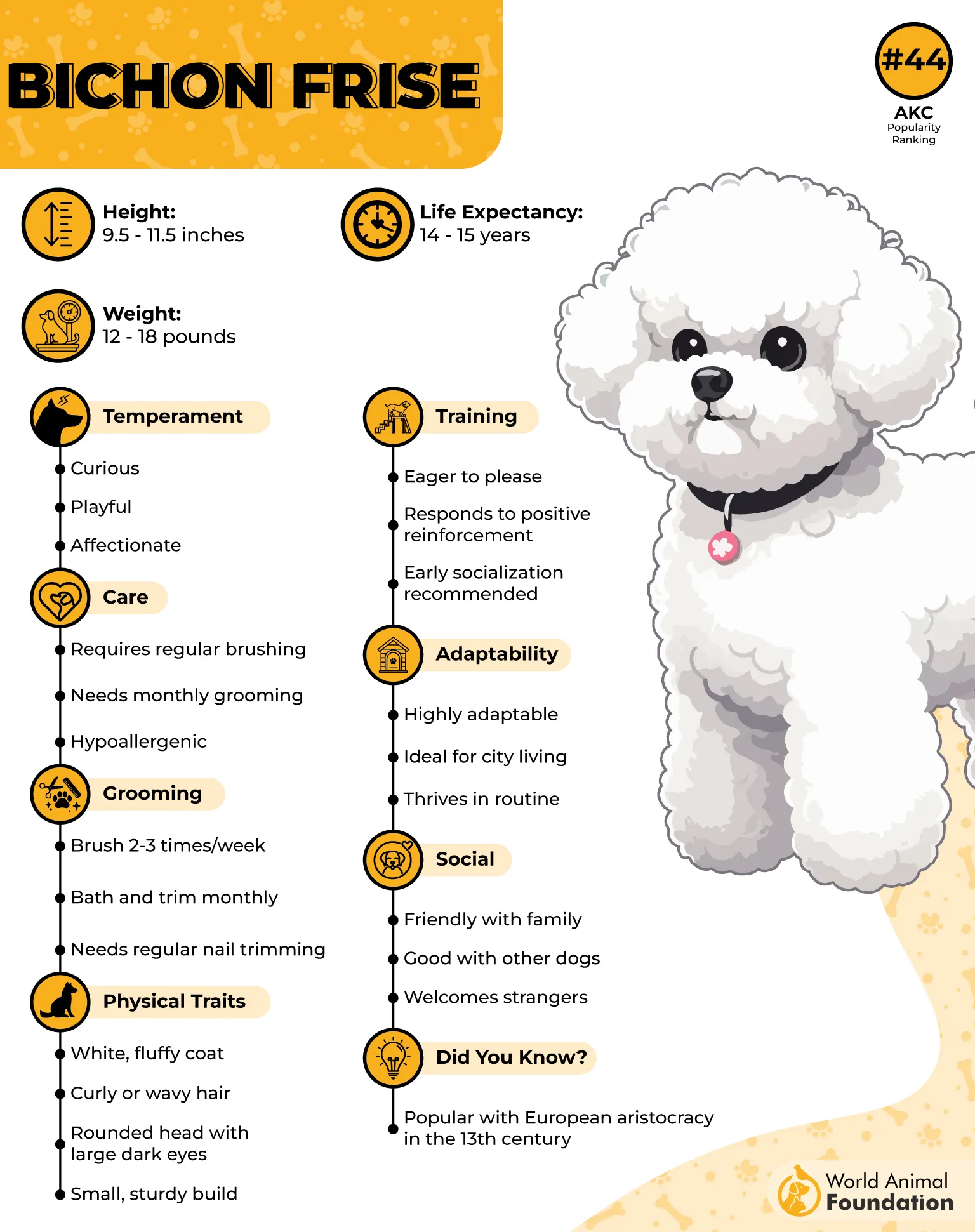
Its small size keeps daily food consumption relatively low, helping reduce routine feeding expenses. The breed also sheds very little, so owners generally spend less time cleaning loose fur from furniture and floors.
However, its coat needs daily brushing to prevent mats and maintain its fluffy appearance. Around 30 minutes of daily activity, including short walks and indoor play, is usually sufficient to meet its exercise needs.
How This Breed Stands Out
Compact, apartment-friendly size: Its small build makes it suitable for homes with limited living space.
Low-shedding coat: Because loose hair and dander are trapped rather than floating freely, they are often tolerated better by mild allergy sufferers.
Conclusion
Owning a dog on a limited budget is possible when you choose a companion whose everyday needs fit your financial situation. Smaller dogs often require less food and living space, helping make routine care more manageable.
However, affordability involves more than feeding expenses. Grooming, exercise, training, preventive healthcare, and potential veterinary bills should also be considered before bringing a dog home.
Some dogs need frequent coat maintenance, while others require minimal grooming but may have specific health concerns. Understanding these responsibilities helps prevent unexpected expenses.
Ultimately, the best companion is one whose care requirements, personality, and lifestyle needs match your household and budget.
