




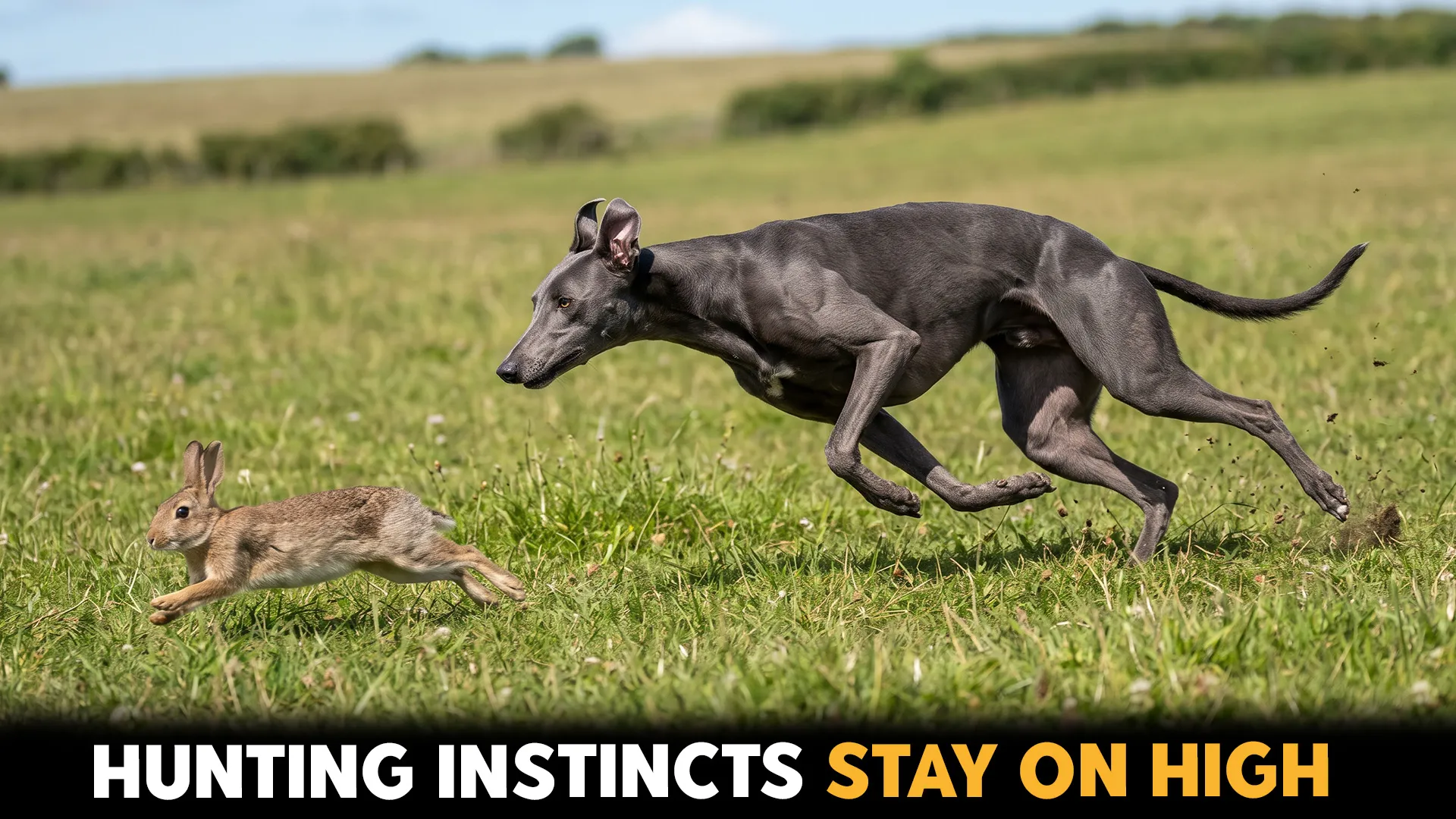
A dog chasing a squirrel, darting after a bird, or suddenly taking off after something moving might seem like typical canine behavior. But for some dogs, the urge to chase is much stronger.
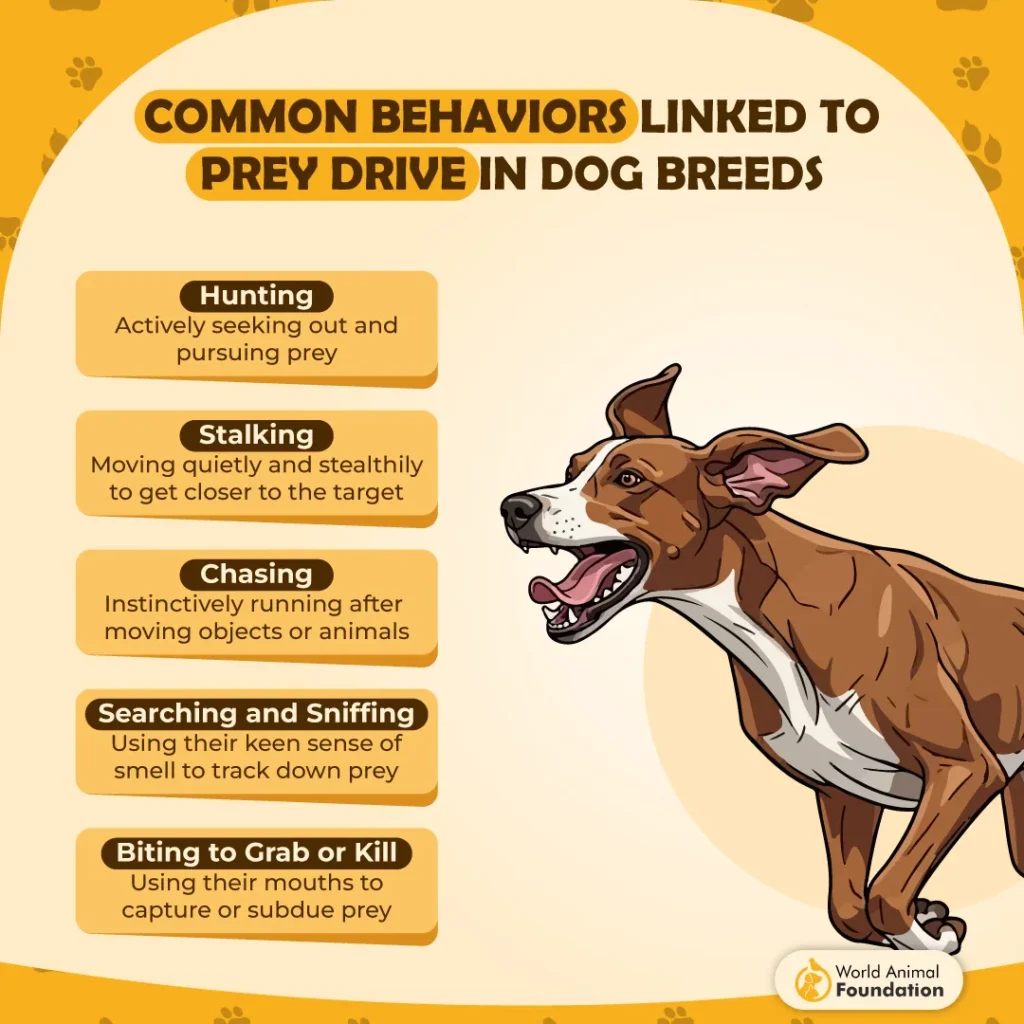
This instinct, known as prey drive, influences how dogs respond to movement and interact with their surroundings. While all dogs have some level of it, certain breeds are naturally more driven to pursue moving targets.
High prey drive isn’t necessarily a sign of aggression or poor behavior. It’s often linked to generations of breeding for hunting, chasing, tracking, or herding.
These dogs can be affectionate and loyal companions, but their strong instincts may make them challenging to manage around small animals and during outdoor activities.
Let’s explore the breeds with the strongest prey drives and what makes these natural-born chasers so fascinating.
Best Dog Breeds with an Unstoppable Prey Drive
1. Jack Russell Terrier
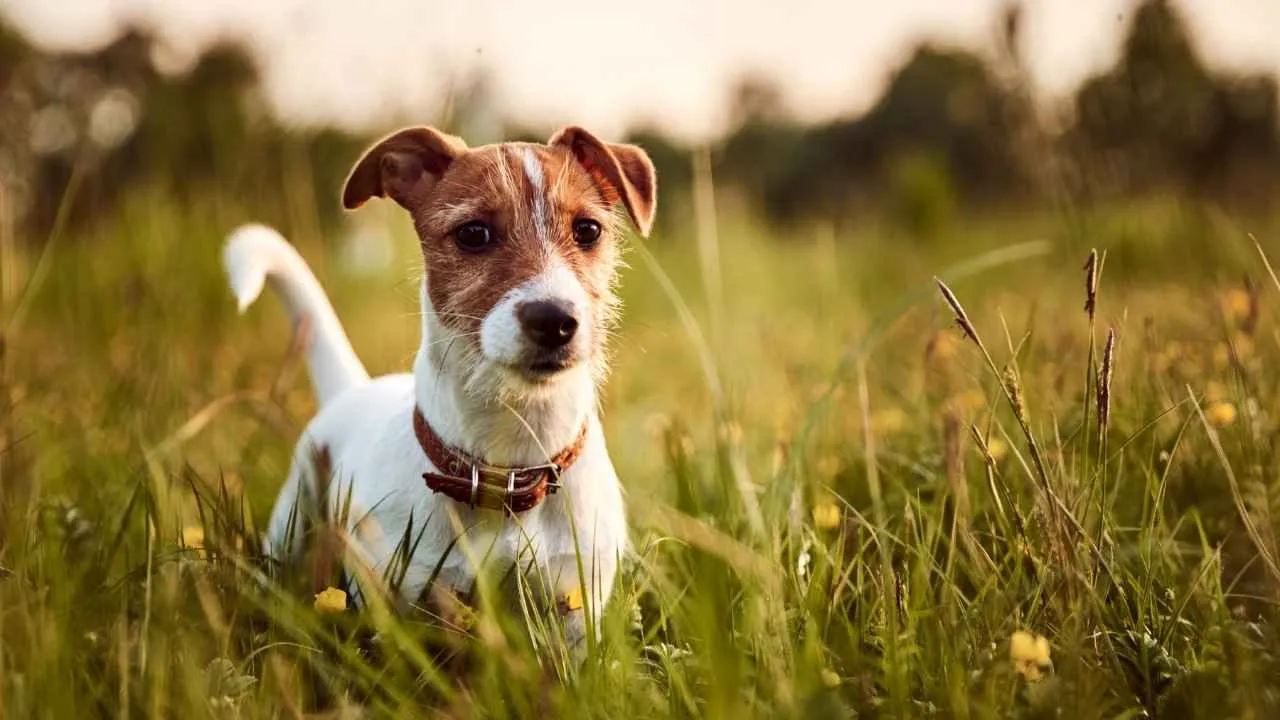
Originally developed in England for foxhunting, Jack Russell Terriers were bred to chase foxes out of their underground dens. Their small size, fearless nature, and strong hunting instincts made them excellent working terriers.
Today, these curious and energetic dogs still have a powerful prey drive. They love chasing, digging, and exploring, especially when something catches their attention.
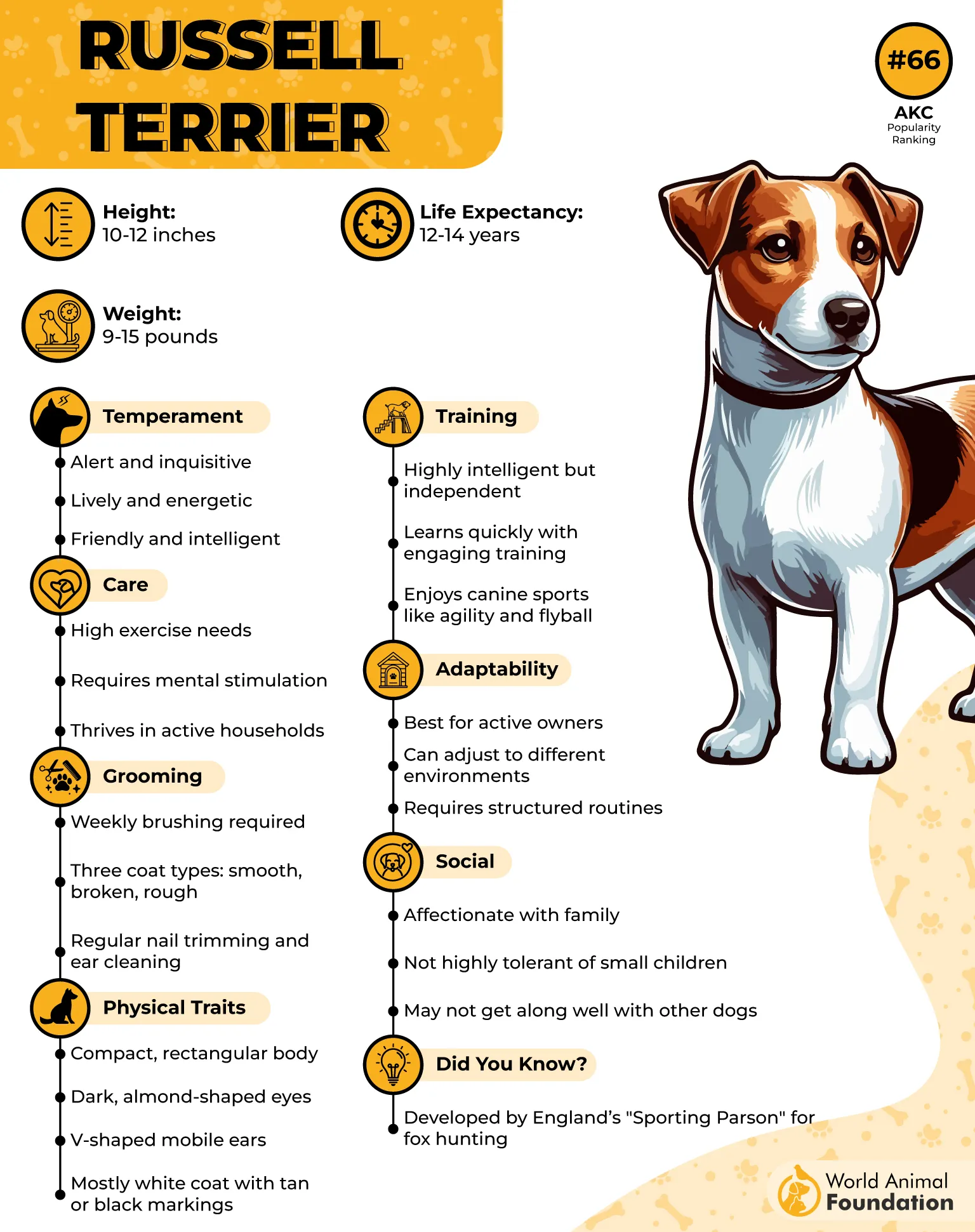
Temperament Around Other Pets
Jack Russells are affectionate, playful, and generally friendly toward strangers. However, their hunting instincts can make life with small pets challenging. They may see family cats, hamsters, and unfamiliar animals as prey.
Some can learn to live peacefully with other pets when introduced early, but they may still struggle to resist chasing wildlife. They can also be assertive around other dogs and may not suit homes with young children.
Exercise and Training Needs
These energetic dogs need plenty of daily exercise, playtime, and mental stimulation. They enjoy hiking, long games of fetch, and exploring outdoors. PetPlan says that their curiosity can also lead them to wander off, making reliable recall training essential.
Jack Russells can be vocal, especially around other dogs, and benefit from early socialization. They also prefer homes where someone is around most of the day, as they can be prone to separation anxiety.
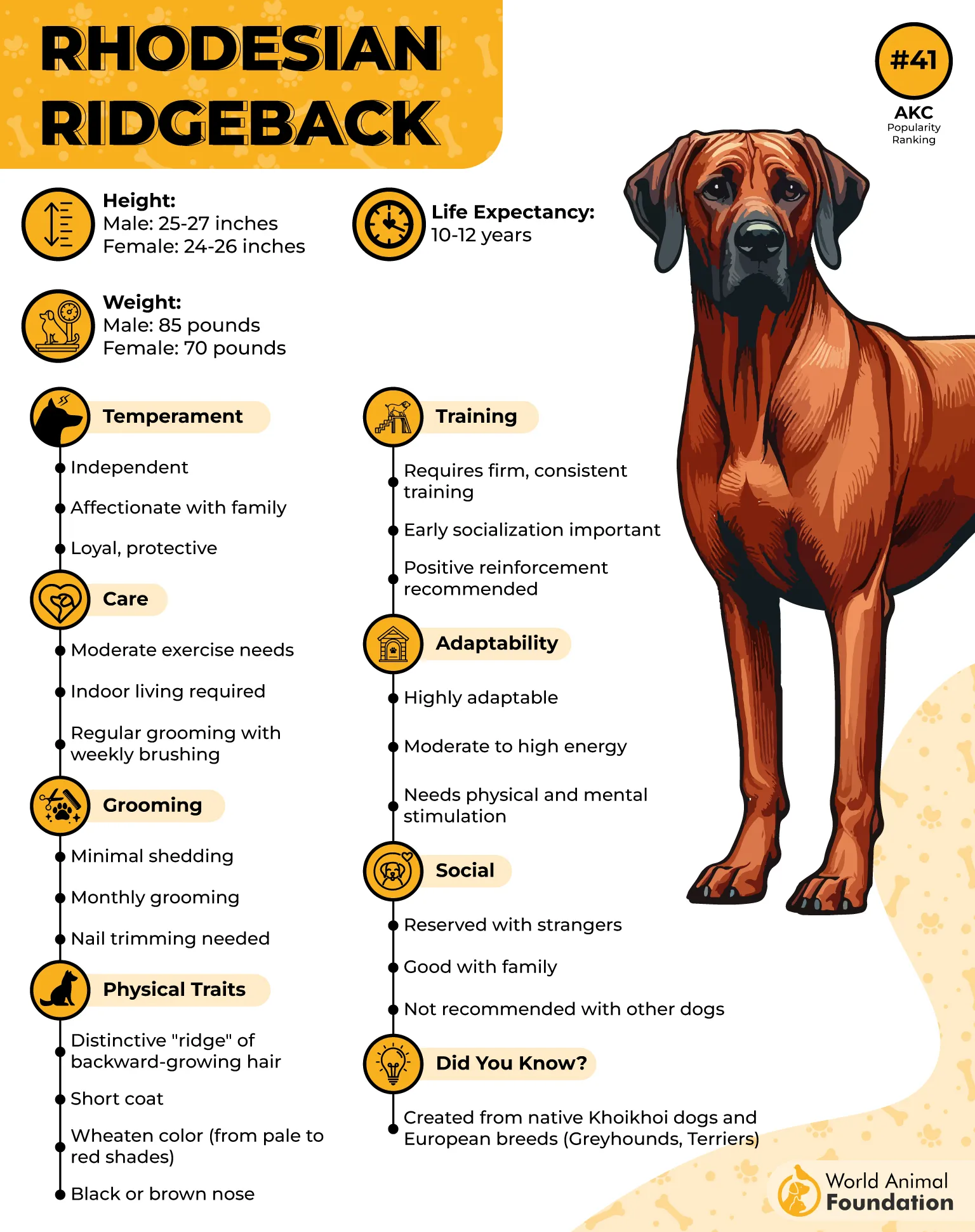
2. Rhodesian Ridgeback
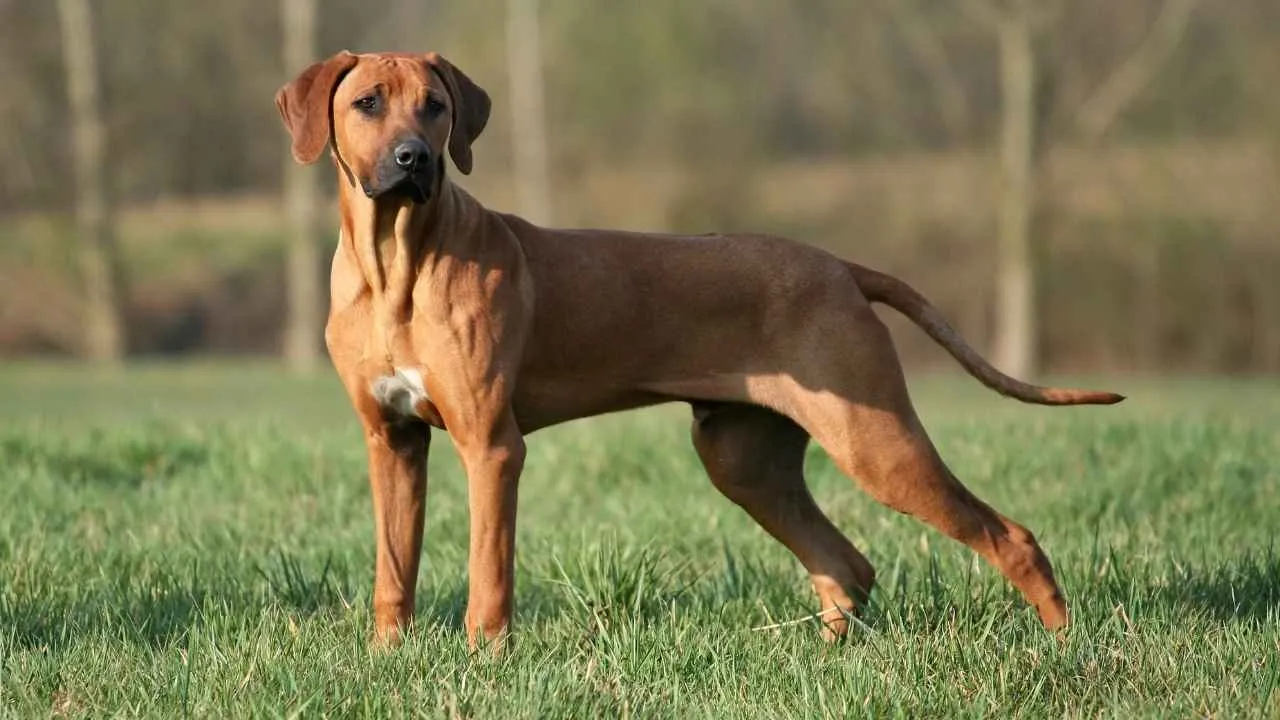
Originally bred in southern Africa, Rhodesian Ridgebacks were used to track and chase lions without killing them. They also helped hunters locate other game and protect homesteads.
Their most distinctive feature is the strip of backward-growing hair along their backs, known as a ridge. Although their hunting roles have changed, these dogs still have strong prey drives, athletic abilities, and independent personalities.
Temperament Around Other Pets
Rhodesian Ridgebacks are deeply loyal and affectionate with their families. They can be playful and gentle with people they trust but are often reserved around strangers.
Their strong hunting instincts mean they may chase smaller animals, so supervision is important around cats and other small pets. They can also be stubborn and independent, often preferring to make their own decisions rather than follow commands blindly.
Exercise and Training Needs
These powerful dogs need regular exercise and plenty of opportunities to burn off energy, especially when young. They enjoy running and other active pursuits but are also happy to relax beside their owners at home. Early socialization and consistent training are essential.
Because of their size, strength, and independent nature, Rhodesian Ridgebacks are generally better suited to experienced dog owners.
3. Weimaraner
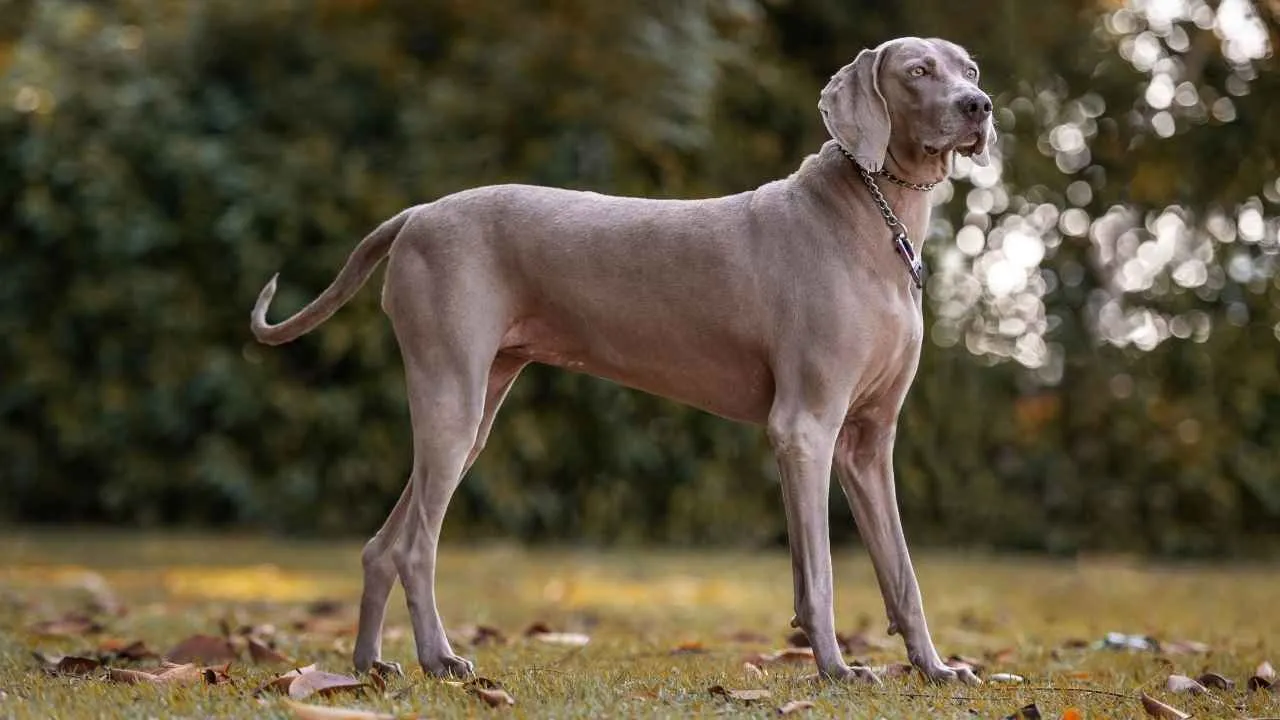
Originally bred in Germany, particularly in the Weimar region, Weimaraners were developed as hunting companions for tracking large game, including bears and boars.
Known as the “Gray Ghost” because of their distinctive silvery-gray coats, these dogs are fast, courageous, and athletic. Although they are now popular family pets, their strong hunting instincts and prey drive remain part of their nature.
Temperament Around Other Pets
Weimaraners are affectionate, loyal, and friendly dogs that love being around their families. They generally do well with children and enjoy being involved in everyday activities.
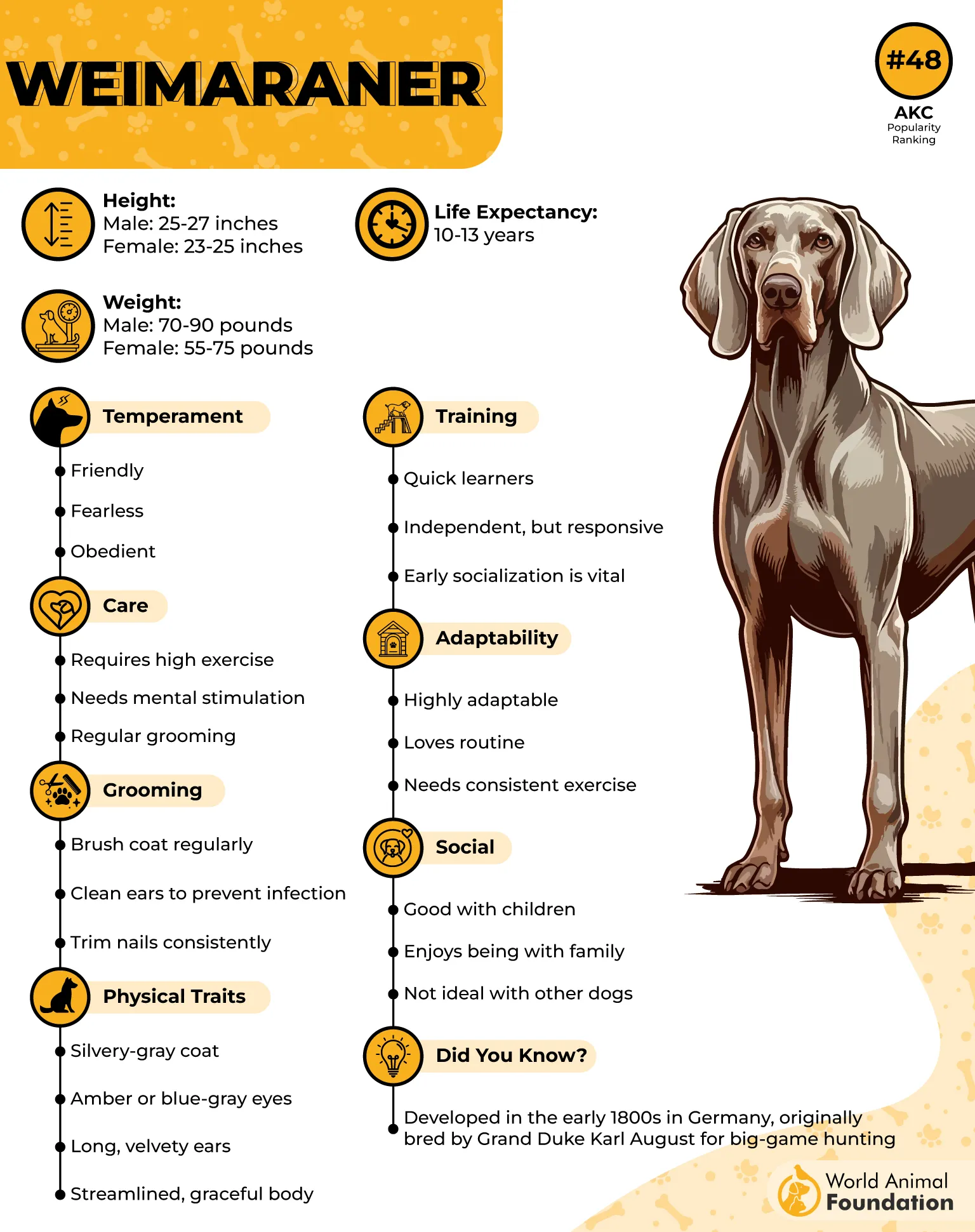
However, their strong prey drive can make them dangerous around smaller animals, including cats, rodents, and small dogs. They may get along with other dogs when socialized early, but can otherwise show dominant or aggressive behavior.
Exercise and Training Needs
Weimaraners need plenty of physical exercise, attention, and mental stimulation to stay happy. They enjoy running, hiking, agility, and scent-based activities.
Without enough activity, they can become bored and develop destructive habits, as Orvis notes. These intelligent dogs are generally easy to train and respond well to rewards and consistent guidance.
4. German Shorthaired Pointer
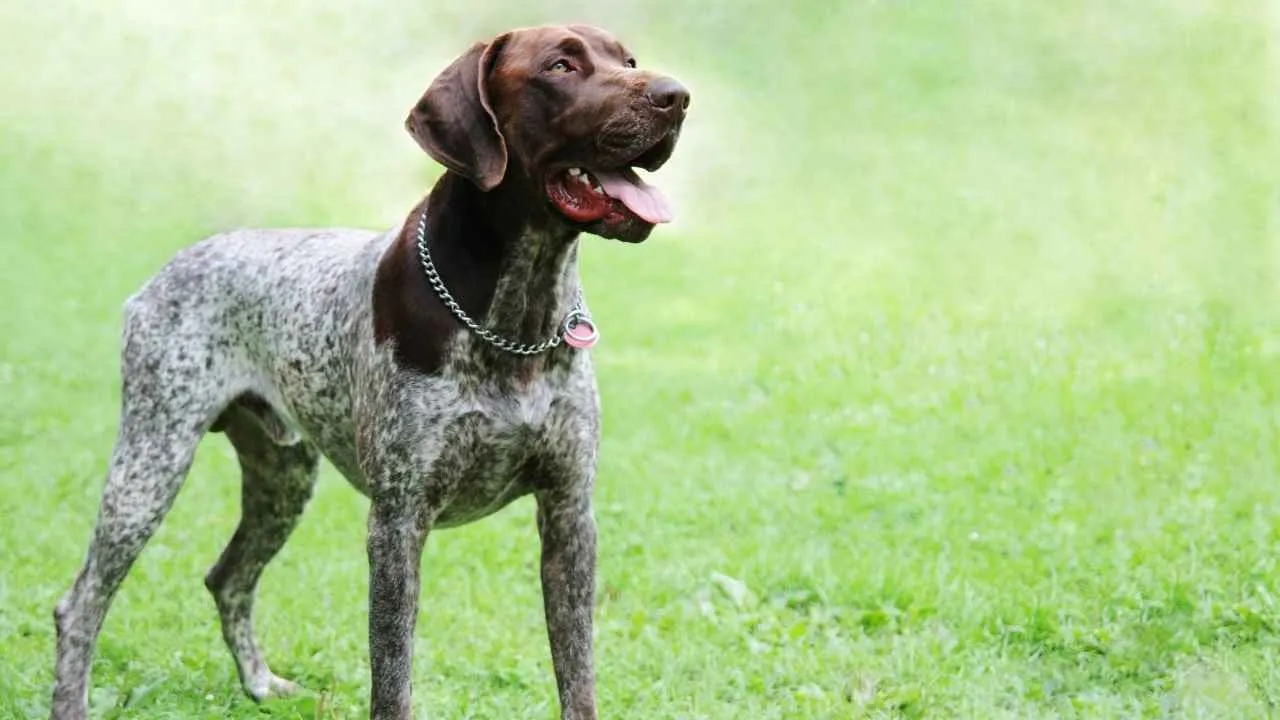
German Shorthaired Pointers were developed in 19th-century Germany as versatile hunting dogs. They were bred to track, point, and retrieve game on land and in water.
Often called bird dogs, they locate game birds and signal their position by standing still with their noses pointed toward the scent. Their speed, endurance, and strong hunting instincts make them excellent working companions.
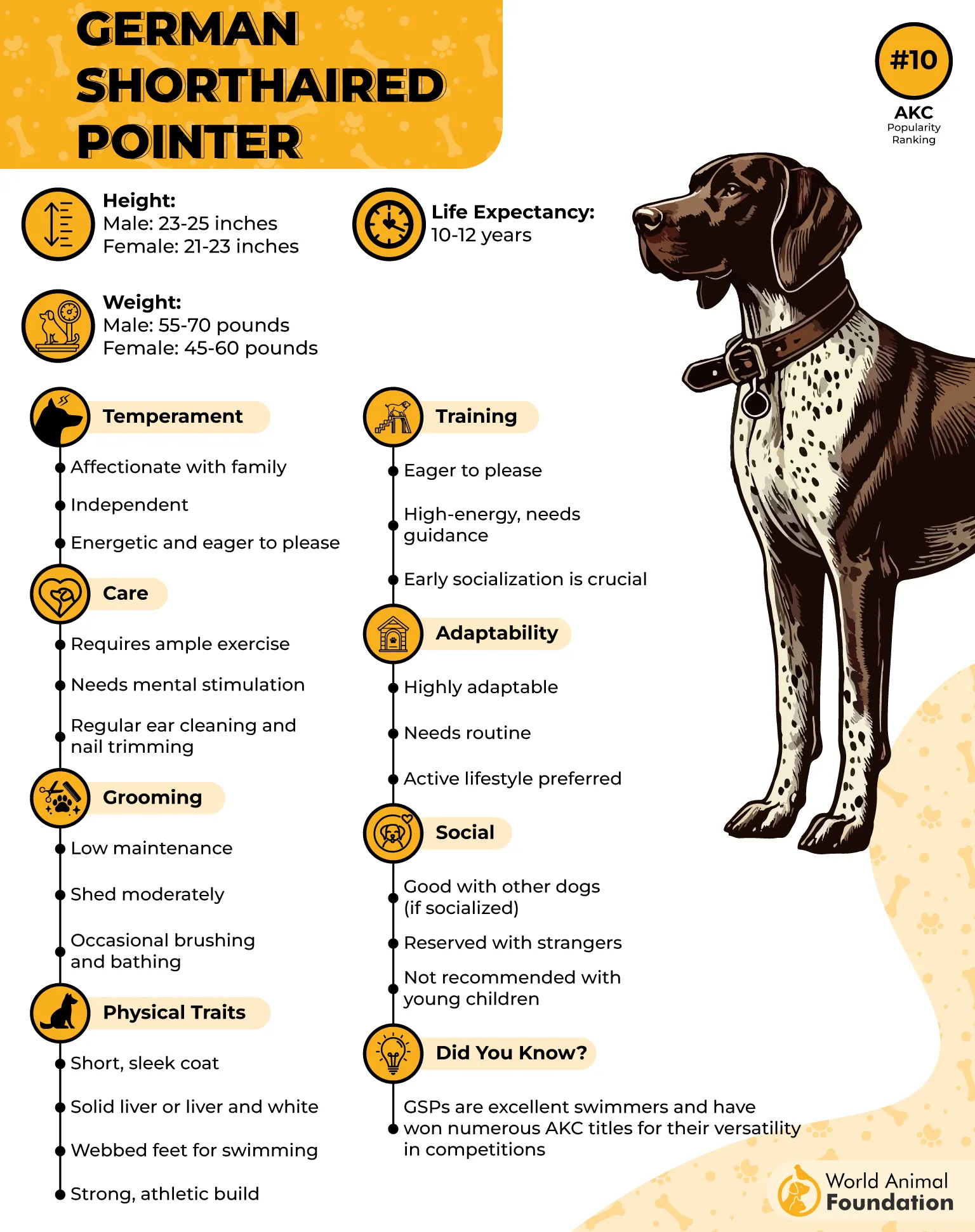
Temperament Around Other Pets
German Shorthaired Pointers are affectionate, devoted, and enthusiastic family dogs. They bond closely with their owners and are generally friendly toward strangers when properly socialized. They usually get along well with children and other dogs.
However, their strong prey drive can make smaller animals tempting to chase, especially outdoors. They may also show protective instincts and alert their families to anything unusual.
Exercise and Training Needs
These active dogs need vigorous daily exercise and plenty of mental stimulation. They enjoy running, swimming, outdoor adventures, and organized dog sports.
Their intelligence makes them relatively easy to train, but consistent guidance and a reliable recall are important, especially when exercising off-leash. Without enough activity, they can become bored and develop destructive habits.
5. Australian Cattle Dog
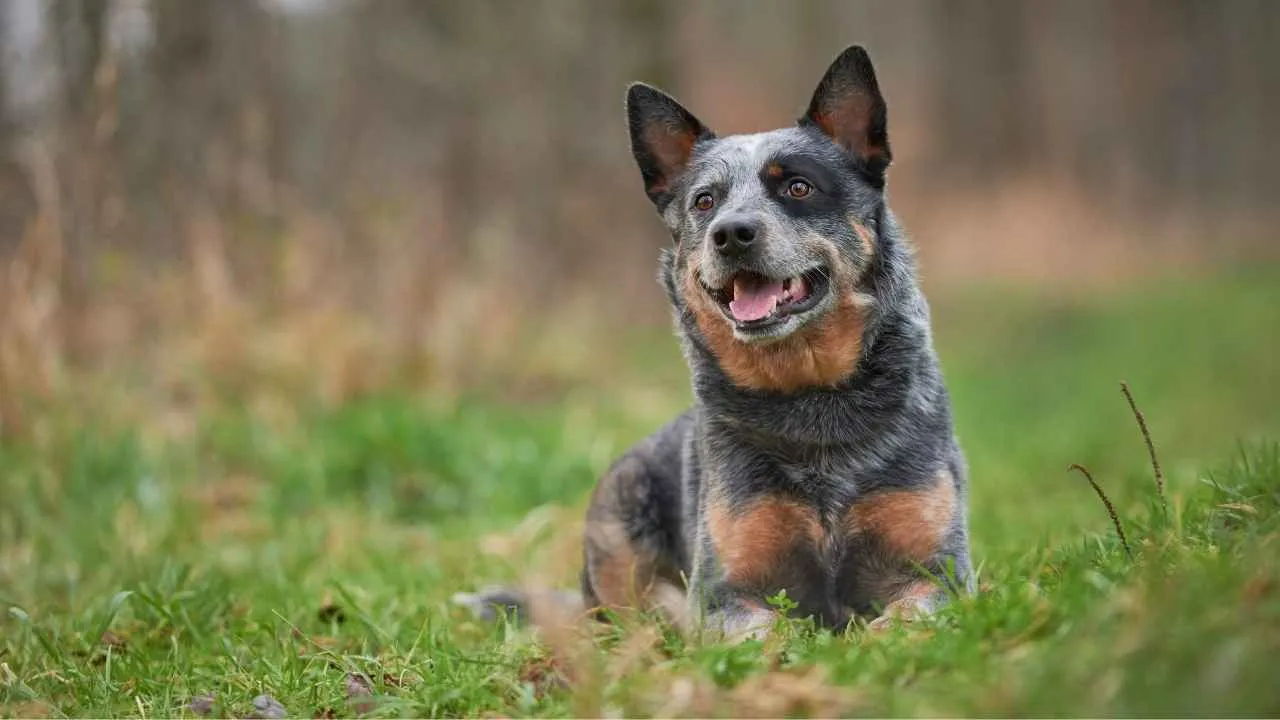
Australian Cattle Dogs, also known as Blue Heelers, Red Heelers, or Queensland Heelers, were developed in Australia to manage livestock in the tough conditions of the outback.
Related to the Australian Dingo, these sturdy and agile dogs were bred for endurance and hard work. Their strong herding instincts remain deeply rooted, and they often try to control movement by chasing and nipping.
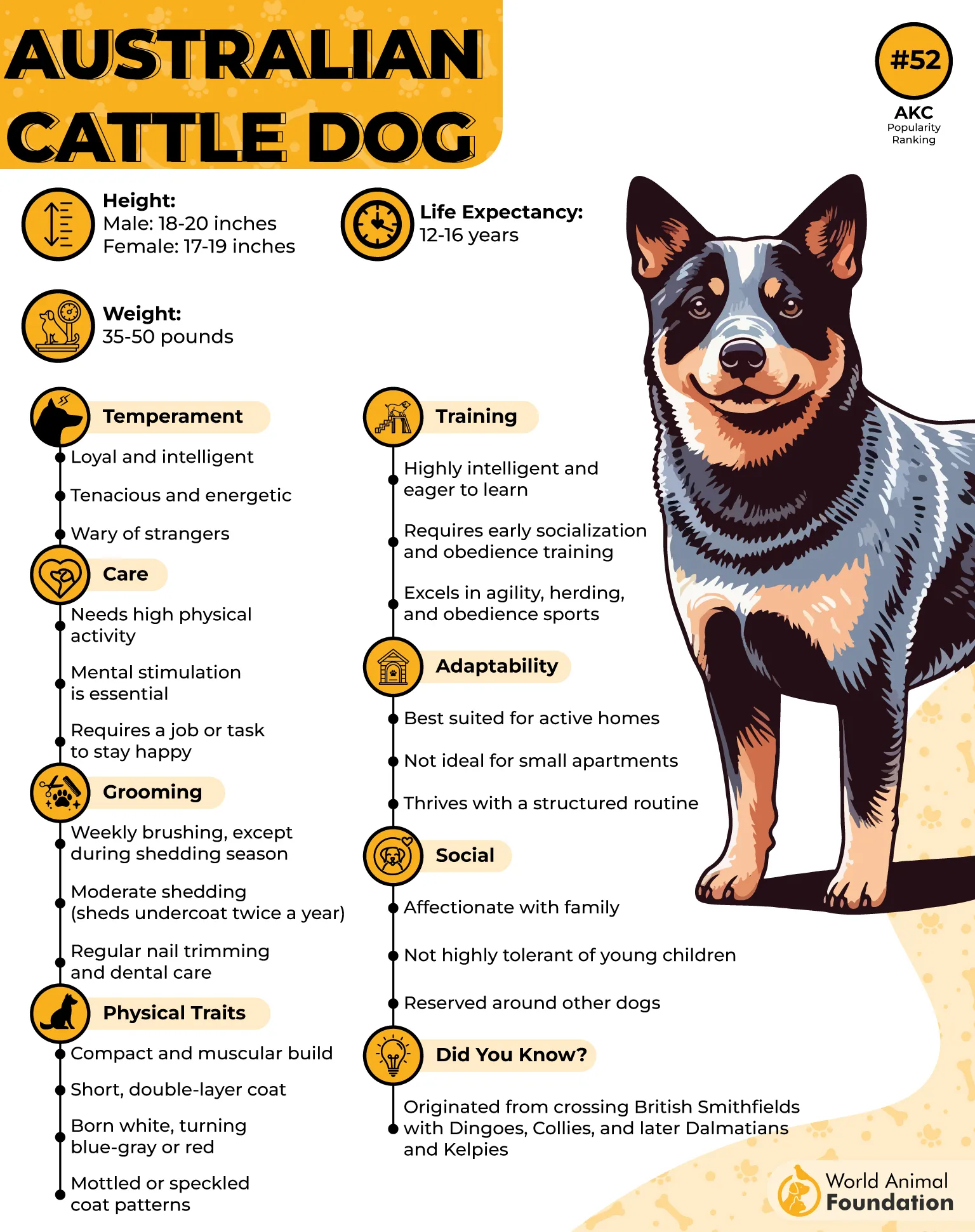
Temperament Around Other Pets
Australian Cattle Dogs are extremely loyal, intelligent, and protective of their families. They can be reserved around strangers but make excellent watchdogs. Their natural herding instincts may lead them to nip at small children or chase moving animals.
They can get along with older children and other pets when introduced and socialized early. They also tend to form a particularly strong bond with one family member.
Exercise and Training Needs
These energetic dogs need intense daily exercise and constant mental stimulation. Running, herding, agility, flyball, and problem-solving activities help keep them occupied. They are highly intelligent and quick to learn, but can become stubborn or destructive when bored.
Regular training and teaching new tricks are important. Omlet says Australian Cattle Dogs enjoy human company and may struggle when left alone for long periods.
6. Greyhound
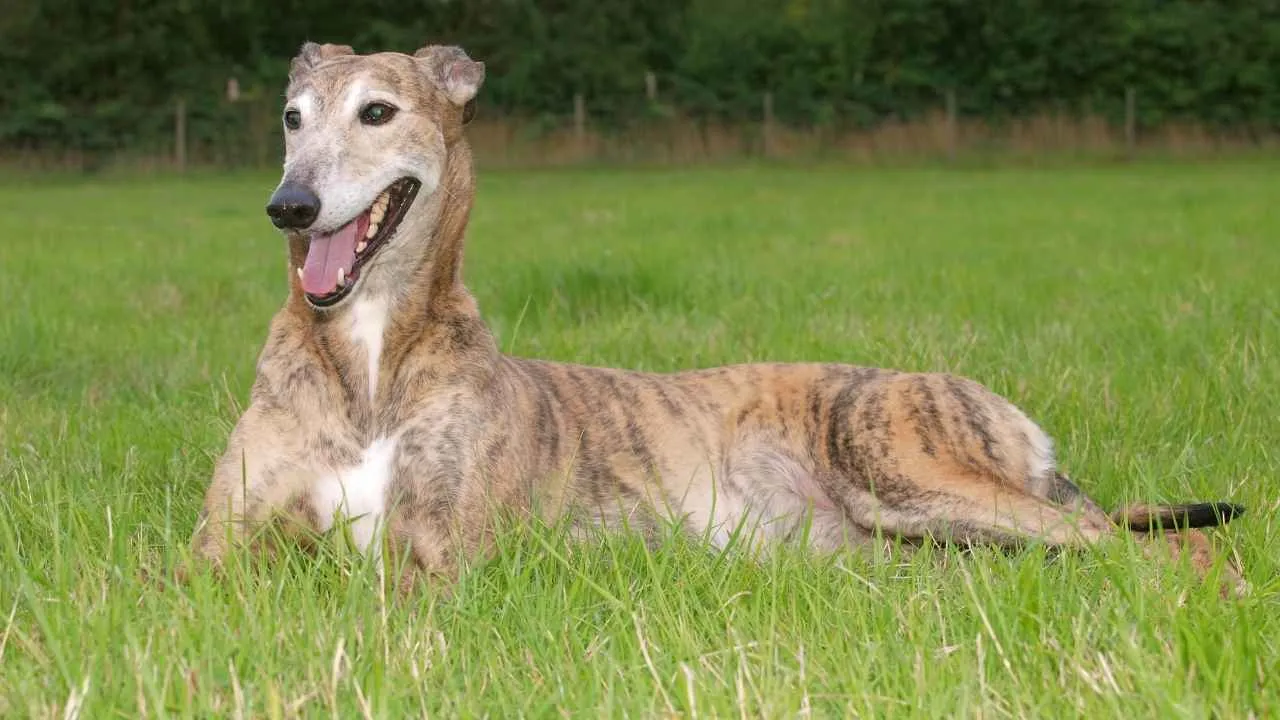
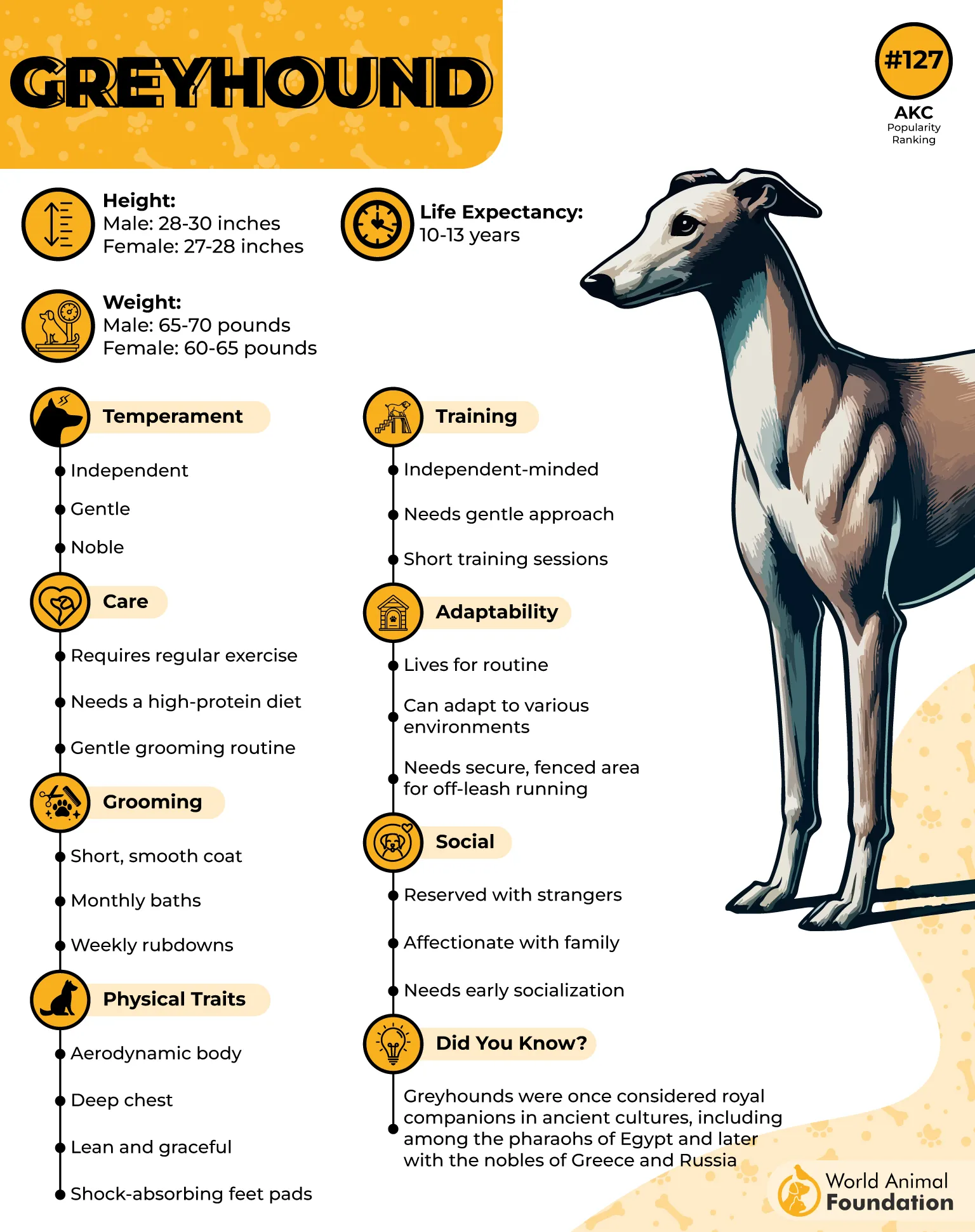
Greyhounds are one of the world’s oldest dog breeds, with a history dating back thousands of years. Originally bred as sighthounds, they relied on their excellent vision and incredible speed to spot and chase game across open land.
Their long legs, flexible spine, and streamlined bodies make them exceptional sprinters. They later became popular racing dogs, chasing artificial hares around tracks.
Temperament Around Other Pets
Despite their athletic abilities, Greyhounds are generally calm, gentle, and affectionate companions. Retired racing Greyhounds often make loyal family pets and enjoy spending time close to their owners.
They usually get along with children and other pets when given proper introductions and their own space. However, their strong prey drive may cause them to chase smaller animals during walks.
Exercise and Training Needs
Greyhounds are sprinters rather than long-distance runners. They enjoy short bursts of speed but are equally happy relaxing on a comfortable bed or sofa. They respond to training but can be stubborn, especially when something triggers their hunting instincts.
Recall may be unreliable when they spot prey, so only let them off-leash in secure, enclosed areas. They are generally quiet dogs and rarely bark unless playing with other dogs.
7. Siberian Husky
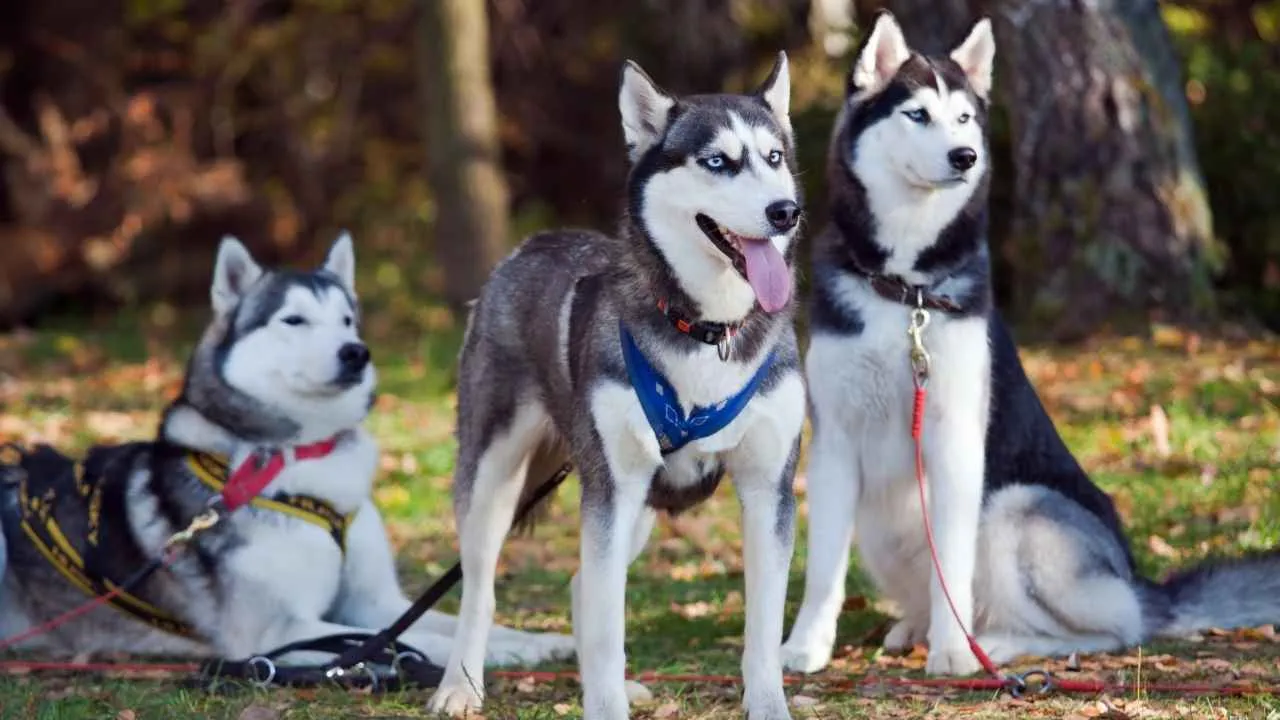
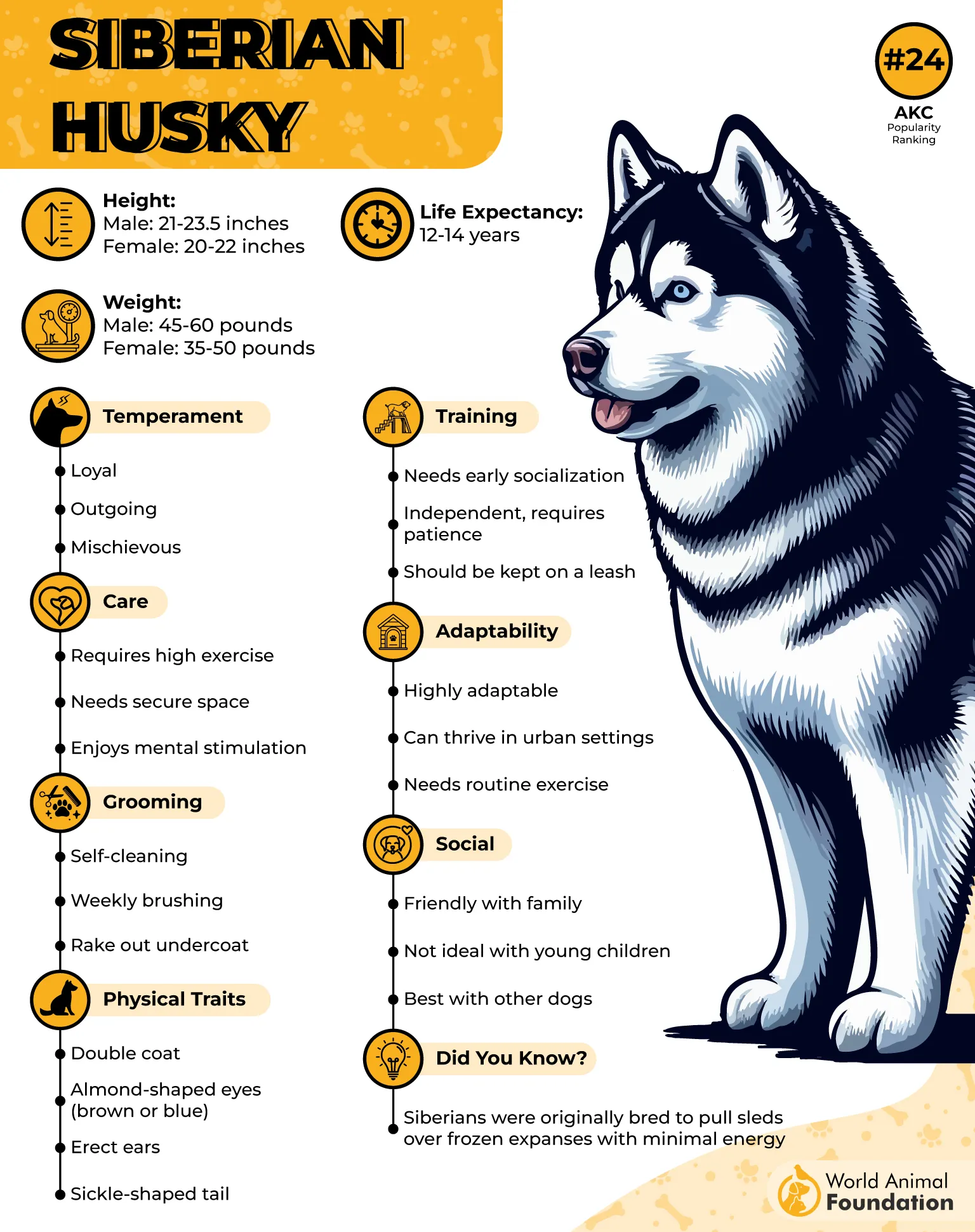
Siberian Huskies originated in northeast Asia, where they were developed by the Chukchi people as working sled dogs. Bred to pull light loads over long distances in freezing conditions, they are known for their strength, speed, and endurance.
Their thick coats, almond-shaped eyes, and powerful build reflect their Arctic origins. Their history as working dogs also explains their high energy levels and strong instincts to chase smaller animals.
Temperament Around Other Pets
Siberian Huskies are friendly, playful, and affectionate dogs that enjoy family life. They generally get along well with children, strangers, and other dogs. However, their strong prey drive can make them chase small animals.
They are also independent and mischievous, with a reputation for howling and attempting to escape from yards. Their friendly nature makes them poor watchdogs, but they are devoted companions when given enough attention.
Exercise and Training Needs
Huskies need plenty of daily exercise, mental stimulation, and companionship. They love running and can remain active for hours. Without enough activity, they may become destructive, dig under fences, or try to escape.
Training can be challenging because of their independent nature and tendency to ignore commands they find unnecessary. Positive, consistent training is essential, and secure outdoor spaces and reliable supervision help keep their adventurous instincts in check.
Conclusion
Dogs with a strong prey drive can be affectionate, loyal, and wonderful companions, but their natural hunting and chasing instincts require understanding and proper management.
Regular exercise, consistent training, early socialization, and safe play opportunities can help these dogs stay happy while keeping smaller animals safe.
Before bringing one home, consider your lifestyle, experience, and ability to meet its exercise and training needs. A high-prey-drive dog may not be the easiest companion, but with the right environment and commitment, it can become a rewarding addition to your family.
The key is to work with their instincts rather than against them.
