




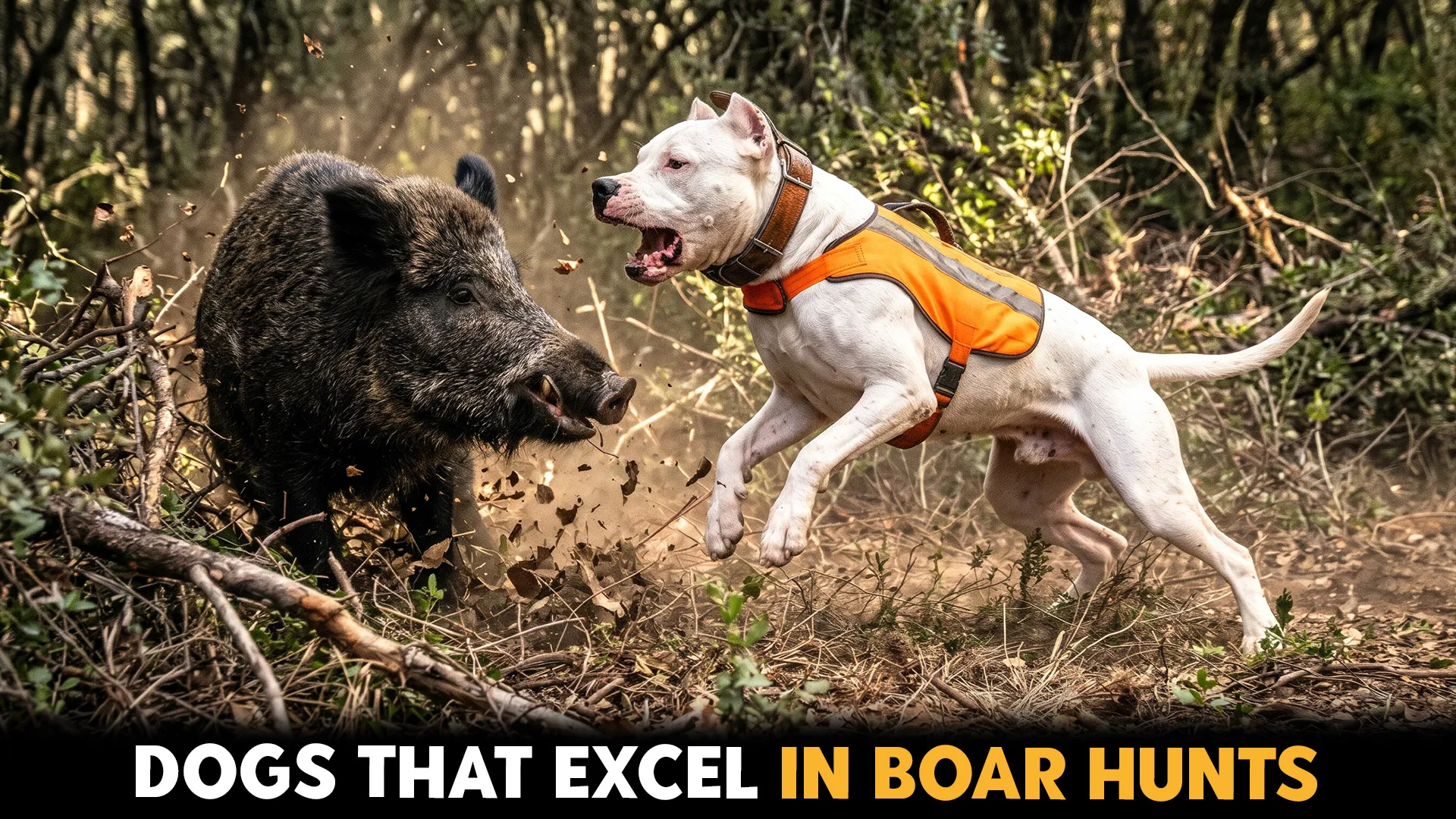
A wild boar can disappear into thick vegetation within seconds, leaving hunters with little more than a scent trail and a difficult search ahead.
Finding it requires a dog with an exceptional nose, strong hunting instincts, and enough determination to follow the trail across changing terrain. The real challenge begins when the animal is located. Wild boars have powerful bodies, sharp tusks, and an unpredictable defensive response when cornered.
A suitable hunting dog must recognize danger, work confidently, and maintain control to avoid unnecessary injuries. These abilities come from a combination of inherited working qualities, physical conditioning, and proper field training. Some dogs excel at locating distant animals, while others are valued for their courage and ability to keep a boar occupied.
In this article, readers will discover nine breeds with distinct strengths for tracking, locating, and pursuing wild boars.
Key Takeaways
Centuries of hunting across forests, mountains, and swamplands have shaped some of the most remarkable working dogs.
The Treeing Walker Coonhound has an interesting background in raccoon hunting, while the Transylvanian Hound once accompanied medieval nobility on large-game hunts.
The history gets even more interesting with the Plott Hound, whose hunting heritage earned it recognition as North Carolina’s official state dog.
Read till the end to learn how these seven breeds developed their distinctive hunting abilities over generations.
Best Dog Breeds for Tracking and Taking Down Wild Boars
1. Treeing Walker Coonhound
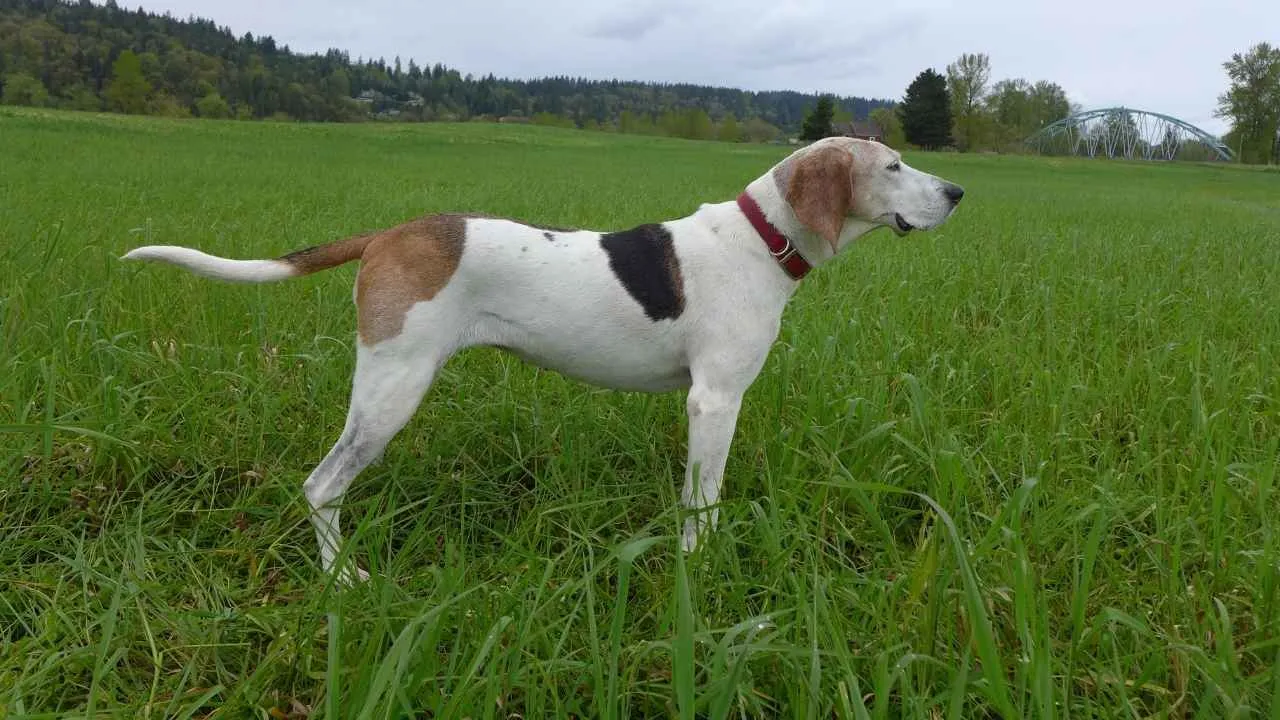
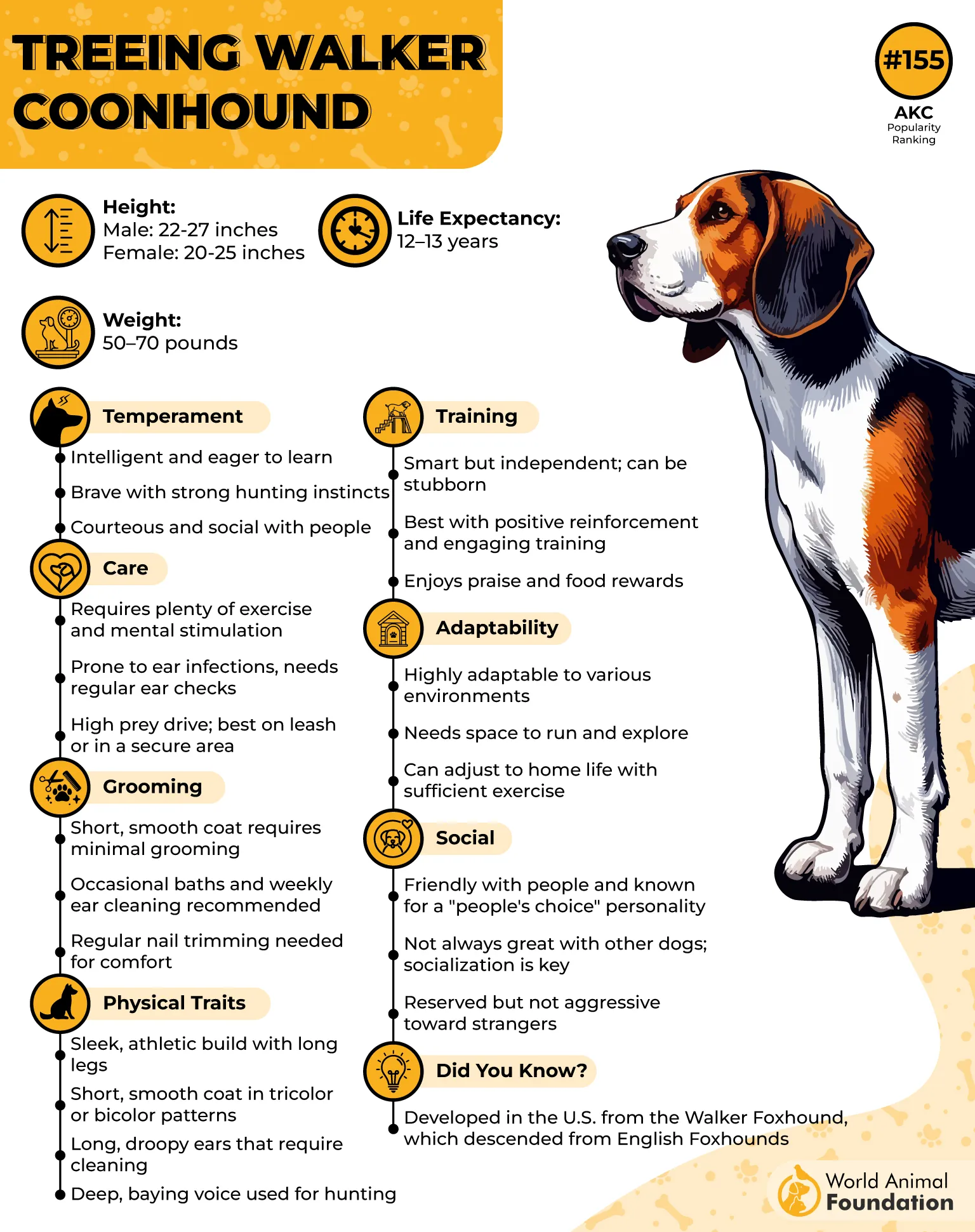
The Treeing Walker Coonhound traces its ancestry to early American foxhounds, with selective breeding shaping its speed and hunting ability. It was originally used for raccoon hunting, where its job was to pursue the animal and corner it in a tree for hunters to locate.
A Nose Built for the Trail
When a scent trail needs following across challenging ground, the Treeing Walker Coonhound brings a keen nose, quick movement, and impressive stamina. Its hunting instincts are suited to sustained tracking, although its original quarry was raccoons rather than wild boars.
Several physical and vocal features assist it during a hunt:
Long ears help direct ground scents toward its nose.
A distinct bay helps handlers locate it in dense woodland.
Tough feet handle rough ground and thorny undergrowth.
A Strong Pack Instinct
Accustomed to working alongside other hounds, the Treeing Walker Coonhound generally enjoys canine company, especially with early socialization.
It is affectionate with family and often friendly toward strangers, though its strong prey drive can make life with cats and other small pets more challenging, as per the AKC.
2. Transylvanian Hound
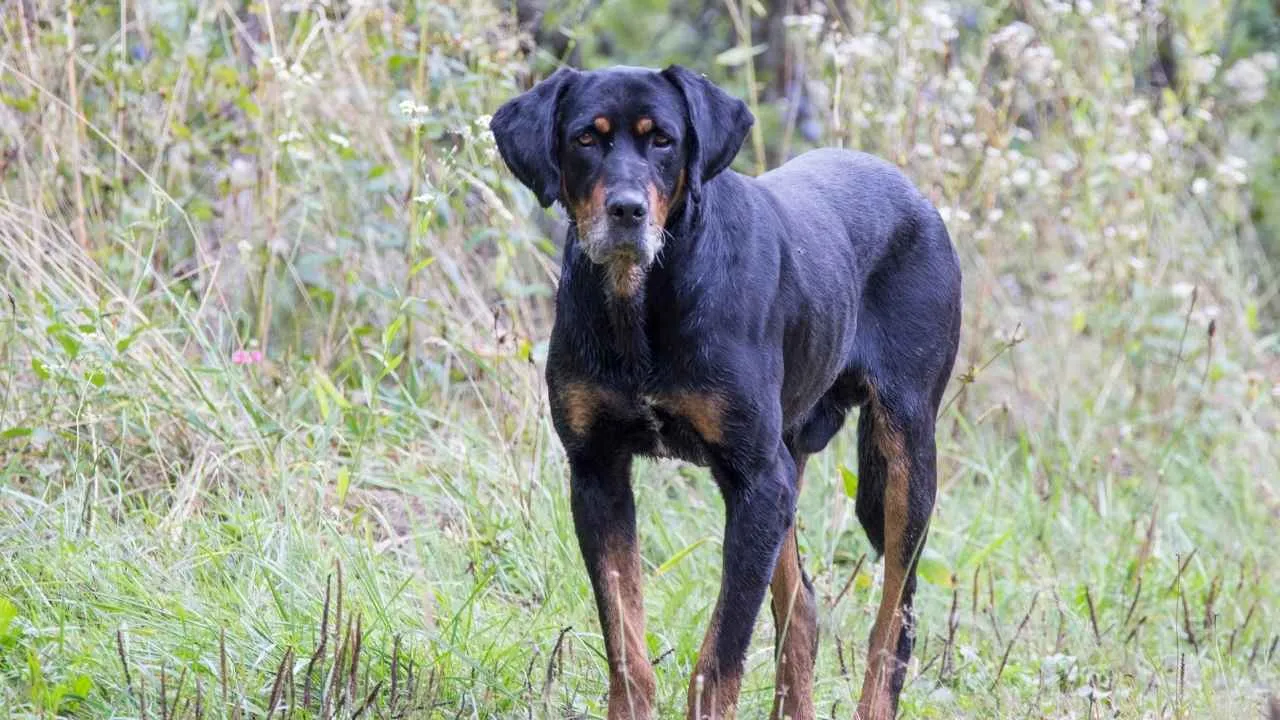
The Transylvanian Hound originated in Hungary and Romania, where nobility used it for large-game hunting during the Middle Ages.
Its ancestry includes crosses between Magyar and Polish dogs, with generations of hunting across Transylvania’s varied landscapes shaping the breed.
Following a Difficult Trail
This hound relies heavily on its nose when pursuing large game, making scent work central to its role in a boar hunt. It can search independently or alongside another hound, following a trail through challenging country while keeping its handler informed of its progress.
Its working style has several distinctive features:
Gives a deep, resonant bay when following a scent.
Reworks lost trails through deliberate searching.
Uses its voice to help hunters locate it over distance.
Focused Outdoors, Loyal at Home
The Transylvanian Hound is intelligent and devoted to its family, although it can be reserved around unfamiliar people, as noted by PetMD.
Wildlife scents can quickly capture its attention, so secure fencing and long-line practice are important when managing its strong prey drive. It also needs daily activity to suit its energetic working nature.
3. Alano Español
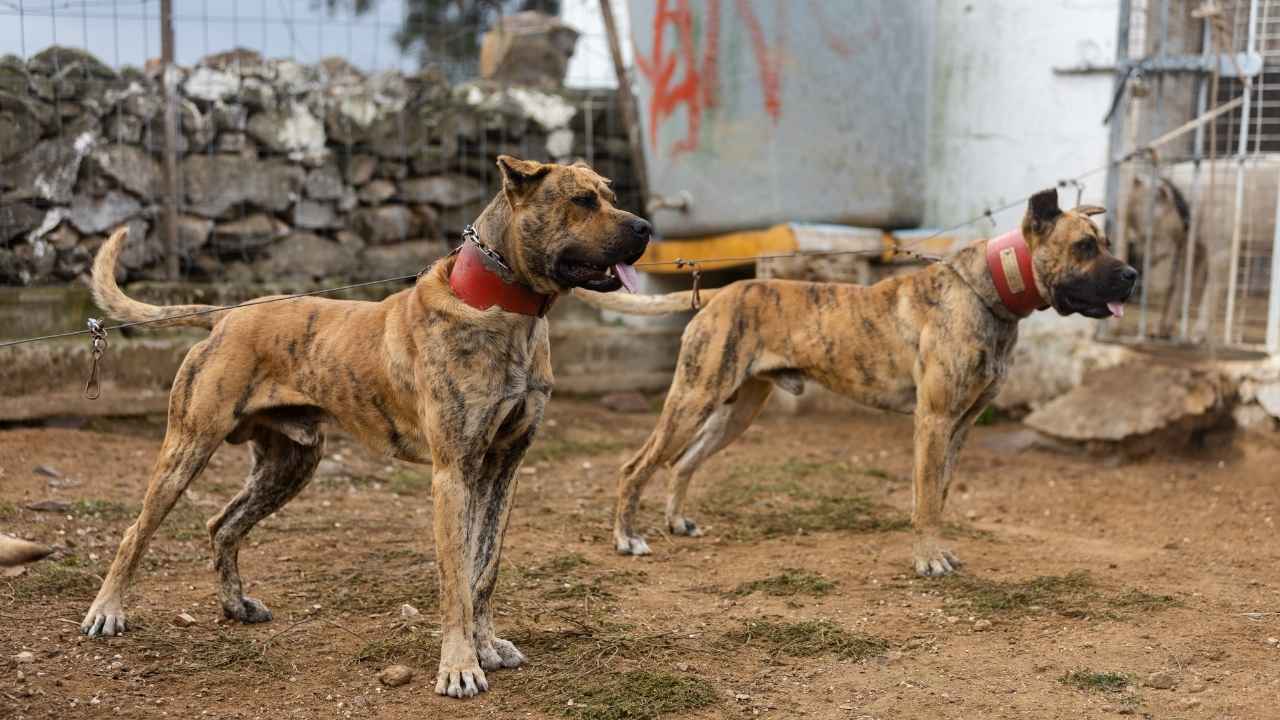
The Alano Español has a long history in Spain, with literary references dating back to 1350. Its ancestry is linked to the Alani, a nomadic people who traveled with powerful dogs used for livestock protection and hunting. After facing a steep decline, the breed was revived toward the end of the 20th century.
Built for Close-Range Hunts
In wild boar hunting, the Alano Español works at close quarters, catching and holding the animal rather than pursuing it from a distance.
It typically grips around the head or ears to limit the boar’s ability to use its tusks, requiring control and coordination during the hunt.
Its working style involves several specific abilities:
Cooperates in packs alongside scent hounds.
Uses a deep grip extending toward the back molars.
Releases its hold promptly when given the handler’s command.
A Strong-Willed Companion
The Alano Español needs an owner who can provide calm, consistent leadership. It can be affectionate with children, although its relationship with other household pets may be difficult.
Early training, clear boundaries, and firm handling without aggression are important for managing its independent nature.
4. Catahoula Leopard Dog
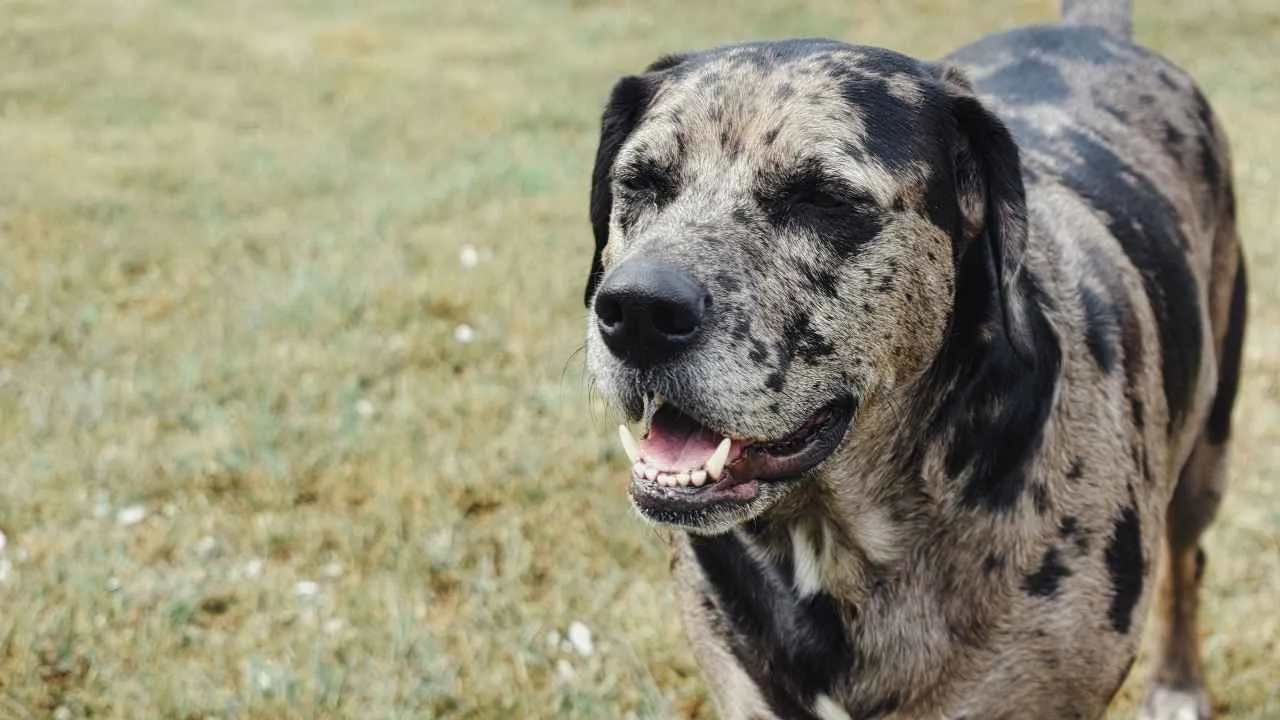
The Catahoula Leopard Dog comes from Louisiana and is among the few breeds with North American origins. Its exact ancestry remains uncertain, although one widely discussed theory links Native American dogs with breeds brought by European settlers, including Beaucerons, Mastiffs, and Sighthounds.
A Natural Fit for Hog Work
Swampy Louisiana terrain called for a dog with determination and the ability to handle demanding livestock work. The Catahoula was used for hog hunting, where its persistence, bold nature, and ability to hold pressure on large animals made it particularly useful, as mentioned by Wikipedia.
Its working behavior includes some distinctive habits:
Uses loud baying to communicate while holding hogs.
May corner quarry and hold its position.
Follows fresh hog scent with a determined nose.
A Practical Coat for Swamp Country
The Catahoula has a short, tight coat that sheds mud and burrs more easily than longer fur and dries relatively quickly.
Its merle patterns can produce a wide range of coat colors, while its eyes may also have different shades, sometimes even differing from one another.
5. Plott Hound
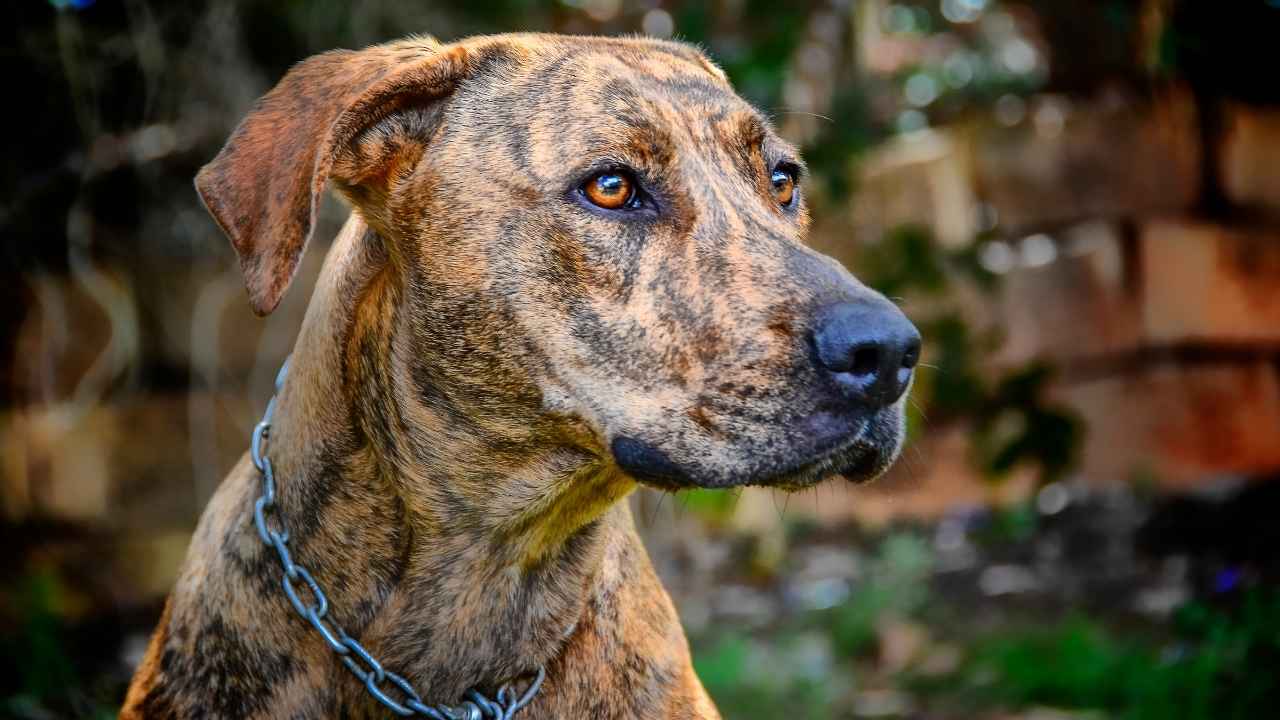
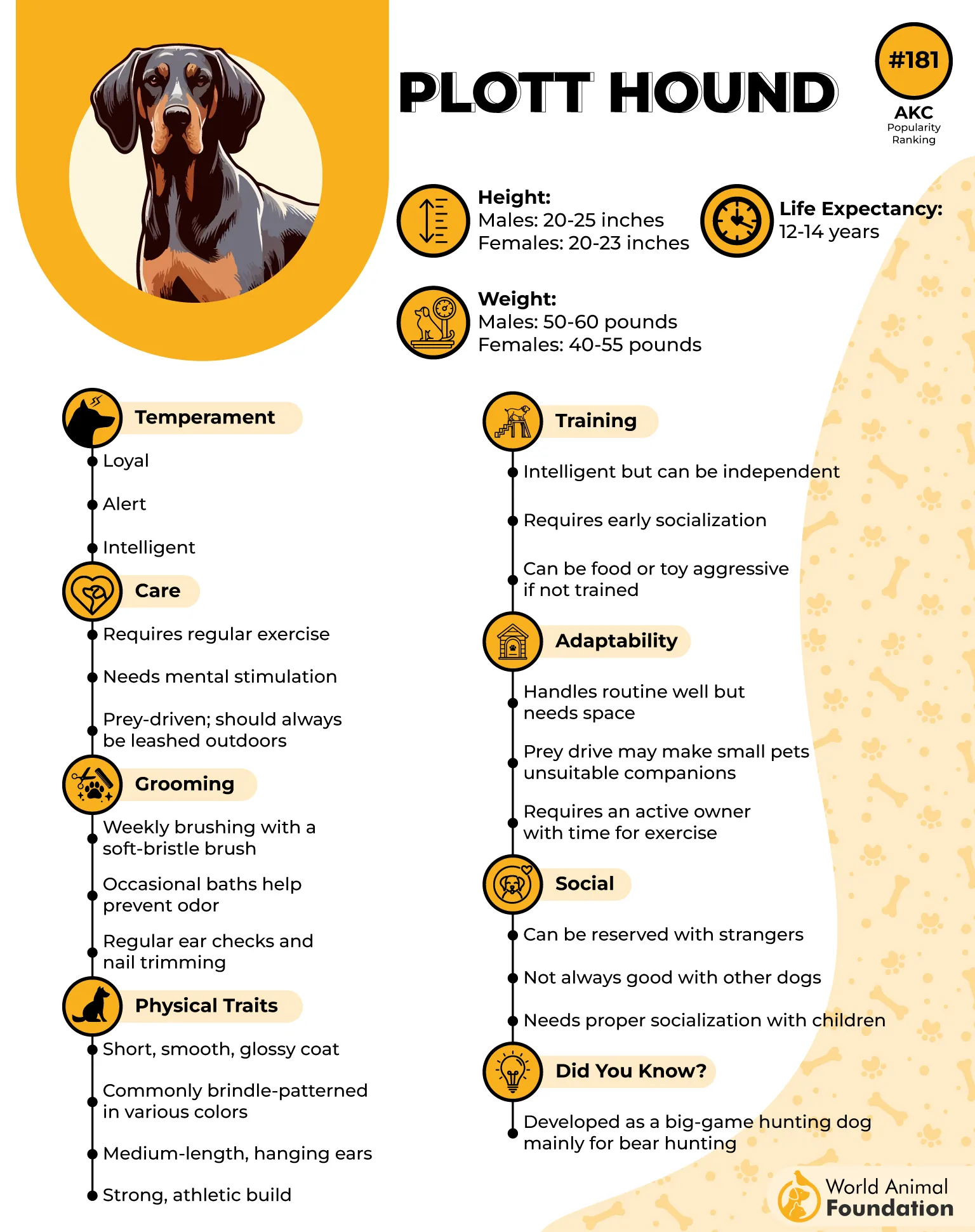
The Plott Hound has distinctly American roots, with its ancestors arriving in North Carolina alongside the Plott family during the mid-1700s. Bred for pursuing large game around the Great Smoky Mountains, this hound later became the official state dog of North Carolina.
A Nose Built for Difficult Trails
When following wild boar scent, the Plott Hound relies on an exceptionally keen nose and remarkable persistence. Its ability to work older scent trails across rough, mountainous ground makes it particularly suited to demanding big-game hunts.
Its tracking style involves several specialized behaviors:
Sweeps side to side to recover fading scents.
Works cooperatively with other hounds.
Can focus intensely on one scent trail.
Energetic Outdoors, Relaxed at Home
Beyond its working abilities, the Plott Hound is intelligent, curious, and devoted to its family. It generally gets along well with children and enjoys active outings, while a full day outdoors can leave it content to relax at home. Its deep, bellowing bark can also make it quite vocal when something catches its attention.
6. Blue Lacy
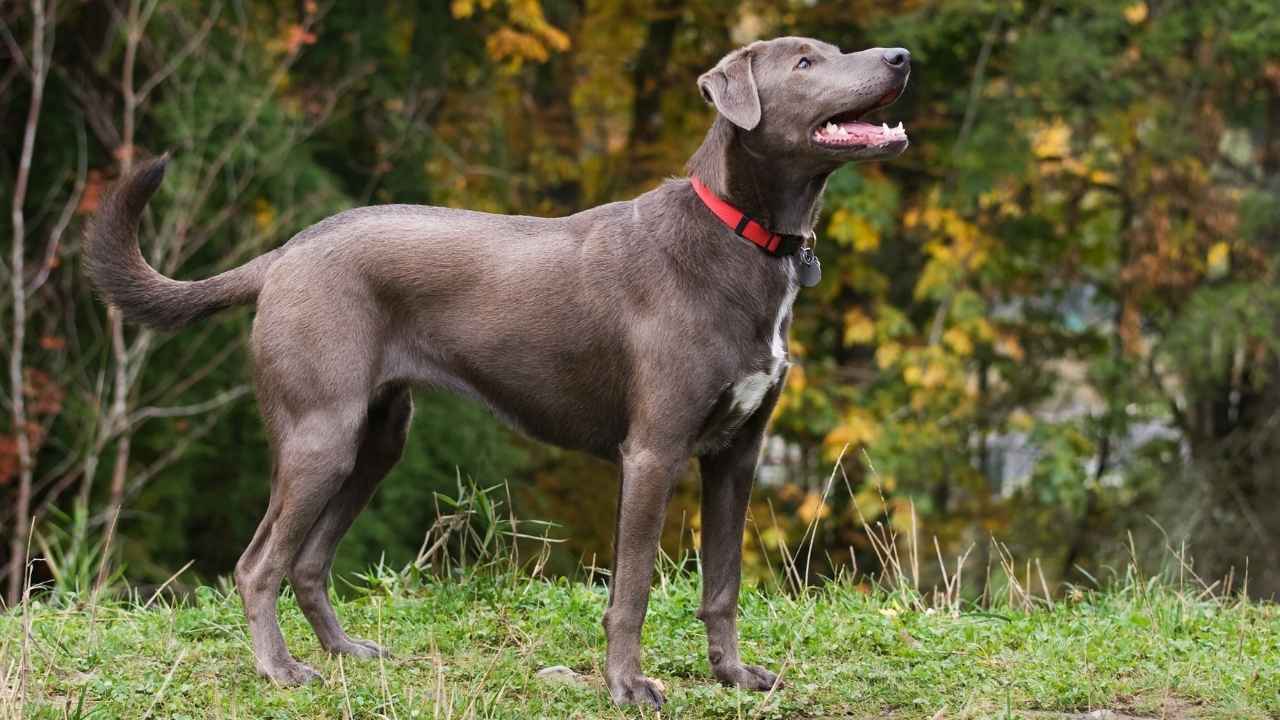
The Blue Lacy takes its name from the Lacy brothers, who began shaping the breed while living in Kentucky. After moving to Texas in 1858, Frank, George, Ewin, and Harry crossed Greyhounds, scent hounds, and coyotes to create a fast working dog for gathering free-roaming hogs and driving them toward Austin markets.
A Nose for the Trail
The Blue Lacy combines scenting ability with the speed needed to cover open ground during demanding ranch work. Its versatile working style includes trailing a hog’s scent, controlling livestock, and baying or catching animals when the task calls for it.
Its working habits bring several useful details:
Sweeps across wide areas while searching for a trail.
Adjusts quickly to fences, brush, and uneven ground.
Focuses intensely on an assigned task.
Responsive With a Strong Chase Instinct
This loyal companion responds well to consistent commands, clear boundaries, and regular training connected to practical everyday tasks.
Their strong natural urge to pursue squirrels, rabbits, and other small moving animals calls for reliable recall and carefully controlled opportunities to use that drive.
7. Dogo Argentino
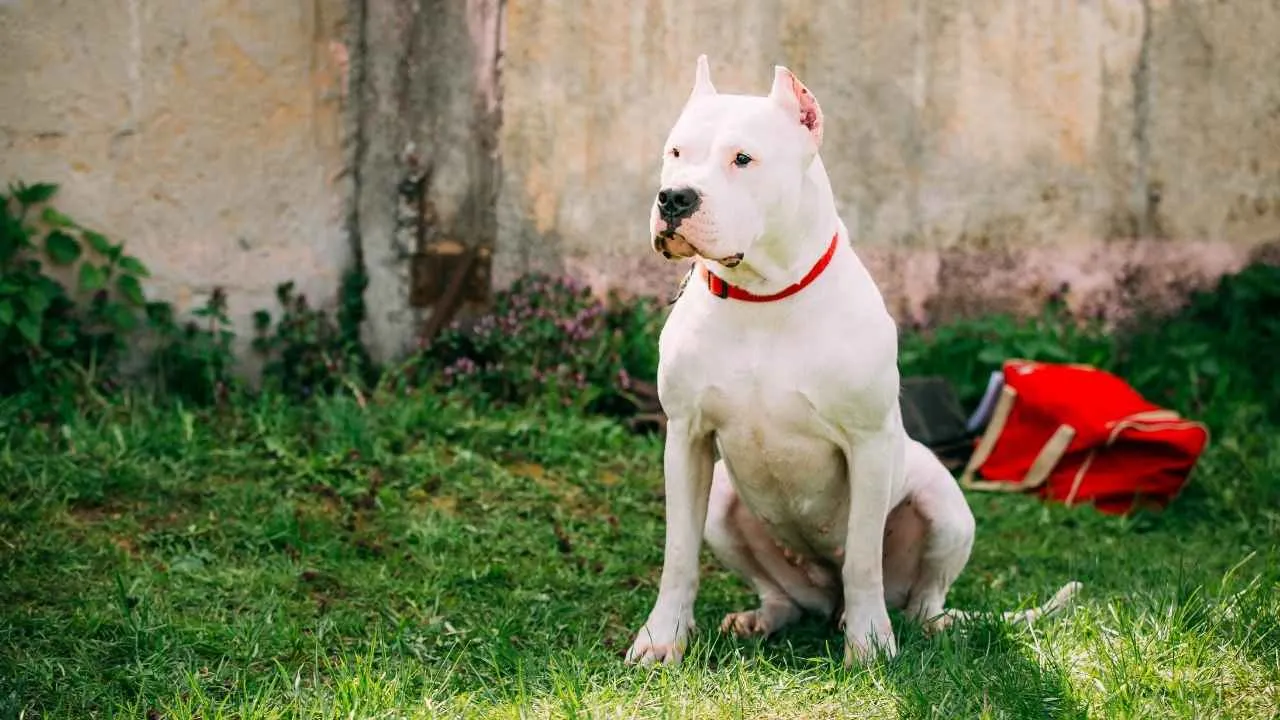
The Dogo Argentino developed in Argentina, where its breeding began in 1928. Its ancestry combines a local Córdoba hunting dog with several breeds, including the Great Dane, Pointer, Bull Terrier, Boxer, English Bulldog, Irish Wolfhound, and Spanish Mastiff.
A Focused and Powerful Hunter
When following a scent, the Dogo Argentino can become intensely focused, sometimes ignoring distractions around it. Its hunting heritage includes pursuing wild game and closing in for the catch, supported by the stamina needed for longer hunts.
Its physical structure serves several important purposes:
Muscular frame built for explosive gripping power.
Broad head and strong shoulders help control struggling prey.
Quick sprinting bursts followed by steady trotting.
Loyal, Yet Strong-Willed
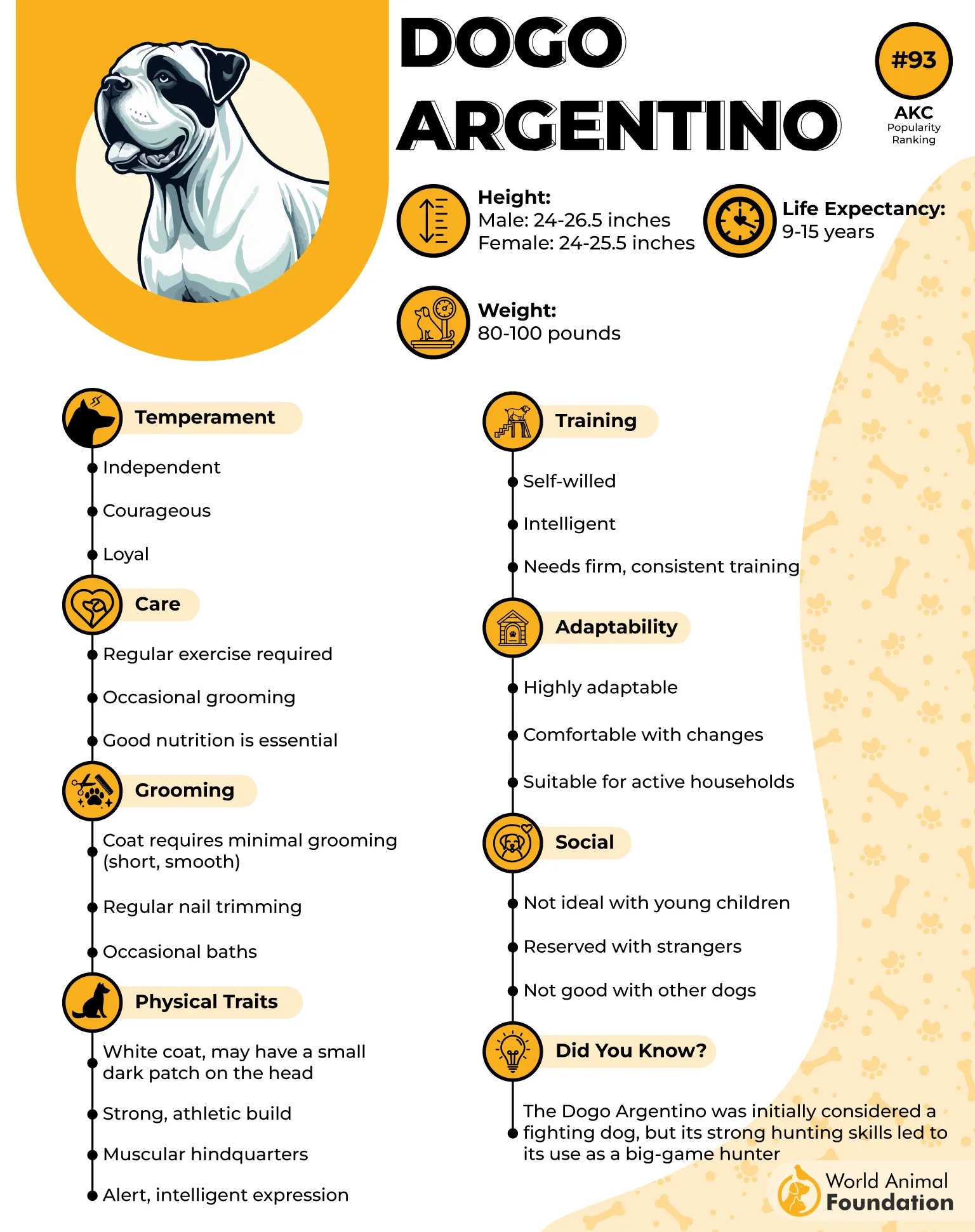
At home, the Dogo Argentino is deeply attached to its family and may follow its favorite people from room to room. Its strong prey drive, territorial awareness, and tendency toward rough play with other dogs make early socialization and consistent training especially important.
Conclusion
A successful boar hunt depends heavily on the abilities of the dogs involved. Their scenting skills help locate animals across woodland, brush, and uneven ground, while stamina allows them to continue working over long distances. Once a boar is found, courage and controlled behavior become especially important.
These qualities vary between individual dogs, even within the same breed. Proper field training helps develop reliable responses and reduces the risks that come with close encounters.
Before selecting a hunting companion, consider the terrain, type of work, and level of handling it will require throughout its working life.
