




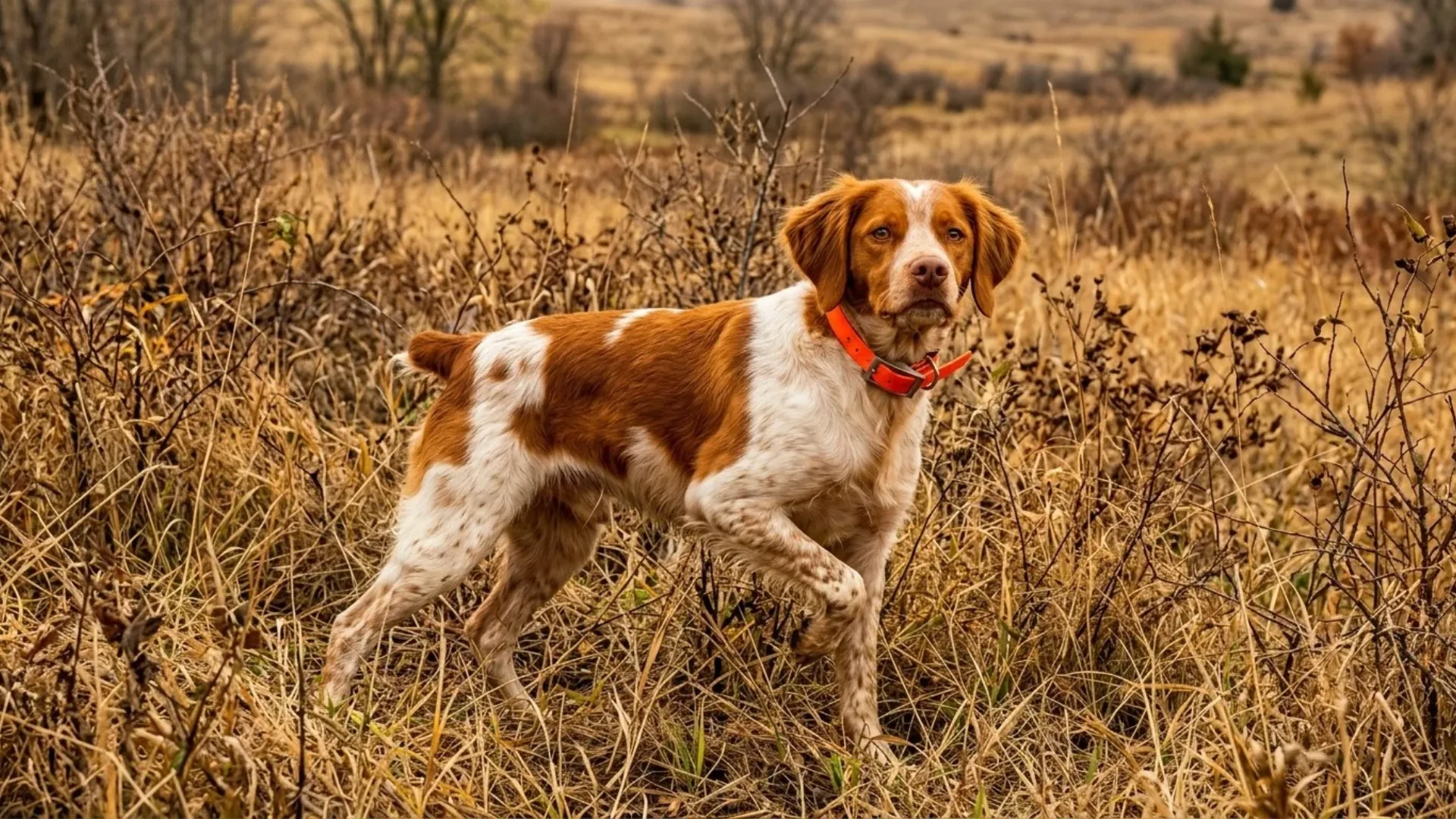
Ever watched a hunting dog catch the faintest scent of a bird and instantly switch into full detective mode? That’s the magic of upland bird hunting, where sharp noses, quick reflexes, and serious teamwork turn an ordinary countryside walk into an exciting outdoor adventure.
From pheasants hiding in thick grass to quail tucked beneath brush, these talented dogs put their instincts to work.
But here’s the plot twist: not every bird dog hunts the same way. Some are expert flushers that push birds into flight, others are graceful pointers that freeze when they detect game, and a few specialize in retrieving birds after the shot.
Whether you’re exploring open grasslands or navigating dense woodland cover, these seven remarkable breeds bring different strategies, impressive endurance, and generations of hunting heritage to the field.
Outstanding Dog Breeds Built for Upland Bird Hunting
1. Boykin Spaniel
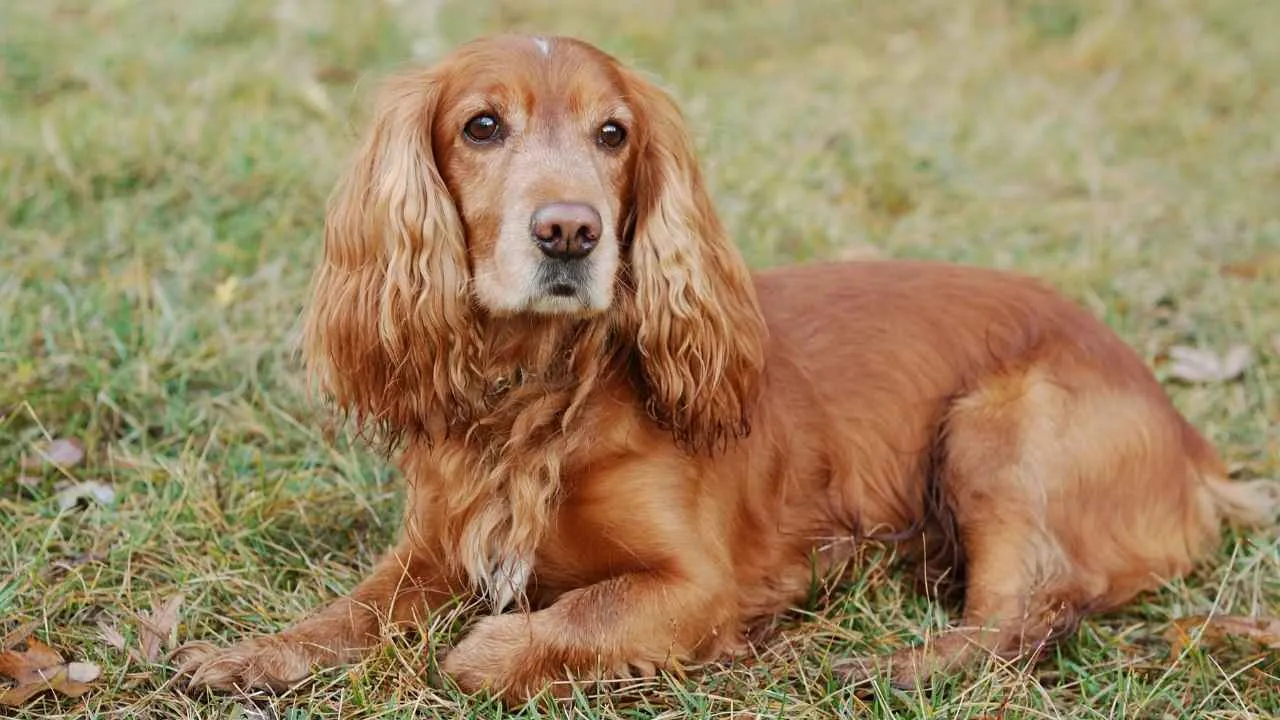
Developed in South Carolina in the early 1900s, the Boykin Spaniel became especially valuable to hunters who needed a compact dog that could navigate swampy terrain and small boats. They are versatile flushing dogs that perform particularly well when pursuing pheasants and quail.
One of the Boykin’s most interesting hunting strategies is its distinctive hesitation flush, which gives this breed a seriously clever approach to locating birds. Instead of charging through vegetation immediately, the dog may briefly hesitate to pinpoint a bird’s position by scent or sight before driving it into flight.
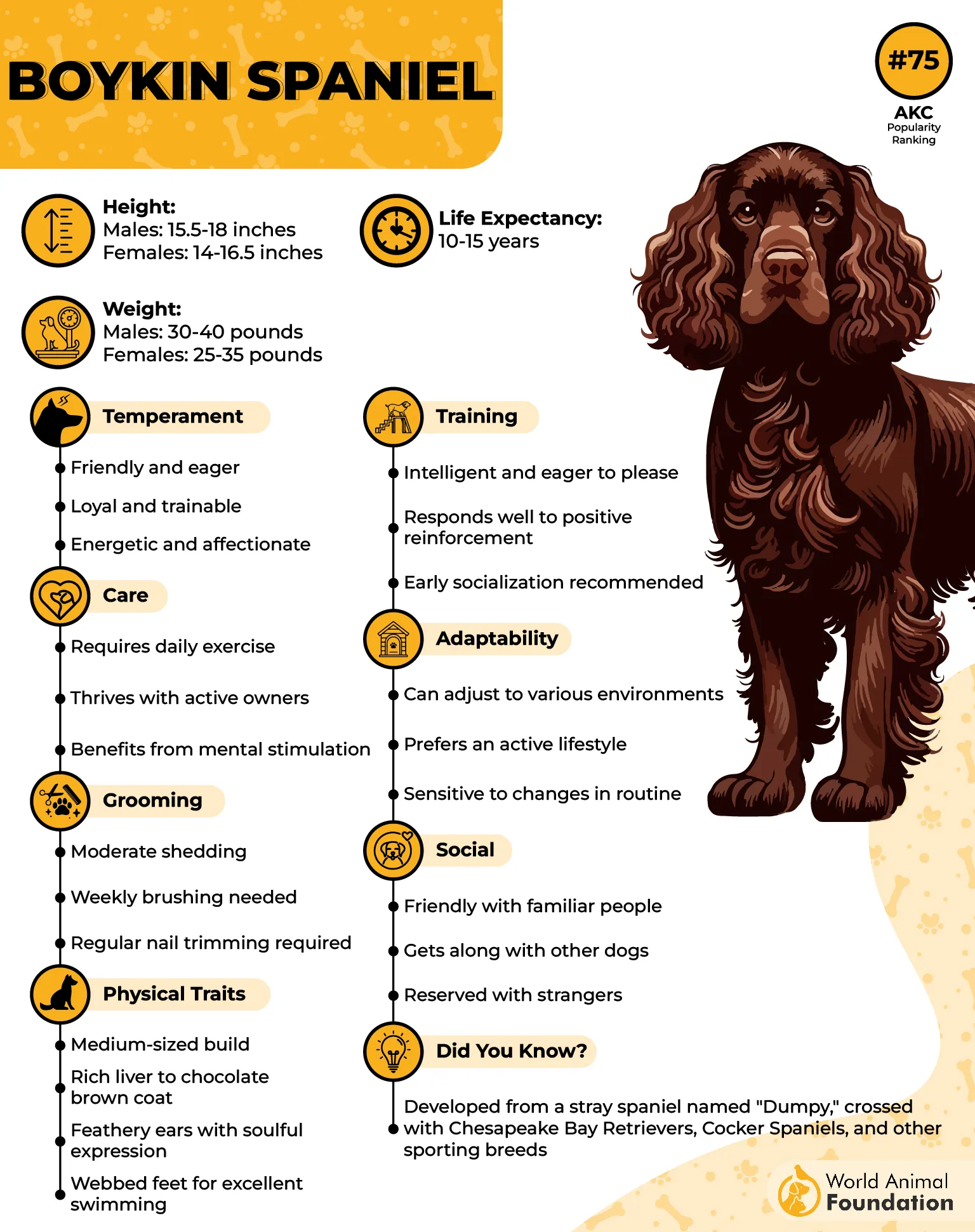
Boykins typically use a quartering pattern, moving back and forth across the hunter’s path while investigating promising patches of cover. Their moderate working pace allows them to search methodically without constantly racing beyond effective shotgun range.
Their compact bodies also offer a practical advantage when navigating tangled vegetation, narrow trails, and uneven ground. Their manageable size and strong retrieving instincts make them useful companions for hunters who frequently move between wooded uplands and wetland environments.
2. English Springer Spaniel
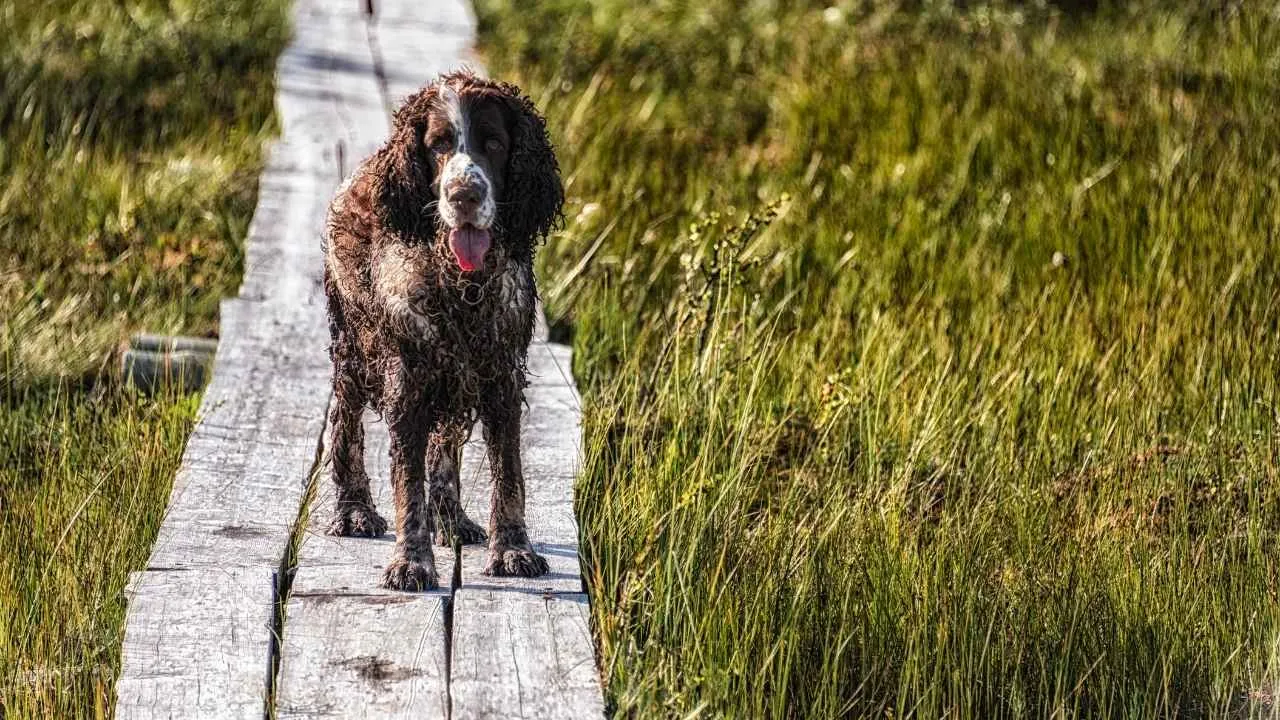
English Springer Spaniels are basically the energetic explorers of the upland hunting world, and their enthusiasm for finding birds is genuinely impressive. Their name comes from their traditional job of springing hidden game into flight, allowing hunters to take a shot at birds emerging from cover.
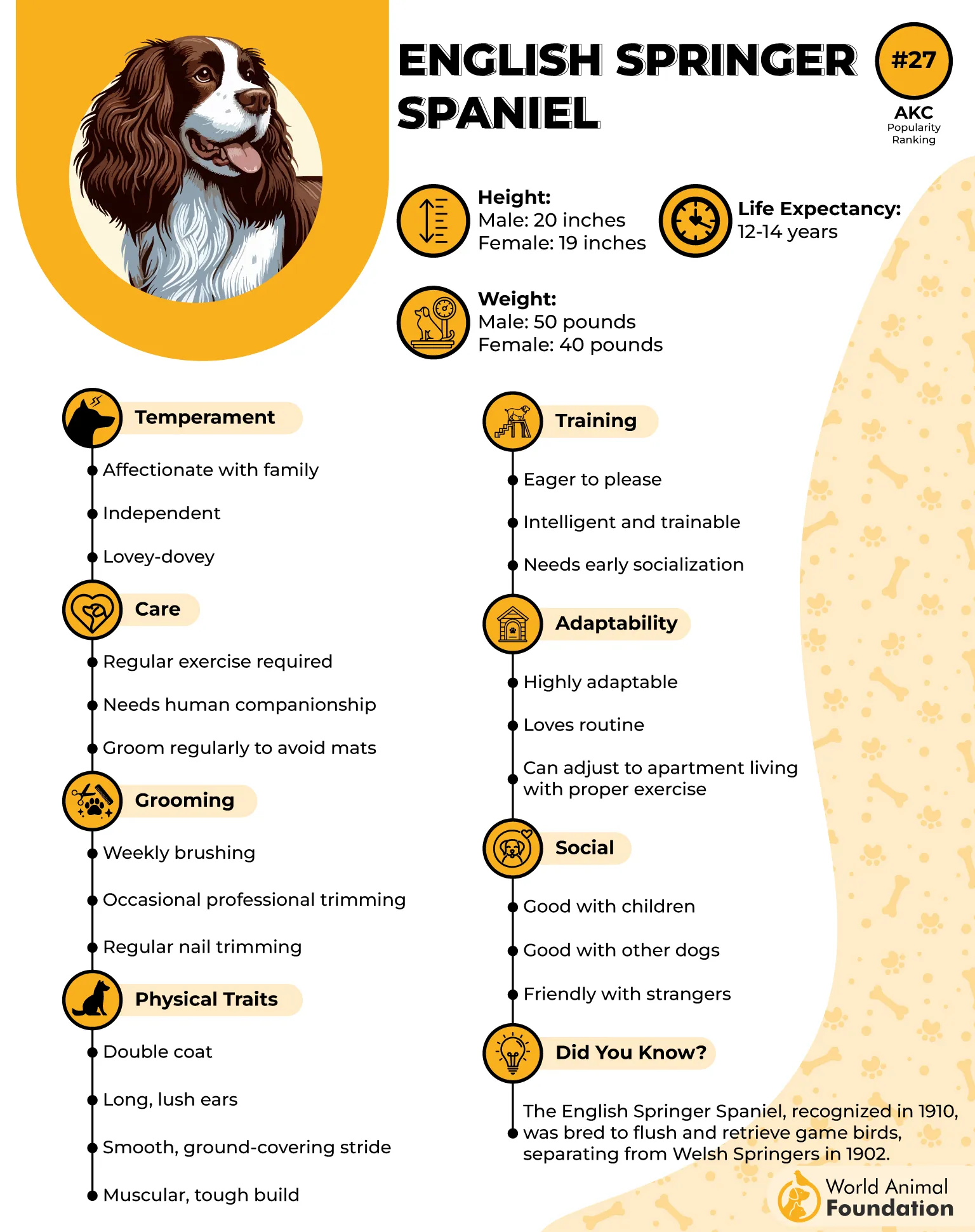
Their signature hunting technique involves quartering through cover in a controlled zigzag pattern while staying within shooting range. When the dog encounters promising scent, it works toward the bird and flushes it from cover. PDSA describes English Springers as animated hunters that readily enter difficult cover, making them particularly effective in pheasant country.
One fascinating advantage is their ability to investigate thick brush where birds may remain concealed from a hunter’s view. Their muscular build, protective coat, and energetic movement help them navigate grassy fields, hedgerows, and woodland edges.
However, handlers must establish dependable control because an overly enthusiastic Springer can push birds into flight before the hunter reaches a suitable position.
They also have valuable retrieving skills that complement their flushing ability. After a bird falls, a trained dog can mark its location, search the surrounding vegetation, and return the bird to its handler.
3. English Setter
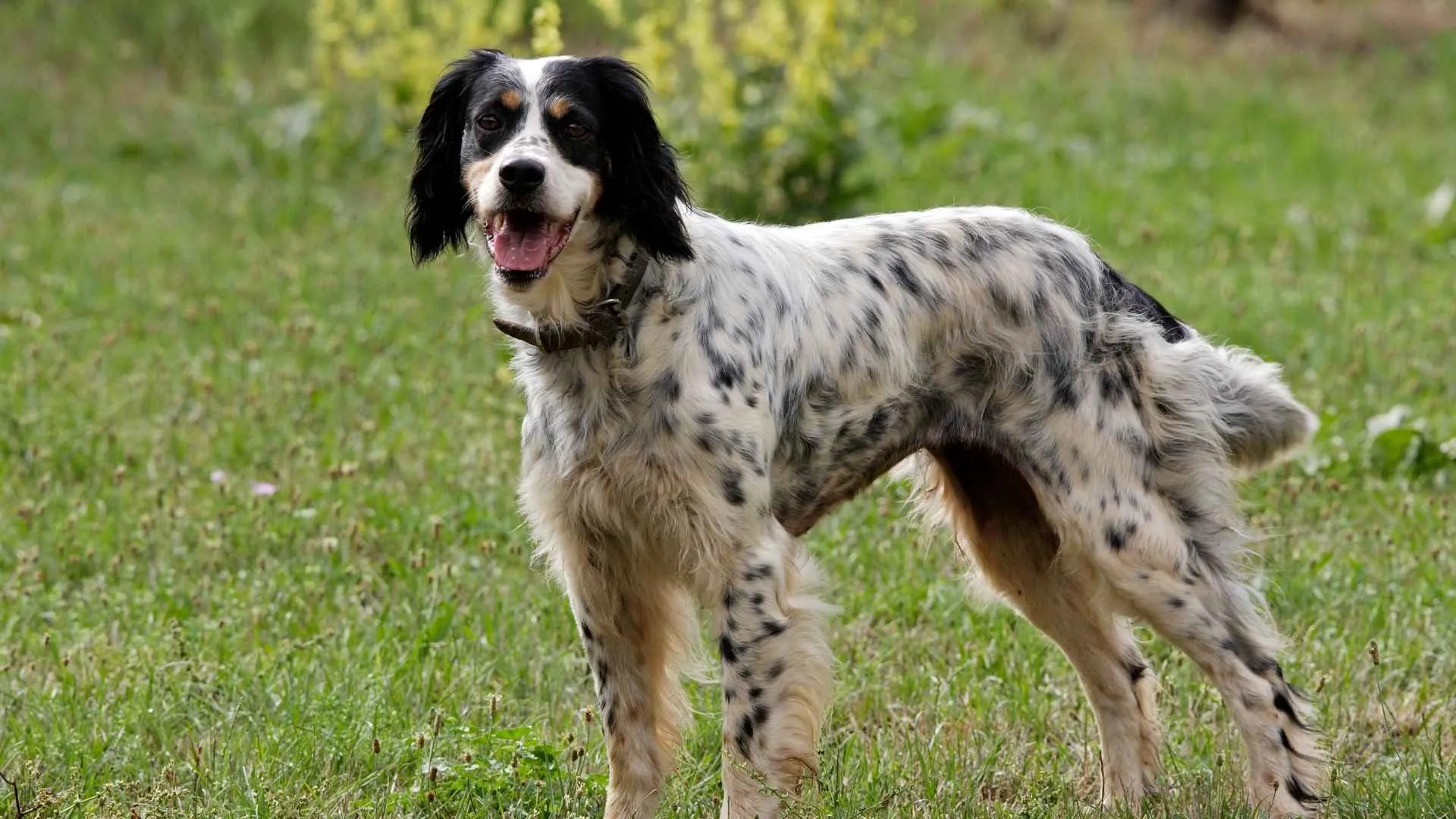
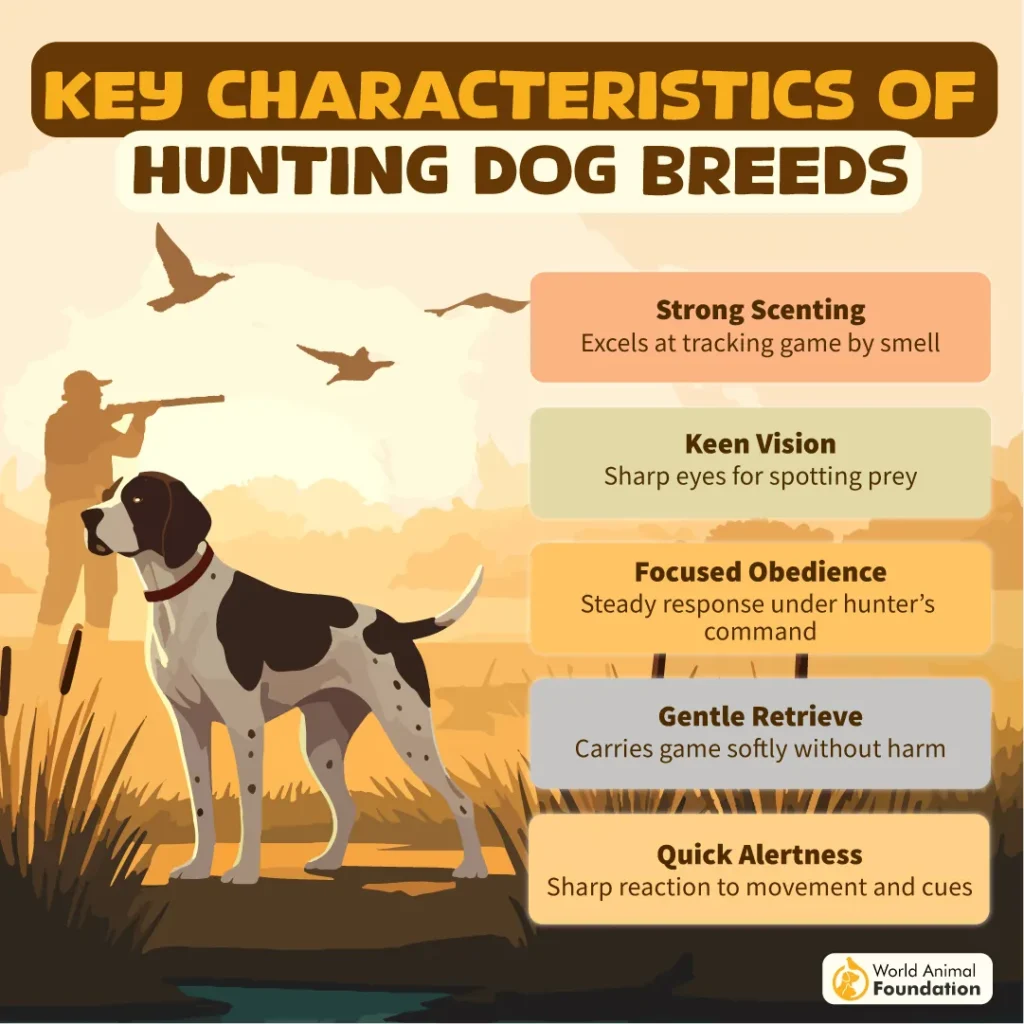
English Setters combine elegance with serious hunting talent, making them one of the most recognizable pointing breeds in the upland world. Their graceful movement and exceptional scenting ability make them particularly well suited to hunting grouse, quail, and other upland species.
Unlike flushing Spaniels, they use a pointing strategy that allows hunters to approach birds before deliberately flushing them. When a Setter detects game scent, it may suddenly become motionless, turning its body and nose toward the bird.
Their hunting style frequently involves covering broad stretches of terrain while using wind direction to locate airborne scent. A trained Setter may adjust its search pattern as conditions change, moving across open grasslands or investigating promising patches of vegetation. Hill’s Pet explains that pointing dogs rely on scenting ability, wind awareness, and terrain-searching skills to locate upland game effectively.
These pheasant hunting dogs are also admired for their stamina, which lets properly conditioned dogs work through demanding hunting sessions. Their athletic bodies support fluid movement across hillsides, meadows, and uneven ground, although dense feathering may collect burrs and vegetation.
Hunters should regularly inspect their dogs’ paws, ears, and coats to prevent discomfort after traveling through rough cover.
4. Vizsla
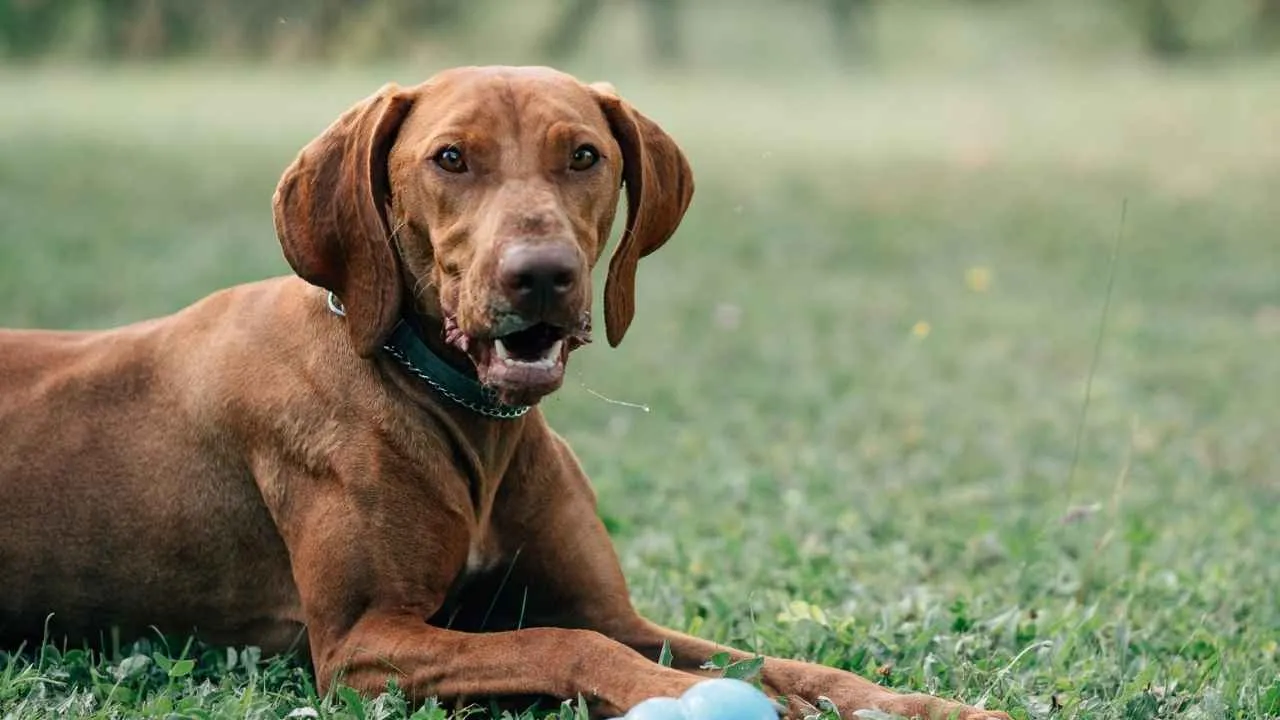
The Vizsla is basically the athletic superstar of upland bird hunting, combining speed, sensitivity, and an incredibly sharp nose. Its natural pointing instincts and retrieving abilities make it a versatile choice for people who enjoy active days in the field.
One of the Vizsla’s strongest hunting qualities is its ability to maintain awareness of its handler while searching for birds. Many individuals naturally work at moderate distances, although actual range depends on breeding, training, and terrain. This cooperative approach allows hunters to communicate with their dogs while searching for quail, pheasants, and other upland species.
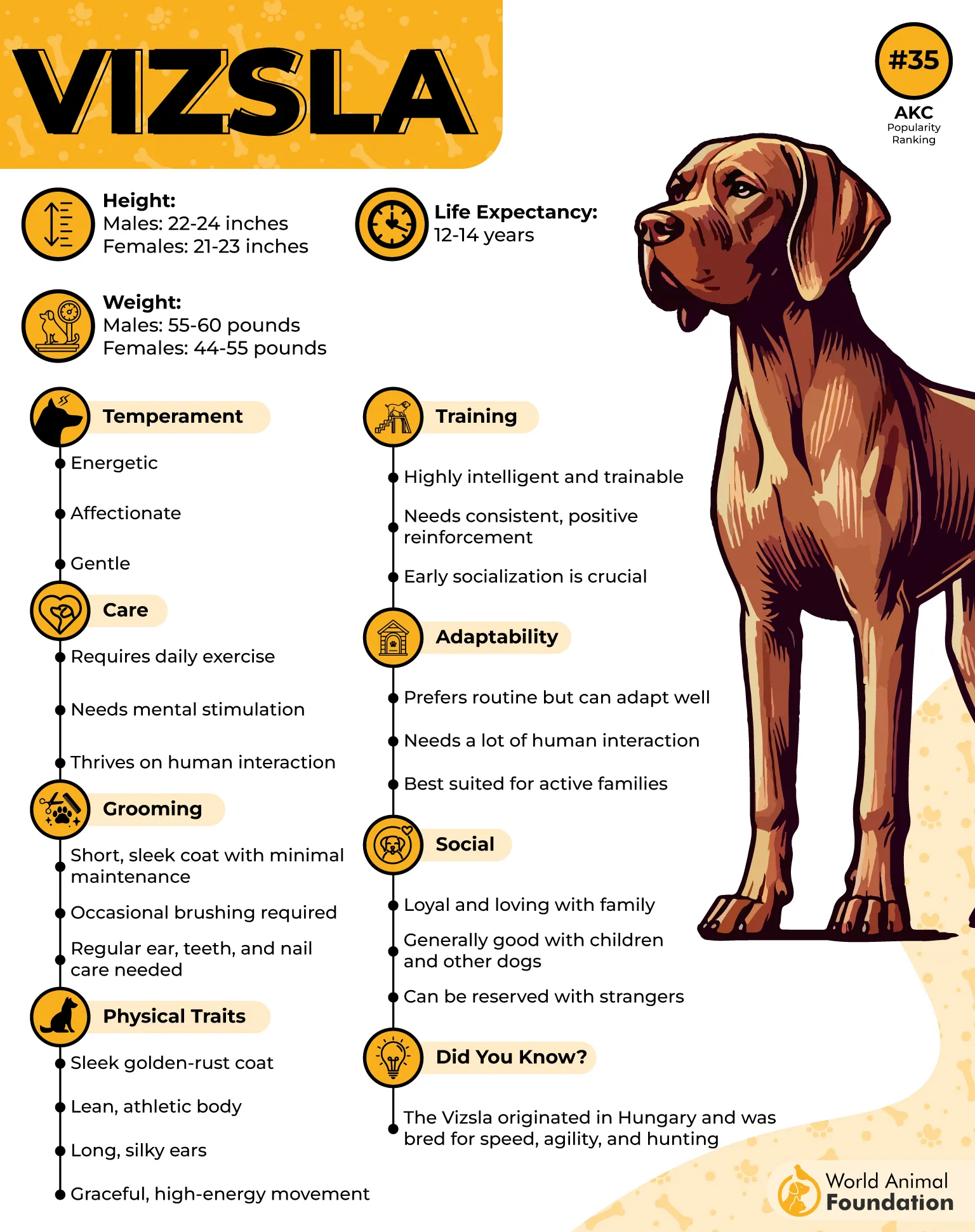
These hunting dogs use scent carried through the air and vegetation to identify promising bird locations. Once they detect game, they typically establish a firm point and hold their position while the hunter approaches. Their ability to combine quick movement with sudden stillness creates an impressive contrast that makes watching a trained Vizsla work genuinely fascinating.
Their lean, muscular bodies and short coats support efficient movement through open fields and relatively warm conditions. However, that same short coat offers limited protection against extreme cold, thorny vegetation, and prolonged exposure to harsh weather.
5. Weimaraner
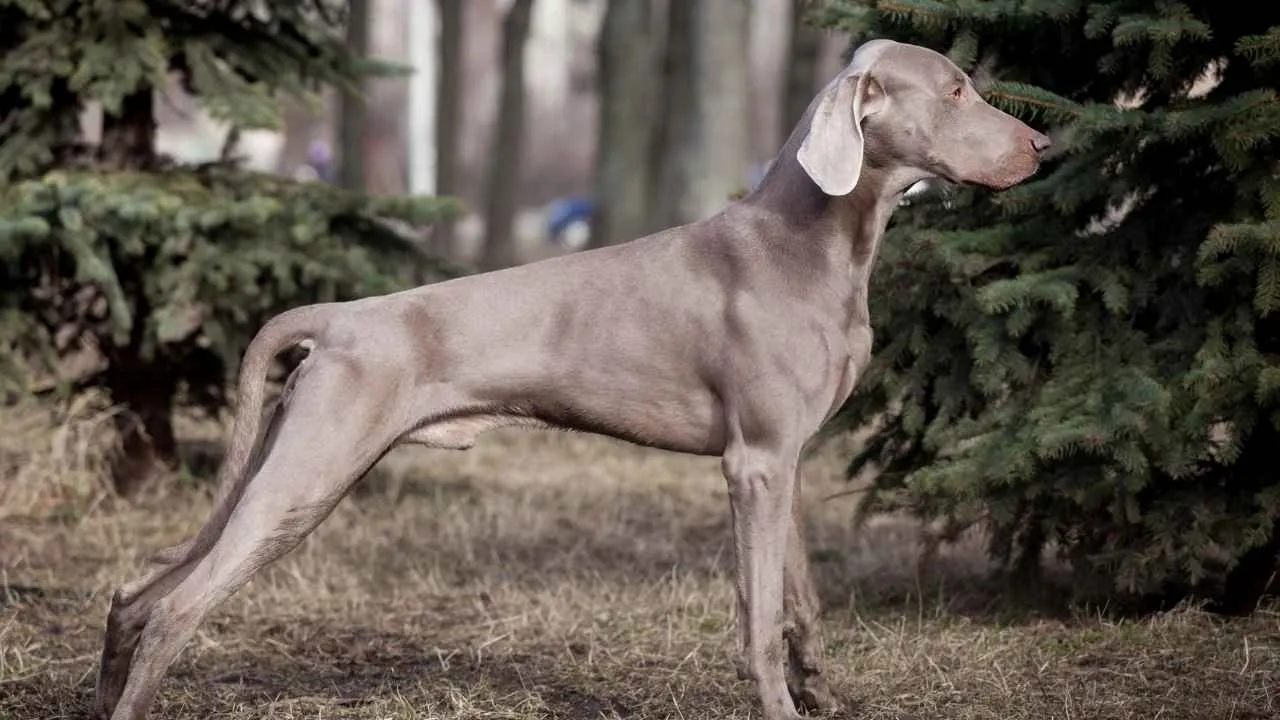
Weimaraners were historically bred to hunt larger game before becoming valued companions for hunting birds and smaller animals. Their powerful bodies, sharp senses, and determined personalities make them capable workers in challenging outdoor environments.
In upland bird hunting, they typically use their scenting abilities to locate game before establishing a point. Their search style can involve covering substantial ground while investigating areas where birds are likely to feed or shelter.
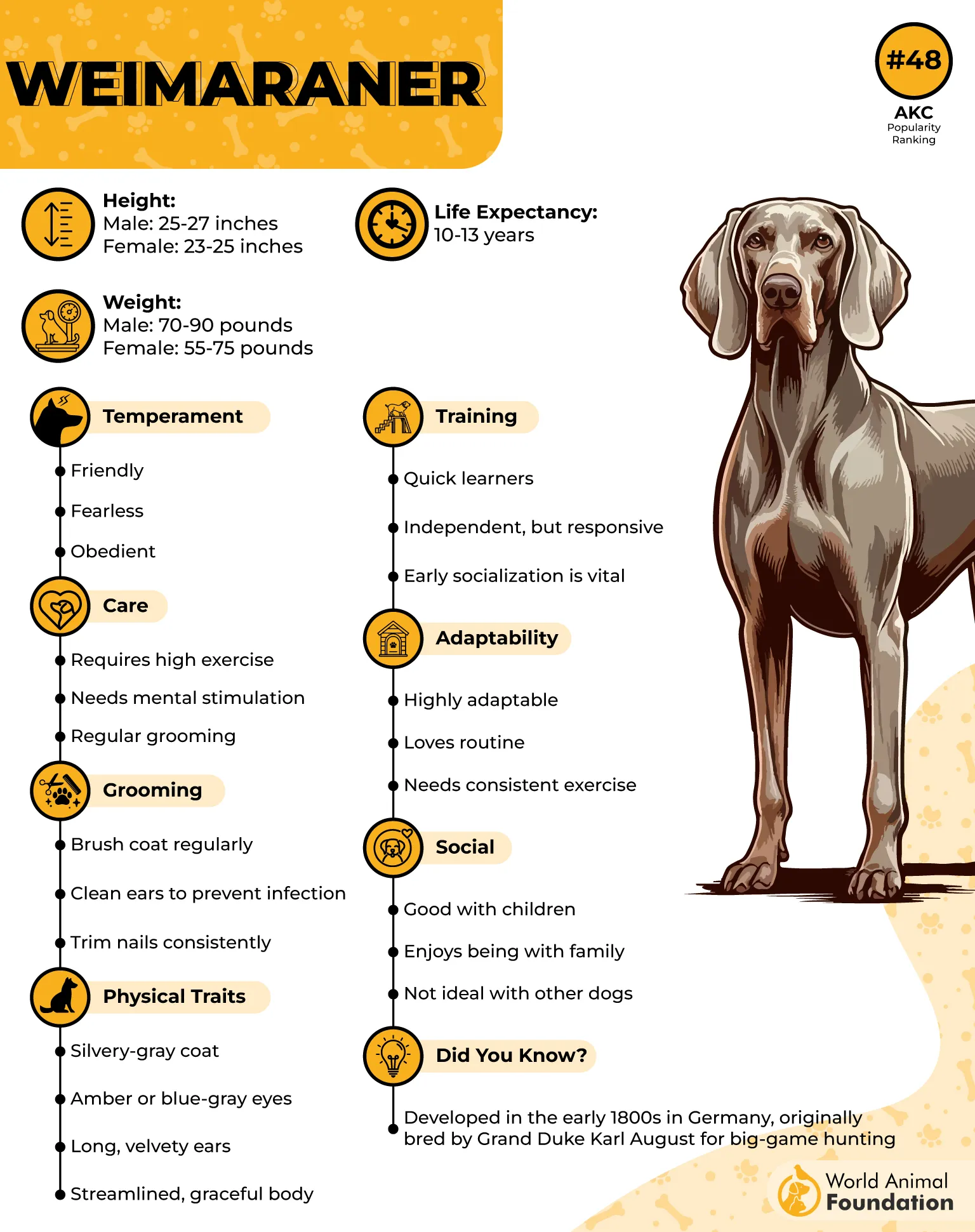
These dogs can adapt to varied habitats, including open farmland, grassy slopes, and woodland edges. Their strong legs and athletic build let them move efficiently across uneven ground when properly conditioned. However, their short coats provide little insulation, so cold weather and abrasive vegetation require extra care.
Weimaraners can also track and retrieve, giving them responsibilities beyond simply locating birds. After a successful shot, a trained dog may follow scent through vegetation to recover a fallen bird that would otherwise be difficult to find.
6. Labrador Retriever
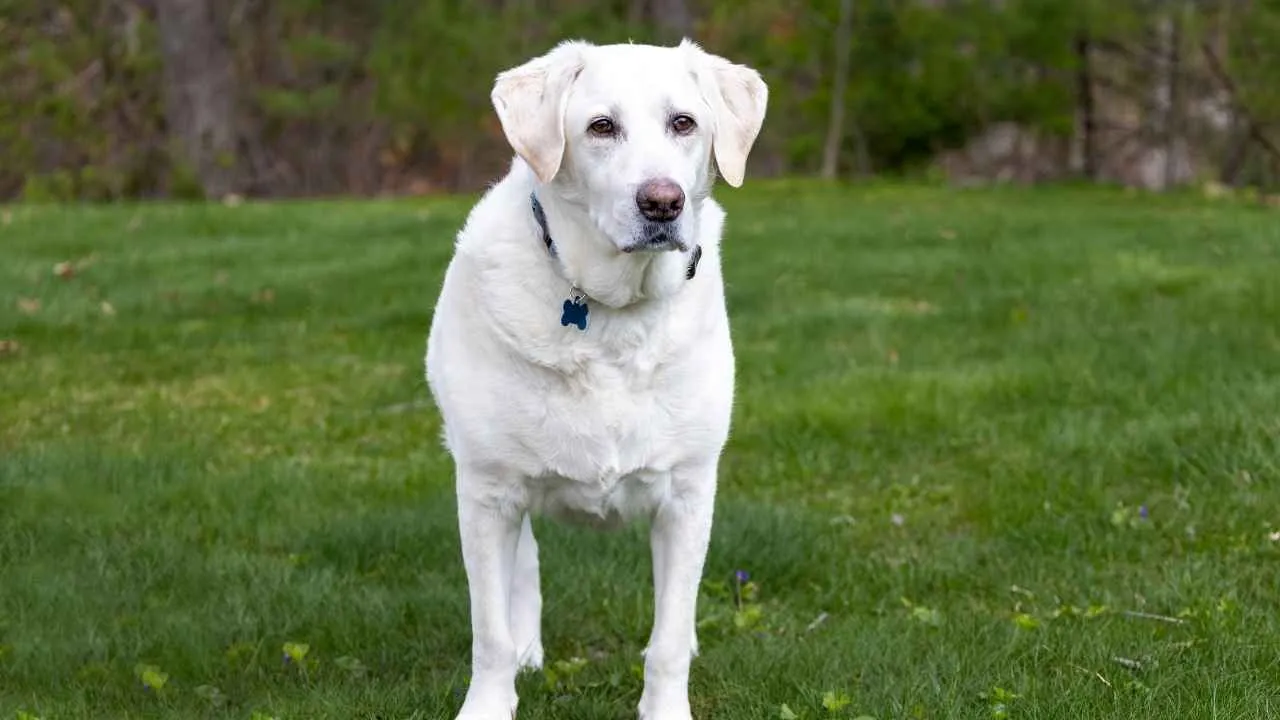
Developed from working water dogs associated with Newfoundland and later refined in Britain, Labradors became highly valued for their retrieving abilities. Today, many hunting-line Labs perform exceptionally well in upland environments, particularly when locating and recovering game birds.
Unlike traditional pointing breeds, most Labradors hunt upland birds by searching cover and flushing game within the hunter’s effective range. Their powerful noses help them investigate areas where pheasants, grouse, or quail may be hiding among vegetation.
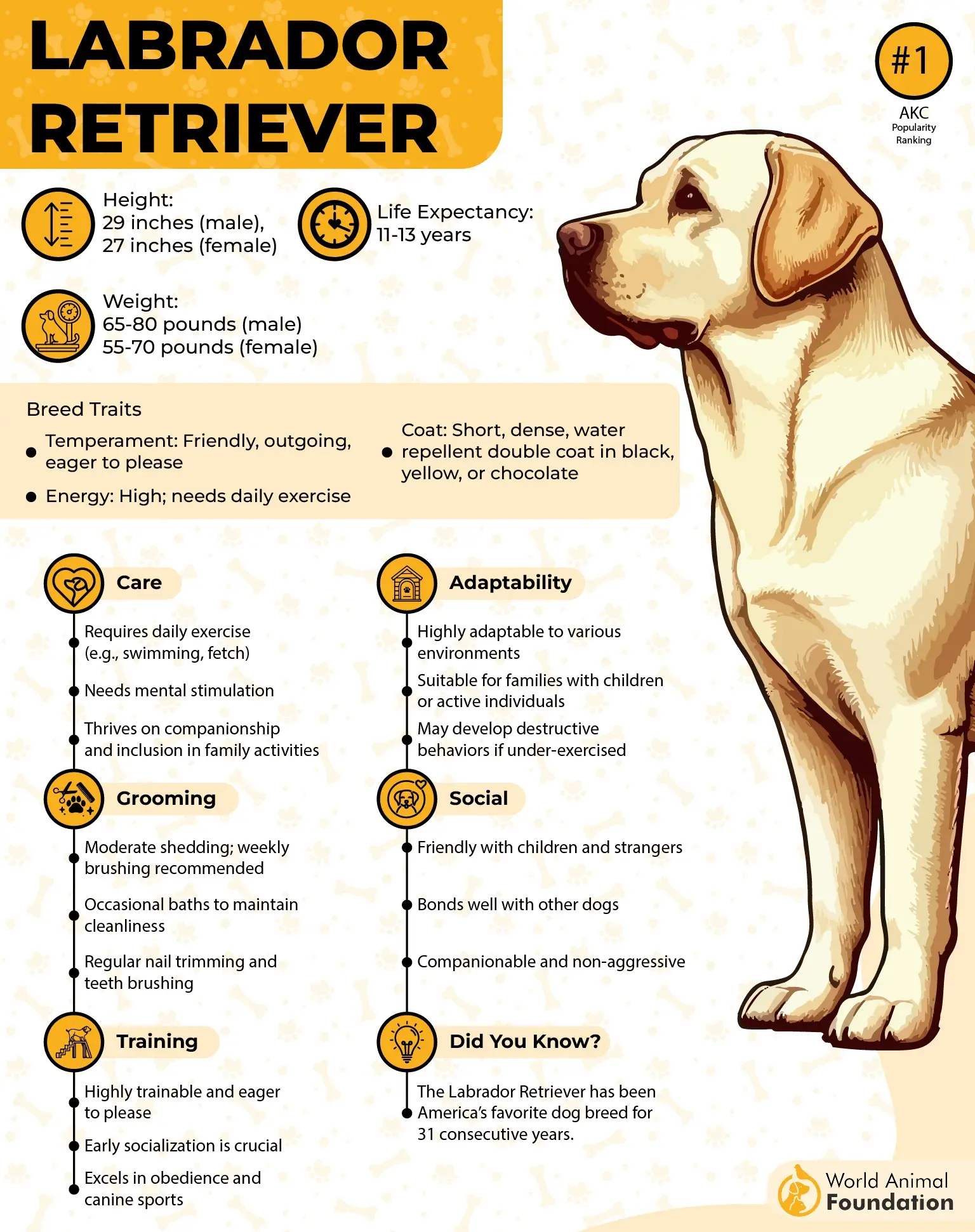
Retrieving is where this breed truly flexes its natural abilities. After a bird falls, they can use visual memory, scent, and trained directional commands to locate and recover it. PDSA highlights their strong retrieving heritage and suitability for bird work on both land and water.
Their dense, water-resistant double coats provide useful protection during cold or wet hunting conditions. Their strong swimming ability also makes them excellent choices for hunters who pursue both upland birds and waterfowl throughout the season. However, proper conditioning remains essential because demanding fieldwork can place considerable stress on joints, muscles, and paw pads.
7. Brittany
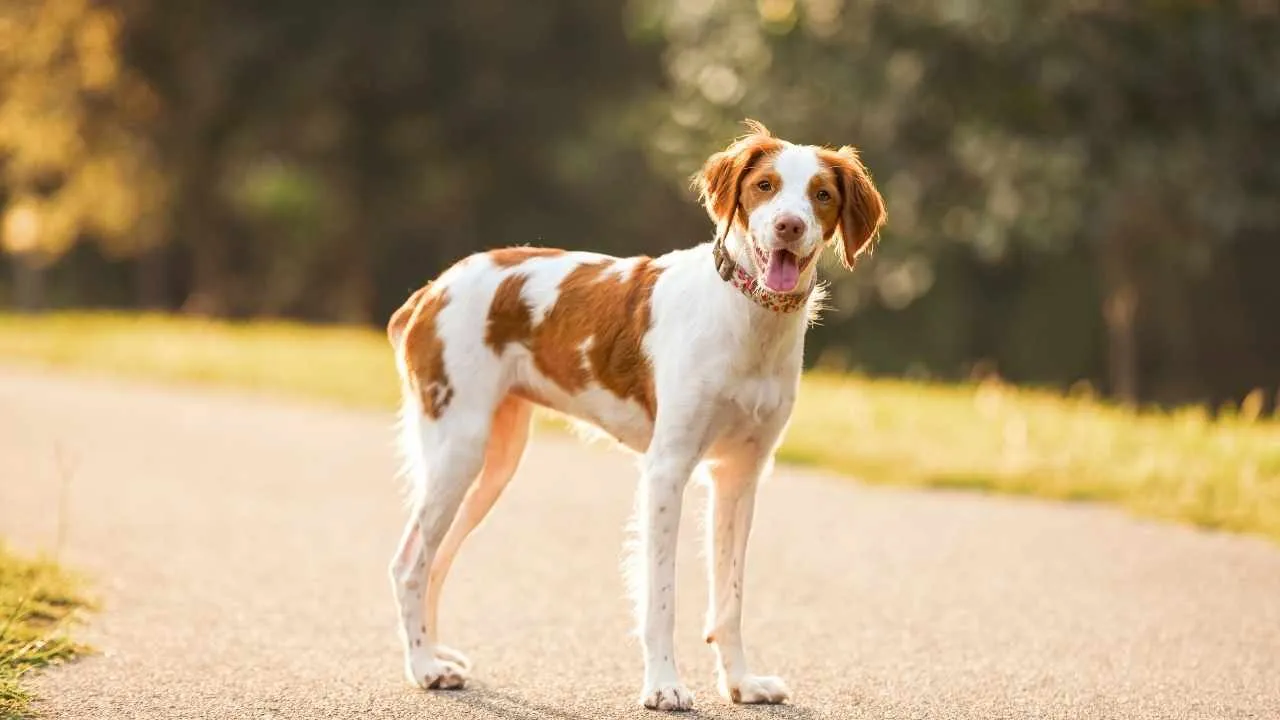
The Brittany is a compact bundle of energy that seems genuinely happiest when exploring open country in search of birds. Its speed, agility, and responsiveness make it especially appealing to hunters who regularly pursue upland game.
Brittanys use a lively searching pattern to investigate grasslands, field edges, and other habitats where birds may be concealed. Their natural pointing instinct helps them locate game and hold position as the hunter approaches.
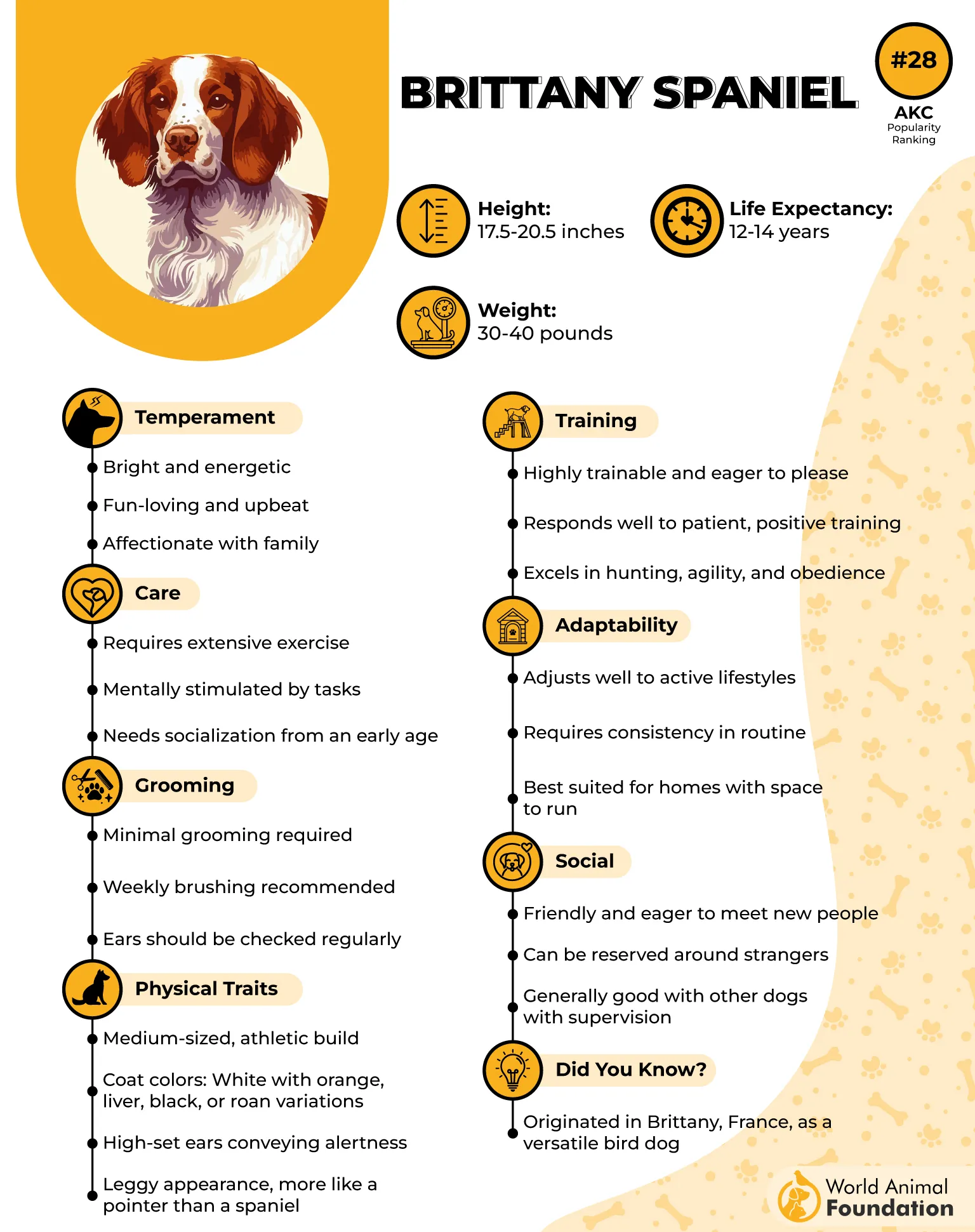
One of the Brittany’s greatest advantages is its ability to cover ground efficiently without requiring the physical size of a larger pointing dog. Their muscular build lets them navigate uneven terrain, change direction quickly, and search promising cover with impressive enthusiasm.
Brittanys also have retrieving abilities that make them useful at multiple stages of a hunt. After locating and pointing a bird, a properly trained dog can help recover it once the hunter fires. Their ability to point and retrieve helps explain why upland hunters who value versatile field companions keep them popular.
Conclusion
Upland bird hunting is about far more than having a dog that can run fast or follow an interesting scent. It requires teamwork, patience, field awareness, and the ability to adapt hunting strategies to different birds, habitats, and environmental conditions.
Even the most talented bird dog needs consistent training, proper conditioning, and responsible handling to reach its potential. Hunters should prioritize safe field practices, humane treatment, wildlife conservation, and compliance with local hunting regulations.
Choose a breed that matches your experience and outdoor lifestyle, and you’ll gain more than an impressive hunting companion: you’ll build a rewarding partnership rooted in trust, communication, and shared adventures.
