




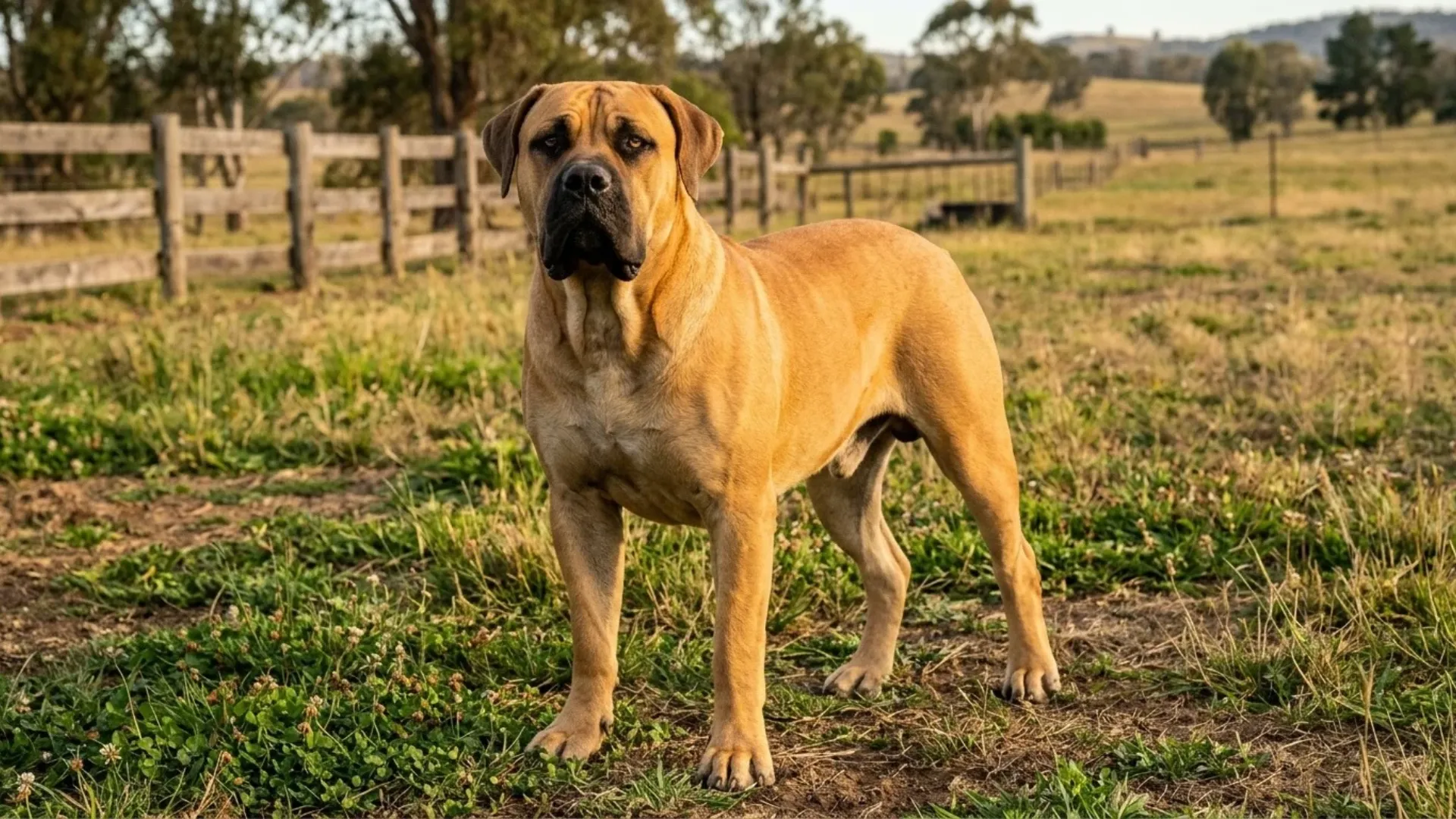
A strong dog does not need to look intimidating to earn respect. Some breeds carry their power quietly, while others make it obvious with broad chests, thick bones, and a stride that says, “I came to work.”
For people with spacious yards, farms, or access to open land, the right muscular breed can be a dependable companion for long walks, outdoor projects, and active family life. Still, strength is a responsibility, not a party trick.
These dogs were developed for real jobs, guarding property, moving livestock, pulling loads, and working across difficult terrain. Their bodies may be impressive, but their minds need just as much attention.
With patient training, daily activity, and clear boundaries, a powerful breed can become the kind of dog that makes you feel safer, keeps you moving, and reminds you that the best workouts often come with muddy paws.
Top Dog Breeds with Unmatched Muscular Strength for Yards and Fields
1. Boerboel
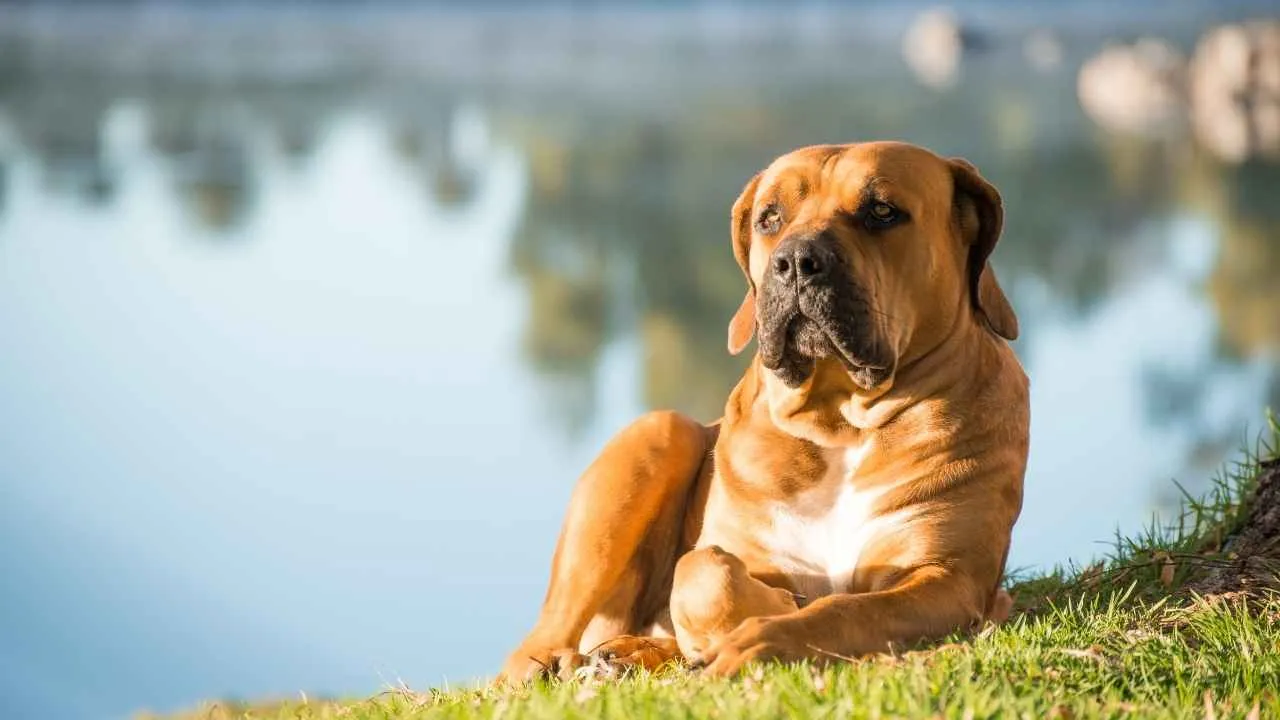
This herding dog was originally bred in South Africa to herd livestock and guard property and got its name from two Afrikaans words, ‘beor,’ which means ‘farmer,’ and ‘boel,’ which means ‘dog,’ says Showsight Magazine.
Weighing up to 200 pounds, the Boerboel has a heavy, muscular frame that gives it real physical leverage. The muscular dog breed exhibits a strong bite force estimated at over 450 PSI and can crack bones in seconds. The breed has loose skin that protects vital blood vessels during dangerous fights.
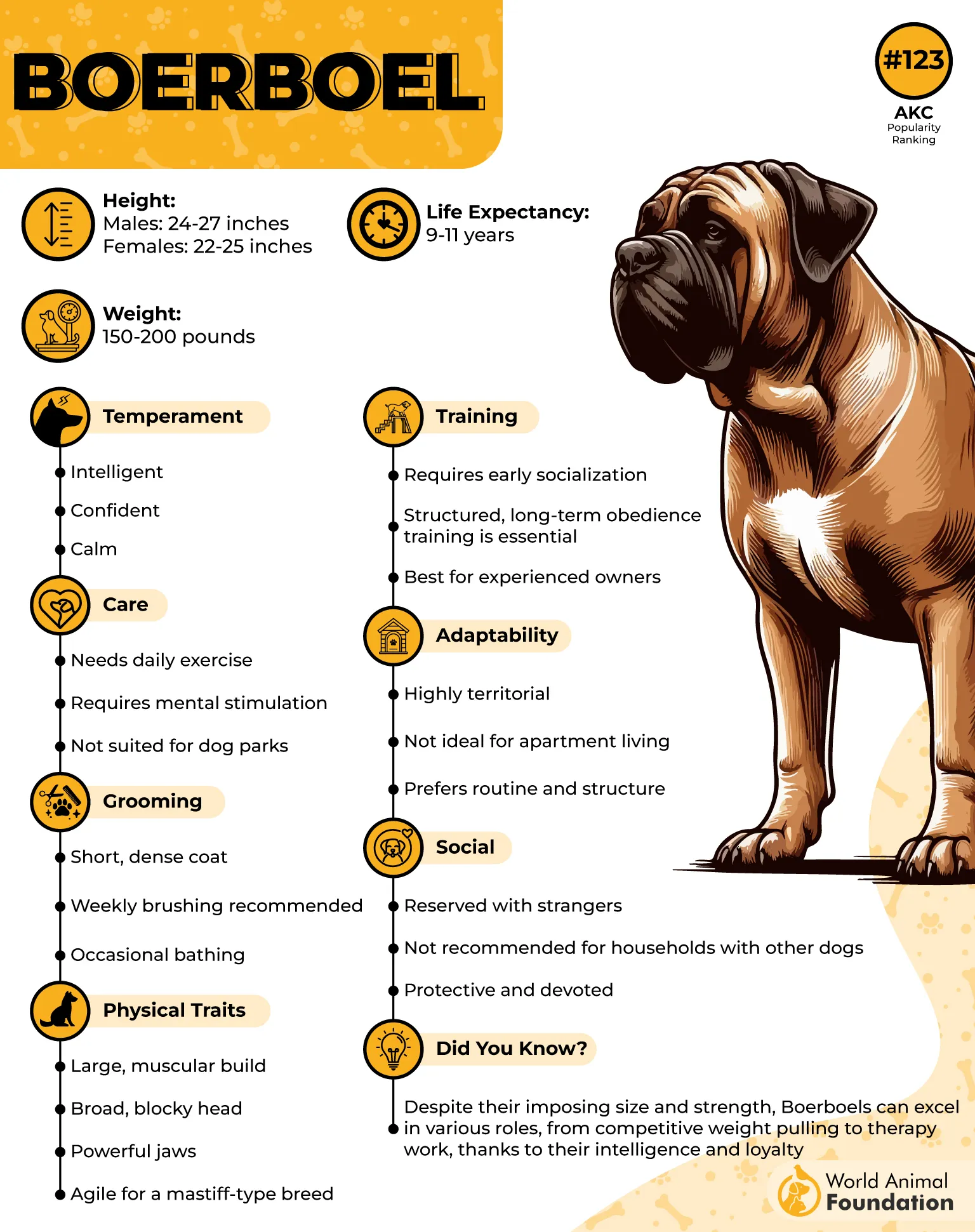
Descended from the Khoikhoi dog, the Boerboel is remarkably resilient against harsh climates and rugged conditions. The dog has a calm and calculated threat assessment to detect intruders.
2. Perro de Presa Canario
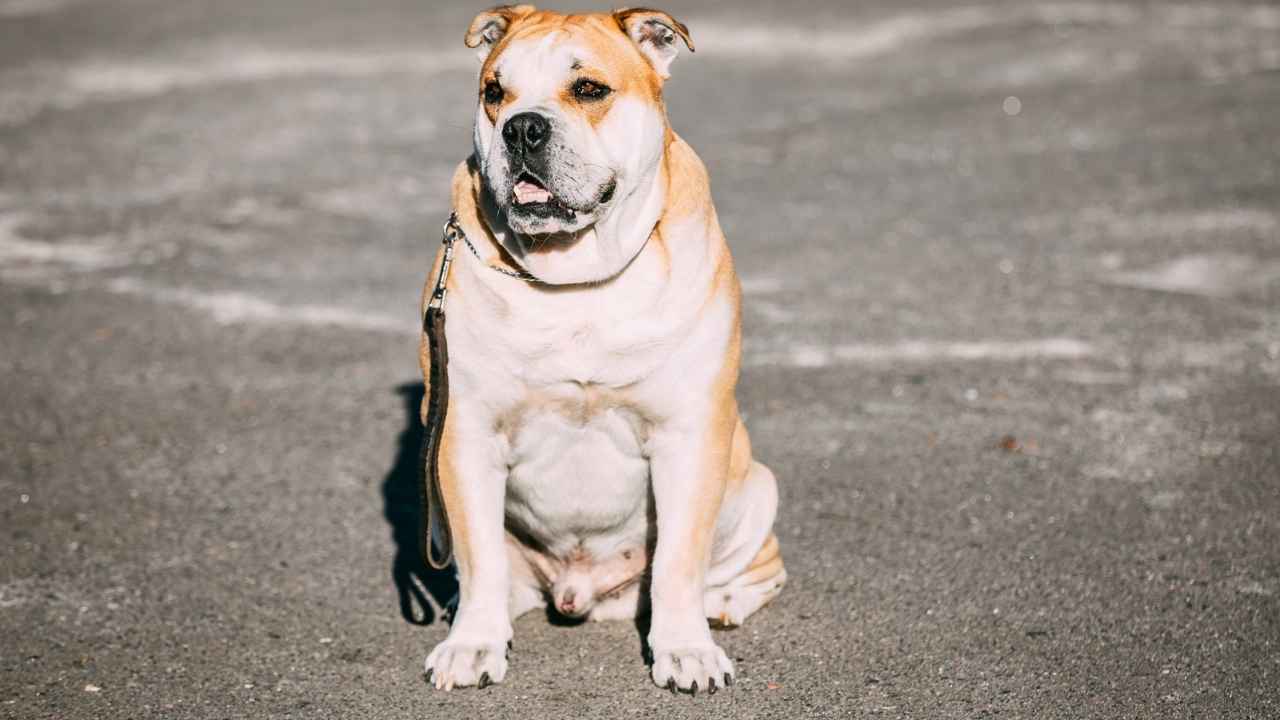
The mastiff-type Spanish breed was developed in the Canary Islands and was also known as the Dogo Canario. It was primarily used in dog fighting, herding, and guarding.
The rectangular frame gives it a low centre of gravity that prevents the dog from being easily knocked off balance. The heavy-boned structure and muscle mass across the shoulders, loin, and hindquarters enable the torque needed to hold and control heavy livestock. The well-angulated rear legs give a sudden burst of forward thrust and a feline-like gait over rough terrain.
The herding dog has a large lung capacity and heart volume that prevent physical exhaustion during intense workouts. The single coat makes it highly suitable for hot weather.
3. Central Asian Shepherd
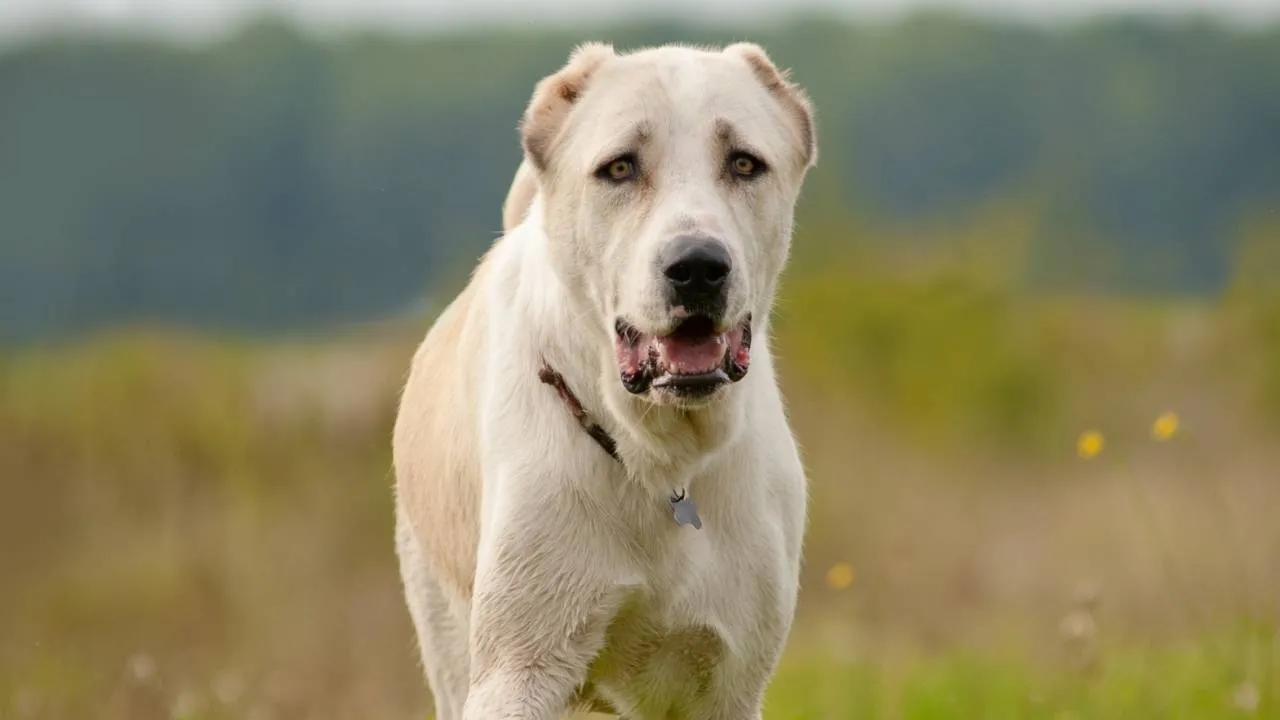
The ancient breed was developed in the region, which today includes Turkmenistan, Afghanistan, and Iraq. The breed was selectively bred for thousands of years as a protection dog, as reported by PetMD.
The straight, parallel legs and oval, cross-sectional forearms provide sudden directional shifts. The well-laid-back and the long shoulder blade form 100 degrees with the upper arm, enabling shock absorption. The fast-twitch muscles and flexible joints allow the dog to transition seamlessly from long hours of energy conservation to ground-covering gallop.
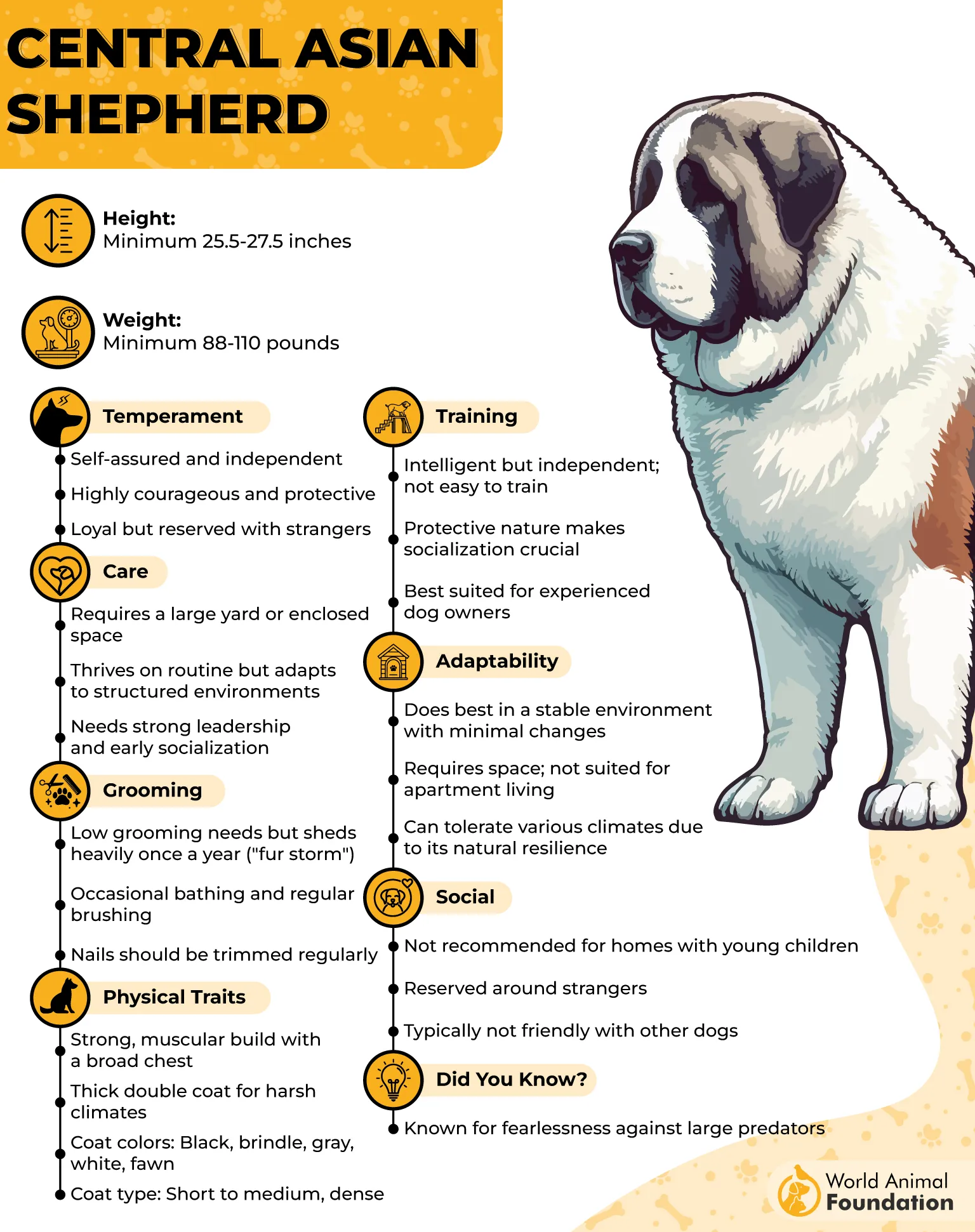
With up to 42 large teeth paired with a wide and muscular jaw, the intelligent dog has immense gripping and crushing leverage. The thick double coat protects the loyal dog from external stimuli.
4. Alaskan Malamute
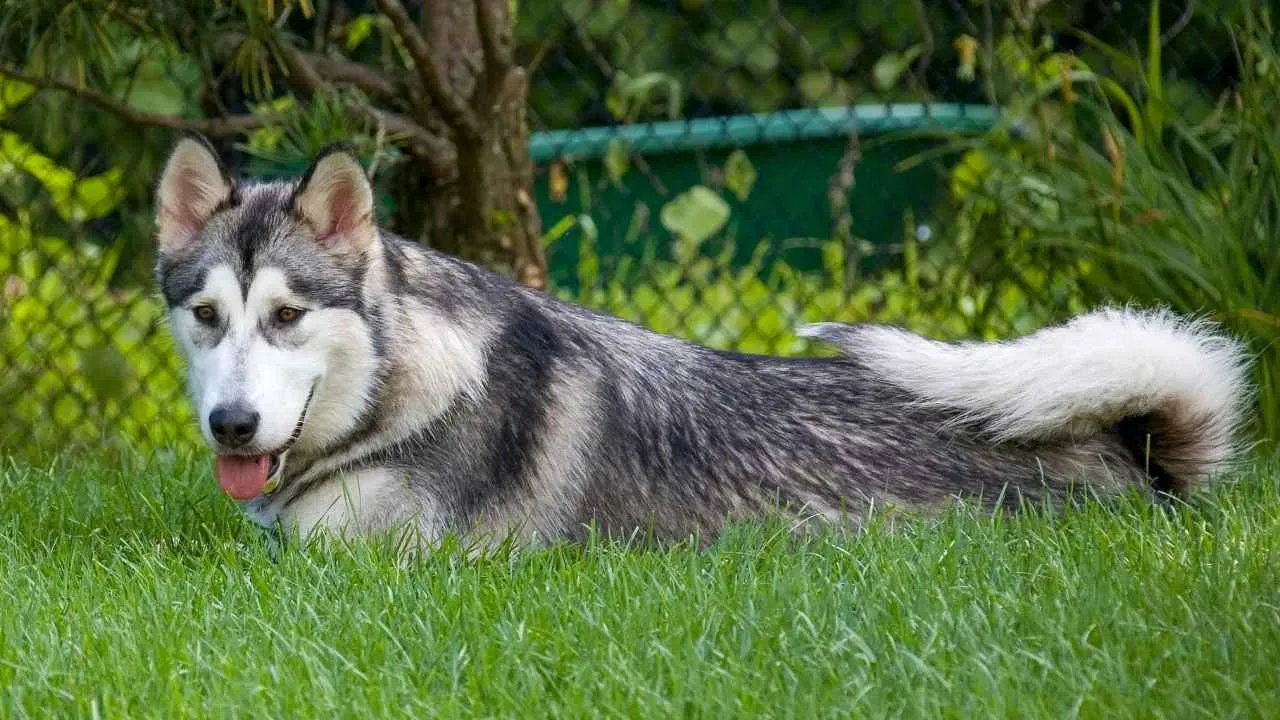
The large spitz-type dog was originally developed for sledding because of its strength and endurance. The dog is closely related to the Husky, Eskimo, Samoyed, and the Greenland dog.
The heavily muscled thighs have moderately bent knees and well-let-down hock joints. This unique angulation acts like a coiled spring over uneven terrain. The thick and tough pads with well-arched toes have hair growing between the digits. This anatomy distributes equal weight throughout the body.
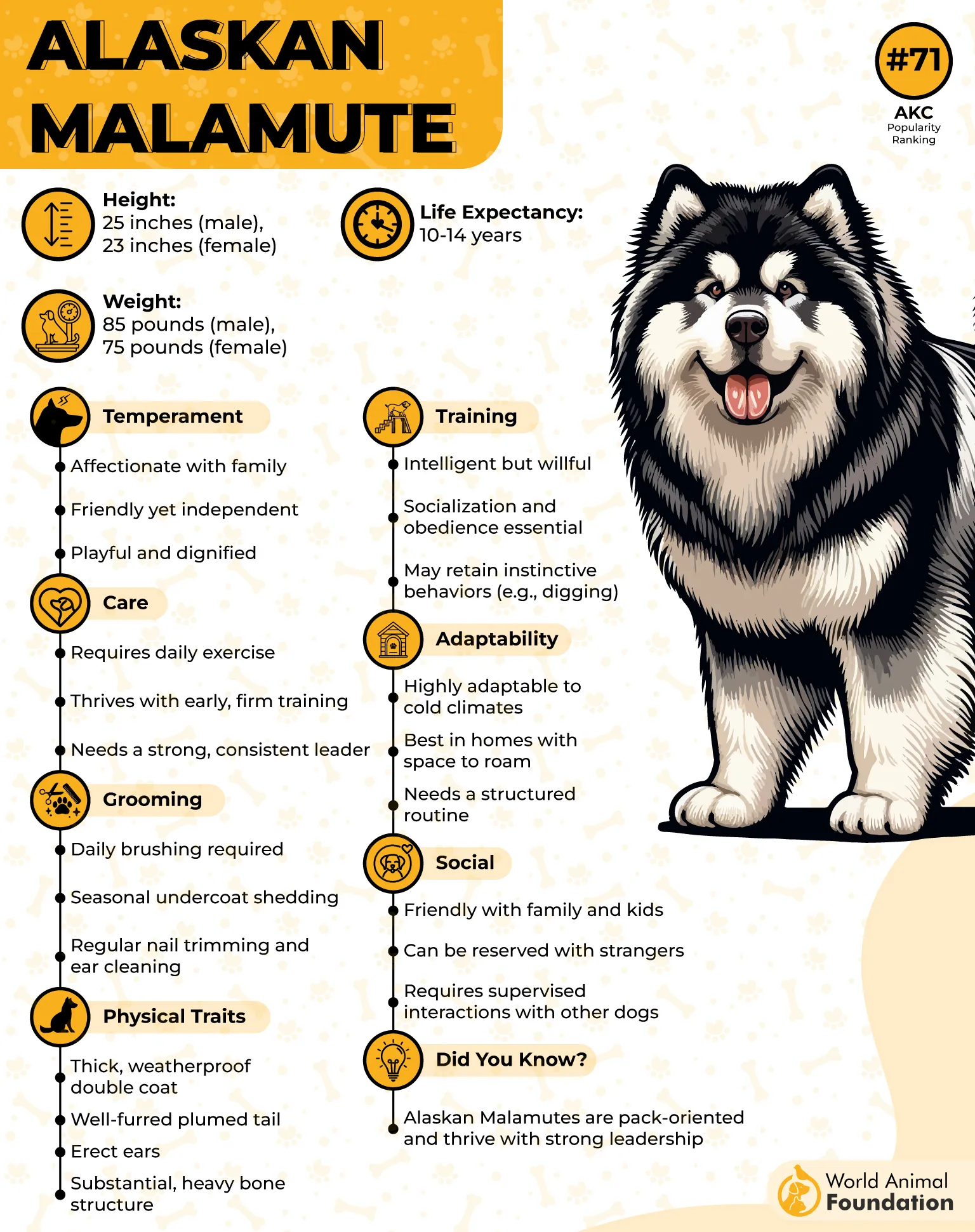
Since it actively converts fats and proteins into fat-burning fuel, the family dog can endure long hours of patrolling without exhaustion. It has a single-tracking gait that promotes forward momentum.
5. Boxer
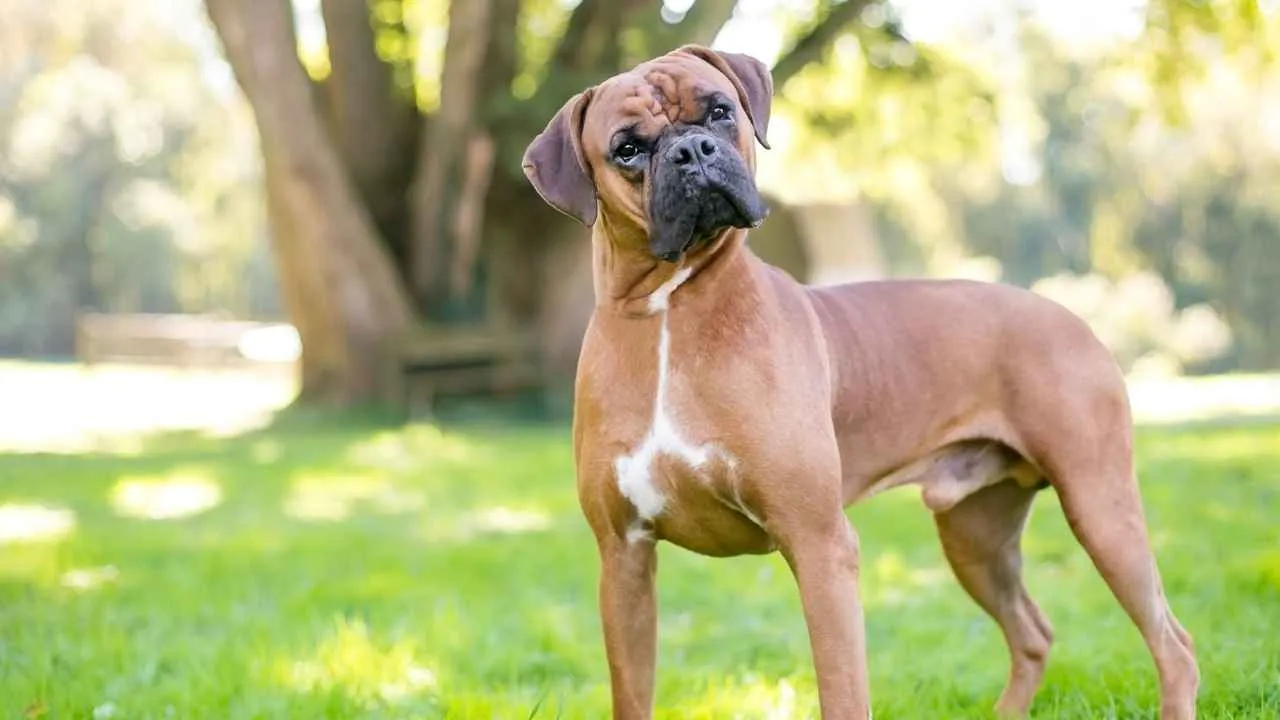
The energetic dog was developed from the now-extinct mastiff-type breed, the Bullenbeisser. Bred to hold down large game, such as wild boars, the breed is known for facial wrinkles, a short nose, and an underbite.
Also kept as a family pet, the dog has a strong and muscular neck without a dewlap, providing immense neck stability. Since it is a brachycephalic breed, the popular dog has low tolerance for extreme heat and freezing temperatures. Considering the heavy muscular body, the Boxer needs 1-2 hours of daily vigorous exercise and early training.
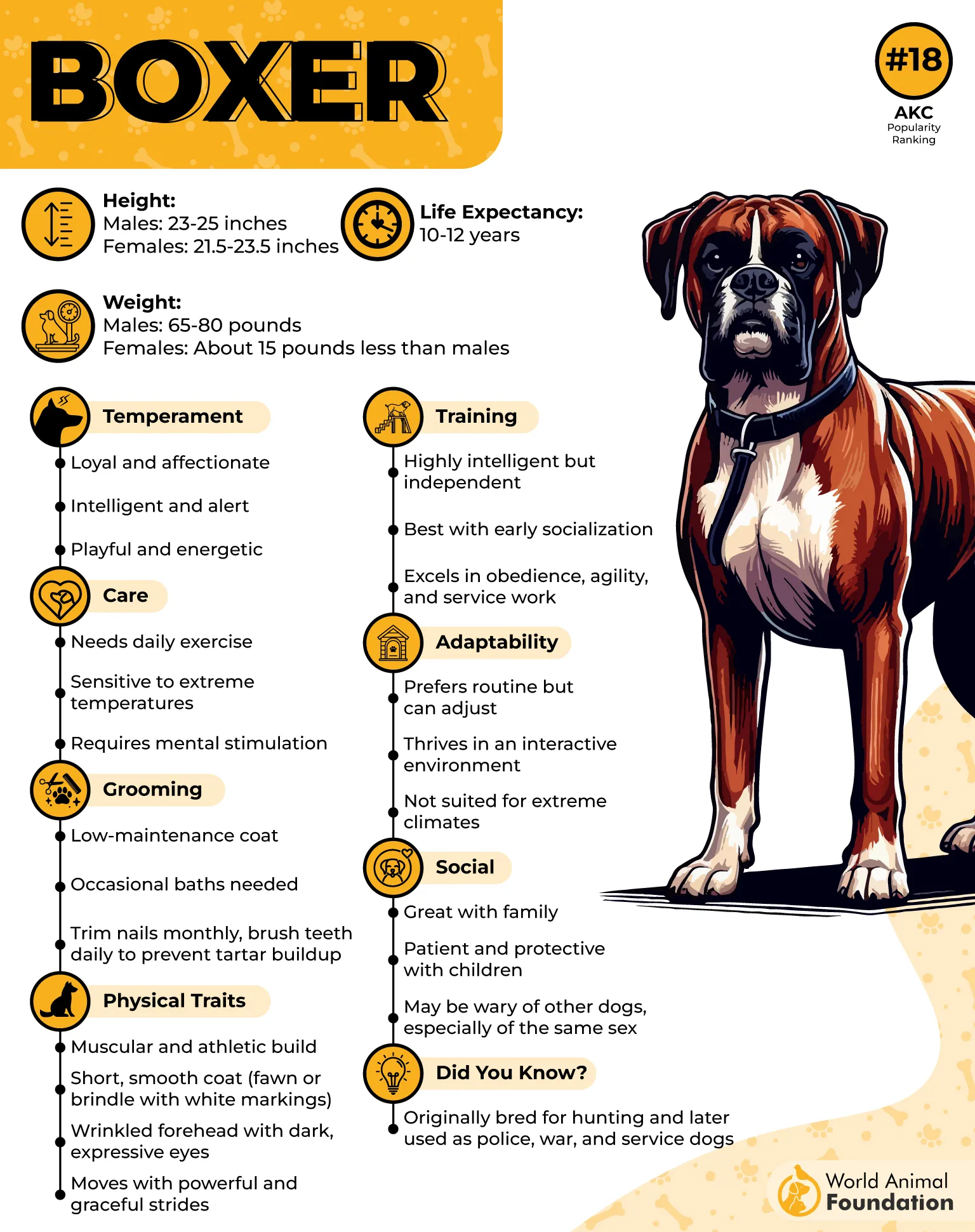
The dog has dark brown, frontally placed eyes that enhance depth perception. It uses its front legs to parry, bat, and strike during defense or play.
6. Black Russian Terrier
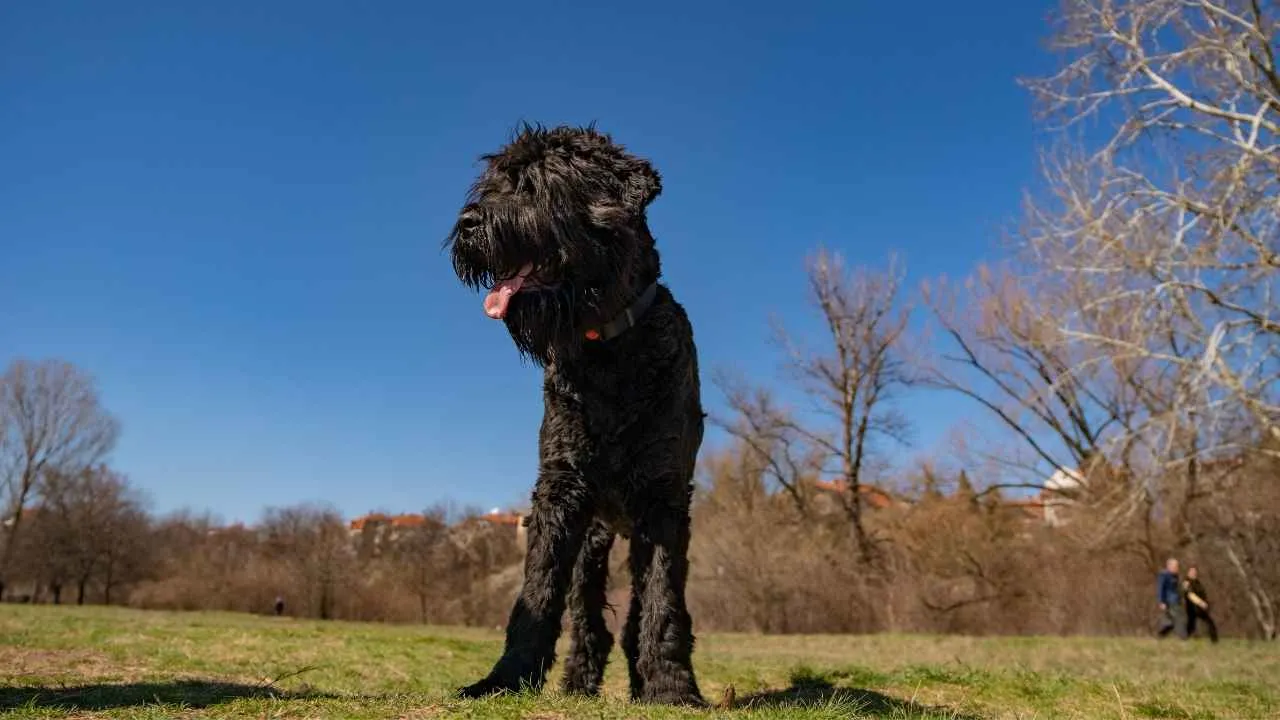
Also known as the Chornyi Terrier, the breed was developed as a military and working dog during the 20th century. Today, it is widely kept as a sporting, guardian, and companion dog.
The slightly arched muscular loin, paired with heavily muscled thighs and well-bent knees, generates efficient forward drive and shock absorption. The skull makes up 40% of the dog’s height at the withers, with a muscular neck set at 45 degrees. The breed exhibits a scissor bite to tear the muscles and crush the bones.
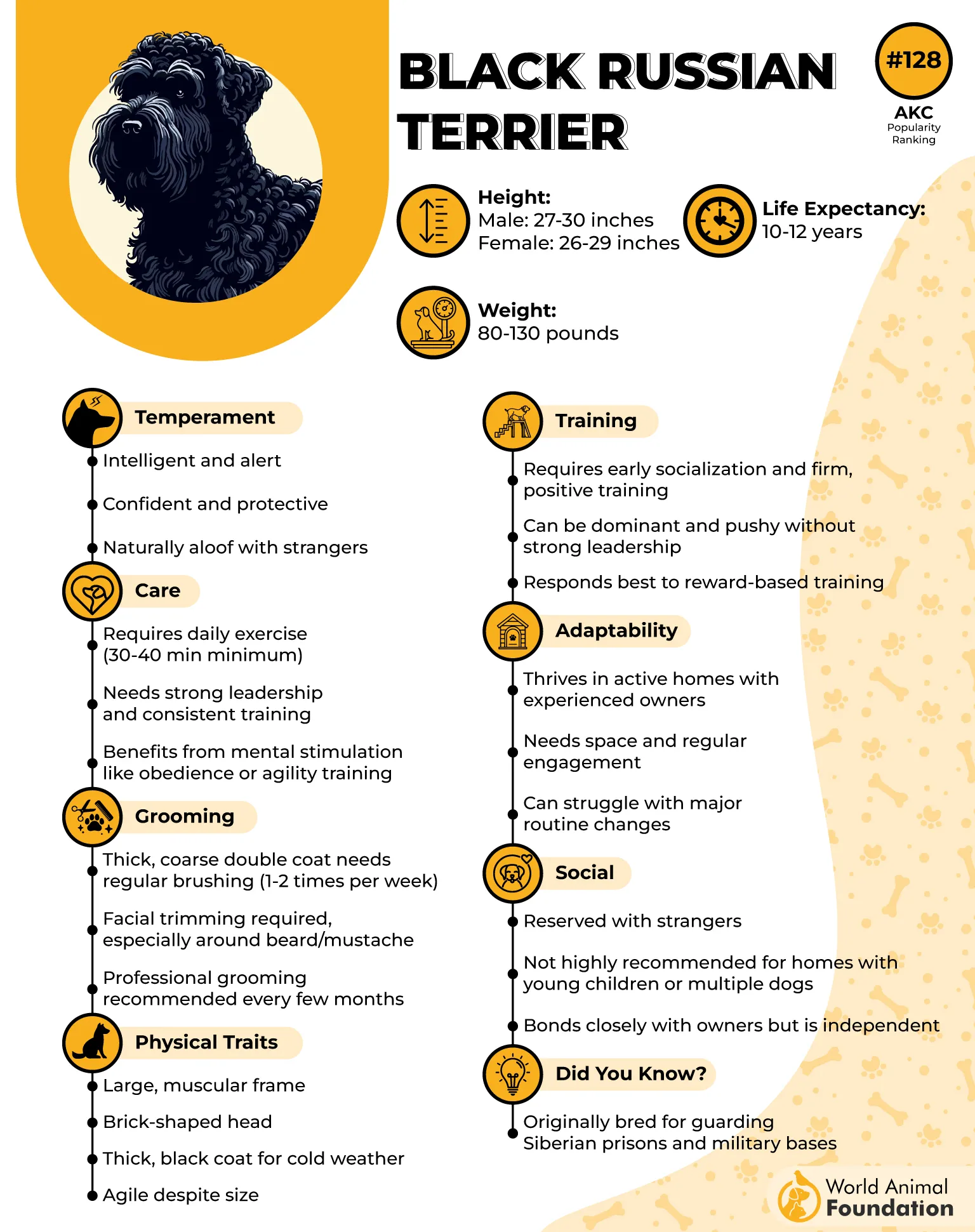
The face is covered with facial hair (thick eyebrows, prominent beard, and bushy side whiskers). The evenly pigmented, tight skin prevents sagging on branches.
7. American Pit Bull Terrier

This ancient breed was developed from the now-extinct Old English Bulldog and the Old English Terrier in the 19th century. It was used as a farm dog, catch dog, and hunting dog.
The breed features well-laid-back shoulders at 45 degrees or less and a sloping 30-degree hip assembly, maximizing stride length. The angulated muscle fibres and dense bone structure enable fluid movement and athletic stamina. Descended from the Terrie, the dog has a high pain tolerance.
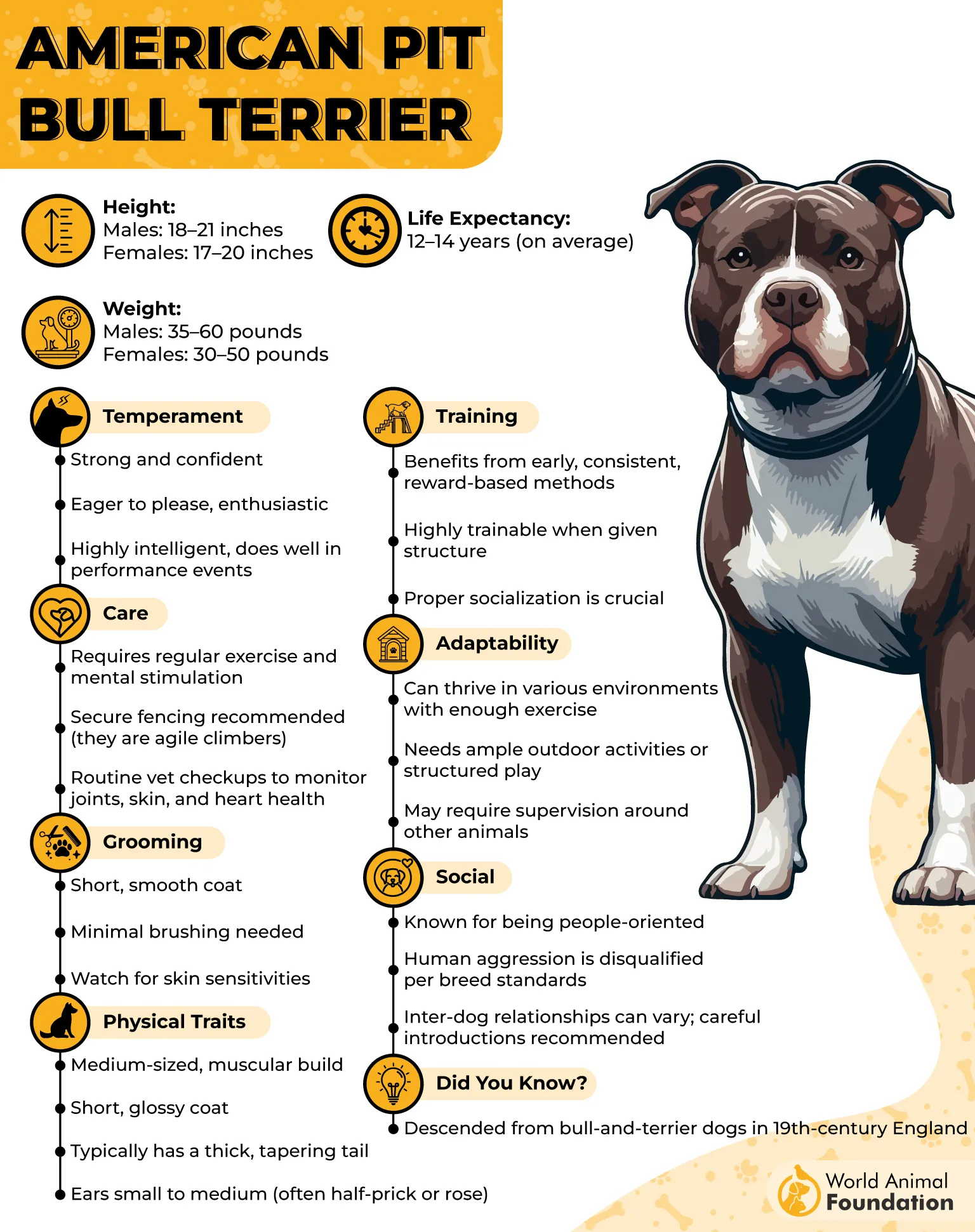
The eager-to-please nature and high intelligence make it excel in search and rescue operations, detection work, and obedience trials. The dog has a controlled prey drive when channeled through the flirt pole or drag-weight training.
8. Kangal
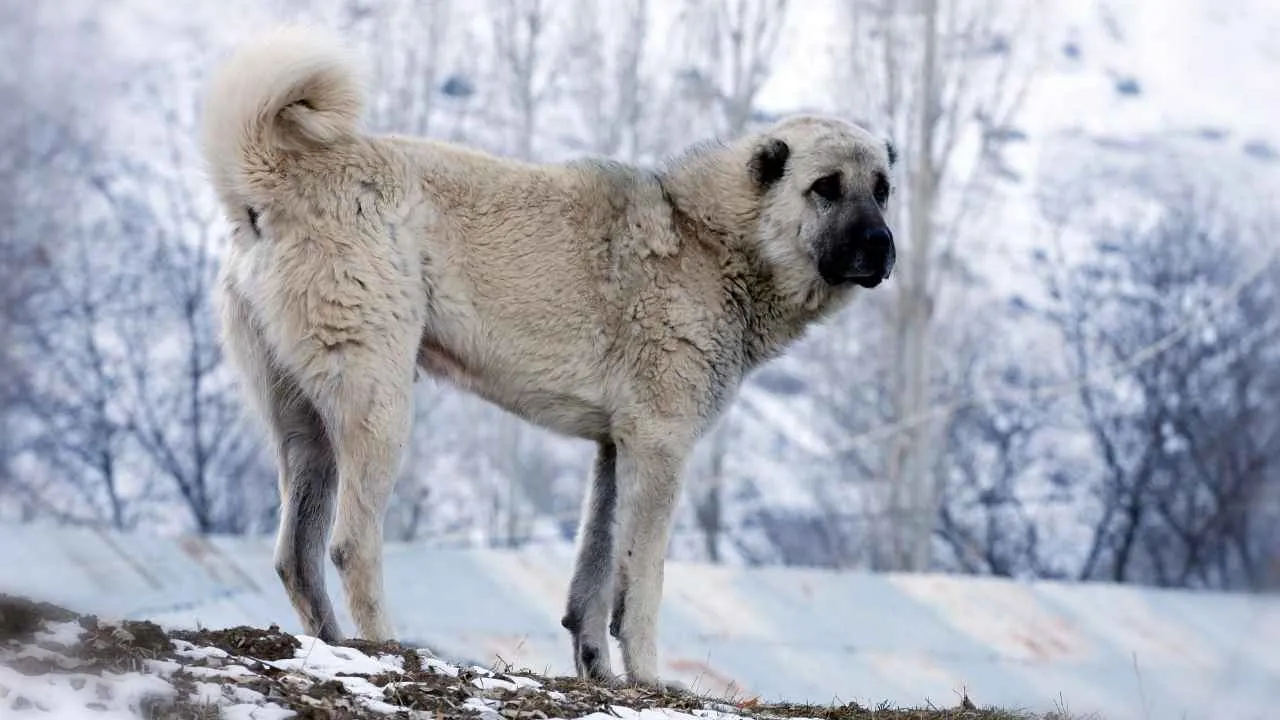
The large livestock guardian was developed in Turkiye and is known for its colorful coat and a black mask. The primary purpose was to protect sheep and cattle from large predators and, later, it was adopted in Africa to protect livestock from Cheetahs.
The forequarters are heavier and more muscular than the hindquarters, featuring heavy boned legs and sloping shoulders to absorb high-impact collisions. Because of the 30-degree sloping croup, the dog runs at a high speed of 30 mph. The breed reaches full physical and mental adulthood between the ages of 2 and 3 years, which yields bone mineralization.
It tends to perch on high vantage points and avoids unnecessary fights. With its booming vocalization and intimidating posture, it fends off potential threats in most cases.
9. Dogo Argentino
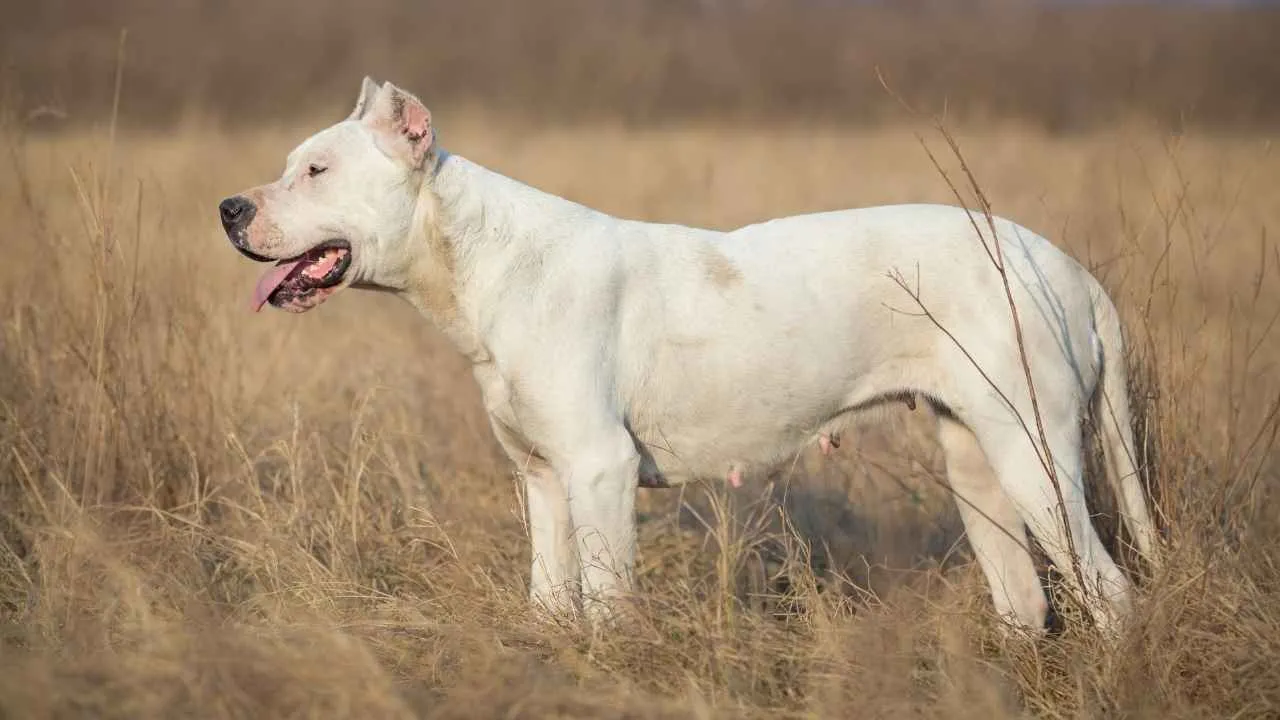
The relatively newer breed was bred in 1928 in Argentina by Dr. Antonio Nores Martinez. He crossbred the now-extinct Cordoba fighting dog with the Pointer, Irish Wolfhound, Bull Terrier, and other dogs to create this breed.
It has a broad, short loin with prominent spinal muscles, stabilizing the torso during high-speed sprints and sudden directional shifts. The medium-angulated hindquarters and heavily boned forelegs convert muscular contraction directly to explosive acceleration. The solid white coat creates a high-visibility camouflage.
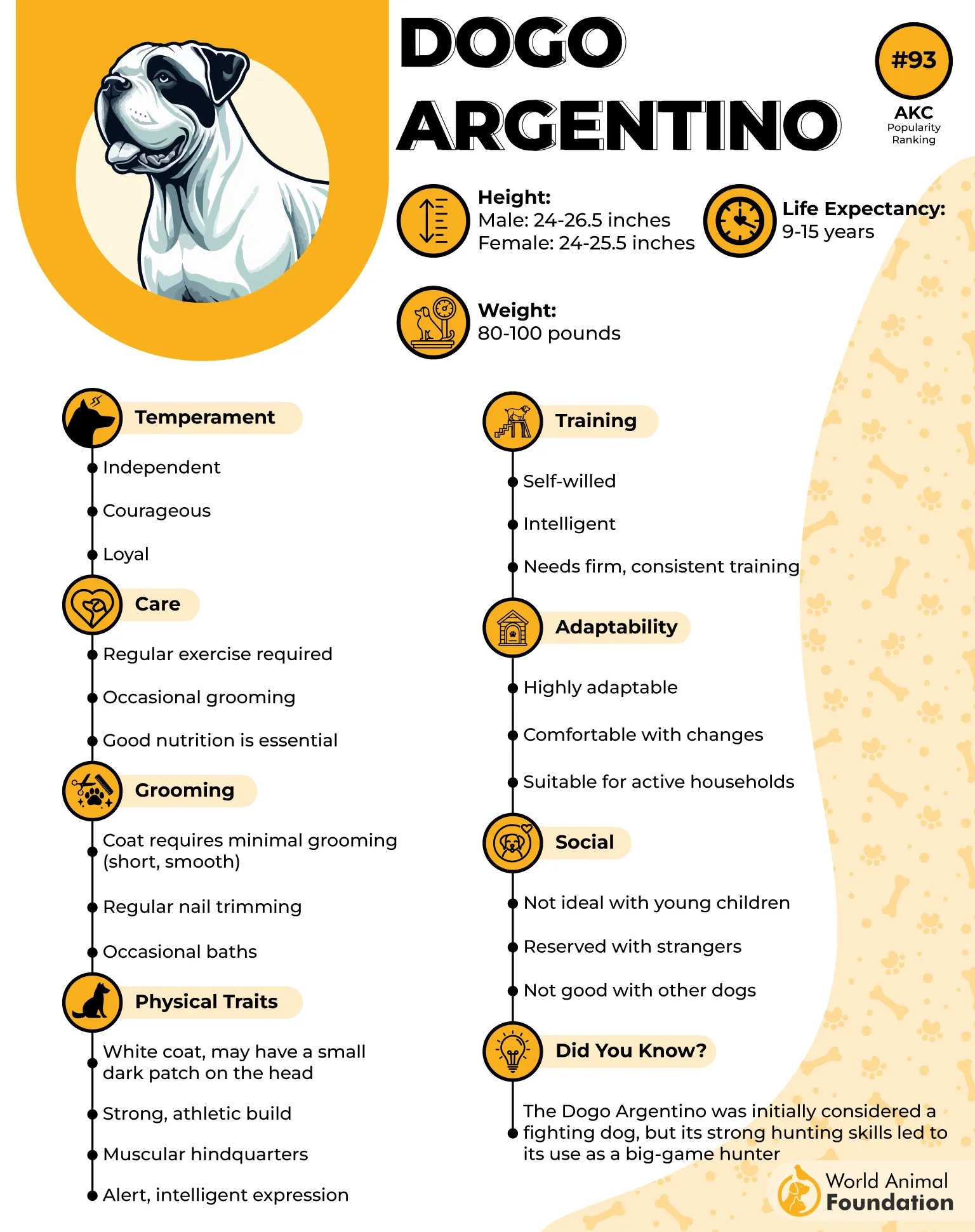
It tends to catch airborne scents and pursue targets silently. It does not possess aggressive behavior and loves to work in packs. Since it forms strong bonds with the handler, the breed is highly responsive to the handler’s instructions.
Conclusion
Muscle alone does not make a great yard or field dog. What matters is the balance between physical power, steady nerves, intelligence, and a willingness to work with its human. Many of these breeds were created for demanding outdoor roles, so they thrive when they have room to move and a job to do. A large fenced yard, regular training, and consistent companionship can help that strength become something useful and safe.
Before choosing one, look beyond the impressive build and consider your lifestyle, experience level, and ability to provide daily structure. The right powerful dog will not simply guard your property or accompany you across a field. It will become part of your routine, your memories, and the quiet comfort of coming home to a loyal friend waiting by the gate.
