




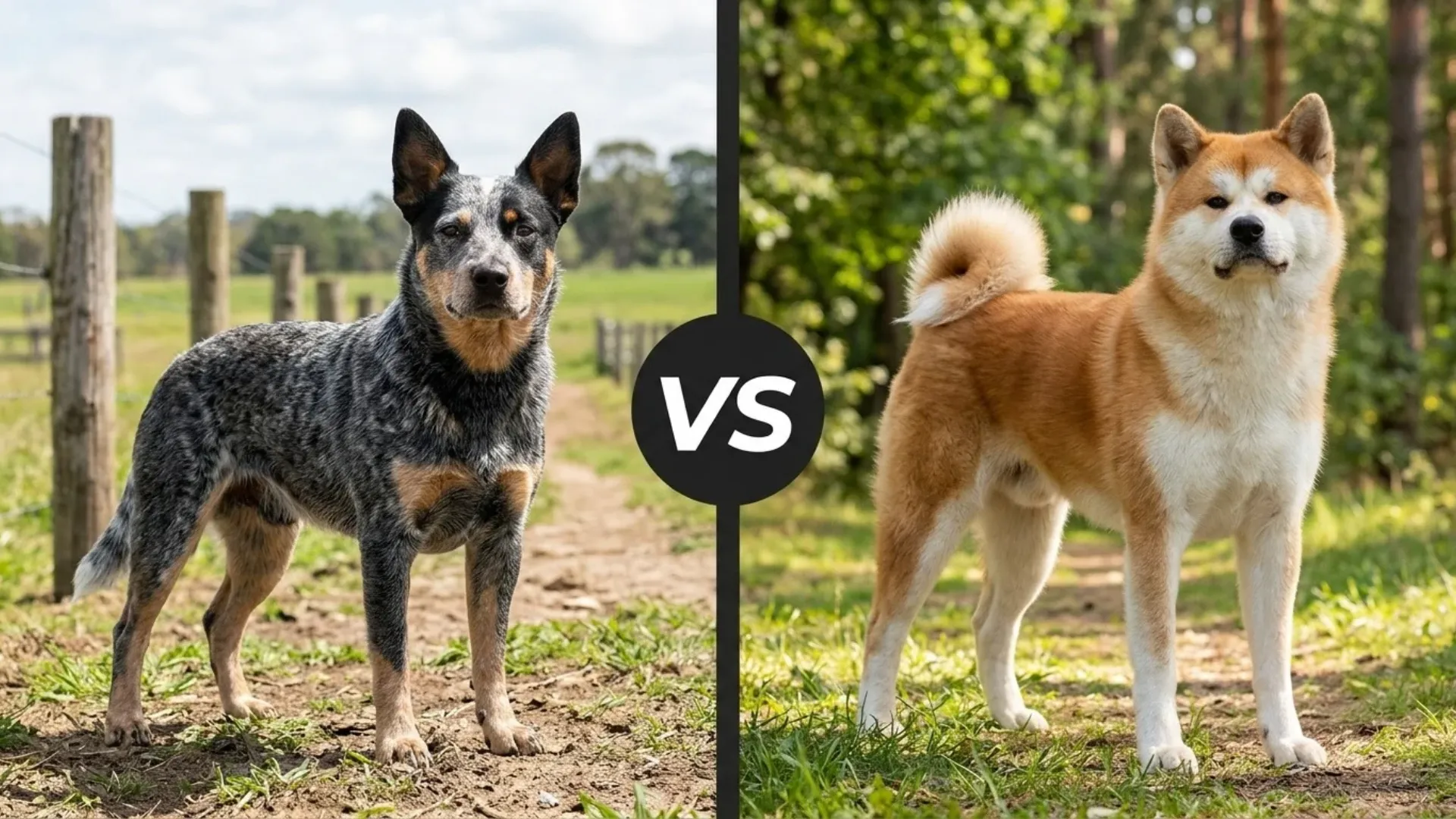
The Australian Cattle Dog was developed to herd cattle across challenging terrain. Its intelligence, stamina, and strong work drive make it best suited to active owners.
The Akita originated in Japan, where it guarded people and hunted large game. It is known for its courage, independence, and strong loyalty to family.
Although both breeds are intelligent and determined, their personalities and daily needs differ. Australian Cattle Dogs thrive on physical activity and mental challenges, while Akitas often display a calmer, more reserved nature.
Understanding their exercise requirements, social behavior, and training needs can help you decide which breed better matches your experience, household, and lifestyle.
Australian Cattle Dog vs. Akita: Temperament and Working Traits
The Australian Cattle Dog and Akita are strong, intelligent breeds with distinct personalities and working instincts. While one excels at herding livestock, the other is known for its loyalty, independence, and protective nature. Let’s get to know them in detail:
Origins & Purpose
The Australian Cattle Dog originated in nineteenth-century Australia, where cattlemen needed a resilient herding dog for harsh weather and vast, rugged landscapes. Breeders crossed British herding dogs with Dingoes to develop a tireless worker capable of managing stubborn livestock over long distances.
Known as Hall’s Heelers or Blue Heelers, these dogs became valued for their intelligence, stamina, and distinctive technique of nipping cattle at the heels to keep herds moving.
According to Orvis, Australian Cattle Dogs are excellent watchdogs that instinctively monitor their surroundings and warn their families of potential danger. They may also become protective or aggressive when they sense a threat.
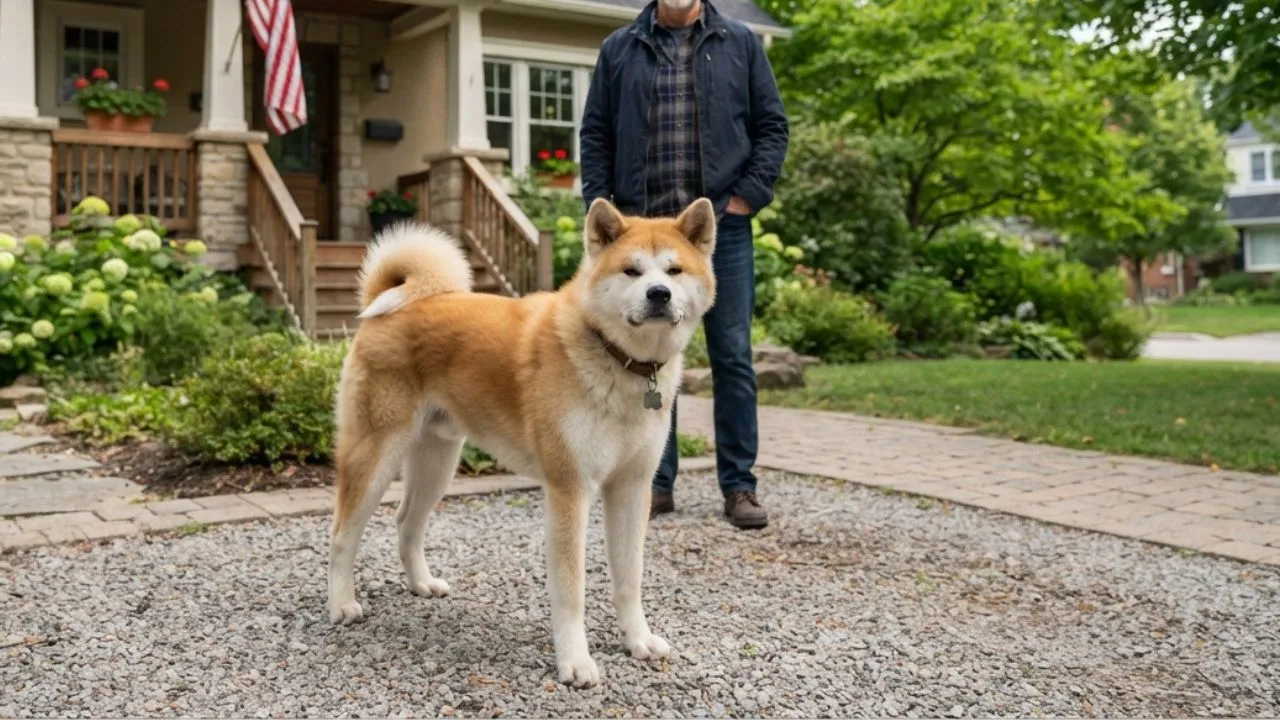
The Akita originated in Japan’s mountainous Akita Prefecture, where it guarded royalty and hunted large game, including bears and wild boar. Its history reflects strength, courage, and protective instincts.
Over time, the Akita gained recognition for its loyalty and guarding abilities. The American Akita later developed as a distinct type in the United States, becoming larger and heavier through historical crossbreeding and separate breeding programs.
Size & Build
Australian Cattle Dog: 17–20 inches tall, 35–50 lbs.
Akita: 24–28 inches tall, 70–130 lbs
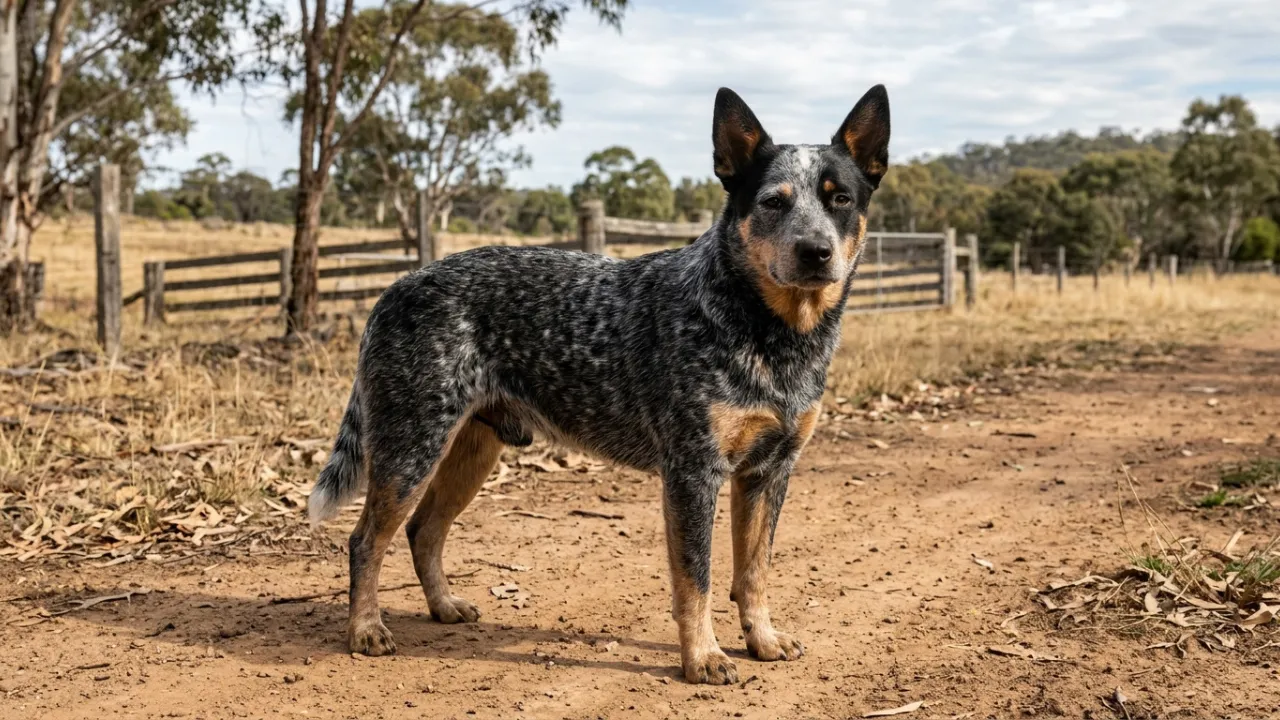
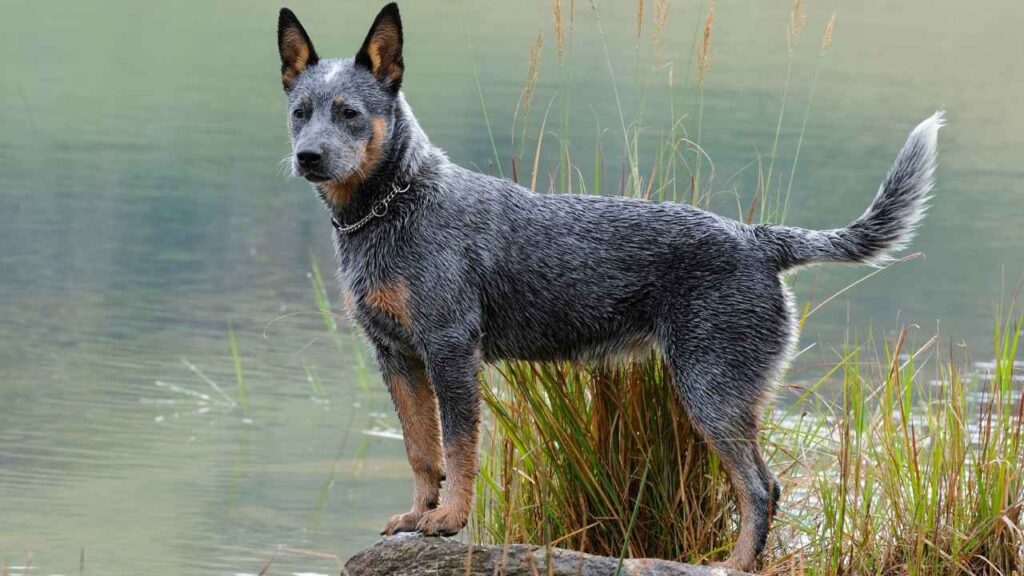
The Australian Cattle Dog has a compact, muscular frame designed for endurance and agility. Its sturdy body, deep chest, strong hindquarters, and solid legs support demanding herding work across challenging terrain.
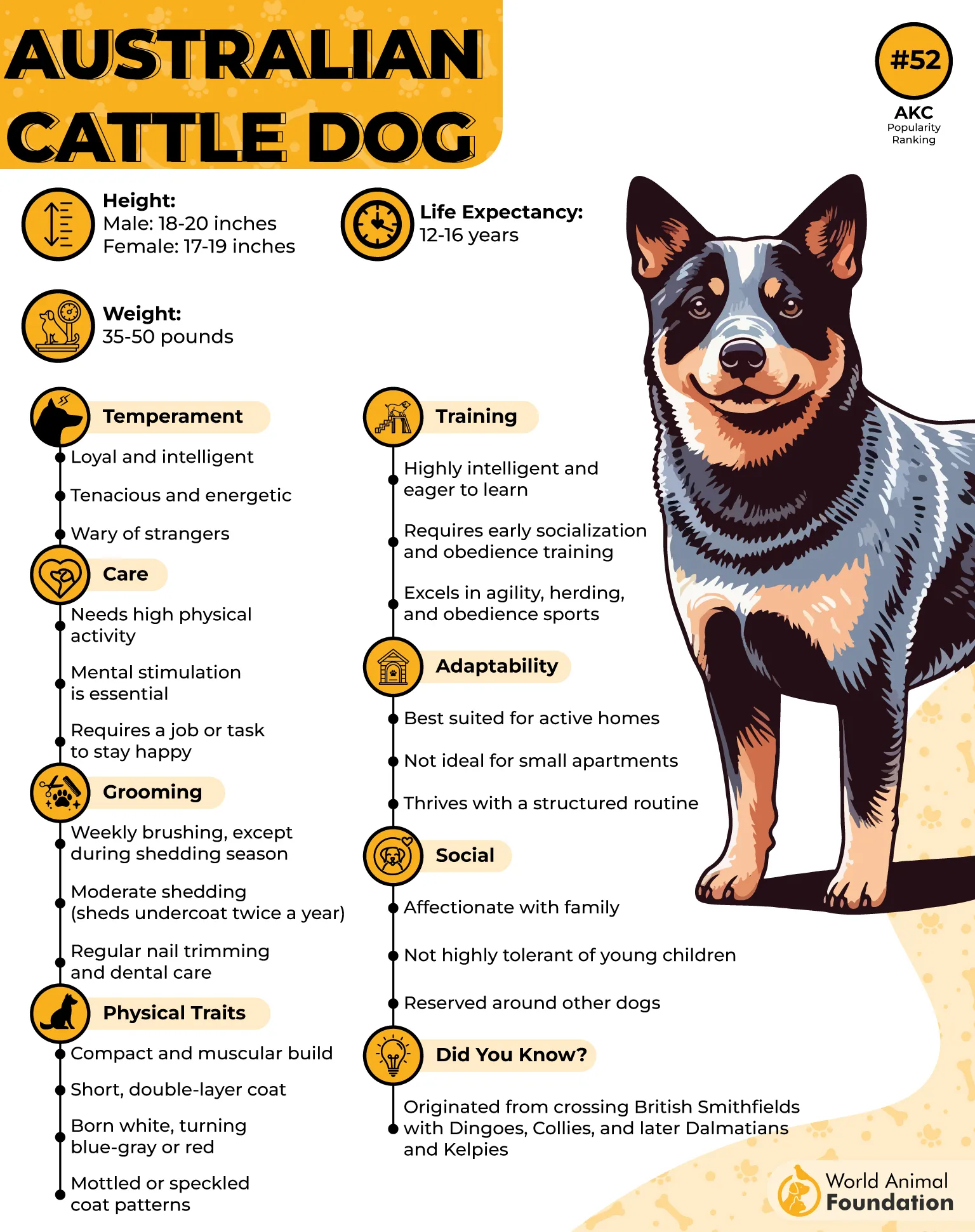
A broad head, pointed muzzle, erect ears, and alert, oval eyes give this breed a keen expression. Its short, dense double coat has a weather-resistant outer layer, helping protect it during outdoor work.
The Akita presents a much larger, heavier build, with substantial bone, a broad chest, and a body slightly longer than its height. Its powerful shoulders and strong legs contribute to its imposing appearance.
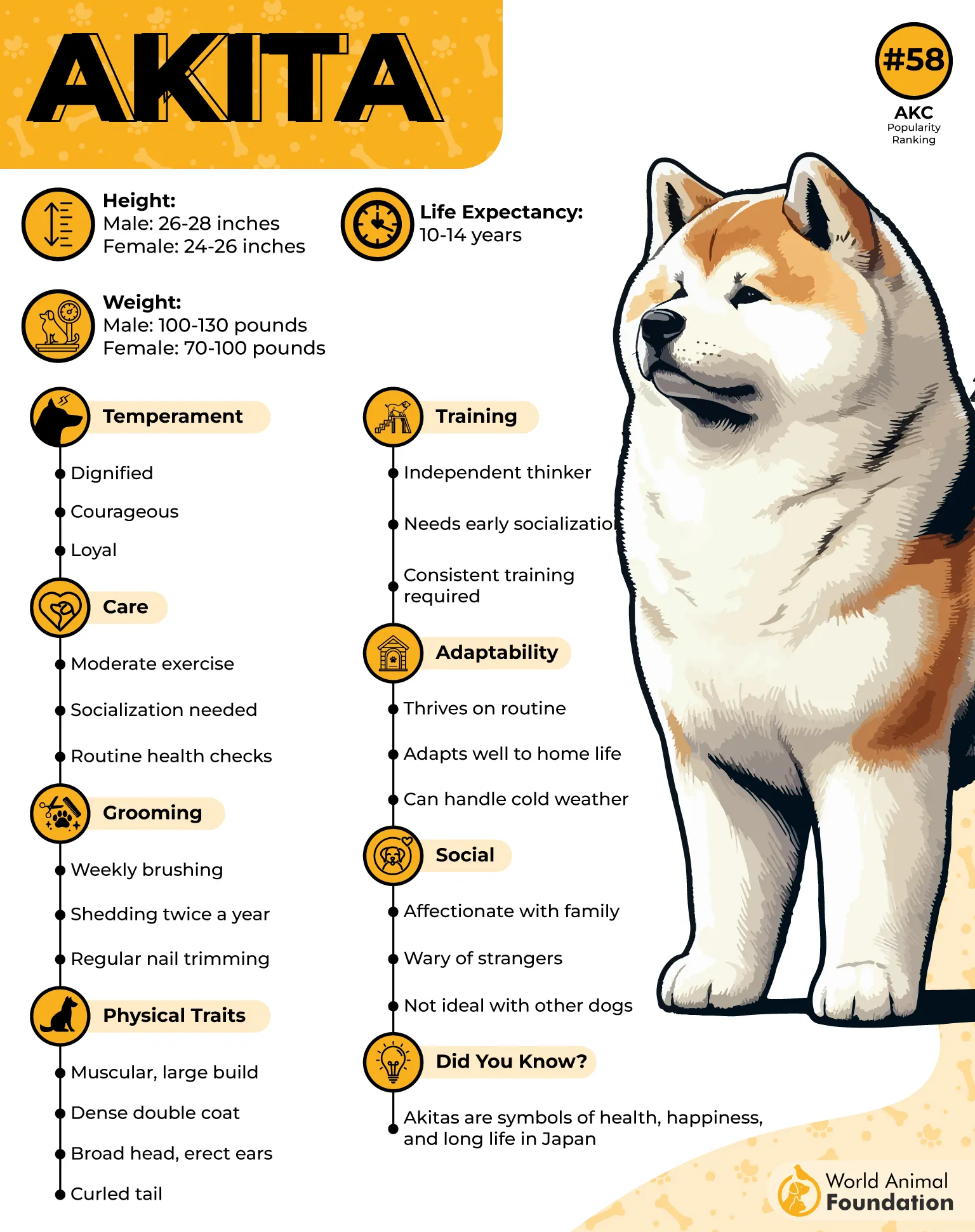
A broad, bear-like head, small eyes, erect triangular ears, and a thick, curled tail distinguish the Akita. Its dense double coat comes in various colors, while the American Akita is particularly known for its massive head and heavy frame.
Pricing & Availability
Australian Cattle Dog puppies typically cost between $500 and $1,200, although prices can vary considerably by location. Breeder reputation, puppy lineage, age, and the quality of their care can influence the final purchase price.
Akita puppies generally cost more, with prices often ranging from $600 to $3,500 or higher. Puppies from reputable breeders may fall between $1,200 and $2,500, particularly when careful breeding and health considerations are reflected in the cost.
Availability and pricing depend on local breeders, demand, and breeding standards. Prospective owners should research breeders carefully, review health records, and assess the conditions in which puppies are raised rather than choosing solely by price.
Temperament & Personality
The Australian Cattle Dog is intelligent, alert, and intensely devoted to its family. Its independent working instincts can make it strong-willed, so consistent training, early socialization, and regular engagement are essential for managing its territorial tendencies.
These loyal dogs form deep bonds with their owners and thrive when given purposeful activities. Without sufficient exercise or mental stimulation, they may become anxious, destructive, or develop unwanted nipping behaviors.
The Akita is confident, protective, and deeply loyal to its family, but often remains wary of unfamiliar people. Early socialization helps encourage balanced behavior around visitors and other animals, while firm, consistent training is important because this intelligent breed can be stubborn.
Akitas possess strong guarding instincts and require careful supervision around unfamiliar people. They may be affectionate with children and pets they have grown up with, but introductions and interactions need thoughtful management.
Exercise Needs & Energy Levels
The Australian Cattle Dog has exceptional stamina and needs around one to two hours of purposeful exercise daily. Brisk walks, hiking, fetch, and agility activities help channel its energy while keeping its athletic body active.
Mental challenges are equally important for this intelligent working breed. Scent games, puzzle feeders, and short training sessions prevent boredom, while reward-based methods encourage cooperation without creating unnecessary resistance.
The Akita needs regular daily exercise, including walks, hiking, and scent-based activities suited to its fitness level. Its exercise routine should balance physical movement with opportunities to explore and engage its mind.
According to PetMD, its strong hunting instincts may lead it to chase smaller animals, including cats and small dogs, due to their natural prey drive.
Because of its heavy build and thick double coat, activity should be adjusted during hot weather. Consistent, reward-based training, gradual exercise progression, and adequate rest help maintain fitness without placing excessive strain on growing joints.
Trainability & Obedience
The Australian Cattle Dog is highly intelligent and quick to learn commands, but its independent streak requires consistent guidance. Short, reward-based sessions and varied challenges help maintain its interest and encourage reliable obedience.
Early socialization and training are essential for managing its herding instincts, including unwanted nipping or chasing. Practicing recall, loose-leash walking, and self-control can help this energetic worker respond appropriately in different situations.
The Akita is intelligent and capable of learning complex tasks, although its strong-willed nature can make training more demanding. Clear expectations, patient handling, and reward-based methods are generally more effective than harsh corrections.
According to the AKC, Akitas can be cautious around unfamiliar people and less accepting of other animals, but they show their playful and affectionate nature toward trusted family members and friends.
Training should emphasize leash manners, calm behavior around distractions, safe handling, and controlled interactions with unfamiliar people and animals. Consistent practice from an early age helps establish boundaries and manage the Akita’s natural protective instincts.
Grooming Needs & Shedding
The Australian Cattle Dog has a short, weather-resistant double coat that requires relatively little maintenance. Brushing once or twice a week helps remove loose hair, while more frequent grooming during seasonal shedding keeps the coat manageable.
Bathing is only necessary occasionally or when the dog becomes dirty. Regular nail trimming, ear checks, and teeth brushing also help maintain good hygiene without requiring extensive grooming sessions.
The Akita has a thick double coat with a dense undercoat and a coarser outer layer. Its heavier coat requires thorough brushing to remove loose undercoat, particularly around the neck, behind the ears, and along the tail.
Shedding can become substantial during seasonal coat changes, so extra brushing may be needed. After bathing, the coat should be rinsed and dried thoroughly down to the skin, alongside routine checks of the ears, nails, and teeth.
Protective Instincts & Territorial Behavior
The Australian Cattle Dog has strong guarding instincts, often monitoring its surroundings and alerting its family when something seems unusual. Its protective nature can make it an effective watchdog, but early socialization helps it distinguish everyday visitors from genuine threats.
Originally bred to control livestock, this breed may become territorial around its home and family. Consistent training, clear boundaries, and positive exposure to unfamiliar people and dogs help manage its natural suspicion.
The Akita is renowned for its courage, dignity, and deep commitment to protecting its family. Naturally wary of strangers, it may react strongly when it perceives a threat, making careful supervision and responsible handling essential.
Early, ongoing socialization with people and other animals is particularly important for this powerful breed. Secure boundaries, controlled introductions, and consistent training help owners manage its protective instincts safely.
Health & Lifespan
The Australian Cattle Dog is a hardy working breed that commonly lives between 12-16 years. Despite its generally robust health, it can develop hereditary deafness, hip and elbow dysplasia, and certain inherited eye conditions.
Responsible breeders screen puppies for hearing problems and assess breeding dogs for joint and eye disorders. Regular veterinary checkups, balanced nutrition, and maintaining a healthy weight support long-term well-being.
Akitas are generally sturdy dogs with a lifespan of 10-14 years, but serious health concerns include cancer and bloat, a potentially life-threatening condition involving the stomach. These problems can significantly affect their health and longevity.

Prospective Akita owners should ask breeders about health screening and the medical history of the parents. Routine veterinary care and prompt attention to symptoms are important for identifying potential problems early.
Conclusion
Choosing between the Australian Cattle Dog and the Akita depends on your lifestyle, experience, and expectations. The Australian Cattle Dog excels in active environments where daily exercise, mental challenges, and consistent training keep its sharp mind engaged.
The Akita offers a powerful combination of loyalty, confidence, and protective instincts. Its independent personality requires patient training, early socialization, and careful management around unfamiliar people and animals.
Both breeds need responsible ownership, structured routines, and regular veterinary care. The Australian Cattle Dog may suit active owners who enjoy outdoor adventures and training activities, while the Akita may appeal to experienced handlers seeking a devoted, watchful companion.
Understanding their distinct working backgrounds, energy levels, temperaments, and health considerations can help you decide which breed better matches your home and daily routine.
