




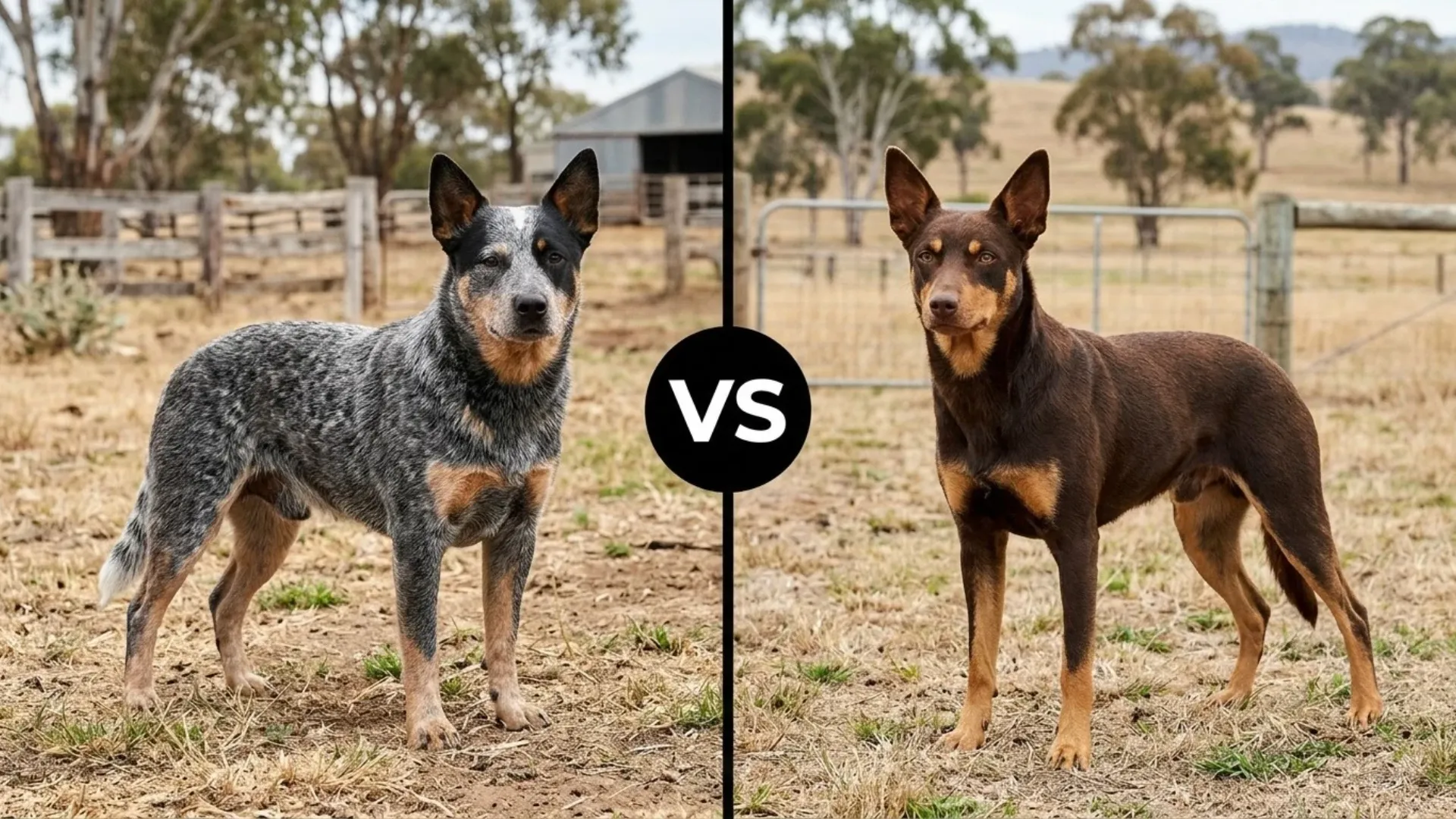
At a glance, the Australian Cattle Dog and the Australian Kelpie look very similar. They are both intelligent Australian working dogs that have great stamina, good instincts, and are always seeking to keep themselves occupied.
Their personalities, lifestyles, and daily routines, however, differ.
The Australian Cattle Dog was bred to herd recalcitrant cattle over difficult terrain, and the Kelpie was renowned for its herd management on large areas of grazing. Both are great companions, but neither is likely to be the type that spends the majority of the day on the couch.
When choosing between two intensive working breeds, knowing the differences may help you choose which one would be more suitable for your home, experience, and lifestyle.
Australian Cattle Dog vs. Australian Kelpie Dog Breeds Explored
1. Origins and Purpose
The Australian Cattle Dog is a breed that was developed in Australia during the 19th century when a strong, reliable, and hard-working dog was required to work long hours in harsh conditions.
Early breeders developed a tough dog that could cover hard ground and was brave enough to persuade stubborn cattle. The breed was later known as the Blue Heeler, especially desired for its nipping ability when it was needed to chase cattle.
The Australian Kelpies were bred for a different, but no less challenging task: working with sheep and other stock on big Australian farms. Kelpies were known for their agility, intelligence, and speed, as well as being able to work with little instruction.
These herding breeds were good partners with farmers who were managing large numbers because they were willing to go everywhere and obey orders.
2. Size and Build
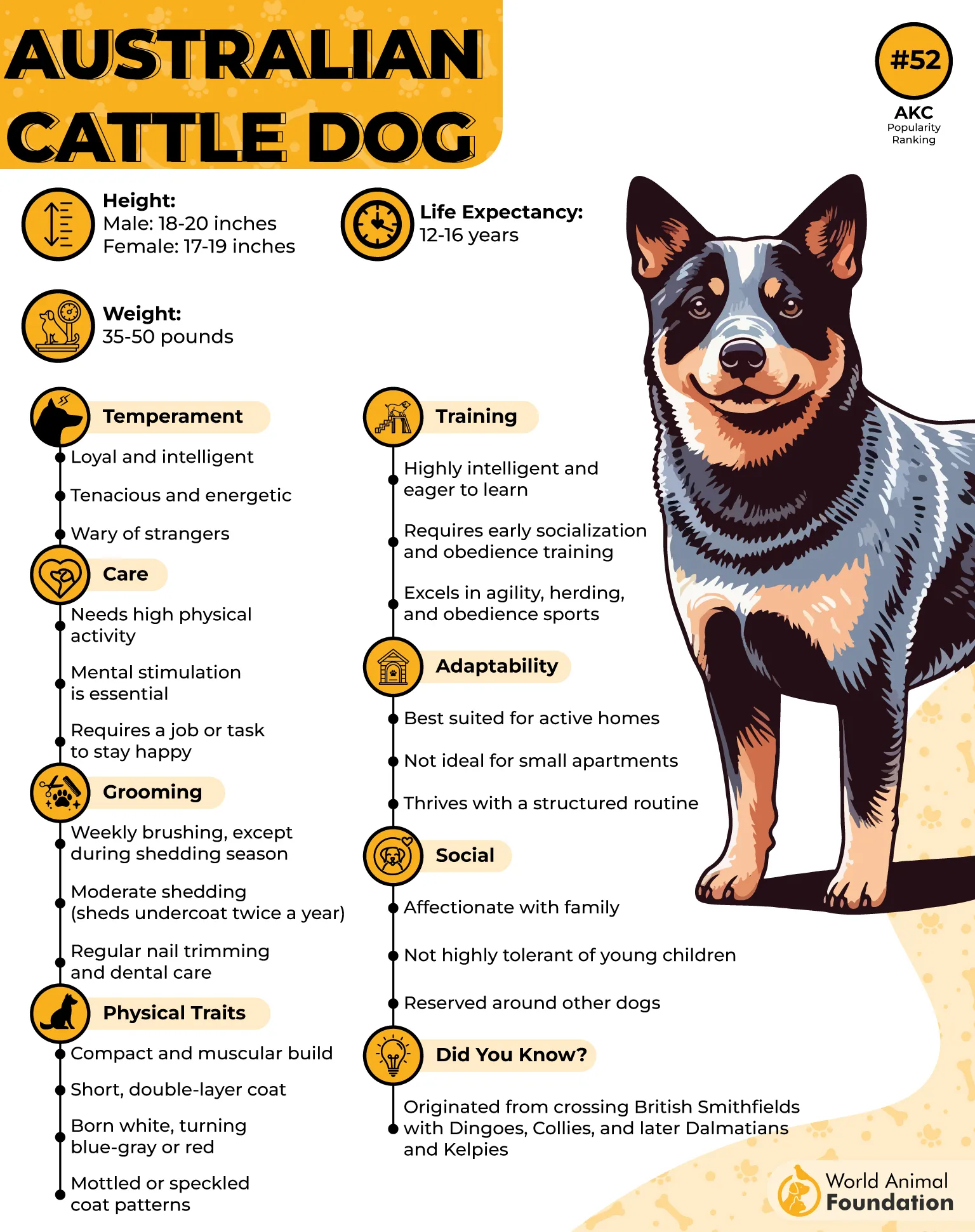
Australian Cattle Dogs are very compact, muscular, and strong. Adults are typically 17-20 inches tall and weigh 35-50 pounds. They are well balanced with solid bodies and strong legs, and are agile enough to cope with sudden turns around cattle. They are also easily identified thanks to their blue or red speckled coats.
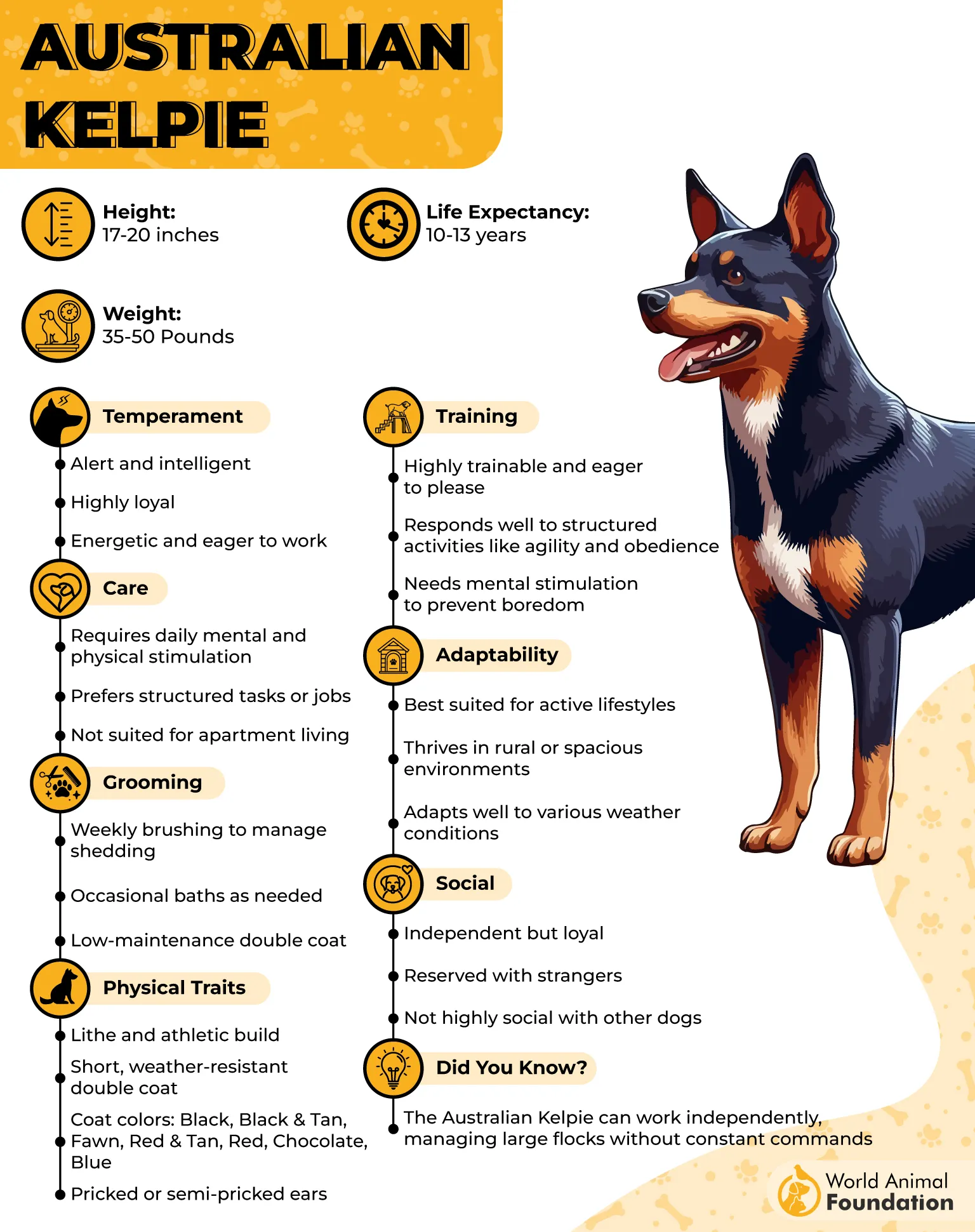
Australian Kelpies tend to be lighter and leaner. Their height is usually about 17-20 inches, and most weigh about 25-45 pounds, depending on the individual. They sport athletic bodies that enable them to turn quickly, move at a good pace, and maintain their activity for a long time.
3. Pricing and Availability
There are several factors to consider when determining the price of your dog: location, breed society, pedigree, and health testing.
Australian Cattle Dogs are available on most continents, and their prices range from 500-1500 USD for the standard version of this breed.
Australian Kelpies, on the other hand, are widely used in Australia, especially among working dog enthusiasts, but may not be easily found in other countries. This can impact transport costs and the availability of nearby suitable breeders.
These dogs can be bought for approximately 500-1200 AUD for standard working breeds. The working lines can be particularly instinctive and have high energy levels, which can be difficult for a novice owner.
4. Temperament and Personality Style
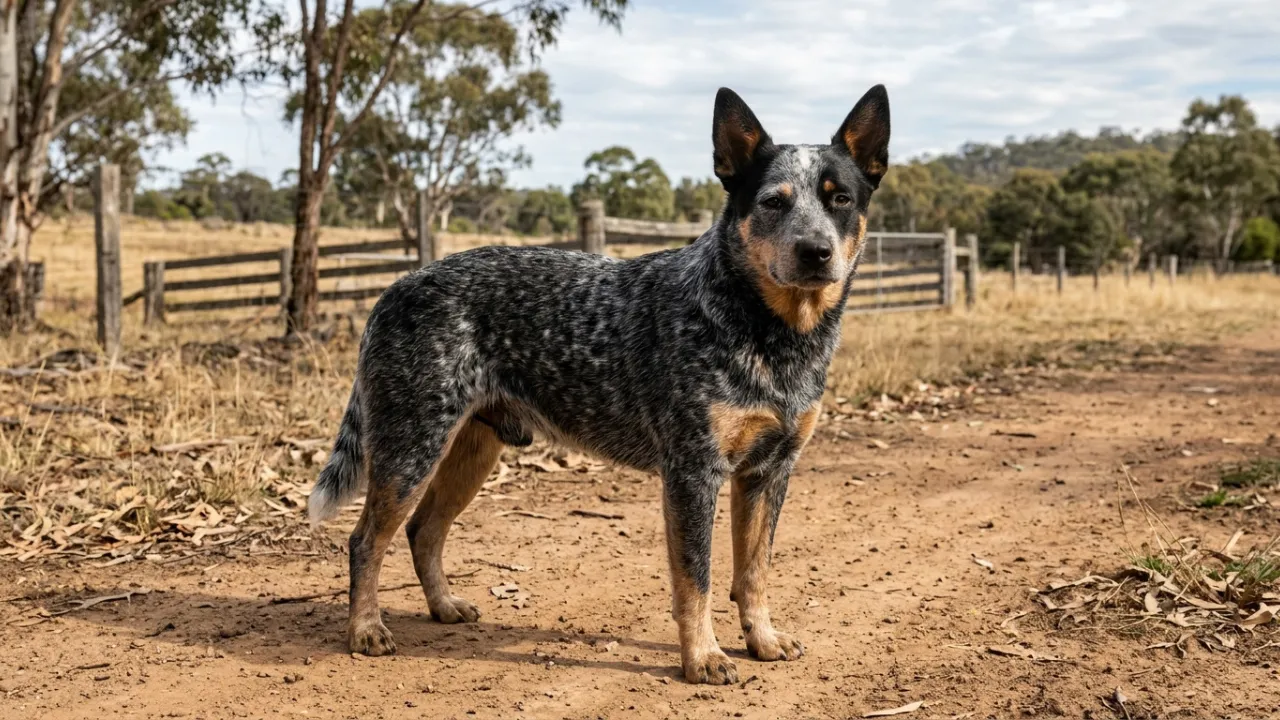
Australian Cattle Dogs tend to be a family dog. These compact cattle dogs are alert, loyal, observant, and may be wary of strangers. They are frequently alert due to their protective nature, and require socialization at a young age so they can react appropriately to visitors and strangers.
Australian Kelpies, on the other hand, are clever and loving, with many having a very quick, bright temperament. They are more likely to be aware of movement and changes in the environment and may create their own activities when they are not engaged in one.
5. Exercise Needs and Energy Level
Both breeds require a lot more than a walk around the neighborhood. These dogs have been bred to last in the field for a long time, and their physical exertion is frequently accompanied by a similar level of mental effort.
Australian Cattle dogs thrive on walks, hikes, obedience training, agility, games, and other activities that offer mental stimulation. Due to their extremely high energy level, these dogs should be taught to rest indoors.
Kelpies are also very active. They like to run, walk, be agile, and train at a higher intensity. These dogs are fast and have great stamina, making them good running partners for active owners.
Breed tendencies vary from dog to dog, which is why pet parents need to read about Australian breed standards before adopting an individual dog.
6. Trainability and Obedience
Australian Cattle Dogs have a very high intelligence level and are able to learn complex tasks. They can be independent and persistent sometimes, though, so it’s best to be clear and consistent with their training. They must learn to obey, even when they are distracted.
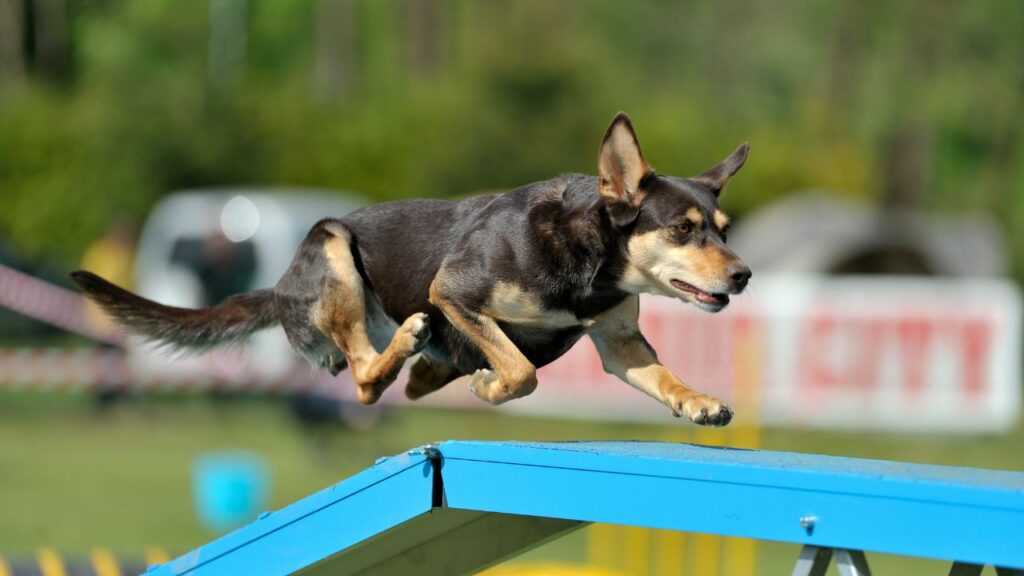
Australian Kelpies are also fast learners and can respond very well to training that provides them with a meaningful challenge. They are particularly interested in herding training, agility, and other canine pursuits.
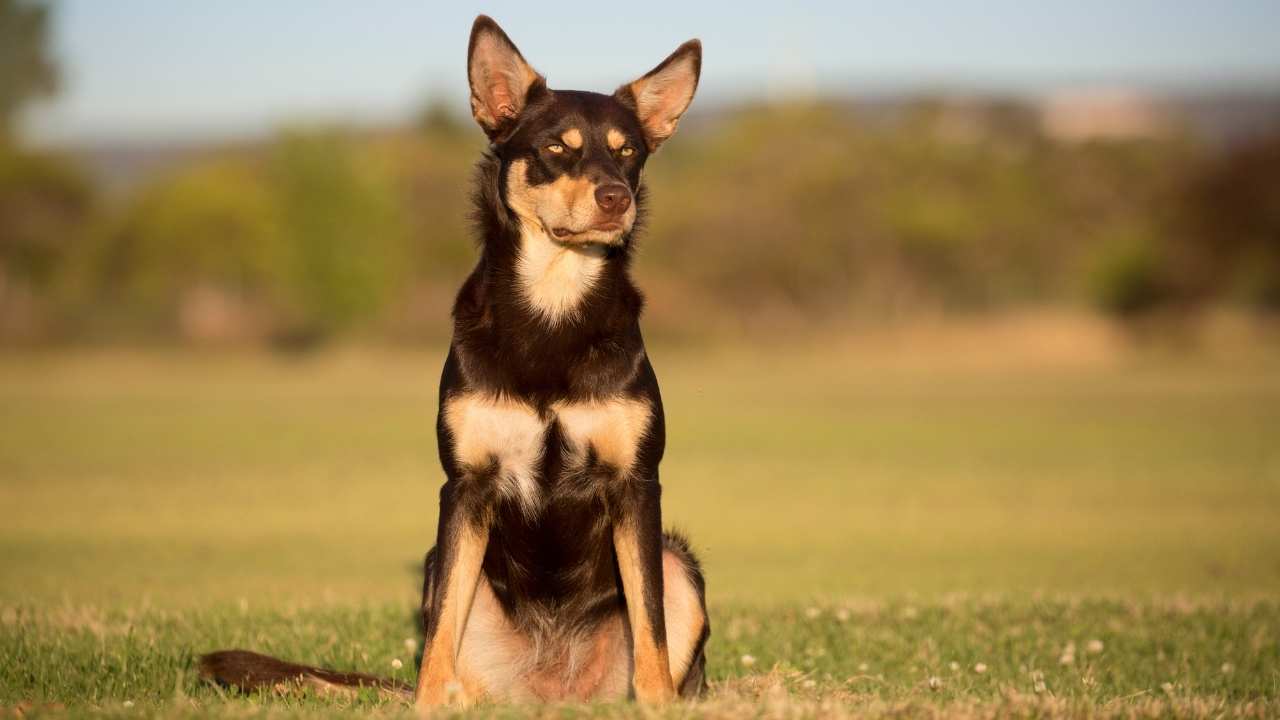
Employ reward-based training, keep sessions short and interesting, and introduce new techniques gently. These dogs are prone to boredom, which is why advanced dog sports are also advised as a means to keep them engaged at all times.
7. Grooming Needs and Shedding
These two breeds don’t need much maintenance. Cattle dogs have a short, dense double coat which normally requires brushing once a week, according to the American Kennel Club.
They shed throughout the year, with more shedding during seasonal changes in the undercoat. Frequent brushing helps get rid of loose hair.
Kelpies also have low-maintenance coats. They have short, waterproof fur, which generally can be brushed to remove loose hairs and dirt. There may be some variation in the coat length and texture, particularly in working dogs.
8. Herding and Work Drive
The use of different breeds is most evident when it comes to herding. Cattle dogs were bred to manage cattle that are not easy to handle. They are hardy, determined, and good ground animals, so they can put pressure on animals that are not ready to listen.
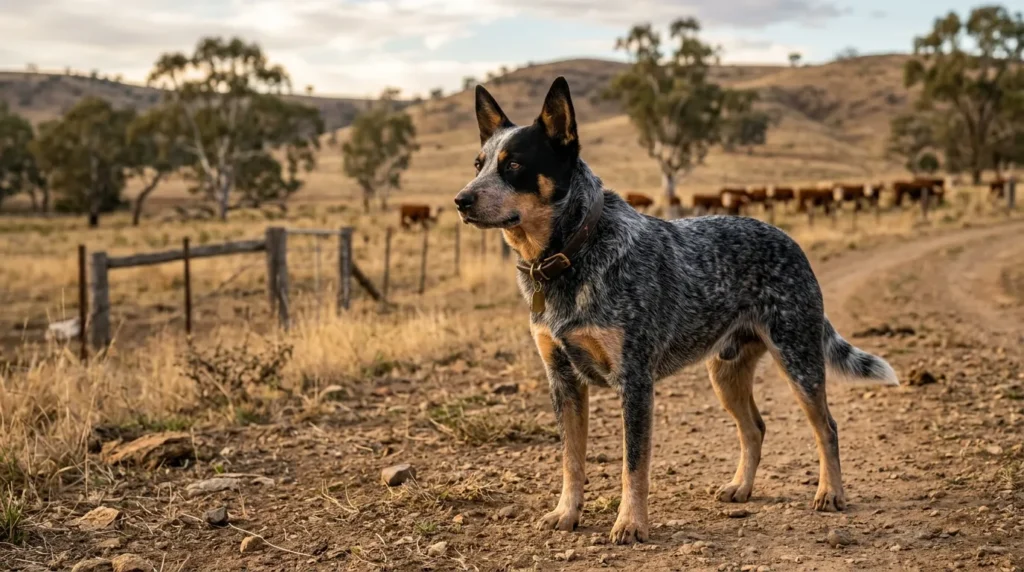
The heel nipping is an example of their herding skills, where they use this technique to manage the herd efficiently, as stated by Dog Breed Info.
Kelpies are known for their agility, moving and gathering the livestock over large distances. They work diligently and react to their handlers’ commands in an instant. They are esteemed multi-purpose farm dogs capable of performing a variety of roles on huge farms.
Both breeds need an intensive job daily to keep them satisfied; otherwise, they can become unmanageable.
9. Health and Lifespan
Australian Cattle Dogs usually live about 12-15 years. Potential buyers should inquire about eye and joint issues and hearing problems from their breeders. Risks can be identified through responsible breeding and appropriate veterinary screening from puppyhood.
Kelpies, on the other hand, have a lifespan of about 10-13 years. The breed is known to suffer from hip dysplasia, progressive retinal atrophy, and cerebellar atrophy. Owners should get a family history from their breeders.
An active dog will be healthier, which is why it is very important to review the nutritional demands of both of these medium-sized dogs.
Conclusion
Both of these medium breeds have an industrial past, but they each have their own special working techniques.
The Australian Cattle Dog is designed for driving cattle, and Kelpies are known for their multi-purpose work on farms. They both require regular purposeful activity, direction, and companionship from others who understand their instincts.
The key difference lies in their working characteristics. Always look for a reputable breeder or a rescue and adoption center to get your first pup. The experts can guide you on your dog’s behavior, physical types, or breed references.
Both the dogs in this guide are tough herding animals that have their own herding style. Positive reinforcement gives them the endurance to be good guard dogs outdoors. Their strong herding instinct also makes them somewhat demanding pets.
To learn more, study the breed standard for both of these adult dogs!
