




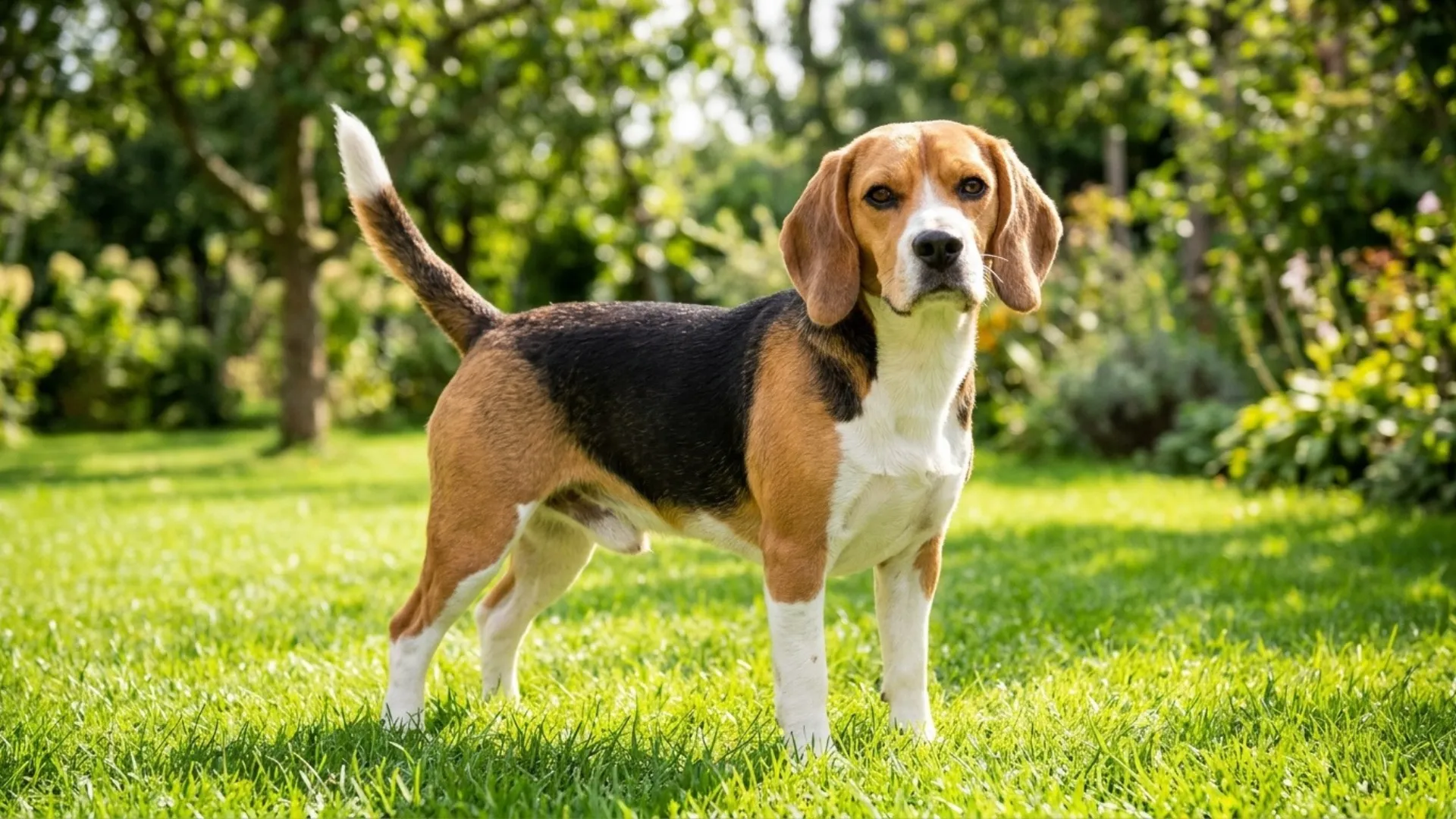
A short coat is often mistaken for a coat that requires no care. In reality, dogs with sleek, close-fitting fur benefit from brushing, occasional baths, nail trims, and skin checks.
The advantage is that their hair usually takes less time to detangle, and it is less likely to form the dense mats associated with longer coats. That difference can matter when you want a medium-sized dog but do not want grooming to dominate your weekly schedule.
Shedding is still part of the picture. Some short-haired dogs release plenty of loose hair, particularly during seasonal changes, so a lint roller may remain useful around the house. Coat care is only one part of choosing a companion, too. Exercise needs, trainability, and temperament deserve equal attention.
Here, you can find medium-sized dogs with practical short coats, plus a closer look at the qualities that make each one worth a look.
Key Takeaways
A manageable coat can make everyday life with a medium-sized dog much easier, especially when your schedule is already full.
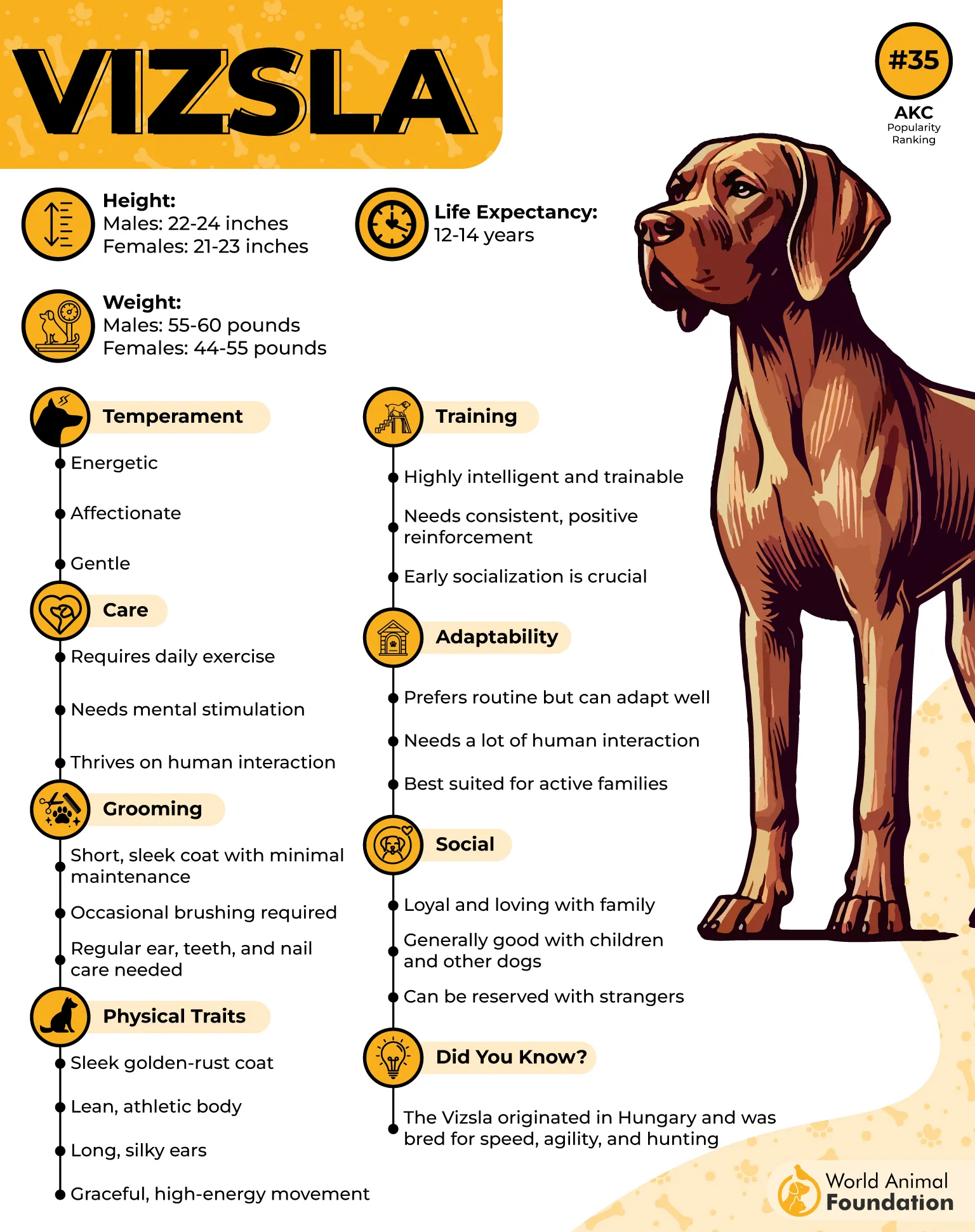
The Vizsla needs little coat maintenance and has earned the nickname Velcro dog for its habit of following its favorite people everywhere.
Meanwhile, the German Shorthaired Pointer can go months between baths, and the Staffordshire Bull Terrier requires little brushing.
Stay with us till the end to explore their grooming needs and find a companion whose personality suits your household.
Medium-Sized Dog Breeds Rocking Short, Manageable Fur
1. Vizsla
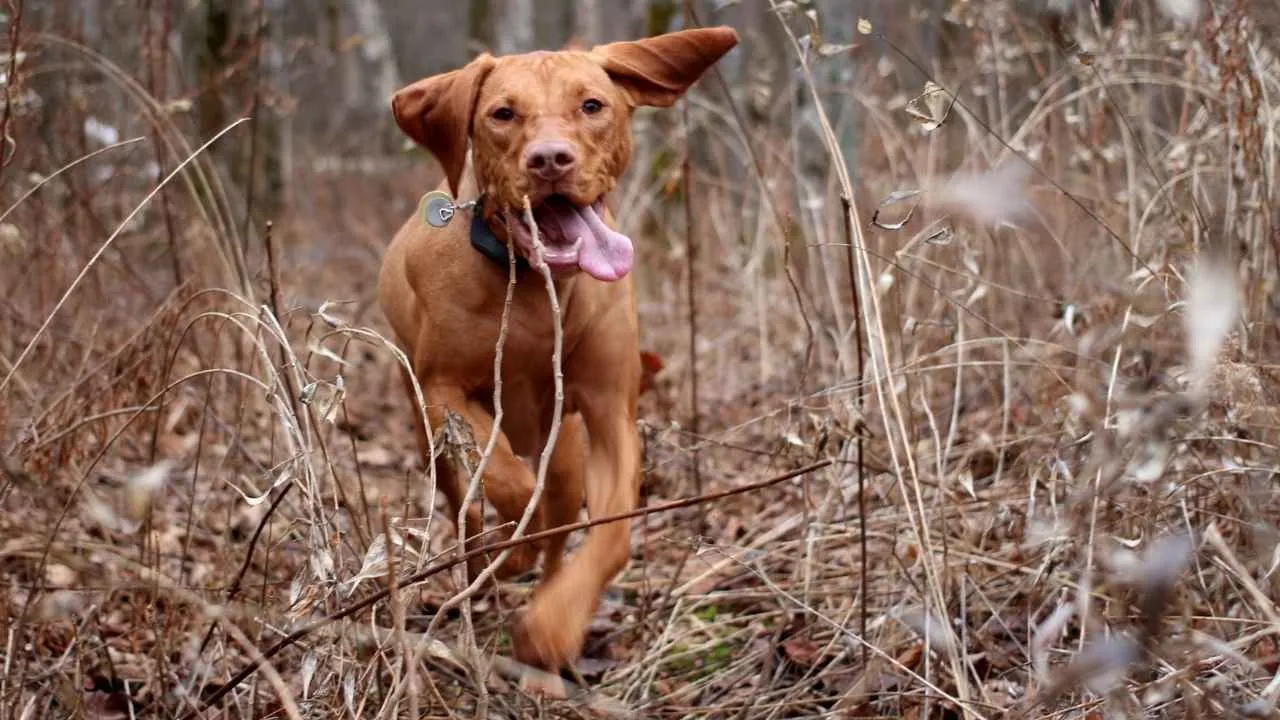
The Vizsla originated in Hungary, where hunters valued its ability to locate and point game while working closely with them in the field. Its popularity spread beyond the country after World War II, and it gradually became known as both a working dog and a household companion.
A Short Coat With Simple Care
The Vizsla has a sleek, short coat that sheds lightly compared with heavier-coated breeds, as the AKC explains. Weekly brushing with a curry brush helps remove loose hair, while an occasional monthly bath is usually enough to keep its coat clean.
There is plenty to appreciate about its natural sporting abilities:
Tracks and points game for hunters.
Retrieves from both land and water.
Enjoys swimming and outdoor adventures.
Always Close to Its People
Affectionately known as a Velcro dog, this medium-sized breed loves being near its favorite people and often follows them from one activity to another. It enjoys everything from outdoor outings to quiet time on the sofa, sometimes squeezing onto a lap despite its medium-sized frame.
2. Beagle
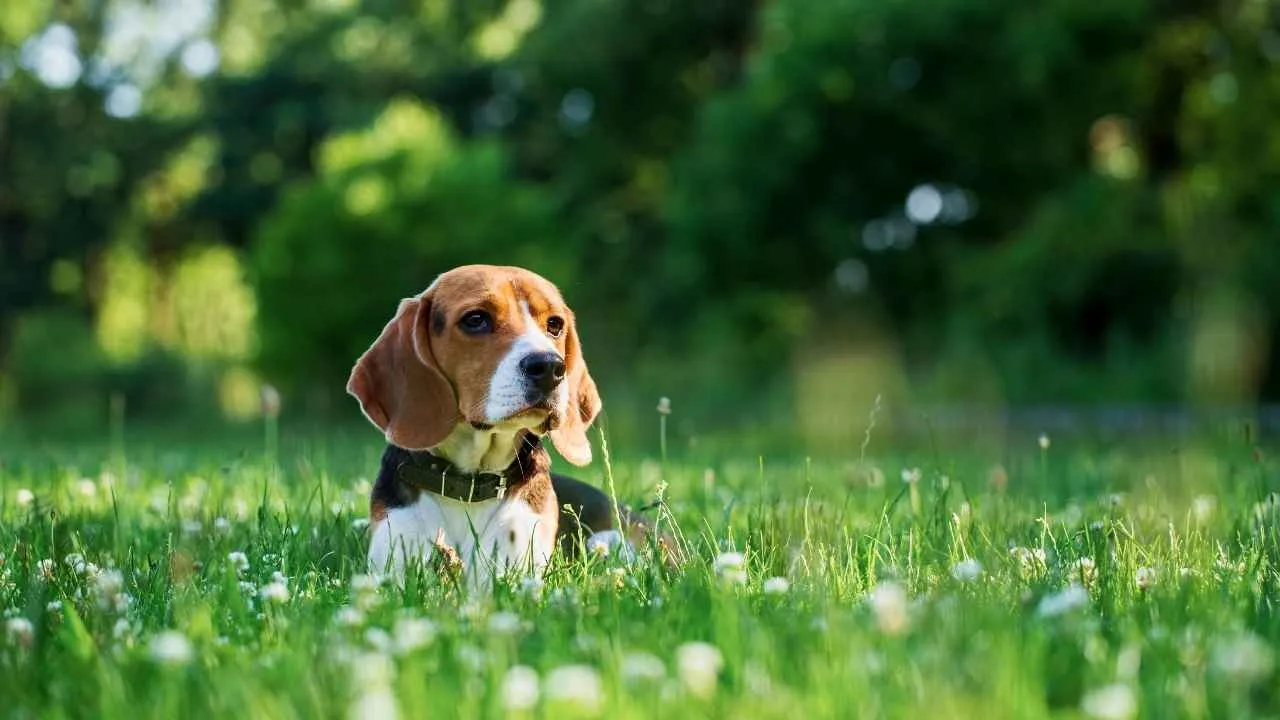
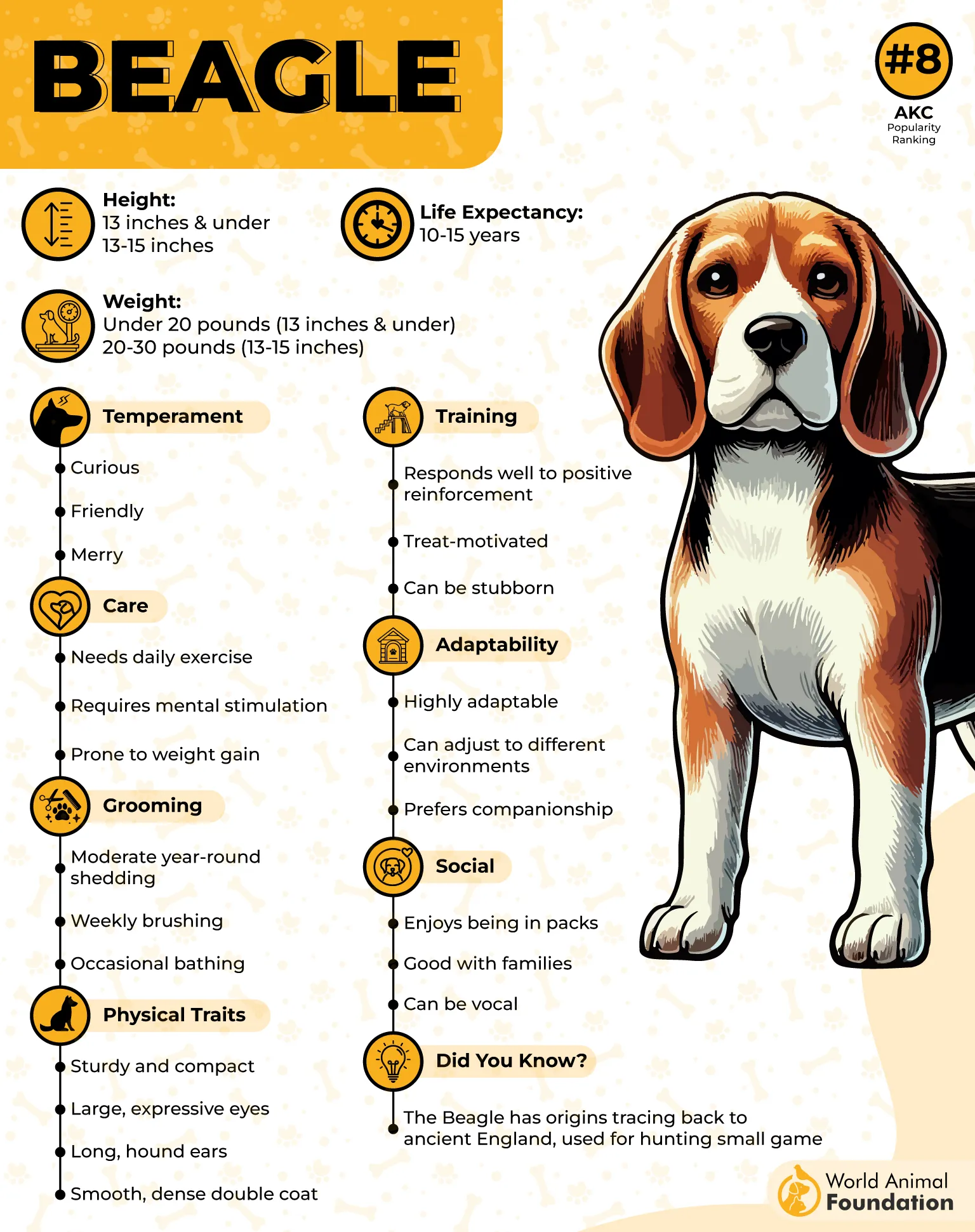
The Beagle’s story goes back to 14th-century England, when small hounds were used to hunt hares. The breed gradually took on its modern form by the late 1800s, becoming a familiar choice for hunters pursuing foxes, hares, and rabbits across the countryside.
An Easy-Care Coat
This top breed has a dense, close-fitting coat of short-to-medium length that is fairly simple to groom. Its fur needs routine brushing, while baths can be kept occasional, making everyday coat care relatively straightforward.
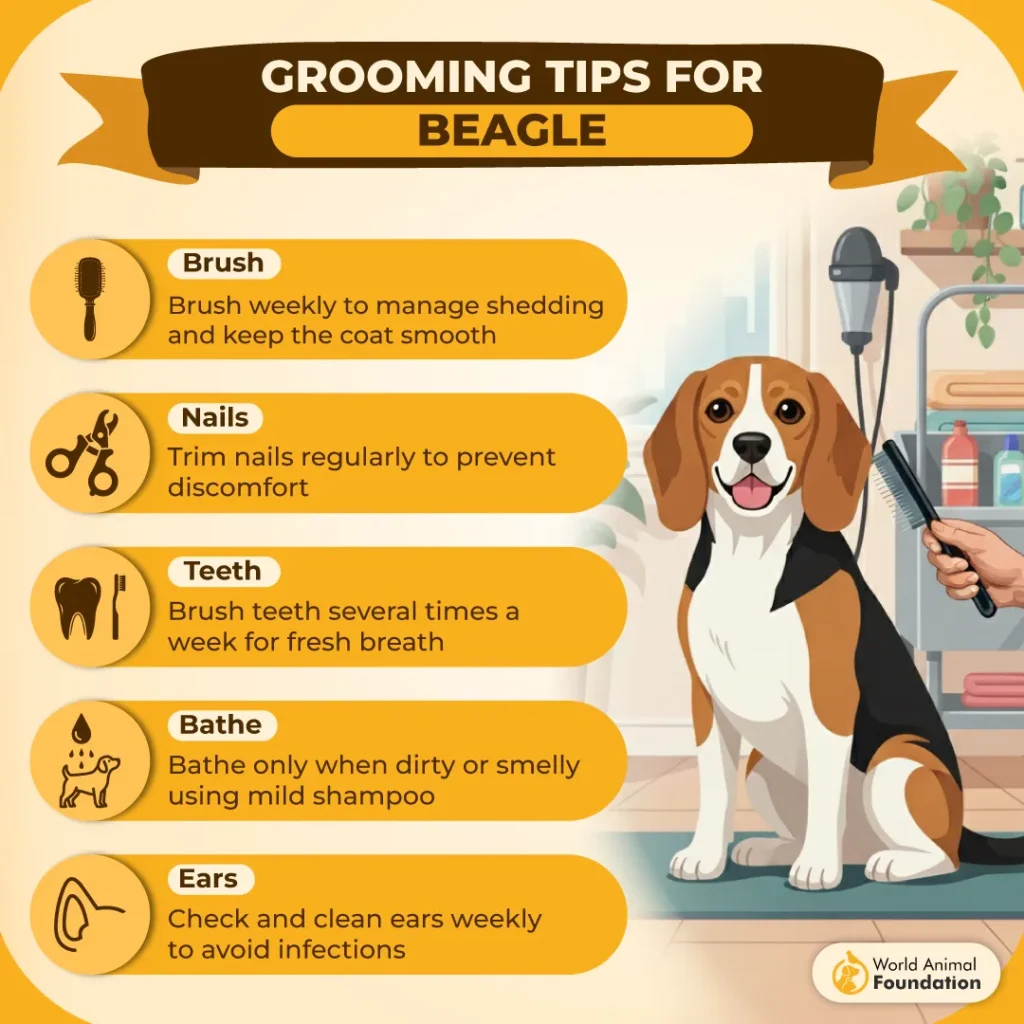
A few simple habits help with upkeep:
Bathe after muddy or messy outings.
Expect heavier shedding in spring and winter.
Brush twice weekly during seasonal shedding.
Always Following a Scent
Beagles are cheerful, gentle companions with a curious streak and an adventurous approach to their surroundings, as Chewy noted. Their powerful noses can lead them away from their people when an interesting smell catches their attention, so a leash is important outside secure areas.
3. American English Coonhound
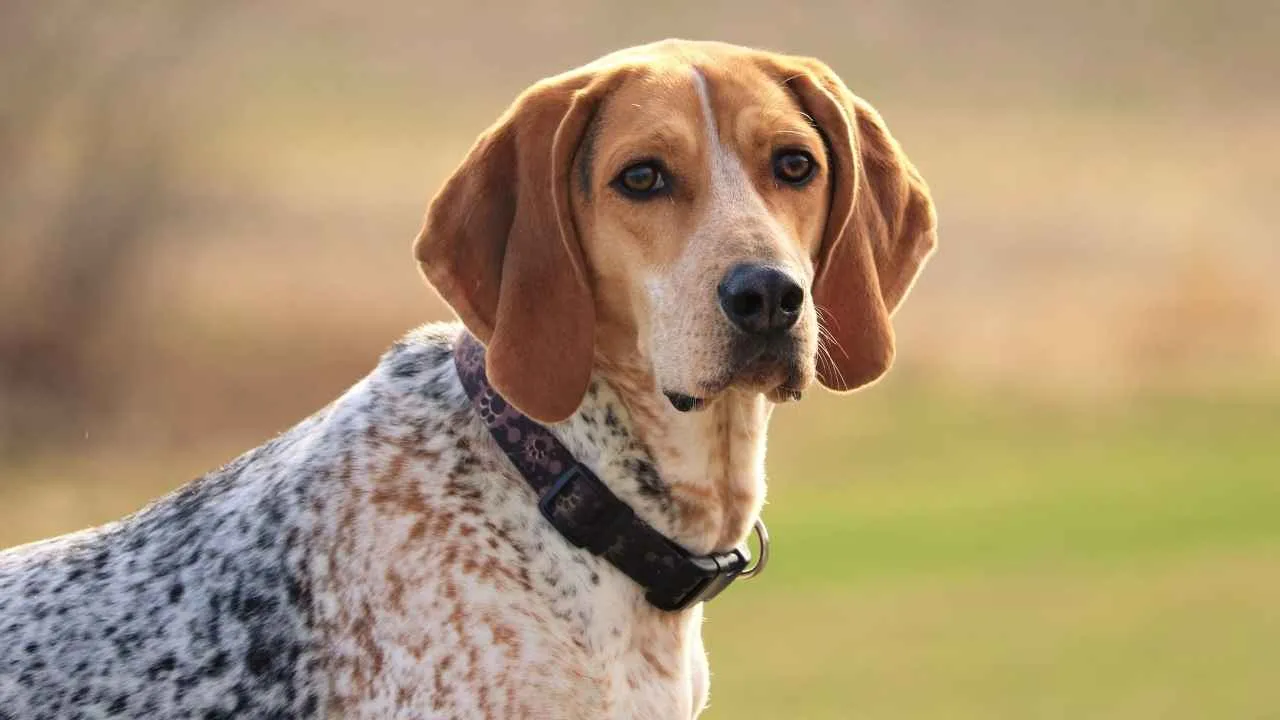
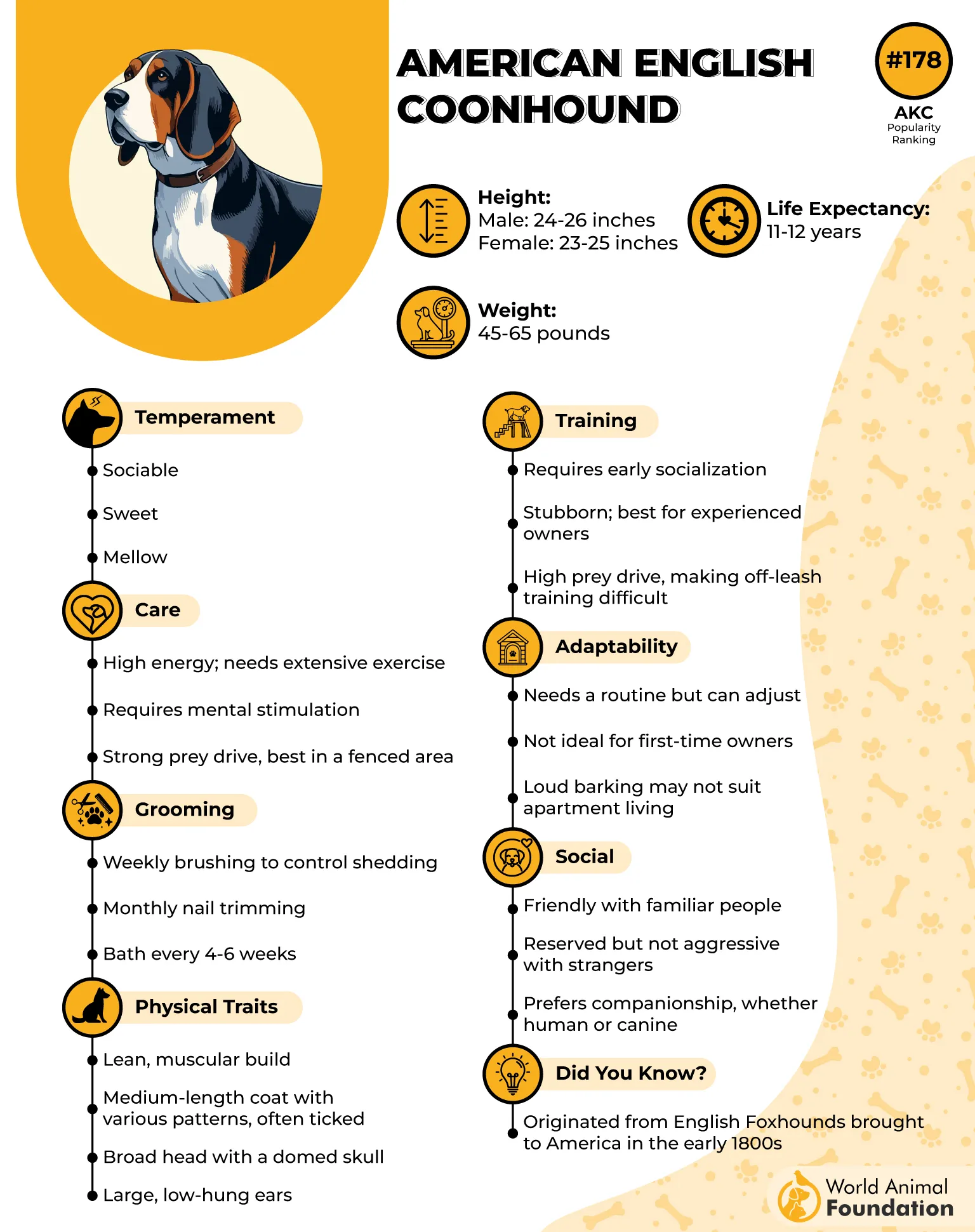
The American English Coonhound descends from English Foxhounds brought to the American colonies, where they became known as Virginia Hounds.
These dogs were valued for hunting foxes and raccoons, and their strong build, speed, and endurance suited the demands of American hunting grounds.
A Coat That Needs Little Fuss
The American English Coonhound has a coarse, protective coat that is relatively easy to care for, as mentioned by Purina. Its short-to-medium hair needs no elaborate styling, making routine grooming fairly straightforward.
Keeping its coat in good condition takes only a few simple habits:
Brush once or twice a week.
Bathe when outdoor adventures leave it dirty.
Check its ears regularly for dirt or irritation.
An Active Outdoor Companion
Following scents is a natural part of this breed’s everyday behavior, so even a faint but interesting trail can quickly capture its attention.
Long outdoor outings suit its impressive stamina, while regular leash walks and a securely fenced area help prevent it from wandering off after a scent.
4. German Shorthaired Pointer
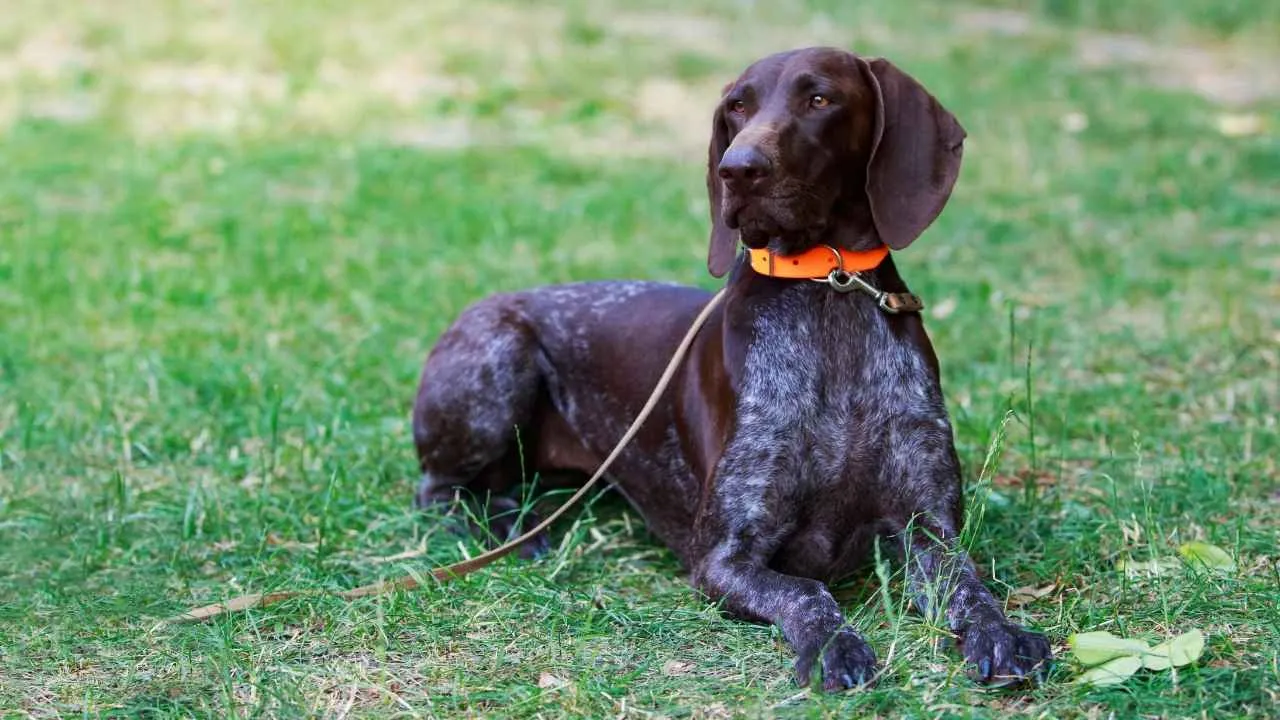
The German Shorthaired Pointer traces its ancestry to the German Bird Dog, which was related to the Old Spanish Pointer brought to Germany during the 17th century.
English Pointers and the Arkwright Pointer also contributed to its lineage, while the modern breed took shape around 1870 and received AKC recognition in 1930.
A Short Coat With Simple Care Needs
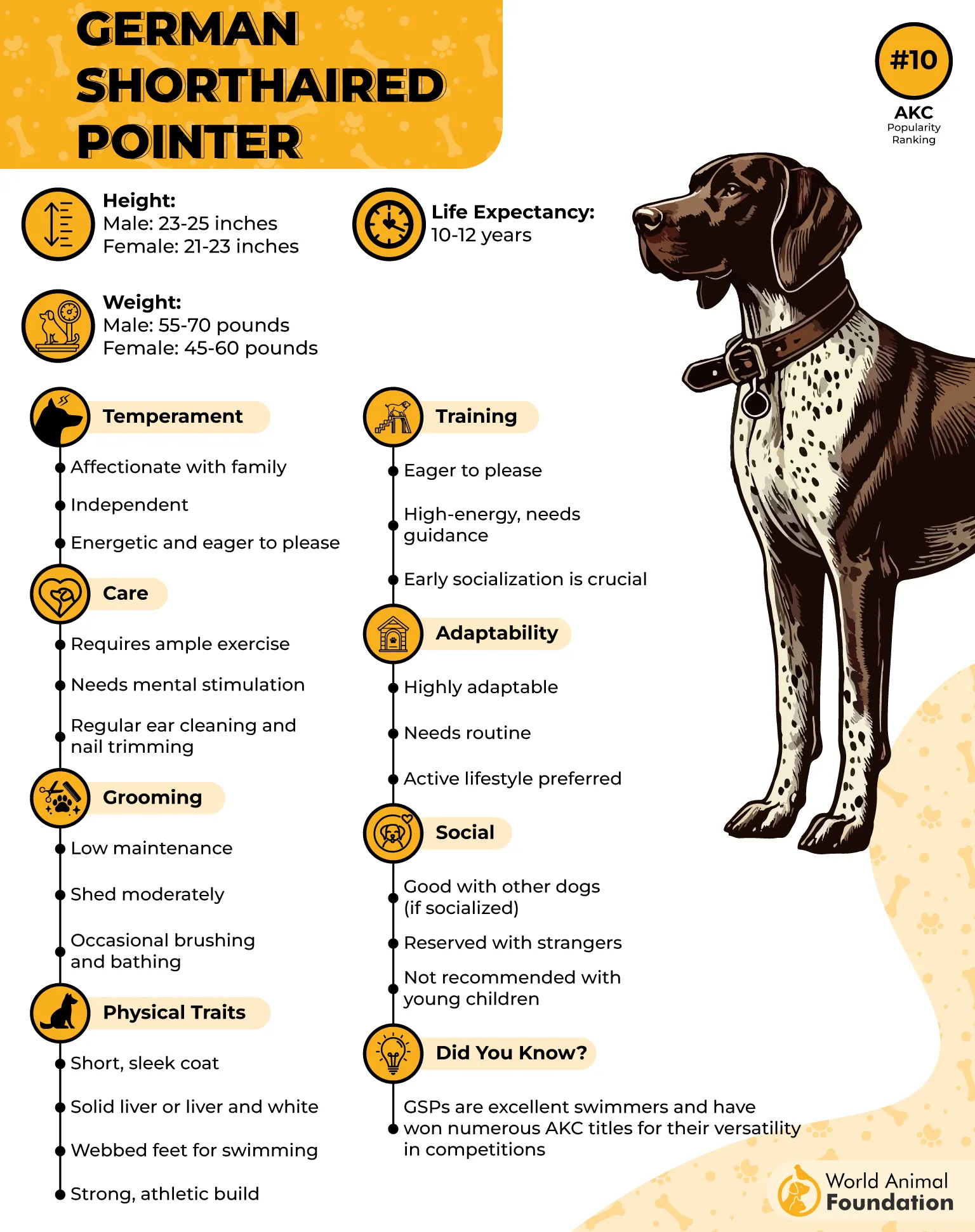
The German Shorthaired Pointer has a short, coarse coat that requires relatively little grooming compared with longer-haired breeds. Its straightforward coat care leaves more room in the weekly routine for other activities.
A few basic grooming habits are worth following:
Brush once or twice a week.
Bathe around three or four times yearly.
Increase brushing during spring and fall shedding.
A Sharp Nose and a Quick Mind
Friendly with unfamiliar people and generally sociable with other dogs, this best breed often enjoys meeting new companions.
Its strong hunting instincts can make homes with cats or other small pets more challenging, while its intelligence makes puzzle toys and interactive training useful ways to occupy its mind.
5. Staffordshire Bull Terrier

The Staffordshire Bull Terrier developed in England in the early 1800s, when breeders crossed Bull Terriers with Black and Tan Terriers.
Initially associated with ratting contests and working-class sporting events, the breed later became a much-loved companion after blood sports were banned.
A Short Coat With Little Fuss
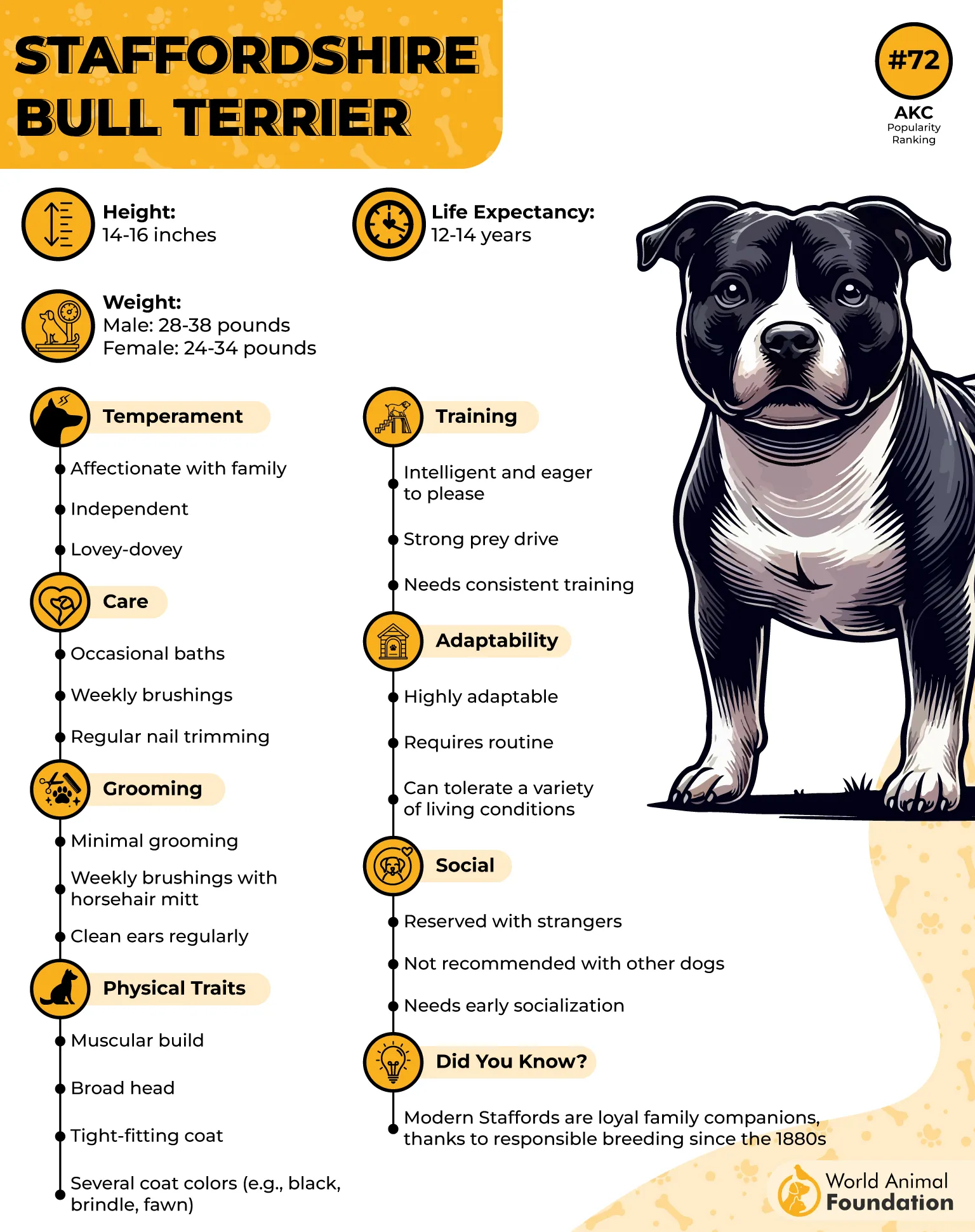
The Staffy’s coat is short, smooth, and close to the skin, with a glossy finish often compared to velvet. It naturally needs little grooming, so routine coat care is fairly straightforward.
Its basic grooming routine is refreshingly simple:
A bath about once a month, unless it gets muddy.
Light shedding, mainly in spring and autumn.
An occasional brush with a curry brush.
A Soft Spot for Children
Staffies have a particularly affectionate side and are known for their fondness for children. Their enthusiastic greetings and whole-body wiggles when wagging their tails give them plenty of personality around the people they love. They also tend to welcome unfamiliar people warmly.
6. Bull Terrier

The Bull Terrier has a history linked to bull baiting and dog fighting, with its ancestry shaped by crosses involving the Spanish Pointer, English Terrier, and Dalmatian. Over time, breeders produced a more streamlined dog with its now-familiar head shape.
A Short Coat With Simple Care Needs
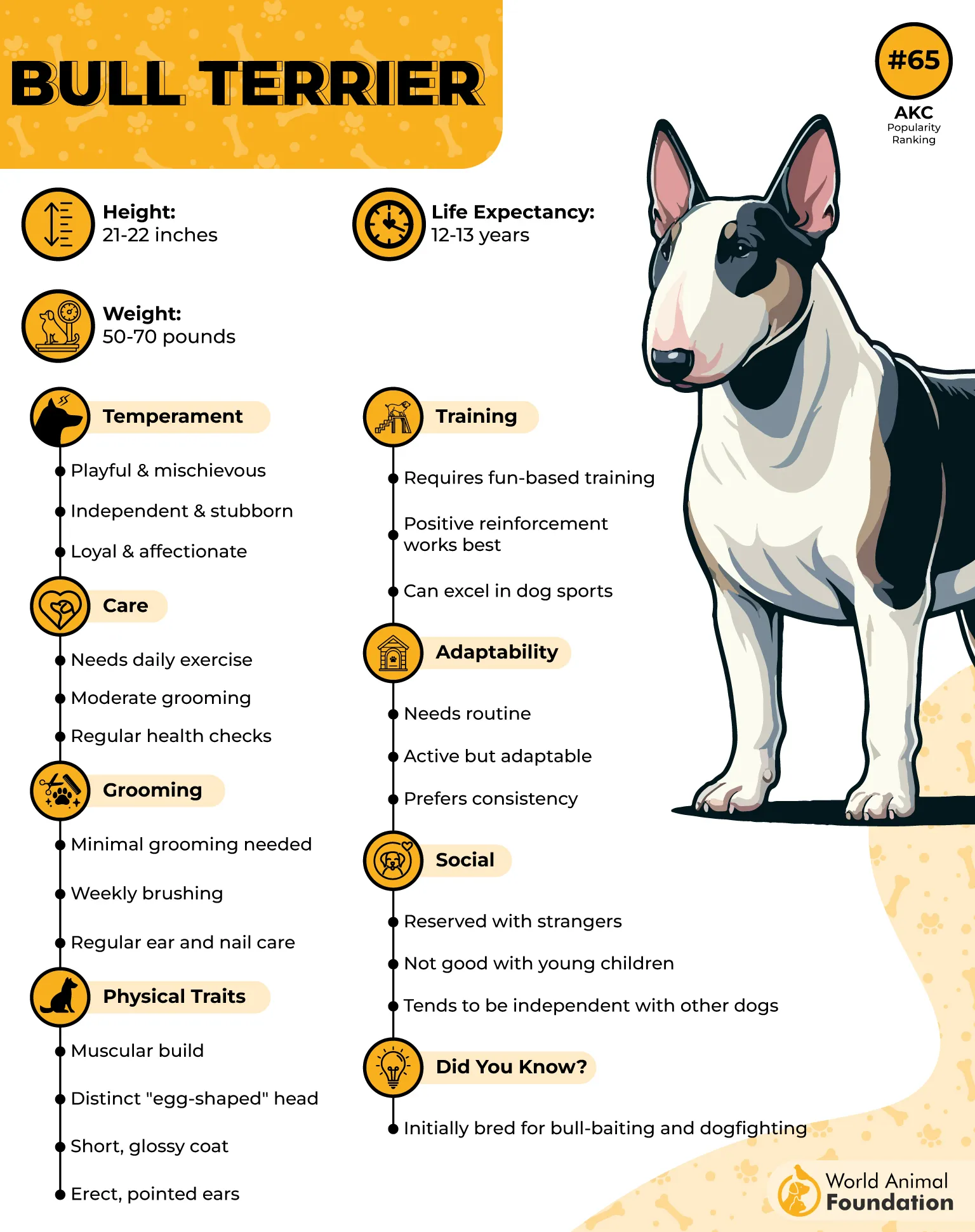
The Bull Terrier’s short, tightly packed hair has a natural shine and feels slightly coarse to the touch. It follows the contours of the dog’s muscular body, giving it a polished appearance without demanding much grooming.
These habits help keep its coat in good condition:
Brush weekly with a soft-bristle brush.
Give monthly baths when needed.
Brush more often during spring and fall shedding.
The Household Class Clown
Bull Terriers have a playful, attention-loving personality and enjoy being the center of their family’s world. Their funny antics often bring laughter, while their affectionate side makes them equally fond of a good cuddle. They generally prefer being the only pet in the household.
7. Whippet
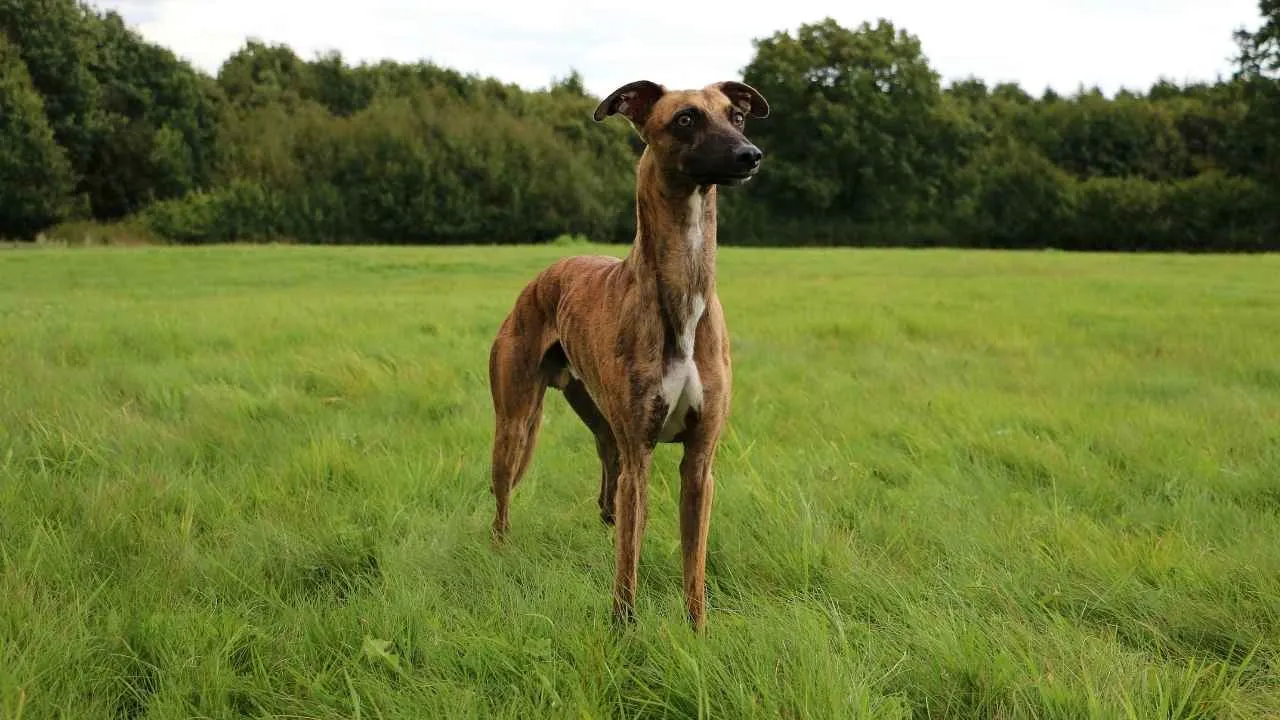
The Whippet descends from Greyhound stock and was used as a sight hound for catching rabbits. During the shift from rural work to city life, working-class communities turned its instinct to chase waving flags into a popular sport called Whippet racing. The breed received official recognition in 1888.
A Naturally Easy-Care Coat
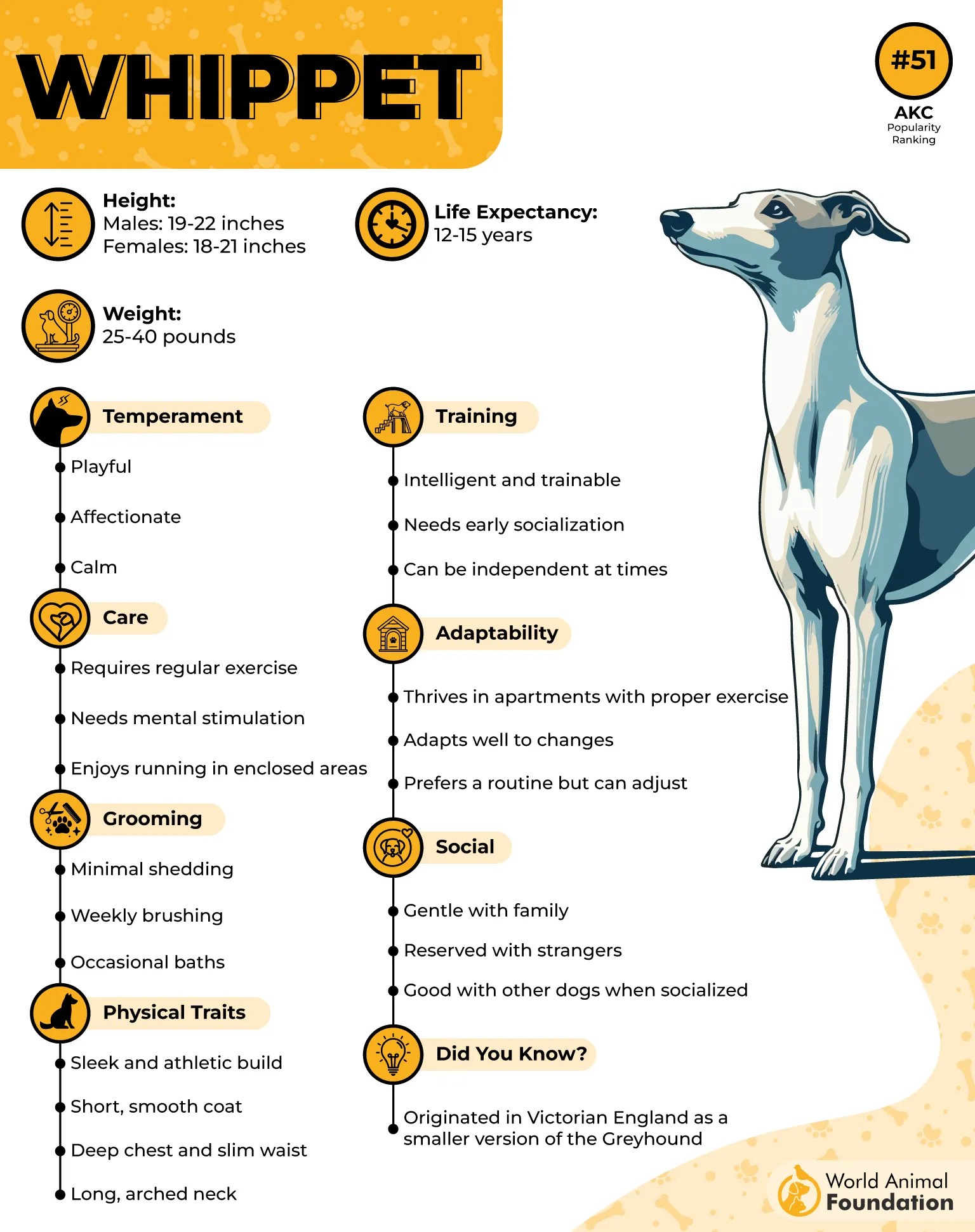
A Whippet has a short, smooth coat that feels silky around the head and firmer along the back. Its low-shedding coat requires relatively little upkeep, making routine grooming quite manageable.
A simple weekly routine helps keep its coat in good condition:
Brush weekly with a bristle brush or grooming glove.
Bathe every four to six weeks.
Use a gentle, dog-friendly shampoo.
Gentle, Bright, and Sociable
This family companion has a calm, friendly nature and is generally quiet around the home. They learn quickly and enjoy training, although their sensitive side calls for patient handling. Their love of human company can also make long periods alone difficult.
Conclusion
Medium-sized dogs with short fur can be a practical choice when you want a manageable grooming routine. Their coats are generally easier to brush and less likely to develop mats, although regular care remains necessary. Some shed throughout the year, while others release more hair during seasonal changes. This information can help you understand their basic grooming needs.
Their needs also differ beyond coat care. An active companion may require long walks and outdoor play, while a calmer dog may prefer a quieter household routine. When getting a dog, consider the time you can give to grooming, exercise, and training before bringing one home. Having this information beforehand can help you find a suitable match and make everyday care easier to manage.
