




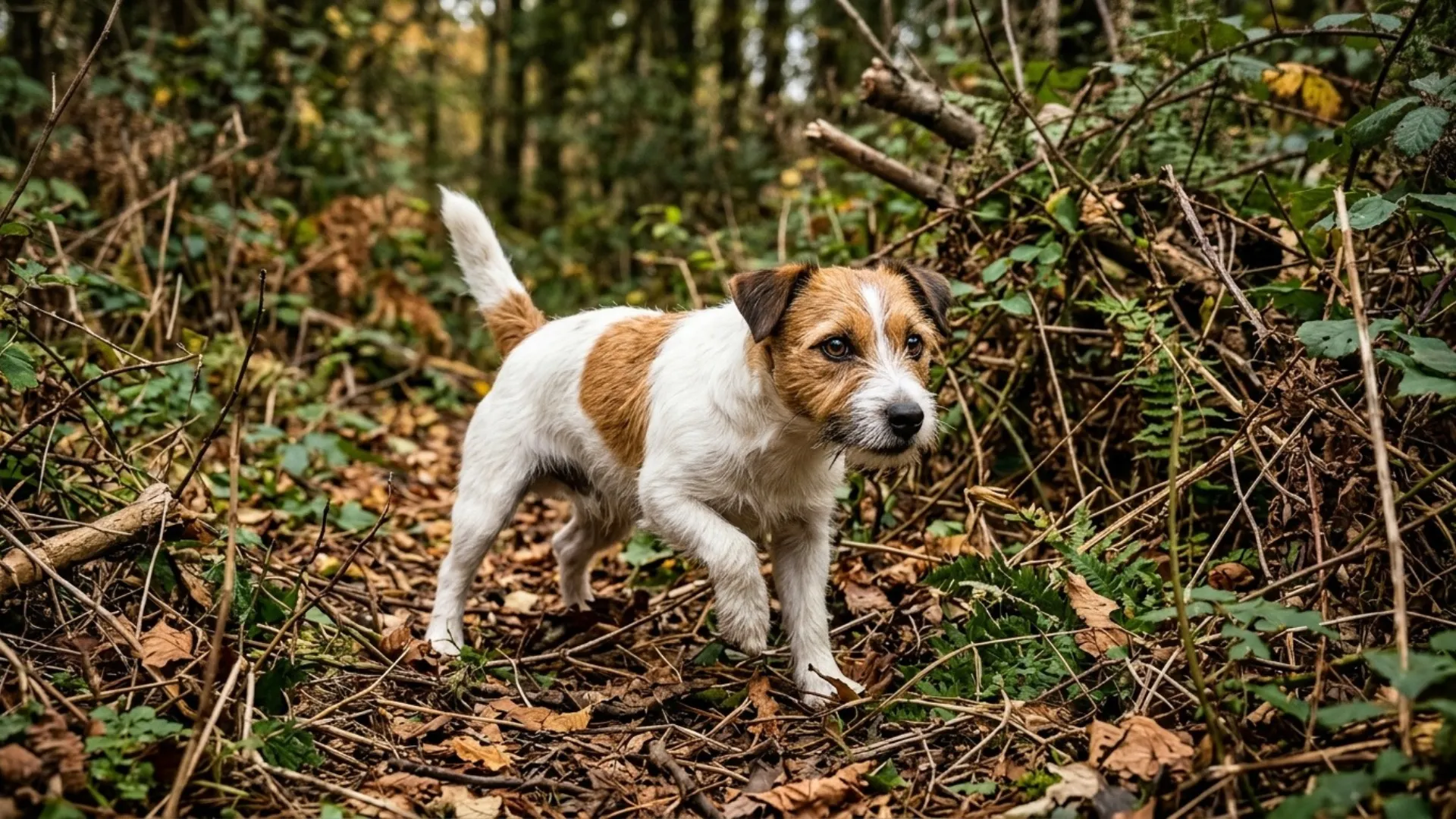
What happens when a dog catches an unfamiliar scent and suddenly seems to forget everything around it? For some breeds, following that trail is more than curiosity. It’s a deeply rooted instinct shaped by generations of selective breeding.
Dogs with a naturally high prey drive are known for their sharp senses, quick reactions, impressive stamina, and determination to pursue moving targets. From tracking scents across open fields to spotting small animals hiding in thick vegetation, these dogs often show abilities that set them apart from other companions.
Whether you’re an outdoor enthusiast or simply fascinated by canine behavior, getting to know these dogs shows how strongly genetics can shape a dog’s interests and abilities. Understanding these instincts is essential before choosing a hunting-oriented breed.
Dog Breeds With Naturally High Hunting Drive
1. Jack Russell Terrier

Jack Russell Terriers were bred to be tenacious, energetic, and fearless. Their history in England goes back to the early 19th century, when they were developed for fox hunting. They are small enough to enter fox dens, yet athletic enough to keep pace with horses and hounds during a hunt.
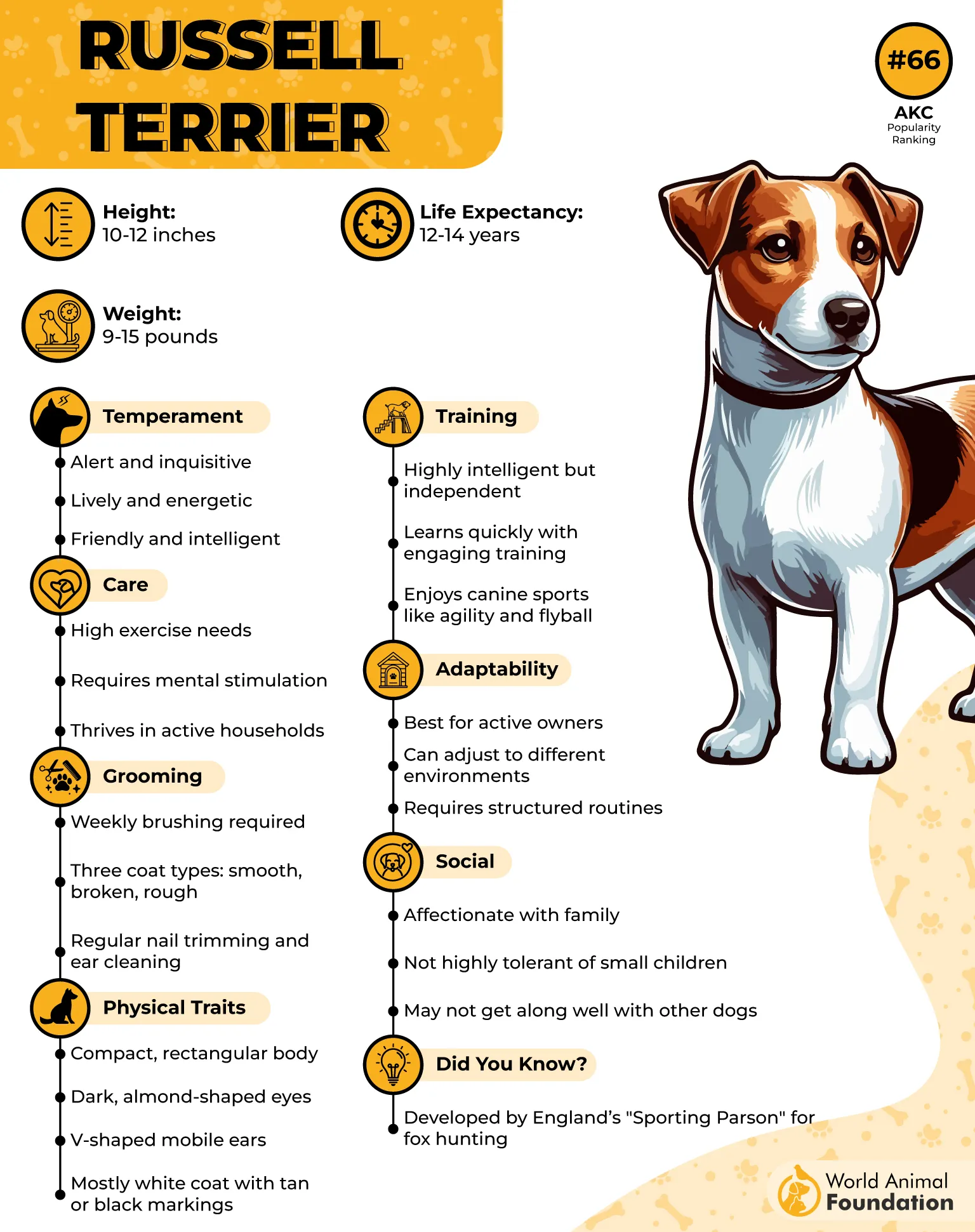
Jack Russells can be aggressive toward other dogs, and especially toward small, fast-moving animals like cats and rabbits. This reflects both their territorial streak and the hunting instincts that come from their old role of pursuing prey.
Along with their relentless stamina, their sharp noses and alert nature made them good companions for hunters working long days in the fields. Because they rank among the high prey drive breeds, leash training and a securely fenced yard are basic necessities.
2. Greyhound
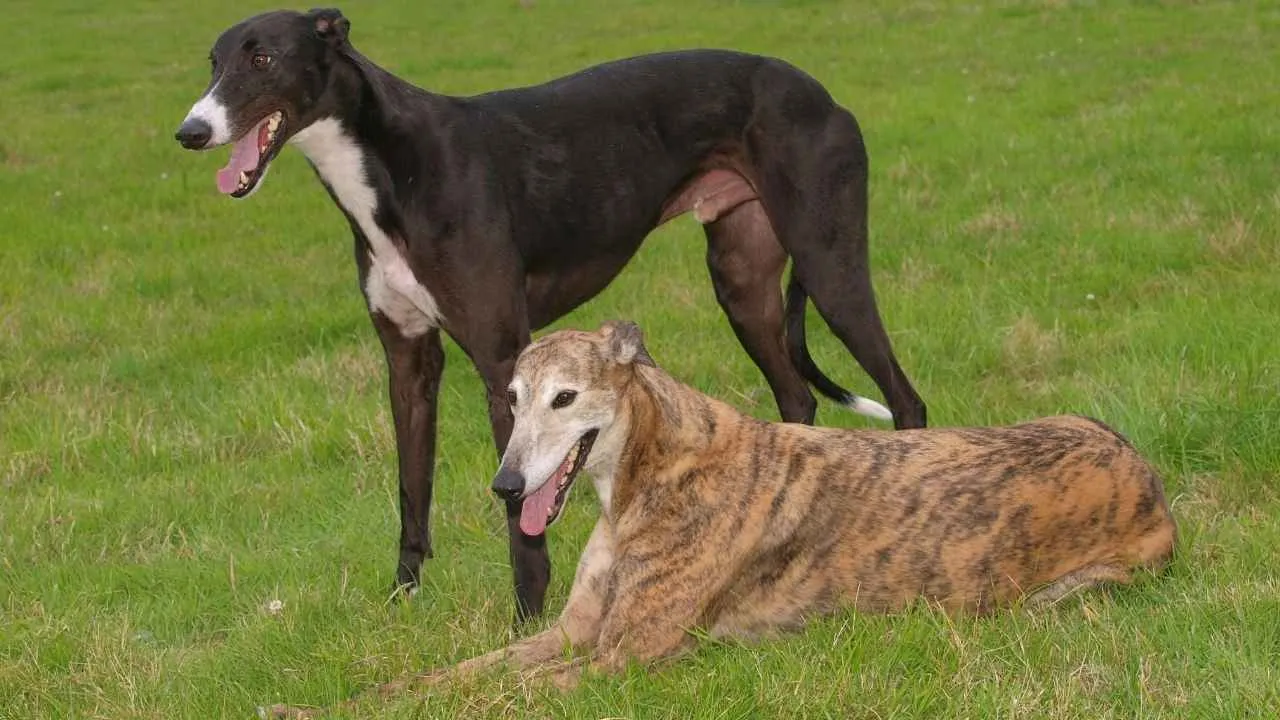
Greyhounds were originally bred to chase foxes, deer, and rabbits, and some archaeologists believe the breed has been around for thousands of years, particularly in the Middle East. These hunting dogs are also listed as the fastest dog breed, reaching speeds of up to 40 miles per hour.
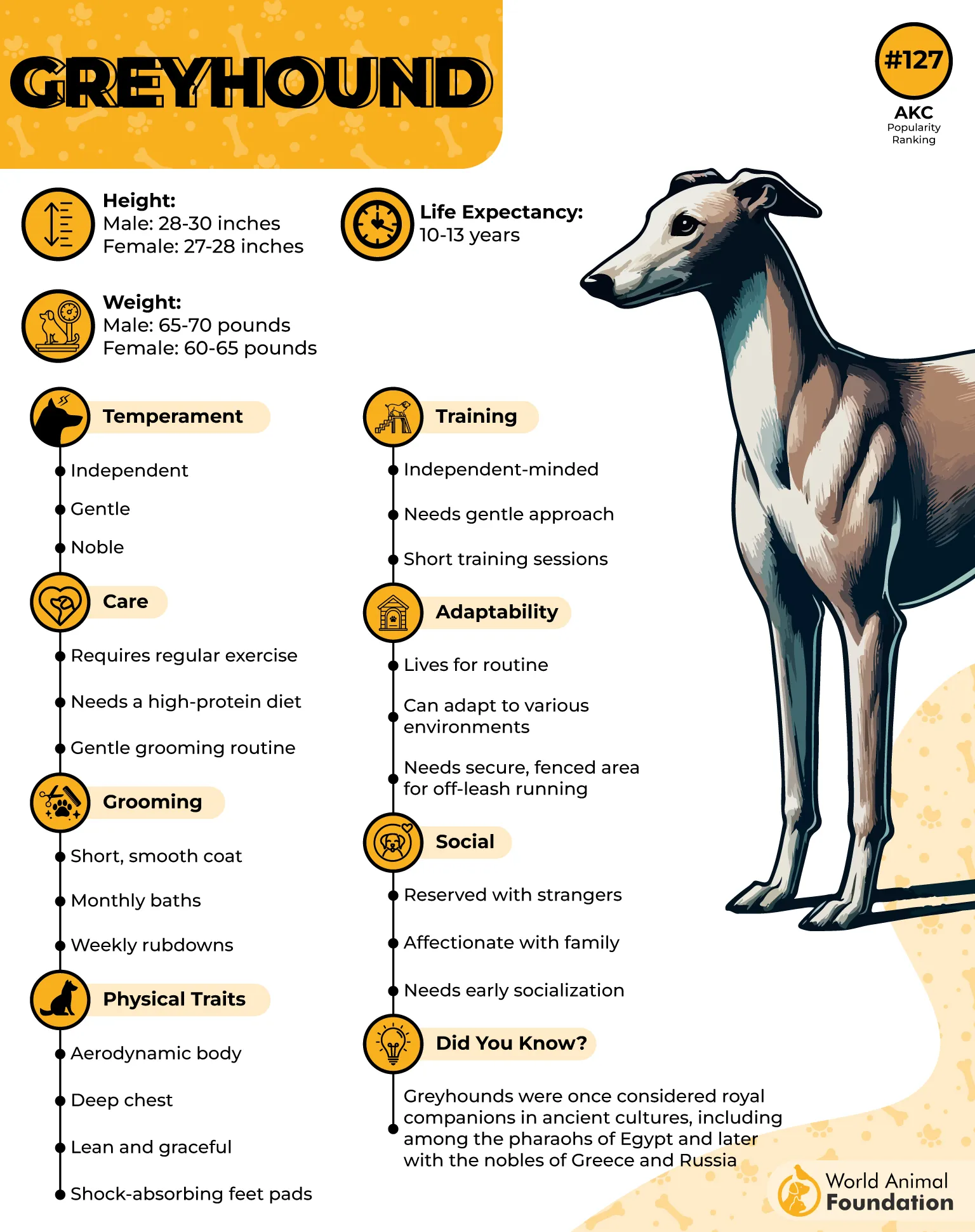
Prince Albert, Queen Victoria’s husband, and King James I were both admirers of the breed in their time. Greyhounds are known for their prey drive and speed, but people love them just as much for their sweet temperament. Overall, they are gentle and loving dogs, though some still carry strong instincts.
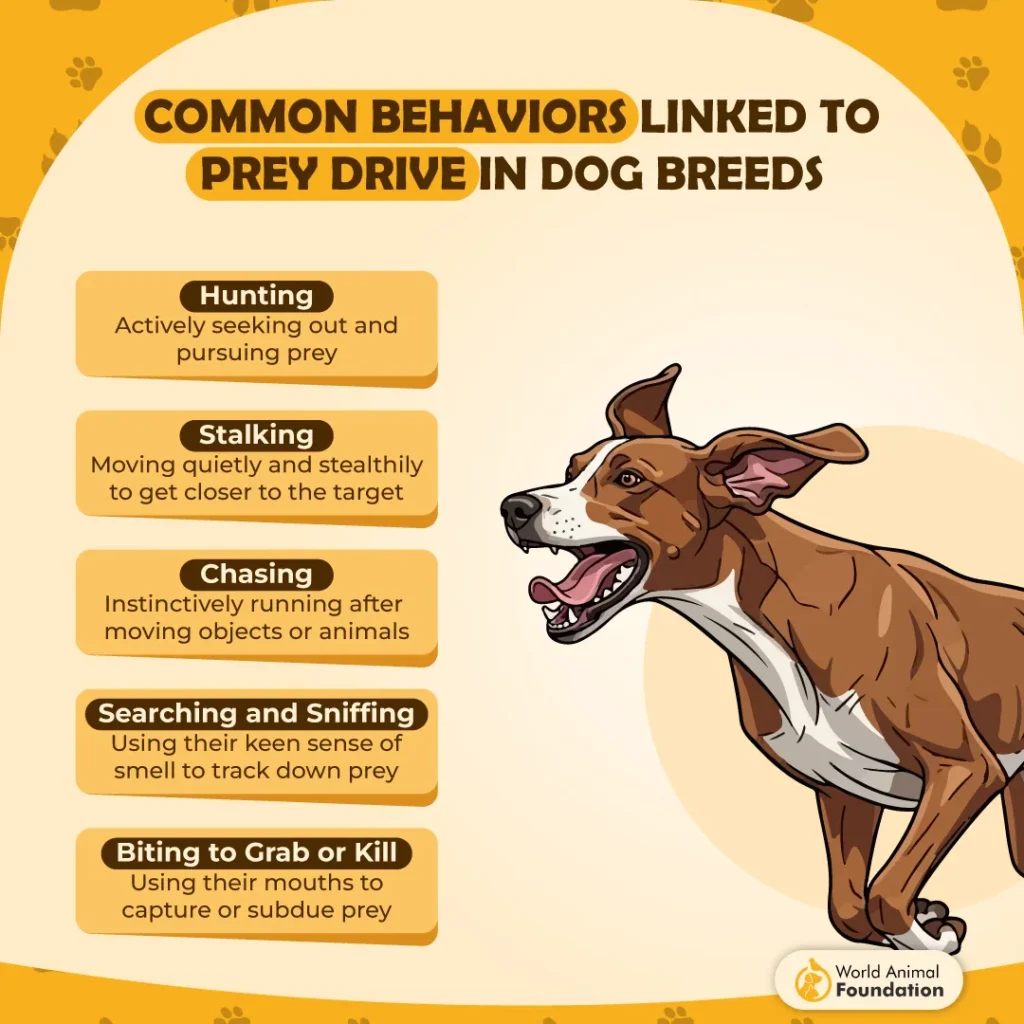
A Greyhound’s racing history doesn’t determine how it will react to small animals. Some dogs that never set foot on a track still have a strong prey drive, while others who raced for years stay calm and relaxed around pets.
3. English Foxhound

Hailing from England, English Foxhounds are medium-sized dogs with short, dense coats, long legs, and deep chests that add to their resilience and athleticism. They were bred to hunt in packs and are best suited to active families with some experience handling their energy and prey drive.
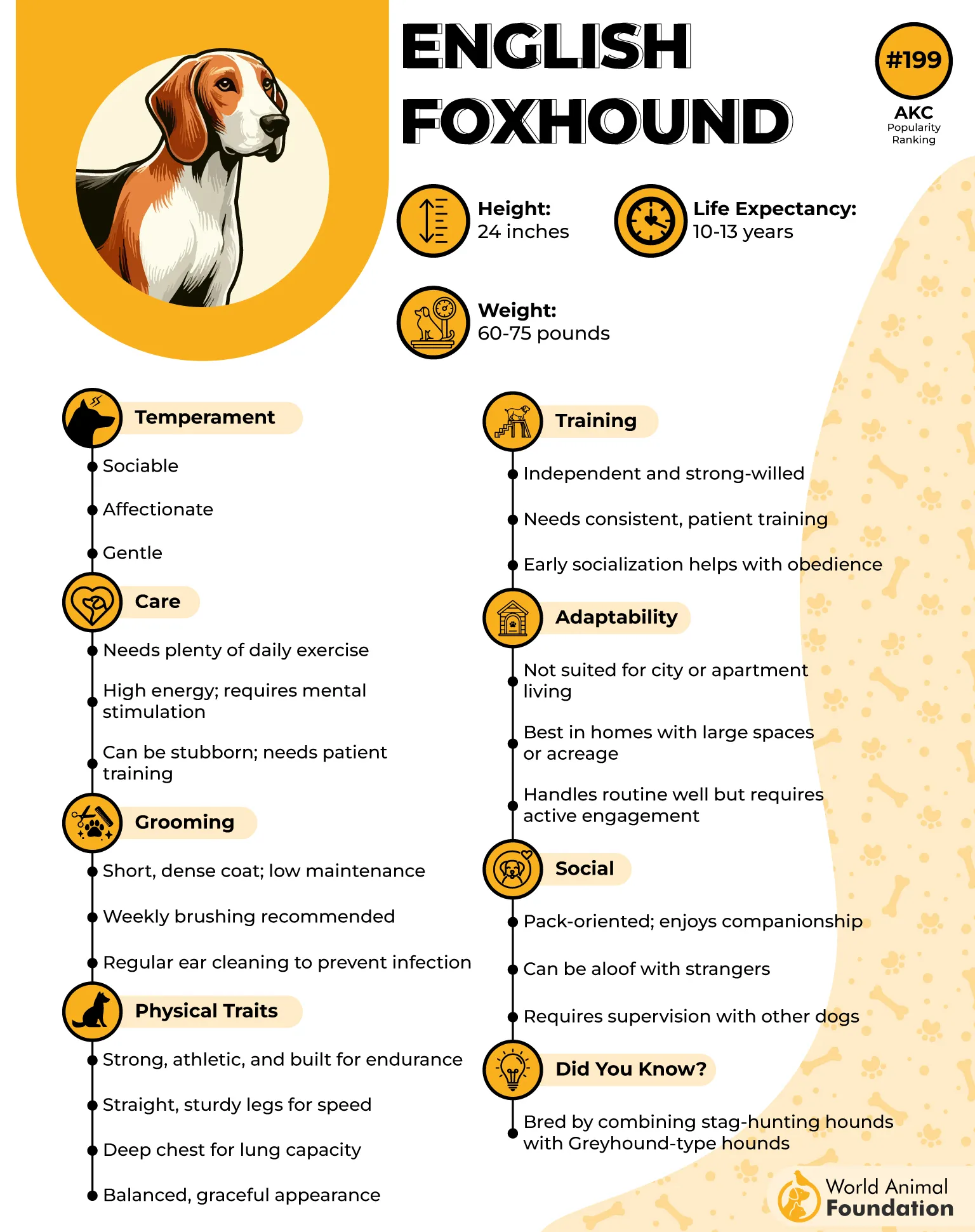
English Foxhounds have amiable dispositions and get along well with kids and other dogs when socialized early. They are full of energy and enthusiasm, so they need plenty of exercise that challenges both their bodies and their minds.
Owners should know that these dogs are intelligent and learn quickly, but that doesn’t mean they don’t have opinions. They have an independent streak, especially when it comes to training, which makes positive reinforcement methods essential.
4. Rhodesian Ridgeback
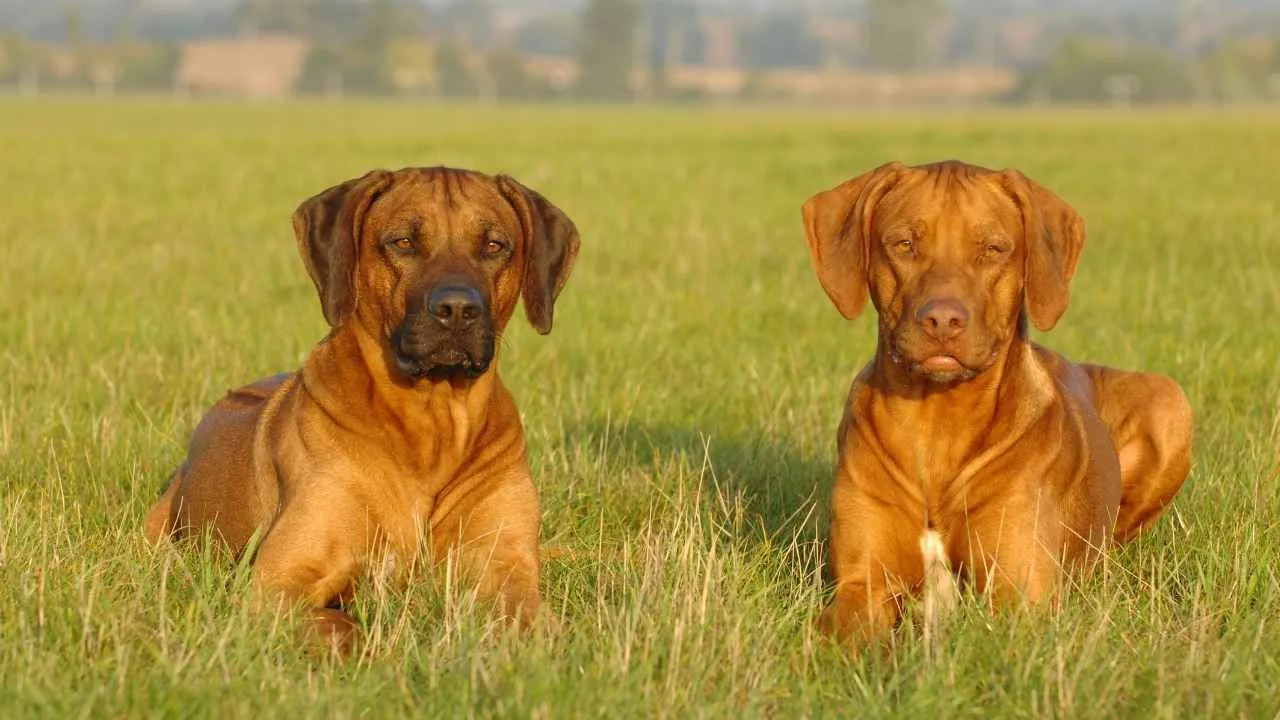
Nicknamed “African Lion Hounds,” Rhodesian Ridgebacks were bred in Southern Africa to track and bay dangerous game like lions. That history still shows in their brave personality, strong prey drive, and independence. They are not a good fit for first-time owners because they need a lot of training and socialization.
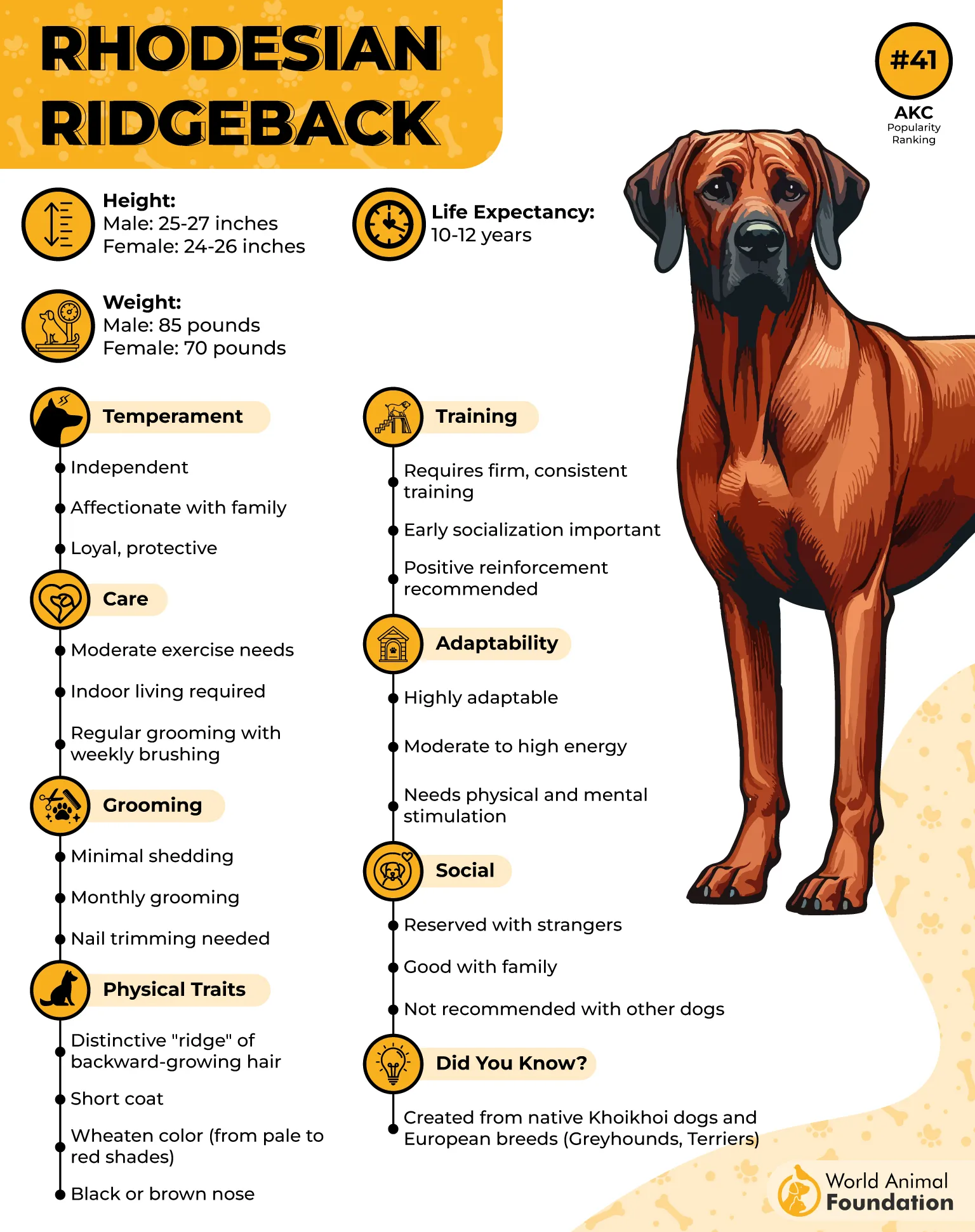
Rhodesian Ridgebacks have a protective streak toward their families. They tend to be wary of strangers, though they form close bonds with their owners and make devoted family dogs. If they aren’t properly trained while young, they can become difficult to handle.
As mentioned, these dogs were bred to hunt large game, which explains their strong instinct to chase smaller animals like birds and squirrels, and even deer on the trail. Securely fenced areas and leash training play an important role here.
5. Plott Hound
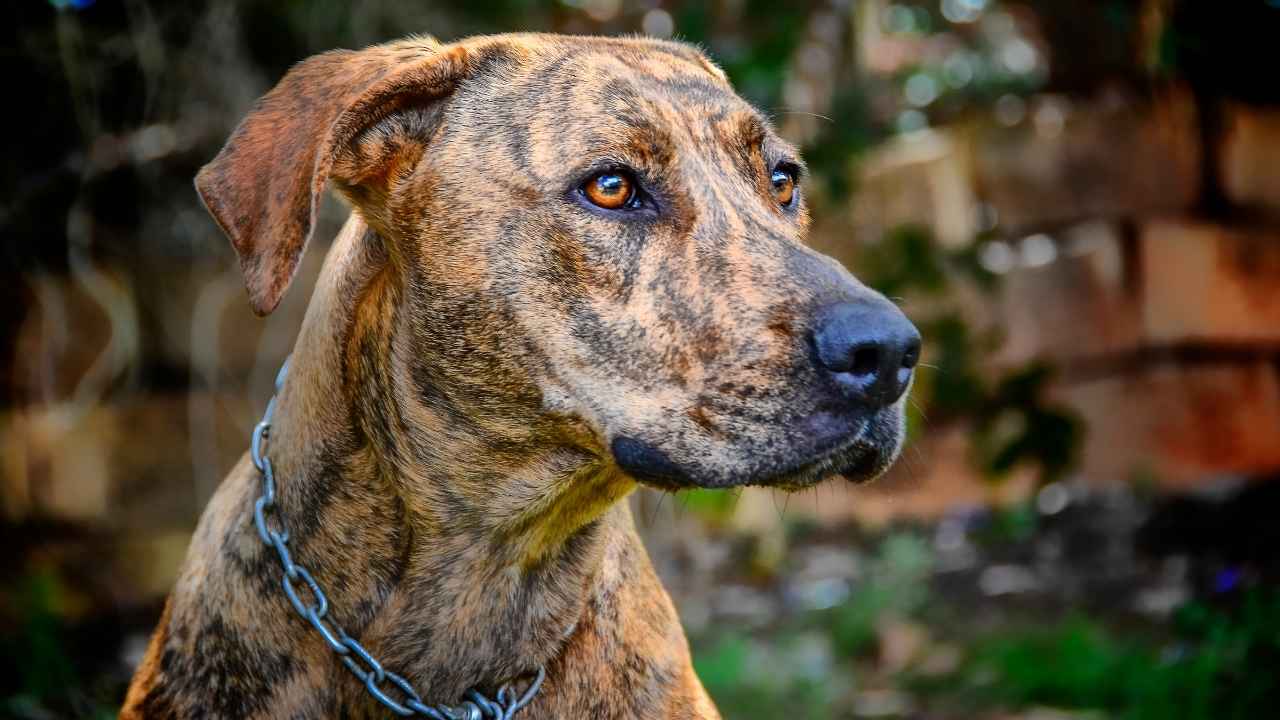
Often called coonhounds, Plott Hounds were developed in North Carolina to hunt large game, particularly boar and bear. Renowned for their smarts and determination, they also rank among the high prey drive breeds, thanks to that hunting history.
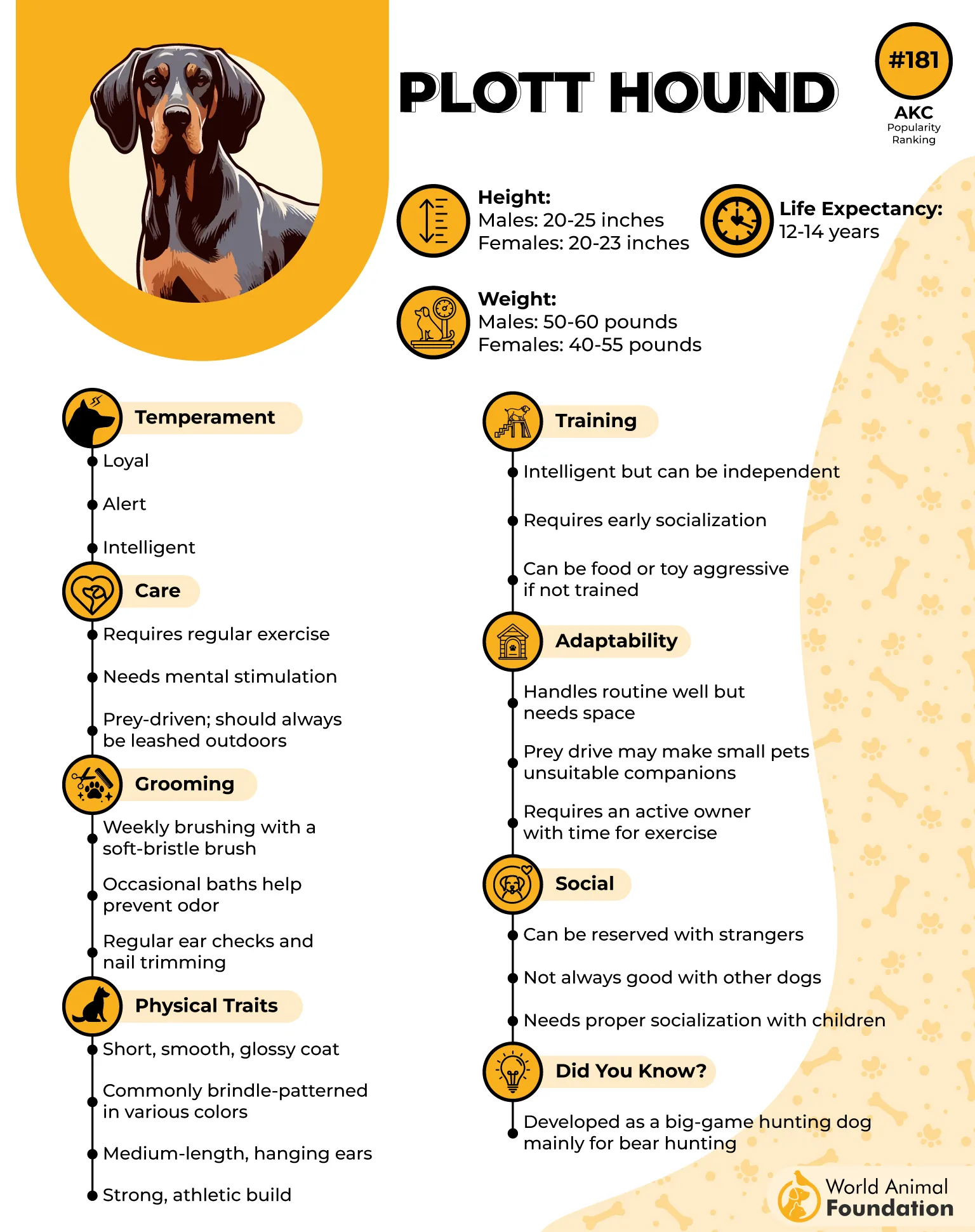
Plott Hounds have hazel to brown eyes and a short, shiny coat that comes in a brindle pattern. According to CKCUSA, they may get along well with other dogs, but they naturally view small, fast-moving animals as prey, including small pets.
As family pets, Plott Hounds are incredibly loyal and eager to please. Their high energy needs to be channeled through one to two hours of exercise a day, or they may develop destructive behaviors. They love staying active on land or in water, whether that means hiking, swimming, or going on long walks.
6. Saluki
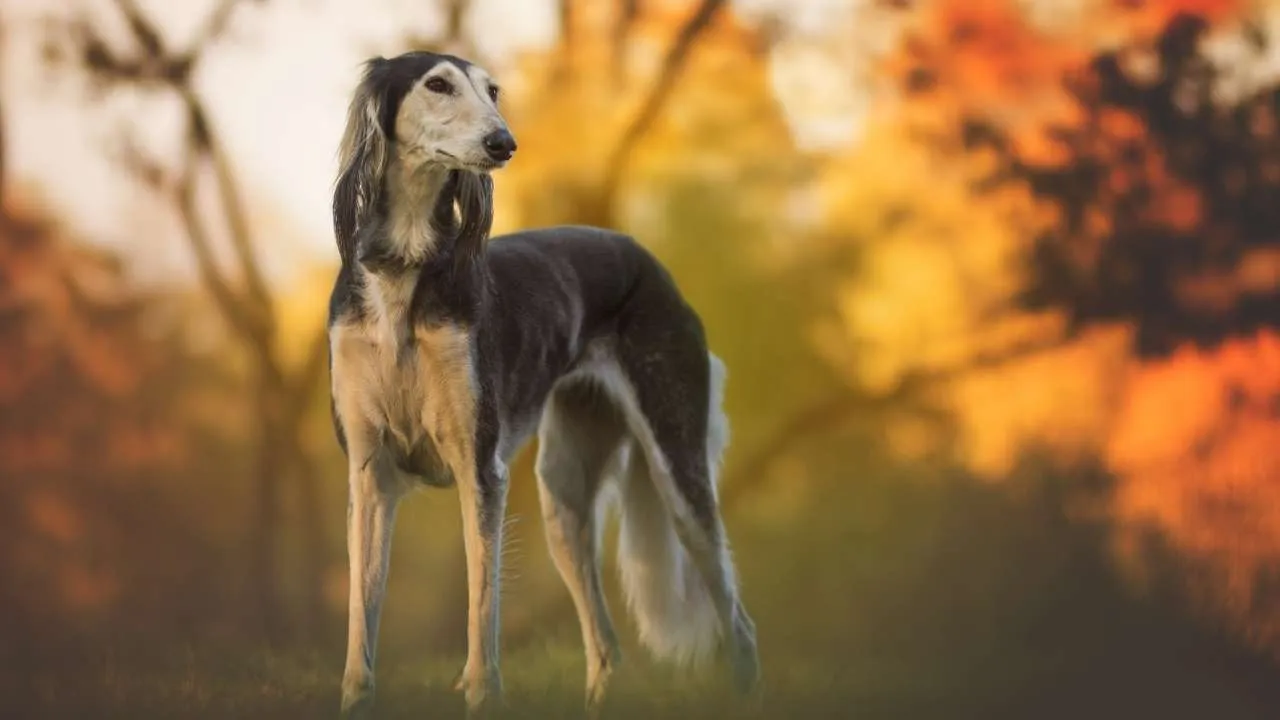
Elegant and graceful, Salukis enjoy long runs as much as they enjoy lounging with their favorite people. Beyond their sophisticated looks, these medium-sized dogs have been admired as skillful hunters for thousands of years. They have remarkable speed, and their athleticism really shines outdoors.
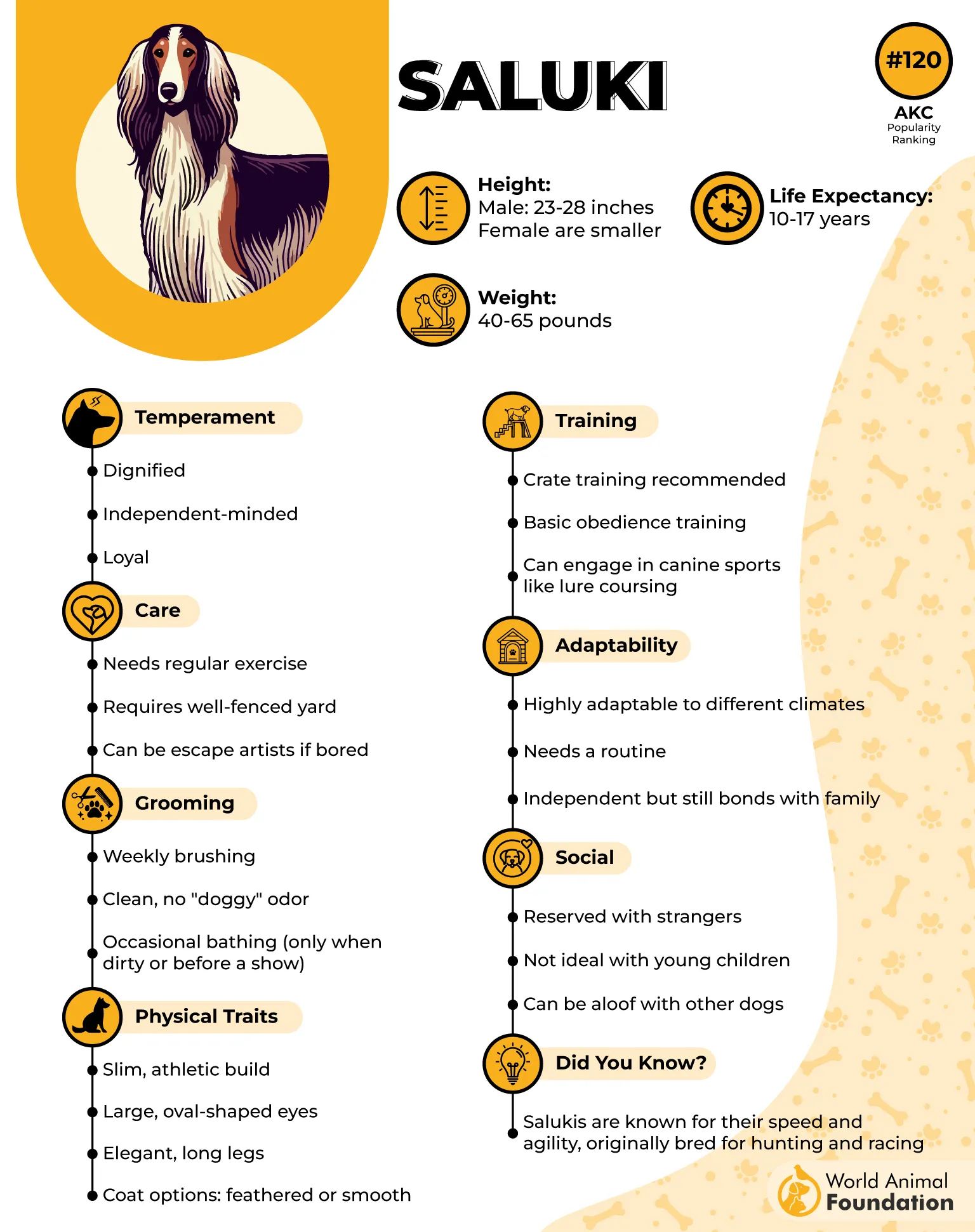
When it comes to prey drive, Salukis were bred to hunt using speed and eyesight, which sharpens their ability to spot and chase prey, according to the AKC. If you plan to bring other pets into the home, introduce them while your Saluki is still young.
Salukis share deep bonds with their families and can develop separation anxiety if left alone for long periods. Because of their natural urge to chase, owners should have an enclosed outdoor space and a strong leash.
7. Weimaraner
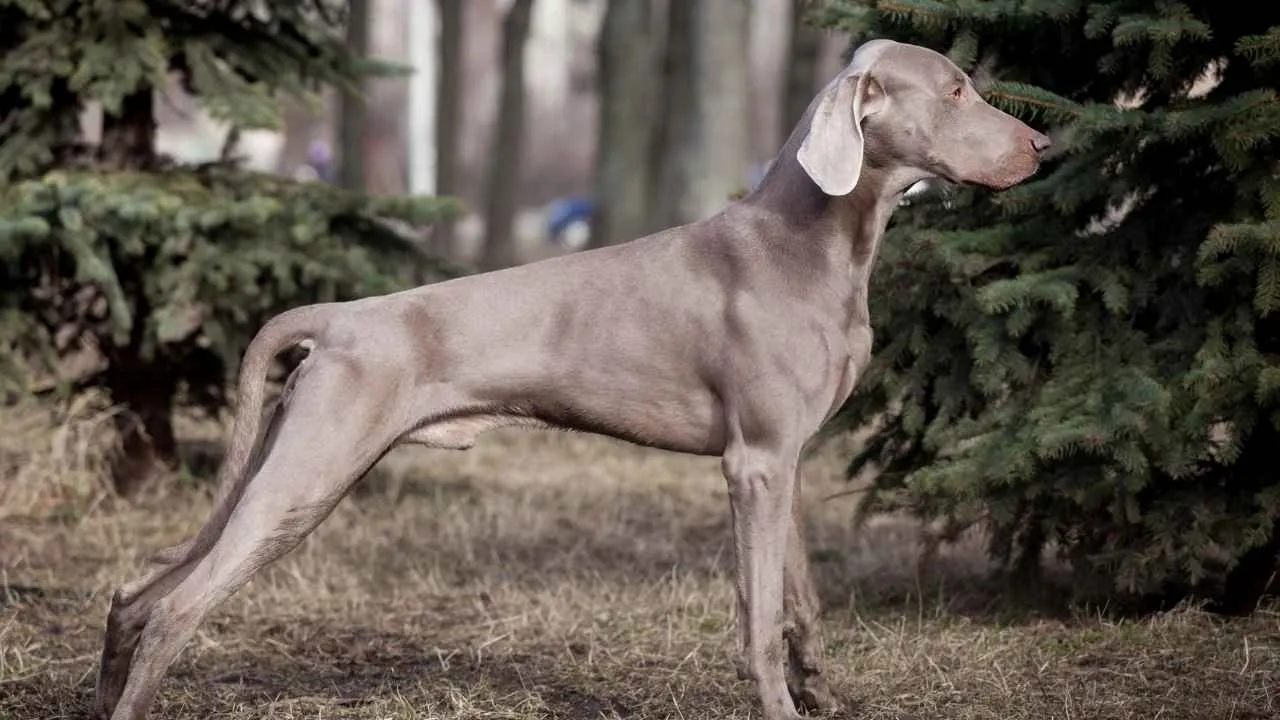
Weimaraners are highly active dogs with a hunting background that stretches back several hundred years. Over time, they became known as gun dogs, with real talent for retrieving and pointing. That history also places them among the high prey drive breeds.
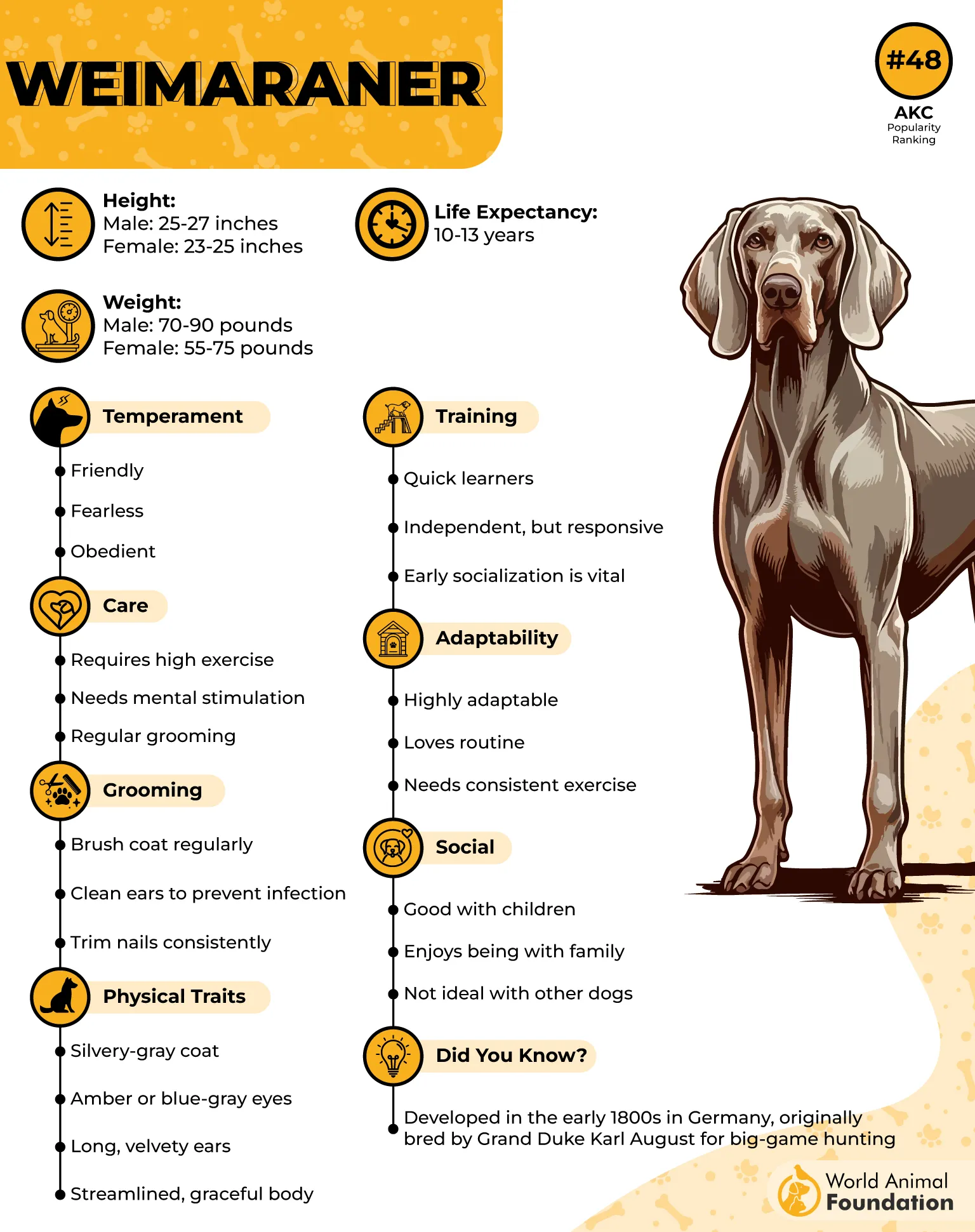
Their rambunctious nature calls for consistent, early reward-based training. They aren’t big barkers, but their bark is deep enough to intimidate strangers. Their prey drive can also lead them to bolt on walks, which can put other pets and wildlife at risk.
Alert and eager to please, Weimaraners are loyal and loving with their humans. Their intelligence, however, comes paired with a mind of their own, so owners should have prior experience handling dogs with that combination, says Orvis.
Conclusion
A strong hunting instinct can be an impressive quality, but it’s important to understand what it means for everyday ownership. High-prey drive dogs with these natural tendencies may chase moving animals, investigate unfamiliar scents, or struggle to ignore distractions outdoors. Early training, secure spaces, and appropriate outlets for their energy can make a significant difference.
