




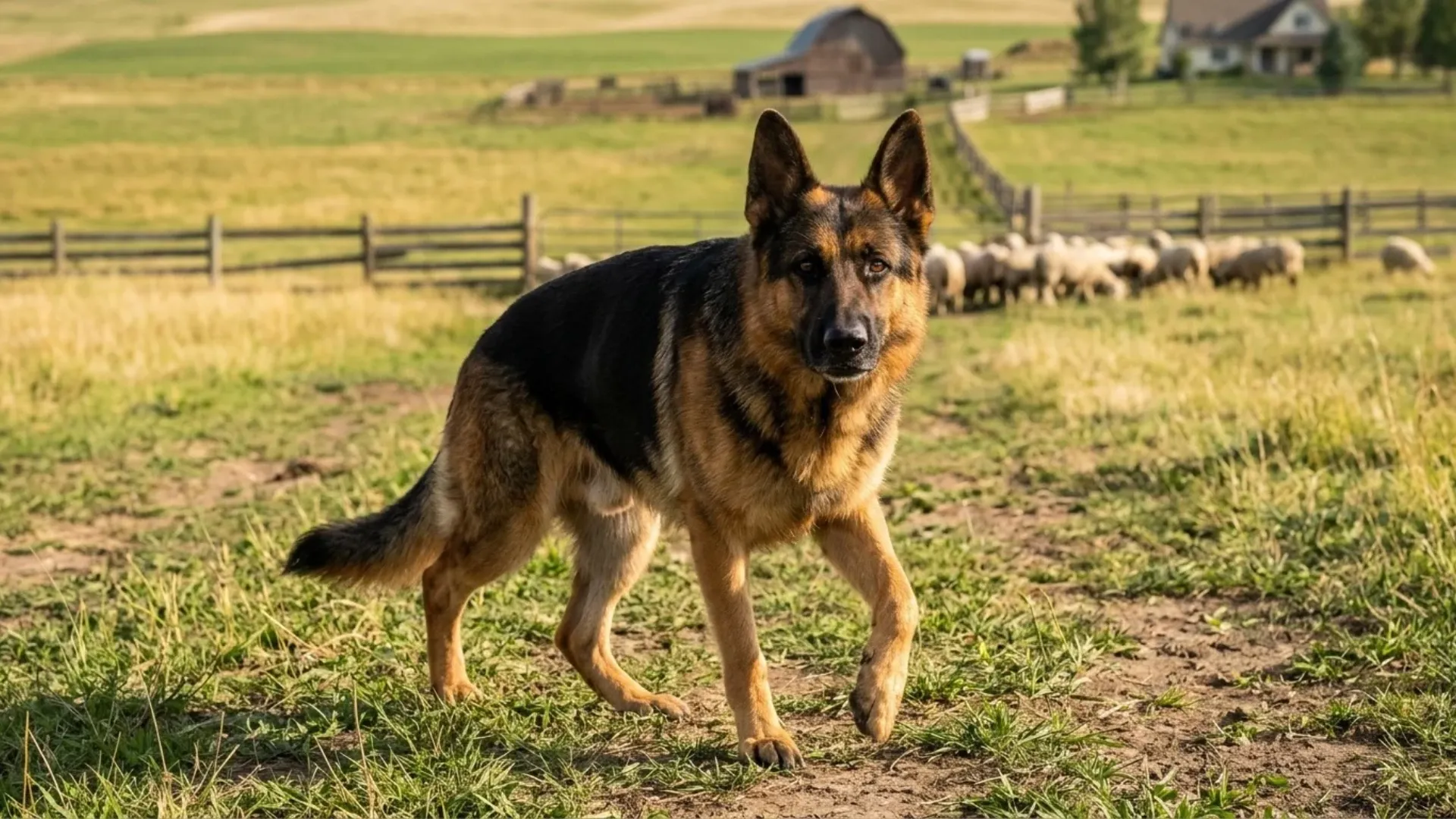
Keeping an eye on every corner of the property as a farmer and livestock owner is exhausting. You blink, and there’s a predator like a coyote, wolf, or stray wild hog taking a chance.
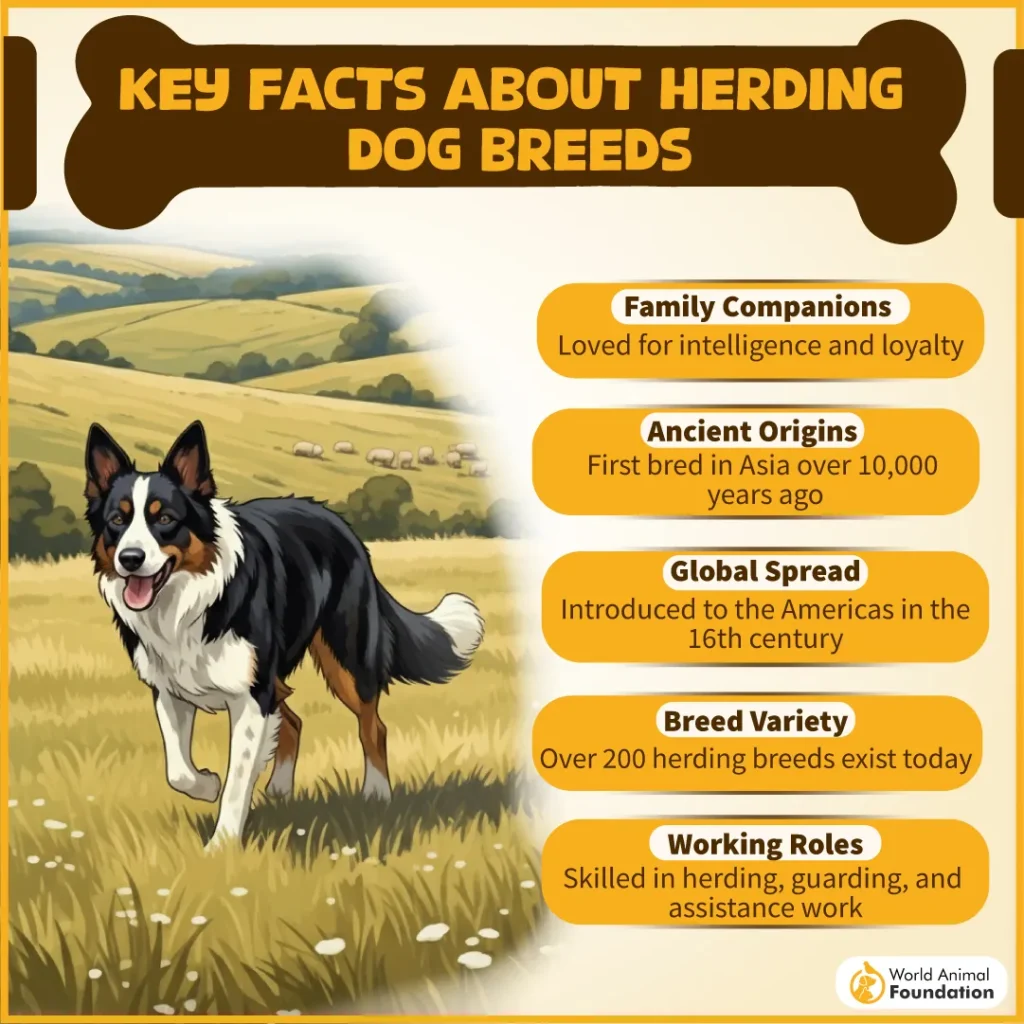
So herding dogs just make things easier. They gather, manage, and control the livestock while you are away enjoying your day or taking a little nap. These dogs are built to do this, and they have innate instincts. And that’s not it because they are also good at protecting them from predators.
They protect livestock with their build, stamina, and bite force when needed. However, every herding dog breed differs in their herding style. Some nip at heels while others use their size to intimidate the flocks.
We have shared seven livestock guardian dogs in this guide that were bred to herd. We will discuss their herding style, stamina, strength, and bite force for protection. In addition, you will also learn about the exercise, training, and personality of these farm dogs.
Dynamic Dog Breeds Built for Herding and Protection
1. Australian Shepherd
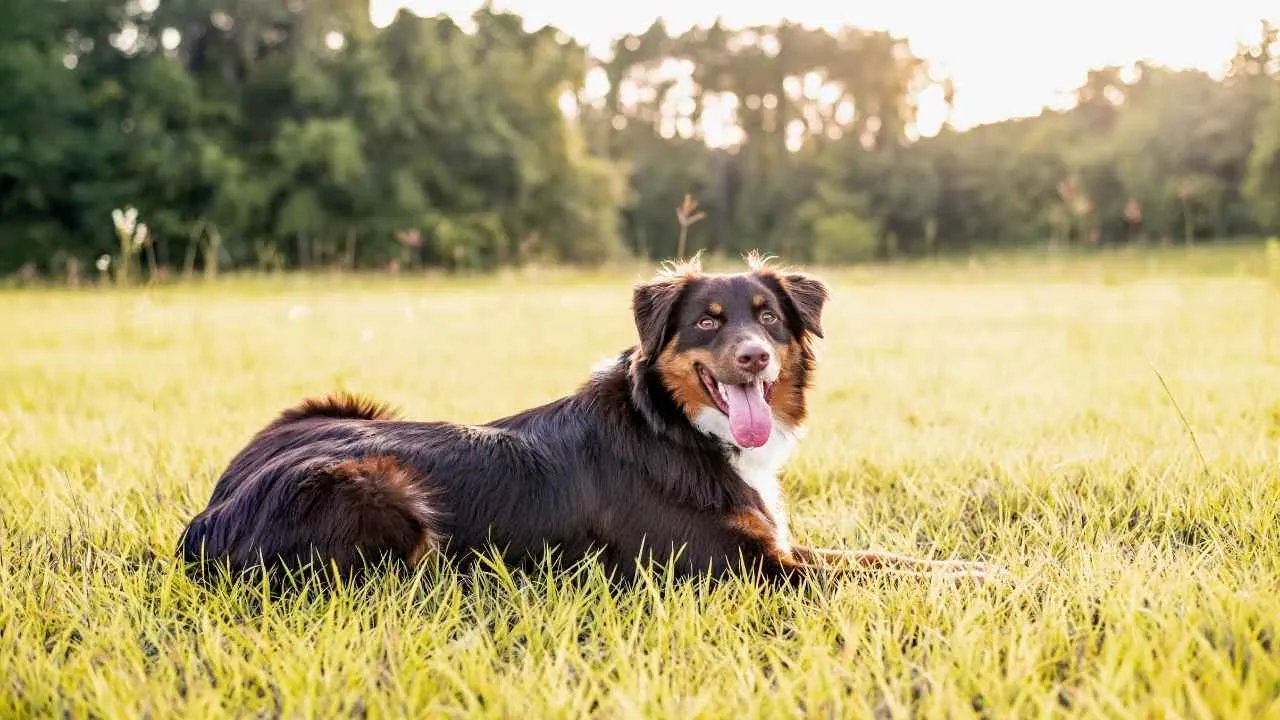
Australian Shepherds are intelligent, highly energetic, and eager to please dogs. They possess an intense desire to have a job and form deep bonds with their family, which makes them excellent companions. These medium-sized dogs were originally bred to be versatile ranch and farm dogs.
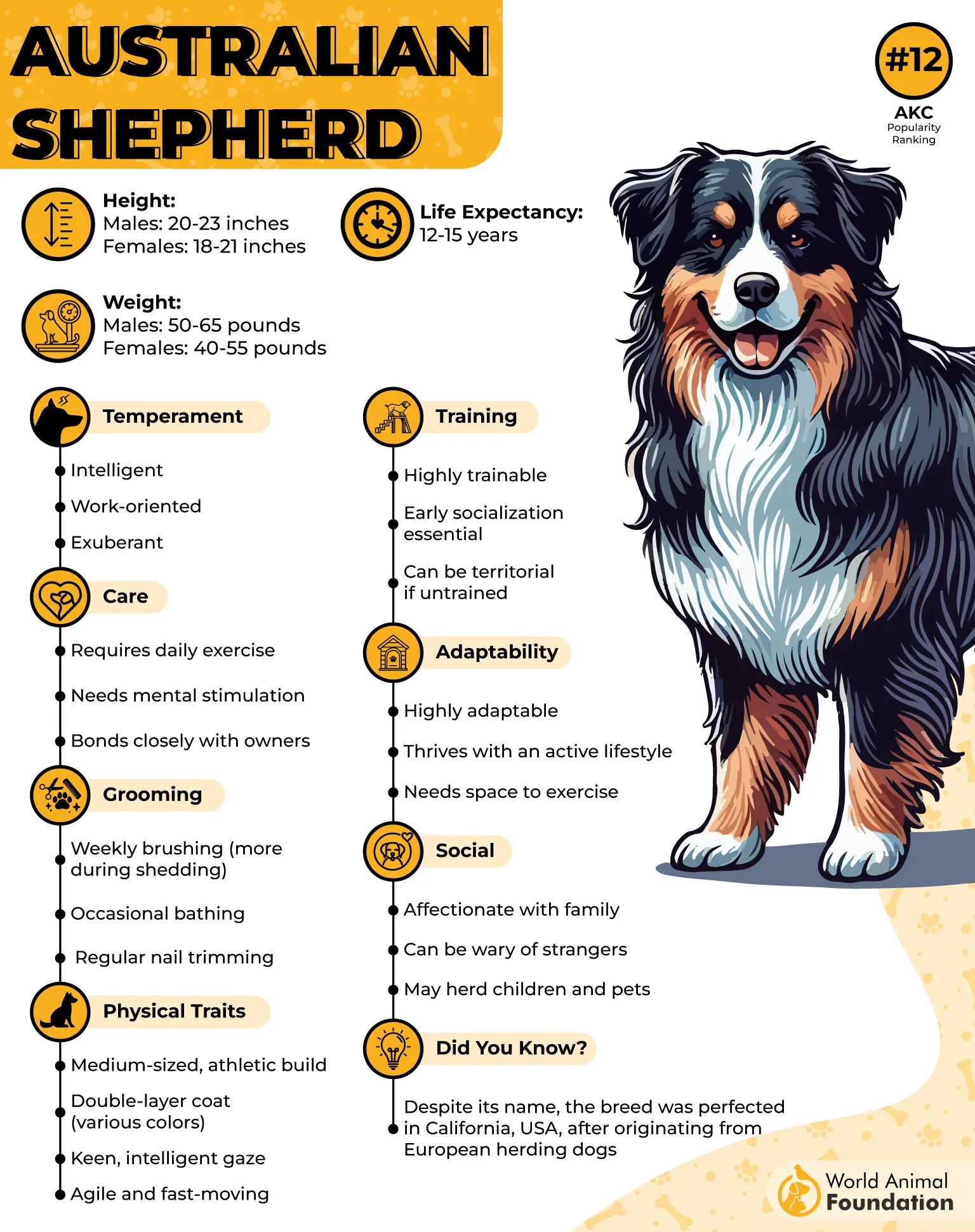
They work as herders and use their agility or speed to dart and protect livestock. Australian Shepherds also rely on direct eye contact to move sheep and sometimes nip gently at lower legs. Plus, these livestock protectors have high stamina and a bite force of 200-220 PSI to deter minor predators.
They have very high energy levels, as PetMD also mentioned, and require 1-2 hours of intense exercise for mental stimulation. These herding breeds pick up basic commands quickly and respond best to agility training, firm leadership, and positive reinforcement methods.
2. Australian Cattle Dog
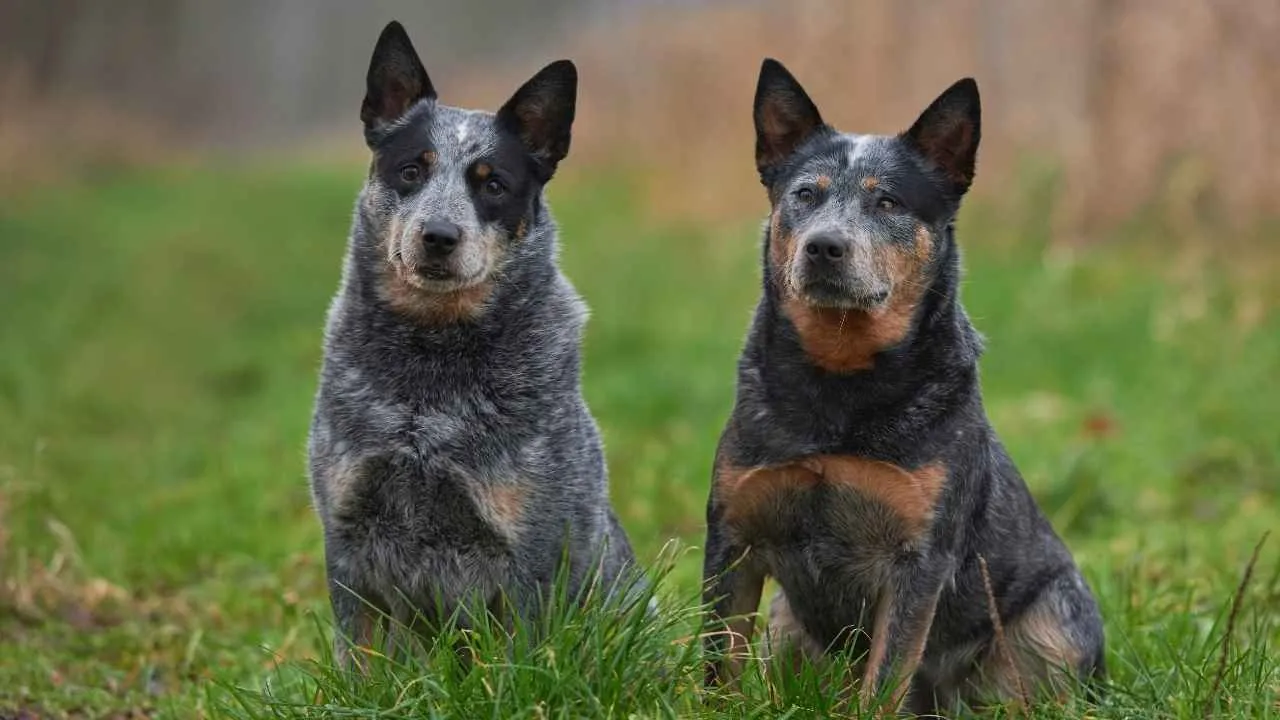
Australian Cattle Dogs are tough, loyal, hardworking, and smart dogs. They form intense bonds with their owners and act protective on the farm. They were originally bred to drive cattle across scorching and rugged terrain. ACDs are classic low-to-the-ground heelers, and they nip precisely at lower heels.
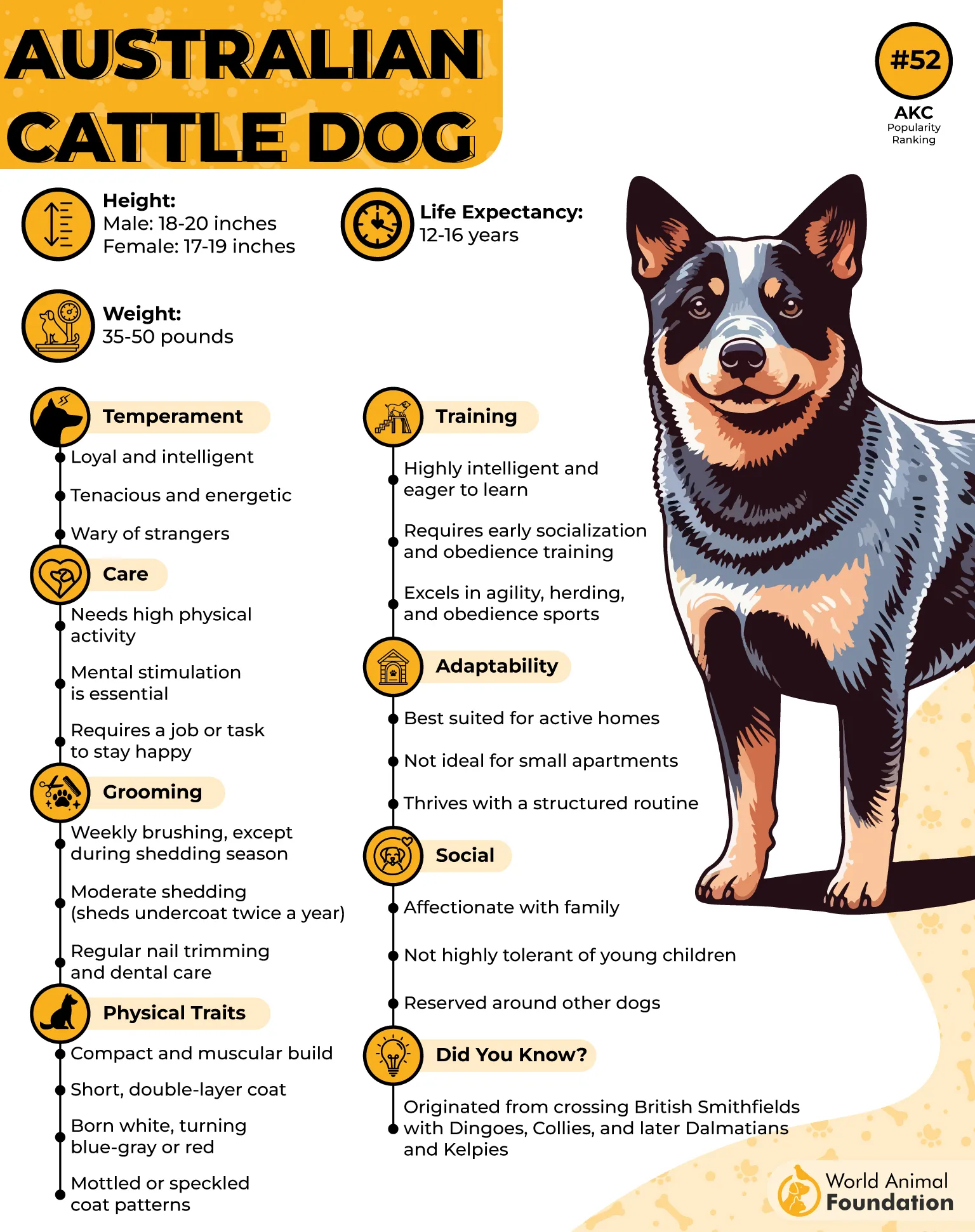
These Cattle Dogs have the courage and resilience to confront and drive away predators, though they are primarily herding breeds. They also have high energy levels and require 90+ minutes of vigorous daily exercise for mental stimulation. ACDs are intelligent but also stubborn and independent.
So training them is non-negotiable, and firm leadership and early socialization are usually best. Australian Cattle Dogs have a short double coat that sheds moderately throughout the year and require quick weekly brushing (high during seasonal sheds). They do well with experienced owners.
3. Border Collie
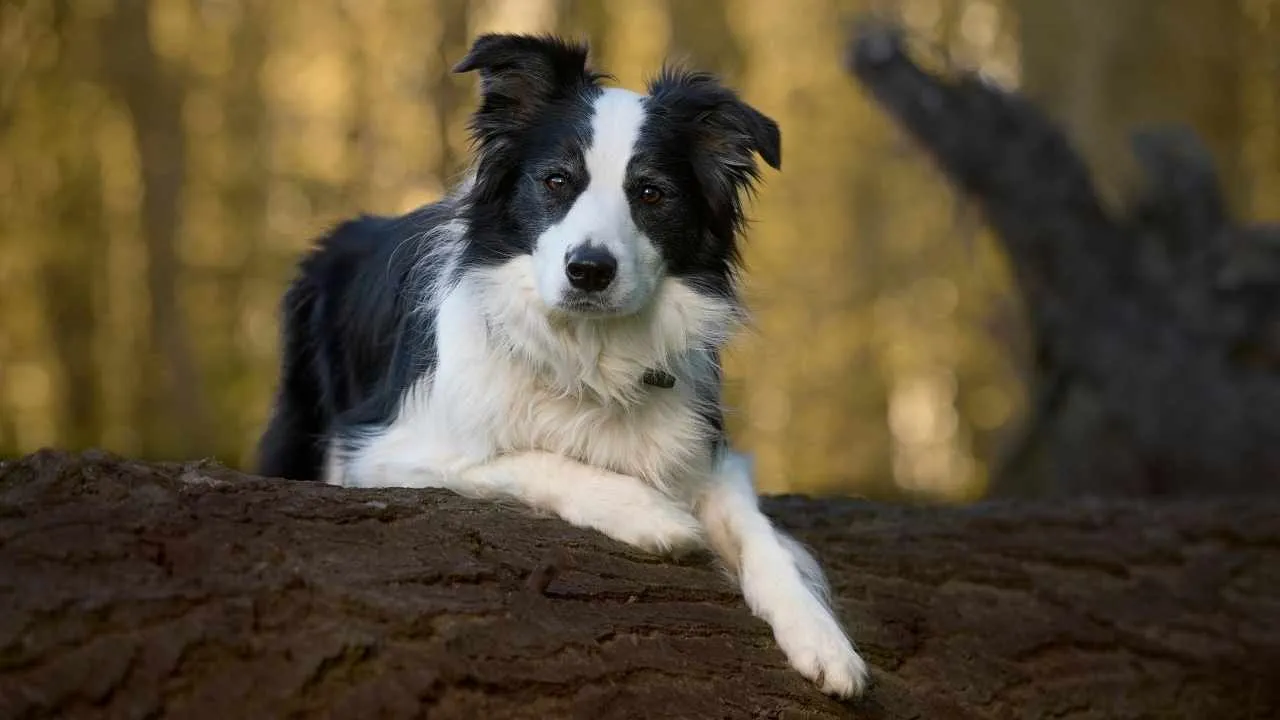
Border Collies are work-oriented, deeply focused, and energetic dogs. They are affectionate, loyal, and deeply bonded with their families indoors. Their minds are permanently wired for action without a purposeful job. They were specifically bred to gather and control sheep over challenging hills.
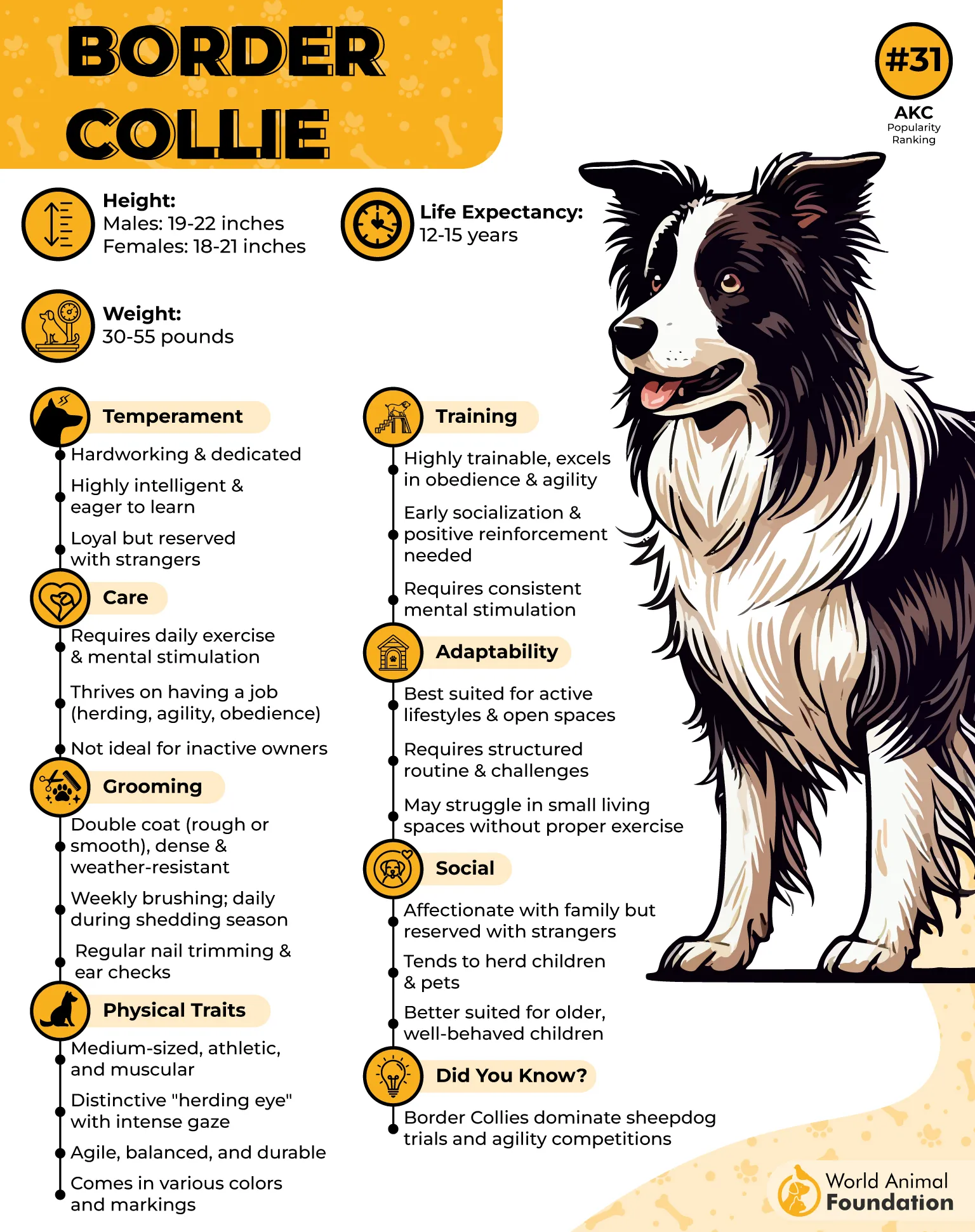
These medium-sized dogs work with a low crouching stance and stare intently at sheep to control their movement. They are also famous for their stare, and they prefer to stock flocks smoothly by circling instead of nipping at their heels. Border Collies have speed, stamina, and fast reflexes.
They possess staggering intelligence and pick up commands quickly. Collies do well with experienced farm owners and professional handlers because of their high herding drive and energy levels. They need around 2 hours of daily activity to spend their boundless energy and stay stimulated.
4. Polish Lowland Sheepdog
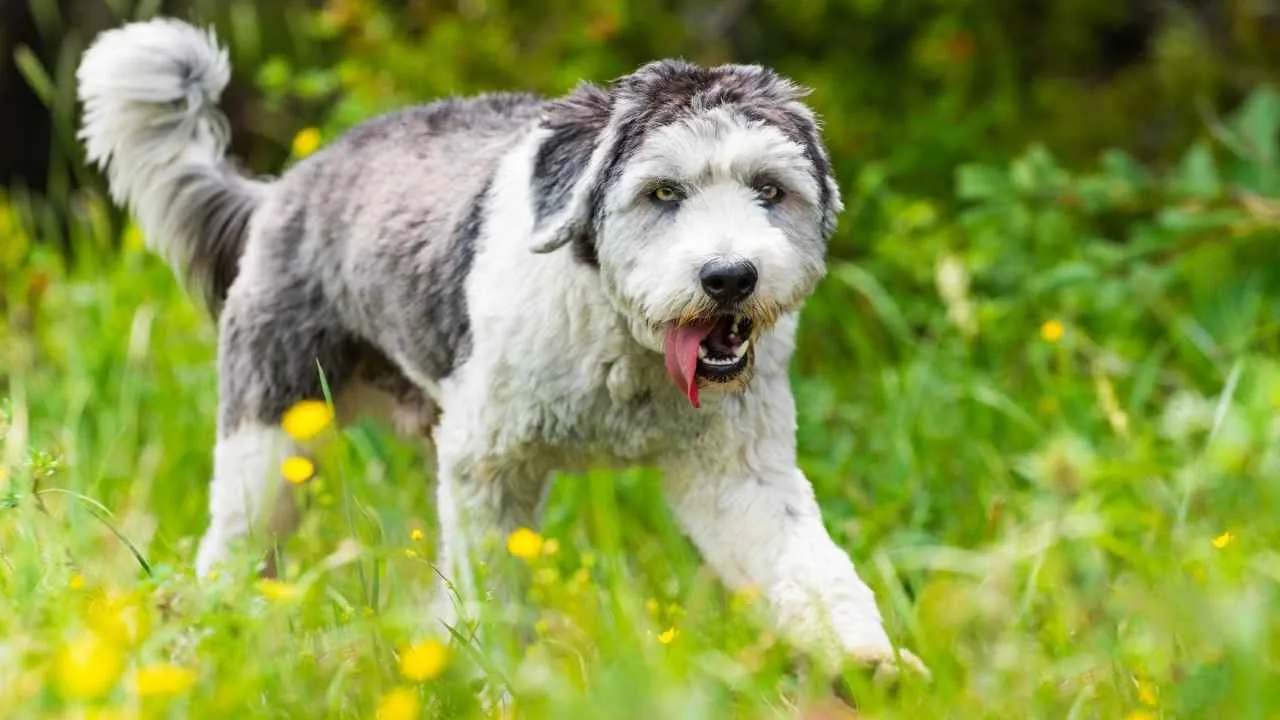
Polish Lowland Sheepdogs are confident, loyal, deeply intelligent, and alert working dogs. They possess an excellent memory and watchful nature. PONs were originally bred to be farm workers, and there they got the nickname ‘Poland’s Farm Workers, ‘ as VCA Hospital shared.
These are tending and driving dogs because they rely on their stocky build and physical appearance to guide sheep. PONs also make great guardians against predators due to their courage and confidence. These Sheepdogs require around 60 minutes of daily exercise, including brisk walks and agility training.
They possess a stubborn and independent streak, so early socialization and positive reinforcement are important. Polish Lowland Sheepdogs have a shaggy double coat that does not shed much but requires regular brushing 2-3 times a week using a pin brush to prevent severe mats and tangles.
5. Bergamasco Sheepdog
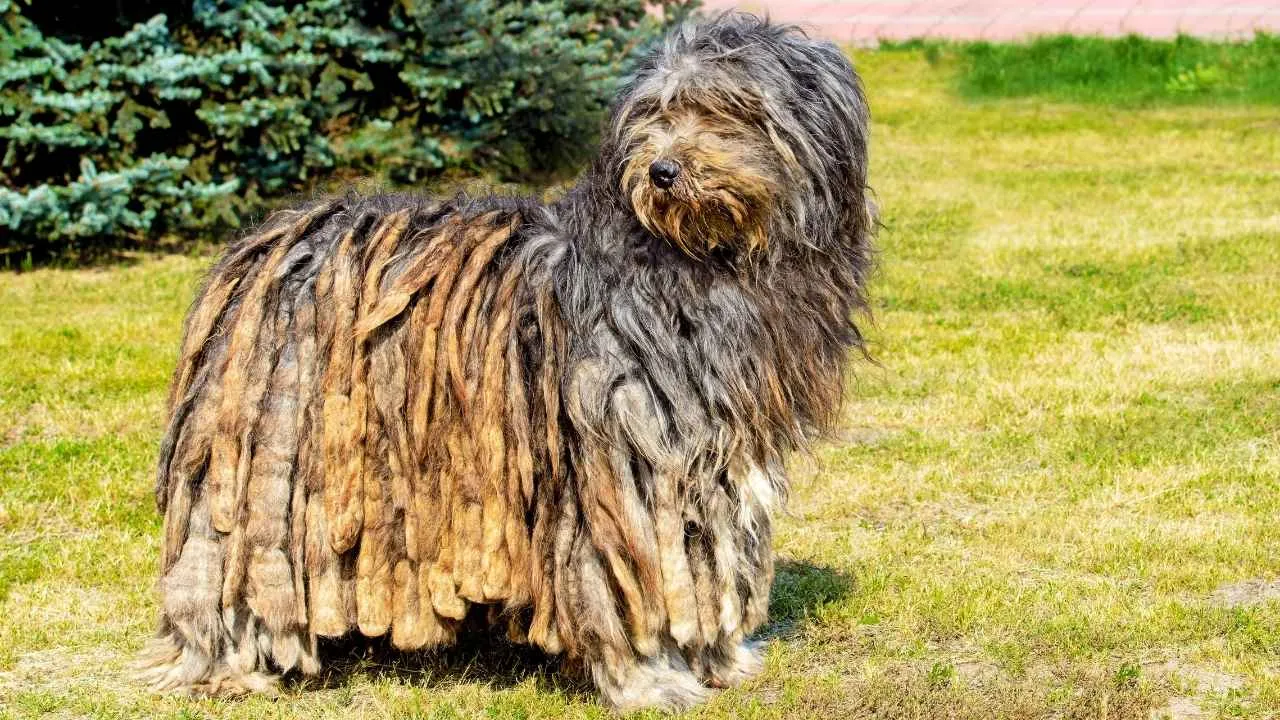
Bergamasco Sheepdogs are patient, deeply intelligent, fiercely loyal, and observant dogs. They possess a profound desire to connect with their human and share deep bonds. They are also naturally watchful and protective because they were bred to be elite herding dogs and guardians.
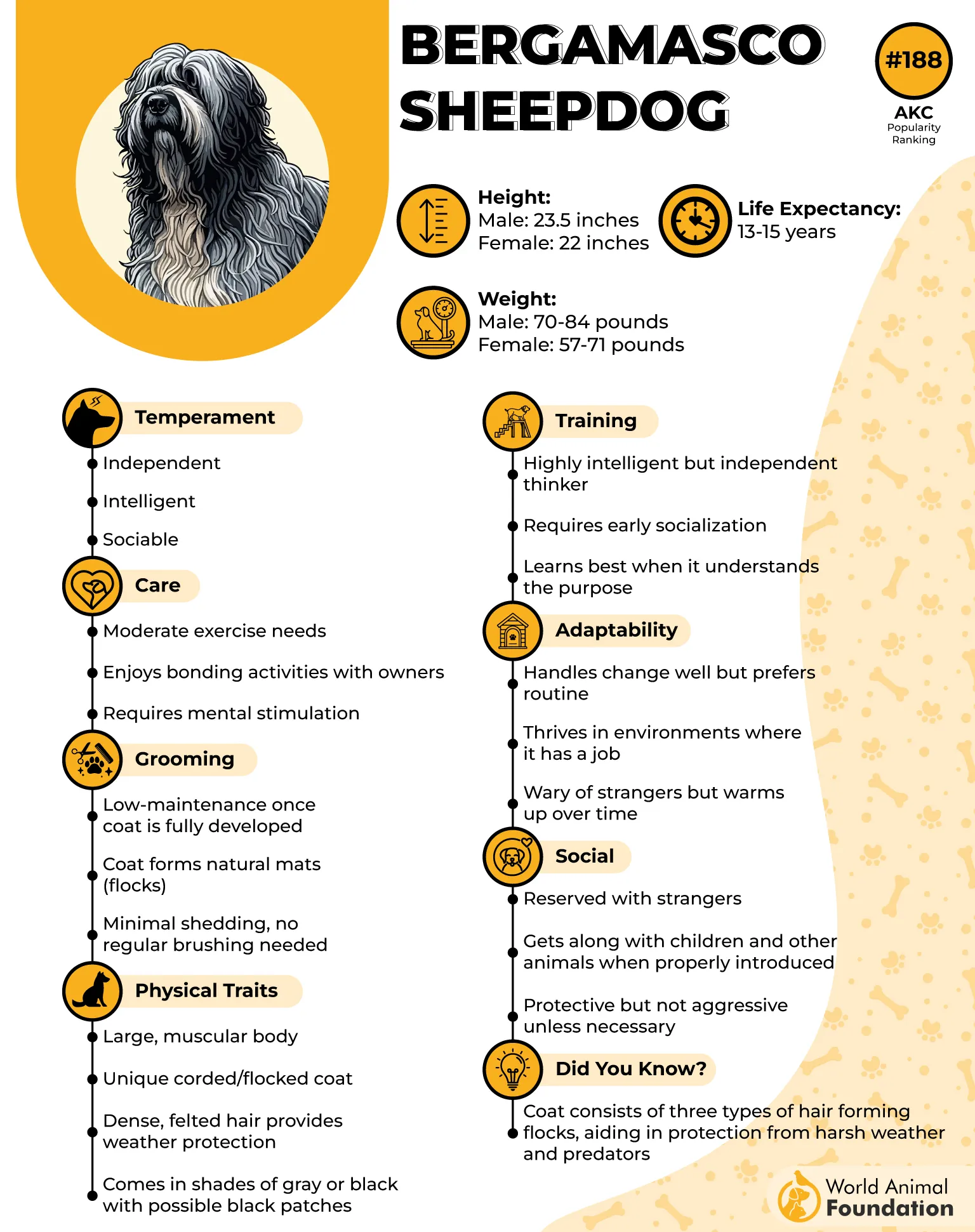
These Sheepdogs work as calm and authoritative partners to guide the flock safely across difficult landscapes. They also rely on their physical presence, deep bark, and immense courage to deter intruders. Bergamascos are best suited for experienced working farmers and dedicated handlers.
They have moderate exercise needs and require around 60 minutes of daily exercise. They have one of the most unique coats in the canine kingdom, which is a combination of goat hair and woolly hair that naturally mats together over time and forms dreadlocks that barely shed.
6. Belgian Malinois
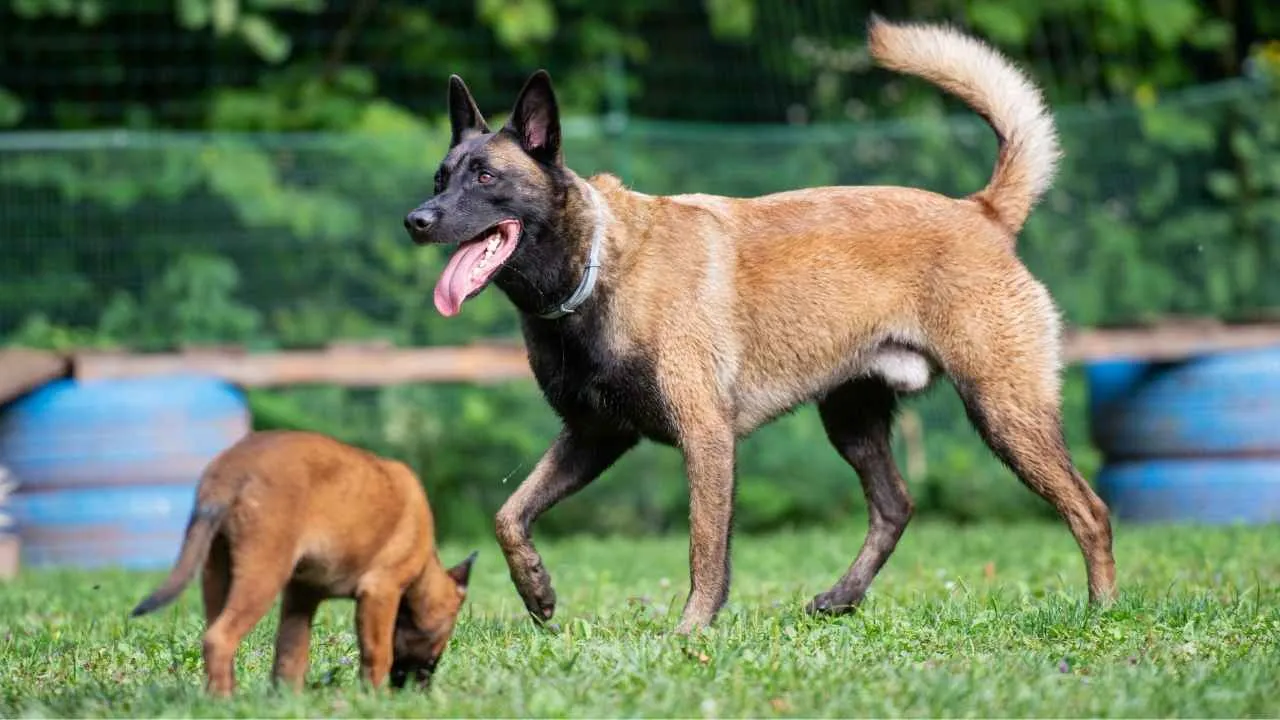
Belgian Malinois are intense, hyper-intelligent, and alert working dogs with a serious nature. They like to interact with their handlers but are protective and highly sensitive. Mals are not couch potatoes, but they are highly energetic herding dogs, as they also served as police protection and military dogs.
They work with blazing speed and precision using their intense physical presence. Belgian Malinois are fearless, courageous, and powerful dogs, so they can also neutralize threats. However, they are best dog breeds for experienced owners because of their high drive and strong-willed nature.
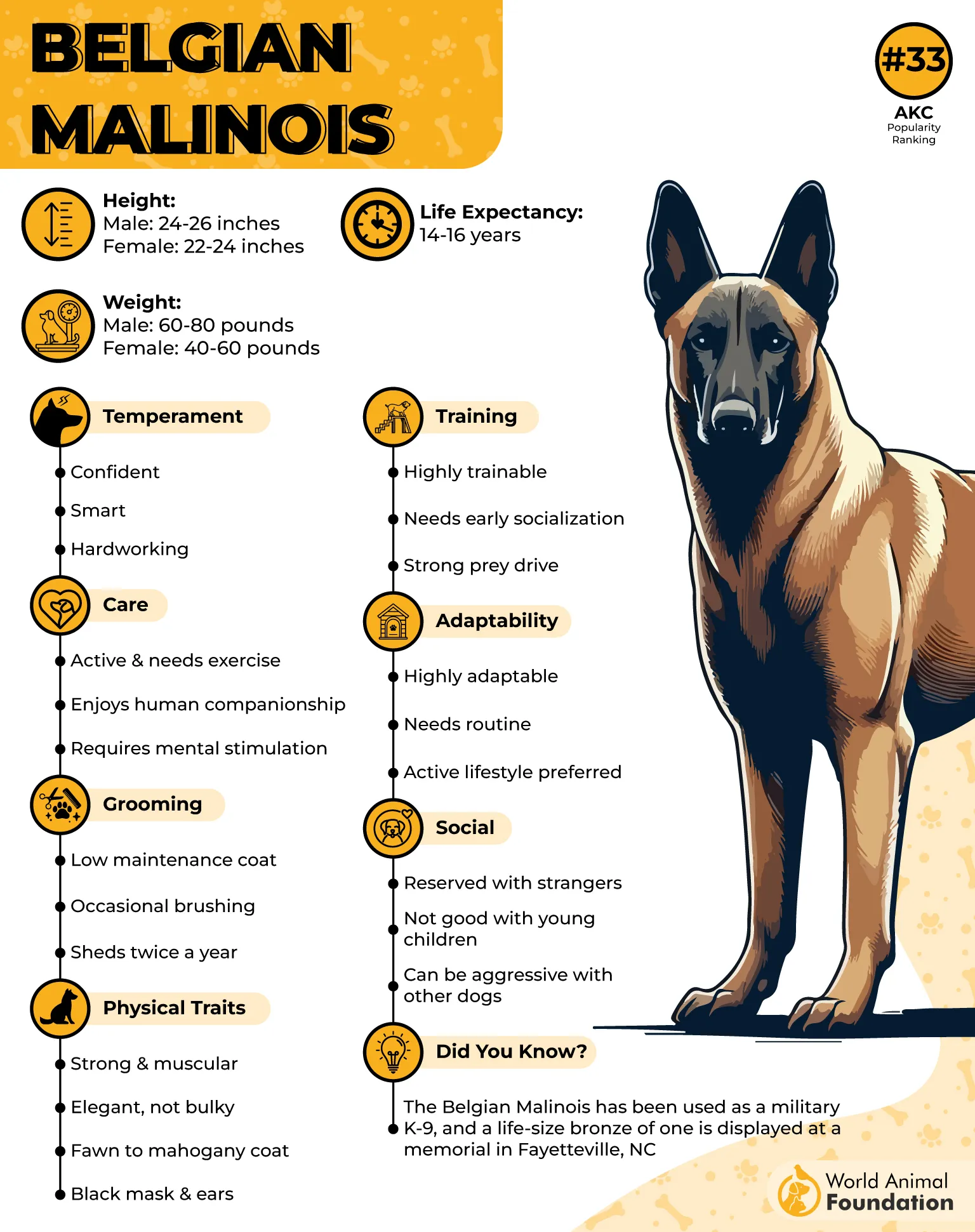
Belgian Malinois are also smart breeds, so they actually learn quickly with proper training and socialization. These working dogs need around 1-2 hours of exercise. They have a short, weather-resistant double coat that does shed considerably and requires weekly brushing (daily in seasonal sheds).
7. German Shepherd
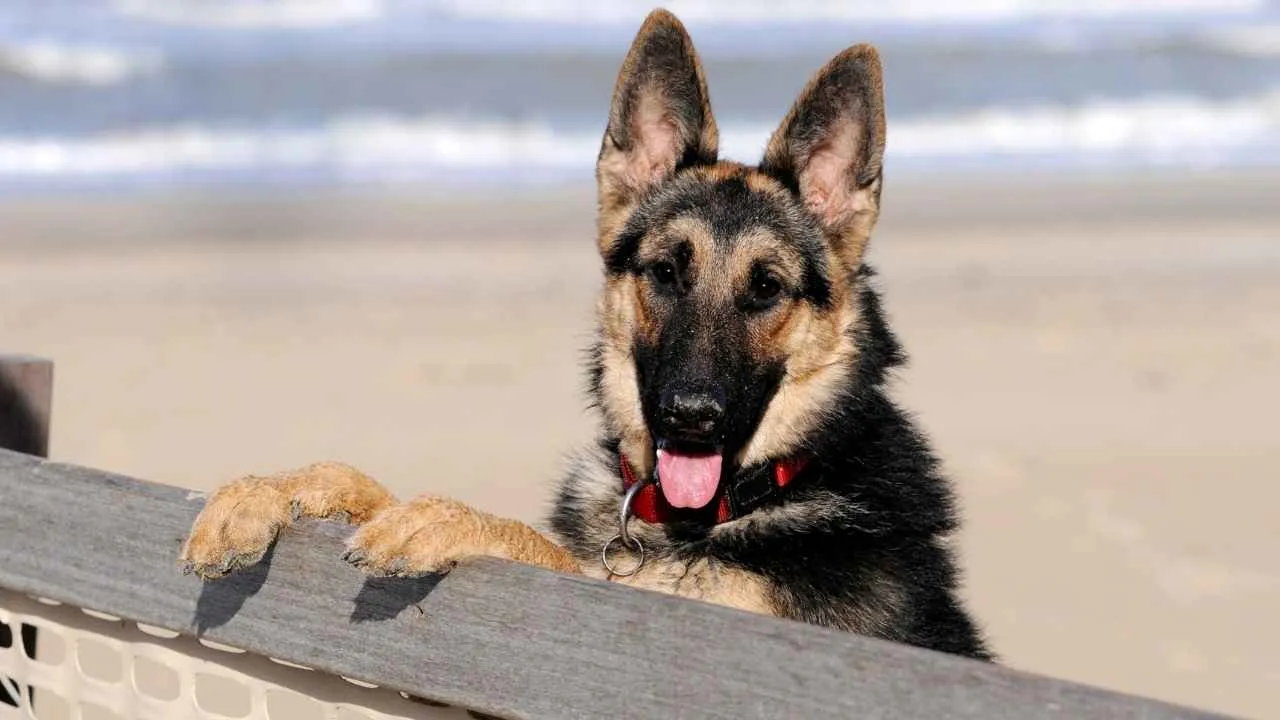
German Shepherds are confident working dogs wth watchful and naturally protective instincts. These muscular dogs were bred all around as farm dogs, but they have also served as police and tracking dogs according to the Royal Kennel Club. Plus, they possess immense courage and a strong bite force of 238-290 PSI.
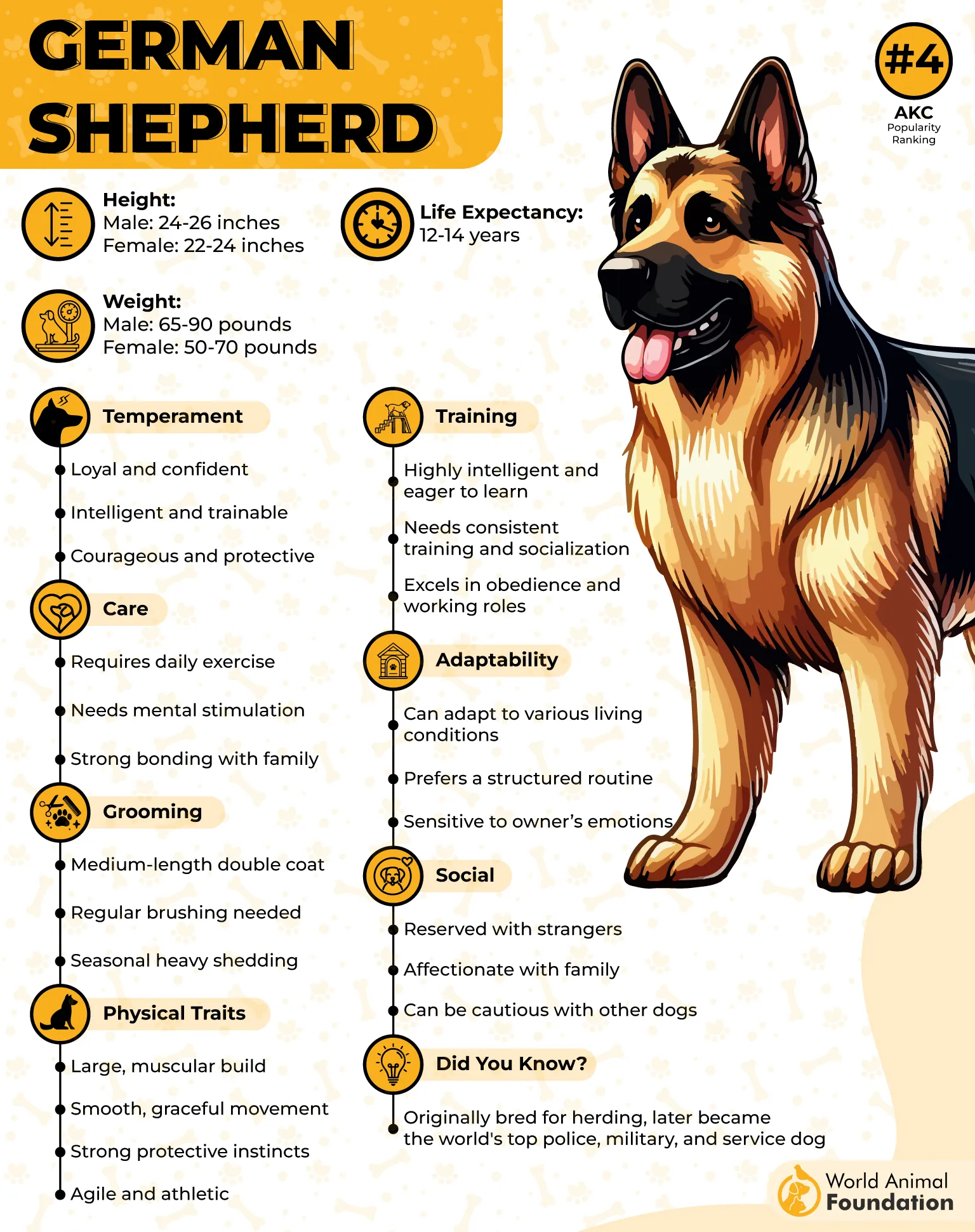
They control, gather, and manage the herd and also protect them when needed. These large dogs are best for experienced and active owners because of their high drive. German Shepherds respond best to firm and consistent leadership. They have high energy levels and require 60-90 minutes of activity.
These working dogs enjoy long walks, hikes, and tracking games. They have a weather-resistant double coat that sheds heavily throughout the year, and that’s why they are also known as ‘German Shedders’. However, they require brushing 2-3 times a week to control loose fur and prevent mats.
Conclusion
The above-mentioned seven dog breeds are perfect for farm owners for protecting, gathering, managing, and controlling livestock. They all have innate herding instincts, though their styles are different. Some of them nip at heels, while others rely on their size or stare to manage flocks.
Make sure to read the details and learn more about their grooming, exercise, and training needs.
