




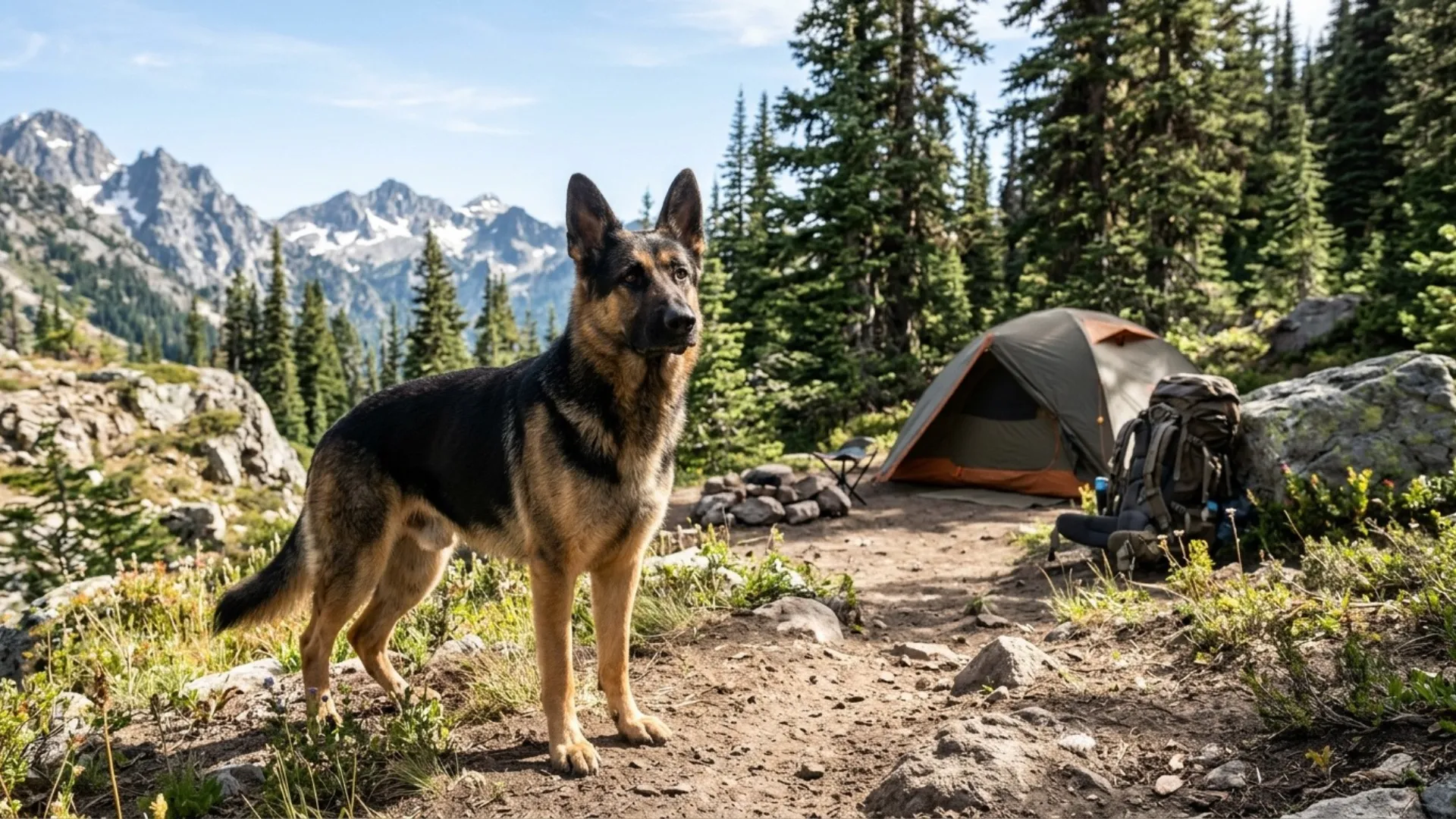
Craving a restful night away from the city lights? Picture yourself lying under a dense, dazzling sky full of stars, watching for wildlife. The wind howls as you warm your hands over a low campfire, and the silence settles in while you gaze at the alpine peaks, humbled by their size and their timeless presence.
The trail to a summit is long, though, so you’ll want all the support you can get. That’s why we’ve researched and handpicked your outdoor sidekicks: dogs who love adventure as much as you do, enjoy cooler climates, and build such strong bonds with their people that many can be trusted off-leash.
We’re back with the best dog breeds for long-distance hiking and mountain camping. These hunting and herding breeds hit the trail running, are happiest exploring the nooks and crannies of the wilderness, and are always game for a walk in the rain.
You won’t find a better hiking partner than these furry adventurers. They stay steady on rough terrain and keep going through rain, hail, and thunderstorms. Weather-resistant coats, athletic builds, plenty of energy, and real stamina give them a big edge on the alpine trail.
Rugged Dog Breeds Perfect for Mountain Camping Trips
1. German Shorthaired Pointer
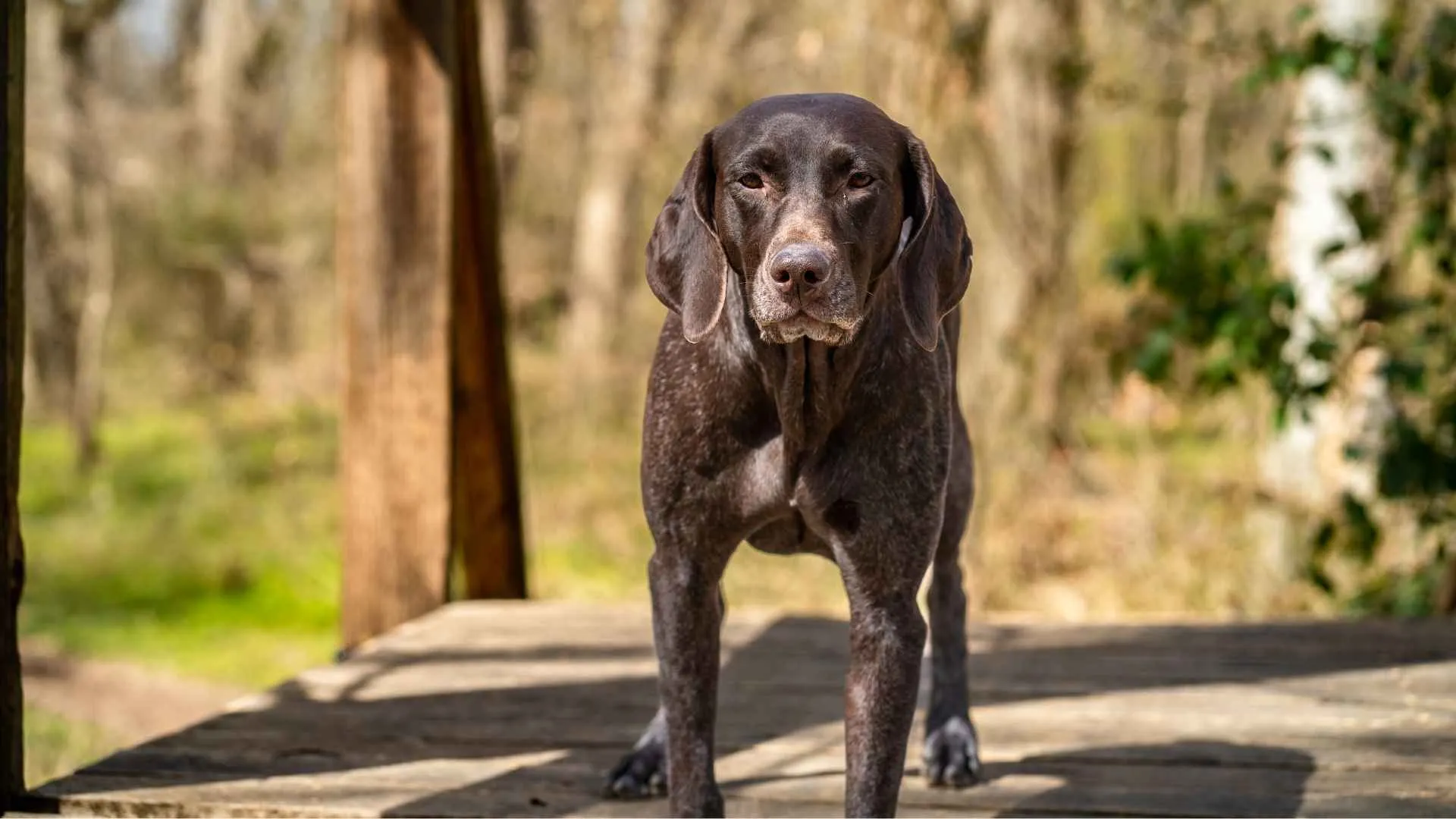
This pup is up early to join your morning run by the beach, rarely slows down, and loves hiking with its favorite person, which of course is you. Give this alert, playful dog plenty of outdoor activities, or enroll it in dog sports, and it will take on every adventure with flying colors.
The German Shorthaired Pointer is smart, sociable, and driven, with a very strong nose. It will gladly follow you anywhere. According to the American Kennel Club, GSPs are intensely loving, smart, and deeply loyal to their families.
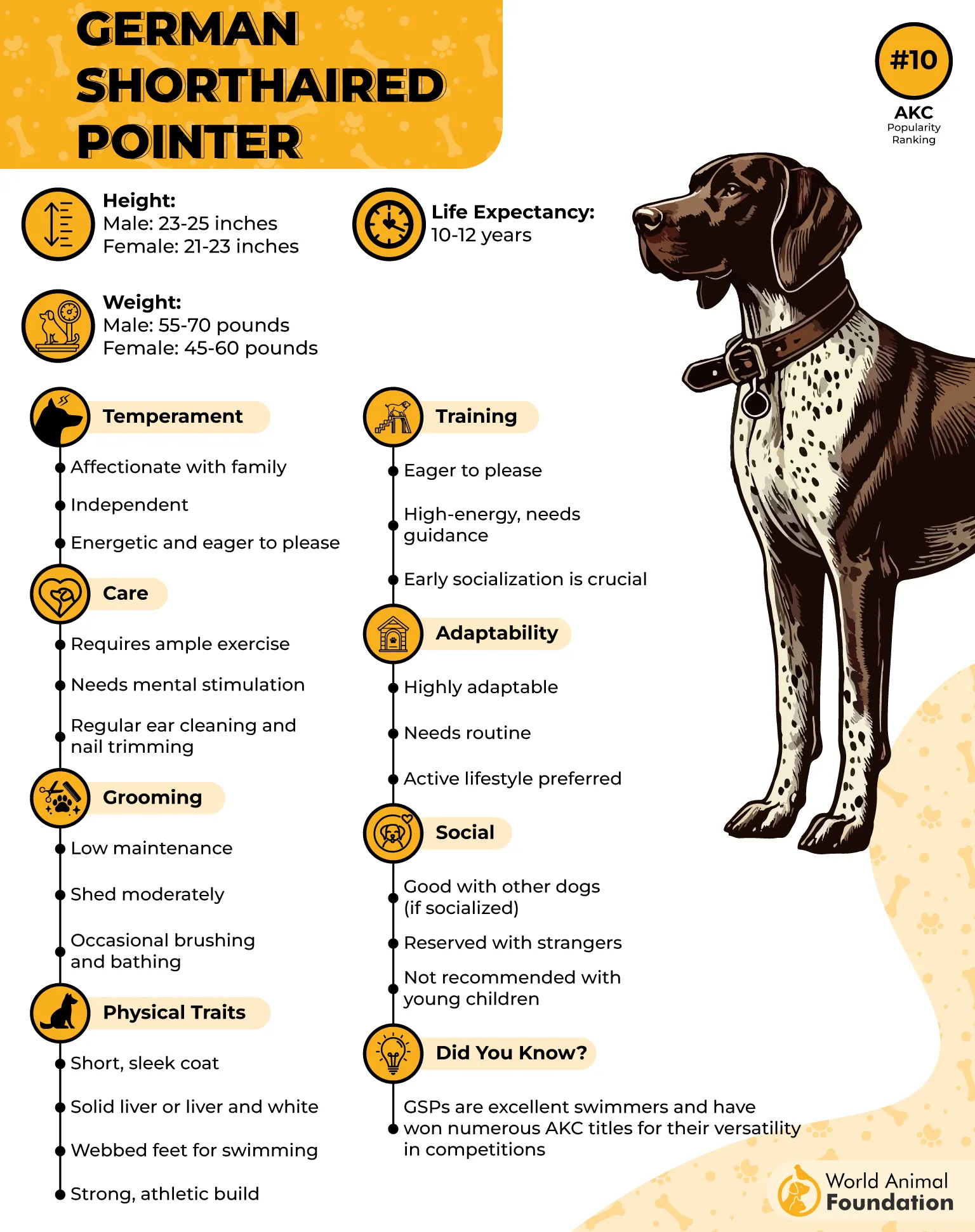
Built for all-day field work, running, and tracking, GSPs easily handle long miles and rugged mountain terrain. Their short, water-repellent coat makes post-hike inspections for ticks, burrs, and cuts quick and simple. However, their intense prey drive makes reliable recall training and careful leash management essential around forest wildlife.
They require constant physical and mental engagement, thriving best with experienced, highly active owners rather than casual hikers. Even for resilient breeds like the GSP, proper paw protection on sharp rocks, along with plenty of water and rest breaks during strenuous climbs, are mandatory.
2. German Shepherd
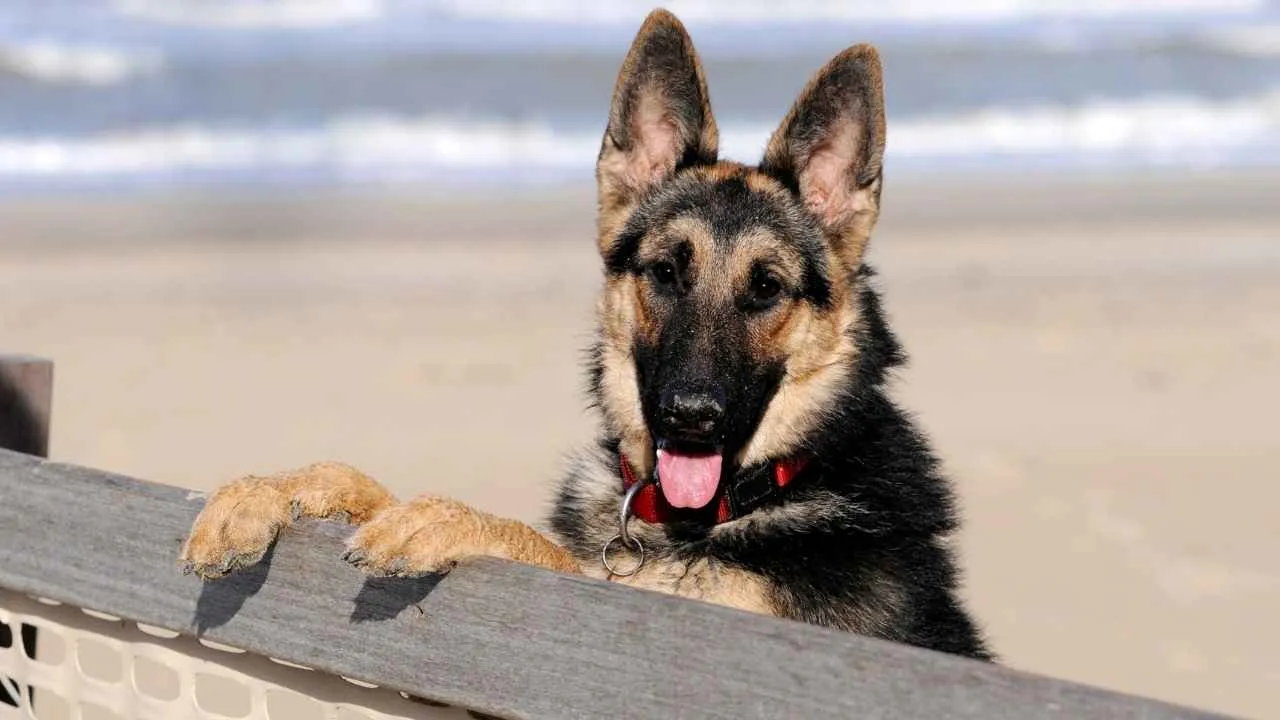
German Shepherds are brave, heroic, and among the most reliable service dogs out there. Born to scour the earth and hike all day, these K-9 cops love the great outdoors even when they’re off duty. Climbing trails, taking a leap of faith, and leading a search-and-rescue crew are their idea of a perfect vacation.
So put this top-notch hiking dog, who always stays a few steps ahead of everyone, to good use. Planning a camping trip with a German Shepherd is a two-for-one deal: your dog gets plenty of exercise on long hikes, and you get a smart, protective companion by your side.
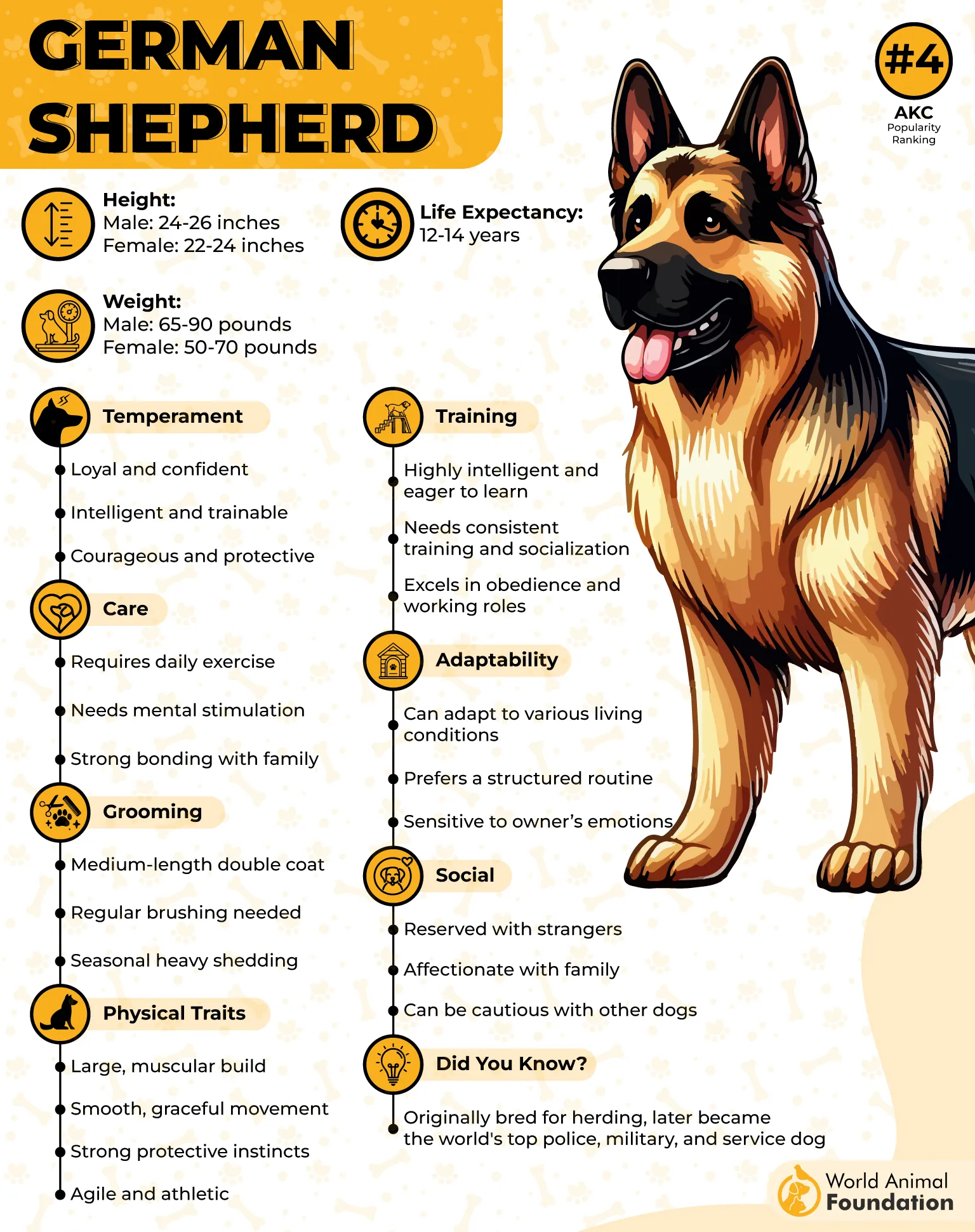
Their protective nature and sharp senses make them excellent at spotting wildlife or unfamiliar movement around a campsite. Their thick double coat keeps them comfortable in crisp, cold alpine climates.
While they can carry light day packs, heavy load-bearing backpacks are not ideal for most modern German Shepherds—especially those with sloped backs—so it is best to stick to a lightweight pack for their own gear like waste bags or a collapsible bowl.
Even in cooler mountain weather, monitor them closely for overheating, and avoid letting them gulp large amounts of water too quickly after intense exertion to reduce the risk of gastric torsion. Always inspect their double coat and paws thoroughly after a hike for ticks, fleas, and trail debris.
3. Caucasian Shepherd Dog
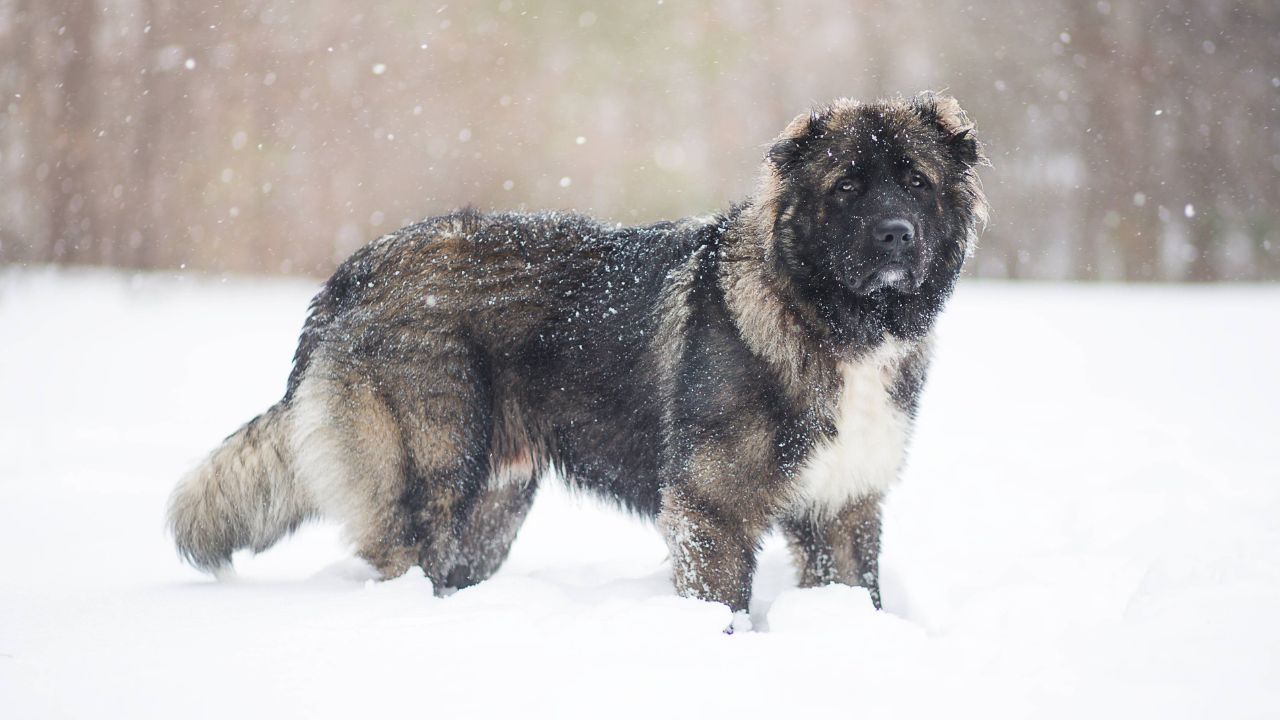
This strong, independent, and highly vigilant livestock guardian is a fierce, fearless, and fluffy dog, bred centuries ago to protect property from trespassers and livestock from predators large and small.
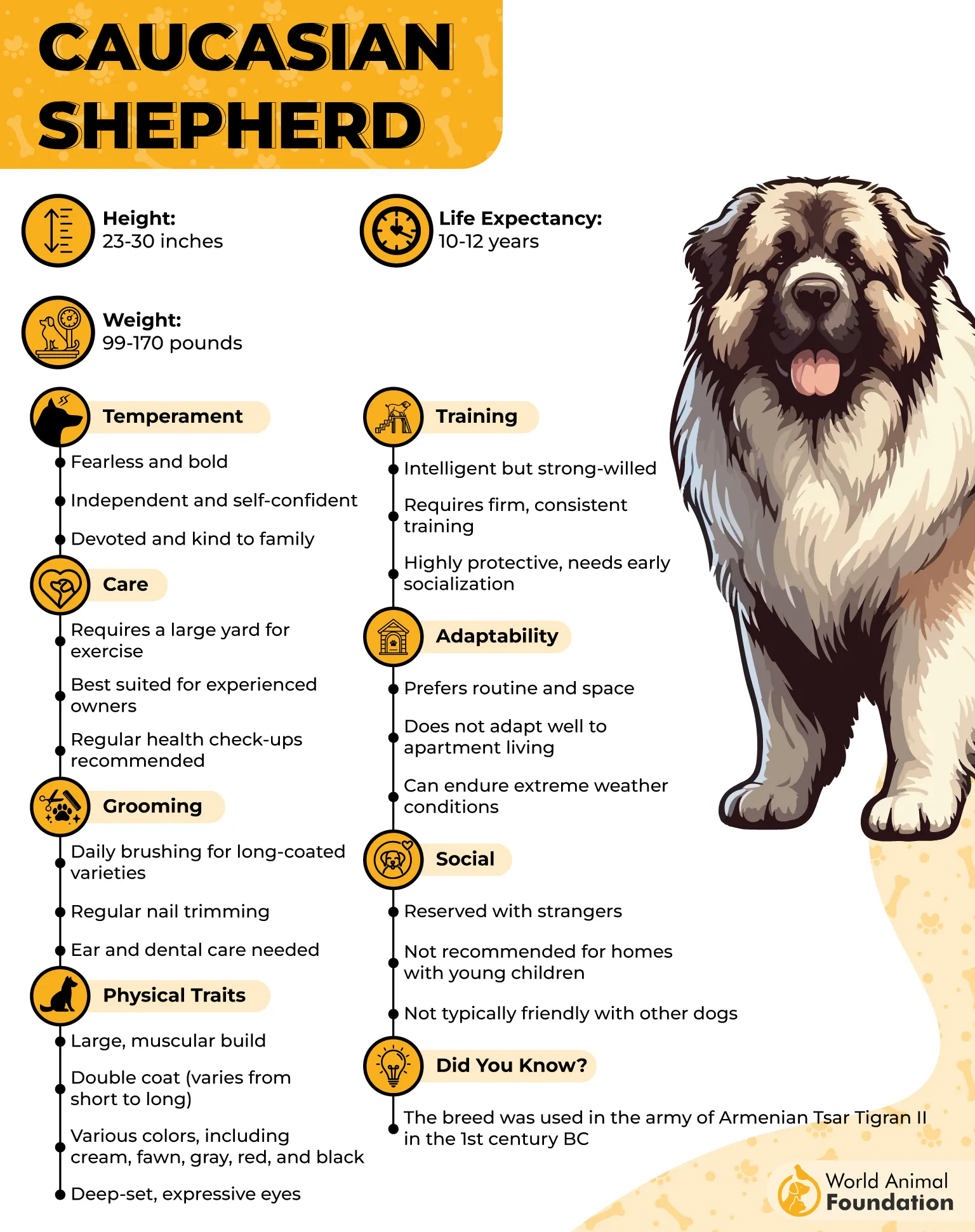
Because they were bred to guard independently against predators like wolves and bears, these dogs are naturally wary of strangers and intensely territorial. Meeting hikers, other campers, or wildlife on the trail can trigger a protective or even aggressive response; therefore, early socialization is required.
CKCUSA mentions that they are strong-willed thinkers rather than eager-to-please obedience dogs, so off-leash control and shared or crowded campsites can be tricky if not properly trained. They have solid endurance for walking.
Given their raw strength, high independence, and potential for aggression toward strangers or other animals, they aren’t a fit for typical pet owners, apartments, or urban life.
4. Siberian Husky
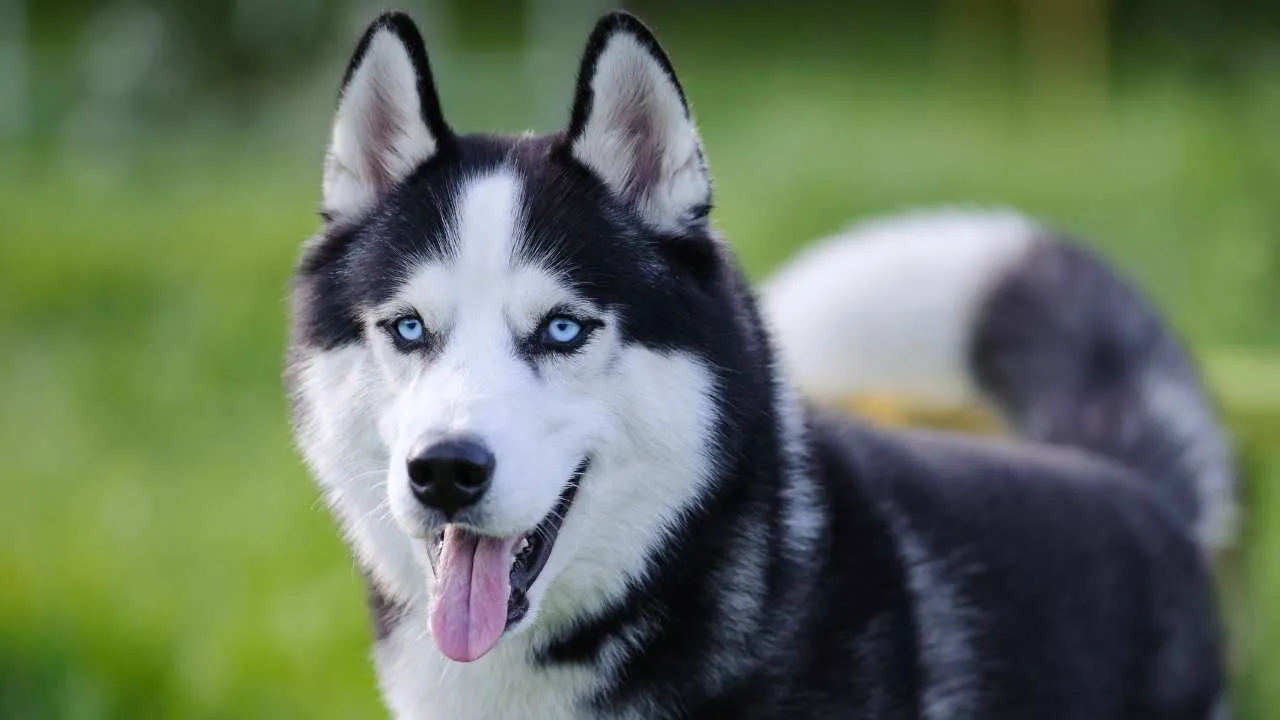
Always trying to escape the yard, the cheeky, outdoorsy Husky just wants to be free. These wolf-like pups crave a look at the world. Bred by the Chukchi people to pull light loads across vast frozen distances, they can travel for hours without tiring, so it’s no surprise these smart sled dogs have so much potential.
Huskies are famous for their stamina, endurance, and thick double coats, which make them great trail partners for cool-weather and mountain hikes. That dense coat keeps them warm in the cold and shields them from wind and moisture. Their independent streak and high prey drive, however, call for careful management outdoors.
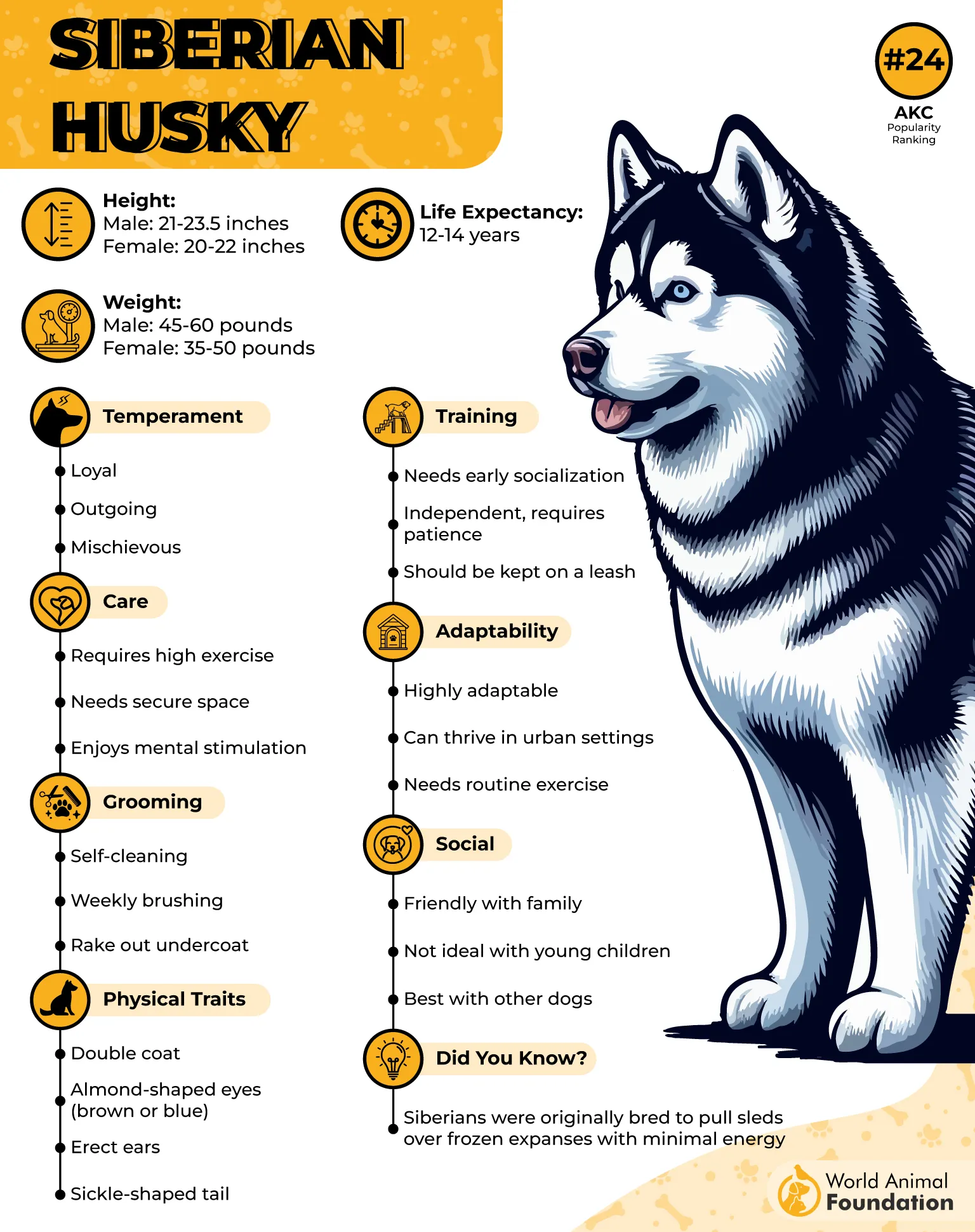
Huskies need plenty of mental stimulation and regular exercise to stay happy, and working outdoors or exploring off-the-beaten-path trails is their favorite pastime. Because of their strong wanderlust and prey drive, they can’t always be trusted off-leash.
And while they’re built for the cold, that same thick coat can make them prone to overheating on warm days or during strenuous summer climbs.
5. Bernese Mountain Dog
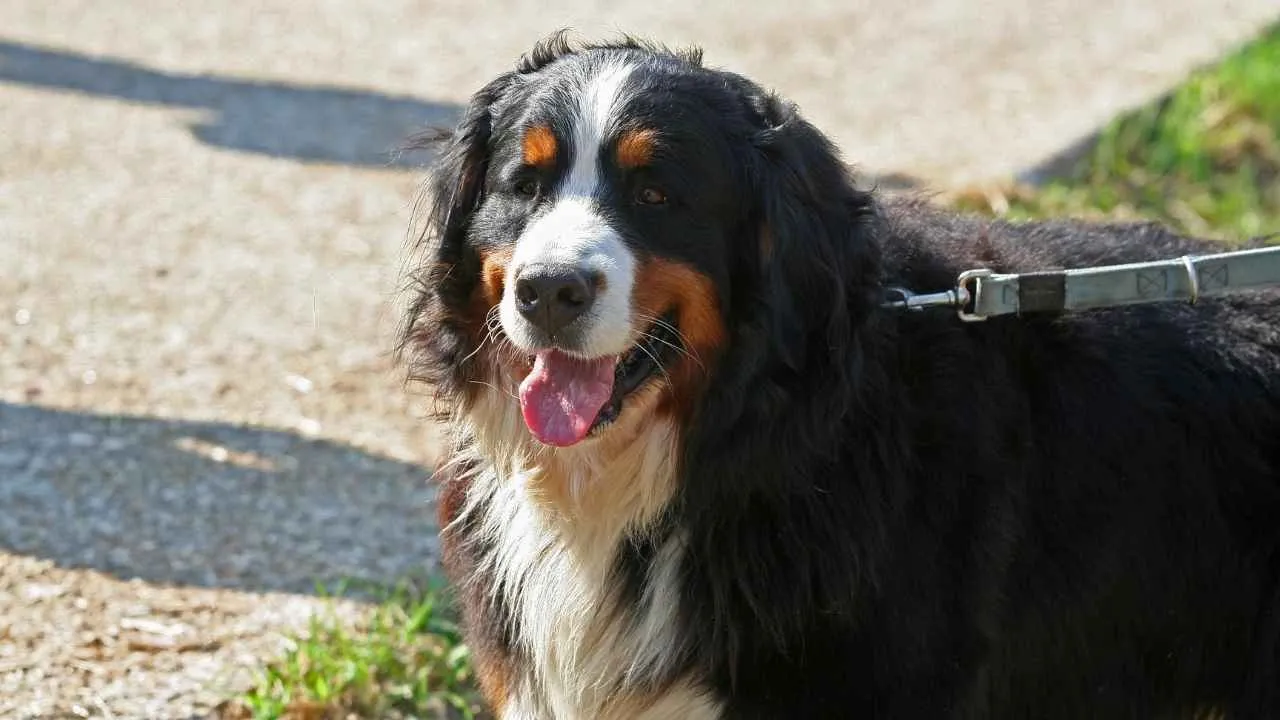
These tri-colored dynamos are another great hiking companion. Bernese Mountain Dogs were originally developed by dairy farmers near Bern, Switzerland, to pull carts of dairy products from the farm to the market. Naturally friendly, fun-loving, and dependable, these double-coated softies love a weekend camping trip.
Berners also enjoy hiking, and their sociable temperament means they’ll blend right in with your friends. They’re smart, playful, and eager to please, so they need enough activity, like agility courses and scent walks, to stay happy.
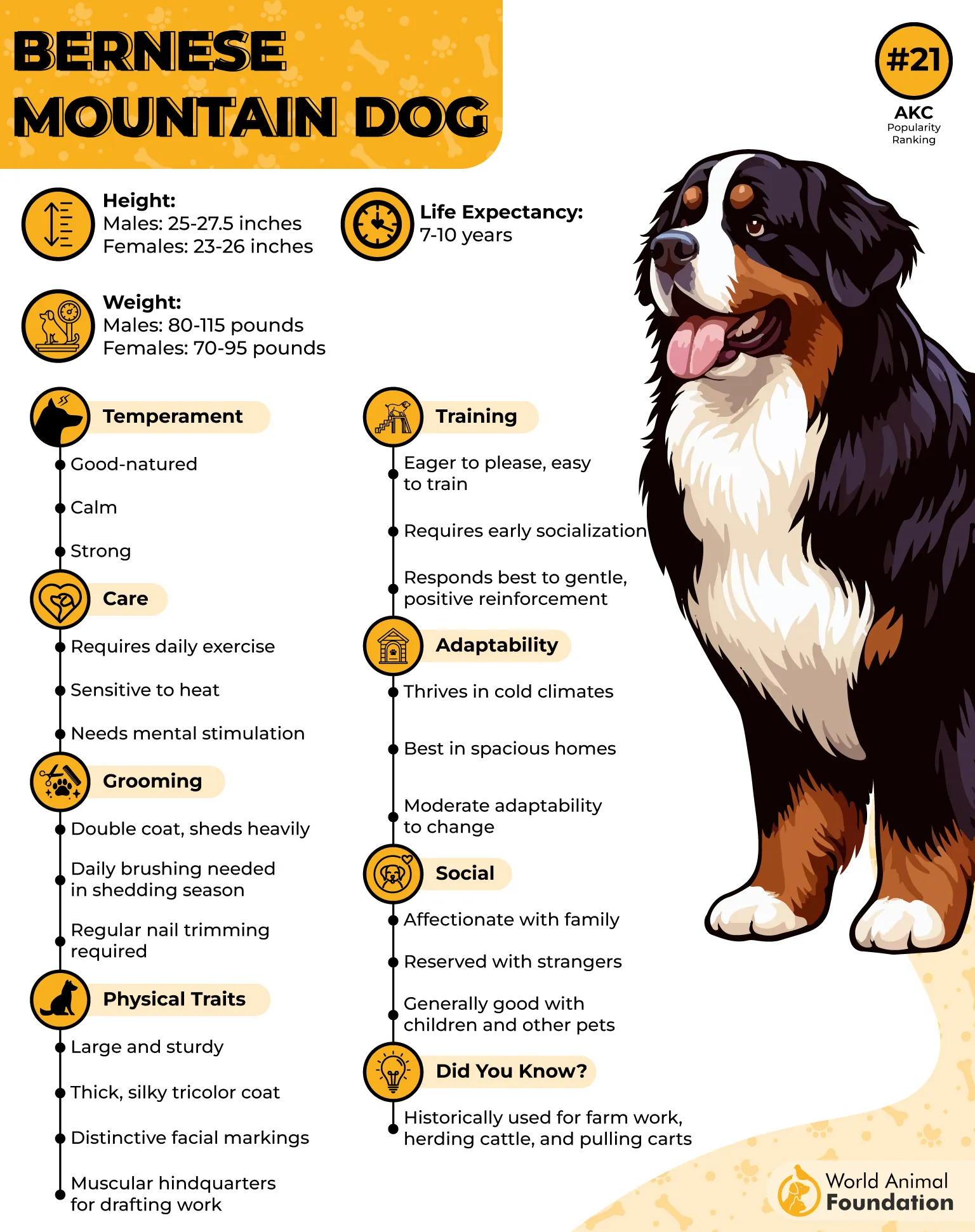
Their thick, weather-resistant double coat in jet black, clear white, and rust helps them thrive in chilly alpine temperatures. Since they were historically bred to pull heavy loads over rugged terrain, many Berners enjoy carrying their own gear on the trail.
That heavy coat has a downside, though. WebMD notes that Berners can struggle in hot summer weather, so they’re best suited to cooler camping seasons like autumn and spring, or to high-altitude trips.
6. Alaskan Malamute
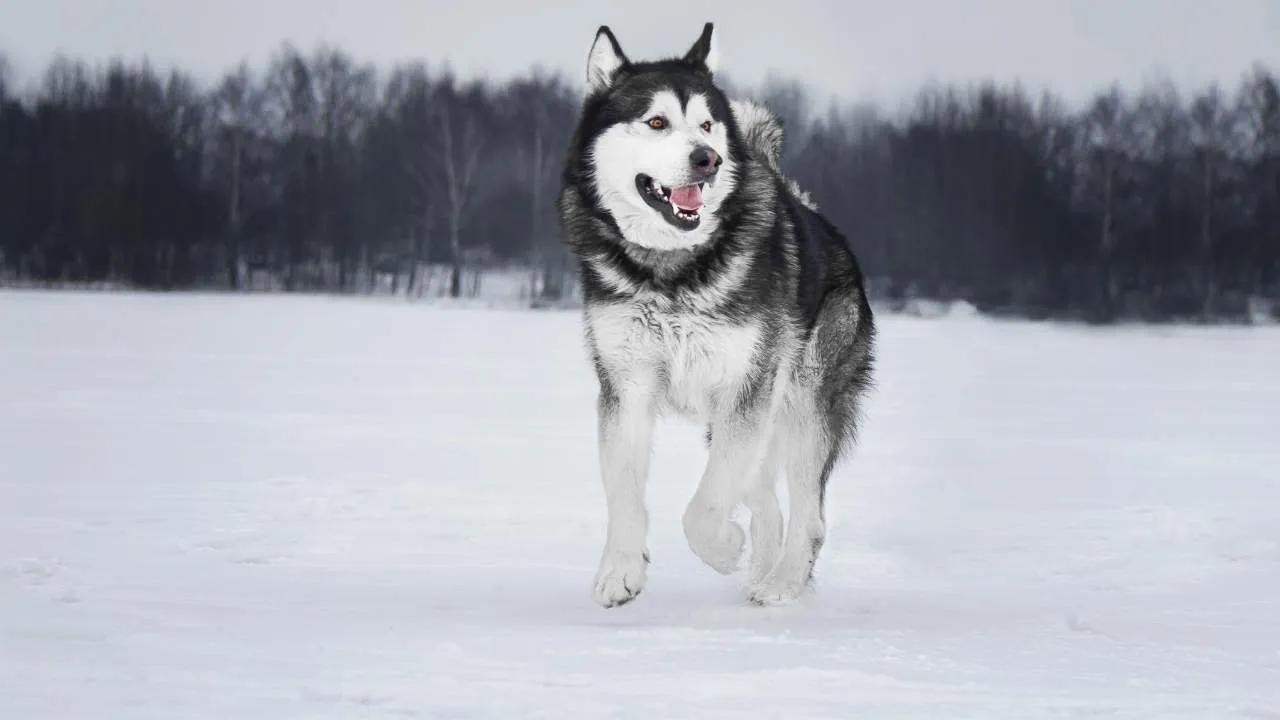
This sporty, spirited pup would happily go skiing with you. Malamutes crave a life full of adventure, so if you’re searching for a dog that fits high-altitude mountain camping, your search ends with the Alaskan Malamute.
Chewy notes that these sled-pulling spitz dogs are born with both brains and brawn and excel on extended hikes, though they can’t handle warm temperatures well. They have even helped lead expedition teams in Antarctica. With high energy and a strong need for daily exercise, they’re best taken on an adventure of a lifetime.
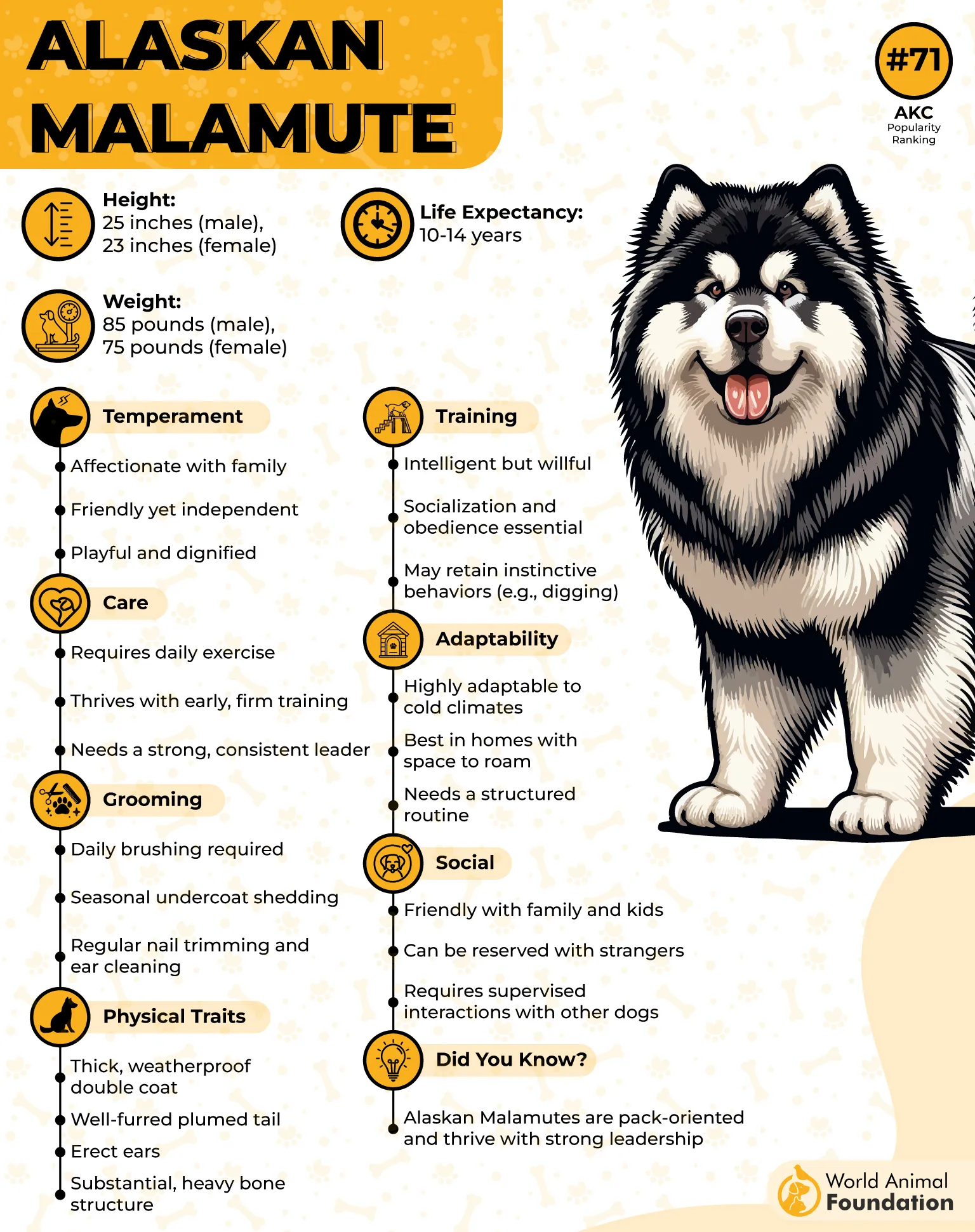
Originally bred by the Mahlemut people to haul heavy loads over long, rugged terrain, Malamutes have a massive bone structure and deep chests built for steady pulling power. Their thick, dense double coat insulates them against freezing temperatures, so they feel right at home in cool mountain environments.
Despite their wolf-like, imposing look, they’re typically friendly and affectionate toward people rather than protective or defensive.
7. Border Collie
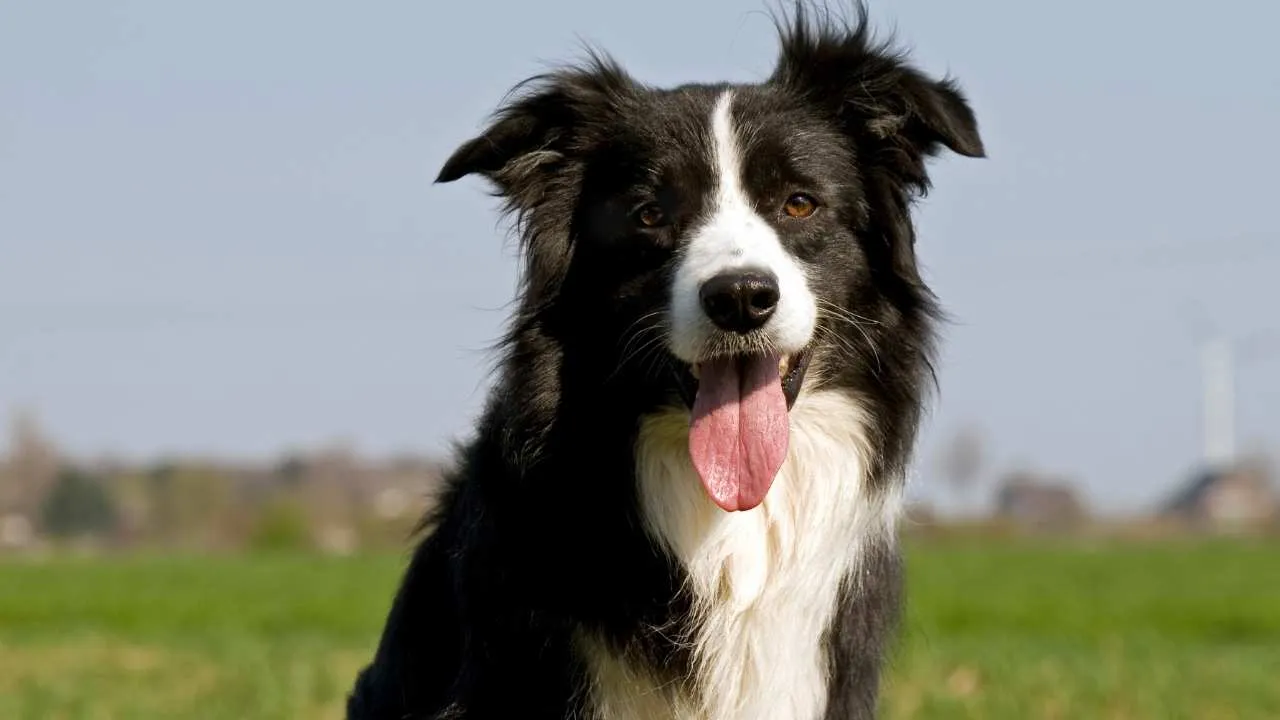
Border Collies descend from Roman herding dogs and Viking spitz-type dogs, and their double coats give them good insulation against the cold. Still, we wouldn’t recommend taking these brainiacs to extremely harsh winter campgrounds.
Even with a well-fitting sweater or winter coat and some sturdy paw protection, they’ll struggle in dangerously low temperatures.
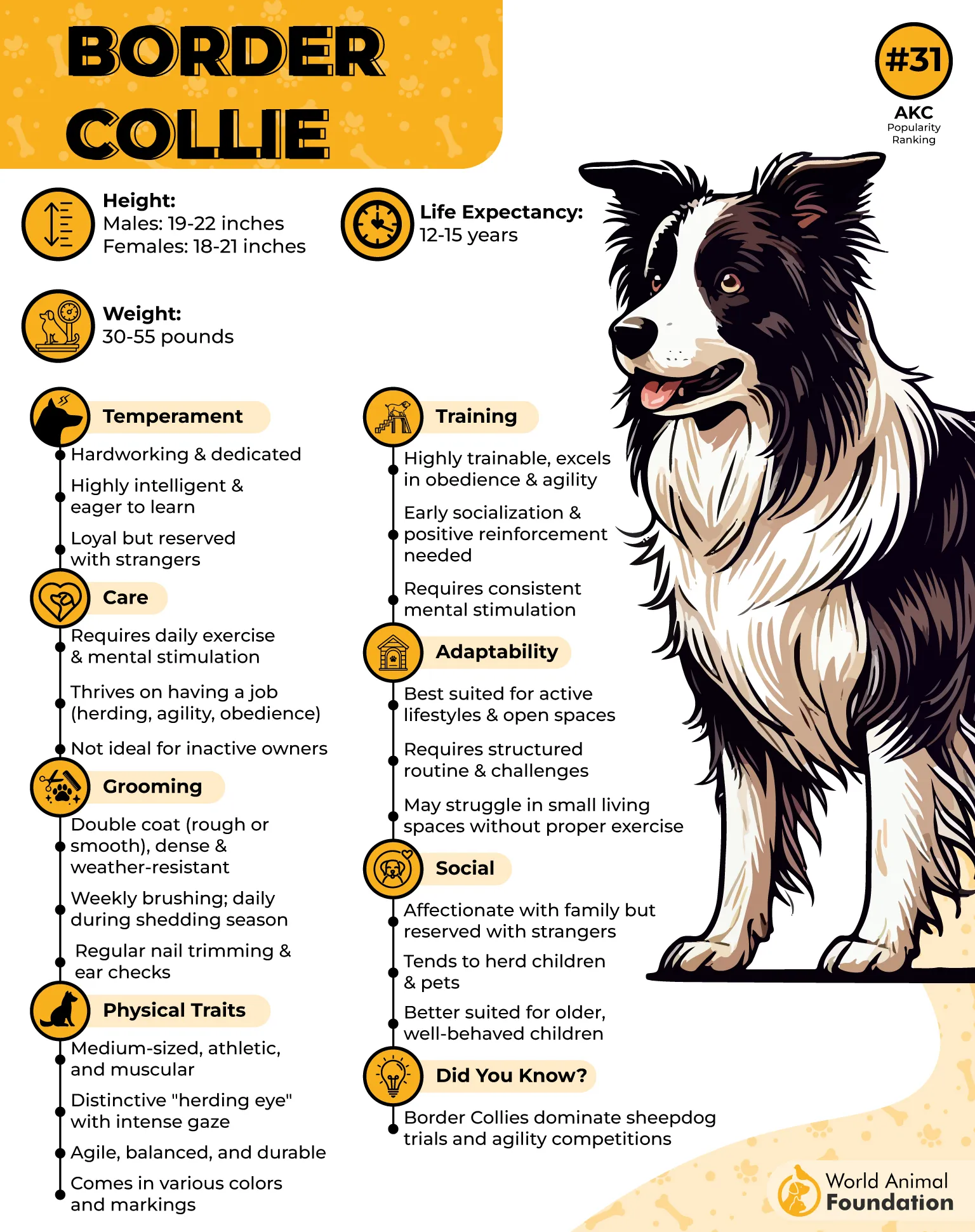
This intense but friendly herder lives for adventure and loves to explore, and open fields are right up its alley. It’s active, confident, and brilliant, so it needs plenty of mental stimulation. Its sharp focus helps it pick up trail etiquette and recall commands quickly and stay closely tuned in to your movements.
Keep in mind that puppies should avoid strenuous mountain climbs and heavy packs until they’re at least a year old, to protect their developing joints. Their intense focus and alertness also mean they can react to sudden noises, wildlife, or passing hikers.
Conclusion
Not every pup enjoys wading through water crossings, wandering off the trail, or scrambling over rugged terrain. Only a few breeds excel at it, including Australian Cattle Dogs, Australian Shepherds, Labrador Retrievers, Golden Retrievers, and other mountain breeds. Mixes of big, fluffy, muscular dogs often turn out to be good hikers too.
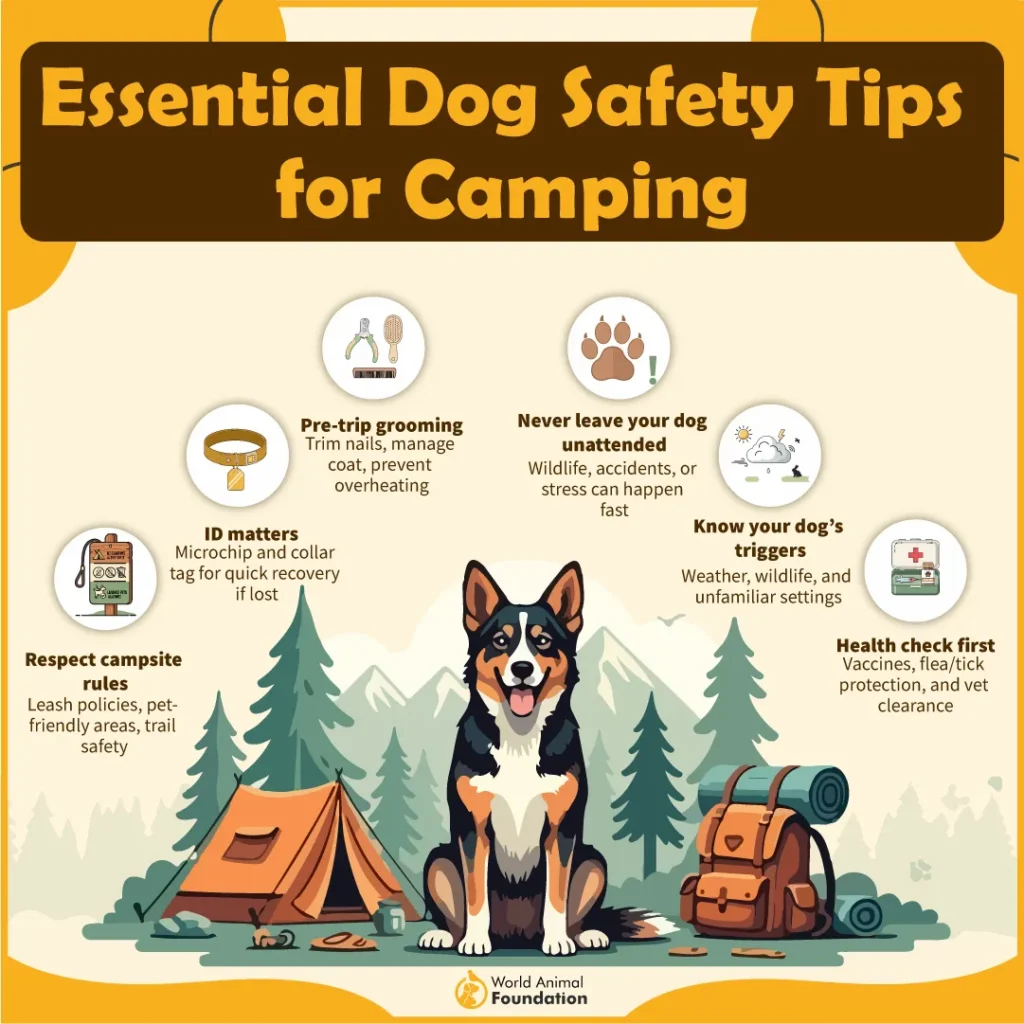
If you’re a new dog owner or camper, keep in mind that proper training, early socialization, and obedience work are crucial for helping your dog thrive in the great outdoors, and so is the right gear. Carry poop bags, plenty of treats, water, a dog vest, a dog backpack, and a first aid kit to keep both of you safe.
You can never be too prepared for mountain camping, so pack all the essentials and check the campground rules before you hit the trail.
