




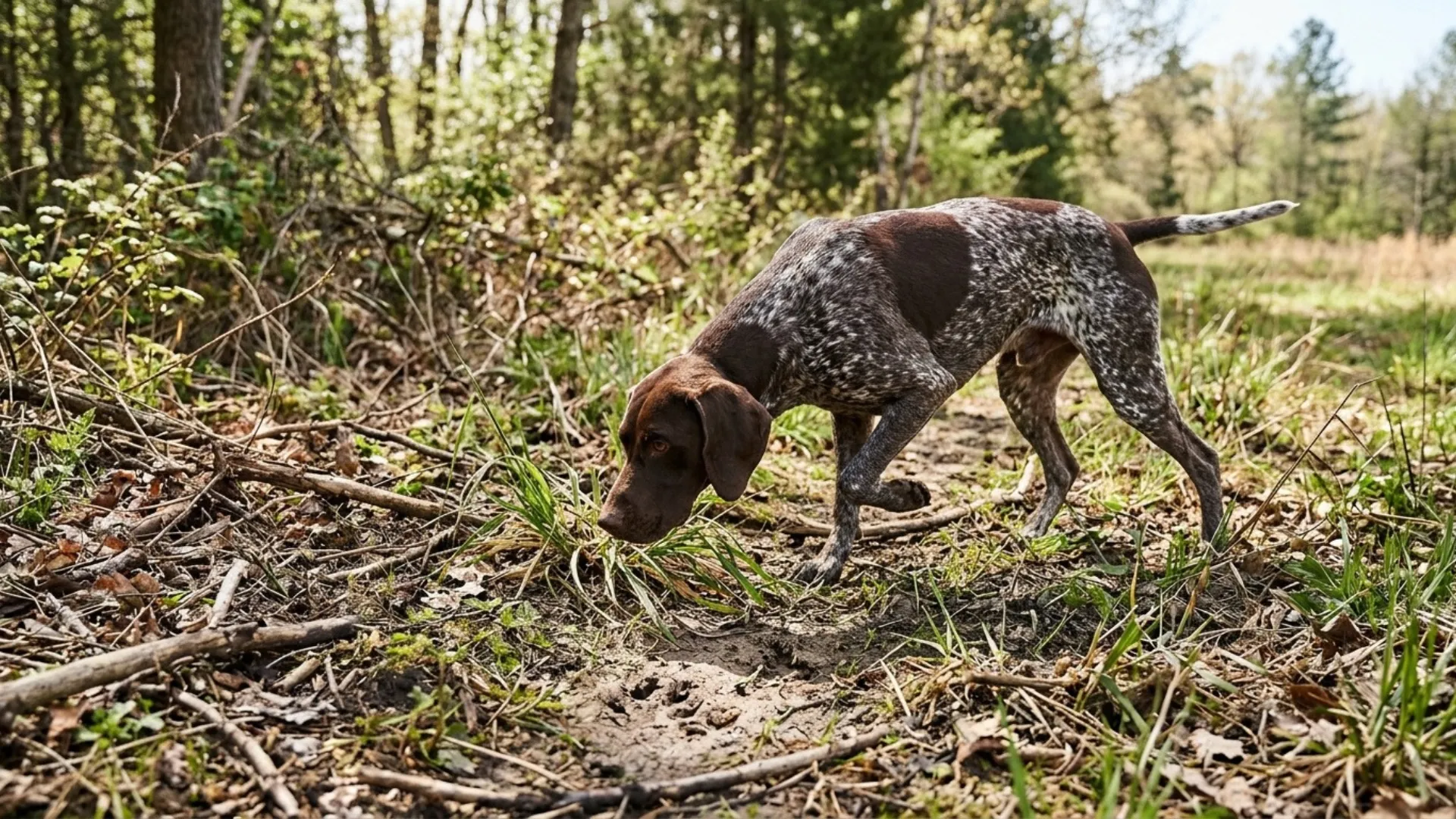
Here’s something that might surprise you: in the wild, there’s no such thing as a clean scent trail. Every trail a hunting dog works is already tangled with other scents from deer, birds, and whatever else crossed that ground first.
Trainers call it scent discrimination, pulling one trail out of a mess of contamination, and according to Mantrailing UK, a sharp nose can pick up scent from miles away under the right conditions.
Pick the wrong tracking dog for the terrain or task at hand, and you don’t just lose time in the field; you lose the game itself.
So what separates a dog that finds from one that finishes the job? Keep reading, because the breed that solves your exact tracking problem probably isn’t the one you’d guess first.
Excellent Dog Breeds For Tracking Game Animals
1. Brittany Spaniel
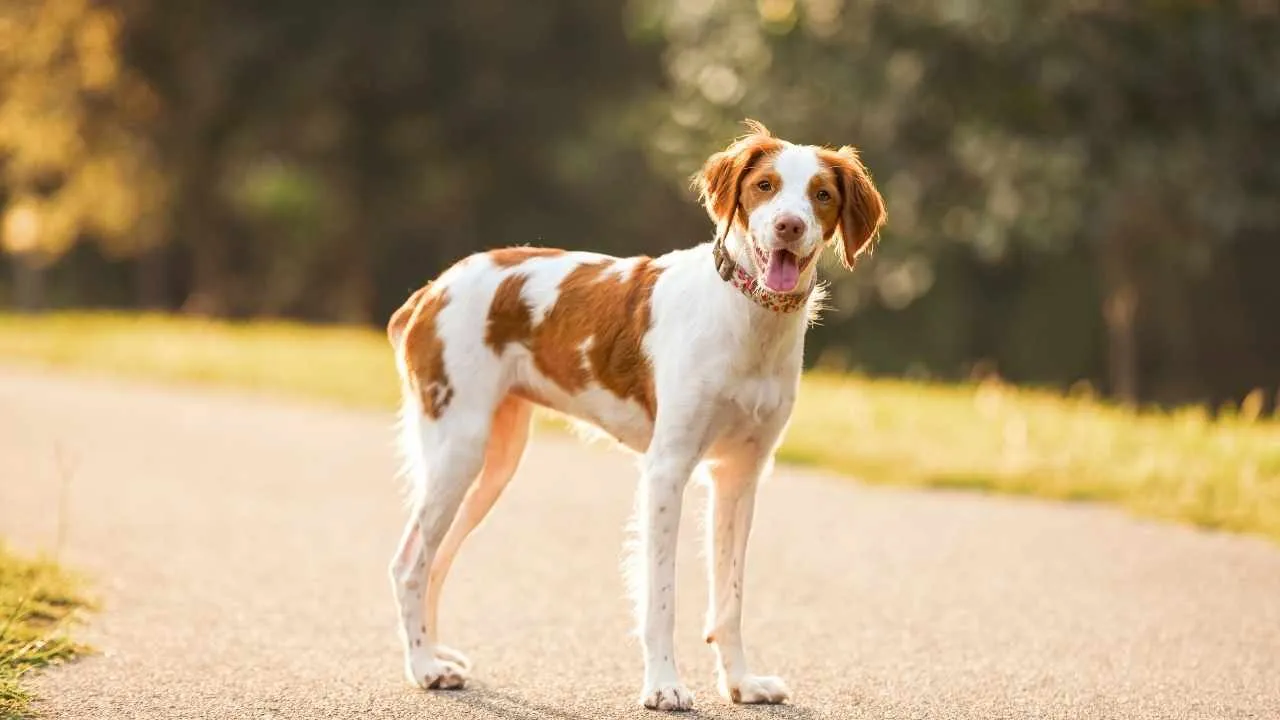
French hunters developed the Brittany Spaniel to work close to the gun and point game fast, long before pointing breeds split into specialist lines. Its job was never slow, nose-down trailing; high speed and quick precision always mattered more than patient tracking.
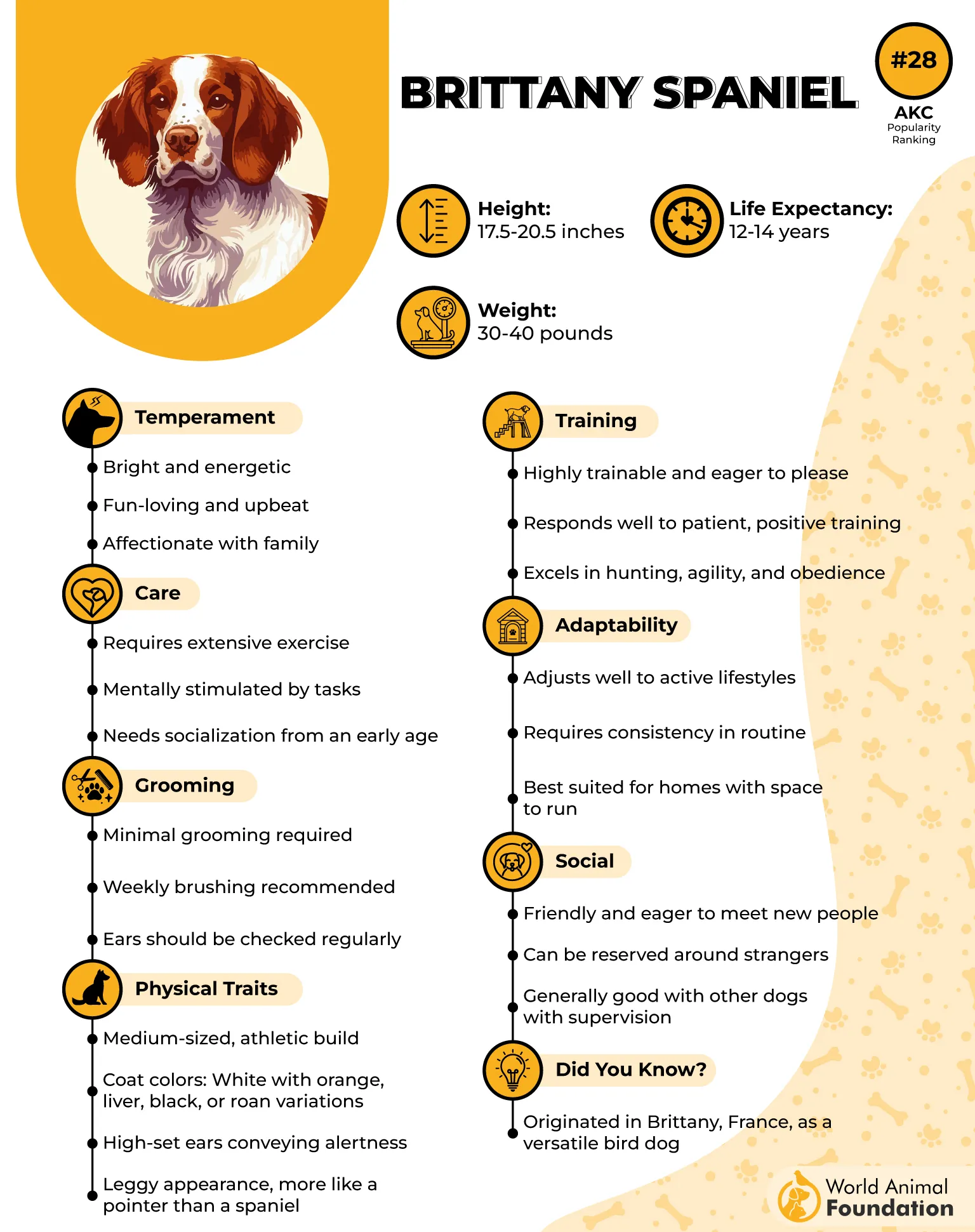
The Brittany works primarily through air-scenting rather than tracking ground footprints. It catches scent on the wind in tight, energetic sweeps, making it a standout favorite among versatile hunting breeds.
- Game and terrain: Upland birds such as pheasant and quail, hunted across open fields and brushy cover.
On a warm scent, the Brittany’s whole body locks still, tail rigid, like a statue holding its breath. On a trickier scent, it slows down slightly, testing the wind in short bursts before committing to a direction—a clear sign of how it processes the air.
2. German Shorthaired Pointer
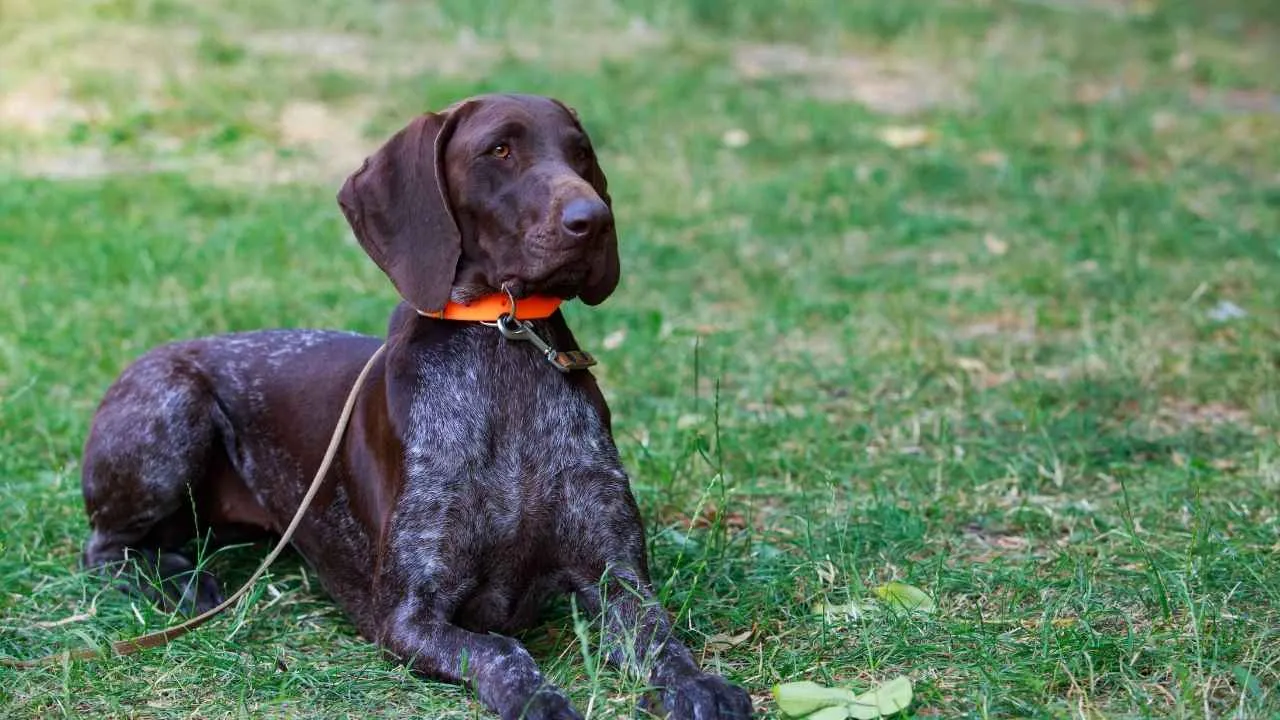
German hunters developed the German Shorthaired Pointer (GSP) in the 1800s to handle every task in the field, not just a single role. According to the American Kennel Club, the breed was prized from the beginning for its all-around versatility—a reputation as one of the most adaptable hunting breeds that still holds true today.
This breed’s tracking work is a balanced mix of locating live game and recovering downed quarry, making it equally effective on fresh air scent and heavy ground scent.
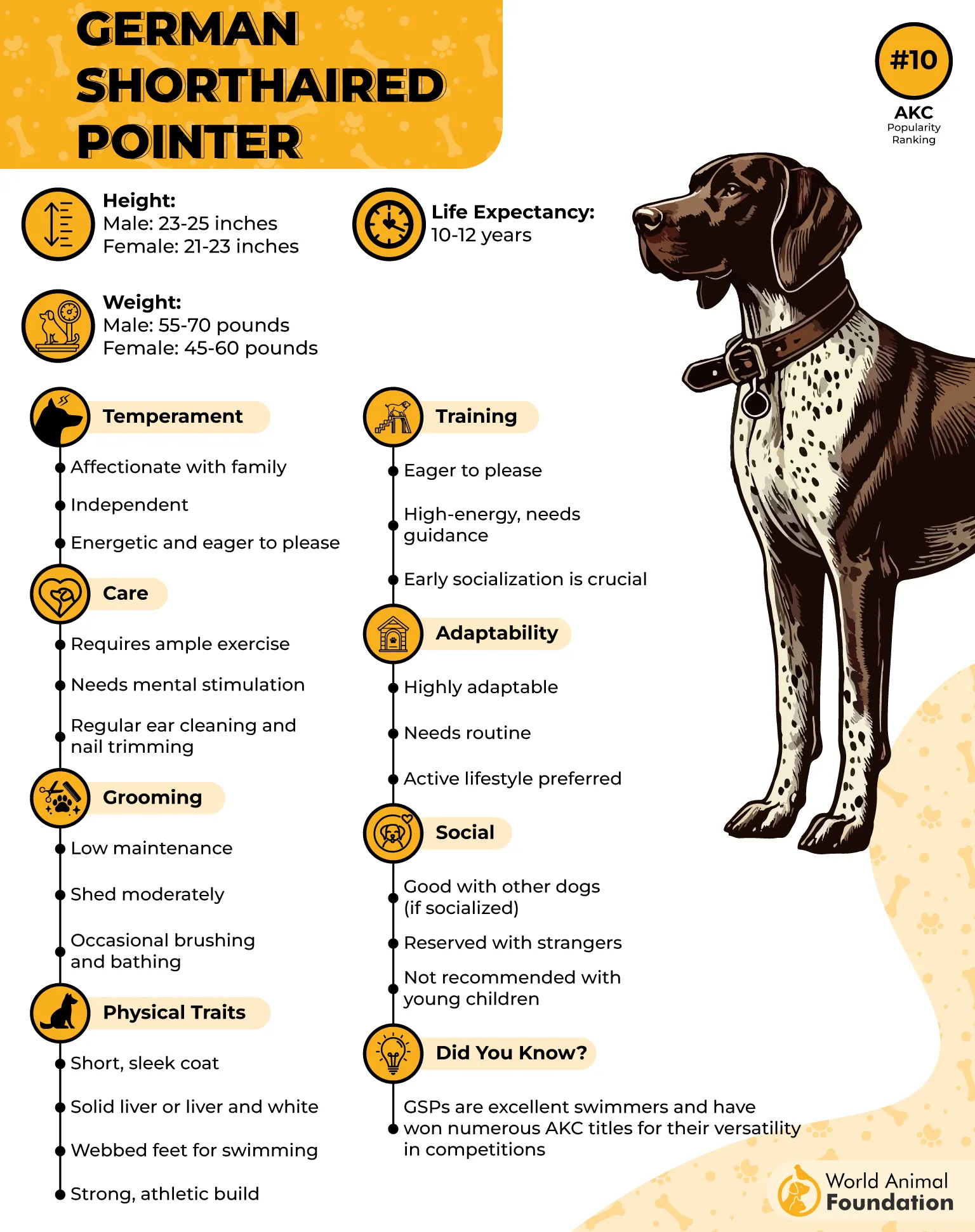
That dual capability is rare among pointing breeds, which typically specialize in one style of work. Its keen nose and steady stamina make switching between ground and air scent effortless.
- Game and terrain: Upland birds, waterfowl, and big game across rough, varied terrain.
On a fresh scent trail, its tail ticks quickly, and its pace accelerates into a brisk trot. On a colder trail, it slows its pace, drops its nose low, and lets patience handle the work that speed cannot. Experienced handlers learn to read that tail movement almost like an indicator dial.
3. Basset Hound
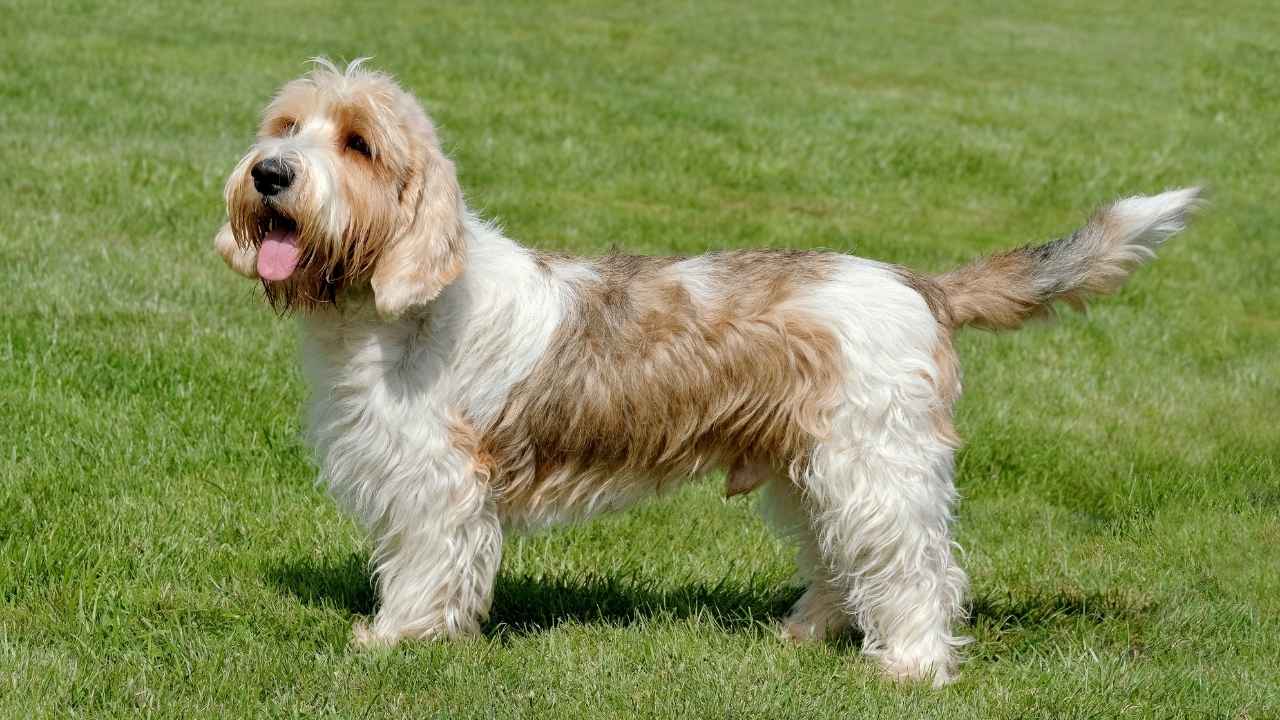
French hunters bred the Basset Hound to work at a pace a handler could easily keep up with on foot. Its short legs were an intentional design—slow and steady beat fast and scattered when the job called for sticking strictly to a single scent line.
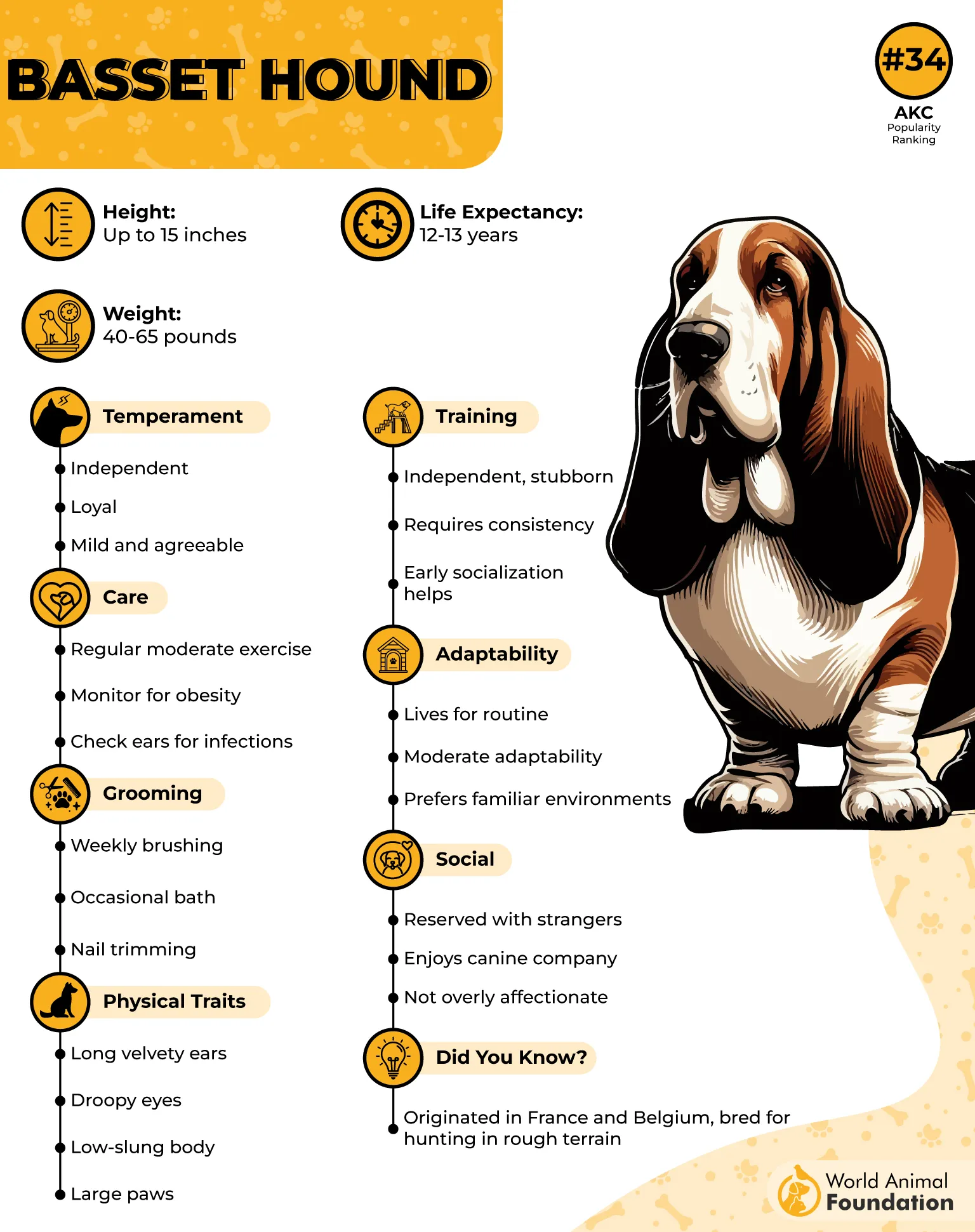
Locating quarry is this breed’s specialty, aided by long ears that sweep ground scents up toward its nose and loose skin around the neck that helps trap scent close to its face. Everything about its build is designed for ground-level trailing.
- Game and terrain: Rabbits and hares, worked through dense brush and low ground cover.
On a fresh scent trail, its tail stays upright and wags hard, accompanied by a steady, rhythmic bay. On a colder trail, it pauses more frequently, backtracks, and gives off a quieter, tentative bay. That shift in vocal tone lets handlers read exactly how fresh the trail is.
4. Weimaraner
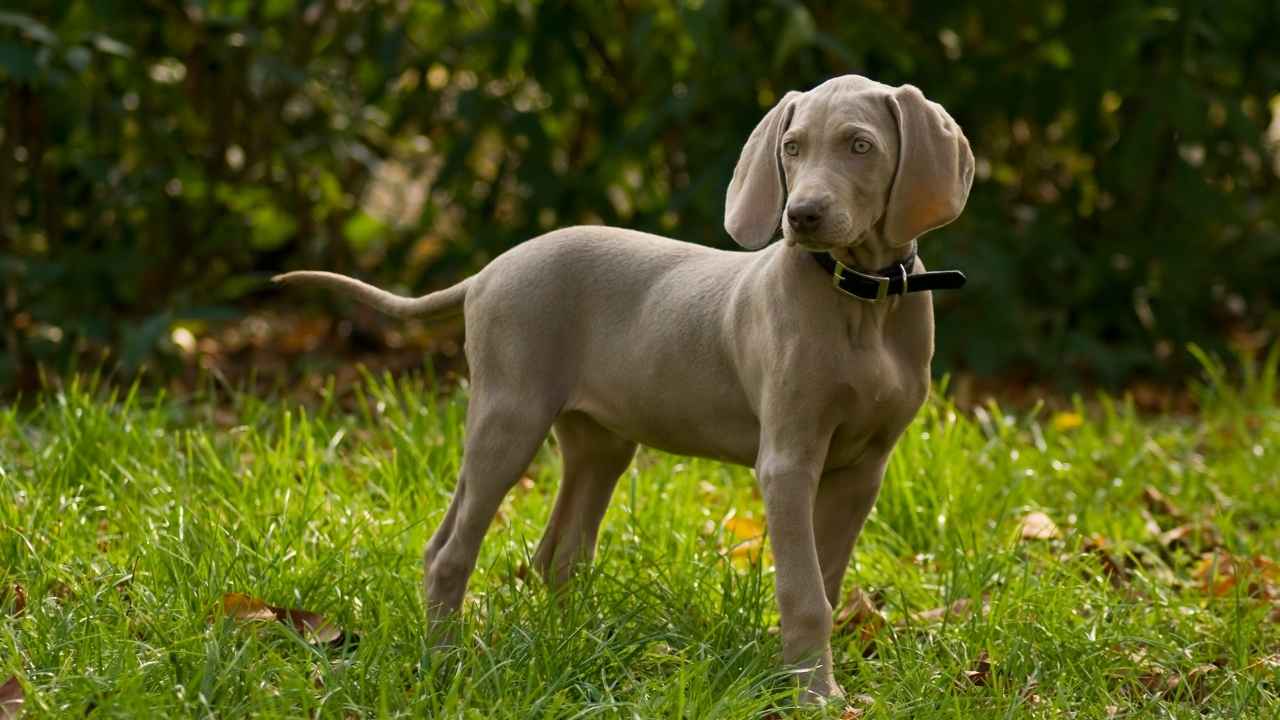
German nobles bred the Weimaraner to track big game long before it was used as a bird dog. According to Britannica, the breed was originally developed for big-game hunting before handlers adapted it for smaller quarry—a history that shaped a nose built for demanding tracking work.
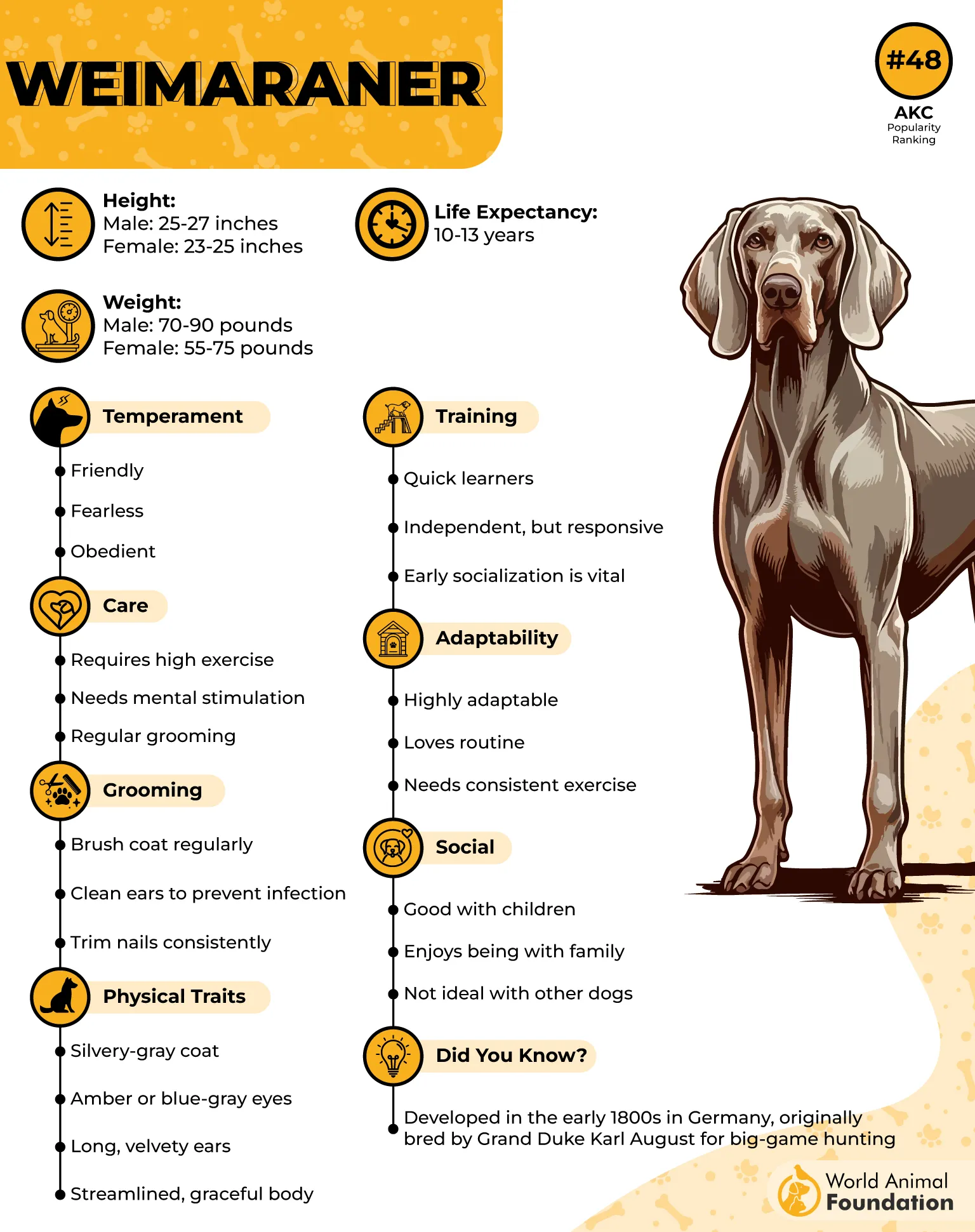
This breed excels at recovery work, picking up and holding a scent trail until the job is done. Its stamina is just as vital as its nose, as wounded game rarely stays close to where it was hit. That combination of endurance and drive sets it apart from typical pointing breeds.
- Game and terrain: Deer, and historically boar and bear, across open fields and wooded terrain.
On a fresh scent trail, the Weimaraner lifts its head and surges forward with sudden urgency. On a colder trail, it lowers its head and slows to a methodical crawl, working the scent inch by inch. Handlers can usually tell which trail they are on simply by the tension in the lead.
5. English Pointer
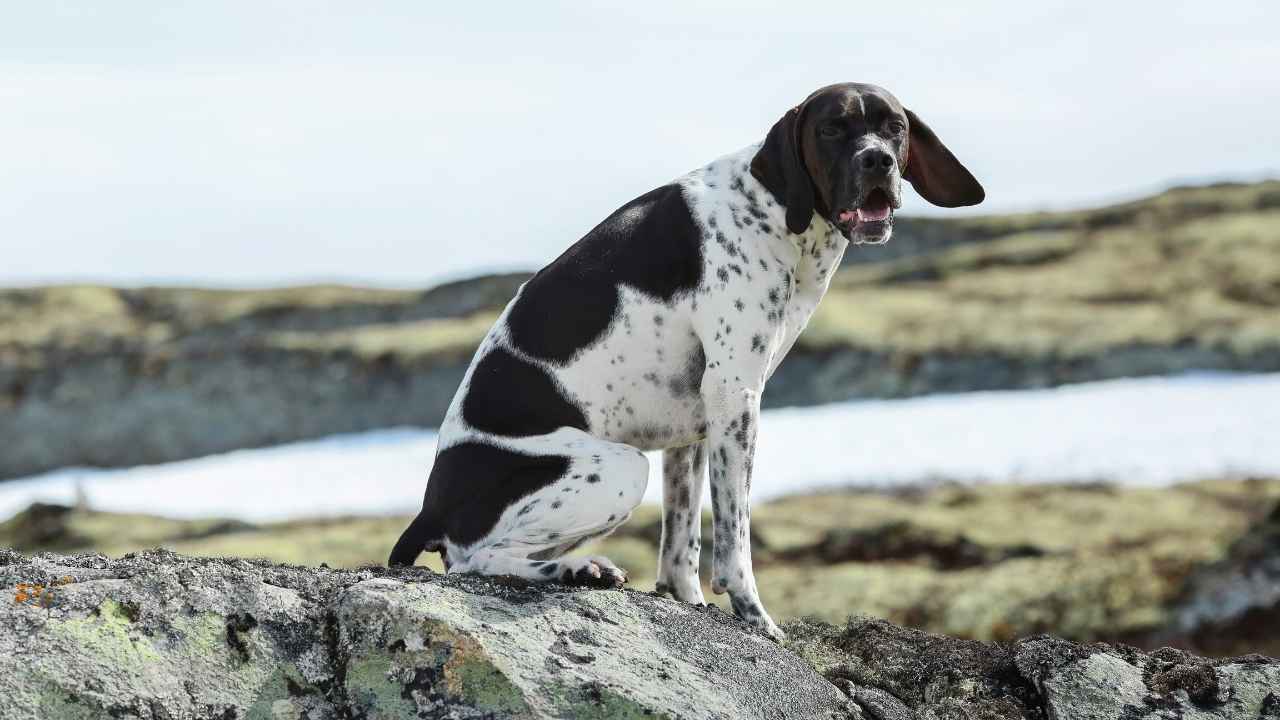
English breeders developed the Pointer to locate quarry and freeze the moment it did, long before a shotgun was even raised. Covering ground efficiently mattered, but absolute certainty upon stopping was paramount. That rock-solid stillness became the hallmark of the breed.
Locating and confirming game are equal priorities for this breed. It detects air scent from a distance, then uses total immobility to pin the exact spot for the hunter—a frozen point that serves as an undeniable signal in the field.
- Game and terrain: Pheasant and other upland birds, worked across open fields and moorland.
On a fresh scent, the Pointer locks into a point so intense it barely seems to breathe, tail held high and rigid. On a colder, fading scent, it creeps forward with deliberate steps, testing the wind before fully committing—a subtle hesitation that tells the handler everything.
6. Bluetick Coonhound
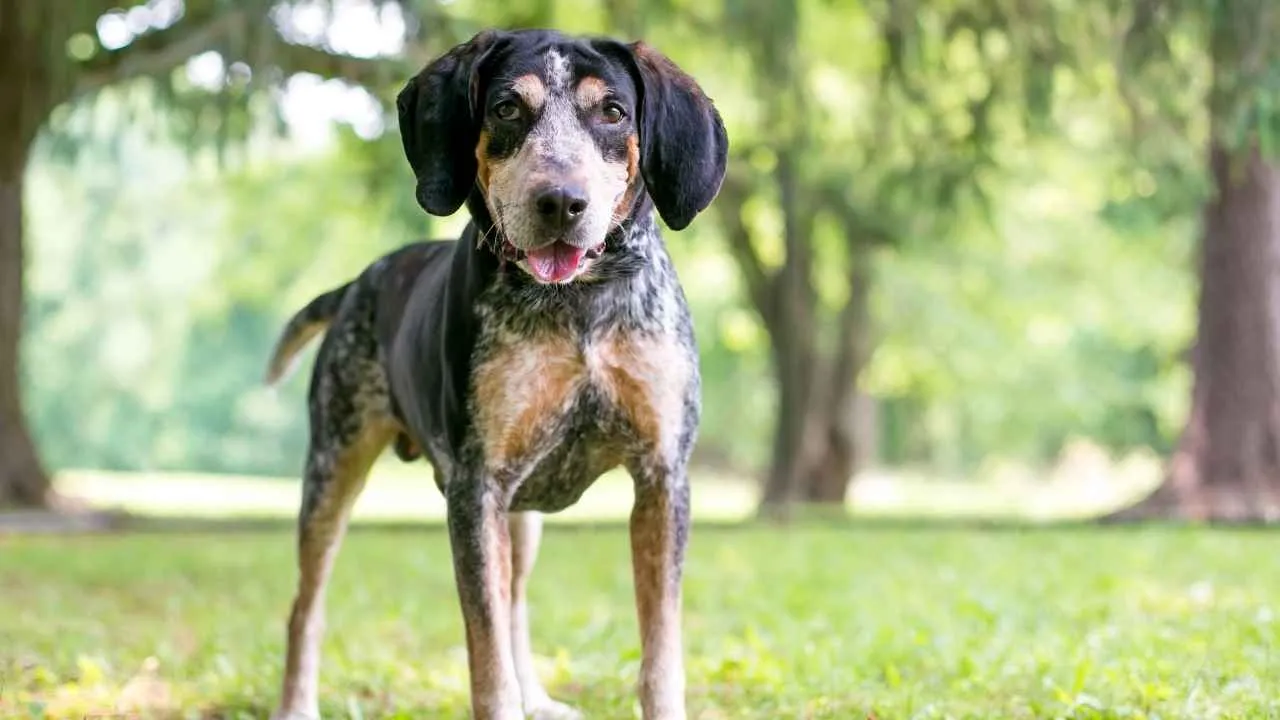
Southern hunters bred the Bluetick Coonhound to hold an old scent line long after fresh trails had faded. According to PetMD, the breed is renowned for working methodically on cold, aged tracks rather than hot ones—a steady patience that became its signature trait.
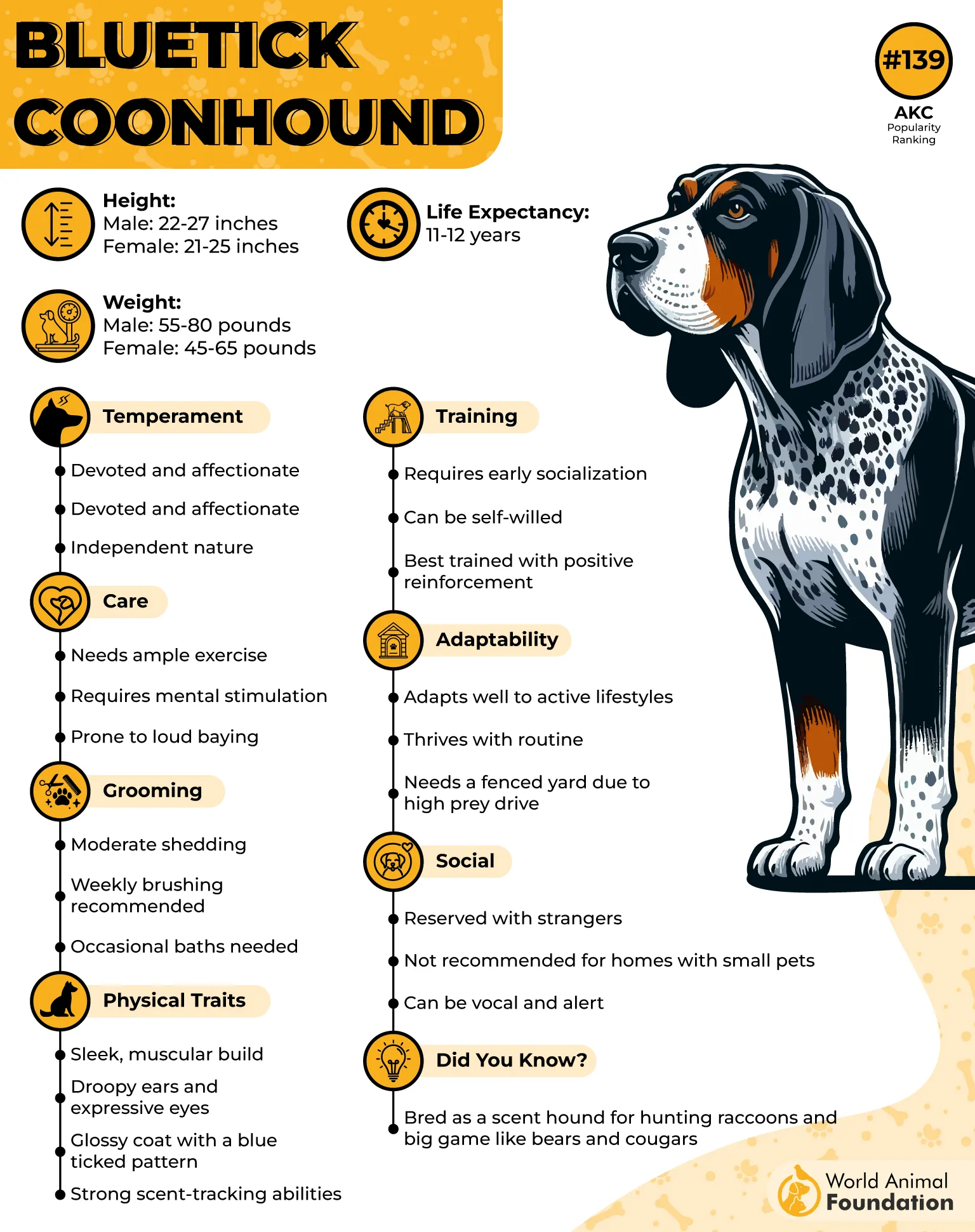
This breed excels at locating and treeing game, finding a trail and then baying loudly once it corners its quarry. Its voice is just as vital as its nose, serving as an audible guide for hunters navigating the dark. That baying provides a continuous commentary on the progress of the hunt.
- Game and terrain: Raccoons and other treeing game, worked through dense woods and swampy terrain, typically at night.
On a fresh trail, the bay speeds up and rises in pitch, turning sharp and frantic with excitement. On a cold track, it lengthens into deep, mournful notes spaced further apart—allowing hunters listening from a distance to instantly gauge the age of the scent.
7. Bloodhound
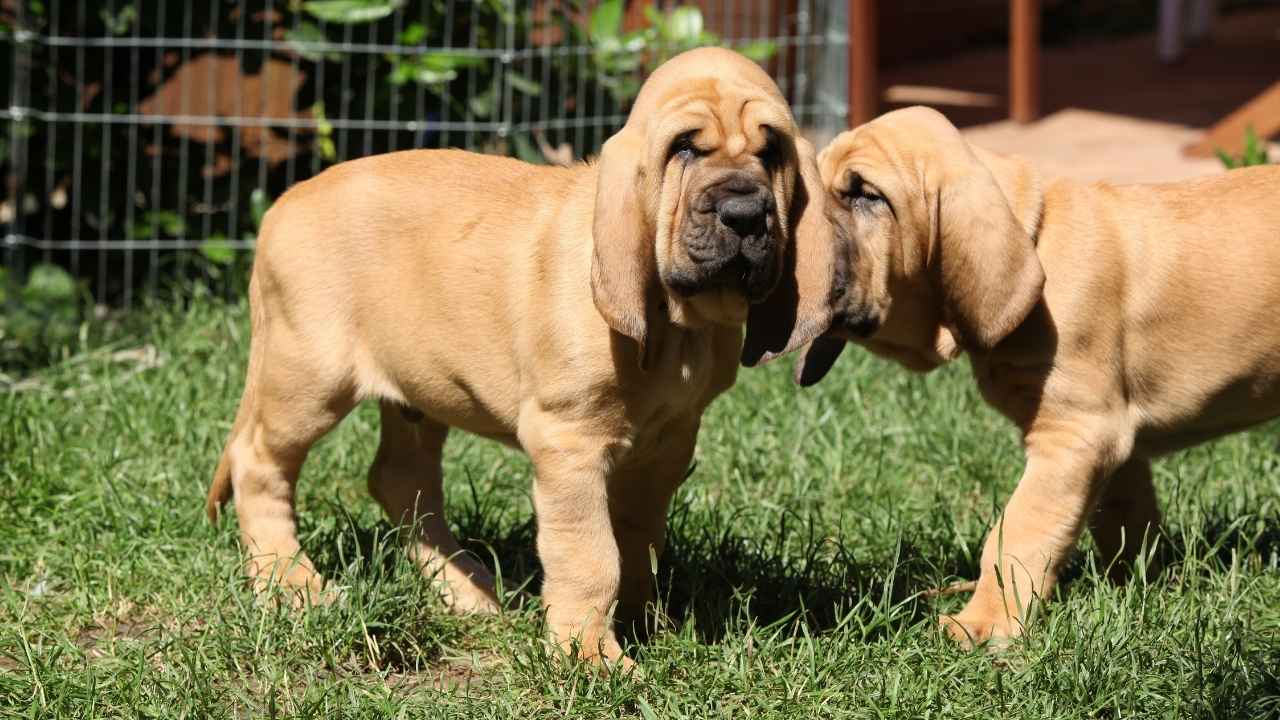
Monks in medieval Europe refined the Bloodhound for a single purpose: following a scent trail for miles long after fresh tracks had faded. Few breeds have ever matched its accuracy on a cold trail days old, and that singular focus remains the cornerstone of its identity.
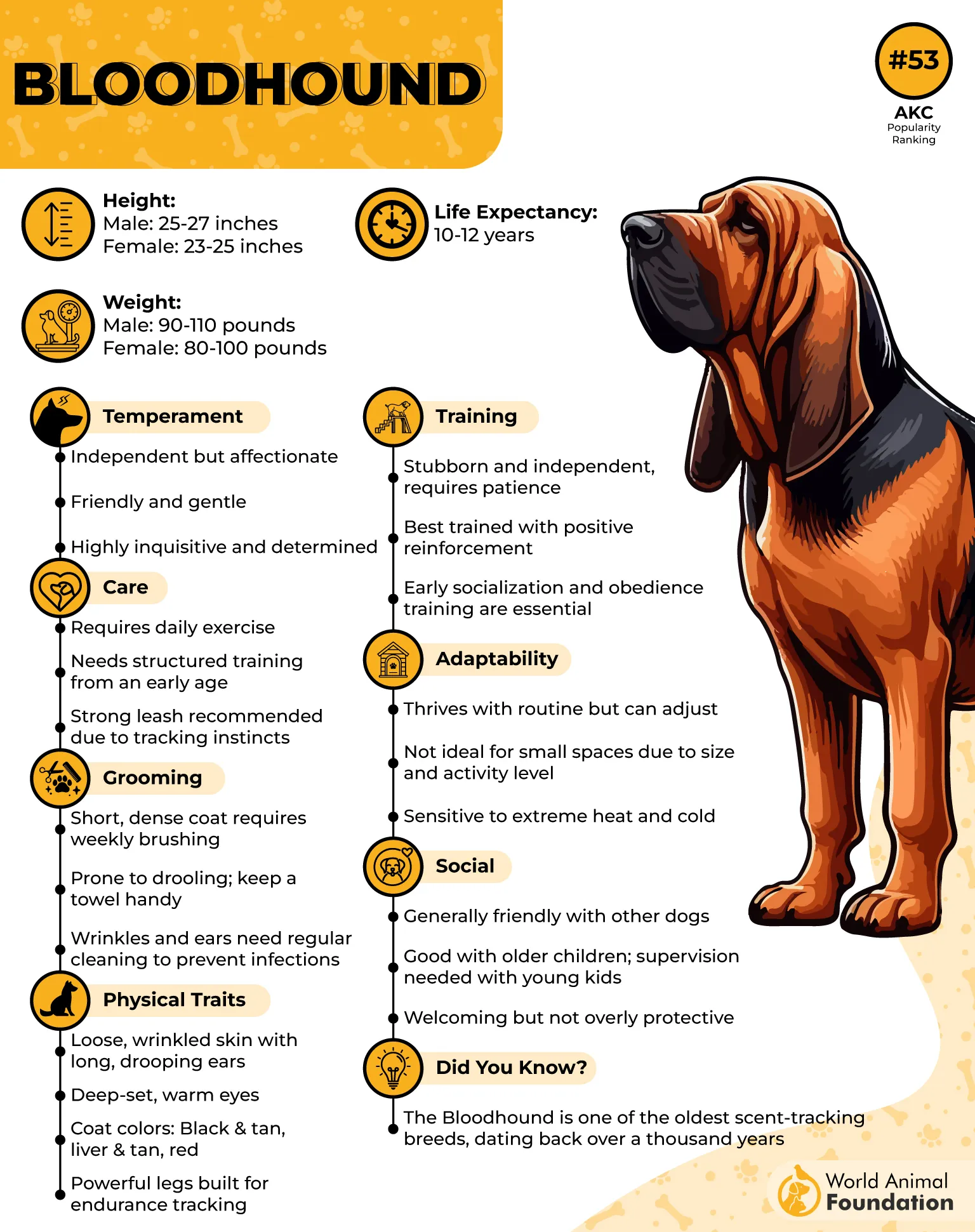
Locating game or missing persons is this breed’s entire specialty, powered by a nose widely considered the most precise in the canine world. Loose, wrinkled skin around its face helps trap floating scent particles close to its nostrils as it works, making it just as valuable for search and rescue as for traditional tracking.
- Game and terrain: Deer and other large game, worked across rough, varied terrain.
On a fresh scent trail, the Bloodhound drops its head the moment it locks on, leaning hard into its harness with steady drive. On an older, fading trail, it works at a slower pace, sweeping its head side to side in wide arches to recapture the scent line whenever it thins out. Either way, once it commits to a trail, it rarely gives up.
8. Black and Tan Coonhound
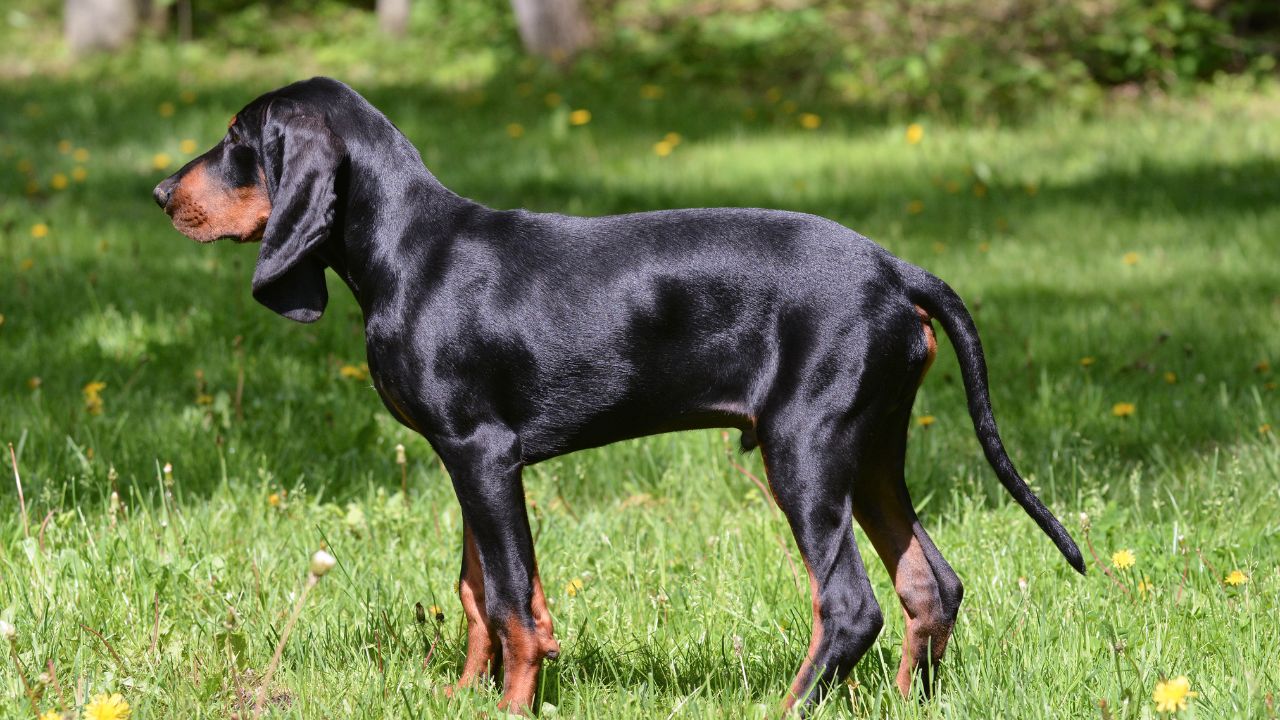
American settlers crossed Bloodhounds with Foxhounds to build the Black and Tan Coonhound, aiming for a dog that could trail and tree game through rugged terrain.
According to Orvis, the breed also makes a steady family companion once the hunt ends—a dual identity as a working hound by day and a gentle friend by night that remains a huge part of its appeal.
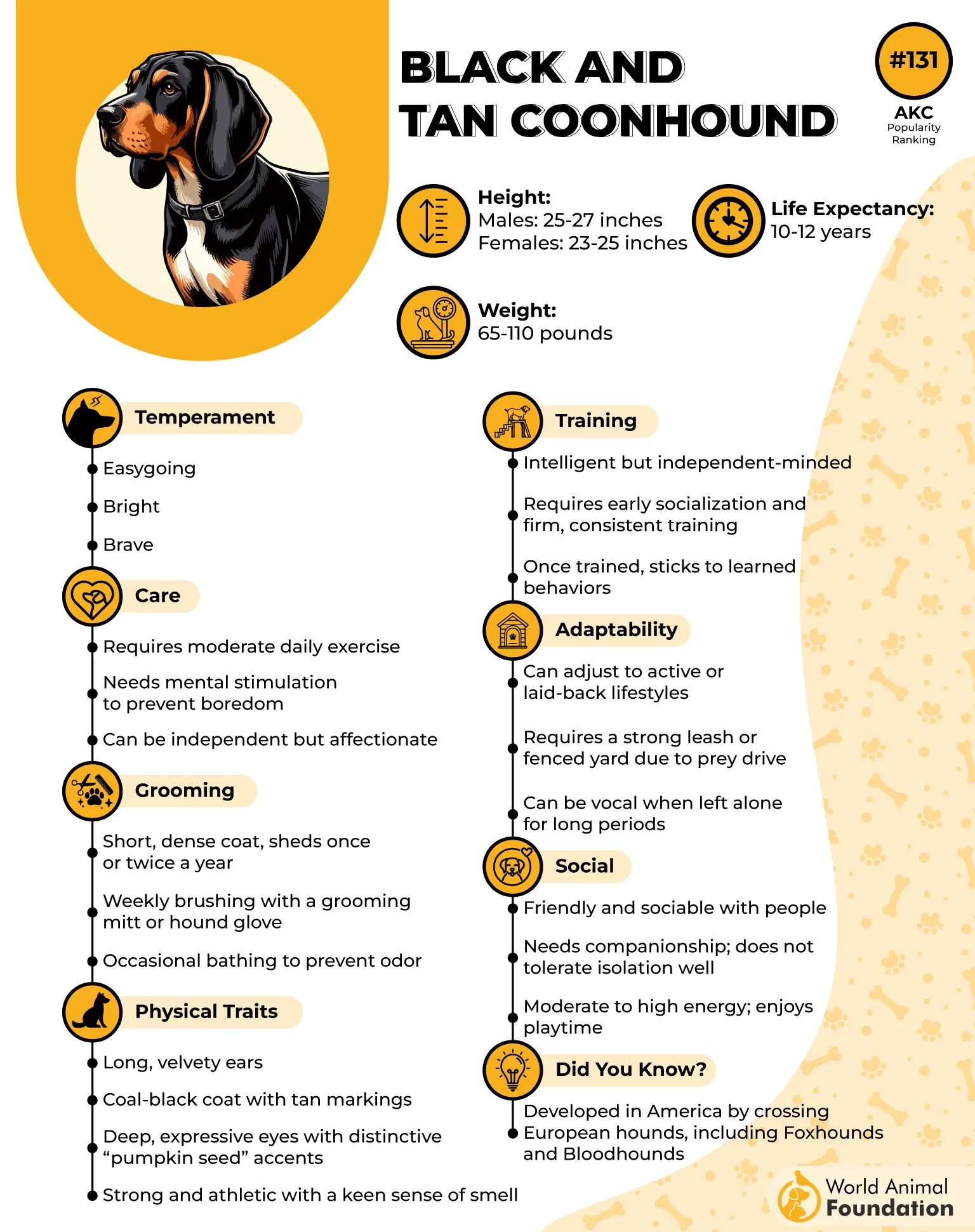
This breed balances its work between locating and confirming game, trailing strictly by scent and then treeing its quarry before baying to signal its location. Its deep, carrying howl does the confirmation work that a nose alone cannot, projecting far across dense woods where visual signals won’t reach.
- Game and terrain: Raccoons, as well as larger game like bear or deer, worked across heavily wooded and rugged country.
On a fresh trail, its bay comes fast and urgent, almost tripping over itself with excitement. On a colder track, it stretches into long, patient howls with deliberate pauses between them—allowing an experienced handler to read the entire story of the hunt just by listening.
9. Catahoula Leopard Dog
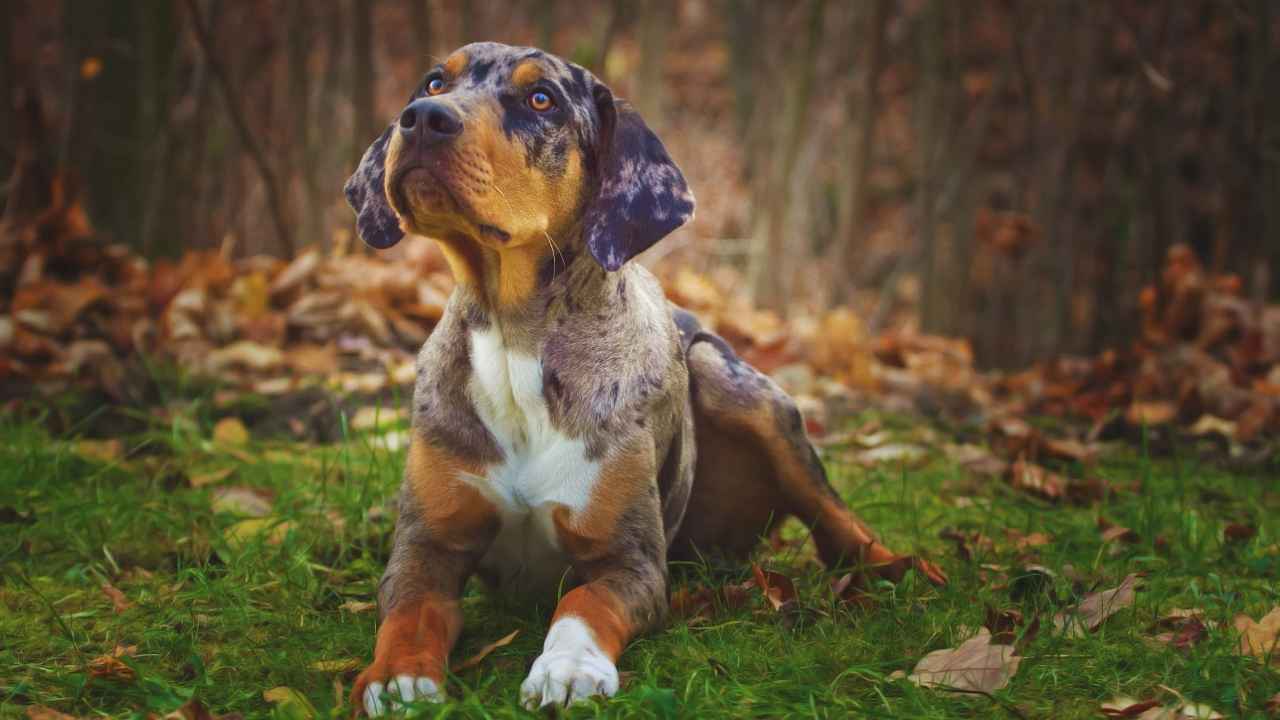
Louisiana hunters developed the Catahoula Leopard Dog to track and hold dangerous game in rugged country where most other breeds struggled. It needed to be tough enough to face a wild animal and smart enough to know when to give ground—a combination of grit and instinct that made it a true specialty working dog.
This breed balances locating and holding quarry, trailing by scent before baying and circling to pin game in place until the hunter arrives. Its high drive works alongside a natural sense of self-preservation, allowing it to apply intense pressure without putting itself directly in harm’s way.
- Game and terrain: Wild hogs, worked through dense swamps, heavy brush, and rugged backwoods terrain.
On a fresh bay, the Catahoula’s bark turns sharp and continuous as it circles its quarry at a safe distance. On a colder trail, it works low and quiet, saving its voice until it has actually pinned the animal. That silence on a cold scent line is a deliberate strategy, not a lack of drive.
10. Beagle

English hunters bred the Beagle to trail game in packs, favoring a compact size that could push through dense cover larger hounds couldn’t reach. According to WebMD, the breed’s hunting instincts remain exceptionally strong even in dogs kept purely as pets—a sharp scenting drive baked into almost every line.
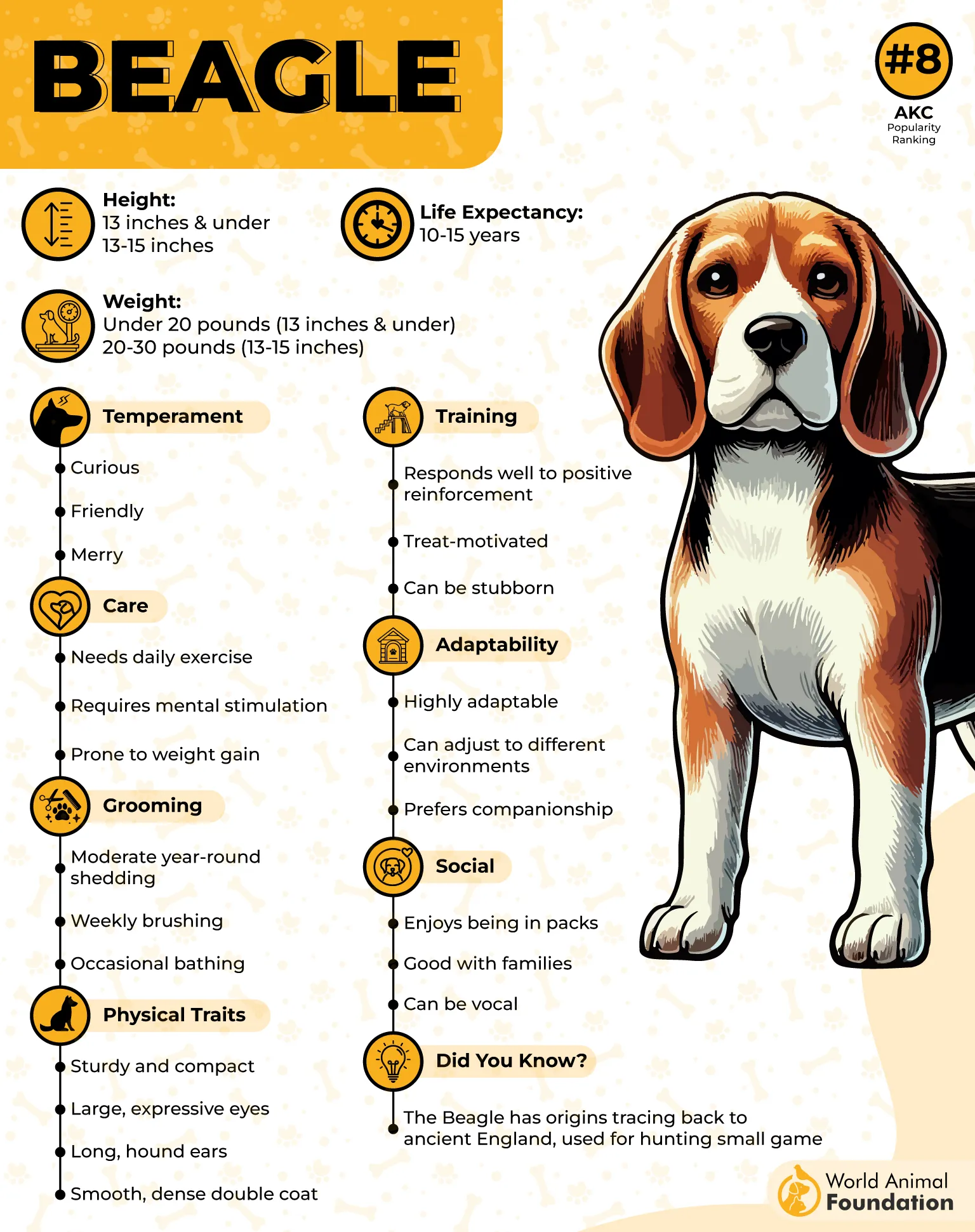
Locating and confirming game are second nature to this breed. It trails strictly by scent while baying to mark its progress every step of the way. Packed with stamina over raw speed, its nose rivals that of far larger hounds, and its vocal tracking keeps both the pack and the hunter fully coordinated.
- Game and terrain: Rabbits and small game, worked through open fields, thick hedgerows, and dense ground cover.
On a fresh trail, the Beagle’s bay becomes fast, sharp, and high-pitched as its excitement builds. On a colder trail, its voice slows into longer, spaced-out notes while it works to solve the direction of the scent line. Either way, that signature chorus rarely stops until the job is done.
Conclusion
At the end of the day, the most famous tracker on this list isn’t always the right one for you. A compact hound built for rabbits won’t thrive chasing deer across rough, varied terrain, and a pointing breed suited to upland birds won’t out-trail a cold scent line, so match the dog to the job, not the hype.
Whichever one you pick, give it regular exercise, positive reinforcement, and a chance to actually use that nose, and it’ll reward you with years of impressive, loyal company. Explore our hunting dog breed guide to find the ideal companion for your next adventure in the field.
