




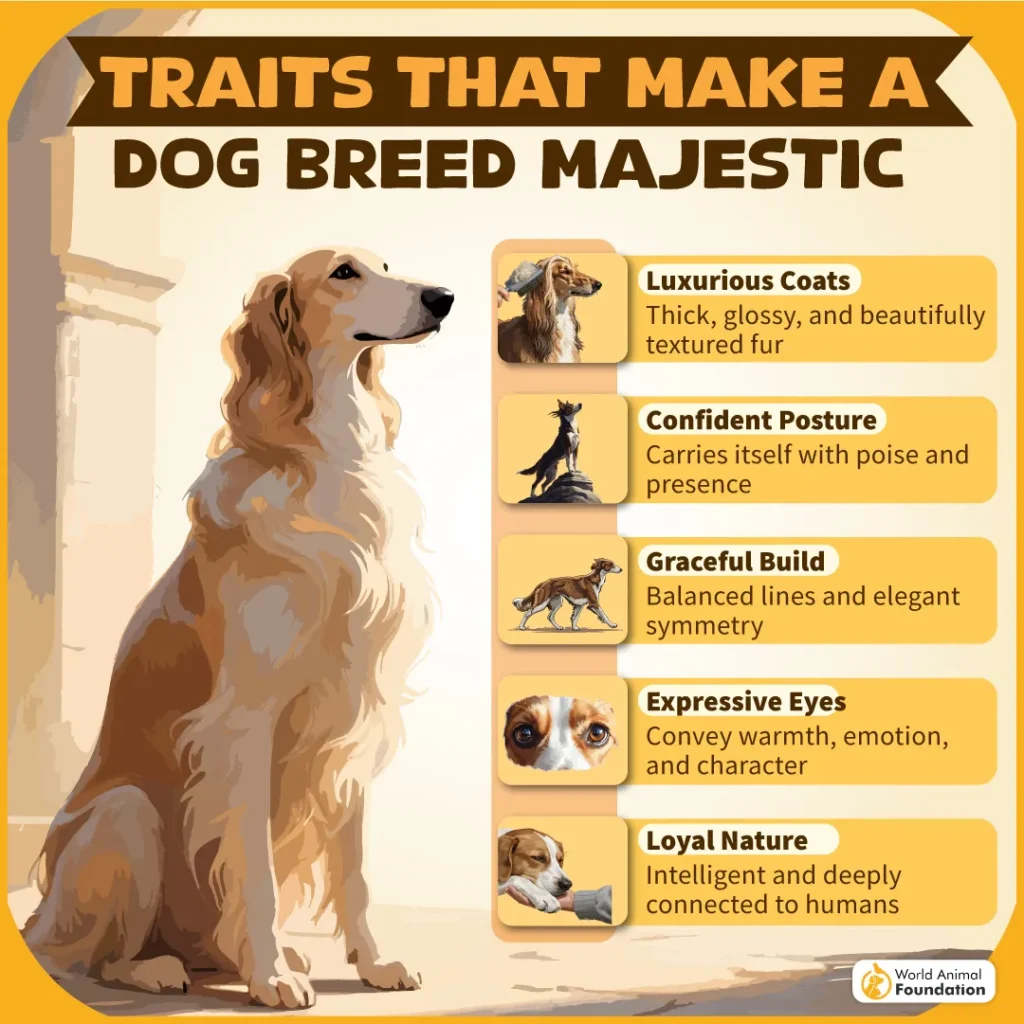
A beautiful dog does not always have a perfectly groomed, floor-length coat or an unusually rare color. Sometimes, a short glossy coat, distinctive facial markings, or an athletic silhouette creates an equally impressive appearance.
People often associate canine beauty with long hair and elaborate grooming, overlooking the physical details that make other breeds equally attractive. Coat quality, body proportions, eye shape, facial expression, and natural coloring all contribute to a dog’s overall appearance.
Some breeds have dense coats that create a fuller silhouette, while others have sleek hair that highlights their muscular frames. Certain dogs also feature naturally occurring patterns, including brindle, spotted, and merle combinations. Each characteristic gives the breed its own visual appeal and makes it recognizable in different settings.
From beautifully feathered coats to striking facial features, these seven dog breeds demonstrate just how varied canine beauty can be and why their appearances deserve appreciation.
Key Takeaways
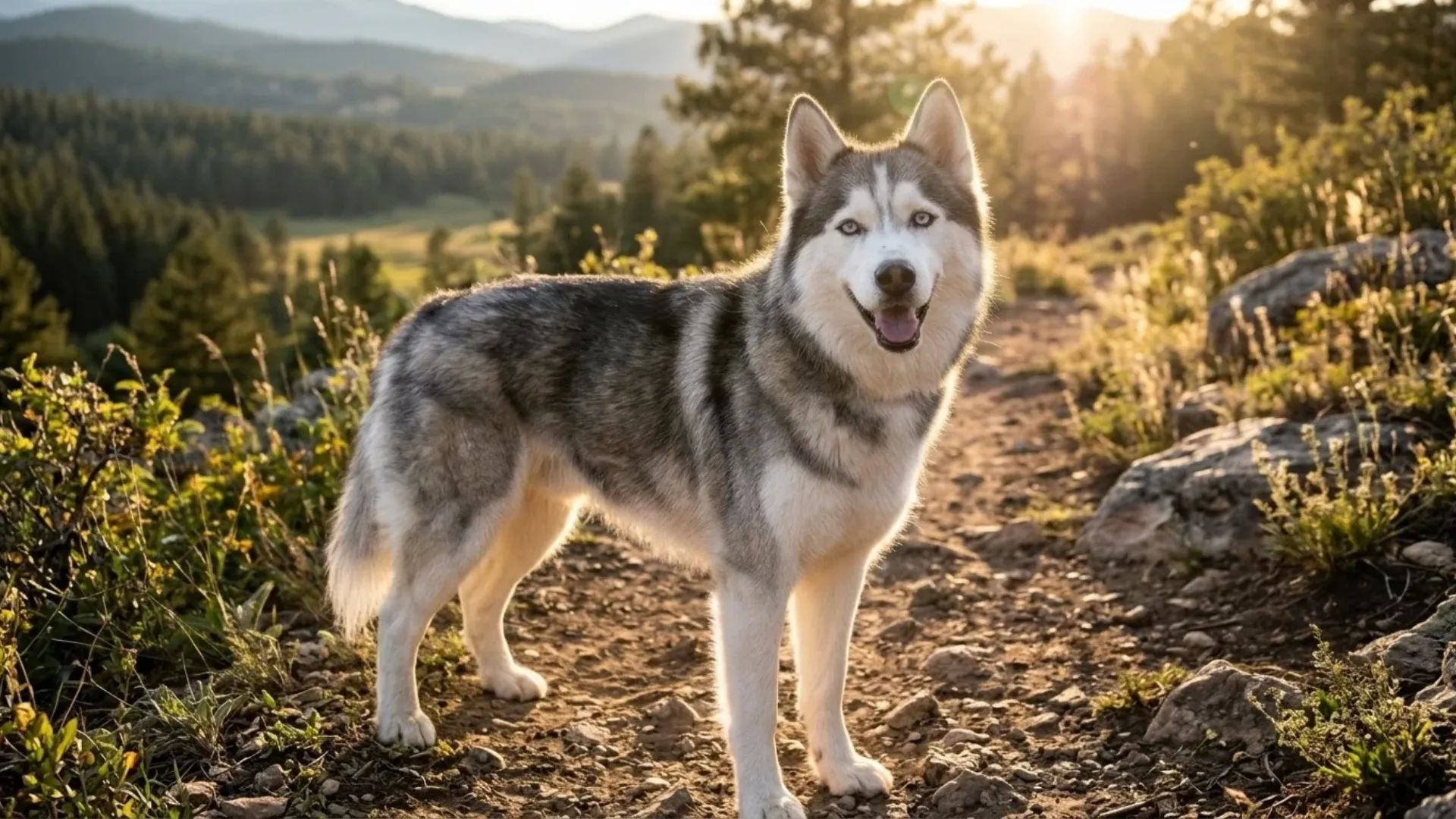
A Siberian Husky can have one blue eye and one brown eye. It’s one of the many fascinating features that make certain dogsinstantly recognizable.
Then comes the Beagle with its adorable floppy ears, followed by the Labrador and Golden Retriever with their friendly expressions.
The Samoyed has an even more interesting feature. Its naturally curved mouth gives it a permanent smile that people find hard to resist.
And there’s plenty more to admire, so stay with us till the end to meet two more breeds with their own beautiful features.
Dog Breeds Known for Their Radiant Presence
1. Siberian Husky
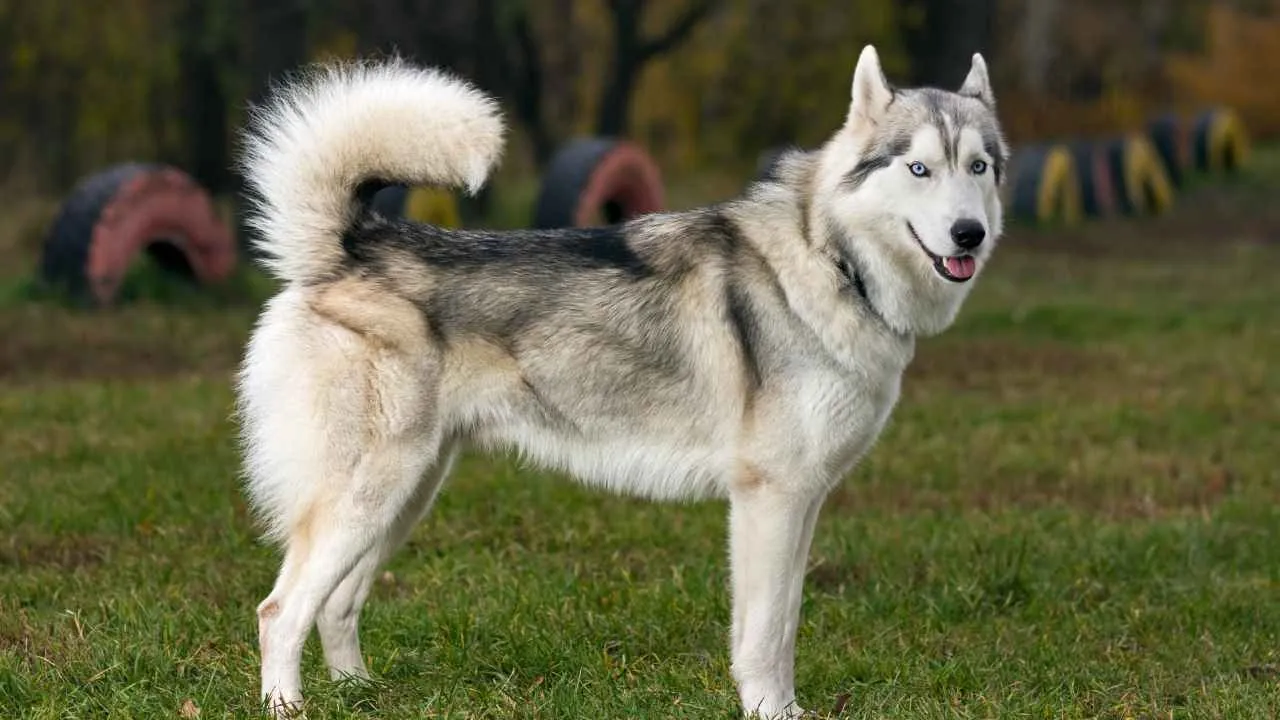
The Siberian Husky began as a working dog in northeastern Siberia, where Indigenous communities relied on these hardy dogs for sled travel across frozen terrain. During the Gold Rush era, the breed reached Alaska, taking part in sled journeys and races in the late 1800s and early 1900s.
Eyes That Catch Your Attention
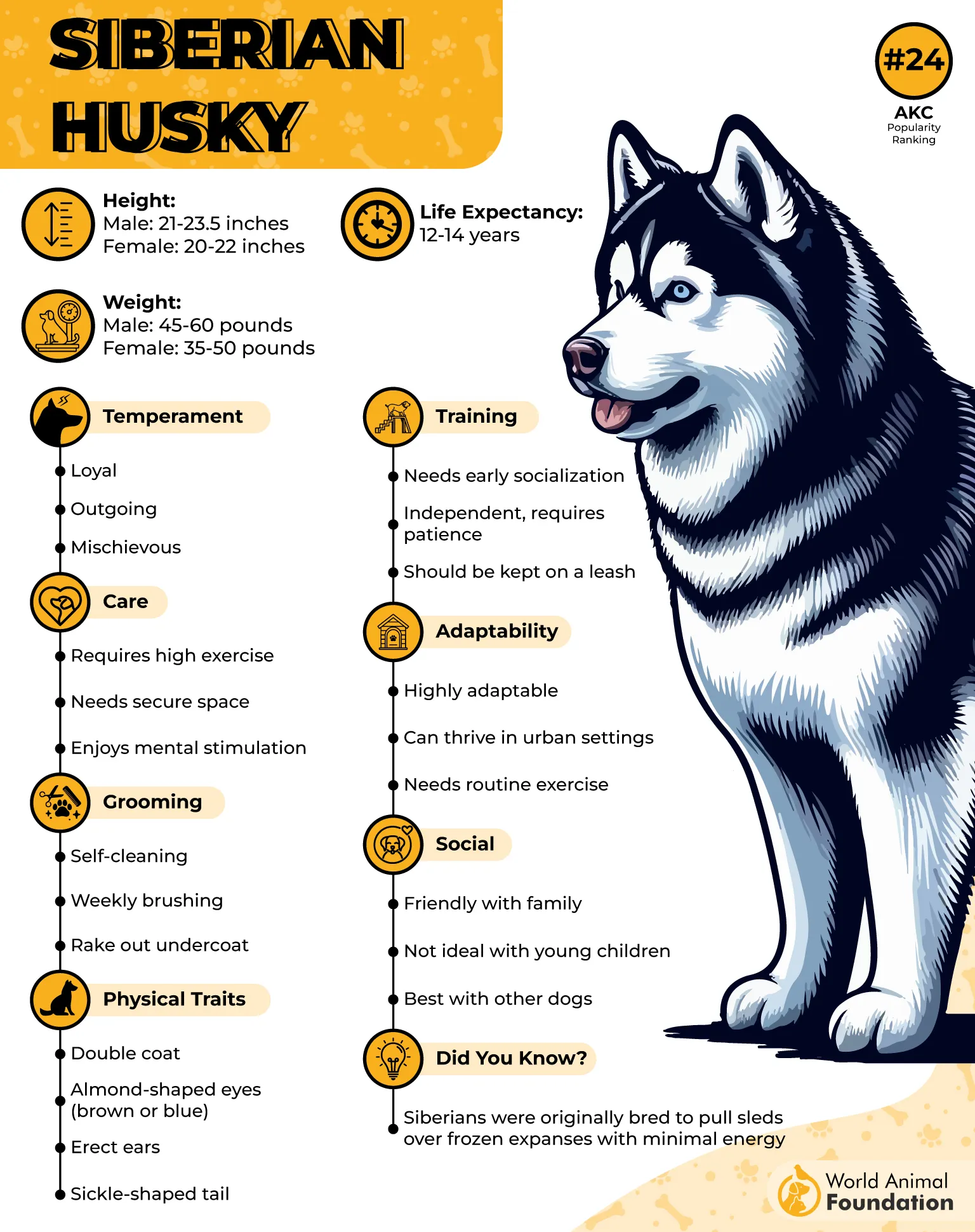
A Siberian Husky has an unmistakable look, with almond-shaped eyes that may be blue, brown, or one of each. Its thick double coat comes in several colors, including black, white, red, gray, brown, and agouti, while the bushy tail often curls upward when the dog is alert.
A closer look reveals a few more details about this breed:
Often communicates through howls, growls, and whimpers.
Has a well-known talent for escaping fenced areas.
Can be quite independent-minded.
A Working Mind That Needs Direction
Intelligent and quick to learn, this beautiful dog breed can also become stubborn when obedience training feels repetitive.
Short, consistent sessions with positive reinforcement help keep lessons on track. This working breed also needs regular activity and a clear purpose, especially when boredom begins to set in.
2. Beagle
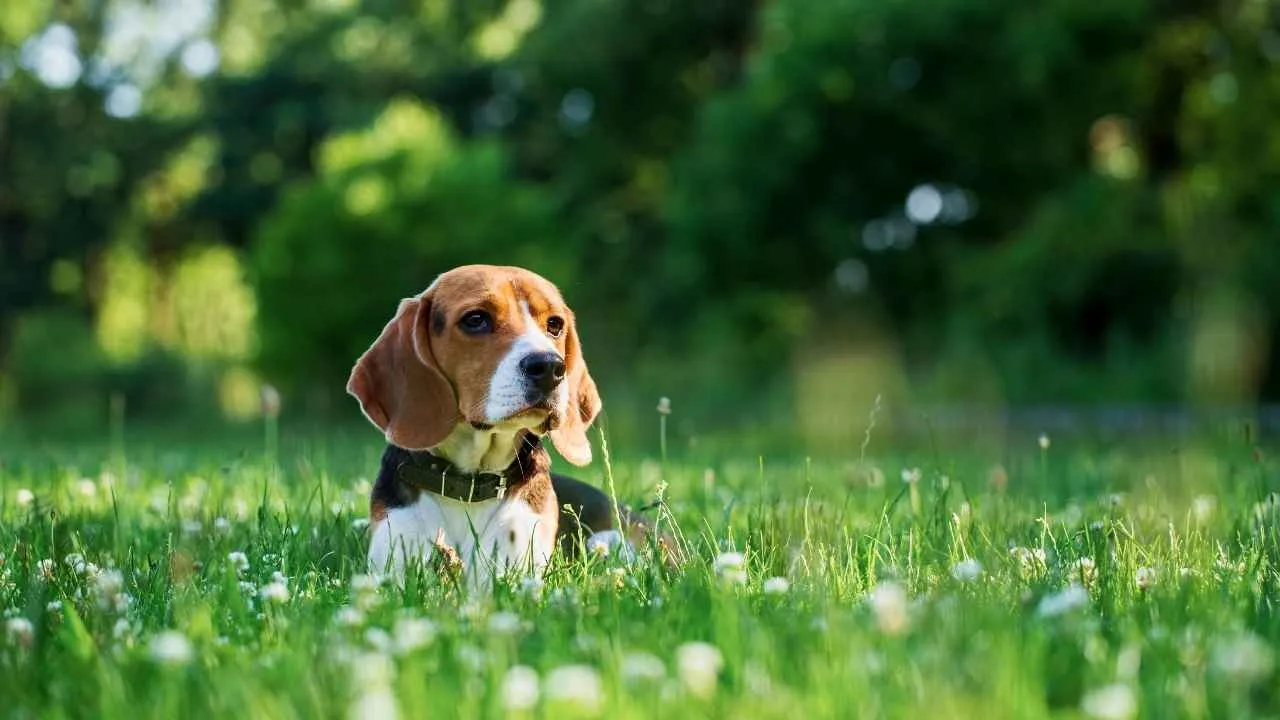
The Beagle’s roots go back to 14th-century England, where small, scent-driven hounds were commonly used to hunt hares. By the late 1800s, the modern Beagle had taken shape, becoming a familiar and dependable companion to hunters pursuing foxes, rabbits, and hares across the English countryside.
A Naturally Cheerful Character
A Beagle has a happy, easygoing manner that brings plenty of life to its surroundings. According to Hill’s Pet, its constantly wagging tail and friendly attitude give this little hound an inviting personality, while its gentle nature makes it a popular choice for family homes.
There is more to its character than its cheerful expression:
Has around 220 million scent receptors.
Uses barking, baying, and howling to communicate.
Has large brown or hazel eyes and long, velvety ears.
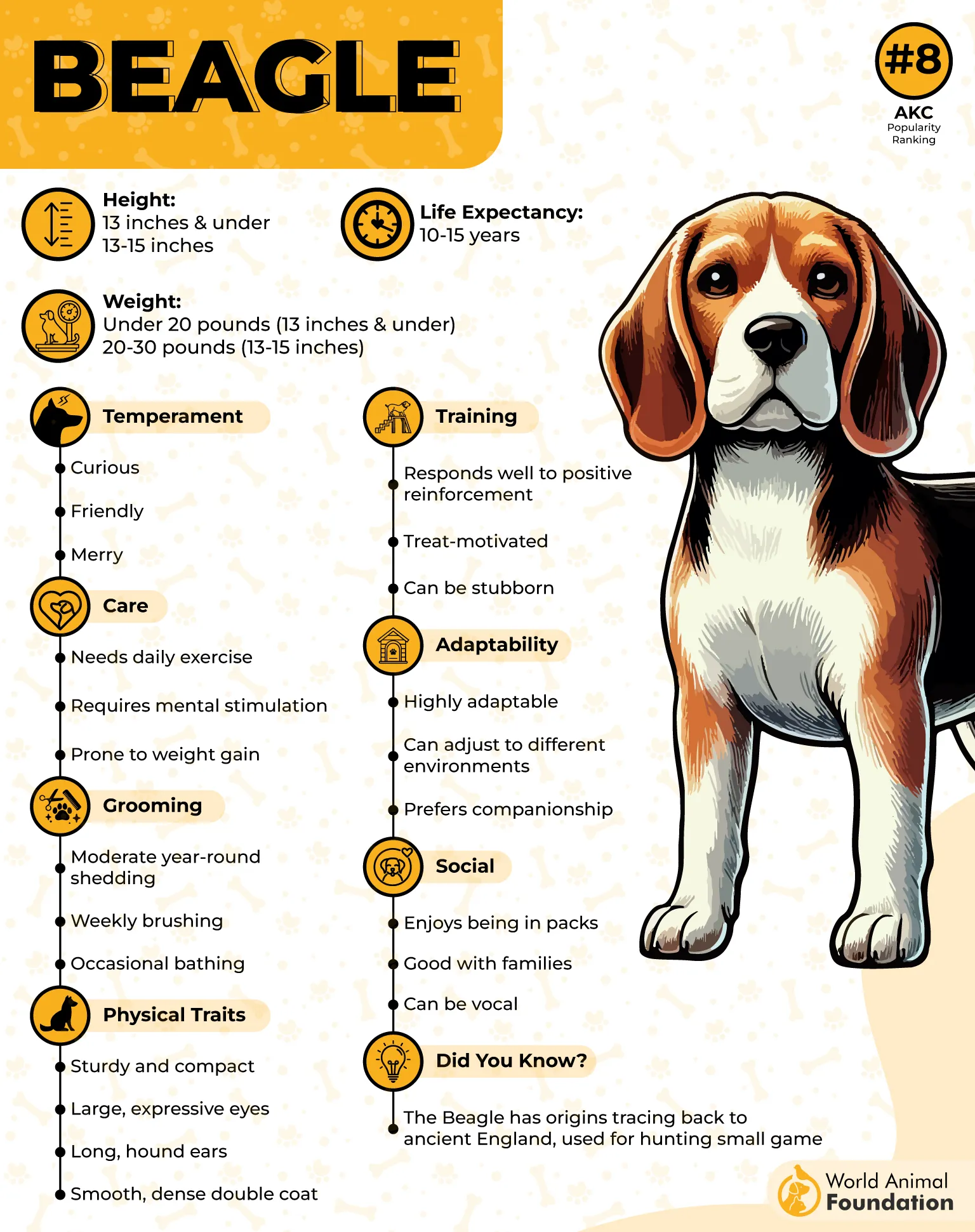
A Compact, Distinctive Build
Beagles have a short, muscular body, long floppy ears, and a naturally raised tail that often stays upright when they are alert. Their dense, close-fitting coat comes in several attractive colors, including the familiar black, tan, and white combination, as well as lemon, red, and white.
3. Labrador Retriever
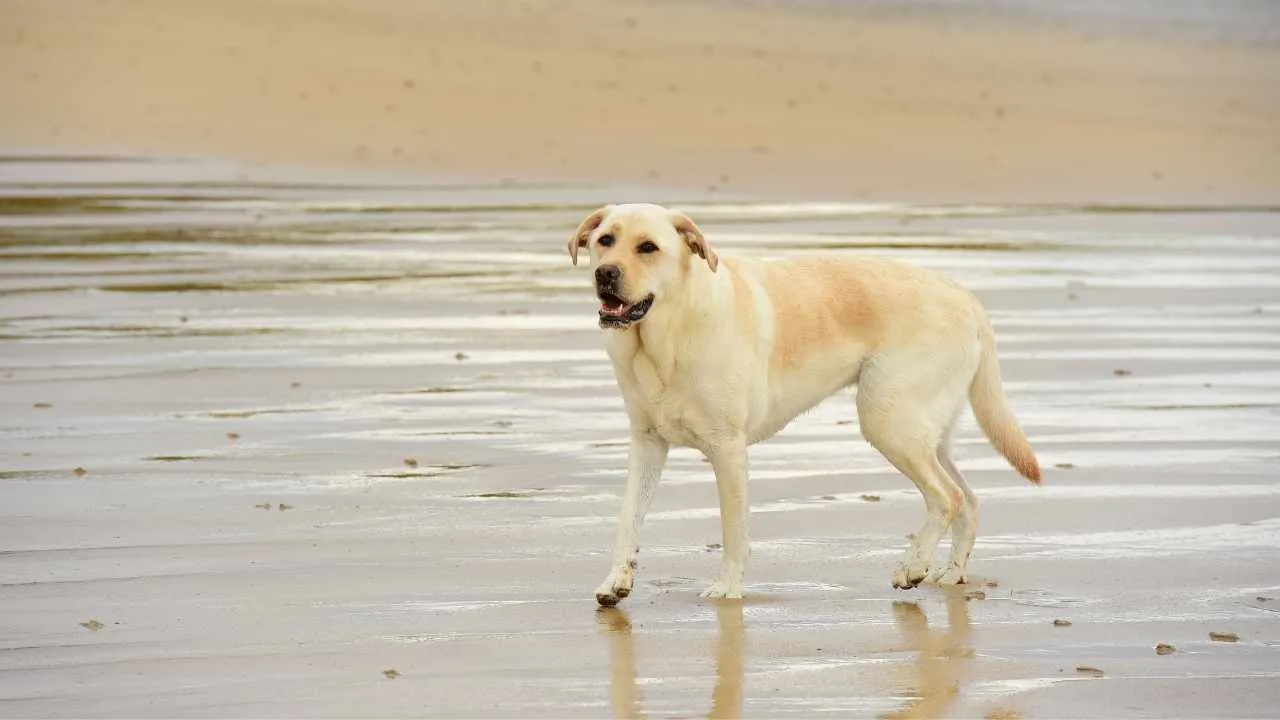
The Labrador Retriever traces its roots to Newfoundland, where its early ancestors helped fishermen retrieve nets, collect fish, and pull small boats across the water. Some were brought to England in the early 1800s, where a breeding program helped establish the modern breed.
A Friendly Face and an Easygoing Nature
A Labrador has an open, welcoming expression that matches its sociable personality. These social dogs generally enjoy meeting people, get along well with other animals, and are known for their patience around children, making them comfortable companions for family members in busy households.
A closer look reveals a few details that give this breed its familiar profile:
Kind-looking eyes, usually brown or hazel.
Nose color varies between black and chocolate.
A thick, tapered tail often called an otter tail.
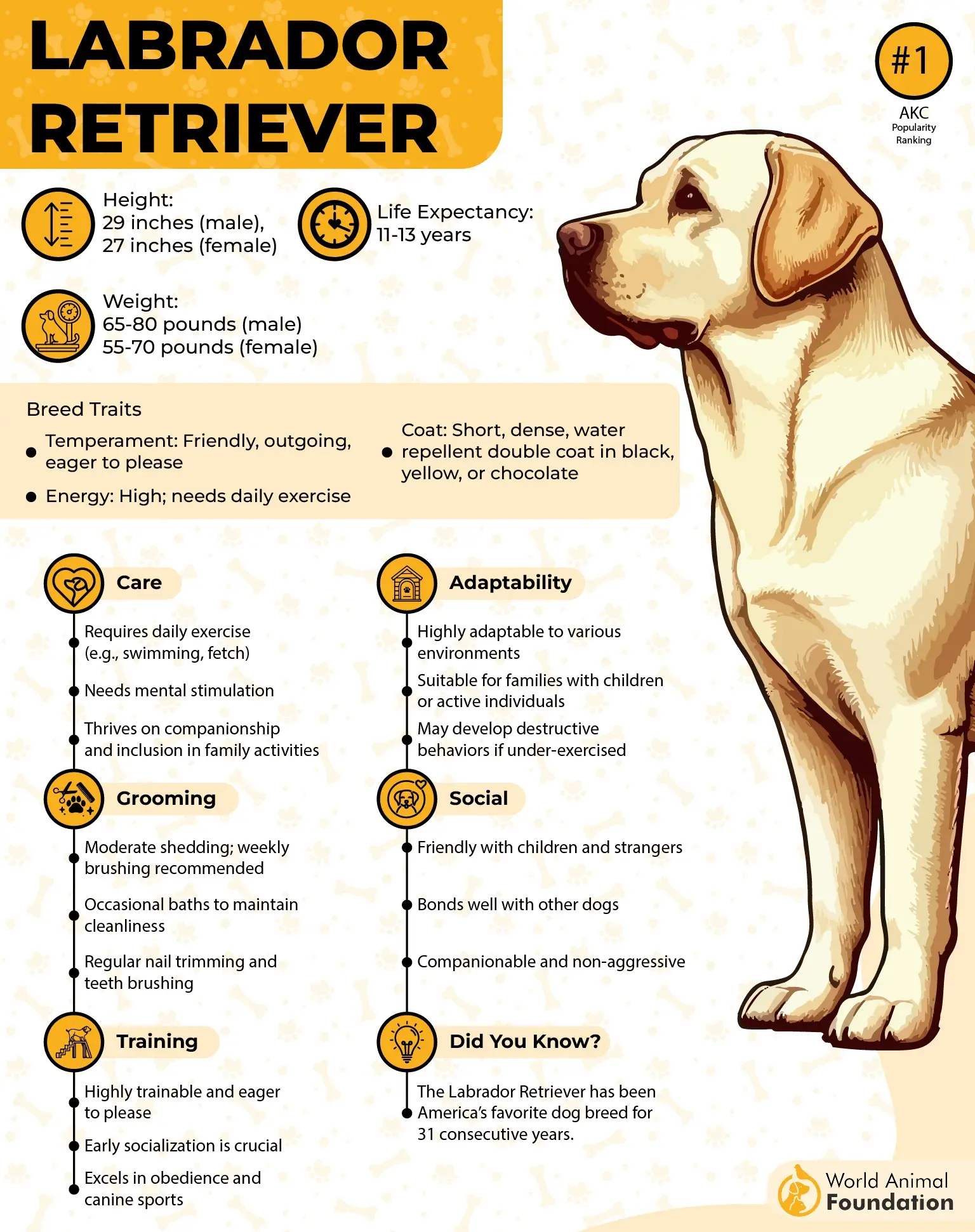
Bright, Versatile, and Eager to Learn
This dog breed is intelligent and responsive to training, which has made it useful as an assistance, therapy, detection, and sporting dog, as Omlet noted. Its energetic nature makes outdoor adventures, including hiking, camping, swimming, and outdoor play, enjoyable activities.
4. Golden Retriever
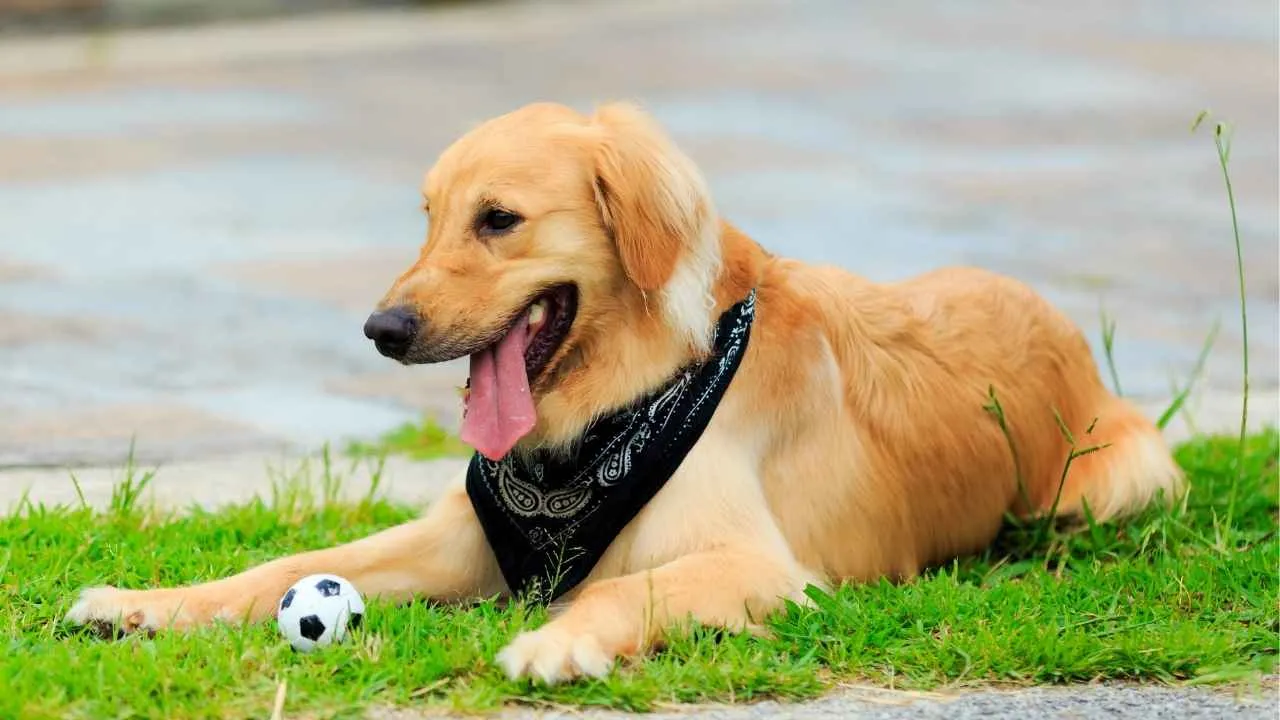
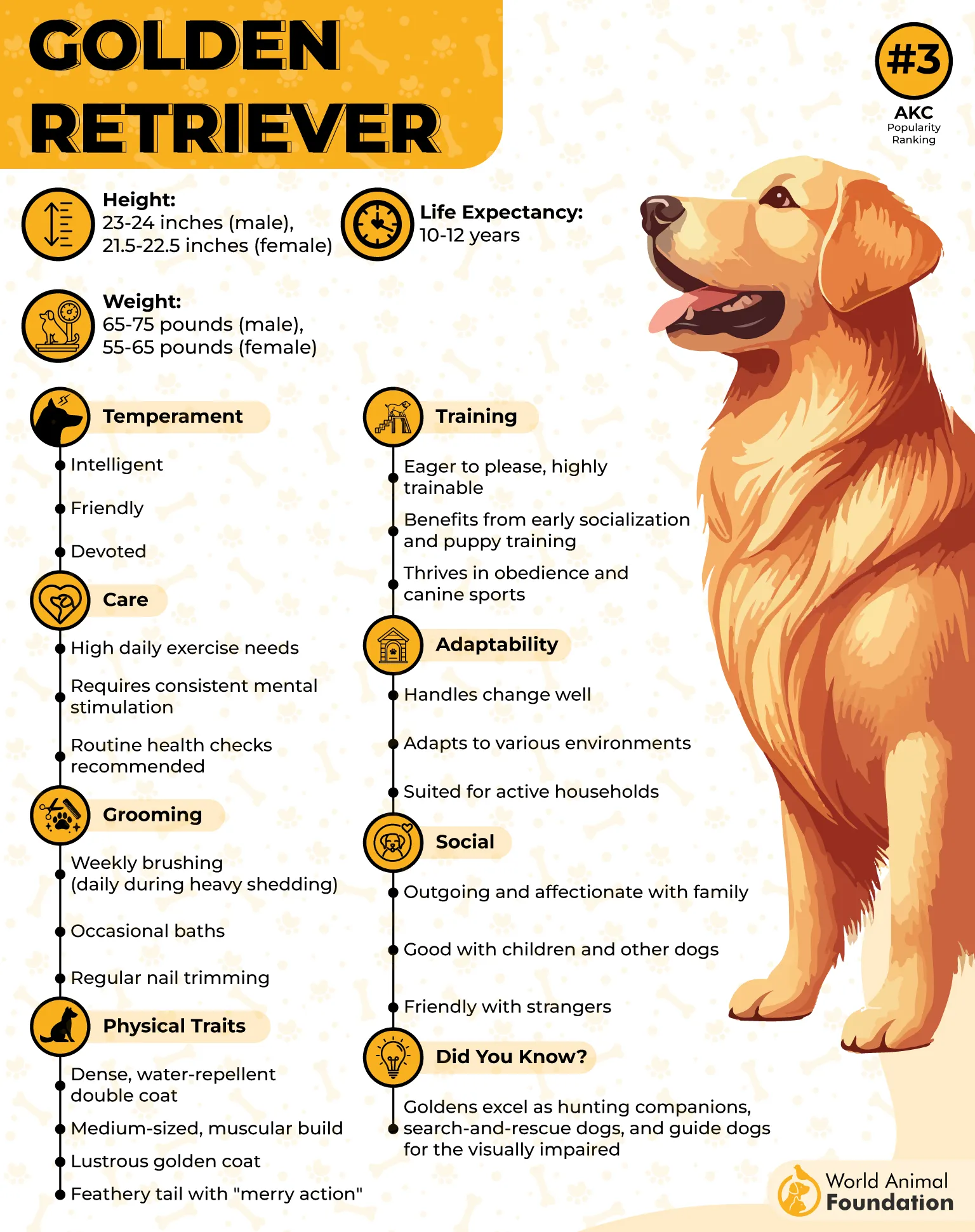
The Golden Retriever originated in Scotland during the mid-19th century, when Lord Tweedmouth wanted a capable hunting companion for retrieving game through dense undergrowth.
Careful crosses involving a Newfoundland, a Labrador, and a Water Spaniel mix, and later Setters, produced the breed known today.
A Confident, Welcoming Appearance
This affectionate dog has an unmistakable look, with a balanced build, an easygoing expression, and a proudly held head. Its dark, gentle eyes and naturally wagging tail add to its cheerful appearance, while its golden coloring gives the coat a warm finish.
A closer look reveals a few lovely details:
Floppy ears frame the face.
Eyes are usually medium or dark brown.
The nose is generally black or brown.
Shades of Gold
Its medium-length double coat comes in light, golden, and dark golden shades, with some dogs displaying cream or deep reddish tones. A soft insulating undercoat sits beneath a water-resistant outer layer, while longer feathering appears around the legs, belly, and tail.
5. Samoyed
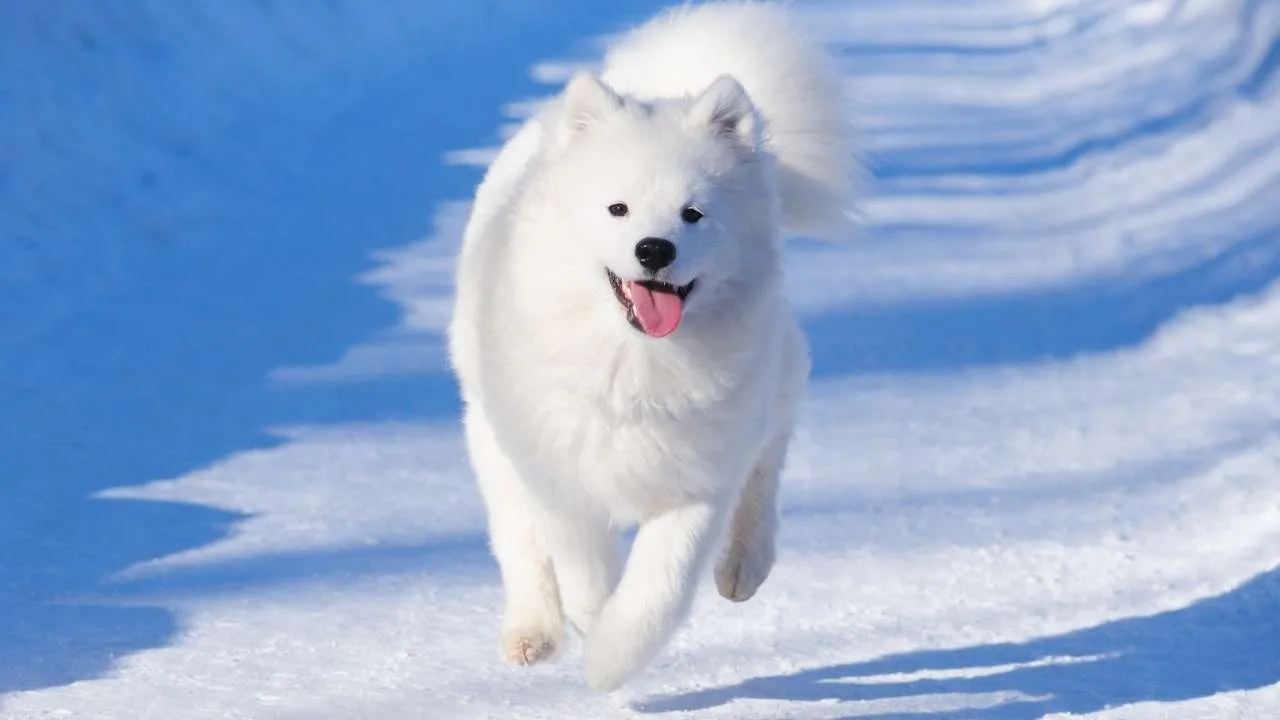
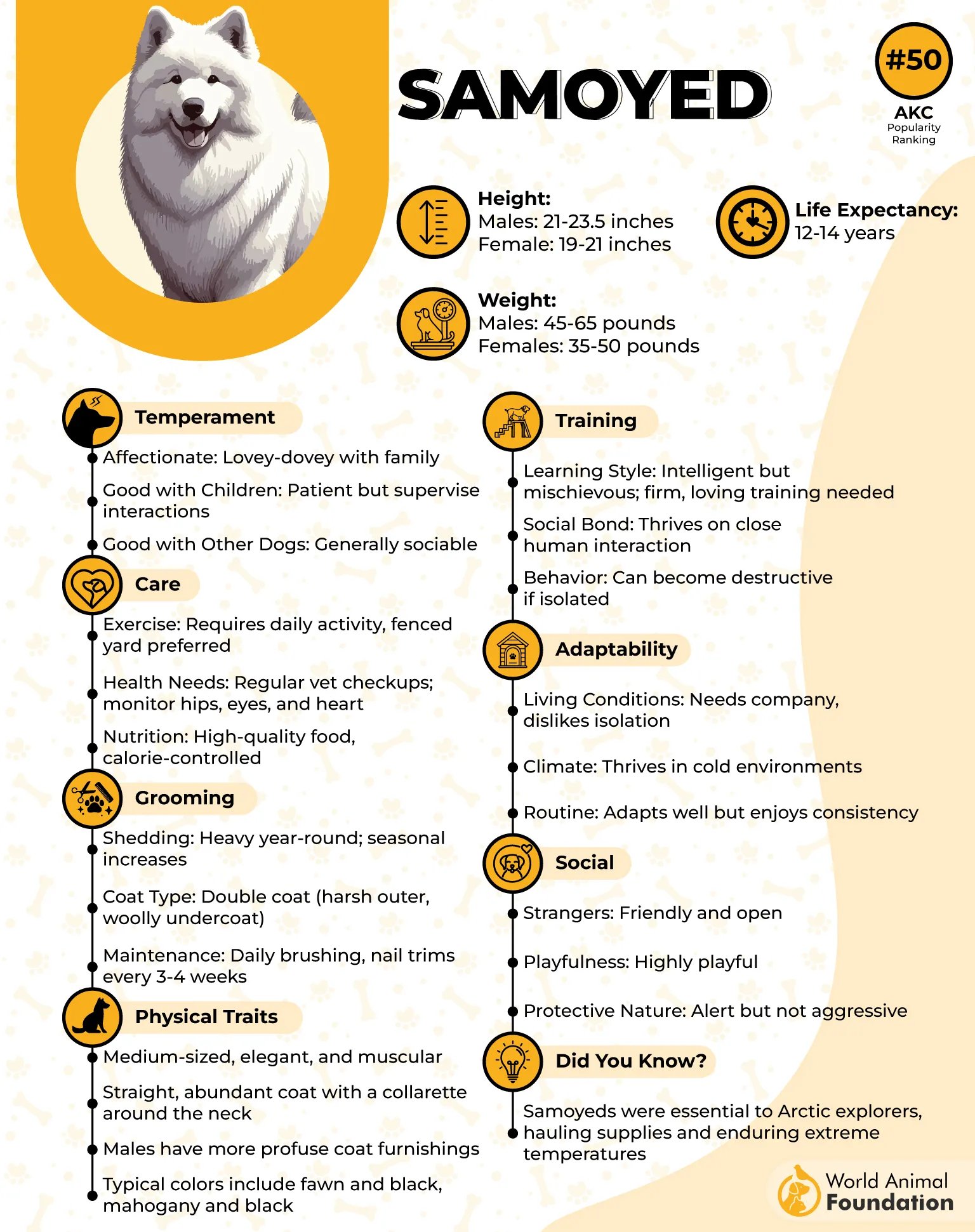
The Samoyed originated in Siberia, where the Samoyede people relied on these dogs for herding reindeer, hunting, and pulling sledges across frozen terrain. They also guarded families from predators and slept beside them for warmth. By the late 19th century, Samoyeds had joined polar expeditions.
That Famous Samoyed Smile
A Samoyed is instantly recognizable by its bright white coat, cheerful expression, dark almond-shaped eyes, and graceful posture. Its slightly upturned mouth creates the familiar Sammy smile, giving this medium-sized Arctic dog an unusually welcoming appearance.
A closer look reveals a few more distinctive features:
Thick, triangular ears with softly rounded tips.
Dark noses that may change shade with age or weather.
A heavily furred tail that curves over the back.
Friendly, Social, and Family-Oriented
They are affectionate dogs that enjoy close company and usually greet visitors warmly after an initial bark.
They can be good with children, although their size may accidentally knock over a small child. They also need plenty of companionship and can become unhappy when left alone for long periods.
6. Cocker Spaniel
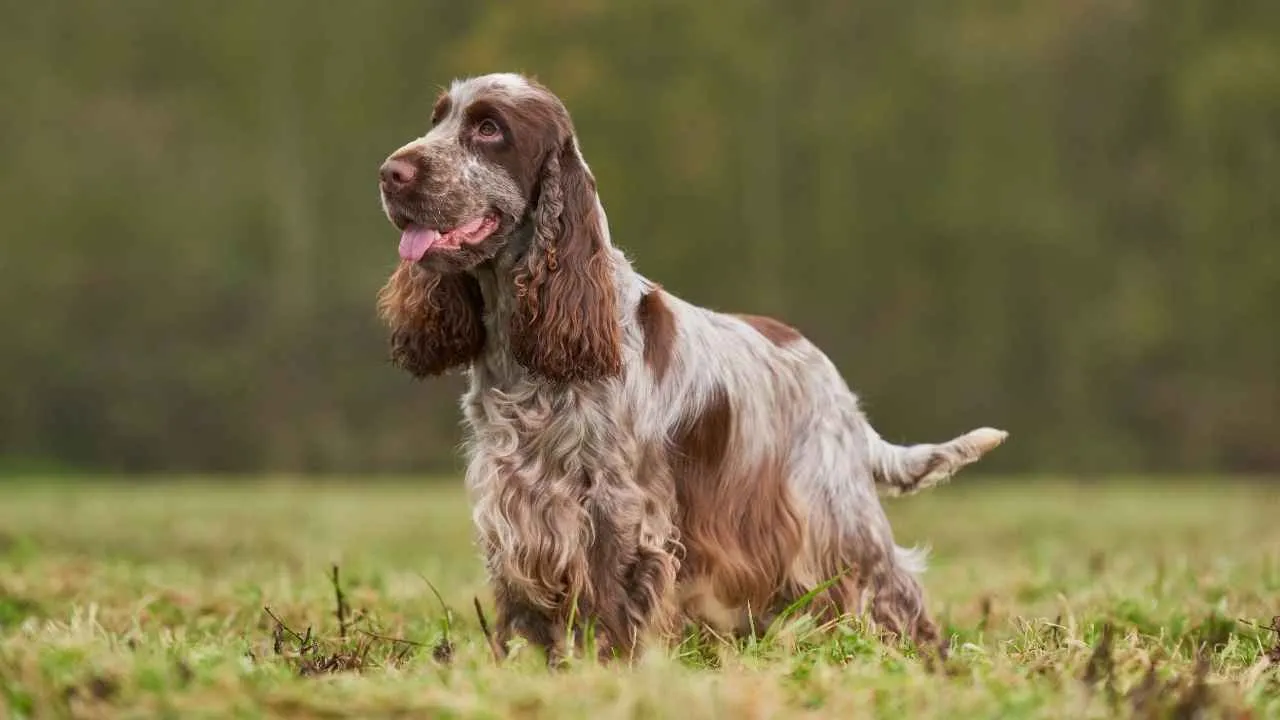
The Cocker Spaniel belongs to the land Spaniel group, whose smaller members were valued for reaching game hidden deep in thick undergrowth. In 1892, the smaller and larger types were officially recognized as separate breeds, marking the beginning of the English Cocker Spaniel as a distinct breed.
Soft Eyes and Flowing Ears
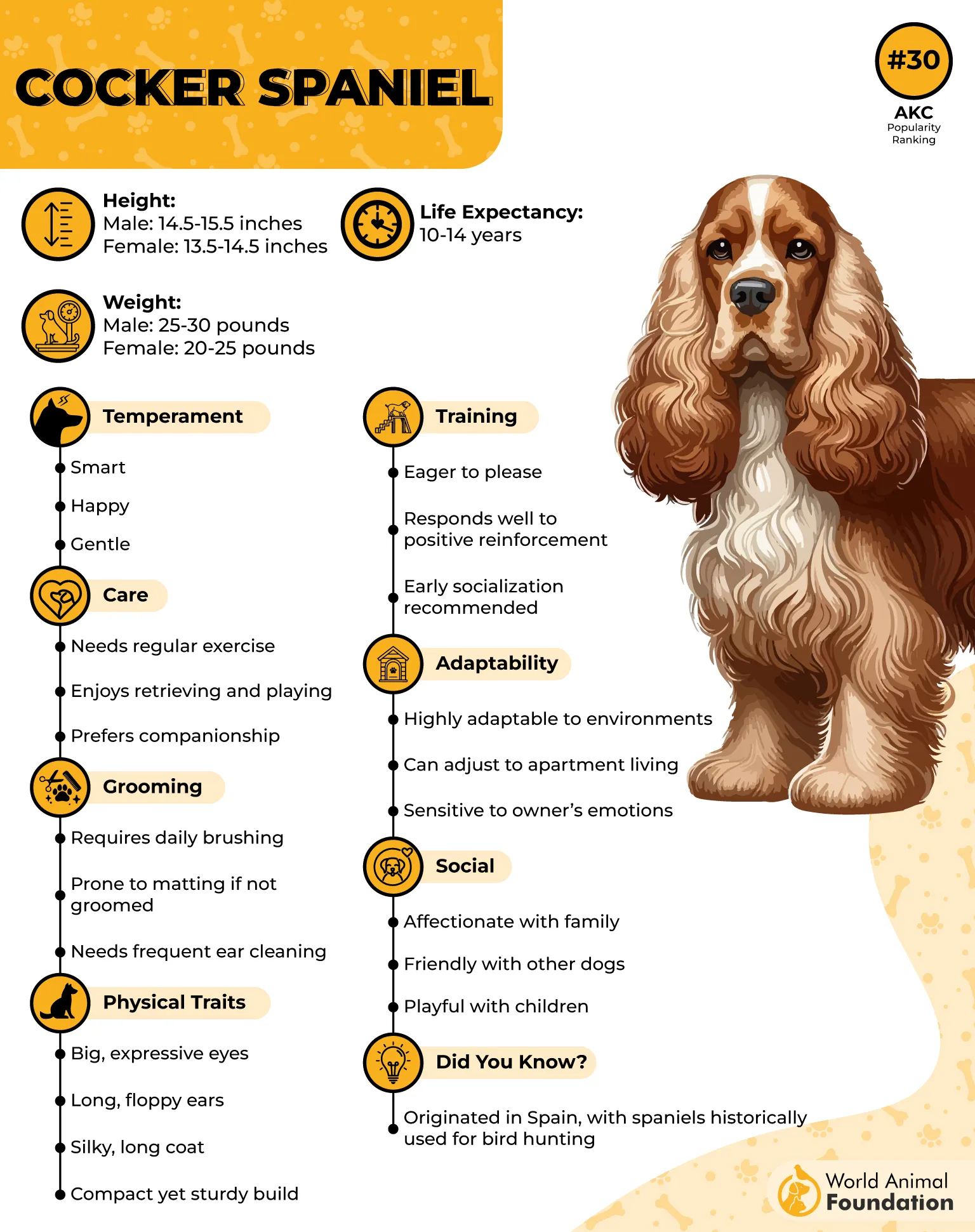
A Cocker Spaniel has a gentle expression framed by long, silky ears that swing as it runs. Its round, dark brown eyes give its face a warm, appealing look, while the medium-length coat forms soft feathering across the chest, belly, legs, and ears.
There is more to its appeal than its lovely features:
Comes in more than 20 coat colors and combinations.
Usually gets along well with children and other pets.
May suit therapy work when its individual temperament is appropriate.
Grooming and Playtime
That beautiful, silky coat needs regular brushing to prevent tangles, as Cocker Spaniels are heavy shedders. They also enjoy lively activities such as agility and flyball, while a simple game of fetch or a relaxed evening beside their favorite person can make a lovely part of the day.
7. Brittany
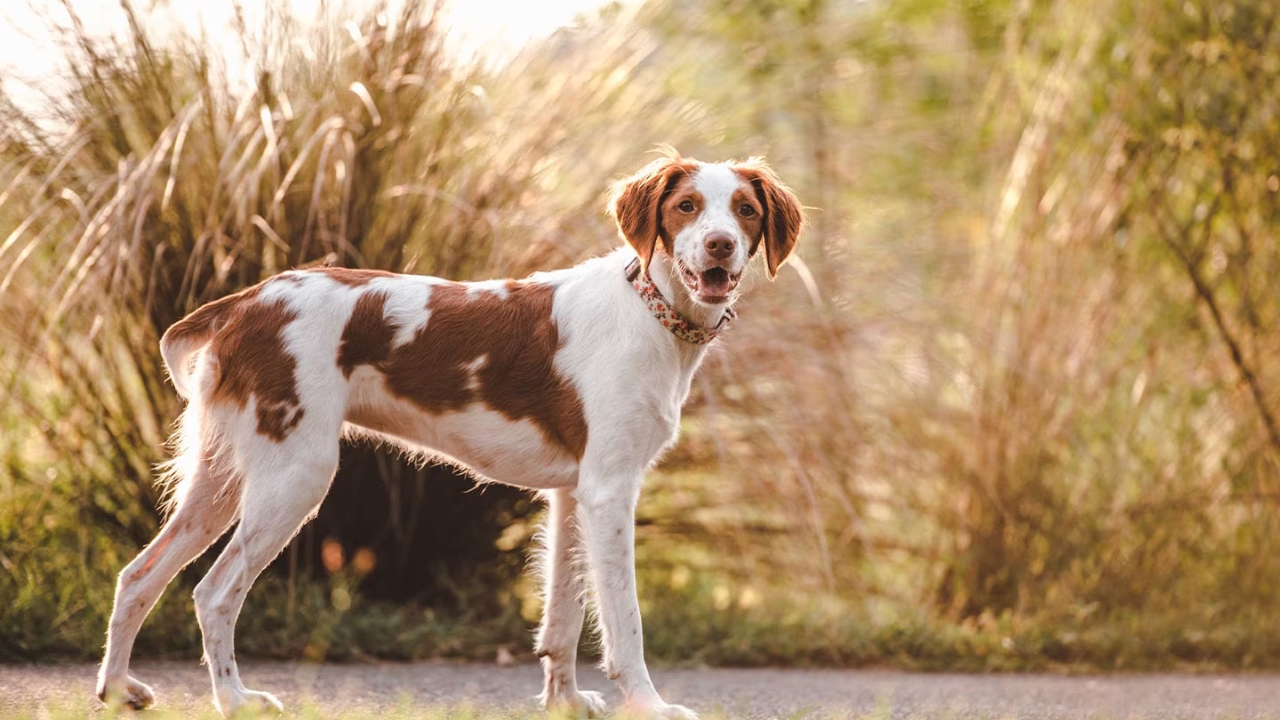
The Brittany comes from the Brittany region of France, where hunters valued a versatile dog for pointing, hunting, and retrieving game. Small field spaniels were crossed with English Setters, and puppies born with naturally short tails were often selected for further breeding.
A Coat Full of Character
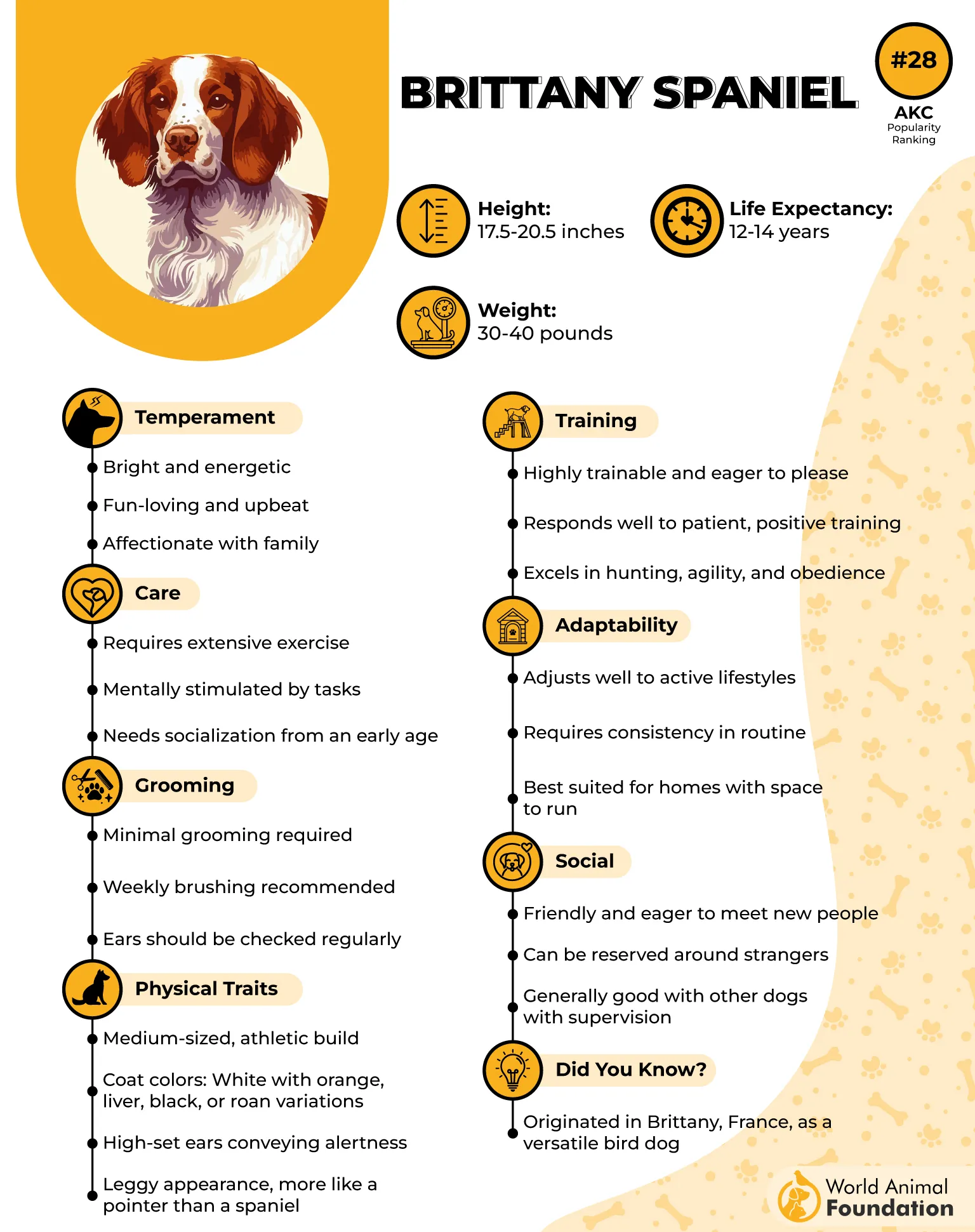
A Brittany has a soft, dense coat that comes in orange and white or liver and white, often with attractive patterns across the body. Roan coloring blends white with another shade, while ticking adds fine colored flecks that give the coat extra detail.
Its finer features add their own charm:
High-set, floppy ears with light feathering.
Dark brown or amber eyes.
A tapered muzzle with a fawn, tan, brown, or deep pink nose.
Friendly by Nature
Brittanys are cheerful, affectionate dogs that genuinely enjoy spending quality time with their families, as noted by the AKC. They generally get along well with children, other dogs, and household pets, and their naturally sensitive nature makes a calm, reassuring home environment especially suitable.
Conclusion
Dogs can attract attention in many different ways. A glossy coat, unusual eye color, flowing ears, or a cheerful demeanor can give certain breeds a memorable appearance. Some have thick coats that need frequent brushing, while short-haired dogs may require less grooming but still need regular care. Their playful antics can also appeal to dog owners.
Their personalities and activity levels differ, so consider everyday needs before bringing one home. Early socialization helps dogs adjust to household routines and unfamiliar situations. Appearance may catch your eye first, but temperament and care requirements matter over time.
Whether you prefer quiet companionship or a soothing presence, each breed offers something different for your household.
