




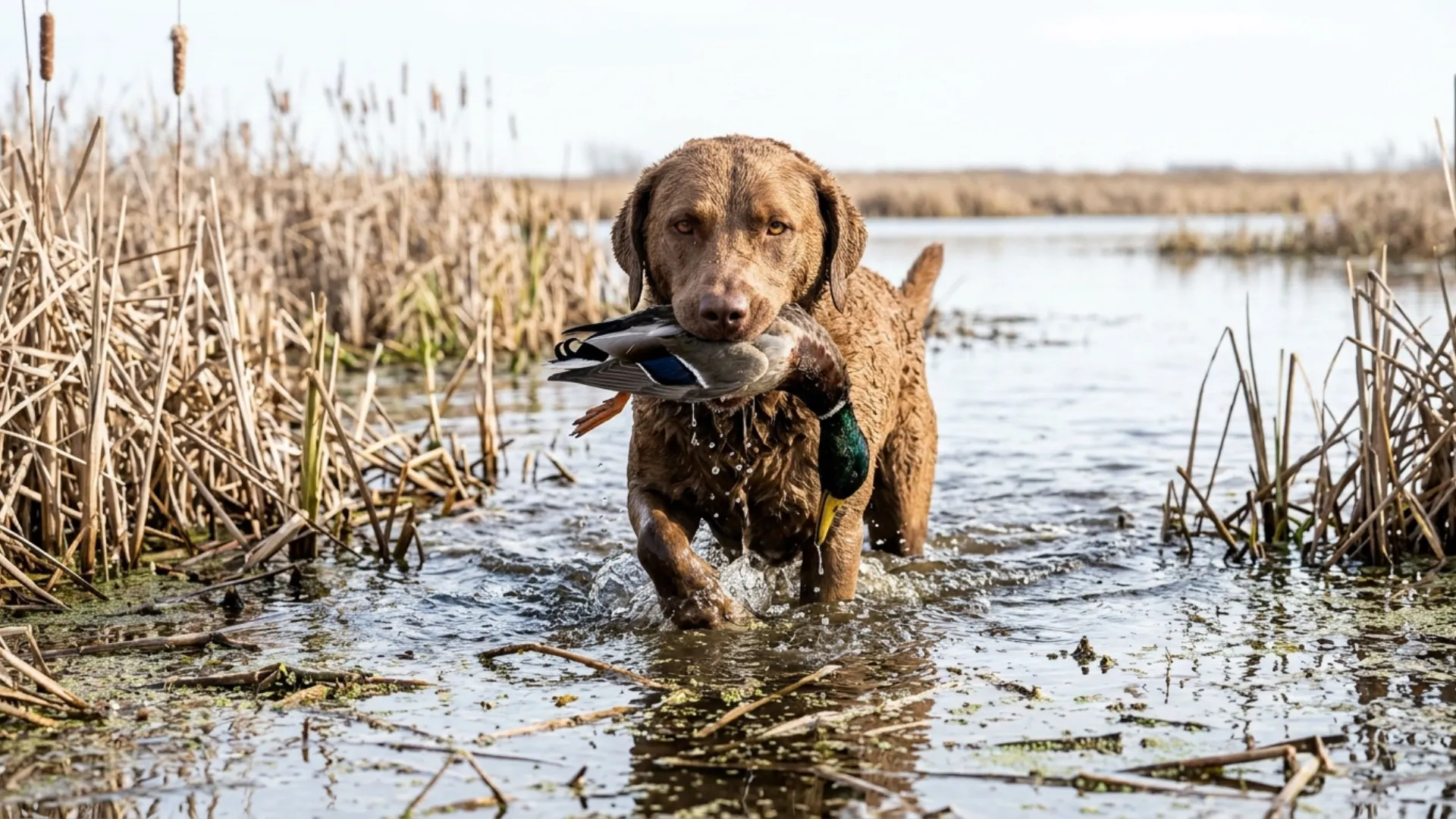
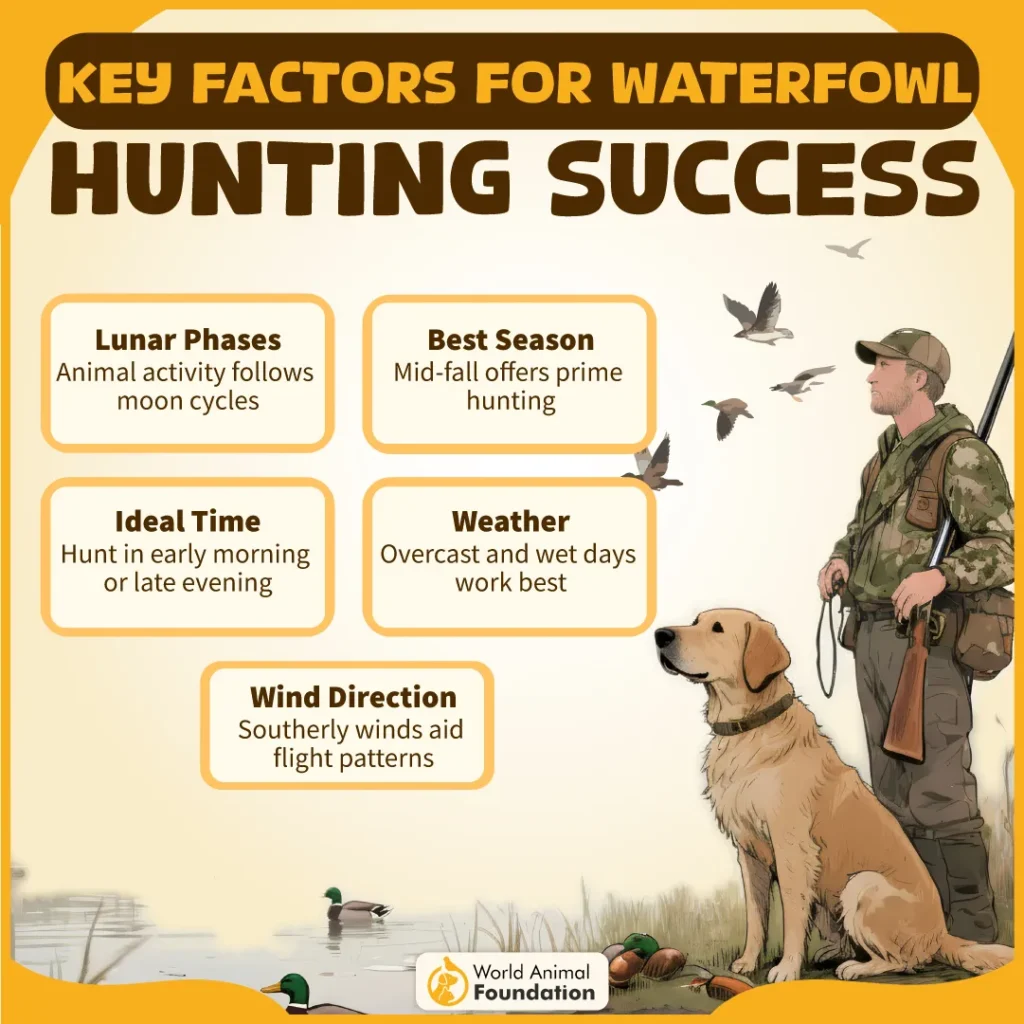
Waterfowl hunting takes patience, timing, and a dog that loves working closely with its handler. A reliable retriever needs more than just strong swimming skills; it requires steady focus, sharp obedience, and the discipline to wait quietly until the command is given.
While natural instincts and speed are valuable in the field, a great hunting dog also needs the balanced temperament to settle down comfortably at home. Many top waterfowl breeds double as affectionate family pets when they are off the clock.
Fun Fact
Retrievers come equipped with a built-in “wetsuit” made of dense, weather-resistant fur that insulates them in freezing water. Many also have webbed toes between their paws to help them swim with greater efficiency.
Combined with natural intelligence, these physical advantages allow them to mark falls, track game, and deliver birds gently back to the hunter’s hand.
Remarkable Dog Breeds for Waterfowl Hunting Success
1. Labrador Retriever
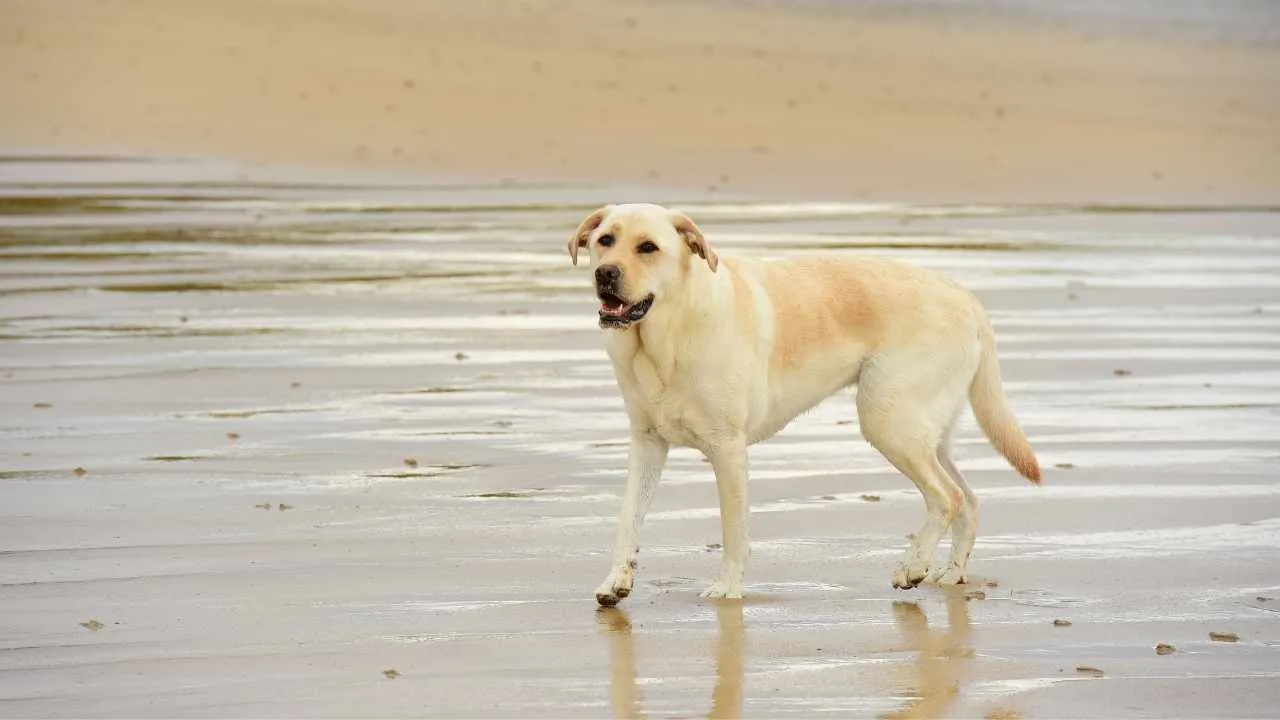
The Labrador Retriever is one of the most popular choices for waterfowl hunting, thanks to its outstanding work ethic and eager-to-please temperament. Friendly, driven, and reliable, the Lab combines a natural retrieving instinct with the steady focus needed in the field.
Beyond their willingness to work, Labradors are built for athletic performance. Their strong, broad head, expressive eyes, and dense “otter” tail make them easily recognizable and exceptionally capable in rugged hunting environments.
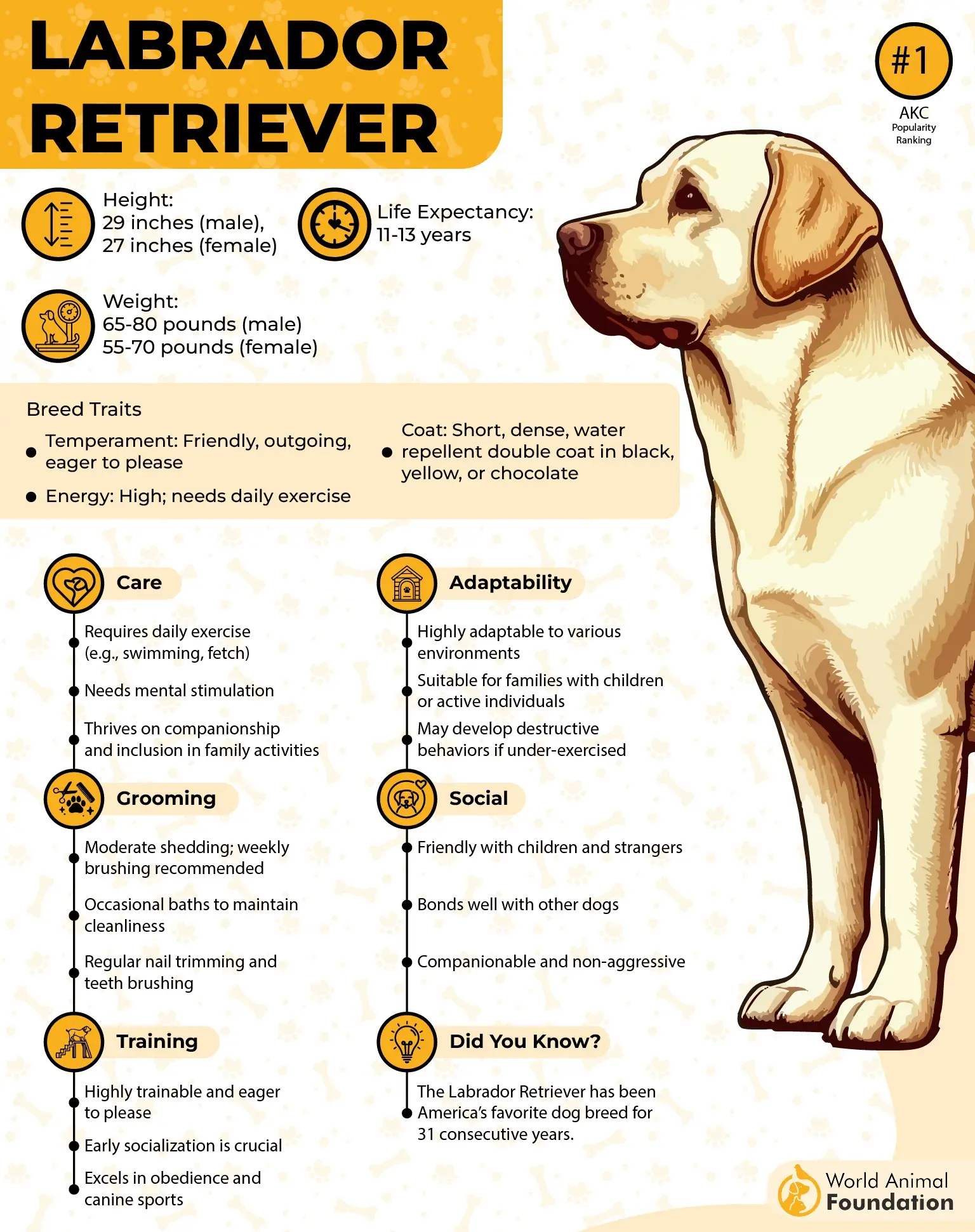
The American Kennel Club classifies the Labrador Retriever as an active sporting breed. While they have all the qualities of a top-tier hunting partner, Labs also make fantastic family pets when given enough time, training, and attention.
Their patient nature and enthusiasm for tasks thrive best in homes that offer plenty of exercise and human companionship.
2. Chesapeake Bay Retriever
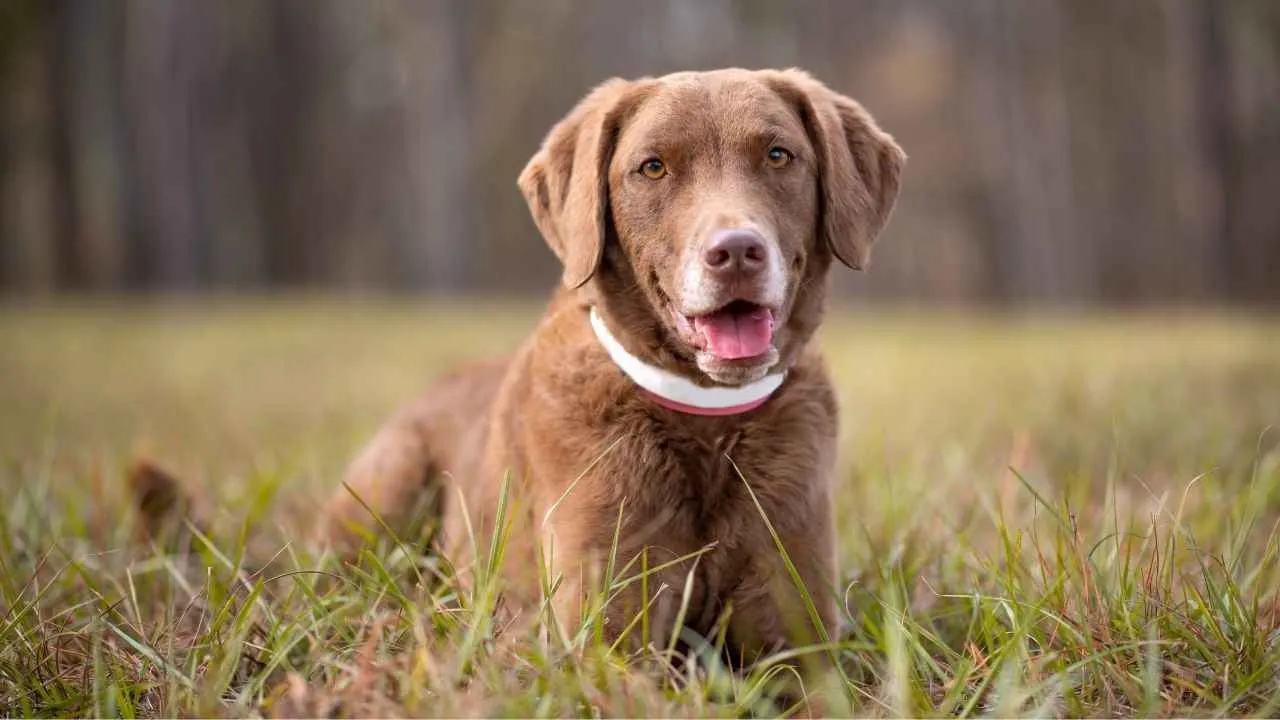
As its name suggests, the Chesapeake Bay Retriever is a powerful working breed developed to handle the harsh, challenging conditions around Chesapeake Bay.
Built with long muscles, strong legs, and a dense, water-repellent coat, these dogs excel at tough retrieves on both land and water. Coat colors typically range from chocolate brown to sedge and dead grass.
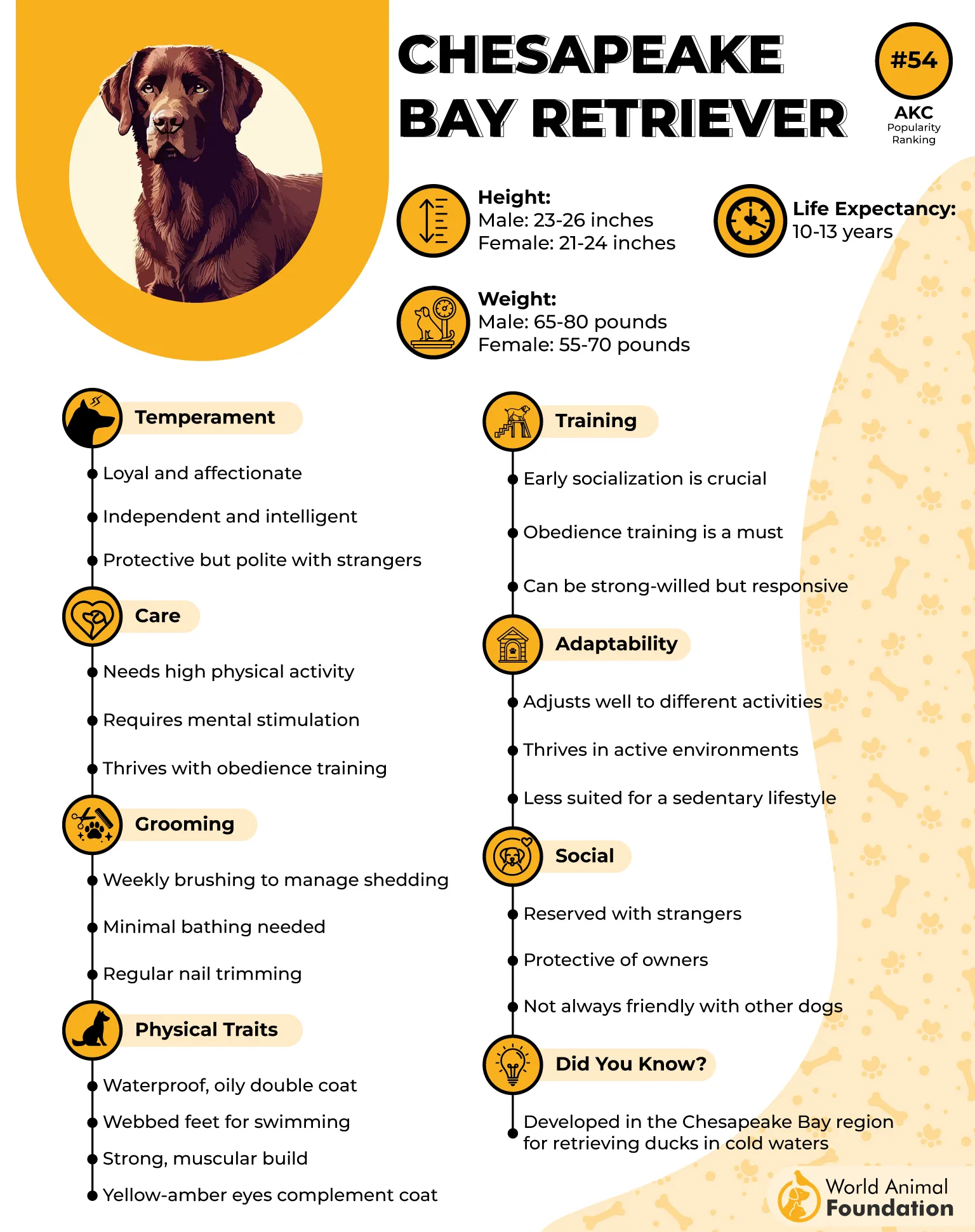
Because hunting conditions can be cold, wet, and demanding, exposing young Chesapeake Bay Retrievers to these environments gradually, along with providing safe, controlled access to water, helps build their confidence and stamina over time.
Purina describes the Chesapeake Bay Retriever as a powerful sporting dog built for demanding water retrieves. Beyond their strength in the field, this protective and loyal breed makes a wonderful family companion at home when given early socialization, consistent training, and a healthy balance between active hunting work and relaxed downtime.
3. Golden Retriever
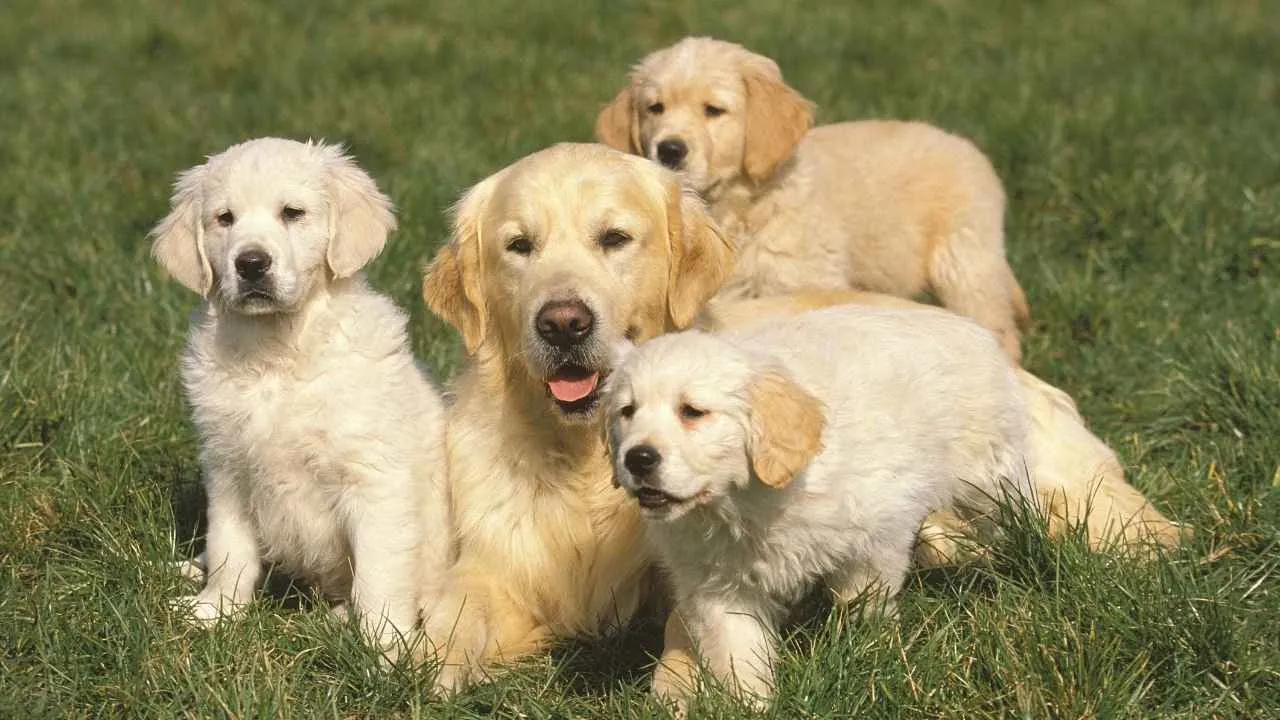
Golden Retrievers are well known for their gentle, sweet natures and sharp, curious minds. Built with a passion for retrieving, they naturally love carrying objects in their mouths and show a strong drive to work alongside their owners. A dense, water-resistant double coat covers their well-proportioned body, with colors ranging from light cream to rich gold and deep red.
Their sturdy build and smooth, steady movement make them exceptional hunters in both fields and open water. Paired with a friendly, eager-to-please temperament, Golden Retrievers are a joy to train. However, their thick double coat requires regular grooming and consistent brushing to prevent mats and tangles from forming.
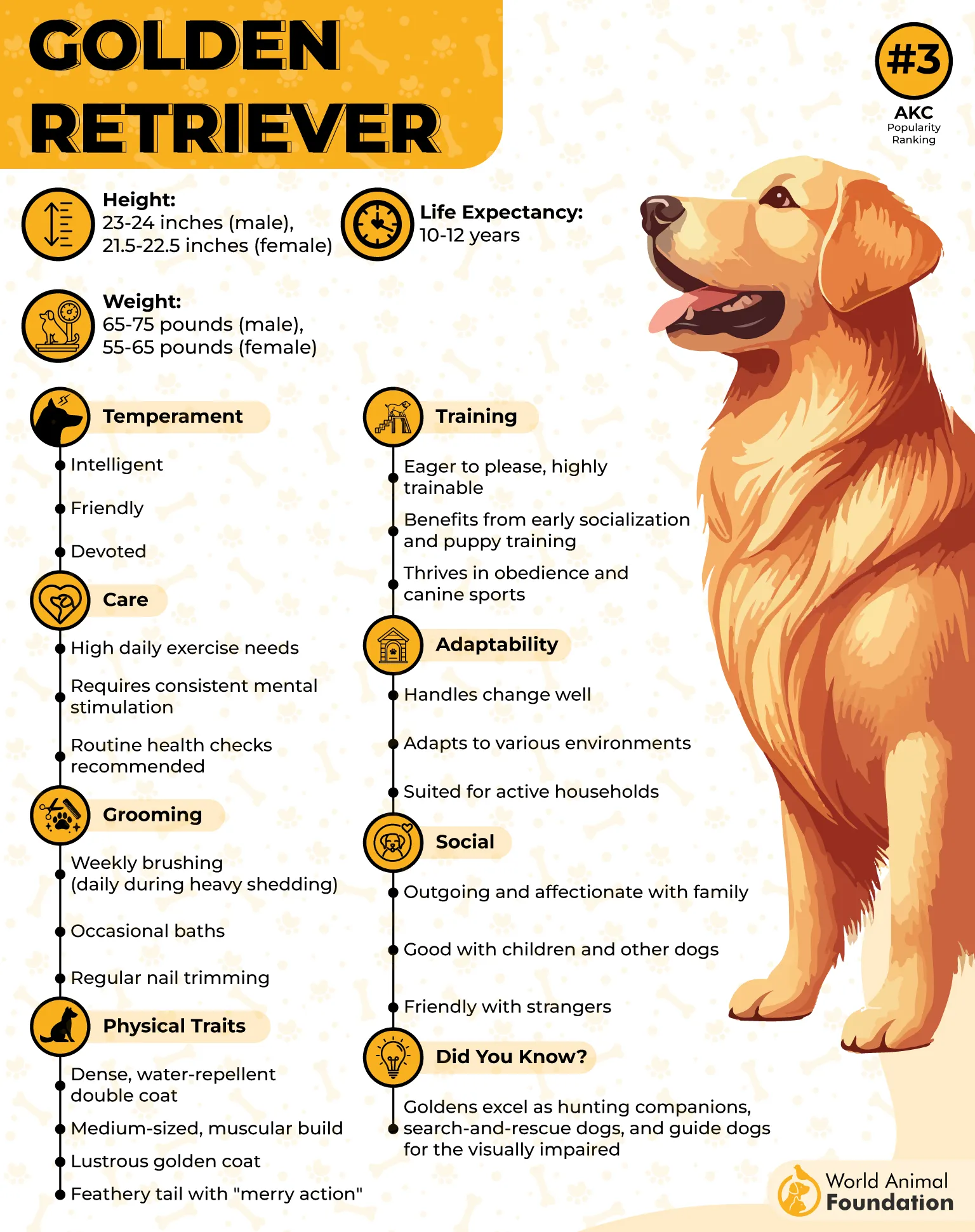
PetMD highlights that Golden Retrievers have fairly high grooming maintenance due to their dense coat. For active families looking for a devoted, playful companion that thrives on outdoor outings, the Golden Retriever is an outstanding choice.
When building discipline for field work, positive reinforcement training yields the best results while deepening the bond between dog and handler.
4. American Water Spaniel
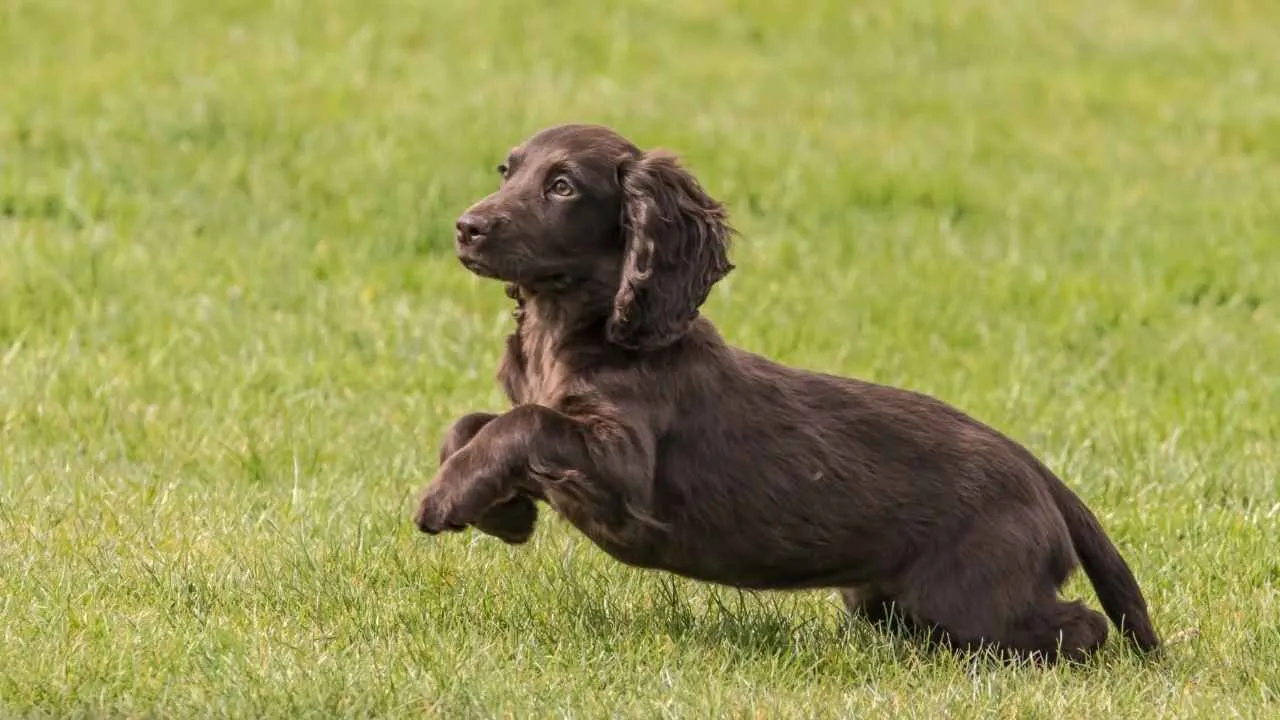
Highly active, athletic, and eager to please, the American Water Spaniel is a versatile smaller spaniel developed in the Great Lakes region.
The breed features long curly ears, a heavily furred tail, and a weather-resistant coat that ranges from tight curls to wavy textures. Their coat typically comes in rich liver, brown, or chocolate shades, occasionally marked with small white spots on the chest or toes.
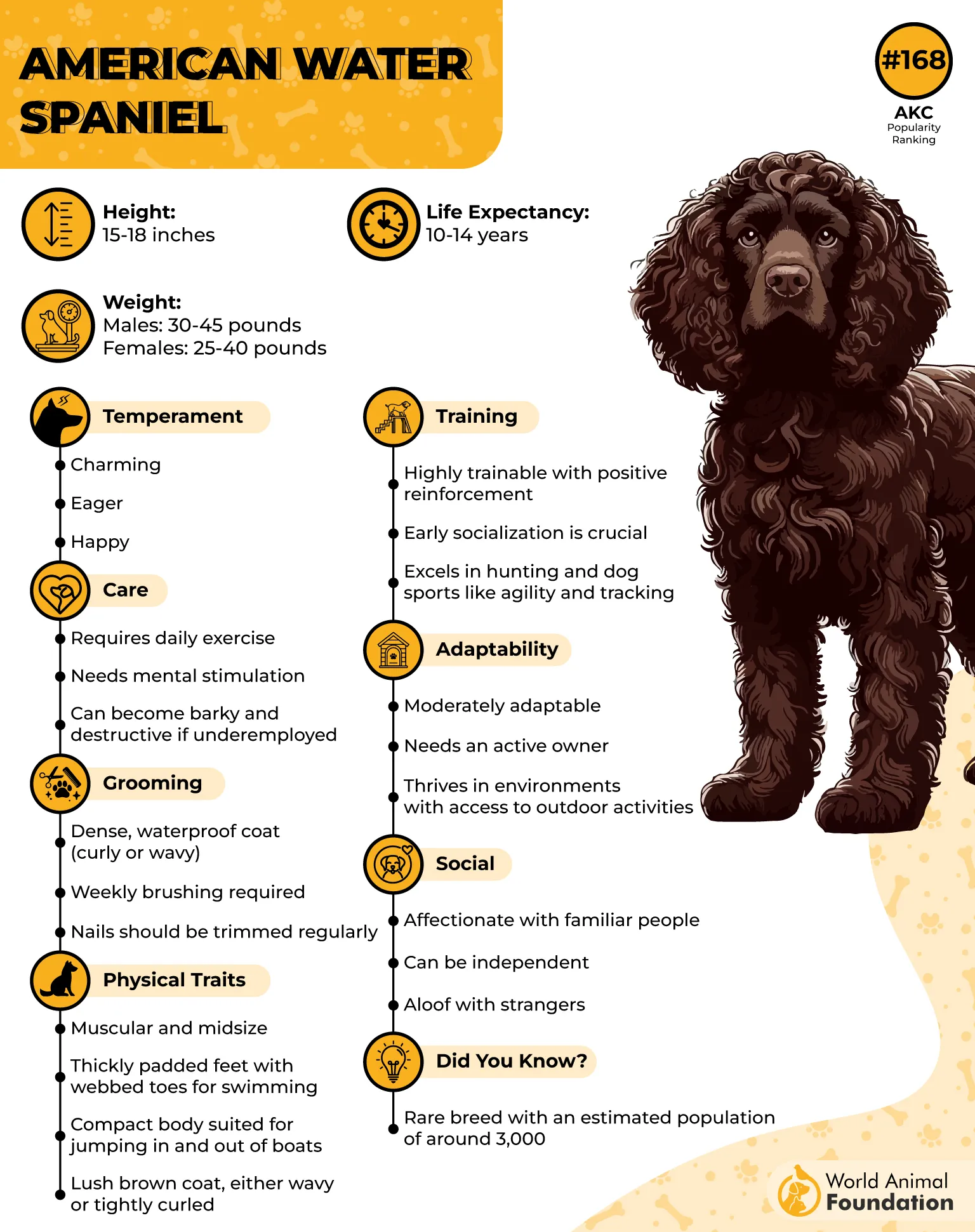
Originally bred to work in marshes, lakes, and rivers, this compact spaniel packs a strong, durable frame into a smaller size. Their reduced footprint allows them to fit comfortably into canoes, skiffs, and tight blinds without sacrificing capability. Able to spring upland game on land and retrieve waterfowl from freezing waters, they offer hunters the best of both worlds in a single dog.
According to Hill’s Pet Nutrition, the American Water Spaniel is an affectionate, family-oriented breed that gets along well with children and other household pets. They thrive on close human companionship and meaningful work.
When given proper outlets for their energy through field work or active training, these energetic spaniels make loyal, loving, and highly responsive companions both in the field and at home.
5. Nova Scotia Duck Tolling Retriever
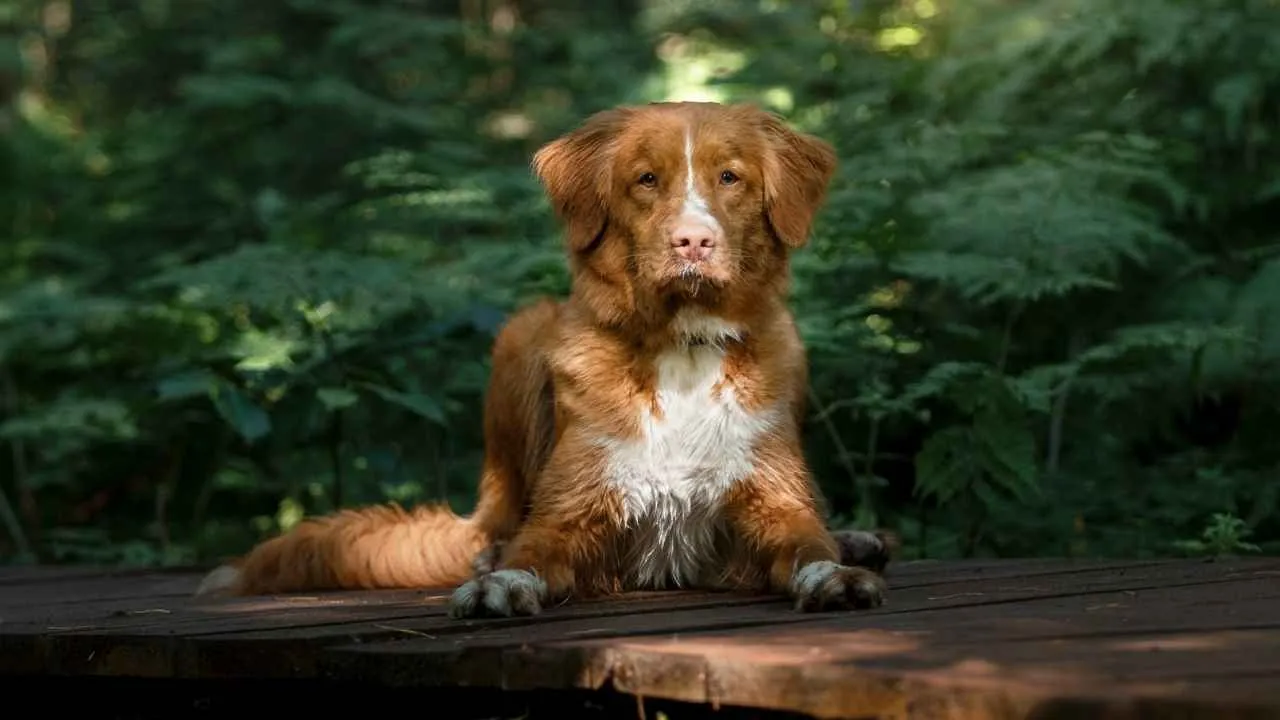
The Nova Scotia Duck Tolling Retriever is widely regarded as the most affectionate, clever, and energetic member of the retriever family.
Known for its intense retrieving drive and lively personality, the breed stands out with a striking coat ranging from golden red to deep copper, accented by feathering on the legs, chest, and ears. Small white markings are also common on the feet, chest, tail tip, and face.
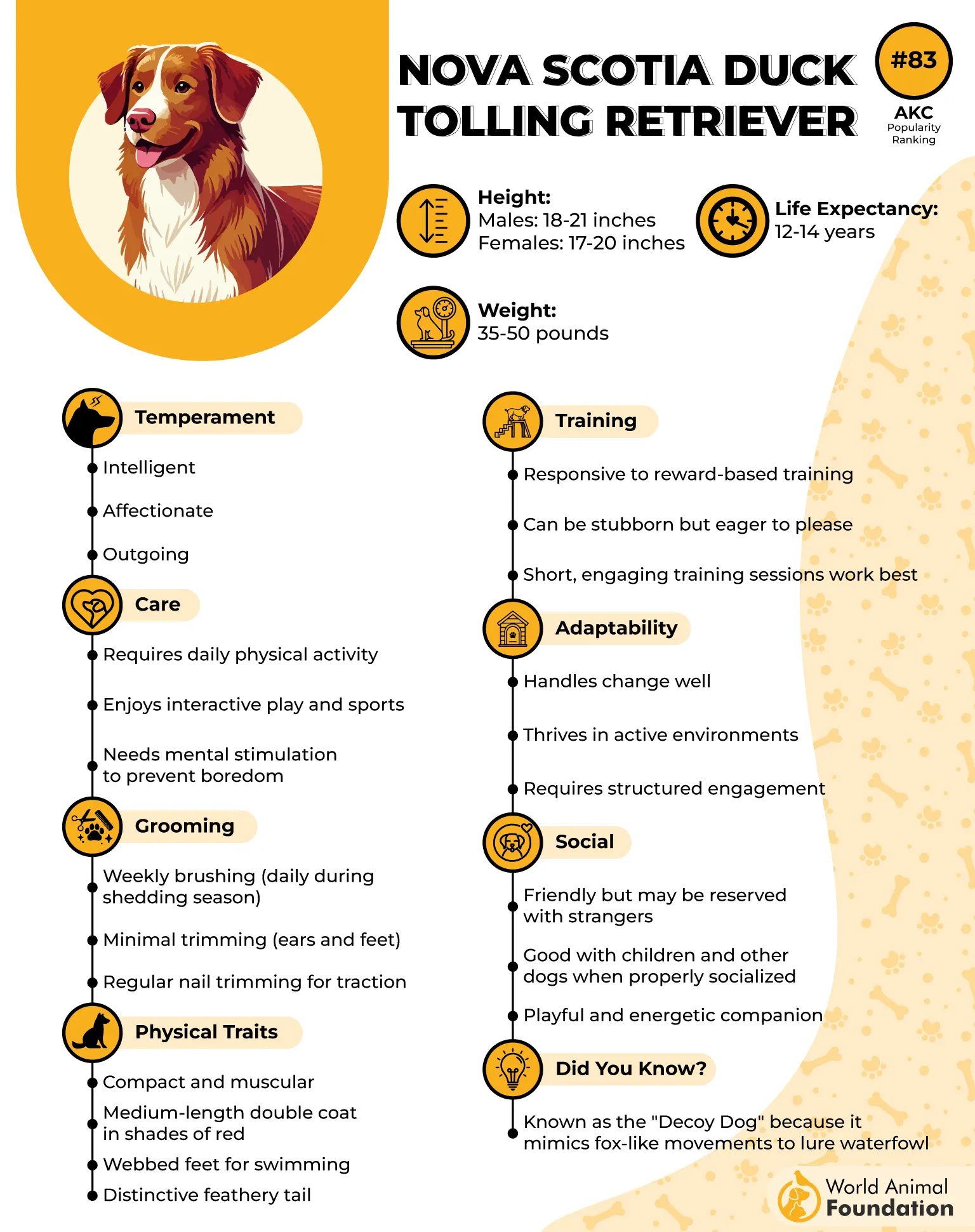
As its name suggests, this unique retriever was originally bred to “toll,” an old word meaning to lure or entice. By playing along the shoreline, the dog entices curious waterfowl into gun range before retrieving the fallen game from the water. Thanks to their sharp intelligence and natural drive, Tollers are an absolute joy to train using positive reinforcement.
Tollers thrive with active families who love spending time outdoors and can provide structured, positive training. When given consistent boundaries and plenty of physical exercise, their playful, silly side truly shines, making the Toller both a tireless working partner and an affectionate, loyal companion.
6. Curly-Coated Retriever
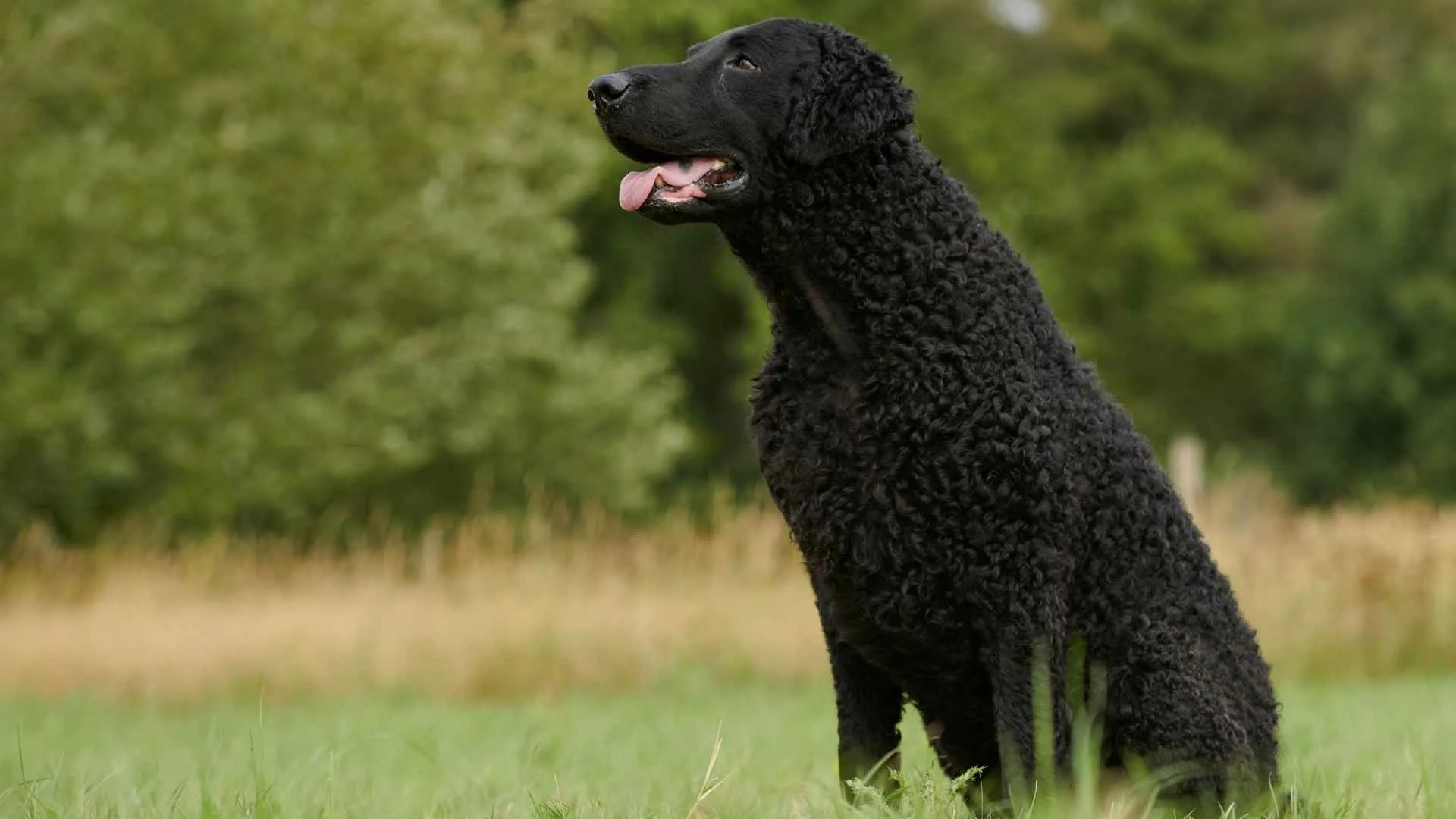
With its unique, tightly curled black or liver coat, the Curly-Coated Retriever instantly stands out from other retrieving breeds. Beyond its striking look, this crisp, water-resistant coat offers natural protection against harsh weather and thick, thorny brush in the field.
As an intelligent working breed, the Curly-Coated Retriever learns quickly when trained with positive reinforcement, clear expectations, and plenty of praise.
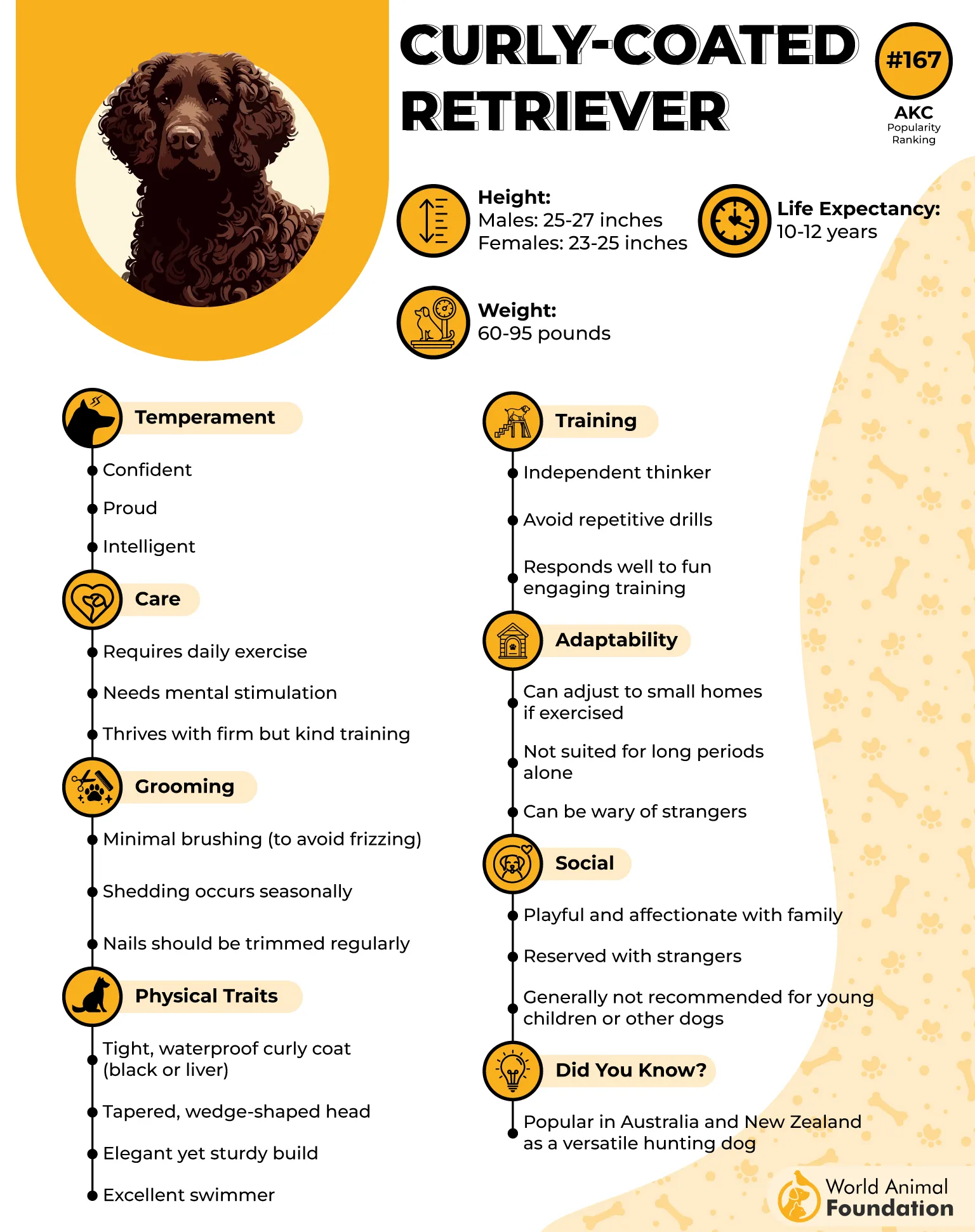
While highly capable, they tend to be slightly more reserved and protective than other retrievers. Early and thorough socialization is essential to ensure they feel confident and relaxed around unfamiliar people and new environments.
Curly-Coated Retrievers are active, smart dogs built with a strong working instinct and impressive swimming abilities, making them an ideal match for hunters seeking an independent partner. When provided with regular daily exercise, consistent training, and plenty of attention, they also adapt beautifully into loyal, calm, and loving family companions.
7. Boykin Spaniel
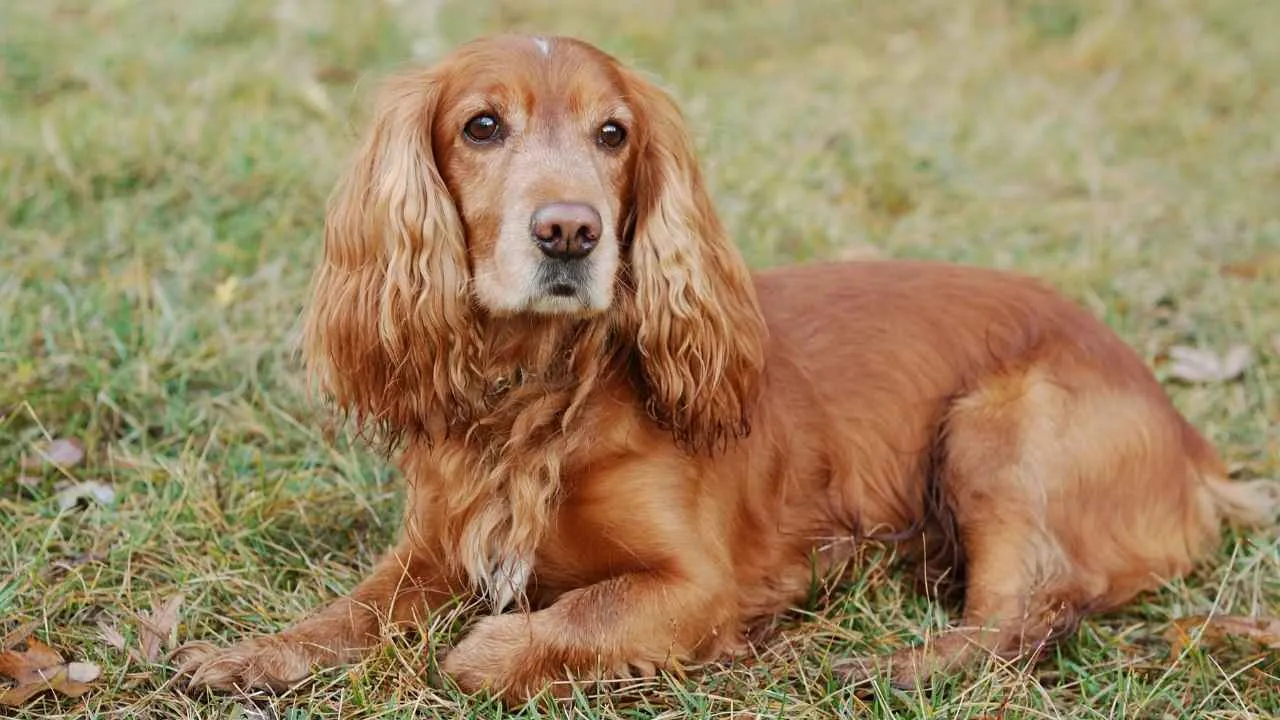
Developed in South Carolina to hunt wild turkeys and waterfowl in dense swamps and marshes, the Boykin Spaniel is a versatile, medium-sized working dog.
Distinctive honey-colored eyes and a rich, dark chocolate coat immediately distinguish this breed from other spaniels. Built specifically for wet terrain, the Boykin features webbed toes for powerful swimming and a dense, weather-resistant coat that protects against swamp brush and cold water.
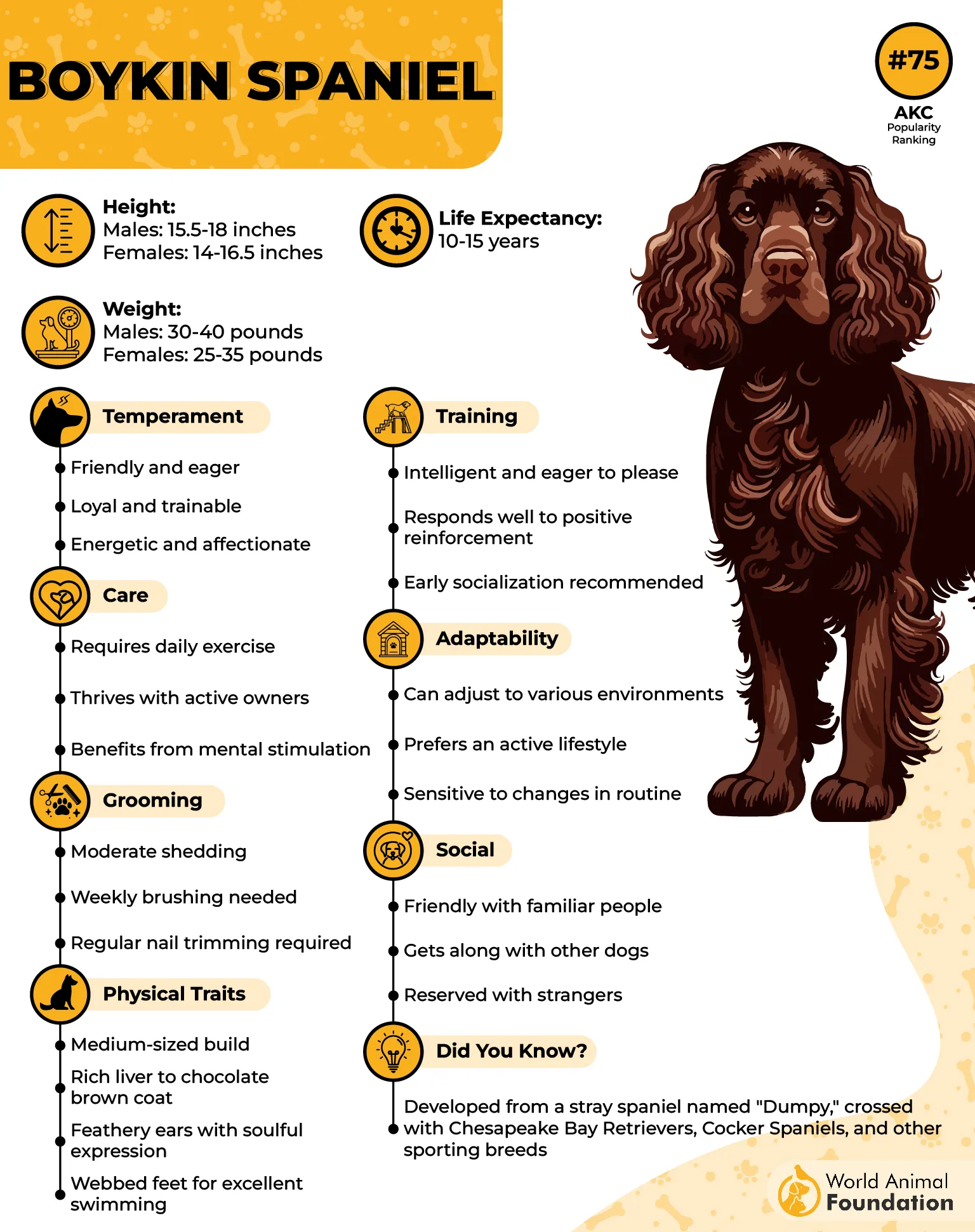
Friendly, smart, and driven, Boykins possess high energy levels that make them tireless partners in the field and enthusiastic workout companions during the off-season. Early obedience training and proper socialization help channel their keen intelligence, ensuring they learn essential field commands while building positive relationships with other household pets.
With their strong swimming ability and eager-to-please nature, Boykins make excellent companions for active families who can provide ample attention and physical outlets. Given consistent daily structure, positive reinforcement, and regular exercise, the Boykin Spaniel excels as both a skilled waterfowl retriever and a loving, adaptable family member.
8. Irish Water Spaniel
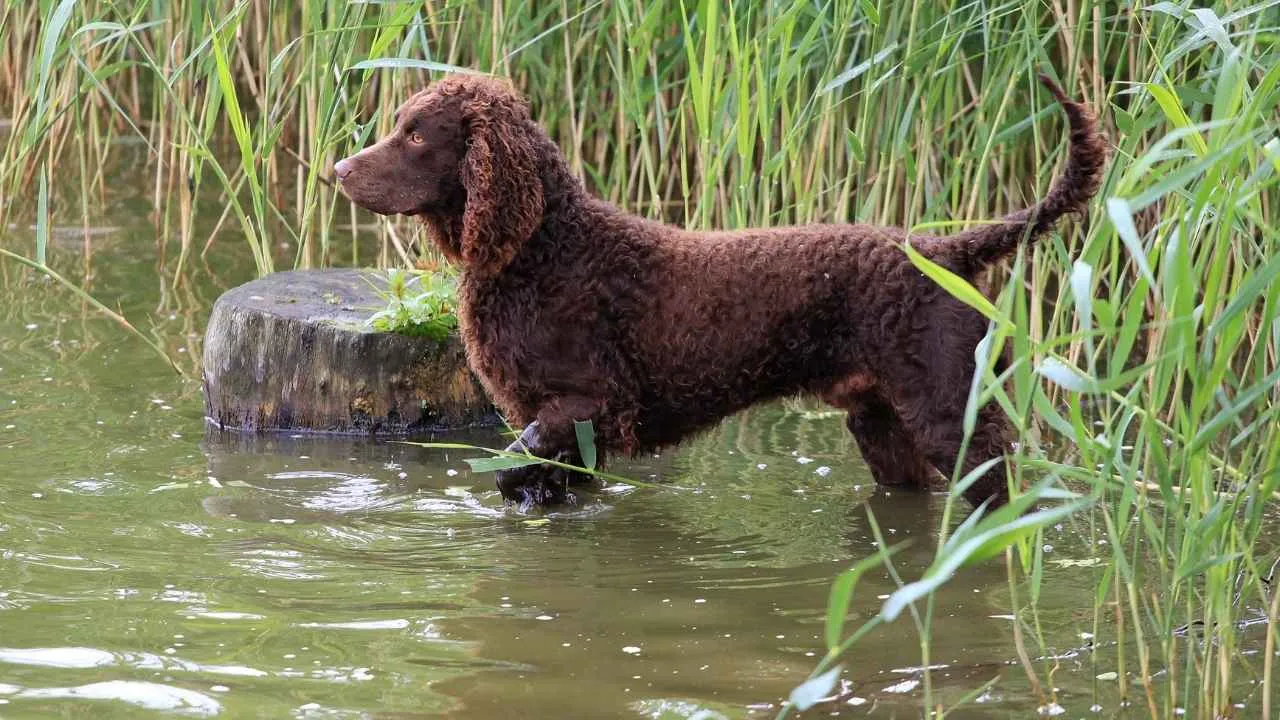
The Irish Water Spaniel boasts the longest coat of all the AKC spaniel varieties, paired with a distinctive “rat tail” that remains short and smooth against its curly body. Despite its length, the coat forms dense, crisp ringlets that help protect the dog from harsh terrain without easily tangling or matting during fast work in the field.
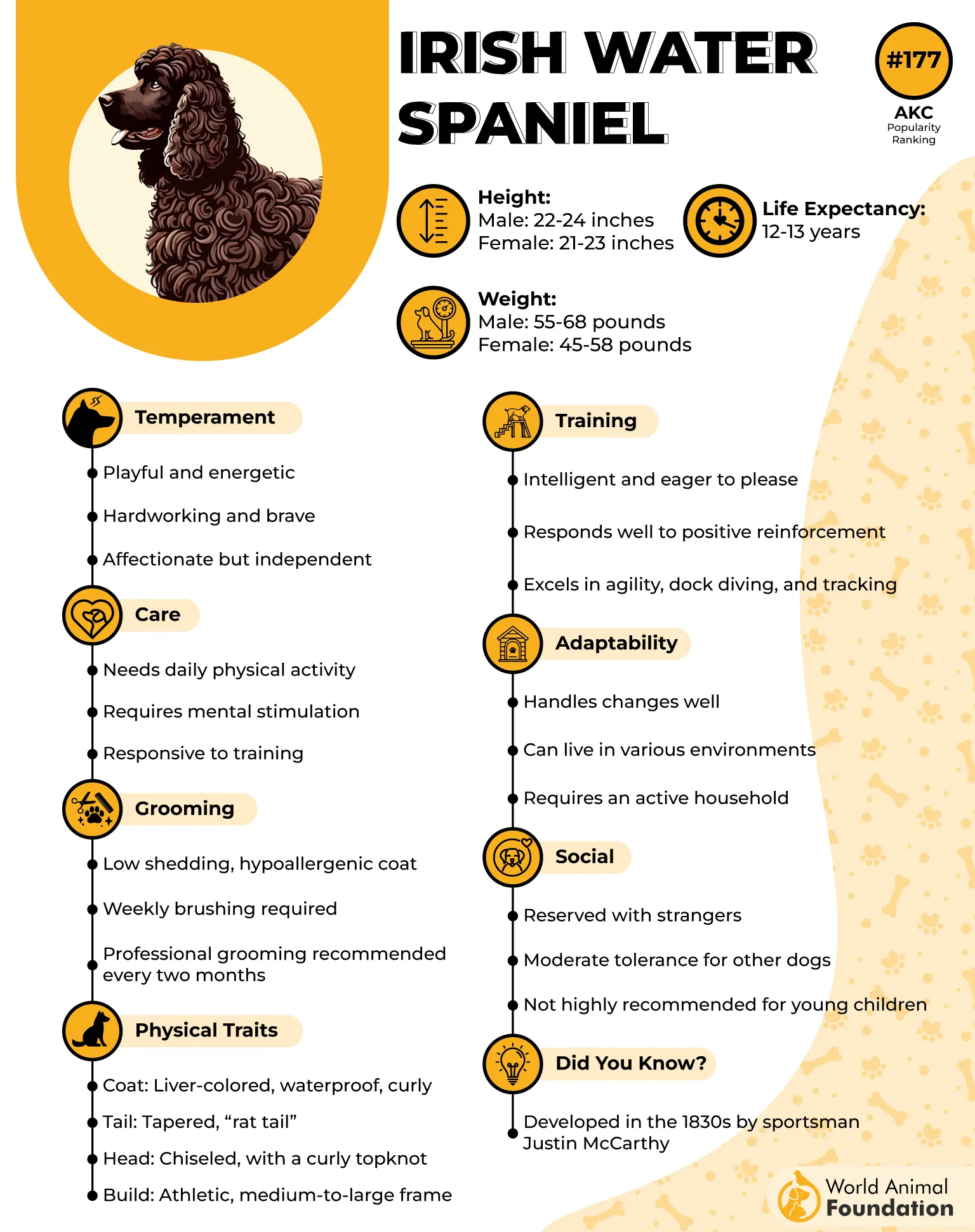
Brave and naturally curious, this breed excels in rugged, hard-to-reach hunting locations where tough conditions demand real stamina. Training should start early with a focus on recall, steadiness, and basic retrieving drills. Outdoors, owners should keep the coat in mind, as those tight curls tend to pick up burrs, twigs, and field debris during daily outings.
The Irish Water Spaniel Club highlights the breed’s high intelligence, tireless work ethic, and ability to hunt for hours at a time. Off the field, these affectionate, fun-loving spaniels make wonderful companions and playmates, provided they receive early socialization and consistent, positive guidance.
9. Flat-Coated Retriever
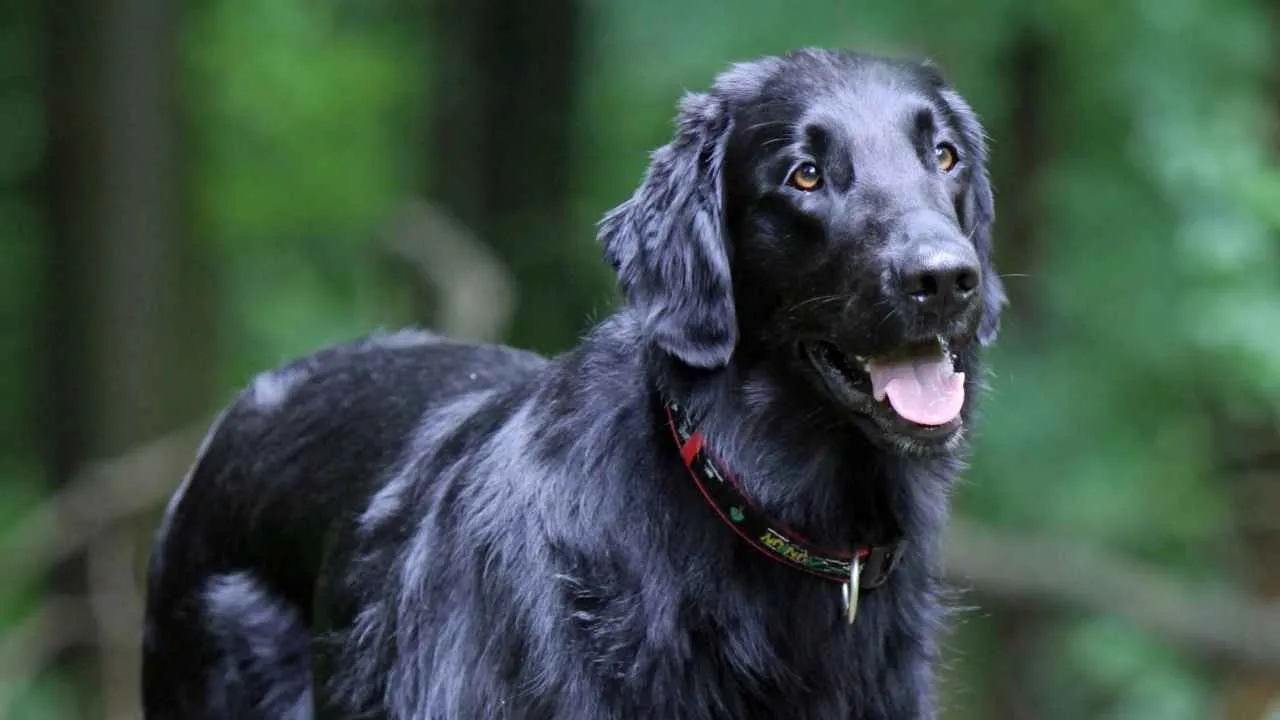
With their sleek, long, flat coats in solid black or liver, Flat-Coated Retrievers combine a lean, athletic frame with an effortlessly smooth gait made for efficient land and water retrievals. Often called the “Peter Pan” of retrievers, this breed is famous for maintaining a joyful, exuberant personality well past its puppy years.
CKCUSA states that their easygoing, cheerful, and social nature makes them a absolute joy to live with, though they thrive best in active households that offer plenty of space and daily movement.
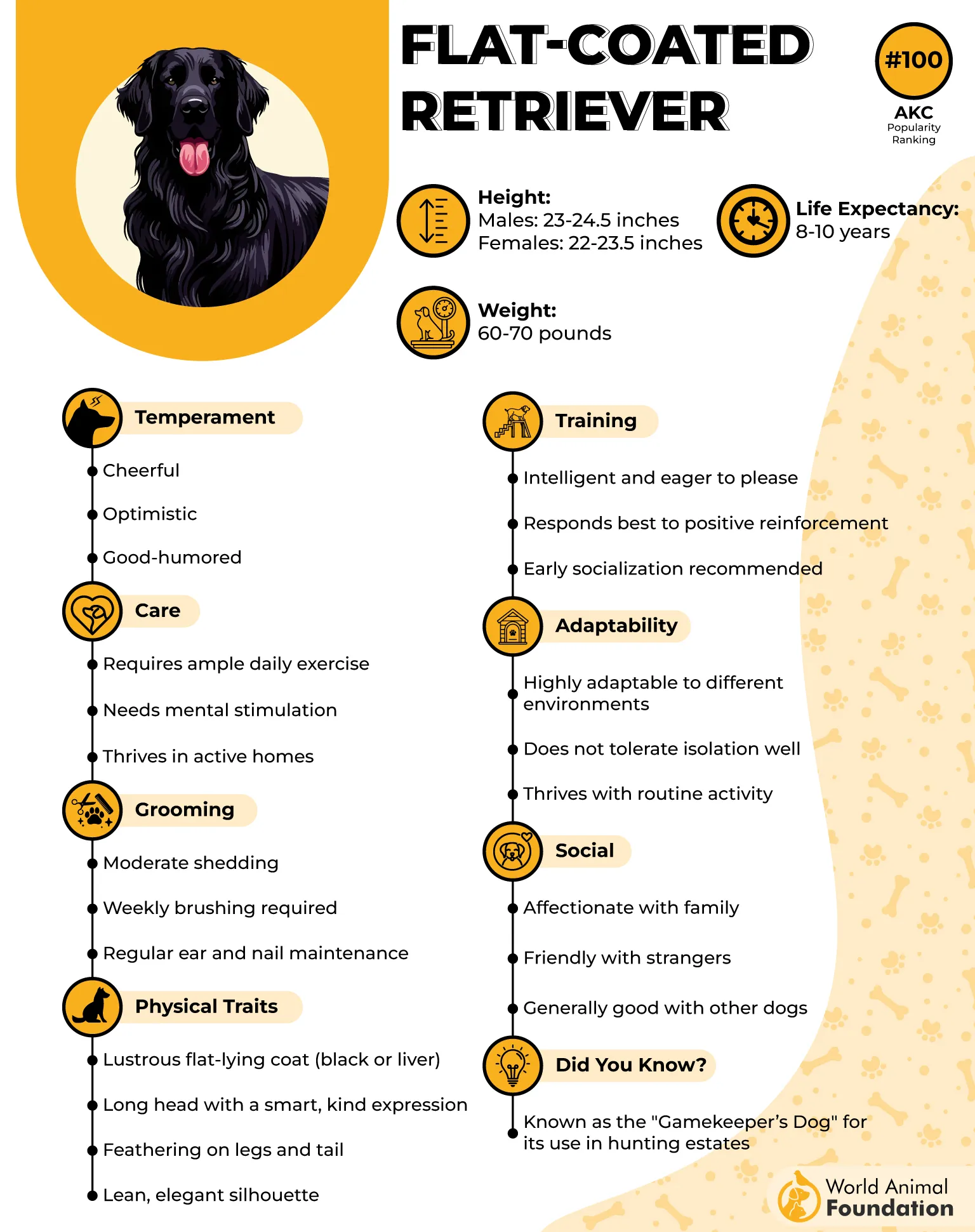
A Flat-Coated Retriever will excel as a waterfowl partner when supported with consistent positive reinforcement training and outlets like fetching, swimming, hiking, and mental exercise.
Grooming requires regular brushing to keep their sleek coat healthy and debris-free, though over-trimming should be avoided to preserve its natural weather protection. Early socialization is essential to help channel their boisterous enthusiasm, teaching them to stay calm and relaxed around new people and other animals.
10. English Springer Spaniel
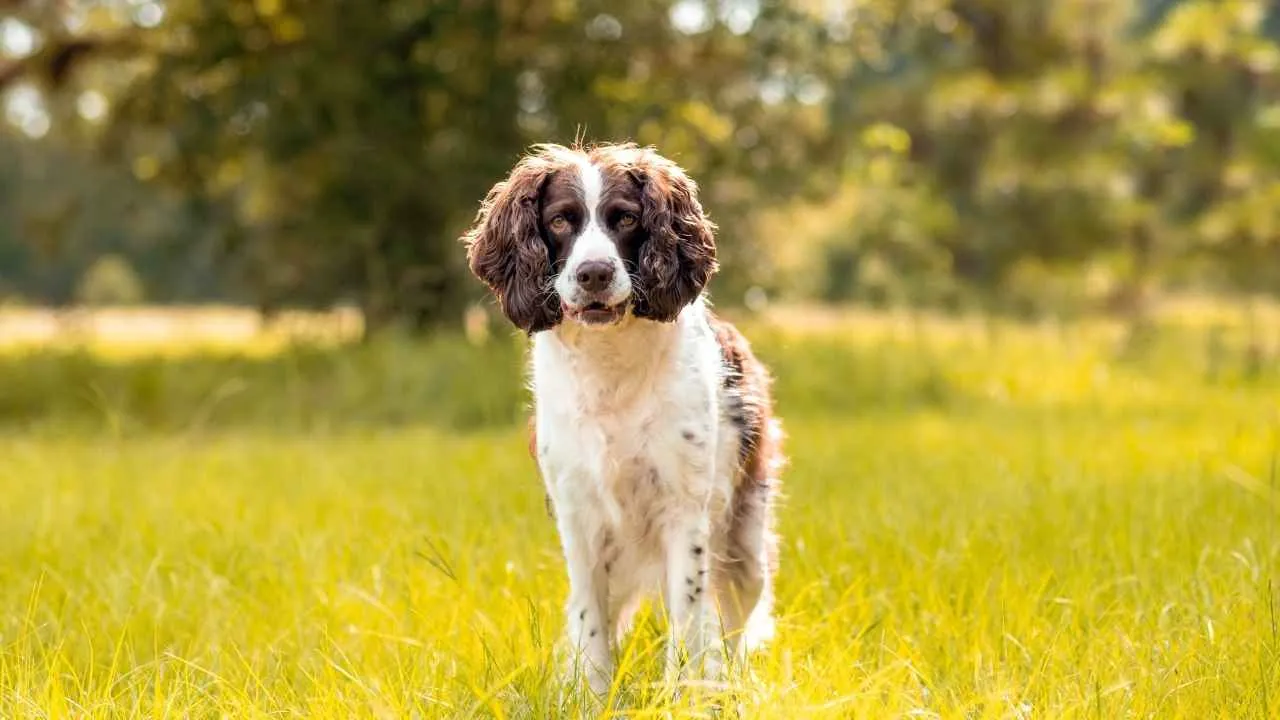
The English Springer Spaniel is a mid-sized, good-natured gundog built for speed, agility, and close collaboration with its handler. Their medium-length coat typically features classic liver and white or black and white markings, often accented by feathered fur on the chest, legs, and ears.
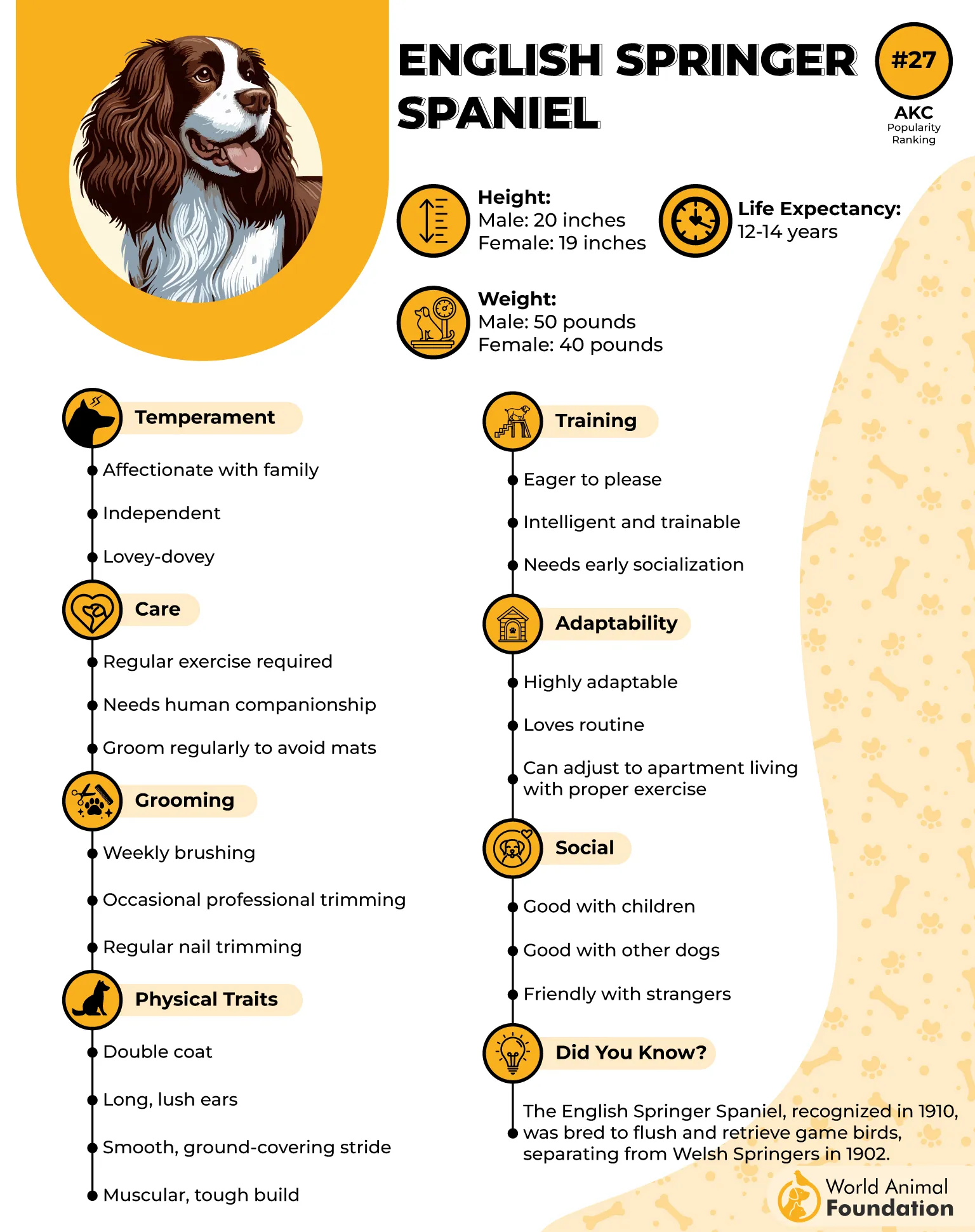
Energetic and enthusiastic, the Springer Spaniel thrives when given frequent opportunities for outdoor adventures. They fit best with active families who can offer regular exercise; including open runs, interactive fetching, and scent-based games that channel their sharp hunting instincts.
Recognized as a versatile member of the gundog group, the English Springer Spaniel is famous for its playful, affectionate personality. They make fantastic companions for dynamic households that can commit to daily mental and physical stimulation, regular coat grooming, and consistent, positive training.
Conclusion
Finding the right waterfowl hunting dog comes down to balancing field performance with your household’s daily lifestyle. While physical traits like raw strength and weather-resistant double coats are essential for cold-water retrieves, they are only part of the equation.
Factors such as your local climate, your level of training experience, and the time you can dedicate to daily exercise play just as big a role. For outgoing, active families, an adaptable breed like the Labrador Retriever often hits the sweet spot.
Before your dog ever steps foot into a hunting blind, foundational habits and safety protocols must be firmly established. Natural instincts lay the groundwork, but consistent training, proper physical conditioning, and steady exposure to controlled environments—like gunshots, decoy spreads, and open water—are what keep a retriever safe and reliable.
Combined with routine veterinary checkups and joint care, this preparation ensures your hunting partner stays healthy, confident, and ready for every season.
