




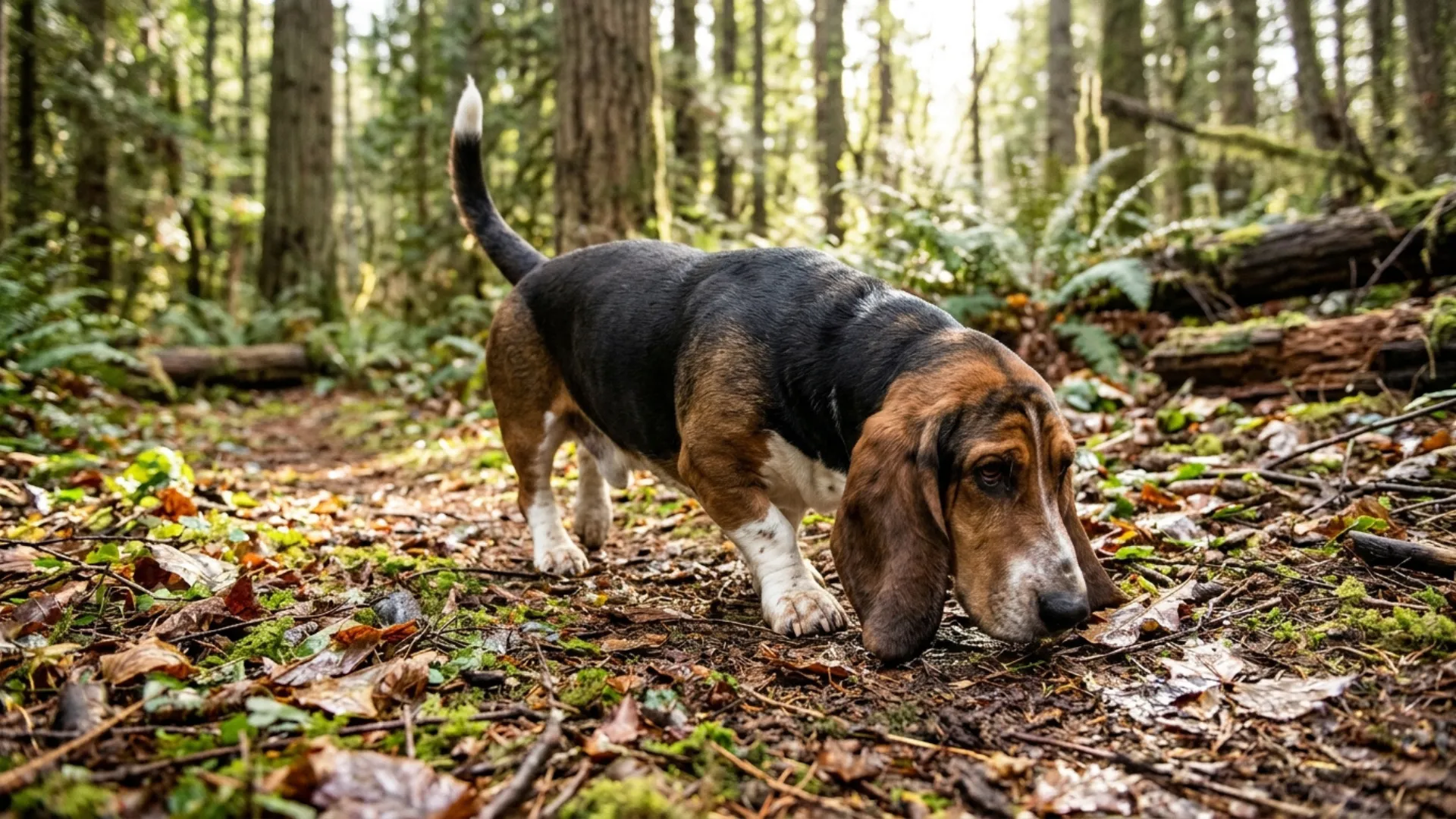
Somewhere right now, a dog is on a search and rescue mission, tracking a lost hiker through a dark forest. Another is sniffing out a bag at an airport. A third is just lying on your couch, smelling what you had for lunch.
A dog’s sense of smell is its best sense, by far. But not every breed uses that nose the same way. Some were built to track. Some were trained for scent detection. And a few can do it ALL.
Dog breeds with the most powerful sense of smell include the Bloodhound, Basset Hound, Beagle, German Shepherd, and Labrador Retriever.
Through selective breeding, people shaped scent hounds and working dogs for scent detection, tracking, and search and rescue missions. Today, these dogs follow scent trails over long distances, find missing persons, and detect narcotics and explosives.
Honestly, it’s AMAZING what that nose can do.
Did You Know?
According to the American Kennel Club, a dog’s nose can pick up some odors at parts per trillion. One popular comparison says it’s like smelling a teaspoon of sugar in about a million gallons of water. That’s more than an Olympic pool! And each nostril can work on its own, so a dog can tell WHICH direction a smell is coming from.
Dog Breeds With the Most Powerful Sense of Smell
1. Bloodhound
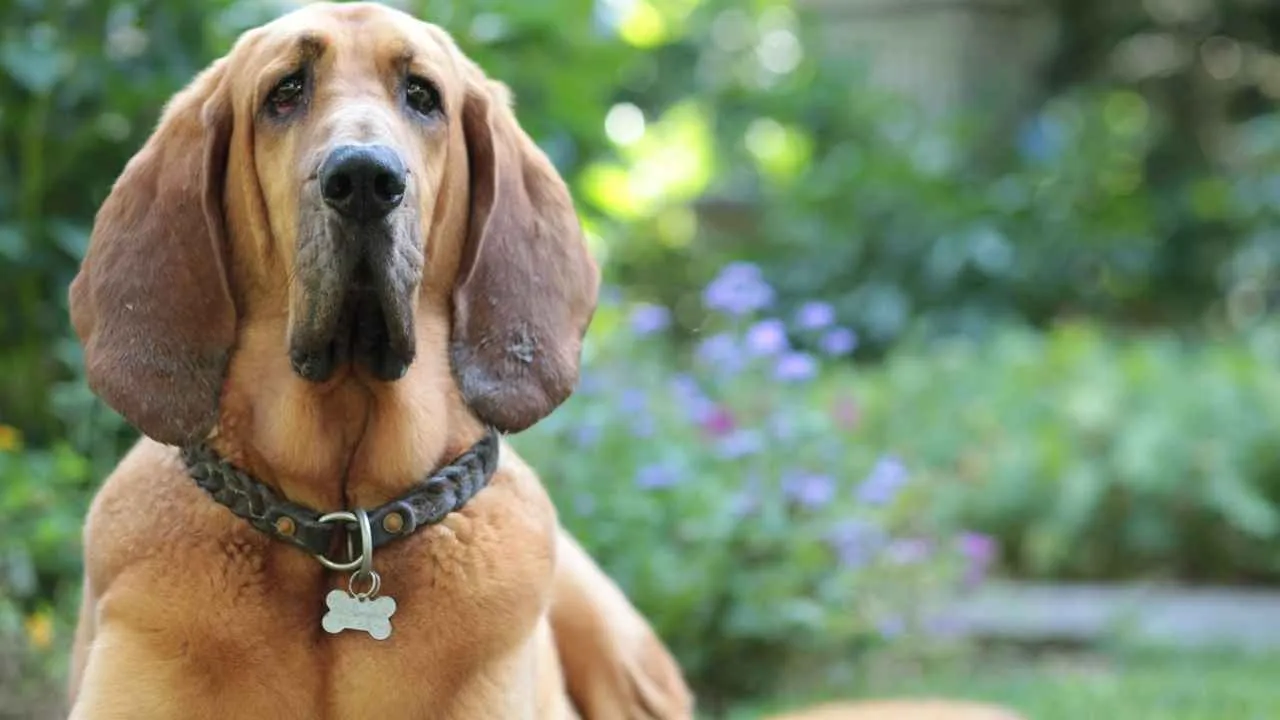
The Bloodhound is the king of all tracking dogs. It was developed in Europe centuries ago, and its name means “blooded hound,” a dog of noble breeding.
Bloodhounds weigh 801-110 pounds and may have up to 230-300 million scent receptors, according to Hill’s Pet Nutrition. With long ears, wrinkled faces, and noses glued to the ground, these hound dogs track like no other breed.
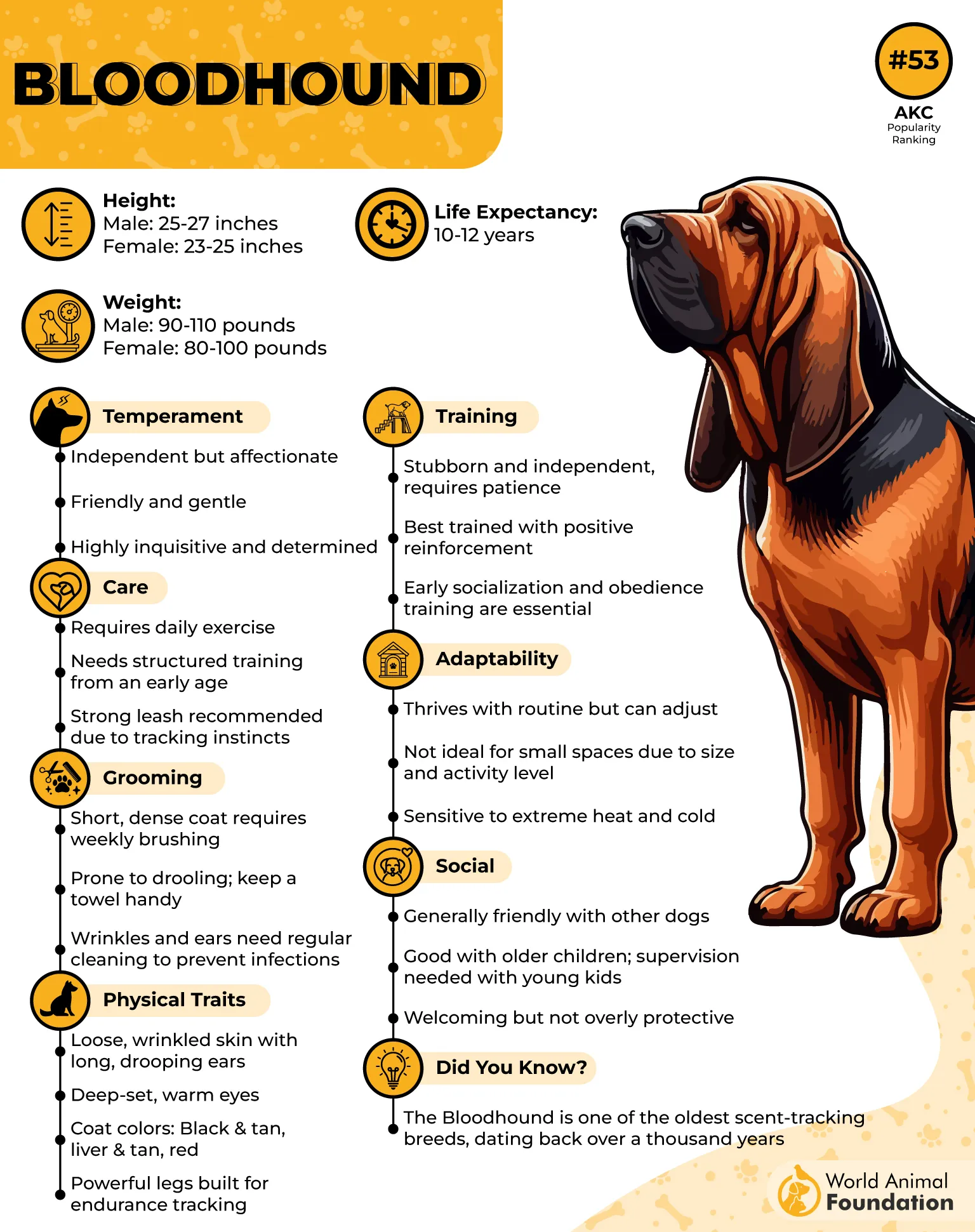
They can follow scent trails that are days old, over long distances, even in tough weather. They are also patient workers who never give up.
Police and search teams use Bloodhounds to find missing persons, especially in search-and-rescue missions. At home, they are gentle and friendly, but stubborn. A leash is a MUST, because that nose can drag them straight to trouble.
2. Basset Hound
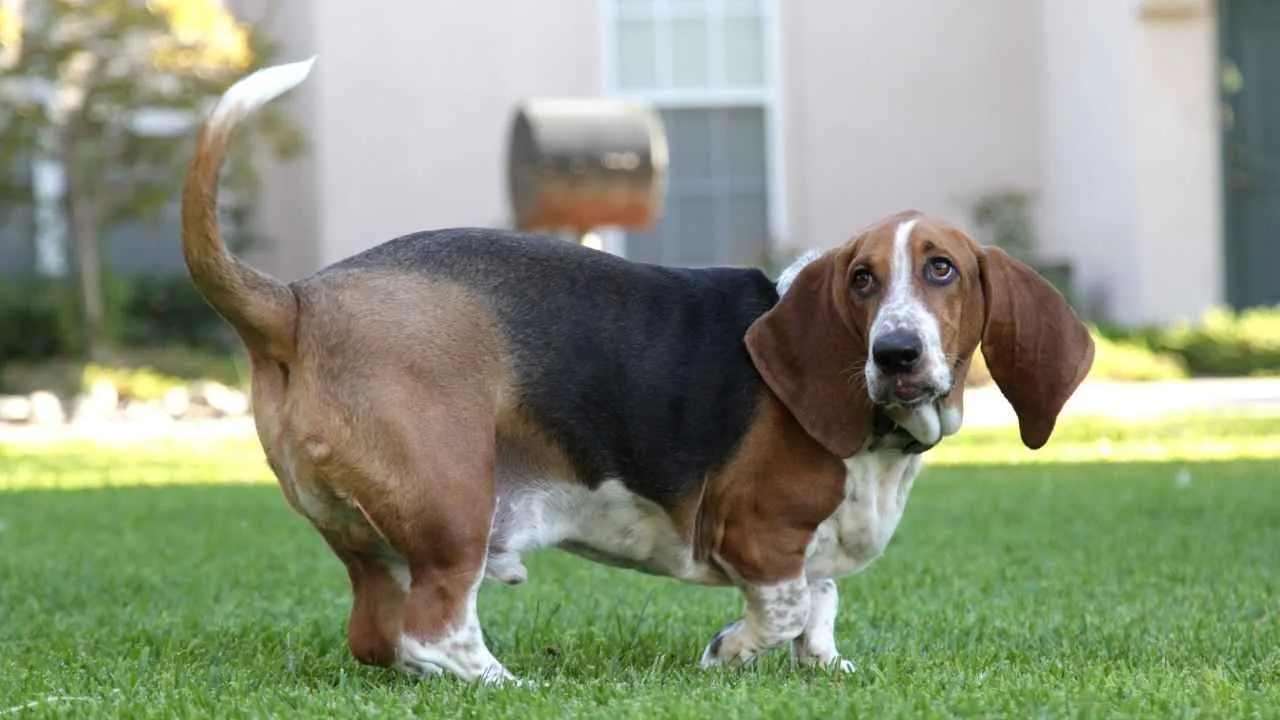
The Basset Hounds were originally bred in France, where hunters wanted a low, steady dog to follow rabbits and hares on foot. These are exceptional tracking dogs. Their short legs keep the nose close to the ground.
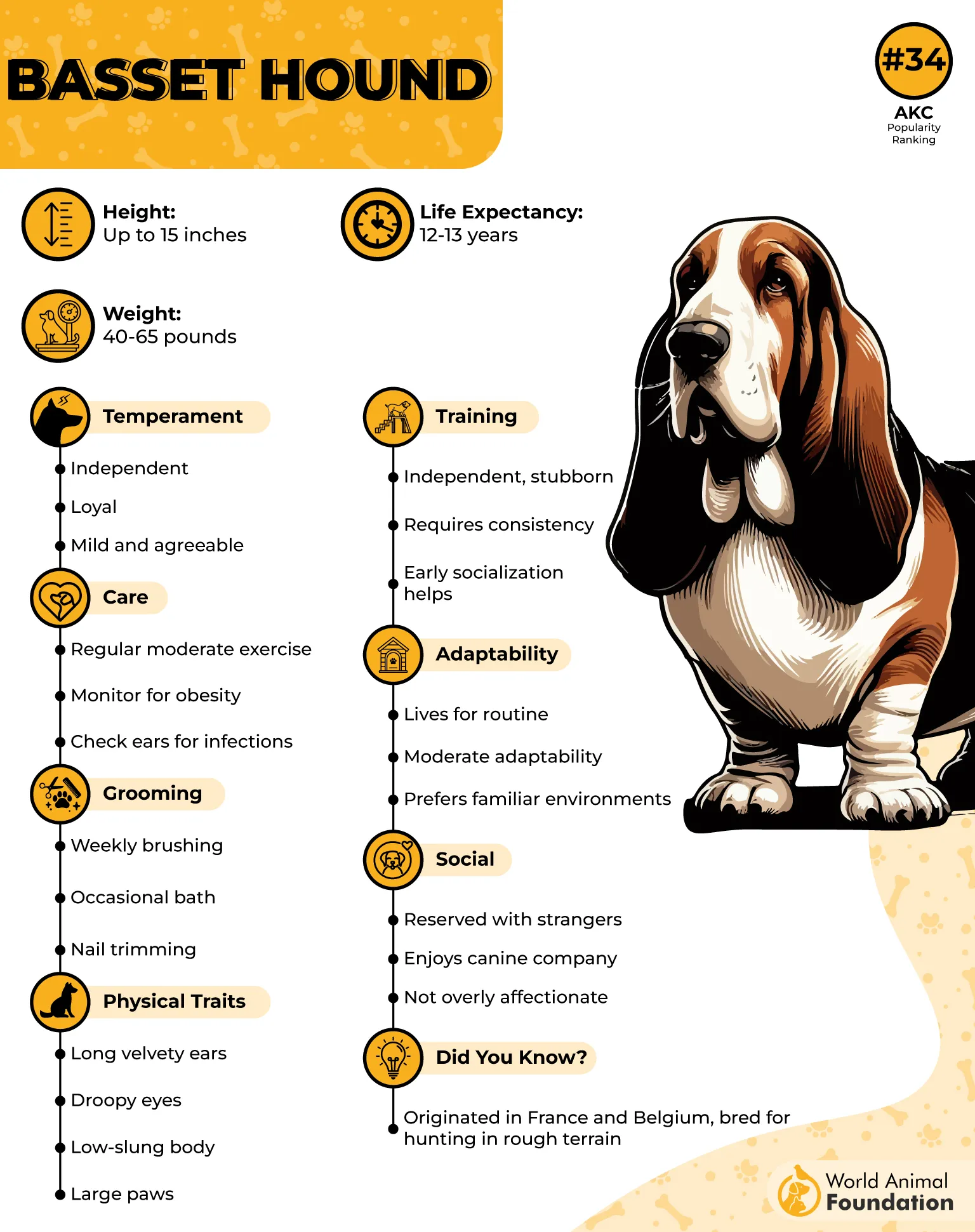
Basset Hounds weigh 40-65 pounds, and they are often called the #2 nose after the Bloodhound.
Those droopy ears help them catch scent toward the nose as they sniff. A Basset on a trail is a SERIOUS worker. Their slow, steady style suits hunters on foot.
Off the trail, Basset Hounds are laid-back, loyal, and kind to kids. They are also stubborn, so train with treats and patience. Watch their weight, since that long back doesn’t love extra pounds. Basset Hounds also howl, so expect some noise.
3. Beagle
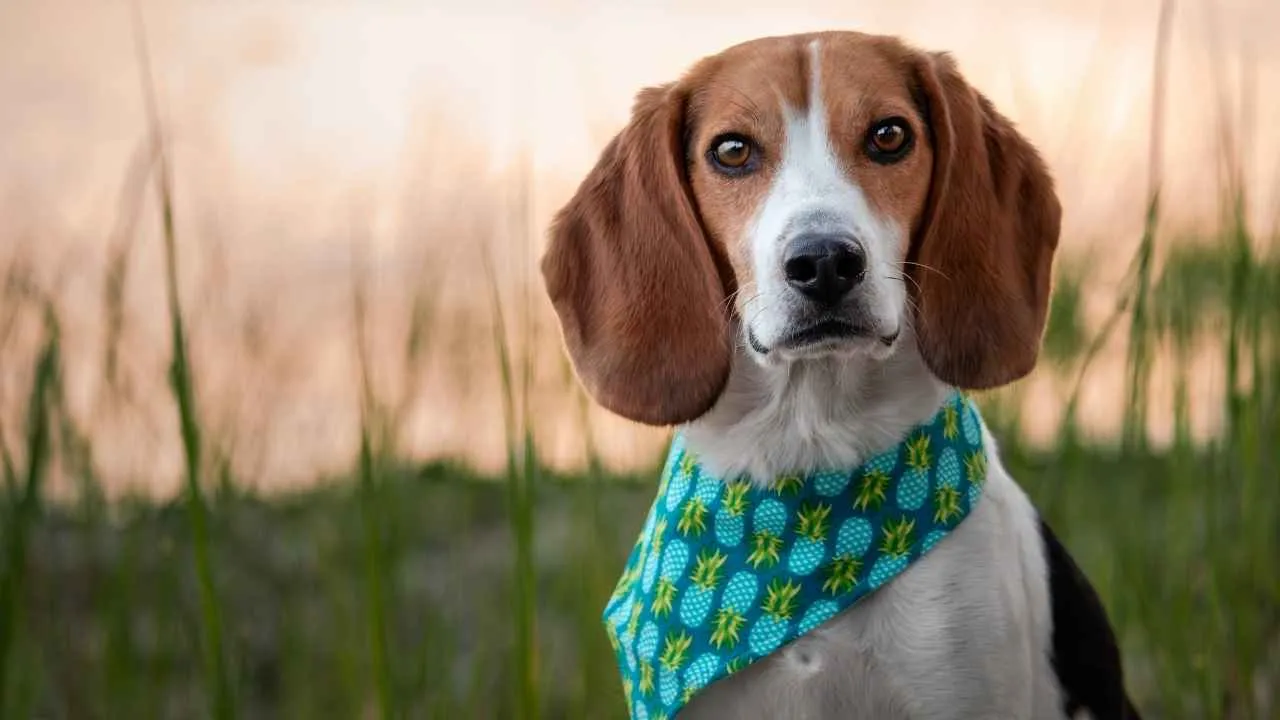
Beagles were bred to hunt rabbits in packs. Today, some Beagles work at U.S. airports, sniffing out illegal fruits and meat.
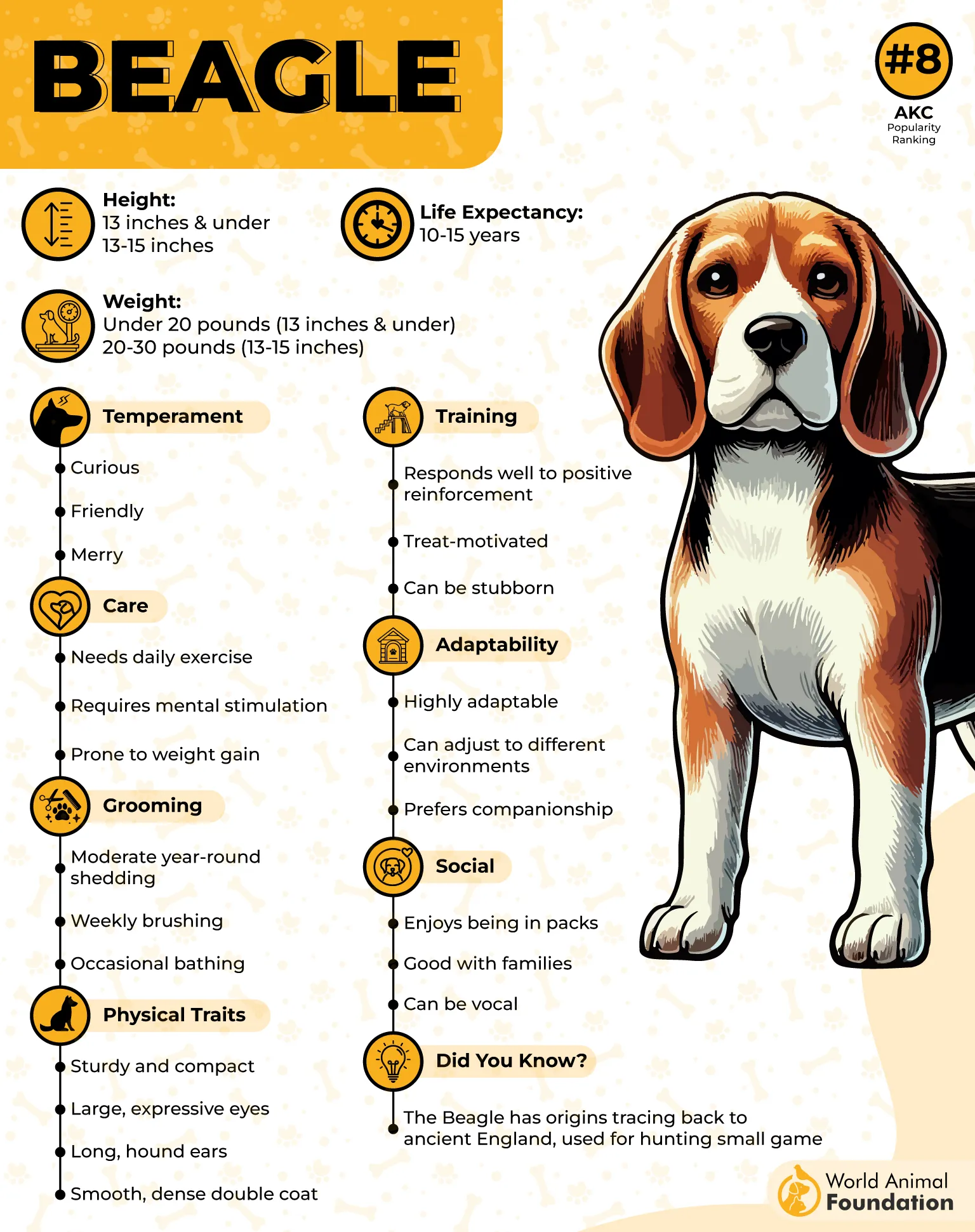
These goofy dogs weigh 20-30 pounds and carry roughly 220 million receptors. That’s a lot for a dog this size. They are friendly, curious, and happy to follow their nose anywhere.
They are proof that a small dog can have a BIG nose.
That’s the problem, too!
A Beagle can bolt after a smell, dig under fences, and ignore calls. Keep a tight fence and a leash. These dogs also LOVE food, so lock the pantry. Beagles do best with exercise, play, and sniffing games to keep their brains busy.
According to Greencross Vets, Beagles are extremely popular and make friends with cats, dogs, and kids at the dog park.
4. German Shepherd Dog
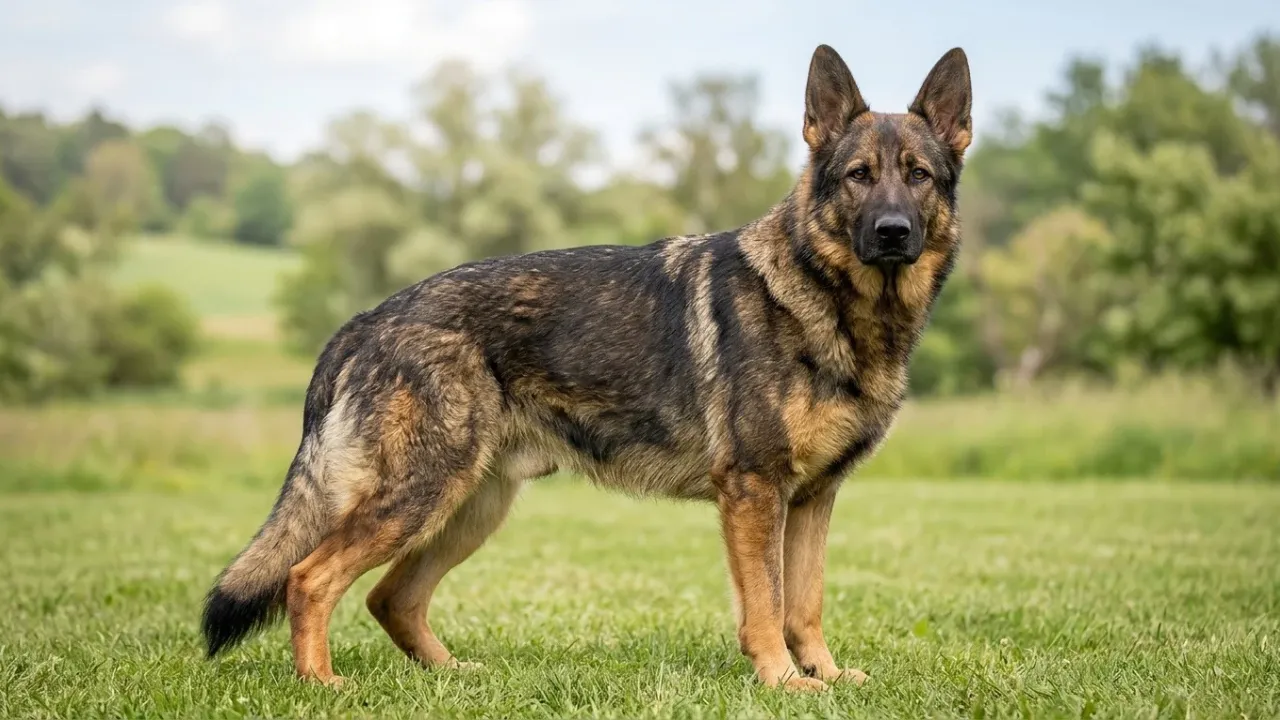
The German Shepherd was developed in Germany to herd sheep. Yes, herding was their first job. They turned out to be much more, thanks to their brains and noses.
German Shepherds weigh 50-90 pounds and have about 225 million scent receptors. They are the classic police dog, with strong trainability and focus. Many work in narcotics detection, explosives detection, tracking, and search-and-rescue.
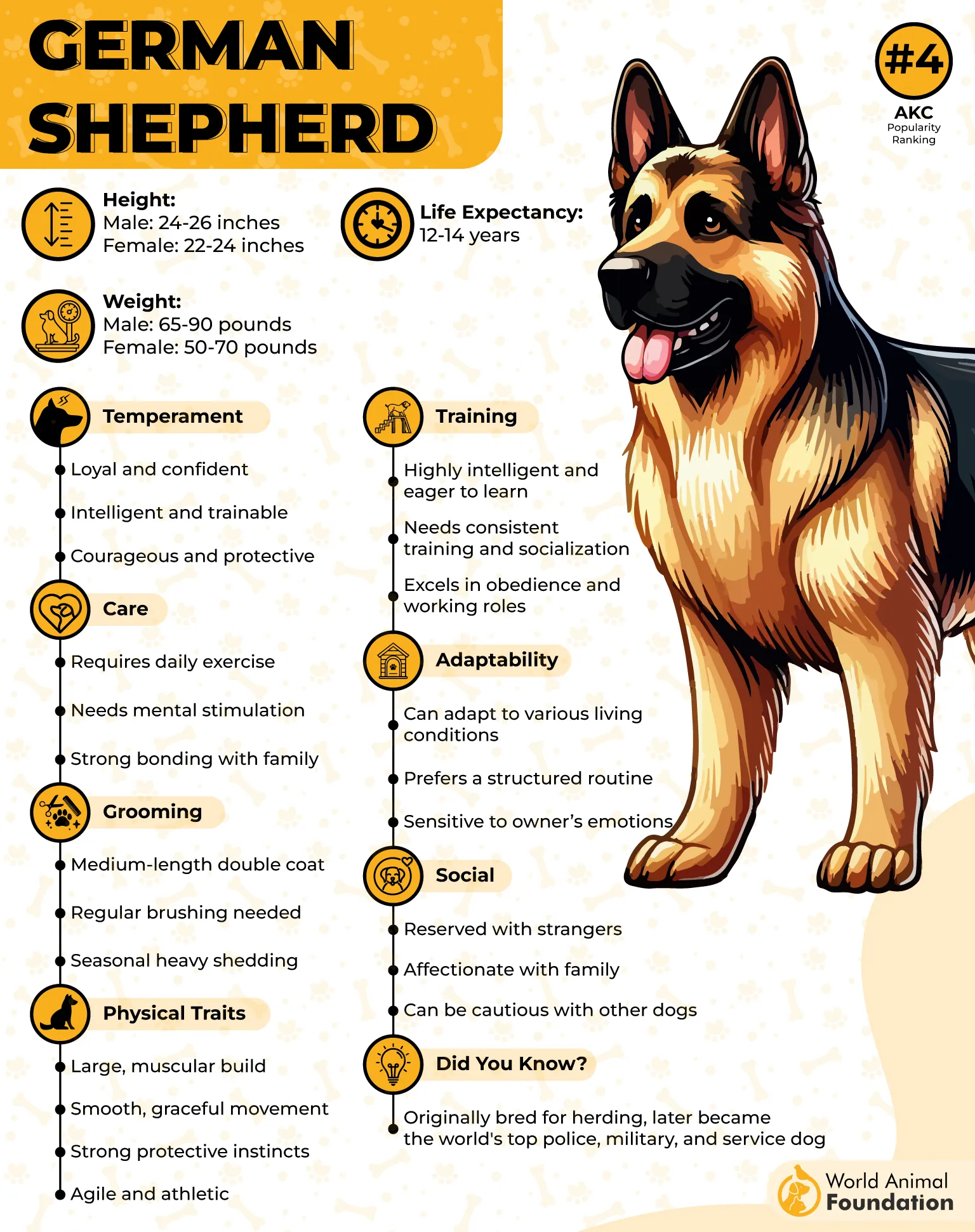
A GSD uses both ground tracking and air scenting. That means it can follow footsteps and pick up scents from the air. That makes it a flexible partner on many missions.
Their drive to work is incredible, and they thrive with a clear job. At home, they need daily exercise, mental stimulation, and early socialization, or they get bored and anxious.
5. Labrador Retriever
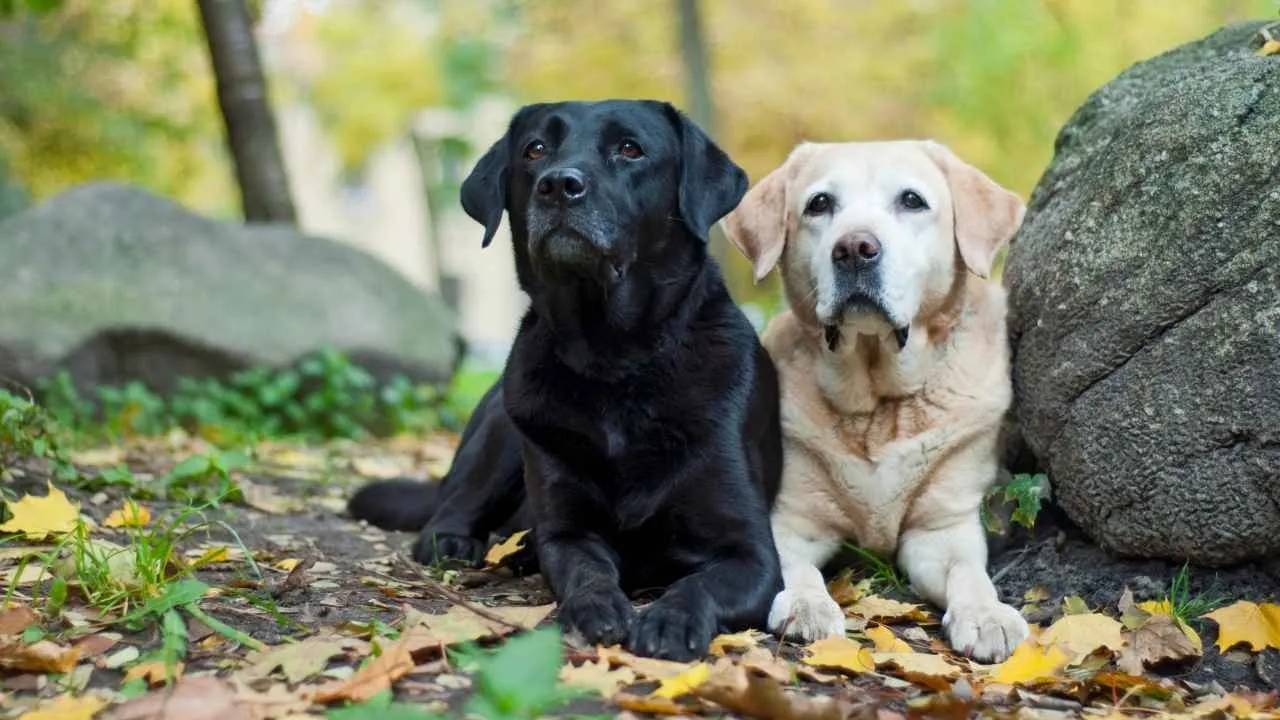
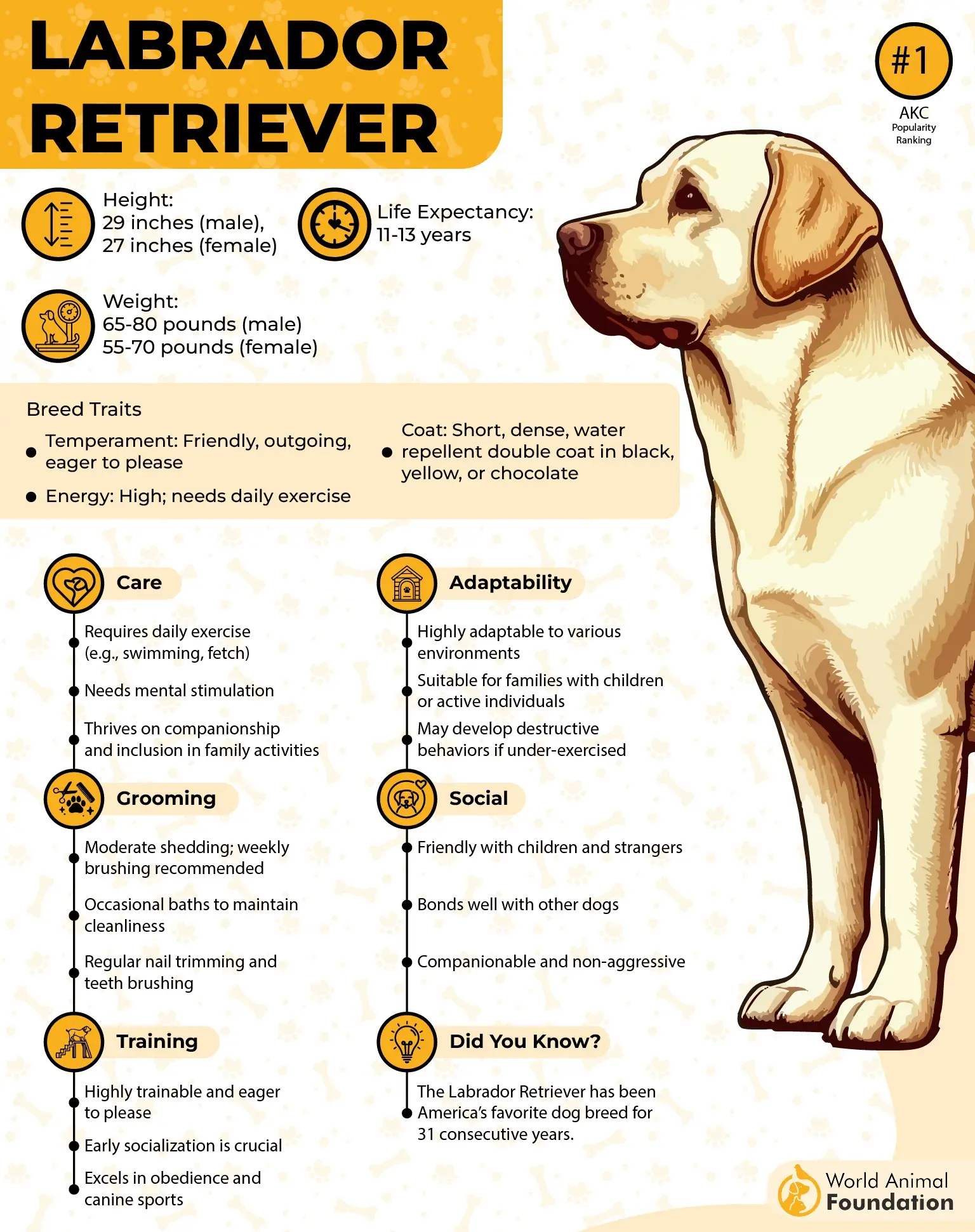
The Labrador Retriever came from Newfoundland, where it helped fishermen haul in nets. Today, this water dog is a top family breed and one of the best detection dogs.
Labs weigh 55-80 pounds and have around 220 million receptors. They are friendly, eager to please, and SO food-motivated, which makes training a breeze. That’s why many Labradors work at airports, in police units, and on search teams.
They also help researchers study scent work for health. Some dogs have been trained to detect low blood sugar from diabetes, and some have identified cancer in studies. According to WebMD, they detected cancer in 91% of breath samples and 97% of stool samples.
CAN YOU BELIEVE THAT?
Labs need lots of exercise, and they shed. But for a friendly, willing nose, they are hard to beat.
6. Belgian Malinois
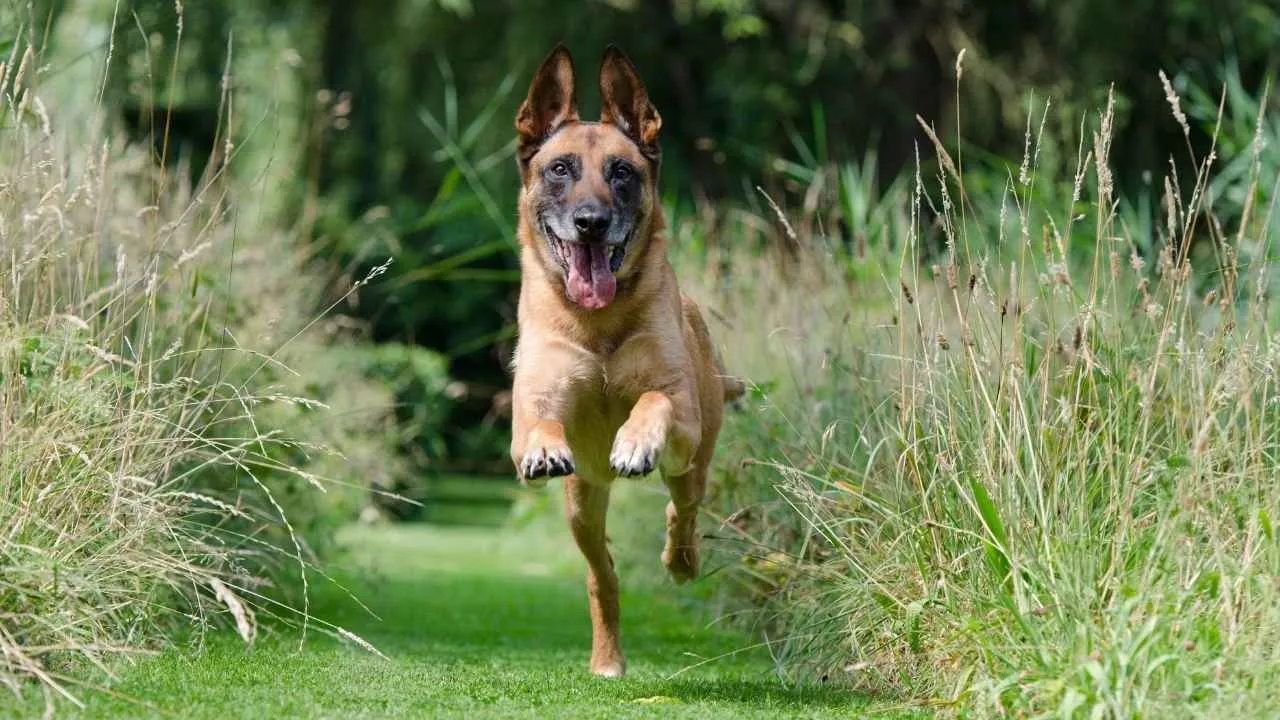
The Belgian Malinois comes from the city of Malines in Belgium. It was bred as a herding dog, but today, it’s famous in military and police work.
Belgian Malinois weigh 40-80 pounds and are lean, fast, and FOCUSED. They have a strong sense of smell, extreme drive, and quick learning abilities. That makes them top picks for explosives detection, narcotics detection, and tracking.
Handlers say a Belgian Malinois would work all day if you let it.
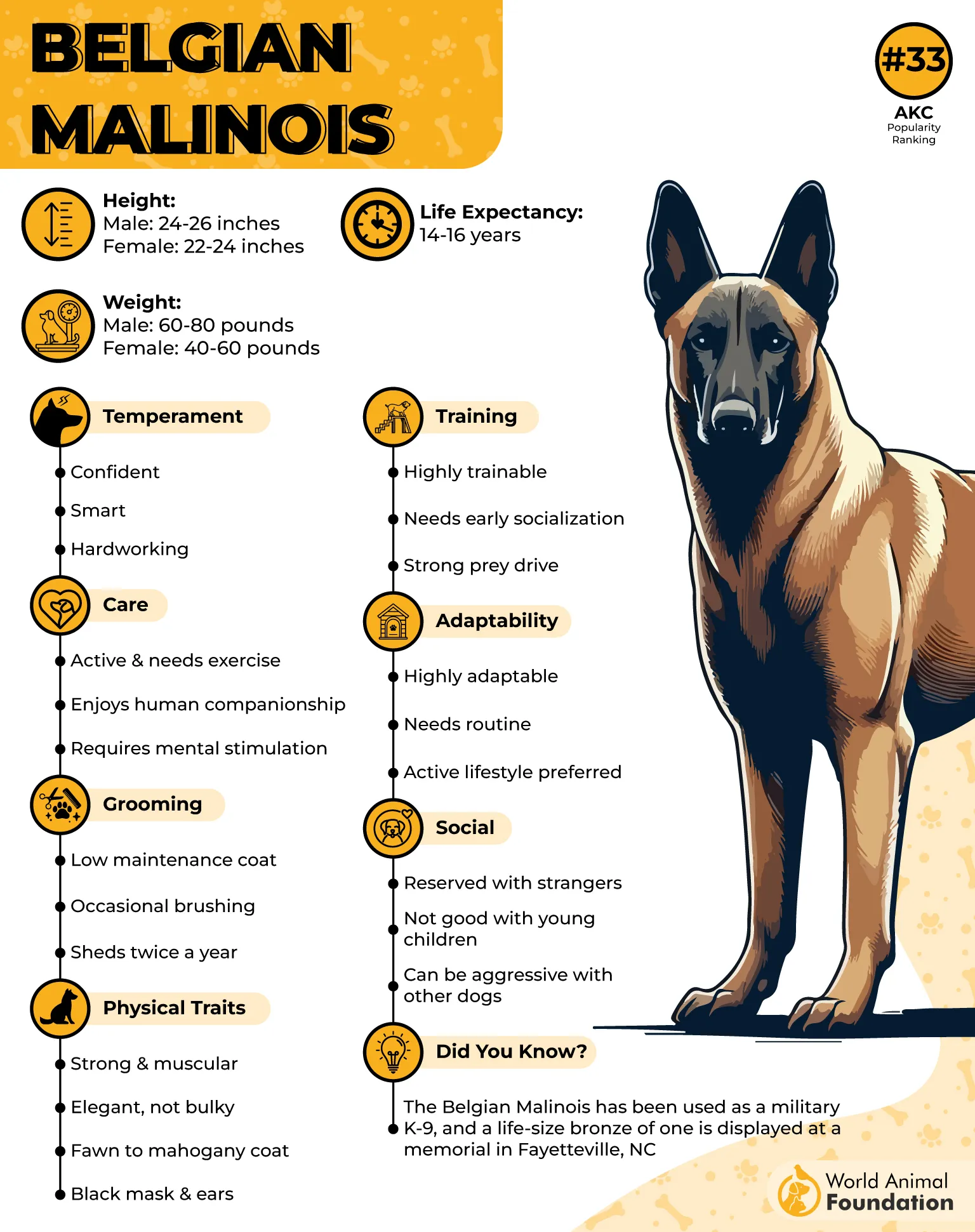
Many military and police units trust them to search buildings, vehicles, and open ground. But a Belgian Malinois needs a JOB. Without hours of exercise and mental stimulation, it can become destructive. This is not a pet for beginners.
Daily walks are simply NOT enough for them. They need high-energy aerobic exercises to keep their minds sharp.
7. English Springer Spaniel
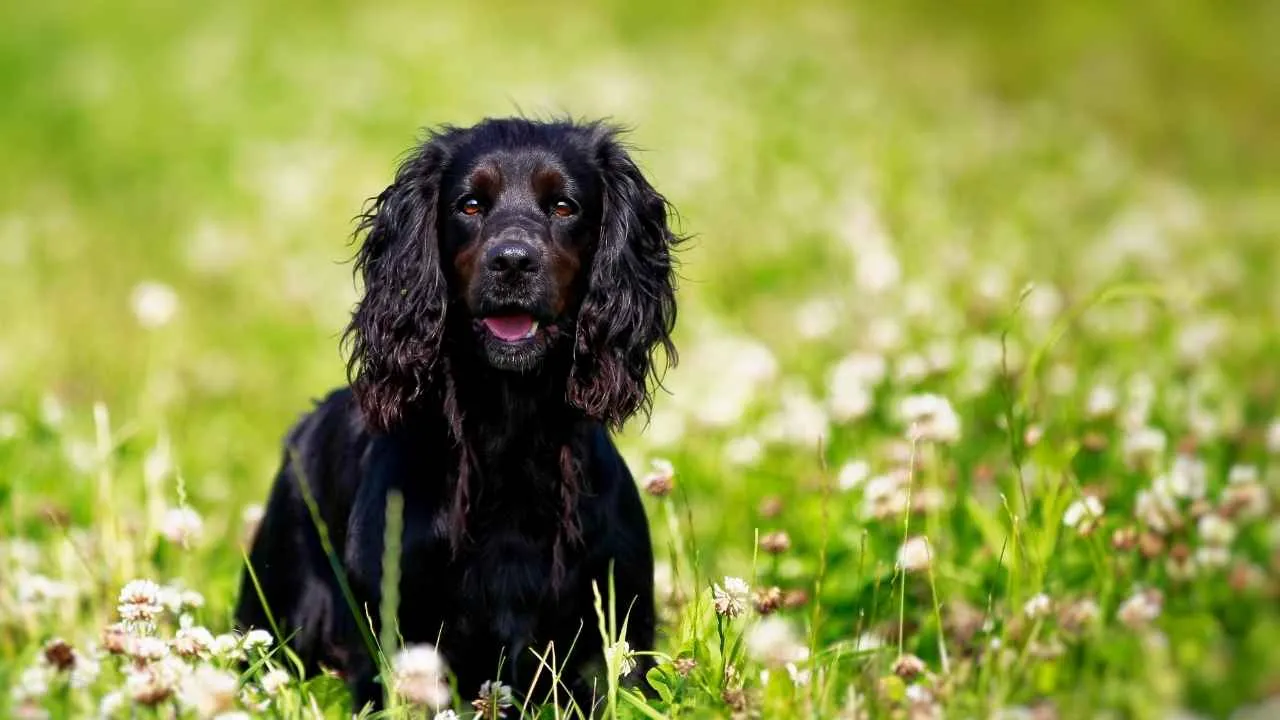
The English Springer Spaniel was bred to flush game birds from thick cover for hunters. That means it needs a nose that can find birds hiding in grass and brush.
English Springer Spaniels weigh 40-50 pounds and have floppy ears, a friendly face, and boundless energy. They are very trainable and love to work. Their smelling abilities are top-notch.
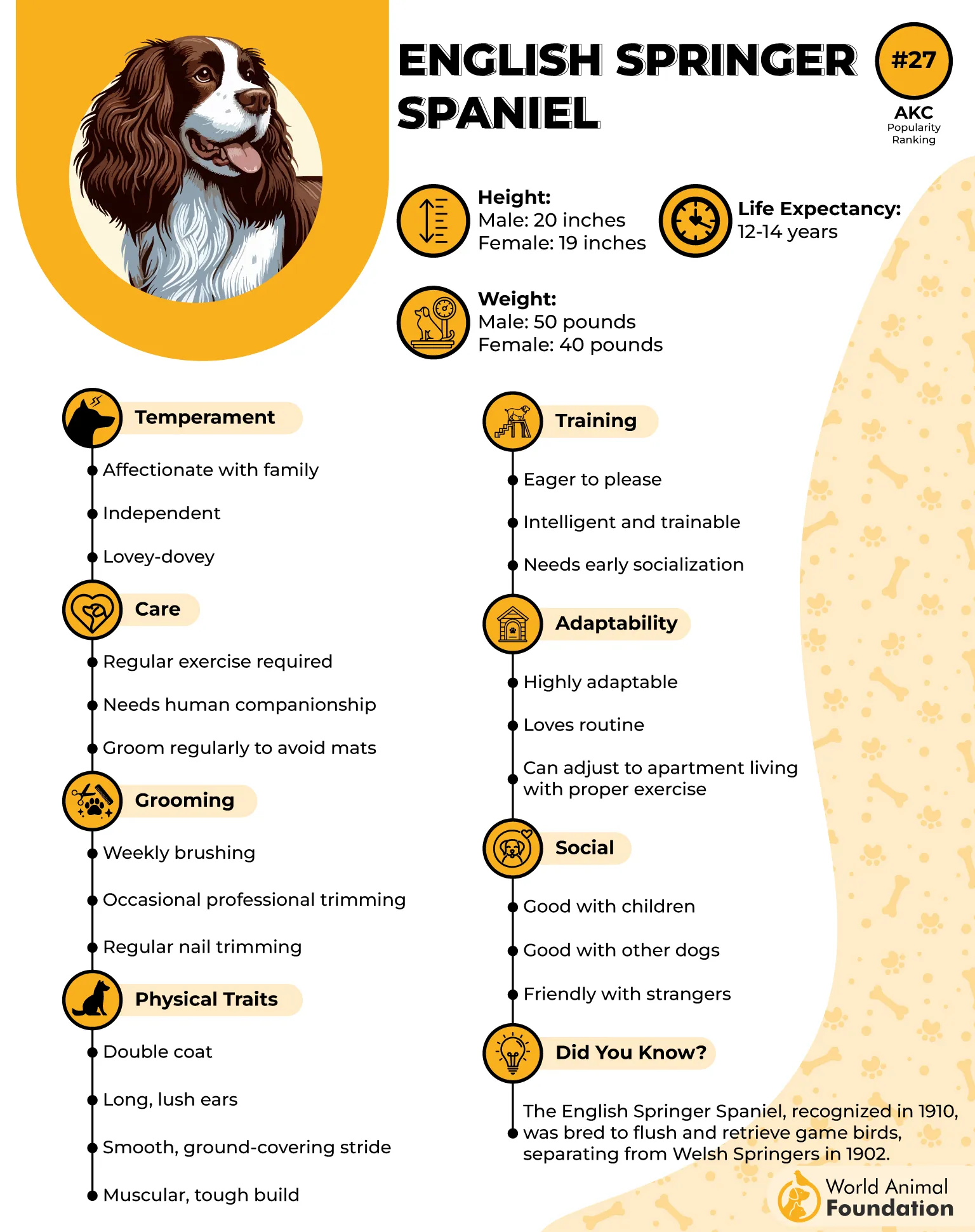
Because of that love for work, many police and customs teams use these Spaniel dogs for narcotics detection and to find drugs and explosives.
They are affectionate, gentle with kids, and eager to please. But a bored English Springer Spaniel can be loud and restless. Give it daily exercise, sniffing games, and a job, and it will be a happy, joyful friend.
8. Bluetick Coonhound
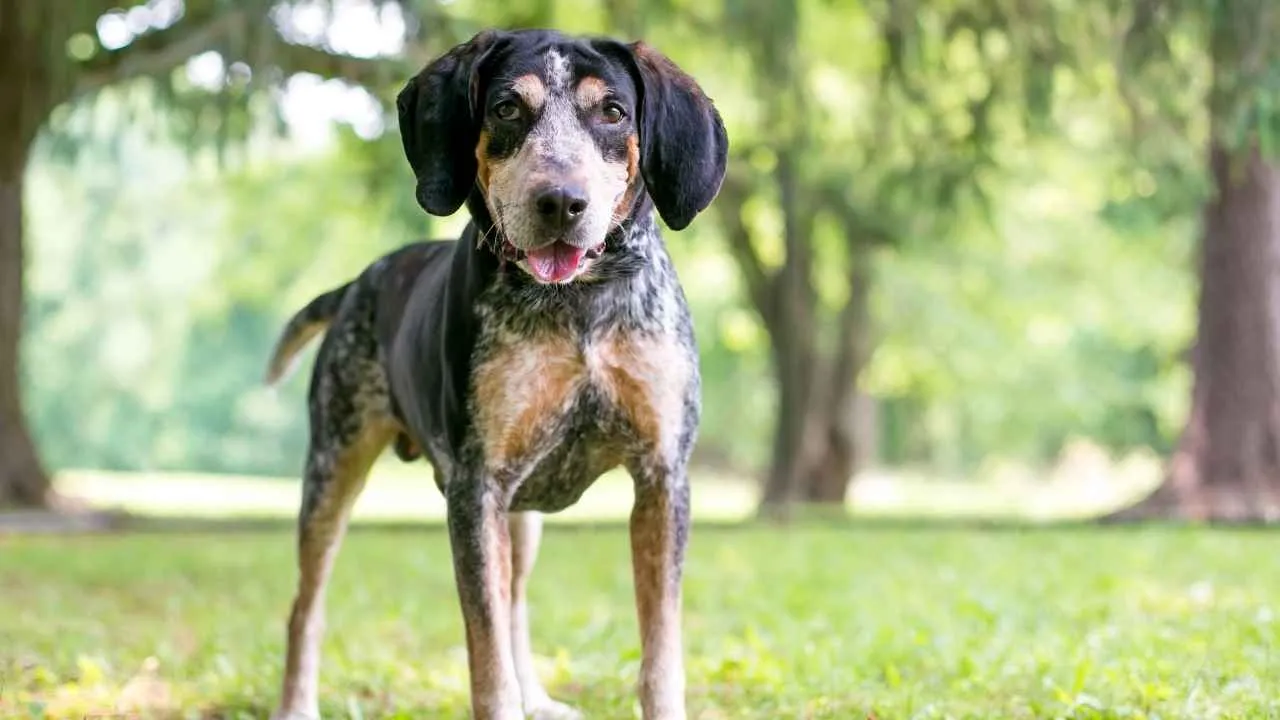
The Bluetick Coonhound was bred in the American South to hunt raccoons at night. Its speckled blue coat is easy to spot, but its nose is the real star.
Blueticks weigh 45-80 pounds and have long ears and a deep, loud bawl. They can follow scent trails that are cold or old, and they stay locked on until the raccoon climbs a tree.
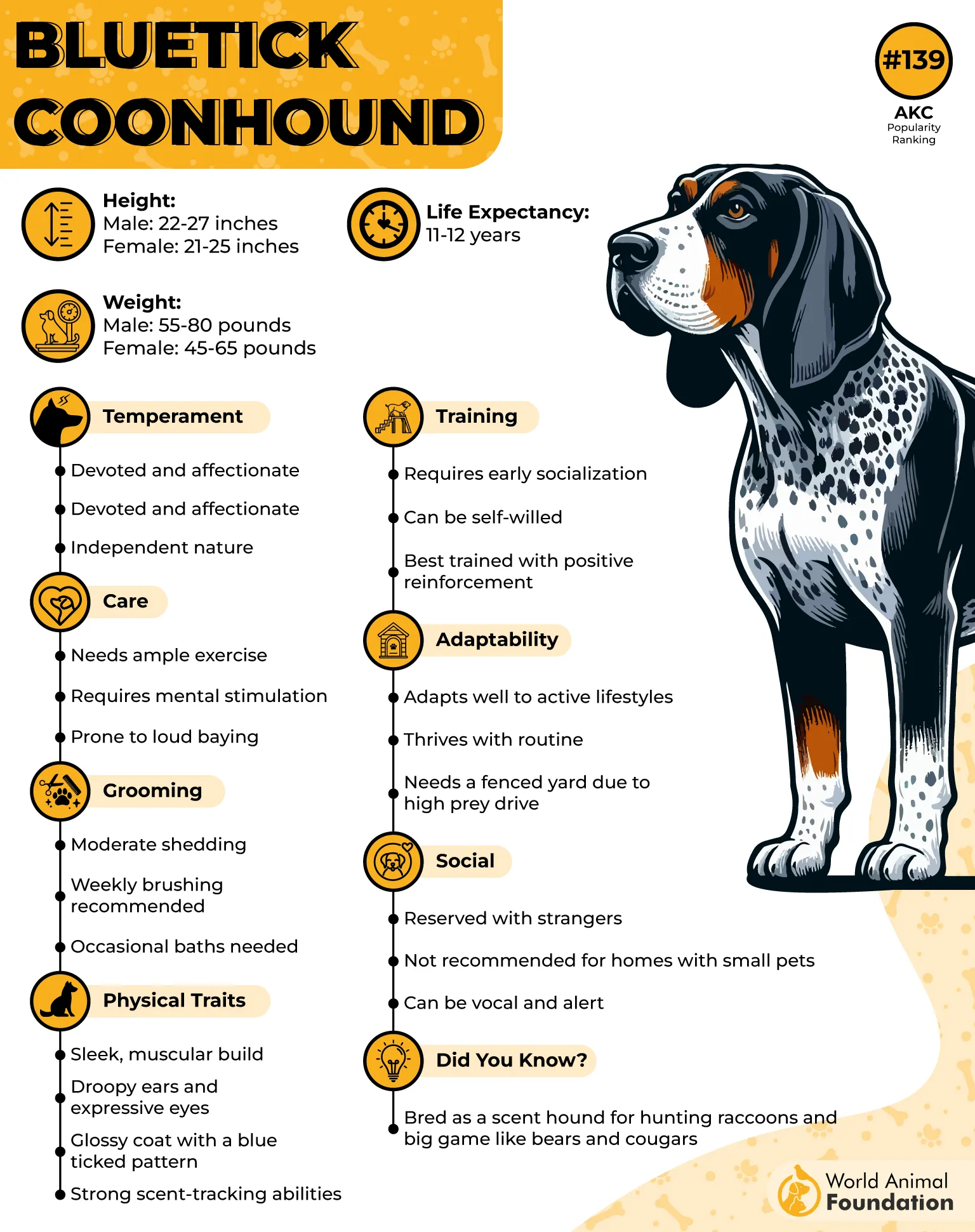
Hunters love these dogs because of their strong sense of smell and scent ability. They are classic hounds with a classic howl.
These dogs are loyal and affectionate, but stubborn. They need a secure fence, lots of exercise, and early training. Expect loud barking, and don’t be surprised if they wander off after a smell.
9. American English Coonhound
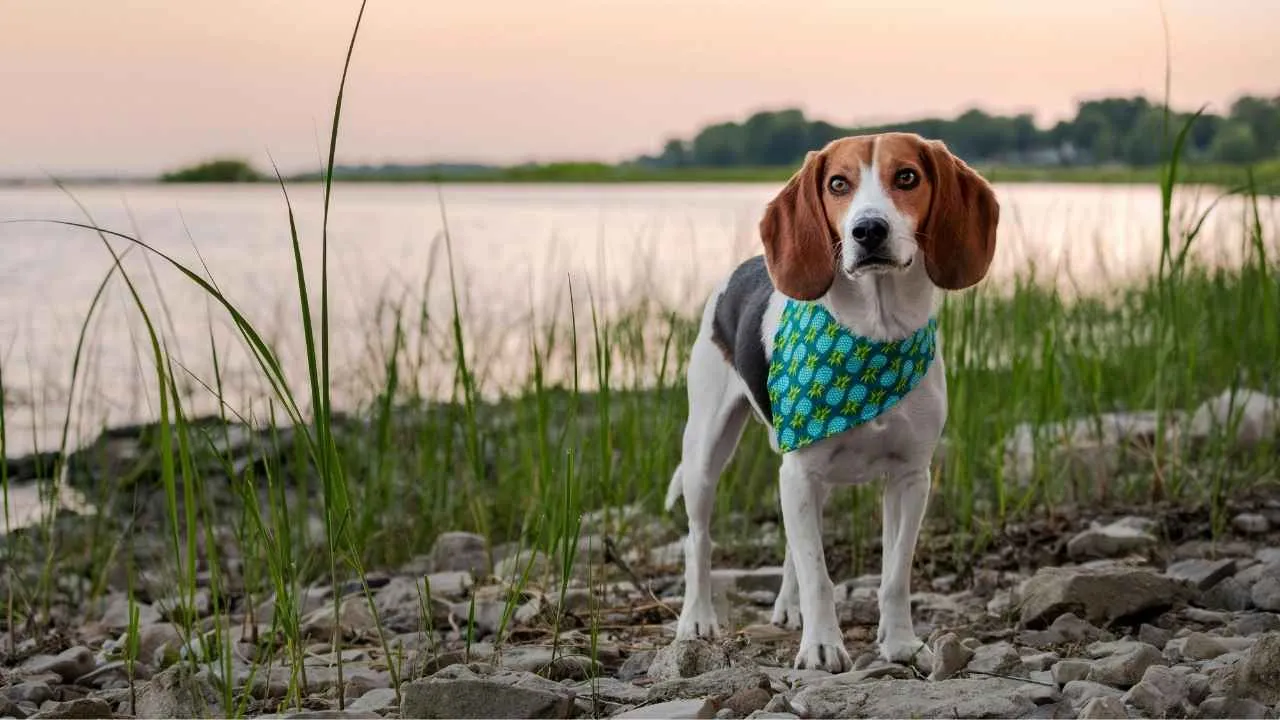
The American English Coonhound traces back to English Foxhounds brought to Virginia. Breeders later shaped it into a fast, tough dog for night hunts.
These hounds weigh 45-65 pounds. They have a lean, athletic body and a sharp nose. They can track a raccoon on the ground and keep going for hours. When they find it, they bay to tell hunters exactly where to go.
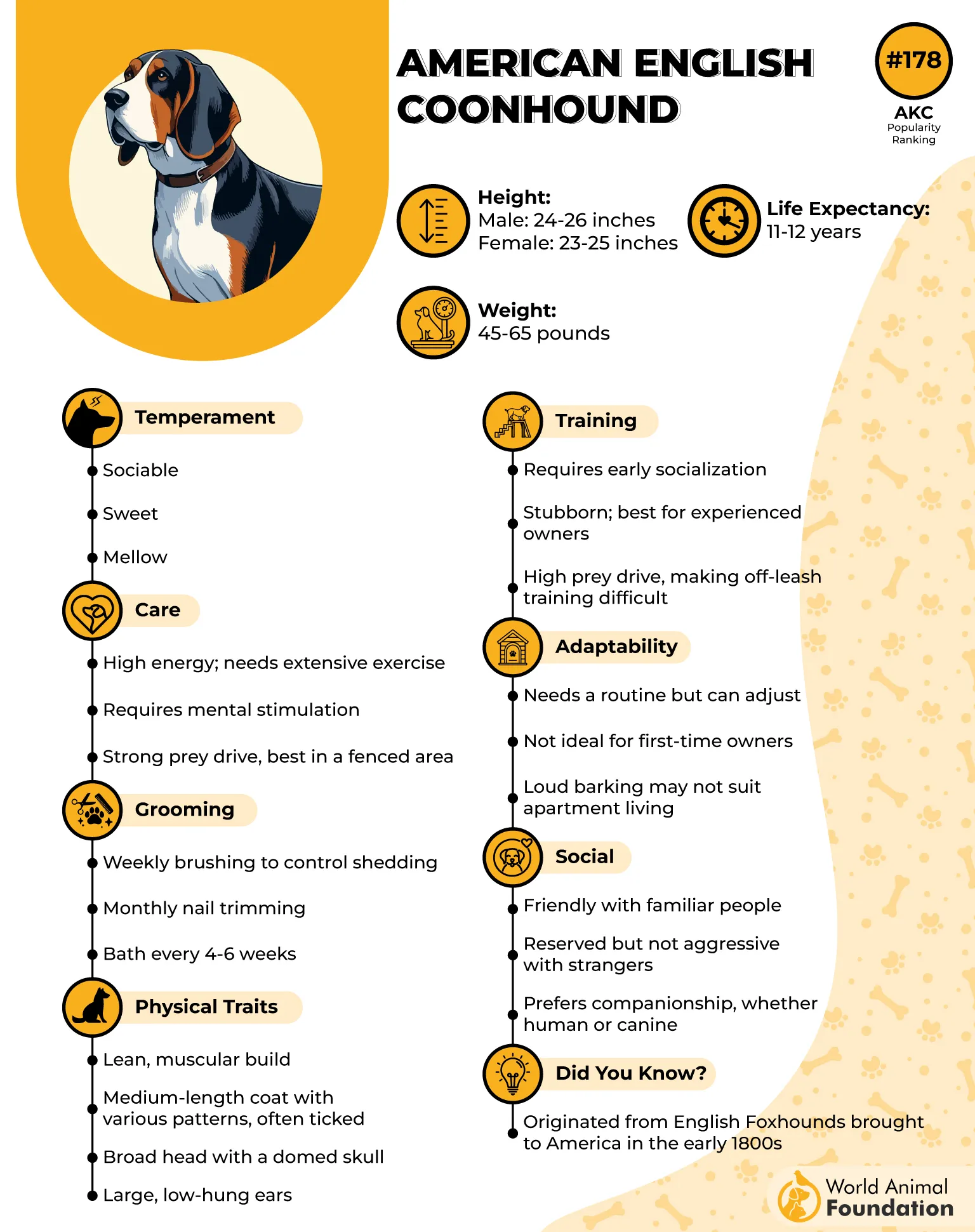
The American English Coonhounds are friendly, easygoing, and good with kids. But they have high energy. Plus, they bring endurance and speed to the hunt. Expect long walks, runs, and sniff time every day. A bored Coonhound will howl, dig, and escape.
Conclusion
A dog’s nose is a superpower. It is 10,000 to 100,000 times better than humans. Dogs have a special organ called Jacobson’s organ for pheromones. That helps them be this good at their job.
Some breeds have the best sense of smell on Earth, and each one shows it in its own way.
Smelling dogs do amazing work because their olfactory receptors are great at detecting scent particles. Police dogs find narcotics and explosives. Military teams use them to protect troops. Search and rescue dogs find missing persons after floods and earthquakes. Researchers are even testing dogs to detect diseases, like cancer and diabetes, by different smells.
Why do they do it? Because they LOVE the game, and a reward makes it fun.
Pick a breed that fits your lifestyle, give it daily exercise and sniffing time, and let that nose do its thing. Next walk, slow down. Let your dog read the newspaper. It’s SO worth it.
