




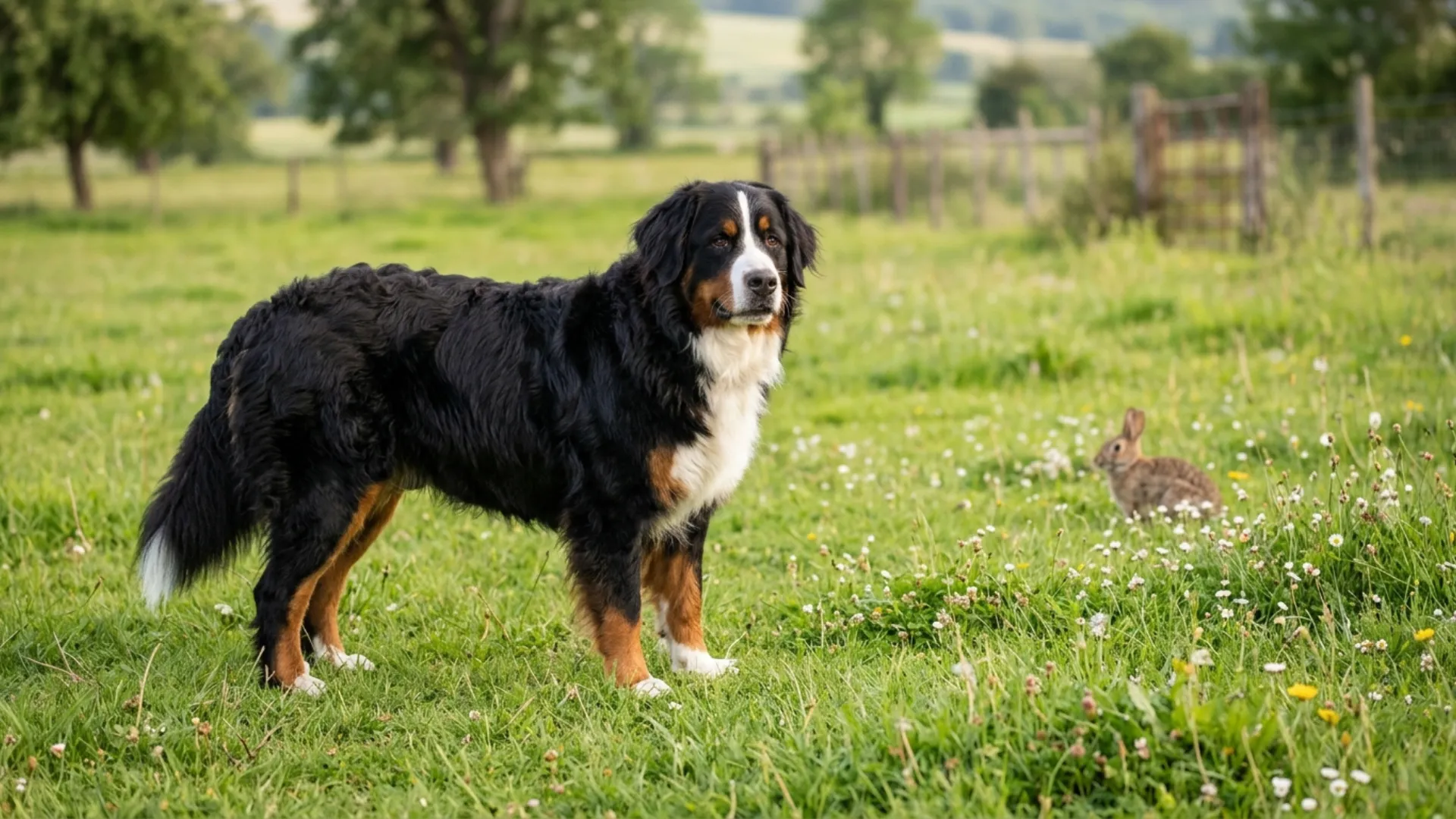
While chasing instinct and a high prey drive are completely natural, some pet parents would rather have a peaceful companion who doesn’t treat every passing bird like a personal challenge.
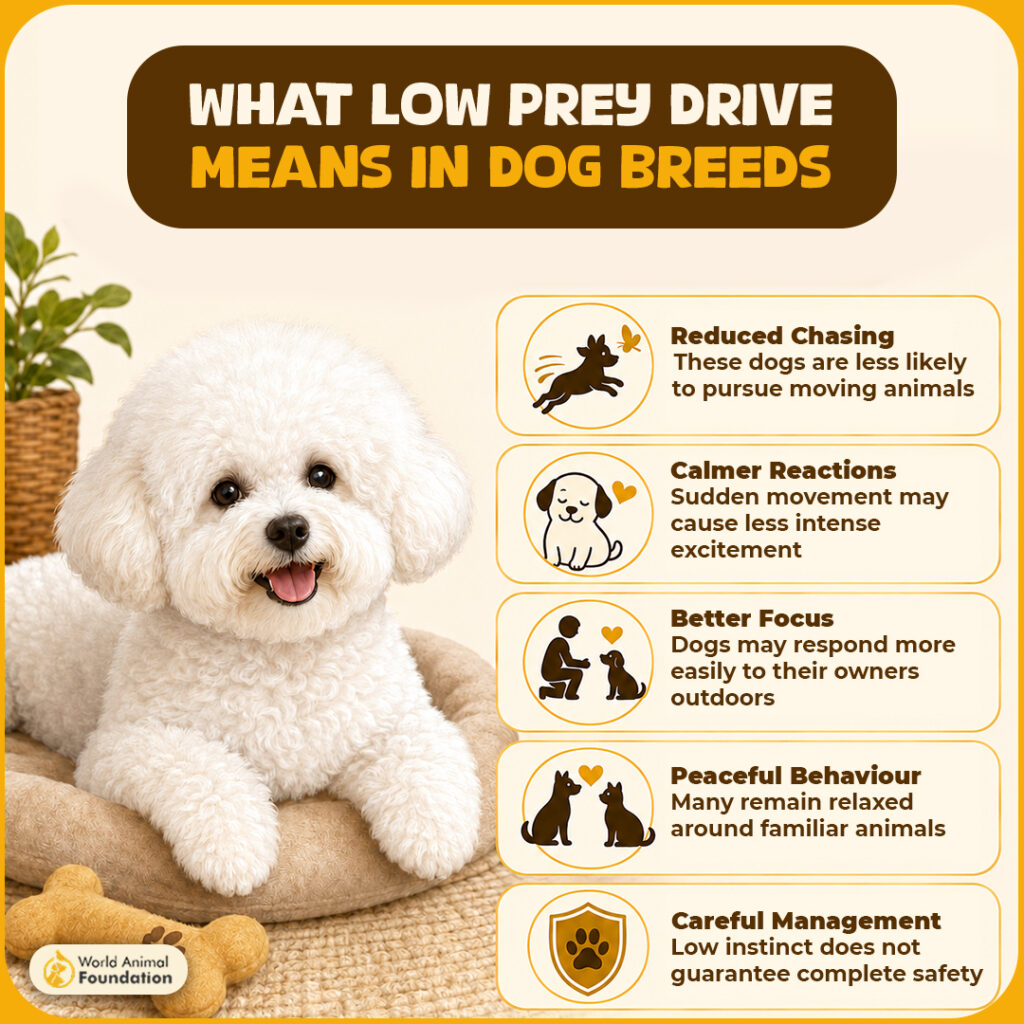
That’s where dog breeds with a relatively low prey drive come in! Prey drive is a dog’s instinctive motivation to notice, pursue, catch, or sometimes grab moving animals, and its intensity can vary widely between breeds and individual dogs.
Dogs historically developed for companionship, rescue, or certain types of farm work may be less inclined toward persistent pursuit than breeds specifically selected for hunting.
With that important distinction in mind, let’s explore seven gentle breeds whose histories, personalities, and typical behavior help explain why they may be less interested in chasing prey.
Gentle Dog Breeds With a Low Prey Drive
1. Newfoundland
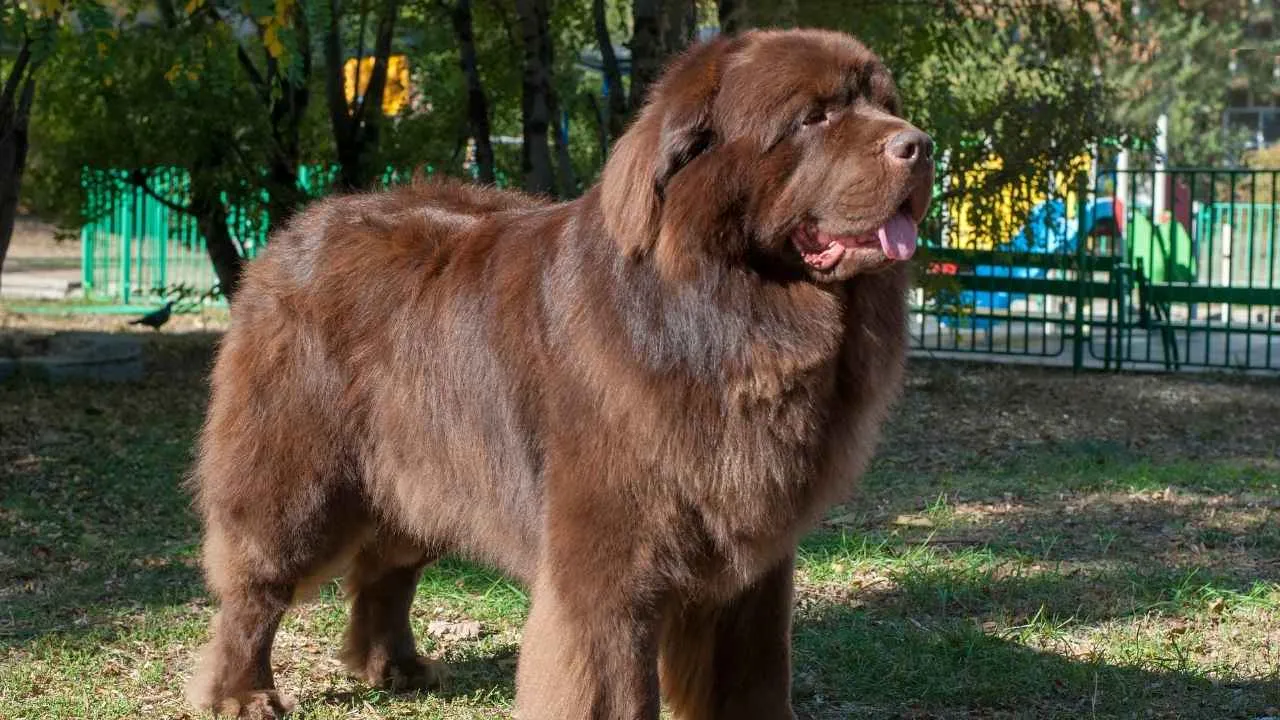
Newfoundlands were originally developed as hardworking water dogs in Newfoundland, Canada; these impressive companions helped fishermen with demanding tasks rather than specializing in pursuing and catching small animals.
That working history hints at their generally lower prey drive: cooperation, strength, and water skills mattered more in their traditional jobs than intense predatory pursuit.
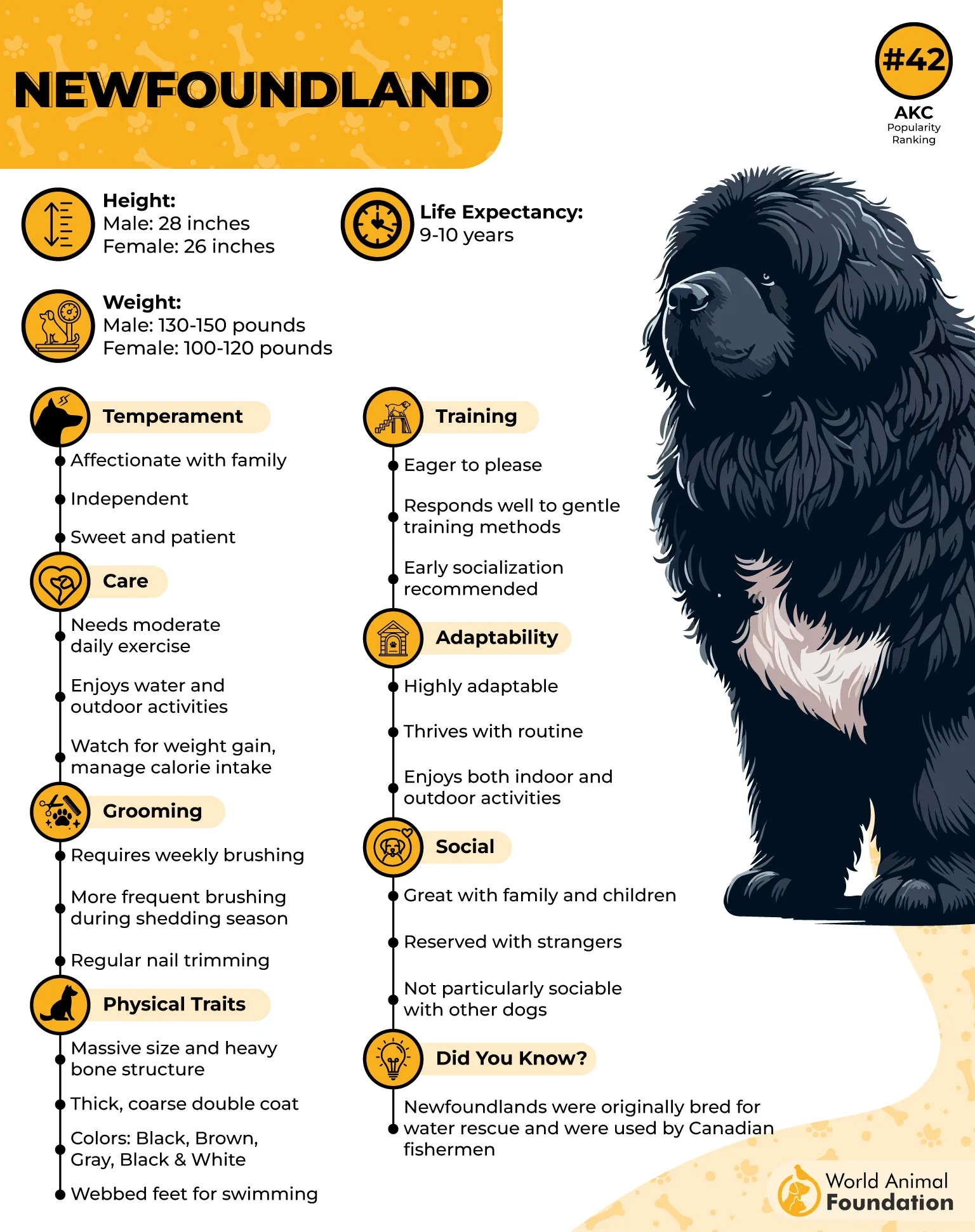
One of the strongest arguments for the Newfoundland’s relatively low prey drive is its reputation for patience and tolerance around other animals. Omlet claims they coexist comfortably with cats and smaller household pets, showing more interest in staying near their families than in investigating every moving creature.
Their calm reactions align with the breed’s generally easygoing temperament, though an individual Newfoundland may still chase wildlife or get excited by sudden movement.
The Newfoundland’s traditional water-rescue abilities also help explain why its instincts differ from those of dedicated hunting breeds. Rather than relying primarily on a chase-and-capture sequence, people valued these dogs for swimming strength, willingness to work with people, and the ability to perform difficult tasks in challenging conditions.
2. Bernese Mountain Dog
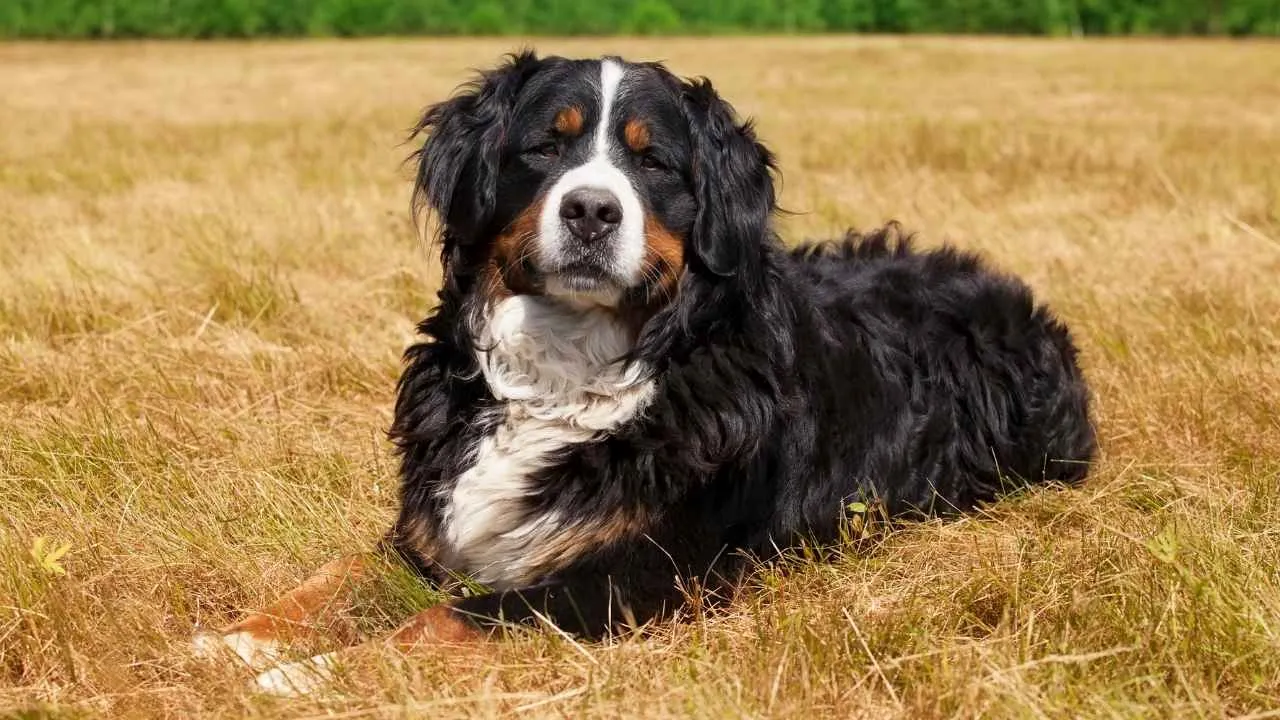
Bernese Mountain Dogs look like they belong on a snowy mountain postcard, but their affectionate personalities are just as memorable as their gorgeous tricolored coats. These sturdy Swiss farm dogs historically helped pull carts, move cattle, and work alongside farmers in Alpine communities.
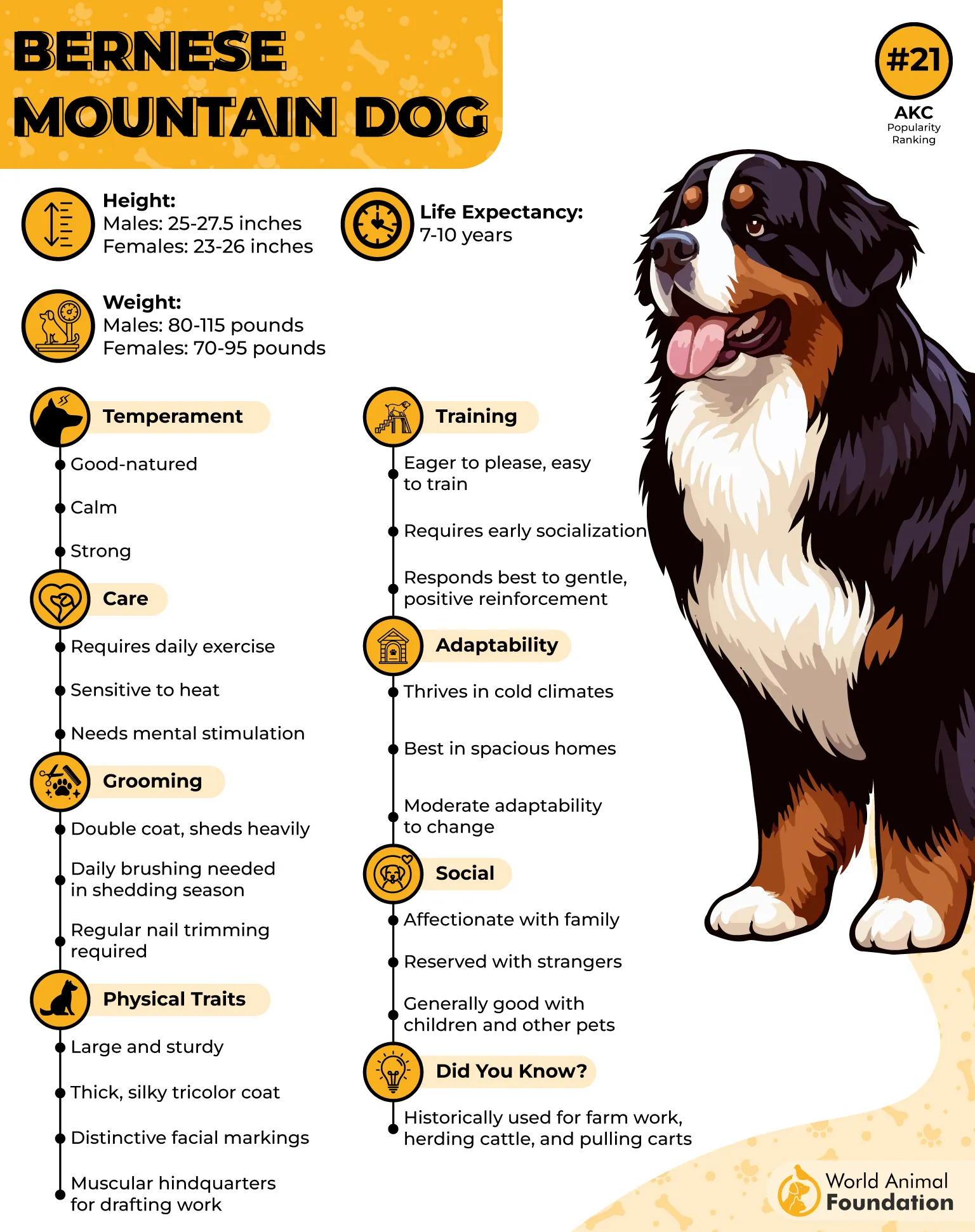
Unlike specialized hunting hounds or terriers, Berners were primarily selected for useful farm work, which helps explain why many show only a low-to-moderate interest in pursuing small animals.
Their working background clearly distinguishes herding behavior from true predatory pursuit. A Bernese Mountain Dog may notice moving animals or attempt to influence their direction, but this doesn’t necessarily mean it wants to catch or harm them.
Another argument for the breed’s comparatively manageable prey drive is its strong attachment to people and generally gentle social temperament. Many Berners prefer staying near family members, participating in household activities, and receiving affection rather than independently searching the environment for animals to pursue.
3. Saint Bernard
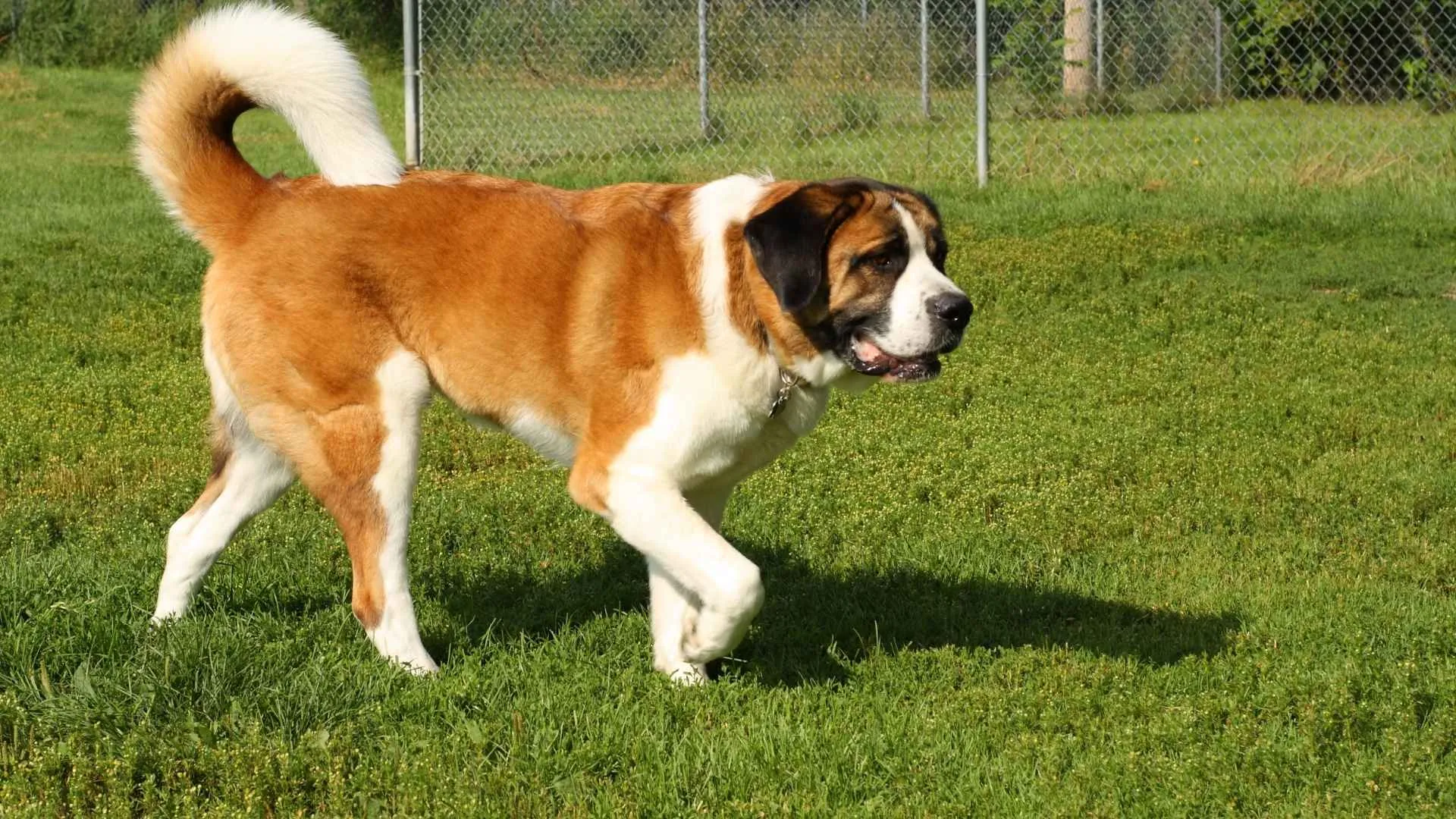
Associated with rescue work around the Great St. Bernard Pass in the Alps, Saint Bernards are powerful dogs that became famous for helping people in difficult mountain conditions.
Their traditional purpose centered on assisting humans and enduring harsh conditions rather than tracking, chasing, or capturing small prey, making their working heritage a strong argument for their generally low prey drive.
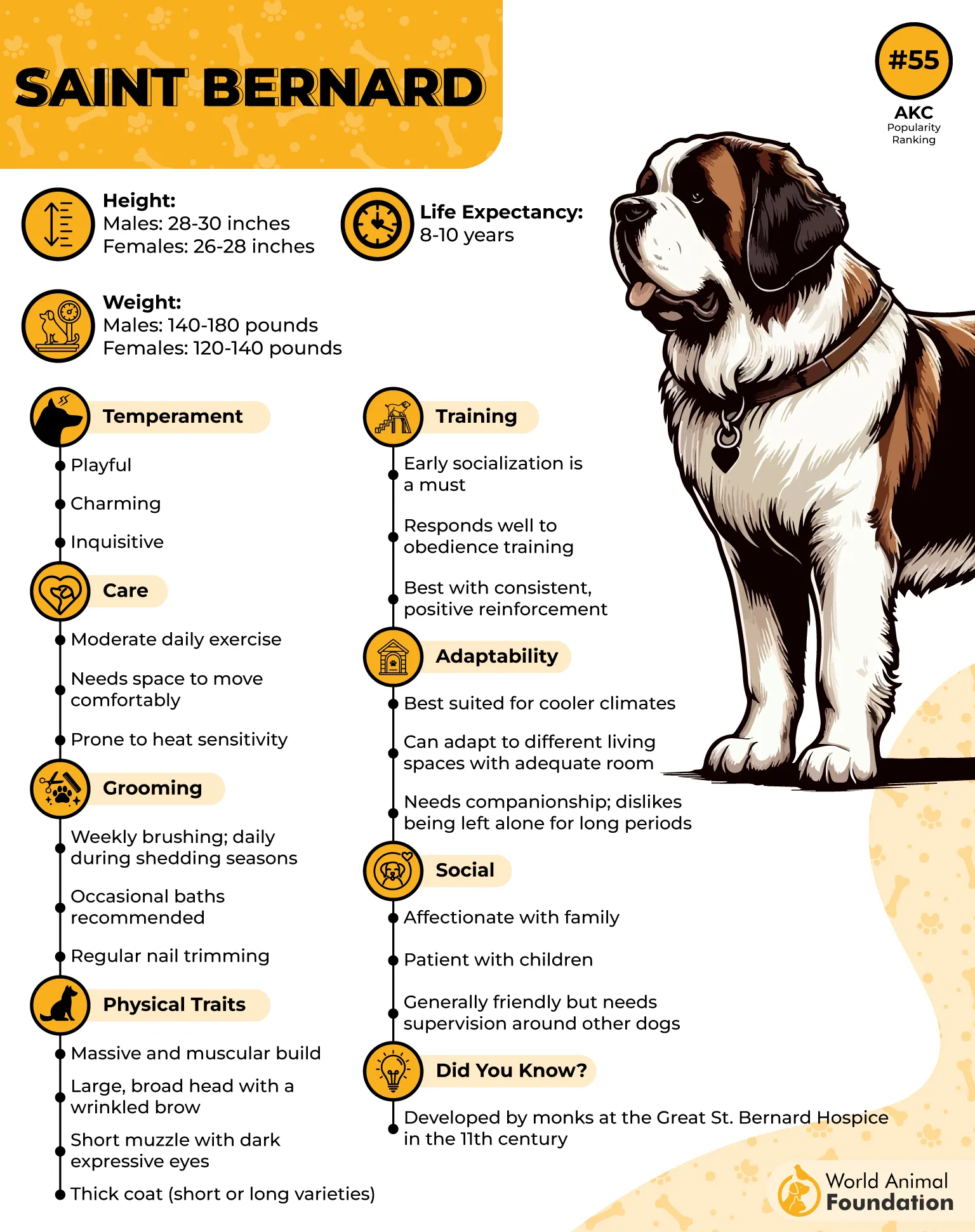
A mature Saint Bernard often displays a calm, deliberate temperament that contrasts sharply with the intense movement sensitivity of many specialized hunting breeds. Instead of immediately pursuing every small animal that crosses its path, a well-socialized Saint may observe the activity before returning its attention to familiar people.
Veterinary resources such as PetMD describe prey drive as an instinctive behavior that varies among dogs, and Saint Bernards are commonly described as having relatively low levels of this motivation.
Their generally tolerant nature can also make Saint Bernards suitable for carefully managed multi-pet households. Many individuals coexist peacefully with cats and other dogs when introduced appropriately, especially if they have had positive interactions with different animals from an early age.
4. Cavalier King Charles Spaniel
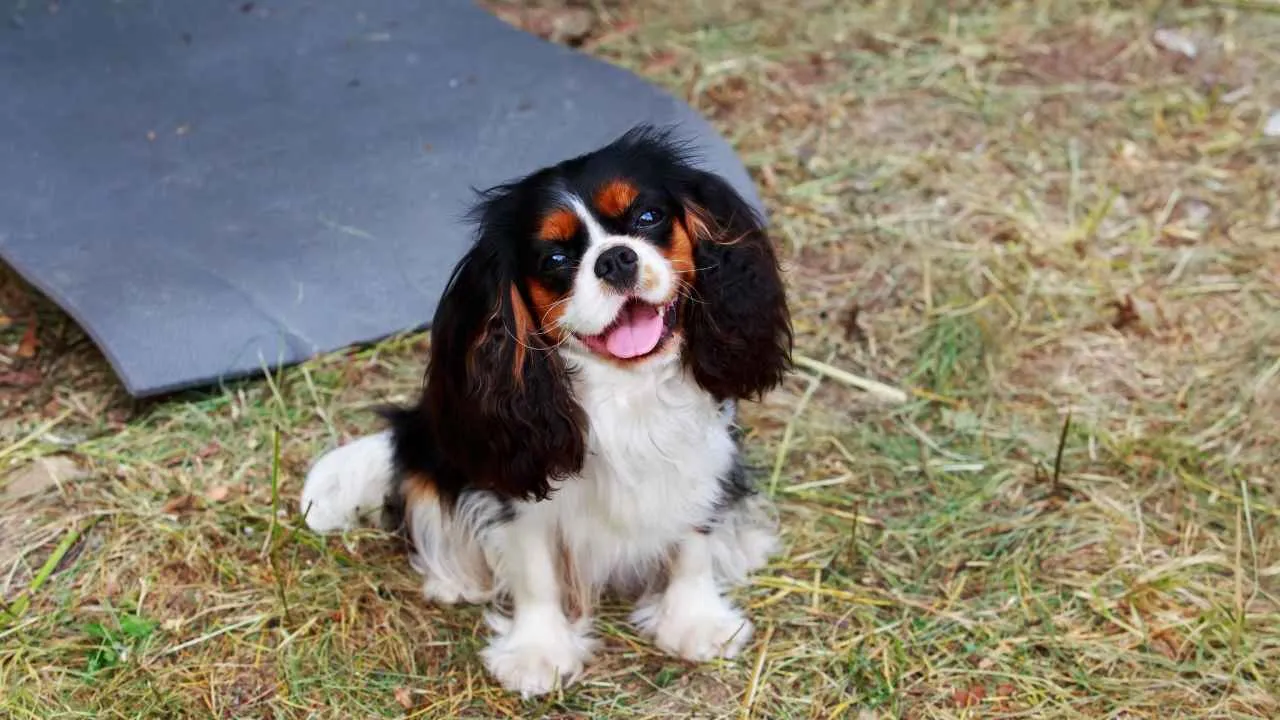
Cavalier King Charles Spaniels are the adorable little social butterflies who seem convinced that every human was placed on Earth specifically to admire them. They are known for their sweet expressions, gentle personalities, and eagerness to stay close to people.
Their long history as companions helps explain why many are less intensely prey-focused than specialized hunting breeds, though their spaniel ancestry complicates the story.
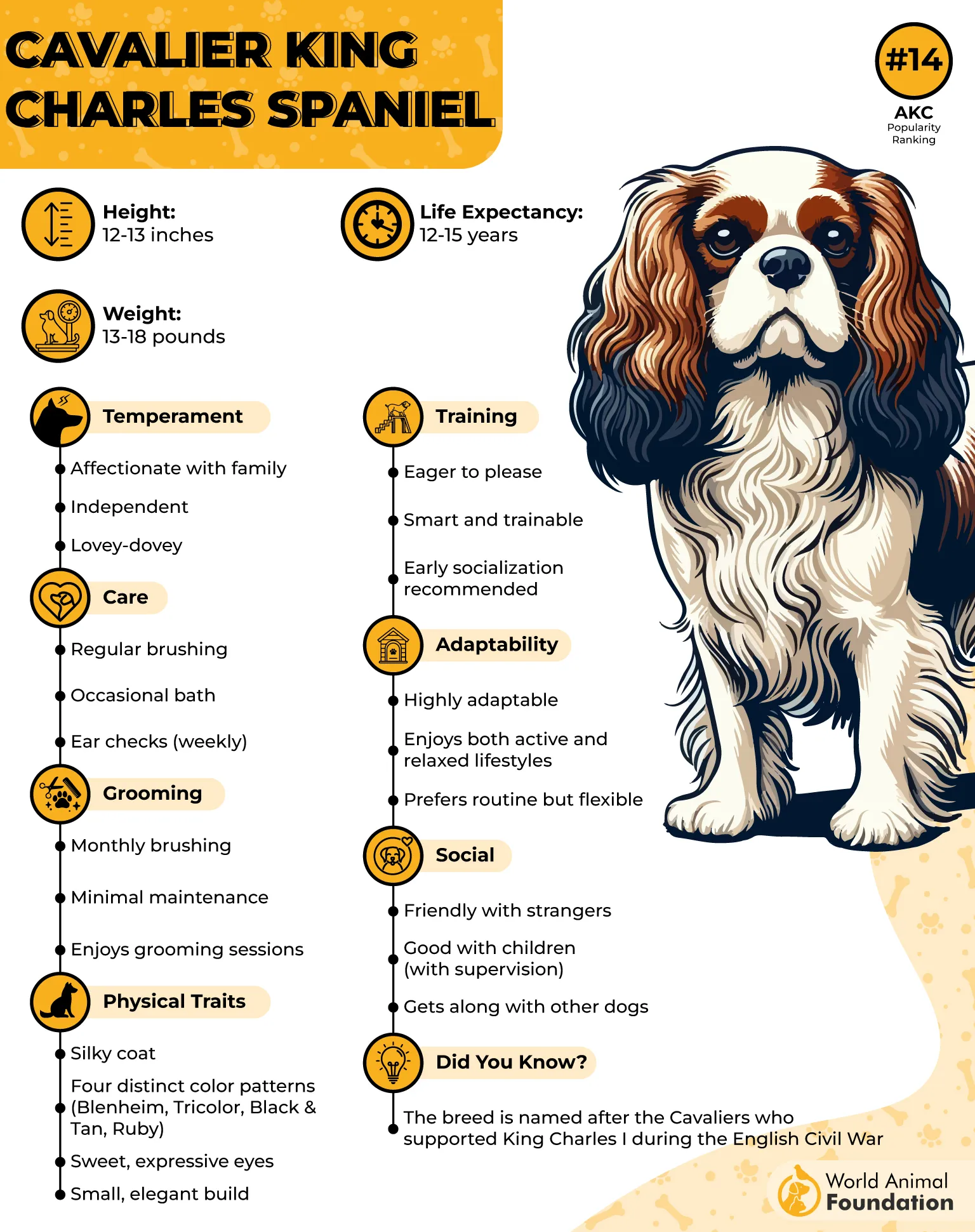
Unlike dogs bred for sustained game pursuit, modern Cavaliers are strongly associated with lapdog companionship and close human relationships. The Royal Kennel Club says many enjoy relaxing with their families, following familiar people around the house, and gentle play rather than constantly searching for animals to chase.
However, Cavaliers remind us that a friendly personality doesn’t automatically mean an extremely low prey drive. Their spaniel heritage can still appear in behaviors such as chasing birds, investigating squirrels, or becoming intensely interested in quick movement across the garden.
So, it is more accurate to describe the breed as variable, often manageable, and generally companion-oriented rather than universally uninterested in prey.
5. Bichon Frise
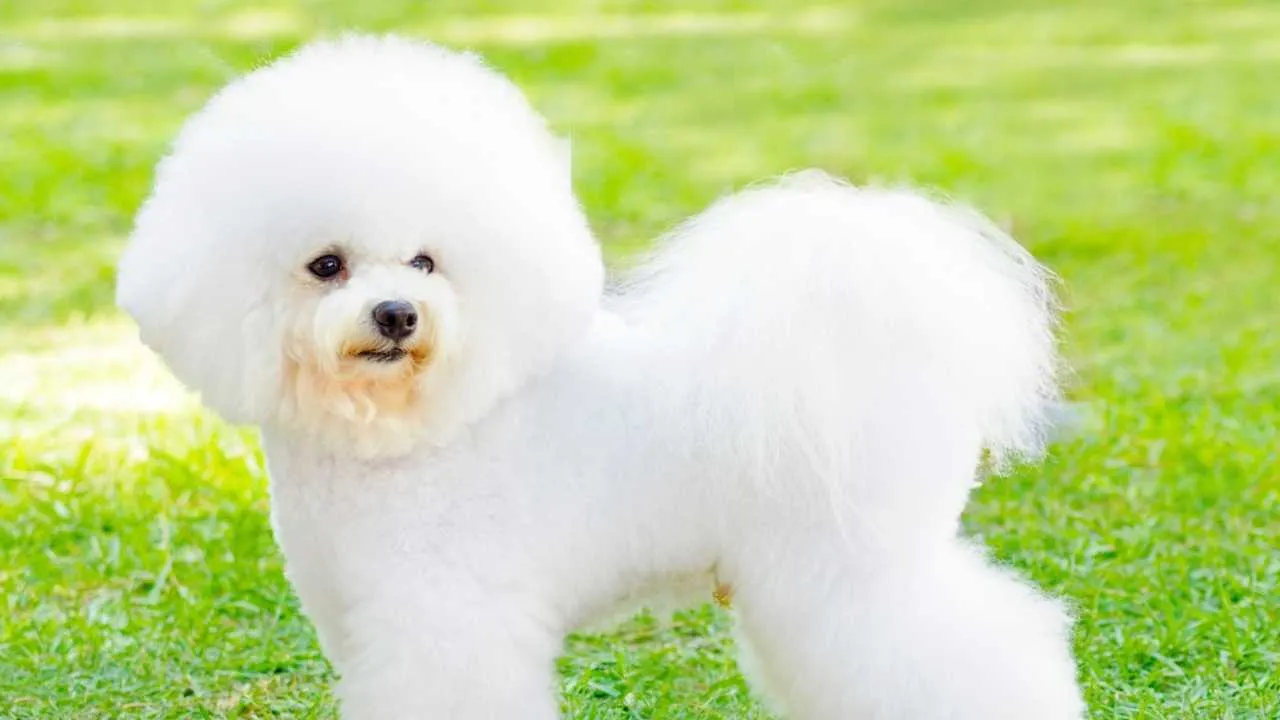
The Bichon Frise is a cheerful companion dog with a long history of living closely with people, particularly in European households where its playful personality and charming appearance made it a popular companion.
Vets Love Pets says its development as a social pet, rather than a dedicated modern hunting dog, helps explain why many Bichons show relatively modest prey-driven behavior.
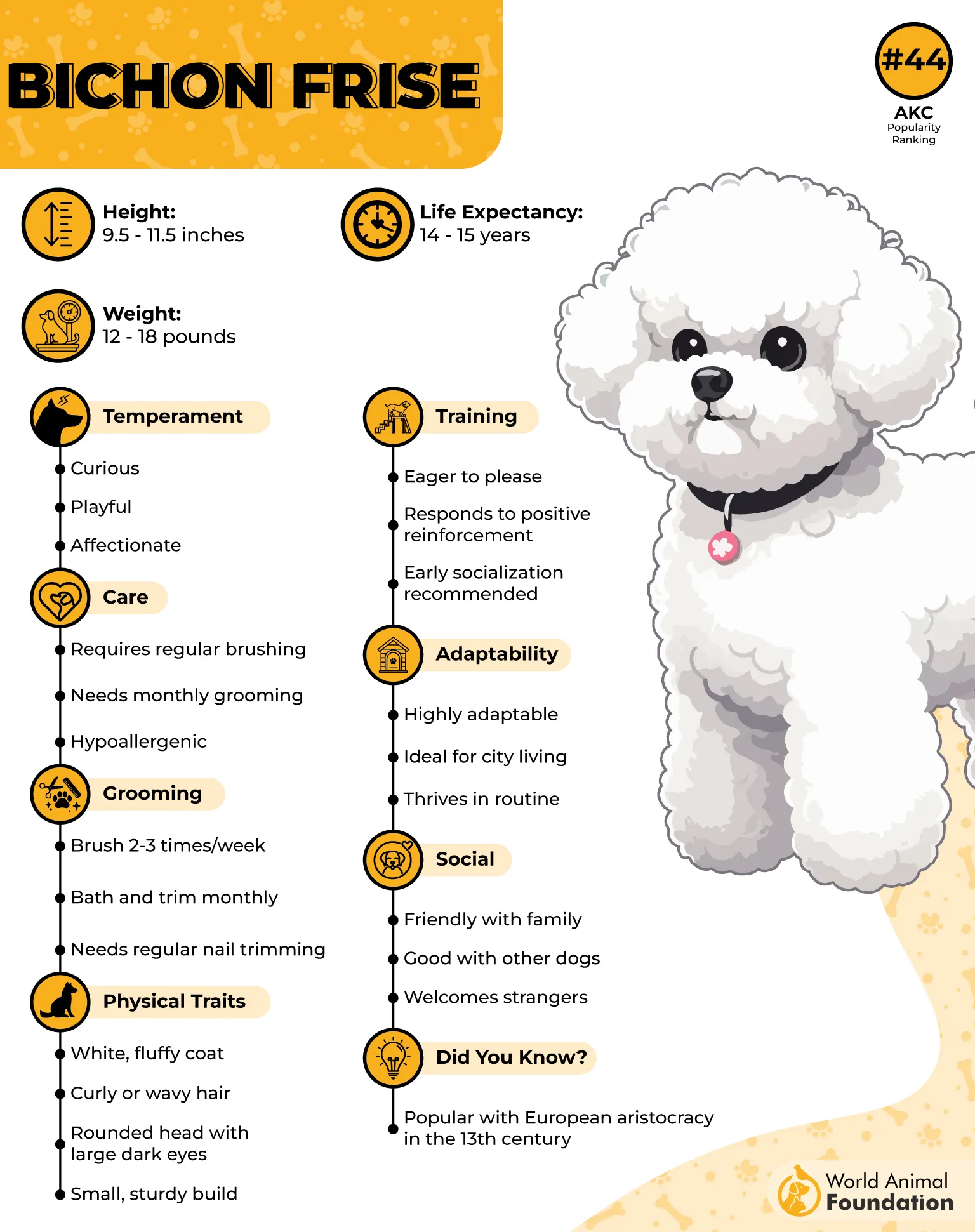
One convincing argument for the Bichon’s generally lower prey drive is how strongly its everyday behavior revolves around human interaction. Many Bichons prefer following their owners, playing with familiar toys, and joining household activities rather than independently searching for small animals to chase.
Bichons also adapt well to multi-pet households, especially when introduced to other animals through calm, supervised experiences. Their friendly temperament often helps them form positive relationships with resident cats and other dogs, although smaller animals such as rabbits and guinea pigs require additional caution.
6. Shih Tzu

Developed as treasured companion dogs in Tibetan and Chinese aristocratic traditions, Shih Tzus are affectionate little dogs that were valued for their presence and companionship rather than specialized hunting abilities.
That breeding history provides one of the clearest explanations for why Shih Tzus are often considered among the toy breeds with relatively low prey drive. Their typical behavior reflects this companion-oriented background, with many Shih Tzus preferring social interaction and familiar routines over independently pursuing moving animals.
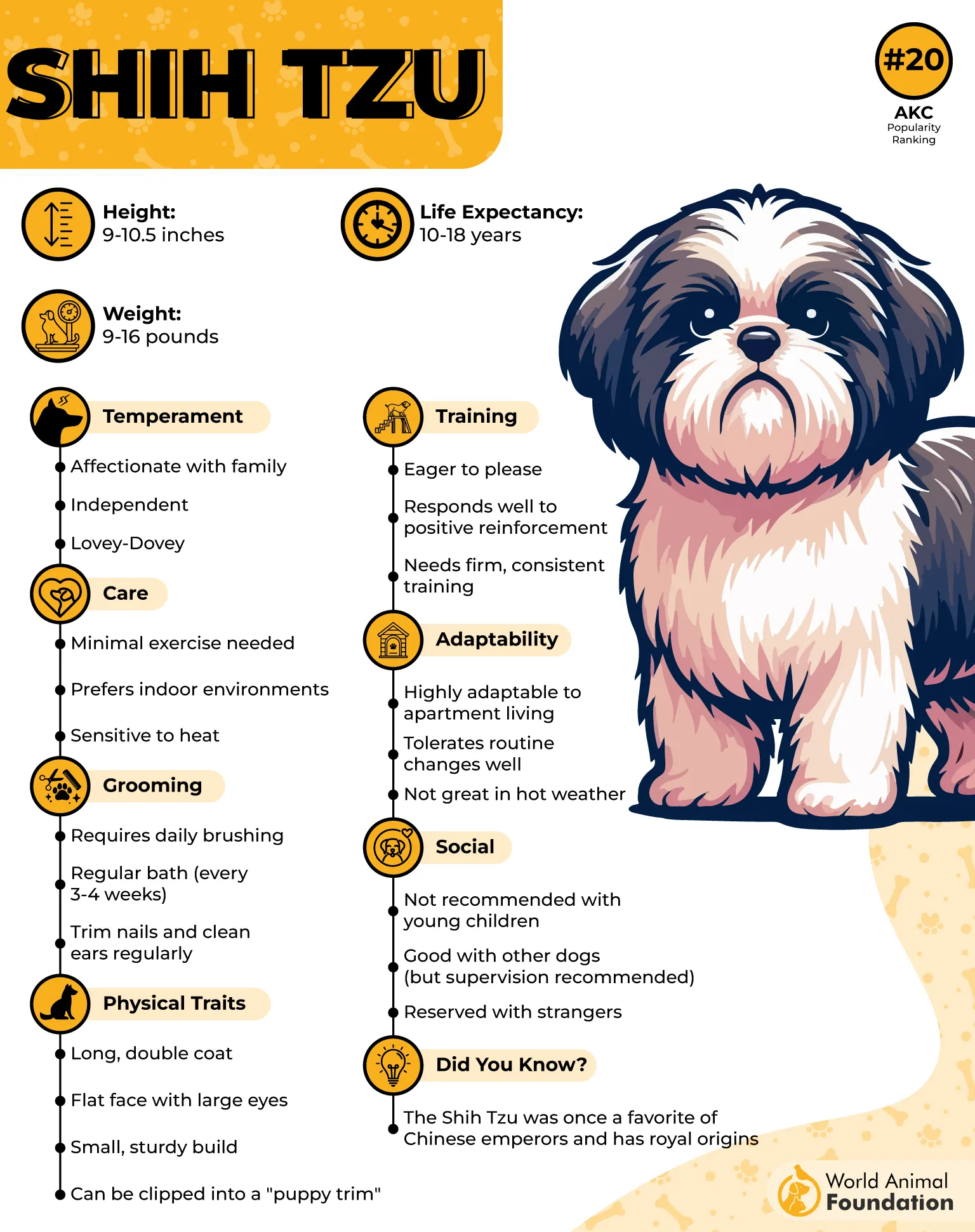
Rather than showing the persistent tracking or chasing tendencies of certain terriers and hounds, they often spend their time investigating household activity, enjoying gentle play, or settling comfortably beside their owners.
According to Pet Place, the Shih Tzu was developed primarily as a companion dog, which supports the link between its breeding purpose and its affectionate temperament. They can also appeal to multi-pet households because many adapt well to living alongside cats and other familiar dogs.
7. Coton de Tulear
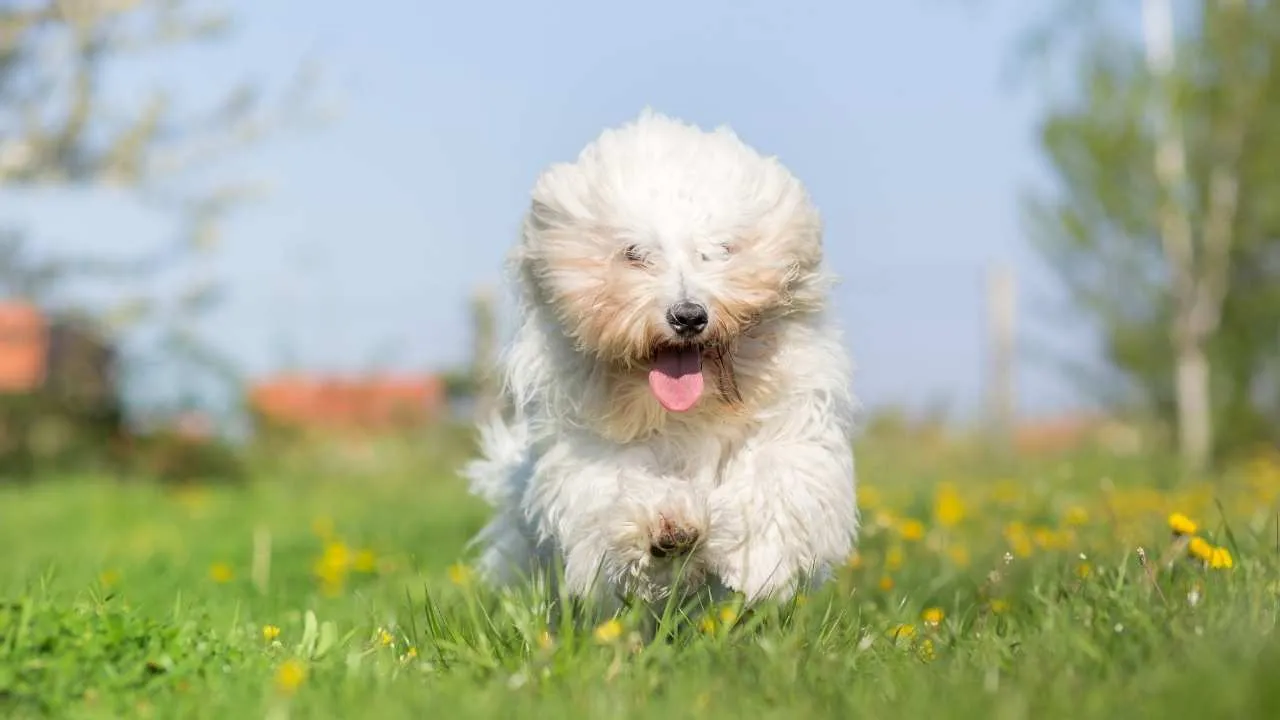
The Coton de Tulear is associated with Madagascar and developed as a cherished companion breed. It has long been known for friendliness, playfulness, and a strong attachment to its family.
Unlike breeds historically specialized for hunting or livestock pursuit, its modern identity centers on companionship, which helps explain its generally low-to-moderate prey drive.
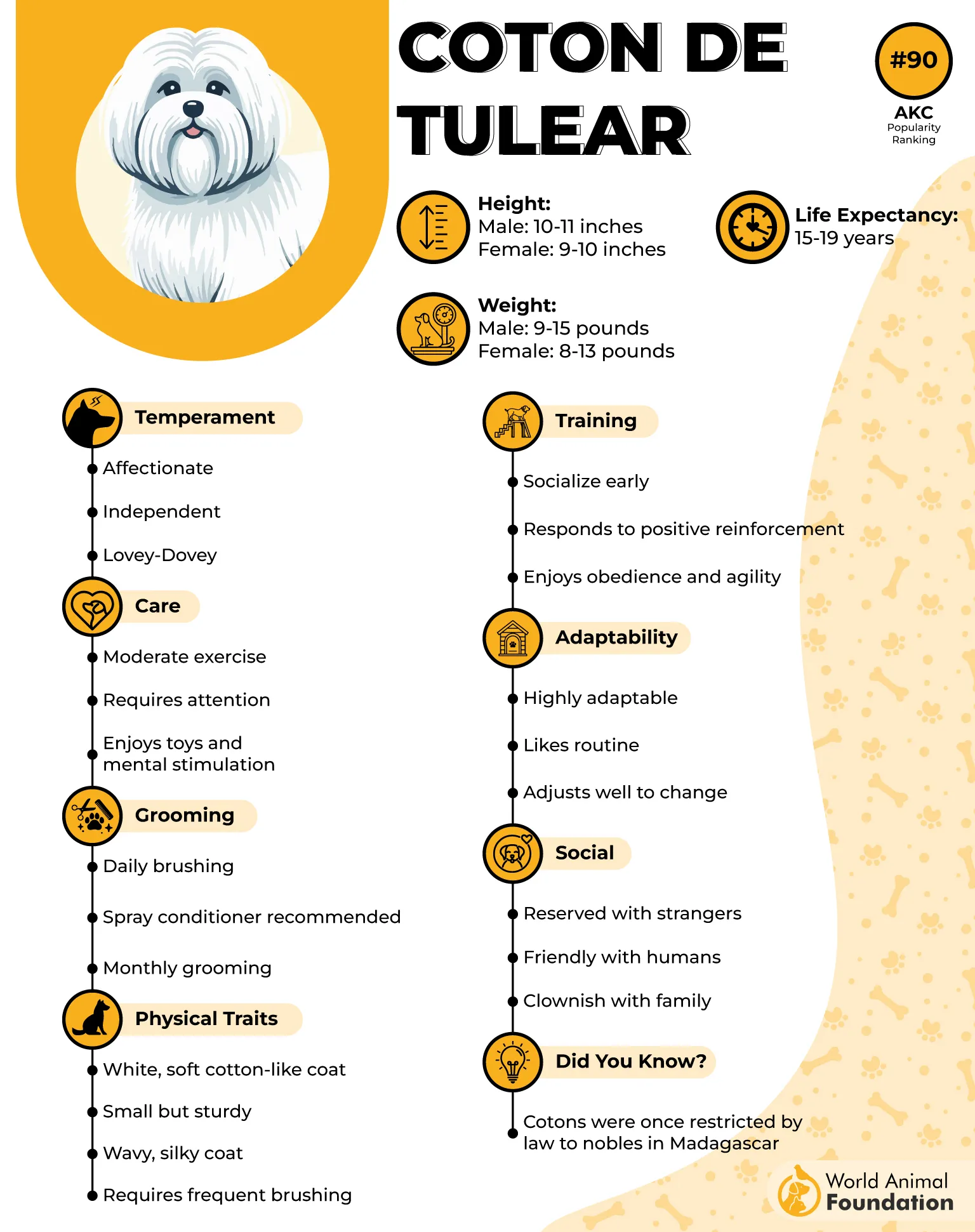
One of the most persuasive arguments for the Coton’s relatively modest prey drive is its tendency to prioritize social connection over independent exploration. Many Cotons enjoy following their owners from room to room, playing interactive games, and joining family activities rather than constantly searching for wildlife.
Their sociable nature can make these beautiful white dogs promising candidates for households with more than one pet, especially when introductions start gradually and stay positive. Many individuals learn to live comfortably with cats and other dogs, showing curiosity or playful interest without developing persistent pursuit behavior.
They also tend to respond well to gentle, reward-based training because they often enjoy attention, praise, and shared activities with their owners. Dog trainers can teach recall, practice calm responses to moving animals, and reward disengagement from wildlife to reinforce behaviors that make walks and household interactions more manageable.
Conclusion
Not every dog dreams of chasing squirrels, tracking wildlife, or sprinting after anything that moves, and that’s why these seven gentle breeds can appeal to families seeking calmer interactions with animals.
Miniature Schnauzers, Greyhounds, Basset Hounds, Chow Chows, Pugs, and French Bulldogs are also gentle breeds. The most important takeaway is that low prey drive is a tendency, not a guarantee of safety or a substitute for training.
Every dog deserves appropriate socialization, positive reinforcement, supervised interactions, and a home environment that respects the needs of all resident animals.
