




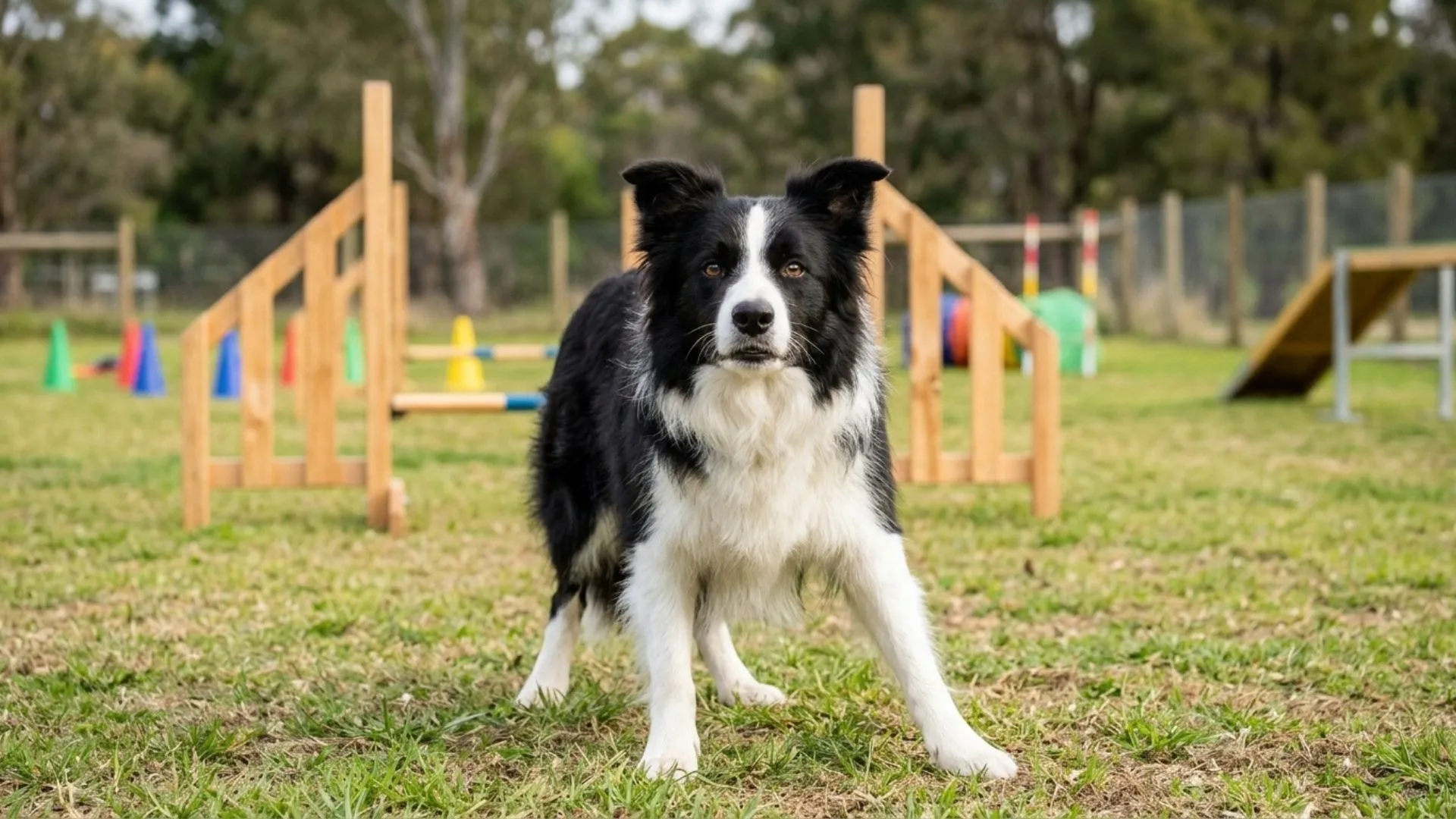
Some dogs seem to understand new commands after just a few repetitions, while others need more time, patience, and encouragement. Intelligence in dogs can appear in different ways, including learning obedience cues, solving problems, remembering routines, and responding to human signals. Certain breeds stand out for their ability to pick up skills quickly and apply them in everyday situations.
However, a smart dog is not necessarily an easy dog to train. Highly intelligent breeds may become bored without mental challenges, and some are independent enough to question instructions rather than follow them automatically. Their learning speed also depends on individual temperament, early experiences, motivation, and the consistency of their training.
From energetic herding dogs to versatile working companions, the following ten intelligent dog breeds are widely recognized for their intelligence and learning abilities. Understanding their distinctive strengths can help prospective owners find a dog whose mental needs and personality suit their household.
Smart Dog Breeds That Learn Faster Than Most
1. Border Collie
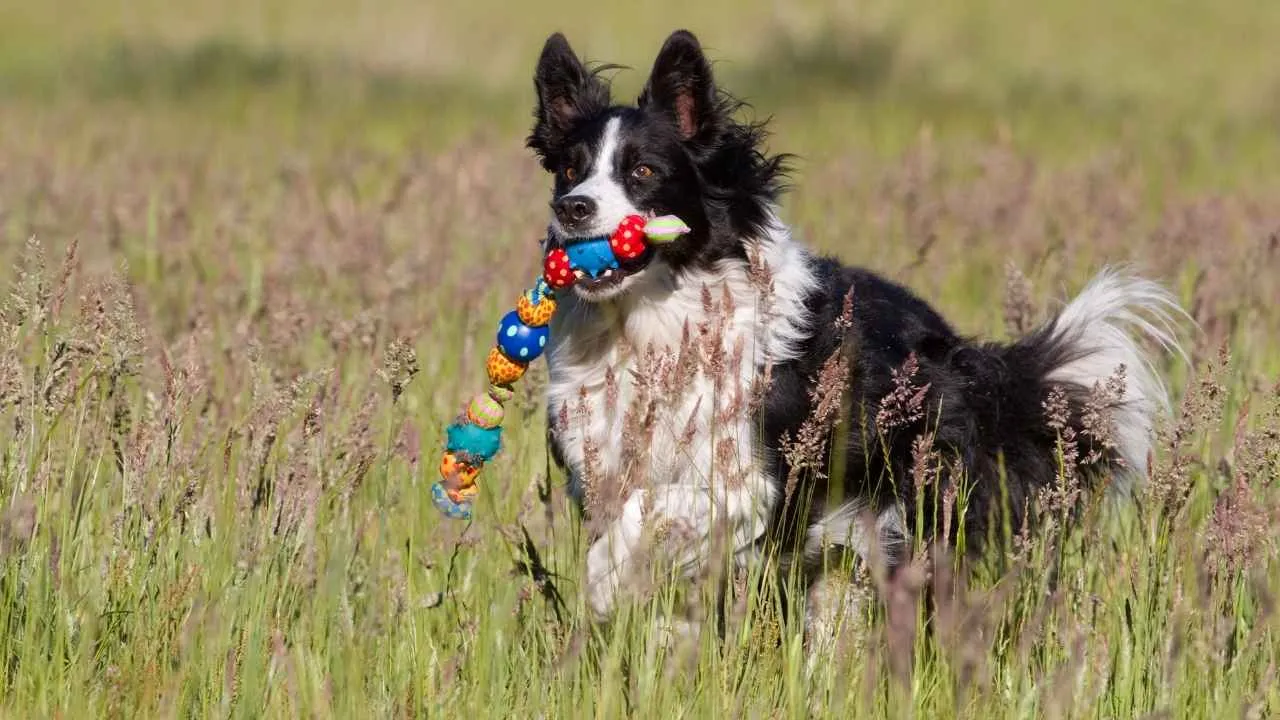
Border Collies are renowned for their remarkable ability to learn commands, recognize patterns, and respond to subtle gestures, as per PetMD. They excel when training involves movement, timing, and problem-solving rather than repetitive exercises alone. Short, challenging sessions and activities such as agility or herding provide productive outlets for their quick minds.
A Working Heritage That Shaped Exceptional Intelligence
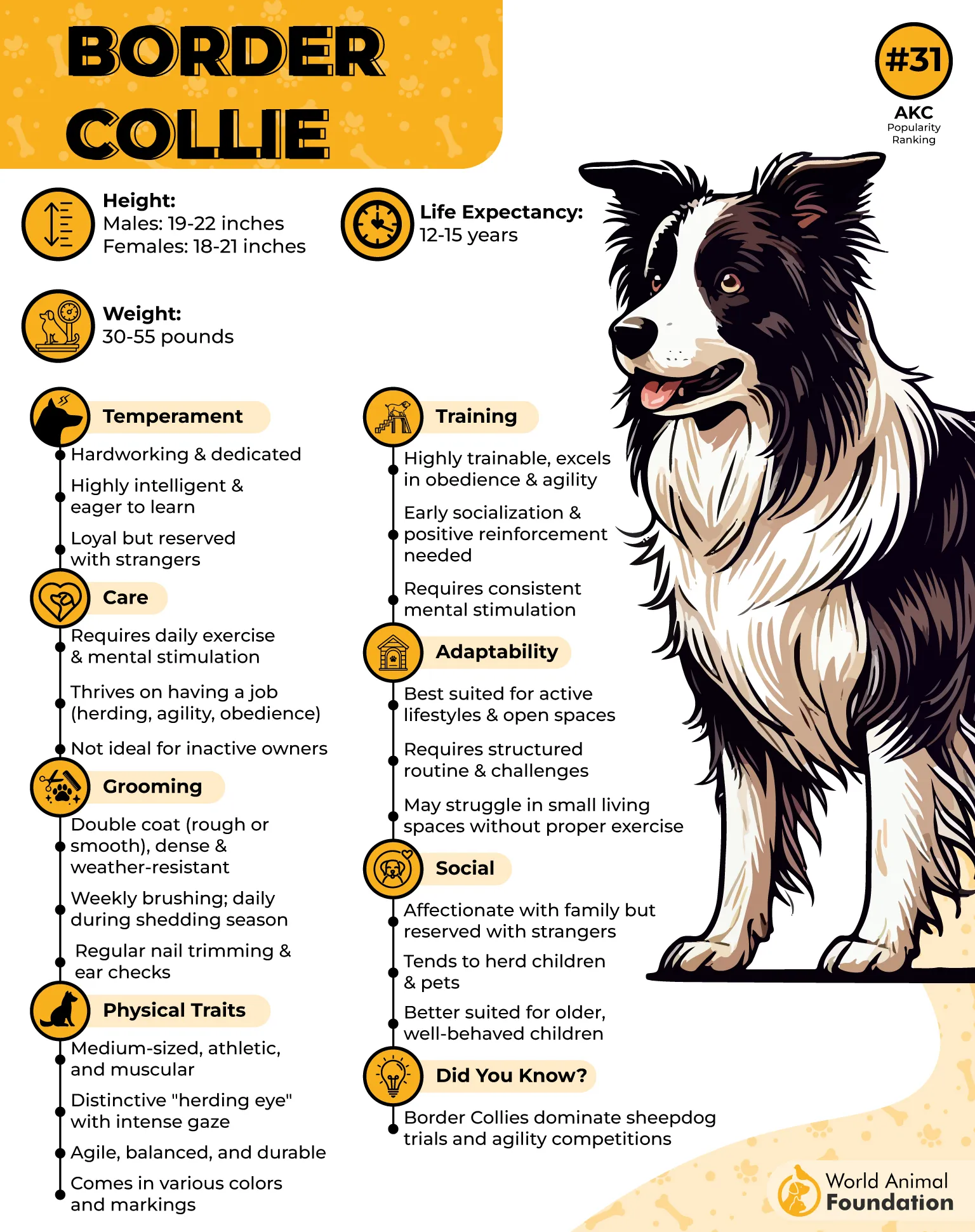
Developed along the border region between Scotland and England, the Border Collie was bred to manage livestock across demanding landscapes. Shepherds valued dogs that could make independent decisions while responding precisely to whistles and hand signals. This combination of initiative and responsiveness helped establish the breed’s reputation as an outstanding canine learner.
Turning Quick Thinking Into Everyday Skills
A Border Collie’s intelligence is especially useful in households that can offer regular training and purposeful activities. These dogs often thrive in agility and obedience competitions, and advanced trick training. Without enough stimulation, however, they may invent their own activities, such as chasing moving objects or persistently herding family members.
2. Poodle
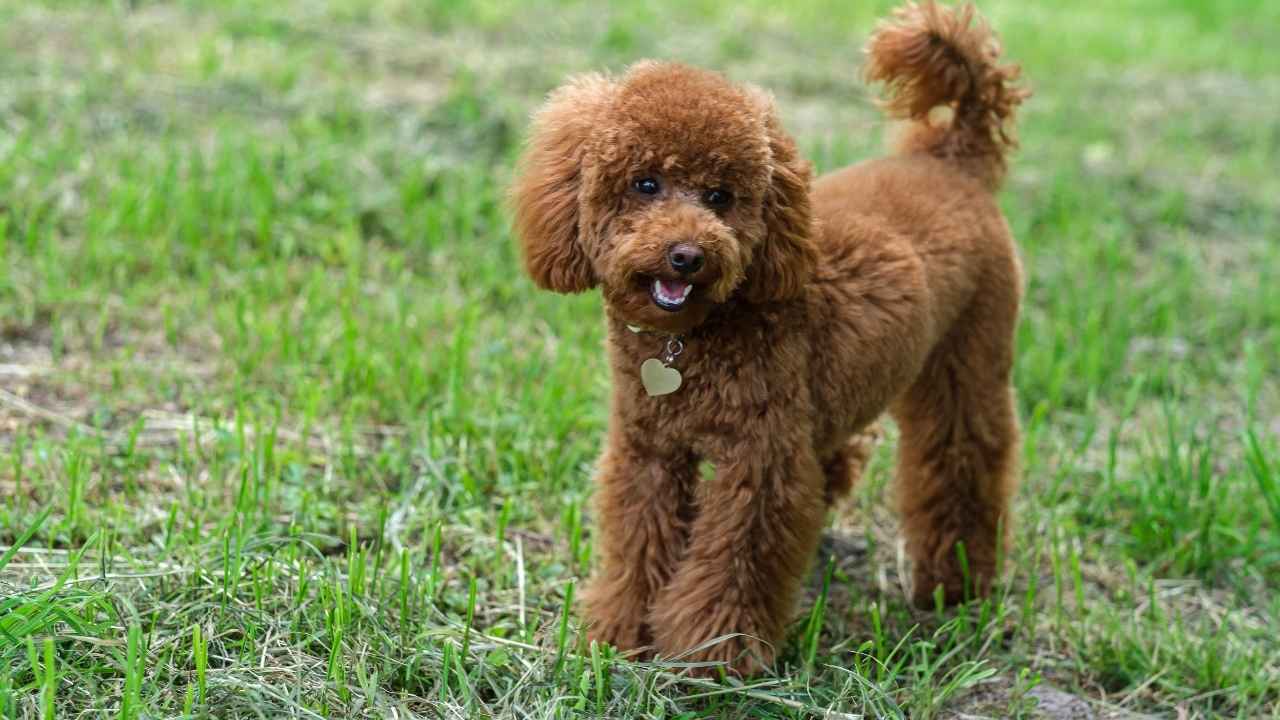
Poodles often grasp new cues quickly and show an impressive ability to remember routines. Their curiosity makes interactive toys, scent games, and reward-based lessons particularly effective. Available in Standard, Miniature, and Toy varieties, they offer different sizes while retaining the breed’s reputation for adaptability and mental sharpness.
From Water Retriever to Versatile Companion
The Poodle’s roots are closely associated with water retrieving in Europe, particularly in Germany and France, where the breed was further developed, as per the AKC.
Its original work required concentration, responsiveness, and the ability to retrieve game from water. Over time, Poodles also became popular performers and companion dogs because of their trainability and engaging personalities.
An Intelligent Partner for Learning New Tricks
Poodles can excel at obedience, agility, scent work, and complex tricks when lessons remain rewarding and varied. Their ability to notice household patterns can also help them learn everyday routines with little repetition. Owners should provide consistent boundaries, since a clever dog may quickly discover which behaviors earn attention and which rules are inconsistently enforced.
3. German Shepherd
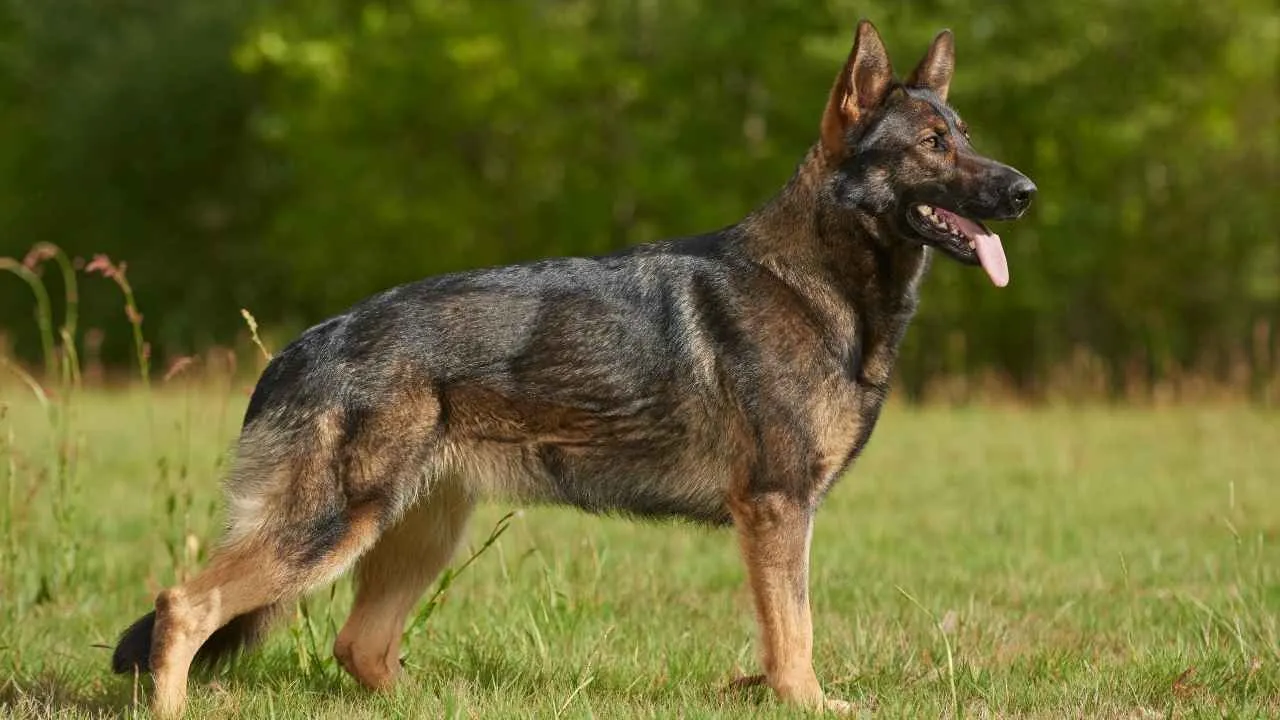
German Shepherds are quick to connect commands with specific actions, making them valuable candidates for structured training. Their focus, confidence, and ability to work under direction support learning in obedience, tracking, and specialized service tasks. Clear instructions and consistent rewards help channel their intelligence into reliable behavior.
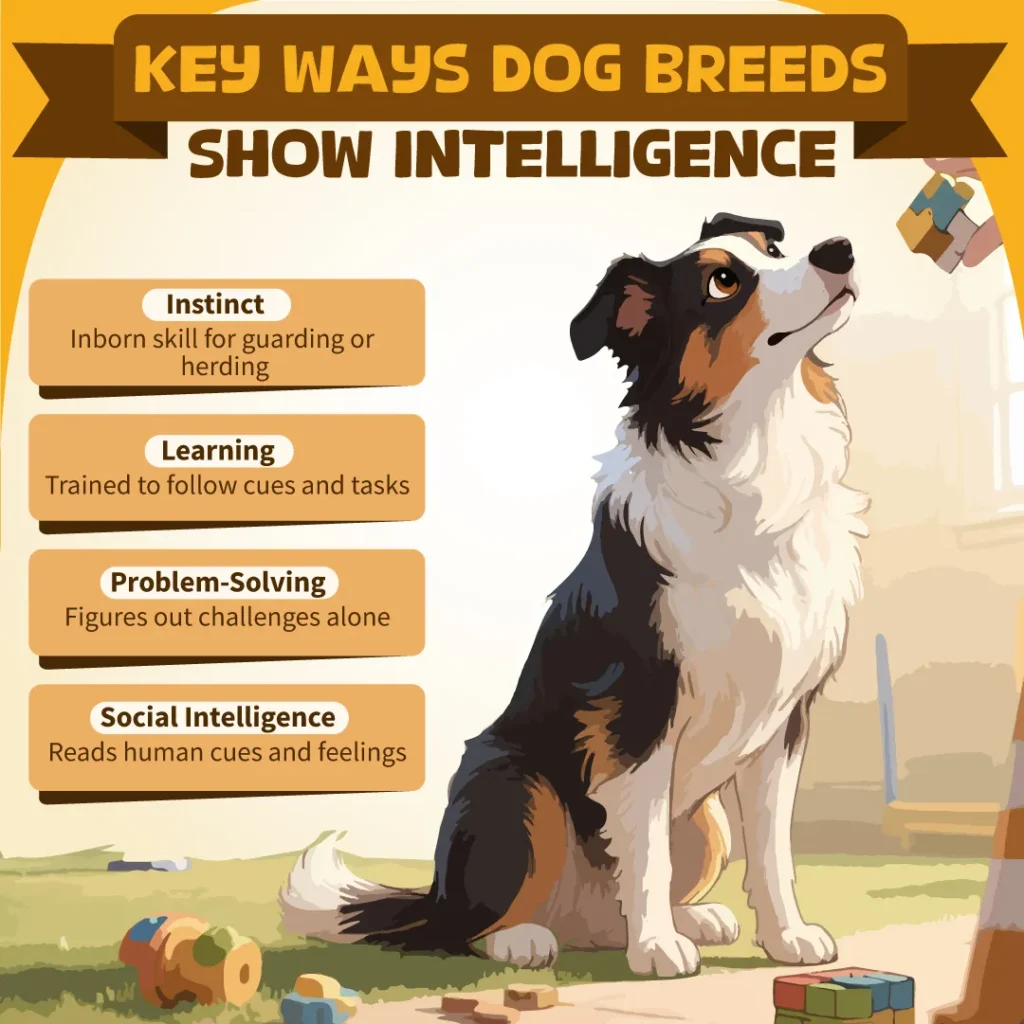
Purposeful Breeding for Reliable Working Ability
The German Shepherd was developed in Germany during the late 19th century, with an emphasis on herding ability, sound temperament, and practical working skills, as per Britannica.
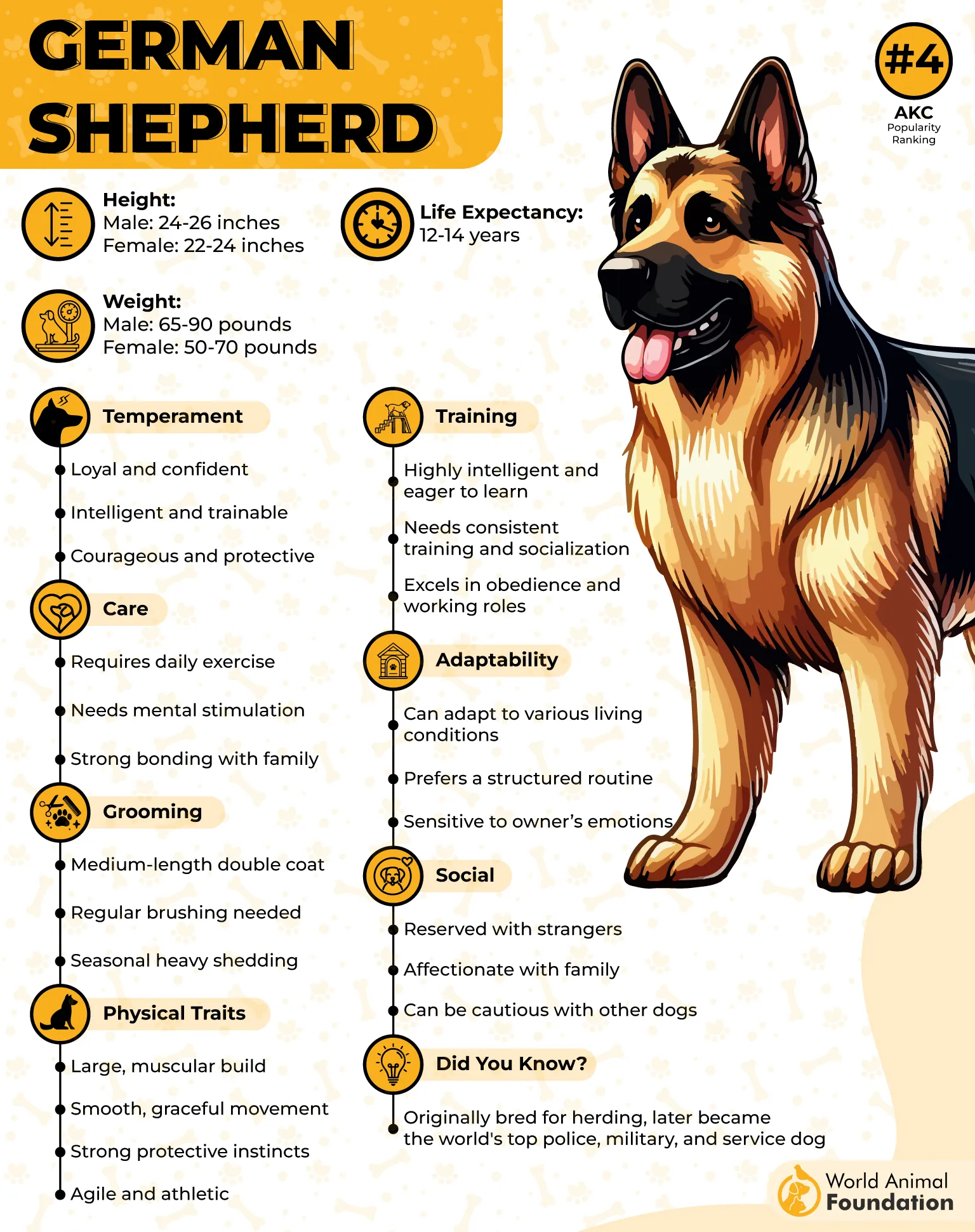
Its versatility later made it prominent in police work, military roles, search and rescue, and assistance services. These demanding responsibilities rely on more than obedience alone, requiring judgment and adaptability.
Building Confidence Through Structured Challenges
German Shepherds often respond well to progressive training that combines basic commands with more demanding tasks. Their ability to learn routines can be useful for household manners, controlled greetings, and dependable recall.
Early socialization is important, too, because intelligence and protective instincts need to be balanced with calm, appropriate responses to unfamiliar people and situations.
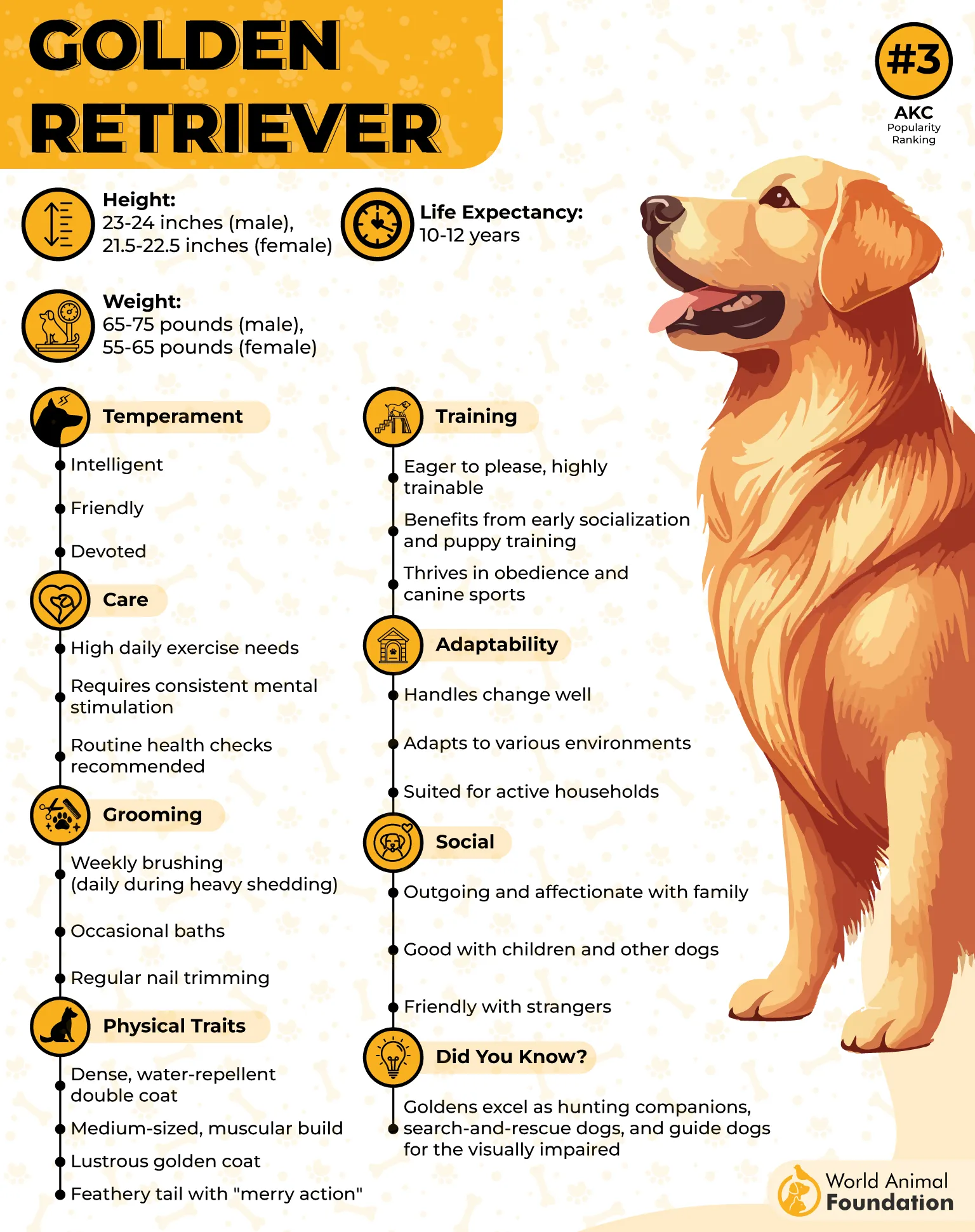
4. Golden Retriever
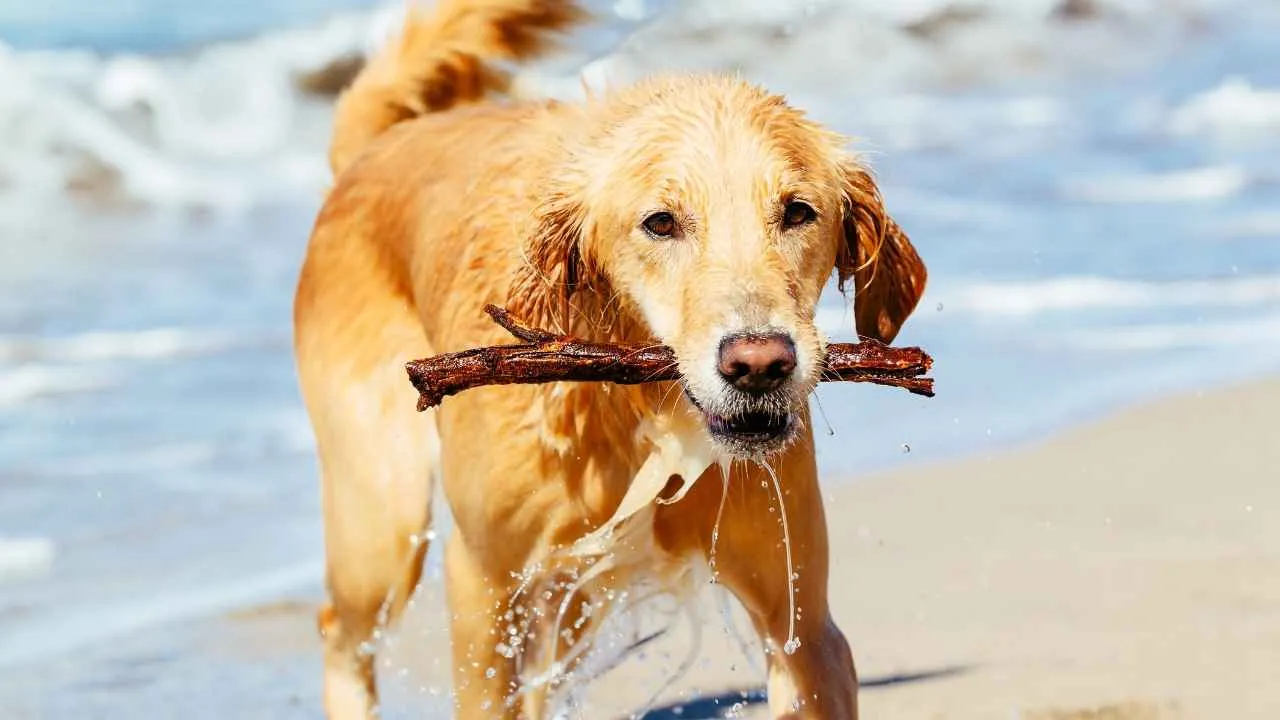
Golden Retrievers are enthusiastic learners whose eagerness to cooperate often makes teaching new behaviors enjoyable. Food rewards, praise, and play can motivate them to master commands without making sessions feel demanding. Their sociable nature also helps them participate in group classes and activities involving close communication with people.
Scottish Sporting Roots Behind a Cooperative Nature
The Golden Retriever originated in Scotland during the 19th century, where breeders developed a capable gundog for retrieving game on land and in water. Its work required a gentle mouth, steady attention, and cooperation with hunters. These qualities helped shape a breed that combines practical intelligence with a strong willingness to work alongside humans.
Making Good Manners Part of Family Life
Golden Retrievers can learn household rules, retrieve specific objects, and perform useful tasks when training is consistent. Their enthusiasm sometimes leads to jumping, pulling, or becoming overly excited around visitors, so polite greetings deserve early attention. Regular practice and engaging activities help turn their natural friendliness into dependable behavior.
5. Doberman Pinscher
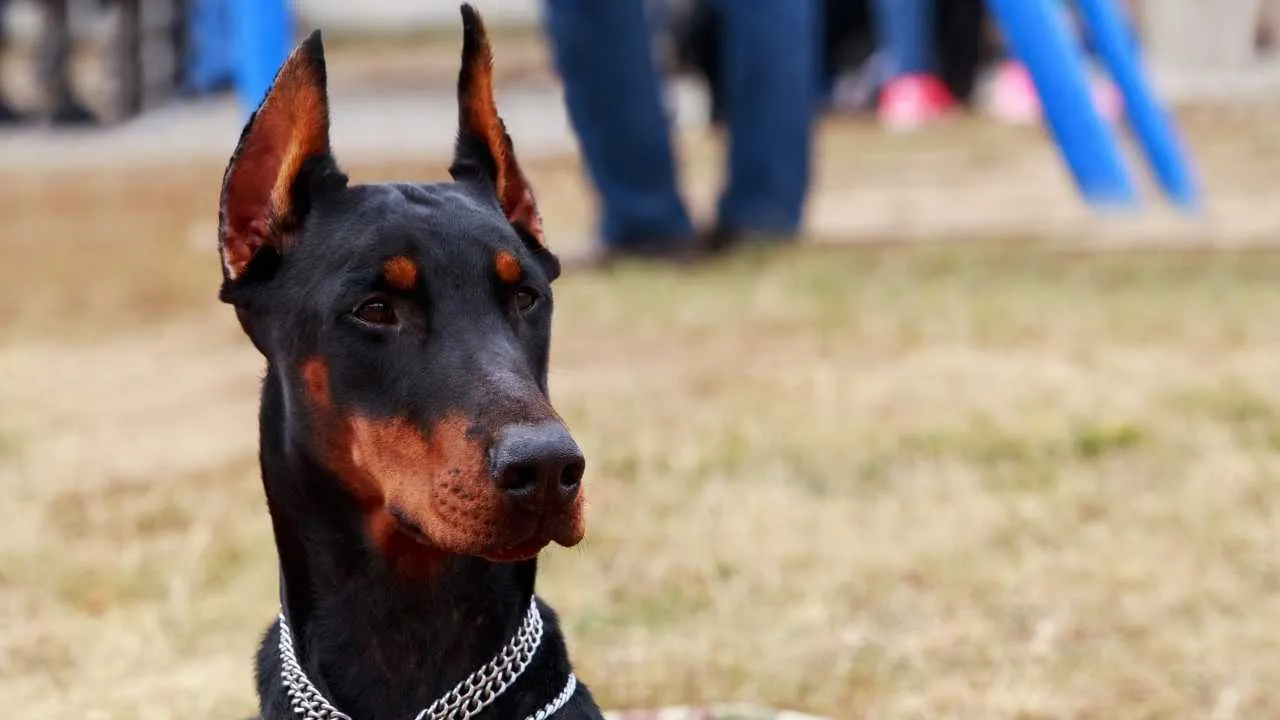
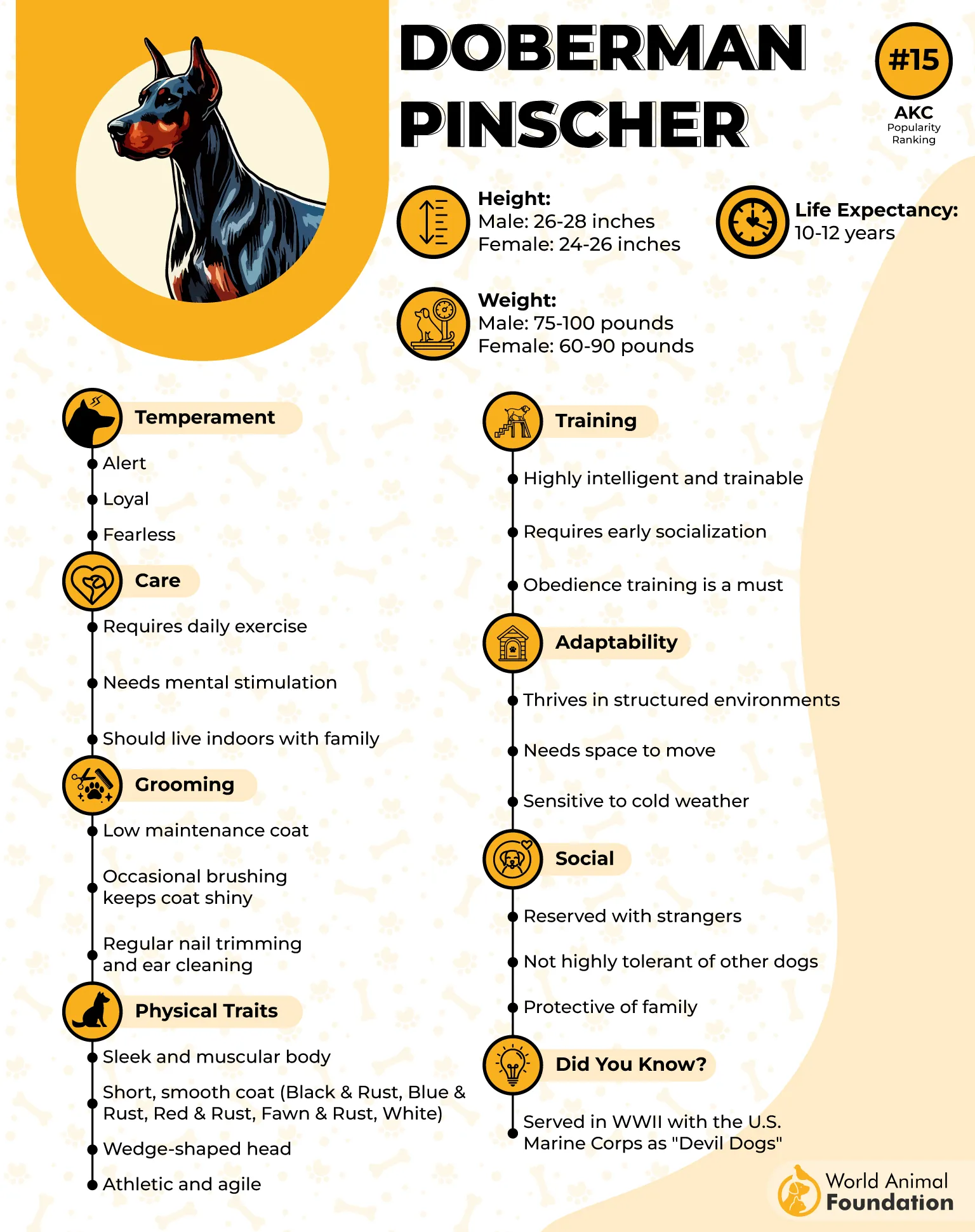
Doberman Pinschers are alert, observant dogs that can learn commands rapidly when their handler communicates clearly. They often respond well to precise cues and exercises that require concentration. Because they are powerful and energetic, training should emphasize impulse control, calm behavior, and positive experiences in a variety of environments.
A Purpose-Bred Protector With a Keen Mind
The Doberman Pinscher was developed in Germany in the late 19th century by Karl Friedrich Louis Dobermann, who wanted a capable dog to accompany him during his work as a tax collector. Selective breeding emphasized alertness, loyalty, and working ability. The resulting breed became known for combining athleticism with strong responsiveness to training.
Channeling Intelligence Into Controlled Behavior
Dobermans can learn advanced obedience, scent-based activities, and structured sporting exercises. Their attentiveness makes consistent handling particularly valuable, but intelligence alone does not guarantee good judgment in every situation.
Early socialization and reward-based training help them develop confidence, manage excitement, and respond appropriately to people and other animals.
6. Shetland Sheepdog

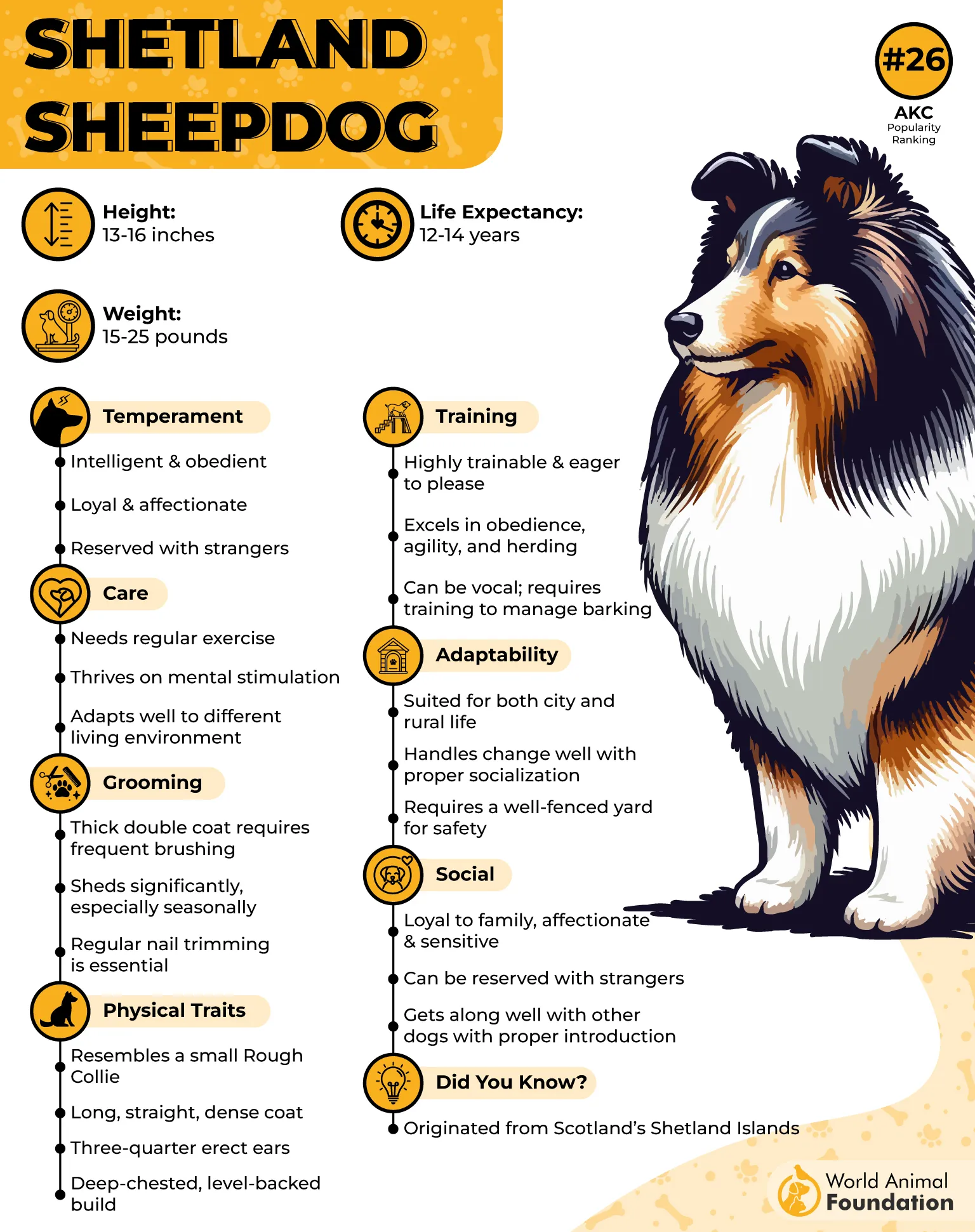
Shetland Sheepdogs are sensitive, attentive learners that often pick up verbal cues and body language with impressive speed. Their natural responsiveness makes them strong candidates for agility, obedience, and trick training. Because they can be vocal and easily stimulated by movement or noise, lessons that reward calm focus are especially helpful.
Island Herding Roots and a Talent for Precision
The Shetland Sheepdog originated in Scotland’s Shetland Islands, where agile, small dogs helped manage livestock in challenging rural conditions. Their compact build suited the environment, while their intelligence allowed them to respond quickly to a handler’s directions. The breed’s herding background continues to influence its alertness and sensitivity to activity around it.
Teaching Focus Beyond the Training Ring
Shetland Sheepdogs often enjoy learning sequences of commands and remembering familiar routines. At home, that ability can support polite greetings, reliable recall, and useful household behaviors. Owners should also teach quiet behavior and relaxation, as an observant Sheltie may bark at unfamiliar sounds or become overly attentive to movement outside the window.
7. Labrador Retriever
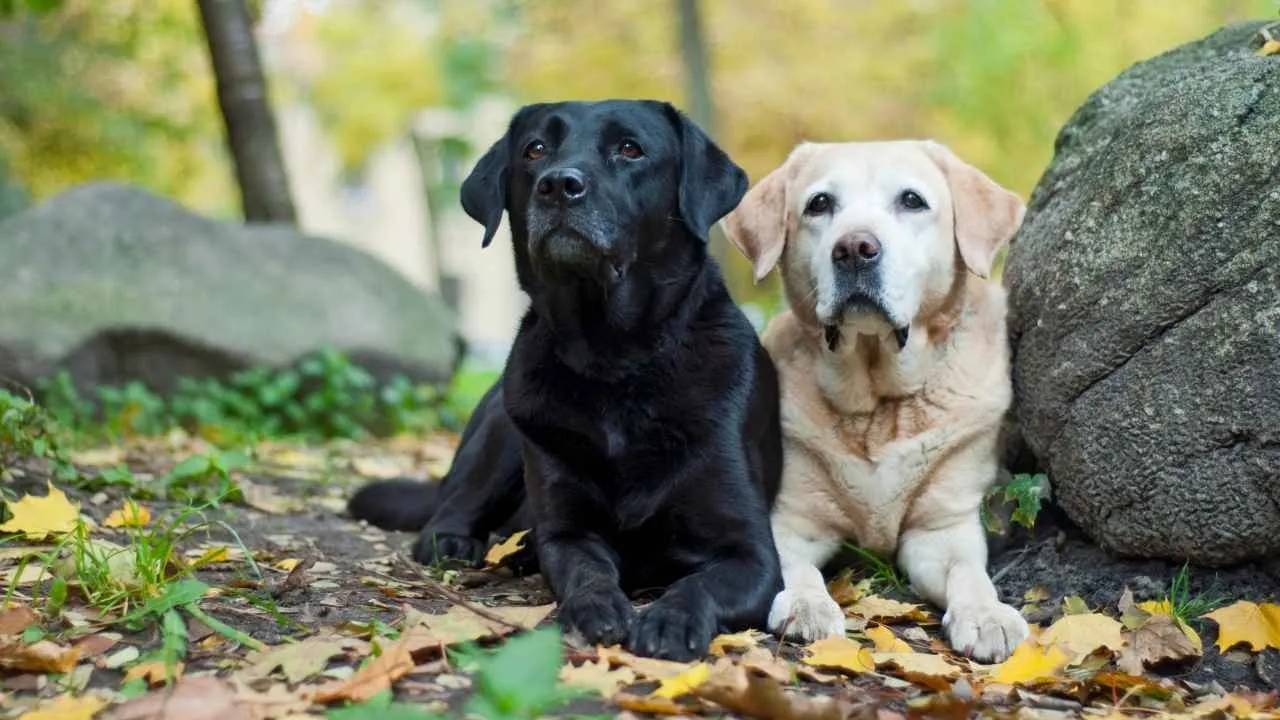
Labrador Retrievers combine a strong desire to cooperate with an adaptable approach to learning. Many respond particularly well to food rewards, retrieving games, and practical tasks that let them use their natural enthusiasm. Their friendly temperament can make training accessible to first-time owners, provided excitement is managed consistently.
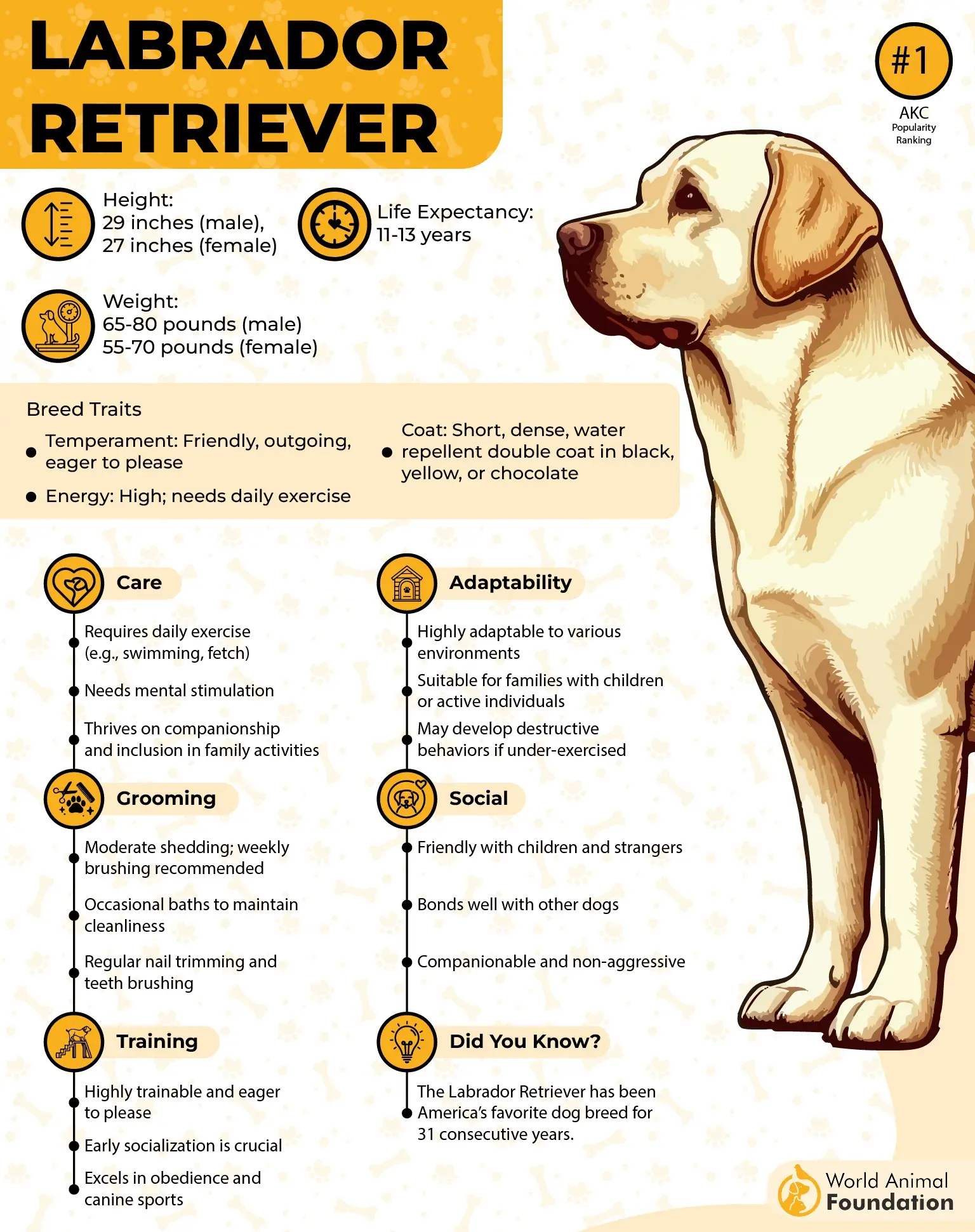
From Fishing Communities to Modern Working Roles
The Labrador Retriever traces its ancestry to Newfoundland, Canada, where early water dogs assisted fishermen with retrieving nets and catching objects that fell into the water. The breed was later developed in Britain for retrieving game. Its history encouraged stamina, a cooperative disposition, and the ability to work closely with human handlers.
Putting Trainability to Work Every Day
Labradors can learn assistance tasks, scent detection, retrieving skills, and everyday household manners. Their appetite for rewards is often useful during training, although owners should account for treats in their overall diet. Teaching a reliable recall, loose-leash walking, and controlled greetings helps direct their enthusiasm into manageable behavior.
8. Papillon
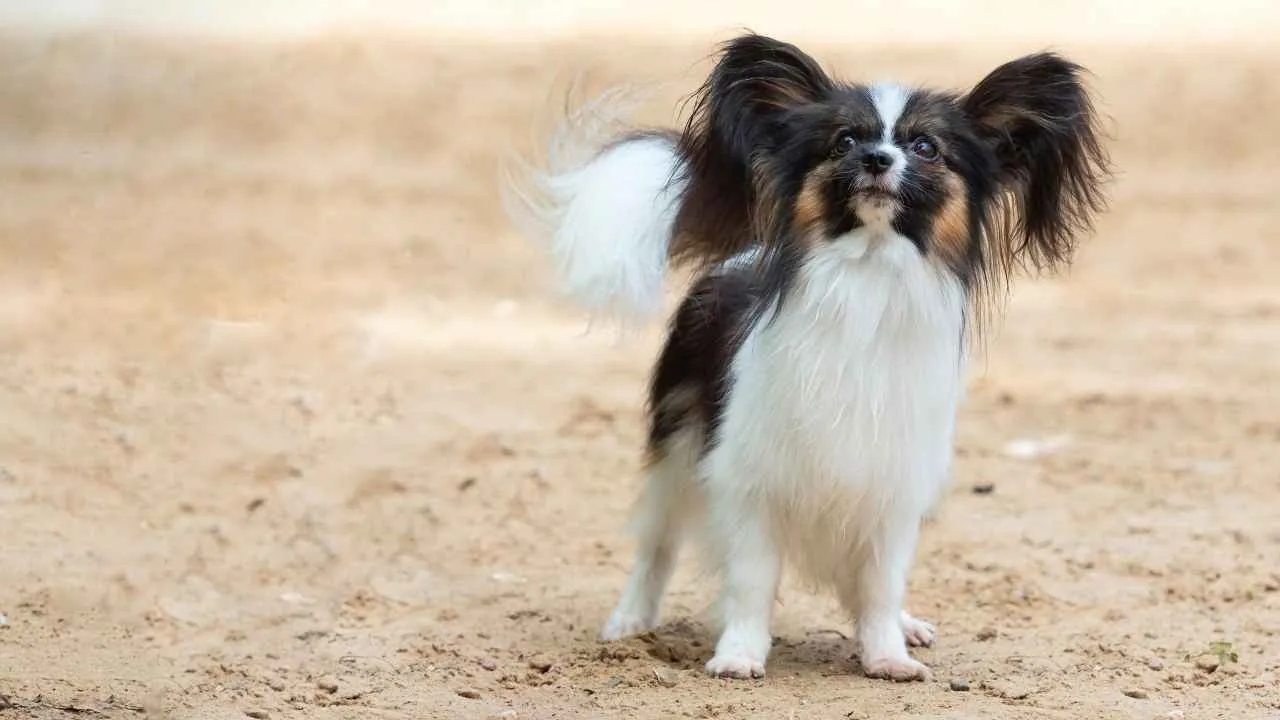
Papillons may be small, but they are often remarkably quick to understand new tasks. Their agility, curiosity, and enthusiasm for interaction make short training sessions especially productive. Puzzle toys, miniature obstacle courses, and trick lessons can challenge their minds without requiring the extensive physical workload associated with larger working breeds.
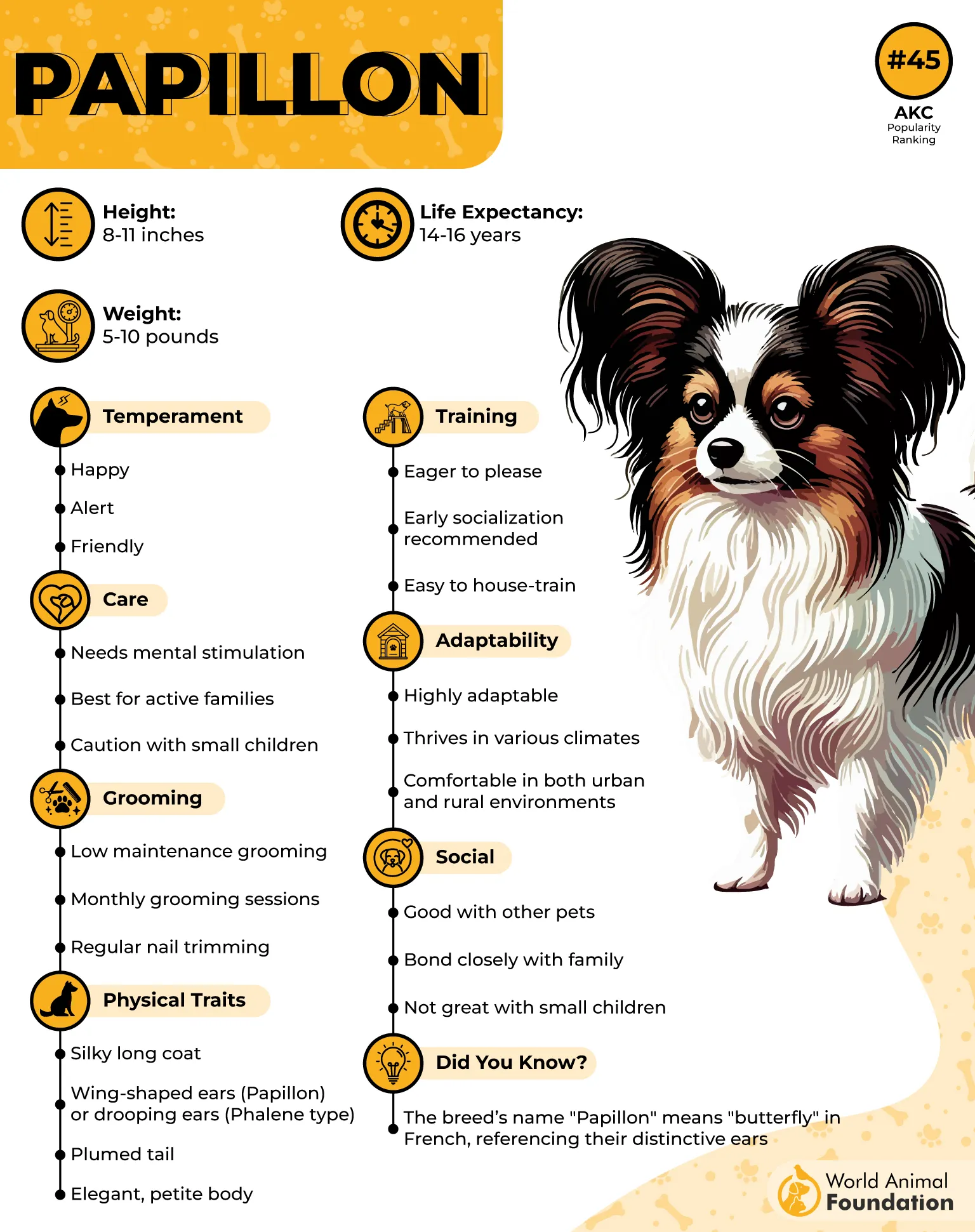
A European Companion With a Long History
The Papillon developed from small European spaniels that appeared in paintings and courtly settings over several centuries. Its name, meaning “butterfly” in French, refers to the distinctive shape of its upright, fringed ears.
Although historically valued as a companion, the breed’s alertness and athletic ability have helped it become a successful participant in modern dog sports.
Small-Dog Intelligence That Makes a Big Impression
Papillons can master complicated tricks, agility sequences, and obedience exercises when training is broken into manageable steps.
Their compact size makes them convenient for many homes, but mental enrichment remains essential. Gentle handling, consistent boundaries, and supervised interactions with larger dogs help protect these lively learners while encouraging good manners.
9. Rottweiler
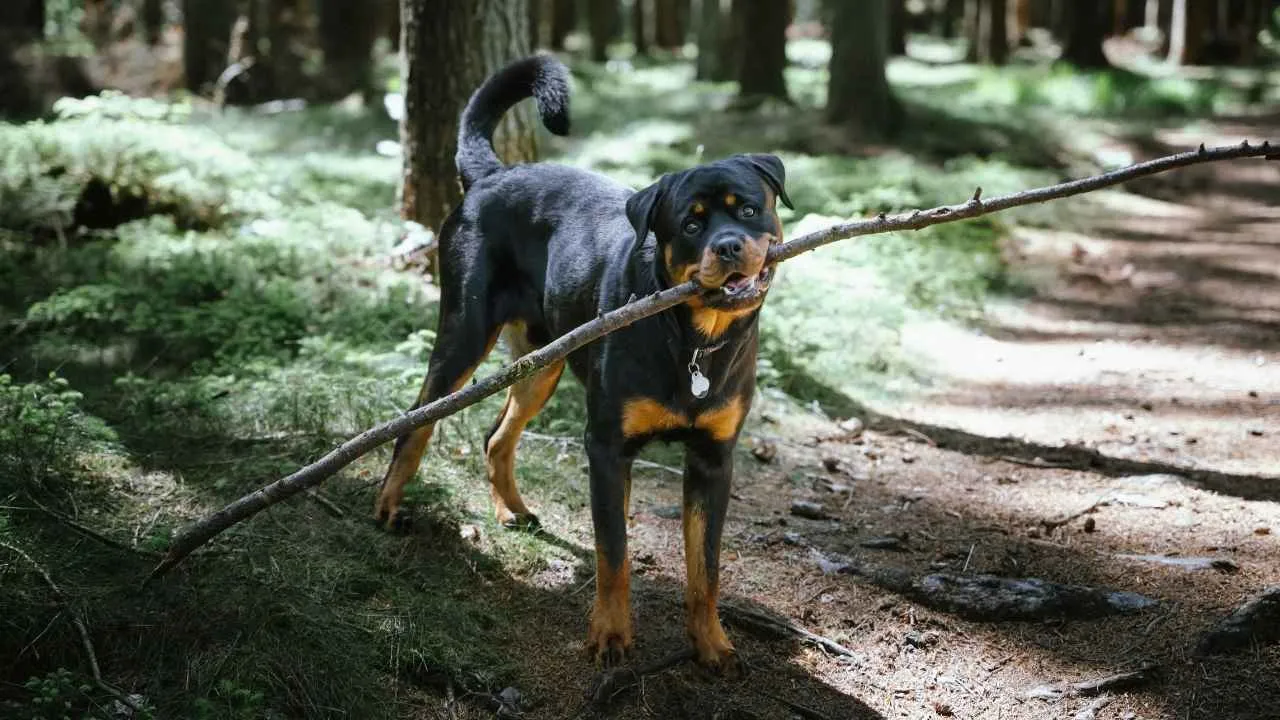
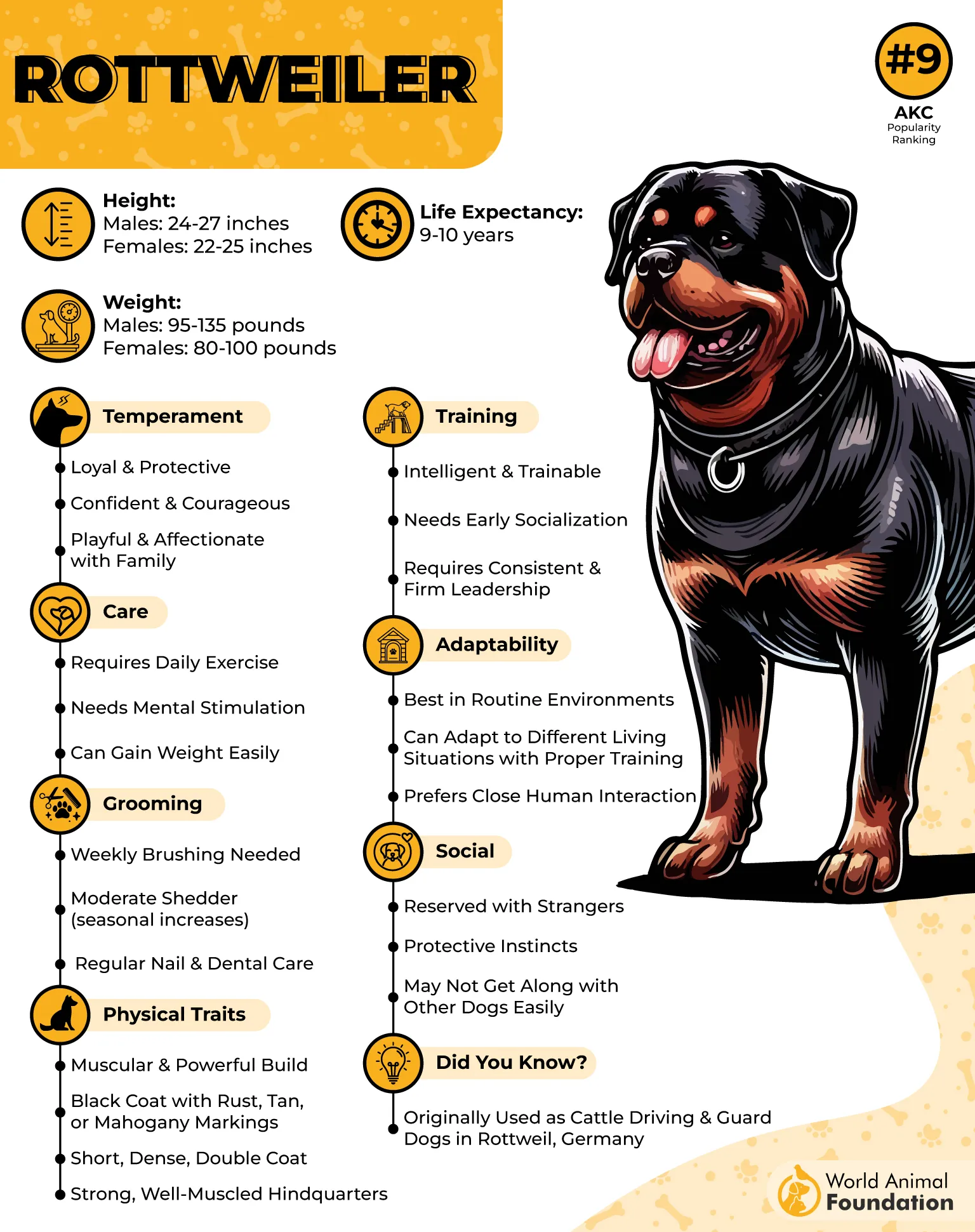
Rottweilers are capable learners that often benefit from calm, consistent instruction and clearly defined expectations. They can develop strong obedience skills when lessons are introduced gradually and reinforced positively. Their physical strength makes self-control, reliable responses, and comfortable behavior around unfamiliar people particularly important parts of their education.
An Ancient European Working Tradition
The Rottweiler’s history is associated with the town of Rottweil in Germany, where ancestors were used to drive livestock and assist butchers with working duties. Their responsibilities demanded strength, endurance, and cooperation with people. Later, the strong breed took on roles in guarding, police work, and other tasks requiring dependable training and sound handling.
Developing a Thoughtful and Dependable Companion
Rottweilers can learn household routines, obedience commands, and advanced working exercises with consistent practice. Their intelligence should be paired with early socialization and careful guidance rather than harsh corrections. Owners who reward calm decisions and appropriate interactions can help these powerful dogs become more predictable and confident companions.
10. Australian Cattle Dog
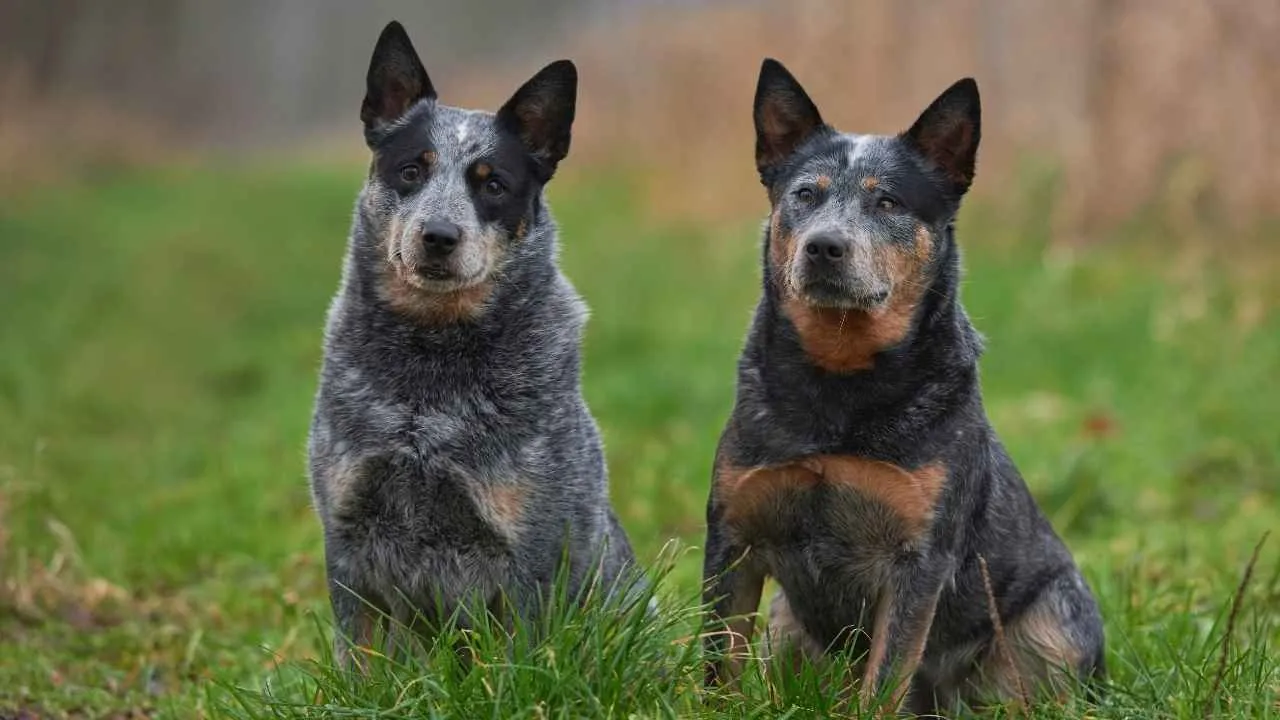
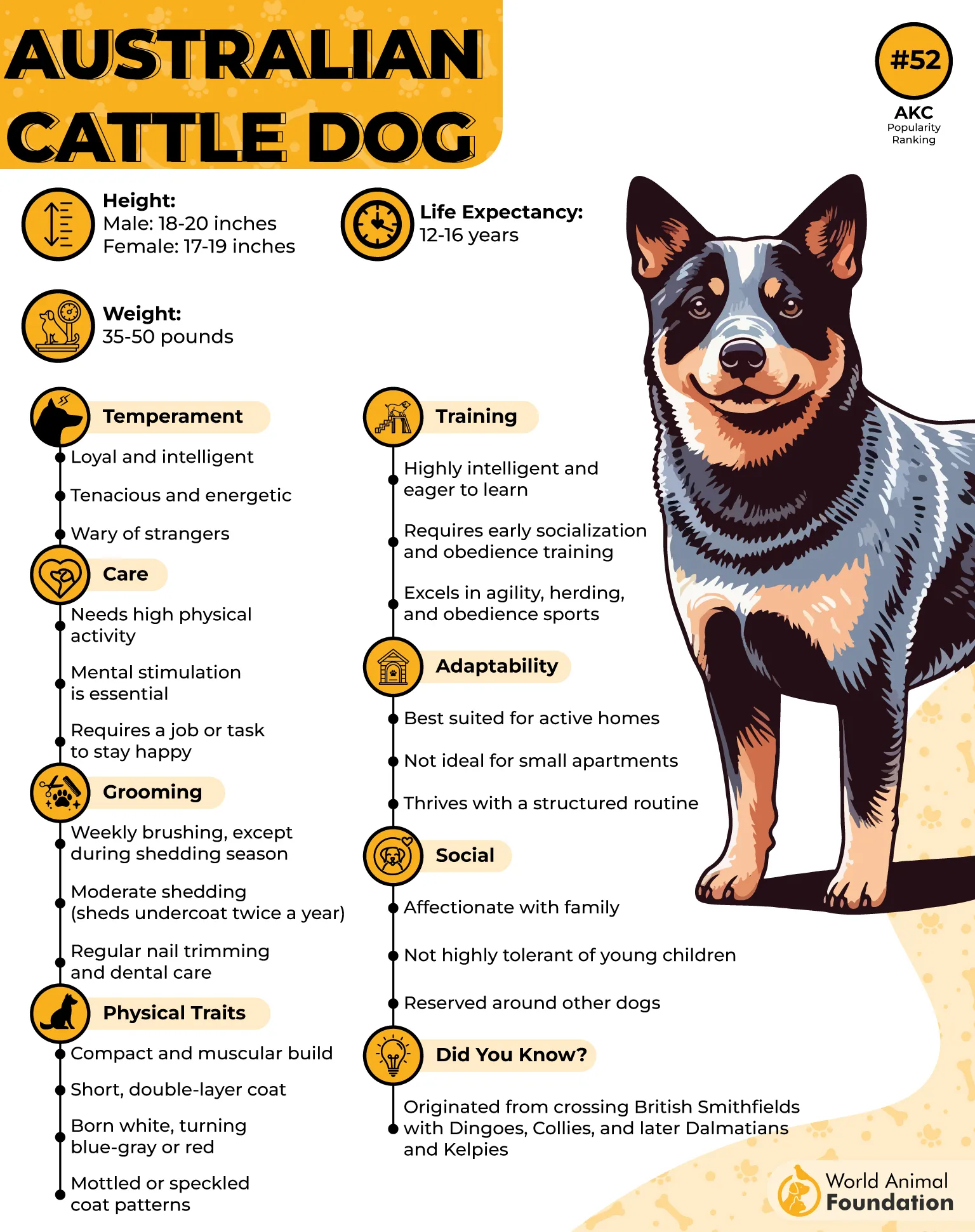
Australian Cattle Dogs are resourceful problem-solvers with a strong capacity for learning through activity. They often excel when training combines movement, decision-making, and clearly defined goals. Their high energy and independent streak mean that simply repeating basic commands may not be enough to keep them engaged.
Bred for Tough Livestock Work in Australia
The Australian Cattle Dog was developed in Australia to move cattle over long distances across rugged terrain. Breeders combined working dogs with other breeds to produce an animal capable of handling heat, distance, and challenging livestock. This demanding background helped create a resilient, alert dog that can make decisions while working independently.
Keeping a Clever, Driven Dog Productively Engaged
Australian Cattle Dogs often thrive in advanced obedience, herding activities, agility, and scent-based games. Their intelligence can become difficult to manage if they lack exercise and meaningful tasks. Consistent training should also address chasing, nipping, and excessive control of movement, behaviors that may reflect instincts developed through generations of livestock work.
Conclusion
Border Collies, Poodles, German Shepherds, Golden Retrievers, Doberman Pinschers, Shetland Sheepdogs, Labrador Retrievers, Papillons, Rottweilers, and Australian Cattle Dogs each demonstrate intelligence in distinctive ways. Some excel at interpreting subtle signals, others shine in cooperative tasks, and several are particularly skilled at solving problems or working independently.
Still, learning speed is only one part of a dog’s suitability as a companion. Highly intelligent breeds often need regular mental enrichment, appropriate exercise, early socialization, and patient training. Their individual personalities, health, and previous experiences also influence how readily they learn.
Before choosing a breed, consider how much time you can dedicate to daily activities and ongoing training. A dog that receives clear guidance, rewarding challenges, and consistent care is more likely to use its intelligence constructively. With the right approach, these bright breeds can become responsive companions and enthusiastic partners in everyday life.
