




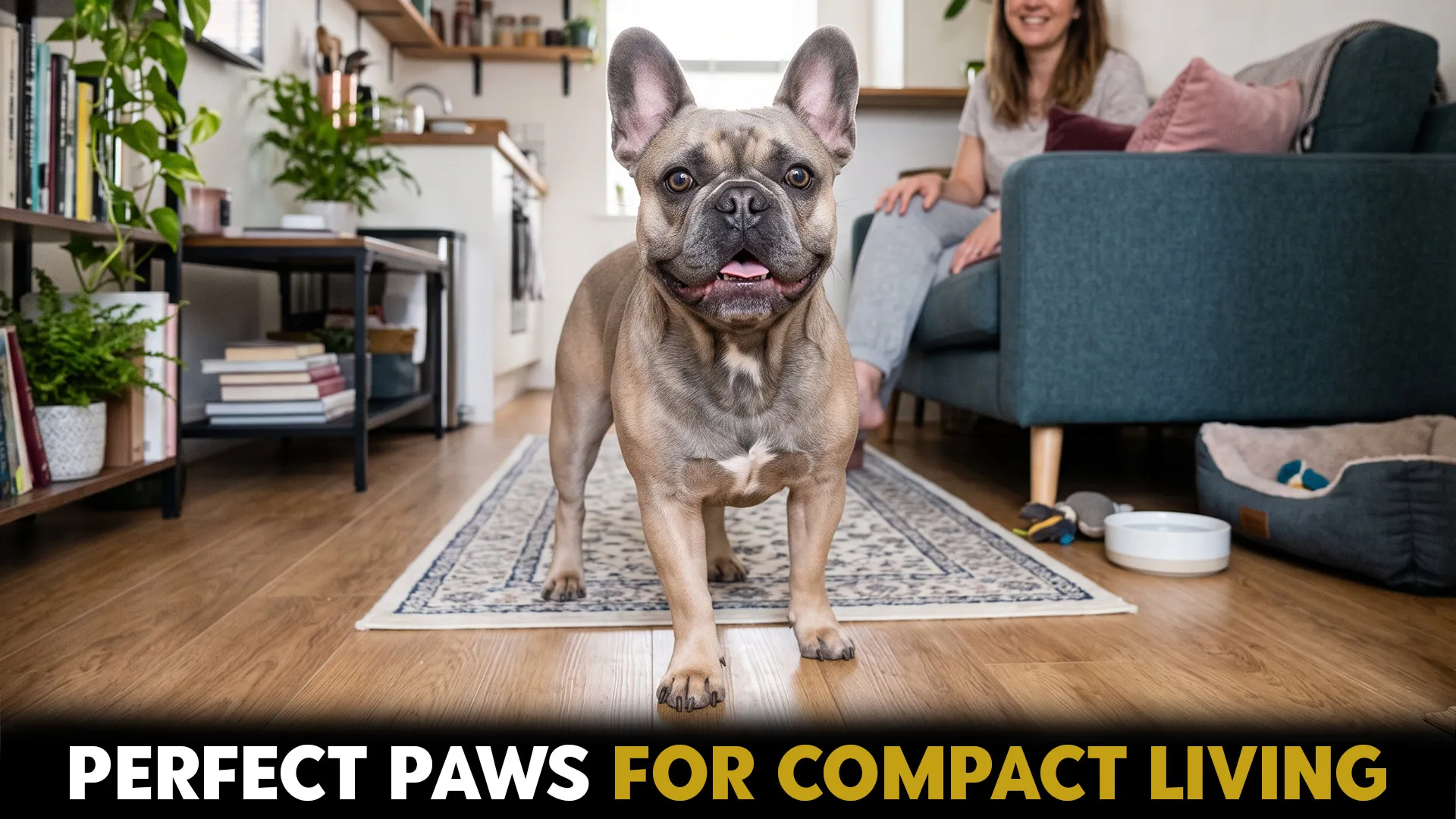
A small home can still hold a very big friendship. The right dog does not need a sprawling yard; they need daily walks, kind training, and a person who notices when the water bowl is empty. Some compact breeds are happy to curl up beside you after a short stroll. Others bring enough pep to turn a hallway into their personal racetrack.
Either way, apartment life takes more than choosing a small dog: barking, grooming, time alone, and health needs matter too. These seven breeds may suit smaller dwellings, but none is a “set it and forget it” roommate.
Think of this as a friendly first look, not a guarantee that every dog of a breed will fit every home. The best match is the one whose everyday needs fit your real routine.
Wonderful Dog Breeds Suited for Small Dwellings
1. Cavalier King Charles Spaniel
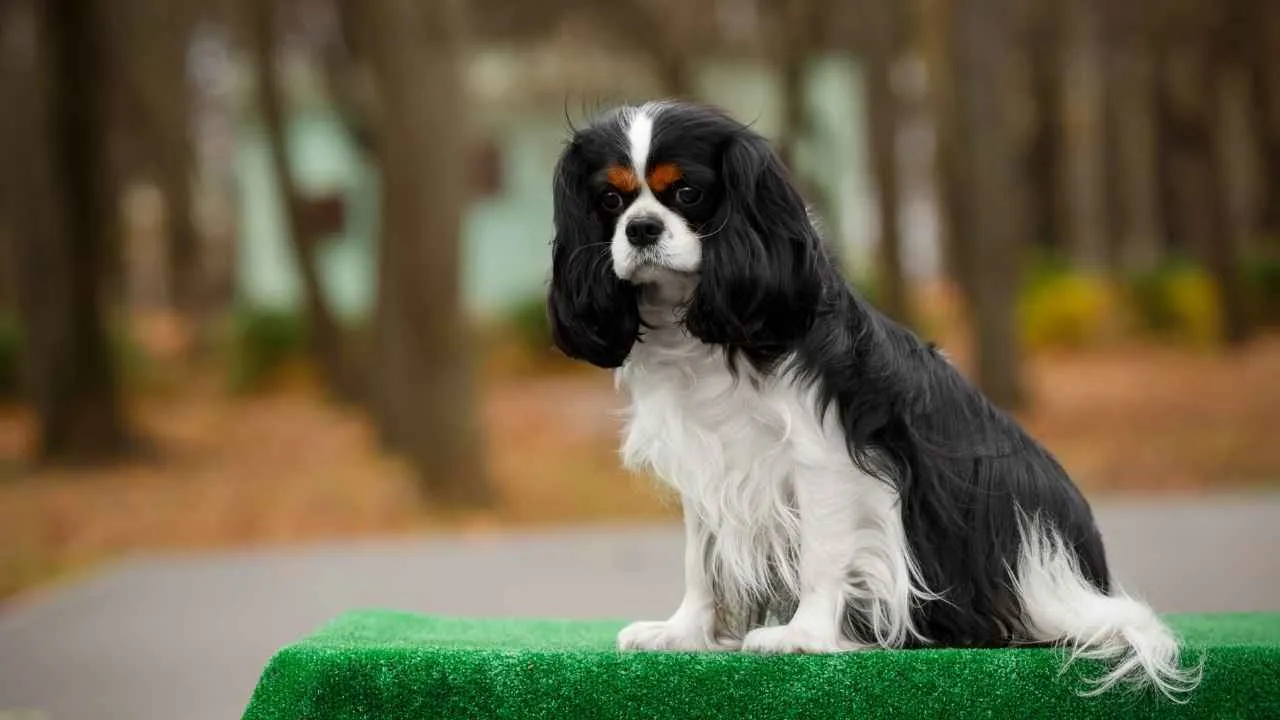
The breed descended from the Toy breed and gained popularity in Britain in the 16th century. The Blenheim color specifically was designed by the 1st Duke of Marlborough, John Churchill. However, the foundation of the modern-day breed was laid by an American breeder, Roswell Eldridge, says Orvis.
Though carrying the genes of a hunting spaniel, the small dog breed was selectively bred to be a lap dog and can easily sleep for 18-20 hours a day. The dark, limpid, and expressive eyes are the mode of communication. With its low barking tendency and minimal aggression level, it makes an incredible apartment dog.
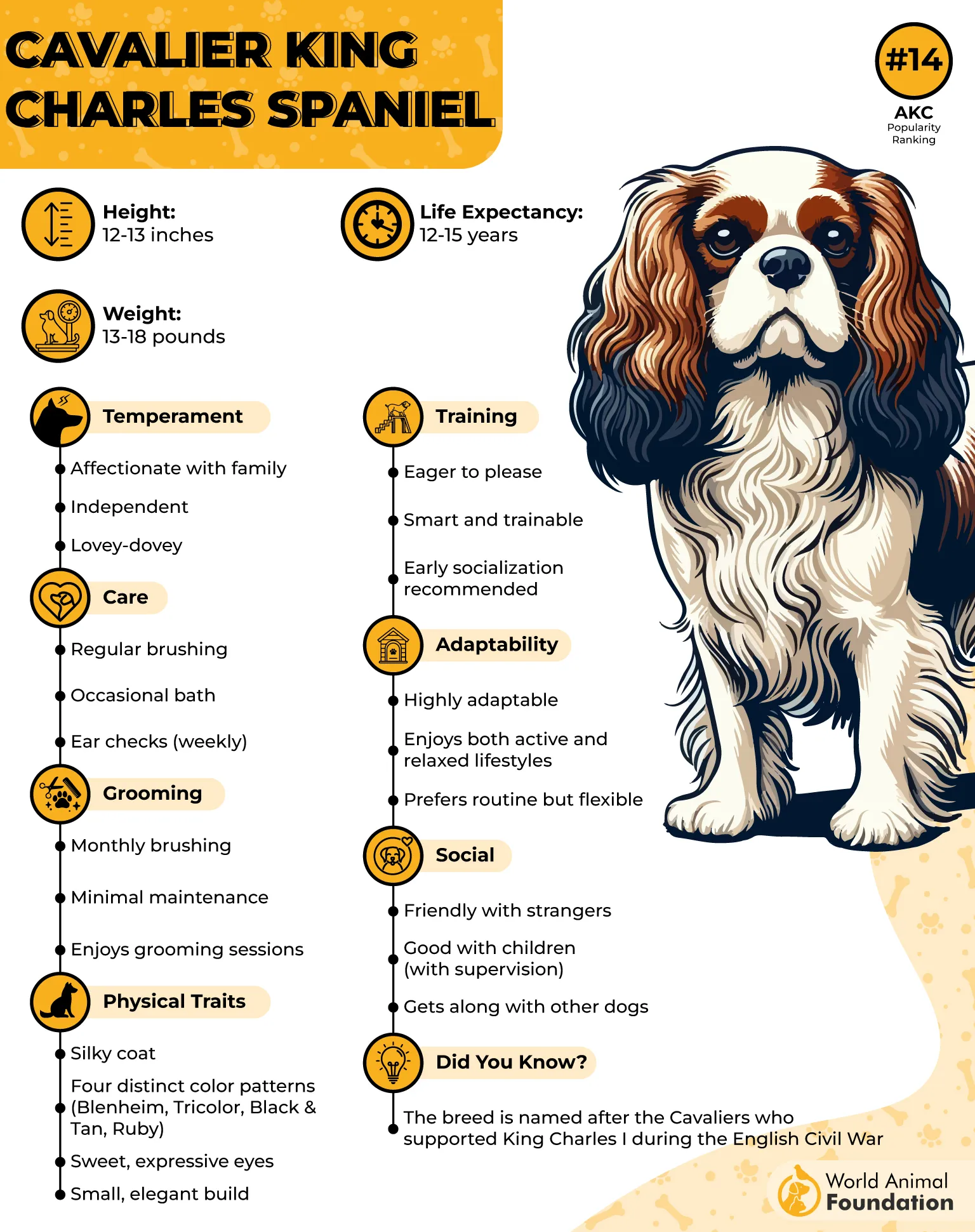
Because of its eager-to-please nature, the Cavalier is highly trainable and responds well to positive reinforcement training. It greets strangers with a wagging tail. It has no digging or chewing drive and does not damage soft toys.
2. French Bulldog
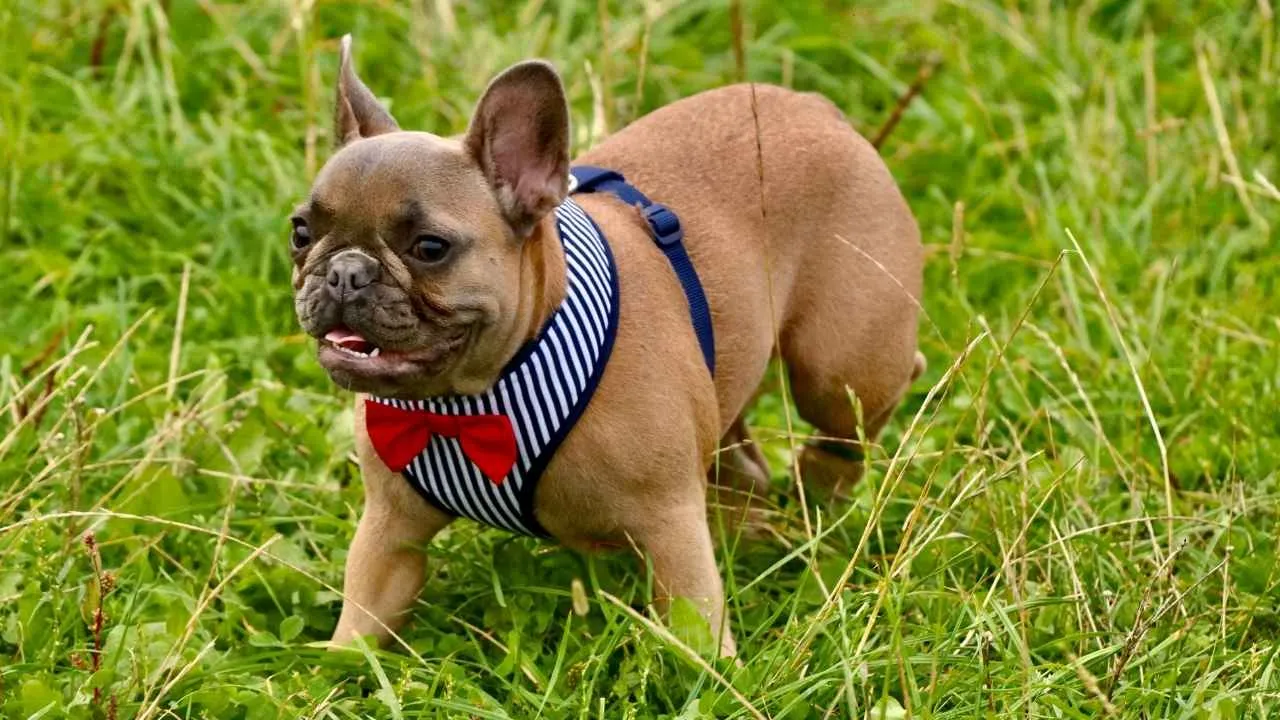
Though originally developed in France, its history dates back to England, when the lace workers from England brought their bat-eared dogs to France during the Industrial Revolution. This dog was interbred with local French dogs and resulted in the French Bulldog.
The dog has a low energy level because of its brachycephalic nature and only needs short walks and indoor play sessions for 20-30 minutes for physical and mental stimulation. It can easily sleep for up to 14-16 hours a day/ The dog is not prone to excessive barking and produces snuffles, grunts, gargles, soft yips, and heavy snoring.
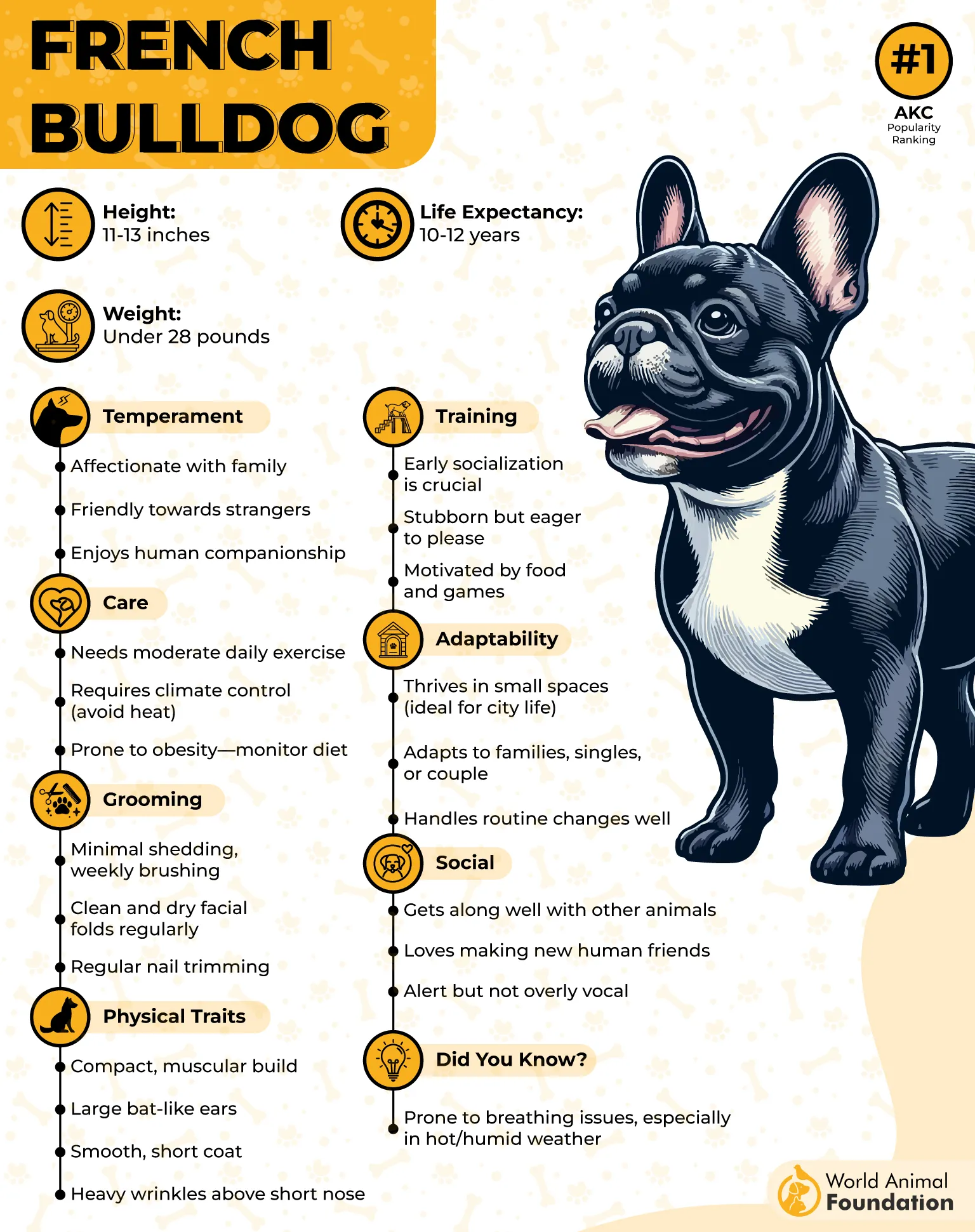
The single-layered coat sheds less and produces less dander; thus, it has minimal grooming needs: weekly brushing, wrinkle cleaning (2-3 times a week), and monthly bathing.
3. Boston Terrier
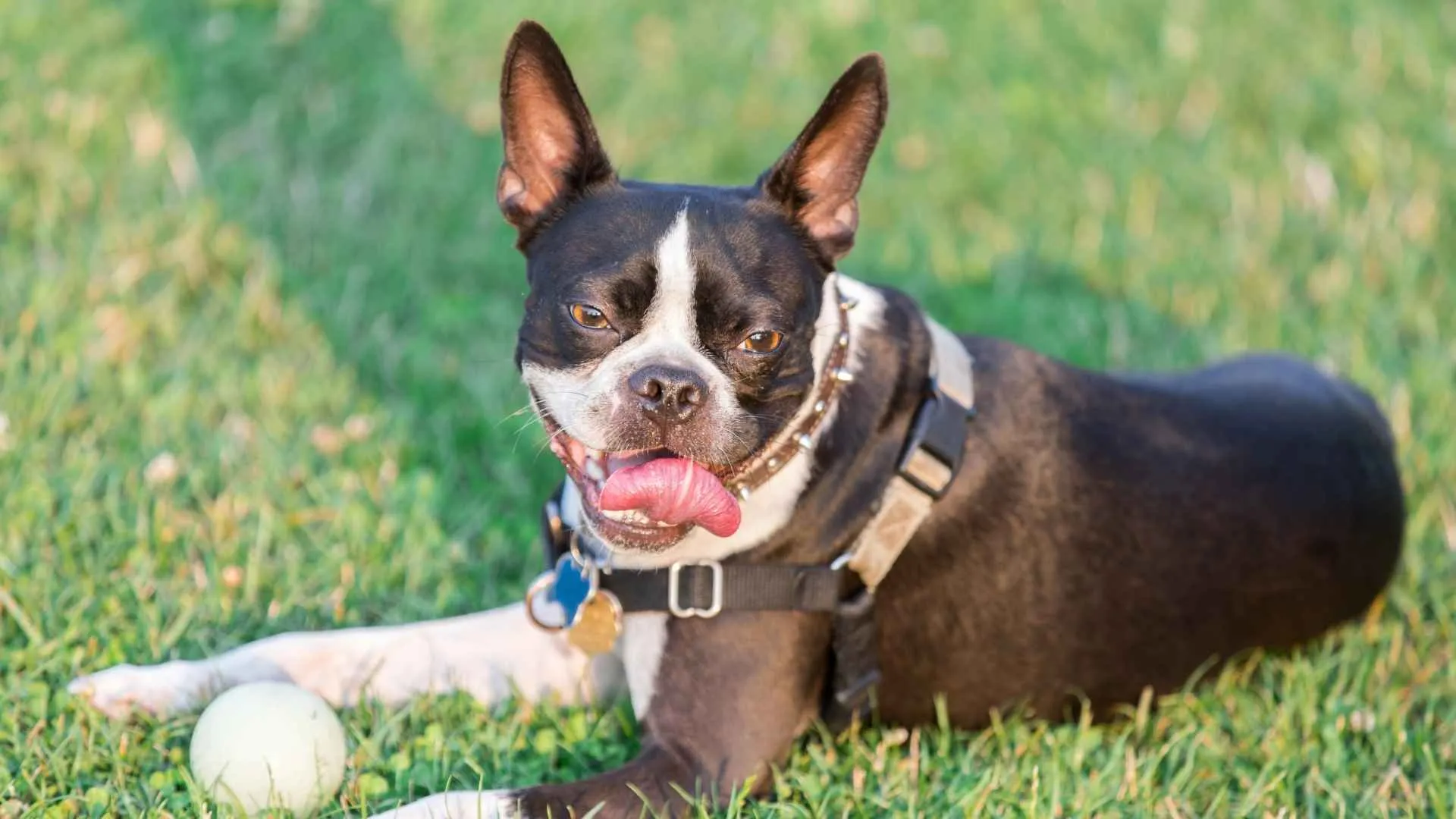
Also known as the ‘American Gentleman,’ the small breed was developed in America in the 19th century by crossing the English White Terrier and the English Bulldog. Late in the same century, the resultant breed was further crossed with the Boxer and other Terriers, according to Purina.
The breed was designed for short bursts of energy rather than endurance and needs a 2-minute Blitz to zoom around and move in tight circles. The dog is obsessed with warm spaces and tends to track tiny patches of sunlight. The high intelligence allows it to map and learn house rules quickly.
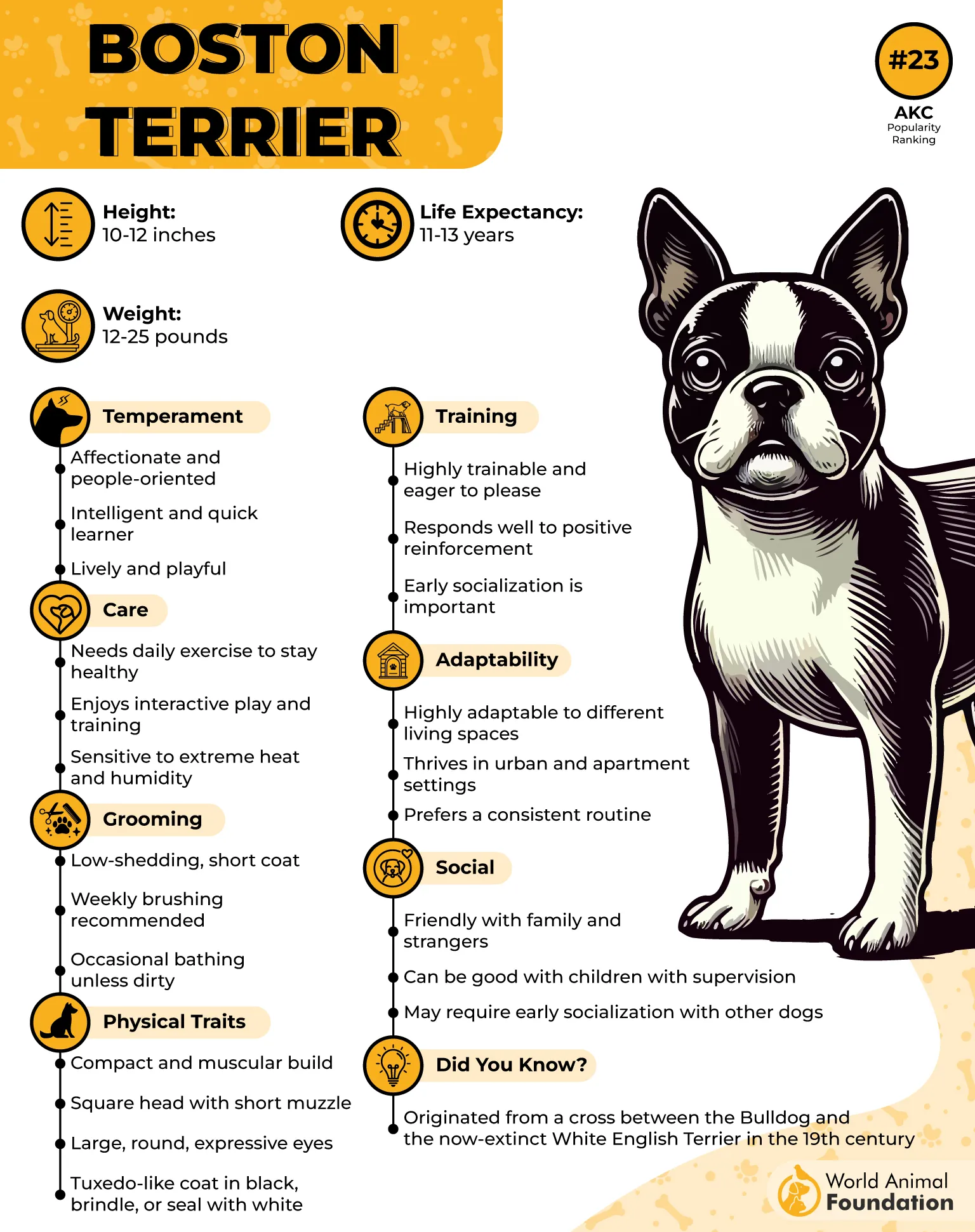
The dog needs regular exercise for 30-60 minutes daily: interactive puzzle toys, soft fetching, daily walks, and obedience training. It must be kept in a climate-controlled environment (not below 27°C).
4. Pug
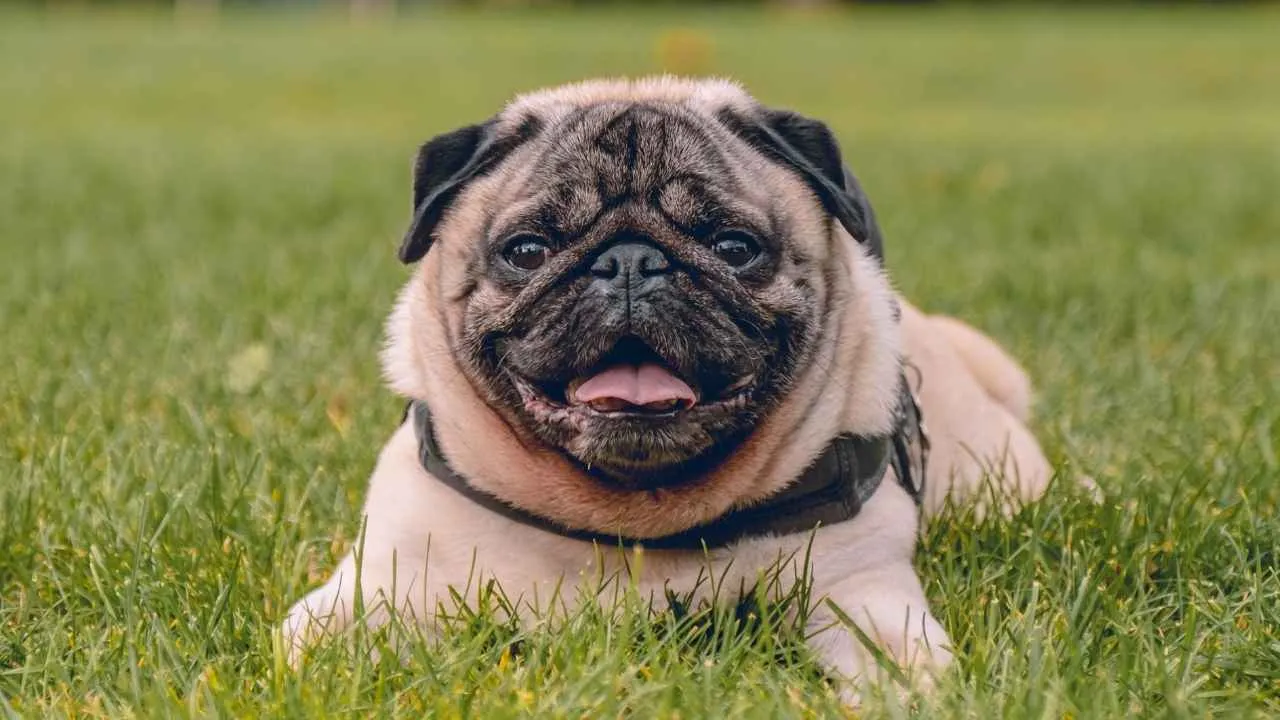
The breed was originally bred in China and was favored by the Buddhist monks and the royalty alike. Later it gained popularity in Japan and then Europe. The cute breed is also credited with saving the life of the Prince of Orange in the late 16th century. Today, the wrinkly breed is widely kept for companionship.
Known for its dry sense of humor and human-like facial expressions, the small breed relies on its head tilts and soft snores to communicate with the owner. Despite being a small dog breed, it has a muscular build, and there is a lower chance of getting injured if accidentally hit by furniture.
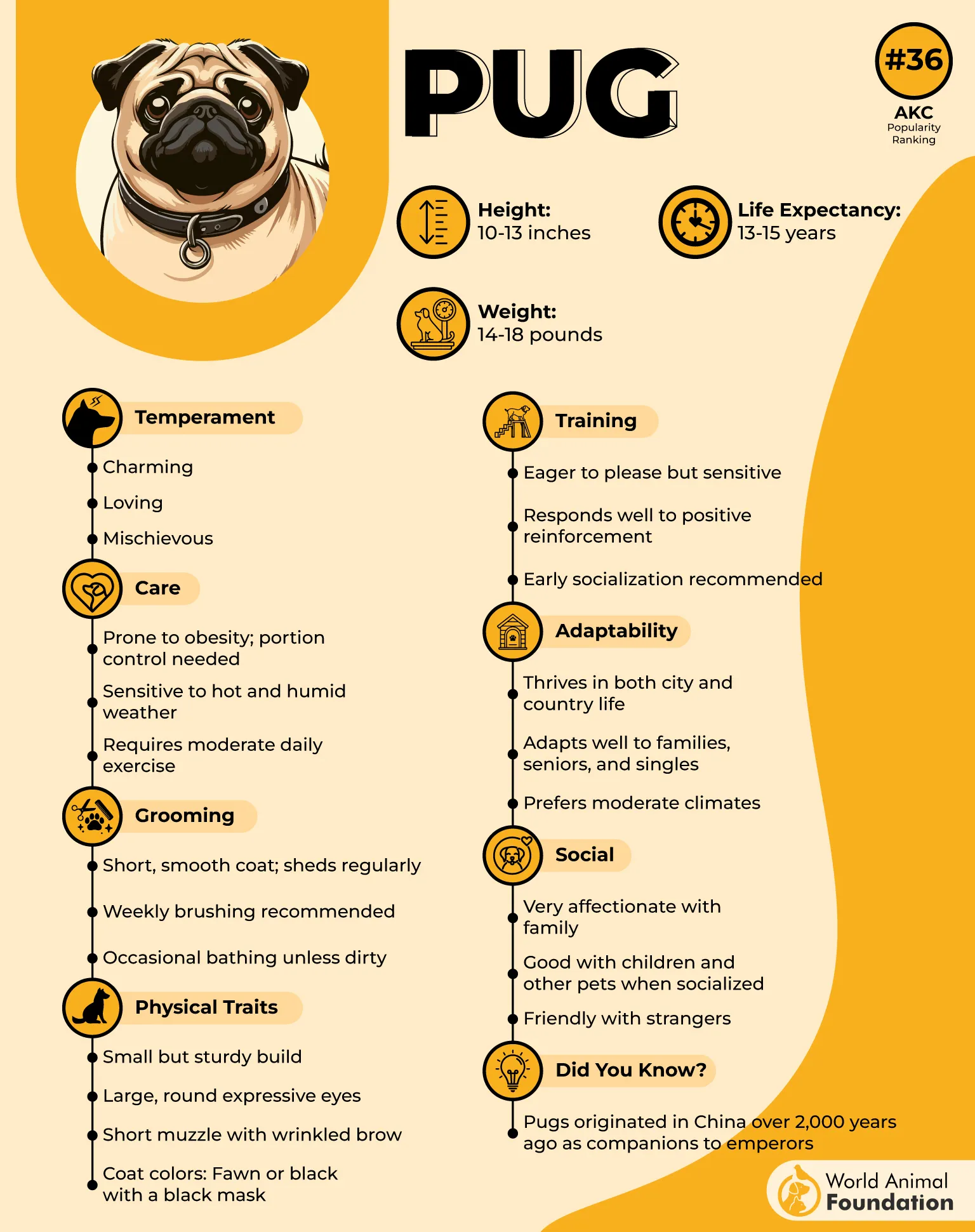
Since it has a low energy level and is highly food motivated, the Pug is prone to weight gain. Hence, daily exercise for 20-30 minutes is non-negotiable. It has a soft double coat that requires brushing 2- 3 times a week.
5. Shih Tzu
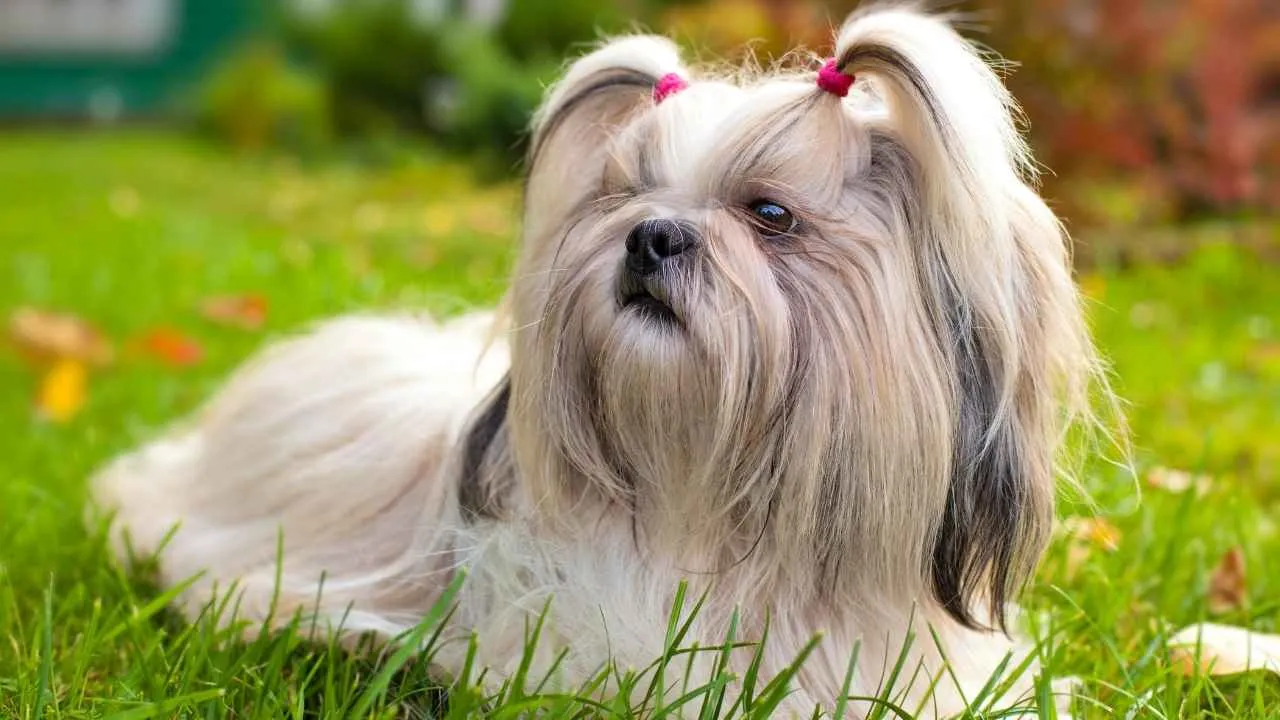
Though the toy breed has its ancestry centuries old, it was officially recognized by the American Kennel Club in 1969. Also known as the Lhasa Lion Dog, the breed was developed as an indoor watchdog. Later, it was crossed with the Pug and the Pekingese, as reported by PetMD.
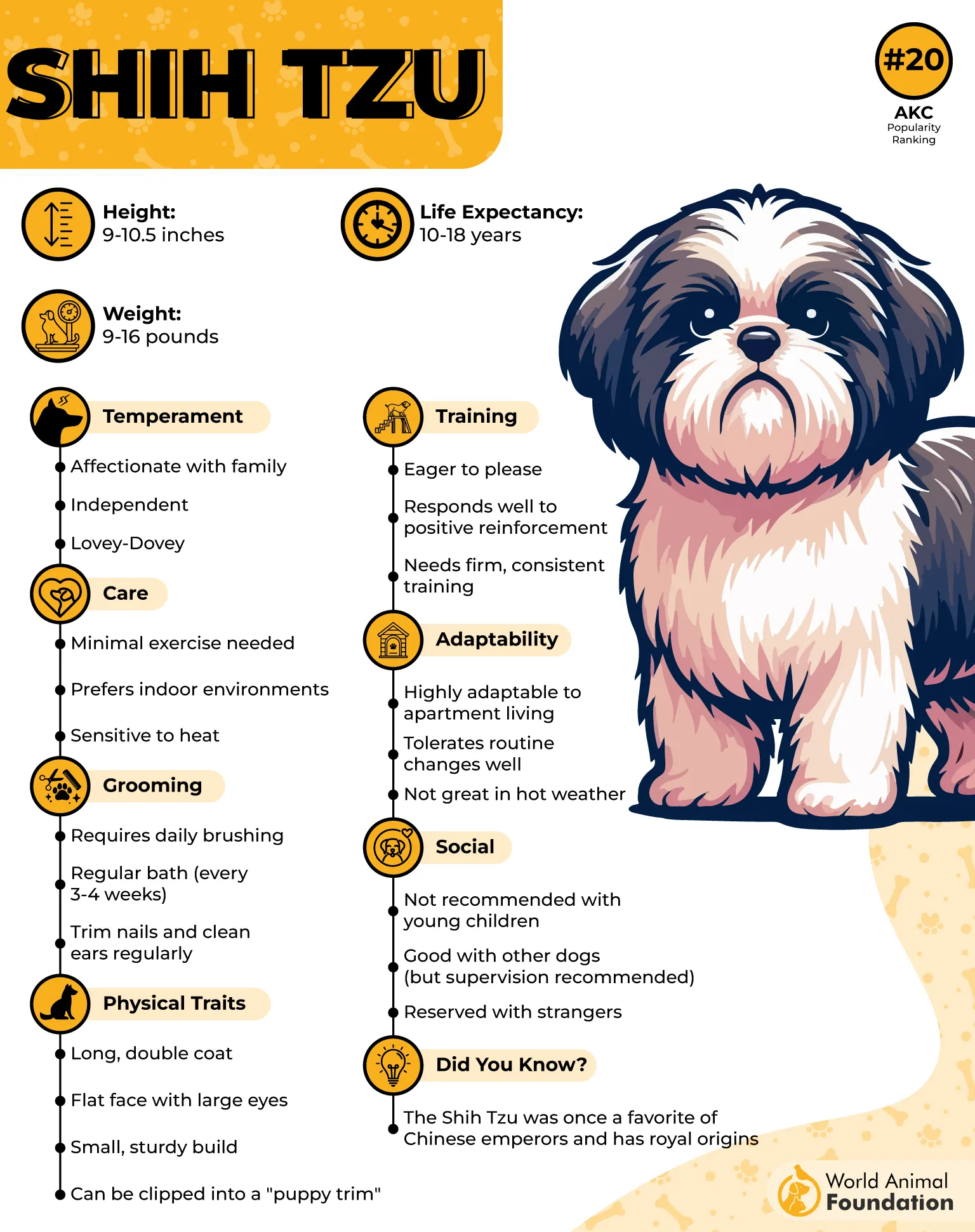
The velcro dog forms deep bonds with the owner’s family and tends to follow them from room to room. It prefers utilizing vertical spaces rather than running on the floor, making it perfect for apartment living situations. Since it lacks an intense drive to hunt, the dog hides/buries its toys as a source of entertainment.

Despite being watchful, it makes good friends with strangers when introduced properly. The hypoallergenic breed should not be brushed dry; daily brushing with a pin brush and a metal comb is recommended.
6. Maltese
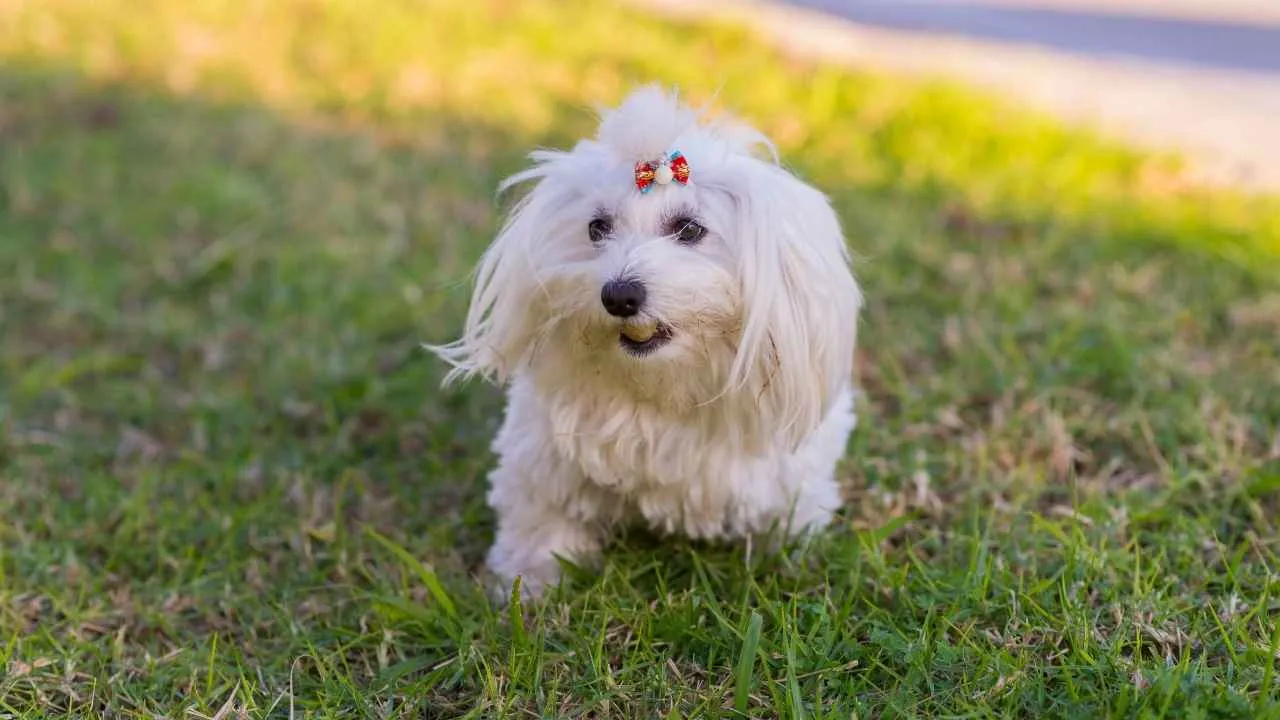
The Phoenicians are credited with introducing the breed to the Mediterranean region in 1,500 BCE. The white dog was highly favored by the Greeks in the 4th and 5th centuries and was often depicted in their artwork. It was revived by the Chinese breeders after the population declined because of the collapse of the Roman Empire.
Since the companion dog was used to reside under the royal sleeves, it has an intense desire to cuddle. It also carries its puppy-like nature to adulthood and tends to learn fun tricks to amuse the owner. Because of the tiny stomach, the apartment dweller needs only 1/4 to 1/2 cup of dry food daily.
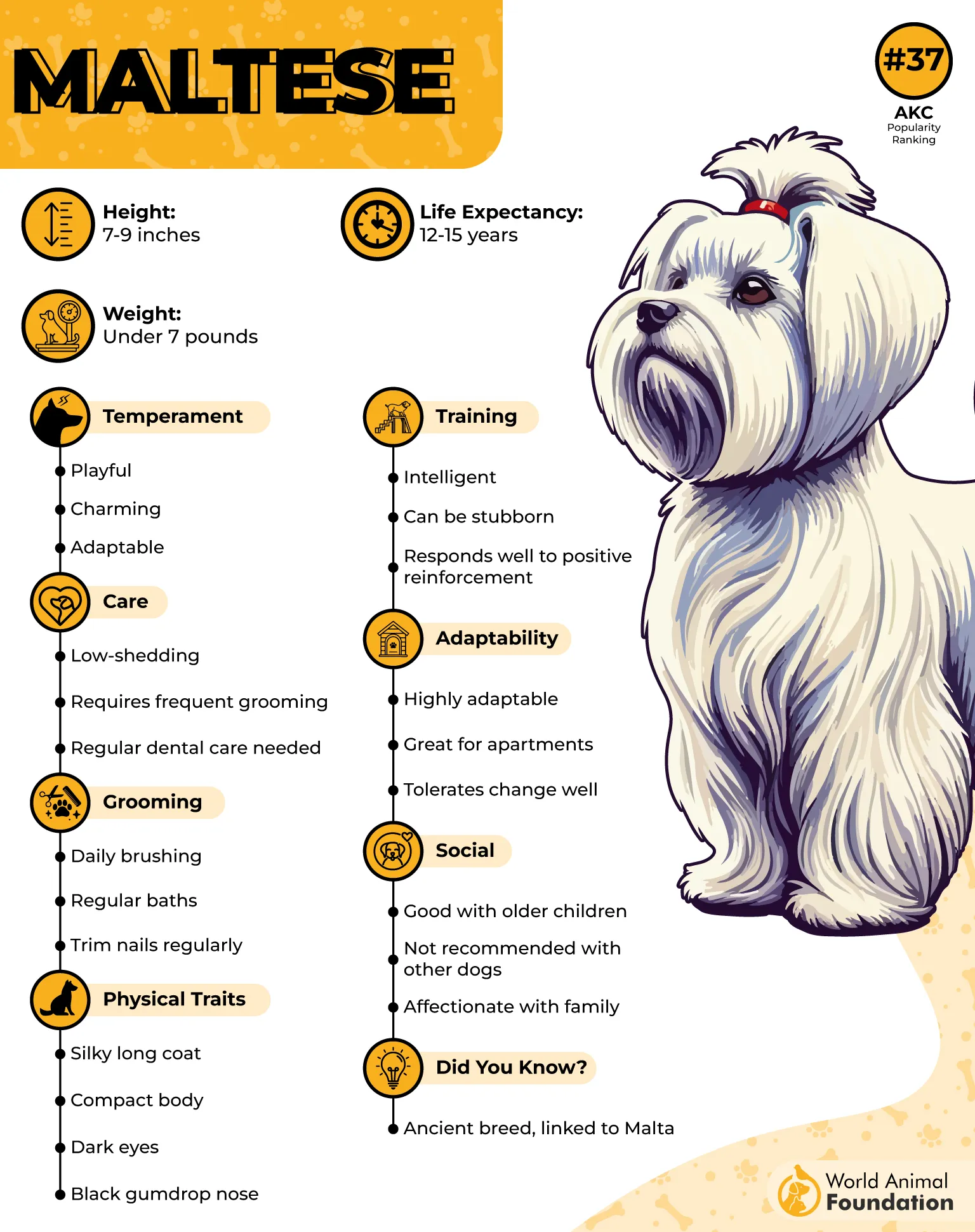
The family pet may develop separation anxiety when left alone for too long. A few short walks and indoor games are enough to meet daily exercise needs. The breed is sensitive to intense cold or hot temperatures and thus prefers lounging.
7. Bichon Frise
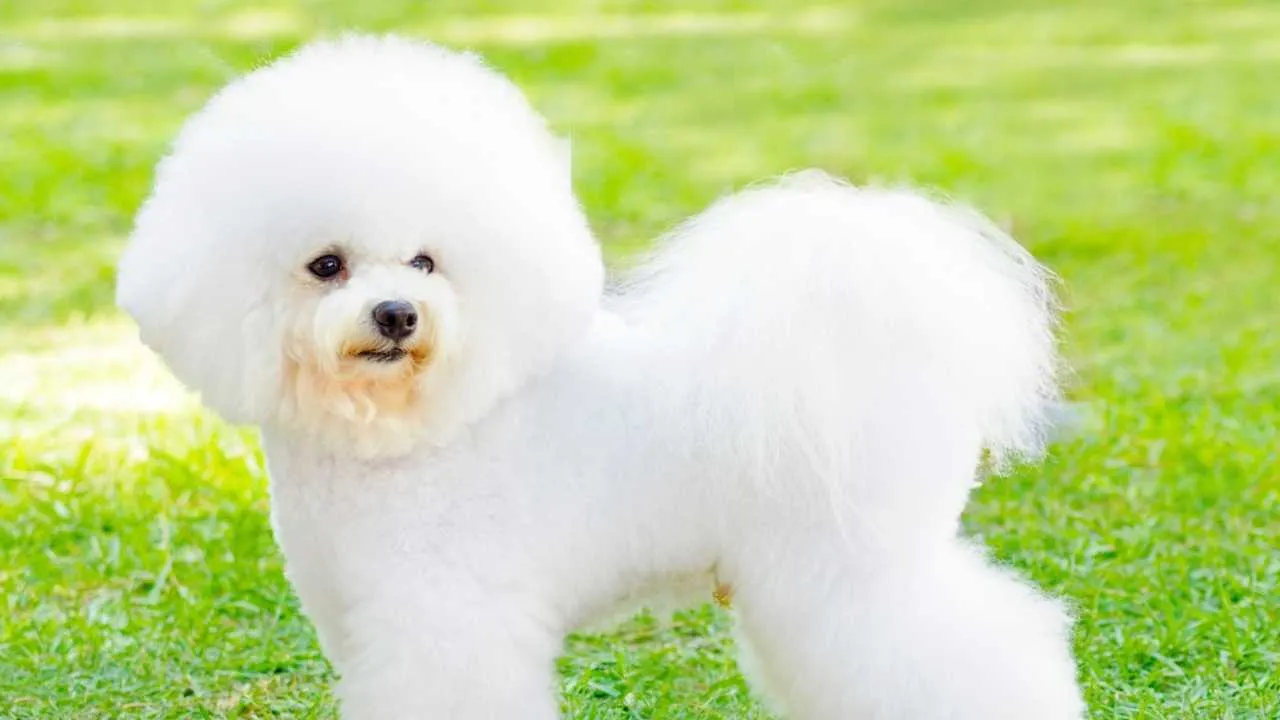
The toy dog breed was bred in Spain and gained popularity in Europe in the 13th century. It was then favored by the royal courts of Italy, France, and Spain. It was finally introduced in America in 1955 and is known for its teddy bear-like appearance.
Because of its circus history, the tiny breed has high emotional intelligence and an eager-to-please nature. It actively reads the owner’s emotions and body language. The breed is generally quiet and may give a brief bark to alert the owner of a visitor. The dog lacks protective and territorial instincts and has a high threshold for reactivity.
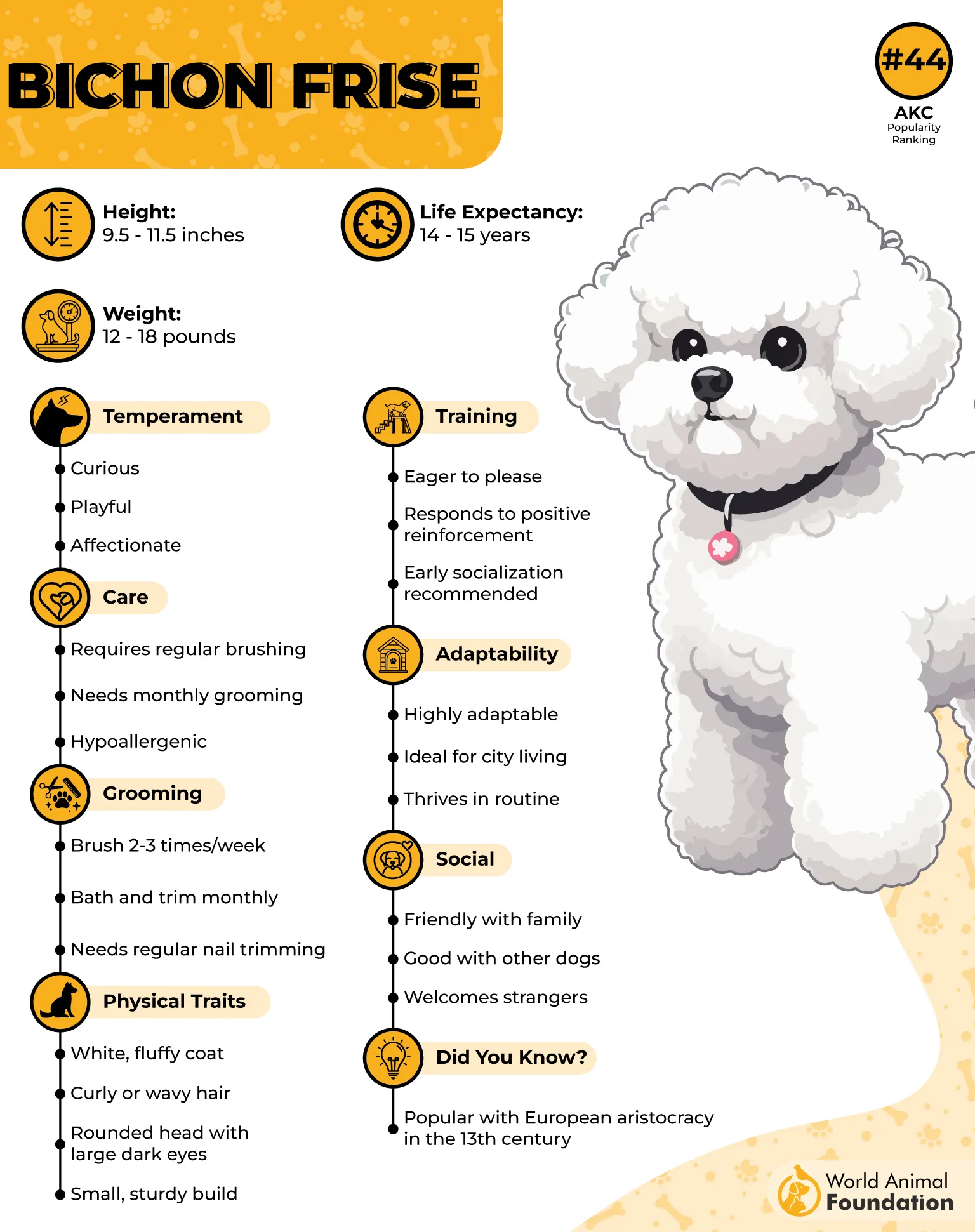
Known for the Bichon Blitz, the breed does not require an extensive exercise routine, and 30-45 minutes of exercise is enough. Always keep it on a leash outdoors, as it can be a good escape artist.
Conclusion
The best small-home dog is not simply the smallest one. It’s the dog whose exercise, grooming, health needs, and need for company fit the life you can offer. A Cavalier may want you close; a Maltese may announce the delivery person; a Bichon may need regular coat care.
And flat-faced breeds need special attention to breathing and heat. Those details are not deal-breakers, but they deserve an honest look before you fall for a pair of soulful eyes.
Spend time with the breed, ask about health screening, and talk with a veterinarian or reputable rescue about the individual dog, not just the label. Make room for walks, play, rest, and patient training, even if your living room is small. The right companion won’t measure your home by square footage. They’ll care that you show up, keep them safe, and save a little space on the couch.
