




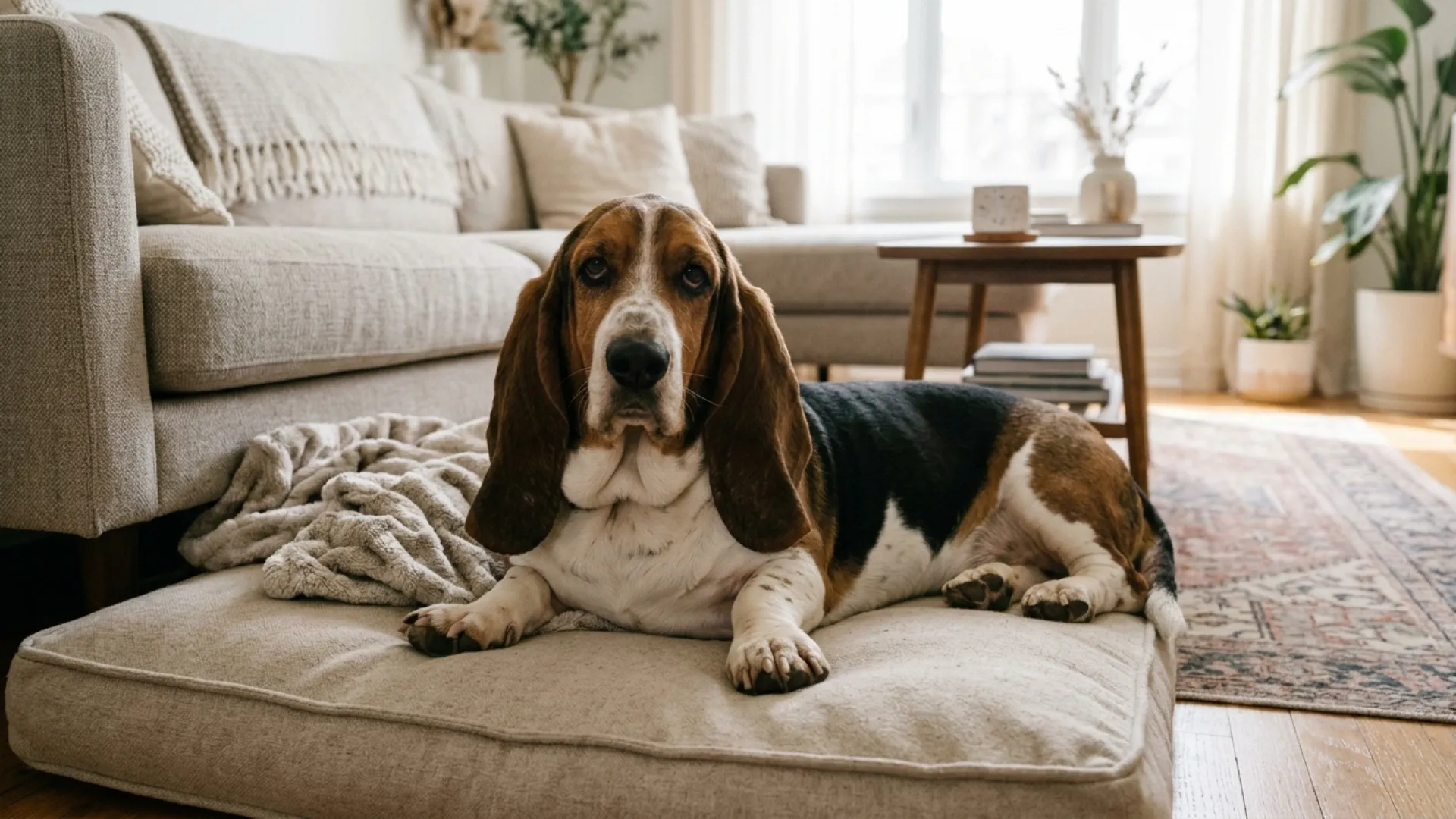
A dog can be perfectly calm and still leave you exhausted. In the dog world, low-energy dogs are not automatically a relaxed lifestyle match.
Nearly 1 in 5 adopted dogs end up back at a shelter within 6 months, and a 2022 study traced most of that fallout to one thing: a mismatch between a dog’s energy level and what the owner expected day to day.
Before you fall for affectionate manners, droopy eyes, or a gentle demeanor, it helps to know the difference between a dog that’s calm indoors and one that’s calm, period. Some calm breeds genuinely move at a slow walk through life; others just crash hard between bursts of chaos.
These 10 breeds are built for a genuinely relaxed lifestyle that survives past the honeymoon phase. Keep reading to find your perfect match.
Most Relaxed Dog Breeds for People Who Prefer a Slower Pace
1. Cavalier King Charles Spaniel
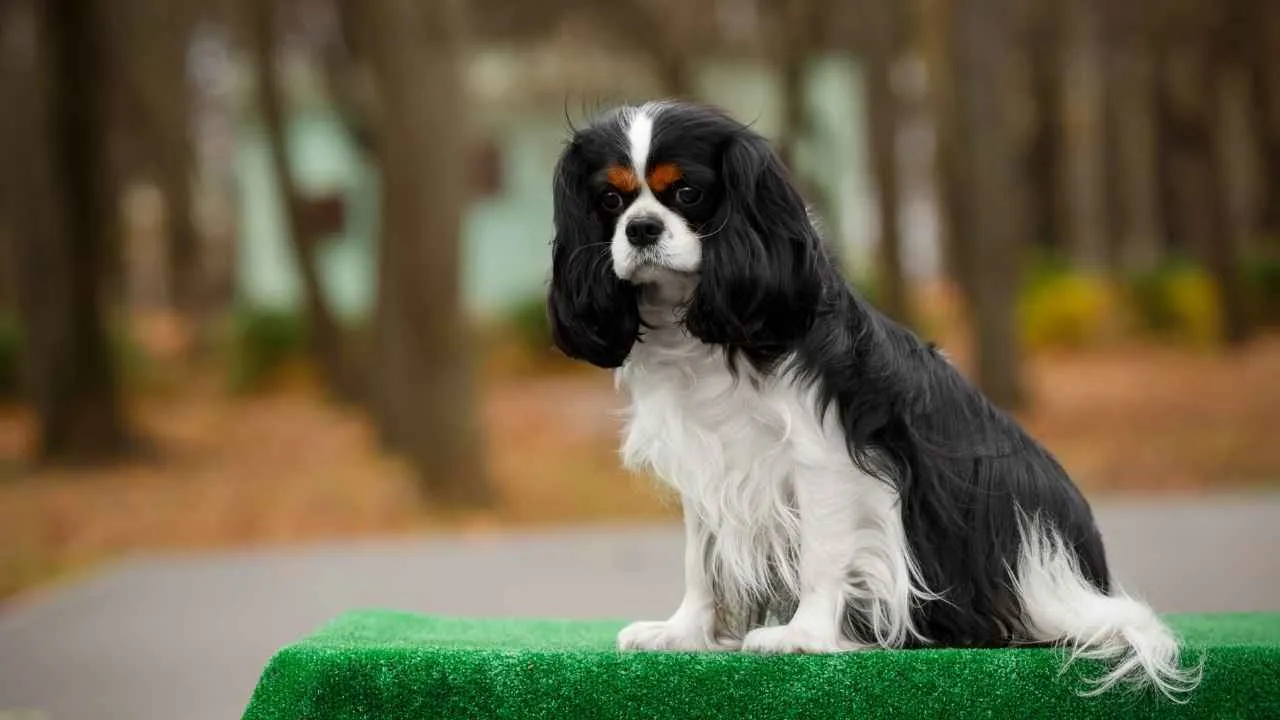
A Cavalier King Charles Spaniel rarely rushes anywhere. It trots from the kitchen to the sofa with soulful eyes already scanning for a lap to climb into, and a greeting usually means a soft nuzzle rather than a leap. This breed treats everyday life like one long cuddle session.
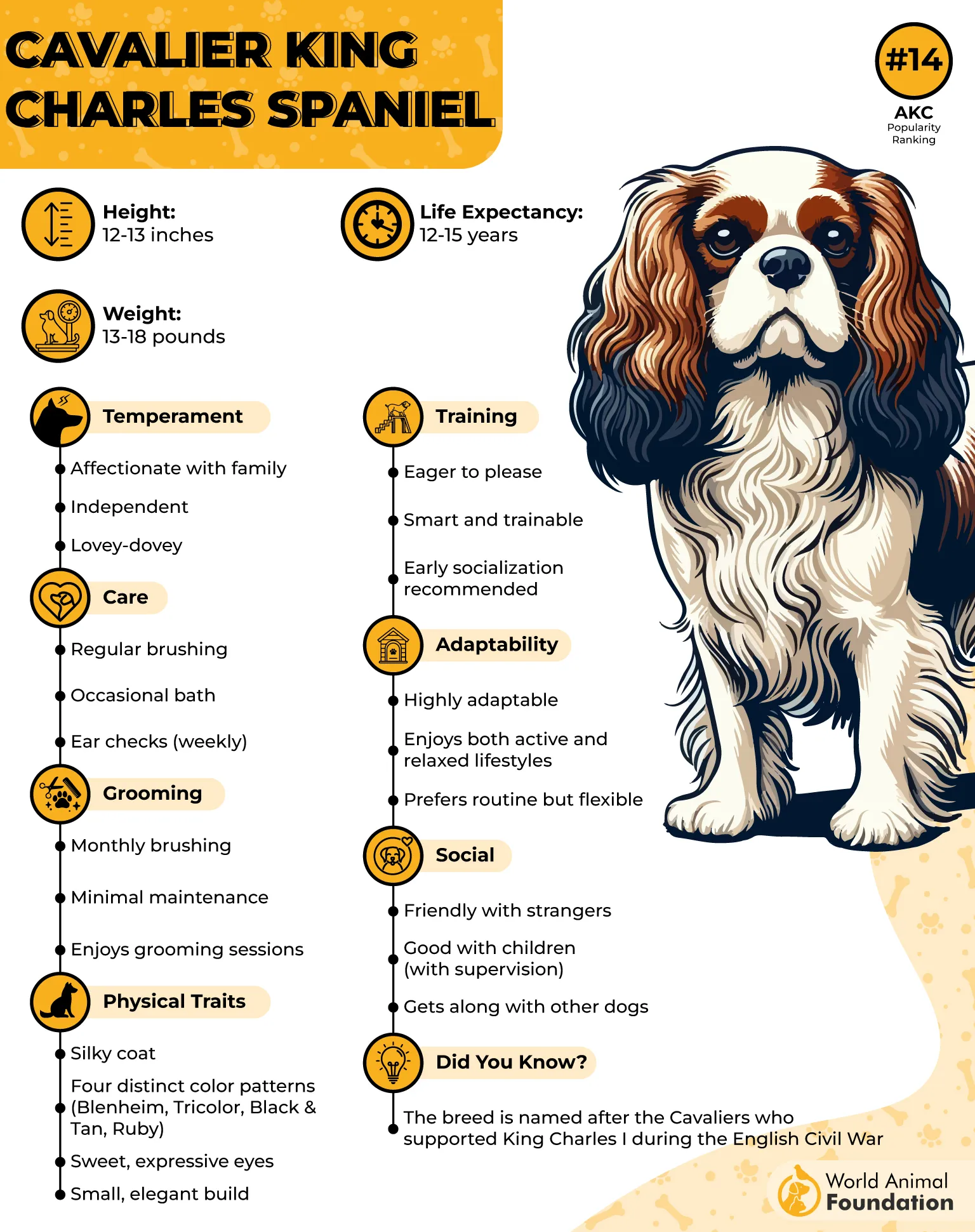
Still, calm confidence has its limits here. Leave a Cavalier alone too long, and separation turns that quiet companionship into whining at the door within minutes. Being apart from its favorite human is the one thing that flips the switch fast.
Exercise: Moderate daily walks keep this lap dog content.
Grooming: Weekly brushing manages the silky coat.
The surprise for slow-paced owners is how much attention this breed demands. A Cavalier King Charles Spaniel forms strong bonds fast and then expects constant attention in return. Quiet does not mean independent, so plan on company, not solitude.
2. Basset Hound
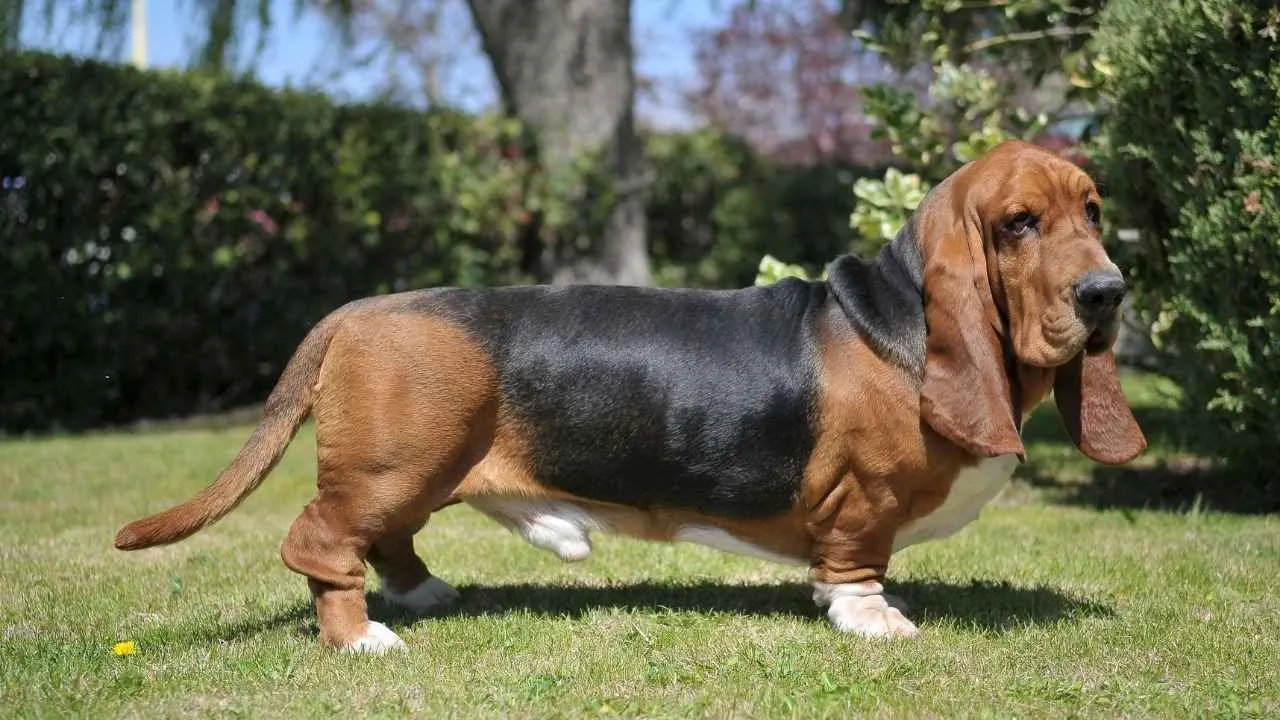
Basset Hounds were originally bred to trail hares, and that shows in every unhurried step. According to AKC, the breed’s low, long body was built for endurance over speed, not sprinting. A Basset Hound ambles over to greet you rather than bounding across the room.
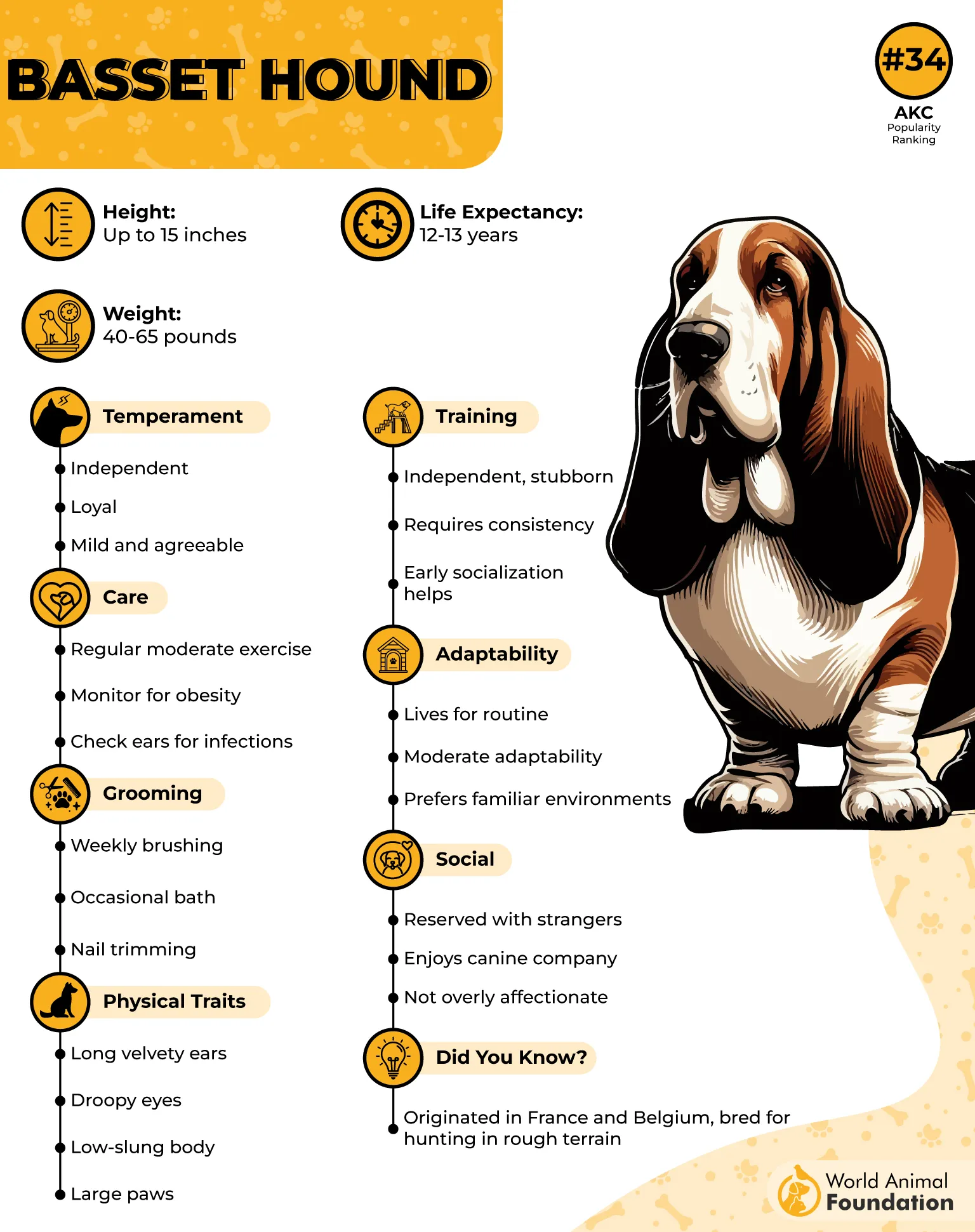
That calm quiet breaks the moment an interesting smell crosses its path. A Basset Hound’s nose can override every ounce of training in seconds, pulling it off course mid-walk. Good luck calling it back before the scent trail runs cold.
Exercise: Moderate daily walks suit its slow frame best.
Grooming: Floppy ears need regular cleaning to avoid infections.
Owners expecting pure couch-potato behavior sometimes get a stubborn streak instead. A Basset Hound will plant its feet and simply refuse to move if it disagrees with the plan. Patience, not persistence, wins that argument.
3. Greyhound
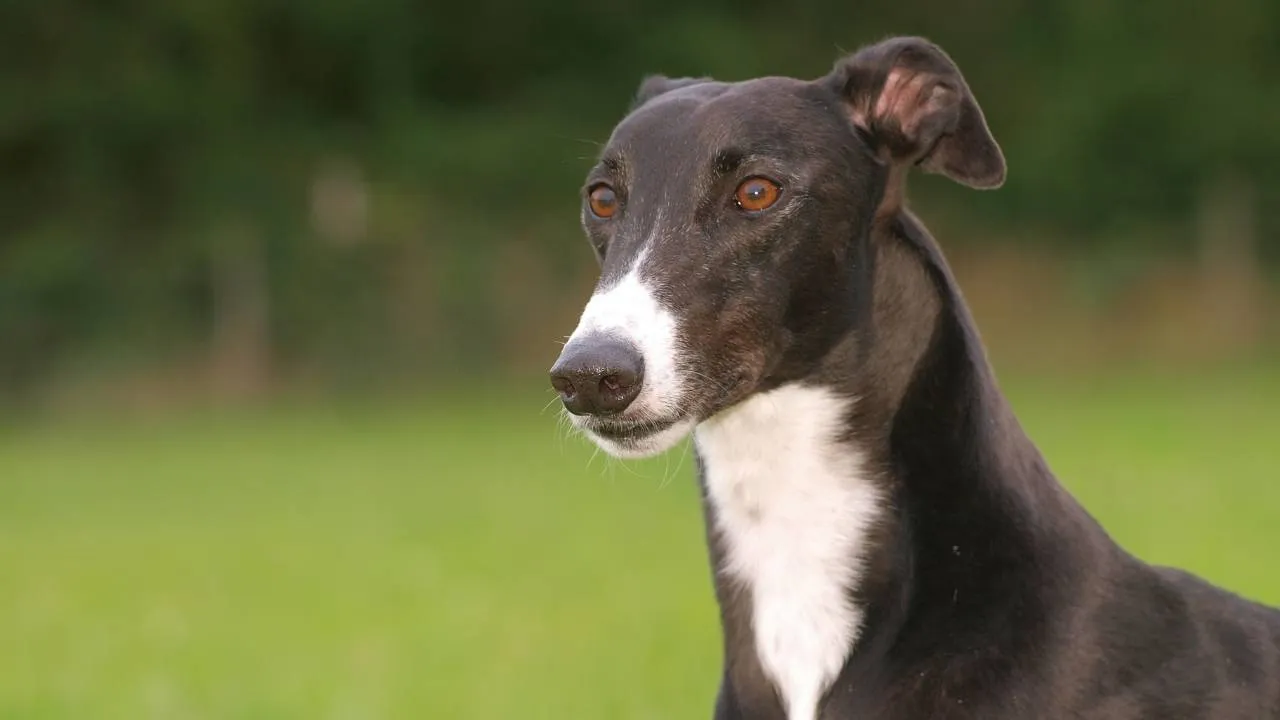
A Greyhound built for the race track somehow spends most of its day doing nothing at all. According to PetMD, this is also one of the quietest breeds around, rarely barking or making a fuss. It drifts from bed to bed in slow motion, greeting guests with a gentle lean instead of a jump.
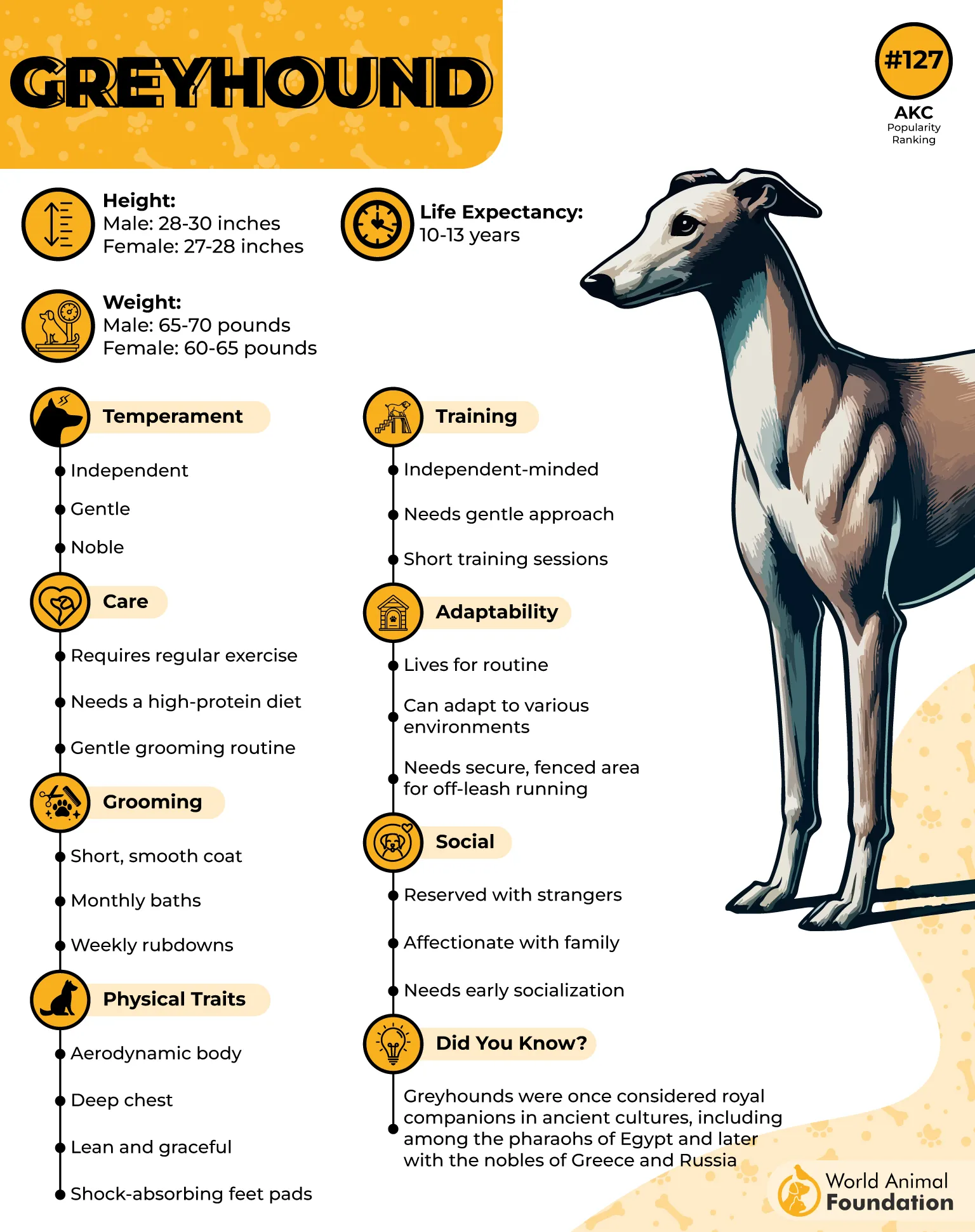
That calm presence vanishes the instant something small and fast moves nearby. A squirrel, a cat, even a plastic bag in the wind can trigger an instant chase. The switch from couch potato to sprinter happens in a heartbeat.
Exercise: A short burst of running plus plenty of naps covers it.
Grooming: Minimal, thanks to the short, thin coat.
Slow-paced owners often assume low energy means no fencing needed. A secure yard is still non-negotiable here, since that prey drive does not care how lazy the rest of the day was. One open gate is all it takes.
4. Great Dane
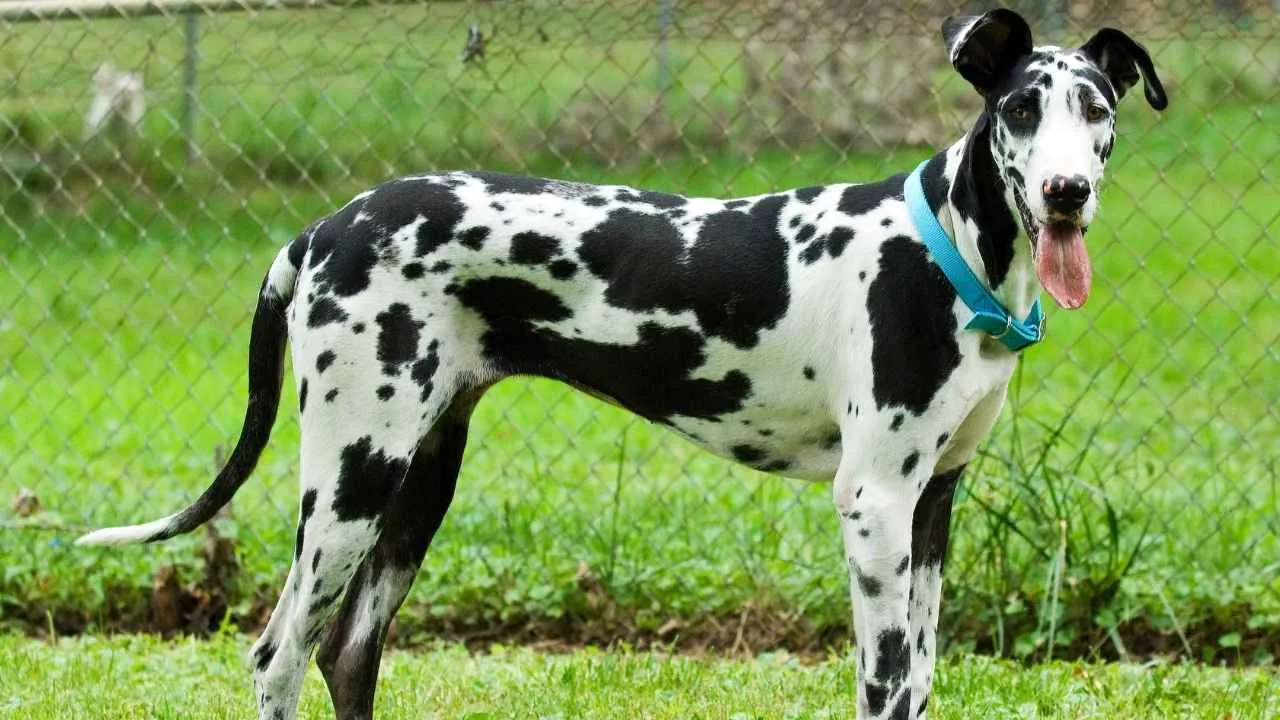
A Great Dane moves like a gentle giant in a hurry to get nowhere. It lumbers across a room with imposing size but surprisingly soft footsteps, often leaning its whole body against your leg as a greeting. Great Danes treat lounging as a full-time job.
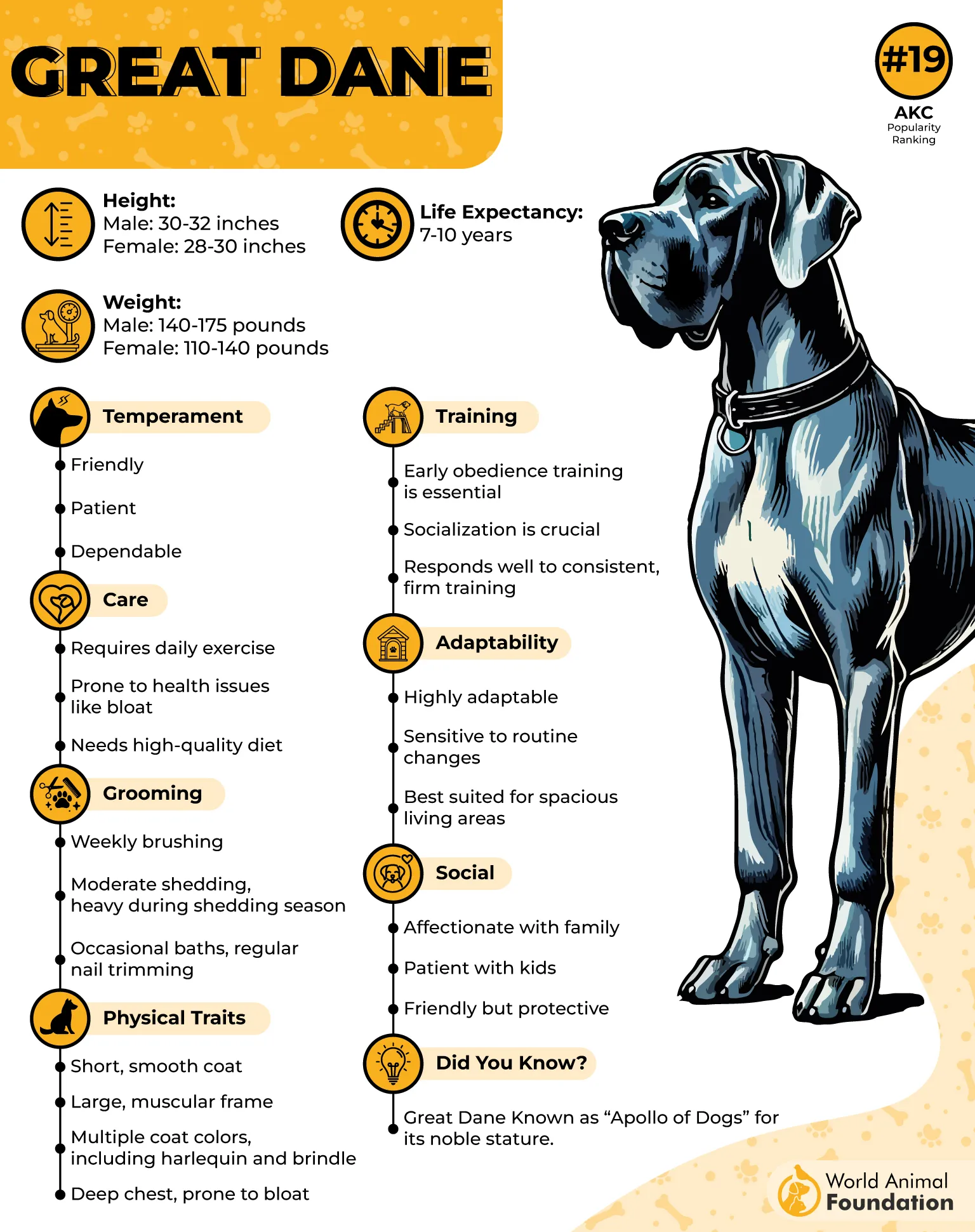
Calm demeanor aside, excitement still shows up fast around food or a favorite person arriving home. A happy Great Dane wags its whole back end, and that much mass moving at once can knock over a side table without meaning to. Size amplifies every little reaction.
Exercise: Moderate daily walks keep joints healthy without overdoing it.
Grooming: A quick weekly brush handles the short coat.
The real surprise is space, not energy. A Great Dane in a small apartment living situation can turn one excited greeting into household chaos simply by existing in it. Measure doorways and furniture gaps before falling for those soulful eyes.
5. Clumber Spaniel
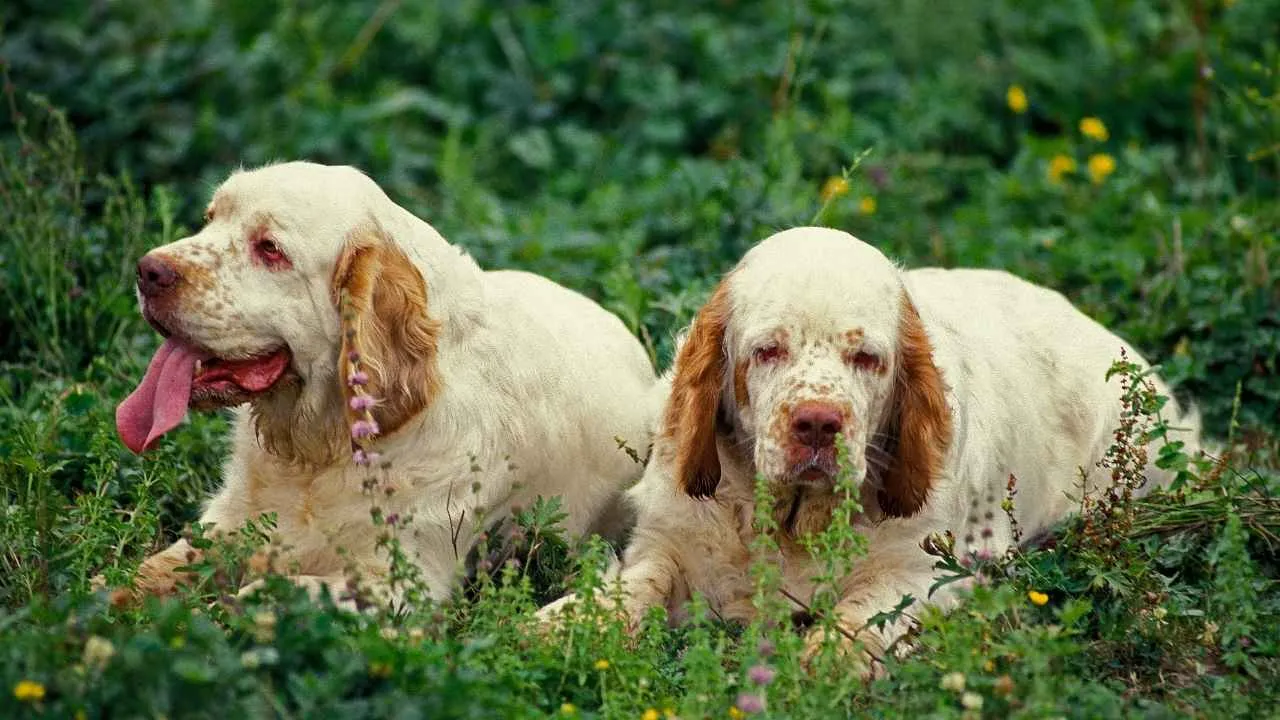
Clumber Spaniels were originally bred for hunting, built heavy and low for a slow, steady pace through thick brush. According to Orvis, that same build gives the breed its distinctive rolling gait and a laid-back attitude to match. A Clumber Spaniel waddles over for a greeting rather than racing to the door.
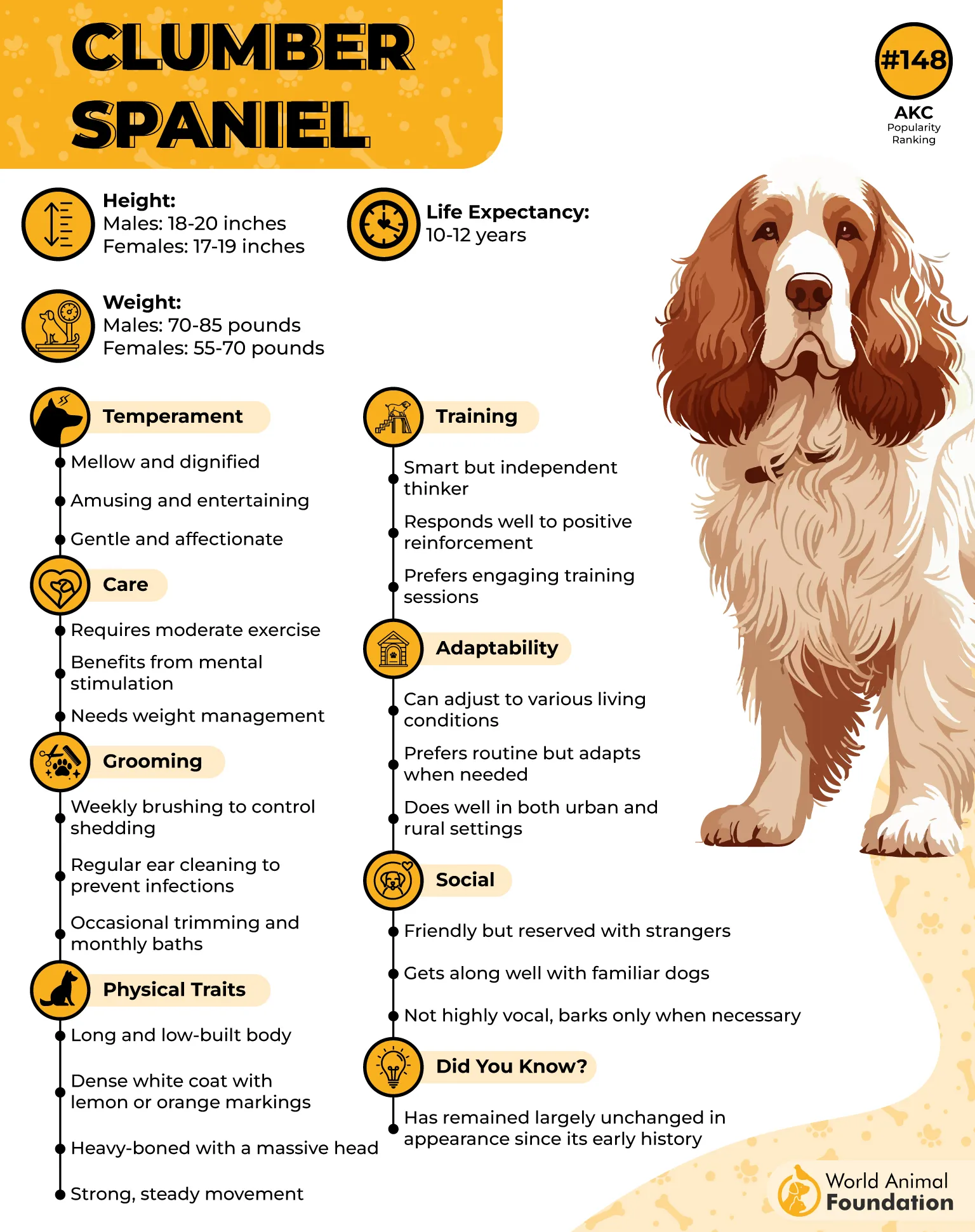
Quiet dignity disappears fast around food. A Clumber Spaniel hears a bag rustle from another room and suddenly finds surprising energy. Mealtime is the one moment this breed refuses to be patient.
Exercise: Minimal exercise needs beyond a daily stroll.
Grooming: Regular brushing manages the dense coat.
Slow-paced dog owners sometimes forget the drool that comes with those jowls. A Clumber Spaniel can leave a damp patch on your sleeve by lunchtime without even trying. Comfort has a cleanup cost.
6. Newfoundland

A Newfoundland moves through the house like a slow tide, calm and unhurried, often leaning its huge frame against you by way of hello. Nicknamed nanny dogs for good reason, these gentle giants seem built for patient, easy company. Everyday life around a Newfoundland feels oddly peaceful.
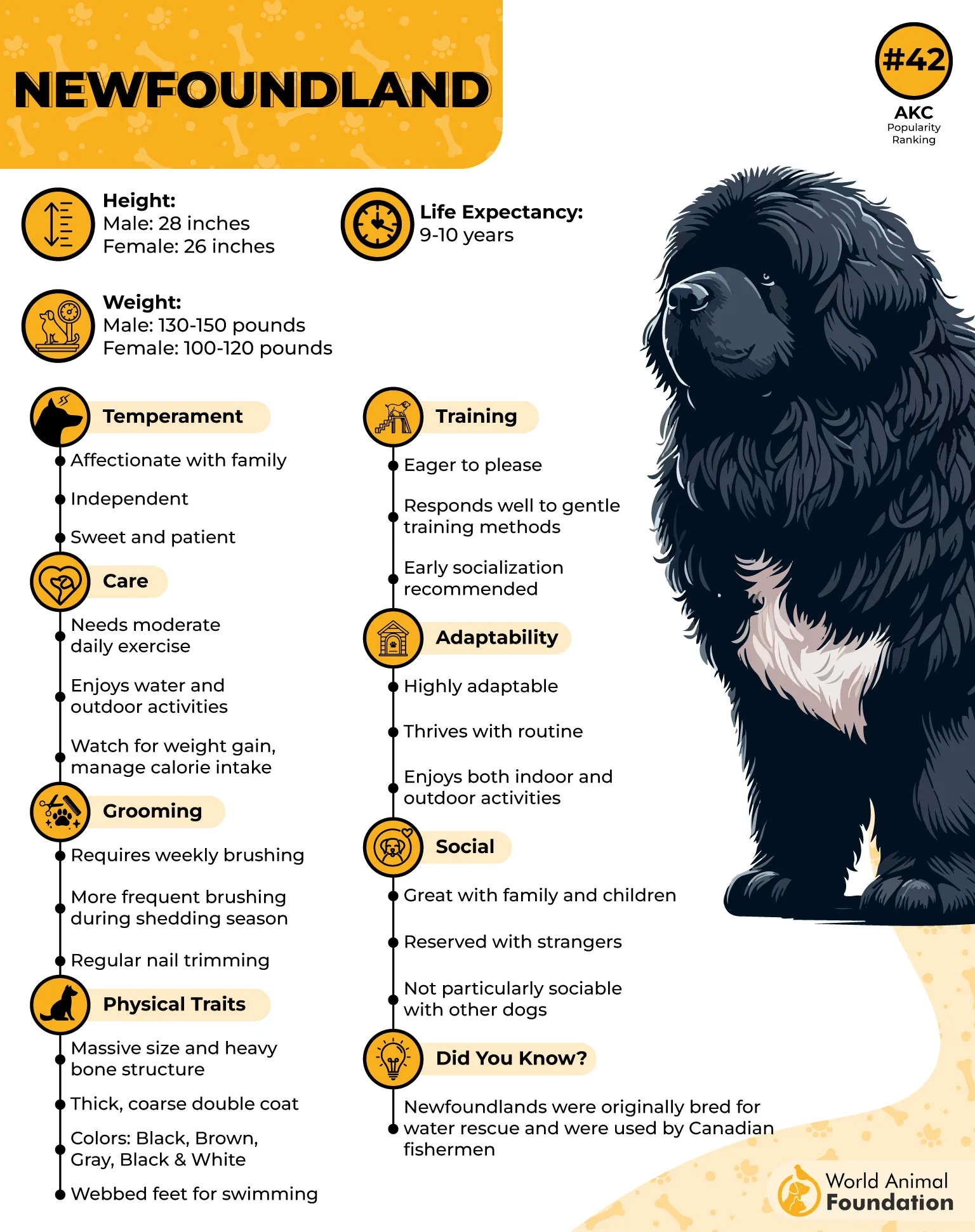
According to VCA, protective instincts can surface quickly if a Newfoundland senses a family member is in trouble, especially near water. That same dog who dozes all afternoon will suddenly spring toward a splash. Calm and alert live side by side in this breed.
Exercise: Moderate daily walks plus the occasional swim.
Grooming: Frequent brushing is essential for the thick double coat.
The surprise here is drool, not energy. A Newfoundland’s jowls can leave a trail across every room, no matter how calm the rest of the day has been. Keep a towel within reach at all times.
7. Bernese Mountain Dog
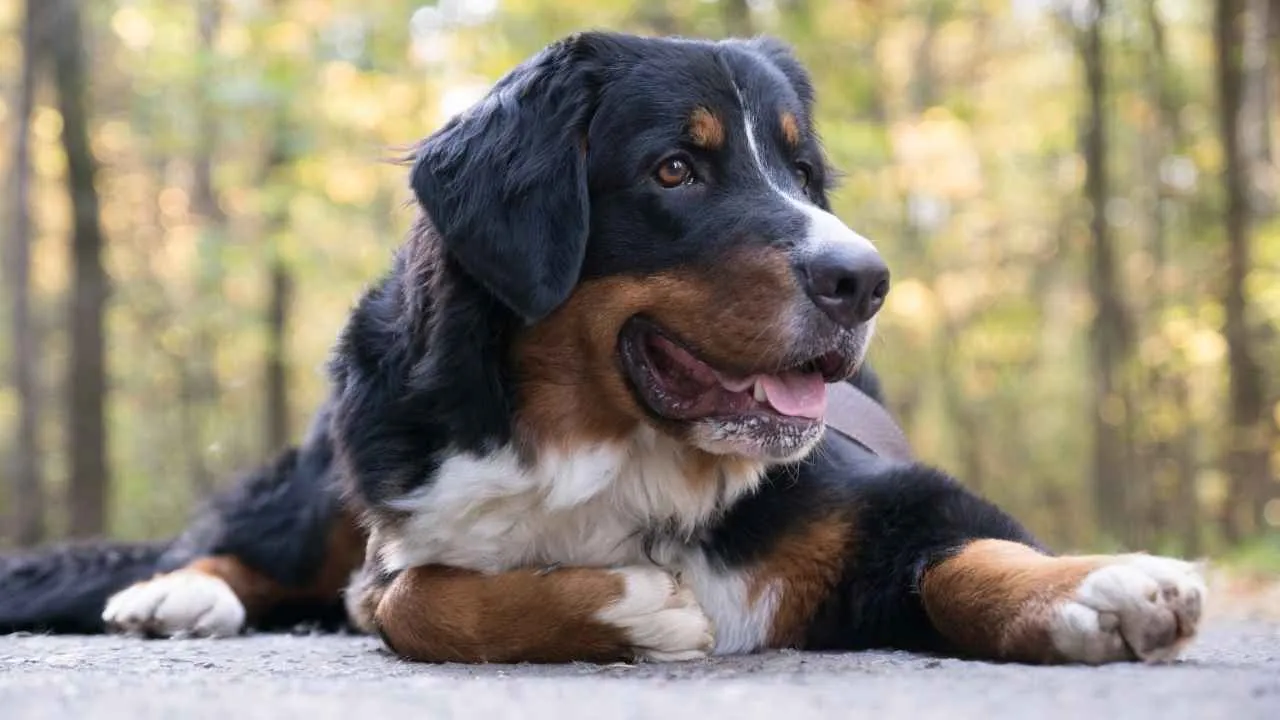
A Bernese Mountain Dog was originally bred as a farm dog, and that working heritage shows in its calm, steady gait around the house. It ambles over for a greeting rather than bounding, often leaning its sturdy frame right into your side. Family life suits this breed perfectly.
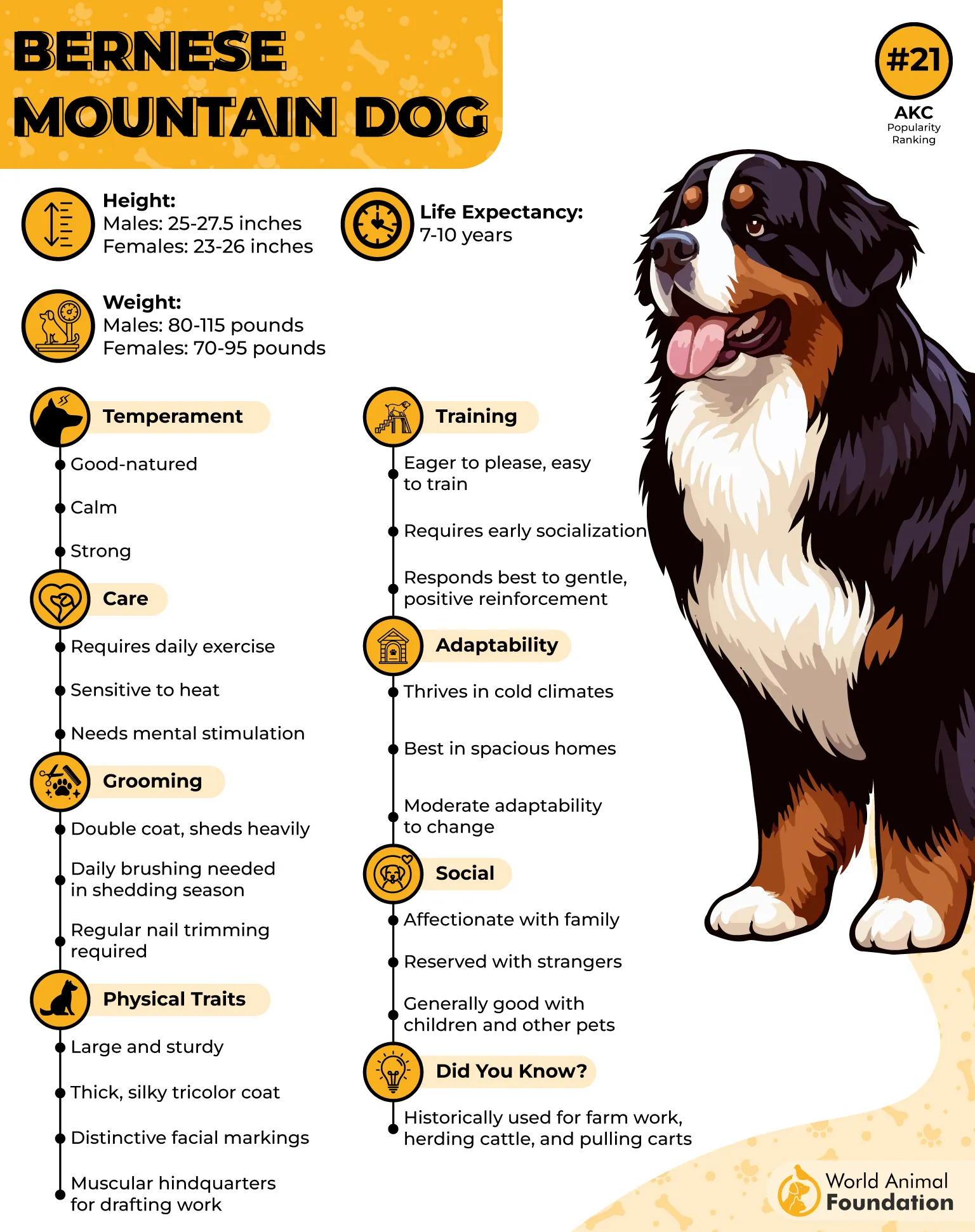
Deeply loyal and deeply attached, a Bernese Mountain Dog can grow anxious fast when separated from its people. A closed door between this big dog and its favorite human sometimes triggers restless pacing within minutes. Strong bonds come with strong feelings.
Exercise: Regular exercise through daily walks keeps this breed content.
Grooming: The thick double coat needs brushing several times a week.
Owners picturing a quiet giant sometimes forget how much this breed struggles in heat. A Bernese Mountain Dog’s coat was built for snowy mountains, not summer afternoons, so warm weather turns quiet routines into heavy panting fast. Plan walks around the cooler hours of the day.
8. Shih Tzu
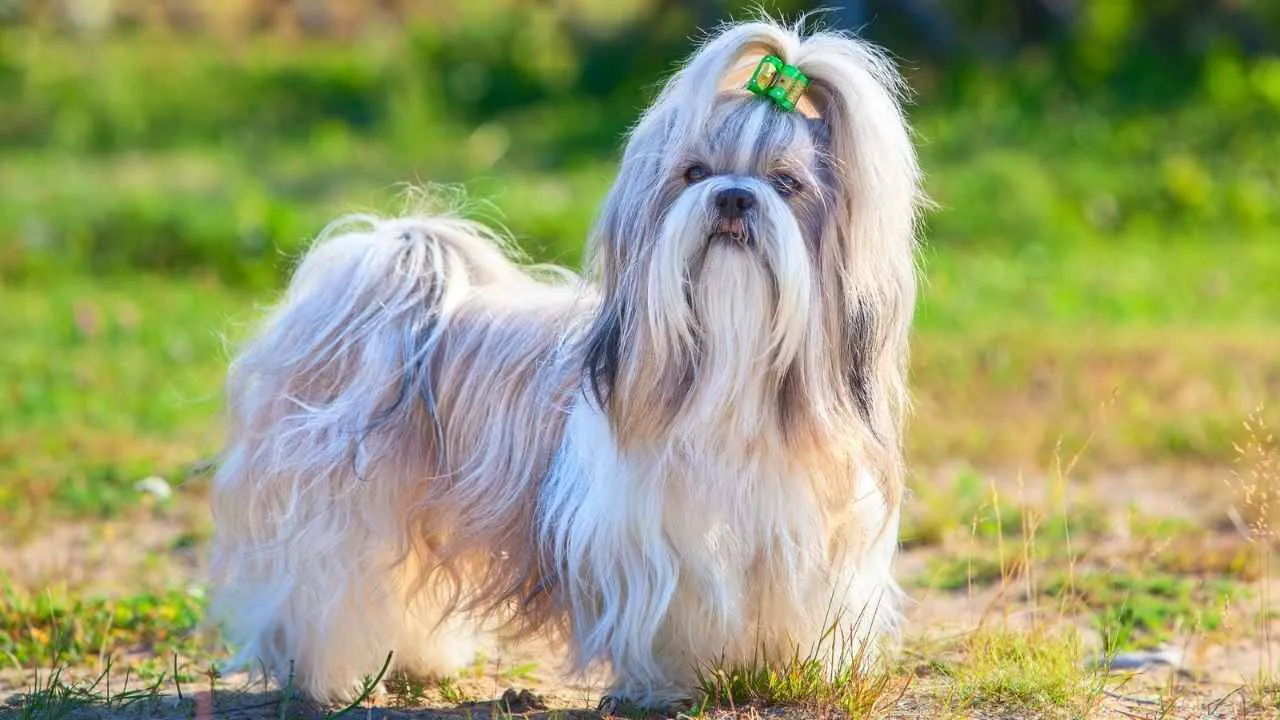
A Shih Tzu was bred specifically as a companion for Chinese royalty, and it still carries itself with quiet confidence. It trots across a room with short, bouncy steps and greets you by hopping straight into a lap. Minimal exercise is all this little dog asks for.
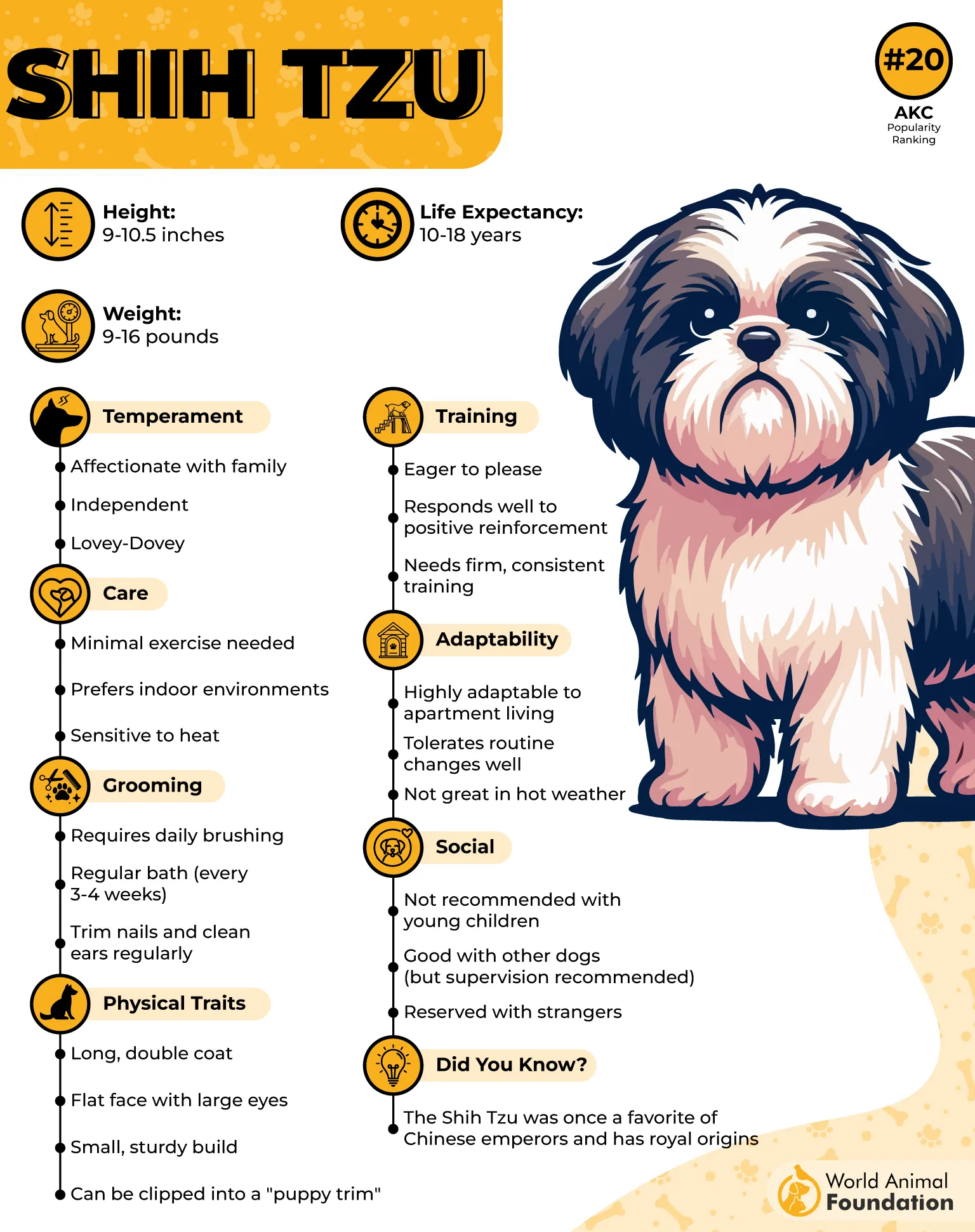
That calm dog persona can crack fast if startled awake. A sudden touch while napping sometimes earns a sharp bark before the Shih Tzu even opens its eyes fully. Sleep interruptions are the one thing it will not tolerate quietly.
Exercise: A short walk around the block is plenty.
Grooming: Daily brushing keeps the long coat free of tangles.
Lazy owners sometimes assume a lap dog needs no training at all. A Shih Tzu without proper training can develop a surprising stubborn streak, barking to get its way. Small size does not mean small opinions.
9. English Bulldog
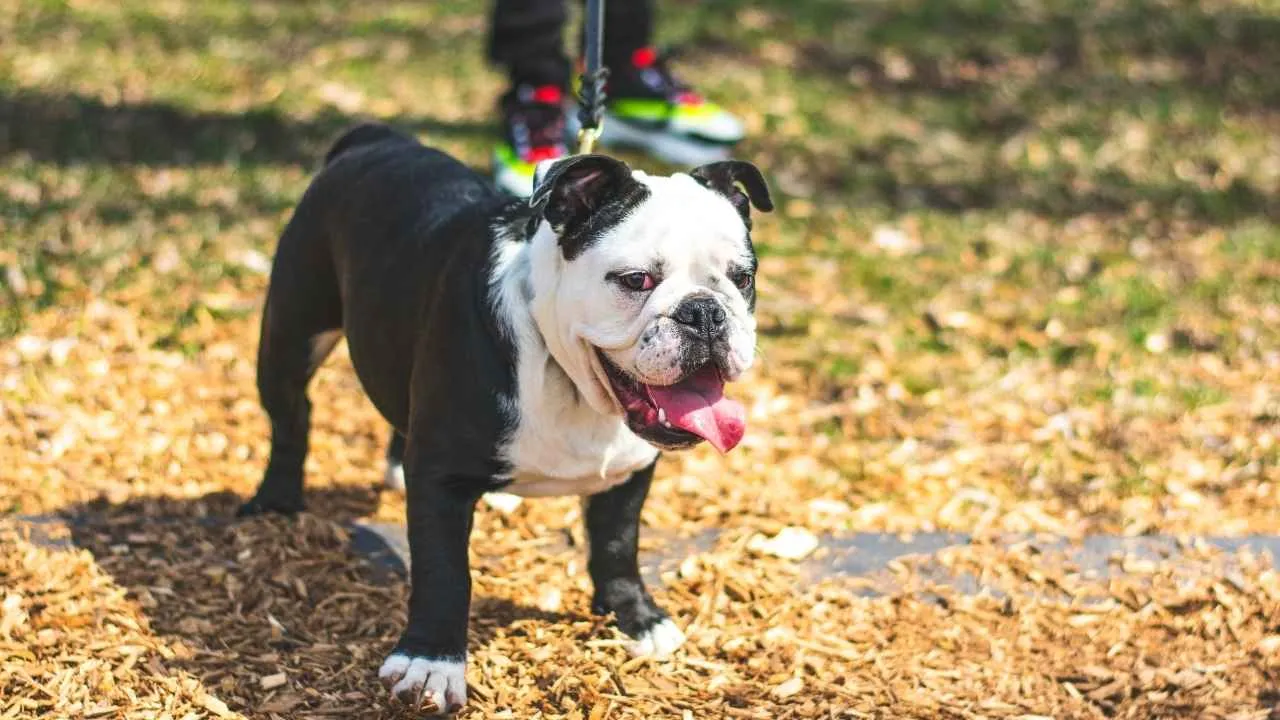
An English Bulldog moves through the day at one speed: slow. It waddles from room to room and greets guests with a sweet, sleepy sort of enthusiasm rather than any real hurry. Few breeds commit to lounging quite like this one.
According to PDSA, that laid-back nature turns risky fast in warm weather, since this breed’s flat face makes breathing harder than most. A sunny afternoon can escalate from happy to distressed within minutes. Heat, not excitement, is the real trigger here.
Exercise: Short, gentle walks in cool weather work best.
Grooming: Facial wrinkles need regular cleaning to stay healthy.
The sweet temperament makes this breed easy to underestimate indoors. An English Bulldog can snore loudly enough to wake the whole house, calm as it seems. Comfort for this dog is rarely silent.
10. Tibetan Spaniel
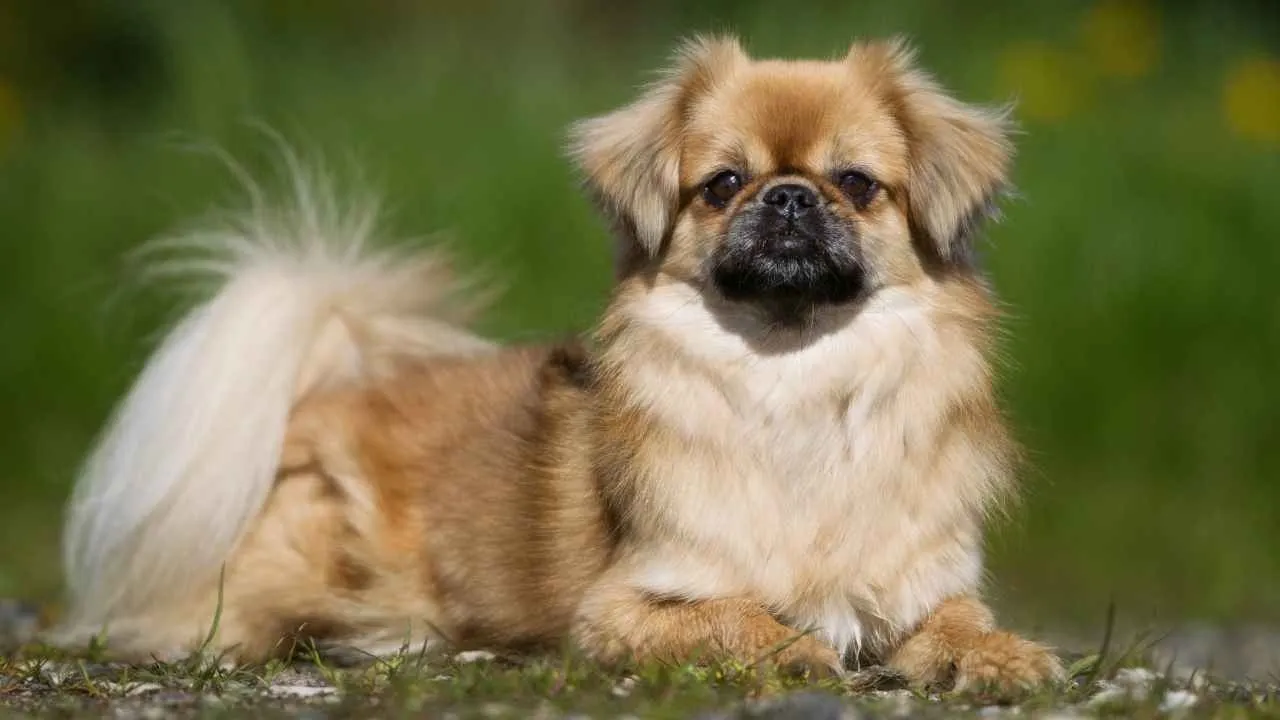
A Tibetan Spaniel moves with quiet confidence, often choosing a high perch like a windowsill or the back of the couch to survey the room. It greets you calmly, usually with a soft look rather than a bounce. Everyday life with this breed feels unhurried and dignified.
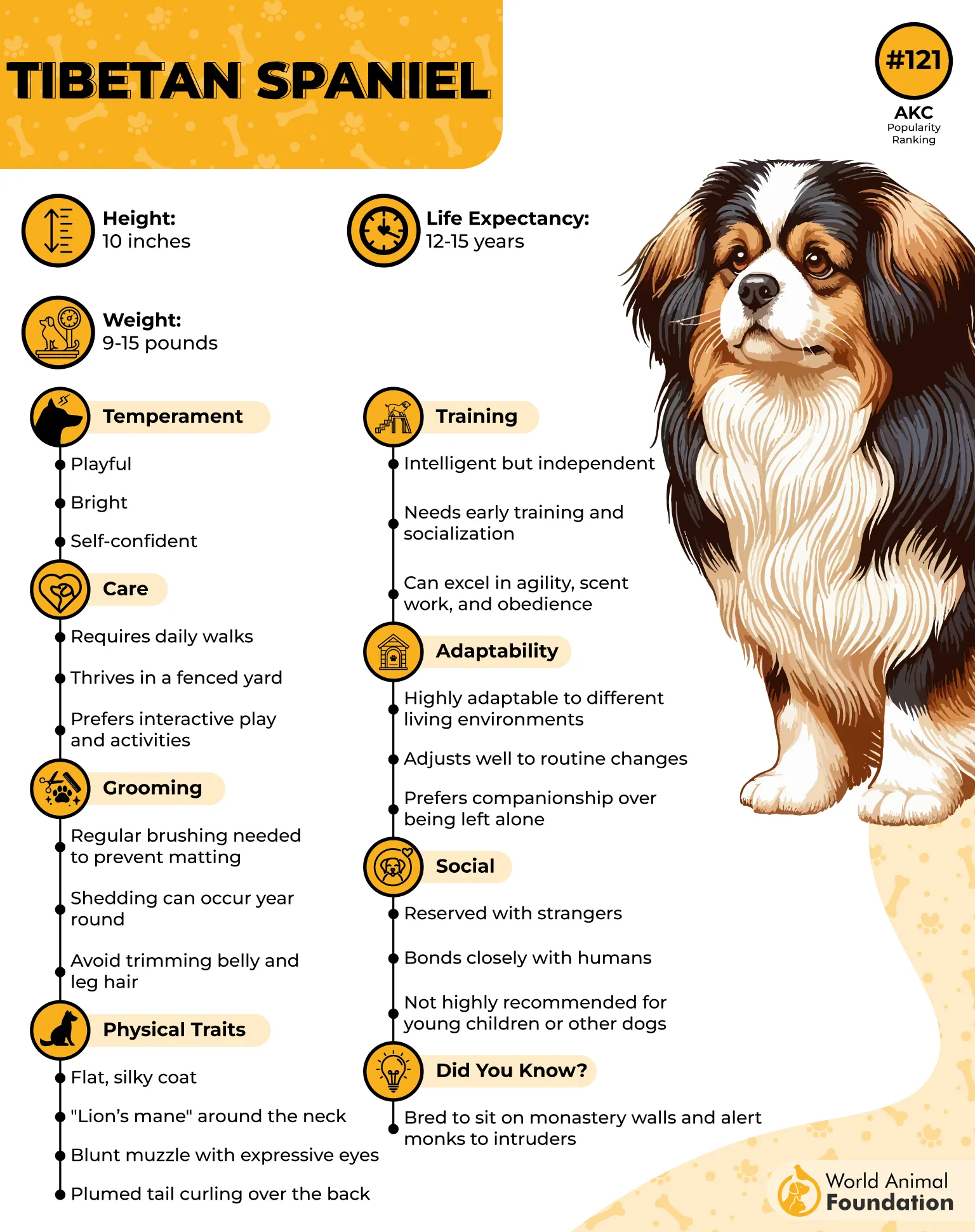
Originally bred as a monastery watchdog, a Tibetan Spaniel still reacts fast to anything unfamiliar at the door. A knock or an unfamiliar voice can turn silence into sharp barking almost instantly. This breed rarely stays quiet when something feels off.
Exercise: Moderate daily walks keep this little watchdog satisfied.
Grooming: Weekly brushing manages the double coat comfortably.
Owners expecting total silence sometimes get a surprise alert system instead. A Tibetan Spaniel takes its lookout duties seriously, no matter how calm and quiet the rest of its day looks. Peaceful companions can still raise the alarm.
Conclusion
At the end of the day, pace beats energy level every single time. A calm temperament on paper means nothing if the individual dog in front of you still startles at every doorbell, needs constant mental stimulation, or secretly craves intense exercise even with all that lounging.
Pick a breed whose rhythm actually matches yours, add regular walks, a little patience, and maybe some regular grooming, and you’ve found a great companion for the long haul, not just the honeymoon phase. Scroll back up and pick your slow-paced soulmate.
