




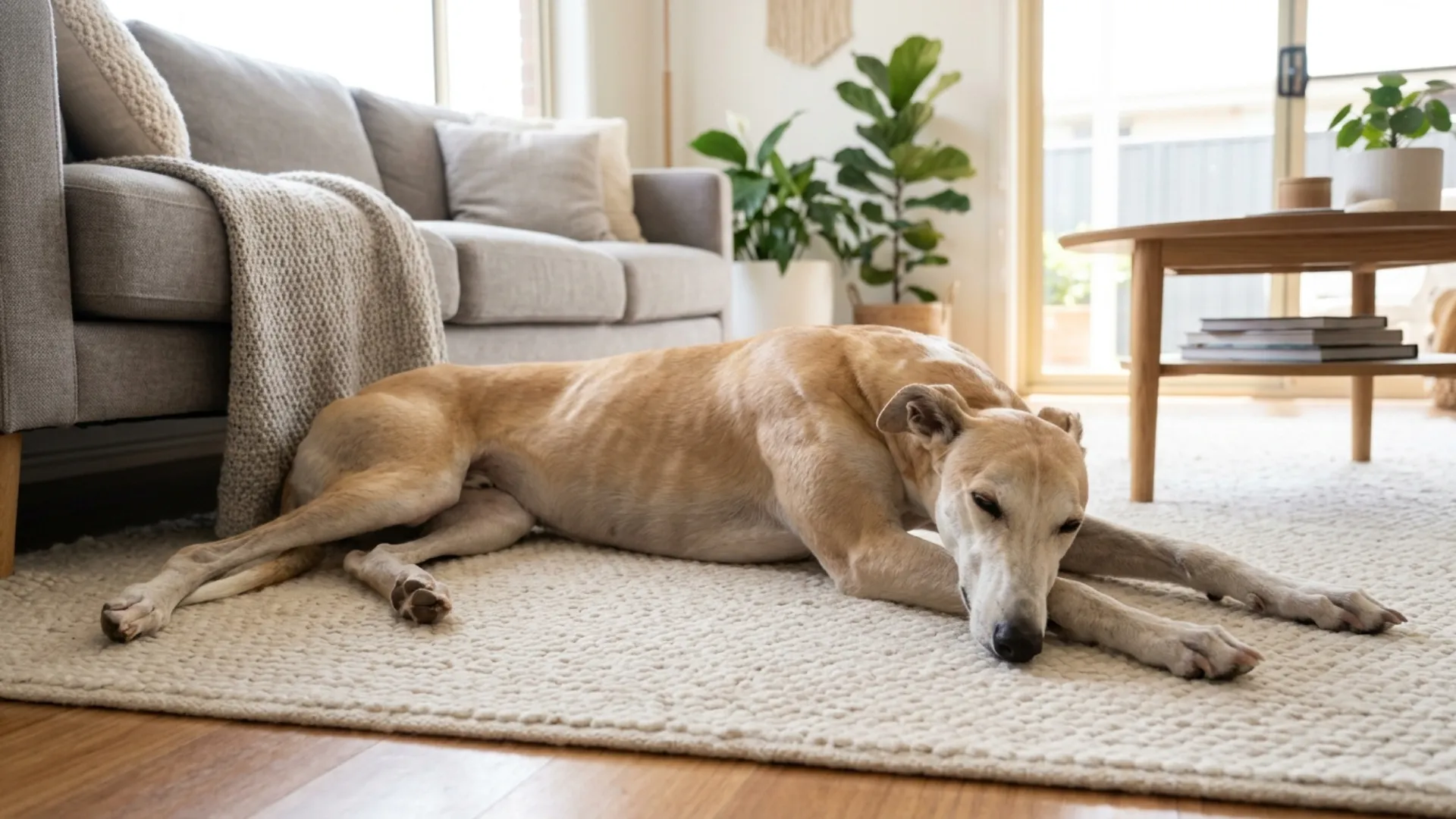
A peaceful home often calls for a dog that enjoys quiet evenings, comfortable routines, and leisurely walks rather than constant activity. Choosing a breed with a generally relaxed temperament can help create a harmonious living environment.
Some dogs are naturally content to lounge beside their families, while others prefer having their own space. Although breed tendencies offer useful guidance, each dog has an individual personality and still needs exercise, training, and attention.
Explore nine dog breeds that may complement a calmer household and discover which companion could fit your daily routine.
Best Dog Breeds for a Peaceful Household
1. Cavalier King Charles Spaniel

The Cavalier King Charles Spaniel has a long association with British royalty and was bred primarily for companionship. Its sweet disposition and love of human company make it well suited to households where a relaxed atmosphere is appreciated.
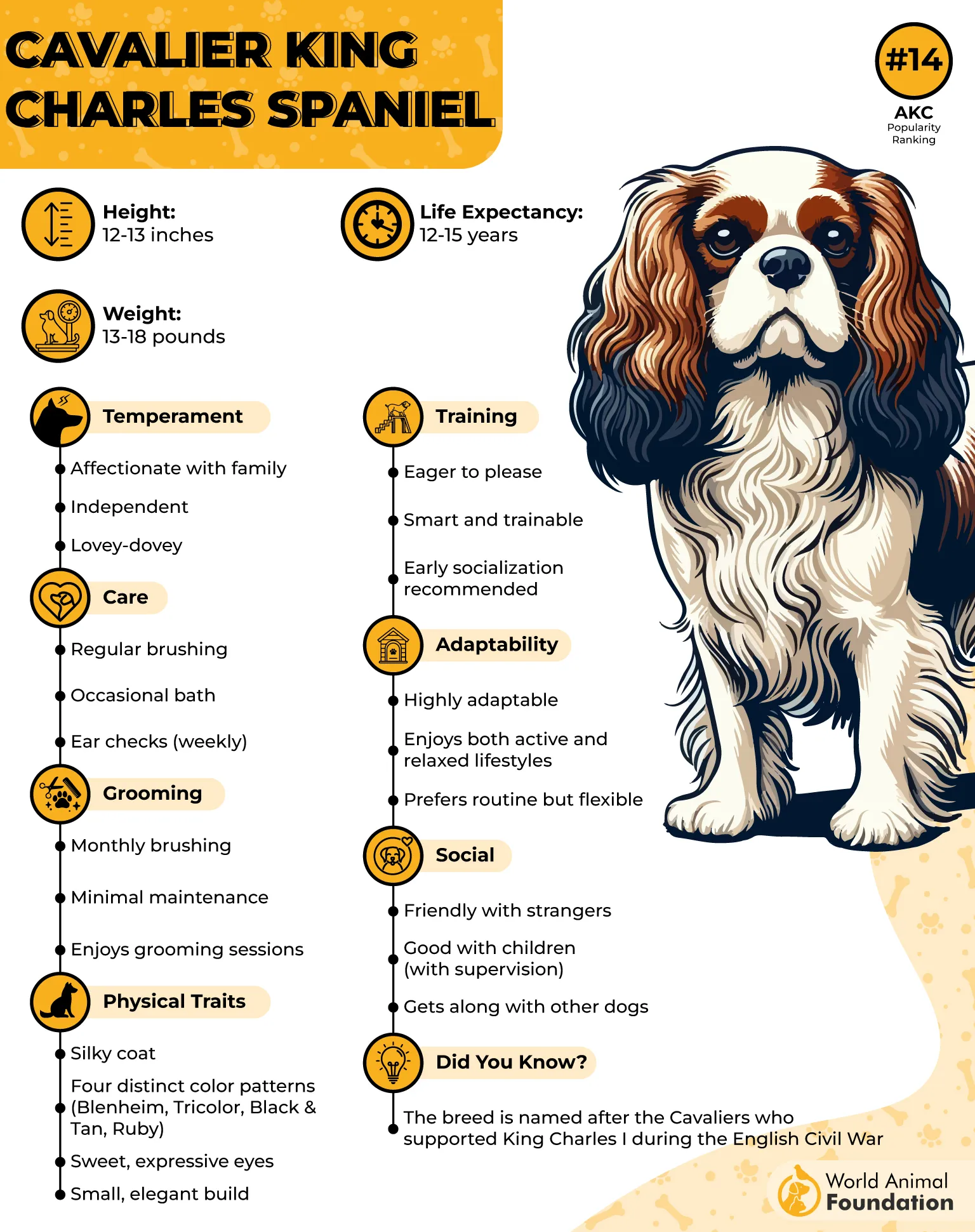
These affectionate dogs often follow their owners from room to room, happily settling nearby during quiet evenings. Although they enjoy lounging, they also appreciate leisurely walks, gentle games, and opportunities to explore interesting scents.
Cavaliers generally welcome familiar people warmly and can get along with children and other dogs when properly socialized. Their adaptable nature and eagerness to please also make training an enjoyable part of everyday life.
How This Breed Stands Out
Gentle, affectionate lap companion: Cavaliers thrive on closeness and are content to cuddle beside their favorite people.
Soft, feathered ears: Their long, silky ears frame their expressive faces and add to their graceful appearance.
2. Greyhound

Despite being famous as racing dogs for incredible sprinting speed, the Greyhound has a surprisingly peaceful side. This elegant sighthound often prefers a comfortable resting spot and a quiet corner where it can relax without constant disturbance.

Greyhounds need opportunities for exercise, but many adults are content with short bursts of activity followed by extended periods of rest.
Adult dogs may also be better suited for a quiet home than puppies, and many become true couch potato companions indoors once their exercise needs are met. They generally do not demand nonstop entertainment, making them appealing companions for households that value a calmer daily rhythm.
Their sensitive nature means loud voices and chaotic surroundings can make them uneasy, and homes without lots of noise or commotion usually suit them better. Gentle handling, predictable routines, and a peaceful home environment help them feel secure throughout the day.
A fenced yard is ideal, especially because prey drive can be a reason they are not always the easiest match for homes with small pets. Some enjoy cuddling, while others show affection by simply resting close to their owners.
Calm enrichment can also help them settle, such as adding a long-lasting treat session later in the day.
How This Breed Stands Out
Surprisingly relaxed indoors: After exercise, Greyhounds often enjoy long stretches of comfortable, undisturbed rest.
Sleek, aerodynamic build: Their slender frame, deep chest, and long legs are adapted for exceptional speed and graceful movement.
3. Shih Tzu

Bred as a cherished companion in Chinese imperial households, the Shih Tzu is well suited to a home where comfort and companionship take priority. These small dogs enjoy relaxing on sofas and staying close to their favorite people.

Although puppies can be lively, many Shih Tzus become more settled as adults. Short walks, gentle play sessions, and basic training provide enough variety to support a calmer routine without requiring strenuous daily exercise.

Their affectionate nature means they often want to participate in everyday household activities. They may greet familiar visitors enthusiastically or entertain their families with expressive antics before returning to a cozy resting spot.
How This Breed Stands Out
Content with leisurely indoor routines: Shih Tzus enjoy comfortable surroundings, short play sessions, and relaxing beside their owners.
Distinctive short muzzle and rounded face: Their compact muzzle, broad eyes, and rounded facial features give them a recognizable, charming expression.
4. Clumber Spaniel
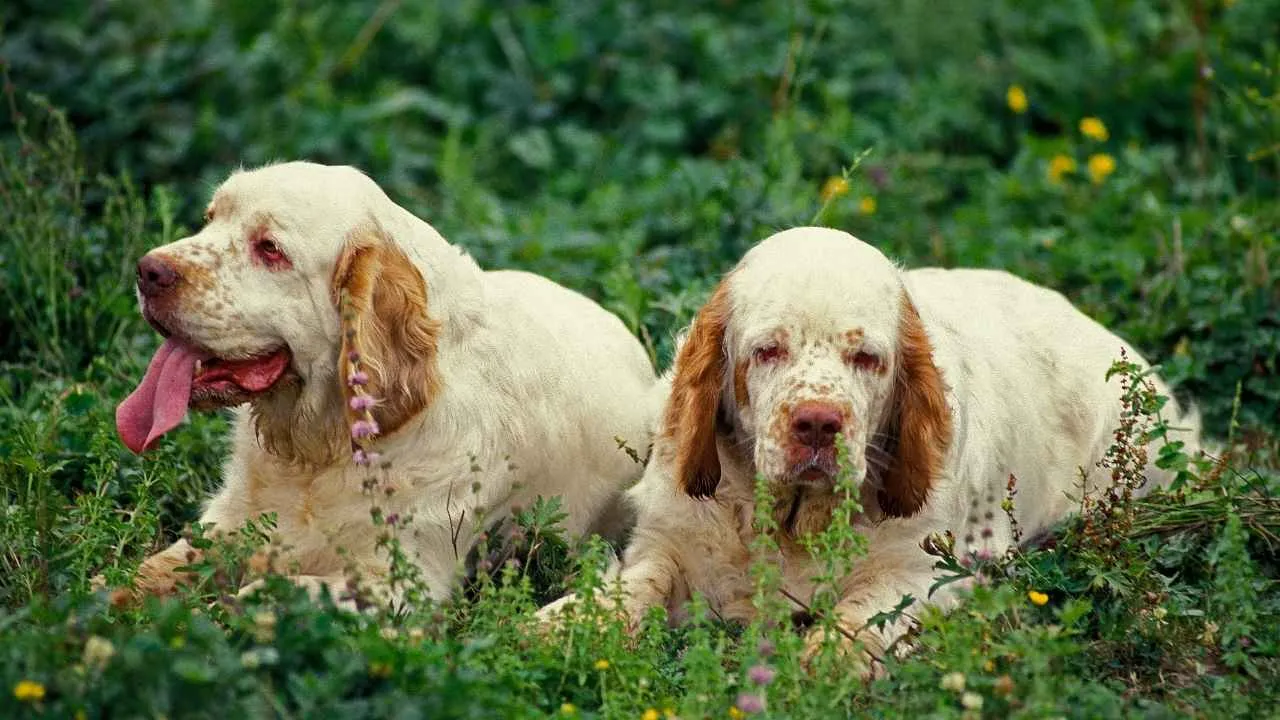
With its dignified expression and unhurried manner, the Clumber Spaniel brings a relaxed presence to a peaceful household. As a good example of a calm hunting dog that still fits this kind of home, the breed combines a gentle temperament with a history of purposeful outdoor work on British estates.

According to PetMD, Clumber Spaniels tend to be patient and easygoing at home, often following family members quietly before settling down nearby. They still need daily exercise and playtime, which can suit active pet parents who want a steady companion, and they enjoy activities such as fetching and swimming.
Their intelligence and willingness to please can also make training and games feel fun without disrupting their overall calm nature.
Their heavy bodies, low-set frames, and substantial heads give them a distinctive appearance. However, their dense coats need regular brushing, and prospective owners should be prepared for shedding and drooling.
How This Breed Stands Out
Slow-paced, easygoing temperament: Clumber Spaniels generally approach everyday household life calmly and prefer steady companionship over constant excitement.
Heavy build with a broad head: Their sturdy, low-set bodies and massive heads reflect their traditional role as powerful sporting dogs.
5. Whippet
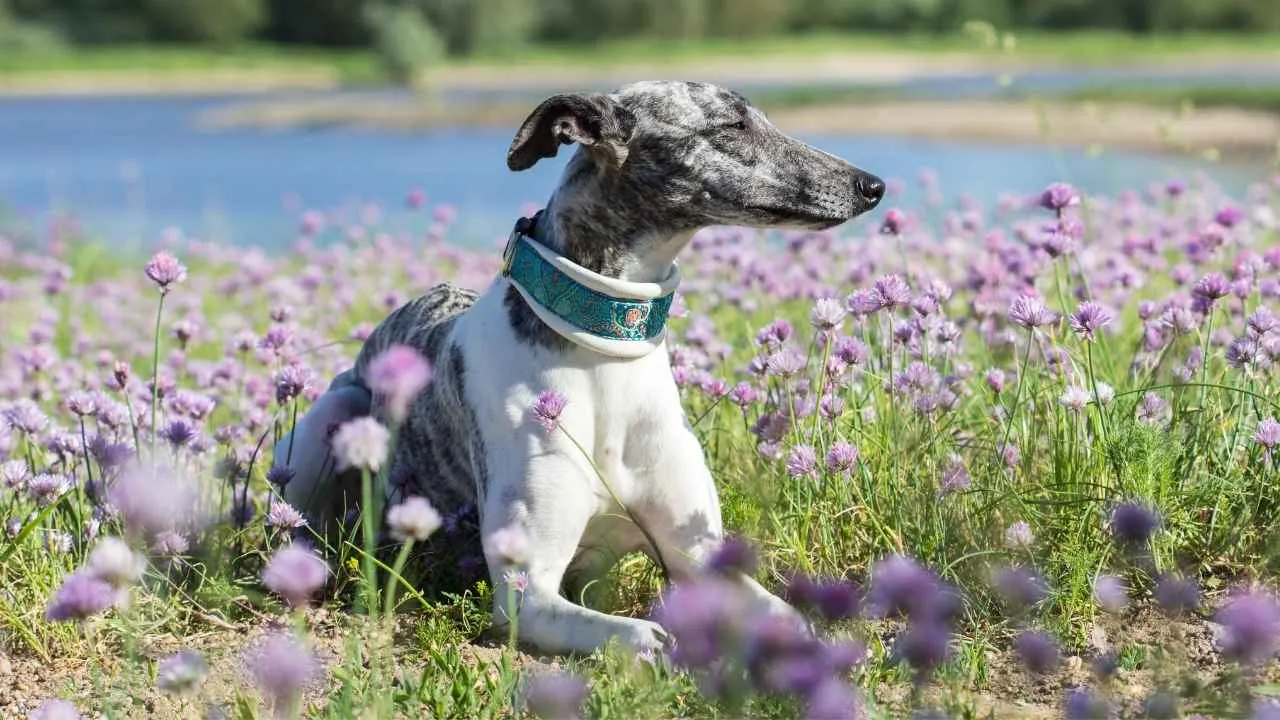
Whippets combine athletic elegance with a gentle, sensitive temperament that suits a peaceful home. Although their slender bodies are built for speed, these dogs are often quiet indoors and appreciate having a comfortable place to rest.

According to WebMD, Whippets need daily physical activity and room to run, but they also enjoy relaxing indoors and staying close to their favorite people as devoted companions.
Their exercise needs are best met through daily walks and opportunities for safe, vigorous running. After a burst of energetic activity, a Whippet may happily stretch out for a long nap beside its favorite people. A securely fenced area is useful because their chasing instincts can kick in quickly.
With their short coats and minimal grooming requirements, Whippets are relatively easy to maintain. They also tend to bark infrequently, making them appealing for households that prefer a quieter companion.
How This Breed Stands Out
Quiet, sensitive household companion: Whippets are generally gentle and reserved, benefiting from calm handling and a comfortable home environment.
Sprinting bursts followed by long naps: They enjoy brief periods of intense speed before settling down for extended, cozy rest.
6. Japanese Chin
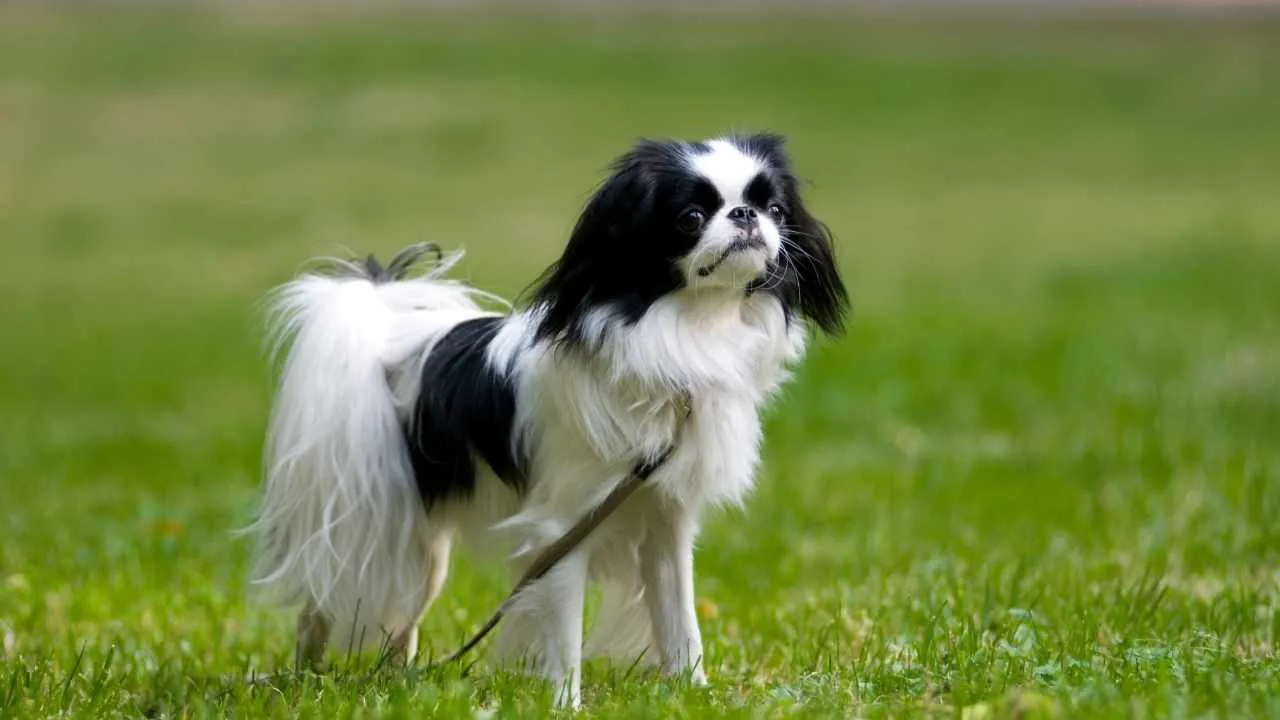
With its graceful movements and regal appearance, the Japanese Chin is a small companion well suited to a tranquil household. This toy breed is known for its silky, flowing coat, large expressive eyes, and short muzzle that gives its face a distinctive, surprised expression.
According to the AKC, Japanese Chins are intelligent, entertaining lapdogs known for their cat-like behavior, graceful movements, and tidy habits. They are generally quiet and carry themselves with an elegant, dignified manner.

Japanese Chins are generally quiet indoors and can thrive in smaller homes with gentle walks, basic training, and plenty of comfortable resting spots.
Their long fur forms a decorative mane around the neck and shoulders, while the feathered tail curves elegantly over the back. Regular grooming helps keep their coat free from tangles and looking its best.
How This Breed Stands Out
Catlike grooming habits: Japanese Chins are notably tidy and often clean themselves in a manner reminiscent of cats.
Refined, feathered tail: Their plumed tail arches over the back, enhancing their elegant silhouette.
7. Saint Bernard

Famous for its historic rescue work in the Swiss Alps, the Saint Bernard is a powerful giant with a remarkably gentle disposition. Despite its imposing size, this big breed is often patient and watchful, making it a reassuring presence in family homes.

Saint Bernards generally prefer a relaxed pace rather than constant activity. They enjoy staying close to their loved ones, quietly observing household life, and receiving affection. Their friendly nature can make them particularly appealing to families with children, provided interactions are supervised.
Their enormous bodies, broad heads, and wrinkled brows give them a distinctive appearance, while their dark eyes often convey a warm, intelligent expression. Responsible weight management and appropriate exercise are important to support their joints and overall well-being.
How This Breed Stands Out
Patient, steady family presence: Saint Bernards are often calm, watchful companions who enjoy being near their families.
Massive frame with a gentle expression: Their powerful build contrasts beautifully with their friendly eyes and soft, welcoming demeanor.
8. Newfoundland

Originating in Canada, the Newfoundland was developed for demanding work around fishing communities, helping with heavy tasks and water-based activities. Beneath its impressive size lies a notably sweet and patient temperament that makes this breed a beloved family companion.

Newfoundlands are often gentle and watchful around children, and this gentle pup often stays close to family members, earning a reputation for a nurturing nature. They respond well to kind, consistent training, which can help ensure they stay calm and comfortable in new environments, and a well-exercised Newfoundland is often happy and settled indoors without needing constant entertainment.
Their thick outer coat, broad head, and powerful frame give them a distinctive appearance. These dogs are also natural swimmers, supported by webbed feet that help them move through water. Regular moderate exercise, adequate space, and careful weight management are important for their well-being.
How This Breed Stands Out
Nurturing, gentle temperament: Newfoundlands are known for their patient, affectionate nature and often form strong bonds with family members.
Webbed feet and water-rescue heritage: Their webbed paws support swimming, reflecting their traditional role in water-related work and rescue.
9. Mastiff

The Mastiff, also known as the English Mastiff, combines an imposing appearance with a preference for peaceful surroundings. Its massive head, broad chest, and powerful frame reflect its history as a guardian, while its dignified personality can make it a relaxed companion at home.

Many adult Mastiffs enjoy predictable routines and long periods of rest near their families. They may be reserved around unfamiliar people, so early socialization and consistent, positive training are important for developing confidence and manageable behavior.
Despite their size, Mastiffs generally do not need constant activity to stay content. They benefit from regular exercise, comfortable resting areas, and close companionship, as some can struggle when left alone for extended periods.
How This Breed Stands Out
Calm, watchful demeanor: Mastiffs often remain composed around familiar people while keeping an observant eye on their surroundings.
Impressive size with a broad, wrinkled face: Their massive build, wide head, and wrinkled forehead give them a distinctive, imposing appearance.
Conclusion
Finding the right dog for a peaceful household means looking beyond appearance and considering temperament, energy levels, and companionship needs. A well-matched dog can bring comfort and happiness to everyday life and help keep the household happy.
Gentle, easygoing dogs often appreciate quiet surroundings, predictable routines, and opportunities to relax near their families. Low vocalization is one key trait many calm households value. Their individual personalities, however, can vary depending on upbringing, training, and socialization.
Even calm companions need regular exercise, mental stimulation, and positive interaction. Providing these essentials helps them feel secure while encouraging good behavior around family members and visitors. Rewarding calm behavior and using predictable calming activities from morning to evening can also help dogs settle.
Before welcoming a dog home, consider your available space, daily schedule, grooming commitment, and ability to meet its needs. For some peaceful homes, adult dogs may be an easier fit than a puppy, and careful introductions to friends and other pets also matter.
With patience, responsible care, and a suitable environment, you can build a rewarding bond with a dog that complements your household’s peaceful lifestyle.
