




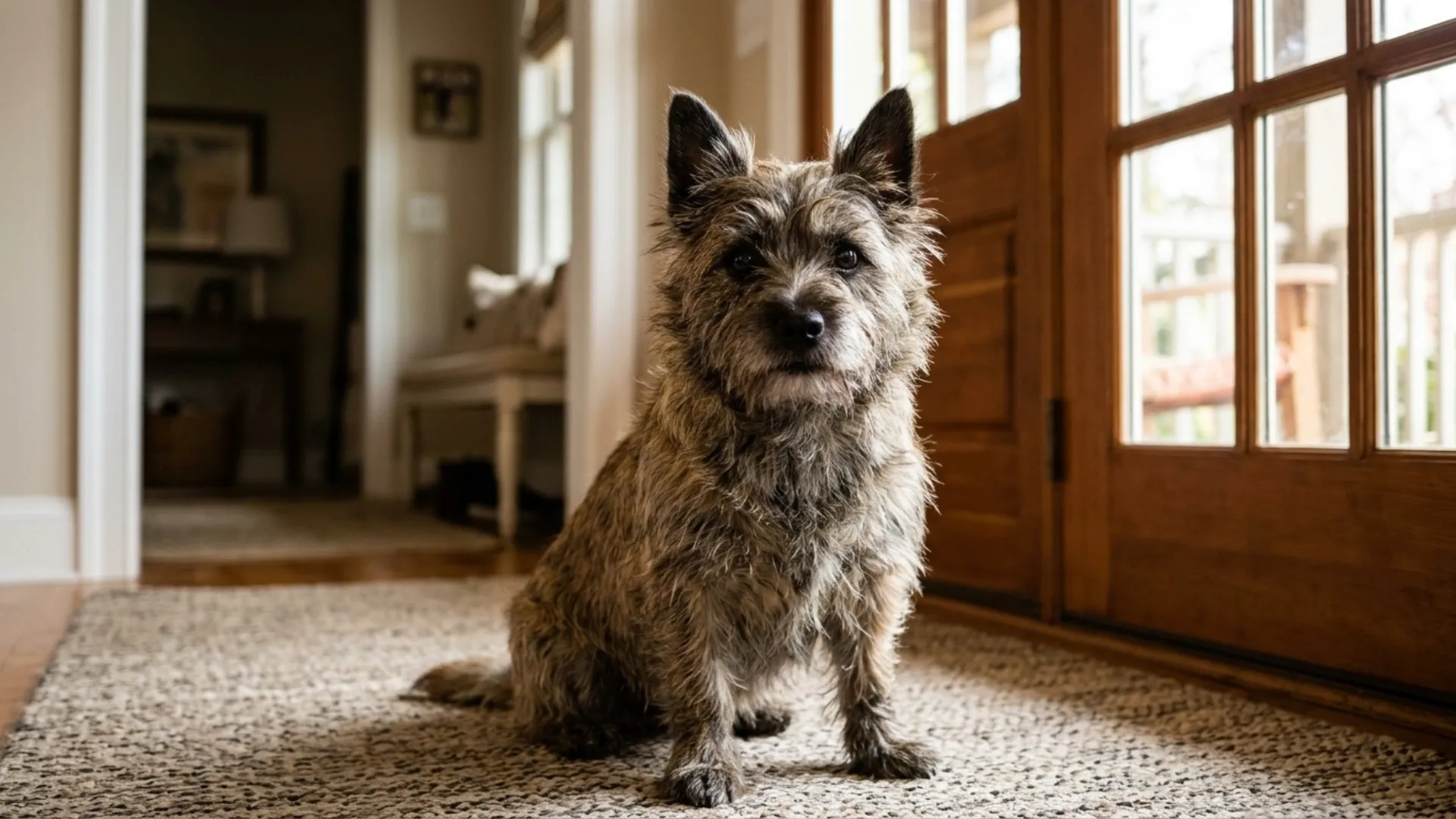
Small dogs may not take up much space, but many have a big personality when it comes to protecting their homes. From alert barking to keeping a close eye on unfamiliar visitors, these little companions can make their presence known whenever something seems out of the ordinary.
Their sharp awareness and strong attachment to their families can make them useful watchdogs, even in apartments and smaller homes.
The best small watchdog breeds are often quick to notice unusual sounds, movements, or people approaching the door. Some are naturally vocal and will readily alert their owners, while others rely on their confidence and watchful nature to stay aware of their surroundings.
So what are you waiting for? Let’s take a look at seven of the best small guard dog breeds.
Top Small Dog Breeds for Home Watchdog Responsibilities
1. Miniature Schnauzer
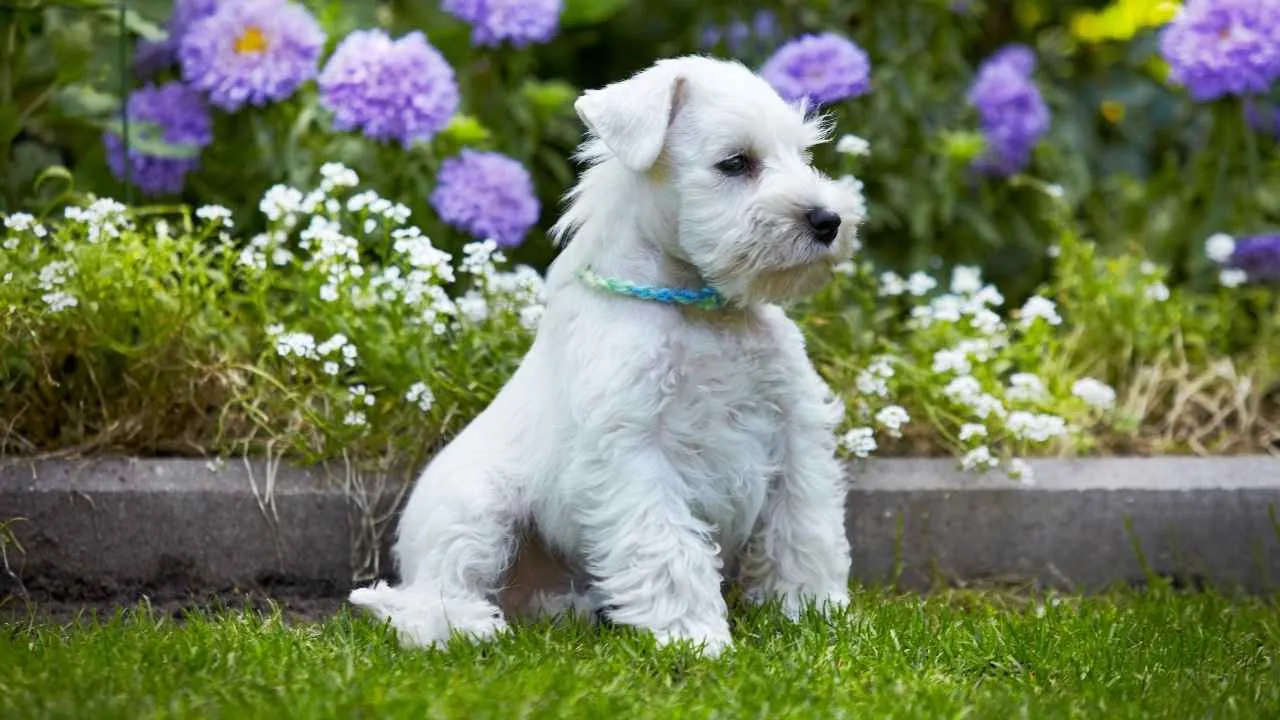
Miniature Schnauzers are lively, intelligent dogs with a natural instinct to watch over their homes. Originally bred in Germany as farm dogs and ratters, they have keen hearing and quickly notice unusual sounds.
According to Orvis, they bark to alert their families to strangers, passing vehicles, and nearby animals. Although fearless, they are more likely to warn intruders by barking than by biting. They also settle down once their owners welcome visitors.
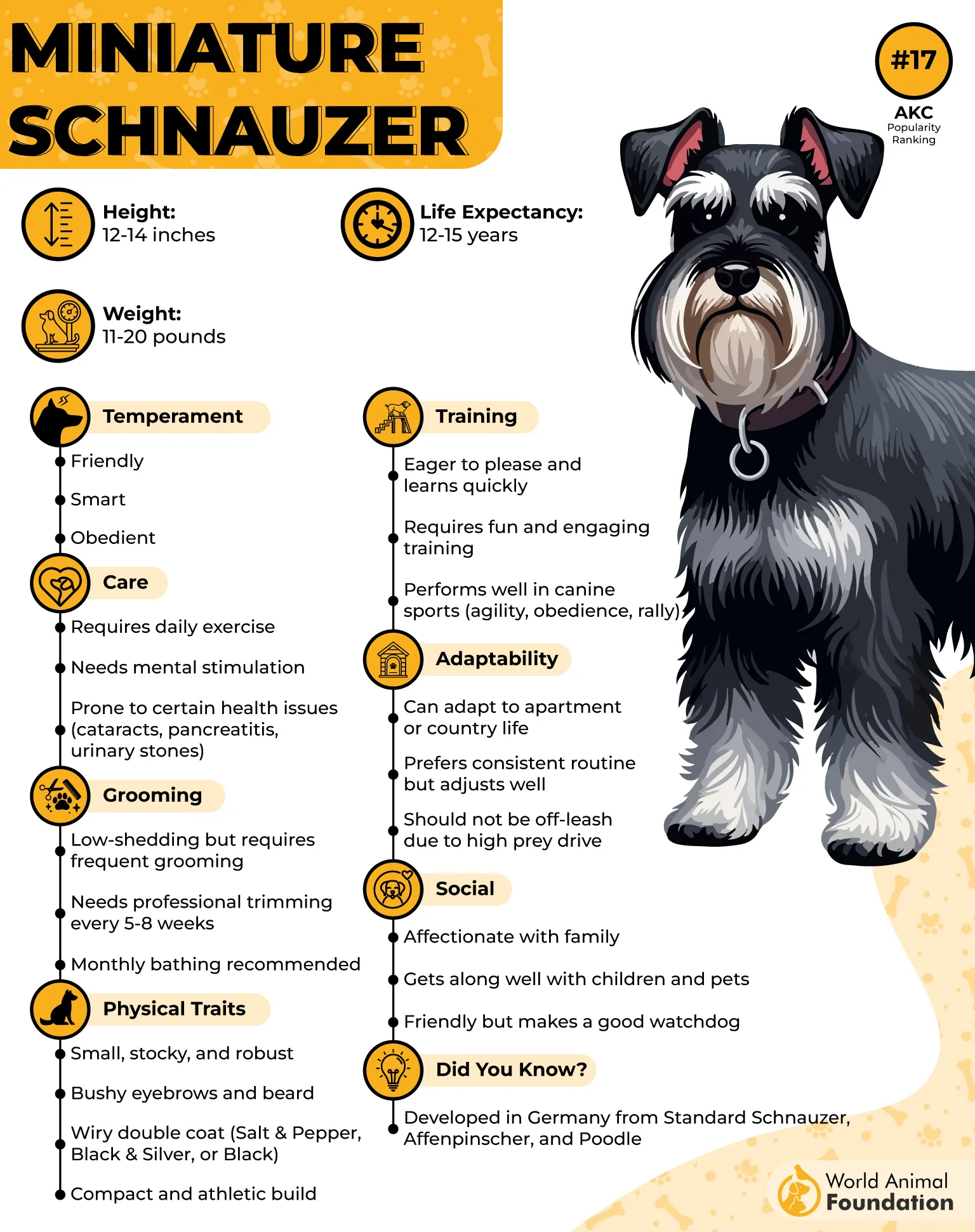
These dogs are playful, friendly, and eager to learn, though their stubborn streak can make training challenging. They enjoy spending time with their families and usually get along well with children.
Early socialization helps them become more comfortable around other dogs. However, their strong prey drive may make them unsuitable for homes with cats, small mammals, or birds.
Care and Training
Brush their wiry coats regularly and arrange professional grooming to keep them in good condition.
Provide regular exercise, games, and training activities to keep them physically active and mentally engaged.
Use patient, consistent training to manage stubborn behavior and excessive barking.
Give them plenty of attention, as these sociable dogs enjoy being around their families.
2. Cairn Terrier
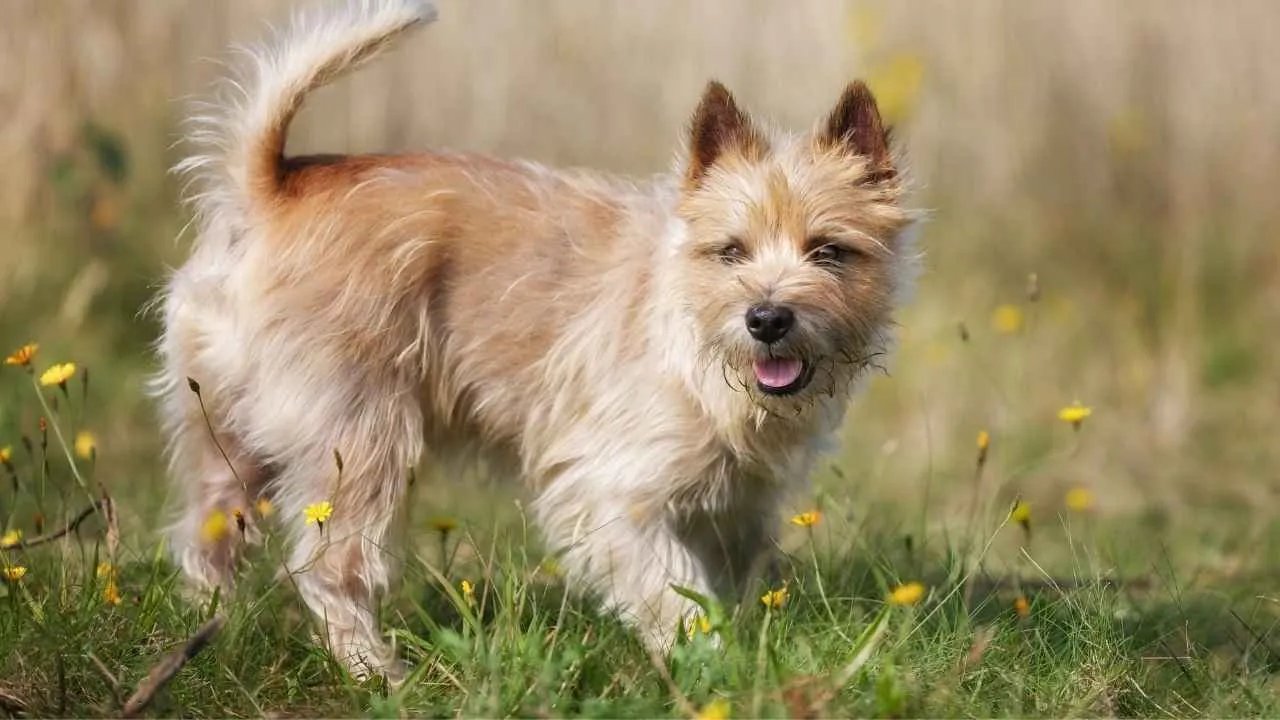
Cairn Terriers are courageous, alert dogs with a long history of protecting Scottish farms. Originally bred to hunt foxes and rodents hiding among piles of stones, they remain curious and quick to notice their surroundings.
They will bark when someone approaches the house, making them useful watchdogs. Although their small size limits their ability to physically protect a property, their warning barks can alert families to unfamiliar visitors.
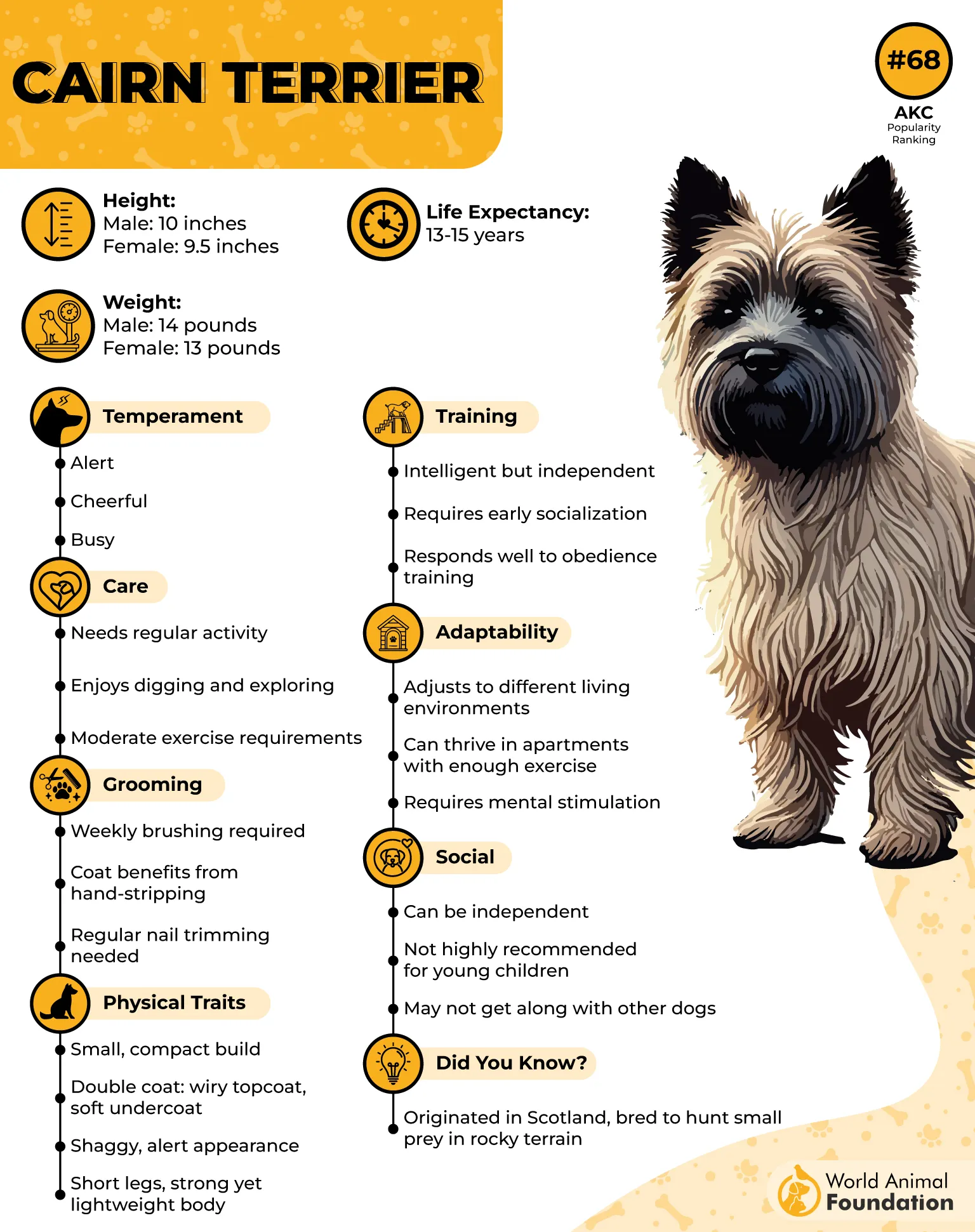
These lively dogs are intelligent, loyal, and full of personality. They enjoy being around their families and can make affectionate companions for households with respectful children.
They are generally friendly with strangers and other dogs when properly socialized, but may not always get along with cats or smaller animals. Their natural instincts can also lead them to chase, dig, and explore.
Care and Training
Provide daily walks and interactive play to meet their exercise needs and burn off excess energy.
Use early, consistent training and mental activities to manage their independent nature and keep them engaged.
Keep them on a leash during walks and use secure fencing to prevent chasing and wandering.
Brush their thick, weather-resistant coats regularly to maintain them in good condition.
3. Jack Russell Terrier
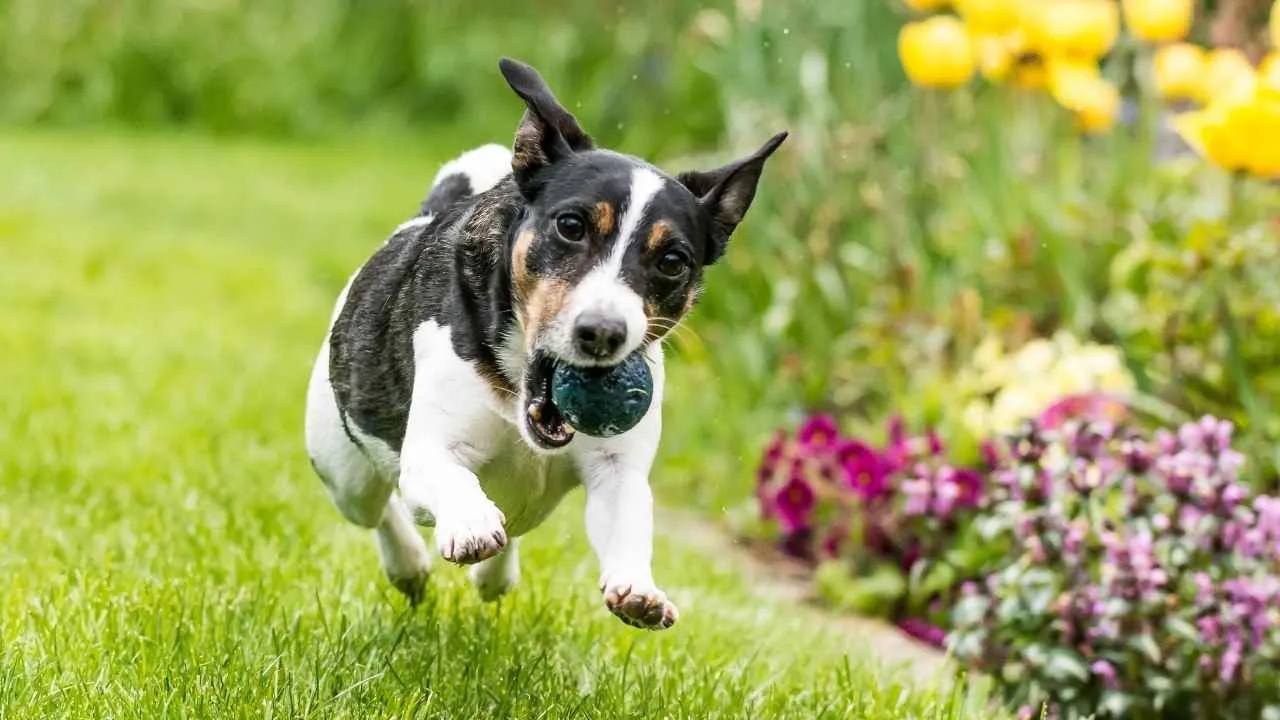
Jack Russell Terriers are small, energetic dogs with fearless personalities and strong watchdog instincts. Originally bred in England to hunt foxes, they are quick, determined, and always alert to their surroundings.
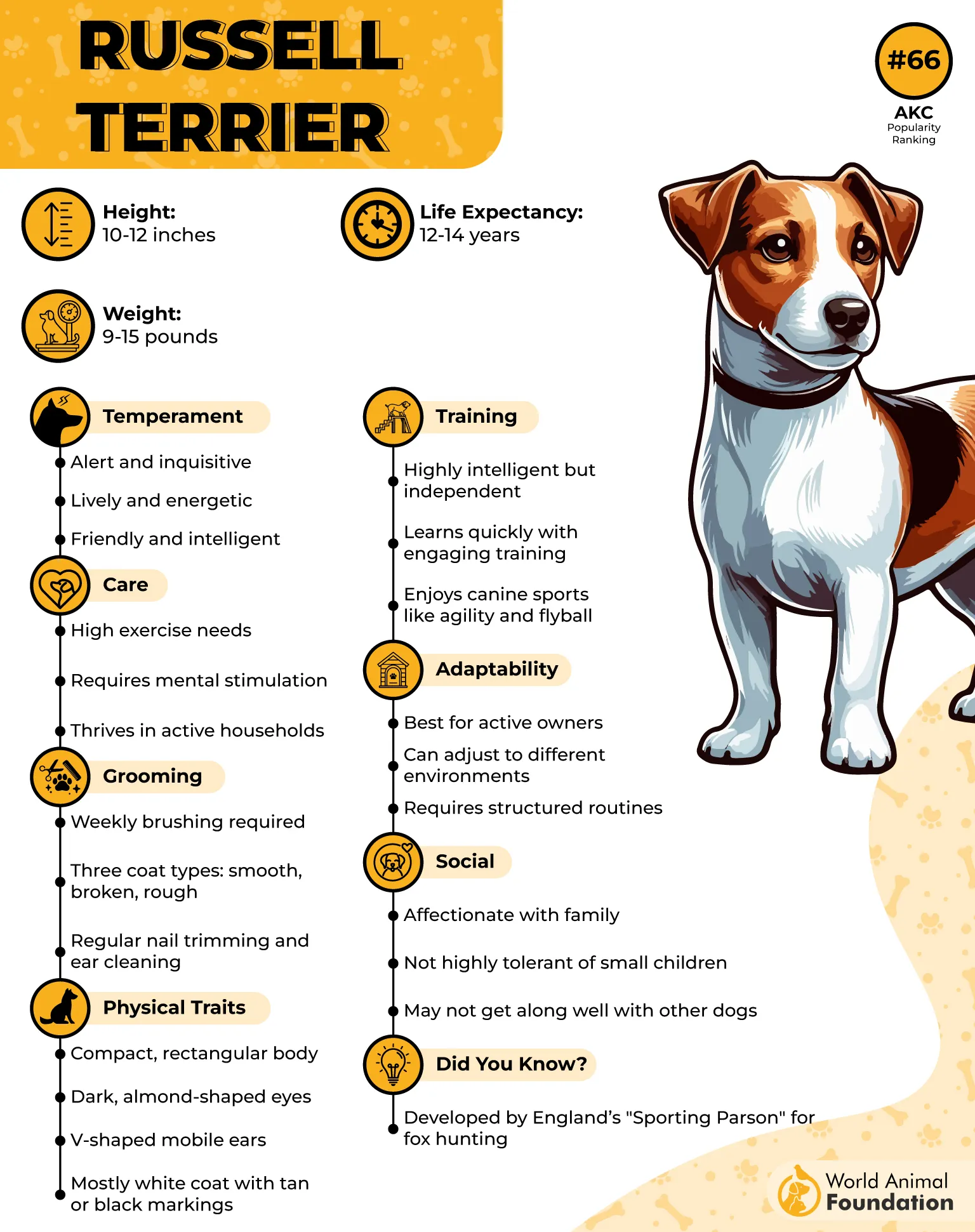
These dogs often bark at anything moving near their homes, from passing cats and squirrels to unfamiliar visitors. They may confront intruders rather than back away, but their small size limits their ability to offer physical protection.
These lively dogs are playful, intelligent, and full of determination. They can get along well with children and other dogs when properly socialized, but their strong prey drive may make living with cats and smaller animals difficult.
Care and Training
Provide frequent exercise, interactive games, and mental stimulation to keep them occupied.
Use consistent training and recall practice to manage their independent nature and prevent wandering.
Install secure fencing, as their digging and escape tendencies can make unsupervised outdoor time risky.
Give them regular companionship, as they may struggle when left alone for long periods.
4. Dachshund

Dachshunds may be small, but their bold personalities and protective instincts make them excellent watchdogs. Originally bred in Germany to hunt badgers, these dogs are fearless, alert, and quick to notice unfamiliar activity.
They bark loudly when strangers approach their homes, including visitors and delivery workers. Dachshunds are better at alerting their families than physically protecting a property, but their big-dog bark can make potential intruders think twice.
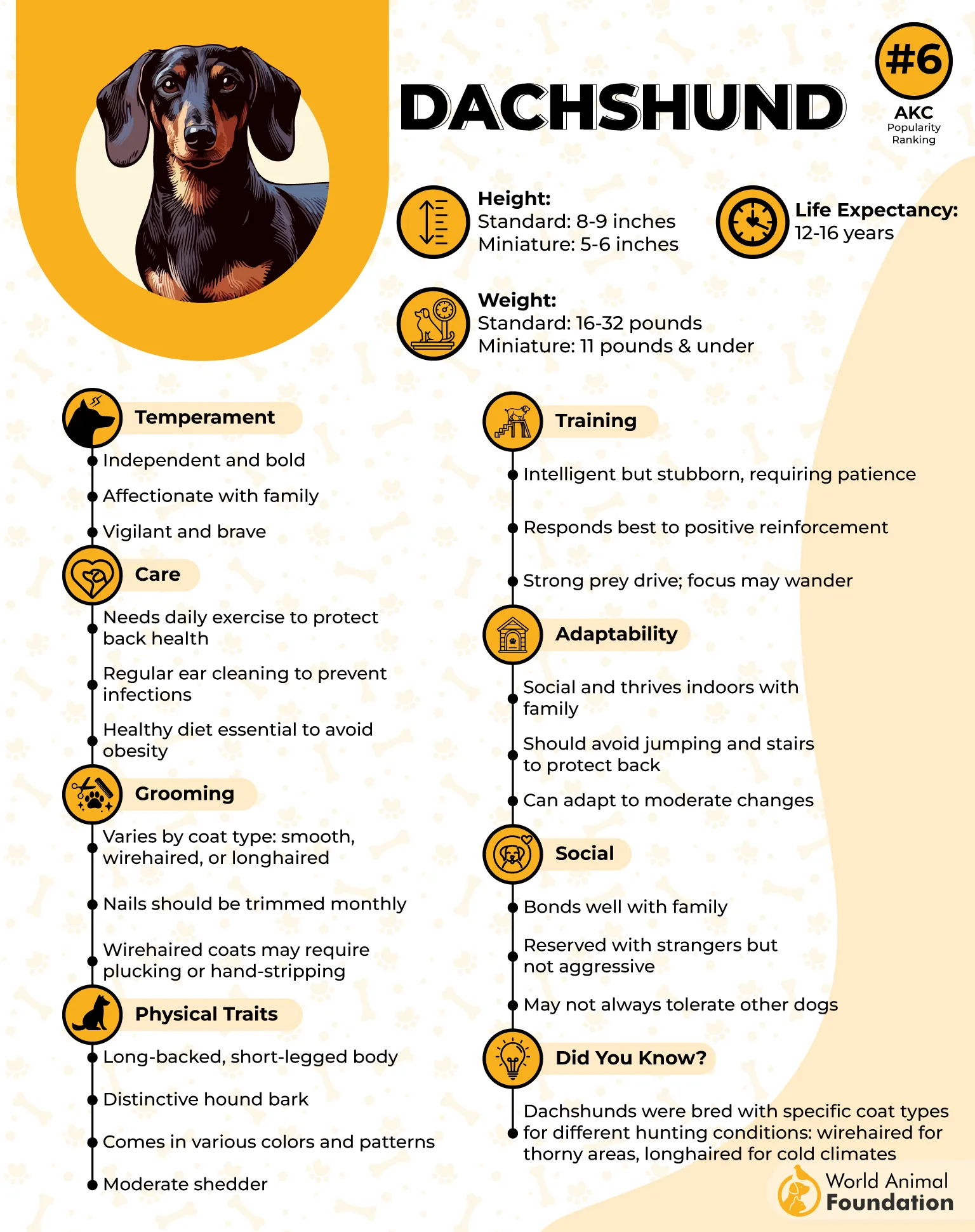
These loyal dogs form strong bonds with their families and enjoy staying close to their favorite people. They are intelligent, playful, and adventurous, although their independent nature can make training challenging.
Chewy mentions Dachshunds may be wary of strangers and do not always get along with other dogs or cats.
Care and Training
Use reward-based training and early socialization to manage excessive barking and encourage good behavior around visitors.
Provide daily walks and opportunities to explore new scents, but avoid strenuous exercise and activities that strain their backs.
Supervise outdoor time and offer suitable digging activities to manage their hunting instincts.
Handle them carefully and supervise interactions with children to help prevent back and neck injuries.
5. Rat Terrier
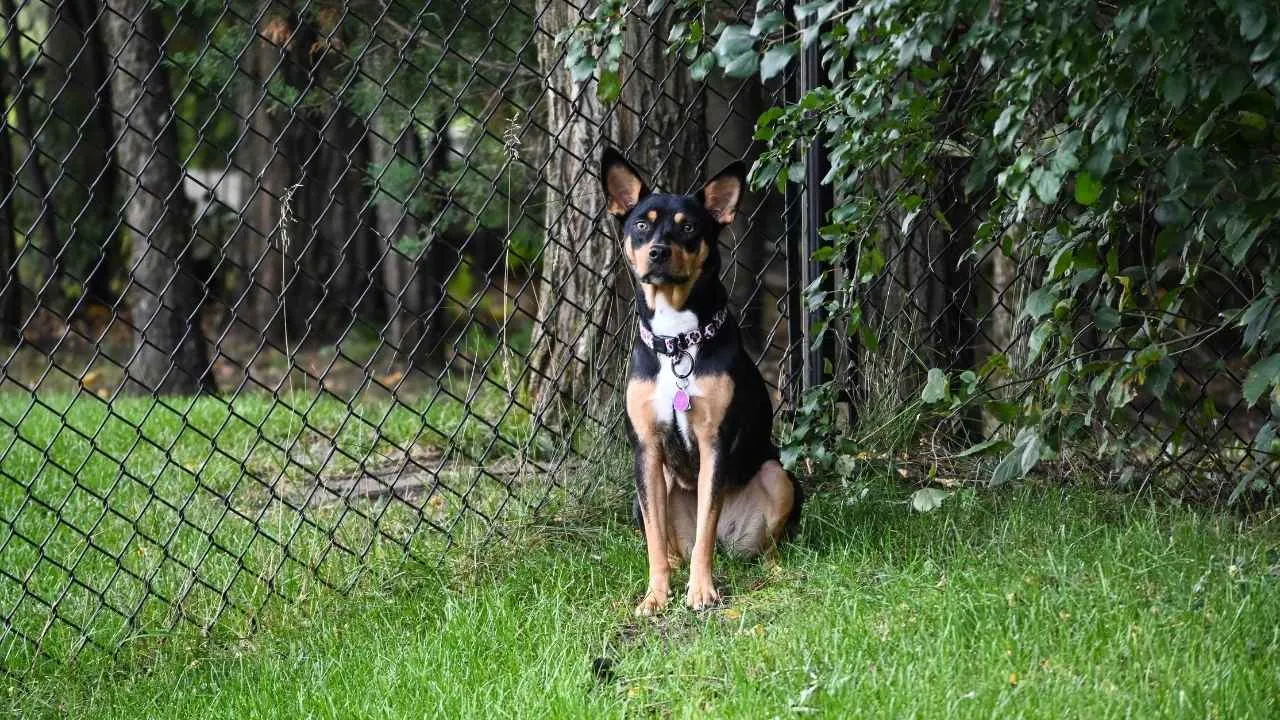
Rat Terriers are energetic, intelligent dogs with a natural instinct to protect their homes. Originally bred on American farms to hunt rats and control vermin, they remain alert to their surroundings. These little dogs often bark when people or other animals approach their property.
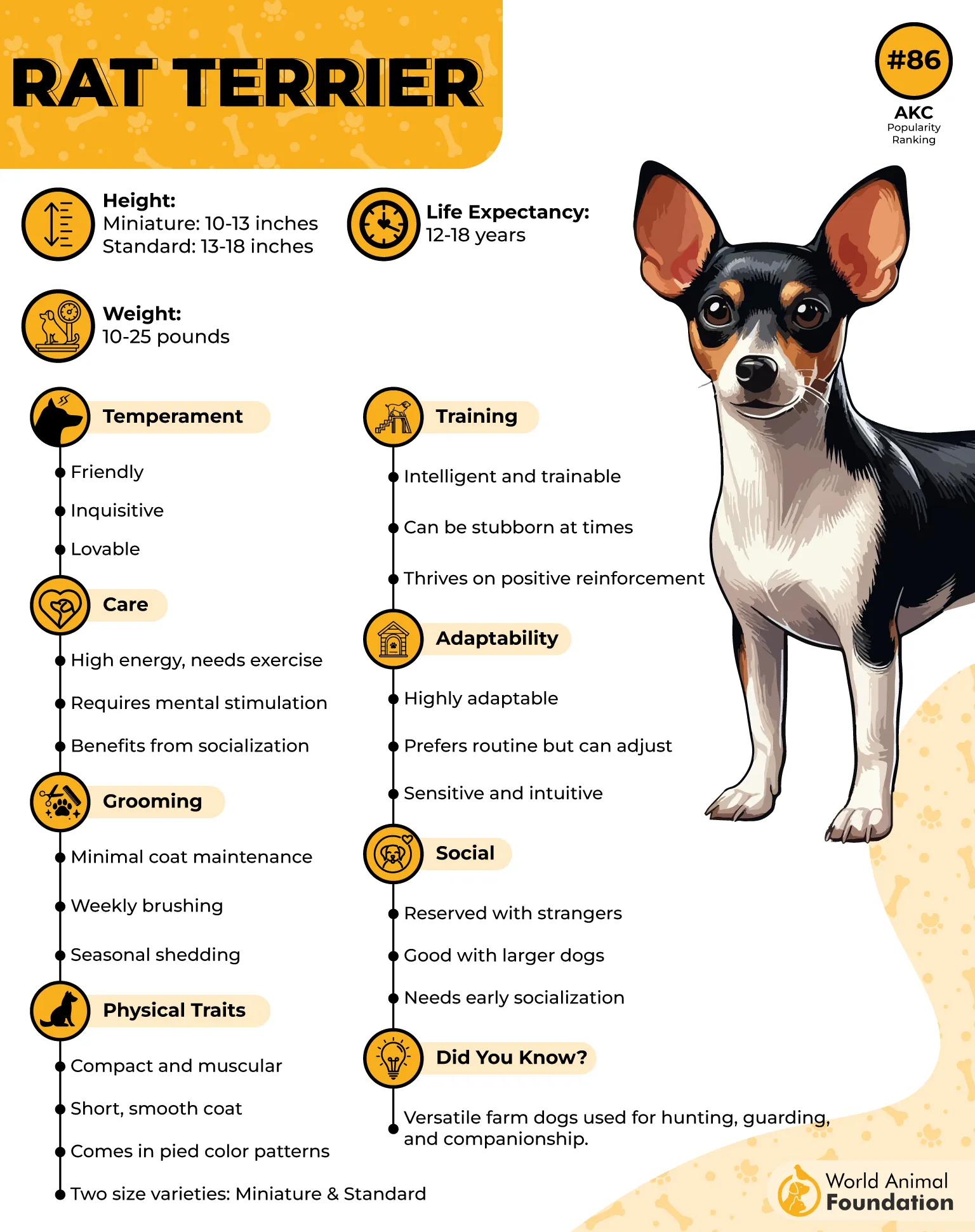
They may be suspicious of strangers at first, but proper socialization can help them become more comfortable with newcomers. Although they are not traditional guard dogs, their alertness and barking make them useful watchdogs.

Despite their independent and sometimes stubborn nature, Rat Terriers are playful, entertaining, and deeply devoted to their families. Their intelligence makes them quick learners, but they need consistent training and plenty of activity to stay content.
They can get along with other pets when raised with them, although their strong prey drive may make homes with small animals like hamsters and mice more challenging.
Care and Training
Provide daily exercise, interactive games, and puzzle toys to meet their physical and mental needs.
Use consistent training and early socialization to manage their prey drive and help them accept unfamiliar people and animals.
Avoid leaving them alone for long periods, as they thrive on companionship and family involvement.
Brush their short, smooth coats regularly to manage shedding and keep them in good condition.
6. Norwich Terrier

Norwich Terriers are cheerful, bold little dogs with a natural instinct to alert their families to unfamiliar activity. Originally bred on farms to catch vermin and hunt foxes, they remain curious and quick to notice their surroundings.
They often bark when the doorbell rings or a stranger approaches the house, making them useful small watchdogs. Although they may be cautious around unfamiliar people at first, they usually become friendly once they feel comfortable.
These energetic dogs are affectionate, loyal, and eager to spend time with their families. Omlet mentions that they can get along well with children and other pets when raised with them, but their strong prey drive makes them unsuitable for close contact with small animals.
Norwich Terriers are intelligent and learn quickly, although their stubborn streak can make repetitive training frustrating. They need plenty of activity and companionship, as boredom can lead to digging, chewing, and other mischief.
Care and Training
Provide daily walks, playtime, and activities such as agility to keep them physically and mentally engaged.
Use treats, toys, and playful training sessions to maintain their interest and manage stubborn behavior.
Keep them on a leash outdoors, as their curiosity and hunting instincts may lead them to wander off.
Give them regular companionship and gradually teach them to stay alone to help prevent separation-related problems.
7. Scottish Terrier
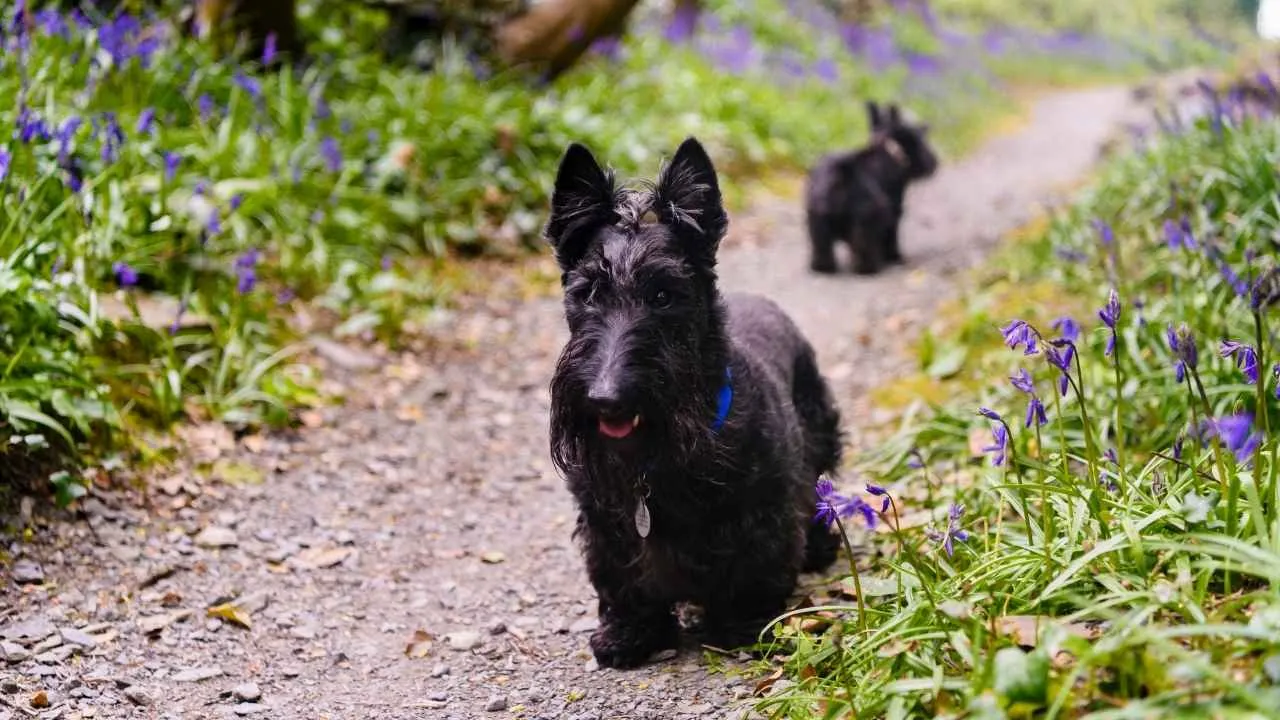
Scottish Terriers are confident, fearless dogs with strong protective instincts. Originally bred to hunt foxes, badgers, and rodents, they remain alert and watchful around their surroundings. These dogs take their role as home watchdogs seriously and will bark to alert their families when strangers approach.
Their deep, big-dog bark can also help discourage potential intruders. Although they are affectionate with their families, they tend to be reserved around unfamiliar people, making them naturally cautious watchdogs.
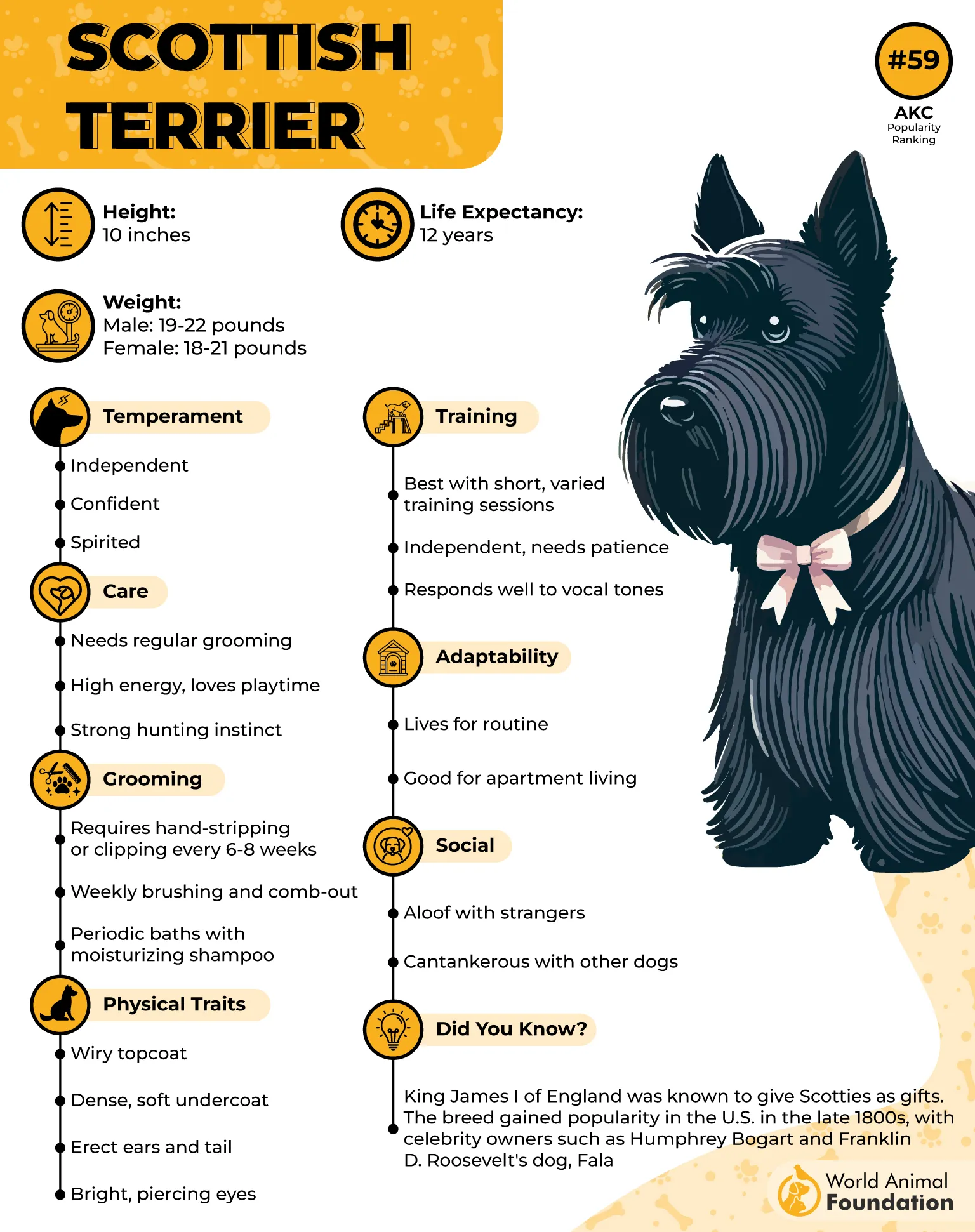
Despite their small size, Scottish Terriers have bold personalities and an independent streak. They form strong bonds with their families and can be playful companions for children. However, they may challenge unfamiliar dogs and chase smaller animals because of their hunting instincts.
Care and Training
Use reward-based training with treats and games to manage stubbornness and keep them interested.
Provide regular brisk walks and active play to meet their exercise needs.
Introduce them carefully to other pets and supervise interactions, especially with small animals.
Brush their wiry coats regularly to maintain their distinctive appearance and keep them in good condition.
Conclusion
Small dogs can make excellent watchdogs, even without the size to physically protect a home. Each breed has its own temperament, energy level, and training needs, so choosing one means considering how well it fits your household and daily routine.
Before bringing a small watchdog home, take time to learn about its personality, exercise needs, and socialization requirements.
Meet the breed if possible, and think about how much time you can give to training and companionship. Sometimes, the smallest dog in the house is the first to notice something unusual and the loudest to let everyone know.
