




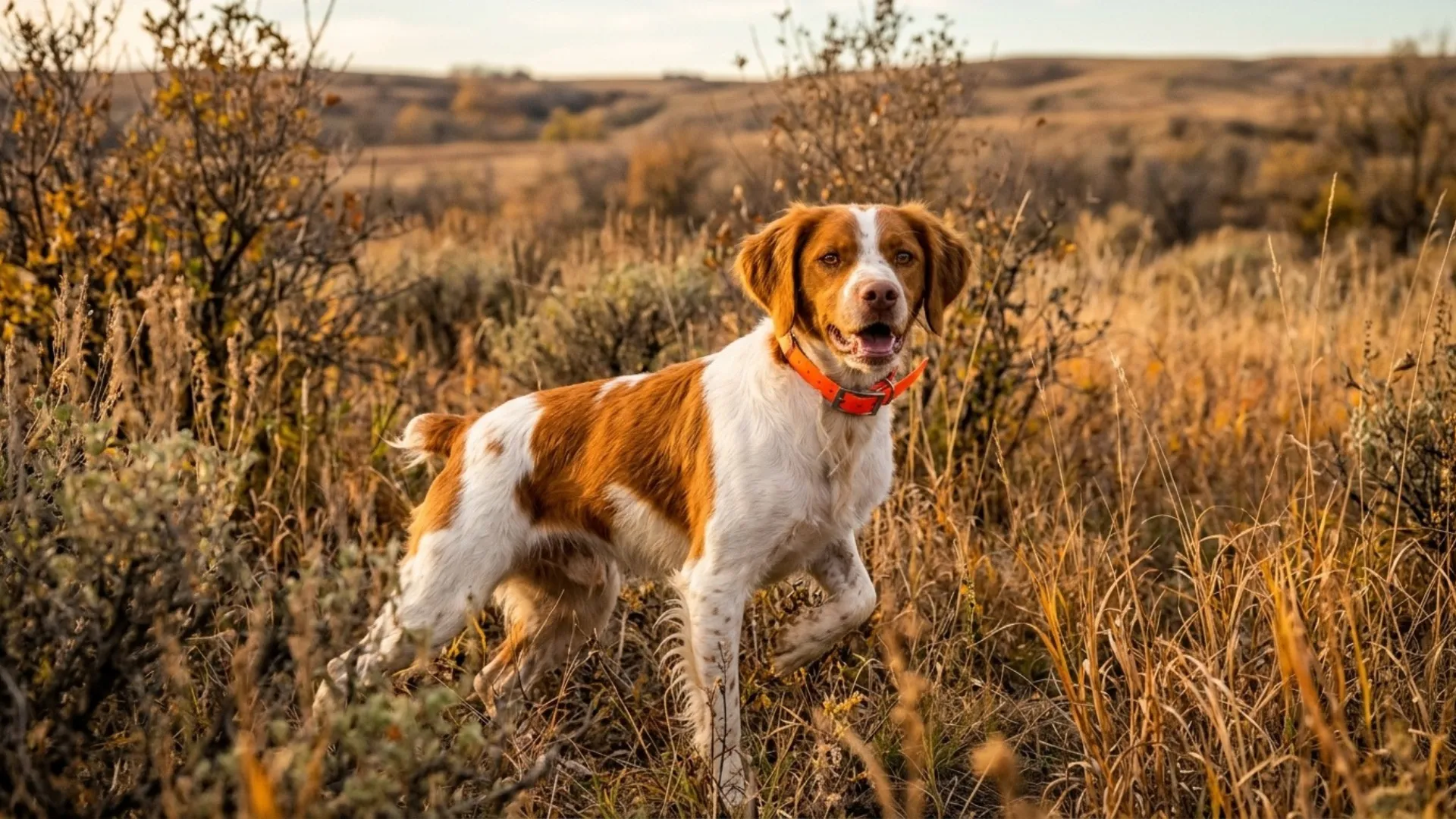
The hunt for game does not require just a keen eye and steady aim. Pheasants, quail, and grouse can hide in the thick grass, bush, and woodland cover and are hard to find without a good hunting dog. The right hunting breeds complement their handlers’ work, whether they’re on the ground or locating birds.
They usually assist with their nose, stamina, and hunting instincts. They can work in extreme cold conditions and retrieve ducks in the blink of an eye. All these dogs are considered to be the best dogs when one talks about the characteristics of hunting dogs.
Each dog has its own strengths and abilities in the field. Some dogs locate birds and hold a point until the hunter approaches. Others flush birds from cover, while retrieving breeds bring downed game back to the hunter.
The breeds you select depend on the type of terrain you want to cover and the type of animals you want to hunt. Let’s see seven such dog breeds that specialize in this task.
Top Dog Breeds Specialized in Upland Game Hunting
1. Irish Setter
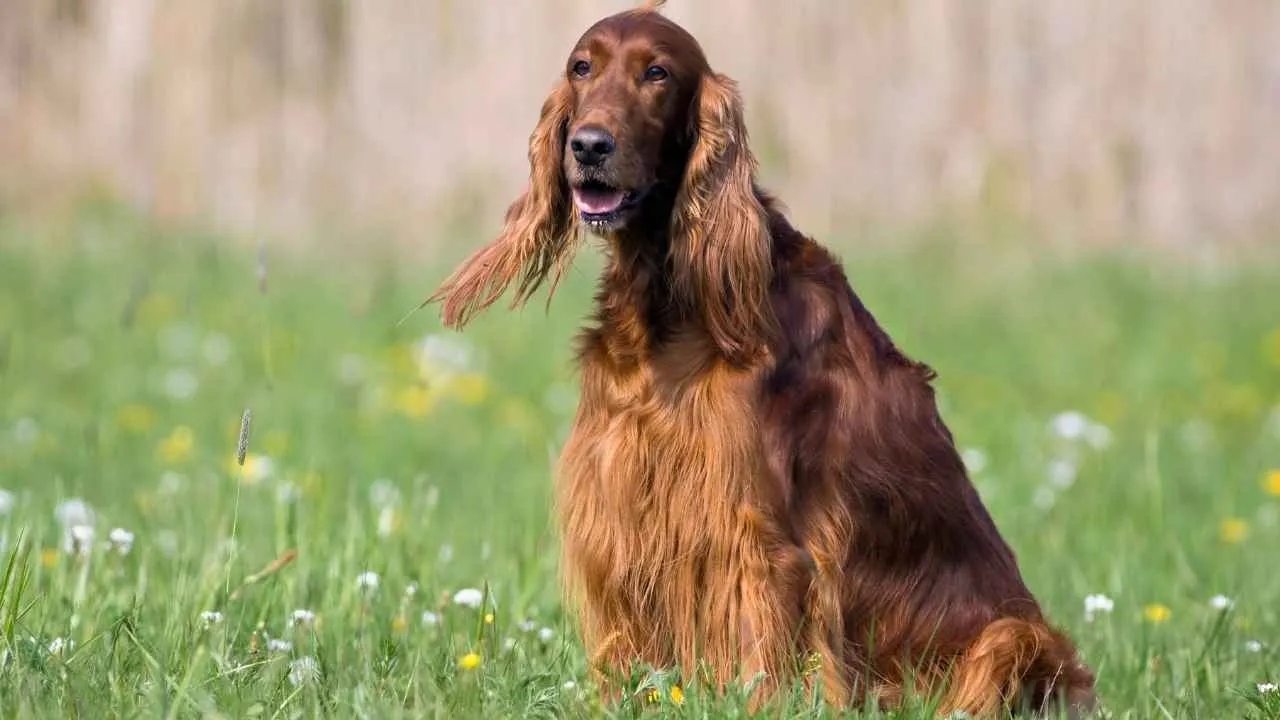
The Irish Setter is an easily identified breed, thanks to its red color and elegant gait. Under its attractive looks is an active dog bred to hunt game in open country and find out where gamebirds are. It is a good option for hunters who spend extended periods moving in the field.
Irish Setters have a very good sense of smell and can find birds and mark their location. They can operate in a variety of terrain, such as grassy fields and light cover.
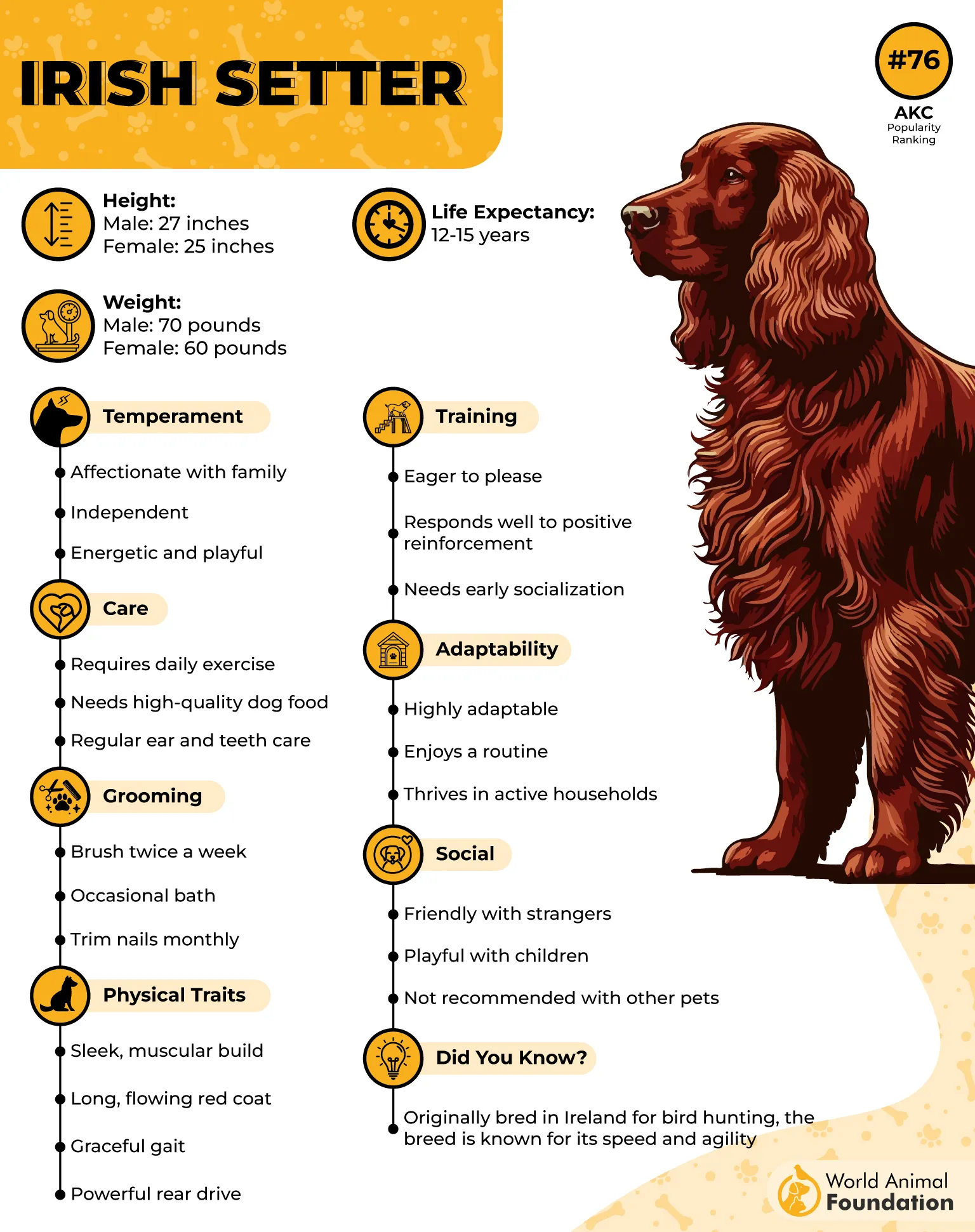
These dogs have been known to be very affectionate, playful, and sociable at home. They are best suited to active owners who can meet their physical and mental needs, according to the American Kennel Club. These dogs are a good choice for those who prefer a dog that can spend a full day outside actively.
2. Brittany
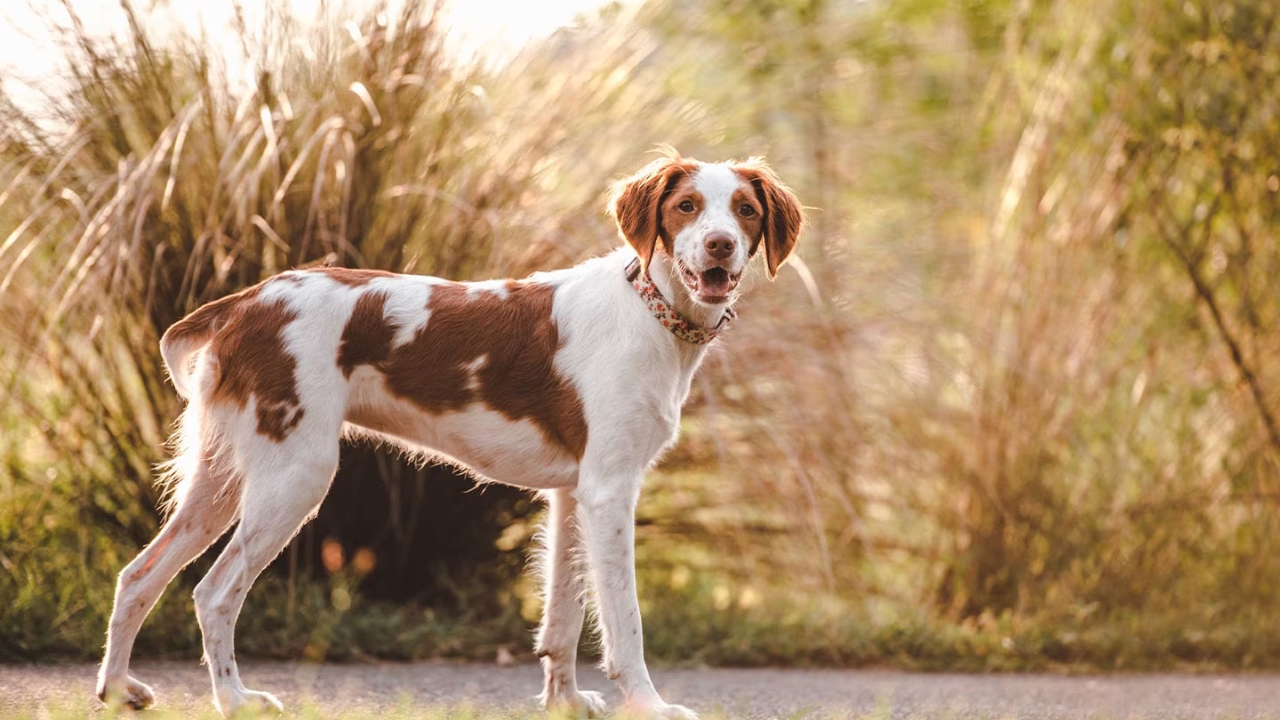
The Brittany is a quick, compact, and workaholic dog that is a favorite of upland owners looking for a versatile partner. It is a medium-sized breed, with lots of energy, and can cover ground quite efficiently.
Brittanys are pointing dogs. They use their superior sense of smell to find birds and to let the hunter know where they are, which allows the hunter to get closer before the prey is flushed. Many are also excellent at retrieving and can be useful at various phases of a hunt.
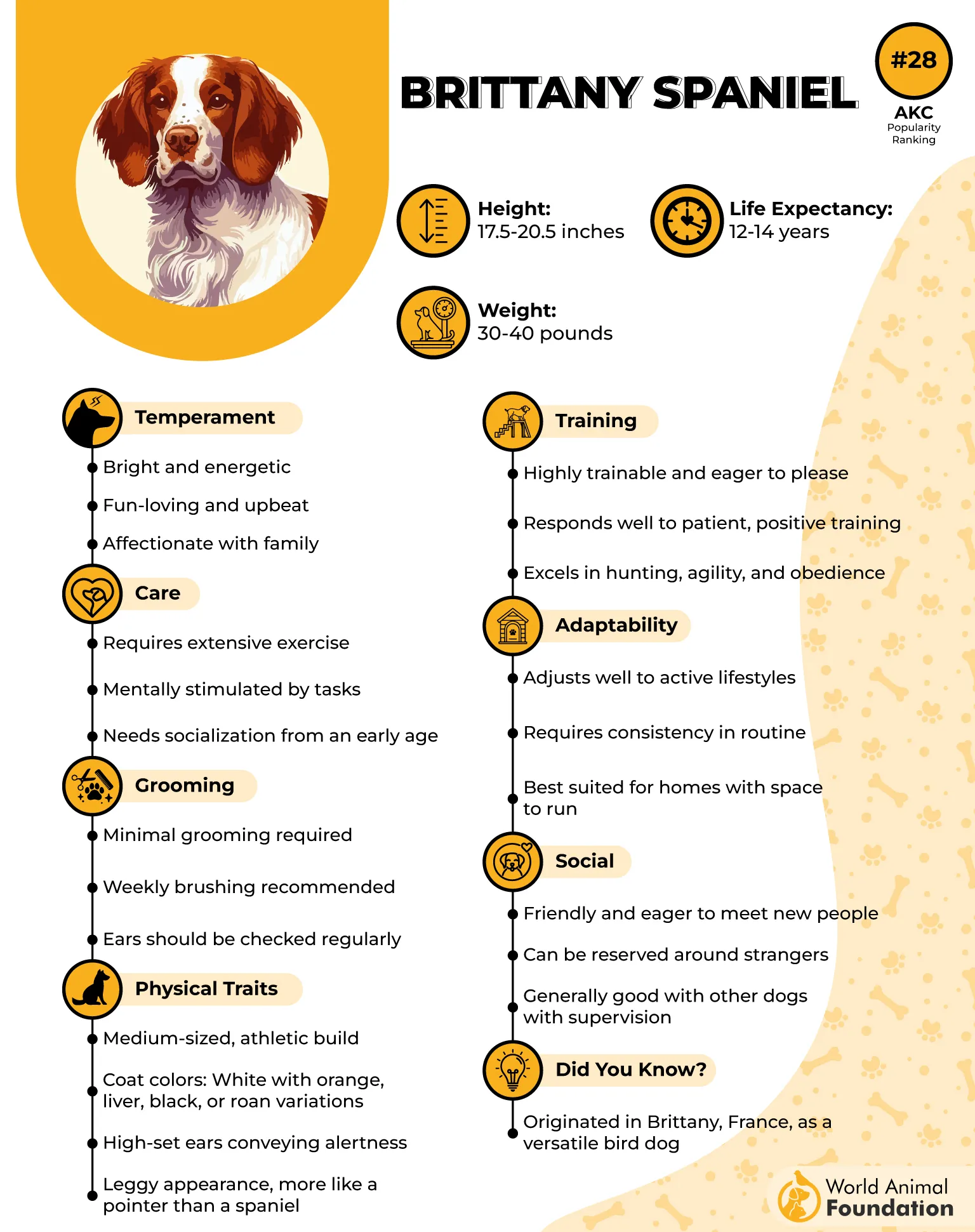
Brittanys are bright, attentive, and will require structure to learn to behave and obey commands in the field. If they are not trained to work, they can get overwhelmed and be distracted during hunting sessions.
As pets, Brittanys are active and like walks, playing, and training. They work best with families who are active and have large open spaces, according to Hill’s Pet.
3. German Shorthaired Pointer
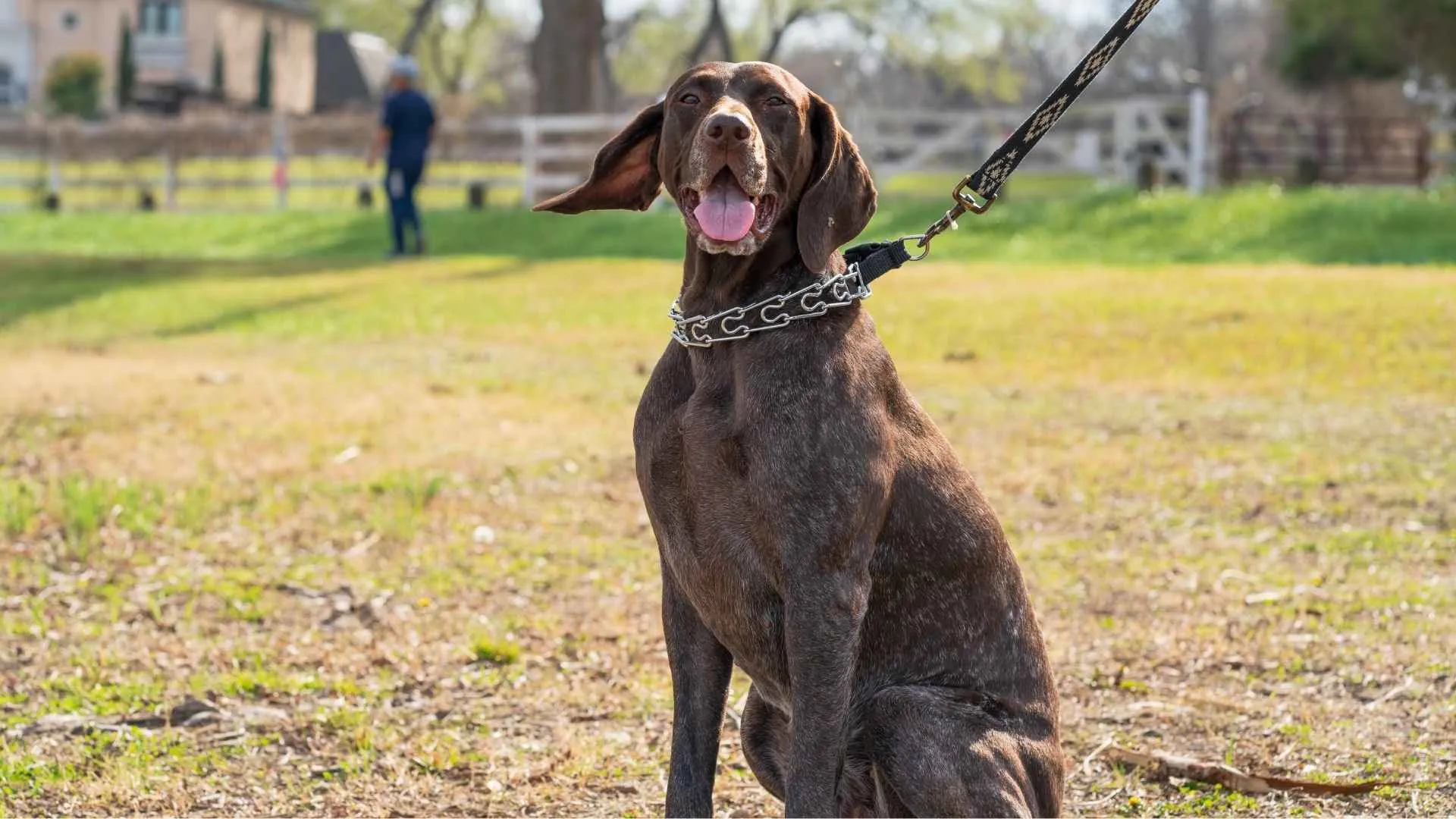
The German Shorthaired Pointer is a versatile hunting dog. It is athletic, alert, and excellent at searching game in rough cover and water. This breed combines skills that make it useful for hunters who want one dog to perform several tasks.
They possess a pointing instinct which is useful in hunting birds and pointing them until their handlers arrive. They have a great sense of smell and plenty of stamina, and are well suited for advanced training due to their superior intelligence.
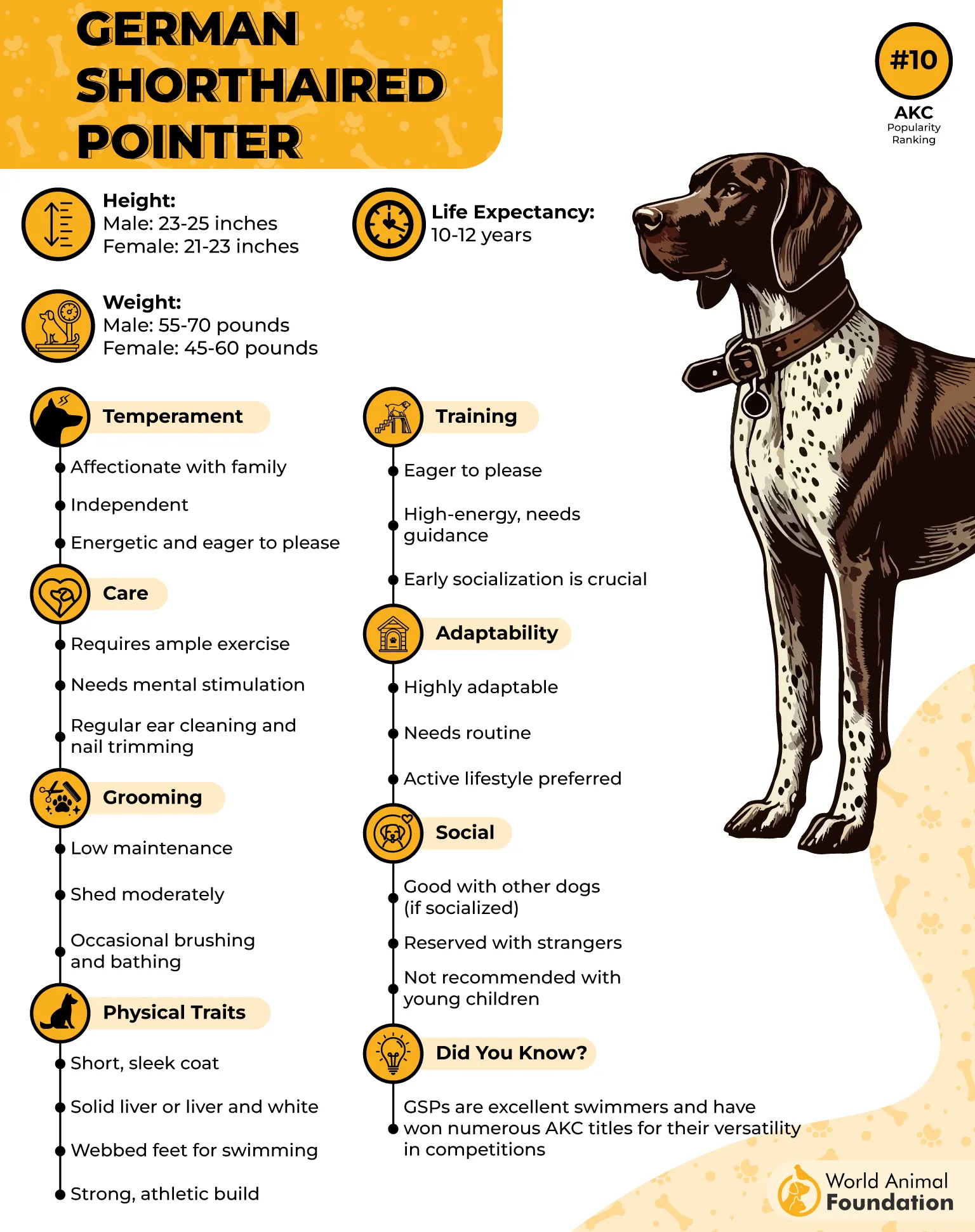
They need to be trained thoroughly so that they can avoid becoming unmanageable and respond to their handlers’ call in the field, according to Dog Breed Info.
German Shorthaired Pointers require more than a quick stroll around the house. They enjoy rigorous exercise, scent work, and mental and physical challenges. They have short coats which are relatively easy to maintain, but you will need to brush them regularly to keep their coats healthy.
4. Vizsla
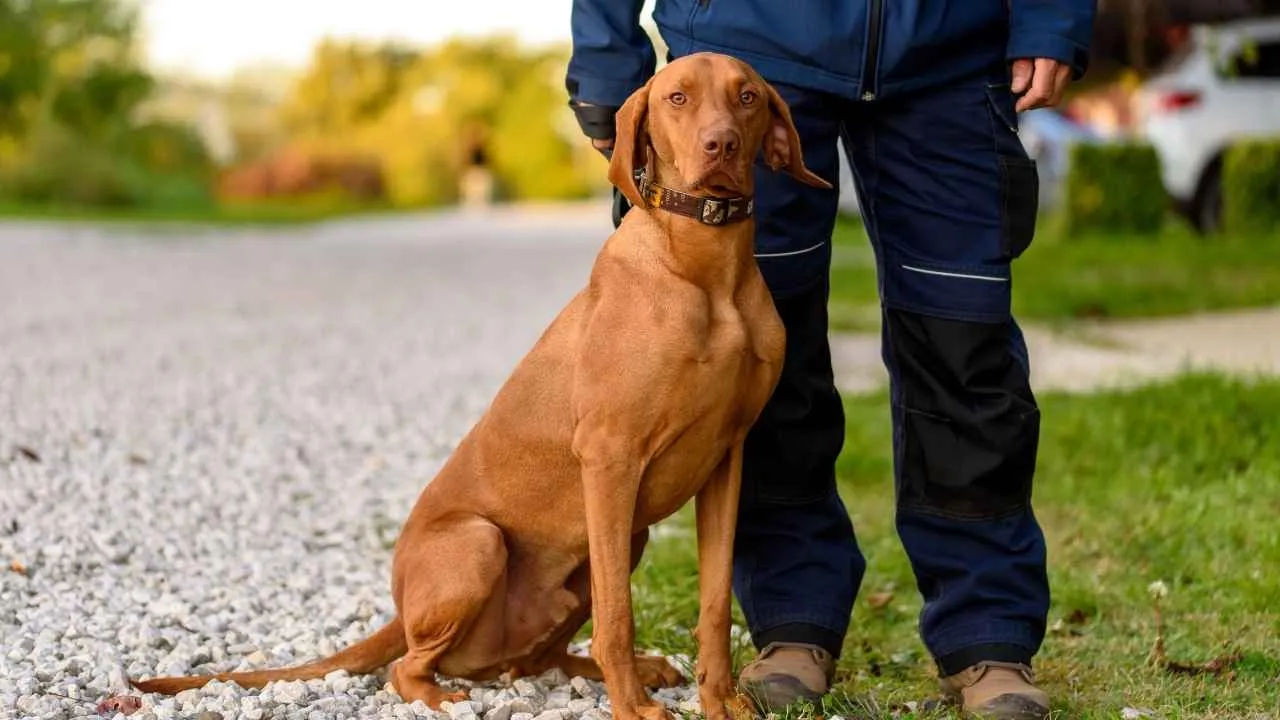
The Vizsla is a working and athletic dog. It was bred to be a versatile hunting dog and is reputed to point and retrieve for its handlers. It is fast, agile, and capable of moving through fields and covering ground to find game birds.
Vizslas often form close bonds with their owners, which can support teamwork during training and hunting. This can make training and teamwork fun, especially for hunters who would like a dog that comes back to them often as opposed to wandering in the field.
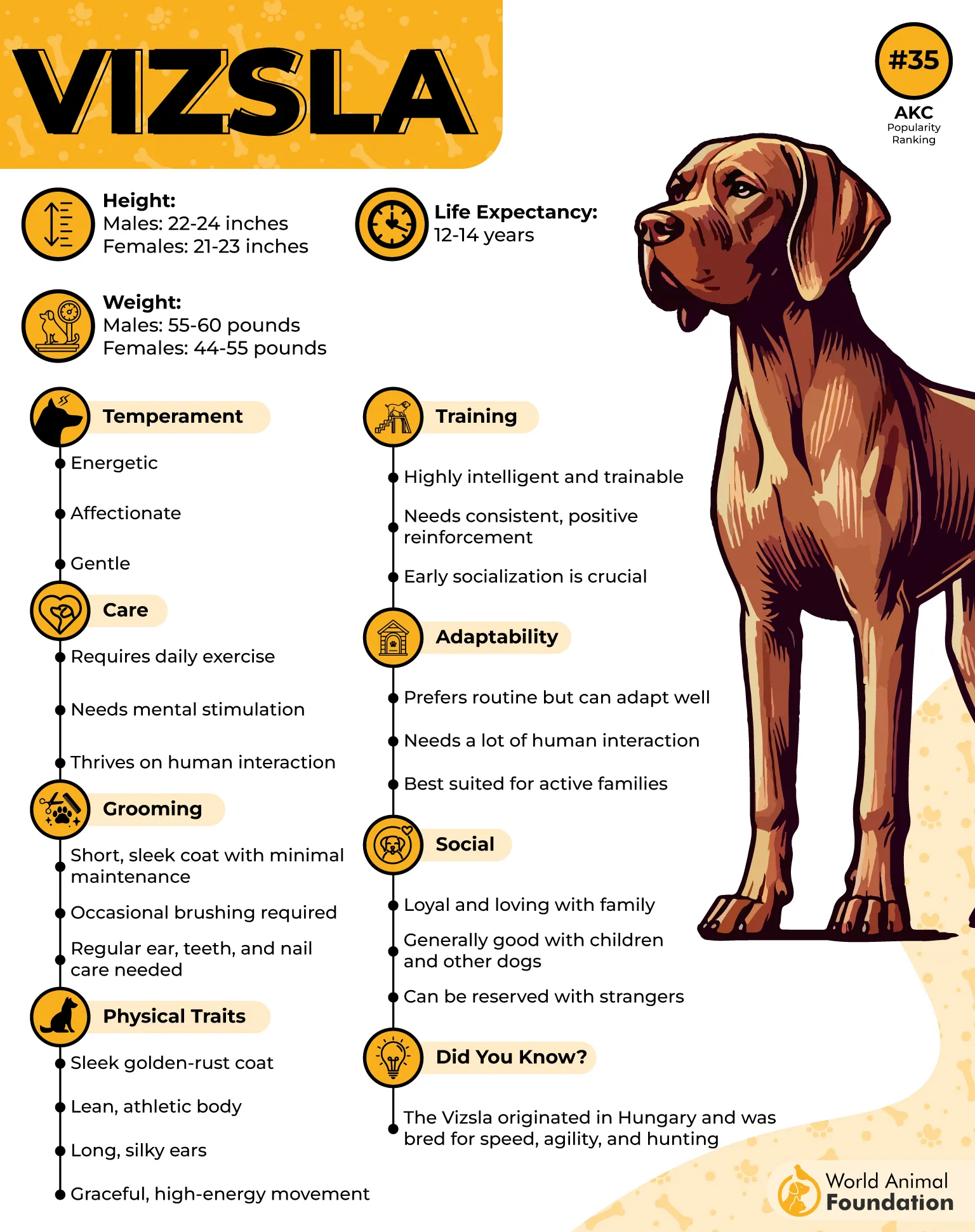
The Vizsla still needs additional work to perform its duties correctly, such as searching properly, responding to commands, and being calm when it spots its prey.
It has a short, rusty coat which needs only moderate grooming. It needs to be physically satisfied with long walks, running in safe areas, and structured training. Insufficient activity may cause its energy to manifest itself in undesirable behaviours at home and in public places.
5. Weimaraner
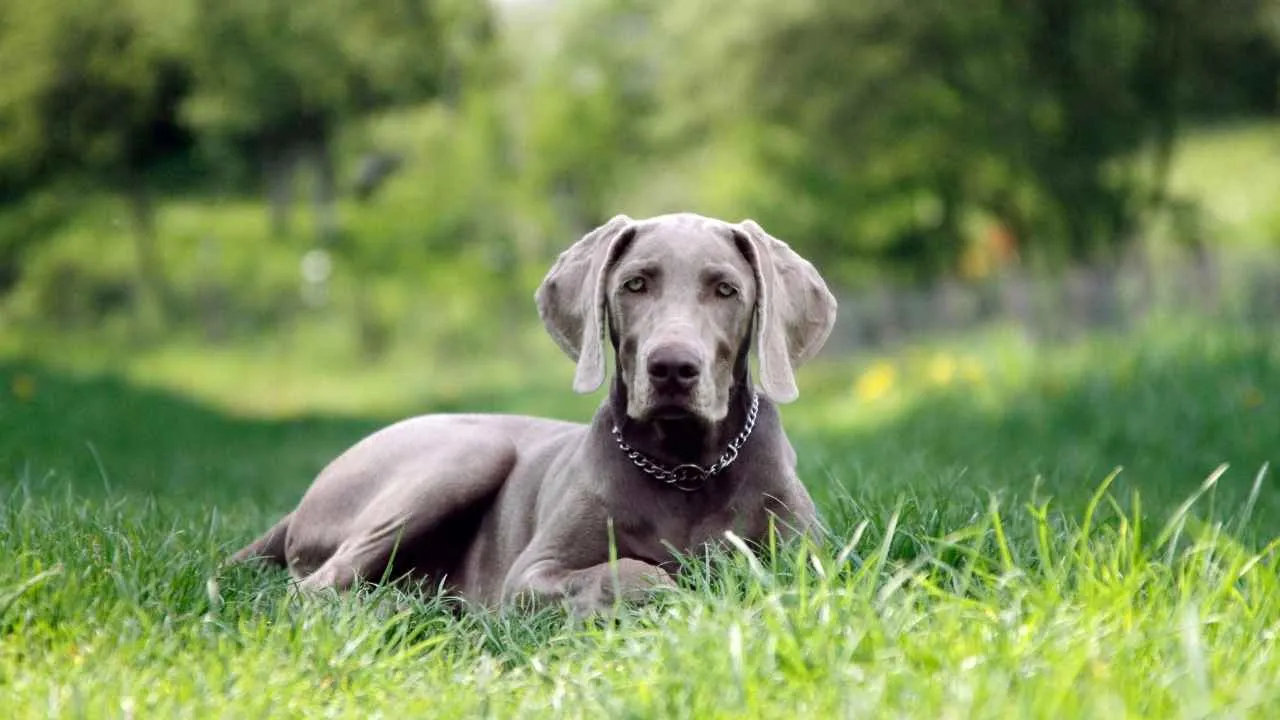
The Weimaraner is a silver-gray, athletic hunting dog. It’s tough and has a strong prey drive. Its working background is suitable for upland hunting if the owner is willing to invest in its training.
Weimaraners are active, smart dogs. When following a scent, they may be persistent, and handlers should build reliable recalls and set good field signals in advance.
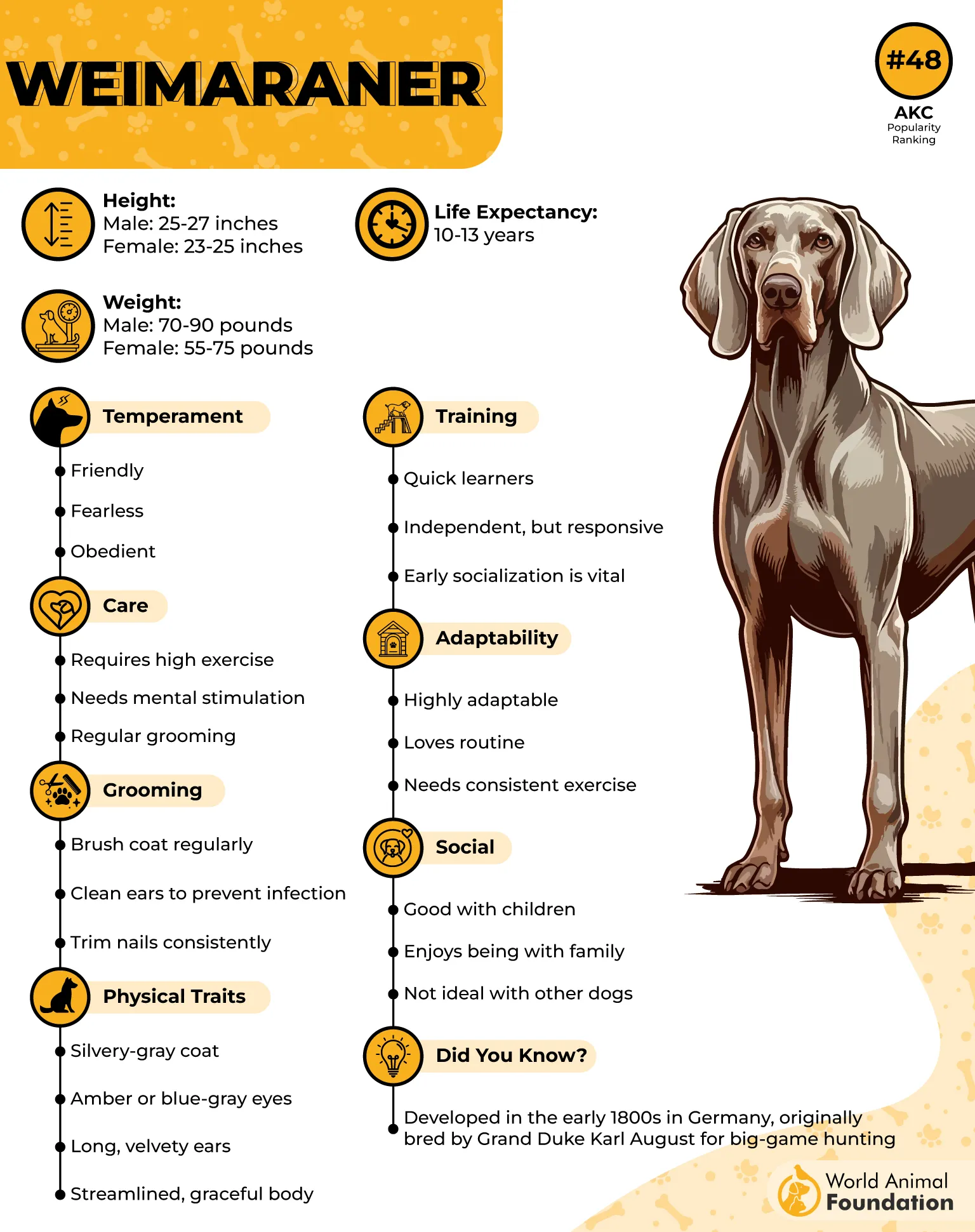
They are also big enough to be more appropriate for those who want a more advanced hunter for their expeditions.
The short coat of this breed is subject to little maintenance. Weimaraners can form close bonds with their families and may not tolerate lengthy periods of separation. Companionship, structure, work, and exercise make a perfect home for these dogs.
6. English Setter
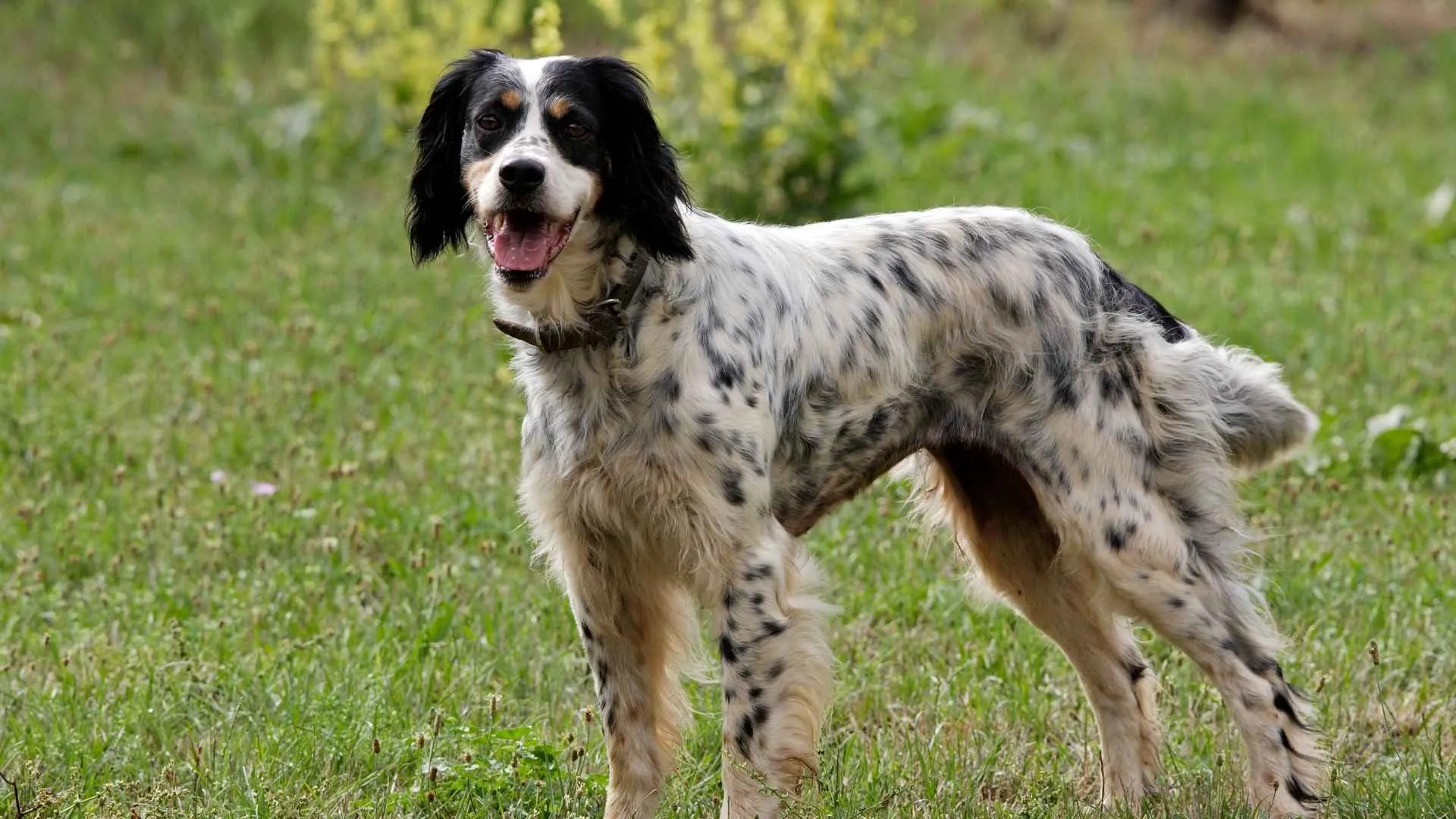
The English Setter is a different kind of hunter in an upland hunt. It does not depend solely on speed, but has a more subtle method of finding birds in concealment, which is scent and a unique “pointing action”. It was traditionally used to hunt birds and works well for those who like to follow a systematic, methodical approach.
English Setters are able to follow scent in the wind through rough ground and fields. When they find birds, they point towards them, which gives an indication of the hiding place of the game.
They are known for being docile and friendly. They can be very loving pets at home but still have hunting instincts and the need for exercise. Regular fieldwork, walks, and positive training are ideal for these dogs.
7. Boykin Spaniel
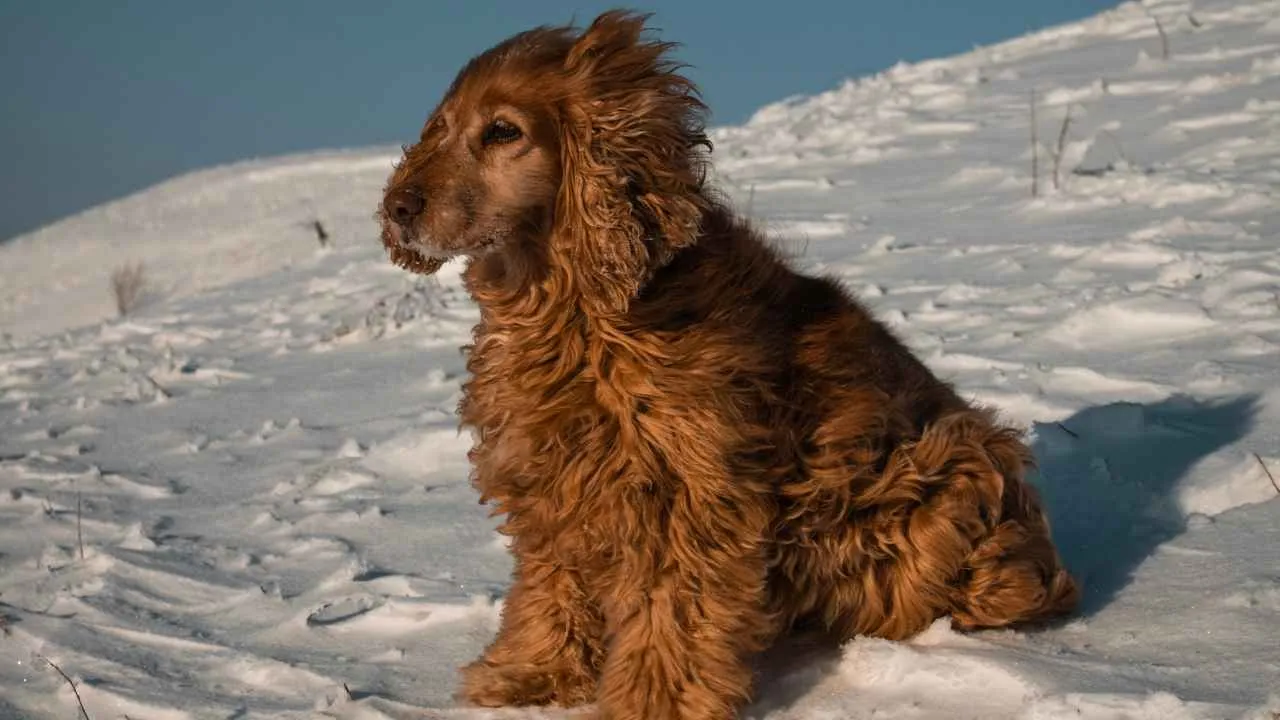
Not all upland hunting dogs will point. The Boykin Spaniel’s main line of duty is to locate birds in cover and get them to fly, giving the hunter a proper shot. It’s compact, agile, and designed to be a practical choice for a sporting dog.
Boykins are more closely bonded to hunters than the majority of pointing breeds. They flush in bushy areas where birds may be hard to see. They also assist in retrieving downed game following a shot.
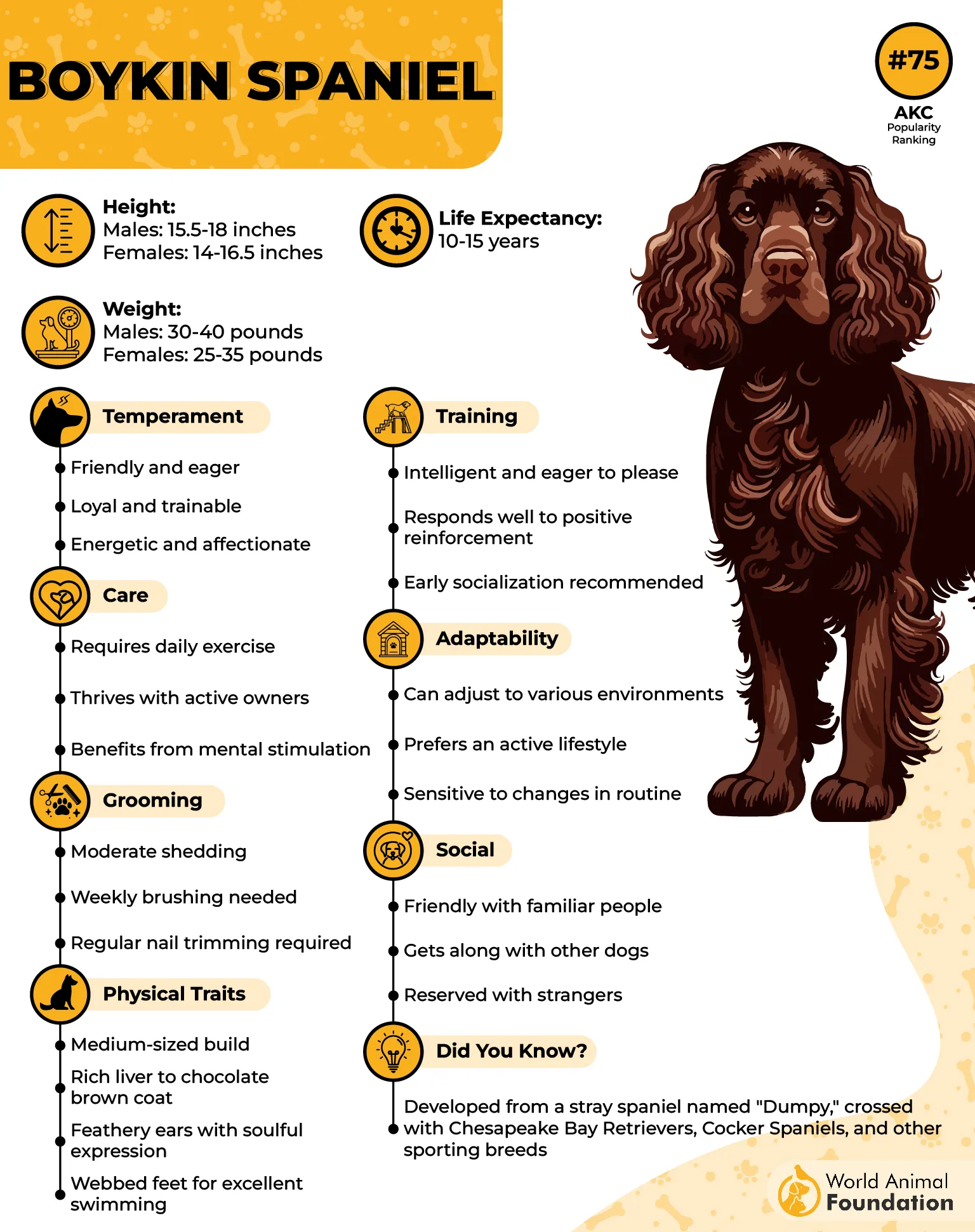
It’s a smaller dog, which is great for hunters that want an active dog but not a big pointer. It still requires frequent physical activity, training in the fields, and training to respond to commands. Its interest in scents and cover should be managed to allow it to work effectively and safely.
The Boykin is a unique type of upland game dog that is not a pointing dog, but is useful for hunters who prefer a Spaniel to a pointing breed.
Conclusion
It is not always the fastest dog, or the most impressive pedigree, that is the best upland hunting partner. It is the dog that fits the prey you plan to hunt, the area you hunt in, and your method of hunting.
Whatever breed you are interested in, make training a top priority. Develop recall and field manners gradually, introduce gunfire carefully and appropriately, and make sure your dog is fit before asking it to perform for hours and hours outdoors.
Being in the field for a good day is more than just about birds. It is a matter of reading your dog, being a team, and, at the conclusion of the hunt, returning with a successful haul and a happier and satisfied dog.
