




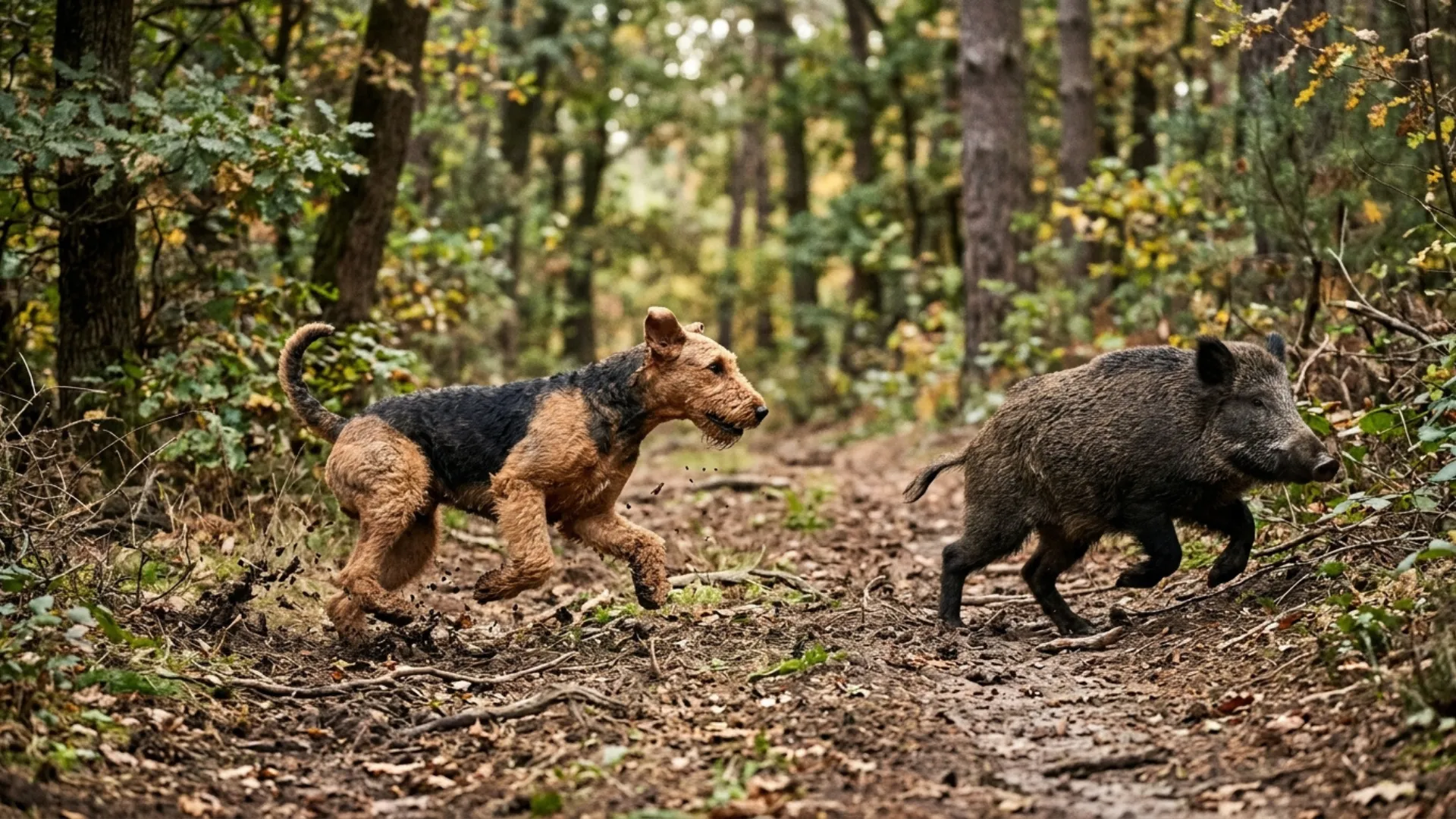
A wild boar doesn’t run from a fight, and the numbers prove it. One veterinary review found 237 hunting dogs treated for boar-related trauma in a single decade, many with injuries serious enough to need surgery.
That data, published through the American Animal Hospital Association, makes one thing clear: hog hunting asks more of a dog than stamina or courage alone. Going after large game without the right setup is how good hunting dogs get hurt.
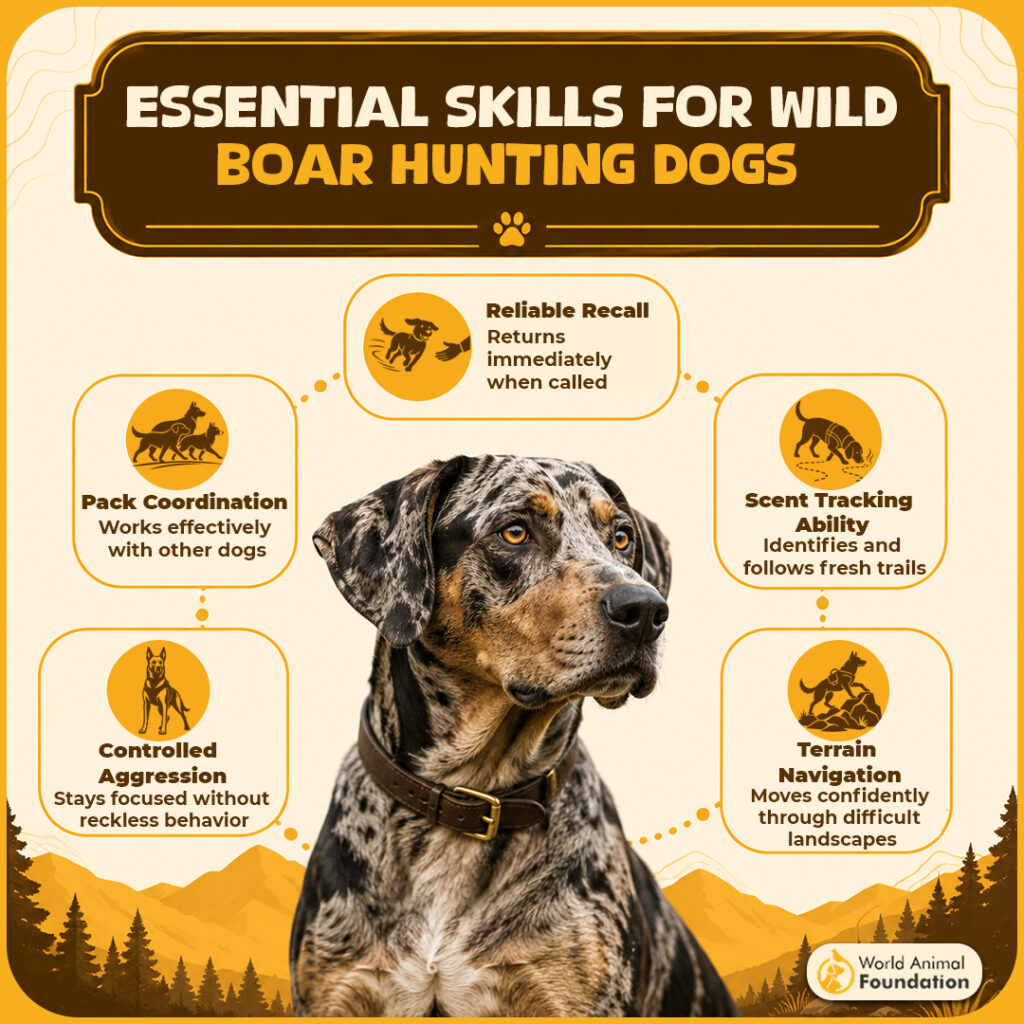
Catch dogs, bay dogs, and trackers each play a different part in bringing down feral hogs safely, and mixing up those jobs is where most injuries happen. Properly trained, the right pack hunting dog knows exactly which role is its own.
So which traits actually separate a reliable hog hunting dog from one that’s out of its depth? Keep reading to find the breeds built for every job this demanding terrain throws at them.
Top Dog Breeds for Hunting Wild Boars: Strength, Agility, and Tracking
1. Plott Hound
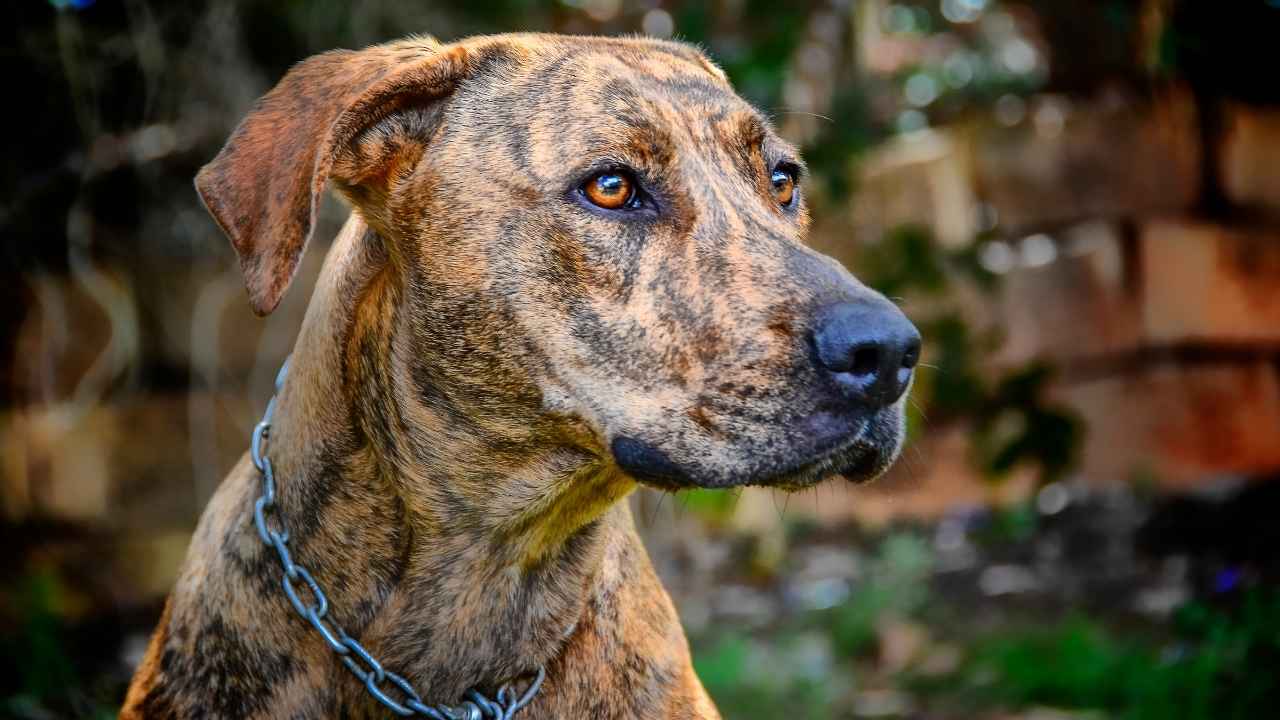
The Plott Hound earns its keep as a bay dog on a hog hunt. It tracks a boar’s trail, then closes in and holds the animal at a stand until hunters arrive.
North Carolina honors the Plott Hound as its official state dog. The AKC traces Plott Hounds back to German boar-hunting stock from the 1750s, prized for working dense cover where hogs hide.
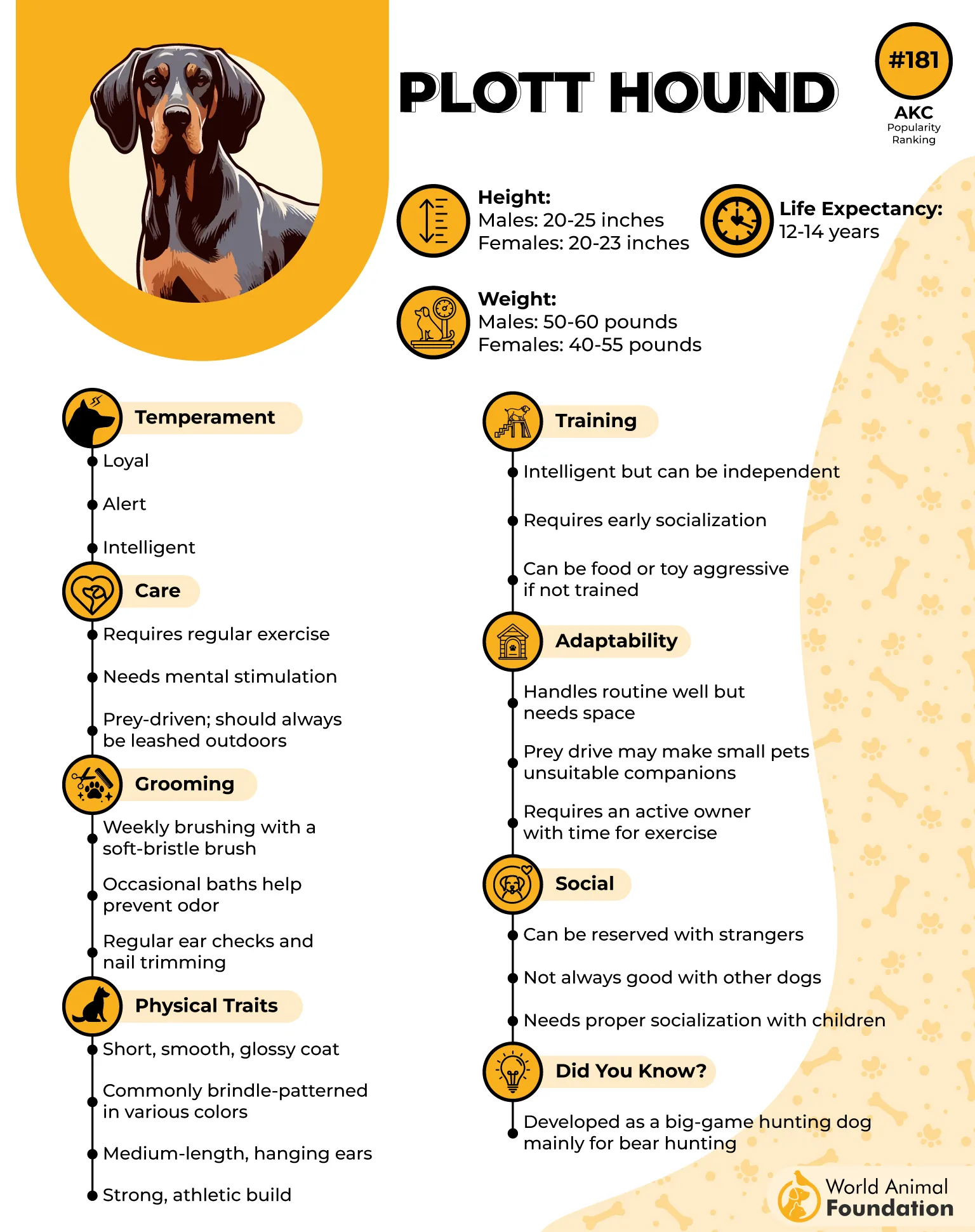
Voice: A deep, ringing bark travels through thick brush, so hunters always know where the action is.
Stamina: A lean, muscular frame lets this hound cover demanding terrain for hours without slowing down.
A Plott Hound should never face a boar alone, since it bays rather than grabs. Pairing it with a catch dog keeps both dogs safer. Pups need early socialization around hogs and other dogs before any big game work.
2. Catahoula Leopard Dog
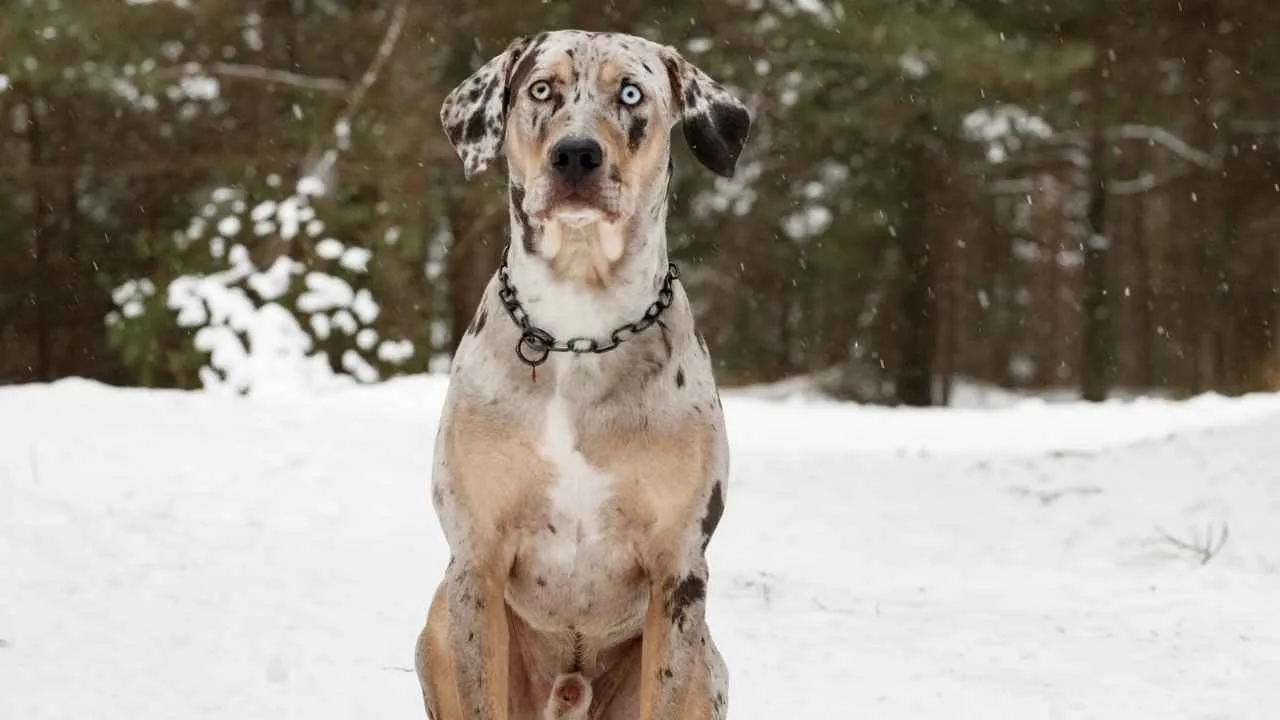
The Catahoula Leopard Dog pulls double duty as both a bay dog and a catch dog against wild pigs. It can corner a hog with its voice, then close in when the moment calls for it.
Louisiana claims the Catahoula Leopard Dog as its state dog, with herding and hog-hunting roots among early settlers. Many hunters still call it the ultimate Catahoula hog dog and a dependable option for all-around work.
Bite strength: A powerful jaw lets this breed grip a hog’s ear without letting go.
Speed: Quick, low-to-the-ground movement helps it dodge a charging hog in tight spaces.
Working both roles means a Catahoula needs careful, controlled training from an early age. Untrained dogs can get too close, too fast, and end up injured. Experienced handlers usually keep a protective vest on this breed during active big game work.
3. Bloodhound
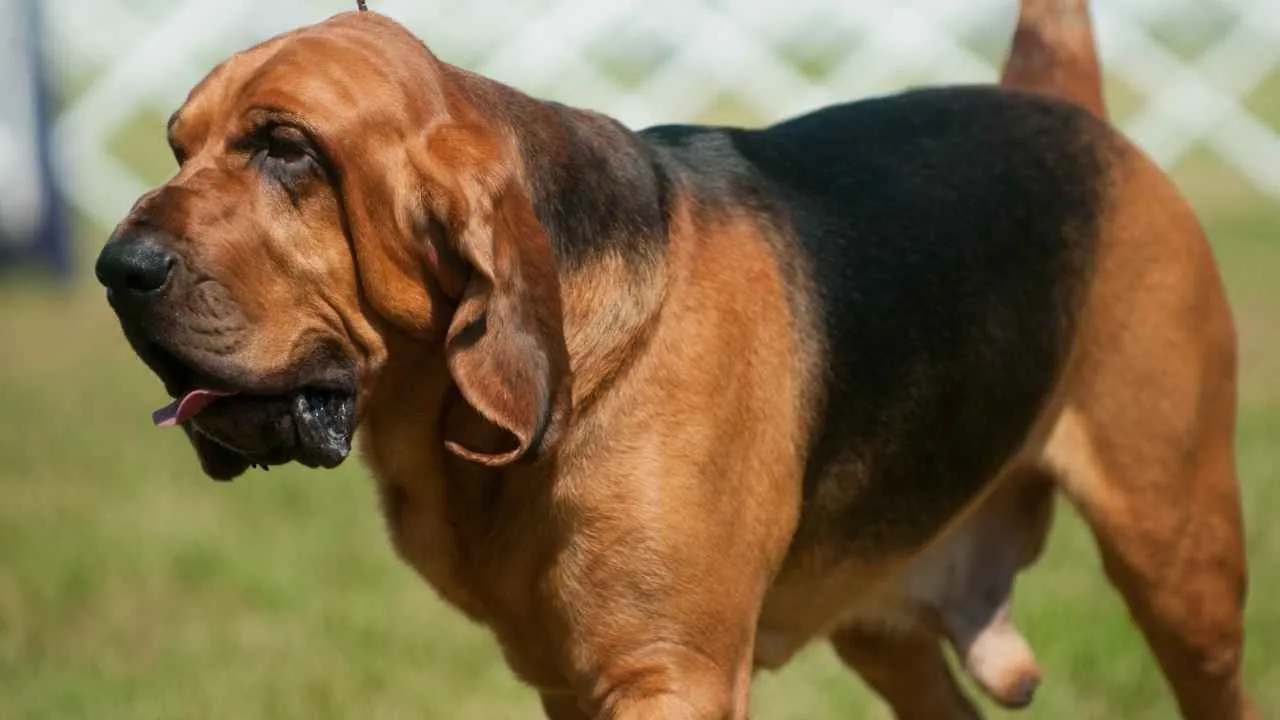
The Bloodhound works purely as a tracker on a boar hunt. It stays highly focused on the trail and never bays or grips a hog.
Hunters have sent Bloodhounds ahead of the pack for centuries to locate wounded or fleeing game, and PetMD notes the breed remains a top pick for this kind of trailing work. It usually goes in first, well before any other dogs close in.
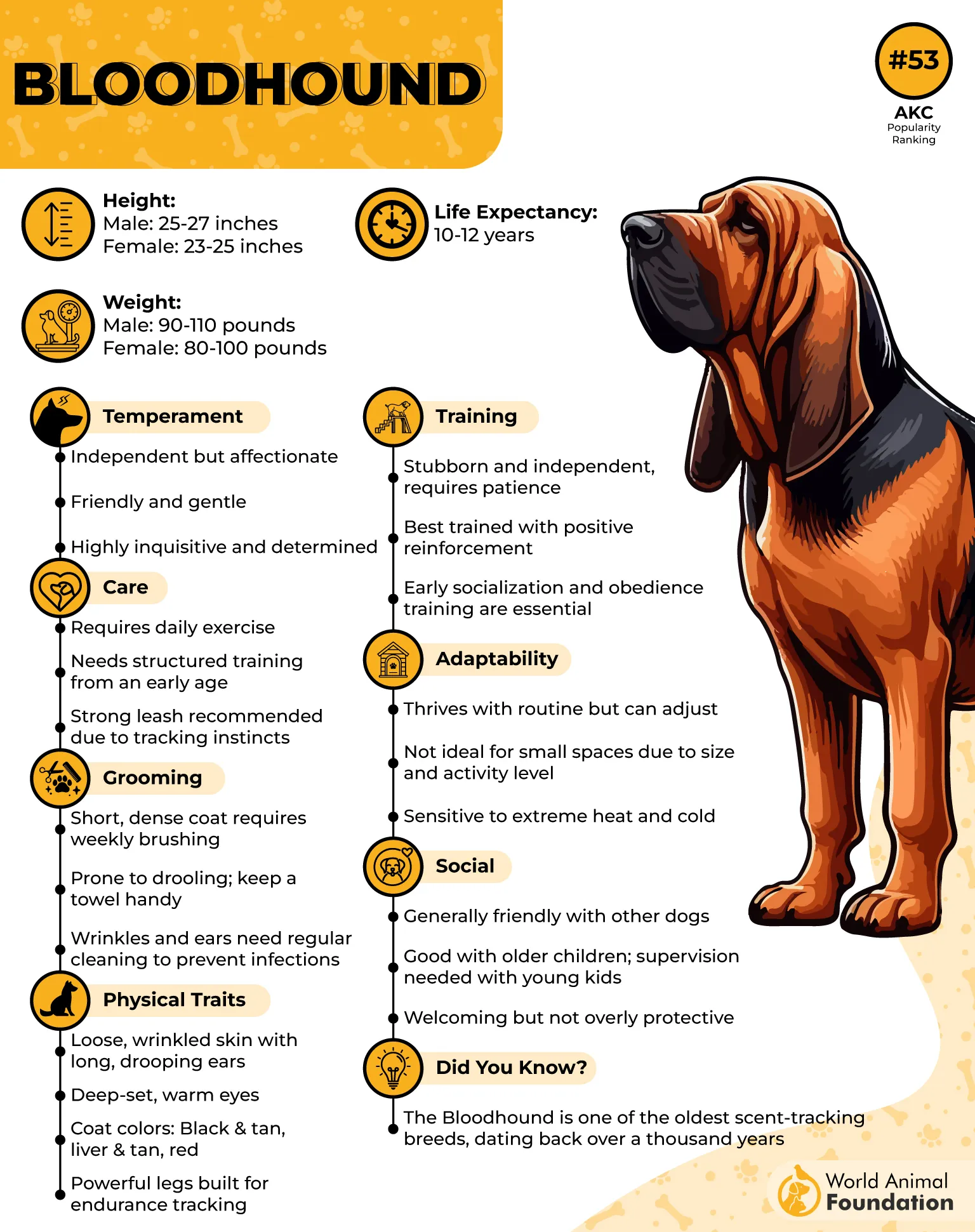
Nose: Hundreds of millions of scent receptors let it follow a trail hours old.
Endurance: A slow, steady pace keeps it working a scent line for miles without losing it.
A Bloodhound should stay clear of the actual catch, since it lacks the build for a fight with a hog. Keep this breed leashed and separate once other dogs move in. Ask a veterinarian about regular checkups too, since its long ears and loose skin pick up debris on the trail, which affects its health.
4. Redbone Coonhound
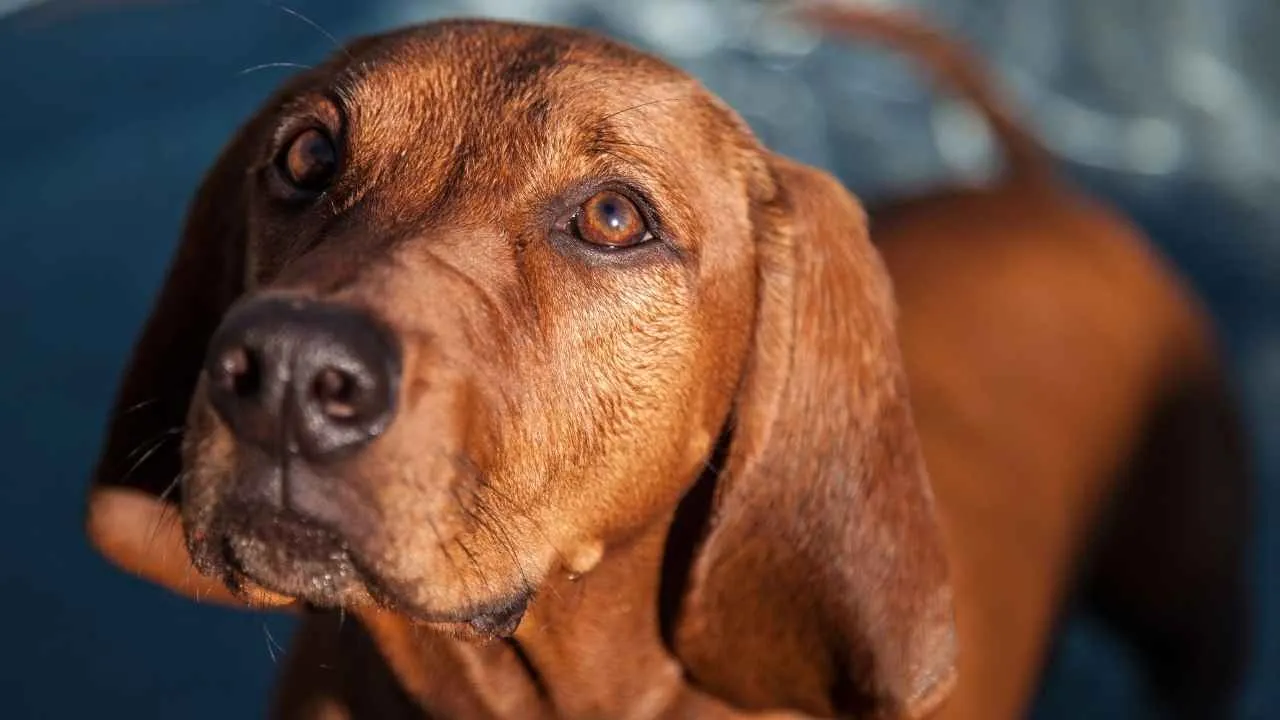
The Redbone Coonhound moves between tracker and bay dog on a hunt. It locates a hog’s trail, then switches to a loud bark once it corners the animal.
Bred in Georgia for treeing raccoons, the breed later proved just as useful trailing hogs through swampy ground. Its reddish coat and steady temperament made it a favorite among southern hog hunters.
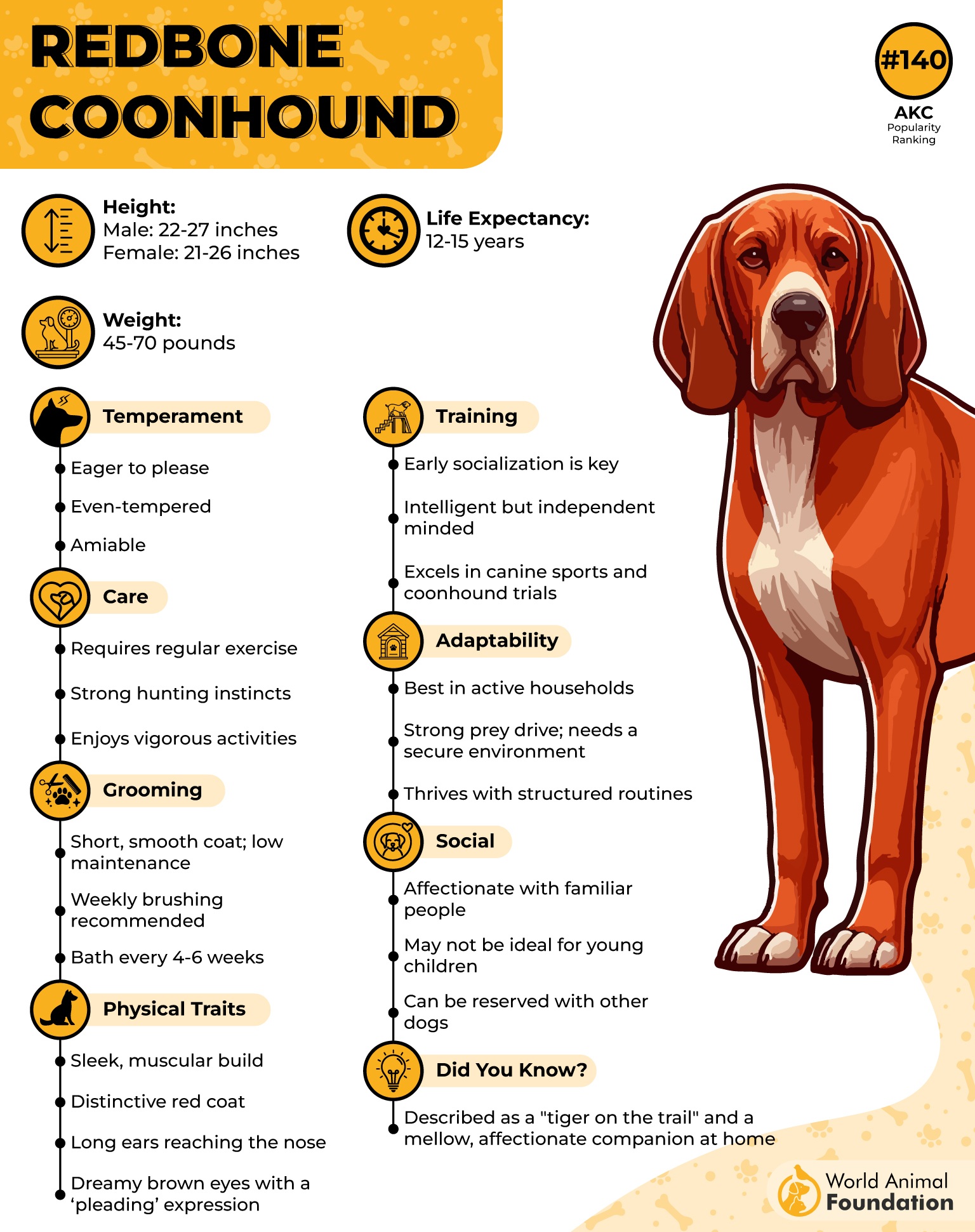
Scent: A strong nose holds a cold trail across water and mud without losing the line.
Stamina: Long legs and a lean build keep this hound moving for hours as a reliable pack hunting dog.
This breed should bay, not engage, once it finds the hog. Letting it get too close without backup risks a serious injury from tusks. Consistent training and a dependable recall keep it working safely with the rest of the team.
5. Black Mouth Cur
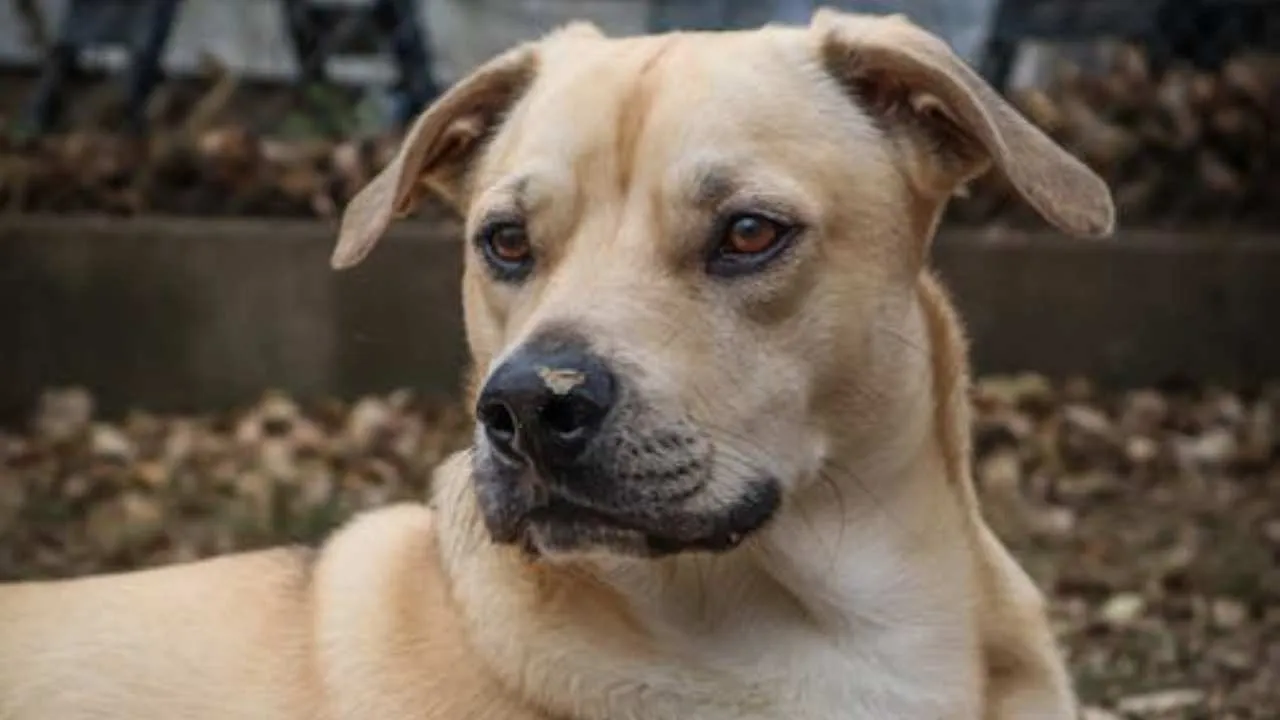
The Black Mouth Cur steps in as a catch dog once a hog is cornered. It moves in fast with quick reactions and keeps the animal in place until hunters arrive.
Southern hog hunters have relied on this breed for generations of demanding big game work against feral hogs across farms and woodlands. Its all-purpose background made it a natural fit for tough, physical hog hunting.
Bite strength: A broad jaw and strong grip let it hold a hog’s ear or snout in place.
Athletic frame: A muscular build and efficient movement give it the power to wrestle an animal many times its size.
Catch dogs tend to face the highest risk of injury on a hunt, so this breed needs experienced handling and a protective vest. Skipping training raises that risk fast. Regular exercise keeps its energy and reflexes sharp between hunts.
6. Dogo Argentino
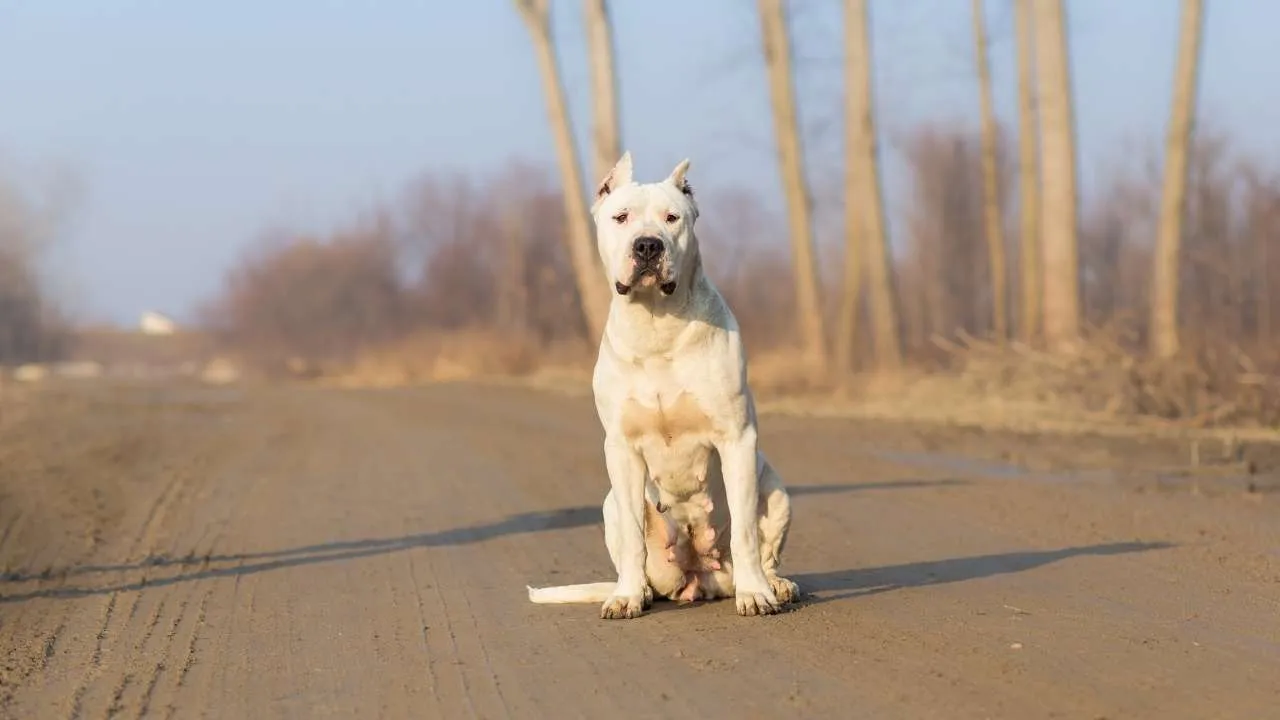
The Dogo Argentino is a powerful breed built for the toughest part of a boar hunt. Hunters commonly rely on it to finish what the bay dogs start.
Breeders in Argentina developed the Dogo specifically for big game work, including wild boar and puma. The breed’s short white coat and muscular build reflect that original purpose.
Bite strength: A thick skull and powerful jaw let it pin an animal several times heavier than itself.
Speed: A short, explosive burst of speed closes the distance before a hog can turn and charge.
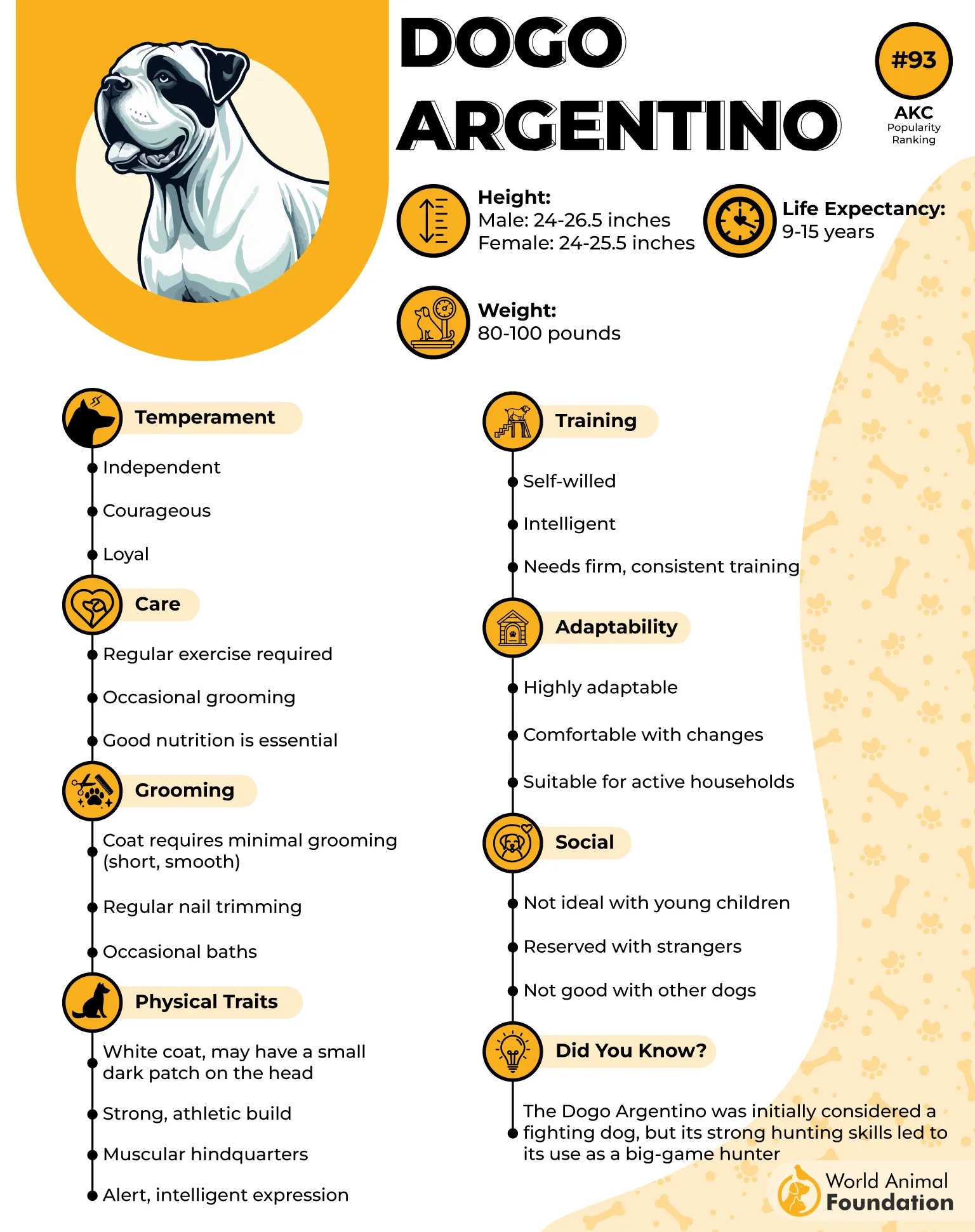
This breed should only work under controlled training with an experienced handler nearby. Its independent nature and drive for big game work can turn dangerous around other dogs without careful socialization. A protective vest is standard gear for this role.
7. Airedale Terrier

The Airedale Terrier works as a bay dog on a boar hunt. It holds a hog at a distance rather than closing in for a grip.
European hunters once used the Airedale for boar hunting alongside its work on otters and waterfowl. Purina notes the breed earned the nickname King of Terriers for its size and versatility among hunting dogs.
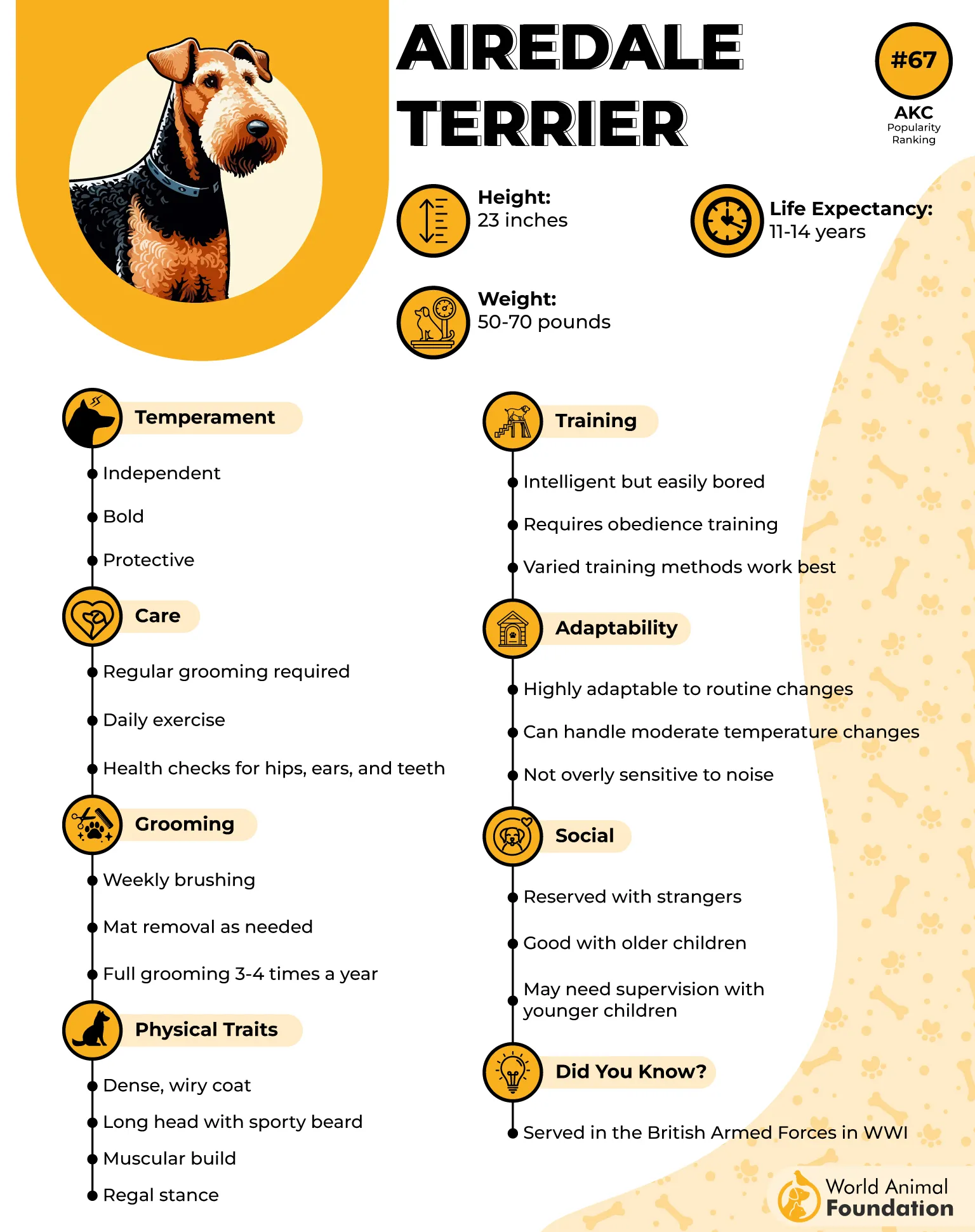
Voice: A sharp, persistent bark lets handlers follow the chase through dense terrain.
Agility: A wiry, athletic frame lets it dodge a hog’s tusks while circling the animal.
An Airedale still needs backup from a catch dog once a hog is cornered, since its job ends at holding attention. It also needs vigorous activities and early socialization around livestock to stay steady under pressure.
Conclusion
Strength, agility, and tracking aren’t three boxes one dog checks off alone. Each of these seven hog hunting dogs brings its own mix of scenting ability, reliable obedience, or raw power to a different part of the hunt, and knowing which trait belongs where is half the fight.
Match the trait to the job, add the right protective vests, and the whole pack comes home safe after a day of demanding big game work. Pick the breed built for your dog’s role and get out there for the next hunt.
