




Here’s a strange flex: A dog’s muscle can be scientifically “working-grade” or “companion-grade,” and the difference shows up under a microscope, not on a scale.
A 2024 muscle fiber study comparing working and companion breeds, published in Animals, found working dogs carry larger fibers, more endurance-built fiber types, and denser cellular structure, tuned for sustained output rather than showroom bulk.
That distinction matters most out in the field, where muscle isn’t for posing. It’s for pushing cattle, covering rough ground for hours, or holding a flock’s attention without running out of steam.
Here’s the catch: Not every muscular breed is built for the same job, and matching the wrong build to the wrong task is where most owners go wrong.
Before you fall for sheer size alone, keep reading to see which kind of working muscle actually earns its keep in the field.
Most Muscular Dog Breeds that Excel in Herding and Field Work
1. Australian Shepherd
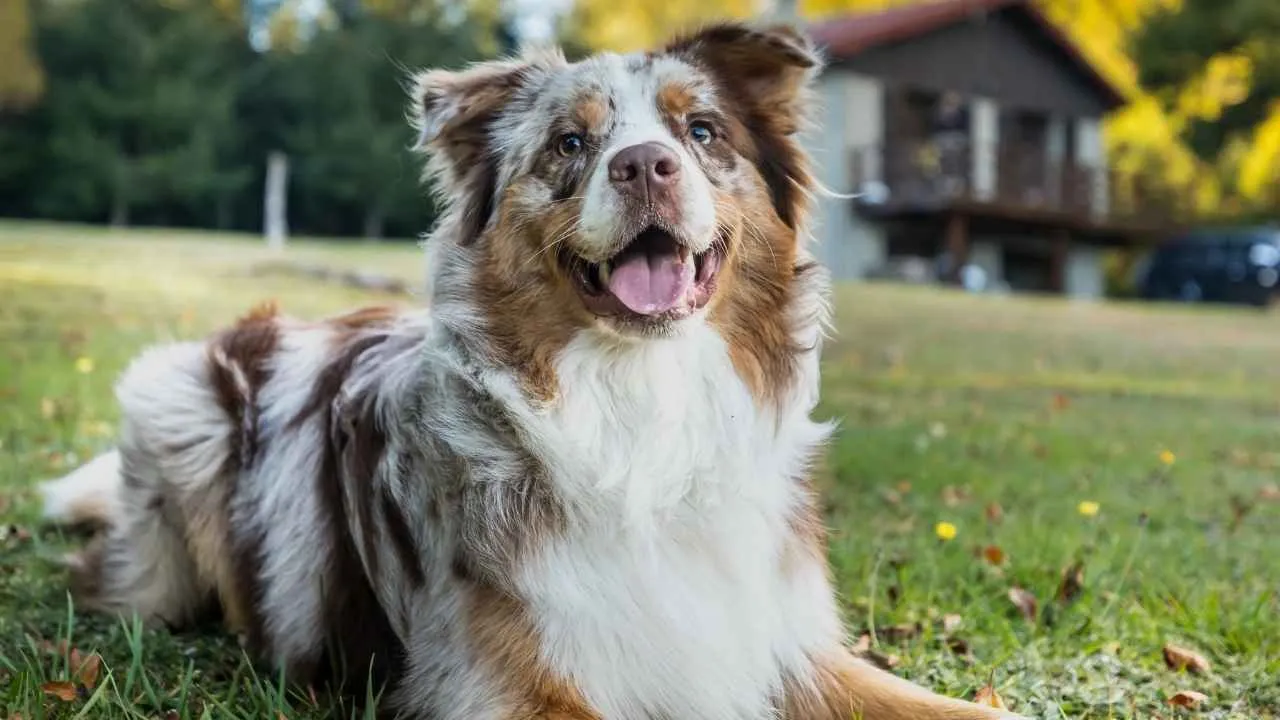
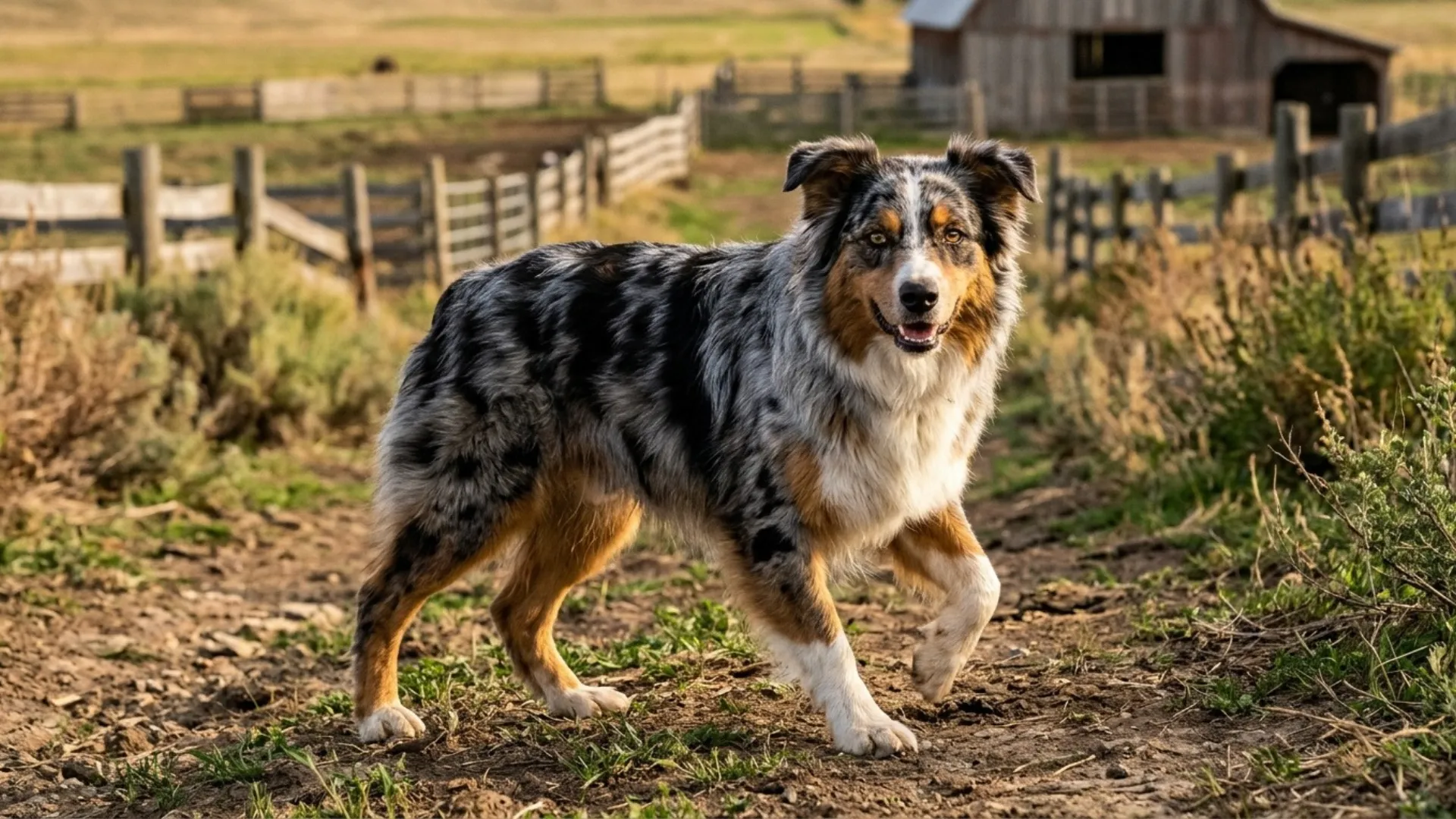
The Australian Shepherd was actually bred on American ranches, not in Australia, to move sheep and cattle across open ground, as the AKC notes. Ranchers needed a dog fast enough to cut off a runaway animal mid-stride. That job shaped a body built for sharp turns, not raw push.
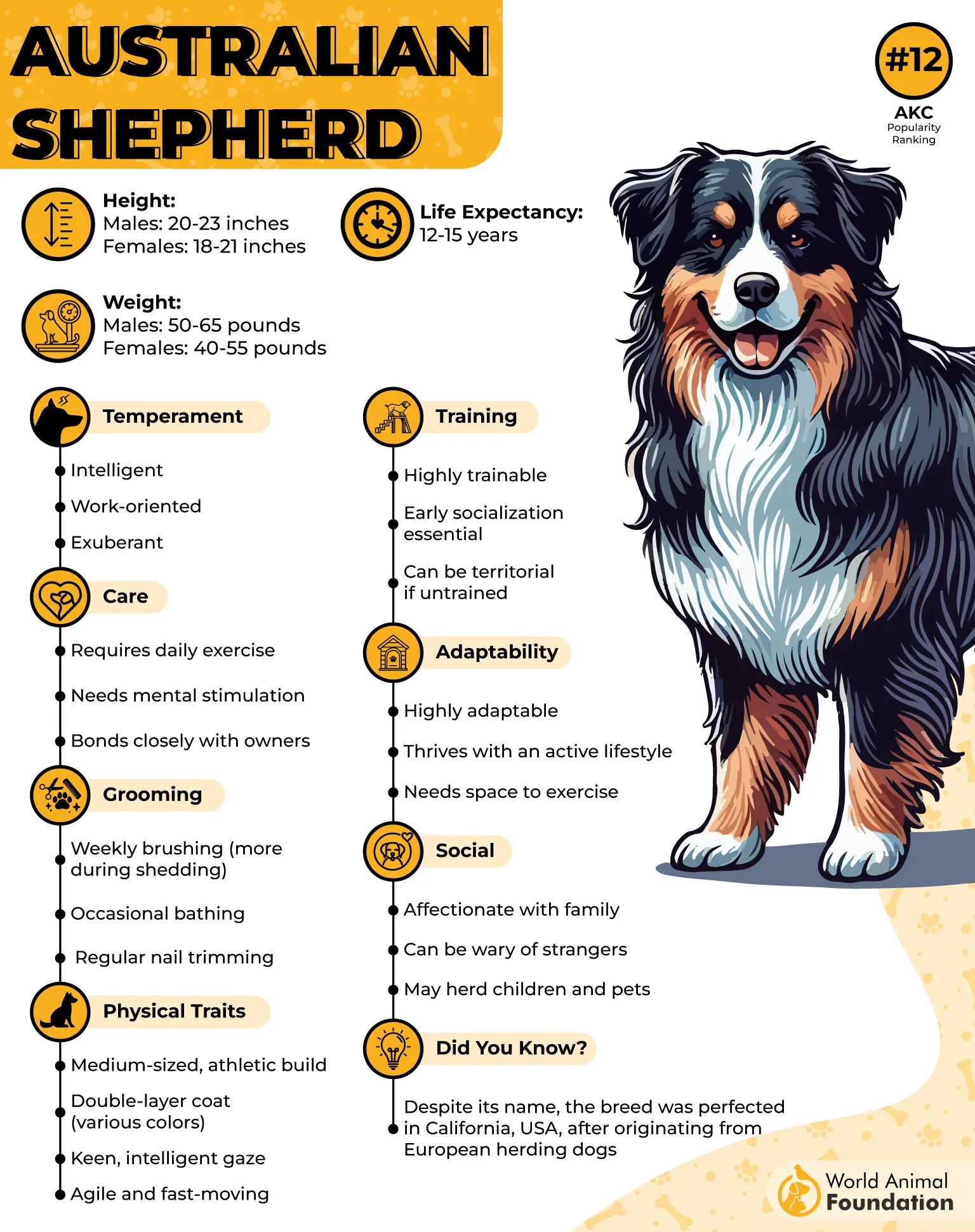
The real engine sits in the hindquarters. Powerful rear legs let this dog pivot and spring sideways fast, exactly what heading off livestock takes. It is agility built on muscle, not bulk for show.
Exercise needs: 1 to 2 hours of real activity daily, not a slow walk.
Space: A yard or open area to sprint and turn freely.
Job substitute: Agility courses or flyball match the same turn-and-burn drive.
That quick twitch drive turns into trouble in a small apartment with no outlet. Bored Aussies invent their own jobs, often herding kids or furniture. Give this dog real work, and the muscle serves owners, not chaos.
2. Australian Cattle Dog
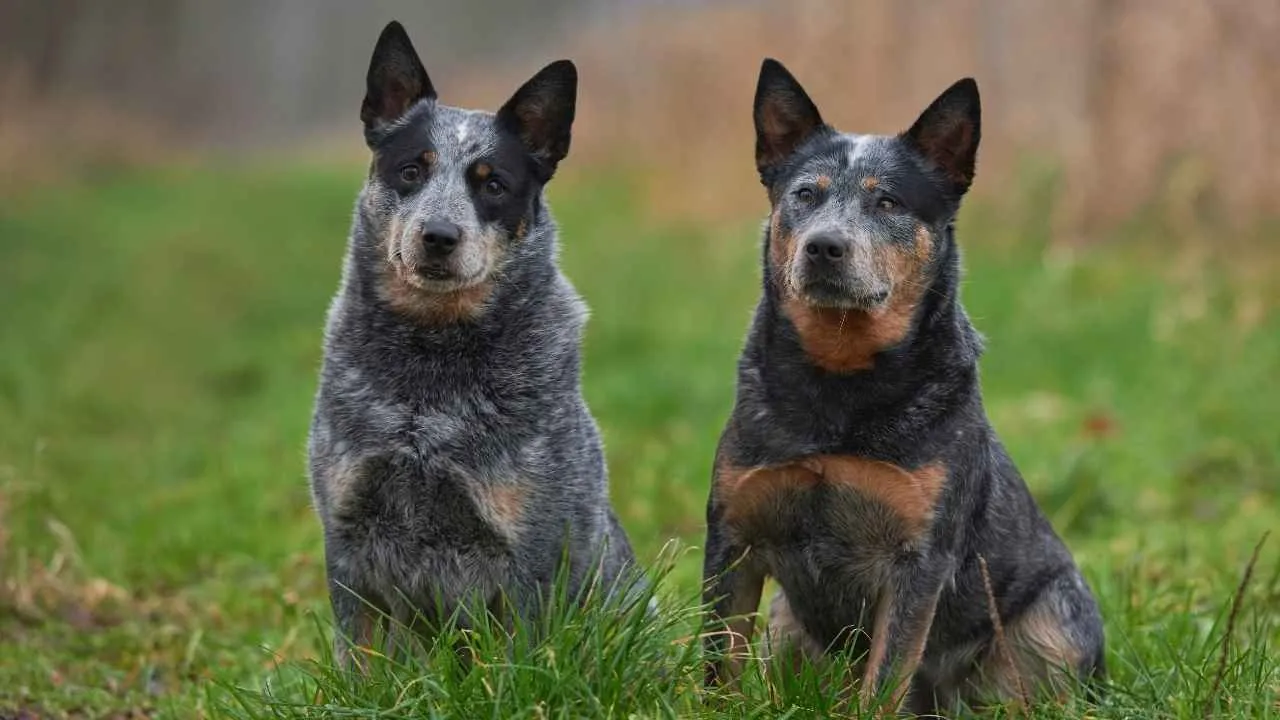
Often called Blue Heelers, Australian Cattle Dogs were bred to drive half-wild cattle across the rugged Australian Outback, a history the Britannica entry still highlights. Driving meant nipping at heels and taking the occasional kick without flinching. That rough job demanded a dog as tough as the herd it worked.
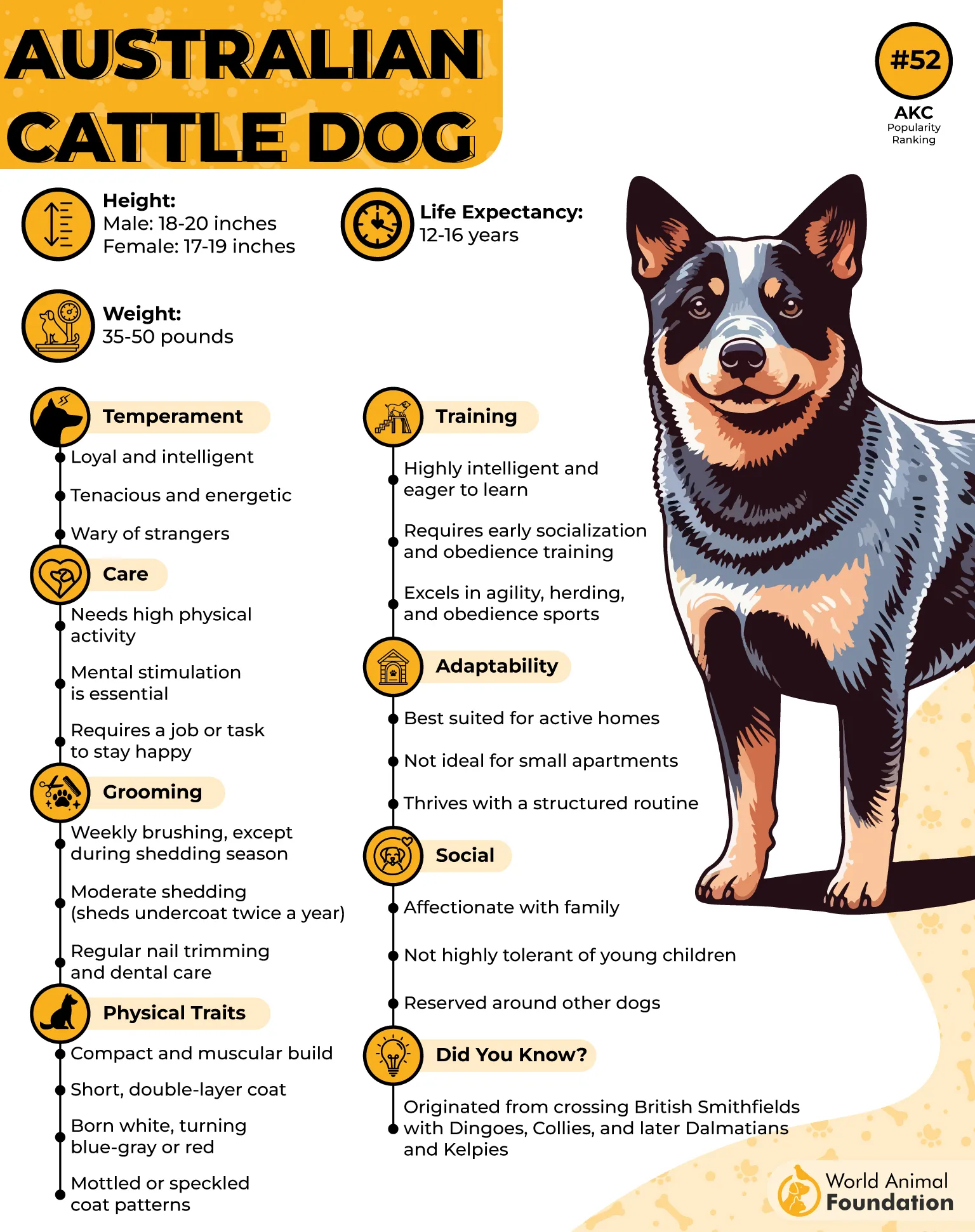
The power lives in a compact, dense chest and a thick neck built for close contact. That structure lets the dog absorb a hoof strike and keep working, the whole point of droving. It is strength packed into a small frame, built for contact, not comfort.
Exercise needs: Long runs or structured herding sessions, not casual strolls.
Space: Thrives on acreage or a working farm over a backyard.
Job substitute: Treibball or weight-pulling events keep the drive satisfied.
Without a real outlet, that same bite and push instinct turns toward ankles, furniture, or anything that moves. An under-worked cattle dog gets pushy, not relaxed. The muscle making this breed a great worker can make it a handful indoors.
3. Beauceron
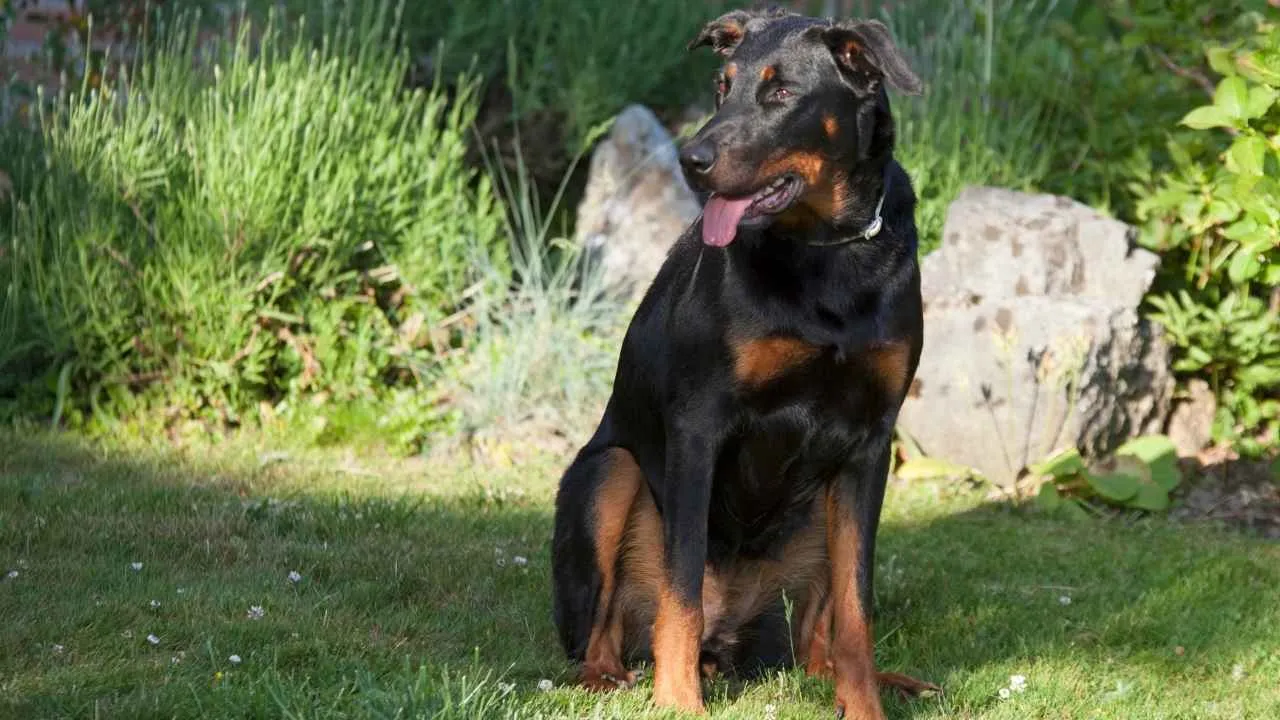
For centuries, the Beauceron droved sheep across the French countryside and often guarded the flock alone overnight too, a dual history the Orvis breed guide traces back generations. That double duty meant the breed had to move livestock by day and stand its ground by night.
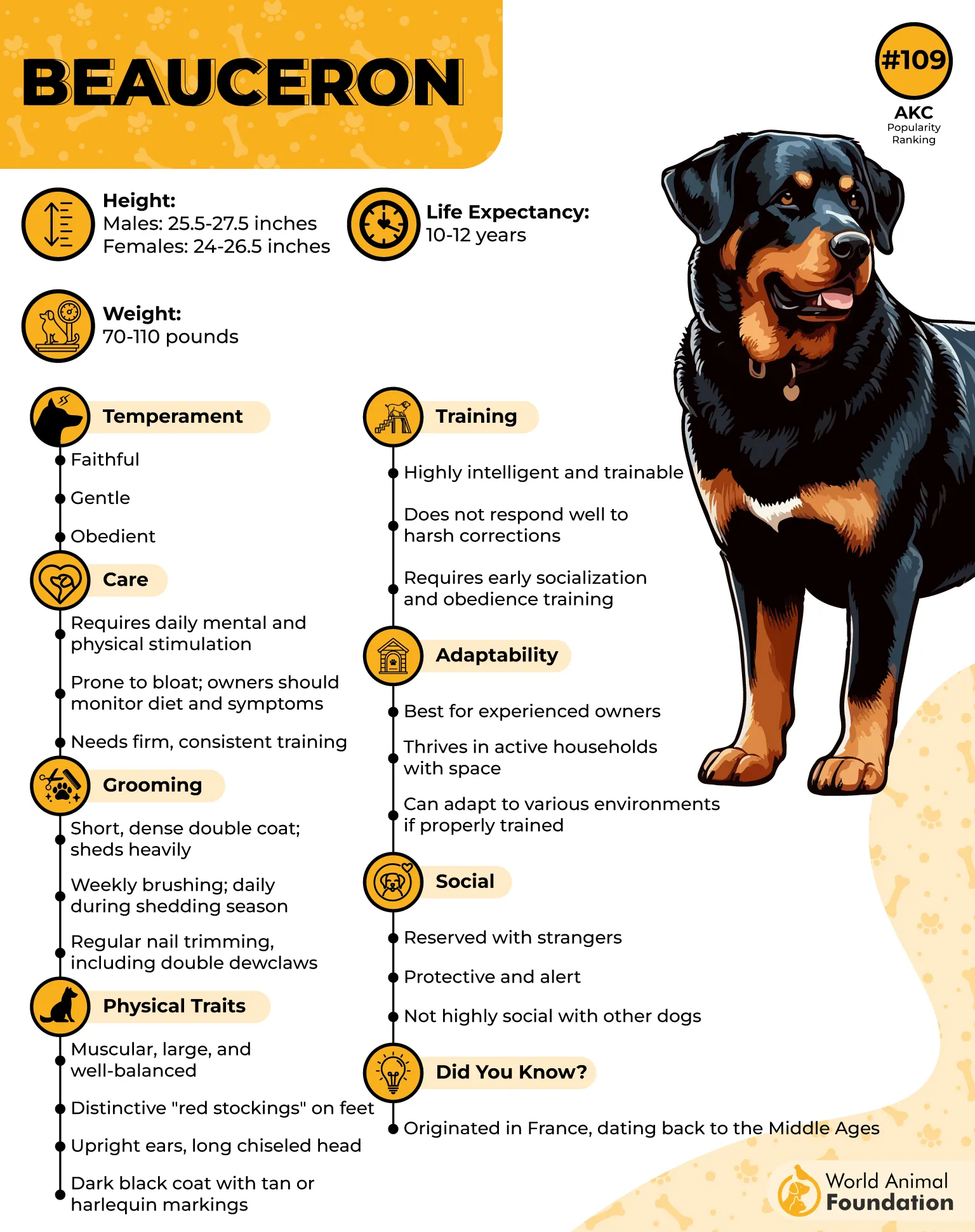
A deep chest and powerful shoulders give this dog the push needed to redirect a stubborn flock. That same shoulder strength lets it plant firmly when guarding, doubling its use on a working farm.
Exercise needs: A job or several hours of structured activity daily, not idle time.
Space: Suited to rural properties with room to patrol, not apartments.
Job substitute: Tracking work or protection sports channel the guarding instinct safely.
Left without a task, a Beauceron tends to appoint itself the property’s unofficial security guard. That watchfulness turns into suspicion of visitors fast. Give this breed a job, and that protective muscle stays useful instead of defensive.
4. Bergamasco Sheepdog
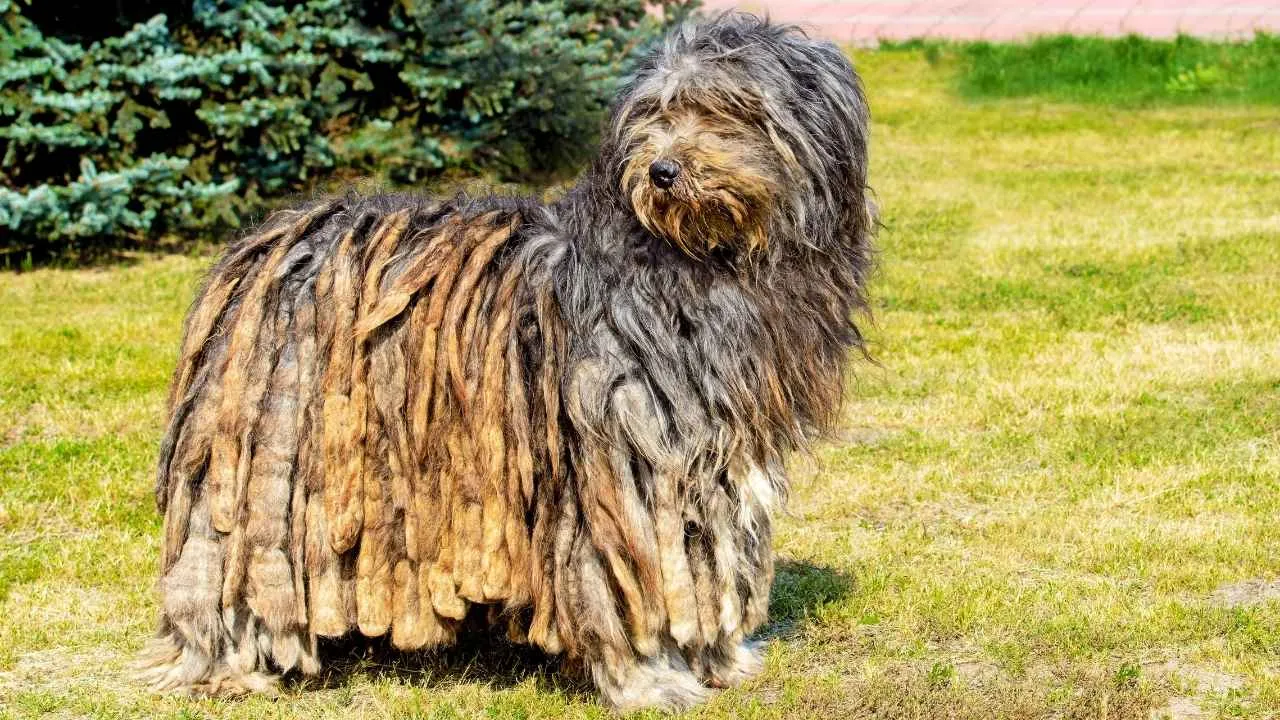
High in the Italian Alps, the Bergamasco Sheepdog spent generations guiding flocks across steep, rocky terrain in brutal cold. That job rewarded a dog that could work from dawn to dusk without quitting.
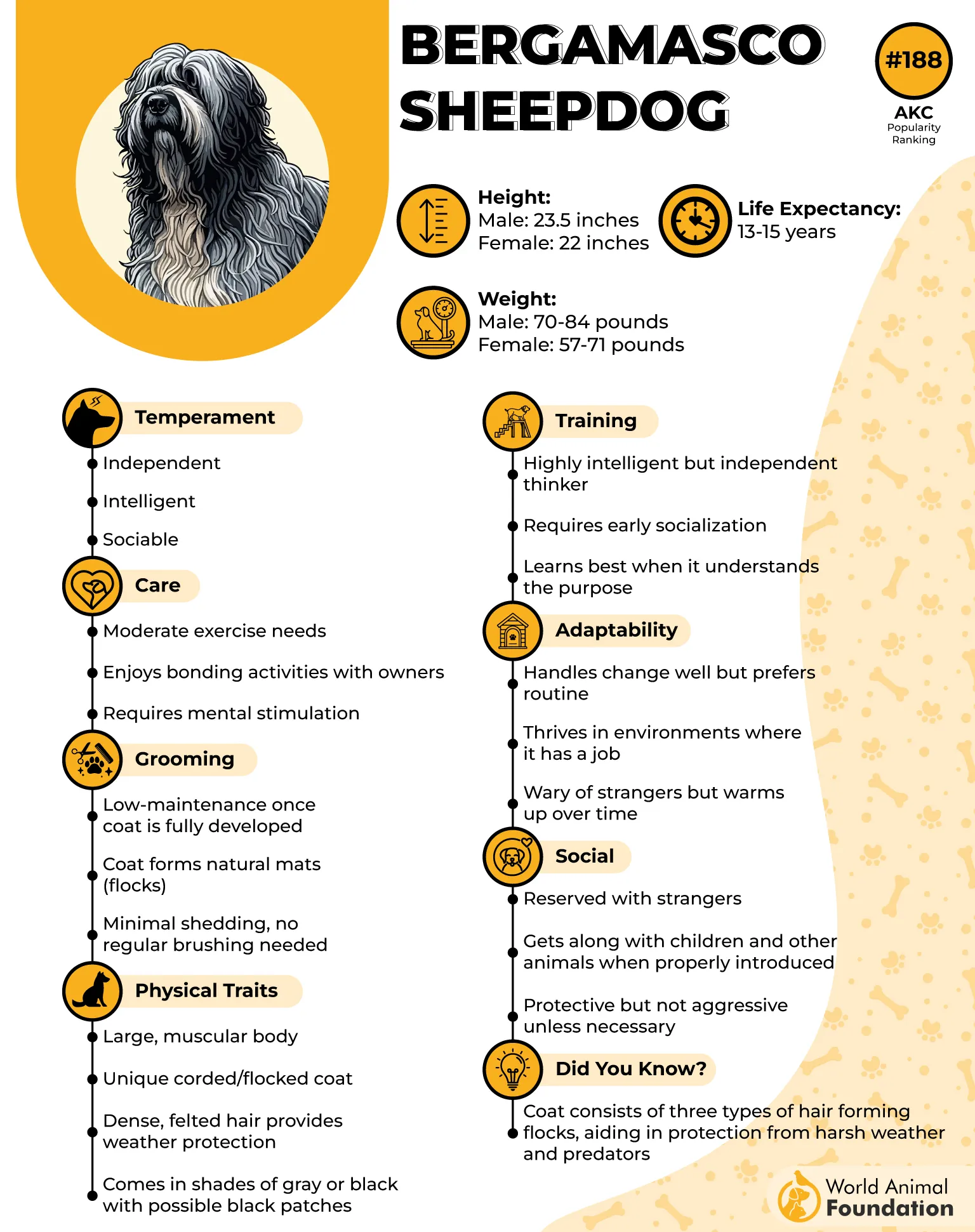
The build behind that stamina is dense muscle wrapped in a thick, matted coat that doubles as insulation. Strong legs carry the dog over uneven rock for hours, the real test of mountain herding.
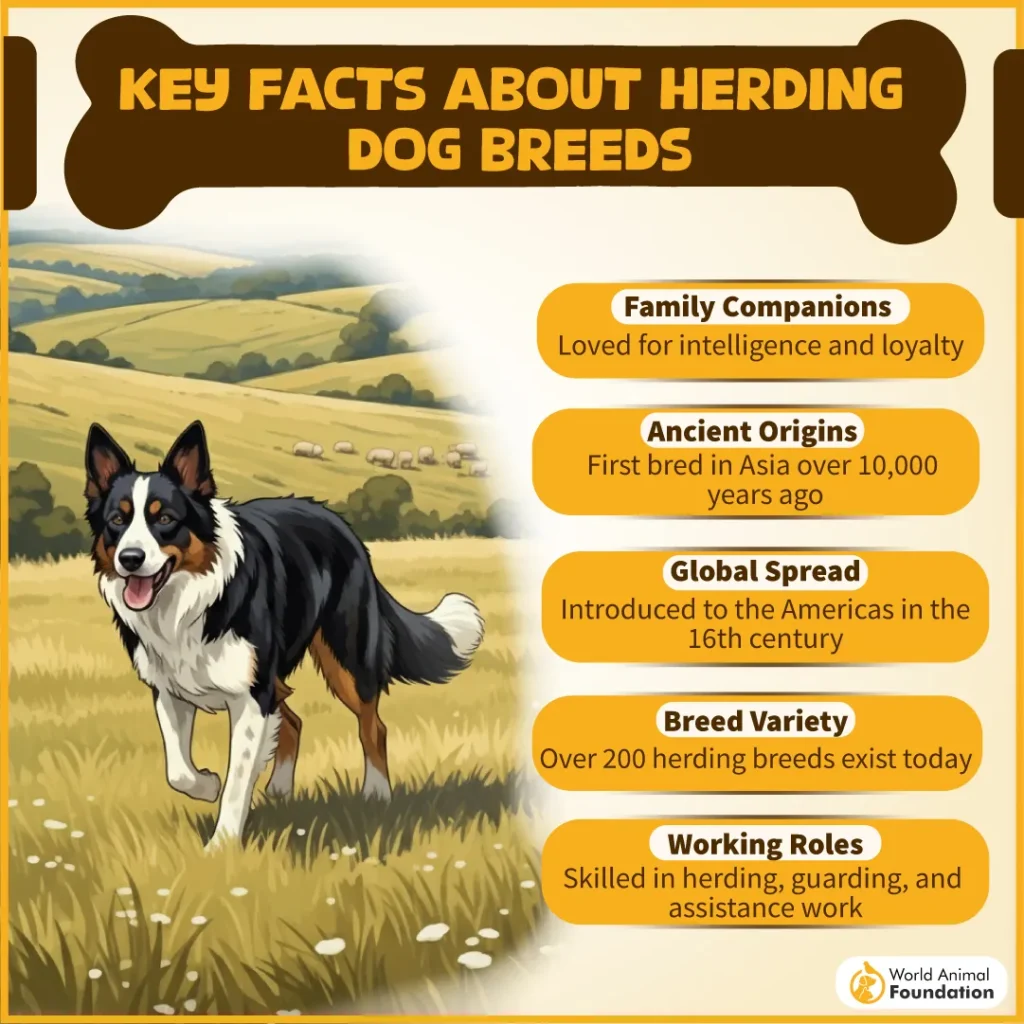
Exercise needs: Long, steady hikes suit this breed better than short bursts of sprinting.
Space: Outdoor access matters more than square footage indoors.
Job substitute: Weighted pack walks or structured guarding-style tasks keep the drive content.
Without enough ground to cover, that endurance turns restless rather than destructive outright. A bored Bergamasco paces or shadows its owner everywhere, never settling. The same stamina that makes it a mountain workhorse needs real mileage to stay calm.
5. Rottweiler
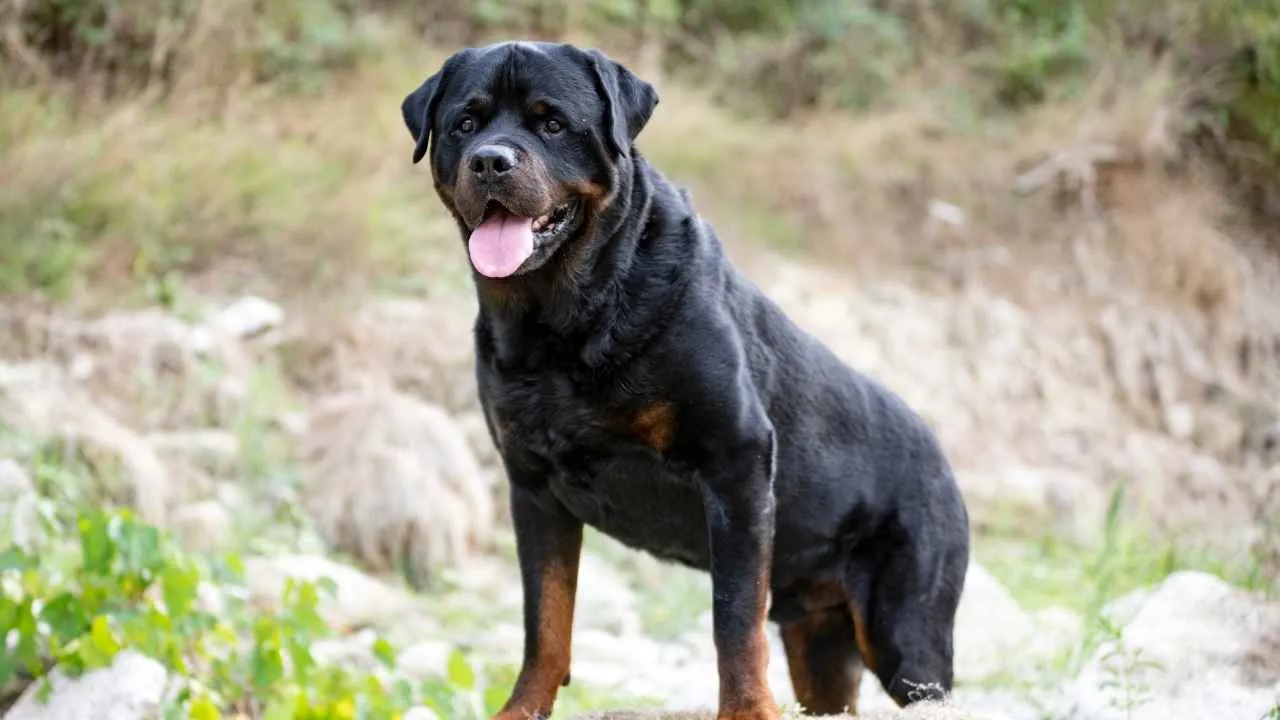
Long before Rottweilers became known for home protection, they drove cattle to market for German butchers and pulled loaded carts along the way, a working past Purina still references. That job needed a dog strong enough to haul weight for miles.
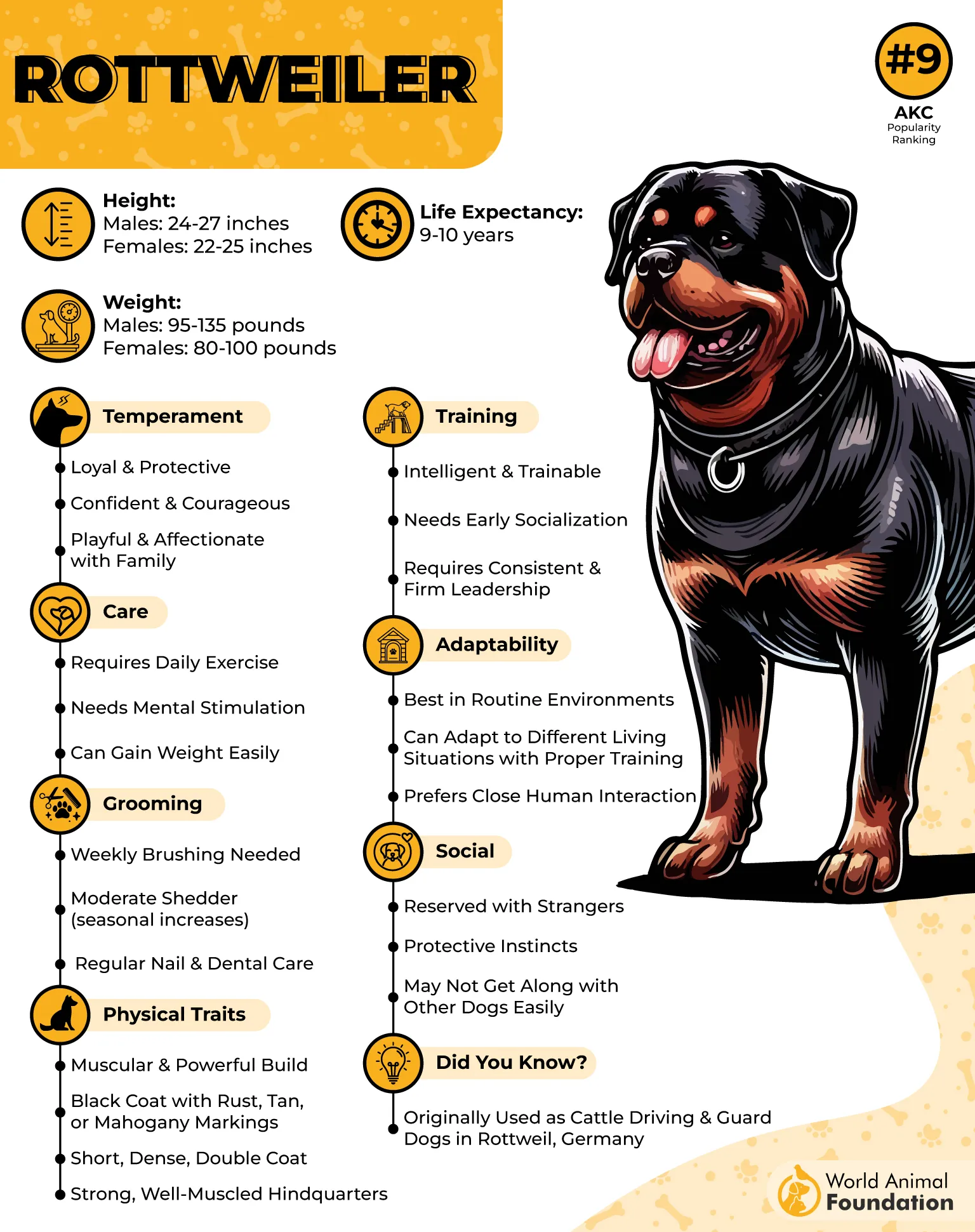
The strength shows up in a broad chest and heavily muscled shoulders built for pulling and driving mass forward. This is not bodybuilder bulk for appearance; it is muscle with a day job.
Exercise needs: Structured daily activity like long walks or strength-based games.
Space: Fine in a house as long as daily exertion is non-negotiable.
Job substitute: Weight pulling or carting events put that driving strength to good use.
That much raw power without direction can make a Rottweiler pushy on a leash or overly confident with strangers. The muscle itself is never the problem. How it gets used, or does not, makes the difference.
6. Belgian Malinois
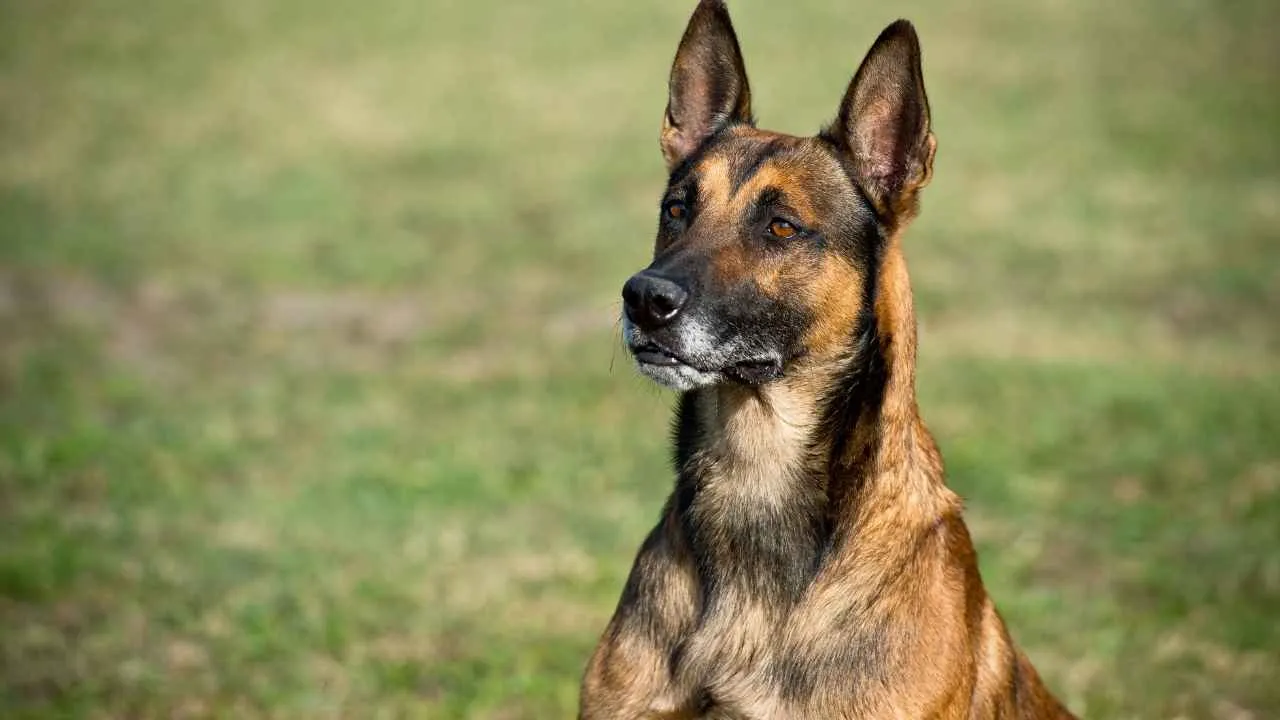
Discover this: Belgian Malinois started out herding sheep in Belgium long before police and military work made the breed famous. The herding job demanded quick bursts of speed paired with real physical control over the flock.
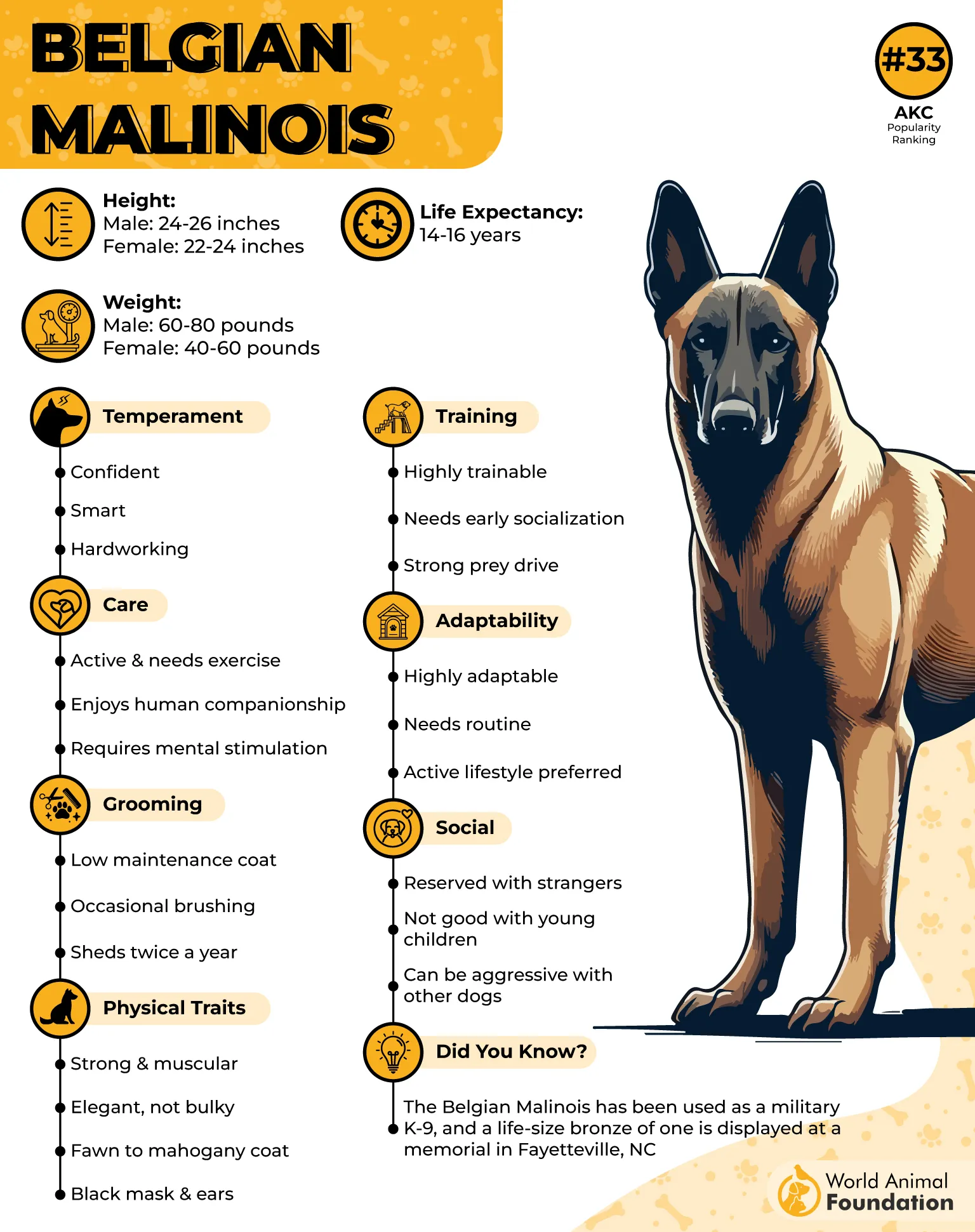
Lean, springy muscle through the legs gives this breed explosive acceleration rather than slow grinding power. That speed and agility combo is exactly what lets it dart around livestock and still keep up all day.
Exercise needs: Serious daily work, often 2 or more hours of structured activity.
Space: Active households with land or regular access to open areas.
Job substitute: Protection sports, scent work, or flyball give this drive somewhere productive to go.
Without a real outlet, a Malinois turns that explosive energy toward chewing, jumping fences, or general chaos. This is not a breed that settles for a quiet life. The same build that makes it elite at work makes it a lot to handle at rest.
7. German Shepherd
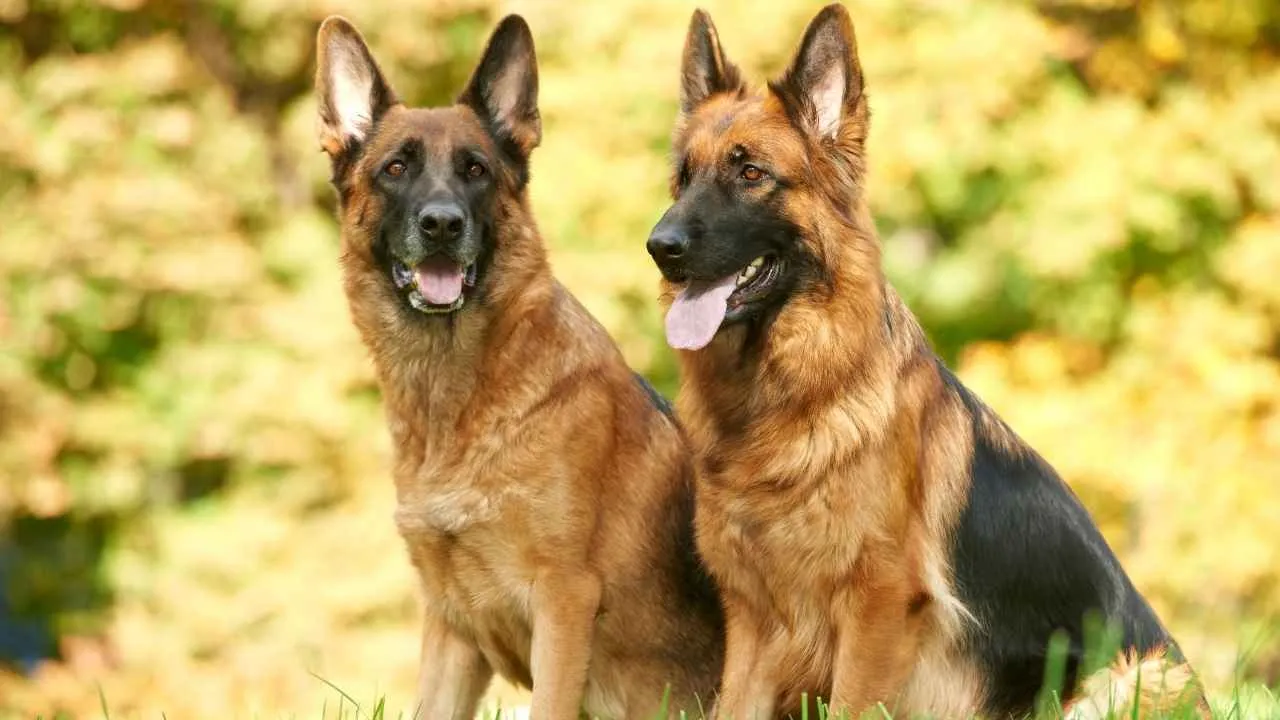
German Shepherds were originally developed to herd and guard sheep across German farmland, often working full days without a break. That demanding schedule called for one of the more muscular breeds in the herding world, built for both movement and muscle.
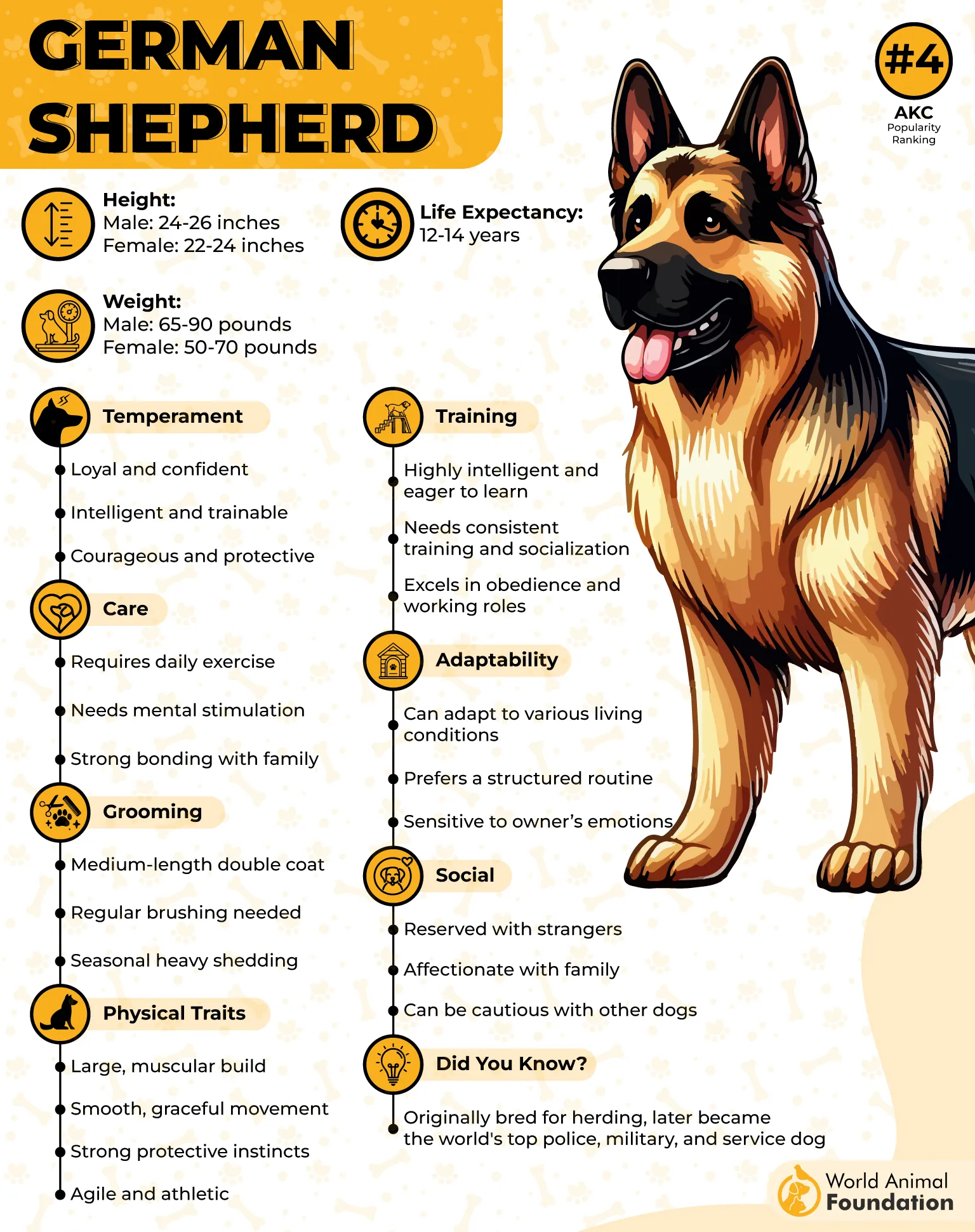
A long, muscular back and strong hindquarters give this breed a ground-covering gait that works all day without wearing down. That same build carries the strength needed for guarding duties on the same farm.
Exercise needs: Over an hour of real activity daily, split between physical and mental work.
Space: Adapts to most homes as long as daily exercise stays consistent.
Job substitute: Obedience training, tracking, or structured play give this breed a healthy outlet.
Skip the outlet and that same muscle turns into restless pacing or chewing through doors. A German Shepherd with nothing to do finds its own job, and owners rarely enjoy what it picks. The fix is simple: give the drive somewhere real to go.
Conclusion
Every muscular breed on this list proves one thing: real power only works when it has a real job to do. From droving cattle to guarding flocks in the mountains, strength and endurance mean nothing without the right outlet, and owners who skip that step end up with all muscle and no peace.
Before you pick based on looks or sheer size, think about the space, time, and work you can realistically offer. Match the build to the job, not just the breed’s appearance, and go pick the one built for the life you can actually give it.
