




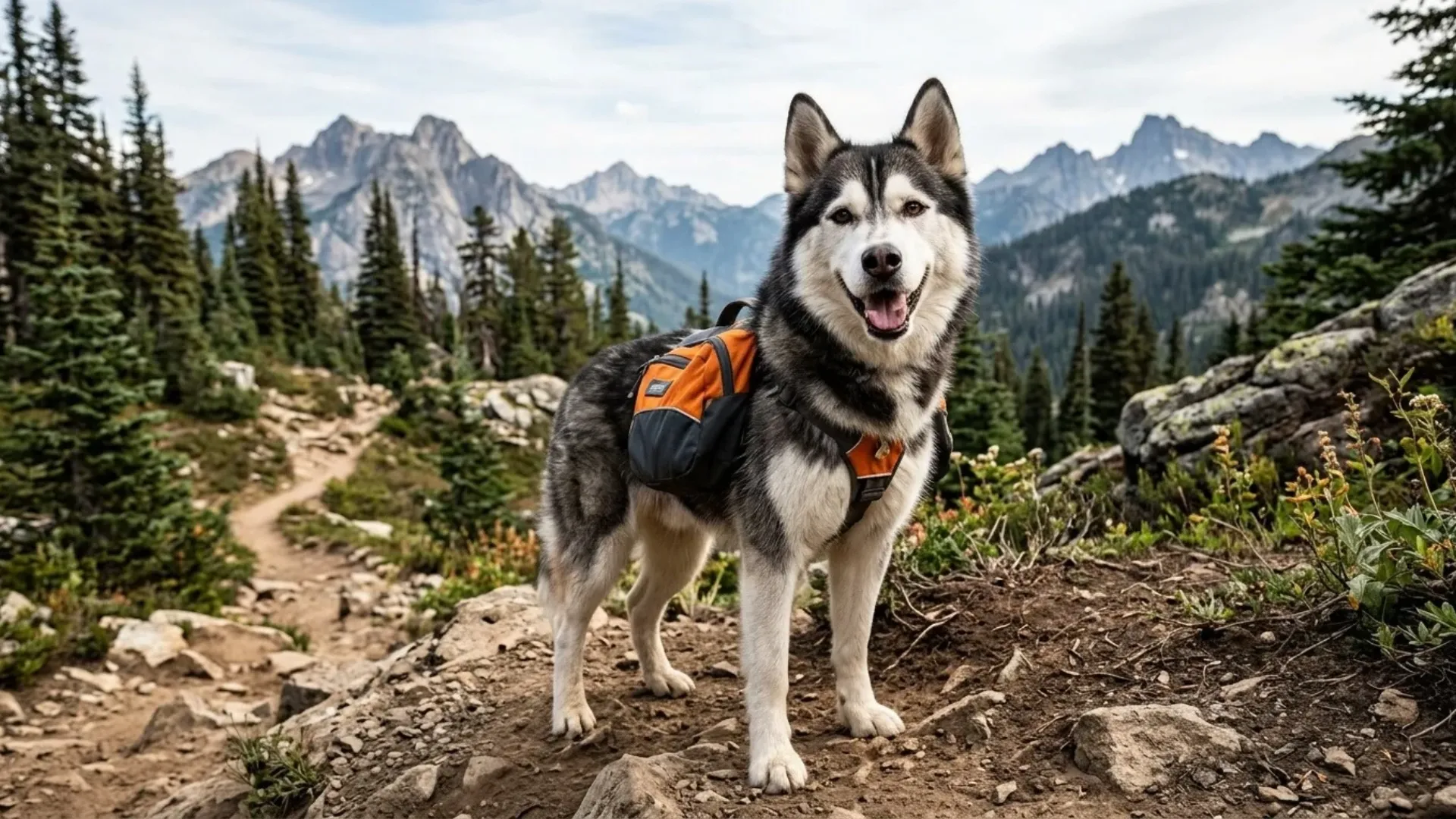
Imagine having a four-legged adventure buddy who’s always ready to hit the trails, explore a new path, or join you on your next camping trip.
Whether you love long hikes, morning runs, or weekend escapes into nature, the right dog can make every outdoor experience more exciting. Some dogs are happy with a short stroll, while others have the energy, curiosity, and stamina to keep exploring for hours.
However, choosing an adventurous companion involves more than picking a dog with plenty of energy. Every dog has different needs, and breed traits can offer helpful clues about their stamina, physical abilities, coat, and tolerance for different weather conditions.
Before setting off on a challenging trail or a long outdoor trip, it’s important to understand what your dog can comfortably handle and give them time to build up their endurance.
So, which dogs are best suited to an active lifestyle? We’ve rounded up seven best dog breeds for outdoor adventures that may be just what you’re looking for.
Ideal Dog Breeds for a Life of Adventure
1. Siberian Husky
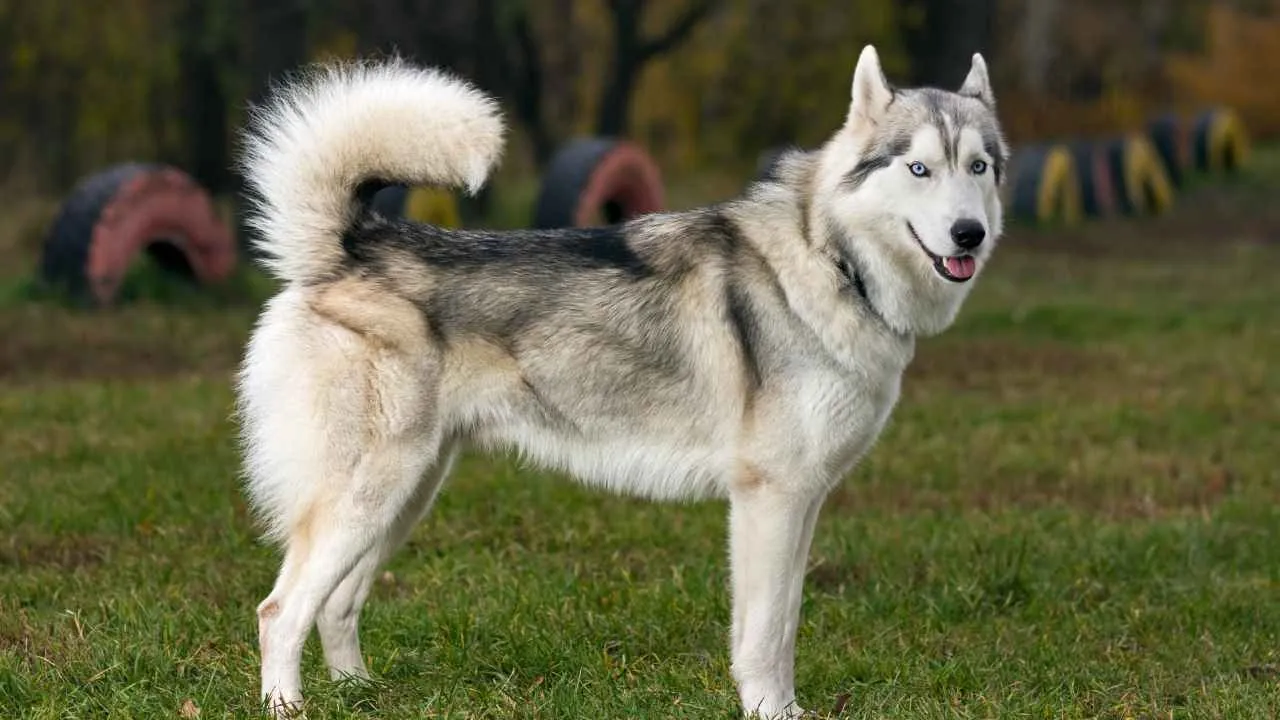
Siberian Huskies have a long history as sled dogs, developed by the Chukchi people of Siberia thousands of years ago. Their thick coats helped them handle Arctic conditions, while their strong, effortless movements made them well-suited to pulling sleds across frozen landscapes.
With their pointed ears, almond-shaped eyes, and alert expressions, these athletic dogs are built for endurance and outdoor activities.
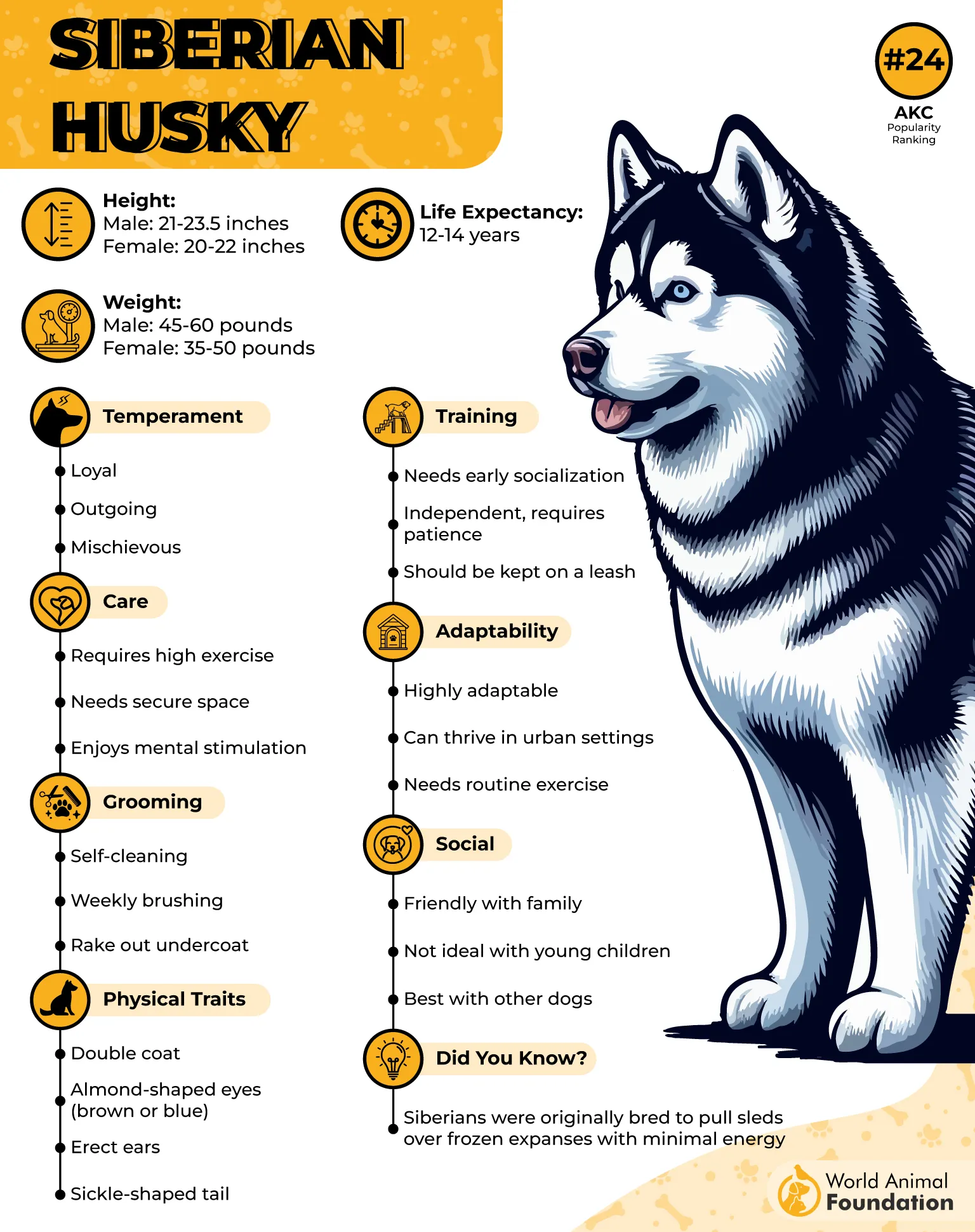
Energetic, Social, and Playful Companions
Huskies are friendly, intelligent, and full of energy. They enjoy spending time with their families and usually get along well with children and other dogs, as Chewy mentions.
They can also be quite vocal, using howls, growls, and whimpers to communicate. However, their strong prey drive may lead them to chase smaller animals, including cats and tiny dogs.
Exercise, Training, and Safety
These independent dogs need plenty of exercise, mental stimulation, and company. Without enough activity, they may become destructive, dig under fences, or find ways to escape.
Their independent nature can also make training challenging, so consistent sessions and engaging rewards, such as toys, walks, and playtime, can help. Siberian Huskies dislike being left alone for long periods and may benefit from a sitter or doggy daycare when their families are away.
2. German Shorthaired Pointer
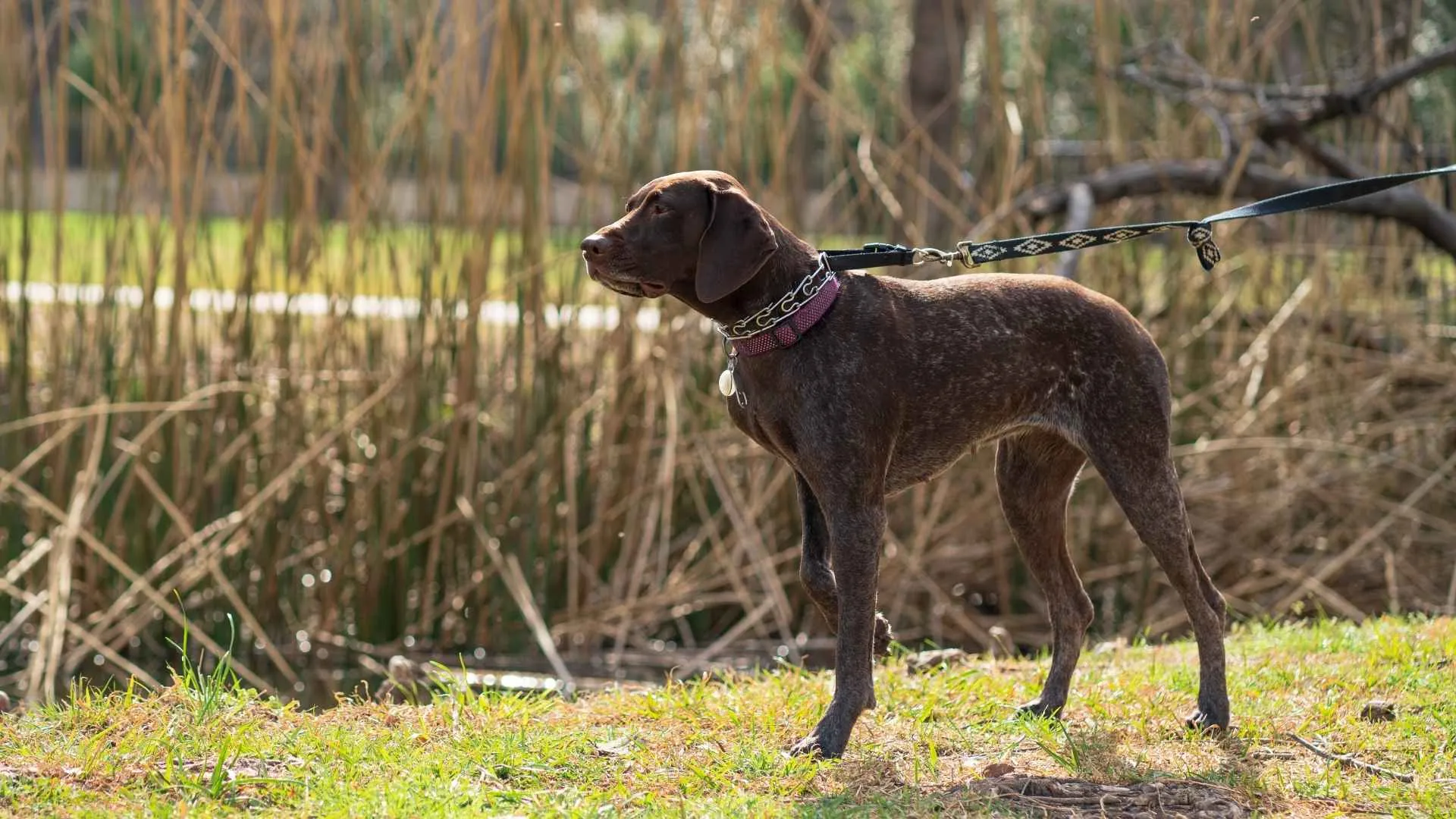
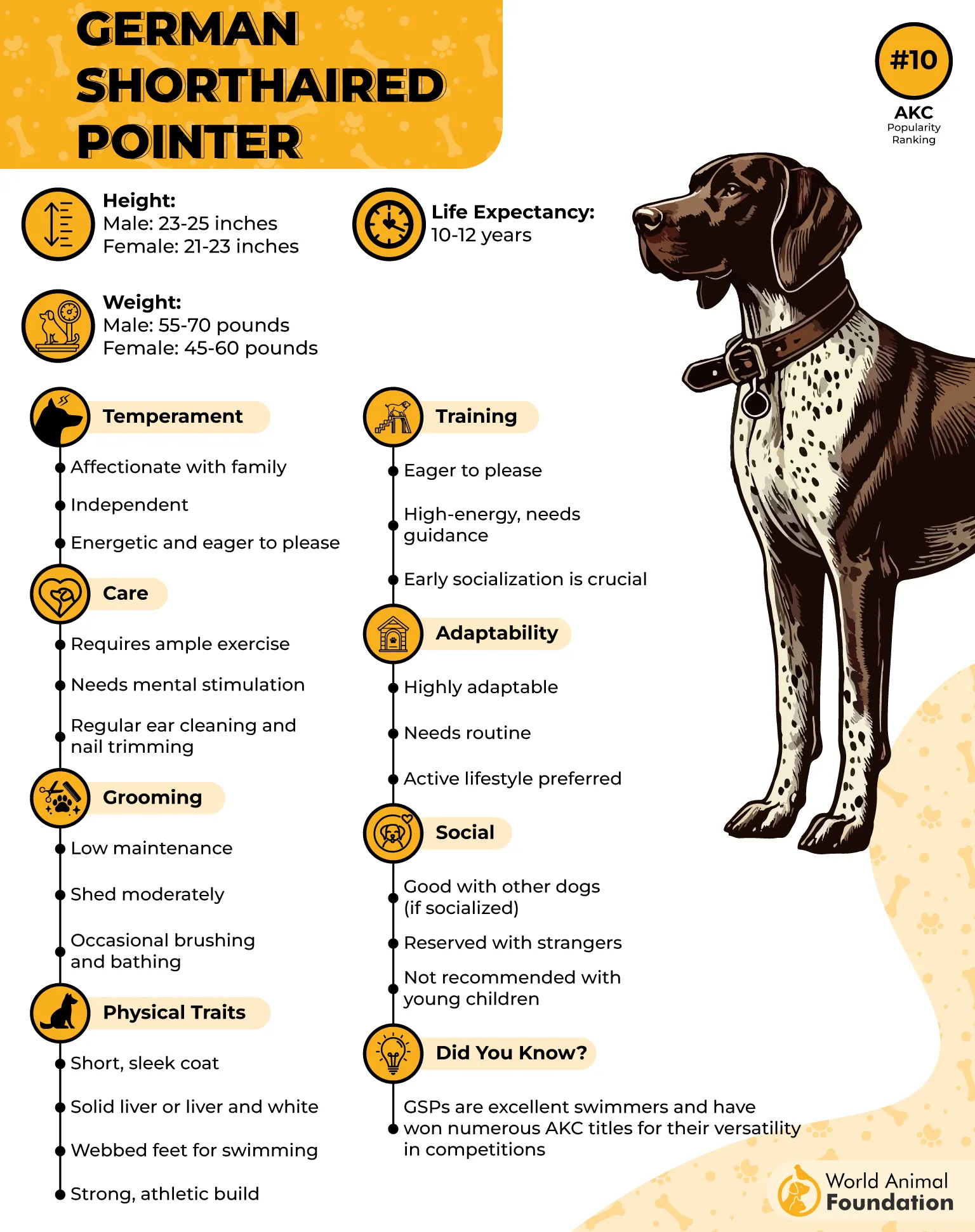
German Shorthaired Pointers are versatile hunting dogs known for their speed, agility, and endurance. Their athletic build makes them excellent companions for running, swimming, hiking, and other outdoor activities.
With their short liver-colored or liver-and-white coats and bright, friendly eyes, these dogs have an alert and noble appearance. They thrive with active owners who can match their energy and give them plenty of attention.
Loyal, Loving, and Intelligent Dogs
German Shorthaired Pointers form strong bonds with their families and love being around people, especially children. They are intelligent and generally respond well to positive training.
They may also act as alert watchdogs when something seems unusual. However, their strong prey drive can lead them to chase smaller animals, so early socialization and a reliable recall are important.
Exercise, Training, and Daily Care
These energetic dogs need daily physical exercise and mental challenges to stay happy. Activities such as swimming, running, and dog sports help them use their energy while spending time with their owners.
They also enjoy tasks that challenge their minds. German Shorthaired Pointers dislike being left alone for long periods and may develop destructive habits when bored.
3. Labrador Retriever
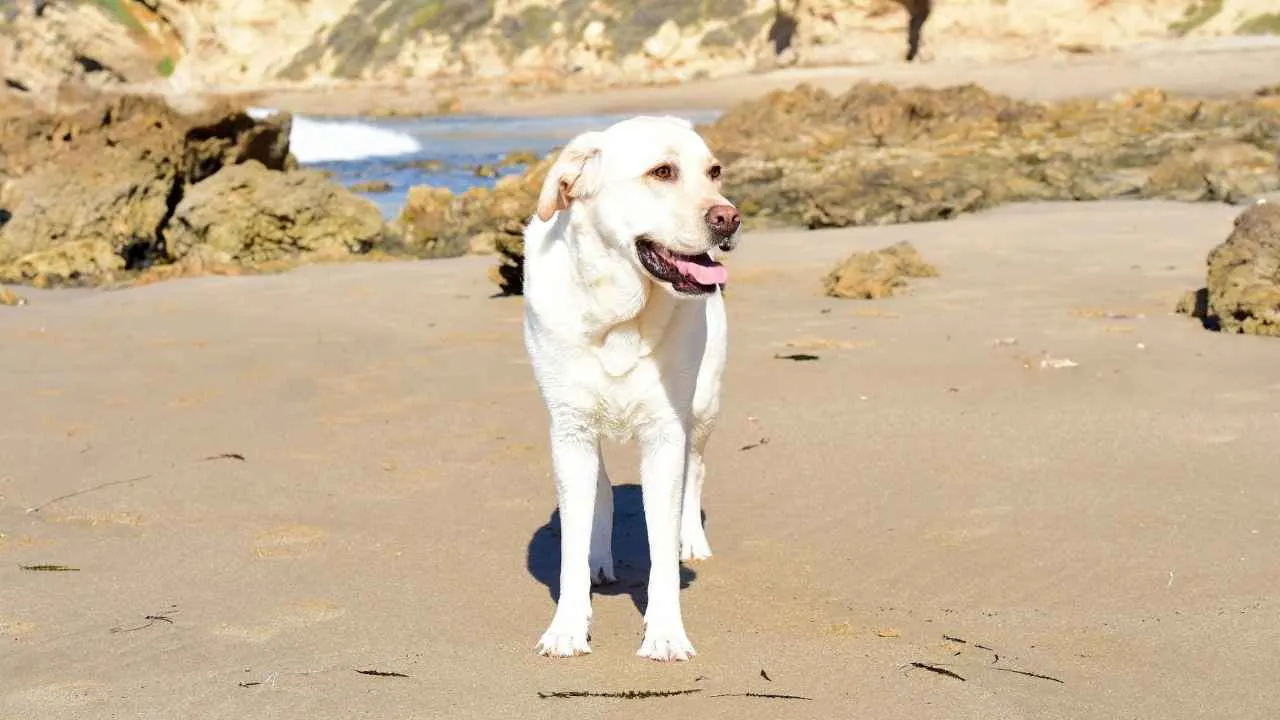
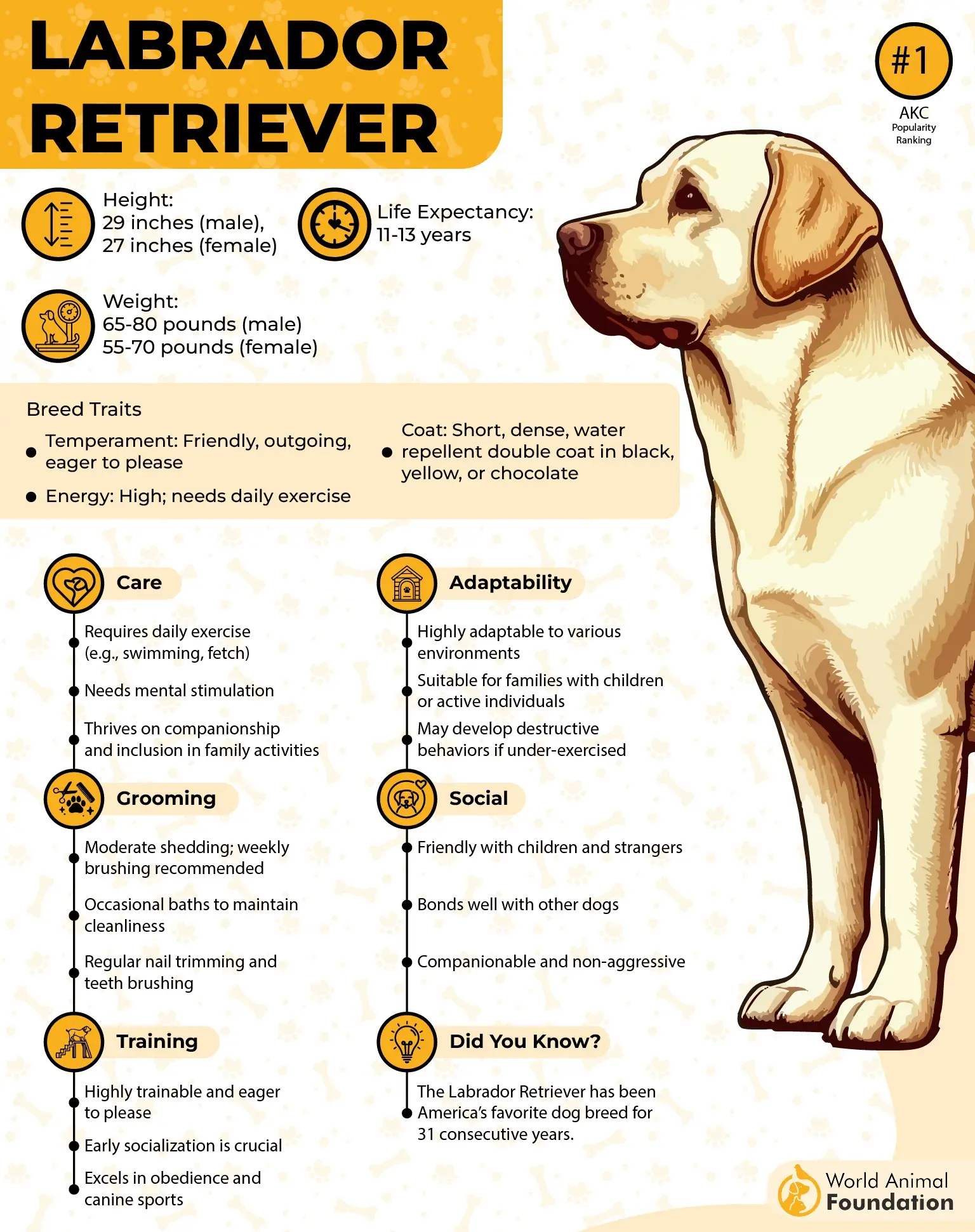
Labrador Retrievers are friendly, energetic dogs with a natural love for outdoor adventures. Originally bred to work alongside fishermen and retrieve game, they have strong swimming abilities and plenty of stamina.
Their sturdy build, kind eyes, and water-resistant double coats make them well-suited to activities such as hiking, swimming, and games of fetch. Their coats come in three colors: yellow, black, and chocolate.

Friendly, Loving, and Easy to Train
Labrador Retrievers form strong bonds with their families and usually get along well with children, strangers, and other dogs. Their affectionate nature and eagerness to please make them relatively easy to train.
They also respond well to food rewards, although their love of eating means owners need to watch their food intake. These cheerful dogs enjoy being involved in family activities and thrive on human companionship.
Exercise and Everyday Care
Don’t let their easygoing personalities fool you. Labrador Retrievers need plenty of daily exercise and mental stimulation to stay fit and happy.
Swimming, hiking, and long games of fetch are great ways to keep them active. Their energy can be challenging when they are young, so consistent training is important.
4. Border Collie
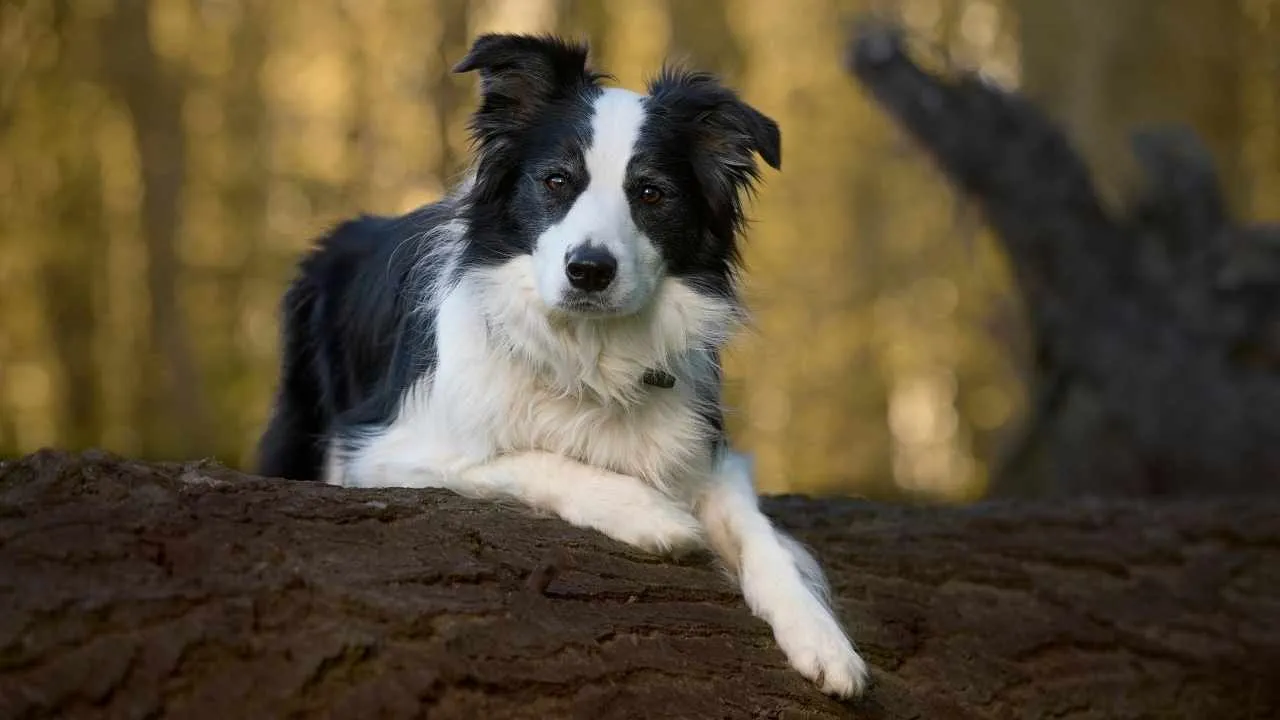
Border Collies are highly intelligent herding dogs known for their speed, agility, and impressive work ethic. Their athletic bodies and sharp focus make them excellent companions for active people who enjoy outdoor challenges.
They have rough or smooth coats in various colors and patterns, along with expressive eyes and an intense gaze known as the “herding eye.”
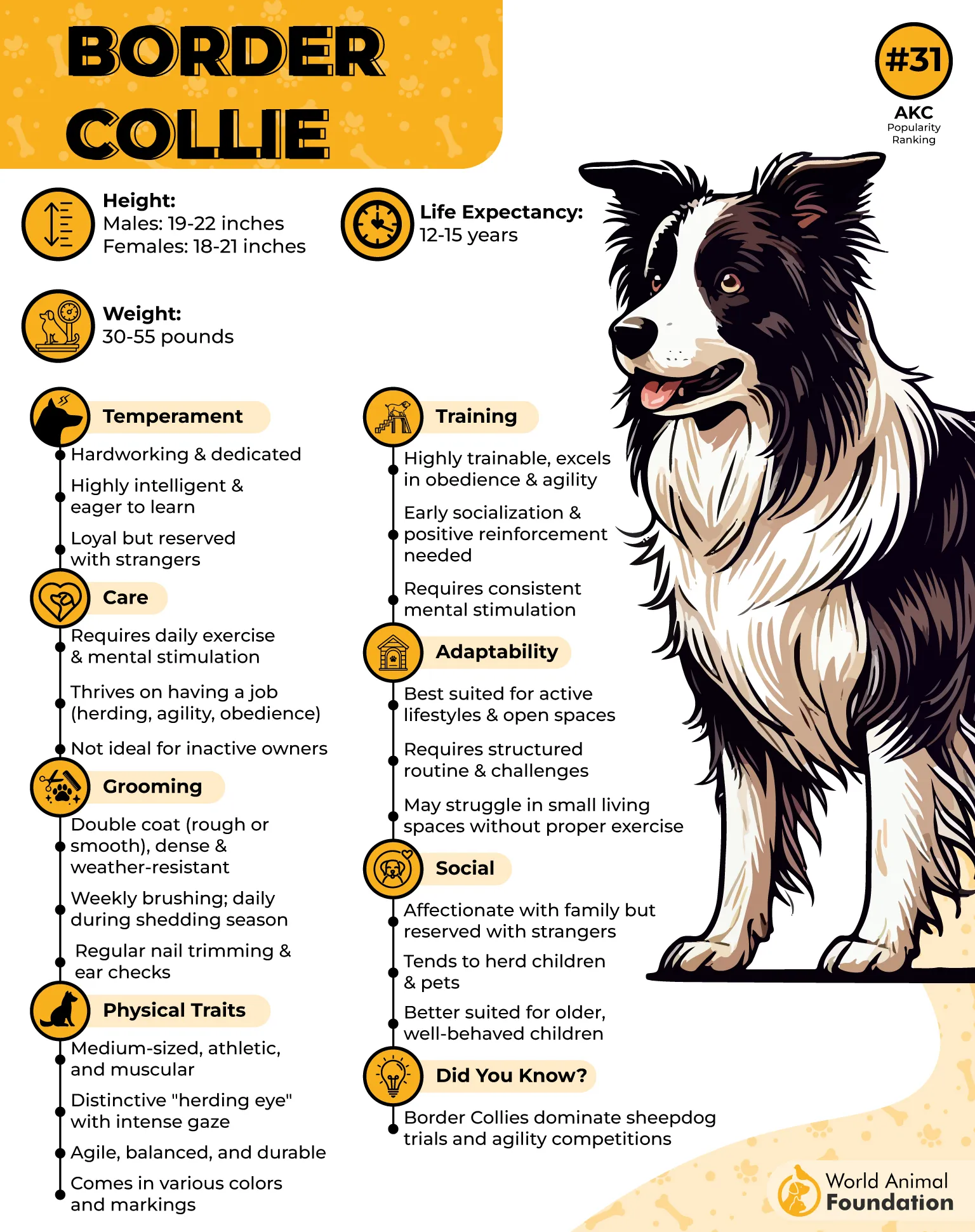
Intelligent, Affectionate, and Focused
Border Collies learn quickly and respond well to consistent training. They form strong bonds with their owners and enjoy spending time with their families, often settling down for cuddles after an active day.
However, they can be reserved around strangers and may try to herd people, other animals, or moving objects, as VCA notes. Their sharp minds and strong instincts need proper direction to prevent unwanted behaviors.
Exercise and Mental Stimulation
A simple walk around the block is rarely enough for these energetic dogs. Border Collies need vigorous exercise and daily mental challenges to stay happy.
Running, obedience training, tracking, and dog sports such as agility, flyball, and flying disc can keep them engaged. Without enough activity, they may become anxious or destructive.
5. Vizsla

Originally bred as hunting companions in Hungary, Vizslas are athletic dogs known for their stamina and close bond with people. Their sleek, golden-rust coats, silky ears, and graceful movements give them an elegant appearance.
They enjoy long walks, running, jogging, and biking alongside their owners. With their energy and eagerness to explore, Vizslas suit active families who love spending time outdoors.
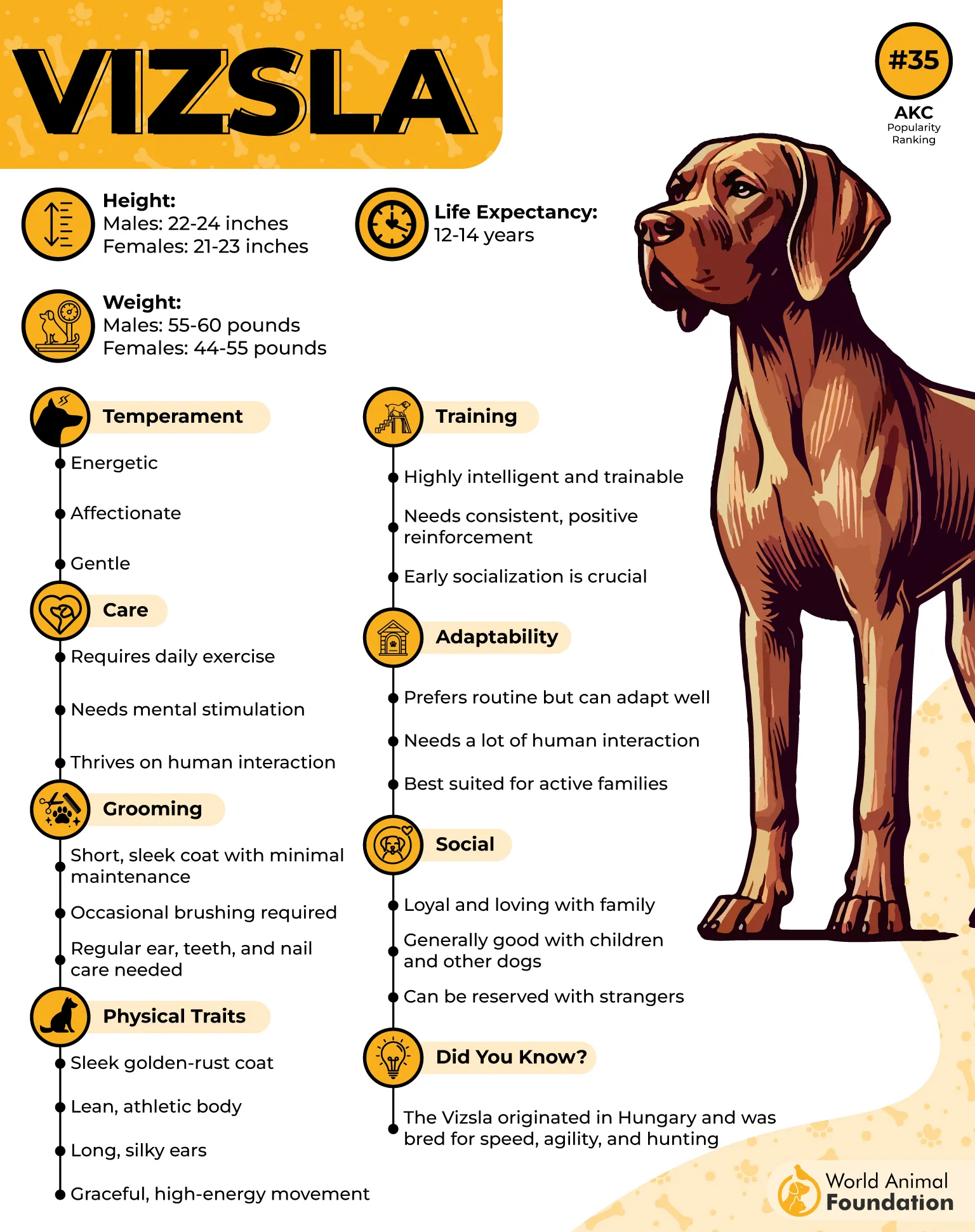
Loving, Sensitive, and People-Oriented
Often called “Velcro dogs,” Vizslas love staying close to their owners and may follow them from room to room. They are affectionate, gentle, and generally good with children, strangers, and other pets.
However, they dislike being left alone for long periods. Their sensitive nature means they respond best to kind, reward-based training. Early training can also help manage jumping when they get excited around visitors.
Exercise, Training, and Daily Care
Vizslas need more than a quick daily walk. They thrive on vigorous exercise, mental challenges, and opportunities to explore safely. Running, swimming, and agility activities can help keep them engaged.
Secure spaces are important because they may wander when following a scent or searching for game. Training a reliable recall is essential before allowing them off-leash freedom.
6. Weimaraner
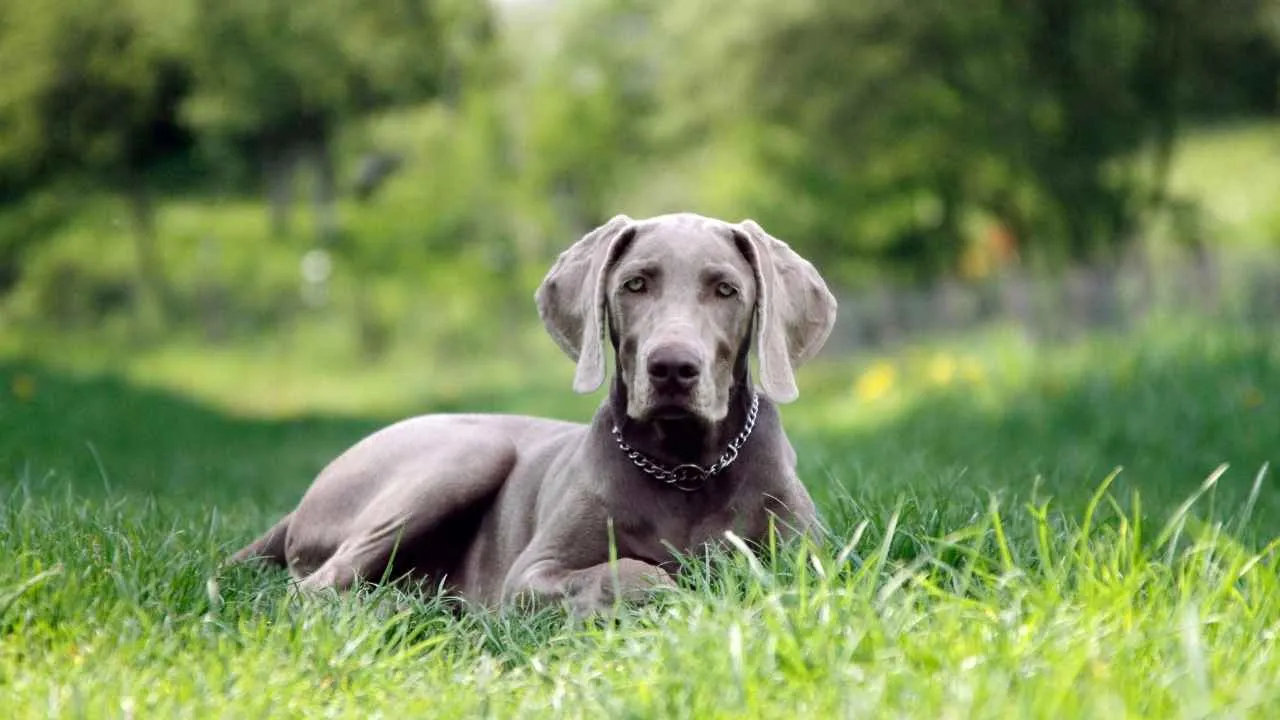
Known as the “Gray Ghost,” Weimaraners are sleek, energetic hunting dogs that originated in Germany during the 19th century. Their history shaped their speed, tracking ability, and endurance.
Their smooth, silver-gray or blue-gray coats, long velvety ears, and striking amber or blue-gray eyes give them a distinctive appearance. These athletic dogs enjoy running, hiking, hunting, and exploring trails with their owners.
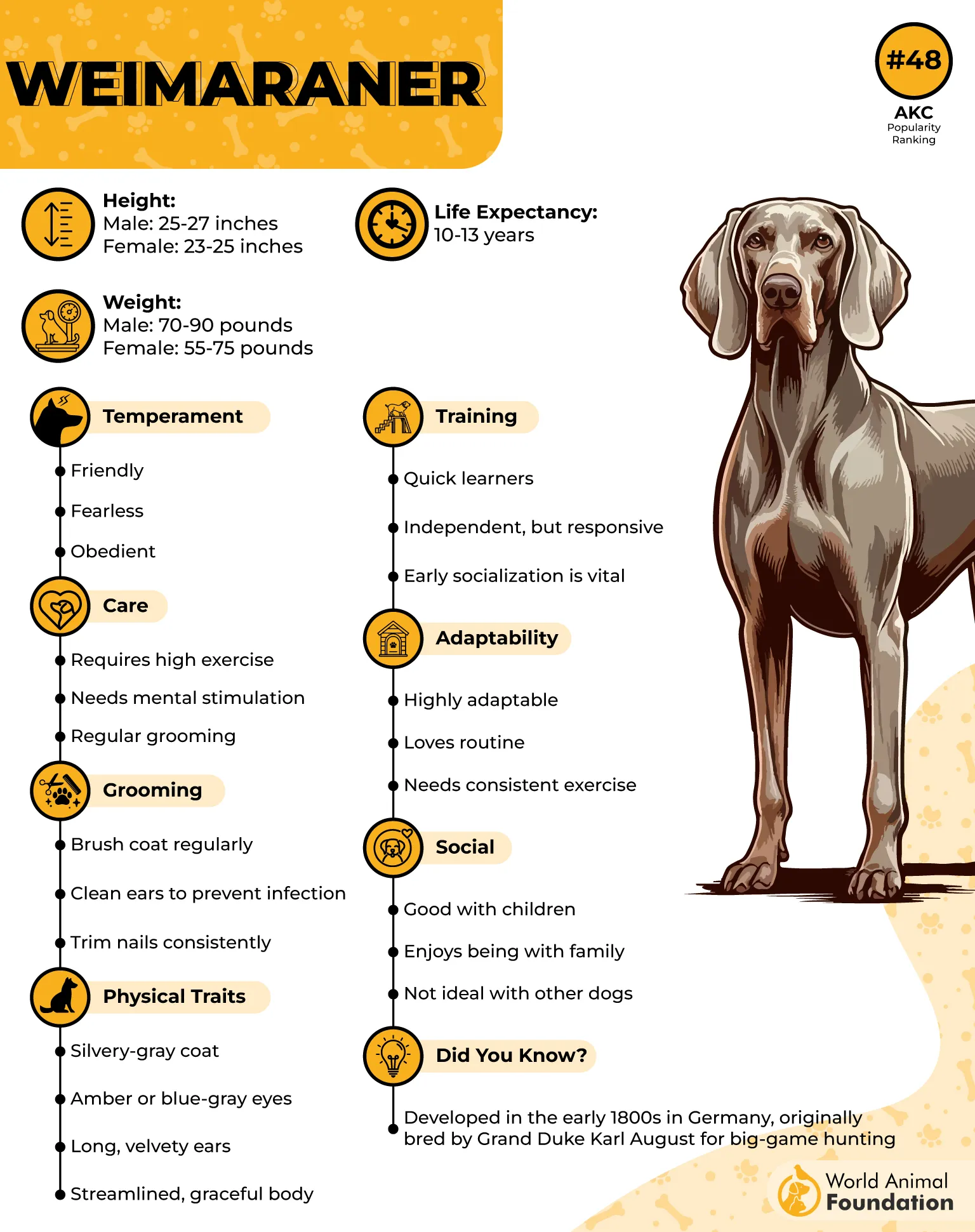
Friendly, Intelligent, and Family-Oriented
Weimaraners are affectionate, fearless, and eager to be part of family life. They are generally good with children and respond well to training. With proper socialization, they can also get along with other dogs.
However, their hunting instincts may make them unsuitable companions for smaller pets, including cats, rodents, and birds. According to Hill’s Pet, they form strong bonds with their owners and do not enjoy being left alone for long periods.
Exercise, Training, and Daily Care
Weimaraners need plenty of physical exercise, mental stimulation, and human interaction. Running, hiking, and activities that challenge their tracking skills can help keep them occupied.
Without enough activity, they may develop destructive habits such as chewing and digging. A large, securely fenced outdoor space can help prevent them from wandering.
7. Rhodesian Ridgeback
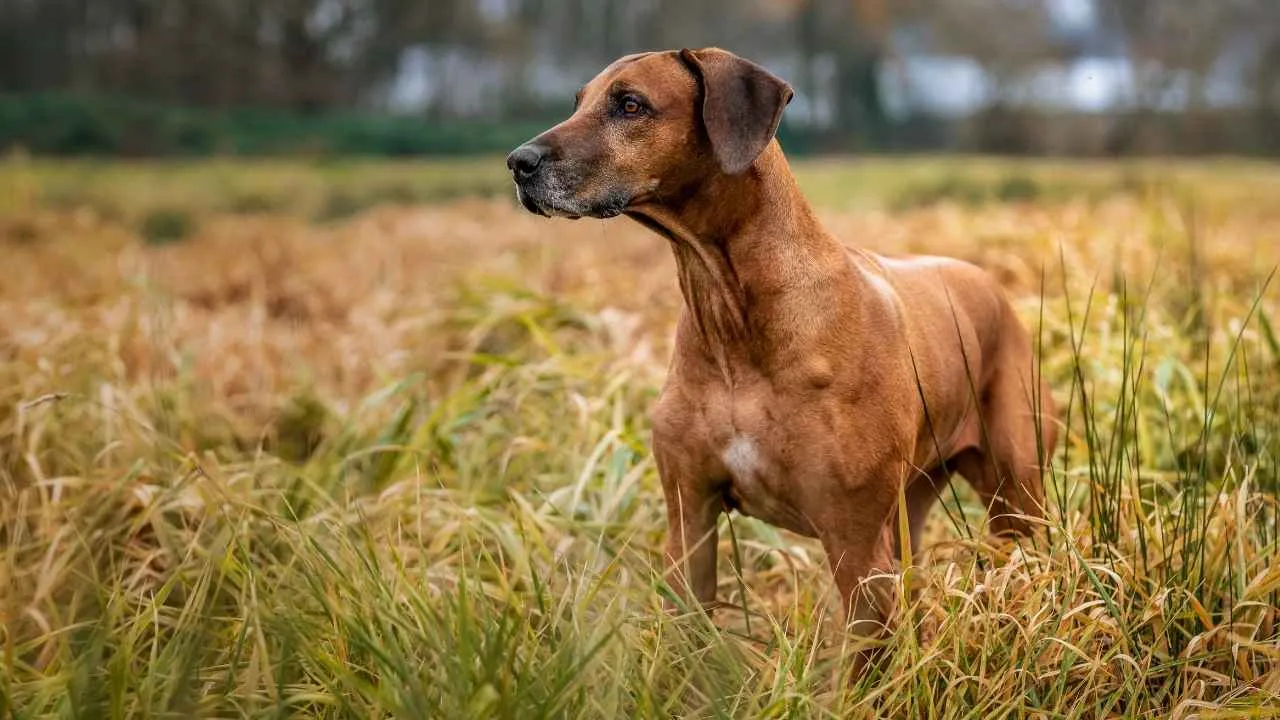
Rhodesian Ridgebacks are powerful, athletic hounds originally developed in southern Africa. They became known for tracking and confronting lions without killing them.
Their most distinctive feature is the ridge of hair growing in the opposite direction along their backs. With their speed, strength, and stamina, these dogs enjoy regular walks and opportunities to run in secure outdoor spaces.
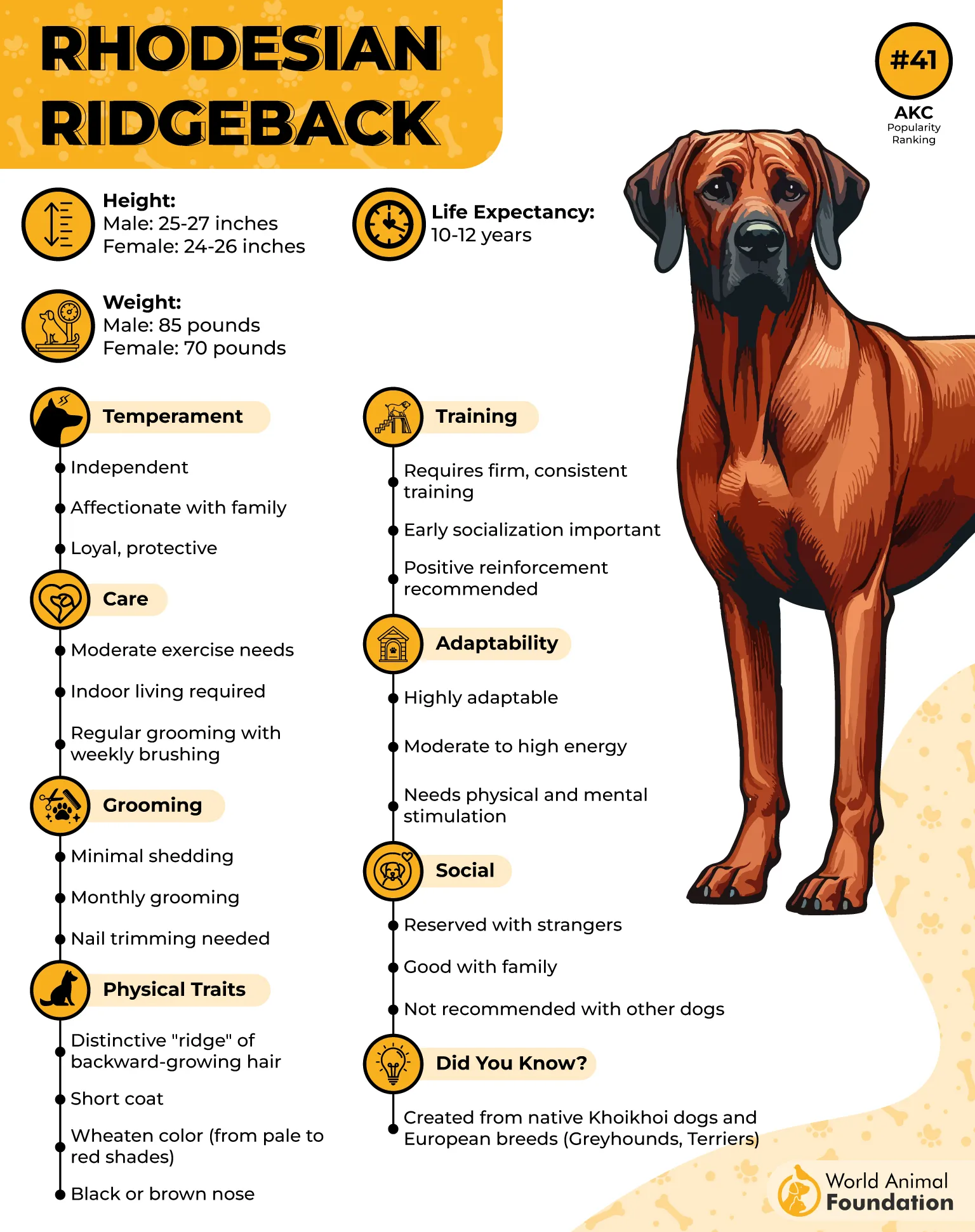
Loyal, Independent, and Protective
Rhodesian Ridgebacks form strong bonds with their families and can be affectionate, playful companions. They may be gentle with children when properly socialized, although supervision is important because of their size and strength.
These dogs can be reserved around strangers and are naturally protective of their loved ones. Their independent nature and strong prey drive can make them challenging for inexperienced owners, so early socialization and consistent, fair training are essential.
Exercise, Training, and Daily Care
These energetic hounds need regular exercise and enough room to stretch their legs. Younger dogs, in particular, benefit from opportunities to run and explore in safely enclosed areas.
Their strong prey drive means they should be managed carefully around smaller animals. Training requires patience, consistency, and clear boundaries rather than harsh punishment.
Conclusion
Adventurous dog breeds bring energy, curiosity, and companionship to every outdoor experience. However, every dog has different needs, so consider their exercise requirements, temperament, and ability to handle your preferred activities before choosing your companion.
Before your next adventure, take time to research your preferred breed, plan suitable activities, and build your dog’s fitness gradually. Keep them safe with proper training, secure equipment, and up-to-date identification tags.
Remember, the best adventure buddy isn’t simply the dog that can go the farthest, but the one whose needs and personality fit your lifestyle.
