




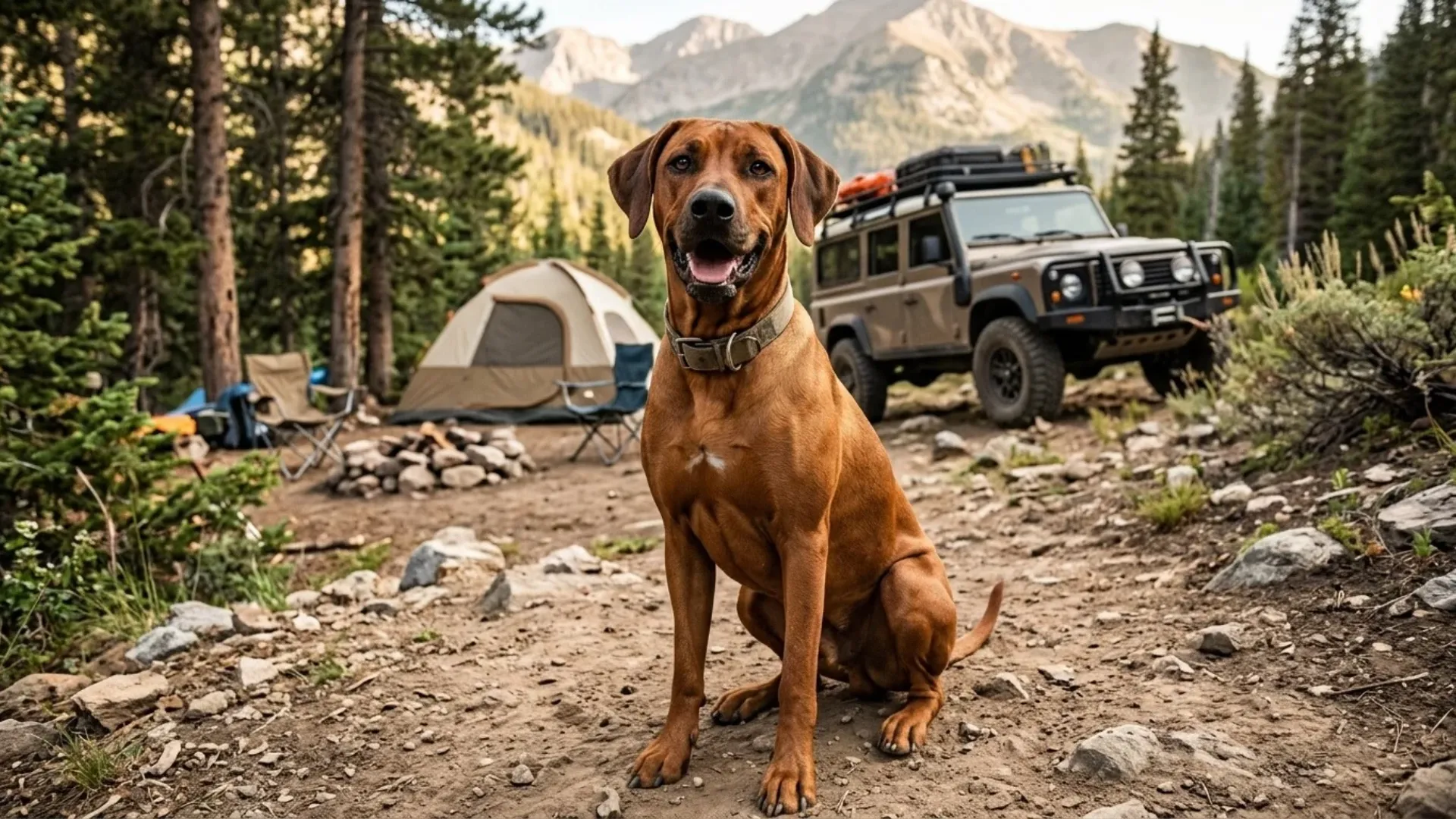
There is a certain kind of peace in eating breakfast outside while your dog waits for a bite you never promised. No buzzing phone. No packed schedule. Just coffee, fresh air, and a shameless little stare aimed at your scrambled eggs.
But which dog belongs in that picture? This list of rugged dog breeds for off-road camping trips starts that conversation without turning it into a toughness contest. Think of it as a closer look at potential campmates, not a promise that every pup arrives with wilderness skills installed.
We will explore what makes each breed worth considering, with your everyday life in mind, too. After all, the tent eventually comes down. The friendship comes home.
Rugged Dog Breeds that Love Off‑Road Camping Trips
1. Rhodesian Ridgeback
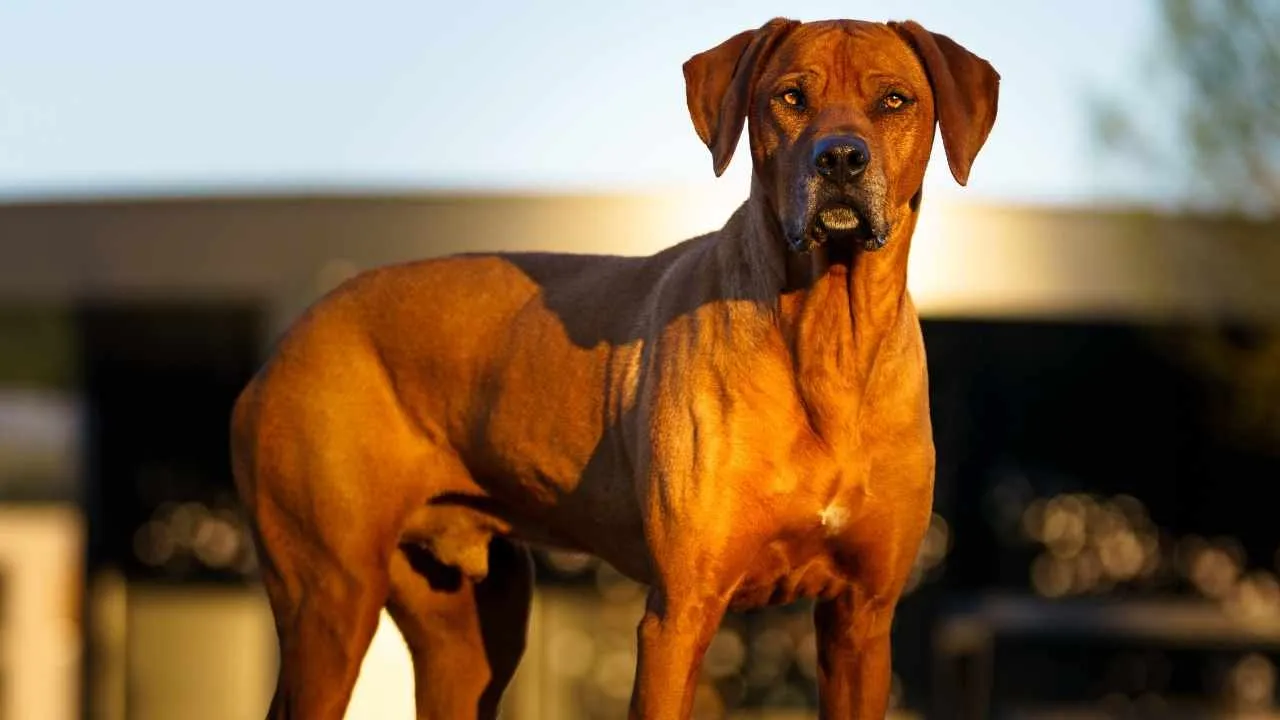
This large dog breed was originally bred in South Africa, and the primitive version was modified by F.R. Barnes. The Khoikhoi people primarily used it for hunting and guarding. Later, this dog was interbred with European dogs to hunt lions, according to Wikipedia.
The short coat does not trap debris, dirt, or ticks. The efficient metabolic system helps it regulate internal temperature in hot weather. The athletic dog has a calculated approach to protection and acts as a great watchdog. Despite being an independent thinker, its velcro nature makes it work closer to the owner.
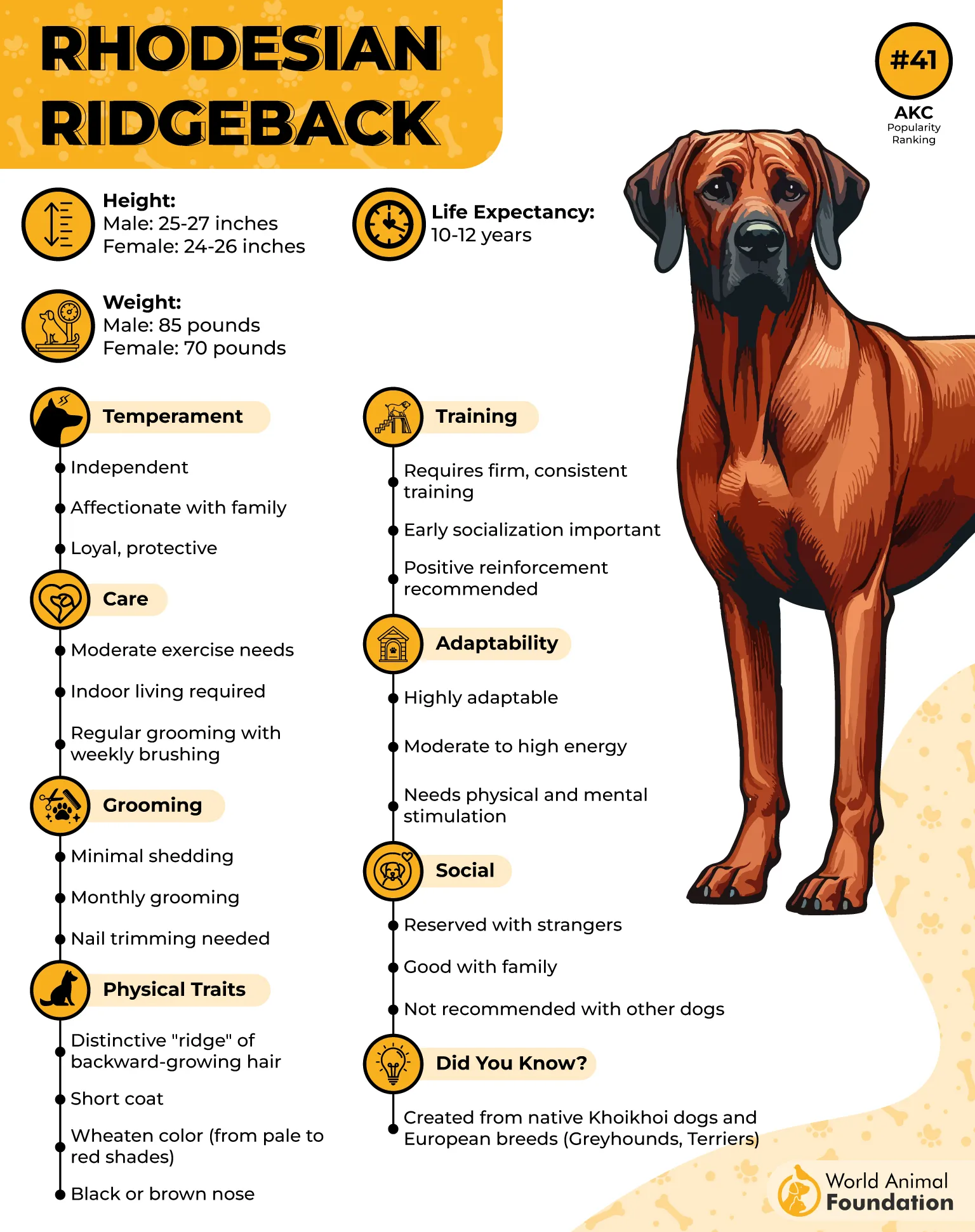
It should be leashed since it has a high prey drive. On camping trips, the breed excels in camp guarding, vehicle overlanding, and family protection. High energy exercise is not suggested for puppies under 18 months of age.
2. Golden Retriever
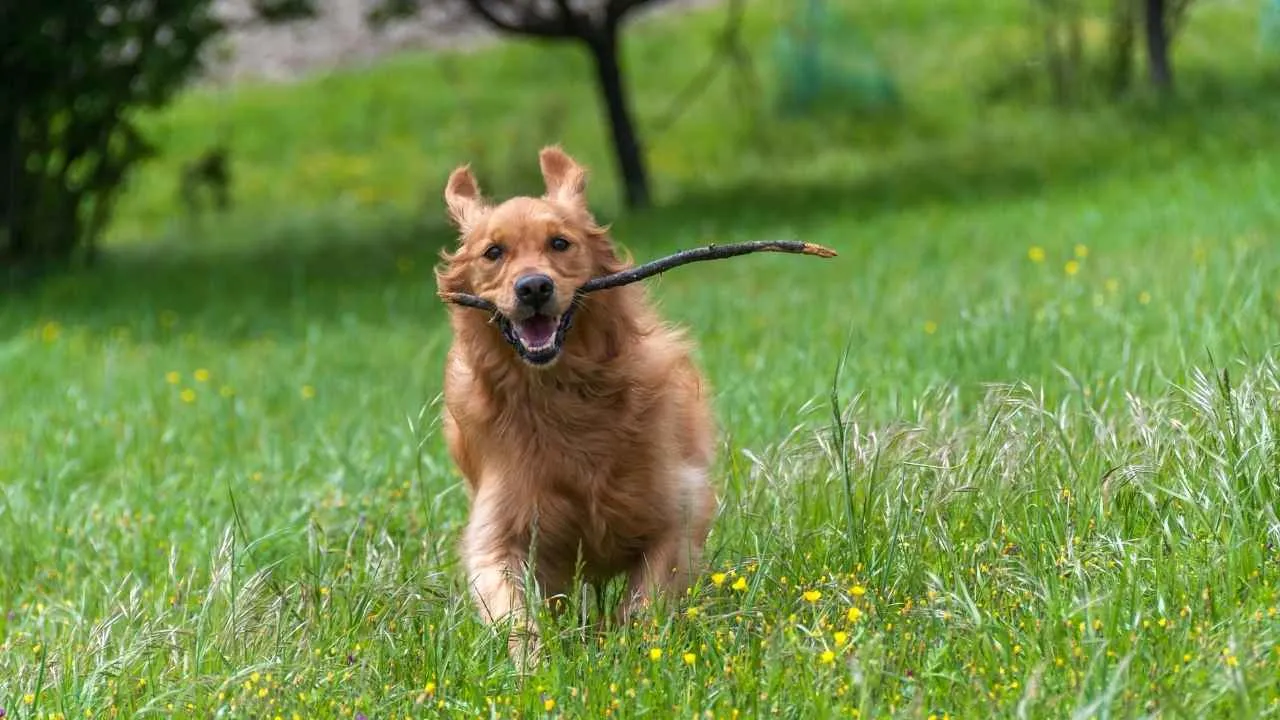
The medium-to-large-sized breed was developed in Scotland as a high-energy retriever working dog. Known for its stunning golden coat and gentle nature, the breed is widely kept as a companion dog today. However, it is also used in obedience trials, dog shows, and guidance.
The naturally thick paw pads are followed by webbed feet, which act as snowshoes, providing superior traction in mud and making it an excellent swimmer. The great hiking partner rarely shows predatory aggression and possesses a soft mouth. The moderate, alert barking intimidates small game.
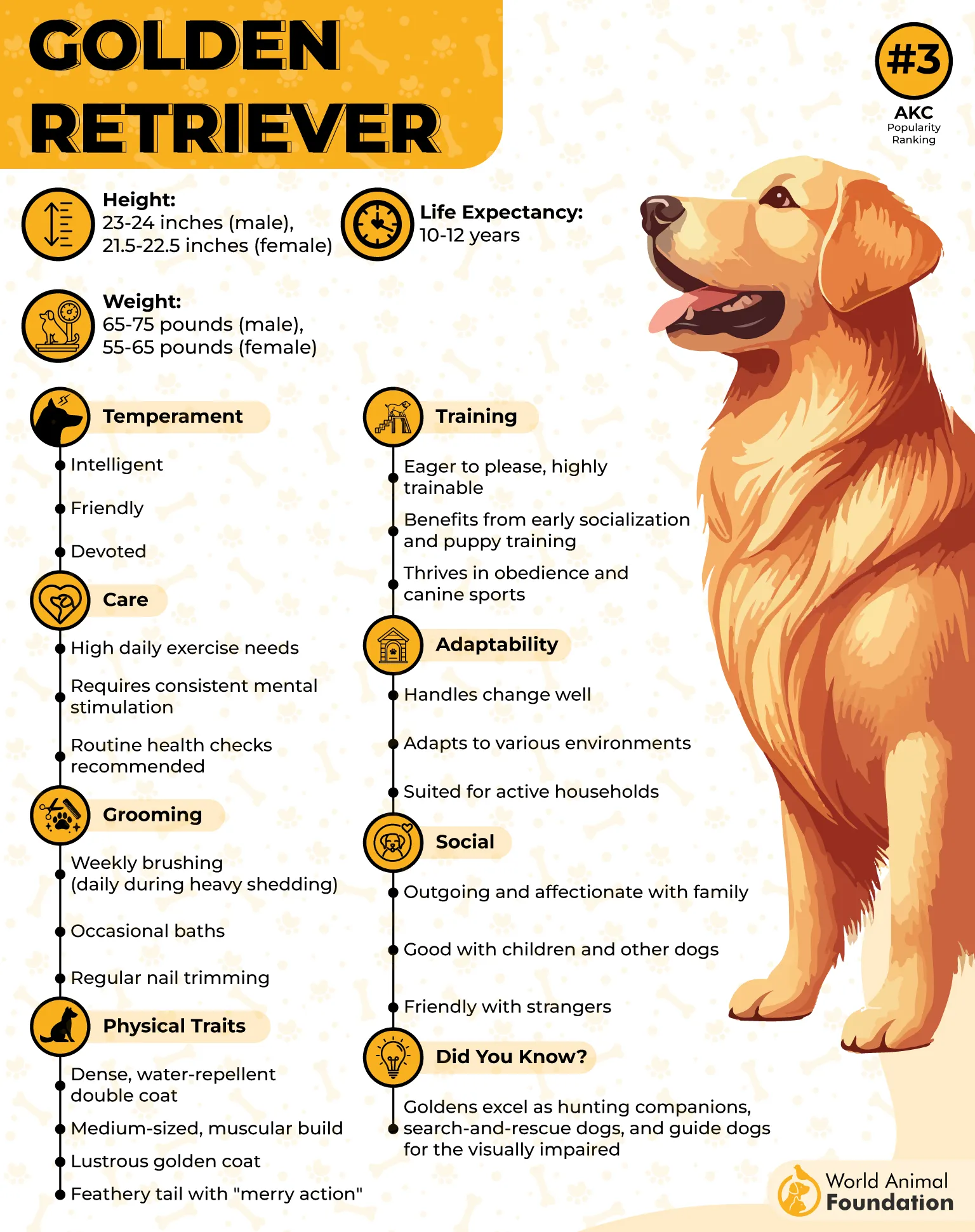
Because of the thick double coat, the athletic breed excels in water navigation, backcountry training, overlanding endurance, scent-based tracking, and load-bearing.
3. Alaskan Malamute
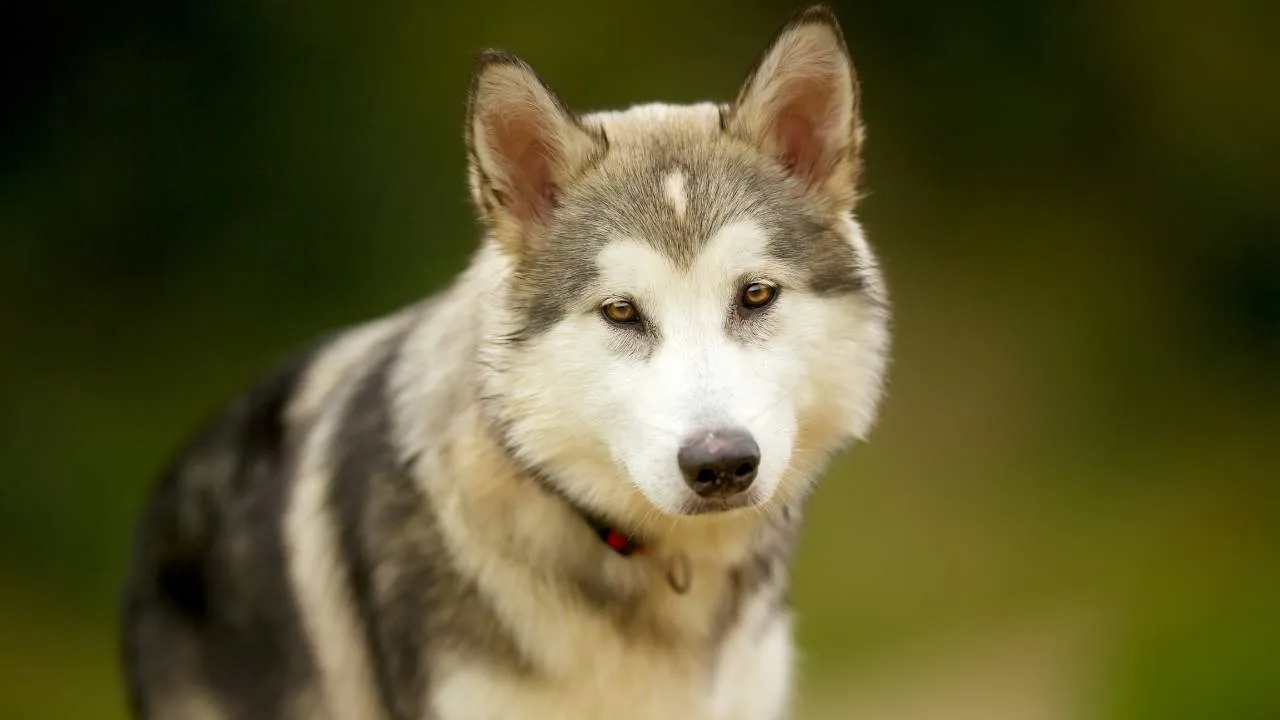
One of the oldest Arctic sled dogs, the Alaskan Malamute has historically been used across vast frozen terrain to haul heavy freight. The Malamute tribe reserved the breed after it was modified in the 19th century. The individual dog is widely used for traveling and hunting, according to Hill’s Pet.
The double coat consists of a waterproof outer coat and the woolly undercoat (1-2 inches). It wraps its plume tail around the face to protect the mouth from freezing winds while sleeping during outdoor adventures. The great companion can survive on minimal food during long-distance hikes because of energy conservation.
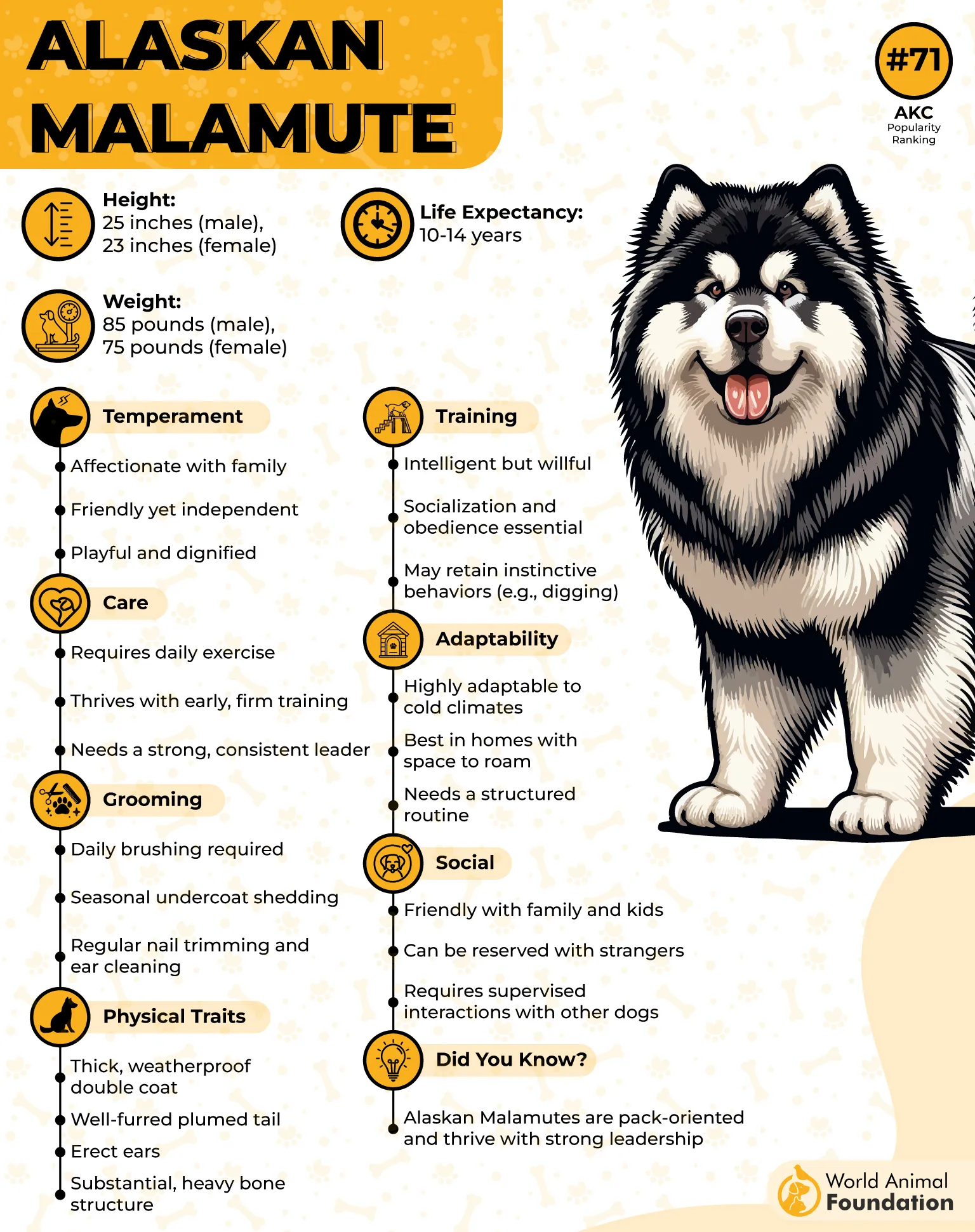
The breed thrives in several critical operational areas, including heavy cargo hauling, outdoor activities in sub-zero temperatures, all-terrain navigation, and predator vigilance (being a velcro dog).
4. German Shepherd
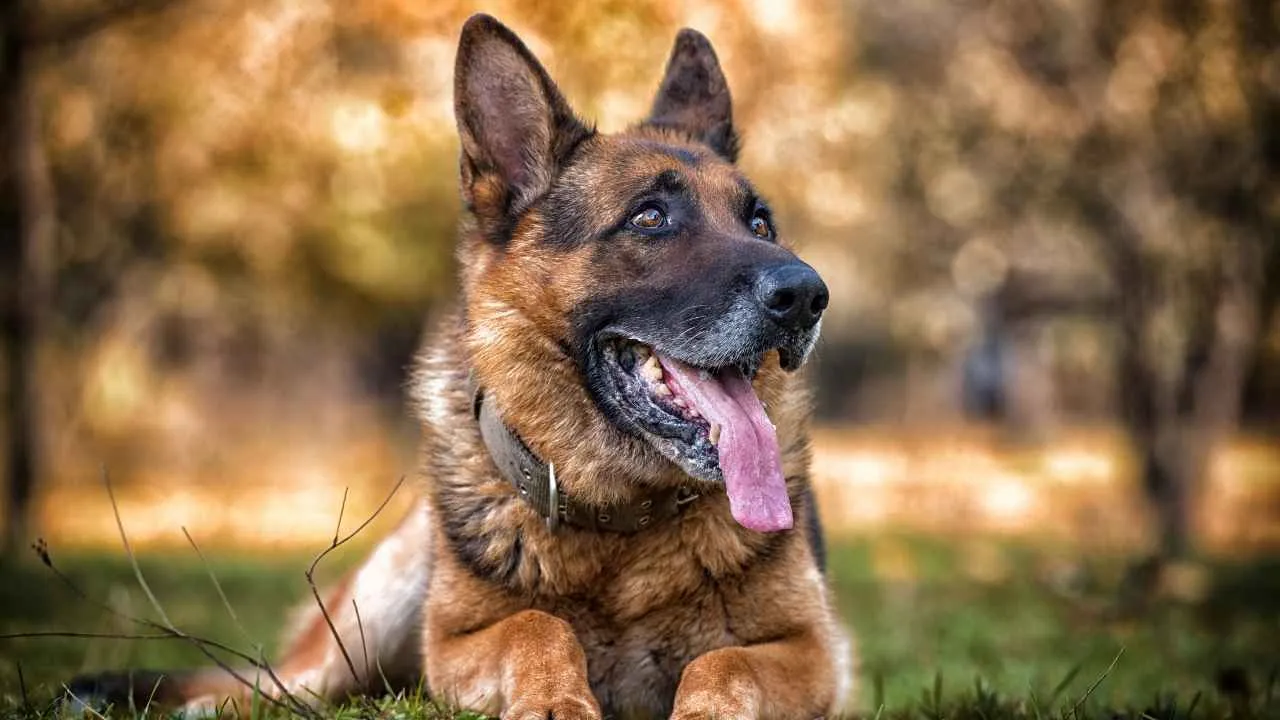
The herding dog was originally developed by Capt. Max von Stephanitz in Germany in 1899 by crossing various local farm and herding breeds. It was officially recognized by the American Kennel Club in 1908 and was widely used during both World Wars as military, guide, protection, and messenger dogs.
The well-angled hind legs and balanced proportions allow it to cover rough terrain effortlessly. With an immense bite force of 238 PSI, the spirited dog protects the camping perimeter from wildlife. The high-set triangular ears can detect faint sounds before humans do. It also does not panic in stressful situations.
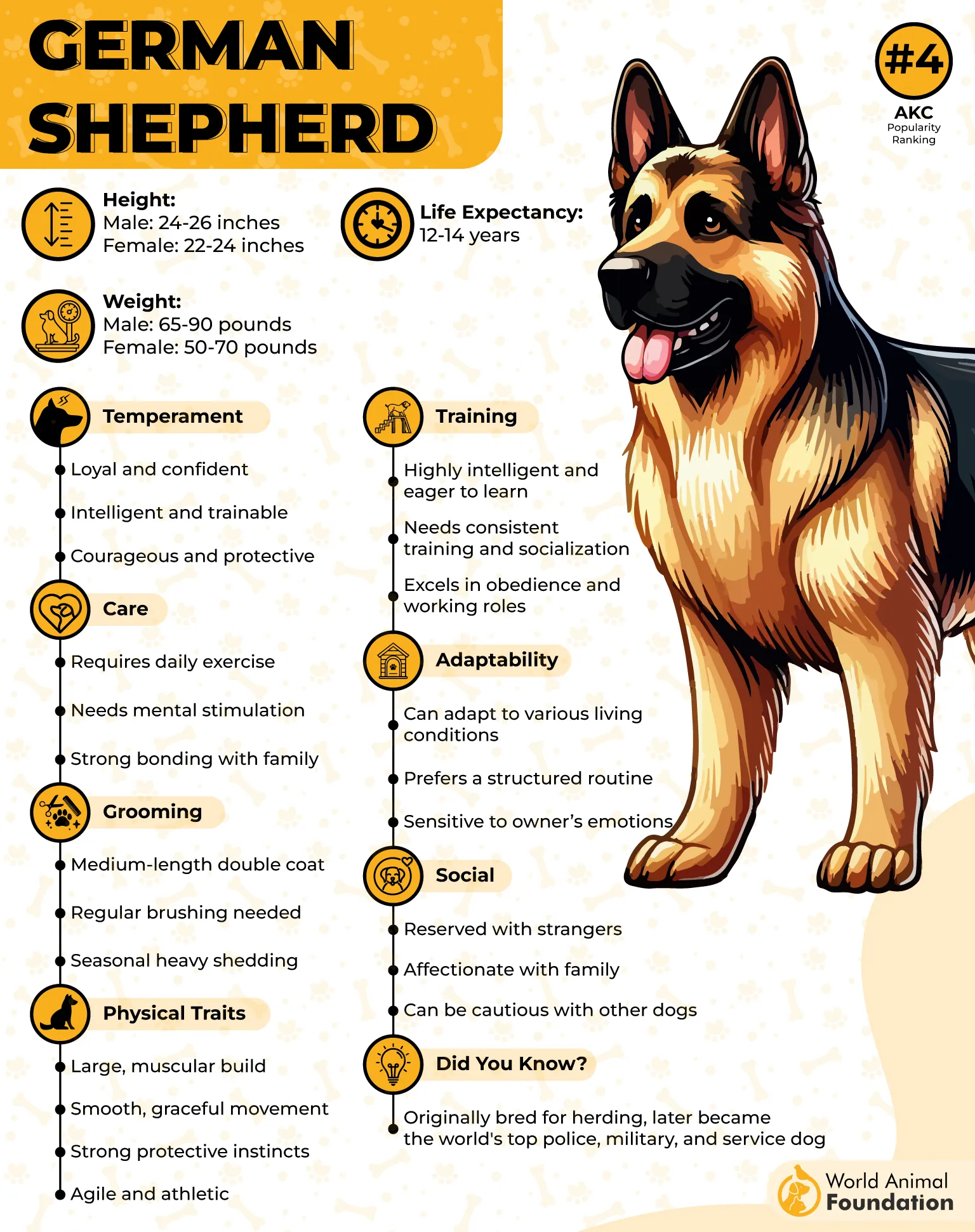
The breed is naturally aloof towards strangers without being blindly aggressive. The German Shepherd has boundless energy and thrives in wilderness security, trail gear management, and vehicle desensitization.
5. Vizsla
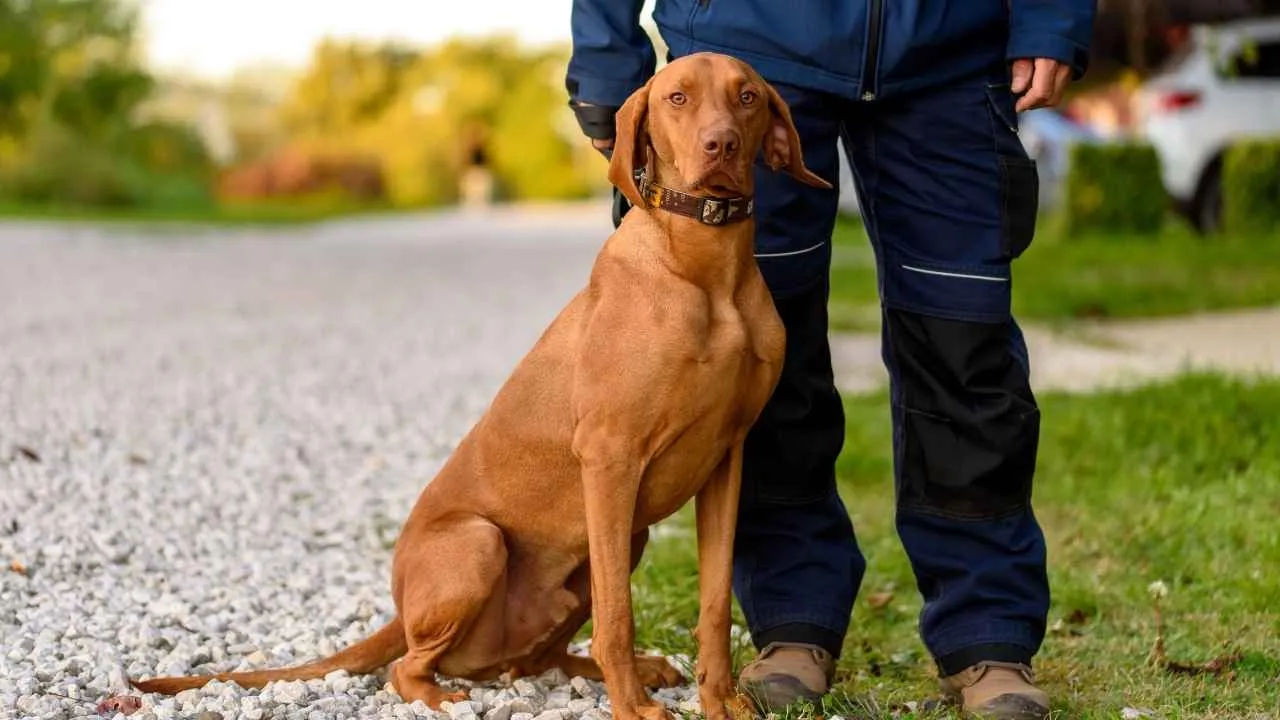
The Magyar tribe is believed to have had similar dogs. Descended from the reddish-brown fast dogs the tribe owned, the Vizsla was favored by the Hungarian nobility as a hunting dog. But the breed nearly went extinct after WWI. It was recognized by the AKC in 1960, as reported by Chewy.
The dog has a single-layered short coat that sheds less and has a minimal dog odor, making it suitable for long hikes. The eyes are moderately set deep with tight-fitting rims, shielding eyes from dust and grass seeds. The breed has a strong sense of smell and processes scent rapidly.
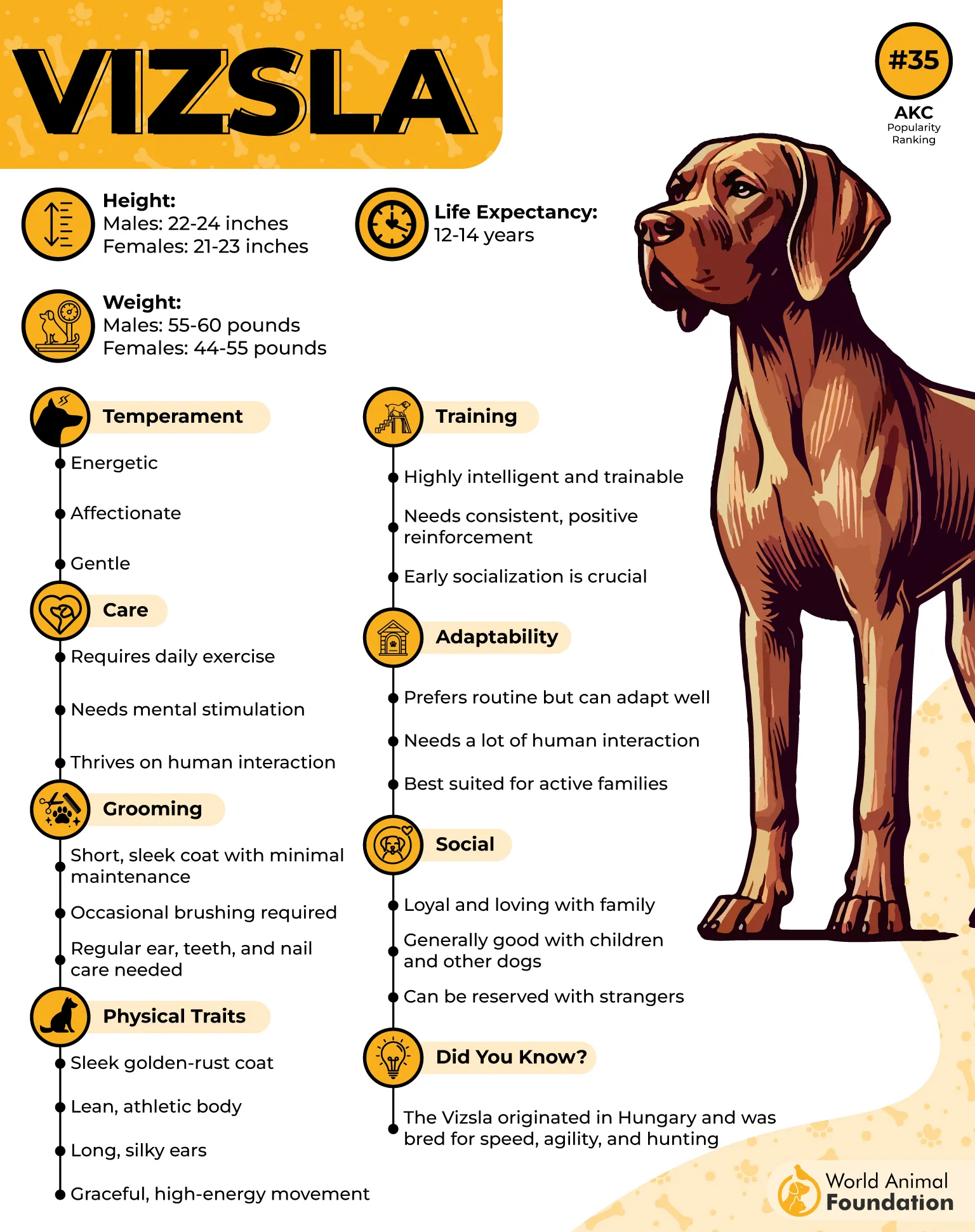
The breed forms a strong bond with the owner and tends to constantly check back to communicate with the owner. The limitless energy makes it excel in off-road trips. It loves to share its body heat with the owner by sleeping next to them.
6. Siberian Husky
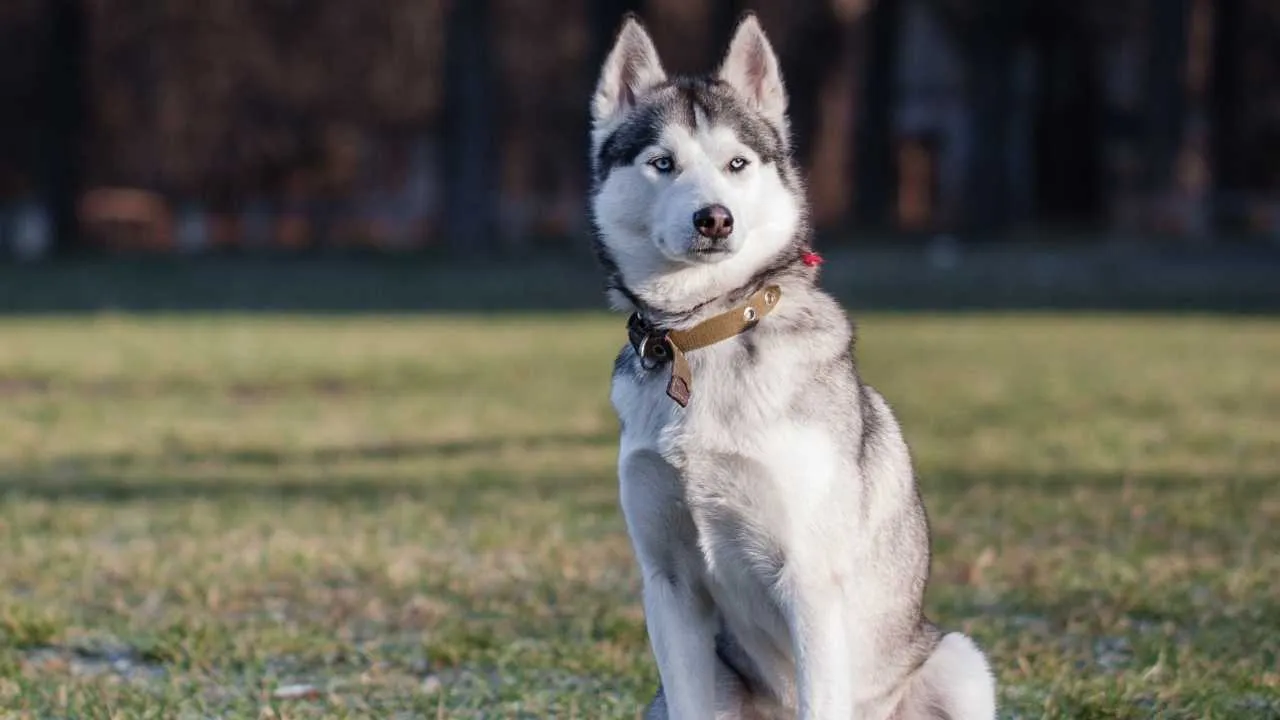
The history of one of the oldest dog breeds dates back to 4,000 years ago, when it was developed by the Chukchi people in Siberia and was used to pull heavy sleds over long distances. The breed is known for its high speed, endurance, and strength.
The weather-resistant double coat enables it to endure freezing temperatures below -50°C by trapping air in the inner coat, acting as insulation. It can burn up to 10,000 calories a day; however, the glycogen and fat usage leads to energy conservation. Proper obedience training is needed since the breed is prone to chasing small animals because of high prey drive.
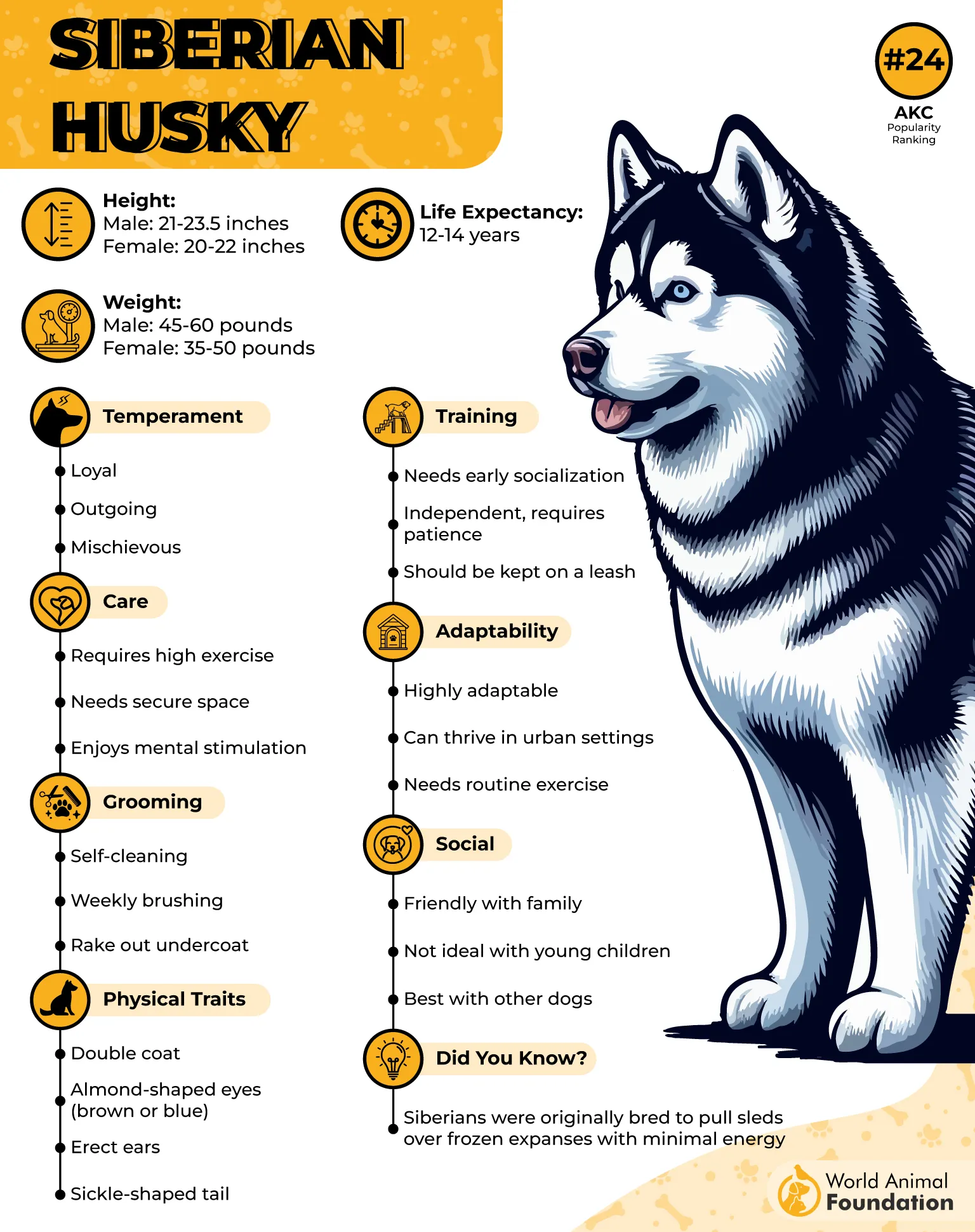
The big dog is ideal for long car rides and camping because of deep backcountry endurance, campsite insulation, social pack temperament, and low territory aggression.
7. Bernese Mountain Dog
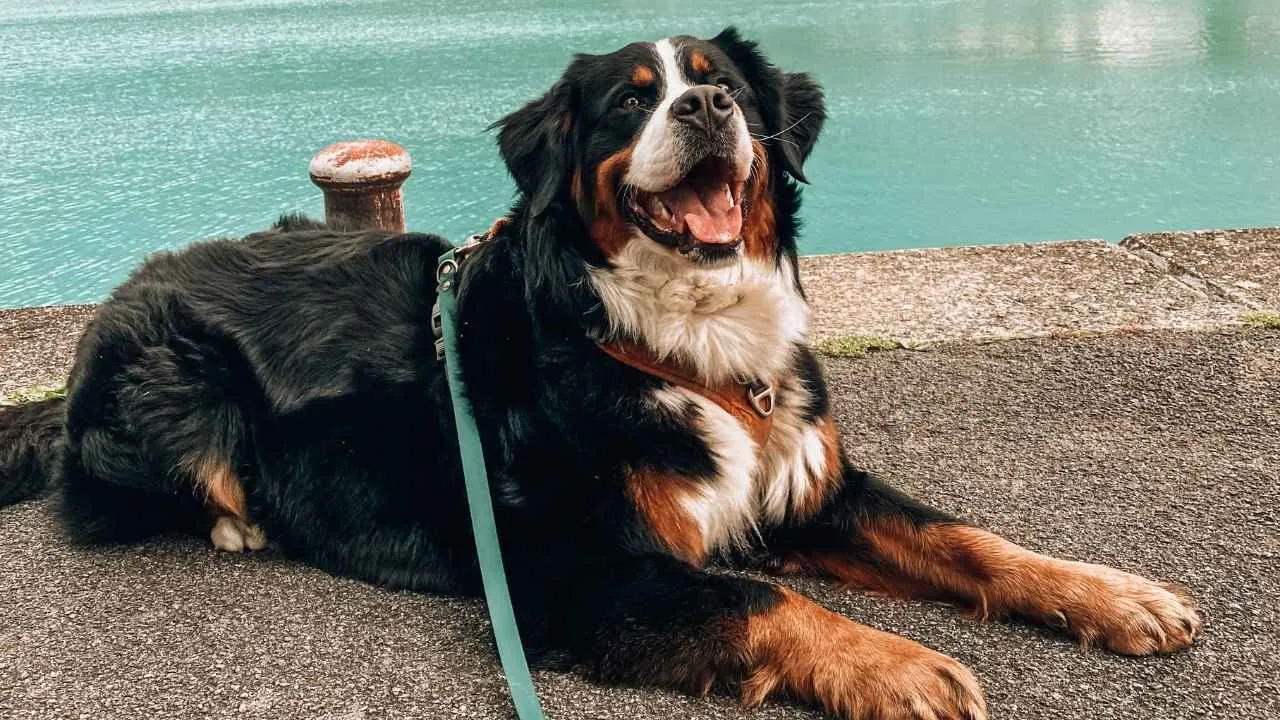
Developed as a drover and a farm dog, the Bernese Mountain Dog was bred in the Swiss Alps and is thought to have descended from the mastiff-type breeds brought to Switzerland some 3,000 years ago. Later, it was used to pull carts and perform as a show dog.
Because of the controlled, low-to-moderate prey drive, the breed tends to stay closer to the family. It has a unique balance of “couch-potato” energy combined with high working stamina. The breed serves as a vigilant watchdog with rare aggression. The intelligent breed has an eager-to-please nature, making it highly trainable.
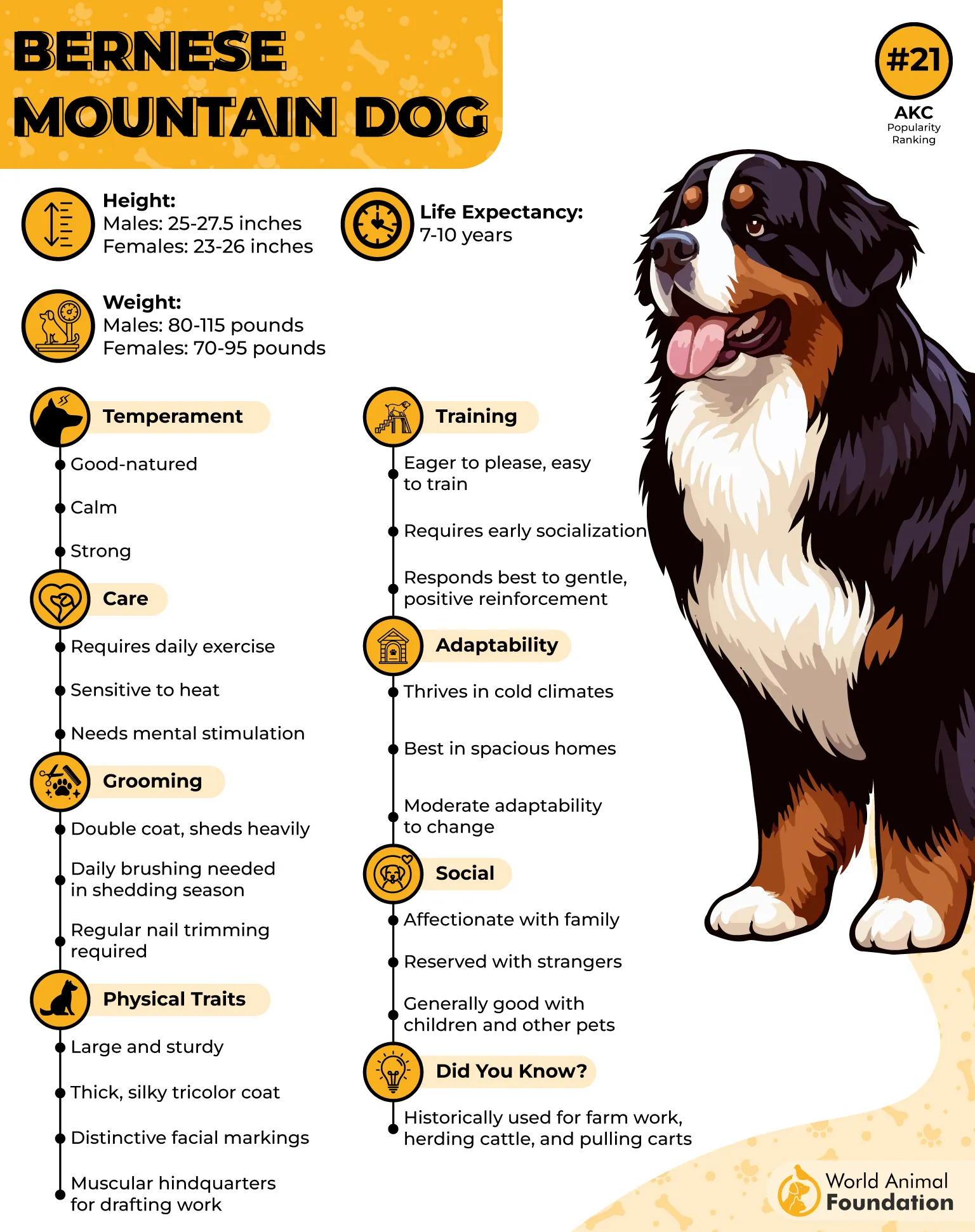
The powerful breed excels in superior draft work, campsite hauling, moderate endurance for variable terrain, tracking capabilities and scent work, alert guarding, and all-weather pursuits. The breed has 30-90 minutes of daily exercise needs: steady hiking, split walks, scent exploration, and brief play sessions. Puppies should not be exposed to high-impact exercise.
Conclusion
Picture the ride back: an empty snack bag, pine needles in your socks, and one passenger who contributes absolutely nothing to unpacking. Fair enough. You handled the reservations; your dog handled being excellent company.
Make your choice with care, and leave space for the dog’s own personality. Your future camping partner might surprise you in ways no breed description can capture. Years later, even that chewed tent peg could become a story you tell with a smile instead of annoyance.
