




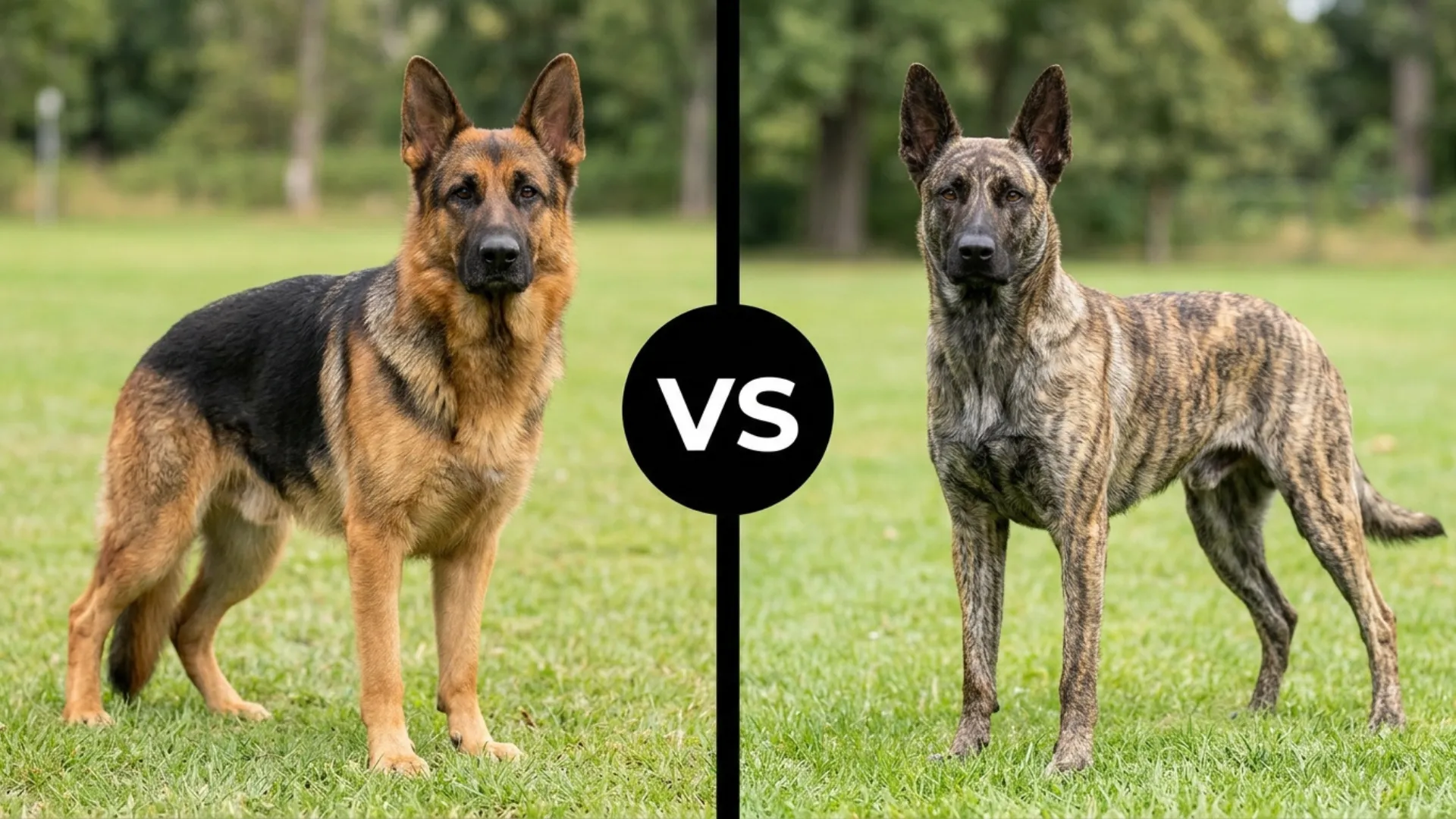
At first glance, these two Shepherd dogs can look almost like the same breed. They have a similar athletic build, sharp expression, loyal nature, and strong work ethic, so it’s easy to see why people often mix them up. But look a little closer, and you’ll notice some interesting differences.
Both were developed in Europe as herding dogs and were bred to work closely with people. They are intelligent, energetic, highly trainable, and capable of taking on many different jobs.
That combination makes them impressive working dogs, but it also means they need plenty of mental and physical activity to stay happy and well-behaved.
So, what really sets these two apart? From their appearance and personality to their working abilities and popularity, there are several details that can help you tell them apart. If you’ve ever mistaken one for the other, you’re certainly not alone!
Key Takeaways
See how German Shepherds and Dutch Shepherds differ in personality and energy.
Discover which traits make the German Shepherd stand out for different homes.
Find out what to expect from a Dutch Shepherd’s training and exercise needs.
Compare their care, lifestyle needs, and everyday demands before deciding.
German Shepherd vs. Dutch Shepherd: Why They’re Often Confused
Origins & Purpose
German Shepherd
The German Shepherd traces its roots to old shepherd and farm dogs that worked alongside people for hundreds of years. The modern breed was developed in Germany in 1899 when Capt. Max von Stephanitz founded the breed.
It quickly gained attention beyond Germany, and the American Kennel Club recognized it in 1908.
Originally valued for herding livestock and farm work, the breed later became known for its versatility and ability to take on different working roles, as noted by Britannica. Its popularity also led to cross-breeding, including the development of the King Shepherd.
Dutch Shepherd
The Dutch Shepherd was originally bred in the Netherlands during the 19th century, when farming and livestock work were widespread. Farmers valued these dogs for their herding skills, but their abilities went beyond moving livestock. They could guard farms and were even strong enough to pull carts.
The first breed standard was recognized in 1898, with an update in 1914 accepting only brindle coloring. This helped distinguish the breed from its German and Belgian relatives. As farming became more industrialized, their traditional work became less necessary.
World War II also caused a major decline in their numbers, bringing the breed close to extinction. Breeding programs were rebuilt after the war, but the Dutch Shepherd remains a relatively rare breed and is still used for military, search-and-rescue, assistance, and police work.
Size & Build
German Shepherd
The German Shepherd has a strong, muscular build with a body that is noticeably longer than it is tall. Its deep chest, firm abdomen, erect ears, dark almond-shaped eyes, and bushy tail give it the alert and noble appearance the breed is known for.
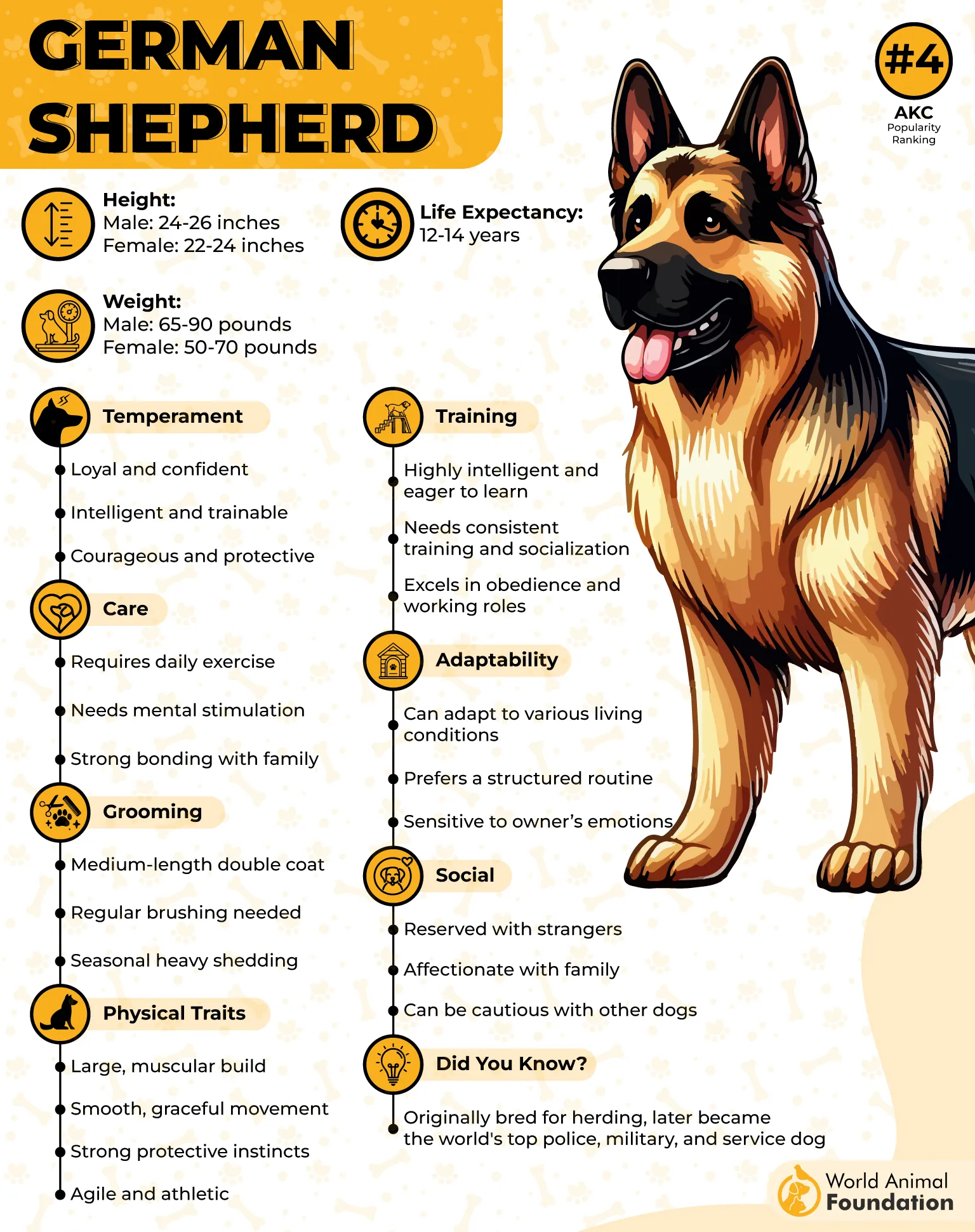
Despite its solid frame, it has a smooth, effortless gait and can move quickly when needed.
Height: 22–26 inches
Weight: 50–90 pounds
Build: Muscular and slightly longer than tall
Tail: Bushy and slightly curved when relaxed
Eyes: Dark and almond-shaped
Dutch Shepherd
The Dutch Shepherd is slightly smaller but still athletic and well-muscled, as noted by PetMD. It has a somewhat stockier appearance and may have a more boxy-looking head compared with the German Shepherd. Its coat is dense and weather-resistant, with brindle being its most recognizable coloring.
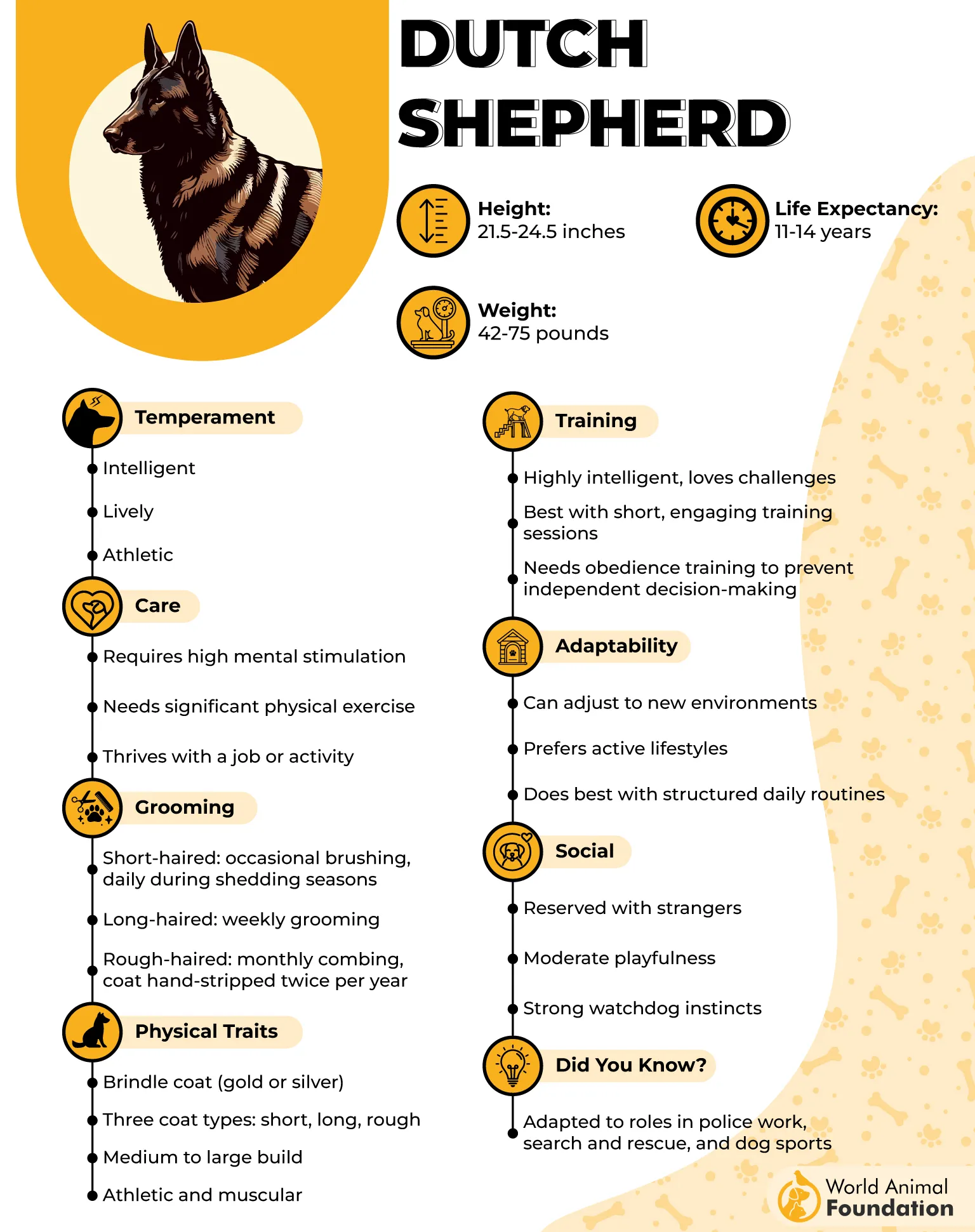
Height: 21–25 inches
Weight: 42–70 pounds
Build: Medium-sized, muscular, and athletic
Coat: Short to medium, dense, and weather-resistant
Coloring: Brindle is the characteristic pattern
The Easiest Visual Difference:
Although both breeds have a similar athletic build, their size and coloring can help tell them apart. The Dutch Shepherd is generally smaller, while the German Shepherd can reach a greater height and weight. The brindle coat is another especially useful clue, as it is a defining feature of the Dutch Shepherd.
Pricing & Availability
German Shepherd
A German Shepherd from a reputable breeder can cost around $2,000–$4,000. However, buying from a breeder is not the only option.
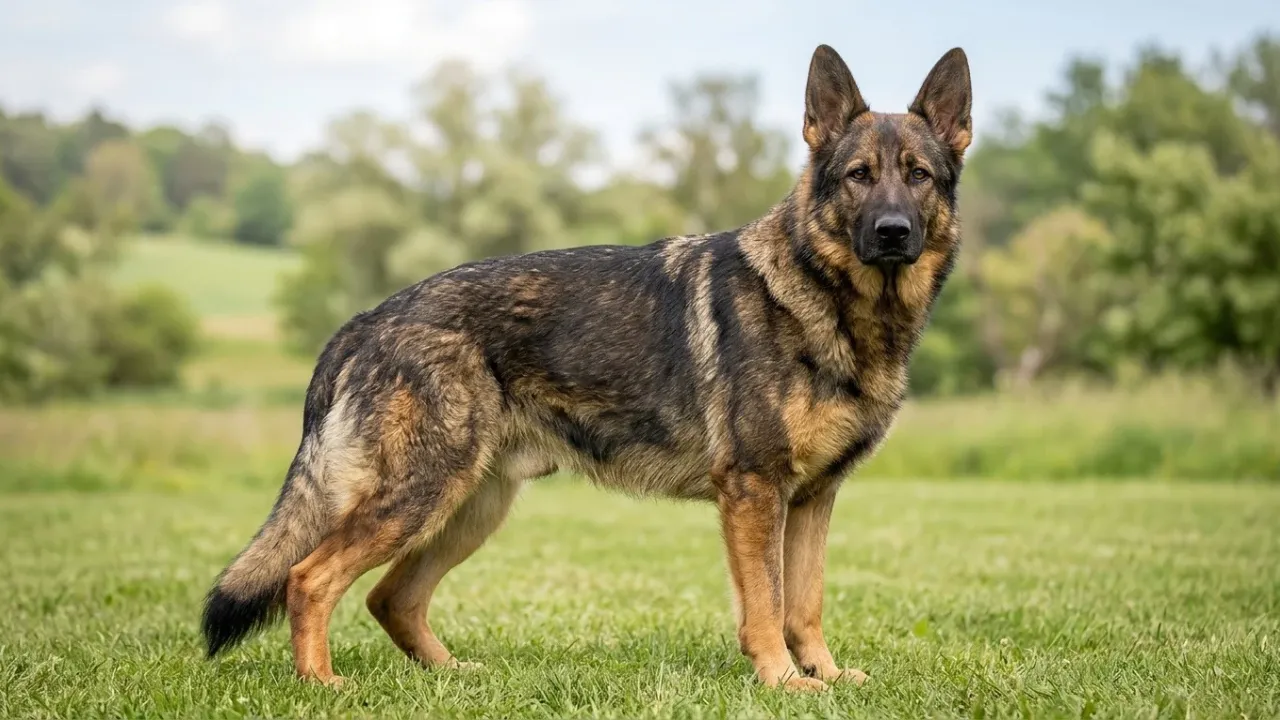
German Shepherds and German Shepherd mixes can also be found through local shelters and rescue organizations, where adoption may provide a more affordable alternative.
Dutch Shepherd
Dutch Shepherd puppies typically cost between $1,000 and $4,000, with location and pedigree being two major factors that can affect the price.
For families looking for a more affordable option, adoption can cost around $100–$300. Dutch Shepherds are in high demand, so they may not stay available at shelters for long.
Temperament & Personality
German Shepherd
German Shepherds are loyal, intelligent, alert, and closely bonded with their families. They are often gentle and affectionate at home but can be more reserved around strangers. Their protective nature also makes them quick to notice unfamiliar people or unusual activity, and they may bark to alert their owners.
Early socialization and consistent training are important, especially around children and other animals. They are happiest when they have something to do, whether that means training, scent work, puzzle games, or a working role. At home, they can also be playful and silly with their families.
Dutch Shepherd
Dutch Shepherds are intelligent, loyal, energetic, and naturally alert. They enjoy staying busy and need plenty of physical exercise and mental stimulation. When bored, they may bark, dig, or try to herd other pets in the household.
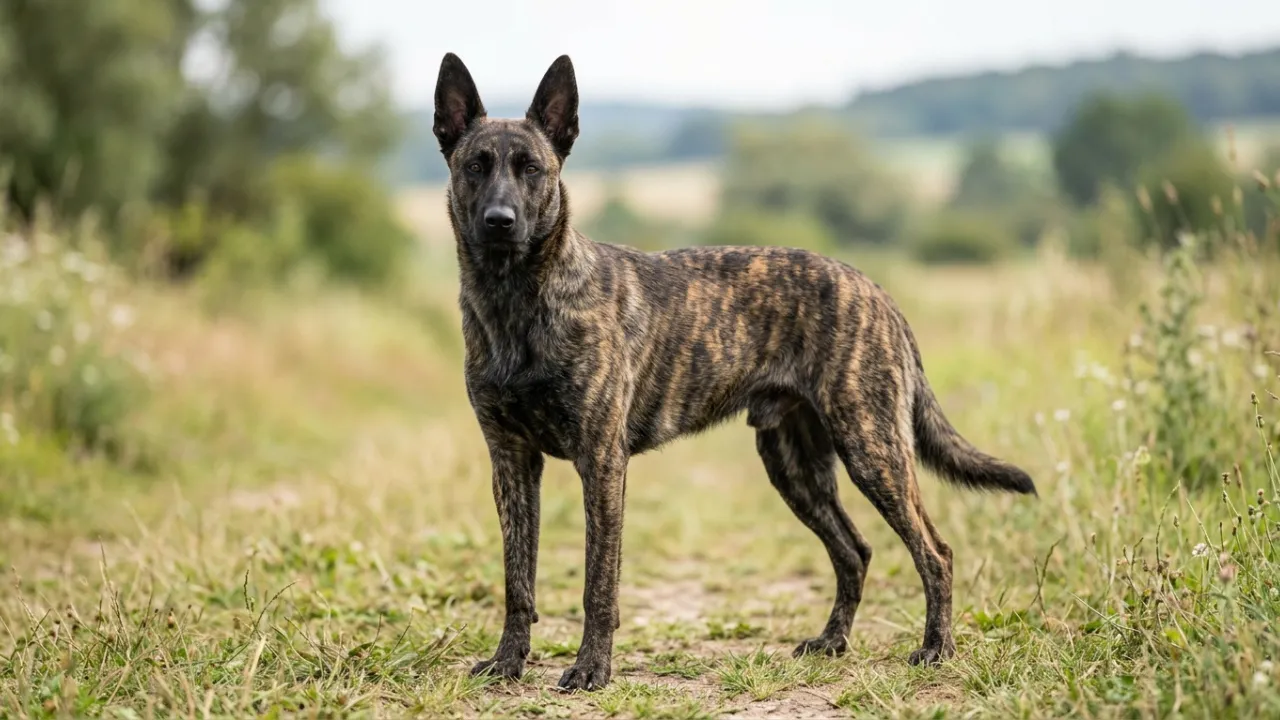
Their intelligence makes them highly trainable and able to learn tricks and activities such as agility and flyball. They respond well to short, varied, and fun training sessions rather than too much repetition.
Early socialization also helps them become comfortable and well-mannered around strangers, children, and other animals in the home, as PetMD mentions.
Exercise Needs & Energy Levels
German Shepherd
German Shepherds have plenty of energy and need more than a simple daily walk to stay happy and engaged. They enjoy running, playing, exploring, and other activities that give them an outlet for their energy.
Without enough exercise, boredom can lead to barking, digging, chewing, or other unwanted behaviors.
A fenced yard can give them extra space to play, while activities such as running can provide a good physical challenge. They also enjoy chewing, so durable chew toys can help keep them occupied. They do best when they receive plenty of attention and are not left alone for most of the day.
Dutch Shepherd
Dutch Shepherds are high-energy dogs that need regular physical exercise and mental stimulation. They generally benefit from daily walks and exercise sessions lasting around 30 to 60 minutes. Running, Frisbee, agility, nose work, and obedience activities can give them useful outlets for their energy.
They thrive in active homes where they have opportunities to stay busy and “work.” With enough physical and mental enrichment, they can be calm and settled around the home. Secure outdoor space can also give them room to run and play.
Trainability & Obedience
German Shepherd
German Shepherds are highly intelligent and generally respond well to training. They learn best with consistency, positive reinforcement, and rewards such as treats or toys. Early obedience training and socialization can help build a strong foundation for good behavior.
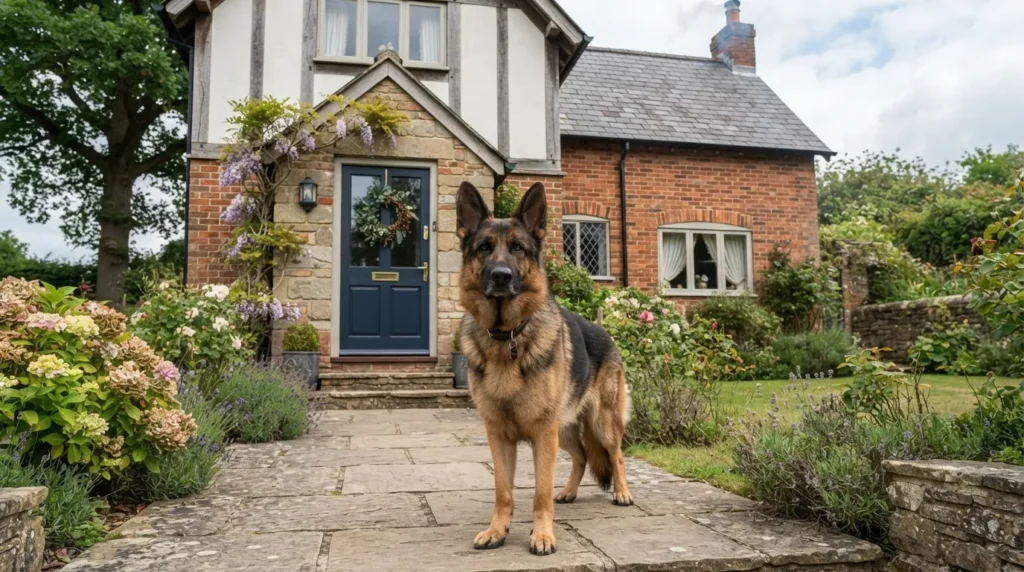
Their strong chase drive also makes training and safe outdoor management important. When outside, they should be kept on a leash or within a secure fenced area, as they may chase small animals such as squirrels, rabbits, or cats.
Dutch Shepherd
Dutch Shepherds are intelligent, eager to work, and capable of learning a wide range of tasks. They can excel in training for jobs, dog sports, and protection work. Their strong work ethic can make training rewarding, although their independent or willful side may sometimes challenge less experienced owners.
Positive reinforcement and consistency are important for keeping them focused. Training should also provide enough mental and physical stimulation to prevent boredom. Early socialization can also help them become comfortable in new situations.
Grooming Needs & Shedding
German Shepherd
German Shepherds have a dense double coat that sheds heavily throughout the year. Shedding becomes even heavier during the spring and fall, when regular grooming becomes especially important. Brushing every few days can help remove loose hair, although some shedding around the home is still expected.
Their coat naturally resists dirt and debris, so frequent bathing is unnecessary. Bathing a few times a year or when needed is generally enough, as too much bathing can strip the natural oils from the skin and coat.
Dutch Shepherd
Dutch Shepherds have a dense, weather-resistant coat and generally shed moderately throughout the year, with heavier shedding during spring and fall. Their coat comes in short-haired, long-haired, and wire-haired varieties, although the wire-haired type is uncommon.
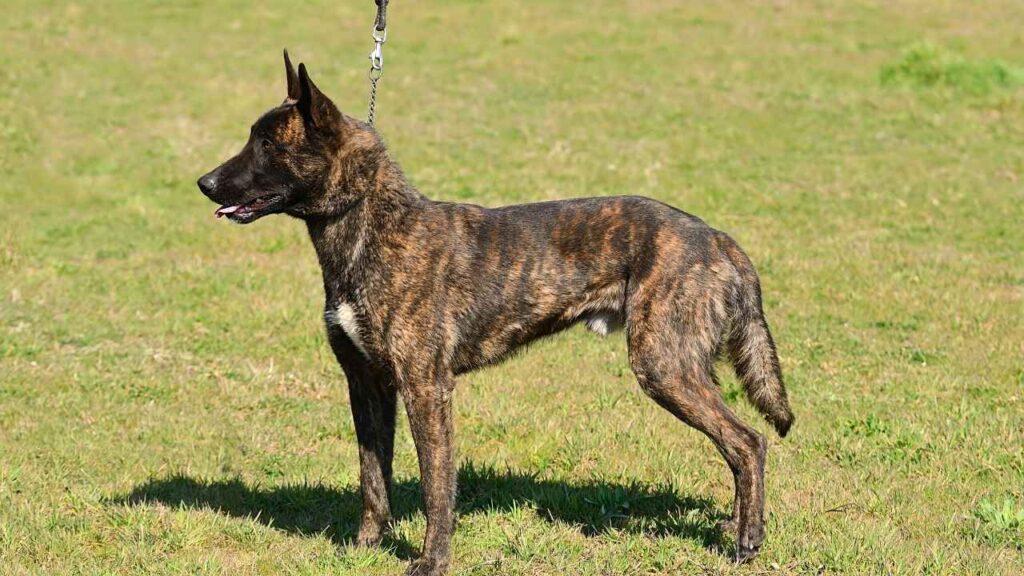
The short- and long-haired varieties typically need weekly grooming to remove loose hair and keep the coat and skin in good condition. Their water-resistant coat also means they usually do not need frequent baths. During seasonal shedding, a de-shedding tool can help manage the extra loose hair.
Herding & Work Drive
German Shepherd
German Shepherds were developed from shepherd and farm dogs that worked closely with people, giving them a strong instinct to work and stay involved with their owners. Their high intelligence, loyalty, and alert nature have allowed them to take on many different roles beyond herding.
They are at their best when they have a purpose or activity to focus on. Their working drive can be directed into obedience, tracking, scent work, search and rescue, dog sports, or other structured tasks.
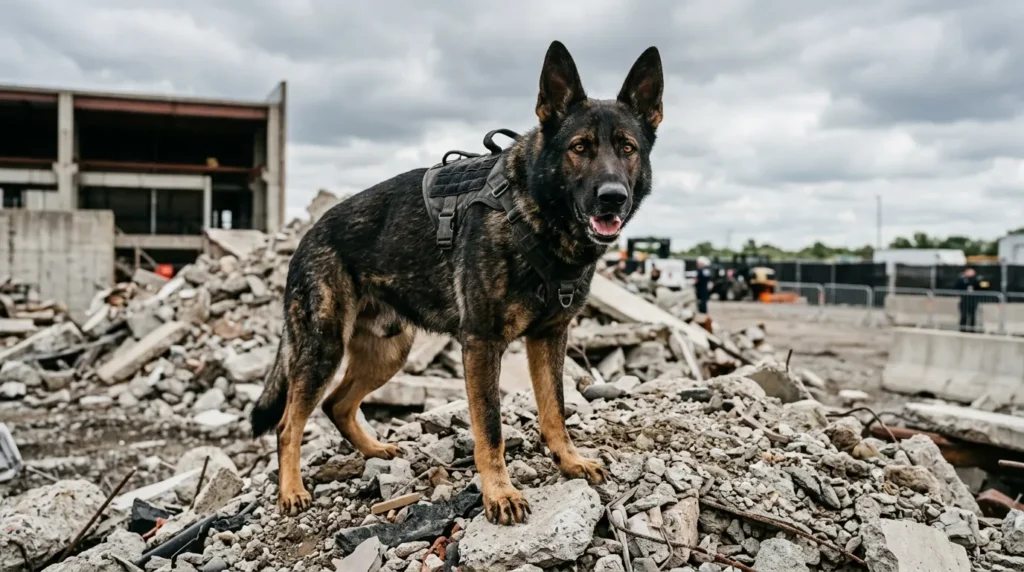
Without enough mental and physical outlets, their energy may turn into boredom-related behaviors such as barking, digging, or chewing.
Dutch Shepherd
Dutch Shepherds were originally valued for their herding abilities on farms in the Netherlands. Their work was not limited to moving livestock, as they were also used as farm guard dogs and were strong enough to pull carts. Their all-around abilities made them useful working dogs in different situations.
Although modern farming has reduced the need for their traditional work, their strong work ethic remains an important part of their character. They can thrive when given jobs, training, and activities that challenge both their minds and bodies.
Today, their abilities can also be seen in areas such as police and military work, search and rescue, assistance work, obedience, agility, nose work, and flyball.
Health & Lifespan
German Shepherd
German Shepherds can be affected by several inherited and other health conditions. Reputable breeders screen potential parents for genetic problems, which can help reduce the risk of passing certain conditions to German Shepherd puppies.
If adopting from a rescue or shelter, asking for any available health records can also provide useful information about the dog’s background.
The breed has an average lifespan of around 7–10 years. Because some health problems can require ongoing veterinary care, prospective owners should be prepared for the possibility of medical expenses throughout the dog’s life.
Hip dysplasia
Elbow dysplasia
Elbow hygroma
Gastric dilatation-volvulus
Degenerative myelopathy
Dutch Shepherd
Dutch Shepherds are generally considered a healthy breed and have relatively few inherited health problems. However, some conditions can still occur, and responsible breeders can perform health checks on breeding dogs to help reduce the risk.

The breed has a lifespan of around 11–14 years. Some inherited conditions are particularly associated with certain coat types, while others are specific to the breed.
Hip dysplasia
Goniodysgenesis
Inflammatory myopathy
Progressive Retinal Atrophy (PRA)
Gastric Dilatation-Volvulus (Bloat)
Von Willebrand Disease (vWD)
Which Breed Matches Your Lifestyle?
German Shepherd
A German Shepherd can suit an active household that wants an intelligent, loyal dog with a strong working drive. They need regular exercise, consistent training, mental stimulation, and plenty of interaction with their family. A secure outdoor area can also be useful because of their energy and tendency to chase.
They can be affectionate family dogs when properly trained and socialized, but their size, shedding, and need for daily activity are important factors to consider. Their versatility also makes them suited to people interested in activities such as obedience, tracking, scent work, or other structured tasks.
Dutch Shepherd
A Dutch Shepherd may suit someone who enjoys an active lifestyle and wants a dog that can stay involved in training and activities. They need regular physical exercise as well as mental challenges, and they can become bored when they do not have enough to do.
Their intelligence and work ethic can make them well suited to activities such as agility, nose work, obedience, and flyball. They are also relatively rare compared with their more widely known counterpart.
Conclusion
German Shepherds and Dutch Shepherds may look remarkably similar, but their size, coat, history, temperament, work drive, grooming needs, and health profiles reveal clear differences.
Both are intelligent, energetic working dogs that need regular exercise, training, socialization, and plenty of mental stimulation.
Before bringing one home, think about your daily routine and the kind of activities you can offer. Looking beyond their similar appearance can help you understand what living with each breed is really like and make the decision feel much clearer.
