




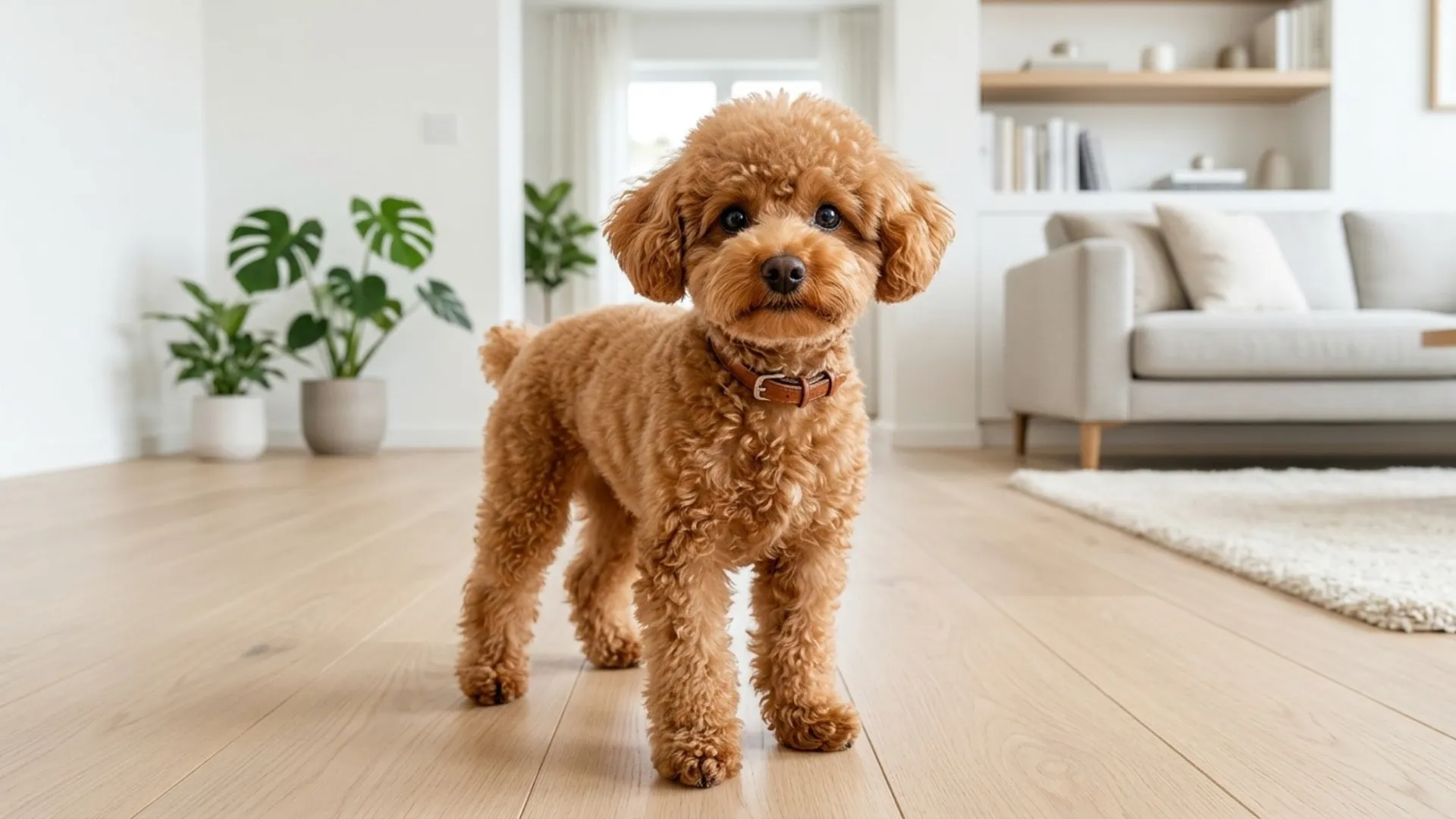
If your vacuum has become your most loyal housemate, a low-shedding dog may be the upgrade you need. Some dogs leave fur on every cushion, sweater, and car seat like tiny, four-legged confetti machines. Others barely leave a trace.
From the cloud-like Coton de Tulear to the bold little Yorkshire Terrier, these breeds suit neatniks who still want a warm body on the couch. As actress and lifelong animal lover Betty White once said, “Animals don’t lie, don’t cheat, don’t try to impress you.” They just occasionally redecorate your black leggings with fur.
Here are seven breeds that shed as little as possible while bringing plenty of charm.
Dog Breeds That Shed Very Little: Ideal for Neatniks
1. Coton De Tulear
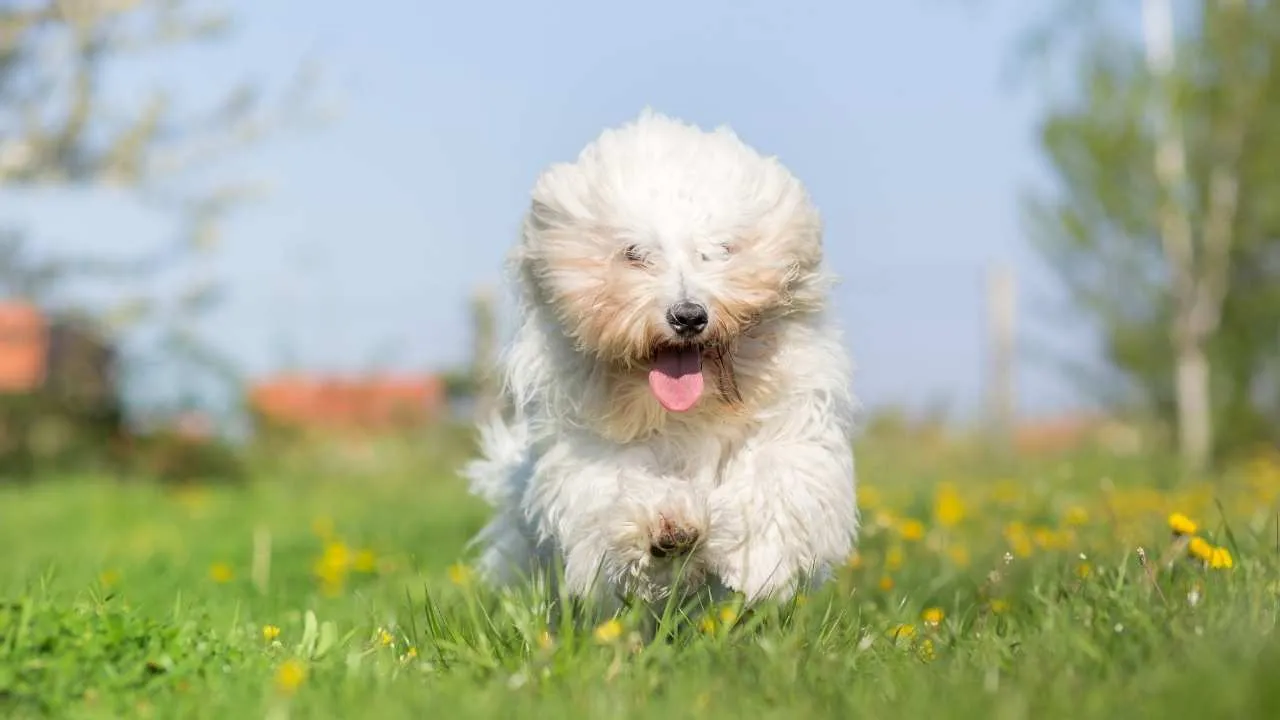
The dog was named after the city of Tulear in Madagascar. Known for its cotton-like coat, the companion dog was bred in the 16th and 17th centuries. It belongs to the Bichon type, has a very low prey drive, and has a tuft of hair on its head.
The silky coat lacks an undercoat and is soft and dry to the touch. The texture is either straight or slightly wavy. The loose hair traps inside the coat, making it a hypoallergenic dog. It has a severe risk of matting if left unbrushed. It naturally produces less skin oil and thus has minimal dog odor.
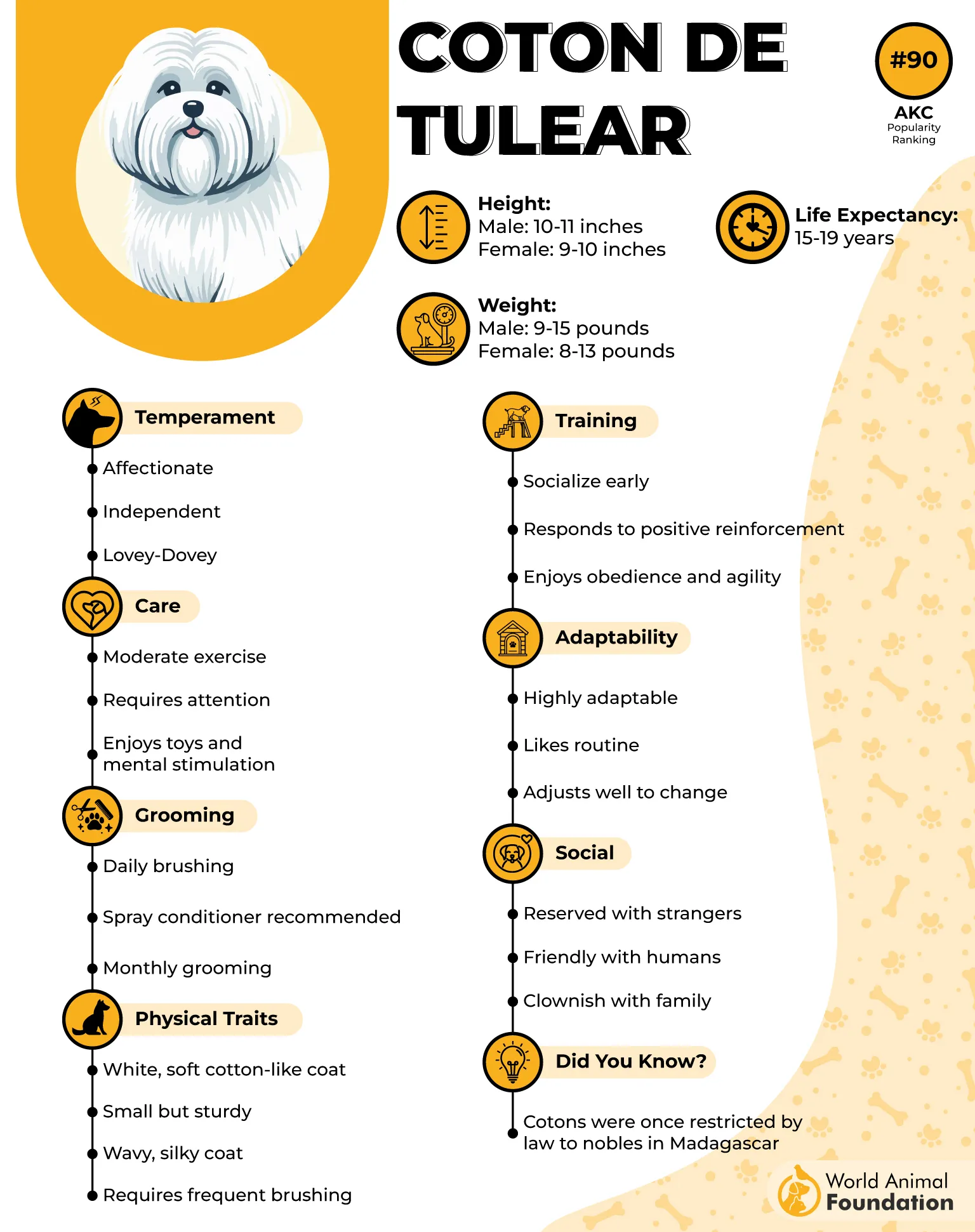
The puppy loses its fine puppy hair by the age of 7-14 months and transitions to the adult coat. Use a high-quality metal brush for line brushing. Use lukewarm water for bathing and never rub the coat vigorously.
2. Lhasa Apso
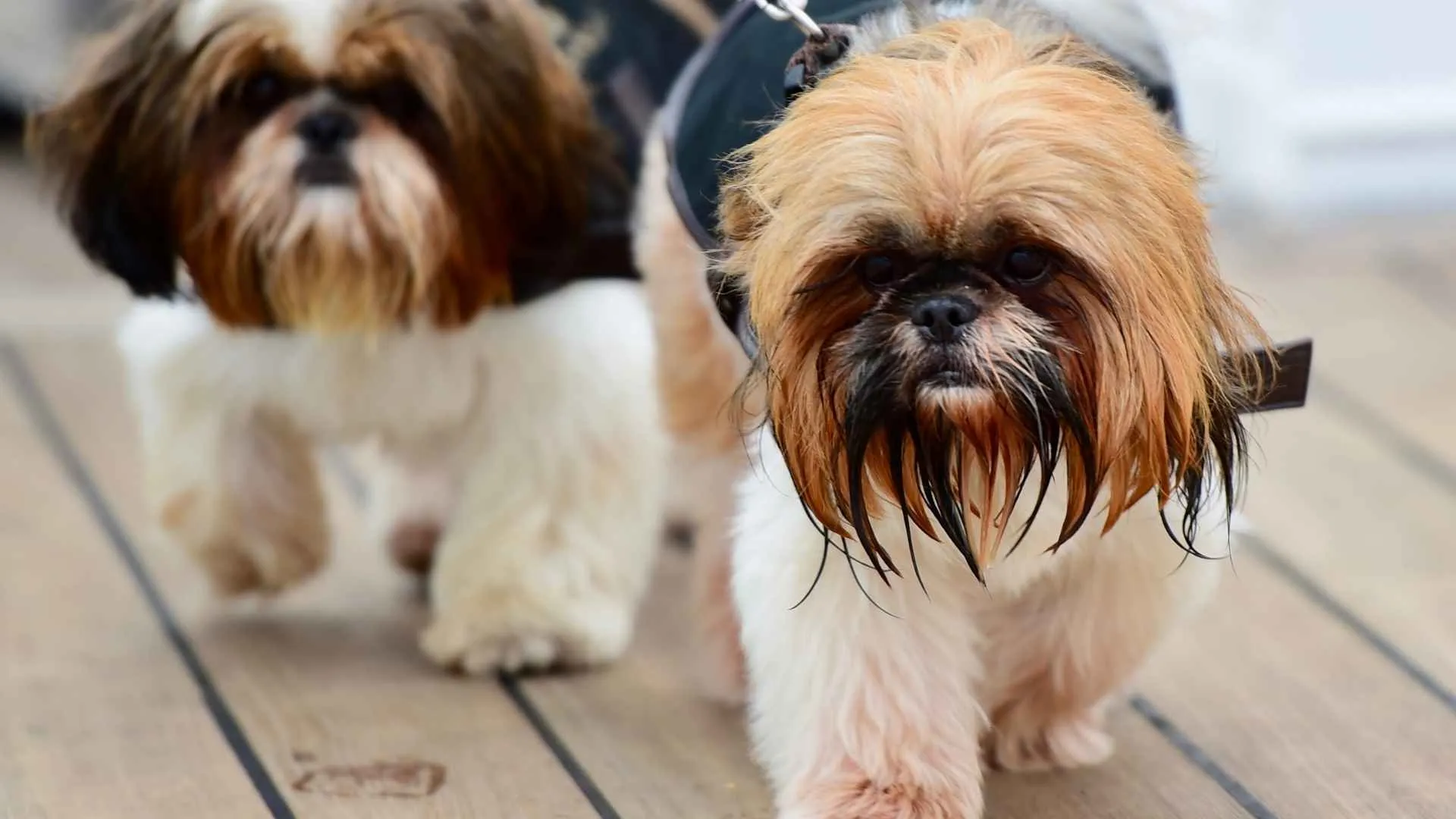
This ancient breed was developed in Tibet as an interior watchdog for the Buddhist monasteries. The word Lhasa in the name literally means ‘bearded’ because of the thick facial hair. The history dates back to 800 BCE and is known to have been located on a high place to observe its surroundings.
The thick double coat has two layers: the outer coat is straight and hard, while the undercoat is softer and shorter. It has a heavy head furnishing, making a good hairfall over the eyes, and has a distinct beard, side whiskers, and feathered legs. It comes in two coat styles: the show coat and the puppy clip.
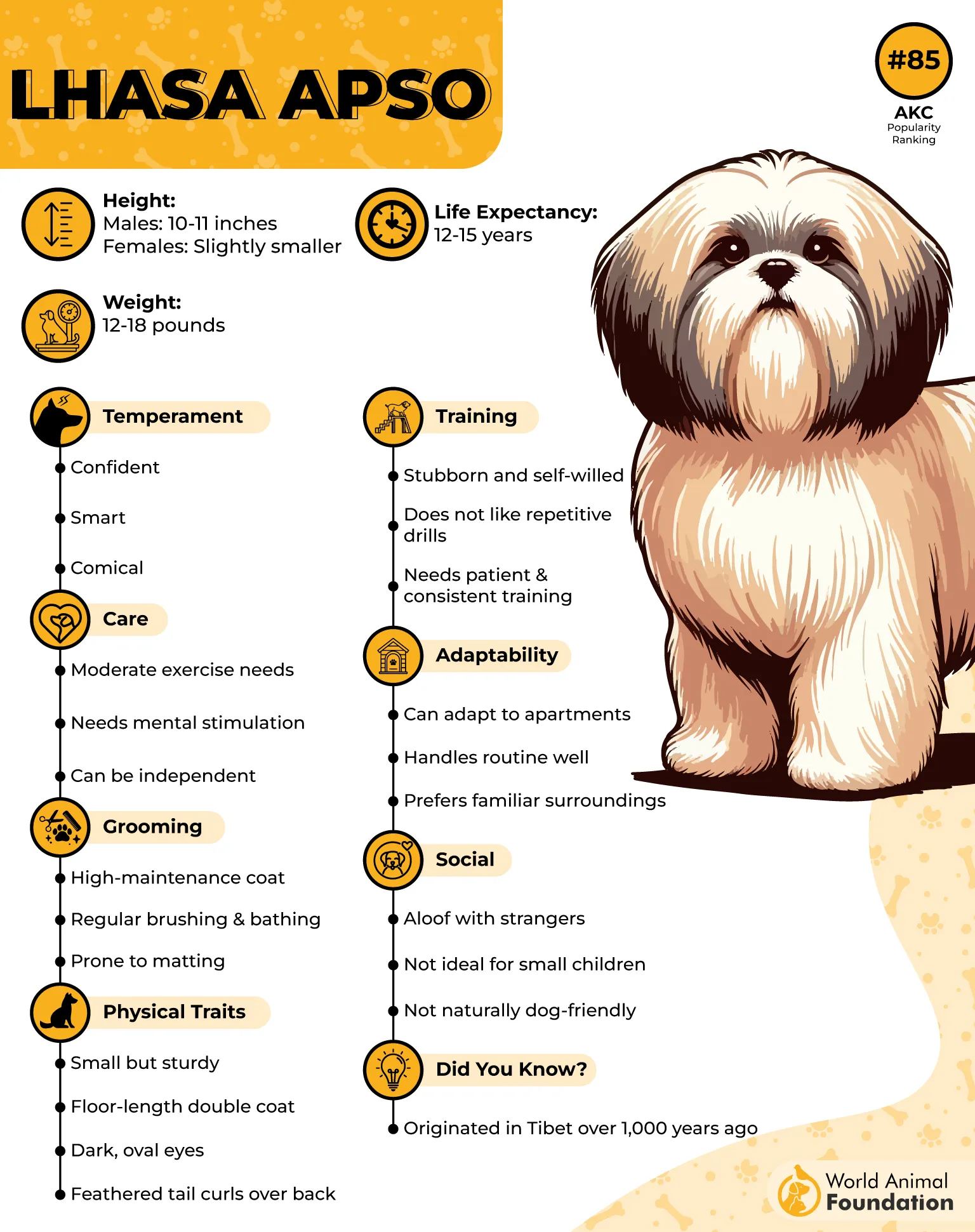
This breed sheds less and needs weekly brushing using a long pin-brush. Run a wide-toothed metal comb to check mats and tangles. Monthly baths are recommended.
3. Maltese
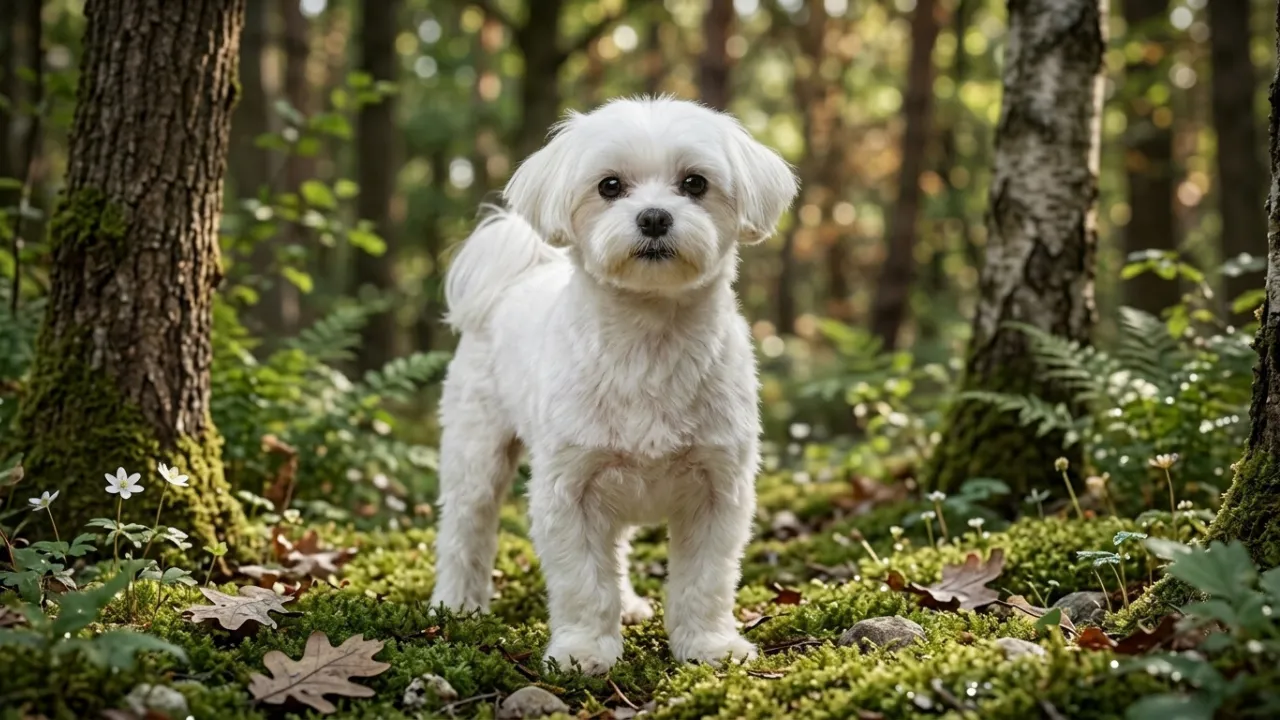
The noble dog of Malta has existed for 28 centuries and was also possessed by the Roman governor of Malta in the 1st century. It was also depicted in the ancient Roman tombs from the 5th century. Soon, the popular dog breed was used by noble women who used to carry it in their bosoms or sleeves, says Hill’s Pet.
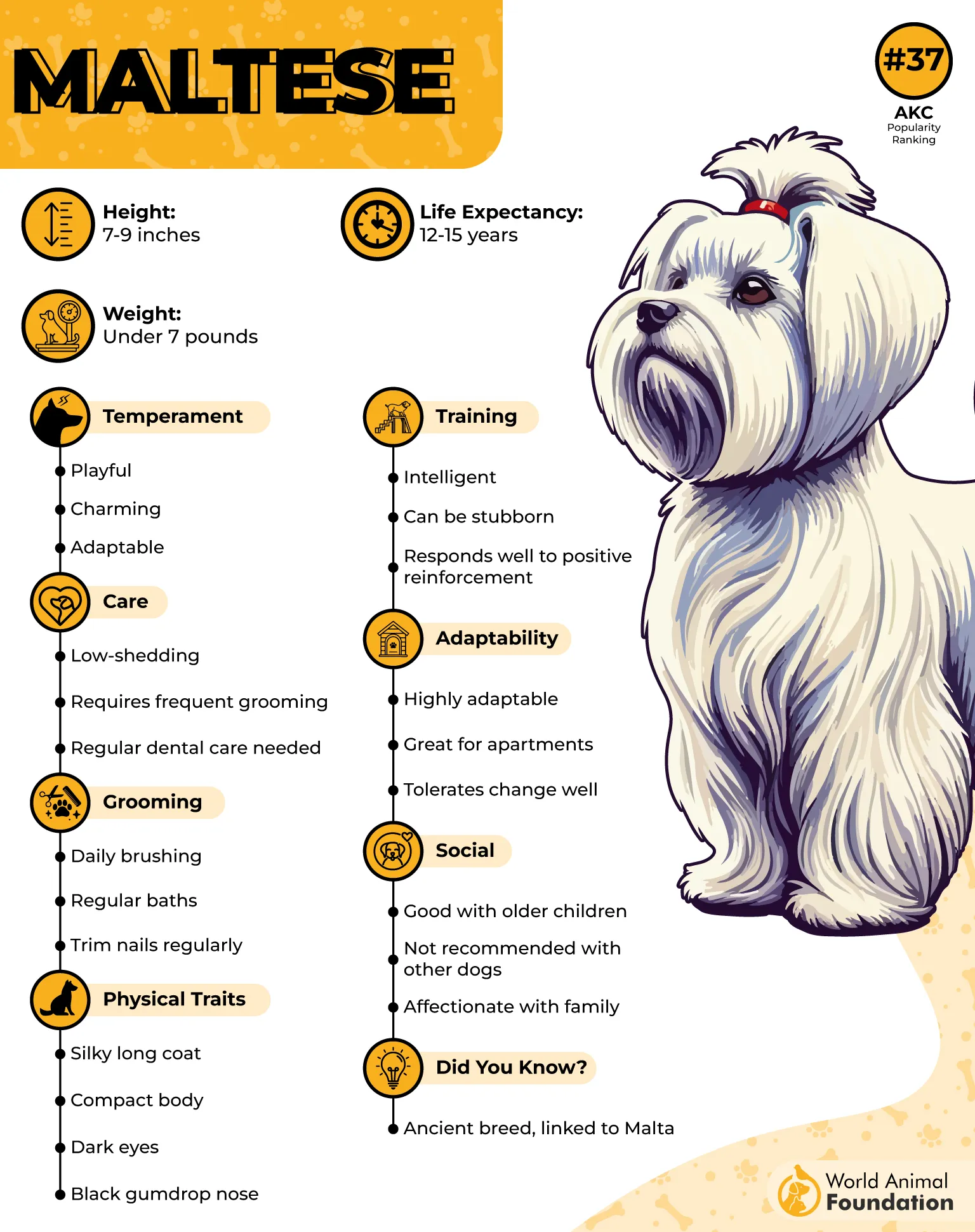
The coat consists of hair instead of fur, leading to minimal shedding as the hair grows to full length rather than falling off after a certain length. Light tan or lemon markings are permissible on the ears, while the rest of the coat remains white. Despite being ideal for allergy sufferers, the breed needs daily brushing.

It needs a bath every 1-2 weeks. Brush out the coat before bathing to remove tangles and mats. Blow-dry the coat on a low and warm setting. Since it is prone to tear staining, the area around the eyes needs to be cleaned using a gentle wipe.
4. Chinese Crested

Most hairless dog breeds, including the Chinese Crested, are thought to have developed from the pariah dogs. The breed is closely related to hairless South American dogs. The history of the modern-day breed dates back to the late 19th century, and it gained popularity in America in the late 20th century.
The coat comes in two types: the hairless and the powderpuff. The hairless breed has smooth and warm skin that has pink, black, or dark gray colors, and the hair is restricted only to three areas: the crest, the plume, and the socks. The powderpuff coat has a silky double coat
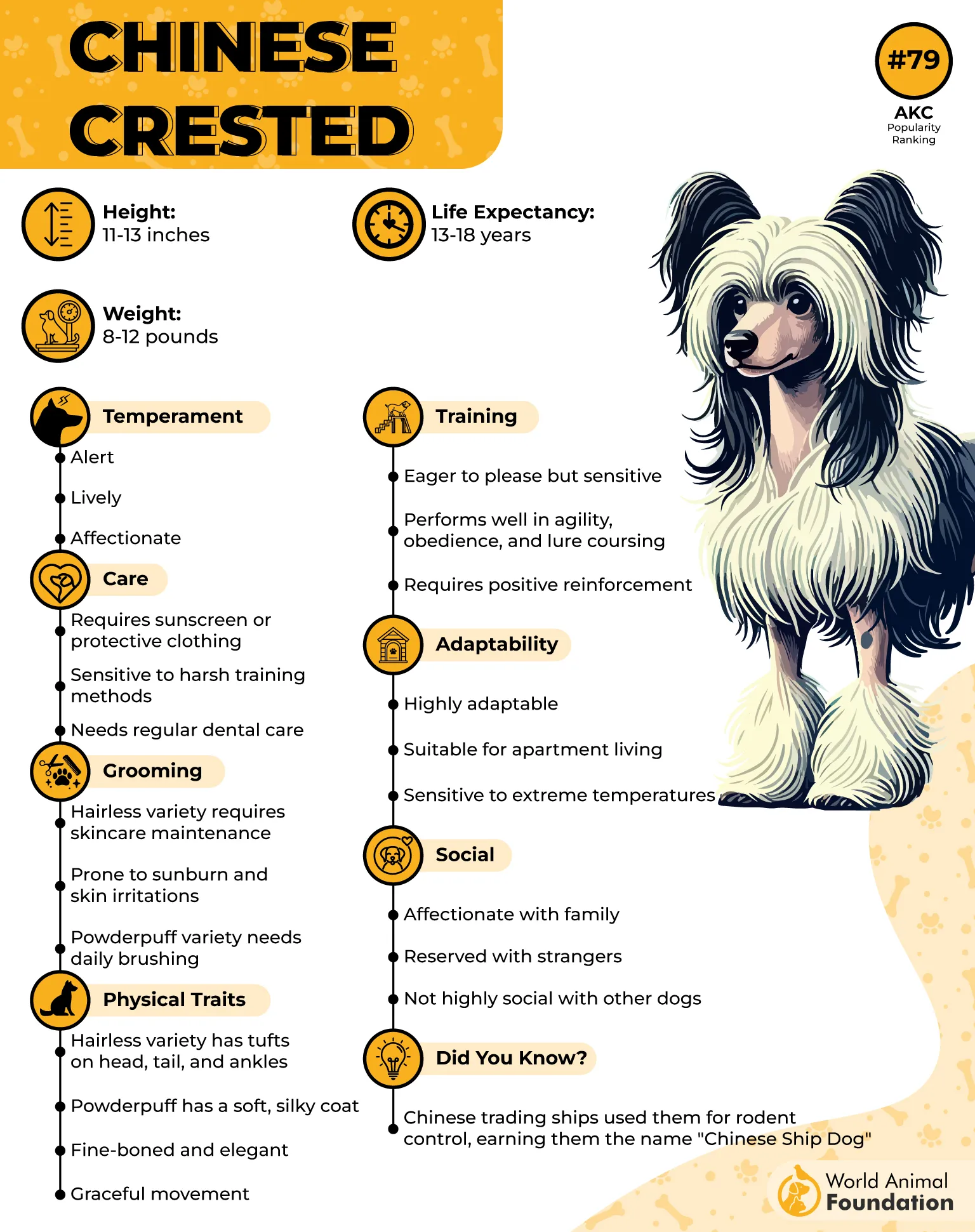
The hairless breed does not have grooming needs; however, it needs a good-quality sunscreen while working outdoors since it is prone to sunburn. The breed is prone to cold weather.
5. Miniature Poodle
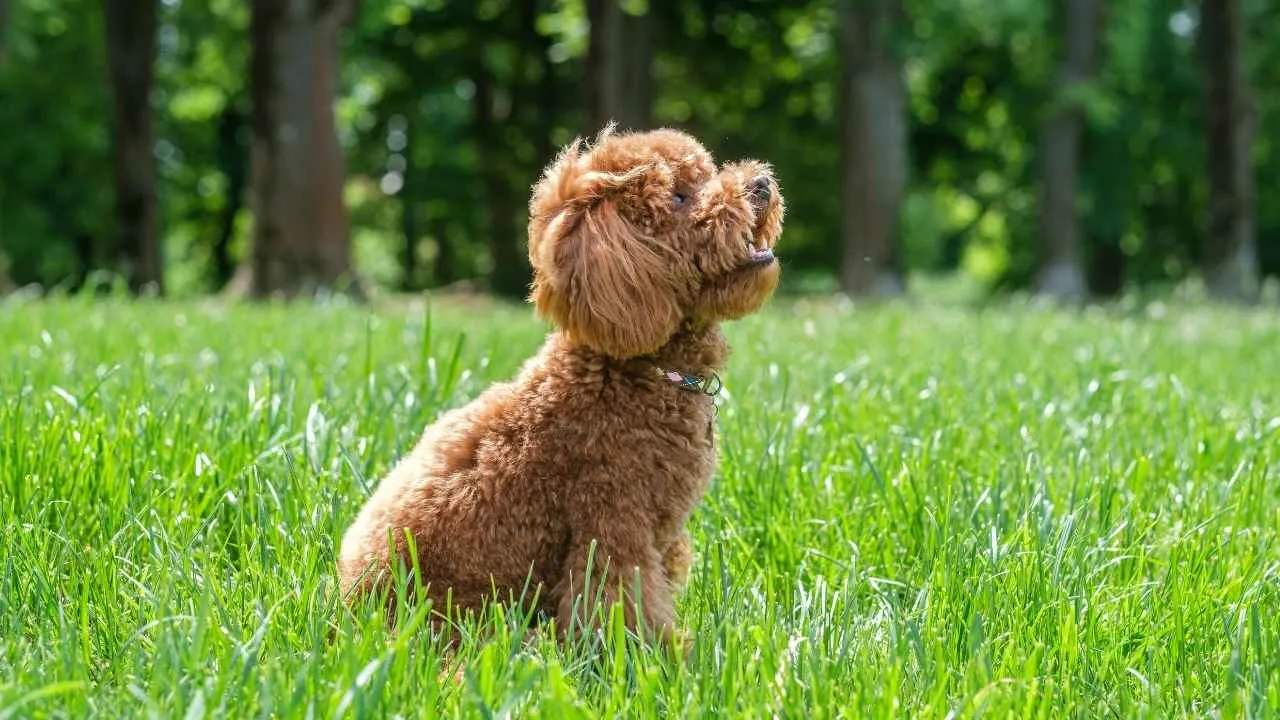
This highly intelligent and eager-to-please small dog is descended from the Standard Poodle that was used for duck hunting. However, its smaller version was bred with the desire of creating a circus breed. The breed typically reaches 11-15 inches tall, as reported by Purina.
The breed has a single layer of wiry curls or cords. The coat comes in a variety of colors, including cream, red, blue, brown, black, silver, apricot, and white. Friction, moisture, dirt, and everyday movement may lead to tangles and mats in areas such as under the collar, behind the ears, armpits, and legs.
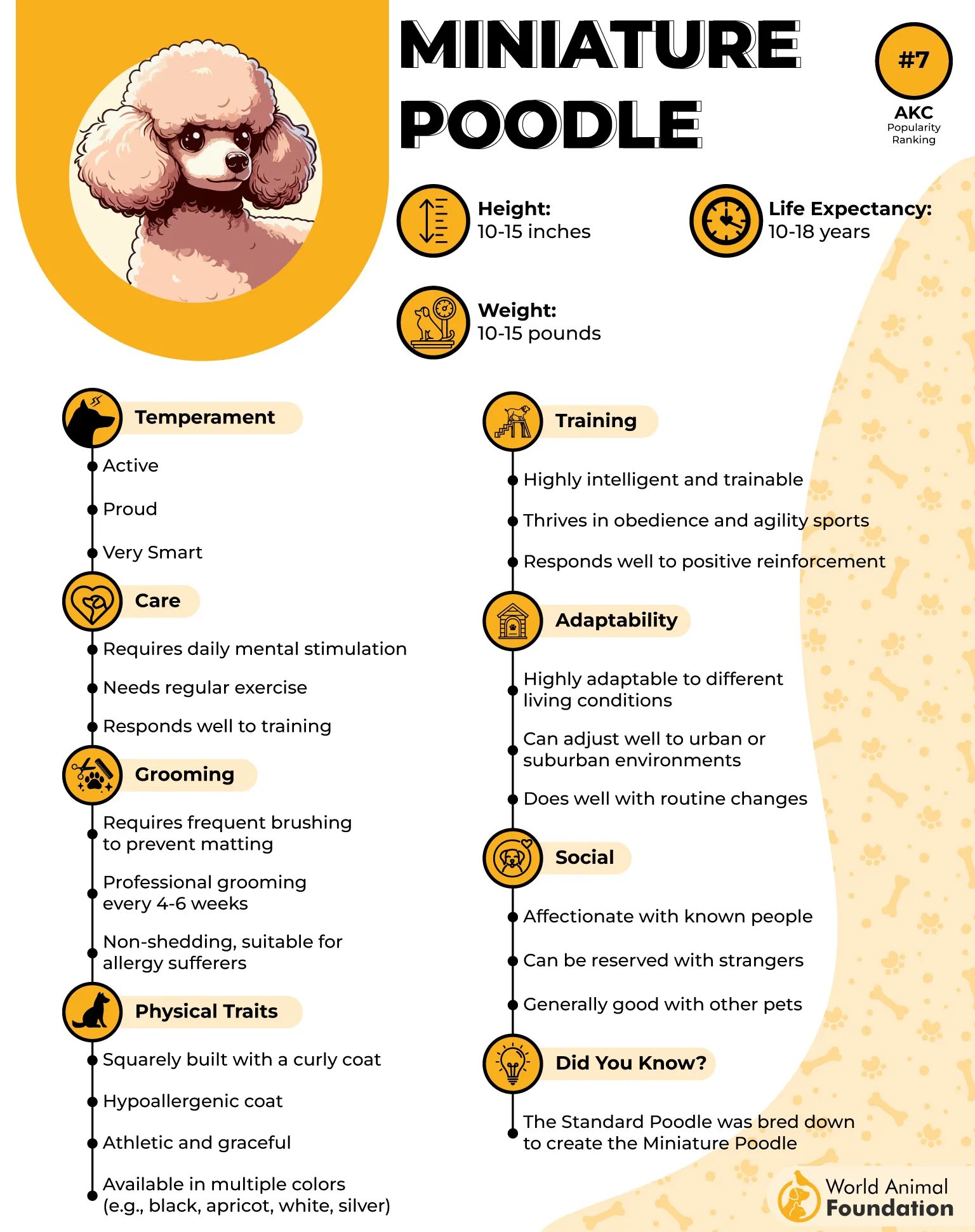
Long and full coat needs daily brushing, while the puppy cut needs 2-3 times weekly brushing. Always brush from the skin outwards. Bathing after 4-6 weeks is recommended.
6. Bichon Frise
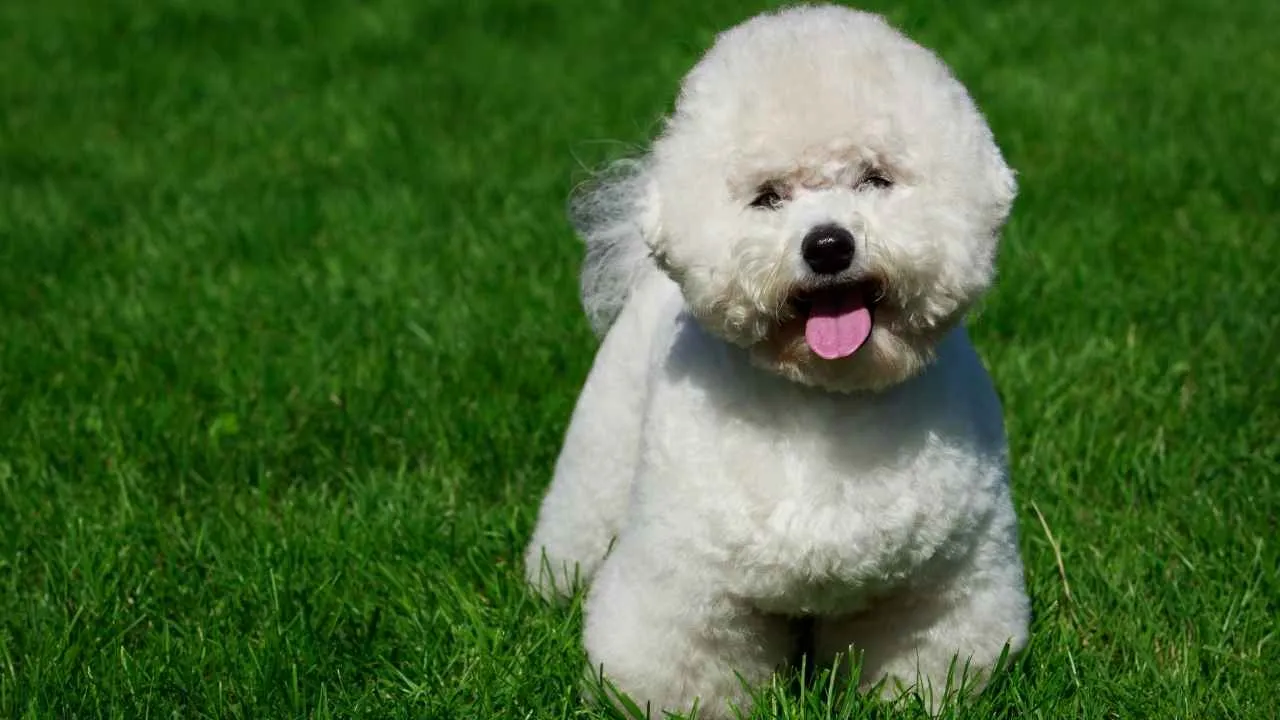
This Franco-Belgian breed was developed as a small toy dog. However, the roots date back to Spain, and it was introduced to the European nobility in the 13th century. The white dog arrived in the United States in 1955. The slightly flat and rounded head is styled in a spherical shape.
The puppy’s single-layered coat transitions to the double coat within the 8th-12th months of age. This phase is at high risk of matting. The standard colors include apricot, buff, and cream. The outer coat protects the skin from external stimuli, while the undercoat acts as a thermoregulator.
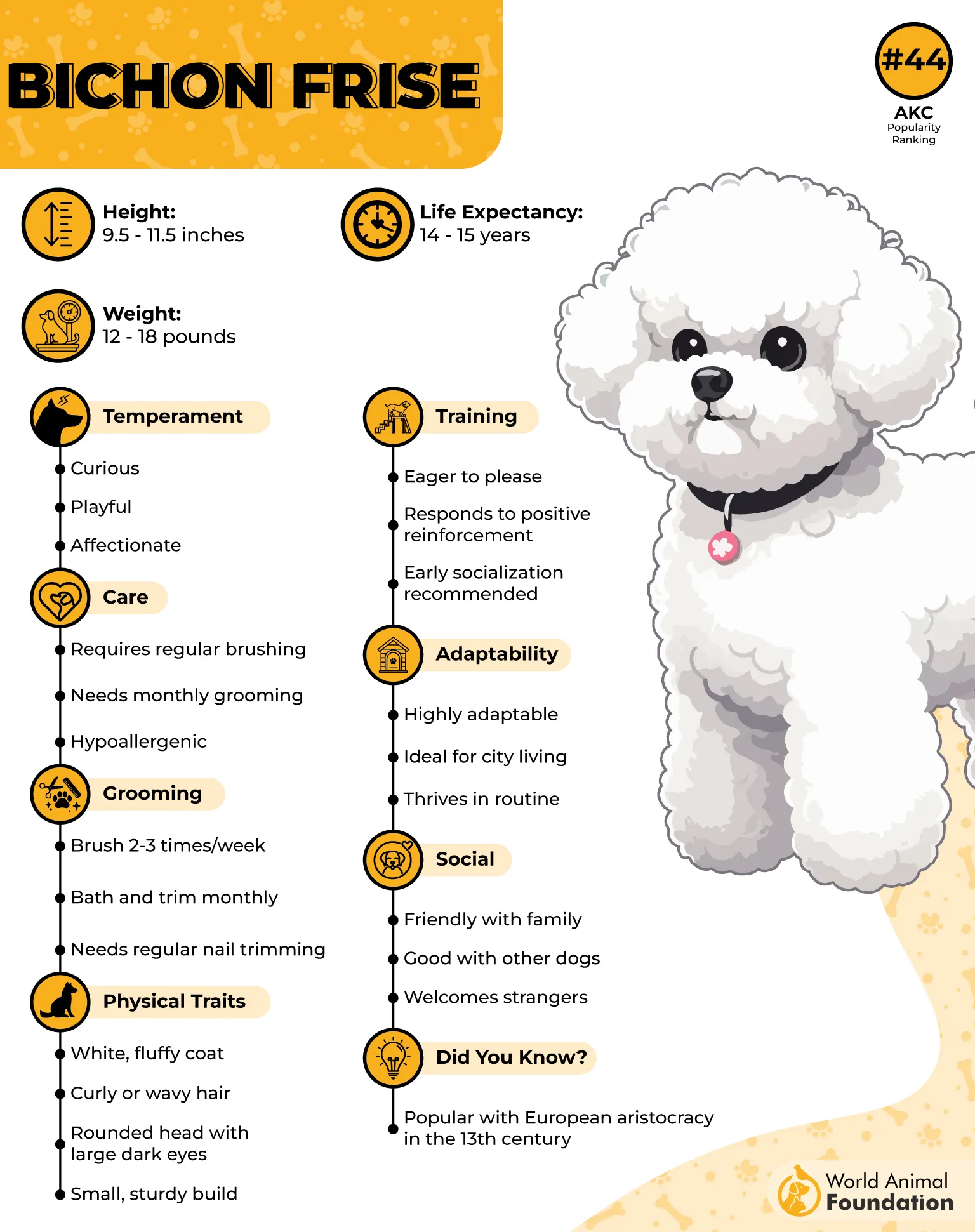
Line brushing and face wiping are required 2-3 times a week to remove dead hair and prevent tear/saliva staining. Professional trim is needed after 3-4 weeks.
7. Yorkshire Terrier
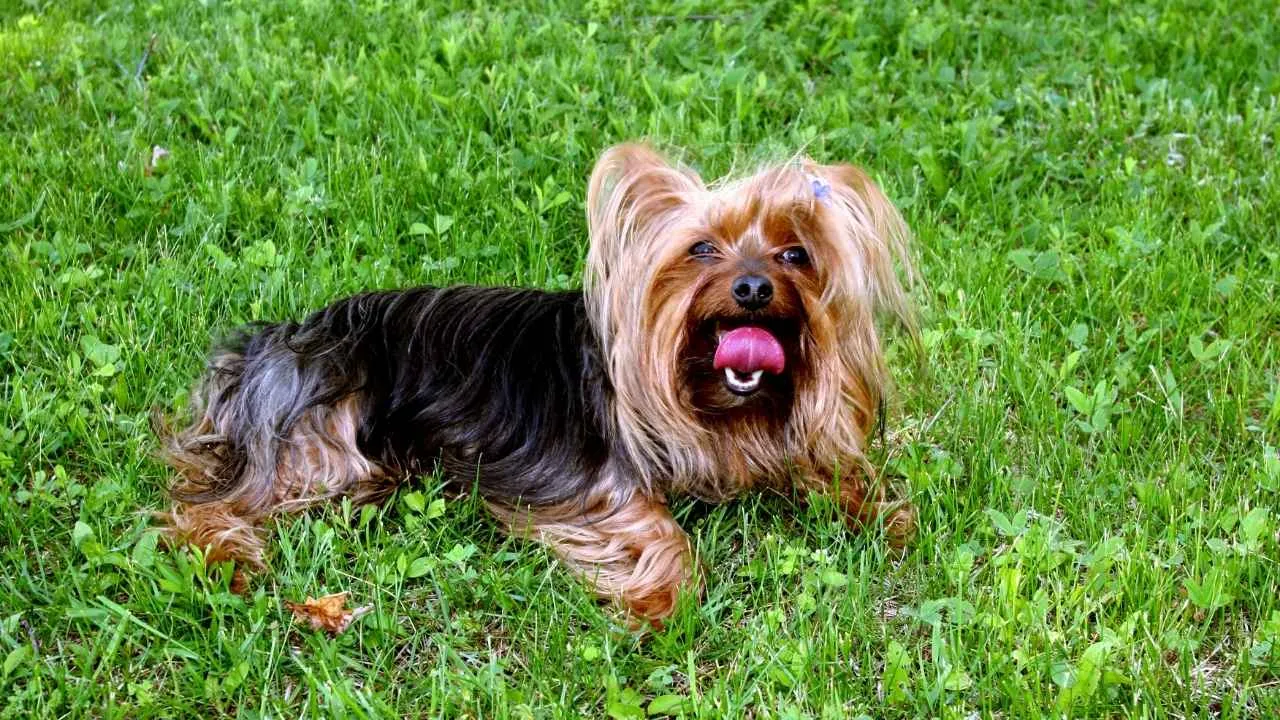
Also known as the Yorkie, the breed was originally bred in Britain in the mid-19th century. The breed is known for its long and silky coat. The breed is thought to have descended from the Paisley Terrier, Skye Terrier, and the Maltese, according to Wikipedia.
The ideal coat is straight and single-layered; however, some coats come in woolly and cottony textures. The breed is born black and tan and transitions to dark steel blue on the body and rich golden tan on the head, chest, and legs. The perfect lap dog has long, human-like hair.
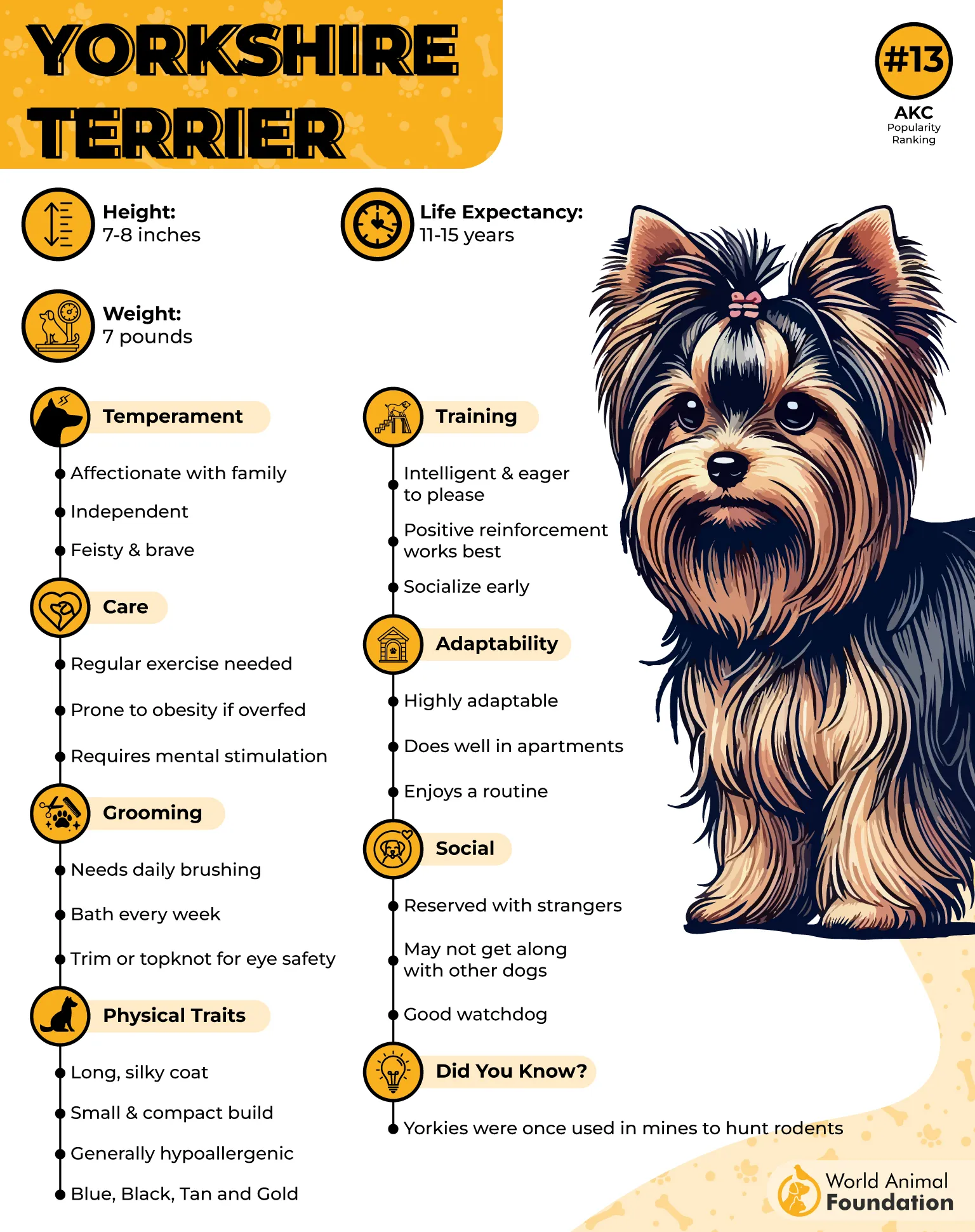
Use a pin brush, steel gray comb, slicker brush, and a dangling spray. Always moisten the coat with a conditioning spray and pay close attention to friction-prone areas.
Conclusion
A low-shedding dog will not magically erase pet hair from your life, but it can make your home easier to manage. These breeds still need brushing, baths, grooming appointments, and everyday attention. The difference is that you spend less time vacuuming and more time enjoying the dog beside you.
Choosing the right breed is about more than a clean couch. Think about your schedule, living space, budget for grooming, and how much companionship you can honestly provide. A Maltese may suit a quiet lap-dog lover, while a Miniature Poodle may be perfect for someone who enjoys training and activity.
