




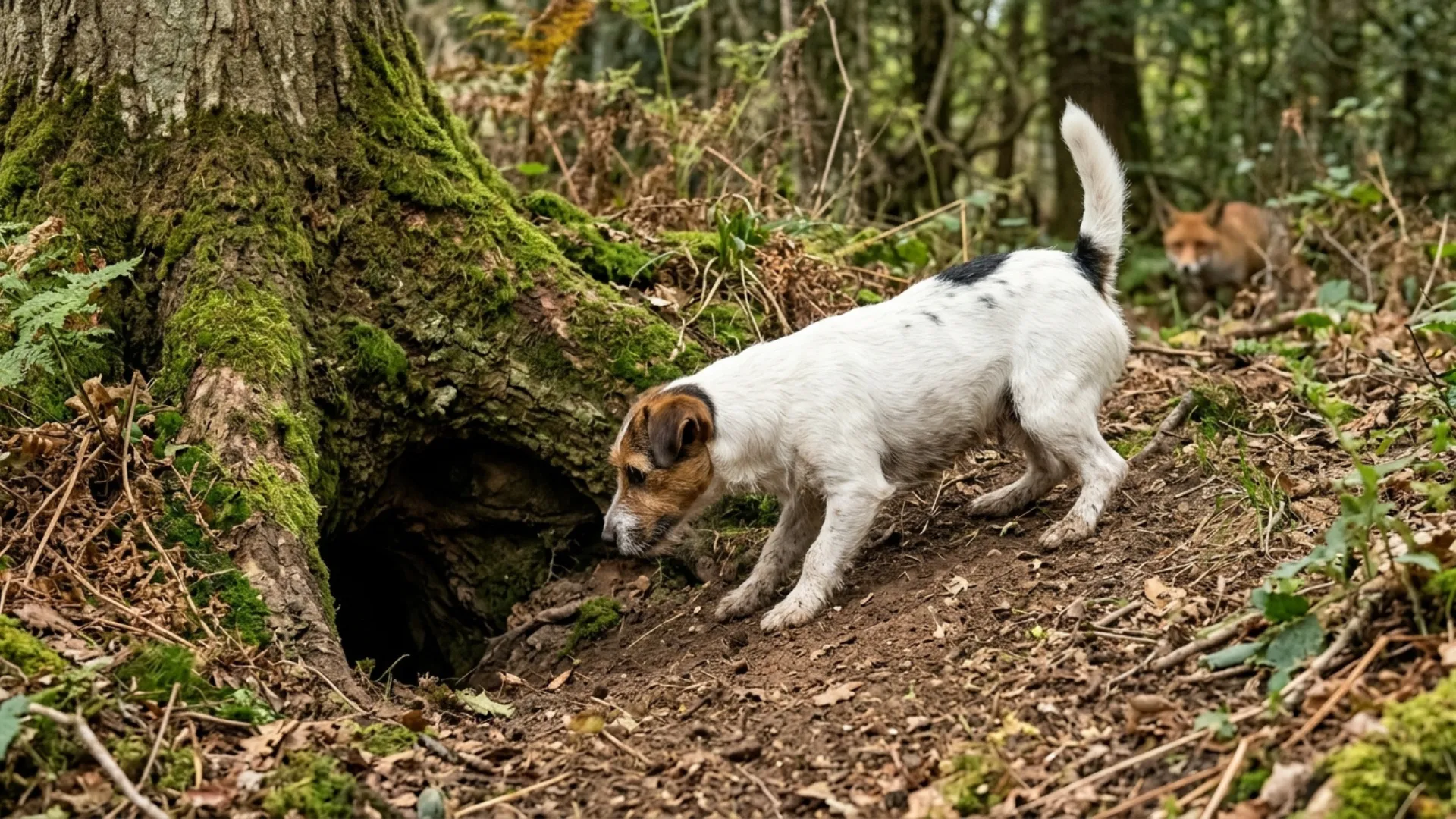
What do a tiny terrier, an underground tunnel, and a determined detective have in common? They’re all part of the fascinating history of fox hunting. Except the detective has four legs, an extraordinary nose, and absolutely no interest in taking a lunch break.
Hunting breeds that go after foxes have some of the most interesting working histories in the canine world. Many were developed to locate foxes in underground dens, while larger hounds traditionally followed scent trails across open countryside. Their small bodies, sharp senses, and persistent personalities made them valuable working partners.
Today, people can appreciate their traditional instincts through humane activities such as scent work, earthdog trials, and supervised outdoor adventures. Let’s talk about the incredible dog breeds that hunt foxes with instinct.
Incredible Dog Breeds That Hunt Foxes With Natural Instinct
1. English Fox Terrier
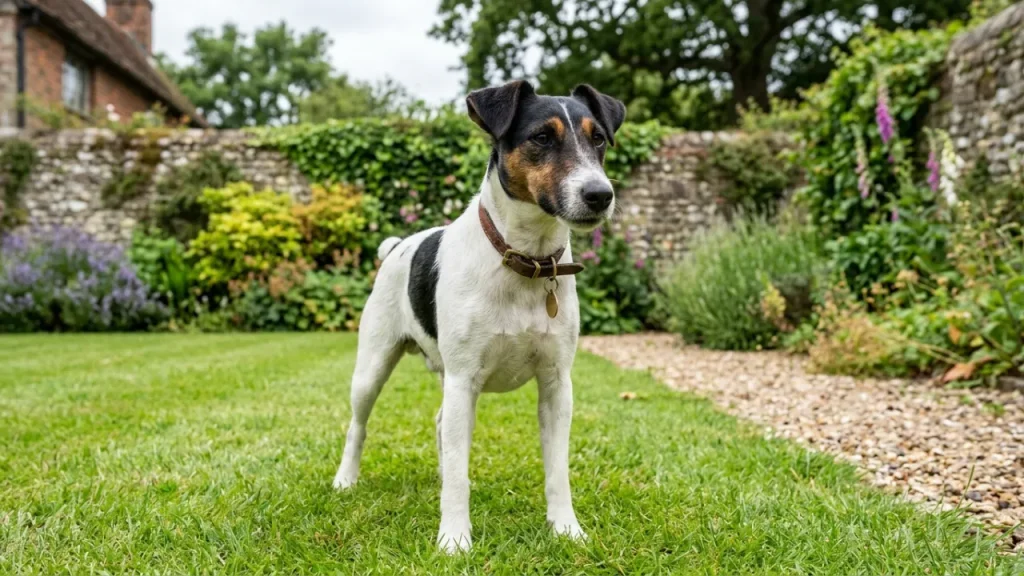
Before modern Fox Terrier varieties were established, English hunting enthusiasts developed small, determined terriers to help with fox-related fieldwork. These dogs were valued for their ability to investigate underground spaces and work alongside larger hunting hounds.
This hunting dog breed helped shape modern Smooth and Wire Fox Terriers. Their compact bodies, alert expressions, and predominantly white coats were practical characteristics for dogs working in challenging countryside conditions.
One particularly interesting historical detail is that people favored white coloring partly because it helped distinguish terriers from the quarry during traditional hunts. These dogs were also expected to show determination while remaining manageable around people and other working dogs.
Modern descendants benefit from regular exercise, structured play, and positive reinforcement training. Their strong curiosity can make secure fencing and supervised outdoor activities especially important.
2. Smooth Fox Terrier
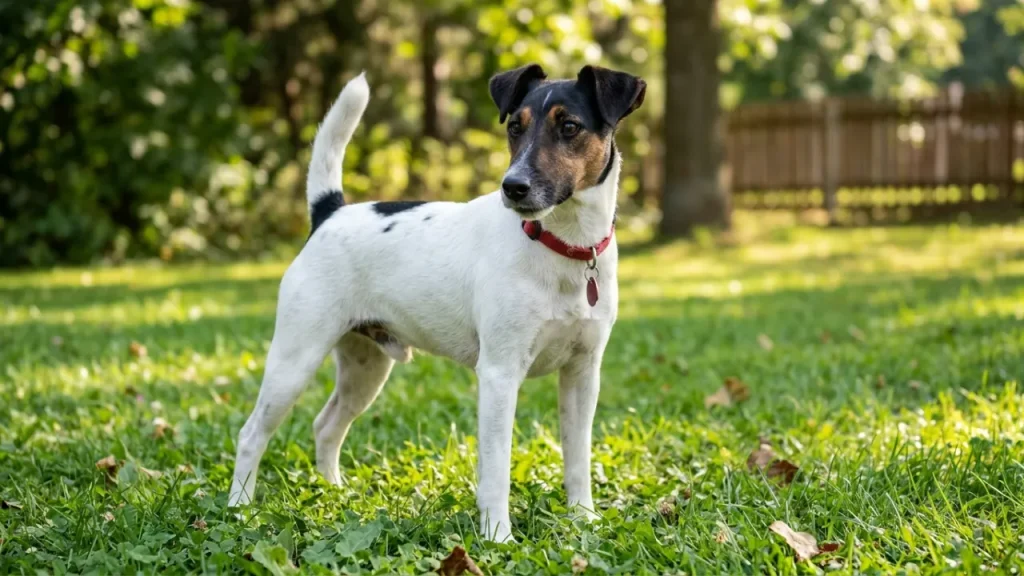
Small, muscular, and seemingly powered by endless curiosity, the Smooth Fox Terrier is a classic example of a dog bred for determined underground work. Considered some of the best hunting dogs out there, they historically assisted foxhunting parties by locating foxes that had taken refuge below ground.
Its short, dense coat requires relatively little grooming compared with longer-haired terriers. The breed’s narrow body, strong legs, and alert expression reflect a history of working in demanding environments.
They are often energetic, confident, and playful. They can be affectionate companions, but their strong prey drive and love of chasing smaller animals require careful supervision.
In active households, this right hunting dog offers a lively companion whose working heritage shows up in everyday behavior.
3. Jack Russell Terrier
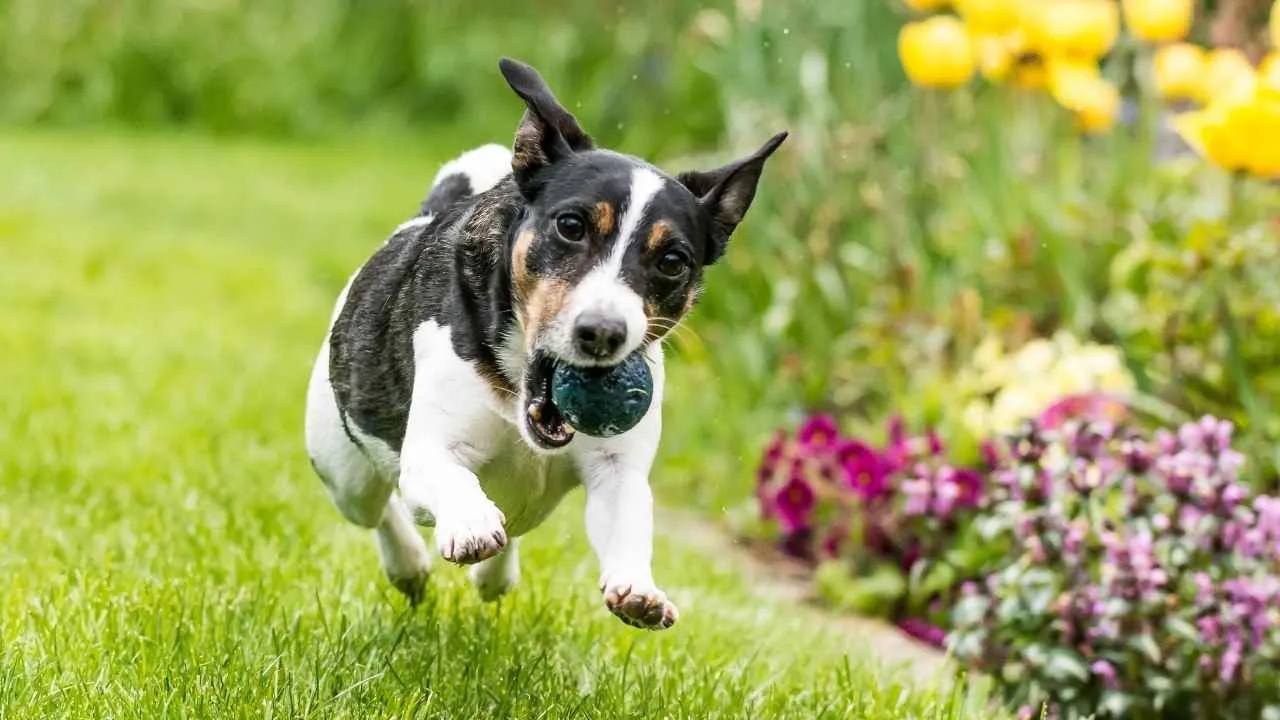
Great for hunting small game, the Jack Russell Terrier is a nineteenth-century English breed developed by Reverend John Russell and other breeders; these small terriers were selected for fox-related work, particularly locating foxes underground.
They are typically compact, athletic dogs with predominantly white coats that may be smooth, broken, or rough.
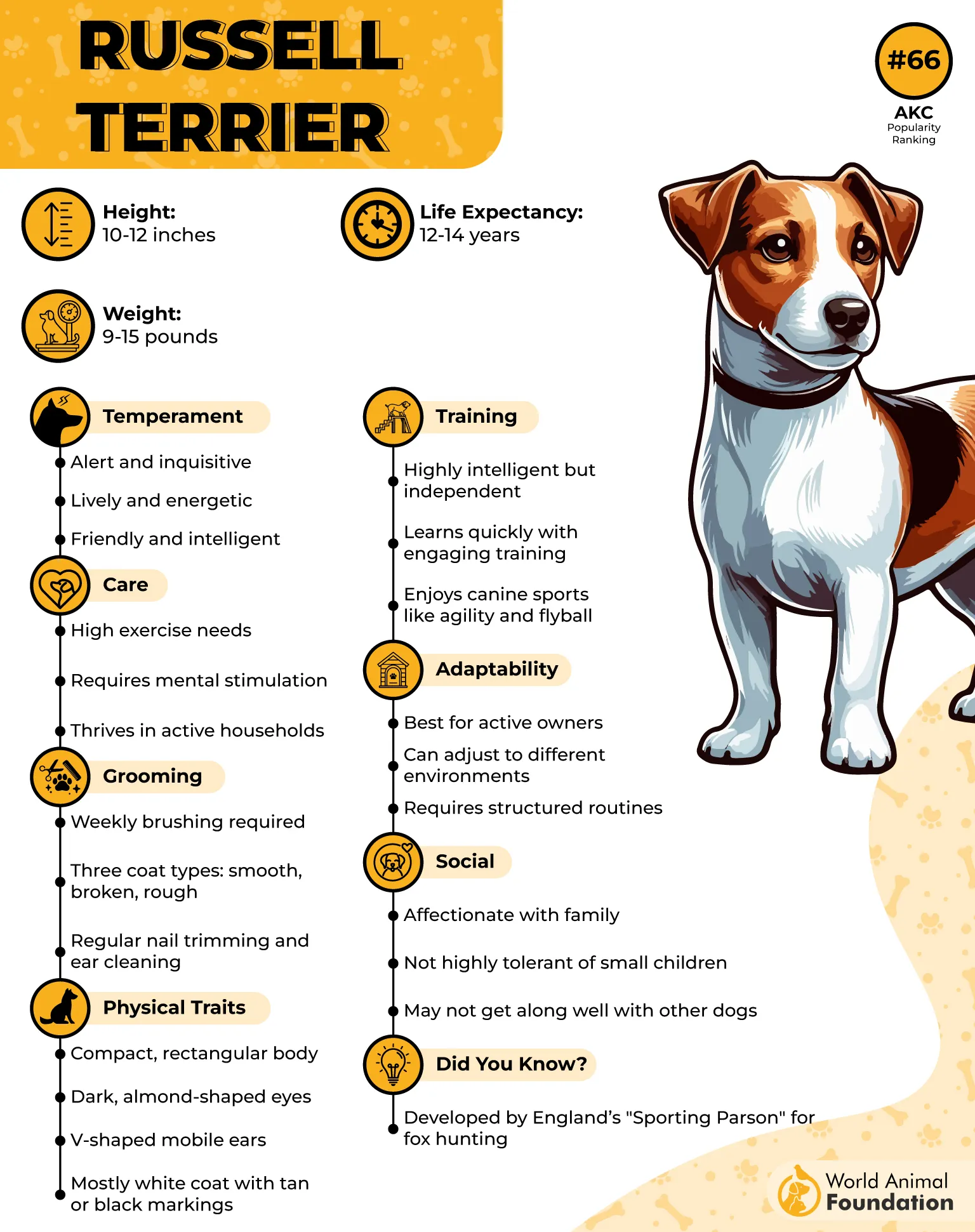
These dogs are often intelligent, fearless, and exceptionally energetic. PDSA says their historical work required persistence and independent decision-making, qualities that can make them entertaining companions but challenging pets for inexperienced guardians.
One fascinating fact is that the breed’s name comes from Reverend John Russell, whose breeding efforts influenced several related working terrier types. Despite their small size, they need substantial mental stimulation and regular exercise.
Without suitable outlets, their natural enthusiasm may turn toward digging, excessive barking, or destructive exploration.
4. Border Terrier
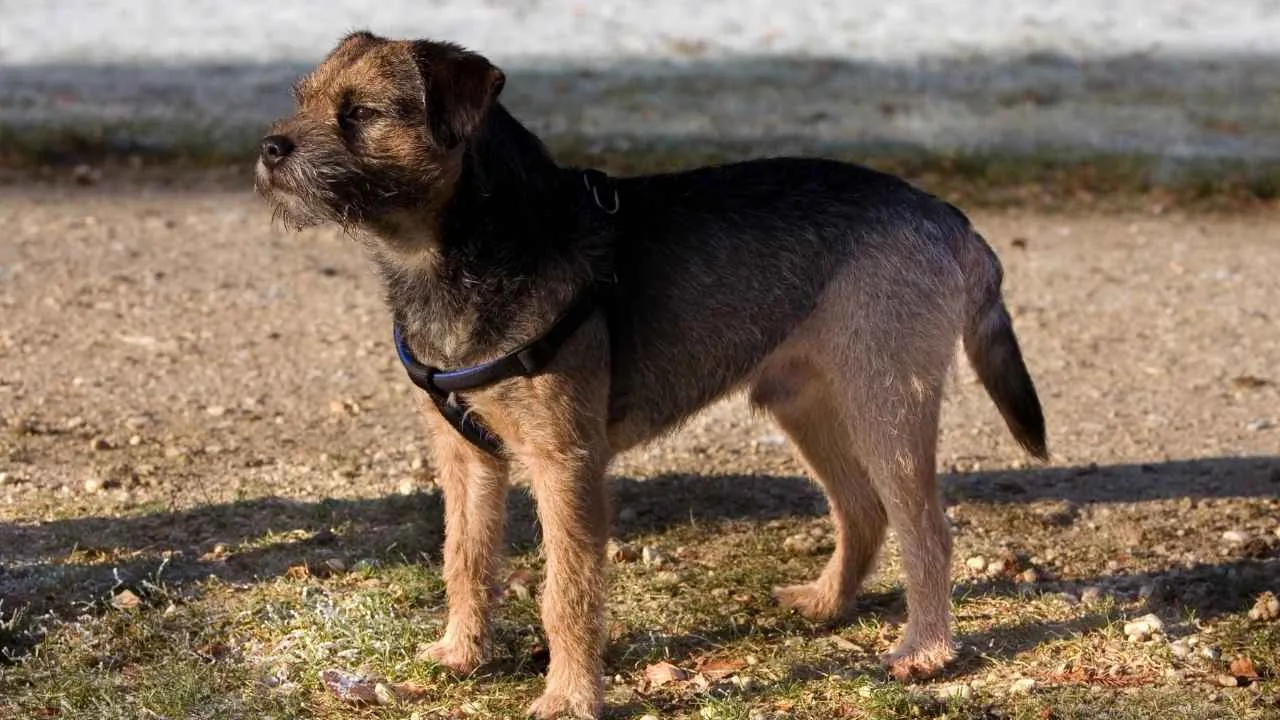
The Border Terrier may look like an ordinary little countryside companion, but its history is anything but ordinary. Developed along the border between England and Scotland, this breed was traditionally used to assist foxhunting activities in rugged terrain.
Its weather-resistant wiry coat, compact body, and distinctive otter-shaped head make it easy to recognize. The breed was developed to possess enough stamina to accompany hunting parties while remaining small enough to investigate underground spaces.
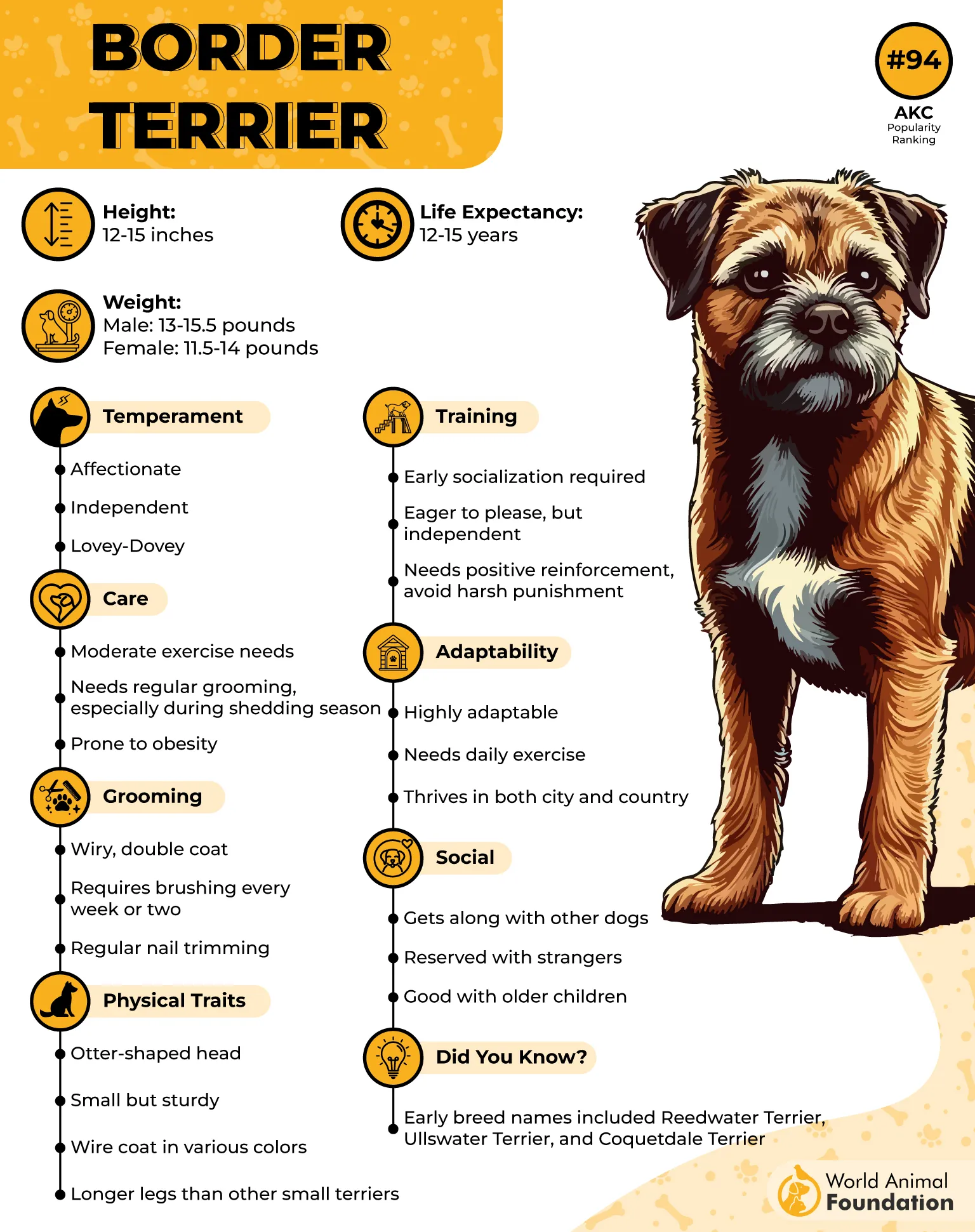
As per Hills Pet, they are often affectionate, adaptable, and relatively sociable with other dogs when properly introduced. Their working background still contributes to a strong interest in scent trails and moving animals, so careful management around wildlife is important.
One remarkable historical detail is that these terriers were expected to travel across challenging countryside before beginning their specialized work. Their endurance set them apart from dogs bred primarily for indoor companionship.
5. Lakeland Terrier
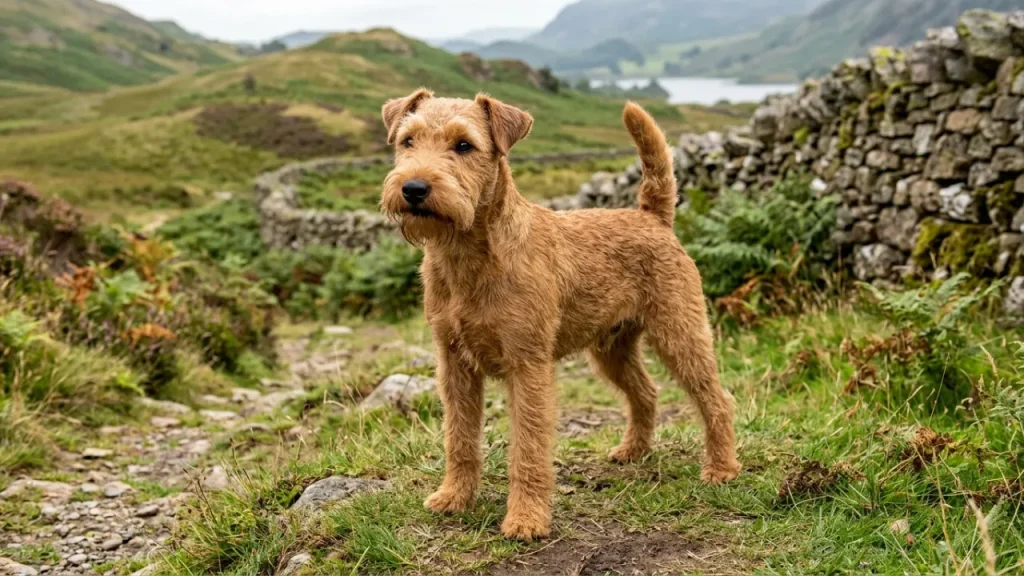
The Lakeland Terrier developed in England’s rugged Lake District, where farmers needed determined dogs that could work across rocky hillsides and difficult terrain. Historically used to control foxes that threatened livestock, these terriers were bred for agility, persistence, and confidence.
Purina says that their compact bodies and dense, wiry coats helped them navigate rough countryside. Lakeland Terriers may appear in several colors, including black, blue, red, wheaten, and grizzle, sometimes with tan markings.
Although relatively small, these dogs often have bold personalities and are quite independent. They can be affectionate with their families but may require careful introductions to unfamiliar animals because of their terrier instincts.
A memorable fact is that farmers’ practical needs, rather than appearance alone, shaped the breed’s development. Their ability to work in difficult terrain was central to their historical purpose.
Lakeland Terriers usually enjoy physically engaging activities, including brisk walks, agility, and structured scent games. Their coats also require regular grooming to maintain texture and prevent tangling.
6. Welsh Terrier

With its distinctive black-and-tan coat and expressive beard, the Welsh Terrier looks like a miniature adventurer dressed for an important meeting. Developed in Wales, this sturdy breed was historically used for hunting foxes and other quarry in challenging countryside.
Its dense, wiry coat protects against rough vegetation and harsh weather. The breed’s strong legs, compact proportions, and alert expression reflect its practical working background.
Welsh Terriers are often cheerful, energetic, and independent. They can form affectionate relationships with family members, although their lively personalities mean they benefit from consistent training and appropriate exercise.
One interesting historical detail is that Welsh Terriers share similarities with older British black-and-tan terrier types. Their distinctive appearance reflects a long tradition of breeding practical working dogs.
Their grooming needs are more involved than those of short-coated breeds, especially when maintaining their traditional wiry coat. Secure fencing is also important because their curiosity leads them to explore enthusiastically.
7. Dachshund
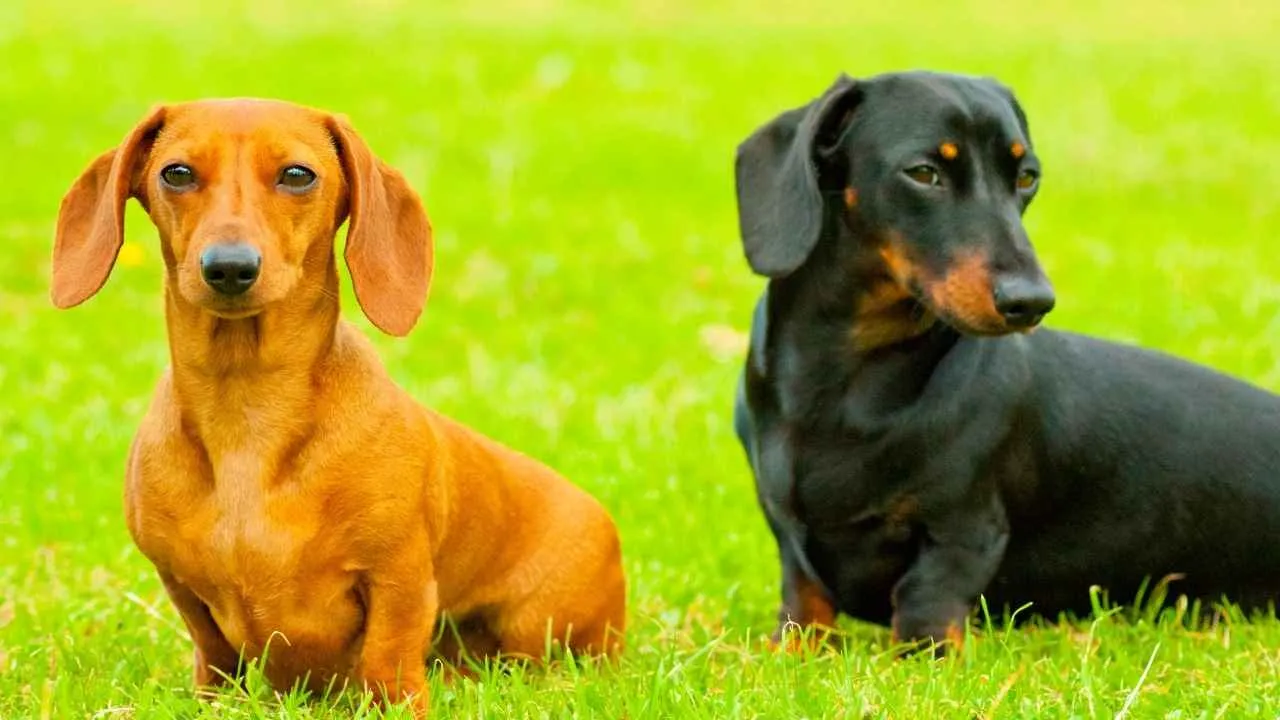
The Dachshund proves that unusual body proportions can have a practical historical explanation. Originally bred in Germany, this distinctive hound was primarily bred to track and confront badgers underground, though Dachshunds have also been used to pursue other quarry, including foxes.
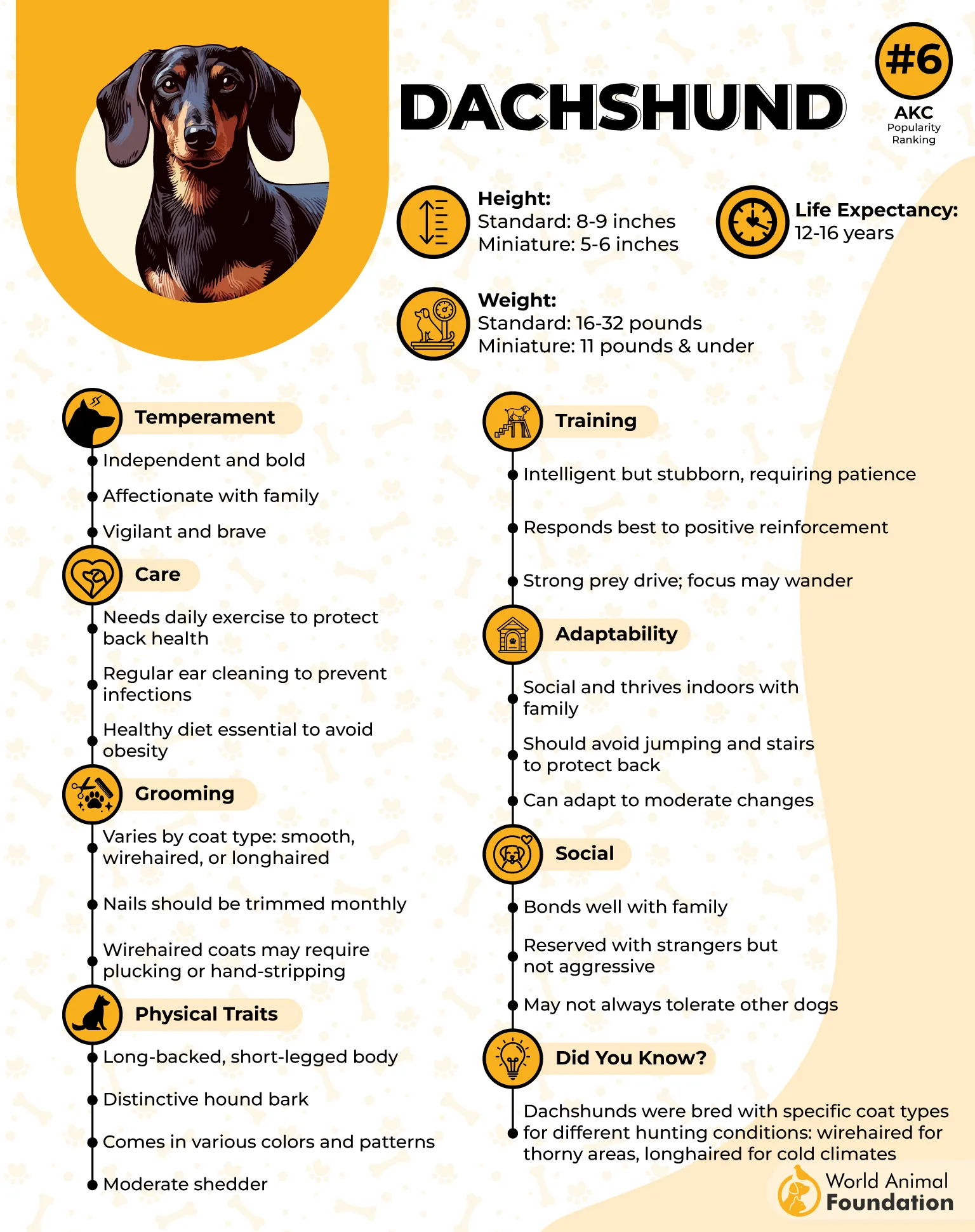
They are often curious, determined, and affectionate, and they need enough exercise at home with people they know. Their independent personalities can make training interesting, particularly when an exciting scent competes with their guardian’s instructions.
The breed’s German name translates roughly to “badger dog,” directly referencing its original purpose. This historical connection matters because fox hunting was a secondary use, not the defining reason for the breed’s development. They were bred to hunt rabbits, birds, squirrels, raccoons, ducks, and even deer.
Modern Dachshunds benefit from regular controlled exercise, scent games, and activities that avoid unnecessary spinal strain. Because they are predisposed to intervertebral disc disease, guardians should discuss safe exercise and weight management with a veterinarian.
Conclusion
The best hunting dog breeds for fox hunting have fascinating histories shaped by determination, intelligence, and specialized working abilities.
Today, these remarkable dogs can enjoy fulfilling lives through humane enrichment, positive training, and responsible companionship. Before welcoming one home, consider adopting from a shelter or breed-specific rescue, and choose a dog whose energy level fits your lifestyle. Small paws, enormous personality.
