




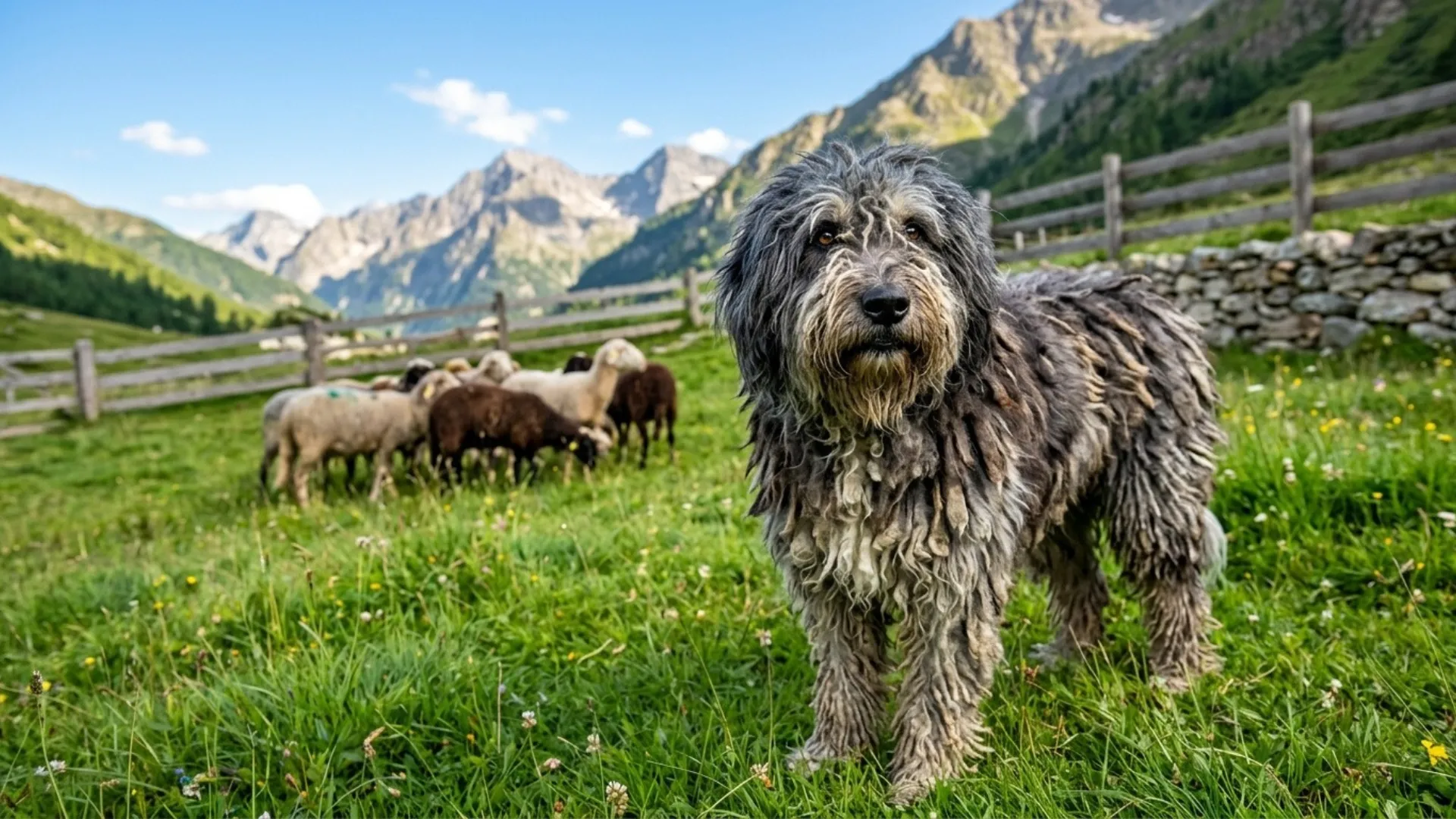
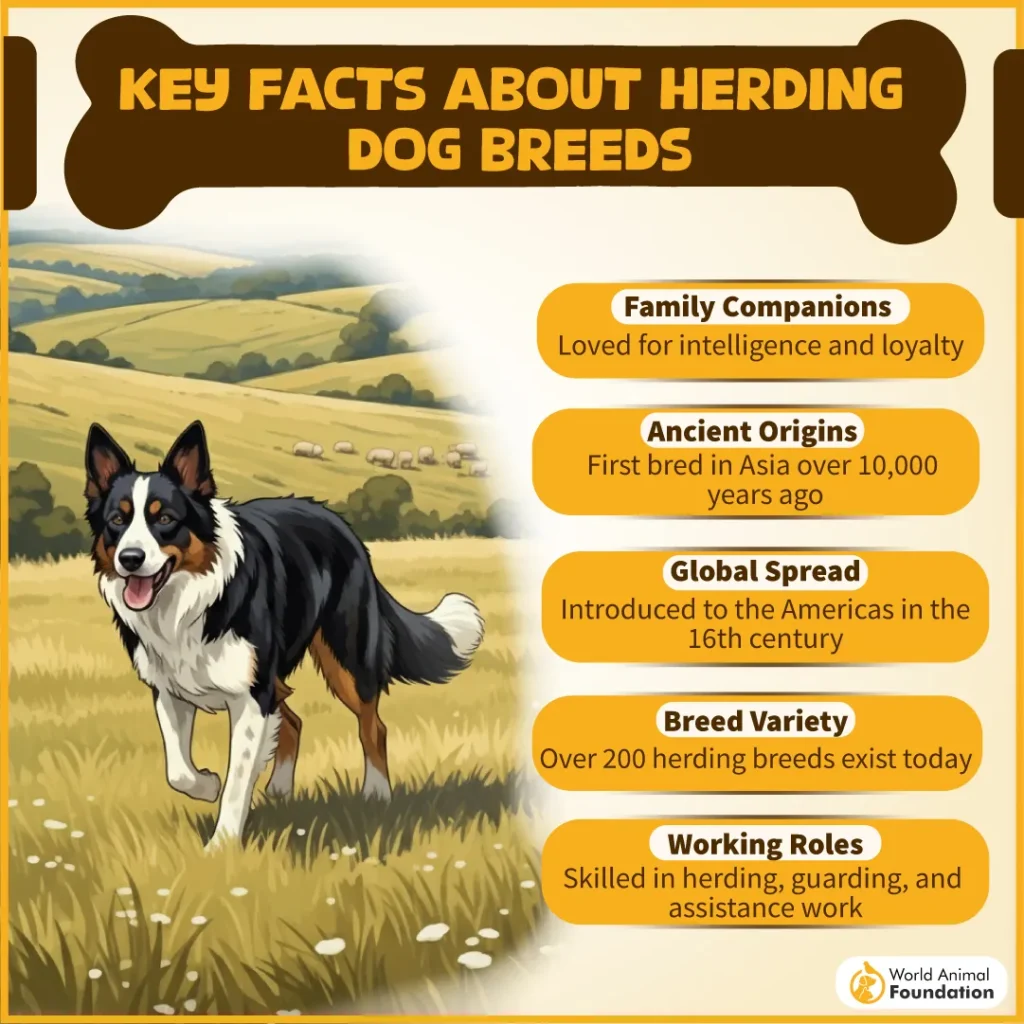
Herding dogs are a relief for farm owners. They can gather, control, move, and protect livestock from predators while you go about your day.
Choosing the right breed matters, though. These aren’t couch-potato pups. They are active, agile, work-oriented dogs. They rely on intense focus, agility, and posture to manage a flock, and some nip at heels to keep animals moving, so every herding dog has its own style and strengths.
In this guide, we share the best seven herding breeds, along with their styles and how they can help on your farm. You’ll also learn about their herding habits, build, exercise, training, and grooming needs. Understanding these is important because a dog that makes your work easier also needs care in return.
Herding Dog Breeds with Outstanding Working Instincts
1. Australian Shepherd
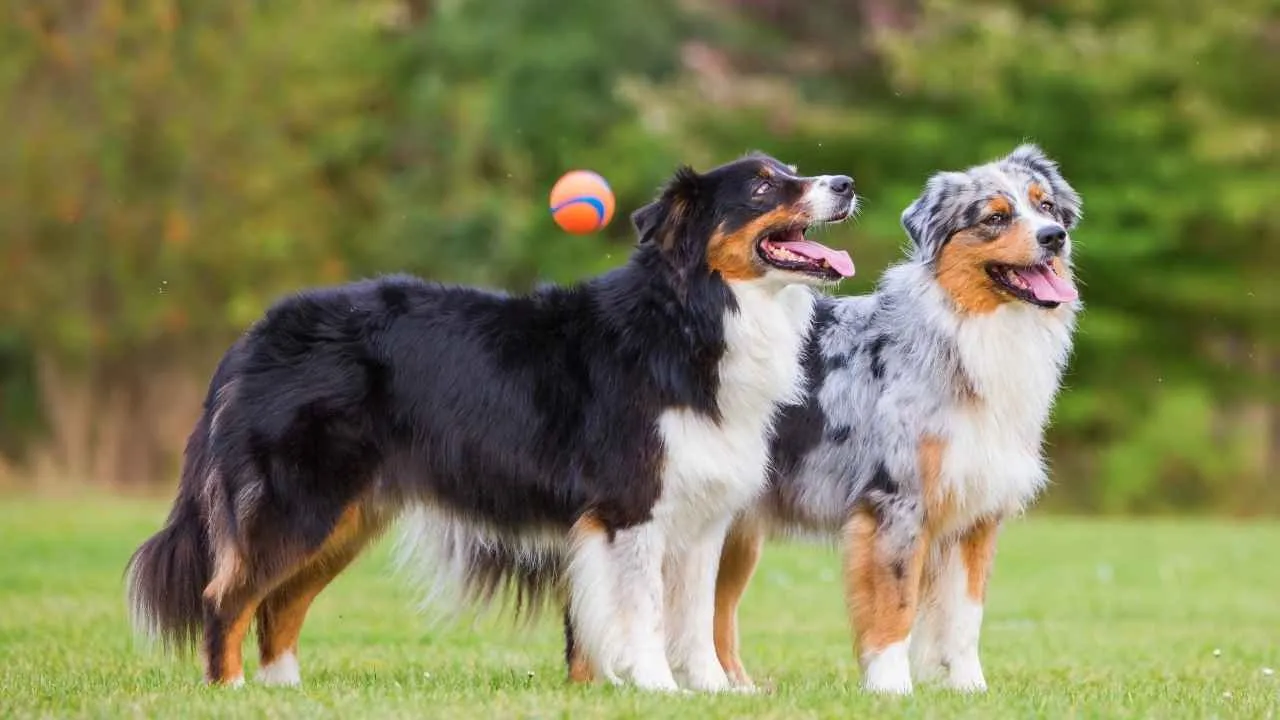
Australian Shepherds are affectionately known as “Aussies.” They are highly intelligent, loyal, and eager to please, with endless enthusiasm for life. These medium-sized dogs were originally bred as herding dogs to manage livestock, and they were developed as tough ranch dogs, as the AKC shares.
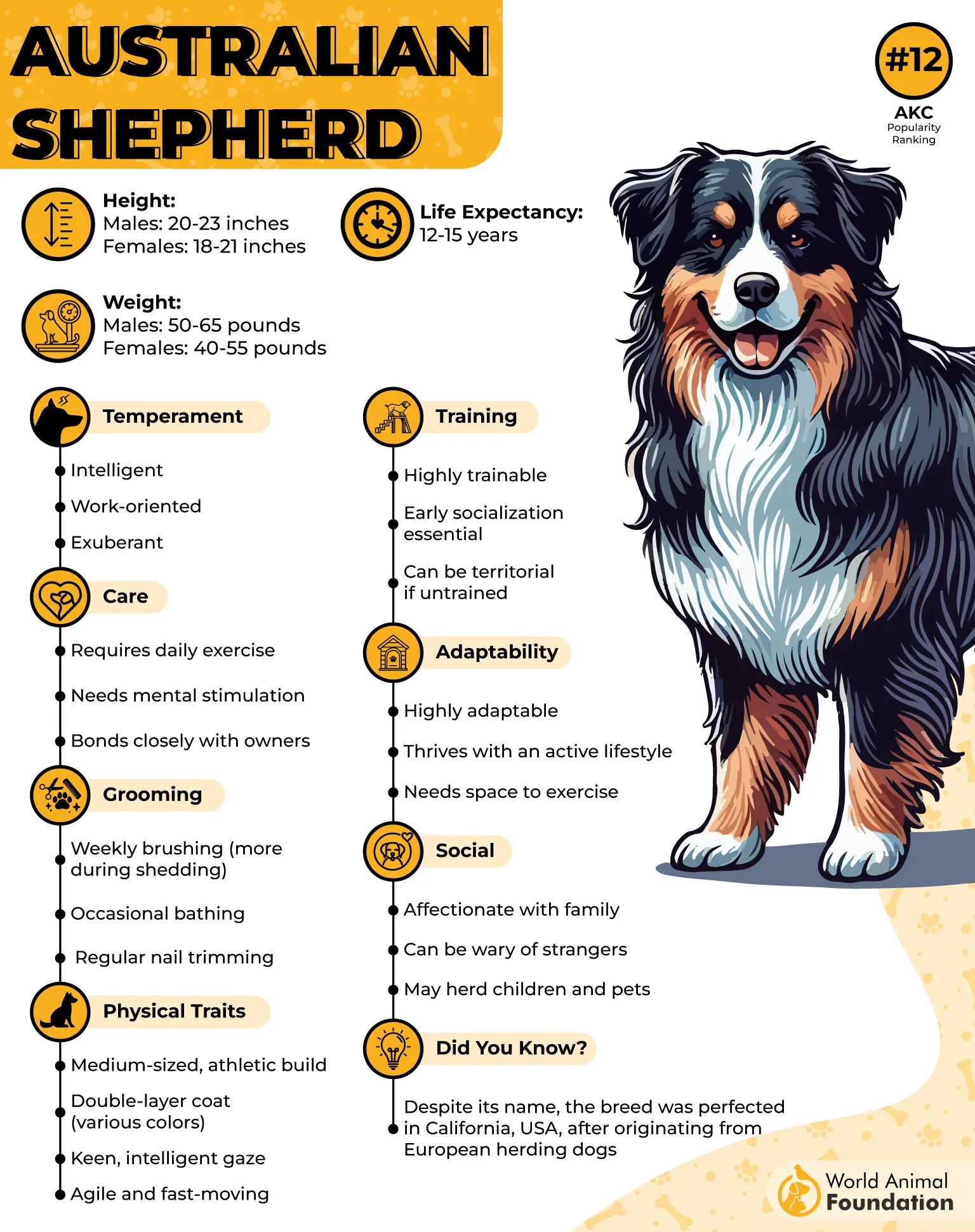
Aussies are loose-eyed heelers that work with an upright, active posture. They use a quick bark and nips at the heels to drive the flock forward. Without training, though, that nipping habit needs supervision, because they may try to herd children.
Australian Shepherds need 90 minutes or more of daily exercise, including long runs, agility training, fetch sessions, and similar activities. These working dogs are best suited to experienced owners who can manage their drive. They also have a medium-length double coat that needs regular brushing.
2. Australian Cattle Dog
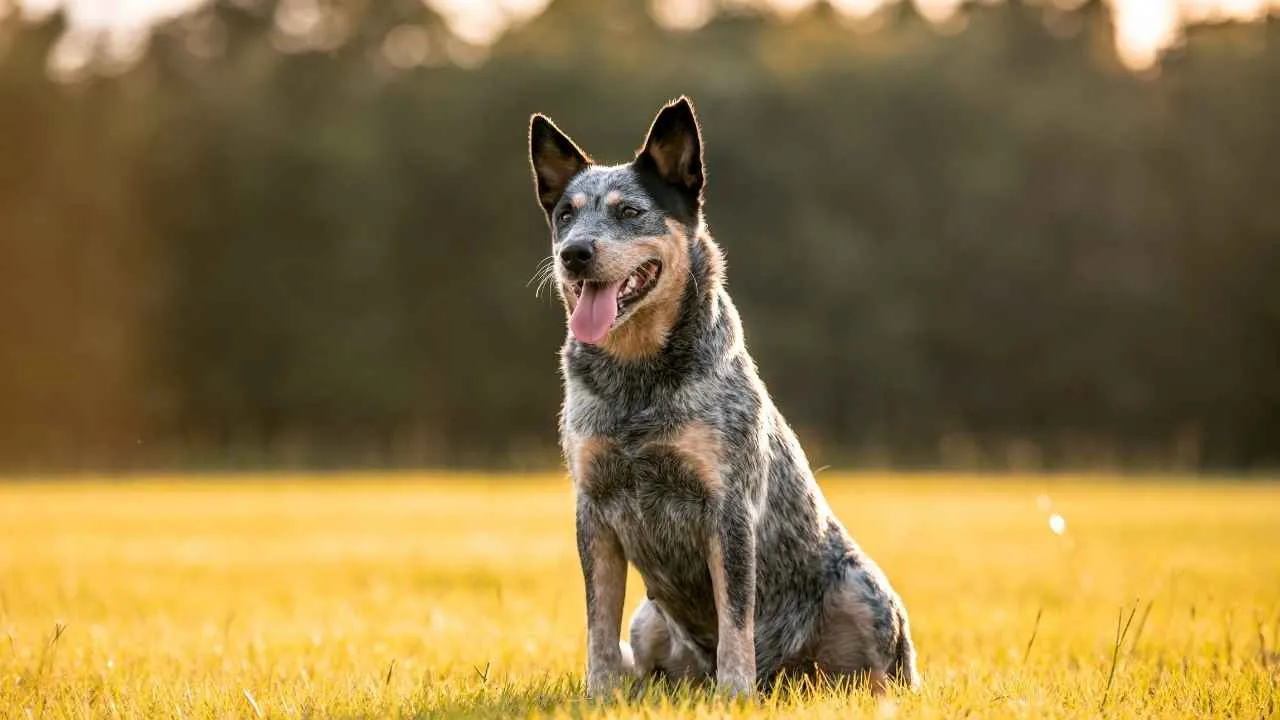
Australian Cattle Dogs are tough, incredibly loyal, and courageous. They form intense bonds with their chosen person and often act as a one-person or one-family dog. They are also famous as Red and Blue Heelers, named for their coat colors, according to the Royal Kennel Club.
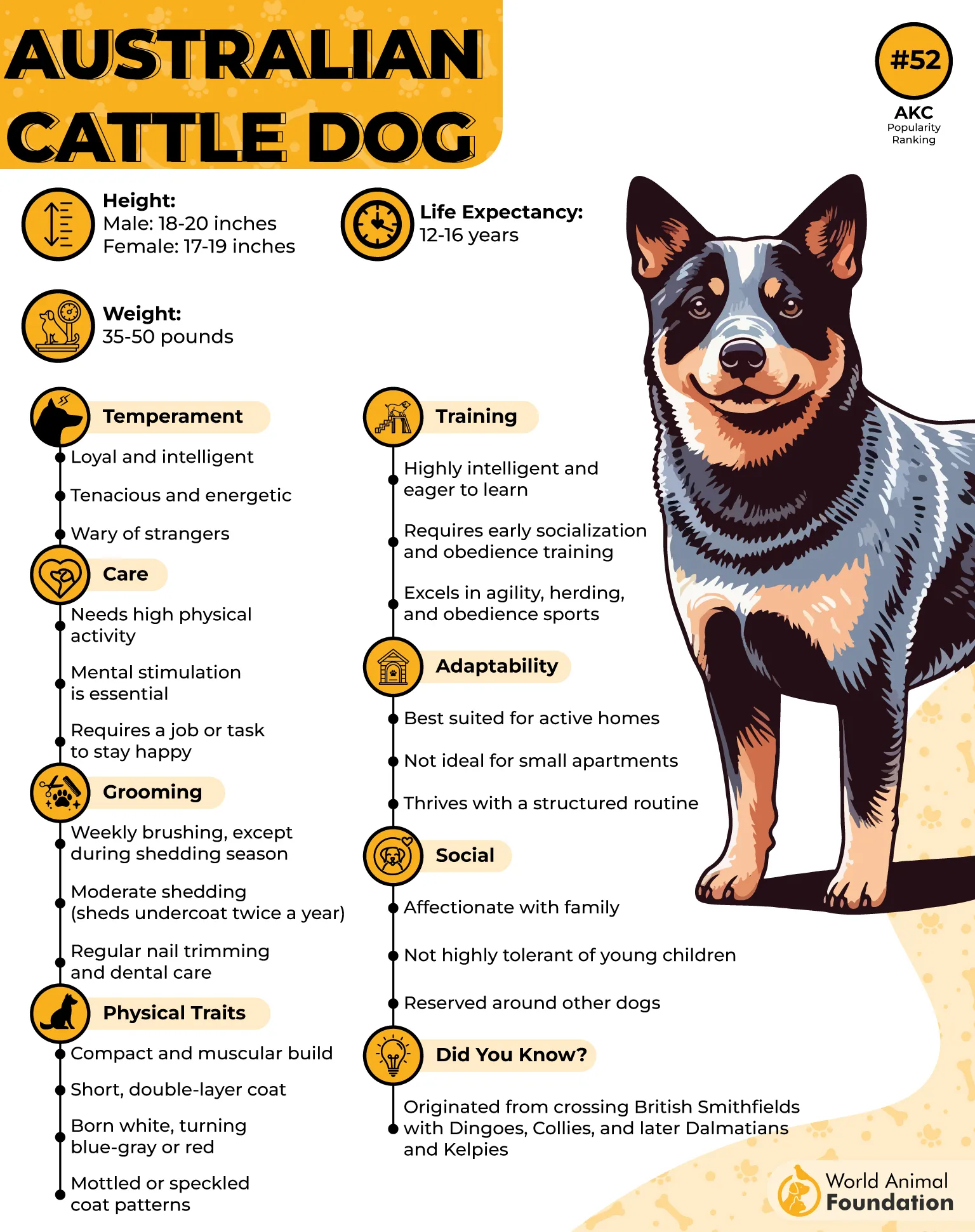
These working dogs are classic heelers, nipping precisely at the heels of stubborn, heavy cattle to keep them moving forward. They can drive herds over long distances without tiring easily. With their high stamina, ACDs need around two hours of vigorous exercise a day.
They are smart, but their independent streak means they don’t respond well to mindless repetition. Training should be firm, structured, and highly consistent, and these dogs do best with experienced owners. Australian Cattle Dogs have a short double coat that sheds moderately year-round.
3. Border Collie
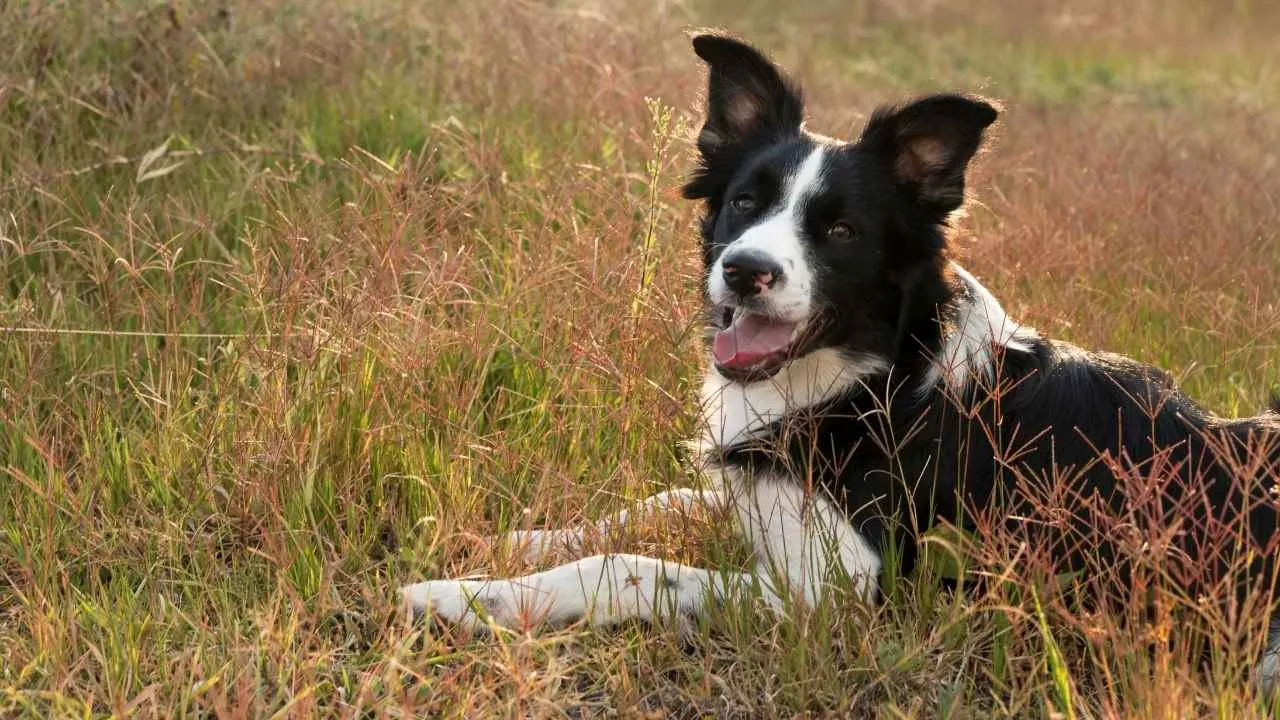
Border Collies are energetic, hypervigilant, and loyal herding dogs. They were originally bred to gather and control livestock across vast, challenging terrain using their famous intense stare, known as “the eye.” With incredible stamina, a hypnotic gaze, and a low, crouching stalk, they manage livestock with remarkable focus.
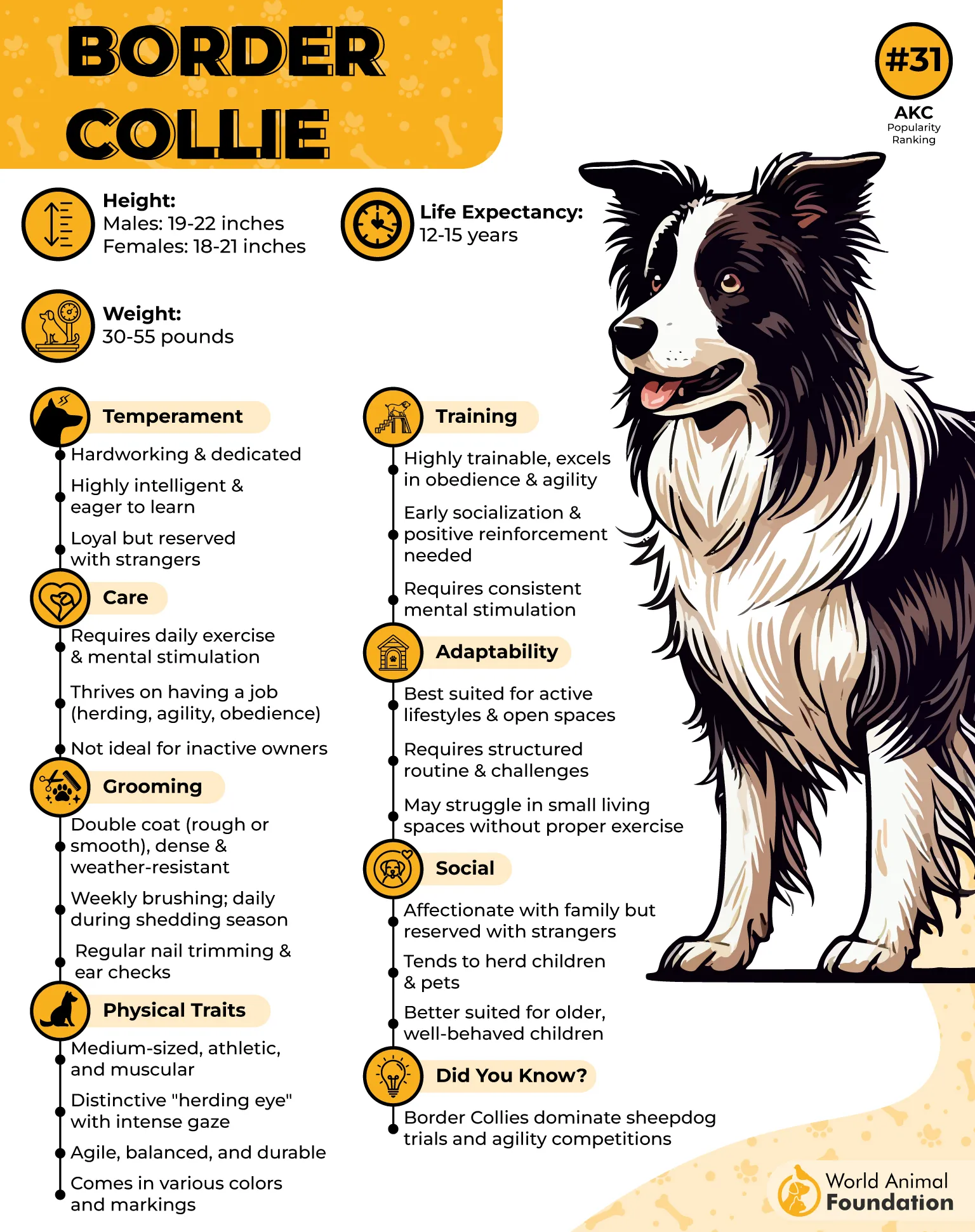
They control the flock’s movement from a distance, quietly and without barking or biting. These medium-sized dogs need plenty of vigorous exercise and mental stimulation. They are smart and generally easy to train, but their herding instincts are strong, so train them well before introducing them to other animals or children.
Border Collies come in two coat varieties: rough (medium-length and feathered) and smooth (short and dense). They shed moderately and need brushing two to three times a week with a slicker brush to prevent tangles and remove loose fur, especially around the legs.
4. Polish Lowland Sheepdog
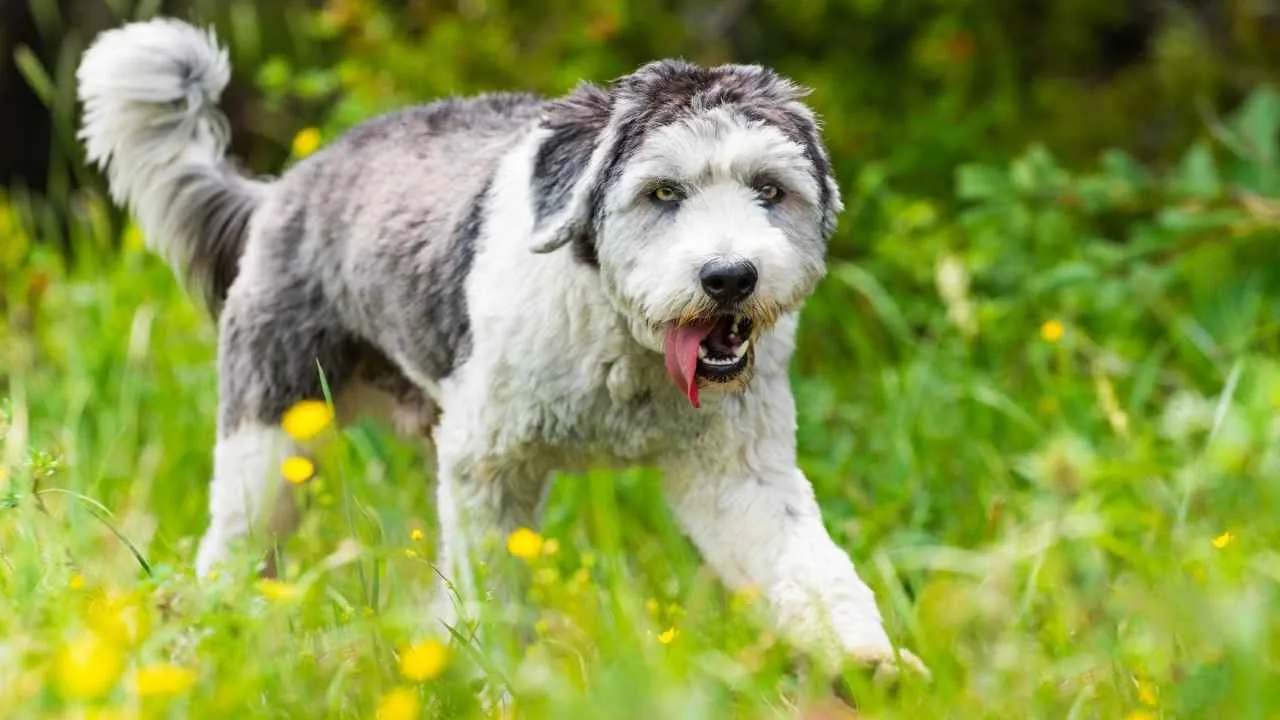
Polish Lowland Sheepdogs are affectionately known as “PONs.” They are confident, loyal, and lively dogs with a shaggy appearance. Polish farmers and shepherds developed them to herd and guard sheep and cattle across the lowlands.
That earned them another nickname, “Poland’s Farm Worker,” as VCA Hospitals mentions. These medium-sized dogs use a steady, purposeful approach to block, turn, and direct livestock. Their independent problem-solving and natural guarding skills make them reliable herding dogs for farmers.
PONs can be somewhat stubborn, so train them well to keep them from trying to herd children. Patience, consistency, and gentle methods work best. Their long coat doesn’t shed much, but it does need thorough brushing and grooming to remove loose hair.
5. Bergamasco Sheepdog
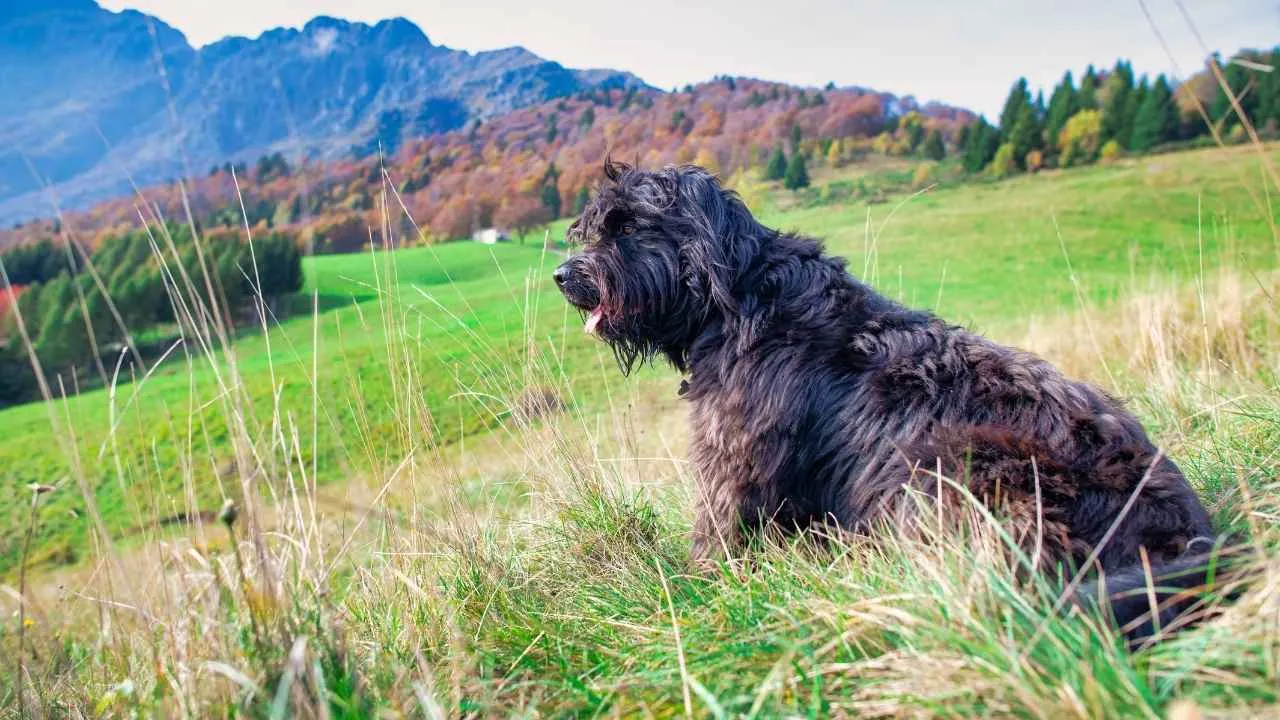
Bergamasco Sheepdogs are deeply loyal, patient, and intelligent, with a calm, thoughtful, and dignified demeanor. They were originally bred to protect and herd sheep across harsh, high-altitude mountain terrain, working as independent flock guardians and drivers.
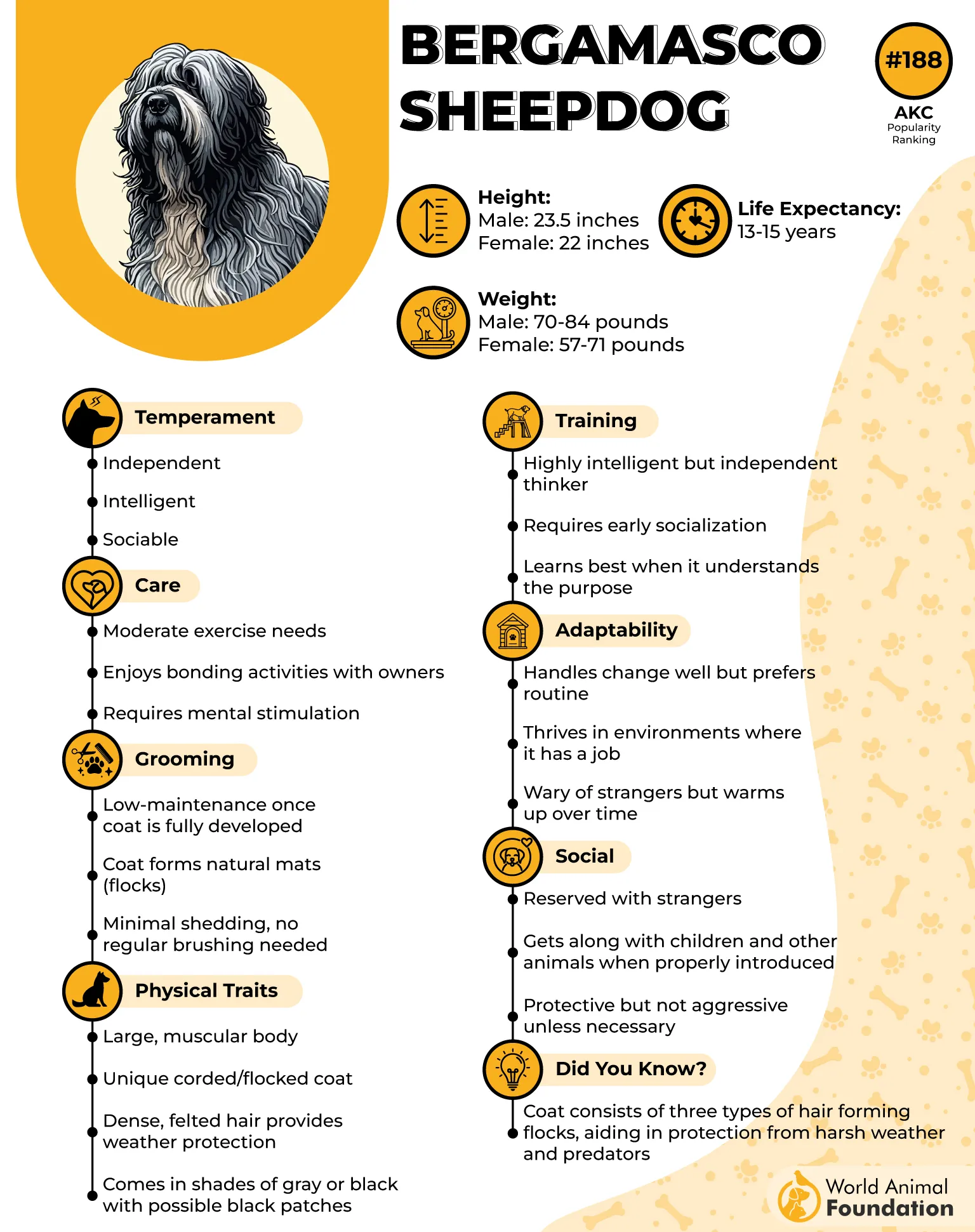
They manage the flock in cooperation with the shepherd and block stray animals. They think independently and make smart decisions without human direction. Bergamascos have moderate energy levels and need about an hour of daily exercise, according to PetMD.
They are smart but need consistent training with positive reinforcement. These herding dogs are best suited to experienced owners who can set clear boundaries. They also have a unique coat that naturally weaves together into dreadlock-like mats and barely sheds.
6. Pembroke Welsh Corgi

Pembroke Welsh Corgis are bold, affectionate, and highly intelligent dogs with a big-dog personality. They form strong bonds with their owners and have cheerful, fox-like expressions. They were originally bred as all-purpose farm dogs to herd cattle, sheep, and horses, and they are classic low-level heelers.
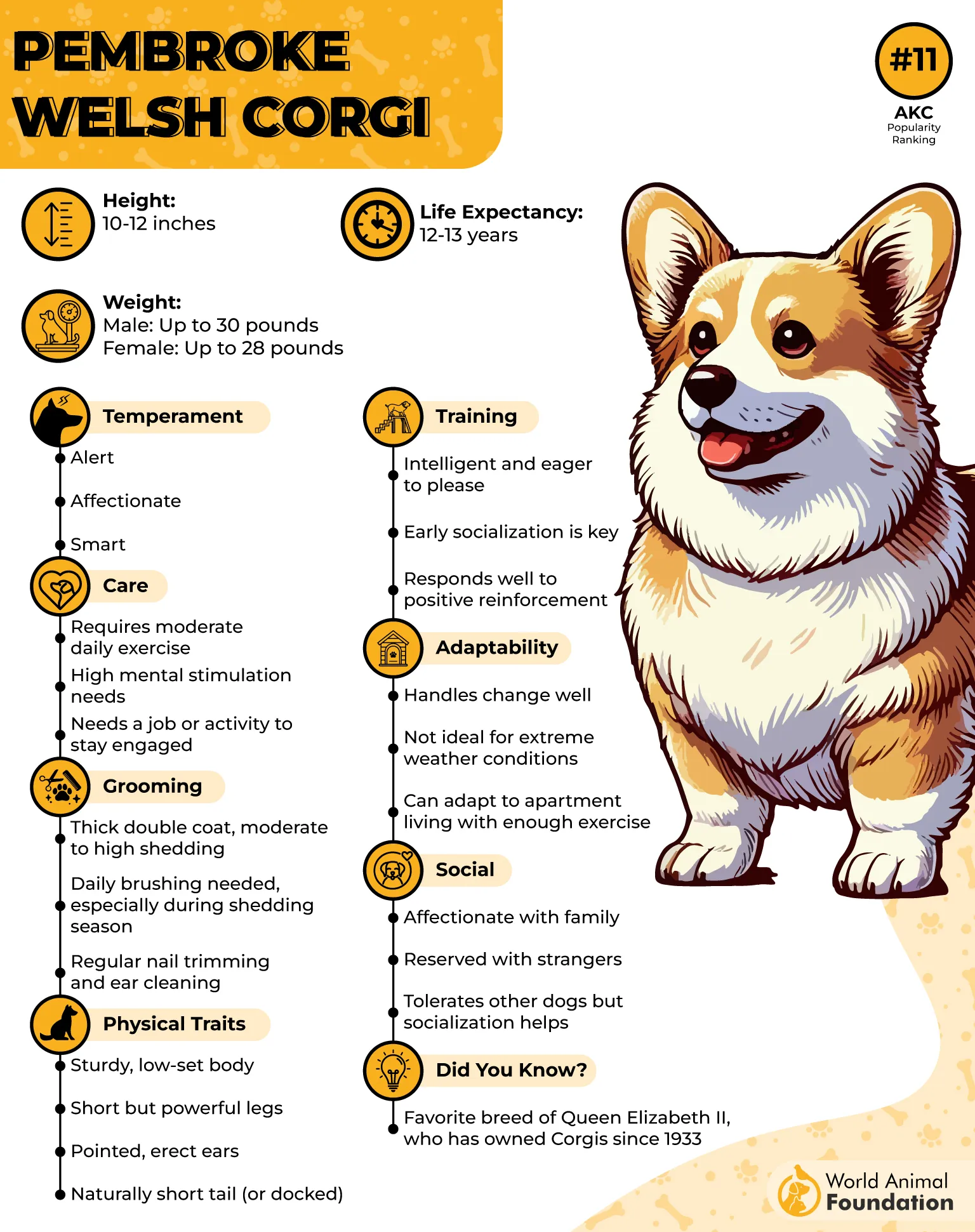
They control and move livestock across rugged pastures using speed and tactical positioning. Their fearless work ethic and sharp instincts made them invaluable to Welsh farmers. These small-to-medium dogs are active and need around 45 to 60 minutes of daily exercise.
Corgis are exceptionally smart and eager to learn, but they also have an independent, stubborn streak. They suit active owners and families, as well as dedicated first-time owners. Their medium-length double coat sheds and needs brushing two to three times a week.
7. Belgian Malinois
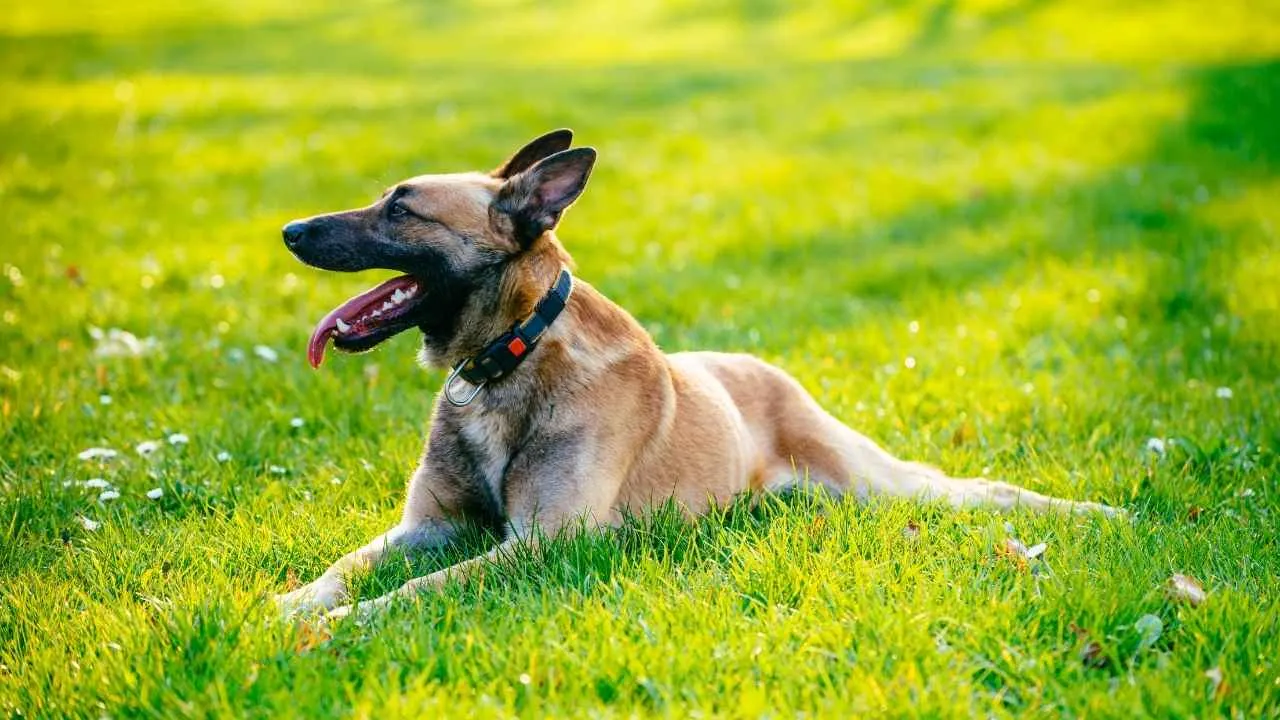
Belgian Malinois are intelligent, hypervigilant, and intensely loyal working dogs. They form strong bonds with their owners and were developed as versatile farm and herding dogs. These medium-to-large breeds are fast, athletic, and powerful, and they manage livestock by patrolling the perimeter.
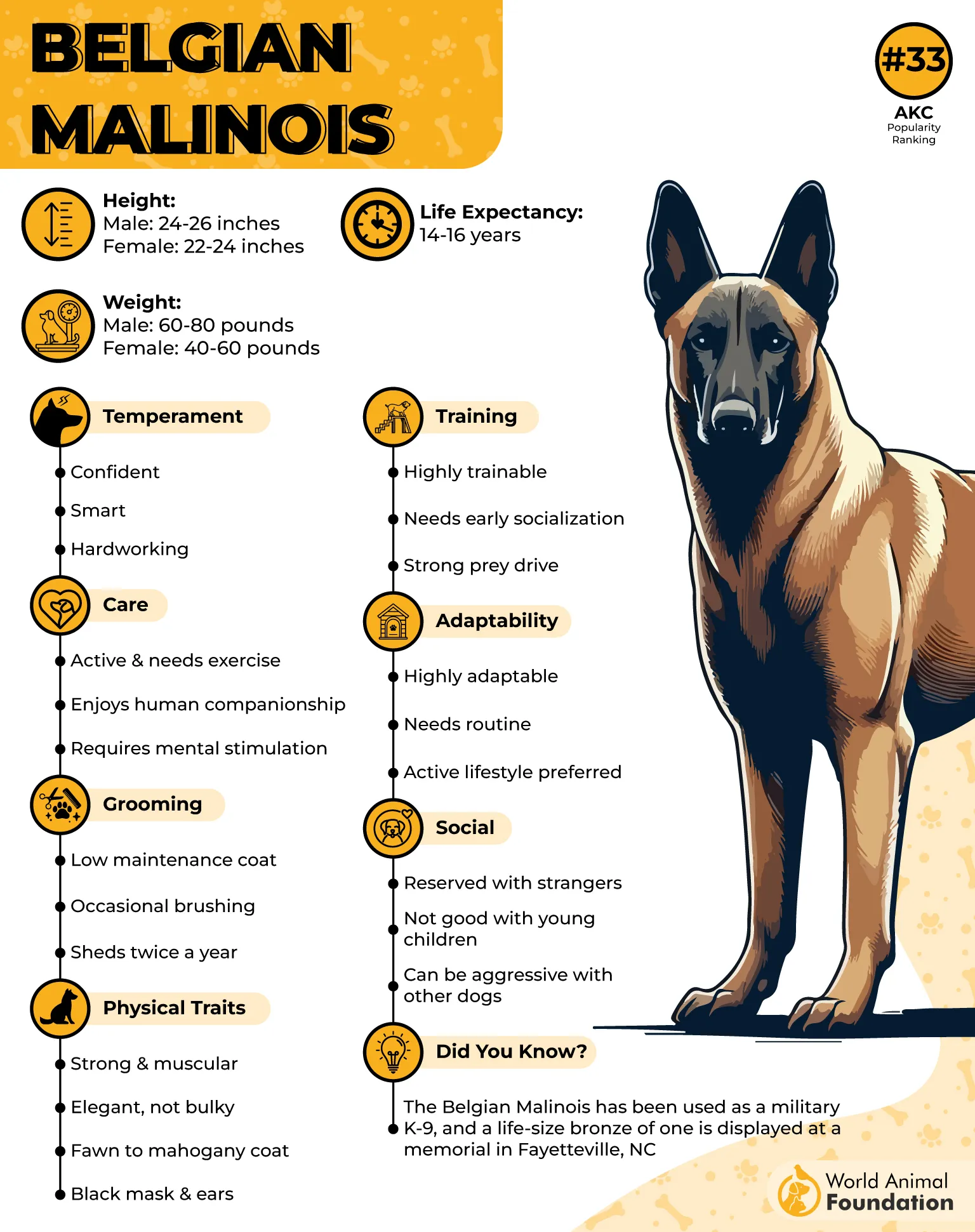
Their fast reflexes and devotion let them respond instantly to directional commands. Malinois have high energy levels and need two or more hours of vigorous daily exercise, along with plenty of mental stimulation. They are among the smartest breeds, but their high prey drive means proper training is a must.
They have a short, weather-resistant double coat that sheds moderately throughout the year and is fairly low maintenance. A quick weekly brushing removes loose hair and keeps the coat clean, though shedding can be heavy during seasonal changes.
Conclusion
The seven dog breeds above are well suited to farm work thanks to their herding backgrounds. Each one herds, gathers, and controls livestock in its own way. Some nip at heels, while others use a hypnotic gaze to move cattle and flocks forward. These dogs also differ quite a bit in their exercise and training needs, so be sure to read the details above before choosing.
